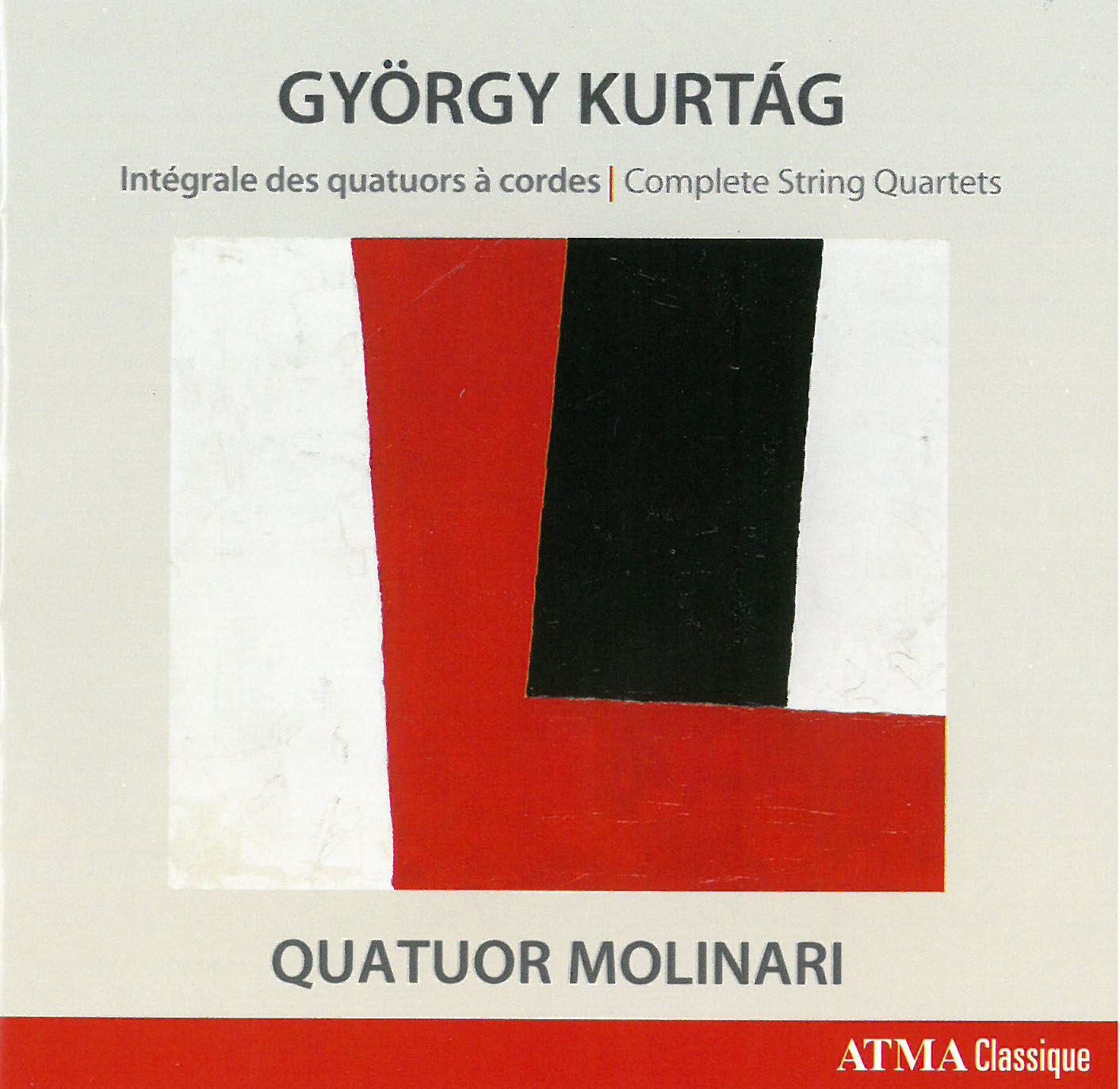
07 Kurtag MolinariGyörgy Kurtág – String Quartets
Quatuor Molinari
ATMA ACD2 2706

Review

Founded 19 years ago, Montreal’s Quatuor Molinari has become one of Canada’s pre-eminent interpreters of 20th- and 21st-century classical compositions, including those by Canadians. In this album however, they venture deep into the string quartet’s European-home geographic and aesthetic landscape.

Like his composer friend and colleague György Ligeti, the multiple-award-winning Hungarian composer György Kurtág (b. 1926) fled his home country following the October 1956 Hungarian uprising. Part of an exodus of a wave of some 200,000 Hungarians, Kurtág used his exile productively as an opportunity to study composition in Paris with Olivier Messiaen and Darius Milhaud. There he also discovered the modernist compositions of Anton Webern and plays of Samuel Beckett. These influences proved decisive in his chosen career.

On returning to Budapest, Kurtág composed his first String Quartet (1959). Dedicated to his psychotherapist Marianne Stein, the work is strongly redolent of the music of the Second Viennese School, while still expressing a personal compositional voice. Webern and Schoenberg can be heard throughout its disjunct dodecaphonic tonal language, its expressive extremes. The work’s tense, dramatic yet aphoristic six movements are riddled with enigmatic, destabilizing silences. It remains a very satisfying – emotional even – listen today. The composer dubbed it his Opus 1, its success launching his career internationally. Quatuor Molinari gives it a precise, clear rendering filled with a light-handed virtuosity, evident commitment and soul.

Kurtág followed his String Quartet with a number of works for these forces. Like his first opus, almost all reference composers, musicians and friends he admired. All are represented here. We hear an aesthetic continuity, certainly, but also one of technique and tone, though in later works hints of tonality peak through the skittering introspection. Kurtág’s music is superbly represented on this CD by Quatuor Molinari.
08 Traffic QuintetTraffic Quintet plays Alexandre Desplat
Traffic Quintet
Deutsche Grammophon 4812172

Shutting one’s eyes while listening to the music of Traffic Quintet plays Alexandre Desplat might actually be the best way to approach a collection of Desplat’s celebrated film scores. The act most certainly provides one with the opportunity to enter the dreamscapes for which they were intended. The profound air of these works triggers special journeys to the world of the cameo images from the films for which they were intended. The music is superb with its performers combining Desplat’s unique pictorial-dramatic and reflective approach that always leads to an intensity that has become the hallmark of the composer’s musical signature. Reducing the music’s essence into the quintet format has taken a special ingenuity; one that distills their aural content into the equivalent of a small frame.

For me, the real ace in the hands of Dominique “Solrey” Lemonnier’s Traffic Quintet is the haunting voice of Alexandre Desplat. It is heard most effectively on the more familiar themes: The King’s Speech, Girl With A Pearl Earring and Ang Lee’s Lust, Caution. Most human in their resonance and directness, folk-like in timbre and gesture, classical in lyrical construction, Desplat’s voice and his music defy categorization. Production values – and this is all due to the unique genius of Lemonnier and her Traffic Quintet – are excellent because of her animated, filmic orchestrations. The yearning brooding music of this disc may be somewhat desolate for some, but nevertheless yields rich and seductive soundscapes.

01 Stravinsky BartokStravinsky – The Rite of Spring; Bartók – Concerto for Orchestra
Park Avenue Chamber Symphony; David Bernard
Recursive Records RC2057001

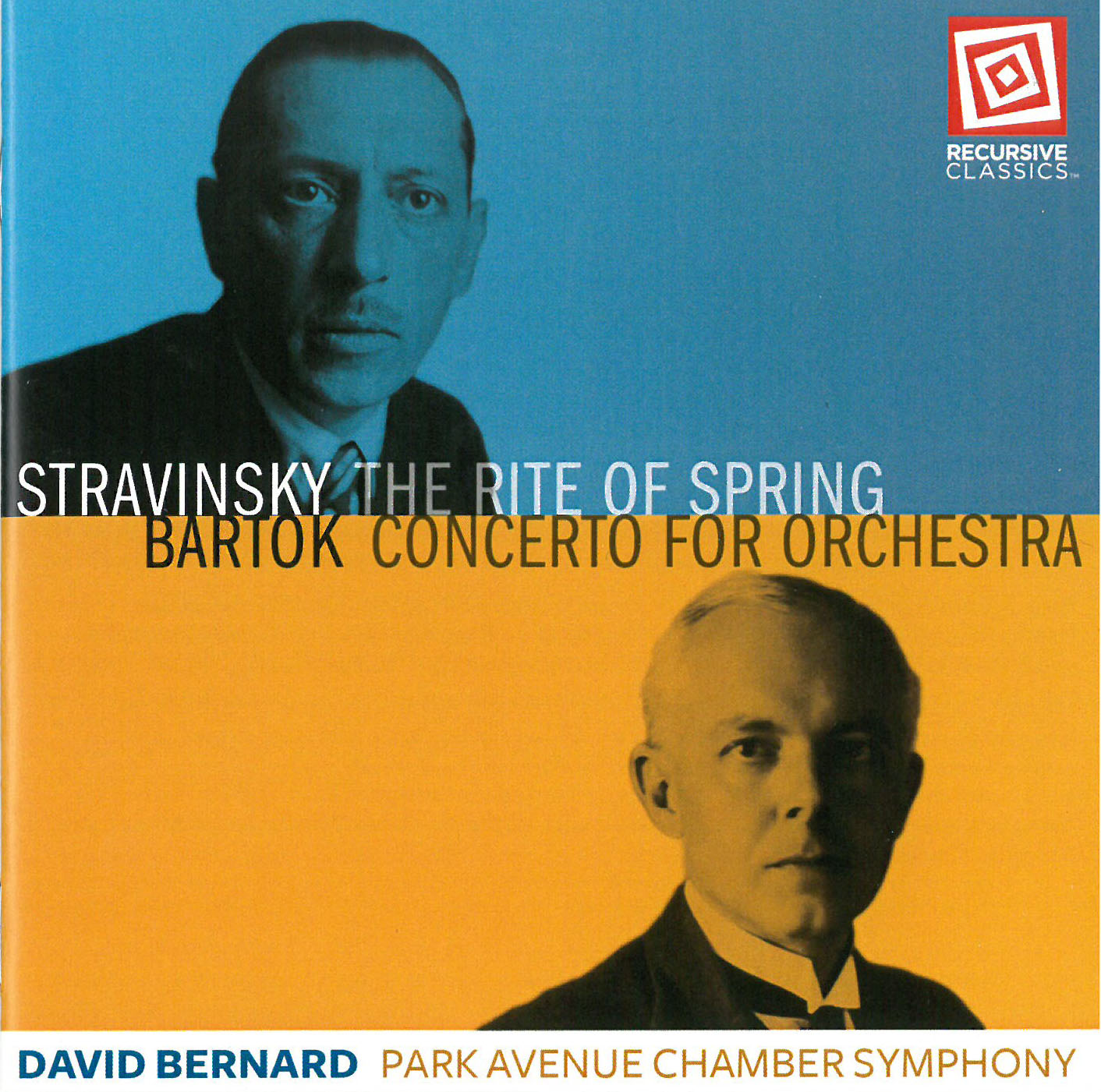
Did Bugs Bunny ruin The Barber of Seville for you? How about Merrie Melodies’ The Three Little Pigs with Brahms’ Hungarian Dance No.5? I have a particular eye/earworm of The Rite of Spring: I can never unsee the gorgeous choreography of Pina Bausch when I hear this piece. The Park Avenue Chamber Symphony’s recording is bright and clear and complements the rather dark storyline of the ballet. The First Part is a vital description of nature and leads with some urgency to the undeniable corporeality of the Second Part. The backbone of the piece, however, is Track 2, although I prefer my Augurs of Spring to be a little more heavy-handed than David Bernard’s version, such as the Cleveland Orchestra/Pierre Boulez take on it; I think this reflects Bernard’s interpretation, though, and does not make Stravinsky an inappropriate choice for this orchestra. (The Augurs of Spring always strikes me as a misplaced climax, though.)

The Bartók Concerto for Orchestra, known as a soloistic piece, also has a pure sound, which emanates from the musicians themselves and is perhaps also enhanced by the fine recording engineering. Again, the chamber symphony easily handles the piece’s gravitas with aplomb. Apparently, the movements’ tempi listed on the back cover differ from their historical provenance and this made me curious to hear it live under another baton: fortuitously, this will be possible when the TSO performs it on May 4, 2017, in a matinee led by Peter Oundjian.

This CD offers two excellent examples of early-20th-century Eastern-European composers who still captivate us technophiles with these elemental pieces that were based on European folk song.

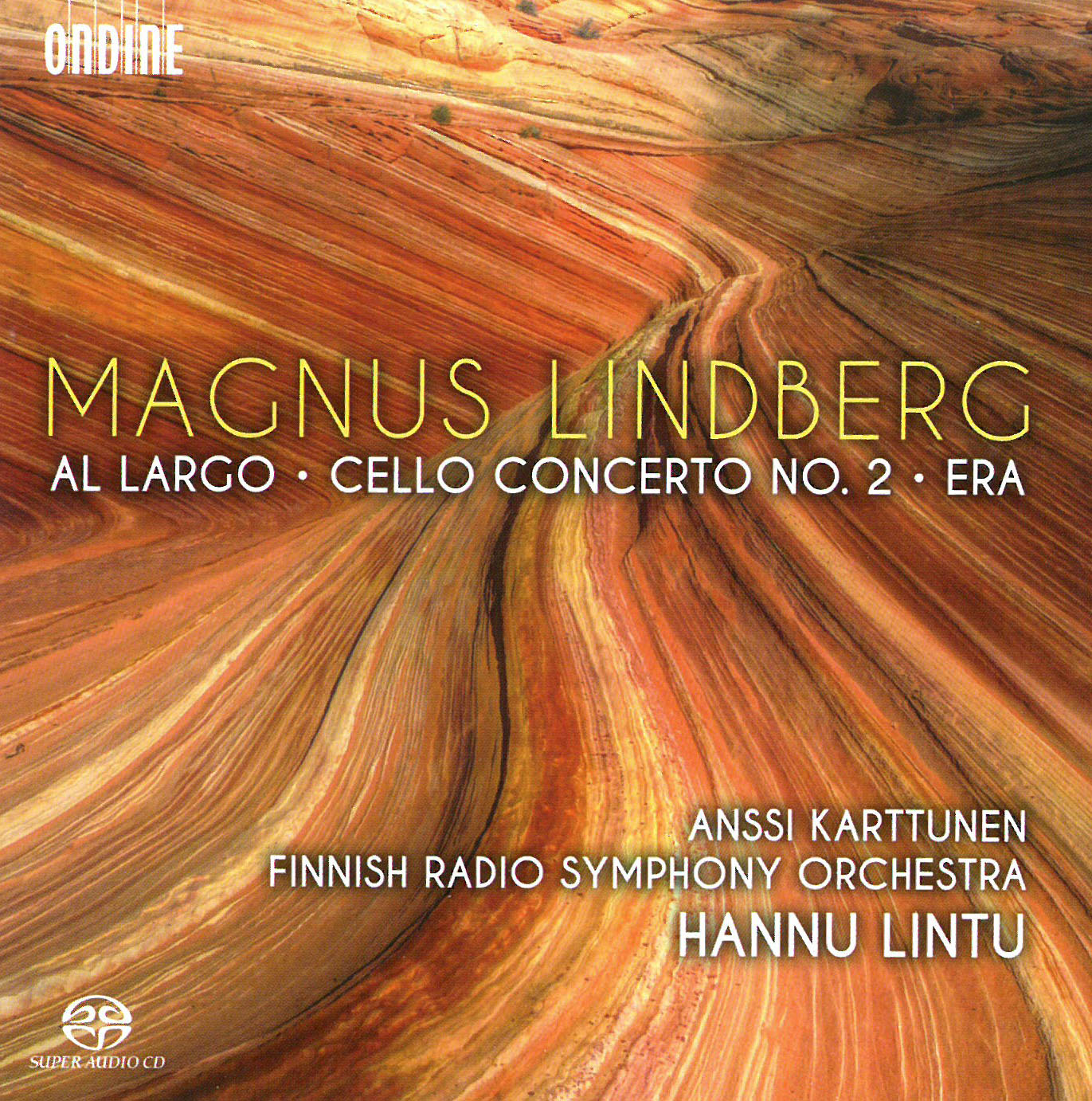
02 LindbergMagnus Lindberg – Al Largo; Cello Concerto No.2; Era
Anssi Karttunen; Finnish RSO; Hannu Lintu
Ondine ODE 12815

Magnus Lindberg’s recently released disc makes it clear why he is among the elite of current composers. Qualities in the music on this CD evoke huge structures or panoramic landscapes. One is drawn along past remarkable and startling shapes. He underpins contained bursts of lightning virtuosity (electric, never frantic) with tectonic brass chorale movement. As an orchestrator, it is fair to compare him with Strauss, Ravel and his compatriot Sibelius. He quotes or references each of them.

An Italian term meaning “out of sight of land,” Al Largo subverts expectations. Lindberg (as paraphrased in the liner notes) contends this is the fastest music he has ever written, but I was more impressed with the sheer speed in some of the writing elsewhere, especially in Era. Both pieces are wonderful workouts for the Finnish Radio Symphony Orchestra under Hannu Lintu. Everything seems so sensibly written, I’m willing to bet the musicians love to play it no matter the difficulty. The writing is starkly sectional with bracing shifts of tempo and character. Cloudy swatches of spectral writing are blown clear by woodwind flourishes and massive brass chords.

The other work, the Cello Concerto No.2, follows a three-movement format with no breaks between. Gorgeously played by Anssi Karttunen, the serious and substantial first movement imperceptibly slides into a serious, substantial-but-shorter second movement with cadenza followed by the obligatory tutti response and coda, into a Presto to begin and a Romanza to conclude the Finale.

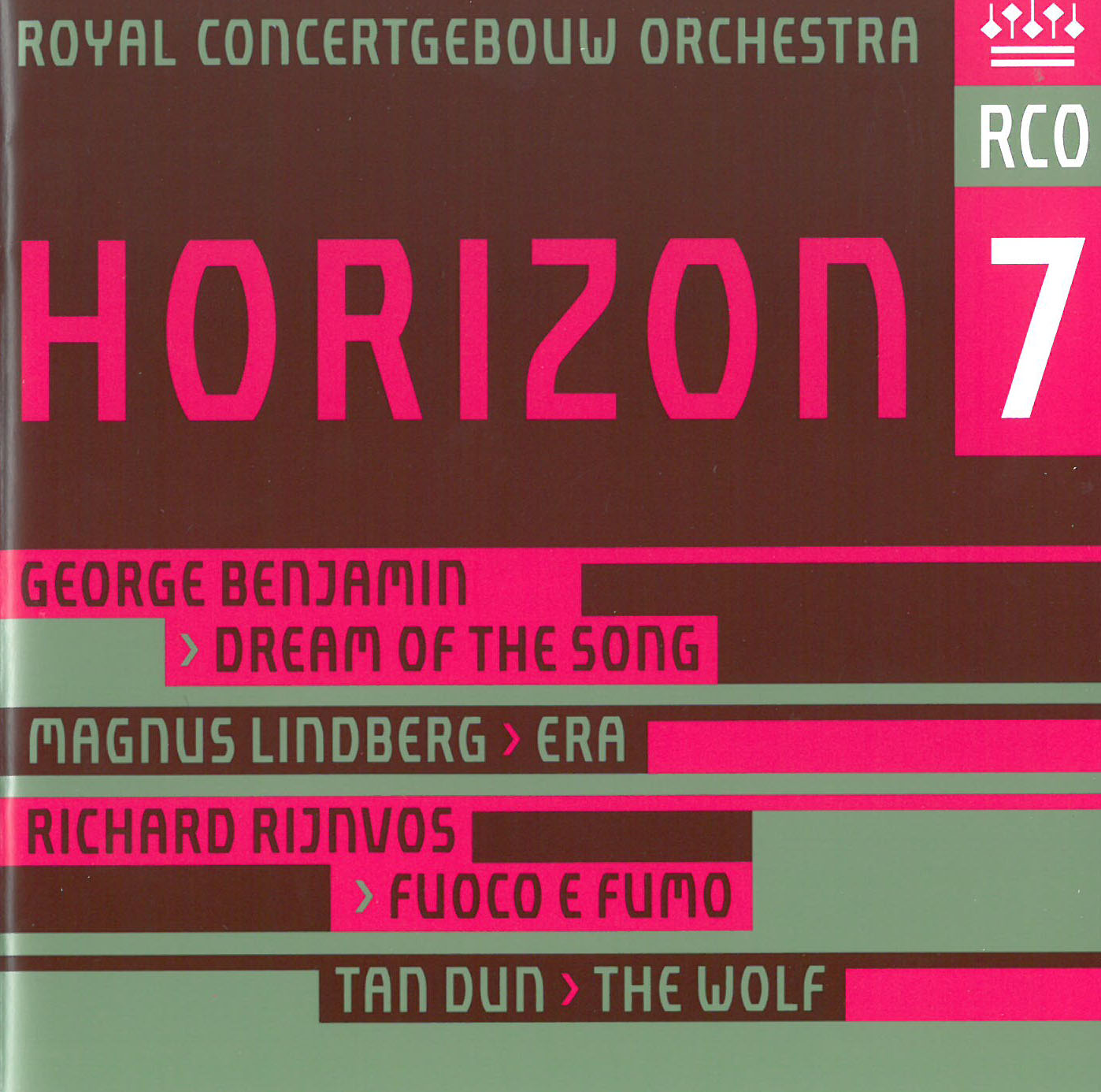
03 RCO Horizon 7Horizon 7 – George Benjamin; Magnus Lindberg; Richard Rijnvos; Tan Dun
Royal Concertgebouw Orchestra; Mariss Jansons
RCO Live RCO 16003 (rcolive.com)

Horizon 7 features significant, contrasting works by established composers. With texts by two 11th-century Hebrew poets and Federico García Lorca, set for countertenor, women’s choir, and orchestra, George Benjamin’s Dream of the Song evokes reflections on voice and mood. A sultry Andalusian atmosphere is created not by lush harmony, but by an advanced idiom with hints of ancient and modern scales, delicate orchestration and astonishing vocal sound and imagery. Bejun Mehta’s singing is outstanding and the Concertgebouw strings and winds are especially notable. The burning down of Venetian opera house La Fenice in 1996 inspired fuoco e fuma (fire and smoke) by Richard Rijnvos. The sonic representation of licking flames and the relentlessness and unpredictability of the fire’s progression are extraordinary.

In Magnus Lindberg’s Era, the Finnish composer builds on a compositional process from Sibelius’ Fourth Symphony and other developments in 20th-century music. The Concertgebouw brass and percussion shine in Lindberg’s masterful orchestration. Era opens brilliantly; later, I feel a lack of original, memorable ideas that would make the sense equal to the marvellous sound. Concertgebouw principal double bassist Dominic Seldis has a rare solo opportunity in Tan Dun’s The Wolf. Open strings, harmonics and pentatonic melodies create resonance and colour in the instrument, while diverse bowing effects generate excitement in the fast sections. A Mongolian two-stringed fiddle becomes the source of a folk song and a sliding expressive style for the double bass in this unique work. Highly recommended.

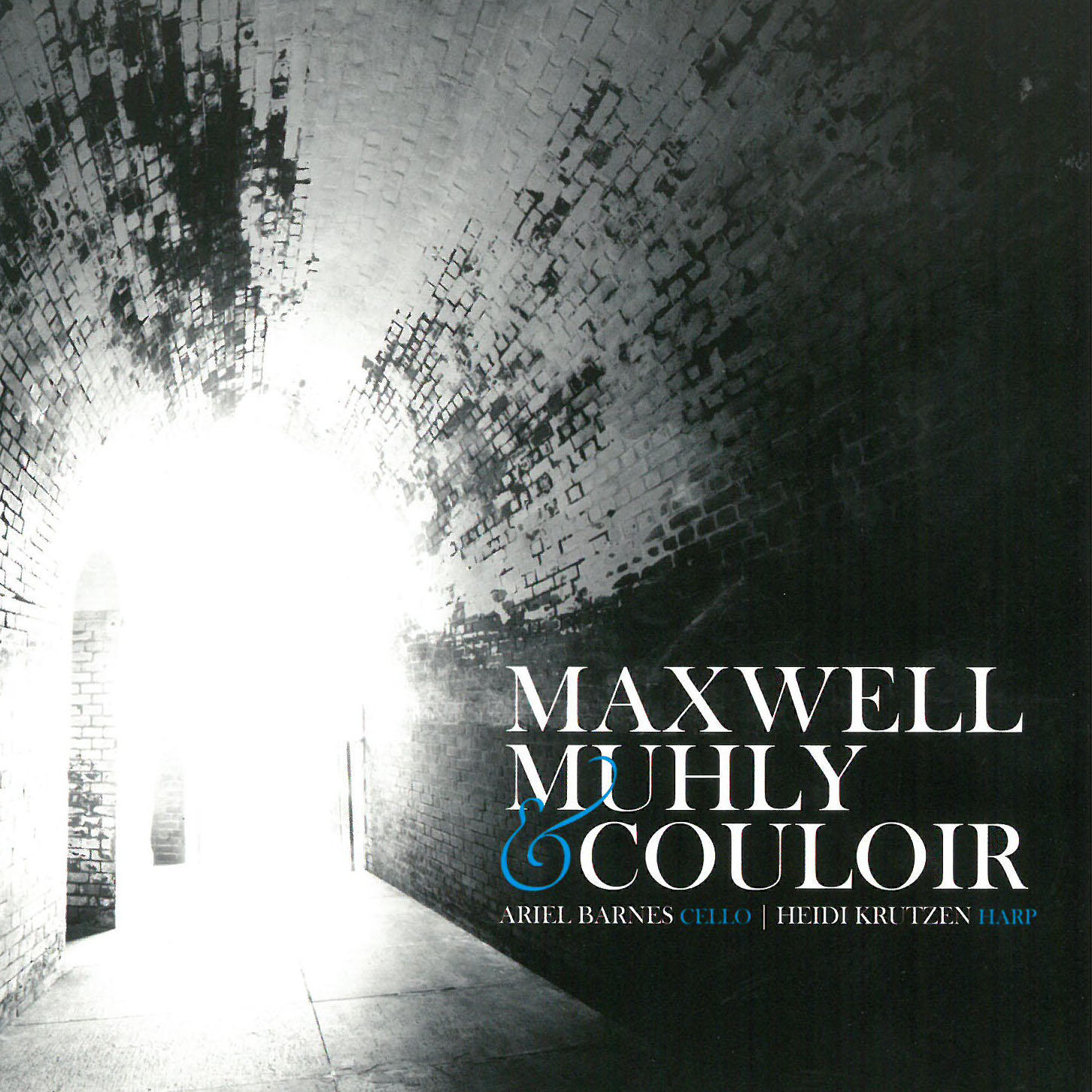
04 Muhly CouloirMaxwell, Muhly & Couloir
Ariel Barnes; Heidi Krutzen
Ravello Records RR7932
(ravellorecords.com)

Since 2010, Couloir – the duo of cellist Ariel Barnes and harpist Heidi Krutzen, respectively principals of the Vancouver Symphony and Vancouver Opera Orchestra – has been performing, commissioning and recording music for this unusual combination of instruments.

This CD offers two works, one of them in two versions. Vancouver-based James B. Maxwell (b.1968) calls Serere (2012) “the concert music incarnation” of his ballet score Double Variations, commissioned by Ballet Kelowna. The first version of Serere (Latin for compose/contrive/interweave), just under 20 minutes, interweaves moods of dreamy meditation, restless anxiety and melancholic resignation. The cello provides the strong melodic content, supported by the harp’s harmonic figurations. The second version takes six minutes longer, having an added electroacoustic track featuring percussive rhythms and the scratching sound of a pencil on paper (Maxwell’s ballet dealt with themes of writing and calligraphy). The track adds considerable texture, colour and energy, making the piece much more urgent and turbulent than the predominantly reflective first version.

Sandwiched between the two is a nine-minute piece by American Nico Muhly (b.1981). In the booklet notes, Muhly describes Clear Music (2003) as “an extended exploration of a single measure” in Renaissance composer John Taverner’s motet Mater Christi Sanctissima. Here, Couloir is joined by Maryliz Smith on celeste. As in Serere, the cello leads with yearning, searching lyricism, here embellished by the magical tinklings of harp and celeste.

Fascinating listening throughout.

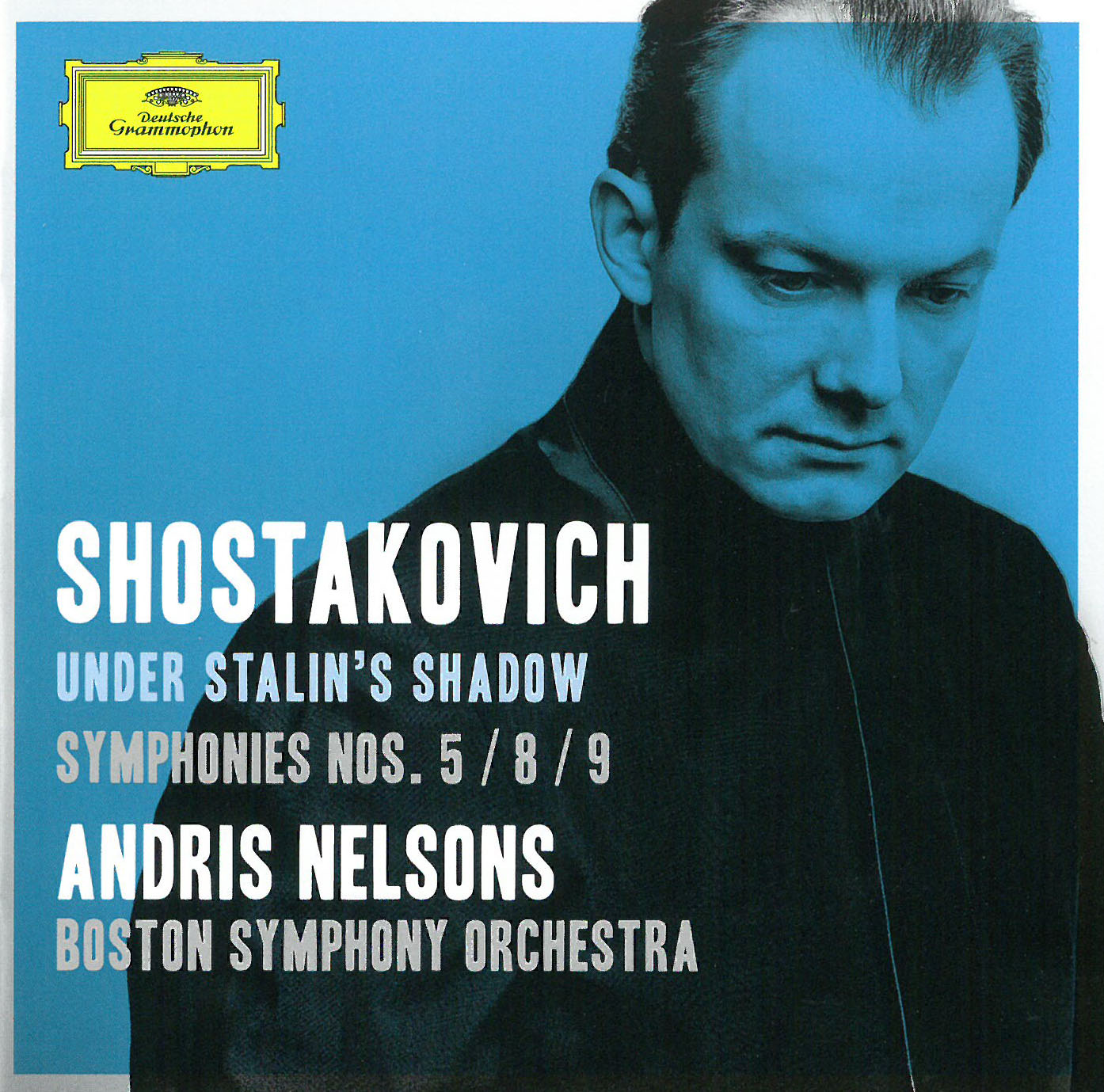
01 Shostakovich Stalins ShadowShostakovich – Under Stalin’s Shadow: Symphonies 5; 8; 9
Boston Symphony Orchestra; Andris Nelsons
Deutsche Grammophon 479 5201

Review

At various times during his illustrious career, Dimitri Shostakovich was roundly criticised for being either too close or too far from the Communist cause. However, when he died in 1975 there were very few who could deny that he was the last of the great composers whose qualities were acknowledged throughout the Western world in both the modernist and traditionalist camps. Indeed Shostakovich was celebrated as the finest composer of the 20th century. Even those who did not rate him quite so highly would argue that he was one of modern music’s most fascinating characters. The idealistic Shostakovich spent his entire life under the Soviet system and believed that it was his responsibility to serve the state as an artist, and he settled down to composing “realist” music, albeit with a progressive edge.

Any performance of Shostakovich has to contend with the Leningrad Philharmonic Orchestra’s iconic concerts, under the baton of Yevgeny Mravinsky, legendary for his incisive presentations bereft of sentimentality and strain. However Andris Nelsons’ Symphonies Nos.5, 8 & 9 with the Boston Symphony Orchestra have a sublime technical polish. In the case of Symphony No.5, there is no doubting the sincerity of the performance or the dignity with which the desolate vision is communicated. The Scherzo will forever be remembered for its glorious flow. Nelsons’ Symphony No.8 occupies the middle ground between the impassioned extremity of many Russian recordings and the sleek angst-free tones of many Western interpretations. His version is decidedly more intense, anguished and powerfully dramatic. The writing of Symphony No.9 has decidedly less of the daring precocity of Shostakovich’s First or the anguished bitterness of his 15th Symphony. Nelsons’ Ninth has all the characteristics that the master intended it to have including the marvellous tutti, finely honed themes and an almost celestial transparency and lightness.

The Suite from Hamlet is a masterpiece of rage and madness. Dramatized by Shostakovich in a daring musical exegesis of Shakespeare’s best-known tragedy, it caps a most enduring performance of Shostakovich by the Boston Symphony Orchestra and Nelsons.

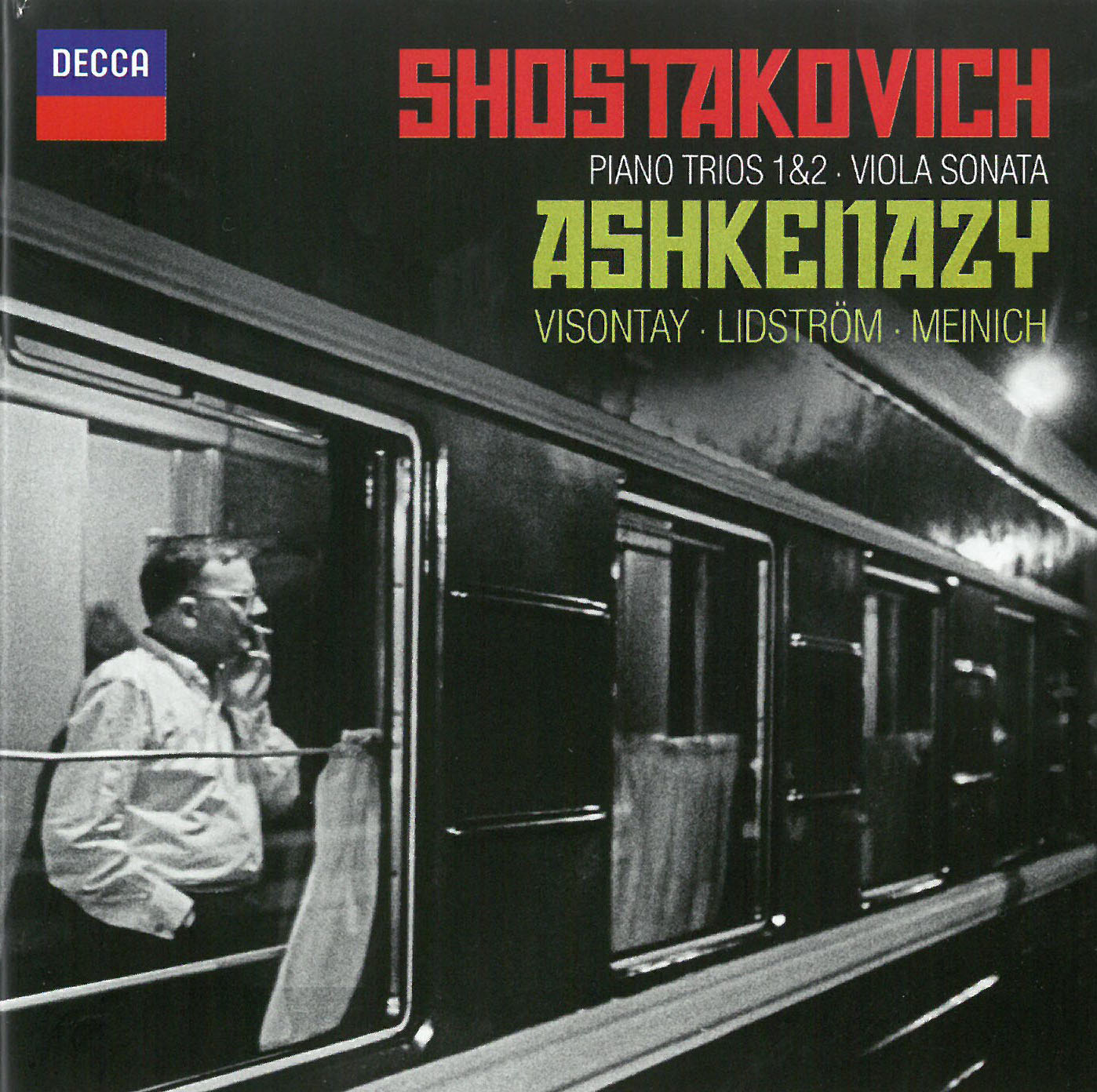
02 Shostakovich Piano TriosShostakovich – Piano Trios 1 & 2; Viola Sonata
Ashkenazy; Viontay; Lidstrom; Meinich
Decca 478 9382

The three chamber music works featured on this recording were written during three distinct stages in Shostakovich’s life (1923, 1943, 1975), showing the development of what was to become his unmistakably unique musical expression. Shostakovich wrote Piano Trio No.1 at the tender age of 17 and dedicated it to the girl he was in love with. Already in place are the typical Shostakovich elements that became more pronounced in the Piano Trio No.2 – singing melodies, textural use of string pizzicatos, percussive piano, chromatic scales and a hint of the grotesque. The second trio was dedicated to Ivan Ivanovich Sollertinsky, Shostakovich’s greatest friend who had died suddenly shortly before. The opening theme is ethereal, muted and lonesome. Nestled in between two lively, swaying and occasionally dense movements is Largo – a sorrowful ode, a yearning lament in the face of inevitability.

The Viola Sonata was written in the last few weeks of Shostakovich’s life. It is quite different from his previous works – sparse, with subdued yet powerful colours, 12-tone scales and musical quotations, most notably from Beethoven and Shostakovich himself, sombre throughout.

The intensity of Shostakovich’s music is matched by the captivatingly intense performances of these extraordinary musicians – Vladimir Ashkenazy (piano), Zsolt-Tihamér Visontay (violin), Mats Lidström (cello) and Ada Meinich (viola). Here we hear it all – the pain, turmoil, despondency, soaring, playfulness, raggedness, tenderness and radiance. These musicians bring out every colour, every nuance, every motif with astounding conviction and utmost respect for the great composer.

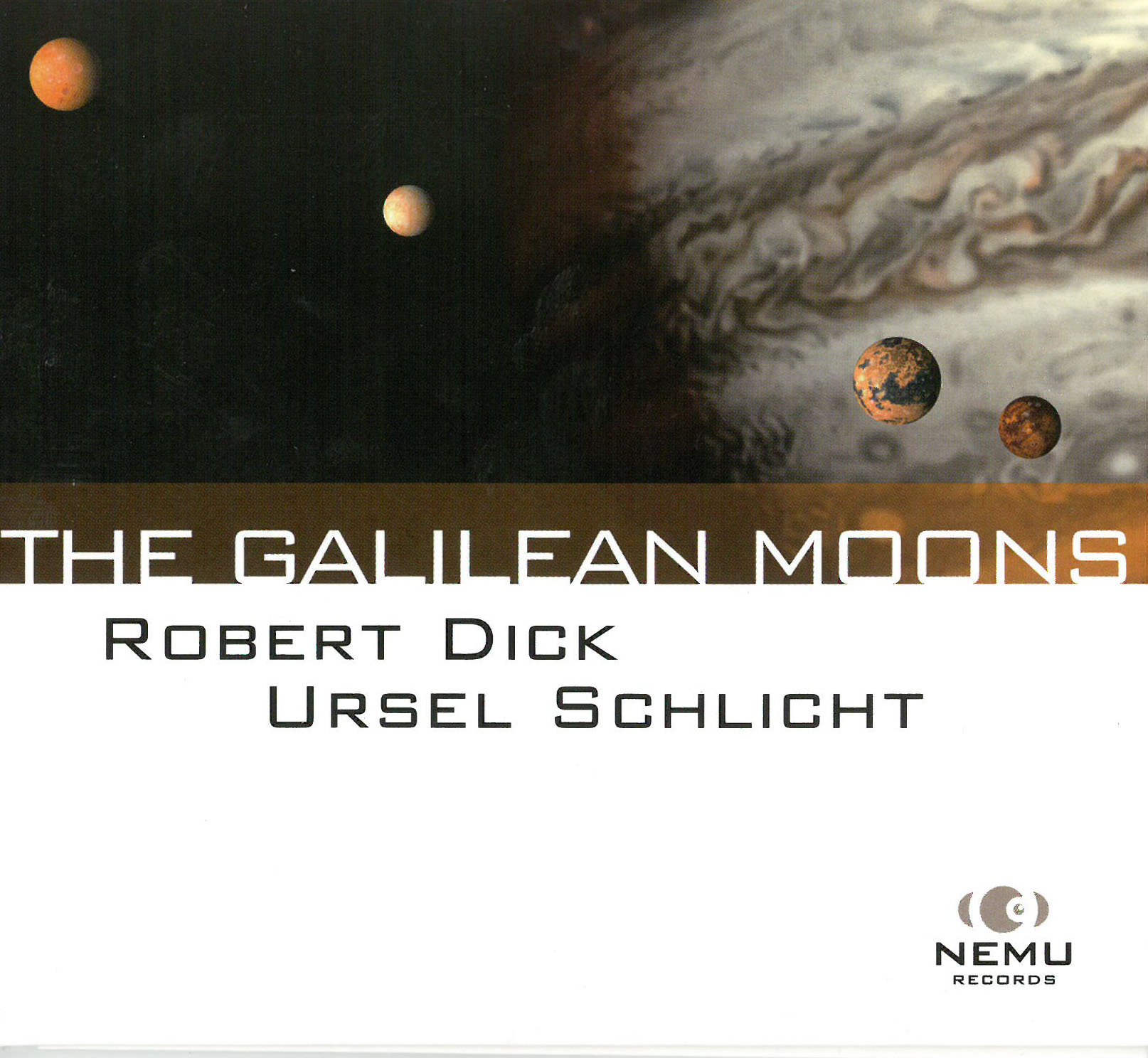
03 Galilean MoonsThe Galilean Moons
Robert Dick; Ursel Schlicht
Nemu Records NEMU 017 (robertdick.net)

American extended flute master Robert Dick is renowned among contemporary flutists for his five-decade-long contribution to radically expanding the concert flute’s sounds, performance practice and repertoire. His work serves as a cornerstone of the flute avant-garde.

First published in 1975, his definitive reference work for flutists and composers The Other Flute: A Performance Manual of Contemporary Techniques remains in print and in demand. His contribution to flute hardware, the Glissando Headjoint®, was inspired by the electric guitar whammy bar. This telescopic flute mouthpiece designed by Dick allows downward glissandi from every note enabling the production of voice-like phrases and otherworldly sounds not heard before emanating from the flute.

Dick makes use of many of the extended flute techniques he’s catalogued, as well as his pitchbending headjoint, to evoke four contrasting extraterrestrial soundscapes in the album’s centrepiece The Galilean Moons. The four-movement suite co-composed by Dick and pianist Ursel Schlicht evokes, at times viscerally, the distinct physical environments found on each of Jupiter’s four moons.

The five other works on this album assay a tremendously wide sonic and emotional vocabulary ranging from Dark Matter, in which Dick recites texts used by Internet spammers through the unusual contrabass flute, to Dick’s multi-movement work Life Concert. The latter explores European atonalism, in places haunted by the ghost of the blues, but also enriched by explicit references to African and Indian music. The piano’s strings emulate the sound of the kalimba at one point, while the primary theme of the final movement echoes aspects of the Hindustani raga Multani.

Expect a surprising and ear-opening journey from this veteran intergalactic flute traveler.

04 QuasarDe souffles et de machines
Quasar quatuor de saxophones
Quatuor Bozzini CQB 1618 (actuellecd.com)

The first striking thing about this new record from Quasar, Canada’s premier saxophone quartet, is its minimalist packaging. The sleeve and booklet are black and white. The notes probably fill one letter-size page all-told, and they read like a pastiche of found text. Montreal-born composer Pierre Alexandre Tremblay presents an Aloysius Bertrand-inspired poem in lieu of notes; Wolf Edwards offers a wikipedia-esque blurb about predator drones. But for music that means to speak beyond the bounds of words, there can be no better introduction. Like a rare, hand-painted cassette hiding at the bottom of a bin otherwise filled with greatest-hits compilations and obsolete business audio books, these electroacoustic soundscapes wait patiently to be heard.

That spirit pervades every work on this disc, but none more so than Tremblay’s Les pâleurs de la lune. Here, electronic clicks flitter against a nocturnal saxophone backdrop. This electronic scaffolding, which also takes the form of saxophone long tones distilled into pulsewaves, is omnipresent but unobtrusive. Like circuit traces on a motherboard, these elements lay flush against Les pâleurs, where they serve a mysterious yet important function.

Listening to De souffles et de machines feels like being the only person awake on an overnight bus winding its way through a dark forest: it’s as though the night, unaware of your presence, has let its hair down. Only here, as the saxophone squalls mount, the night seems perilously close, at times, to rearing its head.

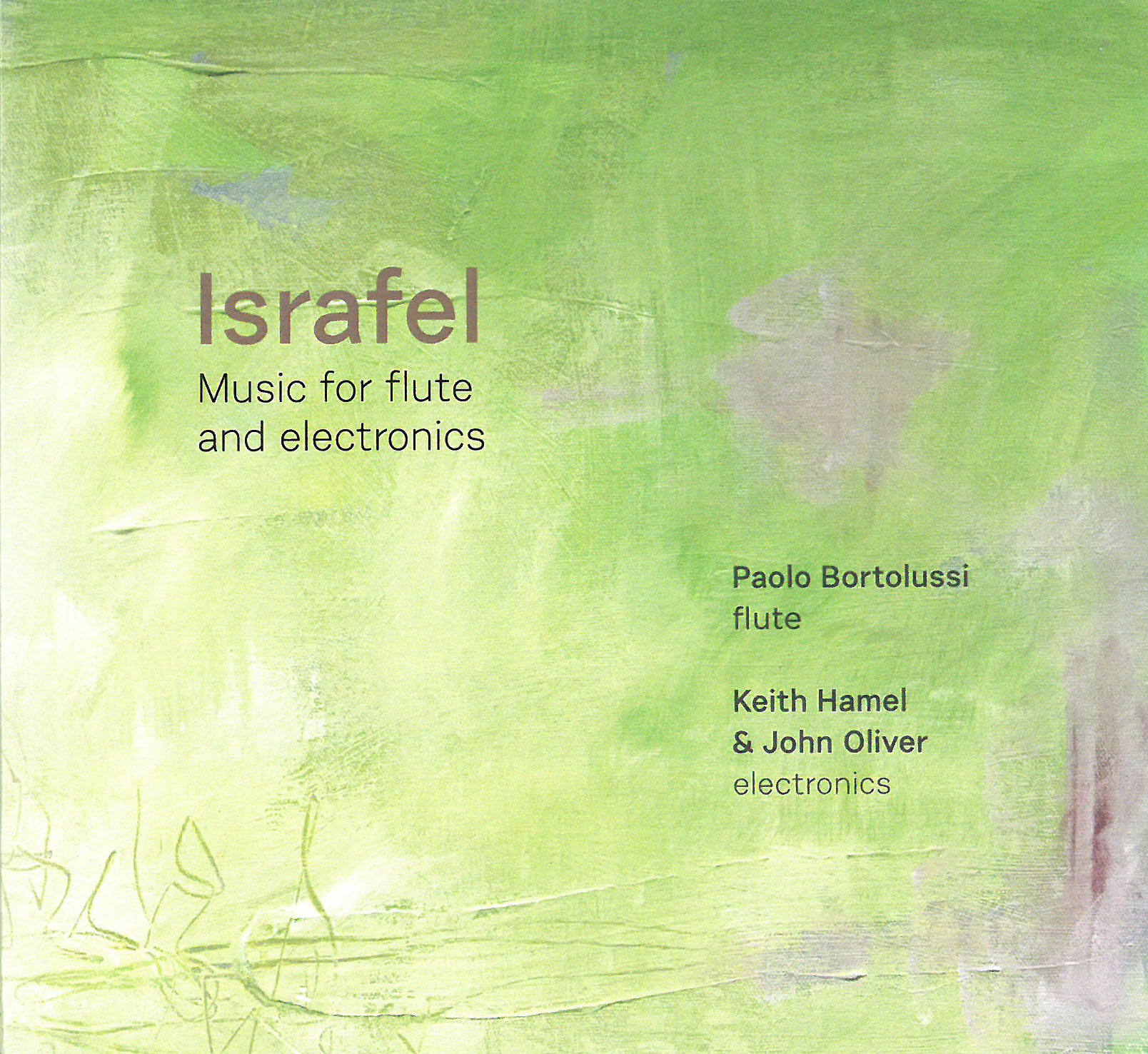
05 IsrafelIsrafel – Music for flute and electronics
Paolo Bortolussi; Keith Hamel; John Oliver
Redshift Records TK443 (redshiftmusic.org)

Israfel is Canadian flutist Paolo Bartolussi’s first solo recording, and it shows. That’s not because it’s bad, however, rather it shows because Bartolussi’s enthusiasm over the freedom offered by a solo recording seems to border on giddiness. Here he has packed everything in: Israfel is simultaneously an homage to the teachers who introduced him to his passion for electroacoustic music, a catalogue of the pieces he played on the way to becoming a virtuosic electroacoustic performer and a miniature history of interactive electronic music technique.

The narrative of Bartolussi’s development as a musician presented here is certainly resonant: Bartolussi first heard Larry Lake’s Israfel while standing outside his professor’s studio before a lesson with his ear to the door. Somehow, Israfel just sounds like one of those pieces which leaves a young musician in awe of his or her teacher: the pyrotechnical virtuosity, the novelty of the tape accompaniment.

But ultimately the most compelling aspect of this disc is the way it showcases the various degrees of interactivity between a performer and electronic accompaniment. At one end of the spectrum is the aforementioned Israfel, with its unflinching pre-recorded tape accompaniment. Then there’s Kaija Saariaho’s NoaNoa, with its pedal-activated electronics. On the bleeding edge is Keith Hamel’s Krishna’s Flute; here, the computer actually listens to what the performer is doing and responds with electronic events. Throughout, it’s Bortolussi’s consummate virtuosity which allows the listener to trace the nuances of these various techniques.

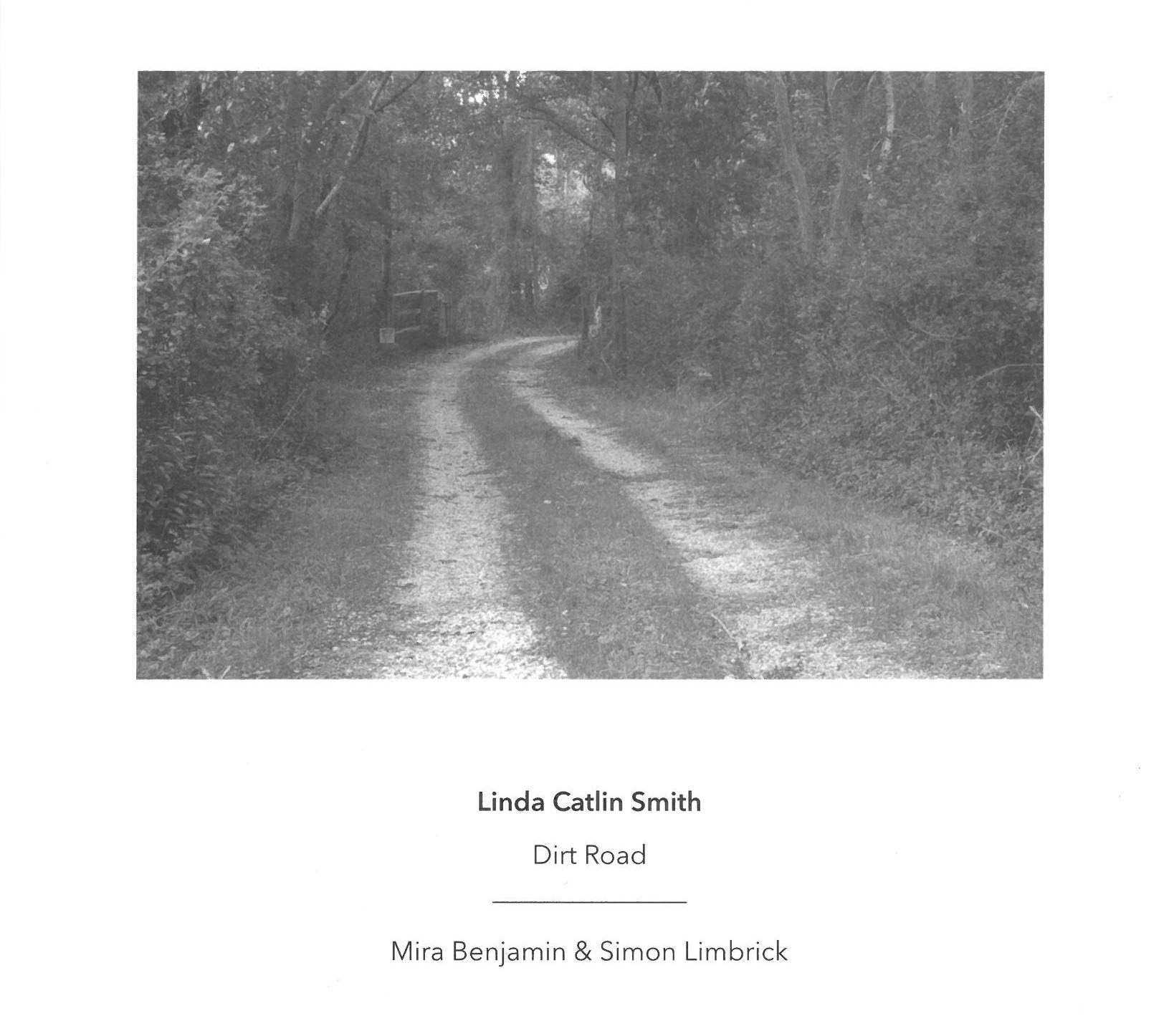
Linda Catlin Smith – Dirt Road
Mira Benjamin; Simon Limbrick
Another Timbre at97 (anothertimbre.com)

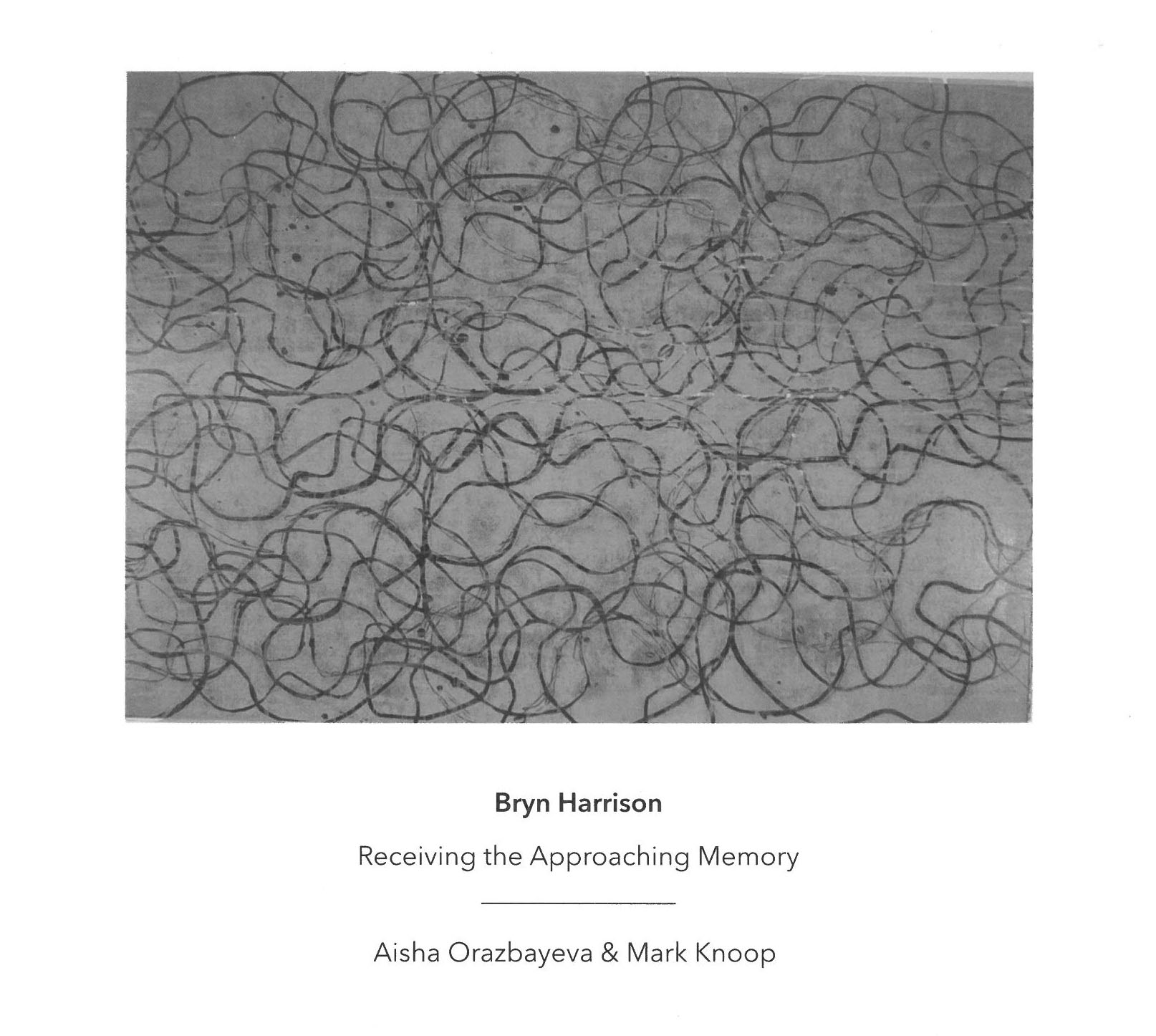
Bryn Harrison – Receiving the Approaching Memory
Aisha Orazbayeva; Mark Knoop
Another Timbre at96

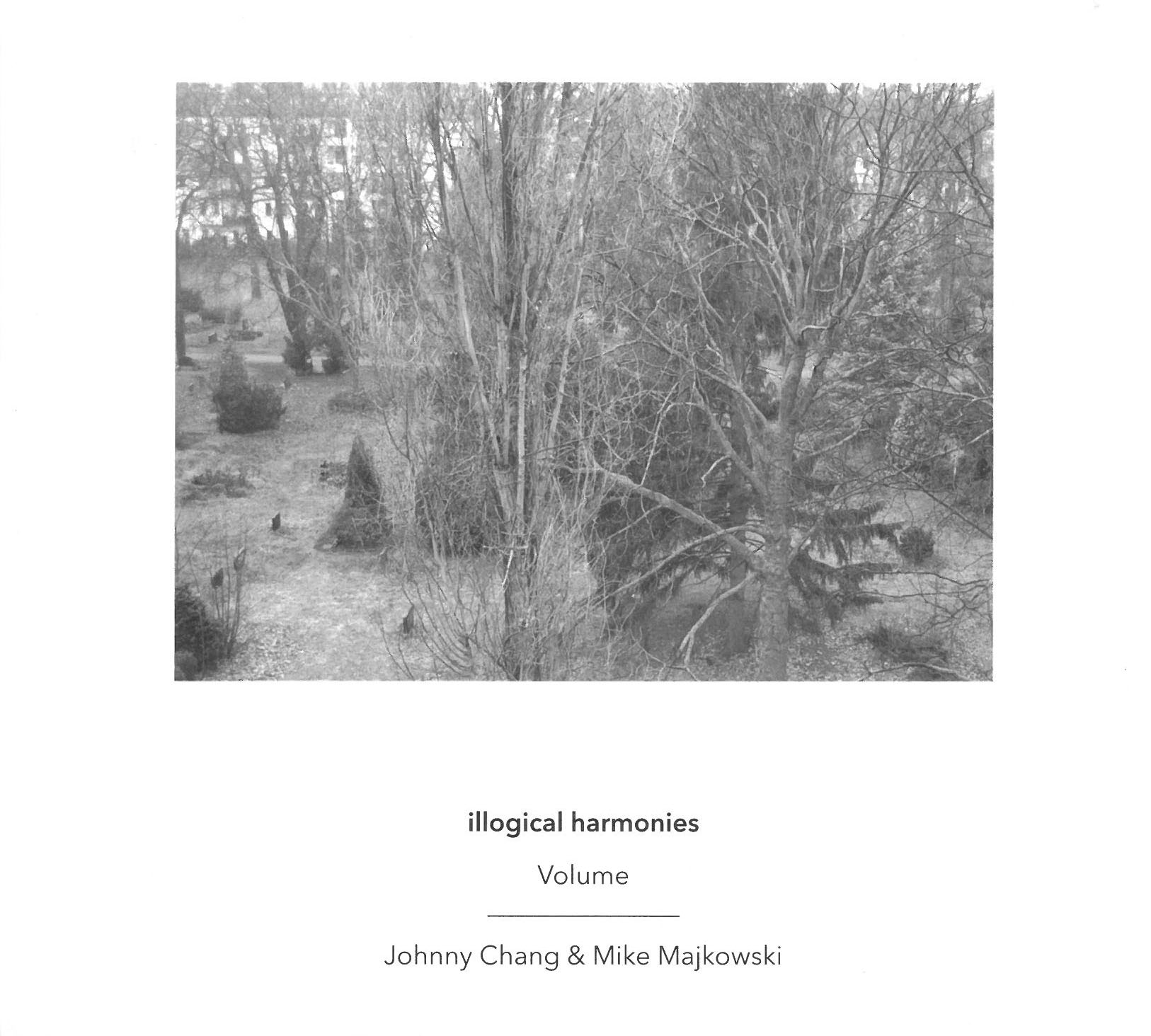
Illogical Harmonies – Volume
Johnny Chang; Mike Majkowski
Another Timbre at98

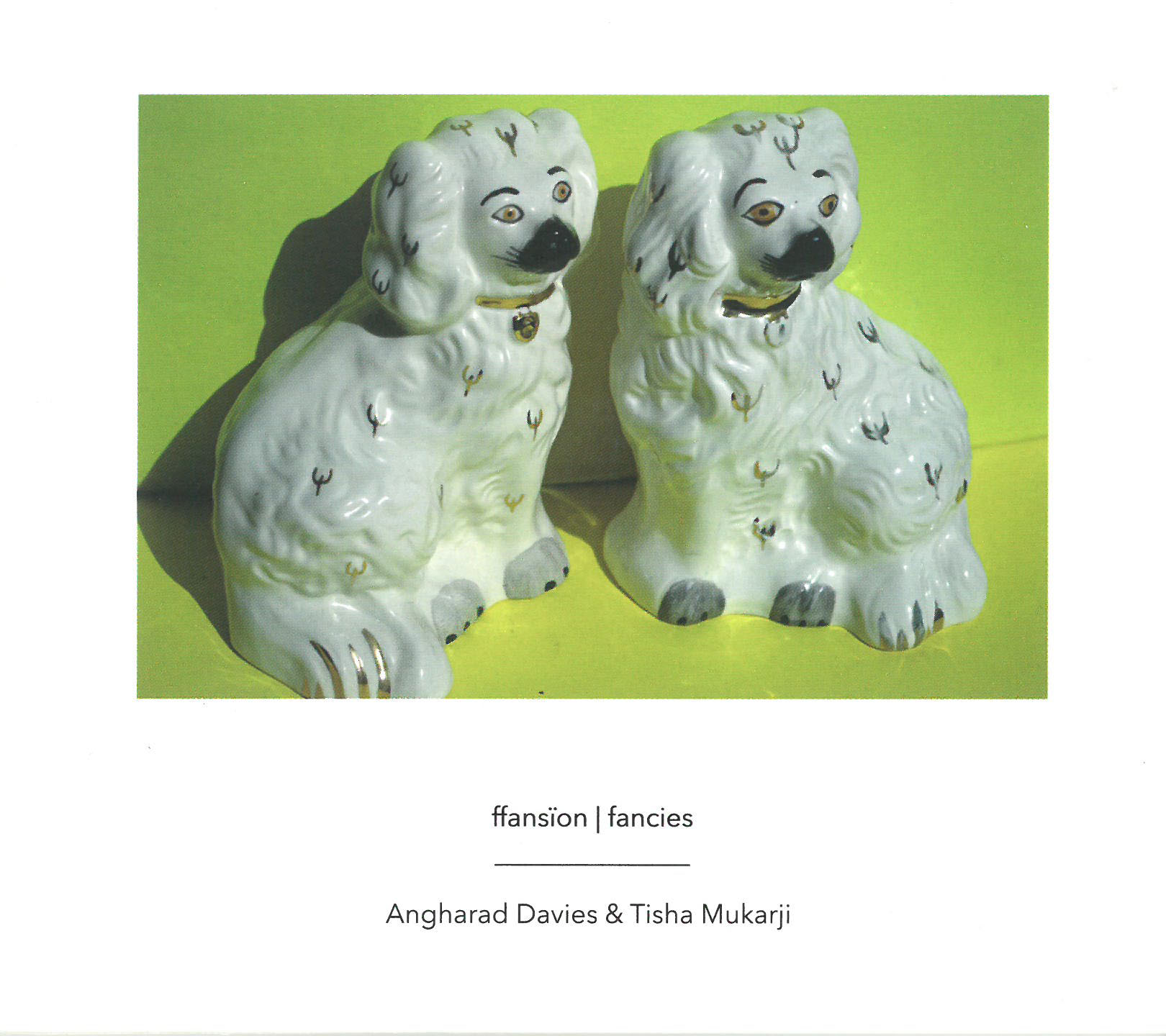
ffansïon/fancies
Angharad Davies; Tisha Mukarji
Another Timbre at99

06a Another Timbre Linda SmithWhen it comes to modern music, there is an audience that often wonders: “Where’s the melody?” A lazy ear often fails to discern it but it is there. Chances are that the audience was looking elsewhere. Today’s composer also holds the three traditionally held principal constituents of music together in his or her unique style, which, if one listened with an open ear, would reveal a world of wonderfully coherent sound. Linda Catlin Smith’s celebrated new release, Dirt Road, is one such piece of music in which melody, harmony and the rhythm of the earth, together with passion and precision, coalesce and balance ideally.

06b Another Timbre Bryn HarrisonWhat magic and mystery she achieves in a work full of knowingness, warmth and beauty, violinist Mira Benjamin and percussionist Simon Limbrick always seem to find a direct and unimpeded path to this musical truth and eloquence. You will not hear a more fervent and inspired interpretation of this suite of 15 miniatures, played with mastery of ever-changing colour, light and shade. Every nuanced aural entity is given time to breathe and speak, to weep, sing and sigh just as Smith envisioned in her work. Immaculate virtuosity is always pressed into service, but never at the expense of emotion and passion. The endlessly mercurial and fascinating pieces reveal the composer’s patrician eloquence and refinement. And you never have to strain to hear the melody; Smith doesn’t even try to hide it under a bushel along this proverbial road less travelled.

06c Another Timbre Illogical Harmonies06d Another Timbre ffansion fanciesThe purity of sound with which this performance has been captured has been repeated in all four Another Timbre recordings. But more than anything else it is the beguiling melodies and other sonic surprises that inform these releases from this iconic new British label that specialises in modern music. The four recordings in question are Illogical Harmonies’ Volume with Johnny Chang (violin) and Mike Majkowski (double bass), Receiving the Approaching Memory by Bryn Harrison featuring Aisha Orazbayeva (violin) and Mark Knoop (piano) and ffansïon/fancies performed by Angharad Davies (violin) and Tisha Mukarji (piano).One cannot go wrong with any of these releases.

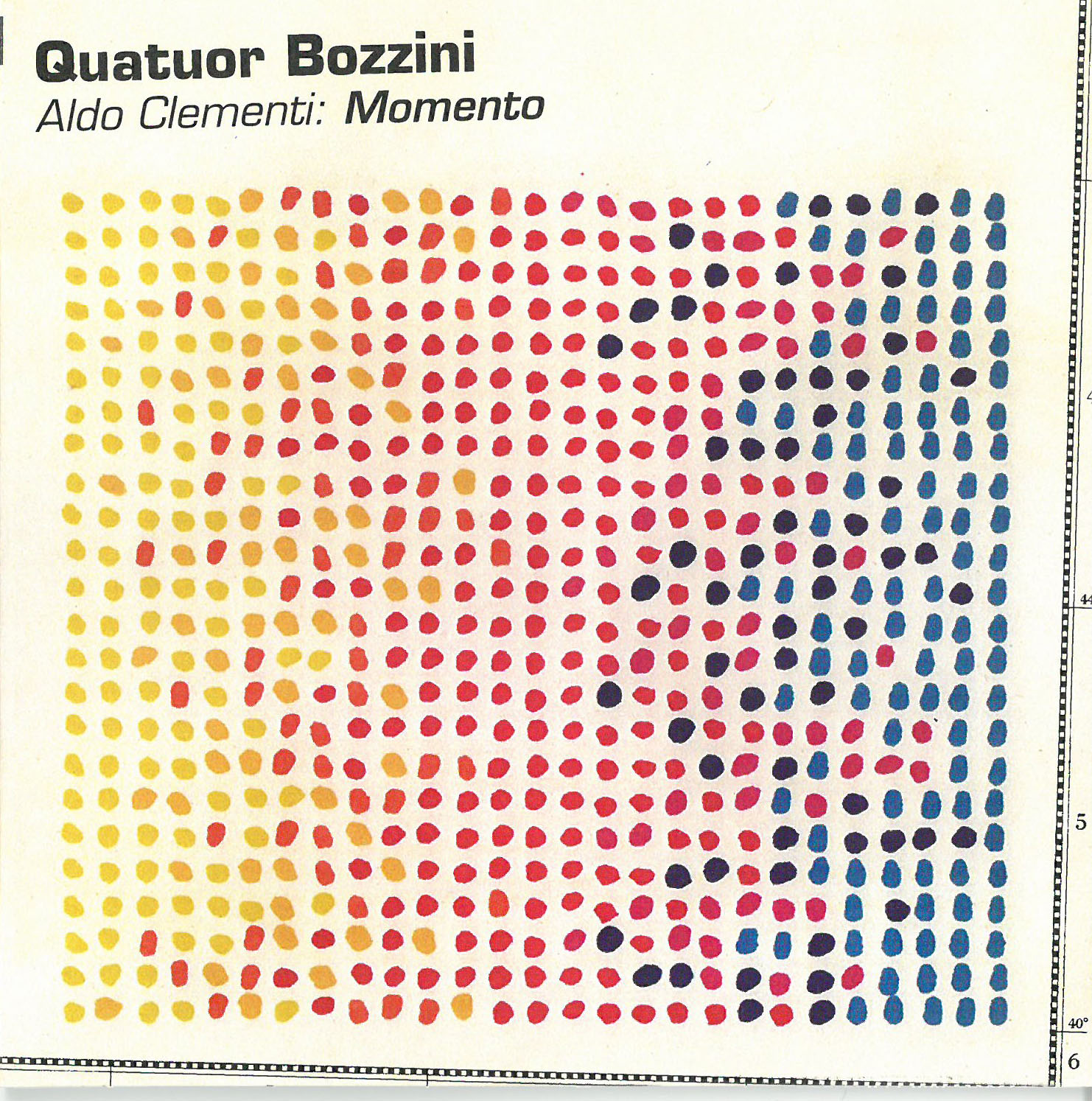
07 Quatuor BozziniAldo Clementi – Momento
Quatuor Bozzini
Quatuor Bozzini CQB 1615 (actuellecd.com)

Review

Italian composer Aldo Clementi (1925-2011) created using rigorous methods. Most of his works include canon (strict imitation) in a number of different ways. Clementi’s music is reserved and enigmatic in style, suggesting musical structure without being obvious.

One entrance to this difficult work is unaccompanied renaissance choral music. Otto frammenti (1978-97) is based on the 15th-century French folk song, L’homme armé, the cantus firmus (structural voice) of many renaissance masses and motets. Each fragment in the work uses a section of L’homme armé. The string quartet members play without vibrato suggesting the sound of viols. I find the effect mystical; even more so is Momento (2005), which draws me into sustained attentiveness to still intervals and chords in a sparse tonal landscape. Long consonant fifths and thirds glint out and shine, and the perfect fifth (that strings tune to) seems iconic for Clementi. The composer’s journey was a long one. By contrast, the much earlier, more chromatic Reticolo: 4 (1968) has a quick steady pulse involving both pizzicato and bowed notes that set up unexpected jazzy syncopations.

The Montreal-based Quatuor Bozzini are ideal interpreters of Clementi’s music. For example, in Satz 2 (2001) their mastery of intricate non-vibrato and sul ponticello (near the bridge) effects is striking. Champions of new music performance at a high level, with an international reputation and their own Collection QB recording label, this is an ensemble well worth experiencing.

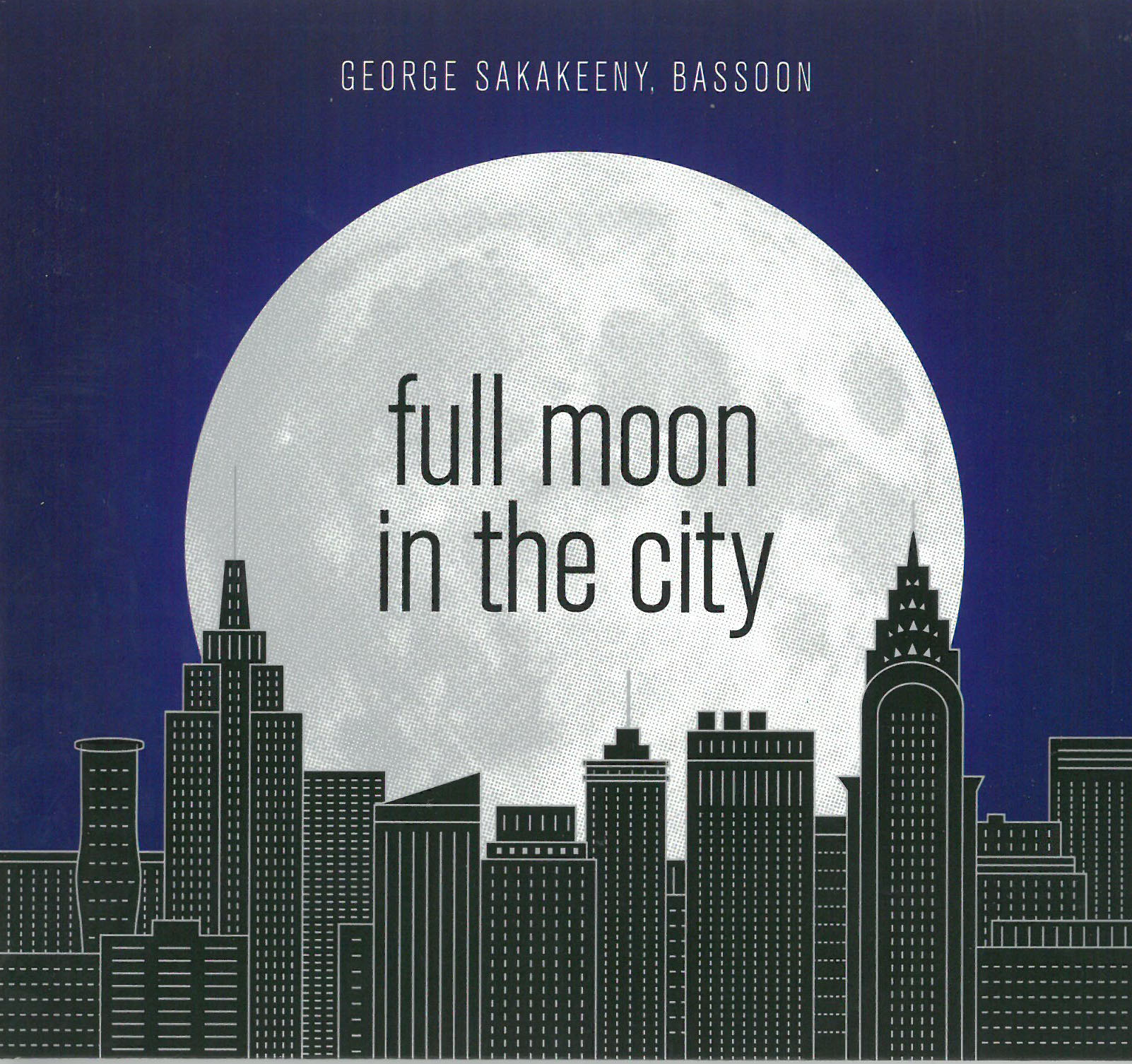
08 George Sakakeeny BassoonFull Moon in the City
George Sakakeeny, bassoon; various Oberlin ensembles
Oberlin Music OC 15-05 (oberlin.edu/oberlinmusic)

George Sakakeeny is a professor of bassoon at the Oberlin Conservatory and a virtuoso soloist with significant works commissioned for him, including the Larsen and Schickele pieces on this disc. His tone is full and well-rounded, with excellent intonation and a secure upper register, and he receives able support from Oberlin ensembles conducted by Timothy Weiss and Raphael Jiménez. Of the disc’s four well-crafted pieces, all by established American composers, I found the Bassoon Concertino (2014) by Augusta Read Thomas (b.1964) especially clear and coherent in tonal language. It is based on three modernist paintings; the melding of tones and tone clusters in Part 2: Wassily Kandinsky: Sky Blue is particularly appealing. Russell Platt (b.1965) brings out the instrument’s lyrical qualities well in Concerto for Bassoon and Strings (2008), but I think errs toward nostalgia sometimes. Attractive bassoon lyricism also permeates the intriguing Full Moon in the City by Libby Larson (b.1950), which evokes an urban pre-dawn stroll. Bits of popular songs about the moon appear in different guises, and the lush string writing gives a nod to noir style. (I associate this also with old late-night TV movies!)

The nature of Concerto for Bassoon and Orchestra (1998) by Peter Schickele (b.1935) is indicated by the work’s movement titles: Blues, Intermezzo, Scherzo, Song, and Romp. This engaging work demonstrates the composer’s legendary wit and timing, along with deft orchestration and musical imagination to spare.

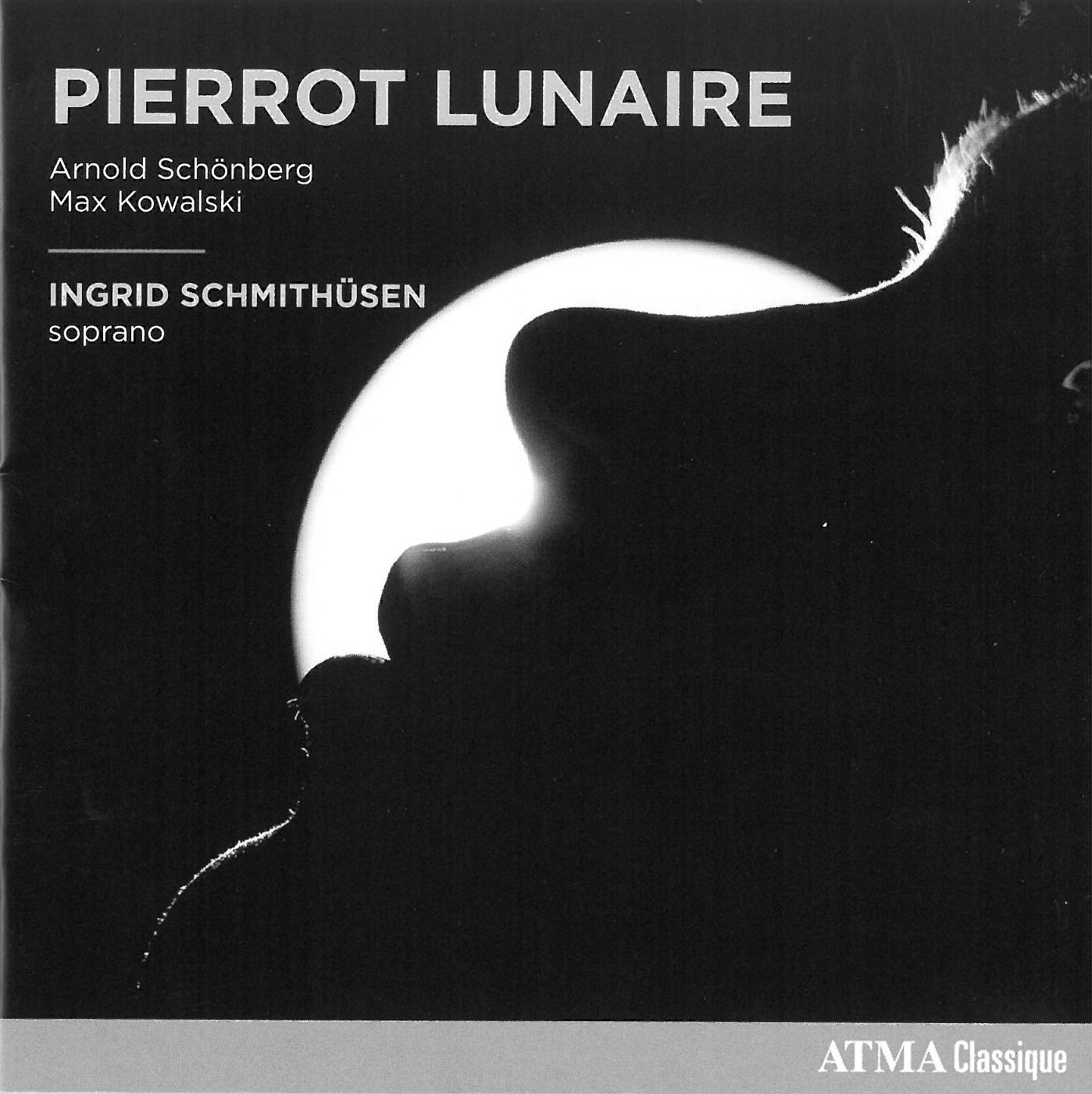
01 Pierrot LunaireSchoenberg – Pierrot Lunaire; Max Kowalsky – Pierrot Lunaire
Ingrid Schmithüsen
ATMA ACD2 2734

Review

Arnold Schoenberg’s celebrated 1912 song cycle Pierrot Lunaire is justly regarded as a masterpiece of his mid-period atonal works. Don’t let the bogeyman of atonalism scare you away; this is an extremely compelling work that exudes an atmosphere of exuberance and playfulness. Originally conceived to be performed by an actress and an ensemble of five instruments, the vocal quality that Schoenberg calls for in this multifaceted jewel of a work is unique: not quite sung, not quite spoken, but somewhere in between. The texts consist of 21 poems by the Belgian symbolist Albert Giraud in the German transliteration by Otto Erich Hartleben published in 1892. Many others have set these texts to music, including the persecuted composer and lawyer Max Kowalski (1882-1956), whose cycle of 12 of these poems included here were conceived and published in the same year as Schoenberg’s. Kowalski’s charming and supple settings are cast in a neo-romantic style and are conventionally sung.

Having presented the work some 70 times during her career, it’s fair to say that soprano Ingrid Schmithüsen has become the very embodiment of Pierrot and delivers an admirably nuanced account of Schoenberg’s opus. In most cases this complex work involves a conductor; here however, it is clear that the soloist is calling the shots (and incidentally owns the recording copyright). This emphasis on the voice no doubt explains the frustratingly recessed sound of the ensemble, which left me pining for the vivid instrumental presence in just about every other recording I’m familiar with, notably the outstanding 1971 LP by Jan DeGaetani. By contrast, the Kowalski song cycle with pianist Brigitte Poulin is perfectly balanced.

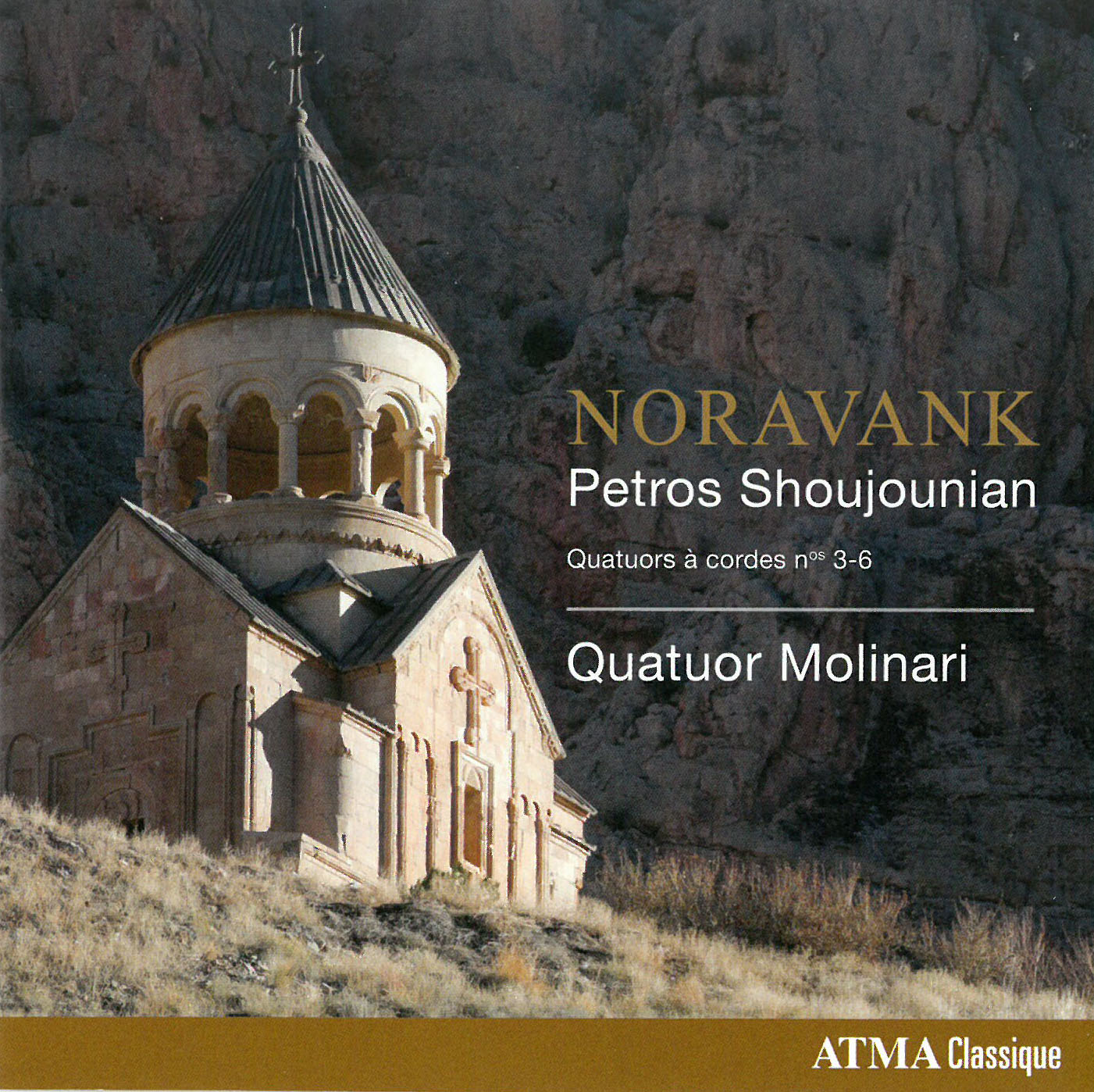
02 ShoujounianNoravank: Petros Shoujounian – String Quartets 3-6
Quatuor Molinari
ATMA ACD2 2737

Composed to mark the centenary of the Armenian genocide, Noravank’s title is derived from a homeland monastery that was Petros Shoujounian’s inspiration. Its 14 sections, divided into string quartets of three, three, three and five movements, are symbolically named after rivers and are based on liturgical chants.

Quartet No.3 was the most affecting for me, through its tiny echoes of melodies and treatments heard in Morricone’s Gabriel’s Oboe and Pärt’s Spiegel im Spiegel; it concludes with the provocative Dzoraget. The contradictions of Quartet No.4’s depressive second movement, the energetic third and Quartet No.5’s lamentoso first movement brought to mind the power of nature and the current plight of evacuated Fort McMurray folks – if that’s not the musical equivalent of theological proof-texting. The balance of Quartet No.5 and all of No.6 more overtly reflect the influence of eastern folk songs, both in the keys and the lilts they comprise. Another memory of song, from Chopin’s “Raindrop” Prelude in D-Flat Major No.15 Op.28, is heard in the onomatopoeic burbling waters of the Vedi.

This CD was suggested to me, a Pärt fanatic, as a possibly similarly contemplative recording. While these aren’t tracks for mindful meditation, there is an introspective quality to all the movements. Maybe the invoked theme of migration is apt, after all: fires, oppression, the liturgical life – these all involve movement and change. But this introvert was soothed rather than discomfited via the talent of the Quatuor Molinari, who commissioned this work that is ultimately about renewal. Fine liner-note editing and the eponymous cover photograph round out a very marketable product.

Back to top