What is “World Music” and who are its performers? For years I have been alternately intrigued by the question or flatly dismissed it as irrelevant to the music I loved and made myself. Now that I’ve served as your faithful world music columnist for some months, however, I thought I’d use this end of year soapbox to finally tackle this slippery musical subject. Please brace yourself for a further series of annoying questions arising from my simple initial one. The woods get much thicker before we can clearly see the trees, let alone the clearing beyond.

Is world music a commercial marketing category, coined by record label executives in 1980s London, equipped with its own sales charts, radio category, journalistic terminology and record awards? Or a term coined in the early 1960s by the late ethnomusicologist Robert E. Brown at Wesleyan University, Connecticut for his groundbreaking world music studio and academic programs there, which became a model for universities, colleges and conservatories around the world?

Is it “local music from out there,” or “someone else’s local music” as some have proposed? Is it about “our” vs. “their” music, or about the way musicians variously recombine the music you were born into with the music you chose, moved into? Or is it a musical football match playing out a disagreement between perceived authenticity (i.e. indigenous music) and hybridized musical categories, especially those seemingly “diluted” by pop culture?

In the face of such a bewildering range of questions, just what can we agree on? One thing, perhaps, is that the definitions of world music are multiple, dynamic and overlapping. Another is that over the last 30 years world music has clearly gone through a process of gradually increasing “sub-genrefication,” not unlike other kinds of music (heavy metal is a good example). By sub-genrefication I mean an extension of the genre’s original definition of a perceived unmediated “roots music” to include a mounting list of newly created hybrid sub-genres. Part of this process is no doubt the result of pressures on genre boundaries in the overall climate of a globalising pop culture. There are commercial pressures at play here too. According to a 2002 Unesco report by the latter half of the 1990s the value of global record sales hit a historic peak. Significantly slipping sales ever since have meant the record and publishing company financial support for world music, has declined. On the one hand this has led, overall, for world music as well as for many other music categories, to a precipitous decline in overall album sales. Paradoxically it may also be directly linked to the vigour of the modest but vital local live world music performance scenes dotted around the planet, and to the touring companies who (hope they will) pack our largest halls, often wrapped up in elaborately costumed and staged extravaganzas.

There are examples of both on display in my column this issue. Happily for all of us, musicians of all stripes continue to make both established and newly minted hybrid kinds of music that someone may choose to dub world music — or not.

I hope I haven’t lost you in my overview of some 50 years of world music, because, as you can see from what follows, our GTA concert scene over the next two months reflects and underscores many of the issues I have mentioned.

Parvaz Homay and his Mastan Ensemble present “Love, Wisdom and Human” [sic] at Roy Thomson Hall on December 2. Described as a newly created concert “opera” by Iranian musician Parvaz Homay, this production (in Farsi) is presently touring Canada and the US. Judging from this group’s multiple albums and international tour dates they seem to enjoy a sold fan base among the Iranian diaspora. At its Toronto stop, the Mastan Ensemble, a traditional Persian instrumental group, is reinforced by a Western orchestra directed by Toronto conductor Kerry Stratton. A brief trailer video on his website reveals Homay as a singer with a folksy voice. On the other hand, soprano Darya Dadvar sings in a distinctly operatic manner. The dramatic baritone, Soli, rounds out the concert cast.

On December 6, the world music Christmas calendar begins in earnest with the Nathaniel Dett Chorale’s concert titled “An Indigo Christmas: Navidad Nuestra” at Koerner Hall. The artistic director, Brainerd Blyden-Taylor has programmed a vibrant mix of Afro-Latin and Andean rhythms and harmonies. The Latin music quartet, Maderaz, and the celebrated dance collective COBA will add to the choir’s celebration of Afro-centric dance, music and folkloric traditions invoking the spirit of Christmas. The concert features two choral gems by Argentinean composer Ariel Ramírez (1921–2010). His Misa Criolla (1964), now a staple of the choral repertoire, is spiritually charged and at the same time deeply rooted in multiple music/dance forms from across South America including the chacarera, carnavalito and estilo pampeano, as well as Andean influences and instruments. Here, COBA choreographer BaKari E Lindsay, COBA brings it to life through staged dance representations of the dance rhythms intrinsic to Ramírez’s score. Ramírez’s signature Yuletide Navidad Nuestra, which serves as the concert’s centrepiece, is a suite of Argentinean carols marked by characteristic Hispanic American music. The evening is rounded out by Haitian-born Sydney Guillaume’s Dominus Vobiscum interweaving Gregorian melodies with Creole texts and rhythms; a trio of African-American spirituals by Minnesota composer Robert L. Morris; an a cappella interpretation of Go Tell It On The Mountain arranged by Bruce Saylor; and Craig Courtney’s impassioned arrangement of Mary Had A Baby.

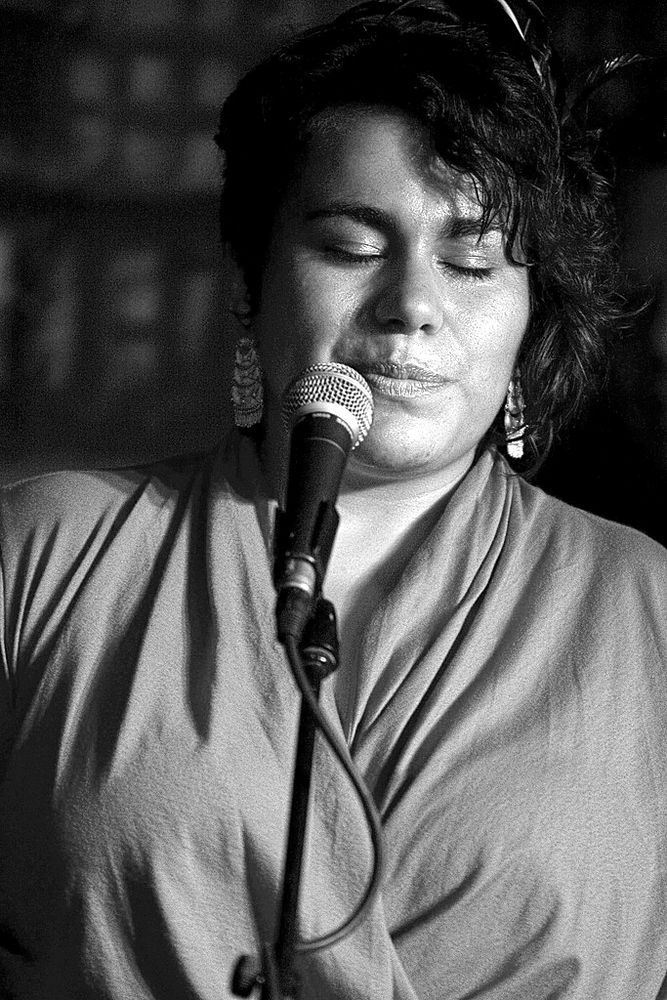
Music Gallery’s concert on December 16 also has a Christmas theme, but one that reaffirms the commitment to experimentation in the Music Gallery’s “New World Series.” Titled “Asalto Navideño Reimagined: A Latin Christmas Concert,” the concert has three layers: a remix of a classic salsa Christmas album, a seasonal celebration and a resolute statement of pan-Latino culture. Originally a statement about New York Hispanic life, Willie Colon and Hector Lavoe’s popular salsa Christmas album Asalto Navideño, now 40 years old, is ripe for reinvention. Its lyrics speak of the joy of Christmas, but they also explore themes of home and diaspora and even propose new festive traditions. Today’s Latin sounds continue to mix music from across the Americas, increasingly with the intervention of electronics. Therefore it’s natural that four “producers” have been commissioned to remix the album’s now-iconic material: Toronto’s DJ Linterna & Ulladat, DJ Javier Estrada from Monterrey, MX, and Sonora Longoria from Austin, TX. All are known for their individual combinations of music genres, groove and experimentation. Their electronic contributions will be mixed with live instruments including Steve Ward on trombone and vocals. Vocalist Lido Pimienta, who splits her time between Toronto, London, Ontario, and Colombia, is a key voice in the evening; her striking hybrid performance style combining unaffected vocals and electronics.

Moving into the New Year, on January 10, 2012 at noon, the Little Pear Garden Collective presents a different sort of festive entertainment, performing classical and contemporary dance works with Chinese music at the Richard Bradshaw Amphitheatre, Four Seasons Centre for the Performing Arts. The collective, directed by Emily Cheung, is Toronto’s Jingju or Peking opera company. That this concert is part of the “Dance Series: Chinese Traditions Then and Now” is yet another reminder that world music performances also sometimes include dance.
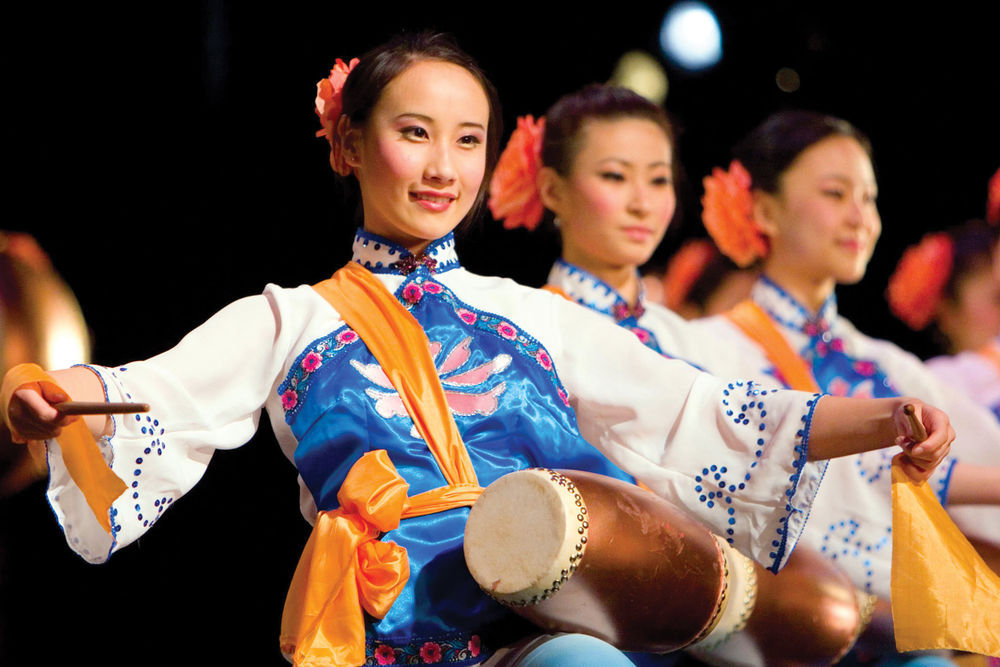
29_shenyun1Keeping with the Chinese music and dance theme, on January 12 to 15, Falun Dafa presents “Shen Yu Performing Arts” at the Sony Centre for the Performing Arts. This massive NYC based company certainly aims high. It was established in 2006 with no less a mission than “reviving 5,000 years of divinely inspired Chinese culture.” Its mission statement makes an eloquent ideological case, “After more than 60 years of Communist Chinese rule …Chinese traditional culture has been all but completely demolished. However, the deeper spiritual core of the ancient culture, with its values of benevolence, honor, propriety, wisdom, and sincerity, as well as a reverence for the gods and the heavens, cannot be destroyed. In order to restore … Chinese traditional culture, a group of overseas Chinese artists established Shen Yun in New York.”

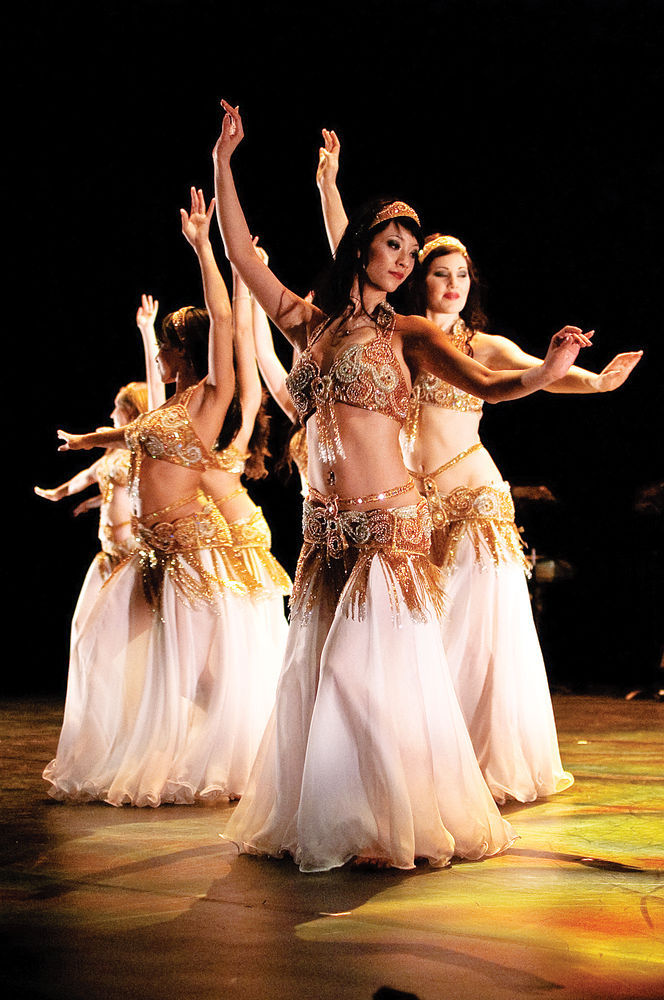
At the core of Shen Yun’s performances appears to be a vast staged pageant, with tableaux enacted by dozens of performers clothed in impressive, brilliantly coloured, custom-made costumes and supported by an original musical score performed by a Western orchestra, classical Chinese and regional ethnic dance styles, instruments such as erhu and pipa, and characteristic vocalists. The show’s narrative is transparent. It moves audiences from the Himalayas to tropical lake-filled regions, “from the legends of the culture’s creation over 5,000 years ago through to the story of Falun Dafa in China today.” With over 100 artists “Shen Yu Performing Arts” might be one of the primary proponents of the “go big because you can’t go home” school of world music (and dance) performance.

May you all have wonderful Holidays, a stellar 2012 and be able to go home if you want to.

Andrew Timar is a Toronto musician and music writer.  He can be contacted at worldmusic@thewholenote.com.

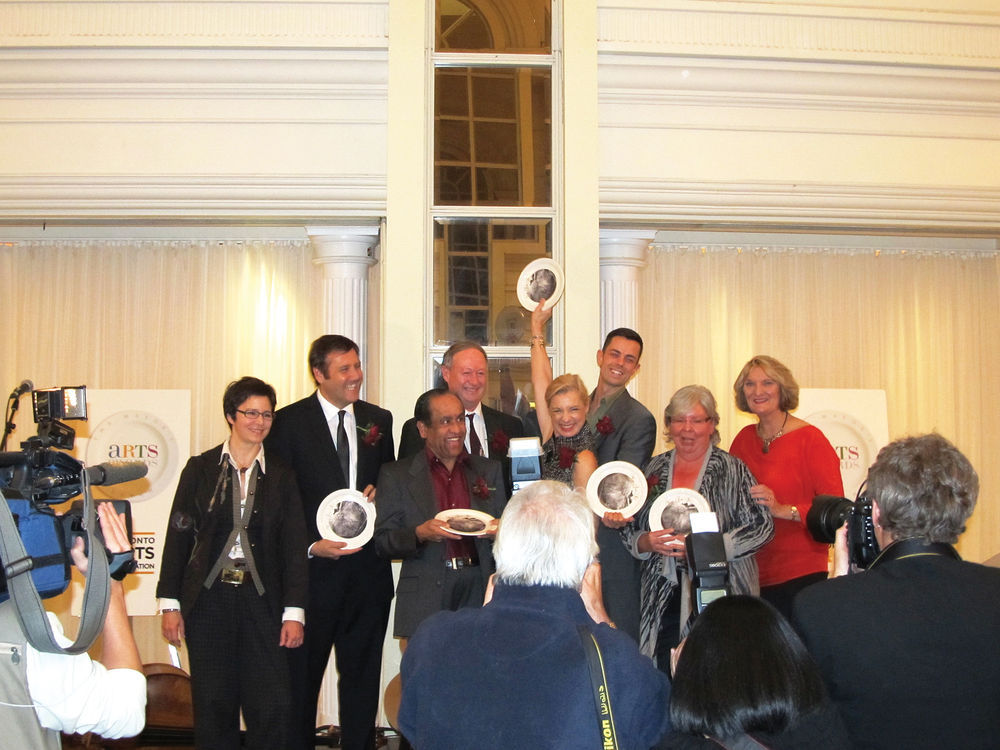
12_taf_awardsBefore wading into the teeming waters of this month’s events, a moment’s reflection on the recognition of world music and of the general stature accorded to the arts in this town: The occasion that brought both together for me was the 2011 Mayor’s Arts Awards lunch. Presented by the Toronto Arts Foundation on Thursday October 20 at the Bay’s Arcadian Court, While this was the sixth such awards event, it was to have been Rob Ford’s first — that is, if he had chosen to attend the ceremony named after his office. But that would have meant delegating his high school football coaching duties (final game of the season you know). The mayor’s choice was not lost on the media covering the event or on the arts insiders who did attend. But his absence did surprisingly little to sour the mood, thanks in no small part to the deft emceeing of playwright, novelist and actor Ann-Marie MacDonald and a brace of earthy and soulful songs from blues singer and songwriter extraordinaire Rita Chiarelli led the proceeding with a brace of earthy and soulful songs, the second tapping her Italian roots. Then the awards rolled out.

More than 300 guests had cleared their busy agendas. The enthusiastic crowd consisted of seasoned artists, politicians, business leaders, arts patrons, bureaucrats and arts media. They gathered to celebrate artists, arts administrators and supporters who have helped build Toronto’s vibrant civic and cultural life. Five awards, with cash prizes totalling more than $40,000, were presented.

The Canadian Contemporary Dance Theatre (previously widely known as Canadian Childrens Dance Theatre) won the Arts for Youth Award. In her acceptance speech artistic director Deborah Lundmark praised not only the key choreographers, teachers and dancers in her company, but also composers like the late Michael Baker who contributed significantly to the company’s success.

The Muriel Sherrin Award for international achievement in music went to the mrdangam and kanjira drummer, composer and York University music professor Trichy Sankaran. Indian born Sankaran has been an active fixture on the Toronto, and indeed on the global world music scene, for 40 years. He has tirelessly taught music, performed his native Carnatic classical music of South India, and has collaborated with a vast array of leading musicians from many genres. I see this award as a milestone, recognizing a lifetime of achievement. It’s also a recognition that world music has come of age in our town.

As for Sankaran’s contribution to the Toronto scene, it’s no exaggeration that he has taught and inspired dozens of musicians who have gone on to notable careers. One of them, ’80s Sankaran student, saxophonist Richard Underhill (best known as the leader of the bop rap jazz combo Shuffle Demons), was sitting to his former teacher’s left. (On a personal note, Trichy Sankaran is one of the reasons I’ve pursued a career in inter-cultural music.)

Echo: spotted among the “seasoned artists” at the aforementioned Arts Awards luncheon were Allan Gasser and Becca Whitla, the organizational glue of many a true community arts venture, among them Toronto’s Echo Women’s Choir. At the beating heart of most cultures around the world is the practice of community music and dance. These are too often sidelined in the public and media gaze, however, in favour of polished staged professional presentations, the kind that appear in large venues in cities. For 20 years the Echo Women’s Choir has been “keeping it real” by cultivating songs from many places — including our own — with passion, musicianship and a small-town activist community spirit.

So there’s no need to get out of town to celebrate the harvest season because on Saturday, November 5 you can do it at the heart of downtown. The Echo Women’s Choir is serving up an old-fashioned community square dance at the Church of the Holy Trinity, beside the Eaton Centre. I’ll be getting in touch with my inner square dancer as caller Lorraine Sutton guides dancers through the steps and Cape Breton fiddler Dan Macdonald and keyboardist Kate Murphy provide the essential live musical incentive. In true Echo Women’s Choir tradition, there’s more: craft activities for children, homemade preserves for sale and a gourmet home-baked pie raffle. I’m holding out for a tart and, hopefully, heritage apple pie.

And there’s so much more!

From November 1 through 6, Mirvish Productions presents Fela! at the Canon Theatre. Fela! is a dramatization of the story of Nigerian Afro-beat pioneer, Fela Anikulapo Kuti, whose powerful music ignited a generation; it is directed and choreographed by the Tony Award winning Bill T. Jones. Fela Kuti dedicated his life and music to the struggle for freedom and human dignity. The Broadway buzz is that this triumphant and athletic production chock full of Kuti’s propulsive music, Jones’ book and explosive choreography ends up as an inspirational evening.

The Richard Bradshaw Amphitheatre, Four Seasons Centre for the Performing Arts, continues its series of free noon concerts. On November 3, Nova Bhattacharya, dancer and Ed Hanley, tabla, present a programme titled “Bharatanatyam Beat.” On November 23, “In the Shadow of the Volcano,” featuring the traditional music of southern Italy, is performed by the Vesuvius Ensemble with tenor Francesco Pellegrino. Indigenous music genres include the villanelle, tarantella, fronna and tammurriata.

On November 4 at Koerner Hall, the Royal Conservatory presents star Spanish flamenco and tango singer Diego El Cigala. The show titled “Cigala & Tango” serves up an “evening when tango and flamenco join hands.” El Cigala is joined by leading Spanish and Argentine musicians. The same night at the Music Gallery, Minor Empire performs a concert co-produced by Small World Music. Minor Empire is a band with unabashed Turkish roots yet embracing the language of electro jazz. The group is manned by local musicians including Orgu Ozman, vocals; Ozan Boz and Michael Occhipinti, guitar; Chris Gartner, bass; Debashis Sinha, percussion; Ismail Hakki Fencioglu, oud; and Didem Basar, kanun.

Beyond the GTA, the University of Waterloo Department of Music hosts a free noon concert on November 16 called “Honkyoku Duet.” Traditional Japanese shakuhachi solos and contemporary duets are rendered by shakuhachi master Gerard Yun and Kathryn Ladano, bass clarinet, at the peaceful Conrad Grebel University College Chapel.

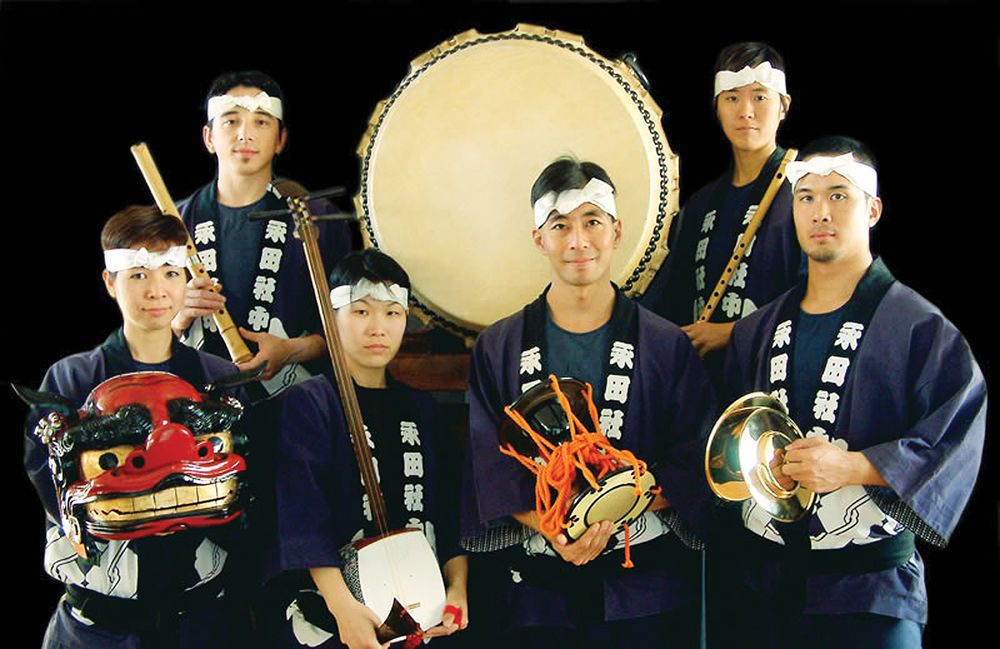
13_world_nagata_shachuNovember 18 to 20 will be auspicious days for Nagata Shachu. The Japanese taiko group performs at the Fleck Dance Theatre, Harbourfront Centre. John Terauds noted in the Toronto Star, “It’s another credit to this cosmopolitan city that one of the world’s most interesting Japanese taiko drumming ensembles hails from Toronto.” Not only will it unveil its second DVD video, but Nagata Shachu is also premiering a new show, Hana. Rooted in the folk drumming traditions of Japan, Nagata Shachu’s principal aim is to rejuvenate this performance art by producing innovative and exciting music that speaks to today’s audiences. Its production of Hana strives to strip away the superficiality of typical concert performances and to reveal the essence of each performer to the audience through the use of many kinds of taiko, flutes, shamisen, voice, and movement.

Over the past few years Gallery 345 has proven itself to be a modest venue with an ambitious programming policy. On November 18, multi-instrumentalist, singer and oud virtuoso Mel M’rabet pairs up in concert with the illustrious Cuban-Canadian pianist Hilario Duran. Mel has performed internationally with musicians such as Cesaria Evora, Steve Potts, Omar Sosa and Cheb Mami. Still at Gallery 345, the November 20 concert at 3:30pm is titled “David Lidov. Recital Number Six.” The world music aspect of the evening is in the form of the premiere of Lidov’s Obedient Ears for sulings (Indonesian bamboo ring flutes) and piano. Performers include David Lidov and William Wescott on piano, the Annex String Quartet and yours truly on sulings.

On November 25, Small World Music presents Naseer Shamma & the Magnificent Strings at the Toronto Centre for the Arts, 5040 Yonge St. And plucked strings are undoubtedly what you will hear. Naseer Shamma, a renowned Iraqi oud player, is joined on stage by Pakistani sitarist Ashraf Sharif Khan and Andalusian flamenco guitarist Romero Iglesias.

Judging from the next concert, it seems we’re already ramping up to the holiday season. On November 26 at 1 pm Small World Music presentsCelebrate! Holidays of the Global Village with Chris McKhool & Friends” at Trinity-St Paul’s Centre. This free multi-cultural musical mosaic includes musical guests Ernie and Maryem Tollar, Suba Sankaran, Shannon Thunderbird, Jordan Klapman, Aviva Chernick and the members of Sultans of String.

My world music also includes the music of the First Nations. The University of Toronto Faculty of Music presents “World Music Visitor: Pura Fé,” in a concert of First Nations contemporary music on November 26, 7:30pm, at Walter Hall, Edward Johnson Building. The award-winning vocalist Pura Fé is a founding member of the native woman’s a capella trio, Ulali, and is recognized for bringing Native contemporary music into the mainstream.

November 27, the Batuki Music Society presents Bassekou Kouyate and Ngoni Ba at the Great Hall; 1087 Queen St. W. Bassekou Kouyaté is a virtuoso musician and singer whose work overlaps West African and American roots music. The ngoni, his instrument, is a “spike lute” and considered one of the ancestors of the banjo. Deeply anchored in the griot tradition, Kouyaté has collaborated with many musicians in and outside of Mali. He was part of Taj Mahal and Toumani Diabaté’s “Kulanjan” project, as well as serving as one of the key musicians on Ali Farka Toure’s posthumous album Savane (2006). He also toured and recorded with master banjoist Bela Fleck on the Grammy winning Throw Down Your Heart. I saw them in Toronto last summer and was duly mesmerized by their music.

14_world_chavaalbersteinFinally, on December 3, the Royal Conservatory’s Koerner Hall showcases famed Israeli folk singer-songwriter Chava Alberstein, acclaimed as “the most important female folk singer in Israeli history,” with over 50 albums to her credit, in a double bill with extraordinary Egyptian-Canadian vocalist Maryem Tollar. Their large band includes Oved Efrat, acoustic guitar; Eran Weitz, guitars; Avi Agababa, percussion; Waleed Abdulhamid, bass; Naghmeh Farahmand, tombak; and Michael Ibrahim, nay. Local musicians include Ernie Tollar, saxophone and flutes; Hugh Marsh, electric violin; Ian De Souza, bass; and Levon Ichkhanian, guitar. I’m expecting the Israeli-Egyptian musical forecast in Koerner Hall to be convivial and warm, even though the temperature on Bloor St. might prove rather frigid that December Saturday night.

Andrew Timar is a Toronto musician and music writer. He can be contacted at worldmusic@thewholenote.com.

world_trichysankaran2Over the past 30 years, as world music has emerged as a commercial music category, the general audience interest in it has continued to grow and morph. As a meta-genre, it has long jumped the boundaries of its component musics’ roots in their ethnic communities of origin. The various kinds of music included in the sea of world music, when observed at close hand, really consist of multiple interconnected pools. And here in Toronto there are many such pools teeming with life. This is the “scene” I try to get a feel for and share with you, dear reader, in each WholeNote issue.

As important as various groups and communities are to the overall vibrancy of the local world music scene, the significance of the contributions of certain individuals pops out occasionally. These individuals are the performers, teachers, producers and programmers without whose imagination, skill and dedication the scene would be a very still pool indeed.

Small World Music is a case in point. This production company is the lovechild of Alan Davis who cut his programming teeth at Toronto’s Music Gallery in the 1980s and 1990s. In the ten years since he founded his production company, Small World Music has become, arguably, Toronto’s most active and consistent presenter of music from many corners of the globe. It is also a supporter of music that mixes all sorts of genres. I attended the launch of the tenth annual Small World Music Festival on September 22, and got the scoop on this year’s lineup.

Having begun in September, the Small World Music Festival continues on October 2 at the Enwave Theatre, Harbourfront, with the Karevan Ensemble performing a concert titled “Homeland Variations.” Composed by Reza Moghaddas, the score received a 2011 Dora Mavor Moore Award nomination. Called “multimedia Persian fusion,” the music combines gypsy songs accompanied by kamancheh (Persian fiddle), punctuated by saxophone, keyboards and electric bass. Further sections feature R&B rhythms blended with industrial and electronic sounds, dovetailing with melancholy duduk (Armenian reed) melodies and the spirited upbeat juxtaposition of African percussion, kamancheh and tanbour (Kurdish lute). I’m guessing the dancer Bahareh Yaraghi will provide the “multimedia” aspect of the show.

The same Sunday night at the Royal Conservatory, Small World Music, in association with the RC, presents the Bollywood diva Asha Bhosle with Nilandri Kumar on sitar. Bhosle, one of the queens of playback singing, has performed an astounding 20,000+ songs in over 1,000 movies in her epic career. In fact she has the distinction of receiving the “most recorded artist” laurel from the Academy of World Records. Kumar, much the junior of Bhosle in age and experience, is an emerging Indian fusion sitarist with roots in the classical tradition. He has worked in Bollywood as a musician, and recorded with guitarist John McLaughlin on his album Floating Point, as well as on 13 of his own albums. We can expect that popular film songs and ghazals, songs sometimes included among the “light classical” side of North Indian music, will dominate the evening at Koerner Hall.

Another example of an individual who has made a significant contribution to Toronto’s world music scene is the mrdangam (South Indian hand drum) master and music professor Trichy Sankaran. It is hard to recall a time when Indian music–classical and otherwise–was not a feature of Toronto’s concert and university music education landscape, but there actually was such a time not that long ago.

A noted mrdangam player in India when still quite young, Sankaran came to York University 40 years ago to help build its newly hatched South Indian classical music (Karnatak music) programme. He’s still teaching at York, inspiring by example yet another generation of students to study this highly developed percussion art form. He has also inspired some of his two generations of students, myself included, to infuse Karnatak music’s language and discipline into their own music and scholarly research.

Sankaran’s 40th anniversary at York will be marked on October 4, 7:30pm, at a concert at the Tribute Communities Recital Hall, part of the York University Department of Music’s “Faculty Concert Series.” In addition to Sankaran’s brilliant mrdangam playing, guest musicians will include members of Autorickshaw (Suba Sankaran, piano and vocals; Ed Hanley, tabla; and Dylan Bell, bass guitar), as well as Mohan Kumar, ghatam, and Desi Narayanan, kanjira. Trichy Sankaran’s considerable contributions to his field are increasingly being acknowledged. He has recently been short listed for the Toronto Arts Foundation’s Muriel Sherrin Award for International Achievement in Music. He will be receiving the prestigious “Sangita Kalanidhi” title from the Music Academy in Chennai, India, in January 2012.

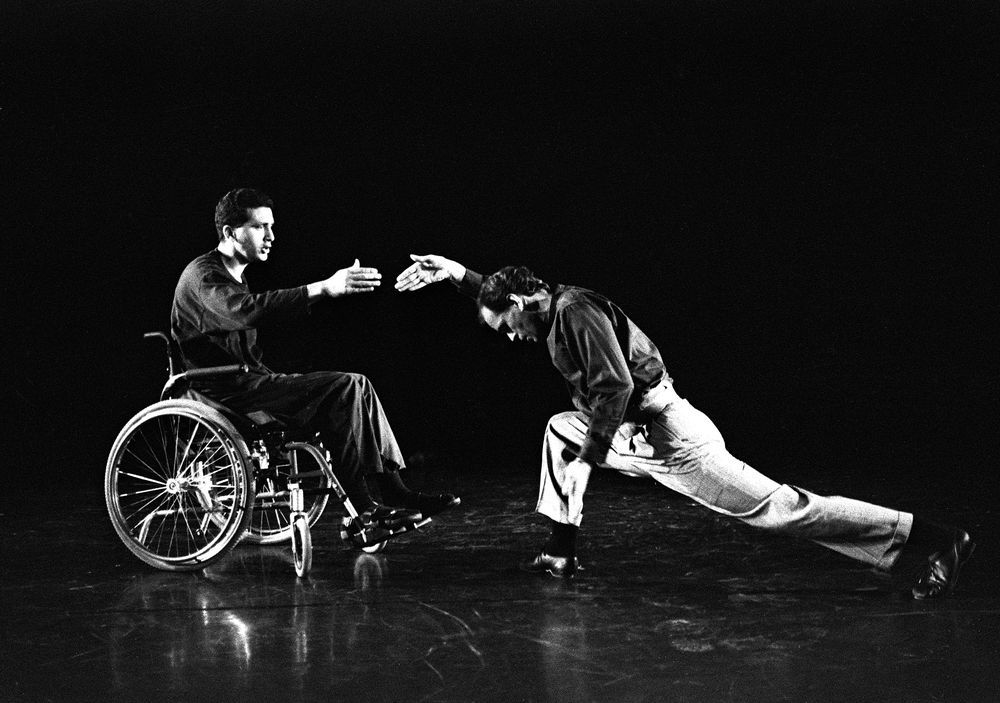
A commemoration of another sort takes place on October 21 and 22 at the Betty Oliphant Theatre. The works of the late Toronto composer and percussionist Ahmed Hassan were imbued with Afro-Caribbean and Middle Eastern influences. Written primarily in conjunction with Canadian theatrical dance, Hassan’s works will receive performances in their original staged dance context at the Abilities Arts Festival, produced by Peggy Baker Dance Projects. Renowned dancer Peggy Baker, the curator of this show, is Ahmed Hassan’s widow. Titled “The Neat Strange Music of Ahmed Hassan, his music will be performed along with the original dances, by important Toronto choreographers, for which his music was commissioned. The performers include senior students of the School of Toronto Dance Theatre; Hassan’s sister, Maryem Tollar, vocals and Mother Tongue, a “world beat” band.

version_1_peter_ahmedFrom October 15 to 23 the Music Gallery presents its annual X AVANT New Music Festival VI. The festival typically programmes avant-garde music in its many guises, however on Friday October 21 there is a world music element. That night, three acts represent various shades of contemporary music. The Montreal based sound artist Tim Hecker will play St. George the Martyr Church’s pipe organ plugged into a computer, the sound looped, altered and played back through the PA system, while the German pioneer of “glitch” music, Markus Popp, explores modern electronica. (Opening the evening, is a new cross-cultural Toronto music collective Global Cities Ensemble of which, as I mentioned in the June issue, I am a member, playing suling — Indonesian ring flute, and kacapi — Indonesian zither along with Araz Salek (tar — Persian lute); Abdominal (songs and rap) and Professor Fingers (live electronics), and blending instruments, intonation, and modes from Iran, Indonesia, India and Western musics.)

World music also makes several appearances this month further downtown on Front Street at the splashy, renovated Sony Centre For The Performing Arts. On October 21 “Goran Bregovic And His Wedding and Funeral Orchestra” features music from the mixed ethnic centre of Sarajevo, combining a Serbian gypsy band, a classical string ensemble, an Orthodox male choir and two Bulgarian female vocalists. On the 22nd, the Salsa Kings perform music from Cuba including the dance-infused music of the mambo, rumba and the cha cha cha.

Opening its run on October 26 also at the Sony Centre, David Mirvish presents “Bharati: The Wonder That Is India.” Judging from the promotions touting a “music and dance spectacle from India, featuring 70 dancers, actors, singers, acrobats and musicians,” this production appears to be a big-stage nationalistic extravaganza along the lines of recent Chinese productions and predated by the long-running Irish themed mega-shows “Riverdance” and “Celtic Woman.”

Bharati’s storyline, on the other hand, sounds compellingly contemporary. A modern day Siddharth raised in the U.S. and cynical of all things Indian returns home to cleanse the Ganges river of its pollution. Despite his contempt, Siddharth is attracted to a mysterious and elusive Indian woman, Bharati, who reintroduces him to the many wonders of India. As the story goes, in the end, Siddharth, appearing to be a sort of diasporic Everyman, discovers a new sense of self in this journey of homecoming, identity and redemptive love.

These are big, ambitious themes. I hope the production delivers them with more than simplistic bombast since I plan to attend.

I especially wish for a nuanced presentation of a sampling of the multitude of Indian traditional performing arts, among the treasures of the music of our world.

Andrew Timar is a Toronto musician and music writer. He can be contacted at worldmusic@thewholenote.com.
September has come around again, yet many of us are eager to squeeze as much summer as possible out of this swing season month. While the fall concert season in the past has typically begun this month, in recent years it seems the lines between summer and fall seasons are becoming less defined.

An example of this is the CNE. This quintessential end-of summer celebration for generations of Ontarians has for decades been the Canadian National Exhibition, affectionately known as the “Ex.” Founded in 1879, this year it continues until September 5. Those of us who associate it with fond childhood fairground memories may have missed the news that these days, in addition to the midway, fair food and pavilions, the Ex hosts more than 80 performances of music and dance from around the world. The concerts mounted on the Transat Holidays International Stage located in Hall B of the Direct Energy Centre feature both local and visiting acts. In the words of the CNE, their programming “represents Canada’s vibrant cultural mosaic.”

The majority of the concerts take place in August but I found a few this month, which are of interest to world music aficionados. On Saturday, September 3 at 6:30pm “Hawaiian Pacific Magic,” a music and dance troupe, will take you on a tour of Polynesian culture. Their repertoire includes the Hawaiian hula along with its ancient chants, the magic poi dances of New Zealand and the drum-driven performance arts of Tahiti (the otea), Fiji and Samoa. I’ve experienced some of these performances on their home turf and when done with skill and passion they leave tacky Hollywood and TV stereotypes in the sand. There has long been a special place in my heart for this music and dance — a longing that only the island spirit of aloha can fill. Sadly it’s a balm much too rare in our town, and I’ll be sure to dip into it on this occasion.

world_faye___bryant_lopezOn Sunday September 4 at 3pm, Bryant and Faye Lopez appear as “Tango Soul” on the Transat Holidays International Stage. They will be dancing the Argentine tango to the virtuosic and emotive music which bonds so completely with this archetypal couple dance that it’s impossible to determine which accompanies which. Tango is a thrill to watch, only exceeded by the thrill experienced by those performing. Frank disclosure: I fall into the former armchair category.

If I were in town on the first weekend of September and got a hankering for Latin culture, I’d visit the “Hispanic Fiesta,” now in its 30th year, at North York’s Mel Lastman Square. The Fiesta features the music, dance and food of 20 different Spanish-speaking countries, and boasts over 300 local and international performers. Over the years the Fiesta has quietly garnered a reputation as one of the best-organized ethnic festivals in Toronto.

world_hafez_nazeriHafez Nazeri, among Iran’s younger generation of composers, is currently based in Toronto. His “Rumi Symphony Project,” based on the poetry of the famous Persian Sufi bard, is marking its Canadian debut at the Sony Centre for the Performing Arts on September 10. The project has received glowing reviews from leading American dailies. Hafez Nazeri will perform alongside an international ensemble of musicians including his father, the noted vocalist Shahram Nazeri. The concert will also feature the world premiere of new compositions pairing the classical music of Iran and the West, from his upcoming album on Sony Classical. The composer aims to create a new genre that unifies these two distinct cultures and their musics.

world_davidbuchbinderLater on in the month, on September 27, a new music project called “Andalusia to Toronto” launches at the Royal Conservatory’s Koerner Hall. This concert, presented in partnership with Small World Music, mixes traditional and jazz-accented Arabic, Jewish and Afro-Cuban music, each of which celebrates roots on the Iberian Peninsula. Some of Toronto’s leading exponents of these genres are involved including David Buchbinder, trumpet and flugelhorn; Bassam Bishara, vocals and oud; Michal Cohen, vocals; Amanda Martinez, vocals; Hilario Durán, piano; Aleksandar Gajic, violin; Roberto Occhipinti, double bass; Jamie Haddad, percussion; and Roula Said, dance and voice.

My bet is that this outstanding group of musicians will take their audience on a thought-provoking and exhilarating multi-cultural musical excursion. I plan to be there. It will be a fine way to mentally prepare for the crisp fall weather coming all too soon.

He can be contacted at worldmusic@thewholenote.com.

Our annual, semi-tropical season has finally arrived in Southern Ontario. As well as officially launching the BBQ, road construction and vacation seasons, it also signals a mean average increase in world music concerts. The clement weather affords all of us the opportunity to enjoy music from various corners of the world performed alfresco, as well as making it easier to travel to outdoor festivals across the province.

I’ll be taking advantage of both the good weather and travel opportunities to perform out of town. One gig I look forward to is at the Electric Eclectics (EE) festival, now in its sixth year.

page_23_sunda_duo_-_small_file_b_w_iiMy musical partner, guitar and kacapi (zither) player Bill Parsons, and I (on suling) are collectively known as Sunda Duo. We will be performing at the EE’s DJ Tent on Saturday, July 30, 2pm. EE is easily among Ontario’s most unusual summer festivals. In addition to having an eclectic programme, its site — a farm overlooking the scenic Beaver Valley, just outside of Meaford, Ontario — is a major draw. While EE focuses on avant-garde and crossover musicians, art installations, DJs and films, this year it is embracing Sunda Duo’s world music-meets-Toronto-eclectic fusion. Expect to hear West Javanese (Indonesia) songs combined with our compositions, creating a special Asian-inflected blend of contemporary Canadian music. Given that the majority of the audience camps out on the EE farm, I’m preparing to enjoy that age-old Ontario summer custom too.

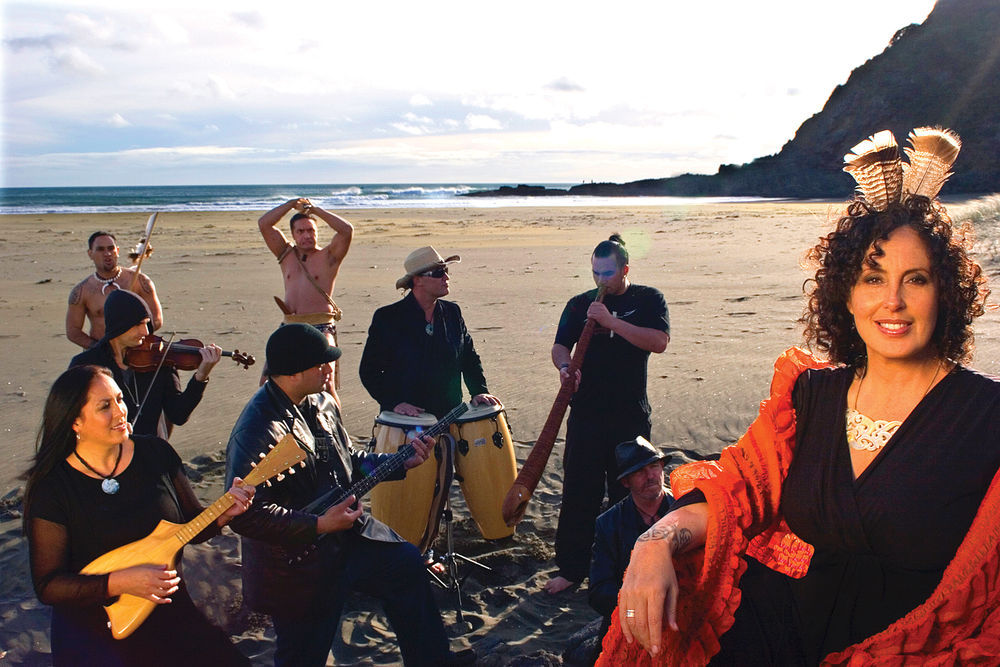
The TD Sunfest in London, Ontario, is among our longest running world music-friendly festivals. Running from July 7–July 10 at the relaxed and verdant Victoria Park in the centre of the city, the concert lineup on the evening of July 7 looks particularly international: Tram des Balkans (France); Mamaku Project (New Zealand); Etran Finatawa (Niger); Novalima (Peru); and Dizu Plaatjies and Ibuyambo (South Africa).

On July 10 at 4pm, Hindustani classical music reigns at the Living Arts Centre in Mississauga. Headlining are the vocalist Pandit Ajoy Chakrabarty, and the emerging young master sarod-ist Alam Khan. He is the son of the late, great sarod maestro Ali Akbar Khan.

The Huntsville Festival of the Arts is also venturing into world musical territory. Arvel Bird performs on Native American flute and fiddle on July 2; Luis Mario Ochoa Cuban Quintet appears on July 28; and the Jesse Cook group plays guitar-centric music with global influences on August 18.

page_23_moana_world_moanaOf course there’s no need to get out of town to hear world music this summer. There is plenty of it right in Toronto. Among the granddaddies of summer programming is the Harbourfront Centre’s series, this year tilted “Hot Spot Summer.” Each weekend’s festivities are keyed to a different concept or national theme. During the first weekend, on July 2 at 9:30pm, Systema Solar performs their hot Afro-Caribbean and Colombian music on the Redpath Stage. The next day, on the same stage, at 5pm, Moana & the Tribe redefines inter-island music with an idiosyncratic mix of reggae, funk and Maori music. The cultures of Mexico, Colombia and Iran are featured July 8–10, July 15–17 and July 21–24, respectively. “Island Soul Festival” showcases carnival, pan (steel drums ensemble), poetry and dance July 29–August 1. One of the more intriguingly named three-day festivals is “What is Classical?” running August 5–7. I’m curious how the curators will explore the diverse forms of ‘classical’ music from the Americas, the Middle East and East Asia. August 19–21, South Asia’s turn comes with “Masala! Mendi! Masti!” Harbourfront audiences can explore Taiwan’s emergence as a source for both new and old artistic expressions August 26–28.

The annual summer series at the lakeshore Toronto Music Garden is celebrating 12 years of free concerts in its lush urban-themed garden setting. All this time it has been serving up a high level of performances of classical and traditional music from around the world. I’ve performed there several times. Despite the noisy proximity of the island airport, Front Street traffic and the Gardner, is there a better free, open-air-blanket-on-grass concert experience downtown? All that’s missing is the B&B: barbeque and beverages.

This summer I look forward to the visit of several outstanding groups to the Music Garden. Vancouver’s Juno-nominated Orchid Ensemble plays repertoire inspired by mountains and rivers on Thursday, August 18, at 7pm. The Shiraz Ensemble on Sunday, August 21 at 4pm, makes an eloquent and elegant case for Persian classical music, exploring the roots of melodic modes and rhythms in its music and sophisticated poetry. Toronto’s own muscular taiko (Japanese drum) ensemble Nagata Shachu will undoubtedly raise summer temperatures even higher with its appearance on Thursday, August 25, at 7pm.

Elsewhere in Toronto, Megobrebi: World Vocal Ensemble sings at Music Mondays’ 12:15, July 4 concert at the Church of the Holy Trinity. On July 9, the controversial Iranian musician, singer-songwriter Moshen Namjoo and his group, perform Persian music fused with western styles at the George Weston Recital Hall, presented by the Parya Trillium Foundation. Also at the Weston Recital Hall, Toronto lovers of Cantonese opera can get their all too rare fix on July 10 at 2pm, when the Starlight Cantonese Opera performs.

There are other festivals this summer, both grand and intimate, with world music programmes. Intrepid musical explorers may wish to check offerings at the Mill-Race Folk Festival, Collingwood Music Festival, Elora Festival, Savannah Festival of Rhythms, Ottawa Chamberfest and others.

I wish you pleasant musical trails and discoveries.

Andrew Timar is a Toronto musician and music writer. He can be contacted at worldmusic@thewholenote.com.
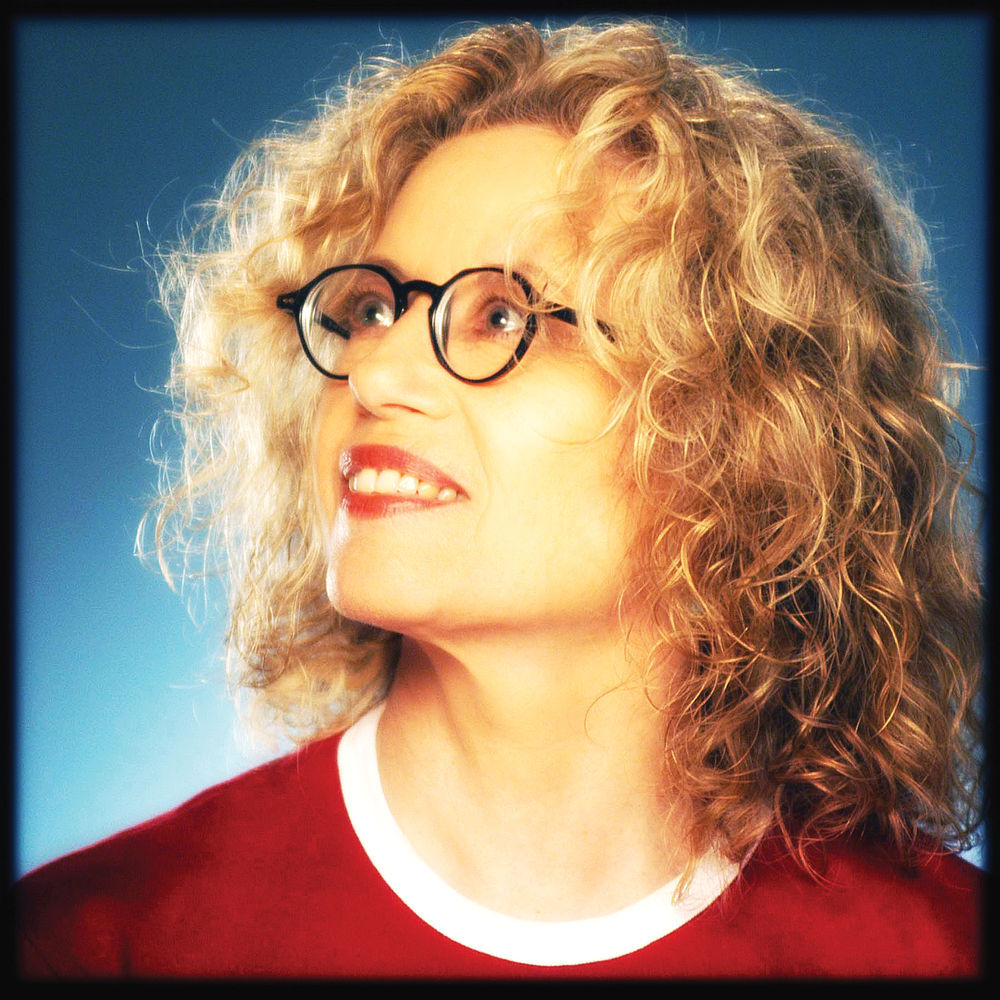
June appears to be another month chock-ablock with performances of both seasoned world music headliners and fresh experimenters.

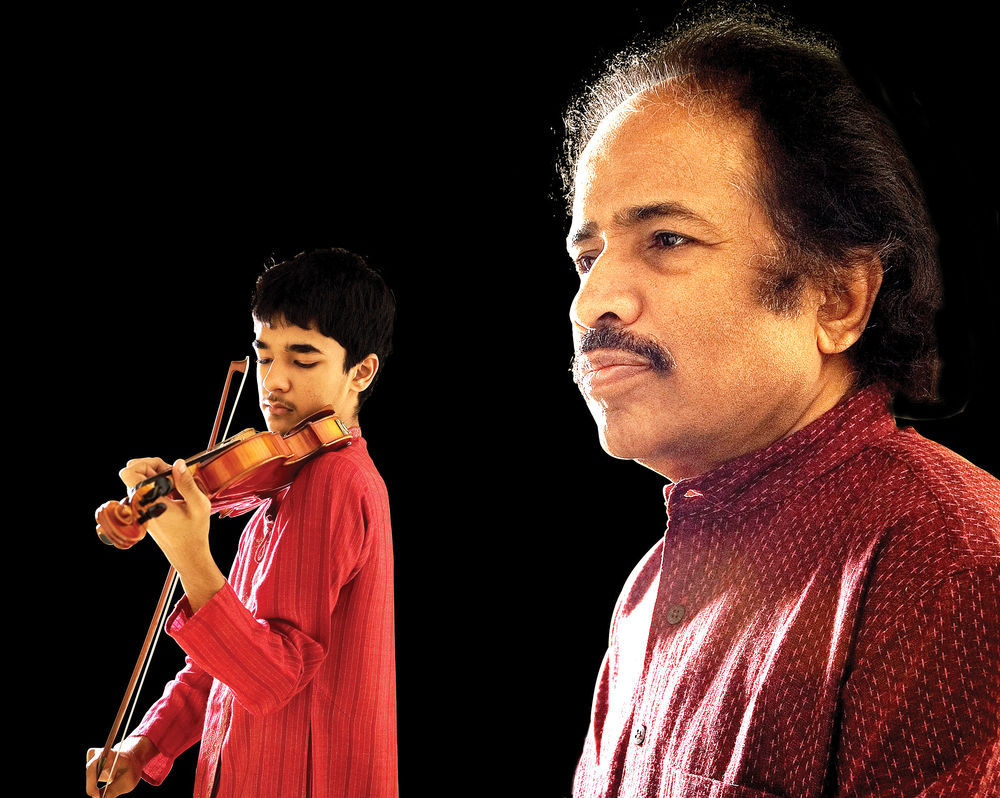
p18_subramaniamOn June 3 the Carnatic violin virtuoso L. Subramaniam performs with his son Ambi Subramaniam at the Isabel Bader Theatre. No stranger to international audiences, L. Subramaniam comes from a leading south Indian violin playing family. In his long and well-recorded career he has garnered glowing testimonials from Indian and Western notables. Fellow fiddler Yehudi Menuhin once pronounced, “I find nothing more inspiring than the music making of my colleague Subramaniam.” Dubbed “The Paganini of Indian Classical music,” L. Subramaniam draws his musical language from both Karnatak and Western classical sources in his concerts and in his over 150 recordings and feature film soundtracks. Several percussionists and a morsing (mouth harp) player will accompany the Subramaniams’ brilliant flights of melody.

At the other end of the spectrum of world music, the experimental quartet Global Cities Ensemble performs at the Music Gallery on June 5. This recently formed Toronto quartet’s intercultural experimental mission infuses hip-hop with West Asian & South East Asian instruments and music, thereby exploring a new world music language. Four respected musicians on the Toronto music scene, each from a different musical background, comprise the GCE collective. Members include the award-winning Toronto rapper and songwriter Abdominal; the leading experimental turntablist and electronics musician Professor Fingers; the Toronto virtuoso of the tar (long-necked Persian lute) Araz Salek, and yours truly on suling (Indonesian bamboo ring flute) and kacapi (Sundanese zither). With such a mix, expect an adventurous exploration of a new global sonic landscape.

Luminato 2011 is billed as “Toronto’s 10 day festival of arts and creativity.” This year it boasts a veritable world music festival featuring a large number of impressive world music acts at its new downtown festival hub at David Pecaut Square, and elsewhere.

Commissioned by Luminato, Sampradaya Dance Creations premieres its production TAJ on Friday, June 10 at the Harbourfront Centre’s Fleck Dance Theatre. Under the artistic direction of the award-winning company choreographer and dancer Lata Pada, this 90-minute dance drama has a music score by Praveen Rao. Bollywood stars Kabir Bedi and Lisa Ray headline the production that chronicles the human drama behind the Taj Mahal, the Indian architectural wonder. This is among the most ambitious productions of the Mississauga based Sampradaya Dance Creations which boasts a 20 year history marked with innovative dance creations, many featuring music commissions as an essential performance element.

The Luminato world music series launches at the David Pecaut Square on the evening of June 11 with the Italian group Bandabardò. Formed in 1993, this Florentine folk revival band is renowned both for its live performances and for its popular albums. Bandabardò is joined by the singer/songwriter Peppe Voltarell whose Calabrian roots lends authority to his signature blend of rock with the folk music of Southern Italy. Toronto’s Dominic Mancuso, the winner of the 2010 Juno for World Music Album opens the evening. Mancuso who has been called the “premier Sicilian griot of these times” sings an emotionally fuelled blend of Italian folk, influenced by blues, soul, and jazz.

On Sunday June 12 at 2pm Homayun Sakhi, widely considered the finest Afghani rubâb player of his generation performs at Luminato. The remarkable Alim Qasimov Ensemble from Azerbaijan who follows Sakhi has been acclaimed by the Guardian as “one of the most thrilling, unashamedly emotional performers on the planet.” Alim Qasimov is the world’s leading exponent of mugham, a sophisticated Azerbaijani performing art form combining music with classical poetry. Musician friends who play Arabic and Persian music have already made plans to attend this extraordinary double bill concert.

That same evening (June 12) the renowned Kronos Quartet headlines an evening of string music – with an idiosyncratic world music twist. The Grammy-winning American Kronos has been active for decades developing a unique repertoire mixing classical string quartet works and global musical languages in one adventurous combination after another. The resulting thousands of concerts and dozens of albums are an eloquent testament to the success of their approach, attempting no less than a redefinition of the string quartet’s role in music today. Their guest is Toronto’s Annex Quartet. They will jointly perform a typically eclectic all-contemporary programme including Terry Riley’s Sunrise of the Planetary Dream Collector, David Balakrishnan’s Skylife, Franghiz Ali-Zadeh’s Mugam Sayagi, and Osvaldo Golijov’s Se Me Hizo Facil.

Toronto’s Sultans of String perform at Luminato with Yemen Blues on June 14. The local group garnered a 2010 Juno nomination for their infectious dance music mixing French Manouche Gypsy Jazz, Spanish Flamenco, Middle Eastern Folk, and throwing in Cuban Rhythms for good measure. Yemen Blues (USA/Israel) on the other hand draws on founder Ravid Kahalani’s roots to define his original compositions. His nine-member group blends Yemenite songs with blues, jazz, and funk in a dance friendly fusion of complex grooves.
June 16 brings an evening of contemporary bhangra to Luminato. Bhangra is the popular dance music genre originally from rural Punjab. The Vancouver group Delhi 2 Dublin includes Celtic fiddle players, two bhangra percussionists and a female Bollywood-style vocalist, presenting them in an exhilarating mash-up of Punjabi bhangra, Celtic, dub reggae, and electronica. Bhangra superstar Malkit Singh and his band Golden Star follow. They have toured the world and won international acclaim for such hits as “Jind Mahi” from the Bend It Like Beckham film soundtrack.
Contemporary Arabic music is showcased at Luminato with a special focus on artists from Egypt on June 18. Toronto’s Minor Empire ensemble opens the afternoon with a mix of traditional Middle Eastern and Western music. The guitarist and composer Ozan Boz leads Michael Occhipinti, Chris Gartner, Debashis Sinha and other sought-after Canadian musicians. Headliner Natacha Atlas is one of the leading female voices in contemporary Arabic culture. This Anglo-Egyptian singer has collaborated with divas such as Sarah Brightman and Sinead O’Connor in music that fuses electronic beats with Arabic music. I saw Atlas perform years ago at Harbourfront and her powerful singing that afternoon still resonates in some sonic recess of my mind. The Qanun (a zither-like instrument) master George Sawa and his ensemble continues the Arabic festival at 8:00pm. Sawa has spread his expertise from medieval to modern Arabic music to several generations of Toronto musicians and has performed around the world. The Egyptian singer Hakim follows on stage. Called the “Lion of Egypt” by fans, Hakim is a star of the electronica-influenced sha’abi, a popular urban music genre rooted in traditional Egyptian folk music capturing “the tumultuous essence of life on the street.”
p19_natacha_atlasJune 19 marks the closing day Luminato festival concert. At 2pm Toronto’s Tasa performs original compositions as well as arrangements of songs from the Indian diaspora. Founded in 1999 by tabla player and composer Ravi Naimpally, Tasa is one of our town’s leading world music ensembles, winning an Urban Music Award for Best World Music Album for their debut release “Bhakti.” The Indo-British musician, producer and composer Nitin Sawhney is the festival’s closing act. His critically acclaimed music combines Asian and other world influences with elements of jazz and electronica. Sawhney has just released the album “Last Days of Meaning,” an unusual theatrical project with deep themes: reflection on the past, shared memory, empathy and ultimately hope.

Saturday June 25 the group Wenge Musica Maison Mere directed by Werrason plays at the Ukrainian Cultural Centre. At the beginning of the 1980s, the Congolese singer and musician Werrason was an essential member of the innovative band “Wenge Musica 4X4 Tout Terrain d’Intervention Rapide,” touring throughout Europe, Africa, and North America. Werrason’s 1999 album “Solola Bien” was accorded the Golden Record in France. The following year he performed in Paris in front of 17,000 fans and in years since has released a number of world music albums. Be prepared to dance deep into the night: the show is advertised to last from 9pm to 2am.

In closing, a word about music performances at the Toronto Public Libraries. With 99 branches, the Toronto Public Library is the world’s busiest urban public library system. 18 million visitors borrow more than 32 million items each year. While the branches have long been information and education hubs for citizens of all ages, recently it seems that performing arts events including music have been rising to the top of the stacks. During the month of May a spate of performances celebrated Asian Heritage Month with eight Asian Homelands Festival programs around town. On June 8 at 2:00pm at the Elizabeth Beeton Auditorium, Toronto Reference Library, the Native Canadian Centre of Toronto presents Native Songs and Dance: The Importance of First Nations Culture, a programme of singing, dancing and drumming to be followed by discussion. Free programs celebrating Portuguese and Newfoundland musical connections are scheduled at 2pm at the Northern District Public Library at 40 Orchard View Blvd. On June 2 John Christopher and John Showman play Newfoundland, Latin and bluegrass music on guitar and violin. Mark and Ken Sparling perform on banjo and guitar on June 16. Finally, local Portuguese guitar masters Nuno Cristo and Alvaro Oyarce play the music of their homeland on June 23.


Andrew Timar is a Toronto musician and music writer. He can be reached at worldmusic@thewholenote.com.

During the month of May, Toronto’s Latin music mecca, Lula Lounge on Dundas St. W., is the destination for world music aficionados. This year its ambitious festival LULAWORLD 2011: The New Canadian Songbook, runs from May 12 to May 22 and encompasses 15 concerts. While Lula’s focus does not abandon its Latin American musical roots, programmers make a case for showcasing the diversity all around us. Judging from the line-up, what they call “The New Canadian Songbook” is sung in Spanish, Portuguese, Yiddish, French as well as English. The festival highlights the contribution of Canada’s newcomer musicians, whose compositions, performances, and recordings constantly serve to refresh and redefine the Canadian musical landscape, enriching our cultural fabric by incorporating traditions from across the globe. And isn’t that what world music should be about?

The concert series kicks off May 12 with the celebrated Latin jazz vocalist Amanda Martinez, joined by her guest, the Colombian-born Grammy nominated guitarist/singer-songwriter Fernando Osorio. With her 2009 release Amor reaching #1 on iTunes, recent performances at the FIFA World Cup in South Africa and at New York’s prestigious Blue Note, Canada’s Martinez is riding high.

The festival continues later that evening with the Columbian group Bomba Estéreo, no doubt living up to their explosive moniker with an eminently danceable sound that often expands into trippy electronica territory. Bomba Estéreo was formed in 2005 by Simon Mejia, building on an already active underground electronic dance music scene in Bogotá, Colombia. The group expanded its sound and enhanced its live show by recruiting the fierce singer Liliana Saumet. Bomba Estéreo plays an explosive fusion of electronic dub and hip-hop styles which commentators have likened to M.I.A. and Santigold, but underscored with Colombian dance rhythms of cumbia and champeta. Afro-Colombian rhythms and the folk music of the coastal city Santa Marta, where the group leader Saumet grew up are especially important to Bomba Estéreo’s music.

22_patriciacanoSinger Patricia Cano was raised in Sudbury, Ontario, but is of Peruvian heritage. She headlines LULAWORLD on May 13. Moving early in life into the international spotlight, this young singer worked and studied in Paris and Brazil. In 2009, Cano recorded her debut album, showcasing traditional South American folk songs, including samba and Afro-Peruvian forms driven by jazz grooves and the soulful sound of the blues. Blessed with a mellifluous and oft intense voice, the album has a strong Brazilian lilt thanks to Brazilian guitarist Carlos Bernardo and percussionist/producer Luisito Orbegoso. Cano is emerging as one of Canada’s leading vocal talents.

In the second set on May 13, one of Canada’s leading salsa bands releases its third album Looking from the Top. Caché’s signature vibraphone-inflected sound that the group has been developing for nearly a decade features the irresistible vocals of frontman Juan Carlos Cardenas. Under the leadership of percussionist Wilson Acevedo and bassist Richard Morales, vibraphonist Randy Stirtzinger and conguero Daniel Stone contribute compositions that have become standards for Toronto salsa dancers. A favourite of CBC and campus radio stations, Caché may be the most in-demand salsa outfit in the country. I may be there trying out my floor moves too.

Speaking of dance, on May 14 at 1pm, Café Con Pan will be holding a free Mexican fandango workshop for families. Accompanied by the son jarocho music of Southern Veracruz, you too can learn the basics of zapateado dancing. At 3pm, the all-ages theme continues with Family French World Café hosted by Quebecois singer-songwriter Joanna Moon, with Donné Roberts. Both are LULAWORLD events.

Continuing with the LULAWORLD New Canadian Songbook theme, at 10pm on Saturday, May 14, an all-star band performs salsa works by noted Canadian composers including Luis Mario Ochoa, Hilario Durán, Jesus El Nino and Mario Allende. The musical direction is co-chaired by Luisito Orbegoso and Sean Bellaviti. The following day, join guitarist Luis Mario Ochoa, one of Canada’s best known Cuban voices, in “Lula’s Sunday Family Salsa Brunch,” hosted by CBC Radio’s Mary Ito; seatings at 11am and 1:30pm. The brunch includes a beginner salsa lesson and Ochoa’s Cuban Quartet. What better way to dance off your eggs benedict?

Sunday evening, May 15, LULAWORLD showcases David Buchbinder’s Odessa Havana featuring Hilario Durán and Maryem Tollar. Yes, you guessed it, this Jewish-Cuban mash-up was predated but not predicted by the Jewish-fuelled American mambo craze of the 1950s. This band is comprised of award-winning trumpeter and composer David Buchbinder, JUNO award-winning pianist/composer Hilario Durán and topped up with Canada’s top jazz and world musicians.

The young BC fiddler Jaron Freeman-Fox’s music dances the line between the soulful and the ridiculous. With his recent album Manic Almanac: Slow Möbius, and a new fiery band, The Opposite of Everything, he displays his own fusion of folk and experimental instrumental music on Tuesday, May 17, at LULAWORLD.

On May 19, singer-songwriter and 2010 Juno award winner, Dominic Mancuso, performs both originals and contemporary treatments of Italian songs and folk melodies joined by celebrated Toronto bassist Roberto Occhipinti. On the second set, Socalled (presented in association with Small World Music) performs his genre-bending collaborations melding funk, Klezmer, hip hop, lounge and classical music. Described as a “klezmer hip-hop maestro,” Socalled (aka Josh Dolgin) is a Montreal-based musician, producer, composer, arranger, magician, filmmaker and photographer.

Book-ending the LULAWORLD festival are several local acts. On May 20, Samba Squad makes a welcome appearance with guest vocalist Luanda Jones. Directed by Rick Lazar, Samba Squad gathers diverse global influences and produces raw, drum-heavy original compositions that are certain to rock the Lula! Lazar presents a night of new compositions and Samba Squad originals with a good measure of funked-up covers of traditional Brazilian favourites. Then on May 22, the Brazilian-born singer, percussionist and composer, Aline Morales, launches her solo CD Flores, Tambores e Amores. Accompanied by album producer David Arcus, percussionist Maninho Costa and the Heavyweights Brass Band, Morales provides a contemporary Canadian perspective on those quintessentially Brazilian genres, samba, tropicalia and maracatu.

24_jaronfreemanfoxElsewhere in Toronto, the Toronto Tabla Ensemble performs on May 18 and 19 at the Harbourfront Centre’s Enwave Theatre. Featuring North Indian rhythms combined with original loops, samples and sequencing, Ritesh Das directs from the tabla. Guest musicians include Evan Ritchie on drums and percussion, and Ian de Souza on bass.

Further afield, in London, Ontario, the “Year of India in Canada 2011” touches down at the Delta London Armouries on May 1. This year-long, Canada-wide cultural and trade show features dancers and musicians from across India. Represented is Carnatic music from the south, Hindustani music from the north, Rabindra Sangeet (songs of Rabindranath Tagore, Bengali’s favorite son), as well as folk and Bollywood songs. Nor have Indian dance fans been neglected: Odissi and kathak dance traditions are well represented too.

Back in Toronto, Quebec’s renowned folk trio, Genticorum, plays on May 19 at Hugh’s Room. Featuring songs from their new album Nagez Rameurs, the Juno and Felix nominated Genticorum’s performances are marked by stirring three-part harmonies, a high-level of musicianship, an engaging sense of stage humour and a joie de vivre, all of which have earned the band a growing international fan base. They impressed me a few years ago at the Cambridge Millrace Folk Festival and then again at the Mariposa Festival in Orillia. Their current show has more interplay than before between traditional songs and original compositions. Original reels are fused to traditional songs and traditional songs are performed to original lyrics. In my humble opinion this is what living folk music should be like.

Andrew Timar is a Toronto musician and music writer. He can be contacted at worldmusic@thewholenote.com.
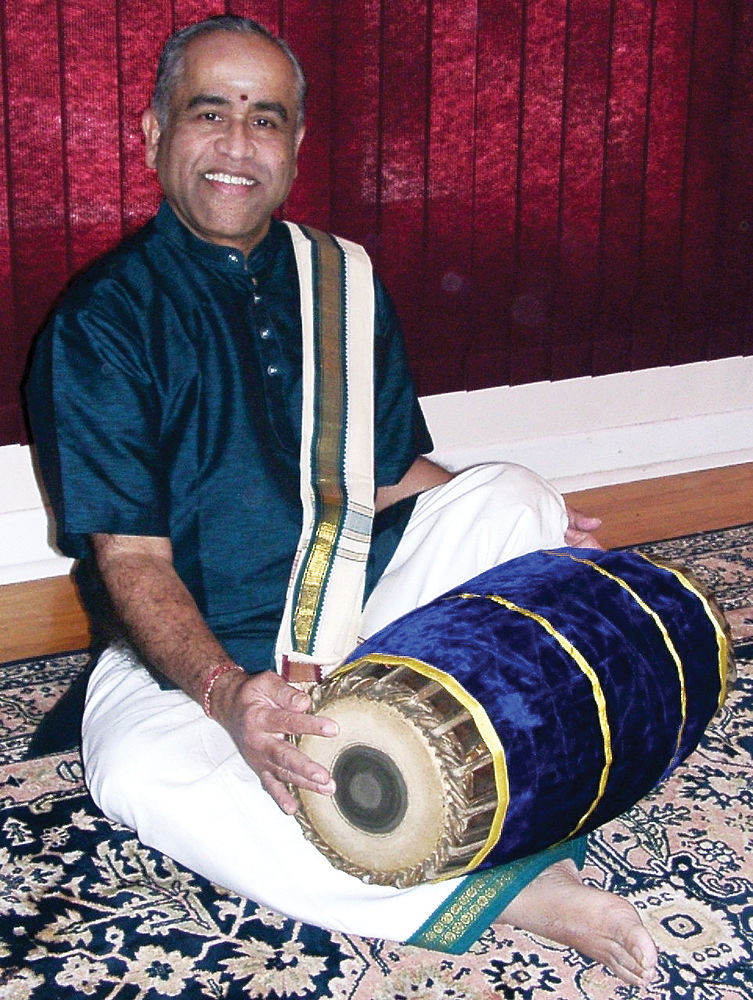
It has been said that good things come in threes. On the first day of April, three concerts grace GTA stages – no foolin’. The well-traveled Hindustani slide guitar maestro Debashish Bhattacharya performs his raga-based improvisations at Brock University’s Centre for the Arts, in St. Catharines. Acclaimed as a musician while still a child, Bhattacharya has in recent years built three distinct forms of the slide guitar, the original Indian introduction of which he traces back to the 20th century Hawaiian guitar virtuoso, Tau Moe.

On the other hand, Canadian Harry Manx forged his own distinctive guitar style studying at the feet of the masters closer to home – in the blues clubs of Toronto. Manx followed his passion for slide guitar to India, spending a rigorous five-year internship with Vishwa Mohan Bhatt. The latter is a noted Hindustani musician, the inventor of the 20-stringed mohan veena, an instrument also developed from the guitar. This is no novelty act, however; Manx’s guitar playing is finely tuned and sensitive, influenced by his playing of raga, while his vocals are deeply dipped in the blues. No one else makes music that sounds like this. Manx performs his eclectic repertoire of Indian-infused blues, American roots and Middle Eastern flavoured music on April 1 at Koerner Hall, with Californian multi-instrumentalist David Lindley.

The same day, completing our musical trifecta, the Sarv Ensemble celebrates Persian New Year and the arrival of spring. The concert titled Eidaneh features Iranian classical and folk music at the Beit Zatoun venue in downtown Toronto.

25_worldview_bridges-_roula_said__lenka_lichtenberg_etcIf I were seeking big themes for this month’s column, my choice would be to go no further than the Lula Lounge on Thursday, April 7, at a concert titled “Bridges: Yiddish & Arabic Music in Dialogue.” The two Toronto-based co-leaders Lenka Lichtenberg (voice/composition) and Roula Said (voice/composition/qanun/percussion) present an inspirational evening searching for common ground between Jewish and Arabic music traditions. With tensions between and within nations being what they are, the notion of music acting as a bridge between people is the high-minded leitmotif chosen by these multi-talented co-leaders.

The Czech born singer-songwriter Lenka Lichtenberg embraced Toronto’s world music aesthetic in her exciting fourth solo album Fray (Free, 2010). The Small World Music-presented concert “Bridges” is an extension of that project and includes some of Toronto’s finest world musicians: Alan Hetherington (percussion), Chris Gartner (bass), John Gzowski (guitars), Ernie Tollar (sax/flutes/clarinet), Kinneret Sagee (clarinet) and Ravi Naimpally (tabla).

Roula Said, dedicated to Middle Eastern music and dance, has been consistently active on Toronto’s world music scene going on two decades. Best known as one of Canada’s leading bellydancers, Said is the director of Om Laila Bellydance, and the producer of FunkaBelly and the Bellydance Cabaret. She is also a stylish vocalist, percussionist and quanun player, as evidenced by her performances with the Gypsy/Arabic funk band Nomadica, which she co-leads with trumpeter and composer David Buchbinder.

What will the evening’s music be like? Lichtenberg sings expressive Yiddish and English lyrics with an intimate soprano over well-wrought arrangements bridging many musical styles. Roula Said will undoubtedly bring to the stage her well-honed Arabic music and dance skills to the mix. Ultimately, you and I will have to attend to find out.

Small World Music also presents Ghana’s Afrobeat pioneer Tony Allen (drums) on April 15 at the Phoenix Concert Theatre. Allen headlines the concert that includes guests Amp Fiddler (keyboard), Prince Enoki’s Insect Orchestra, and DJ medicineman.

On Sunday April 17, at the Glenn Gould Studio, the University Settlement’s Music and Arts School is celebrating a “Festival of Music and Culture” in honour of 90 years of “music in the making.” Designed as a multicultural event to celebrate diversity, this concert headlines the Indian-Canadian fusion group Autorickshaw Trio. Other noted performances include kathak dance by Joanna deSouza, guzheng performances by the Fan Shang-E Zheng Music Association, the University of Toronto Klezmer Band, Iranian Drumming by Manouchehr Chahardooli, Chinese Erhu by Yuan Wang and a special presentation of University Settlement Music and Arts School students. Proceeds from this event will support the many worthy University Settlement programs and services.

Perhaps we downtown denizens need to be reminded every once in while that there is (world) musical life outside of T.O. The Port Hope Friends of Music is a brave presenter in Port Hope, about 100km east of Toronto, which serves its community by bringing top-notch classical musicians to town. On Saturday April 30, however, world music is on the menu in the form of Toronto’s Evergreen Club Contemporary Gamelan (ECCG). The ECCG (of which I am a performing member) will perform its mixed program of contemporary Indonesian, Canadian and American works on its glittering bronze, wood and bamboo gamelan degung at the Cameco Capitol Arts Centre.

Closing the month on April 30 at Toronto’s Music Gallery, Amir Amiri on santur (Persian hammered dulcimer)) headlines a concert with Ziya Tabassian (percussion) and Araz Salek on tar (Persian lute). The concert, titledNew Ancient Strings,” explores the past and future of Persian music. Keeping with the Persian/Iranian theme, on May 7, Orchestras Mississauga/Chamber Music Society of Mississauga present “Tales and Tunes for Toonies: Carpet of Dreams.” This performance of Persian fairy tales set to traditional classical Persian chamber music performed by the Toronto-based Shiraz Ensemble is geared to youth audiences. The work will have its long-awaited premiere at the Living Arts Centre, Mississauga.

26_glendaHow better to fête International Workers’ Day, May 1, than to attend the Echo Women’s Choir’s concert Celebrating Women at Work at Toronto’s Church of the Holy Trinity? Echo is a well-established, vibrant, 80-member choir which regularly sings songs from around the world. In this concert they cover Georgian lullabies, and South African and North American protest songs, all conducted by Becca Whitla and Alan Gasser. Their special guest, Cuban-Canadian pianist Glenda Del Monte Escalante, joins the choir in Cuban numbers that she has arranged, and also leads a jazz set. I’ve consistently found Echo Choir concerts to be uplifting musical and community spirited affairs. (A personal note: I am proud of my past service in Echo’s men’s auxiliary.) n

Andrew Timar is a Toronto musician and music writer. He can be reached at worldmusic@thewholenote.com.
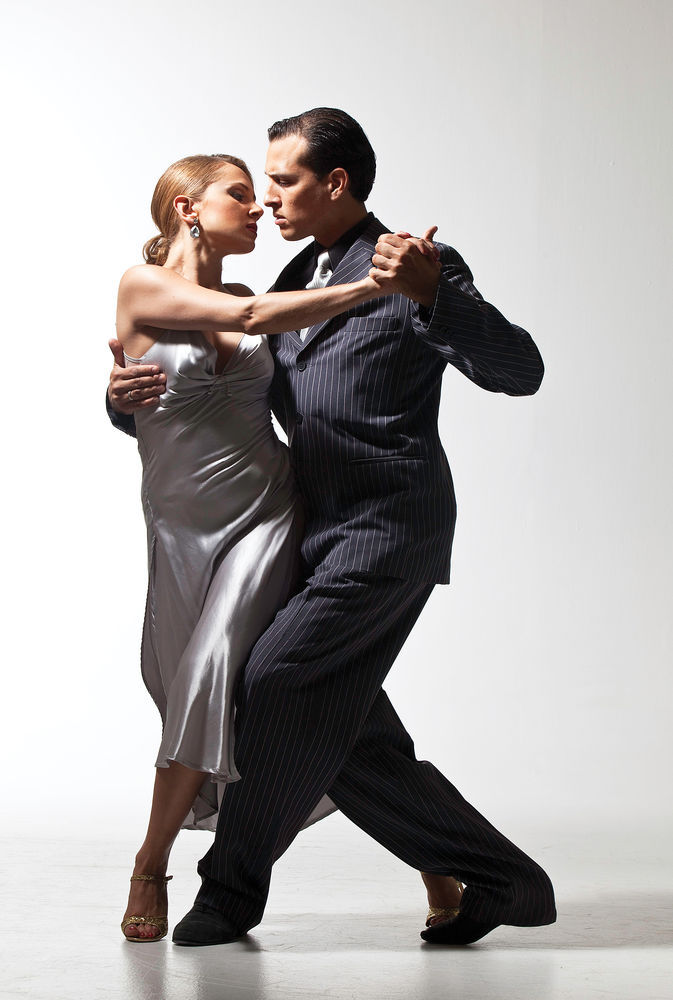
19_arabesque_dance_companyThis month starts auspiciously with the Arabesque Dance Company & Orchestra’s world premiere of its NOOR (Light), running March 3 - 6 at Harbourfront’s Fleck Dance Theatre. This ambitious production promises to be among the grandest world performance events this season with an international ensemble of 17 dancers and 14 musicians, including three vocalists. Linking traditional art forms from Egypt, Lebanon, Syria and Spain, NOOR evokes the rich influence of Arab art in medieval Andalusia as expressed through spiritual poetry, regional music and dance. The company directors Yasmina Ramzy and Bassam Bishara collaborated with the noted violinist and exponent of the ancient Muwashshahaat poetic tradition Fathi Aljarah, with Canada’s premiere flamenco guitar master Roger Scannura and dancer Valeria Scannura of Ritmo Flamenco. The result is a juxtaposition of the more languid belly dancing tradition with the fiery brilliance of flamenco.

19_acoustic_africaWest African music lovers are in for a treat on March 6. The Royal Conservatory of Music in partnership with Small World Music present Acoustic Africa, a concert featuring three headliners: Habib Koité, Oliver Mtukudzi, and Afel Bocoum, legends in their native Mali and Zimbabwe. We can expect an infectious blend of pop, South African mbaqanga, jit and traditional kateke drumming. I’m willing to bet that more than a few patrons will get up out of their Koerner Hall seats to dance along.

Melodies of Armenia on March 10 is part of the free World Music Series held noon at the Four Seasons Centre for the Performing Arts. The concert by the Levon Ichkhanian Quartet shines the spotlight on the playing of Mark Korven’s soulful duduk, an apricot wood shawm with ancient roots in Armenian culture. Levon Ichkhanian on plucked strings, bassist Victor Bateman and Wilson Laurencin on percussion join the duduk in presenting the oft melancholy music of Armenia.

The Kodo Drummers of Japan marks its 30th anniversary this year bringing its show to the Sony Centre For The Performing Arts on March 11. I saw them years ago and their interpretations dazzled the audience with feats of astounding percussive speed, dexterity, and muscular endurance.

The Musideum is a unique and fun downtown Toronto music retail store cum museum, filled to the ceiling with musical instruments from around the world. Its Friday 7pm series continues March 11 with the FreePlay Duo in which Suba Sankaran and Dylan Bell (of Autorickshaw fame) sing a capella songs accompanied only by a digital looping station.  On March 25 local world music diva Maryem Hassan Tollar performs with musicians Ian De Souza and Chris Church.

Hindustani classical music will take the stage on March 17 at the Toronto Centre for the Arts. Presented by Small World Music, the concert presents the leading younger generation sitarist Nilandri Kumar (whose father was the prominent sitarist Pandit Kartick Kumar) with the celebrated tabla maestro Zakir Hussain.  Zakir received a firm musical foundation from his father the honoured late tabla virtuoso Allah Rakha, though many would say Zakir with his brilliant technique and crowd-pleasing musicianship has outstripped his guru’s international fame through his expeditions across once-forbidding musical boundaries.

Readers may be surprised to see the name of Toronto’s ViaSalzburg Chamber Orchestra in this column. They owe this distinction to the special guests for their Glenn Gould Studio concert on March 24 and 25: Canada’s pioneer Evergreen Club Contemporary Gamelan. (Full disclosure: I have been composing for and performing with Evergreen since its inception in 1983). The programme will include the epic Beethoven String Quartet Op. 131, Montreal composer Michael Oesterle’s piece for gamelan degung and string quartet, and Evergreen Club’s performance of “Ibu Trish” (1989), its signature work by American composer Lou Harrison for gamelan.

Kicking off its New World Series on March 25, the Music Gallery and Batuki Music Society present ETHIO T.O.  This concert, described as “Ethiopian and Eritrean pentatonic jazz-funk” features two bands. Ethio Fidel is led by the local first-call Ethiopian bandleader saxophonist, Girma Wolde Michael. The group Canaille on the other hand is directed by the multi-instrumentalist Jeremy Strachan, who is strongly influenced by Ethiopian horn arrangements and tonality. Toronto has the second largest population of people from Ethiopia and Eritrea in North America. Kudos to The Music Gallery which has thought to bring the music of Ethiopia’s “Golden Age” of the ’60s and ’70s to its venue just north of Queen St.

The next day on March 26 the Echo Women’s Choir and Mariposa In The Schools present David and Goliath: An Earth Hour Evening of Song and Story at the historic Church of the Holy Trinity, benefitting both of these charitable organizations that bring music to diverse communities. This spirited evening of international songs and stories will feature artists such as Ken Whiteley, the 80-voice Echo Women’s Choir, David Anderson, Njacko Backo, Jowi Taylor and the Cuban Percussion Ensemble.

Brampton’s spiffy Rose Theatre is stepping up to challenge T.O.’s hold on touring world musicians on March 31. Debashish Bhattacharya, among the pre-eminent Hindustani slide guitarists today, will appear accompanied by Shubhasis Bhattacharya on tabla. The duo will bring the classical raag and taal based music of northern India to Flowertown.

Finally, this is the time of year for new beginnings. Nowruz marks the Iranian New Year, celebrated on the vernal equinox by Iranians all over the world. The youthful Sarv Ensemble presents two concerts on April 1 and 2 called Eidaneh: A Celebration of Persian New Year and Arrival of Spring. They perform Iranian classical and folk music at the Beit Zatoun House on 612 Markham St. in downtown Toronto. Just one year old, this new venue is a large open gallery that aims to serve as a platform for social justice and human rights events. “When we share the art and culture of another then there is no room for injustice or hatred.” A noble vision indeed. ν

Andrew Timar is a Toronto musician and music writer. He can be reached at worldmusic@thewholenote.com.
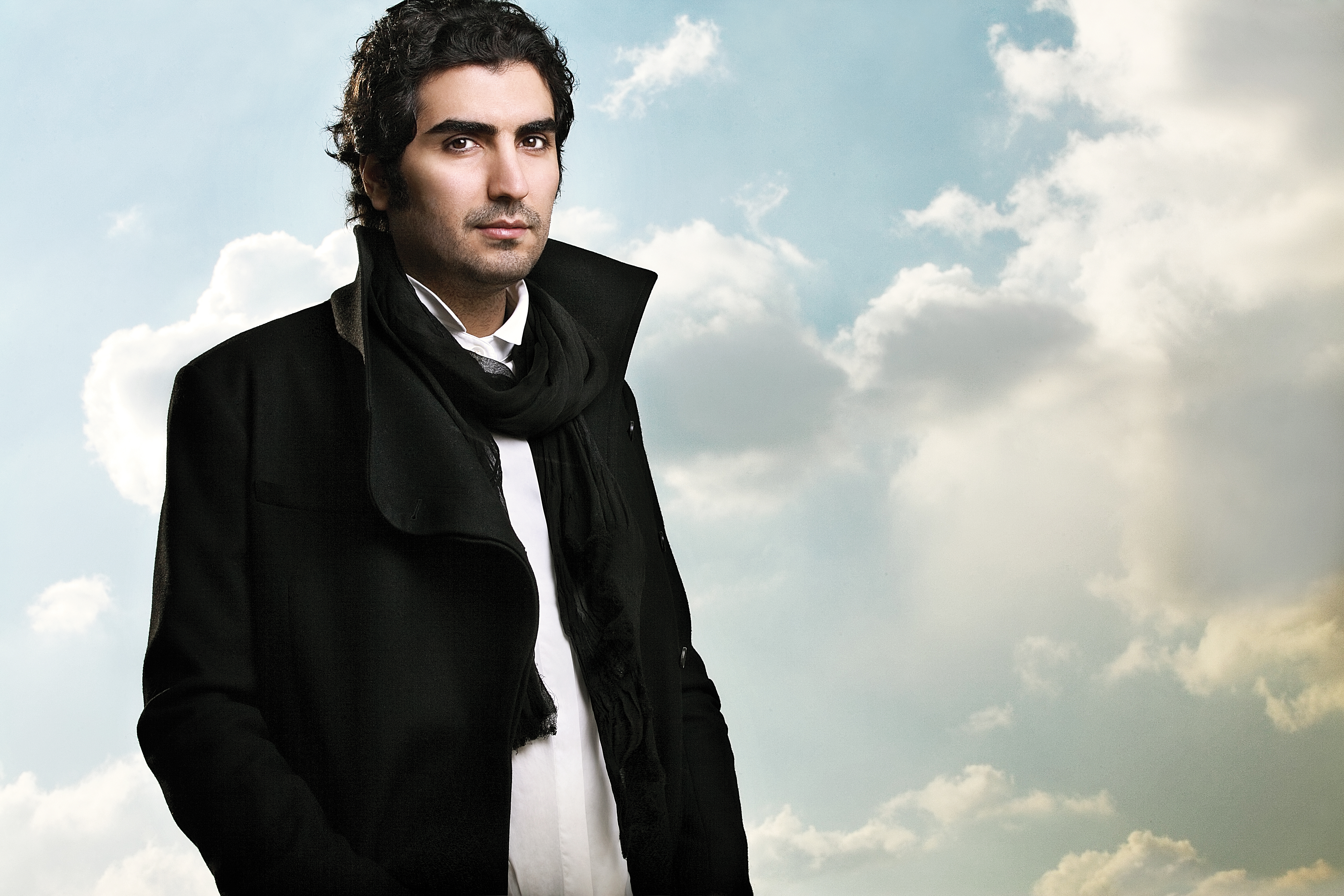
In 1979, Toronto became the first municipality in Canada to formally proclaim Black History Month. BHM affords citizens a special opportunity to recognize the past and present contributions that African Canadians make to the life of Toronto in such areas as education, medicine, public service, politics – and the arts, including music. Adding weight to this recognition, the United Nations has declared 2011 the “UN Year for People of African Descent.”

p10__amadou_keinouCelebrations kick off with the 15th annual Kuumba festival at the Harbourfront Centre for two weekends, February 5-6 and 12-13. Among the many notable events exploring Black and Caribbean culture, here are my musical picks. Amadou Kienou, who comes from a family of renowned traditional praise singers from Burkina Faso, performs on February 6. Kienou’s repertoire consists of Mandingue songs and dances that he has adapted, accompanied by the djembe (a West African drum). The same day, the group Pablo Terry y Sol de Cuba brings its Cuban-drenched sound to the Lakeside Terrace. Terry honed his musical skills working with outstanding Cuban musicians such as Celia Cruz, Omara Portuondo and Compay Segundo of the Buena Vista Social Club. The following weekend, on February 13, the Kuumba Gospel Fest 2011 features a who’s who of local gospel music talent. In addition there is a wealth of other events at Kuumba many free– programmed in the family-friendly manner we have become accustomed to at Harbourfront.

Chinese New Year also falls in February this year. In honour of the incoming Year of the Rabbit, the Canadian Sinfonietta presents a Chinese themed concert on February 12 at the Glenn Gould Studio. The well-known erhu (Chinese fiddle) virtuoso George Gao will be featured with the Sinfonietta in an unusual program of works composed by contemporary Chinese composers.

On February 17 the group Kinobe and Soul Beat Africa brings the music of East Africa to the Living Arts Centre, Mississauga. Rooted in Ugandan music, Soul Beat Africa’s music is a synthesis of African roots and world music, of traditional and modern instrumentation. The group is led by veteran multi-instrumentalist and singer-songwriter, Kinobe. In a forward-thinking educational tie-in, the Living Arts Centre is presenting two workshops on February 18, introducing traditional African instruments kora, kalimba, adungu, endongo, ngoni and various drums to elementary school children. More presenters ought to do the same!

Still in Mississauga, the Chamber Music Society of Mississauga presents the brilliant musicians of the Shiraz Ensemble in a programme of Persian classical music on February 19 at The Unitarian Congregation of Mississauga.

The Nathaniel Dett Chorale, Canada’s professional ensemble dedicated to the dissemination of Afrocentric choral music, presents Voices of the Diaspora … Haitian Voices on February 23 and 26. Conducted by Brainerd Blyden-Taylor, the program will highlight the poetic and musical traditions of Haiti, in particular Creole language and spirituality. The concert will feature the works of composer Sydney Guillaume, including two premieres – Ayiti and Diplomaci.

World musicians have often focused on the energy, synergy and excitement generated by cultural mixology. A good example can be heard February 26 at the Mod Club, with the premiere Toronto performance, presented by the Ashkenaz Foundation, of Yemen Blues, a new Israeli-based world music group enjoying quite a buzz. Founded a few years ago by the Yemenite vocalist Ravid Kahalani, this nine-piece international ensemble presents an energy-packed 21st century musical brew of Yemenite-Jewish song and poetry, American jazz, blues and funk, and West African grooves. Some Yemen Blues concerts have been reported to erupt into spontaneously ecstatic dance-fuelled celebrations.

Music and dance often go hand-in-hand. When the partnership works, there is a mysterious symbiosis, as in a good marriage. European Renaissance and Baroque composers knew this well, and the practice continues in the waltz time music of Johann Strauss every bit as much as in the hiphop-infused music of today.

That being said, it is rare to find anywhere a single person equally fluent in both music and dance. We have a homegrown practitioner of this exceptional dual mastery in Toronto’s Peter Chin. The Jamaican-born Chin has been called, “one of the finest contemporary choreographers working in Canada.” While he is best known for his award-winning choreography and dance performances, Chin is an accomplished life-long musician, singer, and a composer with a unique voice. His music has been performed by groups such as Gamelan Toronto, Array Music, Jeng Yi Korean percussion ensemble, St Michael’s Choir School and the Evergreen Club Contemporary Gamelan. The CanAsian International Dance Festival is presenting a new program by Peter Chin titled Olden New Golden Blue on February 24 and 26 at the Fleck Dance Theatre, Harbourfront. Five young Cambodian dancers will interpret choreography and music featuring big, deep social and artistic themes. I won’t miss it.

Another project of note merging music and dance is The Toronto Consort’s Marco Polo Project. Over 38 seasons, the Toronto Consort has crystallised into one of our city’s musical jewels, recognized internationally for its top-flight performances of European medieval, renaissance and early baroque repertoire. On February 18 and 19 at Trinity-St. Paul’s Centre, however, with the aid of guest artists skilled at working within a South Asian cultural heritage, their program seeks to answer the rhetorical question “what tunes would Marco Polo have had on his iPod?” Joining the Consort in this exploration is choreographer Lata Pada and members of her company Sampradaya Dance Creations. Singer/composer Suba Sankaran and tabla player Ed Hanley of the Indo-fusion ensemble Autorickshaw are also aboard for this expedition, as Consort and guests weave an imaginary tapestry of the sort of music 14th century explorer Marco Polo might have encountered on his travels. Performers and audience alike will undoubtedly have fun with this concept.

York University’s Department of Music is presenting several free concerts highlighting its world music instructors in programs jauntily titled World at Noon. All concerts are at the Martin Family Lounge, 219 Accolade East Building. On February 3 the Gareth Burgess Steelpan Ensemble performs jazz standards, R & B arrangements and original compositions. Leading local Japanese music masters Linda Caplan (koto) and Gerard Yun (shakuhachi) perform traditional and contemporary Japanese music February 17. And the Irene Markoff Ensemble, highly accomplished musicians all, performs traditional Balkan music on March 3.

Bookending Black History Month, on March 6, the Royal Conservatory’s Koerner Hall is the venue for Acoustic Africa, presented in partnership with Small World Music, a musical journey led by five top African string instrumentalists and singers. The instruments include traditional monochords, kamele n’goni (Malian lute), as well as the modern guitar and violin. The group is co-directed by international stars of African pop music. No stranger to Toronto stages, the legendary Zimbabwean singer, composer and bandleader Oliver Mtukudzi is the innovator of an undeniably contagious musical style. His music has been inspired by the intricate melodies and rhythms of the mbira (thumb piano), and incorporates South African mbaqanga, the energetic Zimbabwean pop style jit, and traditional kateke drumming. Co-headliner Afel Bocoum is a Malian guitarist, singer, composer and protégé of the late Malian guitar innovator Ali Farka Touré. (I still recall with pleasure and a smile the memorable concert Farka Touré gave a couple of decades ago at Harbourfront.)

Andrew Timar is a Toronto musician and music writer. He can be reached at worldmusic@thewholenote.com.
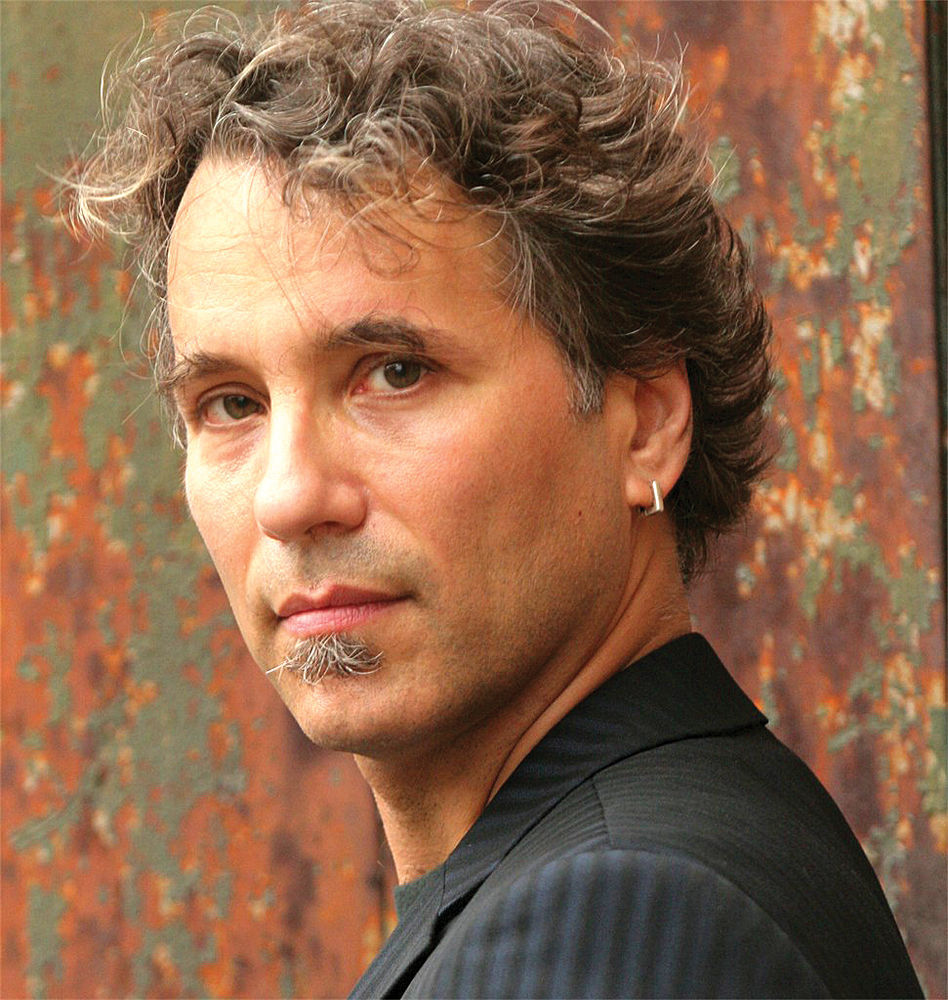
p30For almost a decade, Toronto’s Lula Lounge, on Dundas St. West, has been a hub of musical activity, most notably as an informal dining lounge and bar that has served up some of the best in World music over the years. On October 8, Lula’s co-founder and Artistic Director José Ortega was presented the 2010 Roy Thomson Hall Award of Recognition, one of several Toronto Arts Foundation Awards presented at the annual Mayor’s Arts Awards Lunch. The Roy Thomson Award is intended “to recognize creative, performing, administrative, volunteer or philanthropic contributions to Toronto’s musical life.” And who better than Ortega to receive this award – in addition to being Lula’s artistic director, he also overseas its outreach and educational programmes, and has volunteered his expertise in programming to music festivals throughout the city. And he’s also an internationally known visual artist who has donated works to various projects. I asked Ortega to talk a bit about the Lula Lounge, his own artistic life, and the award.

In addition to being co-founder and artistic director of the Lula Lounge, you are also a visual artist. Can you talk a bit about your background in art? I grew up in New Jersey and studied at the School of Visual Arts in New York City. I’ve worked as a commercial illustrator since 1986, doing book covers, posters, postage stamps, packaging, and public art projects for a variety of clients including NYC’s Metro Transit Authority, Macy’s, Absolut, the U.S. Postal Service and the Buckingham Hotel in Manhattan. Since moving to Toronto, I’ve done a lot of design work related to the city’s Latin jazz and salsa scenes: projects like CD covers for David Buchbinder, Hilario Durán and Alexis Baro, as well as many poster designs for Lula. Over the years, my work has been included in group exhibitions both here and in the U.S., and last summer I had a solo show in Seoul, Korea. Over the past four years, I’ve contributed mural designs to our local BIA for large murals in the Dundas West area.

How and when did you come to create what we now know as the Lula Lounge, and who were some of the very first performers? We opened Lula is 2002. At the time, we were working as part of a not-for profit organization called Open City that organized weekend-long community arts festivals. These events had outgrown the private, warehouse space at 2 Federal that we were using. My business partner (José Neives) and I decided to take the plunge and buy a formal venue space. We felt that there was a void in Toronto’s live music scene that we hoped we could fill. It seemed to us that Toronto artists working outside of the mainstreams of North American music needed a high calibre performance space that they could launch new projects in.

Our very first performer was Cuban singer Isaac Delgado. The first local acts included many Canadian artists who have since made names for themselves on the national music scenes. Performers such as Amanda Martinez, Hilario Durán, Eliana Cuevas, Alexis Baro, Luisito Orbegoso. In the early days, we also hosted alternative bands like Metric and Feist; international performers have included Norah Jones, John Cale, the Mahotella Queens, Carl Palmer, Eliades Ochoa, Randy Brecker, El Negro and Ricardo Lemvo to name just a few.

What is your mandate or vision when it comes to programming? Our programming initially focussed on latin jazz and salsa but over the years has grown to include everything from rock to chamber to blues, African, Brazilian and other world music. Partly because of the high quality sound system at Lula as well as our commitment to providing the best performance experience that we can for the artists, we’ve had the pleasure of developing long term relationships with groups like the Gryphon Trio and organizations such as Small World Music and Batuki Music Society as well as individual artists such as Hilario Durán, Roberto Occhipinti, Dominic Mancuso and many many more.

The not for profit that we grew out of has changed it name to Lula Music and Arts Centre. Through that organization we continue to support Afro Latin Brazilian forms as they evolve in a Canadian context. At the same time, we try to build bridges across communities by bringing artists from different cultures together to realize various projects.

At lot of what we do is really facilitating musicians, organizations and presenters in creating their individual projects. These eight years of running Lula have lead us to the realization that in order to have a vibrant music scene, the city needs spaces where artists can realize their own visions, rather than trying to fit into the vision of programmers and venue owners.

Because of our world music programming direction and the quality of the performance experience that we strive for, we are often sought out by international, touring, world and Latin artists. So even on the international level, much of what we present seeks us out, rather than the other way around.

In addition to being a music performance venue, what other projects is the Lula Lounge involved with? Over the past few years, as Lula Music and Arts Centre, we’ve been involved in many projects outside of the walls of Lula. We helped to create the band SalsAfrica – a project that began in 2008 to bring together Latin, African and jazz musicians in order to explore the African roots of salsa. We’ve contributed to programming at Samba on Dundas, Harbourfront’s Ritmo y Color, Salsa on St. Clair and Luminato. Each May, we produce a world music festival called Lulaworld to showcase Canadian world musicians. Lula Music and Arts Centre also runs a very successful programme for high school French, Spanish and music students...

What does it mean to you to have won this award?

Of course, I was personally thrilled to have won the award. But I think that all of the Lula team including many of the musicians and community partners saw the award as recognition of the immense contribution that the Latin, Brazilian, African and other world musicians are making to the cultural vibrancy of Toronto. It feels like affirmation of our early intuition that there was a void in Toronto's musical landscape that needed to be filled. We do need affordable spaces for artists outside of the mainstream to do their thing. The award also seems like confirmation that the health of the city's musical life depends on embracing diversity and providing opportunities for the incredible wealth of talent that has made Toronto its home.

Who/what are some of the “not to be missed” performers/concerts coming up at the Lula Lounge in the coming months?

We're really excited about our new Sunday brunch program. This weekly event is an extension of other family friendly projects that we're working on. The brunches include live Cuban Son by Luis Mario Ochoa's Traditional Quartet. We've got the Roberto Linares Brown Orchestra on December 18th and New York based Gary Morgan is back with his PanAmericana project on December 29th. New concerts get added all the time so please check the schedule at www.lula.ca!

What other projects are you involved with personally, either as a visual artist or in other capacities, ongoing or coming up in the future?

I'm currently working on a "love" stamp for the U.S. Postal service to be released in time for Valentine's Day 2011 as well as on a public art project for the municipality of Guyaquil, Ecuador. Over the next year, I want to work on a documentary about Lula and the artists and communities that make it what it is. Besides continuing to program and do design work for Lula, I'm hoping to find more time to work on my painting. Over the past few years, I haven't had nearly enough time to work on my own art but I hope to change that in 2011.

Some Upcoming World-Music Events

• Luis Mario Ochoa performs at Lula’s Family Sunday Brunch till Dec. 19, noon – 3 pm.

• Pandora’s Box Salon presents Around the World in 80 Minutes, December 5 at the Aurora Cultural Centre, featuring music and dance from India, Egypt, Iran, Bali, Africa, and Europe.

• The Pearl Company presents Celtic band “Rant Maggie Rant,” December 11, 16 Steven St., Hamilton. Traditional Celtic music combined with Latin percussion and Appalachian swing.

• Echo Women’s Choir performs December 12 at Church of the Holy Trinity. In addition to settings of text by Margaret Atwood (from The Year of the Flood), they’ll also sing two South African songs in their original languages, and a composition by co-choir director Alan Gasser (a setting of words by Desmond Tutu), Three Appalachian Love Songs and other works

p31• Juno Award-winning vocalist Kiran Ahluwalia performs North Indian ghazals and Punjabi folk songs at Koerner Hall, January 22. Opening for her is seven-member instrumental/vocal /dance ensemble Rhythm of Rajasthan.

And, a big congratulations to Toronto’s Klezmer/East European folk band Beyond the Pale for winning the “Instrumental Group of the Year” and “Pushing the Boundaries” awards at the sixth annual Canadian Folk Music Awards held in Winnipeg this November!

Karen Ages can be reached at worldmusic@thewholenote.com.
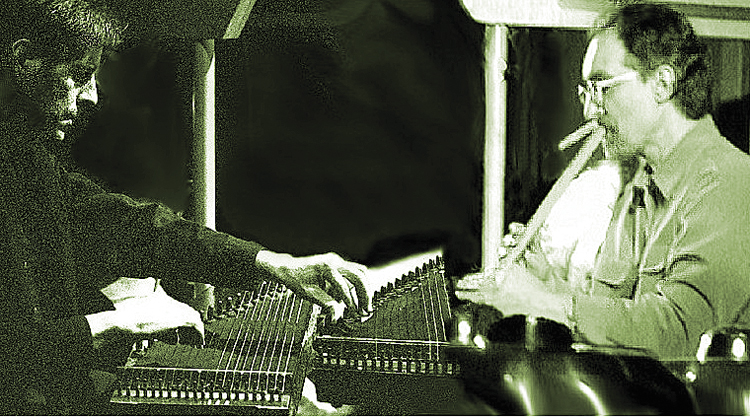
Back to top