When September rolls around, there can be a feeling of anticipation in the air. It’s often a time of new opportunities, change and a chance to expand your horizons. And in this column, which is dedicated to the “new” in musical practice, there’s no better place to begin than with the Guelph Jazz Festival, running from September 4 to 8. Over the last 20 years, the festival has blossomed into a “vital social-purpose enterprise” with an artistic mandate rooted in the vision that musical improvisation provides a model for creating social change and building successful communities. This vision is also the driving force behind the innovative research project “Improvisation, Community and Social Practice” headed by Ajay Heble, artistic director of the festival.
in with the newRecently, this project just got a huge boost. It was the recipient of a substantial grant to launch the International Institute for Critical Studies in Improvisation at the University of Guelph. And to celebrate, the Guelph Jazz Festival will present an opening concert on September 3, featuring a special one-time improvising percussion quartet of four stellar musicians combining jazz, new music, free improv and world music traditions. This “World Percussion Summit” is yet another demonstration of what makes the festival so special and magical — expanding the meaning of jazz to include creative improvisation from across the musical spectrum. In this column I will be highlighting those concerts which fuse creative improvisation and composition.

A perfect example is a solo performance on September 5 by Matt Brubeck, a composer and performer trained in classical music and raised on jazz, who currently brings his focus on the improvising cello into dialogue with a variety of other musical traditions. Matt will also join Australian composer and saxophonist Sandy Evans in her “Indian Project” concert on September 4 contributing to the musical conversation between jazz and Indian music. On September 6, two of the performers from the opening night event — virtuoso percussionists Hamid Drake (USA) and Jesse Stewart (Ontario) — will reconvene to provide a free-ranging mixture from their eclectic backgrounds. Stewart is a well-loved favourite of the Guełph festival, and for this year’s 20th anniversary, he has composed a lengthy work for the Penderecki String Quartet to be performed on September 8 in duet with himself at the drum set.

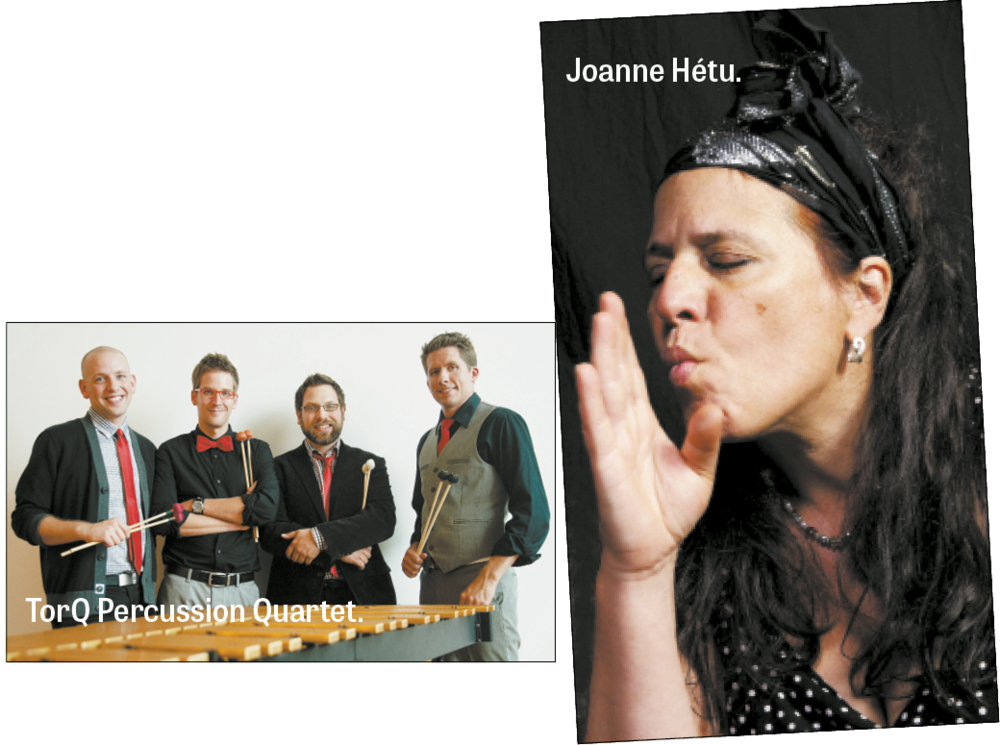
Ensemble SuperMusique from Quebec will present its group composition entitled “Pour ne pas désespérer seul” (Not to Despair Alone) on September 7. This diverse group began initially in 1998 with founders Joanne Hétu, Danielle Palardy Roger and Diane Labrosse, and has evolved into an extensive community of musicians combining large group composition, improvisation and “musique actuelle” with multi-media theatre, dance, and songs. Their artistic practice of group improvisation is definitely in step with the broader social vision of the festival, as they see themselves standing in solidarity with communities arising from the anti-globalization movement and the use of social media.

Other festival events of interest to readers of this column include the Colloquium (September 4 to 6), and Nuit Blanche with its dusk-to-dawn events beginning on the evening of September 7. This year’s colloquium provides a wonderful opportunity to dive deeper into the themes of musical improvisation, pedagogy, social justice and activism, through a series of lectures, keynote addresses and workshops by festival artists. Nuit Blanche events include performances by members of SuperMusique — Derome/Hétu and Freedman/Caloïa (12am); Vancouver’s Birds of Paradox exploring elements of jazz and western music with traditional Chinese and Indian music (2am); a Pauline Oliveros tuning meditation (3am); the Ondine Chorus combining improv with scored music (3am) and Grossman/Brubeck interpreting baroque music (4:30am).

And if your free spirit is longing for more, there will be an opportunity on September 28 at Toronto’s Music Gallery to hear from some of the elder statesmen and scene builders of free improv music: USA saxophonist Larry Ochs playing with drummer Don Robinson, followed by Toronto-based poet and “soundsinger” Paul Dutton performing with percussionist Joe Sorbara, known for creating orchestral textures from found objects.

Voice and Mythology

This summer, I had the opportunity to experience what is known as the “eight-octave voice” at the Roy Hart International Artistic Centre located in southern France. This vocal legacy of connecting voice with the inner workings of the psyche stretches back to the early 20th century and the work of Alfred Wolfsohn. In the 1960s this vocal research evolved into a theatre-based artistic practice by one of Wolfsohn’s pupils, Roy Hart. As part of my column during this upcoming season, I’ll be making some links between what inspired me during my time at the Roy Hart Centre and the musical events of our local community.

Since the voice is the most obvious link, I’ll begin with the upcoming Soundstreams concert on October 1 in which they will be presenting two epic choral and orchestral works by the masterful Estonian composer Arvo Pärt. One of these compositions is titled Adam’s Lament, thus plunging us headlong into the territory of one of the most potent myths of the Western world — the story of Adam and Eve. As part of my residency at the Roy Hart Centre, I attended the Myth & Theatre festival which was like being submerged into an alchemical pot stirring the voice together with choreographic movement, image, spoken word and philosophical ideas.

Stories shape us and the institutions of our culture beyond what we might imagine. Initially we create the stories, and then the stories turn around and create us. And certainly this story of Adam and Eve has been one that has determined so much of our collective history. Pärt’s composition begins with the expression of grief at being expelled from Paradise and then expands further into a meditation on the sorrows of all humankind. His music is often referred to as music that comes out of the silence, creating possibilities to hear a different voice. Perhaps this other voice could be a re-examination of this myth itself. Must we collectively continue to hold onto the idea of separation, or can we create a voice, a story that brings us closer to the dream of human connection and peaceful co-existence?

Other works in the program include Pärt’s L’abbé Agathon, which recounts the legend of a fourth-century hermit tested by an angel in disguise, and pieces by two other composers, Riho Maimets and James Rolfe. Choir 21, a local group that specializes in performing contemporary choir music, will be performing alongside a string orchestra conducted by Pärt’s Estonian colleague Tõnu Kaljuste.

And now to opera — the perfect alchemical pot for combining mythic themes with music. Tapestry Opera will be offering up the latest round of opera briefs created at this years Composer-Librettist Lab, an annual gathering that teams up four composers with four writers to create, literally overnight, a series of short opera excerpts. Running from September 19 to 22, this event gives you the opportunity to hear what stories and sounds have risen up in the midst of this hothouse of creativity.

Twentieth-Century Pioneers

It’s hard to imagine that 100 years ago, experiencing strong rhythms and percussion music in the concert hall was scandalous. The music of Igor Stravinsky helped to change all that. Valery Gergiev and the Mariinsky Orchestra from St. Petersburg are returning to Roy Thomson Hall on October 6 to perform the three groundbreaking ballet scores Stravinsky composed between 1910 and 1913: The Firebird, Pétrouchka and The Rite of Spring. Fortunately, that concert will be in the afternoon, giving enough time to attend the evening concert curated by Austin Clarkson for New Music Concerts. You can read and listen to more on this meeting of Wolpe, Webern, Feldman and Cage in both the printed and online editions of The WholeNote.

Additional Concerts

TorQ Percussion Quartet: “A Shift in Time.” September 13.

Thin Edge New Music Collective: “Shaken or Stirred,” fundraising concert and silent auction. September 14.

Canadian Music Centre: Contemporary Works for Piano. September 13 and October 3.

Music Gallery and Burn Down The Capital: Julianna Barwick,
with Christine Duncan and Castle If at Double Double Land. September 26. 

Wendalyn Bartley is a Toronto-based composer and electro-vocal sound artist. Contact her at sounddreaming@gmail.com.
What happens to the new when the weather heats up and the concert seasons have ended? Does the more casual atmosphere of the summer mean that presenters, performers and audiences are ready for something more out of the ordinary? From my discoveries of what lies in store for both the curious and the lover of experimental and innovative sounds, it seems that the boundary lines between musical genres and art forms become a bit more blurred. Musical concerts, outdoor installations, performance art and electronic and sound art are all happening within the traditional and not-so-traditional music, theatre and interdisciplinary festival environments. And often, the regular indoor concert hall has been tossed aside to make room for these sounds in outside spaces or to create a more participatory audience experience. The great thing is that many of these events are happening outside the Metro Toronto area, so be prepared. Your sonic summer listening will require some travelling around the province, but that’s what vacation time is for.

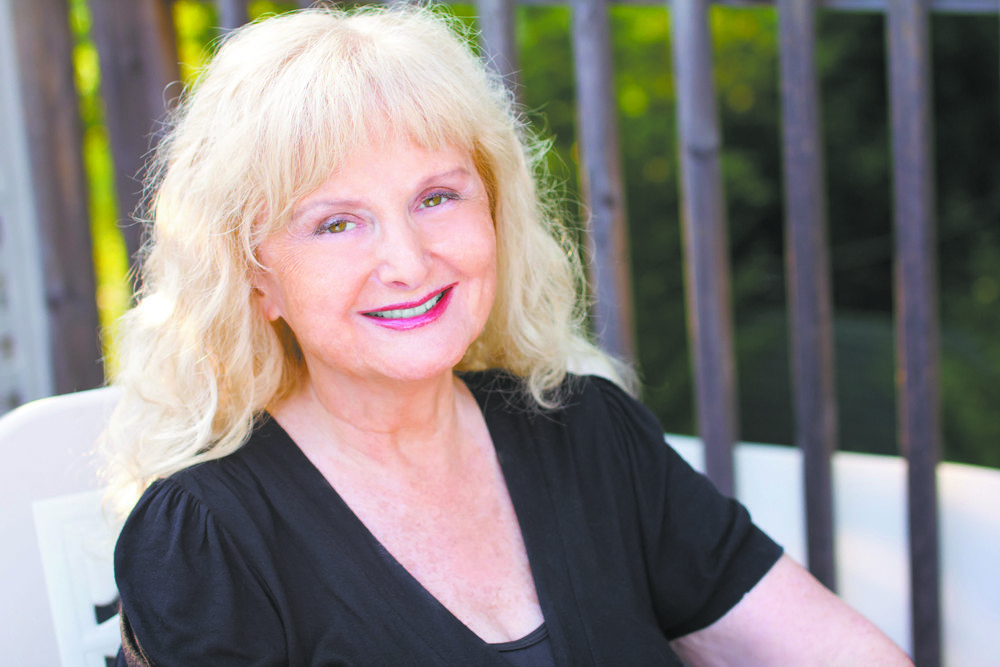
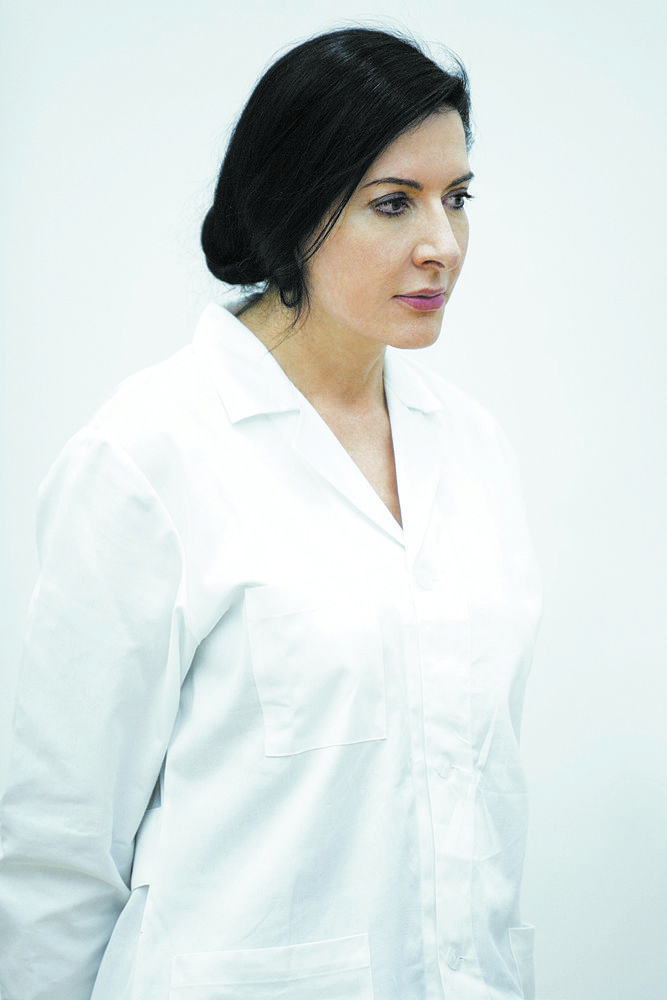
inwiththenew marina abramovic headshot 01 - photo by  laura ferrariStarting off in June, we are immediately plunged into a series of performances that are full of cross-pollinating and genre-crashing power. The big news is that Toronto’s multi-arts Luminato Festival is headlining Marina Abramović, a New York-based performance artist originally from Serbia who is considered to be the “grandmother” of the performance art genre. Her work explores the limits of the body and states of consciousness, while often putting herself through extreme physical pain or tests of endurance. In 2010 during a retrospective at the MoMA in New York, Abramović performed The Artist is Present during which she sat immobile and in silence all day for almost three months while spectators took turns sitting opposite her. People experienced religious-like transformations as they stared back into her penetrating presence.

You may ask — what does this have to do with music? The answer is, of course, that the story of her life, along with scenes from her performance works, has been made into an opera entitled The Life and Death of Marina Abramović. Premiered in 2011 at the Manchester International Festival and toured to sold-out audiences in several European cities, the opera will receive its North American premiere at Luminato, running June 14 to 17. Conceived and directed by the legendary Robert Wilson in collaboration with Abramović, she also performs as herself and her mother alongside Willem Dafoe as narrator and male counterpart. The music was co-composed by cult pop star Antony Hegarty and ambient minimalist William Basinski, and performed by Antony in his mesmerizing and hypnotic voice. It was his cathartic musical performances and emotional vulnerability that inspired Abramović to invite him to collaborate on this opera that she describes as “a series of births and funerals of the soul.”

Running in conjunction with the opera from June 14 to 23 will be her latest performance work/installation, MAI – Prototype. In seven interconnected pavilions in Trinity Bellwoods Park, four pre-booked participants will wear white lab coats and receive instructions on headphones as they walk through the installation for a period of two hours. Every 30 minutes a new group will begin the journey in which they will undergo the rigours of her performance practice. These encounters will be live-streamed to other locations throughout Toronto, including one at Pearson airport.

Also performing at Luminato will be the inimitable Laurie Anderson appearing as part of The Hub series of free outdoor concerts at David Pecaut Square on June 16. Anderson was one of the first performance artists to bring experimental and art-rock music to a large popular audience. Writing songs full of political edginess and performing with her invented instruments (a tape-bow violin and a computer controlled “talking stick”), she made the UK pop charts back in the early 80s.

The pop/experimental music crossover theme continues over at the Music Gallery, in the last concert of their season’s signature Pop Avant series. Curated by Tad Michalak, known for his programming of under-the-radar pop, noise, jazz and harsh electronic music, his “Burn Down the Capital Showcase” June 8 will feature three different artists. Guaranteed to set your soul on fire, the music will mix up instrumental, vocal and a wide range of electronic and ambient sounds using tape loops and synthesizers to create both an “unacceptable” and sensual evening.

Another major summer music festival happening in Toronto is the NXNE Festival that takes over the downtown streets and clubs. This year, it’s exciting to see their programmers venturing into the world of sound art and co-producing three events with NAISA (New Adventures In Sound Art). These include a sound sculpture performance at the AGO on June 6, an audiovisual machine installation that runs from June 11 to 22 at the Wychwood Barns with a live performance on June 10 and a sound walk through Trinity Square on June 13, where sounds of underwater life will be projected into the outdoor urban space. 

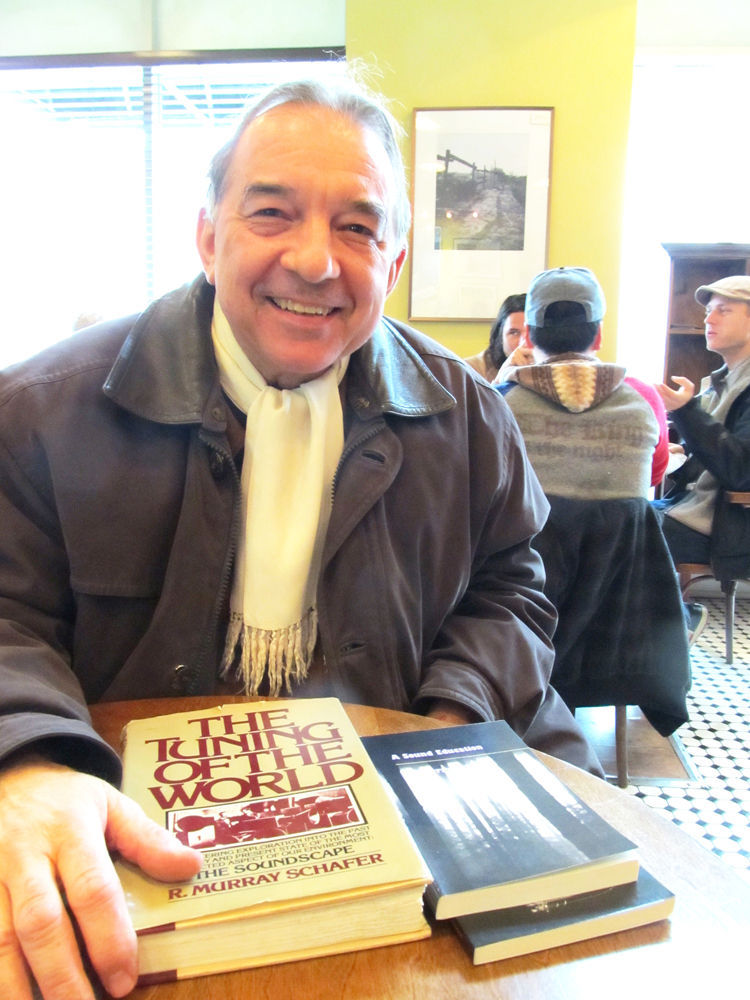
For July, it’s off to Stratford Summer Music. It just so happens that July 18 is R. Murray Schafer’s 80th birthday, and he is being honoured that night with a tribute concert featuring pieces from his Patria cycle of musical dramas. As part of the celebration, Schafer’s visually-based scores will be on display at the Stratford Public Library from July 17 to August 25.

Schafer’s vision has opened up our ears to the soundscape (a term he coined), and so it’s only natural that he would create pieces for specific outdoor environments. His Music for Wilderness Lake from 1979 will be performed at 7am on July 19, 20 and 21 along the shores of the Avon River. Imagine 12 trombones spread amongst the mists of the riverbank, combined with an aria from another sunrise work — Princess of the Stars. Definitely worth an early morning rising. And if you’re up for experiencing something quite out of the ordinary, you could sign up to participate in a workshop performance of Asterion— the latest in his Patria series. The piece is an outdoor labyrinth located near Peterborough that has a series of rooms and passages participants must navigate alone as they encounter both performers and the environment along the way. Designed to be an intense and transformative soul journey, I couldn’t help but connect the dots to the Abramović installation designed with a similar intention. Happening through June and July, go to patria.org if you are drawn to join in.

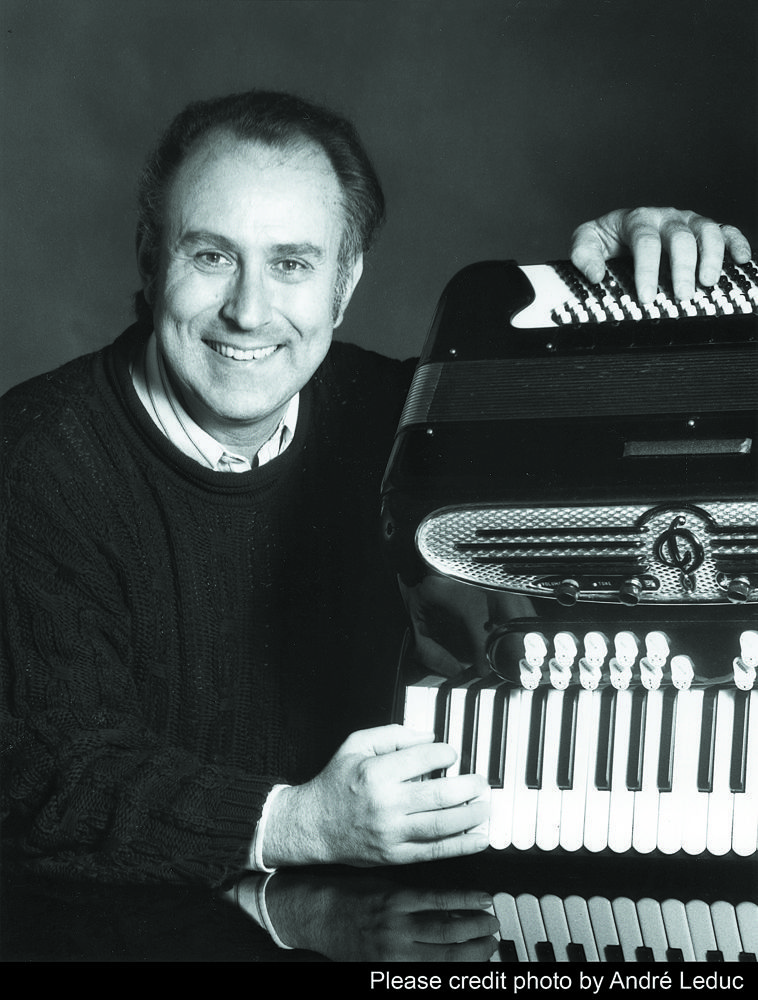
inwiththenew macerollo joeReturning to Stratford Summer Music, we find that the entire cast and crew for a concert of Canadian contemporary opera excerpts has arrived via bicycle. The Bicycle Opera Project began last summer, touring from town to city via pedal power. This year, not only will they be performing in Stratford, but also in Toronto (July 4 to 7), and on tour from July 11 to 25 in Hamilton, Guelph, Elora, Fergus, Kitchener, Waterloo, Bayfield and London, arriving in Stratford for performances from July 26 to 28. This year’s repertoire focuses on telling the stories of women, featuring works from six different Canadian composers. For further details of the tour, check out bicycleopera.ca. Also appearing at Stratford Summer Music will be the acclaimed accordionist and contemporary music champion Joseph Macerollo in six weekend concerts, starting July 20 to 21 and ending August 24 to 25.

Not far from Stratford is the town of Elora, host to a summer music festival of many different styles. Works by contemporary composers can be heard on July 13 with the New Zealand String Quartet (Jack Body) and on July 14 with the Manitoba Chamber Orchestra (Philip Glass). The Elora Festival Singers will celebrate the 100th anniversary of Benjamin Britten in their concert on July 28.

August takes us back to the leading edges of sound and electronics with two festivals of sound art alongside the well-loved Ottawa Chamberfest. For the last seven years in Meaford, Ontario, over the August long weekend, the award-winning composer Gordon Monahan has been directing the Electric Eclectics festival of experimental music and sound art. With camping on-site, this year’s festival runs from August 2 to 4 and includes an extensive lineup of performances and installations, including New Yorkers Shelley Hirsch (experimental vocals) and Keiko Uenishi (laptop electronics), a long-awaited return by former Musicworks editor Tina Pearson (Victoria), a sound/light performance by Music for Lamps (Montreal) and the Sunda Duo (Toronto) with Bill Parsons and The WholeNote’s Andrew Timar. 

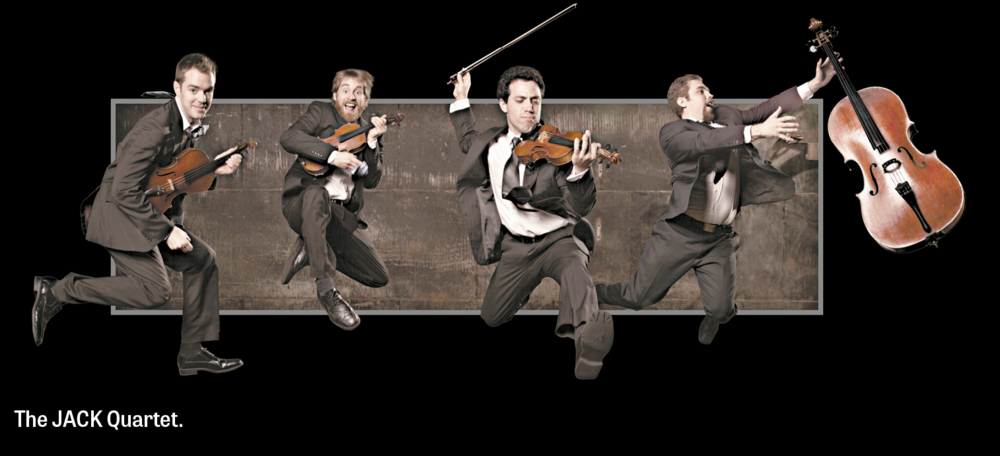
Over in Ottawa, musical experimentation on the long weekend at the Ottawa Chamberfest begins on August 2 with the improvisation-based Element Choir. Led by Christine Duncan, who uses a series of hand cues to sculpt real-time compositions, singers from Toronto, Ottawa and Montreal will be joined by Jim Lewis (trumpet) and Jean Martin (drums) to create a wild and energetic musical ride. This year’s festival also offers the New Music Now series with six concerts offered throughout the daytime hours on August 5 and 6. Performers and composers presented include pianist and multimedia artist Megumi Masaki, the Gryphon Trio (Lutoslawski, Ohana), Ensemble Transmission (Sokolović), the JACK quartet (Zorn, Lachenmann, Butterfield), choral works (Whittall, Kurtág, Berio) and a concert of works by Xenakis. In addition to this series, the festival is offering “snapshot” performances to ticket holders of the evening’s Siskind Concerts, including performances by Lori Freedman and the JACK quartet and presentations on the works of John Weinzweig and Xenakis. And if you are a fan of American composer Eric Whitacre, the Elora Festival Singers will perform three of his works in their concert on August 7, including Sleep — his online virtual choir hit.

Mid-month, from August 14 to 17, it’s the Toronto Electroacoustic Symposium with multiple performances and presentations. Featured this year are two giants of Canadian electroacoustic music: Francis Dhomont (also the keynote speaker) and Barry Truax. Co-produced with NAISA, all concerts will be diffused using a multi-speaker spatialization system. And as the summer days slowly become shorter, the Summer Music in the Garden series presented at Harbourfront’s outdoor Music Garden will feature the sounds of the TorQ Percussion Quartet on August 29. Performing compositions by Steve Reich, John Luther Adams, Richard Burrows and Daniel Morphy and an improvisation on clay instruments by the ensemble, the focus is on the natural elements of earth, water, air and fire. Overall, it’s a great summer lineup for discovering what’s cooking in the experimental sonic stew.

In addition: June 20 at Gallery 345, Kathryn Ladano on bass clarinet has two sets of improvised music including electronics and special guests.

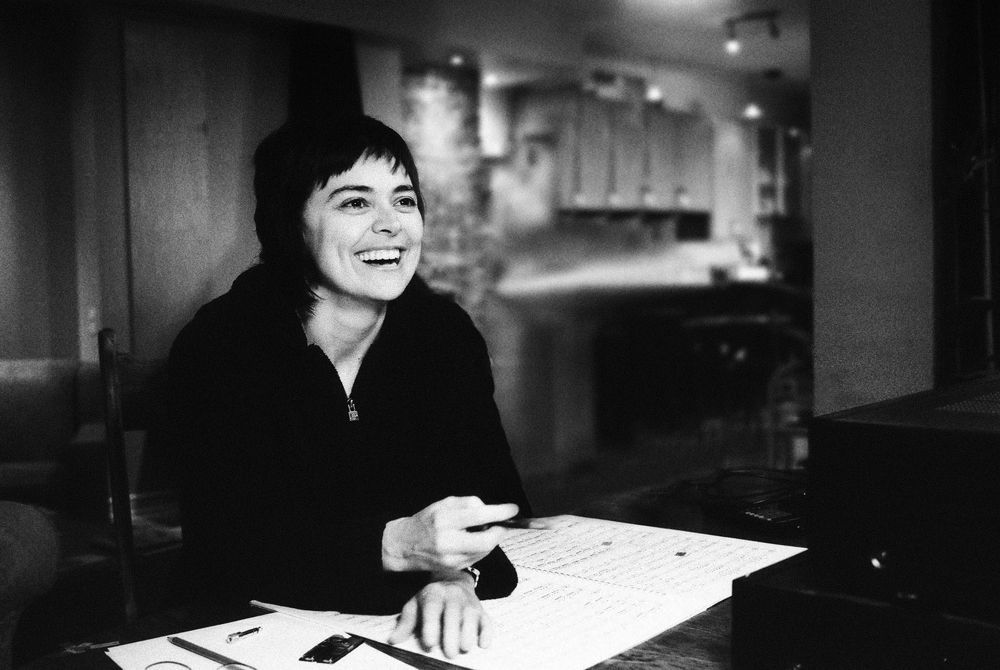
July 19 at 7pm, Soundstreams Salon 21 presents “Summer Sound Walk,” a free tour through the different acoustic spaces of the Gardiner Museum and surrounding area. The event will feature vocalist, cellist and practitioner of Deep Listening, Anne Bourne, who will lead participants in guided listening exercises and invite them to listen to the sounds of the evening mingled with improvised live music. Definitely an event not to miss!  

Wendalyn Bartley is a Toronto-based composer and electro-vocal sound artist. Contact her at sounddreaming@gmail.com.
In last month’s column, I spoke about the act of listening, and how music creators have been evolving compositional strategies that bring more awareness to the ways we listen. When we slow down and open our whole being to engage with the sounds our ears are receiving, we truly do enter into a realm of perception that transcends normal everyday life. This can, of course, happen when we are listening to traditional music, but when the creative and artistic intention is focused on creating shifts in our perception of sound, it is easy to feel as if we are slipping into an “alternative universe.” This is how Musical Toronto blog-writer John Terauds describes his experience of listening to Ann Southam’s music as performed by Eve Egoyan — a concert I wrote about in that same column in April.

1808-newThe Open Ears Festival of Music and Sound on May 31 and June 1 in Kitchener presents a perfect opportunity to stretch our listening awareness even further. This year’s festival, “Between the Ears,” offers a wide range of events including concerts, sound installations, a regatta of origami boats in a reflecting pool, performative sculptures, late night improvisations and a street market. On May 31, some wild things are in store for festival-goers, including the percussion music of Australian composer Erik Griswold. His pieces have been described as the place where music and kinetic sculpture merge. Imagine a percussionist playing an array of temple bells and bowls accompanied by the sounds and rhythms created by a cone-shaped pendulum spilling 50 pounds of rice through a large funnel. This is Griswold’s work Spill. In his piece Strings Attached for six percussionists, the gestures of the performers become a living sculpture. Their mallets are attached with nylon ropes to a lighting rig, thus visually magnifying their movements.

Other features of the Friday evening event include a performance of James Tenney’s Having Never Written A Note for Percussion— a stunning acoustic experience sure to stretch you wide open. In fact, my body can still remember the reverberations I experienced back in 2000 when this piece was performed at the Tenney farewell concert in Toronto. A single note on an instrument of choice is played as a tremelo for “a long time.” It begins at the threshold of hearing and rises in volume to an extreme threshold before returning again to silence. A simple concept yet the complex sonic results are unforgettable.

The festival evening will wind down with Hit Parade by Christof Migone. Participants lie face down and pound the pavement with a microphone. Everyone has their own amplifier positioned as far away as possible and can take breaks after each 100 hits. A sonic playground extraordinaire!

June 1 brings a performance by current and founding members of the legendary improvising ensemble CCMC (who also were the founders of the Music Gallery), and a cutting edge electronic piece, La chambre des machines, created by Martin Messier and Nicolas Bernier who digitally transform sounds made from machine gears and cranks. The night ends at the Walper Hotel with the members of Freedman (Justin Haynes, Jean Martin and Ryan Driver) performing on a ukulele, a suitcase and a street-sweeper bristle.

Xenakis and Beyond: Just preceding “Between the Ears” is another festive gathering called “Random Walks: Music of Xenakis and Beyond” running from May 24 (in Toronto) to May 25 (in Waterloo). Presented by the Fields Institute, the Perimeter Institute and the Institute for Quantum Computing in Waterloo, this two-day event will focus on the music, ideas and influence of Greek composer and architect Iannis Xenakis. Concert presentations of his string quartet, percussion and electroacoustic music will be intermingled with lecture and discussion sessions. Xenakis was a 20th-century “heavy weight,” whose ideas continue to have a profound impact across many disciplines. Part of the festival will be devoted to exploring and taking stock of the range of this influence on, among others, composers, mathematicians, architects and computer scientists.

Xenakis’ music is often quite physically demanding on the performer, requiring a high level of technical prowess. That should bode well for some extraordinary concert experiences. Performers include the JACK Quartet, renowned for its “explosive virtuosity,” and an extensive list of percussion soloists and ensembles, including Montreal’s Aiyun Huang and Toronto’s TorQ Percussion Quartet. For a great essay on Xenakis’ string quartet music, I recommend the article written by James Harley, accessible through a weblink on the festival’s home page (google “Random Walks”). Noted speakers include musician and author Sharon Kanach who worked closely with Xenakis for many years, and composer/computer programmer Curtis Roads, former editor of the Computer Music Journal who also pioneered a form of computer sound creation known as granular synthesis.

More on string quartets: May seems to be the month not only for experimental music festivals, but also for string quartets specializing in contemporary music. Besides the JACK Quartet mentioned above, the Mivos Quartet from New York will be offering two concerts with slightly varying programs on May 24 at Gallery 345 and May 25 at Heliconian Hall. The young players of this quartet came together in 2008 after graduating from the Manhattan School of Music and set out to expand the quartet repertoire by commissioning and collaborating with a wide cross-section of contemporary composers. A third quartet — the Toronto-based Magenta String Quartet — will be presenting works by Toronto composers Eatock, Gfroerer and Vachon on May 25 at Eastminster United Church.

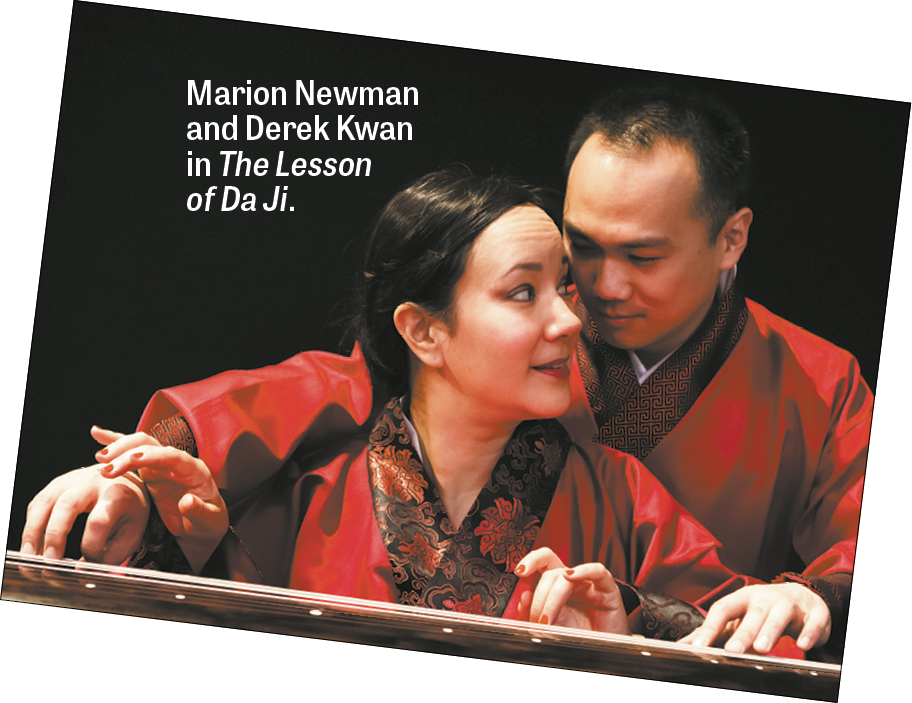
1808-new2East and West: The East and West musical dialogue continues in two extraordinary events this coming month. First up is a production by the Toronto Masque Theatre of The Lesson of Da Ji written by two of Toronto’s own: composer Alice Ping Yee Ho and librettist Marjorie Chan. Traditionally, masque is a fusion of music, dance and theatre which flourished in Europe during the 16th and 17th centuries. This new work, which runs from May 10to 12 at the Al Green Theatre, will be a contemporary take on the older form based on the true story of the Shang dynasty concubine Da Ji and the King who took revenge on her secret lover. The music will blend European baroque instruments with various eastern instruments including the pipa, erhu and guquin, which Da Ji learns to play as part of the narrative. A traditional Peking Opera dance performance will complement the blending.

The second East and West event will be Soundstreams’ season finale concert, “Music for China,” on May 14, which also happens to be their first stop on the way to touring in China. Featuring music for chamber orchestra written by Chinese, North American and European composers, the concert will include performances by the Canadian Accordes String Quartet and the Chai Found Music Workshop — an ensemble from Taiwan that specializes in contemporary classical as well as traditional Chinese and Taiwanese music. I do have to note a heartening feature of this concert program, even though it is not mentioned in any of the media releases (which is not to be taken as a criticism, but rather a sign of progress). All works on the program are written by women, with the exception of the piece composed by Murray Schafer. This fascinating lineup includes composers Dorothy Chang (USA), Fuhong Shi (China), Alexina Louie (Canada) and Kaija Saariaho (Finland).

Contemporary choral: Four concerts of contemporary choral music are in store for lovers of this genre. The Oriana Women’s Choir celebrates the 80th birthday of Ruth Watson Henderson on May 25 with a concert featuring several of her compositions along with premieres by emerging composers. On June 1 the Amadeus Choir joins with the Bach Children’s Chorus to present Henderson’s Voices of Earth and a premiere by Eleanor Daley. And on May 10, the Upper Canada Choristers sing music of the Americas, including pieces by Astor Piazzolla (Fuga y misterio) and Eric Whitacre (Lux Aurumque) sung by their highly accomplished Latin ensemble Cantemos. If you haven’t yet heard the virtual choir version of Lux Aurumque — it’s a must. Go to YouTube and search it out. Whitacre’s music is also included in the Da Capo Chamber Choir’s concerts on May 4 (Kitchener) and May 5 (Waterloo), along with works by Leonard Enns and Glenn Buhr.

Emerging: New sounds by young composers can be experienced at two events, both happening on May 25. At the Music Gallery, the ∆TENT ensemble performs works by emerging local and international composers, while the group called “(insert TITLE)” showcases works for the marimba. Arraymusic presents their annual Young Composers’ Workshop Concert with premieres by four emerging composers who have spent the month workshopping and experimenting with members of the Array ensemble to create their new pieces.

With such an eclectic mix of concerts representing widely diverging aesthetics to choose from, this month offers the perfect time to open your ears to something you may not have encountered before. And in so doing, you will be right in step with the stimulating forces spring offers. 

Wendalyn Bartley is a Toronto-based composer and electro-vocal sound artist. sounddreaming@gmail.com.

In With The NewWhen we attend any sort of concert, listening is automatically assumed. That’s what we go for — to listen. But the question can be asked — how do we listen? What happens to our attention while the musicians on stage are busily engaged in their performance? Do we watch their body movements, analyze the audience around us, listen to the thoughts inside the music, or wonder about what we’ll do after the concert? What do those sounds we are hearing have to do with the actual soundscape we are experiencing? How do we distinguish between hearing and listening?

One composer who has spent her lifetime creating and reflecting on the question of listening is Pauline Oliveros. She sought a balanced approach that includes both attention and awareness. Think of a circle with a dot in the middle. “Attention is narrow, pointed and selective — that’s the dot in the middle. Awareness is broad, diffuse and inclusive — that’s the circle. Both have a tunable range: attention can be honed to a finer and finer point. Awareness can be expanded until it seems all-inclusive.” [Pauline Oliveros “On Sonic Meditation” in Software for People, 1984, Smith Publications, p. 139]

It is a heightened and pure experience when suddenly attention and awareness meld together in concert. That is what comes to mind when I think of the music of Ann Southam, a pioneering soul who was passionately committed to creating music that opened up the listening ear, creating that wide expansive field of both inner and outer reality of which Oliveros speaks. Southam’s aesthetic was influenced by the minimalist ideas of drawing the listener’s attention to a gradual unfolding process of change, which allows space for the perception of subtle modulations and alterations in the music.

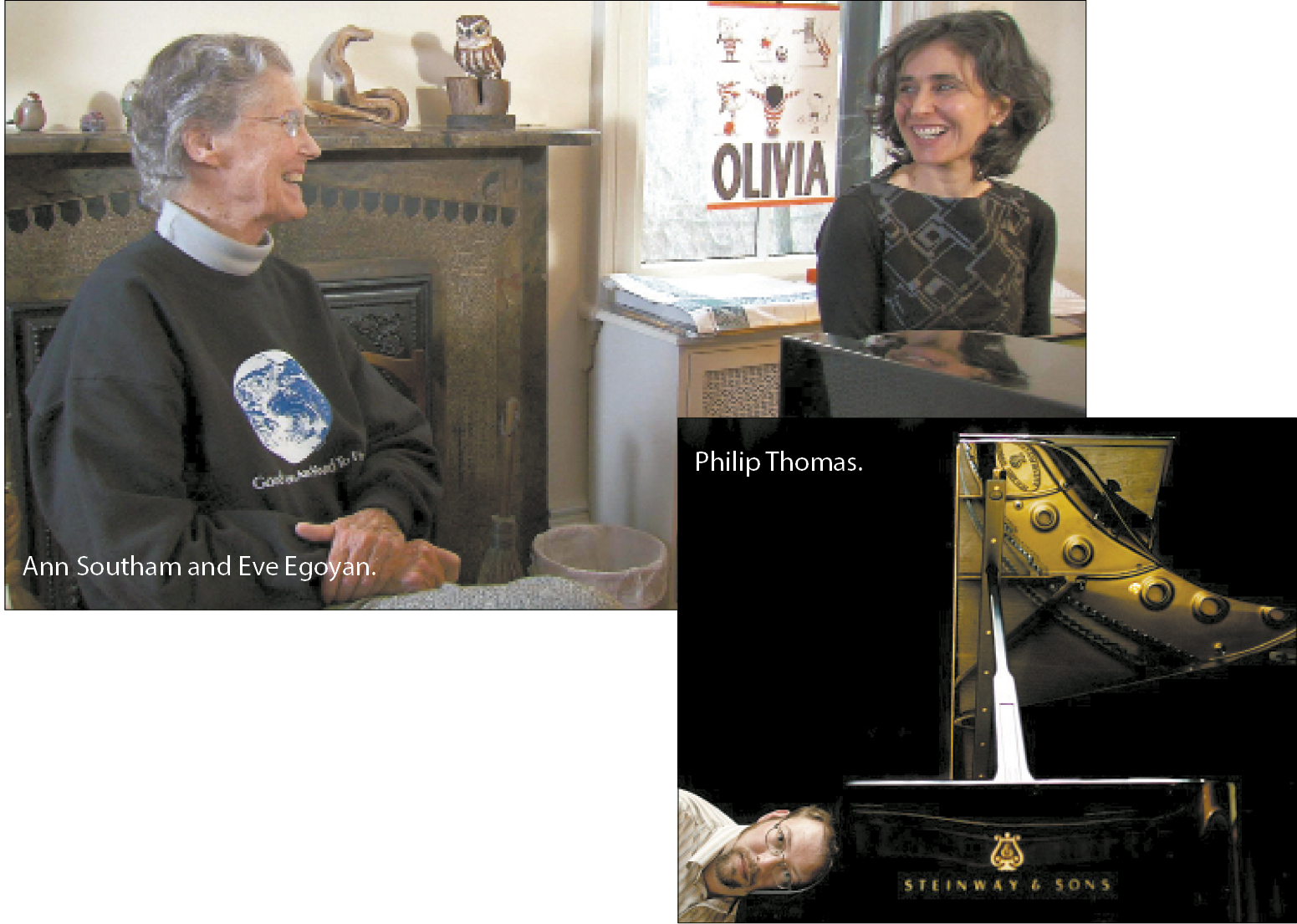
In Southam’s works written specifically for Toronto pianist Eve Egoyan, the elements of simplicity and mystery abound. On April 19 at a concert presented by Earwitness Productions at the Glenn Gould Studio, Egoyan will be launching her ninth solo disc, and her third of Southam’s compositions. The album, 5, will certainly raise interest internationally, as it features world premiere recordings of five posthumously discovered pieces composed by Southam. As a performer specializing in performing the works of contemporary composers, Egoyan’s repertoire covers a wide range, and this concert is no exception. Egoyan will be premiering Southam’s Returnings II which she describes as filling our ears with its magnetic pull, alongside the complexities of SKRYABIN in itself by Michael Finnissy. Works by composers Claude Vivier (Canada), Taylan Susam (Netherlands) and Piers Hellawell (Ireland) are also included in the program.

Another opportunity to hear an outstanding ambassador for contemporary concert music on the piano will be Continuum Contemporary Music’s presentation of UK pianist Philip Thomas in back to back concerts titled “Out of the Apartment,” on April 24 at Gallery 345, and “Correlation Street,” on April 25 at the Music Gallery. The first of these concerts will feature four specially commissioned works by Canadians Martin Arnold and Cassandra Miller and English composers Christopher Fox and Bryn Harrison.

Thomas is drawn to both freely improvised music as well as the experimental music of John Cage, and those working within a Cageian aesthetic such as Morton Feldman and Christian Wolff. He is known for designing concert programs that create connections between different composers, and when looking at the repertoire of the upcoming Continuum concert, one can definitely see his curatorial interests in action. In addition to the composers mentioned above, Thomas will be performing works by Canadians Michael Oesterle and Linda C. Smith.

Cage, of course, is renowned for 4’33” in which the pianist sits in silence on the stool, thus drawing the attention of the listener to the sounds in the room. As an aside, I made a fascinating discovery this past fall in one of the presentations made at The Future of Cage: Credo festival in October, 2012. Apparently, the premiere of that work took place in late August in an outdoor venue with the late summer tree-frog concert in full chorus. Thus Cage’s intention was not so much that we experience the coughs, shuffles and hums of the concert hall, as is the usual experience of hearing this work, but to bring attention and awareness to the rich soundscape in the natural environment and to include these sounds as part of what we consider to be music. I mention this because the act of creating this piece by Cage was a revolutionary step in expanding our conception of listening and one that continued to evolve in Oliveros’ work.

Yet another leading pianist in the interpretation of 20th-century music to visit Toronto this month will be Louise Bessette from Montreal. She will be performing works by fellow Montrealer Gilles Tremblay in New Music Concerts’ tribute to Tremblay on April 27. Bessette has cultivated an international career performing contemporary works from leading composers throughout Europe, Asia and the Americas, while releasing 20 recordings. She will perform two of Tremblay’s piano works from the 1950s among others.

Taking a leap beyond the solo pianist in concert, Soundstreams will be bringing together nine Canadian virtuoso pianists in “Piano Ecstasy,” its April 26 concert. These artists will perform in a wide range of styles: from Cage’s The Beatles to minimalist Steve Reich’s Six Pianos, as well as a newly commissioned work — Two Pieces for Three Pianos by Glenn Buhr. Cage and Reich come together again in TorQ Percussion Quartet’s concert “New Manoeuvers” for percussion and dance on May 3. Reich’s Mallet Quartet and Cage’s Third Construction will be complemented by new works from composers James Rolfe and Daniel Morphy.

April marks the end of the university school year and there is one noteworthy event: composer Cecilia Livingston presents her doctoral composition recital at the University of Toronto on April 14. Given the focus that composers such as Southam and Cage place on awareness as integral to the listening process, it is interesting that this young composer has titled her topic of compositional research “A Still Point: Music for Voices.”

And finally, the Canadian Opera Company will join with Queen of Puddings Music Theatre in presenting a new vocal work by Chris Paul Harman on April 30. Earlier this year, Queen of Puddings announced the closure of their company as of August 31, 2013. Their inventive way of staging chamber opera and music theatre works incorporated elements from physical theatre as well as placing the instrumentalists on stage. In reflecting back on their legacy, founding co-artistic directors Dáirine Ní Mheadhra and John Hess had this to say: “With Queen of Puddings, we’ve achieved what we set out to do, which was to commission and produce original Canadian opera to a high artistic standard, and to develop an international profile for this work.” Certainly one of their highlights was the launching of soprano Measha Brueggergosman in the 1999 production of Beatrice Chancy. For their swan song, Queen of Puddings will stage La selva de los relojes (The Forest of Clocks), Harman’s vocal work based on texts by Federico García Lorca. Lorca was a Spanish poet, dramatist and theatre director who died during the Spanish Civil War in 1936. It will be fascinating to see how Queen of Puddings stages what will most likely be an intensely dramatic work.

Additional concerts featuring contemporary piano music

April 13: Works by Hétu, Sherkin, Steven and Vivier. Canadian Music Centre.

April 23: “The Unruly Music of the Present.” Gallery 345.

April 27: Works by Gougeon, Morlock, Jaeger and Schafer. Canadian Music Centre.

May 3: Works by Mozetich, Kenins, Weinzweig, Behrens and Baker, performed by Mary Kenedi. Canadian Music Centre.

May 4: “Signposts.” Poetry and improvised music. Music by Gilliam and Ringas. Gallery 345. 

Wendalyn Bartley is a Toronto-based composer and electro-vocal sound artist. She can be contacted at sounddreaming@gmail.com.
1806 In With The NewReflecting on the nature of time and how we ultimately have no choice but to surrender to its rhythms is an activity that eternally captures the human imagination. One of the great gifts of Japanese culture to our understanding of time is found in the principle of Wabi-sabi, which finds beauty in the imperfect, impermanent and incomplete. Things in a state of transience, of coming and going — such as a flower coming into bloom or decaying — demonstrate this ideal. Wabi-sabi honours the process of change and those effects that the passage of time creates. Awareness at this level requires a quiet mind and cultivated human behaviour, which, in the Japanese worldview, can be instilled through the appreciation and practice of the arts.

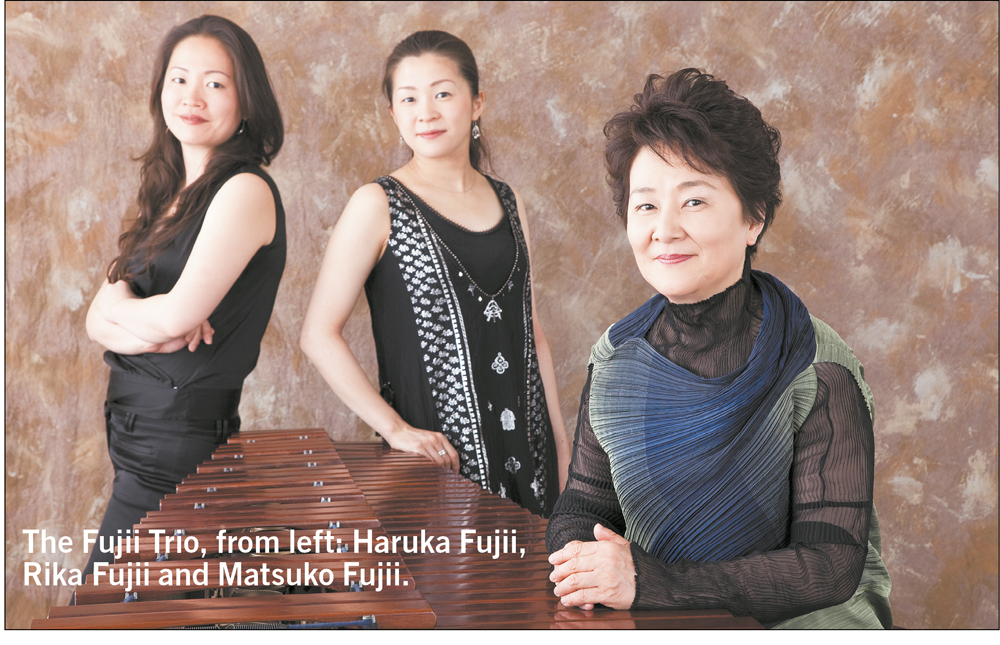
Since January of 2013, the city of Toronto has been enjoying Spotlight Japan, a four-month, city-wide, multidisciplinary celebration of classic and contemporary Japanese culture in theatre, dance, film, visual arts and of course, music. On March 5 at Koerner Hall, Soundstreams will be presenting their contribution to this “spotlight” in their concert “Fujii Percussion and Voices.” Since the act of listening to music offers a very refined way of experiencing movement through time, this concert will present an opportunity to be transported into a deeper engagement with these ideals of transience and impermanence.

The concert features the virtuosic Fujii Trio from Japan performing on five-octave marimbas, vibraphone, glockenspiel and a variety of other percussion instruments along with Canadian performers Ryan Scott on percussion, Gregory Oh on piano and the Toronto Children’s Chorus. Because writing for percussion instruments is central to the work of many Japanese composers, this concert offers an extraordinary opportunity to experience the subtle workings of instrumental colour by four of that country’s outstanding composers: Tōru Takemitsu, Akira Miyoshi, Maki Ishii and Yasuo Sueyoshi. The concert will include the Canadian premiere of Miyoshi’s Yamagara Diary featuring the Toronto Children’s Chorus and a rare instrument called the sanukite, as well as a newly commissioned work from Canadian Michael Oesterle.

The sanukite is a uniquely Japanese instrument made from black volcanic stones that originate from the Kagawa Prefecture area. Known locally as kankanishi or “cling-clang rocks,” they produce a unique ethereal tone when struck, which, in the words of Japanese drummer Masashi Tomikawa “reveal the spirit of time itself.”

Oesterle’s piece Carrousel references the spiral motion of time and is scored as a quartet for glockenspiel, vibraphone, marimba and piano. The three percussion instruments will surround the piano and function as a way of preparing the piano as they reflect back the piano’s gestures, creating a type of “blurred vision.” This is similar to how “as we pivot around the sun, all bodies acquire a natural rhythm or pulse, tuned to the return of sunshine and darkness, becoming captives of a solar carrousel.” The other Canadian work is Claude Vivier’s Pulau Dewata (Island of the Gods) for percussion ensemble of varying instrumentation dedicated to the people of Bali.

The ending of a legacy: In spite of the virtue of embracing impermanence, it is still an unfortunate turn of events that the immensely successful series run by the Canadian Music Centre — New Music in New Places — will be coming to an end. This nation-wide series has forever changed the landscape of how contemporary music is perceived and received in this country, and even though it is being terminated due to federal funding changes, it’s absolutely essential that this innovation of placing new music listening experiences within community venues be taken up in different ways in the future. This month offers three opportunities in southern Ontario to experience music in the places where people gather — from eateries, to breweries, to retail stores.

The first such event will happen March 1 at the Academy of Lions General Store featuring the Music in the Barns Chamber Ensemble performing works by Richard Reed Parry, Rose Bolton and Scott Godin. The venue is part café, part gallery and part fitness store. Post-concert events include a performance by baroque folk duo Tasseomancy, and a chance to party with DJ Adam Terejko.

Not in our concert listings but of interest, Guelph and Kitchener-Waterloo residents can visit the Happy Traveller Bistro, 40 Garden St., Guelph, 519-265-0844, on March 8 to hear performances by the Kitchener-Waterloo Guelph New Music Collective. The Bistro offers a welcoming environment for local artists, musicians and community projects while serving up vegetarian and vegan food.

And on March 21 and 22 it’s off to the recently opened Junction Craft Brewery tap room and retail store for “Junction the Dry,” to hear music by Derek Johnson, Emilie LeBel, James Rolfe, Caitlin Smith and Healey Willan.

As these events demonstrate, New Music in New Places has made the experience part of our evolving consciousness.

1806 In With The New 2The emerging collectives: There’s much talk these days about “emerging artists.” It’s become a buzz phrase and even the arts councils have categories for such creatures. But beyond the labels, one characteristic I’m noticing amongst younger composers and musicians is the movement towards the creation of collectives. Not that this is necessarily a new strategy, but it’s a healthy sign of creating space not only for new voices and artistic visions, but also for new ways of collaborating. This form of partnership is another reflection of changes in the creative process that I spoke of in February’s column in the context of the upcoming New Creations Festival running March 2 to 9. More about that festival below, but first, here’s a look at opportunities to see what’s happening in three of these local collectives.

The Thin Edge New Music Collective is inspired by how new music can impact contemporary life. Their March 13 concert at the Canadian Music Centre will feature works using innovative instrumentation: melodica, thumb piano, toy piano, autoharp and auxiliary instruments alongside violin, piano and cello.

The second collective is Vox Novus that gathers together composers, musicians and music enthusiasts. In their March 10event at the Al Green Theatre, they will be presenting electroacoustic compositions from 60 Canadian composers with 60 one-minute dance works.

The Spectrum Music collective is a group of jazz-trained musicians and young contemporary classical composers. Their upcoming concert “What Is Toronto?” on April 5 will focus on intimate snapshots of the history, languages, people and places of the city. The concert will include a panel discussion on the subject of Toronto’s identity and history featuring local writers, politicians and thinkers.

Words and music: In their concert entitled “Time & Tide” on March 5 and 6, the Talisker Players will perform compositions by Canadians Walter Buczynski and Scott Good alongside readings of texts from various English authors. At Gallery 345 on March 14, the words of poets Roger Greenwald, Sheniz Janmohamed and Jacob Scheier will provide inspiration for the musical improvisations of Kousha Nakhaei on violin and Casey Sokol on piano.

Music in story is as old as humanity itself. At the Toronto Storytelling Festival, which runs from March 16 to 24, a composition I wrote eight years ago, The Handless Maiden, for soprano, storyteller, vocalizations and electroacoustics will be performed March 24. Another storytelling-focused concert will be happening at Kingston Road United Church on March 24. “The Storied Harp” will feature works by Marjan Mozetich (Songs of the Nymph) and Murray Schafer (The Crown of Ariadne).

Celebrating anniversaries: Since anniversaries are a way of marking time, there are a few important ones to note this month. Esprit Orchestra is presenting their 30th anniversary season finale concert March 28 with two newly commissioned works by Torontonian Erik Ross and Montrealer Denis Gougeon. These new works will serve to bring attention to Esprit’s ongoing tradition of presenting and commissioning Canadian music.As a special audience treat, the orchestra will also be presenting repeat performances of two audience favourites: Purple Haze and the theme from The Twilight Zone.

Two unique events complete the anniversary motif. Six different composers, all born in 1912/13, will be toasted in a fundraiser for New Music Concerts at Gallery 345 on April 6 to honour their 100th birthdays. Included are small works by Weinzweig, Pentland, Cage, Nancarrow, Brant and Lutoslawski. And to further celebrate the legendary Weinzweig, Soundstreams will be presenting a concert of his works March 11 at Walter Hall, followed by the unveiling of a plaque to be placed at Weinzweig’s family home.

The New Creations Festival: As mentioned above, I wrote at length about the Toronto Symphony’s New Creations Festival in February’s issue of The WholeNote, so I won’t repeat myself here, other than to say don’t miss out on this, and in particular the premiere on March 9of A Toronto Symphony: Concerto for Composer and City. The two other concerts in the festival are on March 2 and 7. Given that the Spectrum collective is also featuring Toronto’s sounds and places in their April 5 concert, our ears should be primed for engaging in new ways with the place in which we live. Who knows where this might lead as a follow-up to the ending of the New Music in New Places series?

Additional quick picks

Music Toronto. Discovery Series: Trio Fibonacci. Works by Radford, Onslow and Sokolović. Jane Mallett Theatre, St. Lawrence Centre for the Arts, March 14.

Toy Piano Composers. Threshold/Le Seuil. Works by Pearce, Thornborrow, Denburg, Tam, Correia and Ryan. Artword Artbar, Hamilton, March 21. Repeat performance March 23 in Toronto at the Heliconian Hall.

Canadian Sinfonietta. A Visit from Lviv. Works by Vasks, Paderewski, Royer, Pepa and Laniuk. Glenn Gould Studio, March 23.

Diana McIntosh. In Concert. Featuring a retrospective of works composed and performed by McIntosh. Heliconian Hall, April 4. 

Wendalyn Bartley is a Toronto-based composer and electro-vocal sound artist. She can be contacted at sounddreaming@gmail.com.
For the adventurously minded, the act of music making can be all about paving the way for the future of music to unfold. If you were to think 50 years ahead or even 25, what would your prediction be for how music will be created, experienced and listened to?

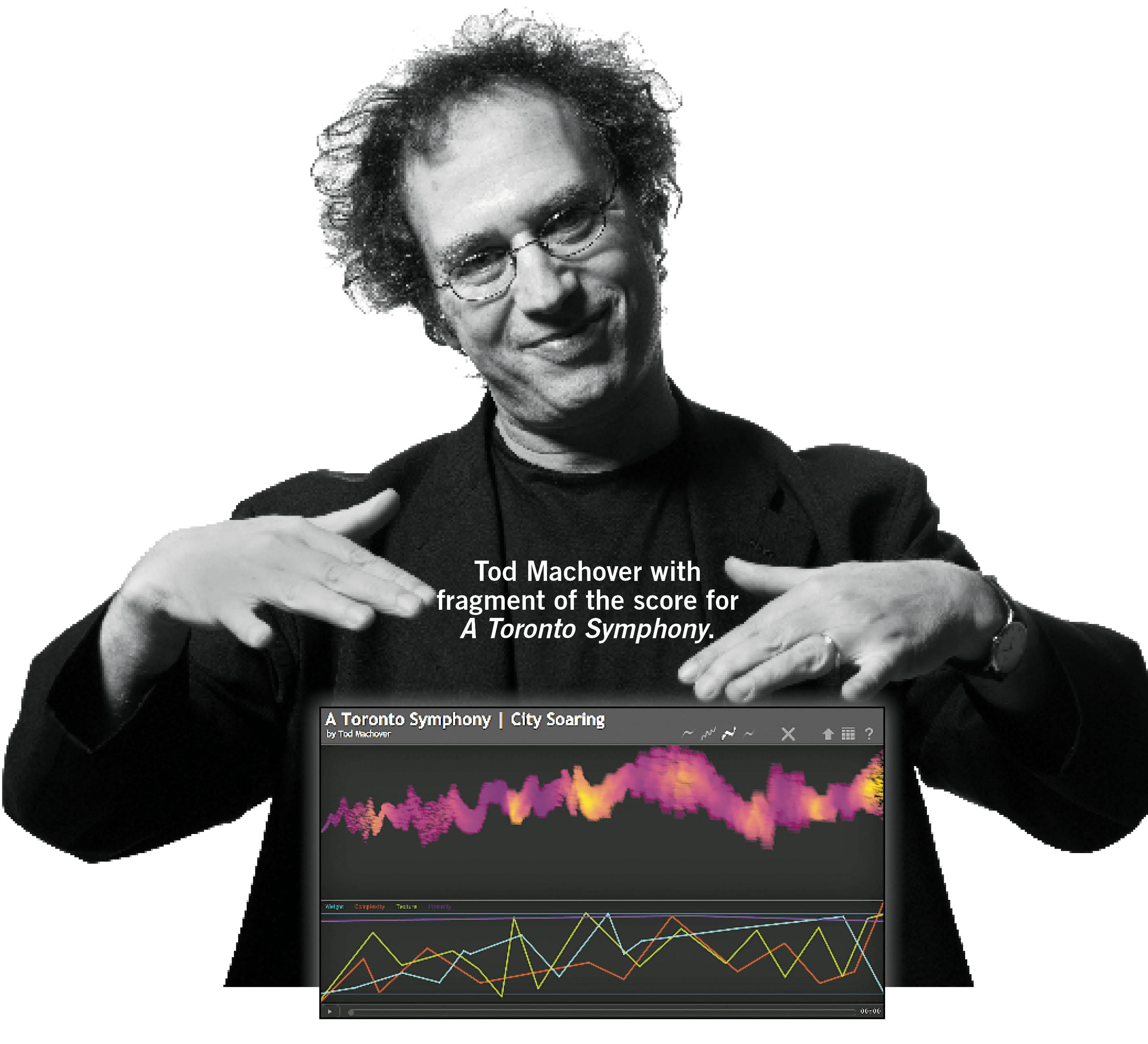
new music photo - feb 2013This year’s New Creations Festival presented by the Toronto Symphony Orchestra from March 2 to 9 will be an opportunity to catch a glimpse of what may be in store for the music lovers of 2050. When the TSO invited American composer and technology wizard Tod Machover to both curate the 2013 festival and compose a new work for it, Machover began dreaming big.

He started with the question — what does the city of Toronto sound like? He added to that question the vision of opening up the creative process to anyone who wanted to participate. This new symphonic work was to be a collaboration on a massive scale with the citizens of Toronto, resulting in something that could not have been done by any one individual. And with this mandate before him, Machover stepped onto the road of future music making where he envisions collaboration at the core of each piece, and professional musicians moving beyond teaching and mentoring people to the act of “making things with them.”

Read more: Musical Futures

christina petrowska quilico - 30 - by marco grazziniOur cover story bypasses all of December to focus on a January 21 event. So I thought I’d push the envelope a day further and start by calling your attention to an event happening on January 22! On that day, at Glenn Gould Studio, pianist Christina Petrowska Quilico launches a two-CD Centrediscs recording, Visions: Rhapsodies & Fantasias, consisting of composer Constantin Caravassilis’ books of rhapsodies and fantasias for solo piano. “Visions in sound, transcending lyricism to become a dramatic opera for the keyboard,” is how Petrowska Quilico describes the works, a description which sounds considerably less flowery and vague when one notes that composer Caravassilis, like Sibelius, Rimsky-Korsakov and, some would say, Mozart before him is a “synaesthete,” someone whose perception of sound is inextricably linked to colour and movement.

Petrowska Quilico, a visual artist in her own right, entered into the world of Caravassilis’ sound palette so completely that she rendered the works into nearly 100 paintings before committing them to disc. Some of these paintings will be projected at the concert, and displayed at a Canadian Music Centre-hosted reception in the lobby afterwards.

Read more: All Roads Lead To... ?

Of all the concerts I didn’t get out to last month the one I regret most missing was Continuum Contemporary Music’s October 22 program at the Music Gallery titled “Finding Voice.”

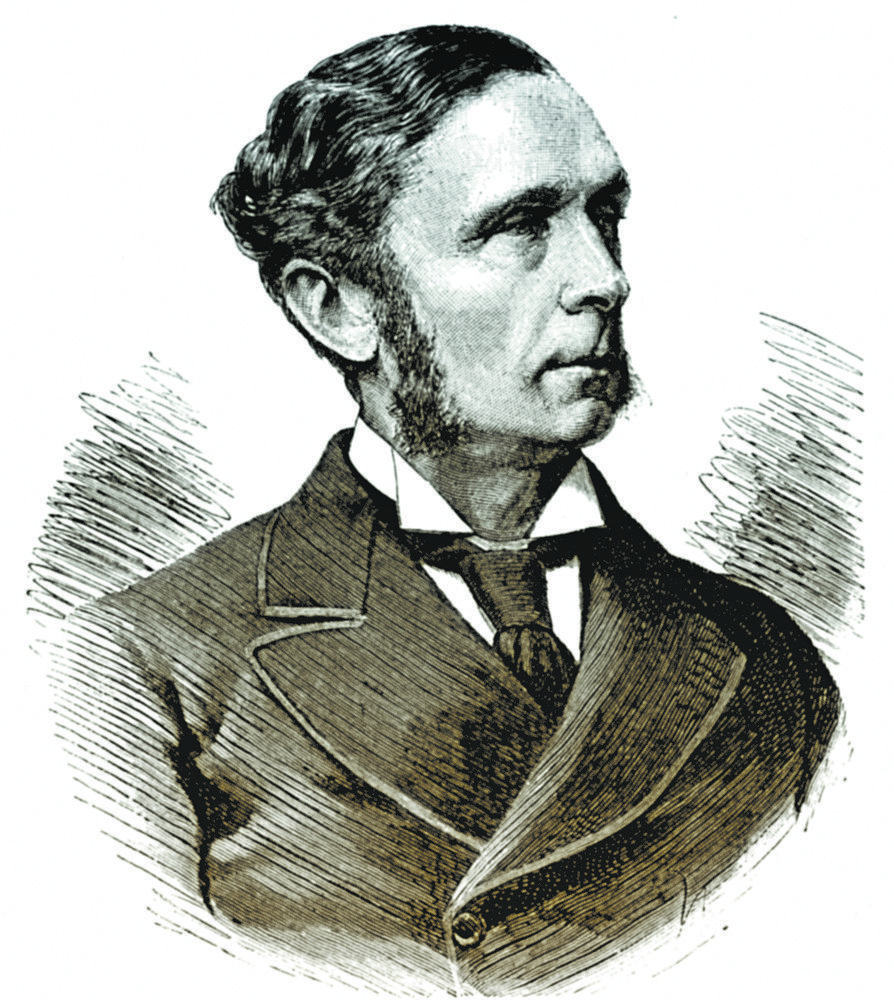
17-morell-mackenzie“Communication, as well as the historical lens, is at the core of a concert that presents two linked theatrical works by Dutch composer Martijn Voorvelt” read the always entertaining Continuum blurb. “[It is] based on the tangled up story of Sir Morell MacKenzie, inventor of the tracheotomy, and his treatment of the mute and dying German Emperor Friedrich III.”

Because Voorvelt is a self-taught composer, drawing at will on literature and theatre, I was looking forward to an evening of music that dipsy-doodles across the line between genres, using sound in ways that are more instinctual than intellectual. It was a quality that smacked me right between the eyes last year during Vingko Globokar’s visit last season, and I was looking forward to exploring it further: the connections between the innate musicality of voice and the inherent storytelling capacity of music.

Training the ear to listen to new music by invoking the nuances of spoken work — cadence, intonation, pitch, pace — seemed like a fine topic for a rainy day, and may well still be. But I will have to proceed without my prime example, and I’m sorry for it.

That being said, there’s no shortage of material this month for an exploration of the topic. For one thing, I could revisit our cover story’s Maniac Star/Royal Conservatory November 25 co-production of Brian Current’s Airline Icarus. (Current’s final comment on the challenge of educating the new music audience’s ear is certainly a propos). But let’s look for some other examples.

Nine days earlier, on November 16 and 17, in the selfsame venue, for example, the Royal Conservatory Opera School presents a double bill of Ned Rorem’s Three Sisters Who Are Not Sisters andJoseph Vézina’s Le Lauréat. In Rorem’s work, in particular, drama and music seem always shyly (or should that be slyly?) fascinated bedfellows, without ever quite figuring out what the attraction is. Three Sisters takes for its libretto a Gertrude Stein play of the same nameand it makes for an interesting match. Bernard Holland, in The New York Times, Oct 1, 1994, writes about the Stein/Rorem work, and makes the following interesting observation: “Stein’s little game of mock murder makes sense of a sort, but making sense is not its business. It is the arrangement of her simple declarative sentences that pleases. Mr. Rorem’s terse music and its skillful, imitative ensembles ... successfully explain a literary art in which form is everything and matter matters little. Every musical gesture Ned Rorem has ever made has something of the human voice behind it.”

“Musical gesture with the human voice behind it” is a good description of the thing I am trying to describe, and it can be found across the musical spectrum. An example: a November 8 noonhour recital at University of Guelph College of Arts titled Problems with Love.” It features a consummate musical raconteur, mezzo-soprano Patricia Green, wrapping her innate storytelling skills around “songs by Canadian composers, touching on poignant and funny sides of love.” And another example: a Sunday November 18 7:30pm presentation at the Arts and Letters Club by the Toronto Chapter of the American Harp Society titledA Score to Settle,” written by K. Gonzalez-Risso, and billed as “a musical monologue for solo harp” featuring harpist and comic actress Rita Costanzi.

In entirely different ways, these performances, informed by principles as different as comedy and cabaret, offer opportunities for the willing listener to explore how an understanding of the rituals and cadences of storytelling can inform musical choice, no matter how abstract, by composer and listener alike.

Choral common ground: If music theatre is the most dramatic example of the interplay between different modes of listening, then choral music is the most pervasive. Indeed choirs, more than almost any other presenters, are at the forefront of commissioning new work, of mixing repertoire across generations in the same programs, and putting experiencing a work of music ahead of judging it as good or bad. With an estimated 20,000 individuals participating in choirs in The WholeNote catchment area, this is no small fact, especially given that choristers, more so than concert band members, for example, tend also to be avid concert-goers. Not a bad way of educating people to broaden their understanding of what makes music music!

Nowhere will you see this more clearly illustrated this month than in the November 11 Soundstreams Canada presentation of the Latvian Radio Choir at Koerner Hall, in a program ranging from Rachmaninoff to Cage, to young Canadian composer Nic Gotham and more.

Or take as another example the November 17 Grand Philharmonic Chamber Singers’ “Made in Canada” concert with music ranging from a new commission by Patrick Murray to works by Healey Willan and Harry Somers. And check out the November 10 Cantabile Chamber Singers concert titled “Lux” and described as an “a capella concert on the themes of light, love and night featuring works by L. Silberberg, C. Livingston and B. J. Kim.”

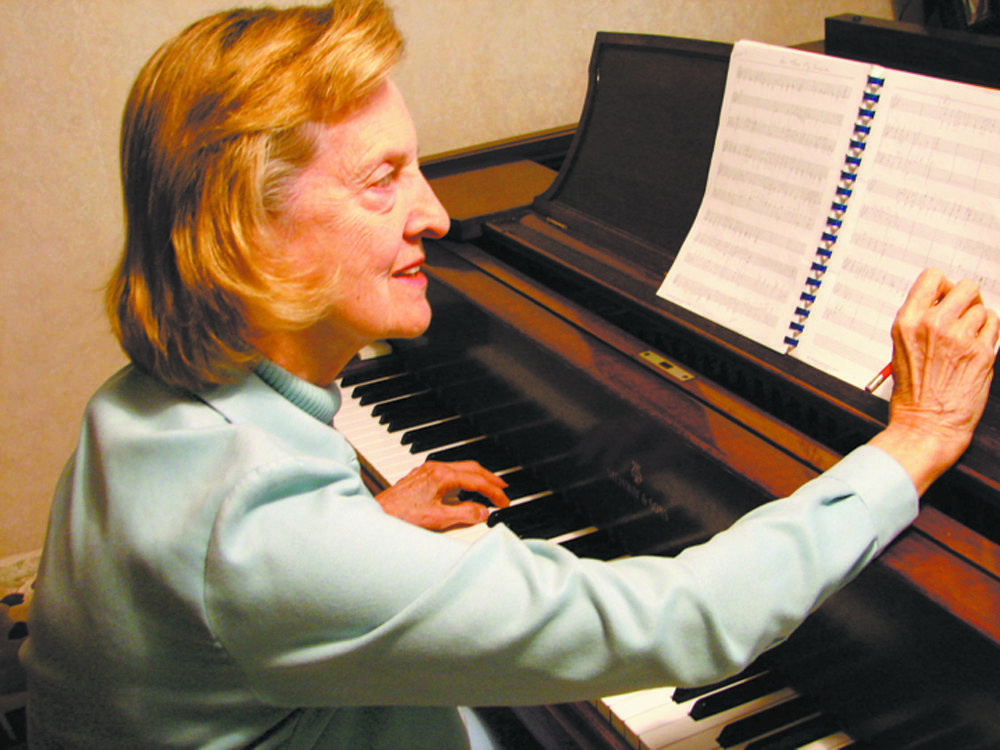
17-henderson rw at pianoOr, finally, consider the November 3 University of Toronto Faculty of Music concert titled Choirs in Concert: When Music Sounds: Celebrating the 80th birthday of Ruth Watson Henderson.”

Henderson, one of Canada’s pre-eminent choral composers, talks about the links between text and music in a recent interview (on the Choral Canada website), with Dean Jobin-Bevans, president of Choirs Ontario.

“It is all about taking a text that I find inspiring and thinking about how it can be presented in a way that can express some important feelings and ideas to a large number of listeners” she says. “The most important thing for me when I am writing is the text; if I get a good text, then all of my ideas come from the text. I am not very good at putting things into words, I am much better at hearing things musically, and so when I cannot express myself when speaking with words, I find that I can express myself much better through music; by putting ideas down on paper and writing choral works.”

Follow the Bob! Regular readers of this column will know that I often pick a particular venue and catalogue what’s happening there as a way of providing a cross-section of what is happpening. It’s sometimes equally instructive, though, to follow an individual musician through a month’s worth of perambulation from one venue to another.

17-veronique-lacroix-photo-by-pierre-leveilleTake New Music Concerts’ Robert Aitken for example. The evening of November 11 will find him at the Music Gallery, albeit in the capacity of genial host rather than performer, for a New Music Concerts presentation of Ensemble contemporain de Montréal, Véronique Lacroix, conductor, in a program titled GENERATION 2012: ECM+.

Four days earlier, he features as flutist, along with musical chameleon, accordionist Joseph Macerollo, in a Canadian Music Centre/New Music Concerts event titled “Secret of the Seven Stars.” It’s a CD launch, featuring works by Hope Lee and David Eagle, and providing an early opportunity to check out the new and improved Chalmers House performing space, one which one hopes will join the array of fine little performance venues for cutting edge music.

And, going from little to large, Sunday November 18 Aitken will appear as flutist in Esprit Orchestra’s second Koerner Hall Concert of the season, titled “Exquisite Vibrations,” in a work titled Concerto for Flute and Orchestra by French composer Marc-André Dalbavie.

The universities: mind you, you can’t go wrong by familiarizing yourself with the key venues for new music either. Starting with the universities, I count no fewer than ten concerts at the University of Toronto this month that could be of interest to new music followers, most of them at Walter Hall: November 4 there is a concert, “In Memory of Gustav,” dedicated to the works and legacy of Gustav Ciamaga, composer, educator and electronic music pioneer; composer/teacher Norbert Palej shows up as a composer on November 5 (in another concert featuring accordionist Macerollo), and then on November 21 as conductor of the U of T Faculty of Music’s gamUT Ensemble ... and the list goes on, for U of T as for its Philosopher’s Walk neighbour to the north, the Royal Conservatory. Same goes for York and others.

Small venues: as for the smaller venues, check out the Music Gallery (November 10, 15, 17; December 1 and 7); Gallery 345 (November 4, 8, 10, 16, 18, 22, 23 and 27); the Tranzac (November 7, 8 and 9) for the 416 Toronto Creative Improvisers Festival; and the Wychwood Barns (November 10, 24 and December 1) for New Adventures in Sound Art (NAISA)’s 11th Annual SOUNDplay Series.

And make a special point of checking out the newest intimate space on the map, the Array Space at 155 Walnut St. On November 19 at 7pm, it’s a concert titled “Passport Duo,” featuring works by Hatzis, Wilson, Forsythe and O’Connor. And on November 26 it’s the 14th in a series of evenings of improvised music, with Array director Rick Sacks and a roster of always interesting guests.

Subversion: I started by talking about how spoken language potentially provides different, sometimes less daunting and even enriching access points to new music. It’s not the only tool in the shed, though. There’s also the thoroughly mixed program (such as that promised by Scaramella on December 1, in the Victoria College Chapel, which offers “animal-themed music, from baroque to the 21st century”). Or perhaps even more to the point, consider a November 9 offering from a collective, group of twenty-seven, called “The Subversion Project” which on this occasion, at Grace Church on-the-Hill, offers works by Beethoven, Prokofiev, Zorn and Buhr in a deliberate effort to enable listeners to hear the familiar anew, and to modulate the strange through the familiar.

Sounds like a fine idea, don’t you think? 

David Perlman has been writing this column for the past season (and a bit) and is willing to entertain the notion that it’s someone else’s turn. He can be reached at publisher@thewholenote.com.

in with the new alex pauk 1  1 Now that september’s TIFF-induced somnolence has receded from the new music scene, October starts to take on more of the shape one might hope for, with the emergence of new ensembles, an entirely new series of instruments, a major John Cage conference, almost back-to-back Koerner concerts by two heavyweight ensembles, both celebrating their 30th anniversaries and a plethora of inventive smaller presenters taking advantage of an ever-increasing range of intimate venues far and near.

It’s a particularly nice coincidence for me to have this column kicking off the Beat by Beat section of the magazine in the very month that Richard Marsella’s Regent Park School of Music moves into its new digs in the spectacular new Regent Park Arts and Cultural Centre (this month’s cover story). It was Marsella, you see, who gave the column the name “In With The New” when he served, energetically and all too briefly, as The WholeNote’s new music columnist. I wish him, and the school, momentum and luck.

Newest of the new:It is always interesting at the start of a new season to look at ensembles at the opposite ends of the spectrum in terms of longevity — at the ones celebrating significant anniversaries and at those just embarking. In the latter category, a group called the Thin Edge Music Collective probably takes the prize as the newest of the new. This time last year the collective was nothing more than a good idea in the minds of pianist Cheryl Duvall and violinist Ilana Waniuk.

“TEMC believes that contemporary music is a powerful medium which has the ability to comment and reflect on modern society in a unique and poignant way,” their manifesto reads. “We recognize that the broad range of musical idioms which new music encompasses functions as an important touchstone for contemporary life and as such are passionately dedicated to supporting our peers through commissions and performance. Ultimately we aspire to bring innovative and challenging 20th and 21st century music to audiences both existing and as yet untapped.”

By spring of 2012, following a Banff Centre residency with Toronto composer Tova Kardonne, they had mounted an inaugural concert, aptly titled “Premieres,” featuring five newly composed works by emerging Canadian composers: Margaret Ashburner, Aura Giles, August Murphy-King, Nick Storring and Kardonne.

Composer/cellist Storring joins them again October 6 for a concert titled “Unusual Spectrum” featuring works by Sokolovic, Bolton, Nobles, J. TV and Storring himself. And the works are not the only thing “unusual” about the event. The venue (The Placebo Space, Apt. A at 1409 Bloor St.W.) is as unfamiliar to us as Gallery 345 was a handful of years ago. For the other three programs in their 2012/13 season, they will take their act to a range of intimate venues across our catchment area: to Gallery 345 and Hamilton’s Artword Artbar November 22 and 25 respectively; back to Gallery 345 in February; and across town to the Tapestry/Nightwood New Work Studio in the Distillery District in June. As Amici did, a quarter of a century ago, TEMC seems to have cottoned on to the fact that commissioning works for larger combinations of instruments, along with themselves, can be the path to building relationships and bridges as they go. Percussion and cello, accordion and flute already feature in this year’s series plans.

in with the new lawrence cherney and r. murray schafer at soundstreams salon 21Bohlen-Pierce: Speaking of the newest of the new, it’s not often that entirely new instruments come along and even less common when the instruments in question have the potential to reshape entirely the way composers write and audiences listen. So circle Tuesday October 9, 8pm, (at Gallery 345) for a lecture/recital by Nora-Louise Muller on the Bohlen-Pierce Clarinet which, according to its its Toronto maker, master clarinet builder Stephen Fox, is designed to produce “an exotic sequence of tones providing numerous consonant intervals and hence the promise of extensive musical possibilities to those willing to explore non-traditional sounds.” There’s nothing random about it, though. The Bohlen-Pierce Scale, according to Fox “uses an alternative musical system which divides the perfect twelfth into 13 steps.”

This Bohlen-Pierce clarinet project began in 2003, with the goal of designing and building clarinet-type instruments — soprano, tenor and contra — for the purpose of exploring and demonstrating the musical potential of the concept. The premiere concert involving Bohlen-Pierce clarinets took place at the University of Guelph on March 20, 2008, presenting newly composed works by Owen Bloomfield and Todd Harrop, and “future plans involve holding an international composition competition for Bohlen-Pierce instruments.”

New ensemble: Saturday October 27 at Heliconian Hall, the Toy Piano Composers collective unveils something new too, namely its own ensemble. Hence the concert’s title:We Started a Band.” Featuring works by TPC members Brophy, Floisand, Guechtal, Pearce, Ryan and Thornborrow, the concert also will also unveil the TPC Ensemble: Katherine Watson, flute; Anthony Thompson, clarinet; Sharon Lee, violin;Adam Scime, double bass; Daniel Morphy, percussion; and Wesley Shen on piano and toy piano. Watch for the five-year-old collective to flourish as familiarity with a versatile group of core players breeds content.

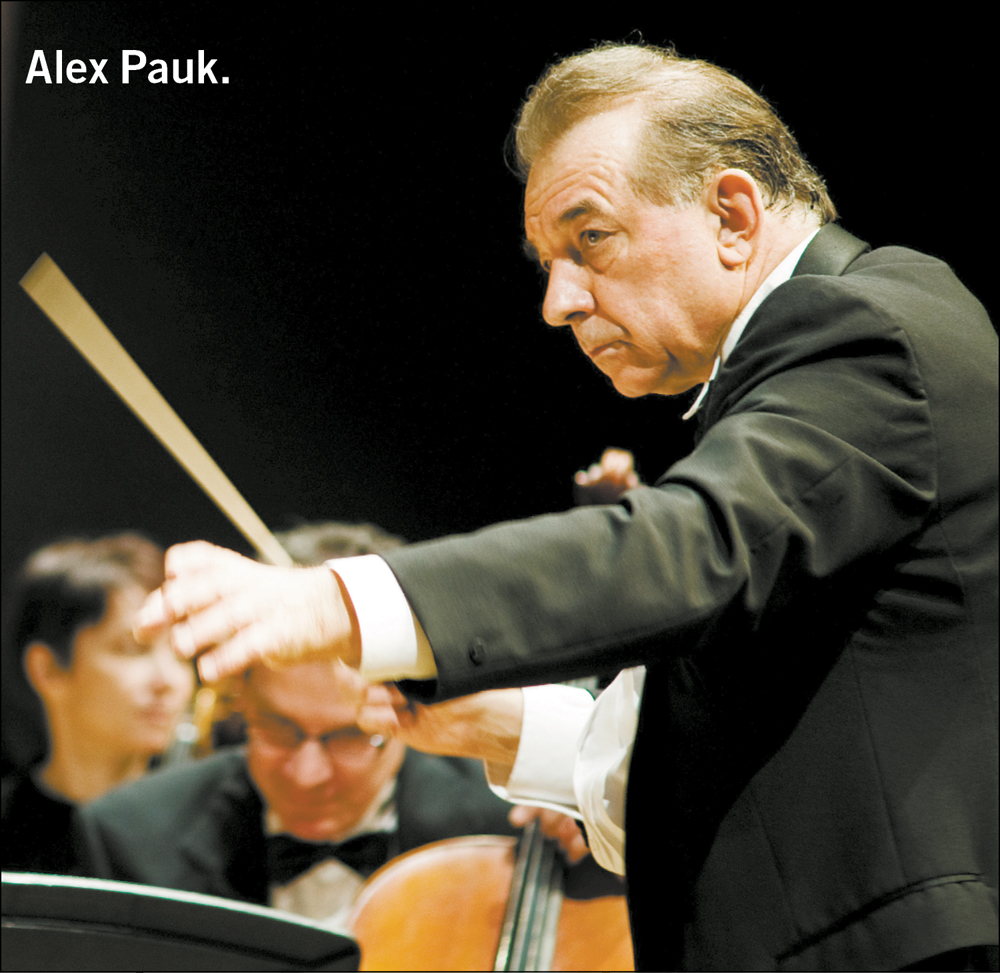
Soundstreams and Esprit: It’s hard not to draw parallels between two of Toronto’s most venerable presenters this month. Both are 30 years old this season. Both have been led by one individual since their inception (Lawrence Cherney at Soundstreams, Alex Pauk at Esprit). Both opted early on to take the gamble of upsizing their previous venues and moving their main series to Koerner Hall. Soundtreams launches its Koerner season October 11. Esprit follows October 14. Both will feature new commissions by Murray Schafer, himself striding towards an important anniversary in the spring. But the superficial similarities obscure the fact that the two events promise to be as different as one might imagine, reflecting two very different, if equally single-minded, visions.

The October 11 Soundstreams event offers a veritable smorgasbord of performers, drawn from a wide range of sources specifically for this event. Among them: David Fallis and Joaquin Valdepeñas, conductors; Ryan Scott, percussion; Shannon Mercer, soprano; Julie Ranti, flute; Choir 21; the Gryphon Trio; and NEXUS, in works by Frehner, Llugdar, Pärt; Fuhong Shi and Schafer. Cherney’s presence as artistic director will be almost entirely behind the scenes, evidenced in the careful shaping of the event.

October 14, at the Esprit concert, the surprise will not be in the players, the vast majority of whom are the backbone of the orchestra, appearing year in, year out in almost every Esprit event. Pauk will lead from the front, on the conductor’s podium and the overall thrust will be much more strongly large scale, as befits Canada’s only orchestra solely dedicated to the commissioning and performance of new orchestral works. Schafer’s new work for the concert is titled Wolf Returns, and will feature along with the orchestra a chorus drawn from participants over the years in Schafer’s annual summer Haliburton wilderness project, And Wolf Shall Inherit the Moon.

Works by Esprit perennial composers John Rea, Alexina Louie, Iannis Xenakis and Colin McPhee will round out the event, and Schafer himself will be there in the lobby for the official launch, and signing, of his newly released memoir, My Life On Earth and Elsewhere.

All too briefly: the above barely scratches the surface of an extraordinarily rich month of music which also includes the following, each in its way worthy of an article all on its own (and all referenced in our listings so that you can begin supplying for yourself the missing details in this hasty list):

October 25 4:00 to October 28 1:30: Jackman Humanities Institute, University of Toronto. Future of Cage: Credo. A spectacular conference to mark the 100th birthday of composer John Cage, featuring performances, panel discussions, keynote addresses, lectures and installations. “This interdisciplinary conference is both a celebration of John Cage, 100 years after his birth, and an opportunity to explore Cage’s influence on music, writing, performance and critical scholarship,” says their press release. “Fundamental to the development of innovations in performance art, contemporary music, graphic notation, audience reception and theories of social practice, Cage remains one of the most, if not the most, influential figures in 20th- and 21st-century art and performance. Such a legacy necessarily resonates beyond any single artistic or historical trajectory, and “The Future of Cage: Credo” will explore not only Cage’s output, both artistic and philosophical, but its after-effects through a variety of fields, genres and modes of presentation.”

Monday October 22 8:00: Continuum Contemporary Music. Finding Voice. “Another season of musical and extra musical exploration: influential works reconceived, new works on their way to being influential, revelatory performances, discussion among friends new and old” starts with a concert featuring, at its outset, an old friend of ther ensemble, Dutch composer Martijn Voorvelt and rivetting mezzo soprano Marion Newman. “Finding Voice” is a concert of vocal music about the voice and about communicating. It is also about history, the past given contemporary voice.”

Friday October 12 to Friday October 19: Music Gallery. X Avant New Music Festival VII: Expanding Circuits. Fortunately fellow columnist Andrew Timar has turned some of his erudite attention to this event, in World Music on page 28 and the Music Gallery’s own website gives a very detailed overview of a boundary-testing event that goes from strength to strength every year.

Friday October 19 8:00: Arraymusic. The Poets. A mix of words and music by poets and members of Arraymusic. Fides Krucker, mezzo; Phoebe Tsang, violin; Lydia Munchinsky, cello; Stephen Clarke, piano; Nilan Perera, guitar; Rick Sacks, percussion. and Ideas Studio, 980 O’Connor Dr., 416-778-7535. $10; $20(workshop and evening concert, see listings section A, Oct.13 at 8:00). 

David Perlman has been writing this column for the past season and a bit and is willing to entertain the notion that it’s someone else’s turn. He can be reached at publisher@thewholenote.com.

To have lasted more than 40 years, any musical organization must be doing something worthwhile. To do so under the same leadership is even more remarkable. Flutist/composer/conductor/teacher Robert Aitken has been at the helm of New Music Concerts since its inception in 1971 and when the lights go up on NMC’s September 23 season opener at the Betty Oliphant Theatre all the trademarks of Aitken’s NMC stewardship will still be on display.

I will return to the topic of NMC later in this column. But September 23 is, after all, well into the month. And unlike some years when Toronto’s new music presenters step deferentially aside till the Toronto International Film Festival train has roared through town, this year, the city’s contemporary music presenters are managing to maintain, if not a roar of their own, at least a very healthy murmur of new music throughout the month, right from the get go.

26 new robertaitken 1 photo by andre leducINTERSection: On Saturday September 1 for instance, Intersection hits Yonge-Dundas Square from 2pm to 10pm. Previously dubbed the Toronto New Music Marathon, this sixth annual installment of the event, hosted by Contact Contemporary Music, will feature on its main stage, among others, New York’s Bang on a Can All-Stars, an ensemble Contact artistic director Jerry Pergolesi considers to be his own ensemble’s most important influence. The following day, Sunday September 2, Bang on a Can and Contact will take their act to the intimate surrounds of the Music Gallery for a concert titled “Ambient2 — The Music of Brian Eno.” Bang on a Can will perform their groundbreaking arrangement of Brian Eno’s classic ambient record, Music for Airports, with film by Frank Scheffer, and Contactwill perform their arrangement of Eno’s Discreet Music, with film by New York artist Suzanne Bocanegra. 

Special as that more intimate September 2 event may turn out to be, it’s the Saturday Yonge-Dundas affair that is at the heart of INTERsection’s special role in kicking off the new music season. The eight to ten hours in Yonge-Dundas Square bring new music to new ears, throwing up all kinds of interesting sonic juxtapositions, some intended, some accidental, as part of the merry mix. You will find this mix both on the main stage and in the event’s “Marketplace,” which features booths by organizations involved in new music. You never know what you will find. For example, at The WholeNote booth, if you are the first one at the event to actually wave this article in my face and point to this paragraph, I will arrange for you two tickets to any one of the concerts mentioned in this column! (For more detail on INTERsection, visit contactcontemporarymusic.ca.)

Gallery 345: From Yonge-Dundas on the Saturday and the Music Gallery on the Sunday, the new music action then shifts to Gallery 345 on Monday September 3 where Canadian pianist Vicky Chow, a Bang on a Can ensemble member since 2009, lays on an evening of new music of breathtaking variety and scope. Dubbed “a monster pianist” by Time Out New York and “one of the new stars of new music” by the Los Angeles Times, Chow, according to her bio, “also produces and curates ‘Contagious Sounds,’ a new music series focusing on adventurous contemporary artists and composers at the Gershwin Hotel in New York City.”

It will come as no surprise to readers who followed this column last season that Gallery 345 is hitting the ground running, right from the beginning of September. Including Chow on September 3, I counted no fewer than six concerts at Gallery 345 that would qualify for a NNN (Triple N for New) rating in this column, along with a whole handful of others where healthy doses of new music are intermixed with other repertoire.

Friday September 7, for example, it’s the German-born accordion/piano duo DUO+for+CANADA (Ina Henning and Stefan Schreiber) in a program of works by Ives, Kagel, Anna Höstman, Lan-Chee Lam, Andrew Staniland and Hans Joachim Hespos. And on Friday September 21 it’s a program titled “Alone: Contemporary Work for Solo Clarinet and Bass Clarinet,” performed by clarinettist/bass clarinettist Bob Stevenson. The versatile Stevenson has been active in the new music community since the early 70s, including a stint as artistic director of ArrayMusic. His September 21 program (George Perle, Salvatore Sciarrino, Alexander Goehr, Pierre Boulez, Daniel Foley, James Tenney, Elliott Carter and Vernon Duke/Ira Gershwin) only partially reflects the wide-ranging versatility of this interesting player.

And there’s more: “The Art of the Duo Piano” with Piano Pinnacle (composer/pianist Iman Habibi and pianist Deborah Grimmett) on Saturday September 22; and a program titled “Ballades From The North” by pianist/composer Adam Sherkin on Sunday September 30, that ranges from Hétu, Saariaho and Sherkin himself, to Chopin, Barber and Liszt.

Appetite whetted? Visit gallery345.com for details on all these, and much more besides.

26 inwiththenew james rolfe  no credit From Gallery to Gallery: Heading back towards town from 345 Sorauren to Queen and John, Sunday September 2’s Contact/Bang on a Can concert is not the only noteworthy early September event at the Music Gallery. As part of an initiative they are dubbing The Post-Classical Series, September 8 is the date for a concert titled “The Canadian Art Song Project.” The concert features William Shakespeare – Five Shakespeare Songs (2002) by Colin Eatock (recently released as a CD), Beloved (2005) by James Rolfe and Dennis Lee, and a work titled The Colour Blue by Erik Ross/Lorna Crozier. Performing will be two stellar alumnae of the COC’s Ensemble Studio, both now mainstage regulars, soprano Virginia Hatfield and mezzo-soprano Lauren Segal. Gregory Oh, the Music Gallery’s post-classical curator, accompanies.

The Canadian Art Song project, according to information from the Music Gallery, was founded by tenor Lawrence Wiliford and pianist Steven Philcox, to advocate for the performance of Canadian song repertoire. It’s an initiative we’ll be keeping an eye on.

The involvement of tenor Wiliford and composer Rolfe in the project also serves as a neat segue back to the September 23 launch of New Music Concerts’ 42nd season, because Rolfe will have two works on the NMC program, the second of which will be sung by Wiliford.

“I met Lawrence when he sang a role in the COC’s production of my Swoon in 2006 — he was part of their ensemble,” recalls Rolfe. He was a great presence vocally and dramatically; he later sang with the Toronto Masque Theatre in their revival of Orpheus and Eurydice in 2010. Beloved was premiered in 2006 by Toca Loca, who commissioned the piece, courtesy of Greg Oh, their co-artistic director. (Nice that he’s accompanying them this time too.)”

The first Rolfe work on the NMC program, Worry,which opens the concert, was written in 2001. The second, Winter Songs (2012), is an original NMC commission. “Worry was a Continuum commission originally” says Rolfe. “They put together an 8-cello show, and Mark Fewer played the solo violin part. They also issued a CD of that program. Curiously, this is my very first commission from NMC, and their first performance of any piece of mine, though I think I’ve been performed by everyone else in Toronto. Never too late!”

Though he hasn’t been on NMC’s programs, Rolfe is no stranger to NMC’s concerts. “I have attended many of their shows since coming to Toronto in 1979, including some with personal appearances by the greats: Cage, Berio, Xenakis, Andriessen, many others. I think Bob [Aitken] forged a vital connection to the wider new music world, one which helped me develop my own work and aesthetic.”

Talking to Aitken briefly on the phone in preparing this column, we joked a bit about the numerology of the fact that this is NMC’s 42nd season. “The bible says that seven fat years are always followed by seven lean ones, so you’re going into the last of seven lean years,” I told him. True to the man, what it sparked from him was reflections on the difference in curatorial approach when budgets are tight, for example, programming concerts that are built around repeated clusters of instruments— such as this one, where cellos, solo or multiple, feature in all but one of the works. But with Aitken the financial tail doesn’t wag the artistic dog. Expect a concert as carefully crafted as any, and here’s to the return of the fat years!

David Perlman has been writing this column for the past season and a bit, and is willing to entertain the notion that it’s someone else’s turn. He can be reached at publisher@thewholenote.com.

Let me say at the outset that it has been a great pleasure to have had custodianship of this column for the past season, not least because it has drawn me out to a considerably broader range of musical events than I would, by default, have tended toward. I think this is because human nature is both inherently spiritual and very timid. Most of us, individually, hunger musically for some highly personal mixture of continuity and change — enough of the former so that we itch for the latter; enough of the latter to able to listen fresh, over and over again, to the tried and true.

I had an interesting chat, June 20, for The WholeNote’s video series Conversations@thewholenote.com, with Josh Grossman, whose own musical practices and pursuits are an interesting amalgam. He is, as you may know, the artistic director of Toronto Downtown Jazz, long-time presenter of the TD Toronto Jazz Festival, and the founder/artistic director of the Toronto Jazz Orchestra. (And the video chat is mostly about these aspects of what he does.) But he has also been for five years or so, involved administratively with Continuum Contemporary Music, one of the city’s most consistently innovative new music ensembles, and as far from his jazz roots, at least at first glance, as you might imagine. In the last five or six minutes of our conversation, he talked a bit about where the two passions intersect. Jazz, his first and abiding musical love, gives him a frame of reference (albeit not necessarily the “right one”) for listening to a genre that for him is less visceral and immediate. But his work in new music has given him a much stronger perspective on where the two musics most clearly intersect, in the realm of improvisation. And, more mundane but no less important, he is better able to see how jazz and new music both must struggle endlessly upward on mainstream music’s relentless down escalator. Consequently, he can see ways for the them to collaborate on a whole range of sensible topics, such as space sharing and building various common resources. Have a listen to the chat. It is one of a number of such conversations with musically interesting people accruing on our YouTube site (youtube.com/thewholenote).

Still on the topic of intersections is the annual new music festival/event that actually goes by that name. It’s awfully early to be talking about it now (it takes place in and around the September 1 weekend). But if I don’t give it a decent plug now, it will fall through the cracks of this column. Intersectionsis an annual event, brainchild of Contact Contemporary Music’s Jerry Pergolesi, that centres, first Saturday of September, on Yonge-Dundas Square, Toronto’s mother of all intersections.

For a venue that thrives on such mass spectacles as rock band singers being crowd-surfed in hamsterballs by screaming fans lined up in the tens of thousands, a new music marathon requiring a certain amount of focused listening seems a bit of a stretch. But in the interplay between people’s usual expectations for the venue, and what Intersections brings to the place, the sparks can fly. Well-supported by Toronto’s New Music presenters and fellow travellers such as The WholeNote, there’s much in the event to see and hear, onstage and in the temporary new music marketplace that will dot the square.

And since we are on the subject of outdoor venues, a tip of the hat to Tamara Bernstein, mentioned also in our cover story, who curates another of Toronto’s signature outdoor series namely Harbourfront’s Summer Music in the Garden, at the foot of Spadina Avenue. “By now you should have received Harbourfront’s media release about this year’s Summer Music in the Garden,” she writes. “I just wanted to follow up with a more focussed list of the new music on this summer’s roster, as it’s a very rich season in that regard, with performances ranging from Rick Sacks’ playful “En Bateau,” to a new work from Linda C. Smith inspired by the baroque tune “La Folia” (“madness”) and music by David Mott inspired by the Toronto skyline, to world premieres by Norbert Palej, and Carina Reeves, and works by Michael Oesterle (two works!), Katia Tiutiunnik, Eric km Clark (b. 1981), Emily Doolittle (b. 1972) and Kevin Lau.”

What Bernstein has observed, and indeed helped to inspire, is the extent to which the summer itself encourages performers and audiences alike, to modify their usual balance of continuity and change, to indulge the unexpected, to linger longer at unfamiliar intersections of sound. Consult the GTA Listings in this issue (Thursdays and Sundays) for Bernstein’s intriguing take on where the familiar and the new best intersect when summer’s spirit of adventure is in the air.

You may recall that last month I talked about New Adventures in Sound Art as an organization walking a compositional and artistic tightrope, somewhere at the intersection between music and noise. No coincidence that the summer is one of their favourite seasons. Too late for our listings, but too good to overlook came word of this summer’s NAISA activities. So I recommend that you visit www.naisa.ca for a comprehensive overview of their doings, including their annual Toronto Island installation, this year featuring a piece called Synthecycltron by Barry Prophet, their Sound Travels Festival of Sound Art August 4 to 31, 2012, and this year including the Toronto Electroacoustic Symposium (August 13 to 18). 

David Perlman has been, for this past season, the patroller of The WholeNote’s new music beat. He can be contacted at publisher@thewholenote.com.


Back to top