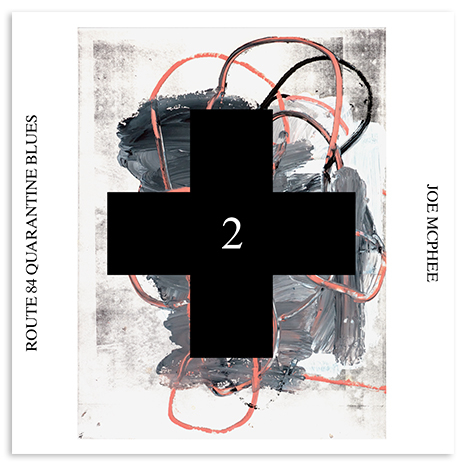
07 Joe McPheeRoute 84 Quarantine Blues
Joe McPhee
Corbett vs Dempsey CvsD CD 081 (corbettvsdempsey.com)

An engaged improviser for about 55 years, tenor saxophonist Joe McPhee adapted to COVID-19 restrictions in characteristic fashion. He recorded these individualistic tracks at night over a two-week period within a closet in his Poughkeepsie home. 

Unconstrained by claustrophobia, McPhee’s tracks are as radical as those on his other discs. Besides thematic riffs he adds extended reed techniques encompassing overblowing cries, dedicated multiphonics, doits and flattement, as well as speechifying and singing phrases associated with the Black Liberation Movement and the career of Charles Mingus. Twisting in and out of Mingus’ Self Portrait in Three Colors, he salutes the exploratory bassist/composer with fragmented bites and scooping squawks on two other tracks. He references Joni Mitchell and Carla Bley melodies during other intense improvisations and adds the percussive sounds of water splashing on a pie plate in a salute to Ruth Bader Ginsberg,

Expressing humour brought out by the pandemic, he inserts recordings of cars motoring on the actual freeway during the title track, which tweaks the 12-bar blues form. On it he also manages to simultaneously project two separate circling saxophone lines, one of which maintains the melody while the other becomes gradually louder as it fragments and hammers out sharp variations on variations. Elsewhere, other interpretations are lyrical and balladic.

Overall the impression taken from this disc is that in responding musically to the pandemic’s limitations, McPhee uses it astutely as he has assimilated other stimuli throughout his remarkable career.

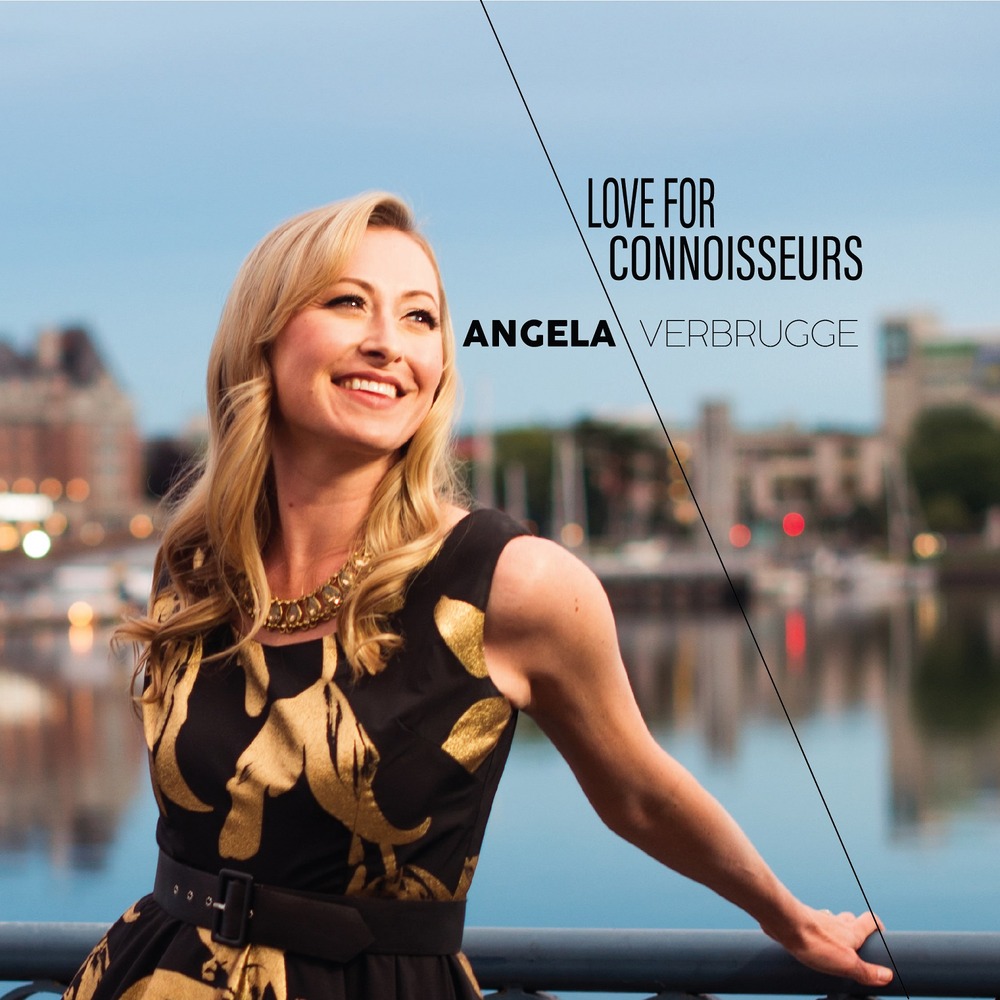
08 Angela VerbruggeLove for Connoisseurs
Angela Verbrugge
Independent (angelasjazz.com)

Although a relative newcomer to jazz, enchanting and witty vocalist/composer/lyricist Angela Verbrugge has already received numerous accolades. Verbrugge has created a vibrant presence internationally, performing at the world’s finest boîtes, concerts and festivals. Her latest offering was three years in development and features 12 original tunes (some written in collaboration with Ray Gallon, Ken Fowser, Neal Miner, Saul Berson, Nick Hempton and Miles Black). Joining Verbrugge (who also wears the producer’s hat here) are noted Vancouver jazz artists Dave Say on saxophones, Miles Black on piano, Jodi Proznick on bass and Joel Fountain on drums.

The original title track is a classic swinger, replete with witty lyrics, harkening back to Dorothy Parker, Cole Porter, Dorothy Fields and even Dave Frishberg, and Say’s warm, saxophone sound is the perfect complement to Verbrugge’s mellifluous vocal style. Enough’s Enough is a special, bebop-ish treat, co-written with Gallon and reminiscent of the great Lambert, Hendricks and Ross. Fountain tastefully urges the tune along, utilizing an array of tasty bop modalities. The sensual Je Ne Veux Pas Te Dire Bonsoir (I Don’t Want to Say Goodnight) is rendered here in perfect, sibilant French. Black manifests the mood with his exquisite, stylistic choices – superbly framing Verbrugge’s diaphanous and romantic vocal.

Other must-listens on this excellent vocal jazz project include Jive Turkey – rife with infectious lyrics and a lilting, cheeky Latin arrangement. Verbrugge’s charming trading of fours with Say are the icing on the jazz cake, and the closer, Maybe Now’s the Time (co-written with Black), is a clever tip of the hat to the great Charlie Parker tune. Proznick lays it down on bass with taste and a ridiculous, rich sound – seemingly channelling aspects of the late, great bassists Ray Brown, Leroy Vinnegar or Red Mitchell.

Listen to 'Love for Connoisseurs' Now in the Listening Room

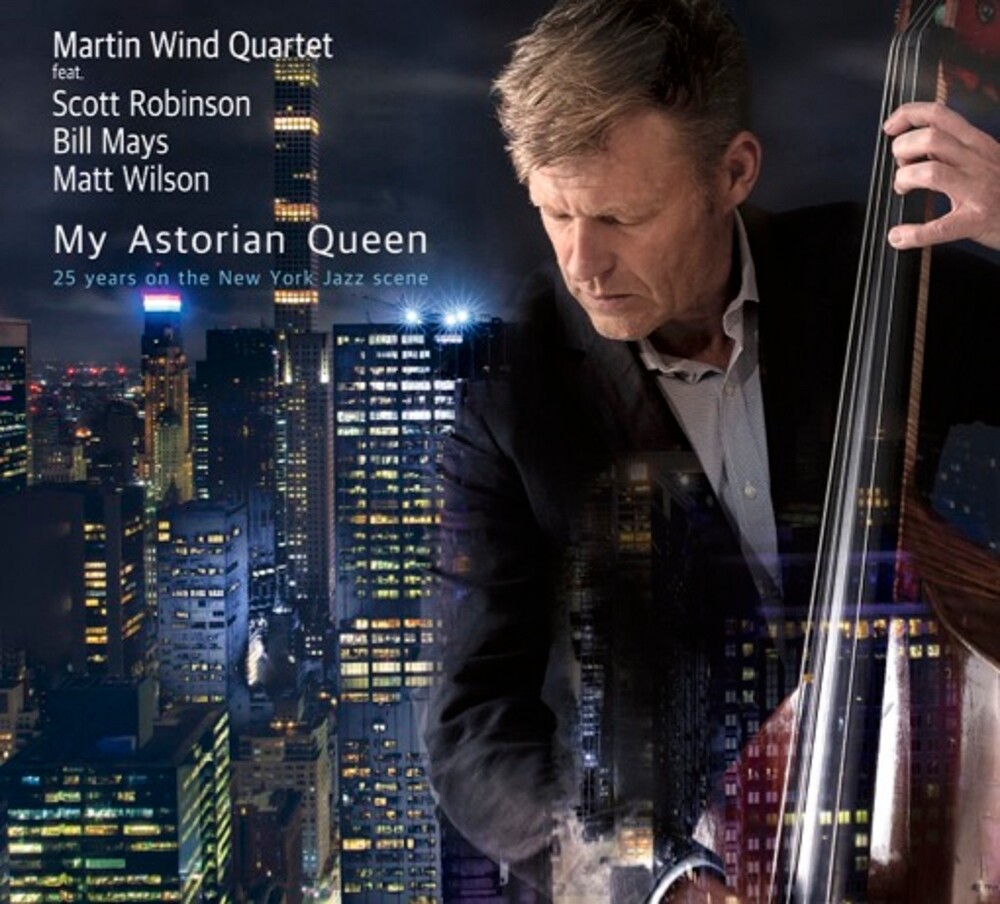
10a Martin Wind Astorian QueenMy Astorian Queen – 25 Years on the New York Jazz Scene
Martin Wind Quintet
Laika Records 35103912 (laika-records.com)

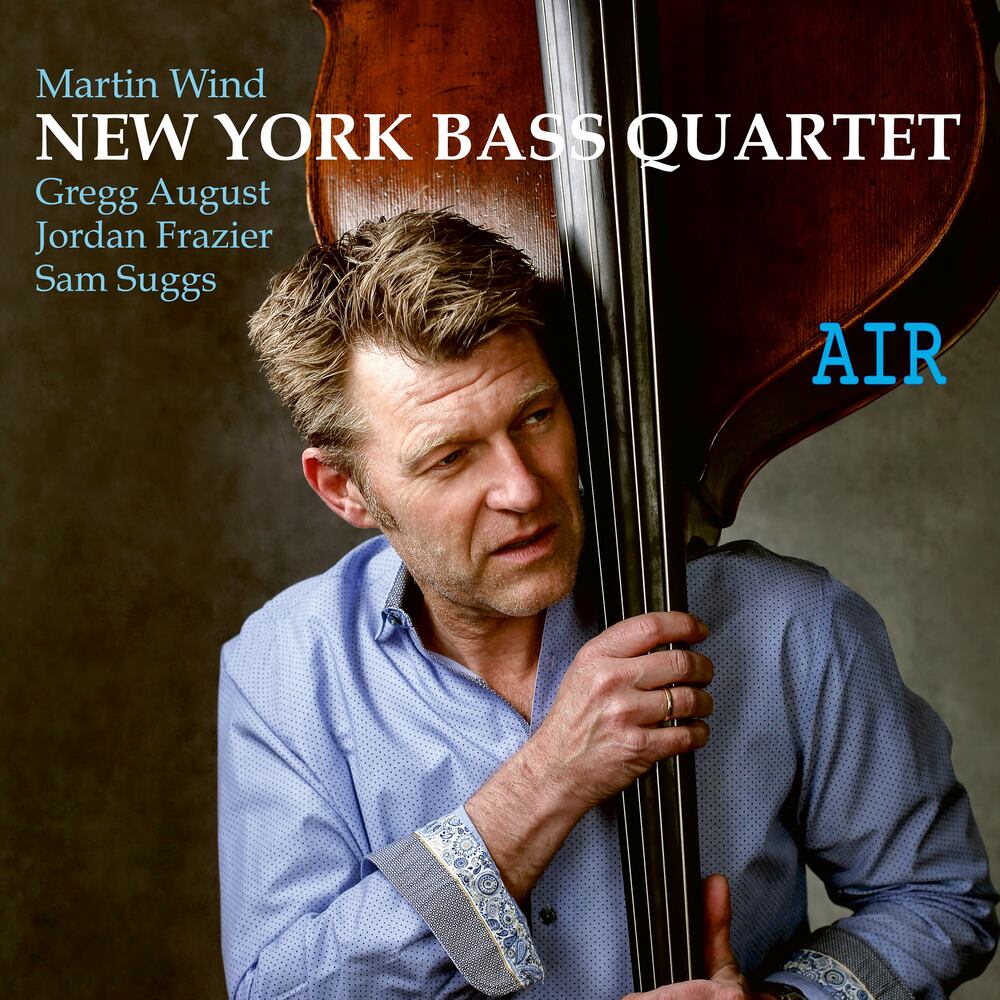
Air
Martin Wind New York Bass Quartet
Laika Records 35104002 (laika-records.com)

German-born first-call New York City-based Martin Wind arrived in his chosen home town more than 25 years ago. It wasn’t long before the talented young artist and his warm, fat sound, rock solid sense of time, intensity and excellent taste became the bassist of preference for an array of top jazz artists, bandleaders and Broadway conductors. Despite the global pandemic, he has created and released two brilliant, new recording projects in quick succession for the noted German label, Laika Records. 

My Astorian Queen, is a love letter to the adrenalin-churning, crazy roller coaster ride that is New York City. The CD features Wind’s longtime collaborators, pianist/composer Bill Mays, saxophonist/trumpeter/multi-instrumentalist Scott Robinson and drummer Matt Wilson all digging in to a delightful smorgasbord of Wind’s original, biographically infused compositions as well as classic tunes associated with The Big Apple and its colourful denizens.

Thad Jones’ Mean What You Say represents a high point in Wind’s career, the time when he was first invited to play in the world famous Thad Jones/Mel Lewis Band (now the Vanguard Jazz Orchestra). Wind’s solid and sinuous bass line propels the tune. Mays’ unmistakeable, lyrical, perfect touch and adventurous spirit are showcased here and Robinson also shines on well-crafted trumpet and sax solos. Wind’s haunting original ballad, Solitude, is a sometimes stark reflection on the isolation of the COVID-19 pandemic, and how that seemingly un-ending isolation also stimulated generalized homesickness and longing for far-away friends and family – or just a place where you belong and feel safe.

Of special note is a thoroughly delightful arrangement of the Brazilian standard, È Preciso Perduar and Wind’s stunning original title track. My Astorian Queen references his arrival in NYC, and a lovely young lady named Maria who invited him to share her quaint Astoria pad until he found his way. As the fates would have it, that lovely young lady eventually became Wind’s wife!

10b Martin Wind AirAir features the dynamic New York Bass Quartet (Martin Wind, Gregg August, Jordan Frazier and Sam Suggs) in an eclectic program. Special guests include Matt Wilson on drums and percussion, Lenny White on drums and Gary Versace on piano, organ and accordion. This beautifully recorded project begins with J.S. Bach’s Air rendered here in a sumptuous bass quartet arrangement. It is difficult enough to capture every essence of an acoustic bass in the studio and here it has been done four times! Each bass has its own timbre, expression and innate sound – just as one would expect to hear from four human voice boxes. 

Next up is (Give me some) G-String, which is a Wind original as well as a tasty musical confection. The bass lines are almost whimsical at times, reflecting Wind’s dry sense of humour. Eventually, the funkadelic White and Versace (B3) jump into the soulful mix, driving the ensemble into some fabulous tight, harmonic sequences, culminating in an arco-gasm never before created by a jazz bass quartet. A triumph. Of spectacular beauty is the gorgeously arranged Beatles Medley, replete with some of Lennon and McCartney’s most lyrical compositions. A true standout is Wind’s arrangement of Joe Zawinul’s Birdland – replacing electronica with acoustica – utilizing those organic bass notes that can be felt in your solar plexus. Also stunning is Charlie Haden’s Silence, arranged here with sonorous tones creating a spiritual aura and Pat Metheny’s Tell Her You Saw Me, a cinematic arrangement in search of a movie. The fitting closer, a contemporary trio version of Air, perfectly parenthesizes this deeply moving and awe-inspiring recording.

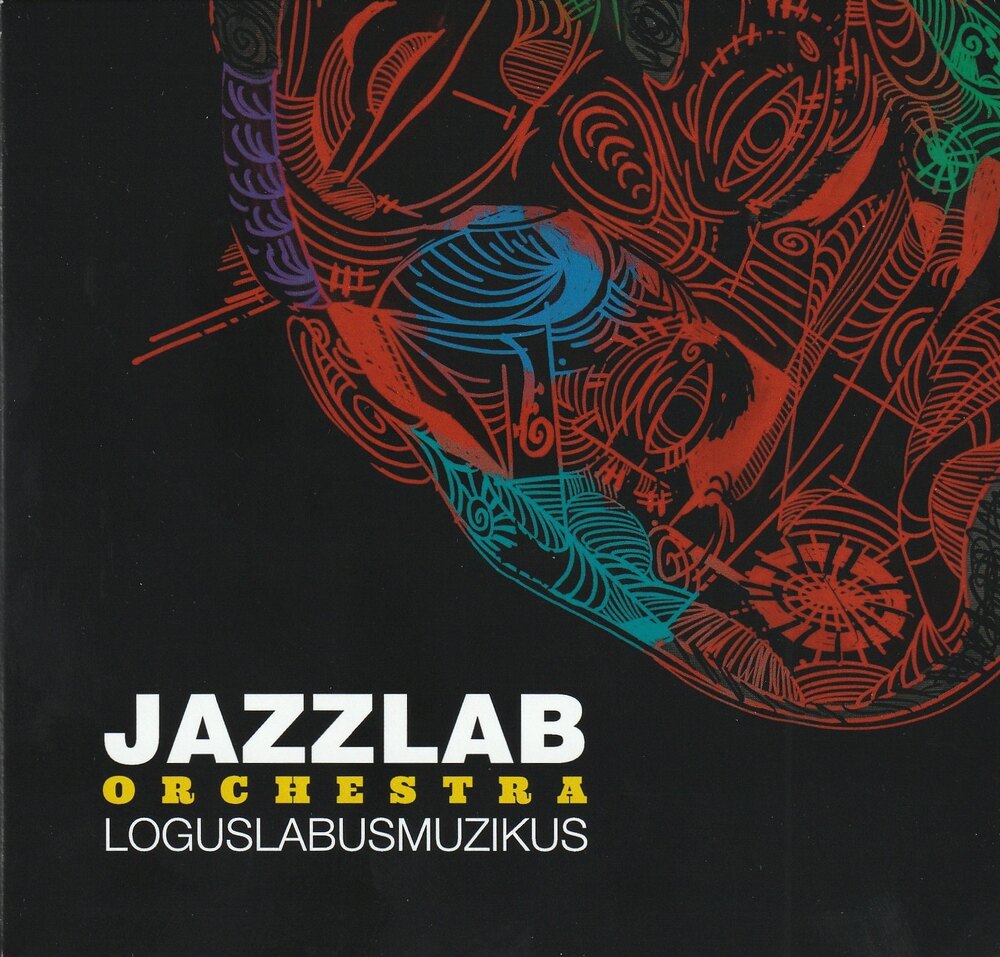
11 Jazzlab OrchestraLOGUSLABUSMUZIKUS
Jazzlab Orchestra
Effendi Records FND164 (effendirecords.com)

Forget trying to pronounce the title of the disc; you’d be best advised to just jump right in to the relentless whirlpool of its music. LogusLabusMuzikus is propelled by steamy horns and radiant piano, held together by rumbling bass line ostinatos and thundering pizzicato runs and the odd-metre rattle of drums, punctuated by the incessant hissing of cymbals. 

This disc has something for every lover of improvised orchestral music, from flamboyant miniatures to endearing bluesy ballads. Conceptually this music appears to burble in hot, shifting sands, which obviously presents challenges to each of the players. The bedrock of the music is relentless counterpoint. To make it more interesting – and certainly more challenging for the musicians – abruptly changing tempi and metres are constantly thrown at everyone. 

The bass is the fulcrum of it all. And while colours are dark, the music seems to have a swirl of tonal glimmer reflected in an ocean of ink. The black dots, however, are made to leap off the paper and swirl and leap and pirouette in wide arcs and insanely tumbling ellipses. The horns are all silvery and bronzy, played with elegant brawn, which makes the music mesmerizing and enormously attractive to the ear – as in the tantalizing piece, Criucm.

The twin pistons of Montreal’s Jazzlab Orchestra are double bassist Alain Bédard and drummer Michel Lambert. Growling horns buzz and roar incessantly making music with a deeply furrowed brow occasionally bursting out with ebullient and snazzy musical flourishes.

Listen to 'LOGUSLABUSMUZIKUS' Now in the Listening Room

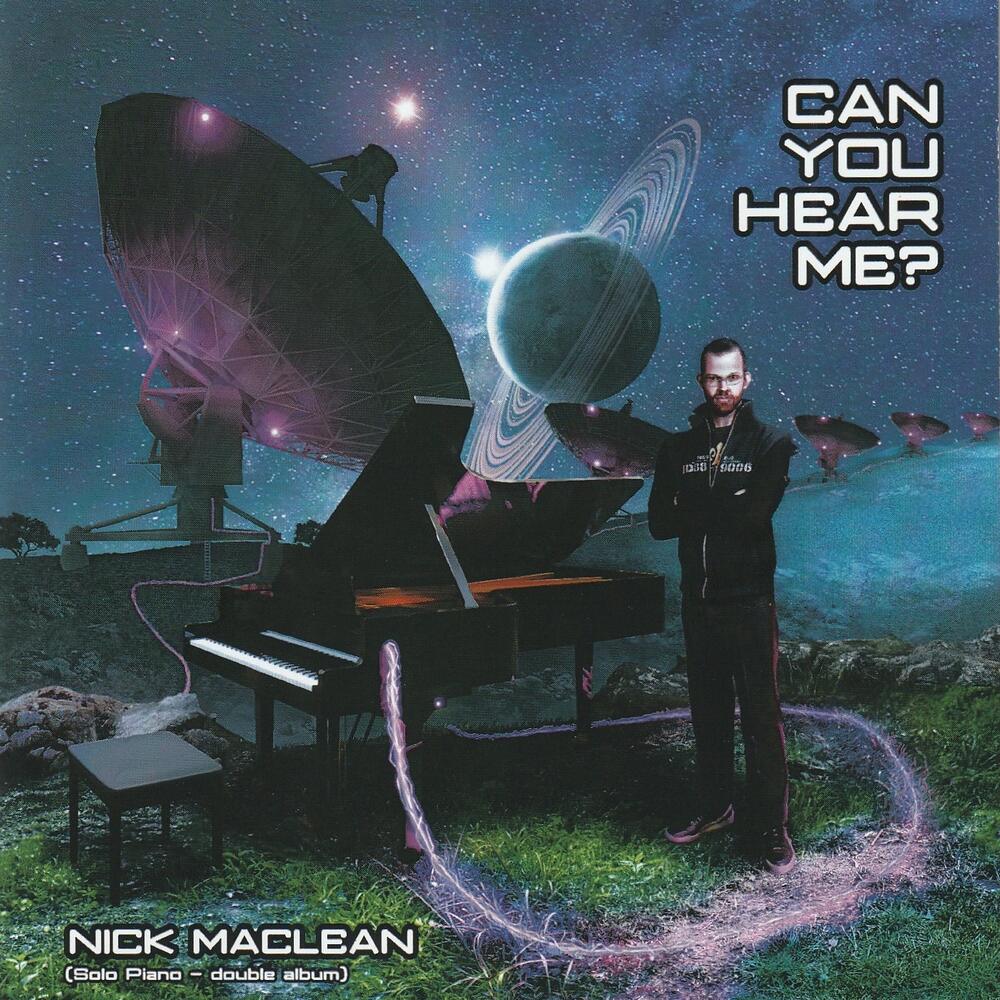
12 Nick MacleanCan You Hear Me?
Nick Maclean
Browntasaurus Records NCC-1701M (nicholasmaclean.com)

The prodigiously gifted pianist Nick Maclean asks a simple – apparently rhetorical – question with the title of his double-disc: Can You Hear Me? Listeners of this fine recording will get to reply in the affirmative, with loud, enthusiastic whoops for joy – the kind that audiences make wherever fine music – especially jazz – is created. 

Maclean is to be roundly applauded because he literally soars in splendid isolation, although he did admittedly get help from the celebrated producer Brownman Ali. Enough help, it turns out, to turn in a brilliant recording, where both standards and original compositions come alive with percussive growls, and daintily eloquent phrases. Some of these are curvy and elegantly sculpted, others are long inventions punched, poked and – eventually – shaped into bravura melodies and harmonies with thumping left-hand triads and chords. The left and right hand conversations are dynamic and full of surprises. You don’t even have to wait long for the energy to begin flowing. This happens right out of the gate – with Herbie Hancock’s Dolphin Dance.

The most outstanding songs of the set are Frank Churchill’s Someday My Prince Will Come, and interestingly, Jimmy Van Heusen’s It Could Happen to You. On the latter (presumably) producer Brownman Ali is heard suggesting an alternate opening which turns the interpretation into a wondrous re-invention. Maclean’s original compositions such as Why the Caged Bird Sings (an interpretation of Maya Angelou’s poem relocated to the pianist’s musical landscape) are exquisitely provocative and radically progressive.

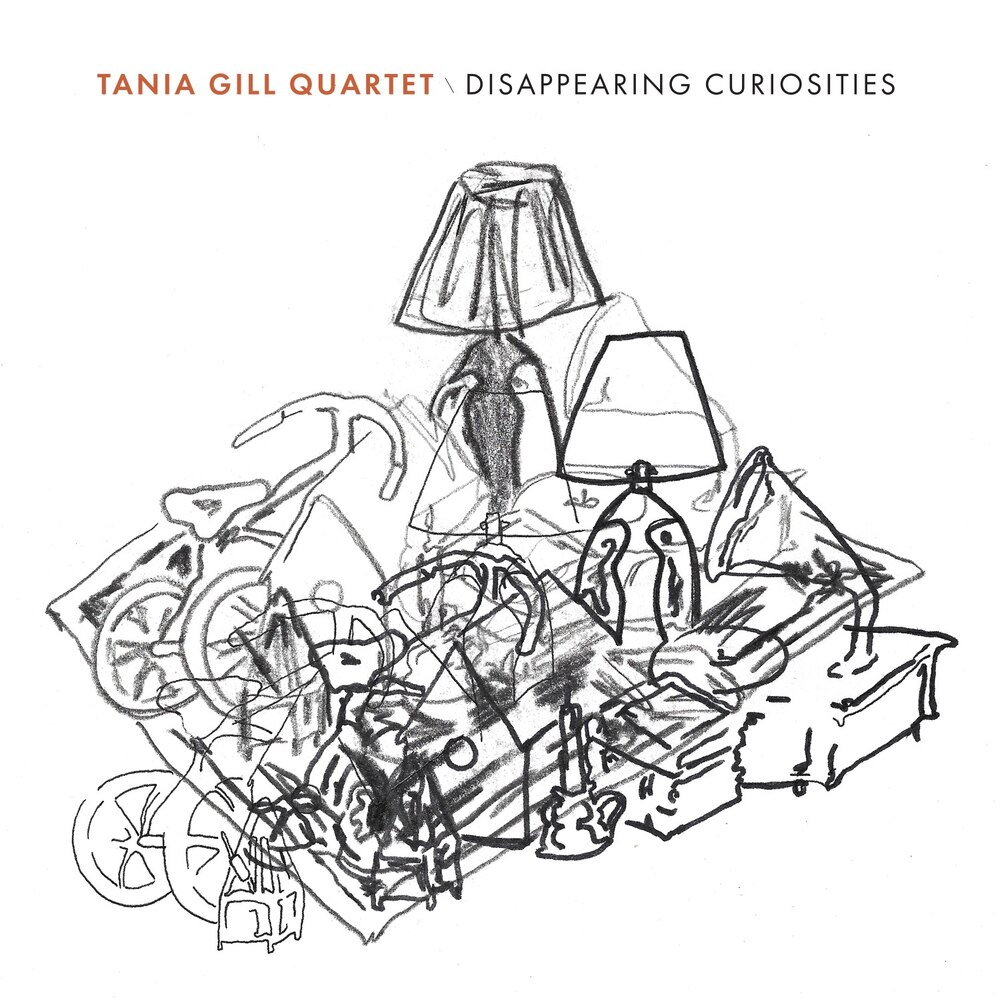
13 TaniaGillQuartetDisappearing Curiosities
Tania Gill Quartet
Independent TJG001 (taniagill.ca)

It’s been 12 years since the release of the Tania Gill Quartet’s debut Bolger Station, an invocation of Northern Ontario, and that’s far too long between recordings for a composer, pianist and bandleader with Gill’s special talents. Each of her compositions here is a fresh expedition, a different possibility in both style and mood. The latest edition of the quartet retains trumpeter Lina Allemano, an ideal foil as the co-lead voice, with support coming from newcomers to the group, bassist Rob Clutton and drummer Nico Dann, each adding illuminating nuance and animation.     

Gill’s compositions have a rare breadth, from the formal clarity of her unaccompanied theme statement on the opening Marsh Music to the chromatic tangle of lines that she and Allemano create on Climate Striker. Some of the pieces are built of contrasting segments, sometimes adding new thematic content between improvised variations, creating particularly complex patterns of development on the later pieces in the program, like Apology, marked by Clutton’s arco solo which approaches a cello-like timbre. Up-tempo pieces, like Jaunty (featuring Gill on a vintage Realistic MG-1 synthesizer that she deploys here with a marked subtlety) and Knocked Over, can take on a wild playfulness, multiplying the complexity.   

Along with eight of Gil’s compositions, the group also performs People Gonna Rise Like the Water, imbuing the climate activist anthem with a hymn-like nobility.

14 ImpermanenceImpermanence
Violeta García; Émilie Girard-Charest
Tour de Bras (tourdebras.bandcamp.com)

Impermanence is a recording of duo improvisations by two cellists, the Brazilian Violeta García, primarily active in improvised music, and Quebecoise Émilie Girard-Charest, who has been primarily active in contemporary composed music, but whose adeptness as an improviser has been abundantly clear in recent duet performances with saxophonist Yves Charuest.   

The five improvisations are titled merely I to V, with no effort made to add a programmatic dimension through verbal association. Similarly, there’s no detailed account of secondary materials, no hints whether the final track is created by amplified cellos played with bows covered with iron filings in an echo chamber shared with turbines. Perhaps it’s just a miracle of technique, possibly aided by close recording. The music is, in short, astonishing, whether it’s a dance of skittering harmonics, a ping-pong match of guttural, low register glissandi, soaring anarchic runs, microsecond timbral shifts, wondrous rhythmic counterpoint, bow scrapings or sustained microtonal cries. 

What is most beautiful about this recording may be the resonance of and its fidelity to, that title: Impermanence. The music is an insistent present, a presence, a mercurial shared consciousness. It lives in the instant of cognition, insisting on the listener’s attentiveness to that instant, rather than dragging along the past as part of an ongoing, imagined formal construct. A sudden burst of Messiaen-ic birds in the midst of III is just that, something for which to be grateful as one moves on.

15 Brodie WestMeadow of Dreams
Brodie West Quintet
Ansible Editions AE-003 (ansibleeditions.com)

This is the third release by Toronto-based alto saxophonist Brodie West’s quintet, retaining the same stellar personnel: pianist Tania Gill; bassist Josh Cole; drummer Nick Fraser; and multi-instrumentalist Evan Cartwright, here contributing drums, vibraphone and guitar to significantly expand the group’s palette. West’s background includes extended work with the eclectic Dutch school of improvisers, including drummer Han Bennink and The Ex, musicians whose work extends from free jazz to syntheses of anarcho-punk and African dance music. The result is that West’s creativity ranges freely amidst existing genres, creating sudden juxtapositions of rhythm and timbre, from the glacier-slow, almost ceremonial Fortress to the piping life of Haunt and the wistful dissonance of the title track. 

Grotto may begin as a slightly murky, film noir ballad, but West’s thin, upper-register tone and quarter-tone pitch bends press it far afield, to a kind of science-fiction melancholy. His compositions can continuously shift ground. Inhabit III begins as a slow exchange of single notes by Gill and Cole before adding Fraser’s drums and Cartwright’s guitar; then West joins the complex rhythmic weave with a simple melody, only to shift suddenly to a rapid, pointillist sequence with Fraser and Gill. 

If the music first fascinates with a deliberated disjointedness, it’s the compound mystery and intensity that will keep a listener engaged. West is among the most creative figures in Canadian music, reconstituting long-running conventions into musical puzzles as engaging as they are disruptive.

16 Shuffle DemonsAll In
Shuffle Demons
Stubby Records SRCD 7732 (theshuffledemons.hearnow.com)

The Shuffle Demons formed in 1984 by busking on the mean streets of Toronto and built their show and music into ten albums with much touring around the world. In fairness I must disclose sharing a Guinness World Record with these enterprising folks: we played the theme to Hockey Night in Canada with 900 other sax players in Dundas Square in 2004! 

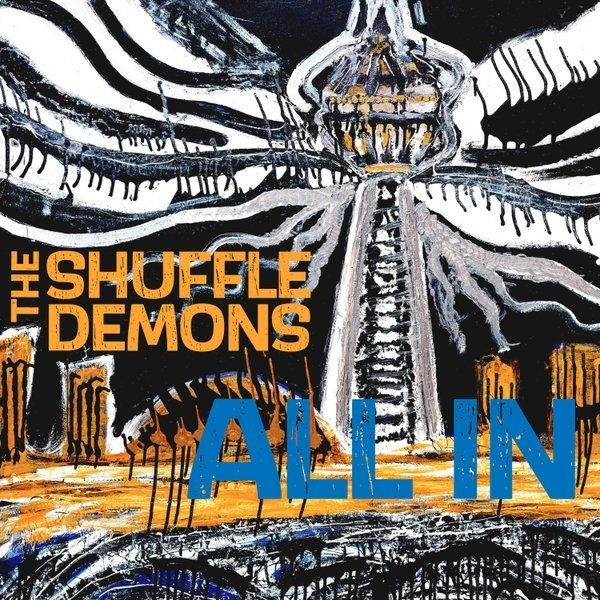
The Demons wear loud, colourful costumes, perform with enthusiasm and humour, and their music is exciting and fun. The personnel has changed over the years but their orchestration is consistent: three saxophones, upright bass and drums. Their latest album is All In (which could actually describe almost any of their musical performances or recordings) and features compositions by band members Richard Underhill (with six tunes), Matt Lagan, Mike Downes and Stitch Wynston. 

There are no ballads on this album! One of my favourites is Wait, What? which begins at a blistering tempo with a melodic sax line I’d describe as “cosmopolitan” which is then harmonized and rolls into a bop solo. There is a great ensemble section in the middle, more solos and then the bright melody again for the outro. Watch Your Step has the funkiest riffs and much of the tune is filled with excellent ensemble work over delightful noodling melodies. In fact, all the tunes are melodic and inventive with energetic solos over top of the hard-working rhythm section of Downes and long-serving Demons’ drummer, Wynston. All In swings and grooves for all ten tracks.

17 Wild Blue HeronsYou & I
Wild Blue Herons (Bill Sample; Darlene Cooper)
Independent WBH2021 (wildblueherons.com)

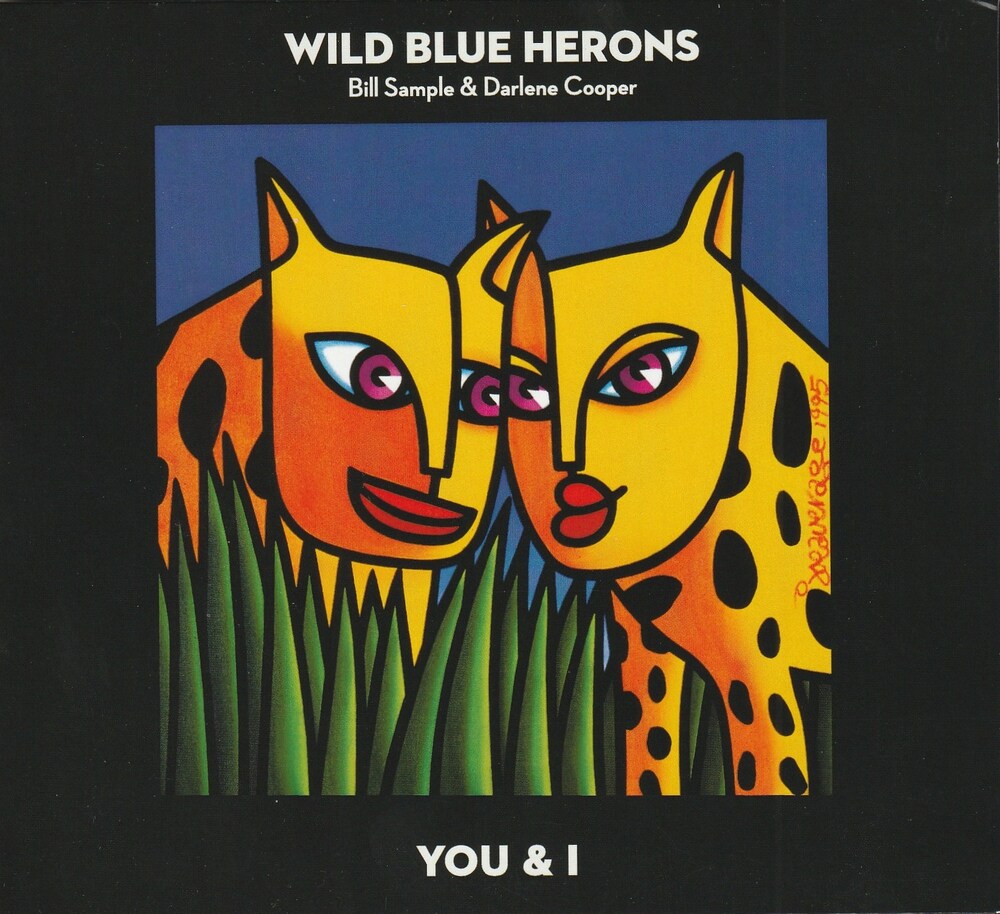
Wild Blue Herons perform as a duo here. Vancouver-based husband and wife and longtime musical partners Bill Sample (piano/keyboards) and Darlene Cooper (vocals) share their love of standard songs inspired by the great women of jazz, and of course, of each other in this fabulous release. Recording two original songs and ten covers in their home studio during the 2020/21 lockdown was an experience that, as the liner notes say, “led to a huge technology learning curve.” 

The disc begins with I Wish I’d Met You which opens with brief piano single notes, then vocal entry. Love the matching colours of the held piano and vocal notes, back and forth piano countermelody answering the vocal melody, and clear vocal articulation and pitch. The 1930s’ romantic classic I’ll Be Seeing You features heartbreaking yet positive-for-the-future smooth vocals above detached piano chords and single notes, and a mid-piece jazz-tinged piano solo. Cooper and Sample themselves composed the slow song Don’t Know How to Love You with Cooper’s loudish yet never over-the-top vocals above Sample’s florid piano stylings, building to an intense ending. The title track by Stevie Wonder grabs the listener’s concentration with its slower straightforward storytelling rendition, as voice and piano are like two soloists instead of lead and accompaniment.

Cooper and Sample’s close attentive listening and interactions result in a beautiful, sensitive jazz release recorded and produced to high standards. They make it all sound so easy!

18 Ron Ledoux WEBA Stone’s Throw Away
Ron Ledoux Quartet
Independent (ronledoux.bandcamp.com/releases)

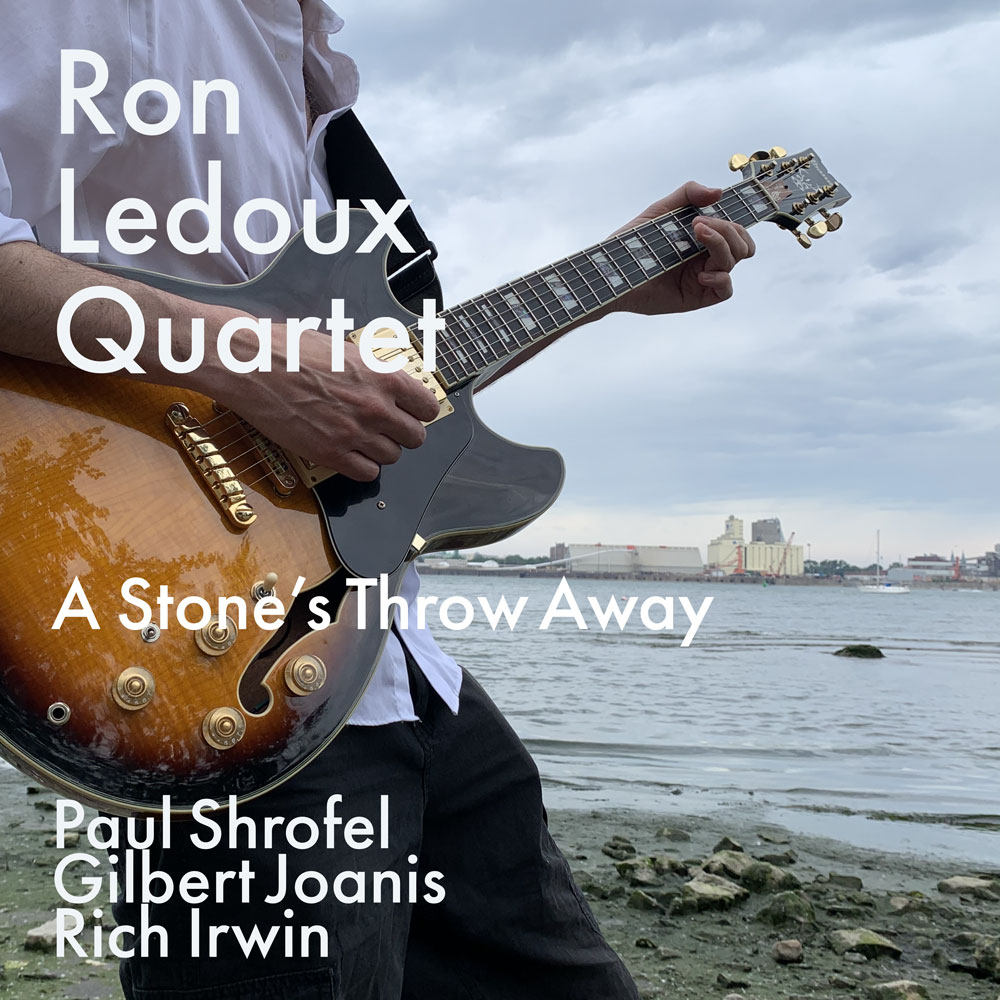
A Stone’s Throw Away is the glorious sound of a rhythm section centering tastefulness and synergy in their playing. Simplicity is key here; the listener is never at any point overwhelmed with sound, and the musicians make a point of ceding space to each other whenever needed. This creates a unique feeling of cleanliness, by removing all superfluous clutter in the arrangements and ensuring no ideas are suppressed. 

Concerning the ideas present on the album, it’s a goldmine of infectious melody writing. It is quite the feat that across 11 tracks (all of which were composed by guitarist Ron Ledoux and arranged by bassist Gilbert Joanis), neither the qualities of originality nor sophistication diminish in the slightest. It’s truly one of those albums that leaves an indelible enough impression to the point where the entire track list is immediately singable upon initial exposure. From the tenderness of Windmills to the unison guitar/bass chorus in Get It Out of Here, the consistency is astounding. The phrases are structured in a way that they possess a vague sense of familiarity and nostalgia, almost making it feel like these songs have existed since the beginning of time. 

The band’s approach to improvising complements the existing moods perfectly, opting for concision and clarity as points of emphasis. Joanis and drummer Rich Irwin’s musical bond borders on the clairvoyant at times and adds another level of vitality to the music.

19 Thomas Steele 10Tet10TET
Thomas Steele 10Tet
Independent (thomassteele.bandcamp.com/album/10tet)

Thoroughly polished and staggeringly intricate, Thomas Steele’s latest release is a marvel in all its controlled fury. Unlike his last album The Bends (which featured two chordal instruments in a quintet format), Steele opts to go entirely without comping instruments here. Consequently, his horn section boasts eight parts, and the ensemble still manages to do an effective job of relaying substantial harmonic information thanks to consistently spotless arranging (particularly that of Dennis Kwok). 

Texturally speaking, the music is captivating. Through all the constantly moving structures, stabs and jabs in the arrangements, a persisting atmosphere of cathartic density is built; all while maintaining lucidity in the compositional aspects. The rhythm section of bassist Evan Gratham and drummer Jacob Slous covers a fair bit of ground between them, meshing masterfully with immaculate time feel while laying a foundation of rhythmic clarity for the rest of the group. Also indispensable is the versatile baritone saxophone/bass clarinet playing of Alex Manoukas, which adds an extra dimension of low-end and greatly adds to the overall coherence. 

Steele’s bandleading style feels equal parts selfless and distinctive. He can continually achieve a very particular sound out of such unconventional instrumentation, and yet he also gives way for the complete expression of each individual musician. Everyone is given a significant feature at some point, and three of the seven tunes are penned by contributors aside from Steele. Jacob Chung’s February Flowers is a standout.

When an idea of instruments associated with European high culture is broached, the violin, viola and cello instantly come into focus. But a lot has changed since the classical period. Contemporary notated music, and more emphatically, jazz and free music, has upset the paradigm for appropriate string sounds. As these sessions demonstrate creative music allows string players the freedom to play whatever and with whomever they choose.
01 Eligio das SombrasViolin and marimba are anything but conventional duo partners, but on Elogio Das Sombras (Clean Feed CF 583 CD cleanfeed-records.com) two Portuguese stylists, fiddler Carlos Zingaro and Pedro Carneiro, who play marimba with damper pedals, disregard the shibboleth. While the veteran Zingaro has moved among rock, jazz and free music, Carneiro has high art credentials, often playing with symphony orchestras. But the 11 tracks here are pure improv, rife with advanced techniques and tunings. They also rarely neglect nods to theme and melody. When the two are involved in intense cross-sound pollination on such tracks as Clarão and Luminescência it’s the unique dampened and hollow marimba patterns undulating with rosewood percussiveness that define the parameters. Still, building on the other instrument’s constant low-pitch resonations, Zingaro detours from unleashing staccato stops and skipping sweeps to direct the fragmented interface towards linear grooves. While some sequences may involve the pressure from string-screeching motifs or expose wooden bar thumps that sound as if they’re resonations from plastic milk bottles rather than tone bars, percussiveness and energetic sul tasto pulls are moderated into a global cooperative vision. A piece like the extended Luz presents unity at its most profound. Throughout, hollow bell-like echoes and multi-string pressure shake out into a dampened and designated exposition that climaxes with joint moderation. 
02 Mark Feldman TimDaisyIf balancing the timbres from violin and marimba appears quirky, imagine the challenges implicit when the improvisation involves a violin and a full drum kit. But that’s what transpires on Circle Back (Relay Recordings relay 032 timdaisyrelayrecords.bandcamp.com) during a live set by New York fiddler Mark Feldman and drummer Tim Daisy. The CD’s single improvisation starts off this side of conventional, but gets more atonal as it runs its course. Gifted with an ESP-like connection, Daisy and Feldman intuit each other’s next move before any note is sounded and come up with perfect timbral ripostes. Initially advancing in a straight-ahead manner, the violinist works in concise quotes from I Got Rhythm and later, Night In Tunisia, among the spiccato spawls and rounded stops which set up the exposition. For his part the drummer counters with cymbal clips, bass drum rumbles and persistent rim clipping. One-third of the way through however, the interchange heightens, with Feldman dynamically stroking several strings at once, sometimes both arco and pizzicato. As his string jittering starts creating on a strained, near-East European tone, Daisy’s sympathetic drum-top hand patting and hand claps anchor the duet. Transition comes a little past the halfway point however as the violinist’s spiccato swipes seesaw to squeaks so high-pitched that they reach a point above human hearing. Subtly, the tempo has also increased from moderato to presto, though with Daisy’s positioned clip-clops and rim shots keeping time. The violinist’s staccato dynamics finally meet up with the percussionist’s clock-ticking beats, with the brief coda signalled by Feldman’s single-string dobro-like plucks.
03 Quantum ViolinAcoustic timbres aren’t the only challenges which advanced string players face. On The Quantum Violin (FMR Records  CD 622-0721 fmr-records.com)’s eponymously titled 14-track suite, Vienna’s Mia Zabelka adds electronic devices to her violin and joins Brampton’s Glen Hall, whose electronic trick bag includes all manner of synthesized, sampled and programmed tools to create the interaction. Maneuvering on a line that’s as thin as a single violin string, Zabelka and Hall manage to preserve humanity among the programming, which include OMax, CataRt, SPAT and other oscillations. Sometimes though, they find themselves falling headfirst into electronic miasma. That’s why it’s best not to hear these sound sequences as duets between acoustic instrument and electronics but as the performance of one sophisticated electroacoustic instrument. After all, the basis of much of the disc is the impulses initially created by the fiddle. The entire session is permeated with distant drones and percussive whooshes which move from foreground to background, as watery undercurrents become as prominent as vibrating segments. Yet except for brief twangs and faint swift glissandi, brittle violin tones are deconstructed to create varied parameters and treatments which meld on the overall sound canvas. Snatches of the violinist’s vocoder-synthesized voice are sometimes heard. But the only real vocal, is mumbled on The Quantum Violin #8 by author Kenji Siratori reading from his William S. Burroughs-influenced cut-up text, which is embedded within the overall metallic buzz. Tempos and transitions climax several times. For instance, rapidly speeding string sawing and pitch elevation isolate variances within the percussive drones that permeate The Quantum Violin #4 and The Quantum Violin #5, but are resolved by spiccato bounces and switches to varied speeds. Meanwhile, spidery string squawks work their way through a thickset of synthesized non-linear vibrations on The Quantum Violin #9 to blend with pre-recorded descending vocal warbles for additional textural polyphony. The brief, concluding The Quantum Violin #14 - For Pauline Oliveros, is proposed as a sonic summation. However, as the narrative blend crests and declines, the mixture between rounded metallic oscillations makes it more of an elevated culmination than a separate coda. 
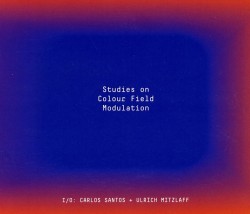
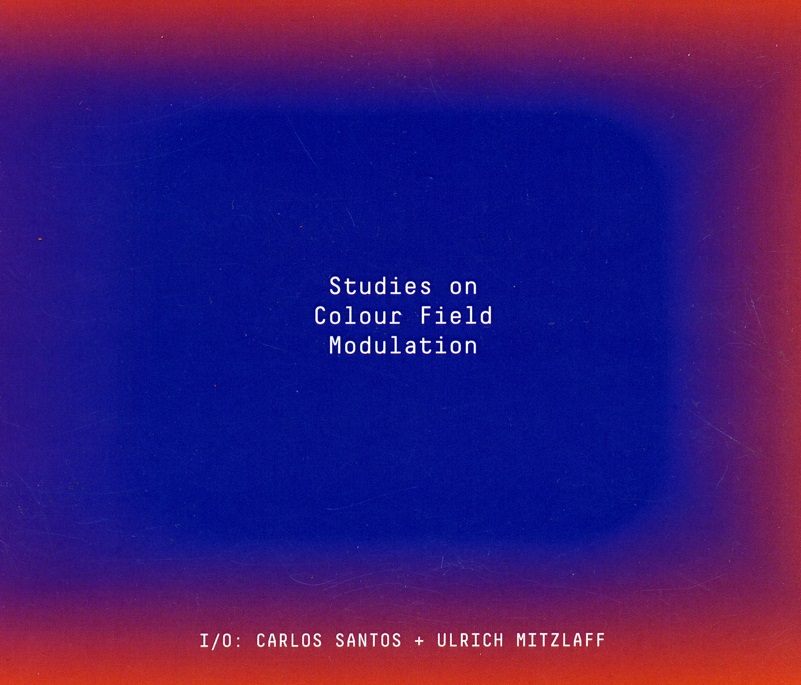
04 Studies on Colour FieldAs inventively electroacoustic, but much less complex in execution is Studies on Colour Field Modulation (Creative Sources CS 708 CD creativesourcesrec.com) by the I/O duo of German cellist Ulrich Mitzlaff and Portuguese laptoppist Carlos Santos. Both also use so-called objects to add to the available textures. Blau, first of the CD’s two selections, confirms the noise-objects connection wrapping the laptop and cello in aluminum for increased playing turbulence. Simultaneously Mitzlaff’s sul tasto sawing and high-pitched swipes are often heard alongside thin voltage crackles and crinkles, although sounds hammered on the string or drawn from the hollow innards of the cello are most prominent.  Santos’ voltage crackles are less affected, so that throughout concentrated drones, splatters and whooshes are present as cello strains reach the highest string extensions. A mini-climax at the halfway point adds auto horns, police sirens and crowd noises and movement into the mix. Subsumed by a romantic string interlude, the narrative then blends street sounds, strident string scratches and ring modulator-like echoes into a gradually swelling tonal crescendo and fade. Orange, the other track, is a rural contrast to the urban interface of Blau. With cello pitches projected prominently in an aviary affiliated mode at the top, it’s only by later turning to pressurized string stops that the expected qualities of Mitzlaff’s instrument are heard through the squiggling electronic drone that takes up the remainder of the sound field. Harmonic concordance of woody cello slices and accompanying electronic buzzes marks the finale.
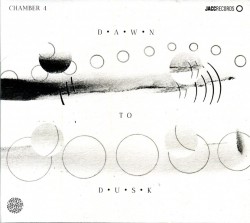
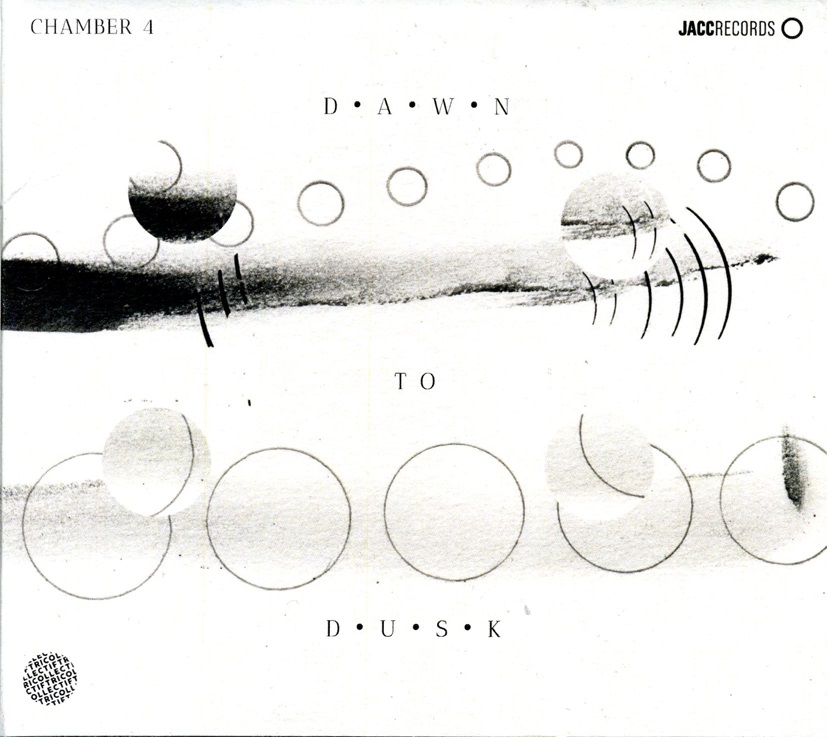
05 Dawn to DuskPairing one string instrument with another instrument can be expanded to include more players as Dawn to Dusk (JACC Records JR044/TRICO 18 jacc-records.com) demonstrates during two long and one short fully improvised tracks. Working through connected or contrapuntal impulses are Portuguese players, acoustic guitarist Marcelo dos Reis and trumpeter Luís Vicente, and French ones, violinist Théo Ceccaldi and his brother, cellist Valentin. As Chamber 4, the quartet, especially the bowed strings, play traditionally as the trumpeter projects strained yelping breaths and the guitarist designates unexpected plucks. As string swabbing becomes more concentrated, a motorized drone is created. Soon the stops and strops from the cello and violin are joined by angled guitar-string clicks to create a squirming amoeba-like background for Vicente’s rugged triplets to slide up the scale in increments. Higher and speedier his portamento effects move, until a climax at the end of a brief interlude melds clunking cello string pressure and downwards guitar strums. Resolution comes in the concluding Dusk as the fiddle and trumpet lines coalesce with cello and guitar providing the clinking and clattering continuum. Finally, as the arco strings reach a crescendo of concentrated glissandi, they’re joined by tough guitar strums to frame half-valve trumpet smears until all descend to a moderated conclusion.

These sessions confirm that with the right ideas and sophisticated techniques any instrument can create creative music with any other, even ones as traditional as those in the European string family.


01 Alex BirdYou Are the Light and the Way
Alex Bird and the Jazz Mavericks
Independent (alexbird.net)

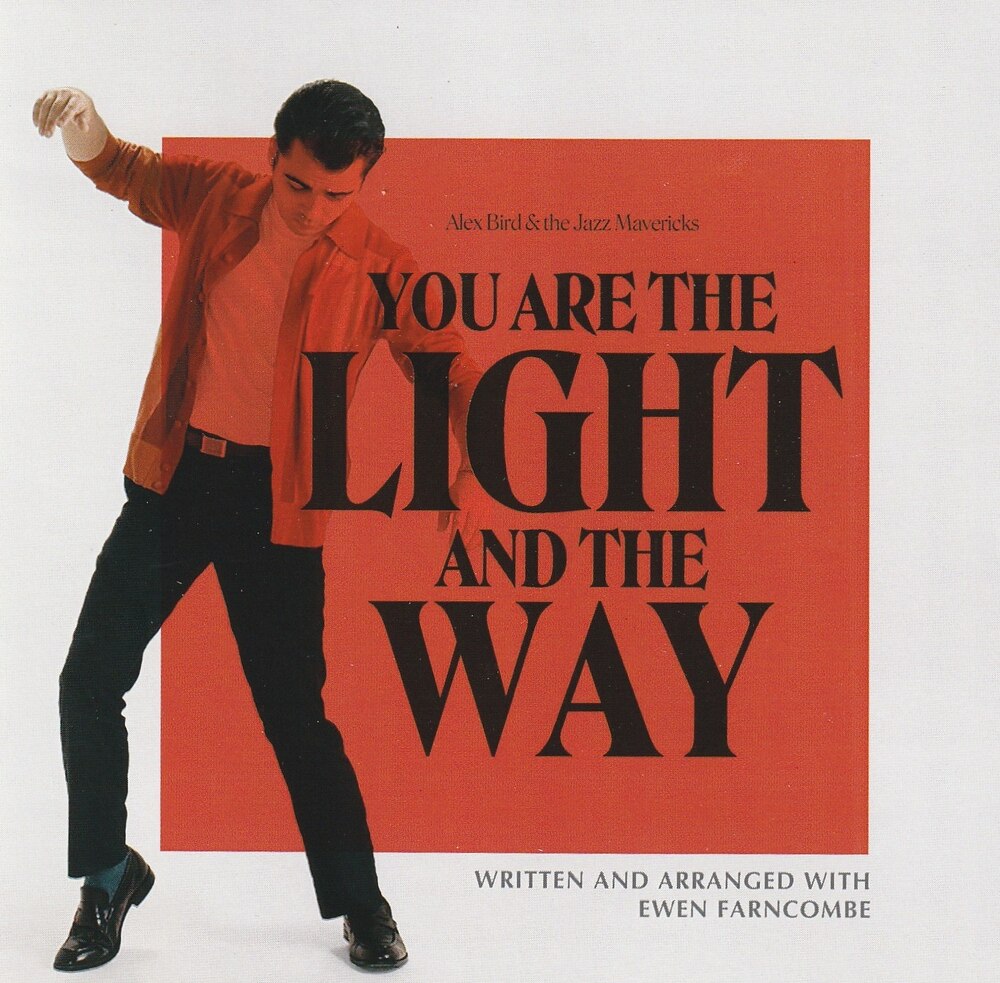
Award-winning singer-songwriter Alex Bird has done it again on his newest release, showcasing his vocal prowess as well as great compositional skills. Along with pianist and songwriting partner-in-crime Ewen Farncombe, the pair has penned 12 new tracks with string and horn arrangements courtesy of the latter. Backed by the stellar Jazz Mavericks and several guest musicians this time around, Bird’s sound has grown to newer and greater heights with this record. This album would be a valuable addition to the collection of any jazz lover who’s looking to dive into the deeper and darker crevices of the genre. 

The album starts off with the sultry title track You Are The Light and the Way, bringing the listener on a journey through the intriguingly seedy underbelly of the jazz world where the traditional and raunchy merge. The unique theme that carries throughout the record is a musical “path that blends the light and dark” in a way that holds the attention of the listener to the last note. From melancholy songs such as Way Back Home to positively toe-tapping pieces such as Old Soul and Back To You, Bird and the Mavericks bring a scintillating spark and charm that liven up these dreary winter days. This golden-voiced vocalist, reminiscent of Sinatra and Elling, brings the album to a close with the touching Honey Bee Lullaby, a promise of much more to come from this young talent in the near future.

Listen to 'You Are the Light and the Way' Now in the Listening Room

03 Roddie Elias Kellylee EvansNot This Room
Roddy Ellias Free Spirit Ensemble featuring Kellylee Evans
Independent (roddyellias.com)

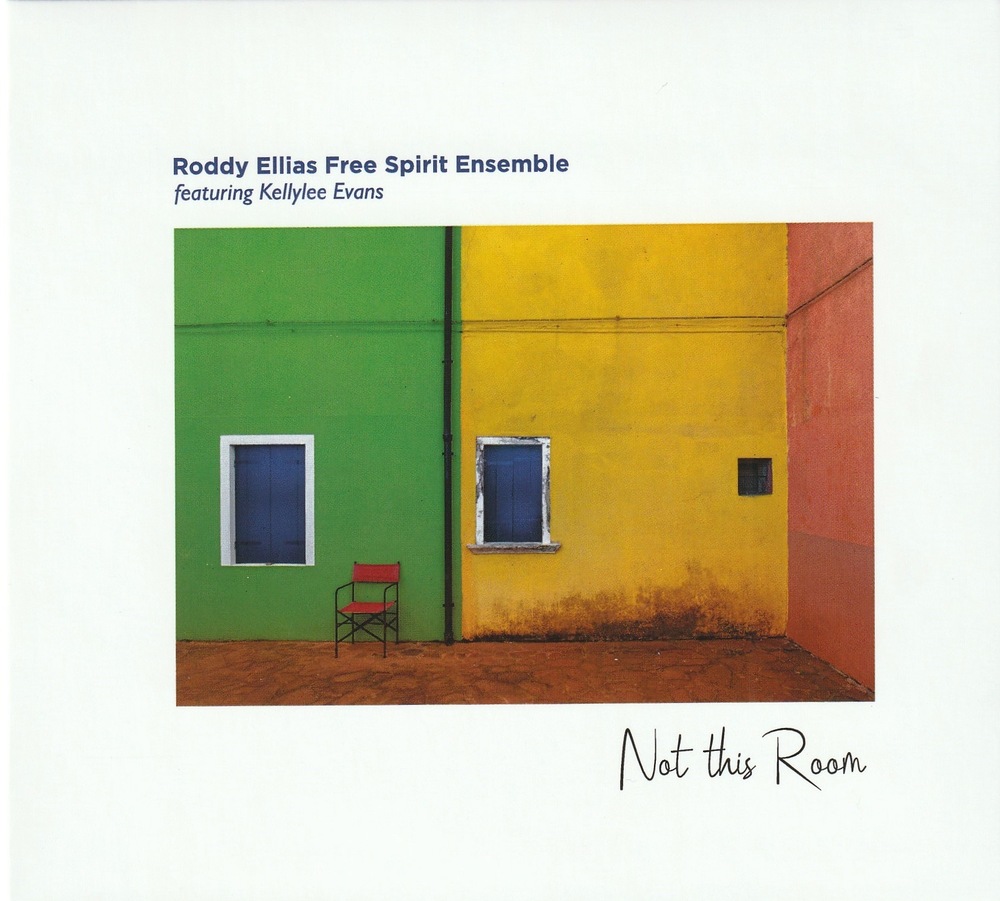
With this latest recording, eminent guitarist Roddy Ellias shines not only as a gifted musician, but as a fine and facile composer and arranger. Every song in this collection was written by Elias, and the compelling, and often haunting lyrics were written by noted Canadian poetess Sandra Nicholls. Both the music and lyrics here require the participation of very special artists, and joining Elias on this deeply personal project is the inspired vocalist and lyrical interpreter, Kellylee Evans, as well as a lineup of skilled musicians, including Ellias on acoustic steel string guitar, Marc Copland on piano, Justin Orok on nylon string guitar, Chris Pond on bass, Jose Garcia on percussion, Petr Cancura on reeds and mandolin, Guy Pelletier on flute, Richard Page on bass clarinet and Pierre-Yves Martel on viola da gamba.

Evans’ emotional intelligence permeates the stunning title track, and beckons the listener to participate in the journey ahead. As the tune segues into a more rhythmic section, the ensemble playing, including Garcia’s subtle and driving percussion, is nothing short of breathtaking. These artists are clearly listening to each other and are creating every musical nuance in synchronicity – like a single-celled being,

Of special note is the moving and thought-provoking Draw Me a Circle, in which Evans’ warm and sinuous voice effortlessly scales the pure notes of her upper register, diving into her cello-like tones (the perfect complement for Martel’s gamba). Other gems include the stark and mystical Blood and Bone and the haunting, Middle Eastern-modality-infused Suddenly. The touching and uplifting Prayer is the perfect closer for this evocative project of nearly unbearable beauty and fragility.

04 Greg AmiraultNews Blues
Greg Amirault; Steve Amirault; Adrian Vedady; Jim Doxas
CUPFA GGA002 (gregamirault.org)

For his third release as a leader, Montreal-based guitarist/composer/producer Greg Amirault has brought forth an intimate, swinging, potent recording – comprised of seven of his own well-constructed tunes, as well as two tasty standards (both arranged in gorgeous solo guitar formats). He is also joined here by longtime collaborators, including his uber-talented brother Steve Amirault on piano, the deft Adrian Vedady on bass and Jim Doxas on drums.

The title track – a sassy, up-tempo blues – features superb soloing from Greg on guitar, while the rest of the rhythm session cooks like an incendiary device as Steve performs a consummate solo, utilizing his ridiculous chops and musical pumpitude. A true standout is Sweet Way (a tip of the hat to Dave Brubeck’s In Your Own Sweet Way), which is a groovy 5/4 cooker that brings to mind the Mundell Lowe-esque L.A. guitar sound of the late 1950s, replete with a contemporized perspective. Doxas drives everyone down the pike with an unwavering urgency – always making the right percussive choice – always listening and enhancing. 

Also intriguing is the sweet, folk-inspired Song for Nova Scotia – a heartwarming divergence, celebrating the Amirault brothers’ Yarmouth roots. Steve’s melodica and Greg’s guitar solo are perfect in their pristine simplicity. Other highlights include the bittersweet ballad, Meeting the Master, which is dedicated to the memory of the late, great John Abercrombie, featuring a moving and facile bass solo from Vedady and a solo guitar performance of Tad Dameron’s rarely performed classic, If You Could See Me Now. Greg’s brilliant interpretation invokes a hint of Jim Hall, and captures both the longing and hopefulness of the timeless lyric in a performance to remind us that Amirault is one of the most significant jazz guitarists/composers on the scene today.

Back to top