08 Vintage AmericanaVintage Americana
Christina Petrowska Quilico
Navona Records nv6384 (navonarecords.com/catalog/nv6384)

The towering Canadian piano virtuoso Christina Petrowska Quilico performs six works on her latest release, Vintage Americana. This absorbing display of musicianship leaves no doubt that she can interpret works from any compositional aesthetic with world-class execution. Lowell Liebermann’s Apparitions is an anguished work with abundant opportunity for expressive interpretation and Quilico brings a very personal touch to phrasing the work. The four Fantasy Pieces by David Del Tredici highlight her range on the instrument. The Turtle and the Crane composed by Frederic Rzewski is a whirling flurry of repeated notes and rising harmonic pillars that are continuously interrupted by tip-toeing islands of contrasting moods that seem to be menacingly at odds with the more mechanical material.  

In a work by the only Canadian on the disc, American ex-pat David Jaeger delivers a substantial tone poem of considerable expression and artistic depth. Utilizing electronics in the work, Jaeger produces highly compelling and dramatic atmospheres, drawing the listener into a dark sonic landscape. Titled Quivi Sospiri (taken from the third canto of Dante’s Inferno), Jaeger depicts a shadowy journey through a series of remarkably cogent moments of piano wizardry above deep and enigmatic electronic ambiences. 

Mario Davidovsky’s Synchronism No.6 (also using electronics) is a brilliant work. The immediately arresting nature of artistic expression gives pause and it is no wonder this work was awarded the Pulitzer Prize in 1971. Petrowska Quilico performs Davidovsky’s masterpiece with stunning mastery and her interpretation can easily be considered among the most significant among the many recordings of this important work. In her seemingly inexhaustible efforts toward releasing recordings of the highest quality, Petrowska Quilico delvers yet another gift for our ears.

Listen to 'Vintage Americana' Now in the Listening Room

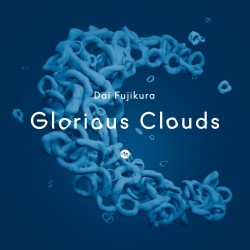
09a Dai Fujikura Glorious Clouds jpegDai Fujikura – Glorious Clouds
Various Artists
Minabel (daifujikura.com/#discography)

Dai Fujikura – Koto Concerto
LEO
Nippon Columbia (daifujikura.com/#discography)

Prolific London-based Japanese composer Dai Fujikura (b.1977) used to dream of composing music for the movies. His studies at Trinity College of Music of the scores of Pierre Boulez, Tōru Takemitsu and György Ligeti, however, propelled him decisively in another direction: toward the concert stage. Fujikura’s compositions have since been championed by musical notables including the London Sinfonietta, Ensemble Intercontemporain, Boulez and many others. In Toronto, Arraymusic, Thin Edge New Music Collective and the University of Toronto’s Faculty of Music coproduced the Dai Fujikura: Mini Marathon concert in 2020, showcasing “one of the most active composers on the international stage.” 

At close to two and a half hours of music, Fujikura’s ambitious album Glorious Clouds comprises 15 substantial works for orchestra, ensembles and soloists, embracing concerti, chamber music, art song, instrumental solos and electronic genres. Sadly, I can only touch on a few samples of this rich musical horde here.

The impressive orchestral Glorious Clouds, evocatively performed by the Nagoya Philharmonic Orchestra, was inspired by the interconnected microbiomic networks found everywhere on Earth, rather than by the atmospheric phenomena suggested by the title. Recounts the composer: “I thought, Ah!!! Various small microorganisms make the survival of the whole world possible – just like processes within an orchestra.” Glorious Clouds maintains a dynamic tension between floating, swirling sonic textures and an overall harmonic structure and thematic progression. My ear was initially reminded of Debussyan orchestral sonorities and colours, yet soon enough Fujikura’s emerging strident effects, sonic shapes teetering on melody, plus novel orchestration and formal balances were reminders that we’re in another century entirely.

Sparkling Orbit for electronics and electric guitar follows, incisively performed by Daniel Lippel. Opening with atmospheric passages, it turns abrasive and edgy, the guitar repeating in the last section a rhythmically complex distorted chime-like overtone pattern over electronic craquelure. Serene, derived from Fujikura’s Recorder Concerto, is quite distinct again. Its three solo movements are given a powerfully dramatic performance by recorder virtuoso Jeremias Schwarzer on three contrasting recorders. I found the middle movement opening, scored for the sopranino, evocative of the nohkan, the characteristically bracing, high-pitched Japanese transverse bamboo flute commonly played in Noh and Kabuki theatre. While a recent work, I can see Serene being widely adopted as a standard recital piece; it’s that good. 

Finally for this review, Motion Notions features Mari Kimura’s brilliant violin playing. In addition, she’s also strapped a motion sensor to her bow arm wrist. It sounds like it controls various types of synthesized sounds and perhaps also live processing. The result is an interactively polyphonic, slithery texture, an unusual, and very effective, musical dialogue between the violinist’s acoustic music and the electronic sounds directed by her motion sensor. It’s another album favourite of mine.
Listen to 'Dai Fujikura: Glorious Clouds' Now in the Listening Room

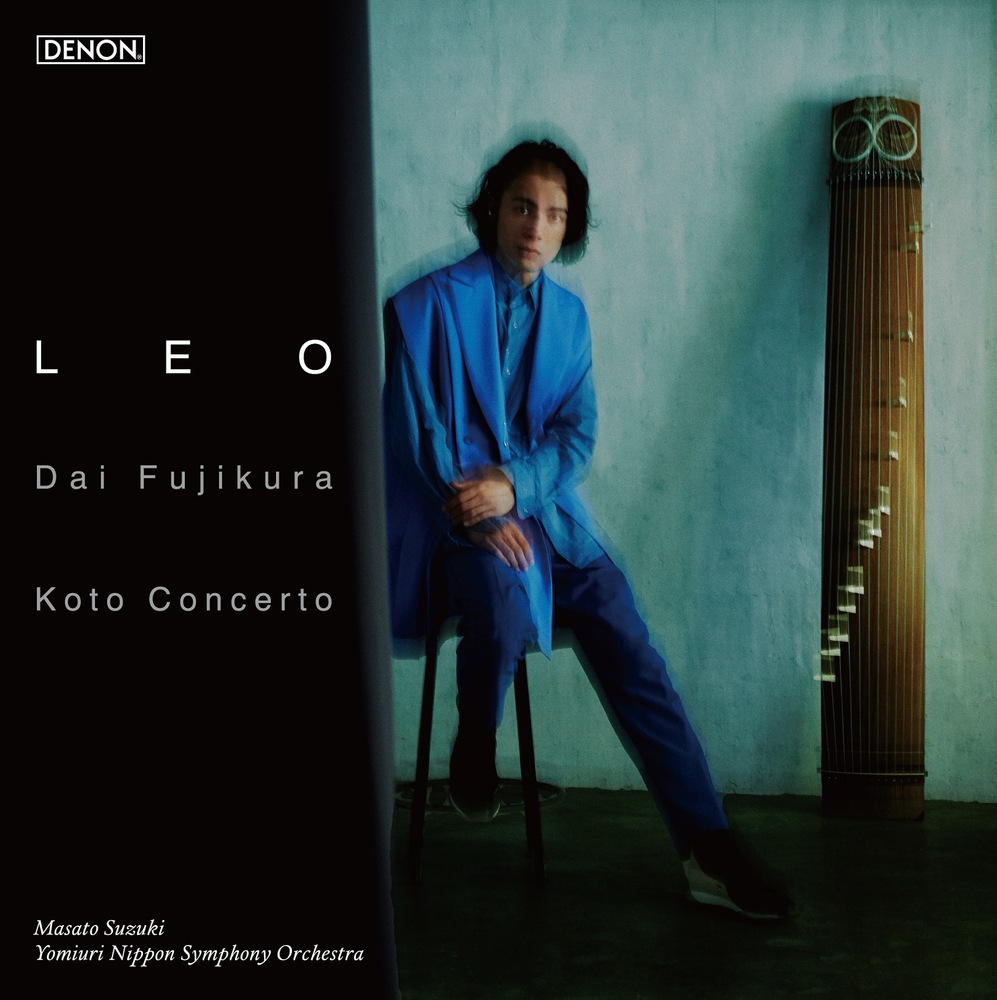
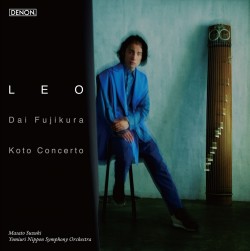
09b Dai Fujikura Koto ConcertoFujikura shares album credits on a second release with rising star LEO (Leo Konno b.1998 in Yokohama) who the label calls today’s “hottest koto artist.” The record features the premiere recording of the substantial single-movement Koto Concerto with the Yomiuri Nippon Symphony Orchestra conducted by Masato Suzuki, plus three related solo works for koto, all scored by Fujikura. 

While the 25’42” concerto is an impressive work judicially illustrated with the composer’s signature deft orchestration, the three solos make a strong case for the koto achieving its finest, most delicate, satisfying musical moments in a solo capacity. 

All the works here are rendered with sensitive bravura by LEO and vibrantly recorded by Nippon Columbia’s engineers. Bravos all around.


10 Adam RobertsAdam Roberts – Bell Threads
andPlay; Hannah Lash; Bearthoven; Erik Behr; JACK Quartet
New Focus Recordings FCR312 (newfocusrecordings.com)

American composer Adam Roberts delivers a selection of his chamber music demonstrating an expressive compositional voice and creating engaging instrumental spaces. Roberts’ approach is focused with a brave sense of acoustic adventurousness and, using top-notch ensembles and soloists, this release enraptures ear and mind. Whether through timbral exploration or enchanting stasis, Roberts has a propensity to secure his structures with a continuous and recognizable motif while shifting focus toward other musical narratives. The result is one of clever design and intent: the music unfolds with an initial sense of random moments, but is grounded by carefully constructed and recognizable gestural frameworks. 

The disc begins with Shift Differential, an excited and energetic duet for violin and viola performed by andPlay. Roberts experiments with many successful timbral spaces that create momentum through constantly evolving, almost improvisatory, passages. Next, the Oboe Quartet performed by soloist Erik Behr and the JACK Quartet, shows Roberts’ more lyrical side in a work that is decidedly classical in its fast-slow-fast form. 

The gem on the disc is a piece titled Rounds for solo harp, performed by Hannah Lash. Cascading apparitions of sound permeate amid gentle clusters and multi-layered auras. Lash’s performance is stunning, with a musicality that is rare and captivating. Happy/Angry Music, a trio performed by Bearthoven, draws upon polystylistic material and utilizes repetition to propel the music forward. Lastly, Bell Threads, a work for solo viola performed by Hannah Levinson, produces a sinuous and mysterious soundworld that is unique on the disc. This haunting work is the perfect bookend to a truly impressive collection of chamber works.

Listen to 'Adam Roberts: Bell Threads' Now in the Listening Room

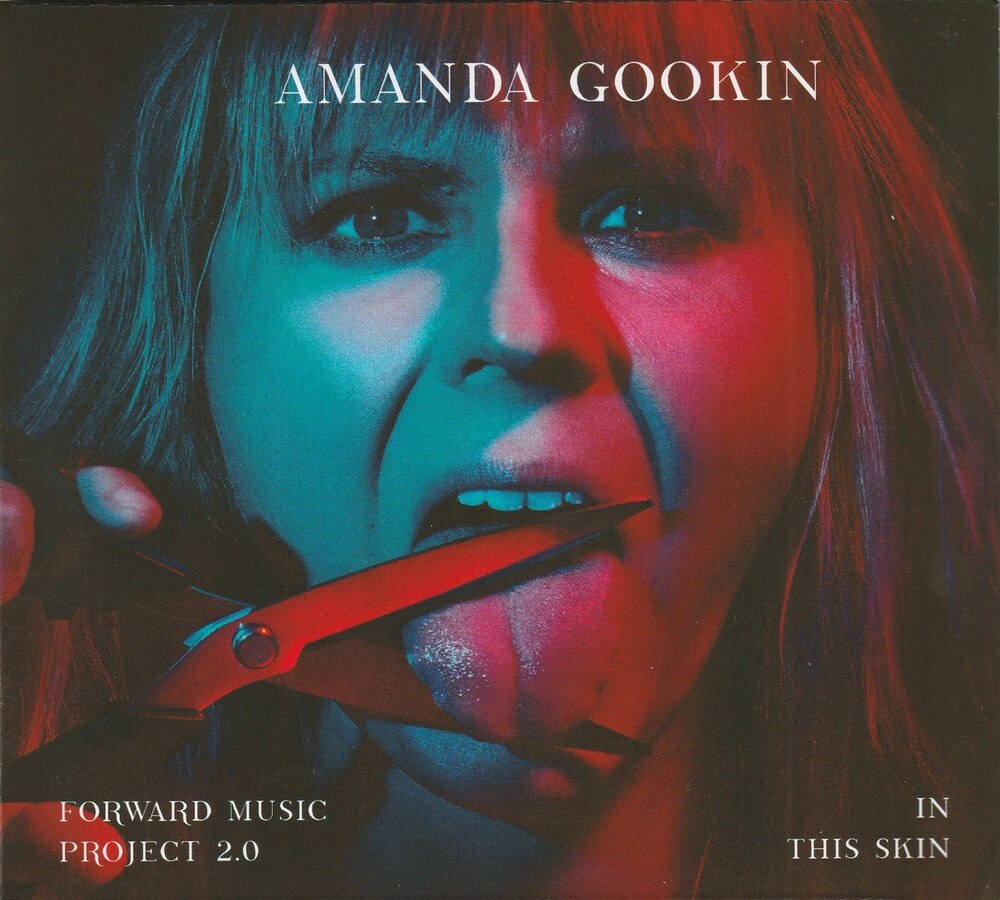
11 Amanda GookinForward Music Project 2.0 – in this skin
Amanda Gookin
Bright Shiny Things BSTC 0156 (brightshiny.ninja)

Having enjoyed the first release of cellist Amanda Gookin’s Forward Music Project 1.0, I was richly rewarded by its sequel. From the front cover, with a photo of Gookin perilously close to cutting her own tongue with a pair of scissors, we know this CD means business. “… in this visceral journey towards radical expression… This flesh is where we live… We are powerful in this skin.” 

In this second installment of FMP, four more composers are invited, not as guests, but as the key tellers of the layers and complexities of women’s stories, each in their own way. Gookin takes each one as a precious gift, playing them with perfection and ferocity that makes clear her undeniable belief and dedication to every word. Translated sonically through her cello and her own vocals, with occasional added voices and electronics, there is simply no track to be missed. Paola Perstini’s To Tell A Story was in itself a fascinating journey of how the power of storytelling can be misused and appropriated, with sound artist Sxip Shirey’s backdrop of an 1983 interview with Susan Sontag creating brilliant sonic graffiti. 

Not only executed with stunning prowess, Gookin’s dedication to each composer’s voice channels the direct, hard-hitting messages of the compositions, her virtuosity powerfully propelling them even further, reminding us that these are all our stories to be told. She delivers them with authenticity, never taking over. This is not an ego project. This is cello playing at its height; delivering art.

Forward Music Project is an undertaking that continues to leave me breathless.

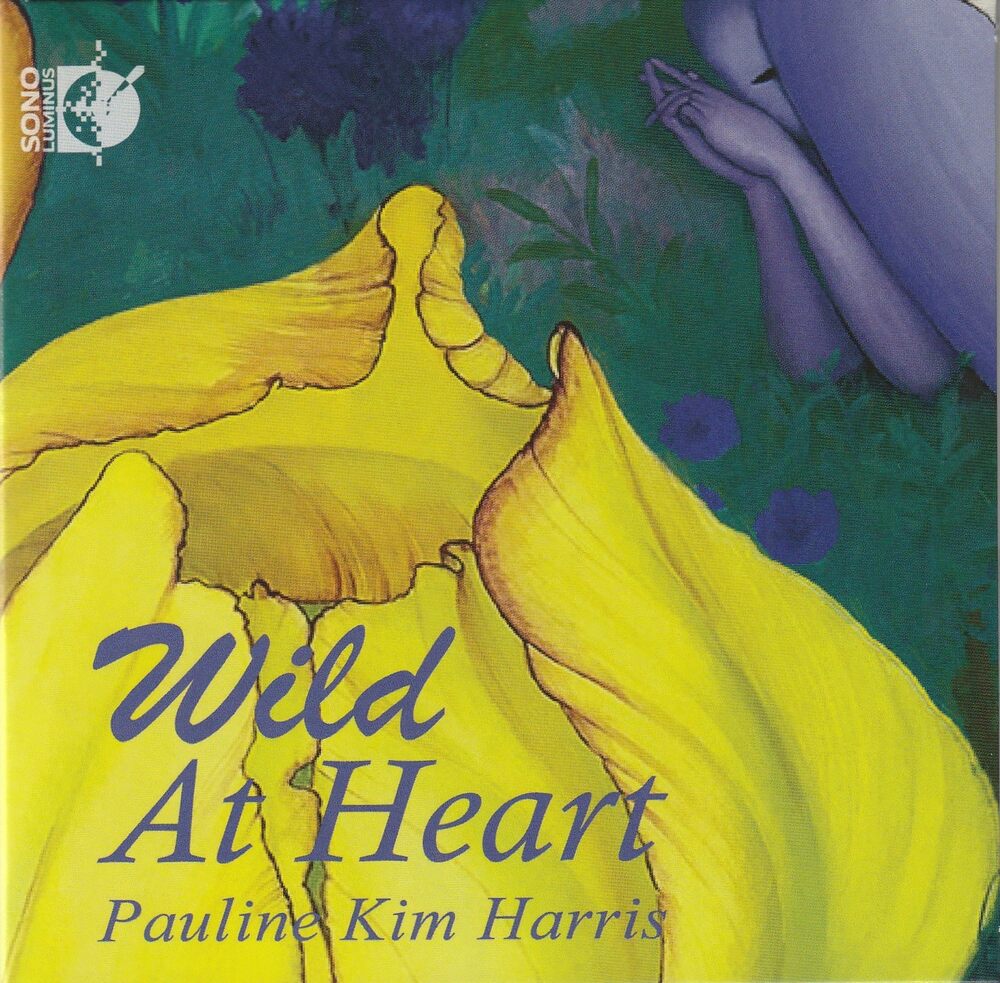
12 Wild at HeartWild At Heart
Pauline Kim Harris
Sono Luminus DSL-92253 (sonoluminus.com)

The second release in Pauline Harris’ Chaconne Project, this album explores interconnections between time, individual worlds and music. According to Harris, each commissioned composition is a reincarnation of J.S. Bach’s Chaconne for solo violin and each composer has expressed their unique individual connection to this piece. 

The music on this album is wild in the best sense of the word – an uninhibited violin wonderland of extended techniques, powerful, ingenious and enterprising. There are no memorable melodies here but instead a universe made of fragments, textures and gestures, all centered around Chaconne. The depth of sound is astonishing and Harris’ violin is so sonorous that one feels an incredible sense of expansion listening to this album. Harris has impeccable command of her instrument. She is an artist with a wild imagination, great stamina and extraordinary control. 

The opening piece, Yoon-Ji Lee’s Shakonn, is a volcano of sound and energy built over a held bass note, pulling Chaconne apart and transforming it. Morsels by Elizabeth Hoffman follows, a web of lovely harmonics that create both the rhythms and textures. Sequences of single gestures are juxtaposed with empty spaces, forming delicate balances. Annie Gosfield’s Long Waves and Random Pulses has a powerful energy and occasional Gypsy flavour. Using extensive research of jammed radio signals as a foundation, Gosfield alternates whirls of notes with a ghostly noise to build the mystery. 

The album closes with a grand C-H-A-C-O-N-N-E, John King’s composition that explores the form to the extreme through sequences that move from complex to simple. An imaginative and highly recommended album.

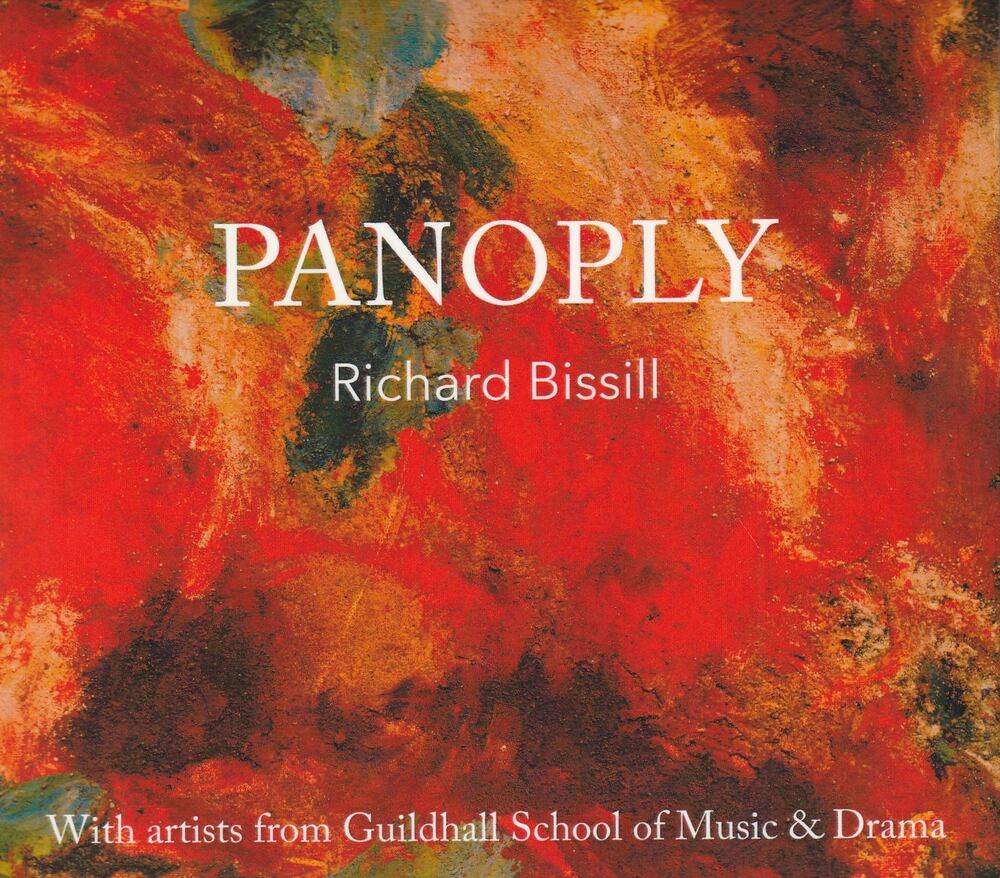
13 Bissill PanoplyRichard Bissill – Panoply
Artists from the Guildhall School of Music & Drama
Three Worlds Records TWR0011 (three-worlds-records.com)

The opening two-minute Philharmonic Fanfare for brass and percussion, commissioned by the London Philharmonic Orchestra, boisterously heralds this CD’s many forthcoming pleasures. Richard Bissill, former LPO principal horn and longtime professor at London’s Guildhall School of Music and Drama, enlisted students and fellow faculty members to perform the music recorded here, all composed between 2001 and 2016.

Bissill himself appears in his eight-minute Trio for horn, violin and piano, two warmly lyrical sections embracing a graceful, lively scherzando. Episodically varying tempi and moods make the nine-minute Twisted Elegy for flute, viola and harp much more “twisted” than “elegiac.” Bissill’s ten-minute Sirens for violin and piano vividly evokes the mythical temptresses with music that’s playful, sensuous and urgently seductive.

There are two 15-minute, three-movement pieces. The jazz-tinted Triangulation achieves heightened impact through its unusual textures – dense and gritty – produced by seven bassoons and one contrabassoon. Panoply for flute and piano, with its quicksilver first movement, languid, Debussy-inflected central movement and theatrical finale, is a fresh, delectable addition to the flute repertoire.

The 12-minute The Magnificent Seventh for eight horns, piano, bass and drums, based on the interval of a minor seventh, moves from fanfares and busy syncopations to a slow, bluesy middle section before the piece, and the CD, ends in a burst of triumph.

Bissill’s inventively varied, thoroughly engaging music – “progressive-conservative” in the best sense – deserves widespread exposure to international audiences. Recommended!

14 Sara SchoenbeckSara Schoenbeck
Sara Schoenbeck; Harris Eisenstadt; Roscoe Mitchell; Mark Dresser; Peggy Lee et al
Pyroclastic Records PR 16 (pyroclasticrecords.com)

As a pioneer of contemporary bassoon, Sara Schoenbeck’s self-titled album of duet collaborations reads almost like a list of party invitees who just happen to be the who’s who of modern improvisers.  

Longtime friendships and musical partnerships culminate in a colourful quilt as Schoenbeck travels to recording studios across North America during a global pandemic to reach each collaborator.  While her pairings are unique and intimately connected with each artist, Schoenbeck shares that her “deepest musical relationship is with the bassoon itself, the kernel of [her] inspiration.” It might be obvious by now, but it is worth noting that no more important a relationship can be intensified than an artist with their instrument during a pandemic, and each collaboration shines a spotlight on Schoenbeck’s skillful microtonal and multiphonic explorations. Long, arcing tones of bending, creaking, edgy vocalizations and melodic expressions are showcased across a wide and beautiful canvas of both scored and improvised duets. 

The haunting and beautiful Lullaby with improvising guitar legend Nels Cline is soaked with a darkly sublime blend of bassoon and ambient electronic extensions that at times feels like one voice, where Suspend A Bridge, with cellist Peggy Lee, seesaws a fine balance between intertwined harmonies and vast textural space. The Sand Dune Trilogy, with Nicole Mitchell on flute, seductively reminds us of Schoenbeck’s symphonic past while simultaneously teasing it apart. 

Other collaborators include Harris Eisenstadt, Roscoe Mitchell, Mark Dresser, Matt Mitchell and Wayne Horvitz. The closing track, Robin Holcomb’s Sugar, is a beautiful and unexpected finale – but then, parties do sometimes end with the most interesting, quiet conversations.

01 new jewish music 3 irduyNew Jewish Music Vol.3
Sharon Azrieli; Krisztina Szabó; Nouvel Ensemble Moderne; Lorraine Vaillancourt
Analekta AN 2 9263 (analekta.com/en)

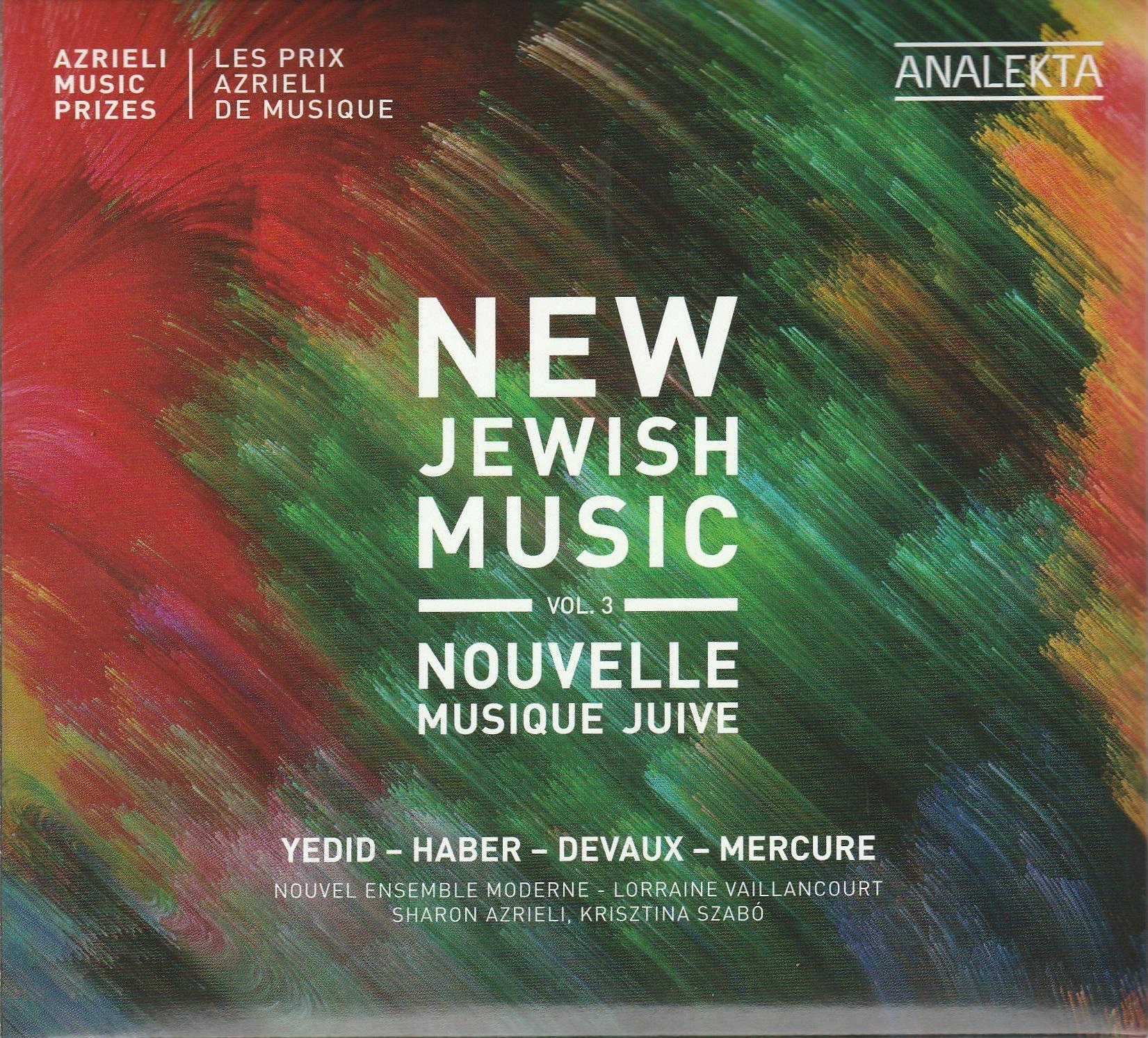
The Azrieli Foundation has released their recording of this year’s composition prize for new Jewish music, along with recordings of commissioned works in the categories of Canadian Composition and Jewish Music: Yotam Haber’s Estro Poetico-armonico III  in the latter, Keiko Devaux’s instrumental work Arras in the Canadian category. Yitzhak Yedid’s Kadosh Kadosh and Cursed won the prize for an existing work of Jewish Music. Dissidence, a concise and somewhat anachronistic work for small orchestra and soprano (Sharon Azrieli, a fine soprano and founder of the prize) by the late Pierre Mercure, rounds out the disc.

Kadosh… is concerned with Jerusalem’s Temple Mount, the place shared as sacred by three major religions. Embattled chattering and shouts introduce Yedid’s work, followed by brassy bombast and unison modal melody in alternation, depicting conflict, even violence. A middle section provides relief, insofar as mourning relieves cataclysm. The individual players of Montreal’s excellent Nouvel Ensemble Moderne get a brief chance to sing before hostilities recommence, devolve into a nasty Hora, returning tragically to increasing strife. By the end of the movement, we’re hoping, nay praying for peace. Hope deferred, the heart is sick. A chant melody in the piano calls through maddened violin scratches and braying brass. Yedid seems pessimistic; in spite (or because) of the spiritual importance of the Temple Mount, hostilities persist.

The formidable mezzo Kristina Szabó joins the ensemble for Haber’s work, a complex piece with so much historical/textual weight it deserves a review unto itself. Highly effective writing. 

Arras is a woven tableau, relying on breath and bow effects, microtonal vibrato and dissonances, and shifting background textures to frame lush, even lurid melody. A single movement of nearly 25 minutes’ length, it makes a patient argument for beauty.

Listen to 'New Jewish Music Vol.3 ' Now in the Listening Room

02 andrew stainiland ftdkpAndrew Staniland – Reddened by Hammer (Earthquakes and Islands Remixed)
Robin Richardson; Tyler Duncan; Martha Guth; Erika Switzer
Centrediscs CMCCD 29121 (andrewstaniland.com)

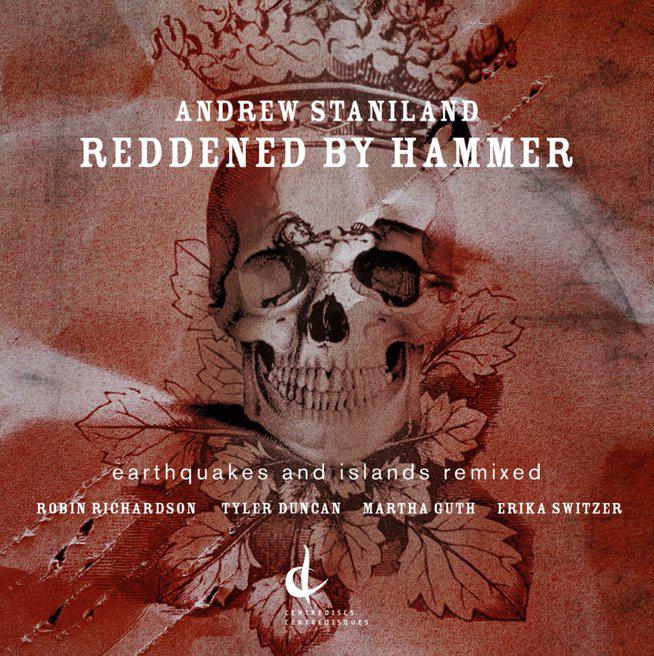
Andrew Staniland is on the faculty of music at Memorial University where he teaches composition and electronic music. He is director of the Memorial ElectroAcoustic Research Lab which has produced the Mune digital instrument. Reddened by Hammer: Earthquakes and Islands Remixed is based on Staniland’s earlier song cycle for soprano, baritone and piano with the poetry of Robin Richardson. In fact “Side B” of this album features a selected set of recordings from that cycle (performed by soprano Martha Guth, baritone Tyler Duncan, pianist Erika Switzer) remastered for vinyl. “Side A” uses those recordings as a source, but overlays many electronic effects to both obscure and reinvent the original compositions.

Meditations is contemplative and I am reminded of standing beside a river with trees creaking, wind blowing and a storm working its way closer Reddened by Hammer is more industrial sounding and the original recording with piano and singers is more immediate (as if someone is performing music in another room). The vocals, emerging from behind the electronics, bring a resonant, ethereal and sometimes spooky quality to the proceedings (particularly in All the Grey Areas are God). All five of the remixes are fascinating and their effects range from intense/ambient to edgy and percussive. Listening to the whole album allows us to first hear the reinventions which then inform our appreciation of the acoustic originals. The digital release is available now from the Canadian Music Centre, with a limited-edition vinyl pressing to come early in 2022.

03 dmitri klebanov o581oChamber Works by Dmitri Klebanov
ARC Ensemble
Chandos CHAN 20231 (rcmusic.com/arc-ensemble)

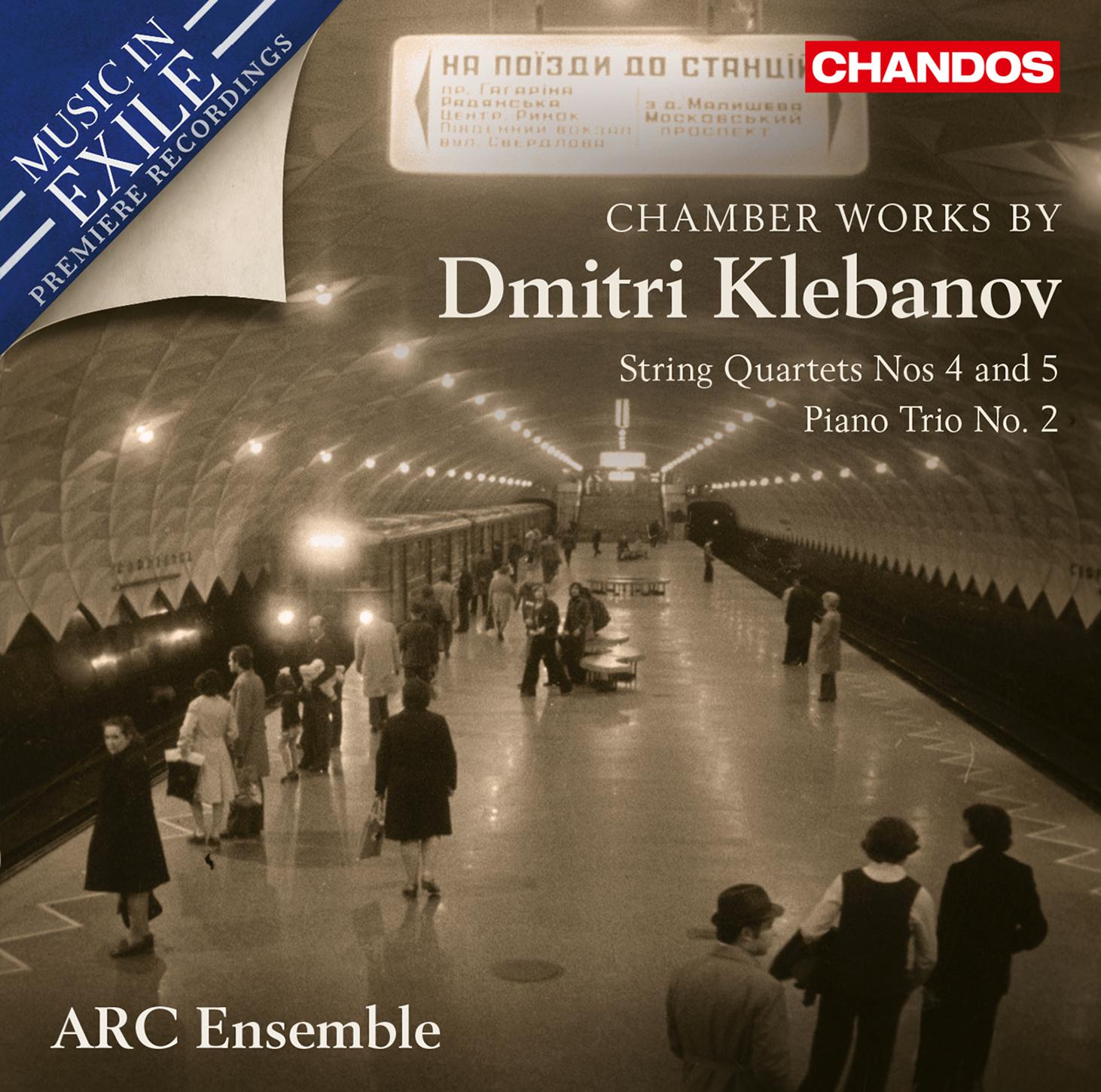
After his Symphony No.1 (1947), “dedicated to the memory of the martyrs of Babi Yar,” was performed in his native Kharkiv and then in Kyiv (where, in 1941, Nazis had massacred over 30,000 Jews at the Babi Yar ravine), Jewish-Ukrainian composer Dmitri Klebanov (1907-1987) was vilified as “unpatriotic” for memorializing Jewish civilians rather than Soviet soldiers. The Union of Soviet Composers banned the symphony and Klebanov lost his posts as chairman of the Composers Union’s Kharkiv branch and head of the Kharkiv state conservatory’s composition department. He was eventually “rehabilitated.”

This latest in the Music in Exile series by Toronto’s ARC Ensemble (Artists of the Royal Conservatory) presents violinists Erika Raum and Marie Bérard, violist Steven Dann and cellist Thomas Wiebe in Klebanov’s String Quartets Nos.4 and 5. The joyous No.4 (1946), filled with singable, folk-like tunes, is dedicated to the memory of composer Mykola Leontovych, a Ukrainian separatist murdered by the secret police in 1921. It includes two melodies by Leontovych familiar to Ukrainian listeners, one of them known in the West as the Christmassy Carol of the Bells.

No.5 (1965) is more “serious,” its melodies tinged with dissonance and pessimism, with heavily accented rhythms – it’s strong, attention-riveting music. Pianist Kevin Ahfat joins Bérard and Wiebe in the highly Romantic Piano Trio No.2 (1958). Here, warm, tender lyricism alternates with splurges of invigorated celebration, ending as sweetly as it began.

There’s real beauty on this disc, all beautifully played.

04 noam bierstone 10nmoMountains Move Like Clouds
Noam Bierstone
No Hay Discos NHD 001 (noambierstone.com)

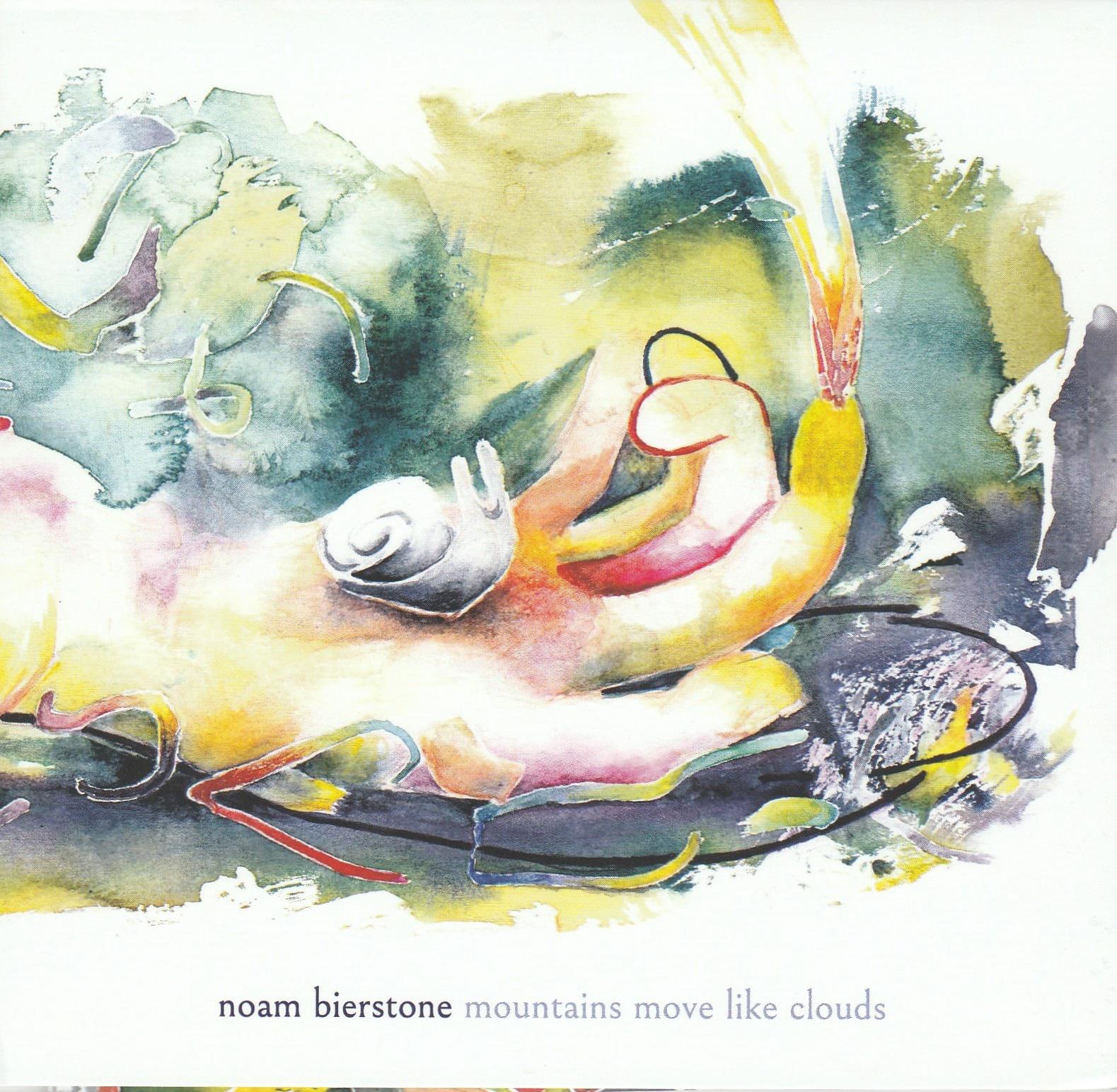
Noam Beirstone is a Canadian percussionist and curator dedicated to modern artistic performance whose main projects include his saxophone and percussion duo, scapegoat, the Montreal performance series NO HAY BANDA, and Architek percussion quartet. Bierstone’s debut album, mountains move like clouds, features three works for solo percussionist by composers Hanna Hartman, Pierluigi Billone and Zeynep Toraman. This album could best be described as “long listening;” the three pieces on the album are extended discoveries of very slow arcs of scrapes, buzzes and ripples of percussion, allowed to vibrate and feedback and cycle over themselves, giving the listener time to reflect on the generation and degradation of the sounds.  

The three works are unique, and feature alternate sound sources; flower pots, bricks, knives and drum initiate the first set of sounds, metal on metal the second, and the third is best described by the artist himself: “The work captures fleeting hums, resonances, and noises – the buzzing of snares, the emerging ripples and vibrations of the skin – and feeds them back into the bodies of the instruments….” All three are interesting soundscapes in themselves, and as a collection they work well. (A word of note however, if headphones are being used: the album contains some higher resonances, but the third track in particular involves extremely high pitches that may warrant cautionary volume levels.)

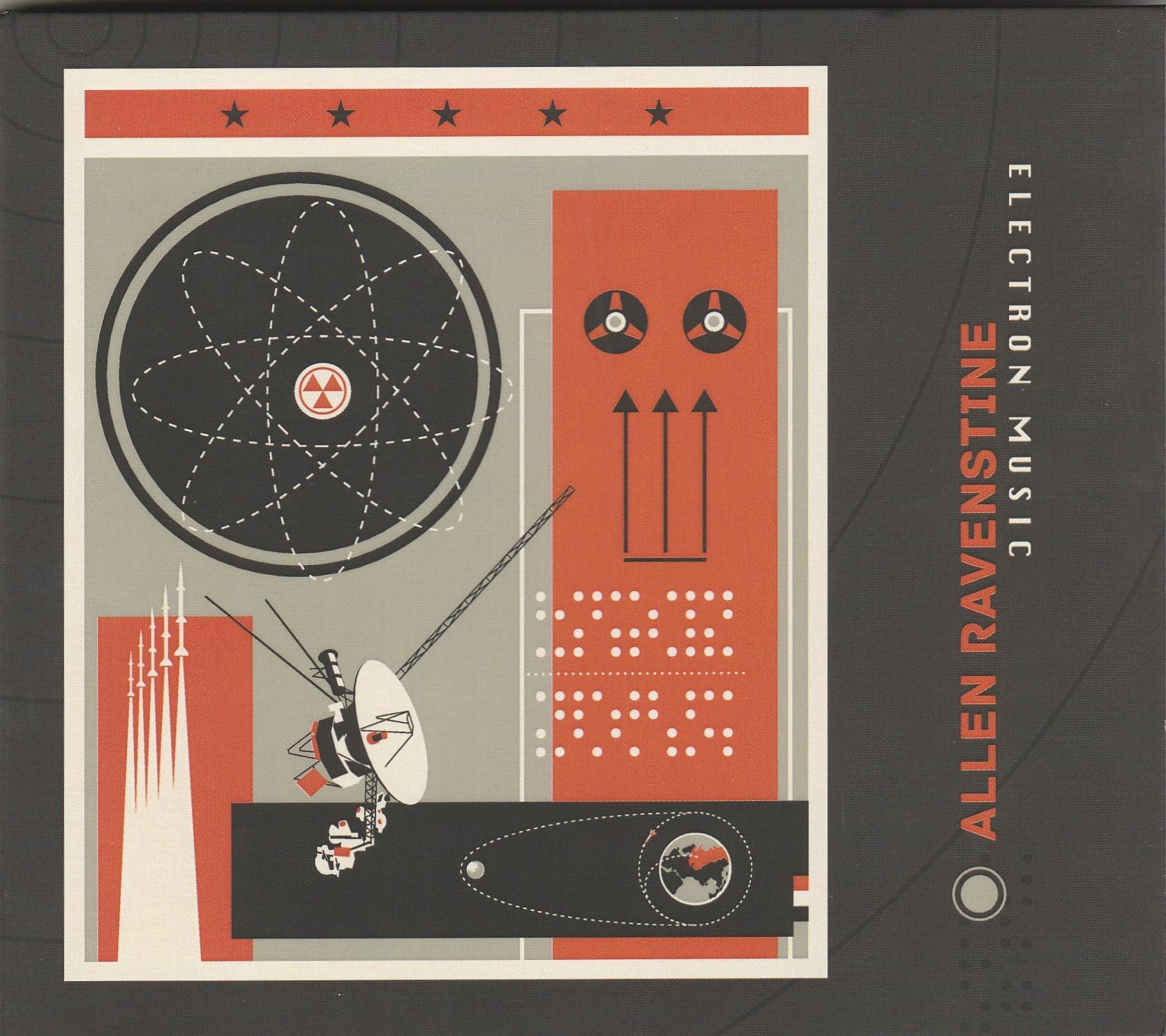
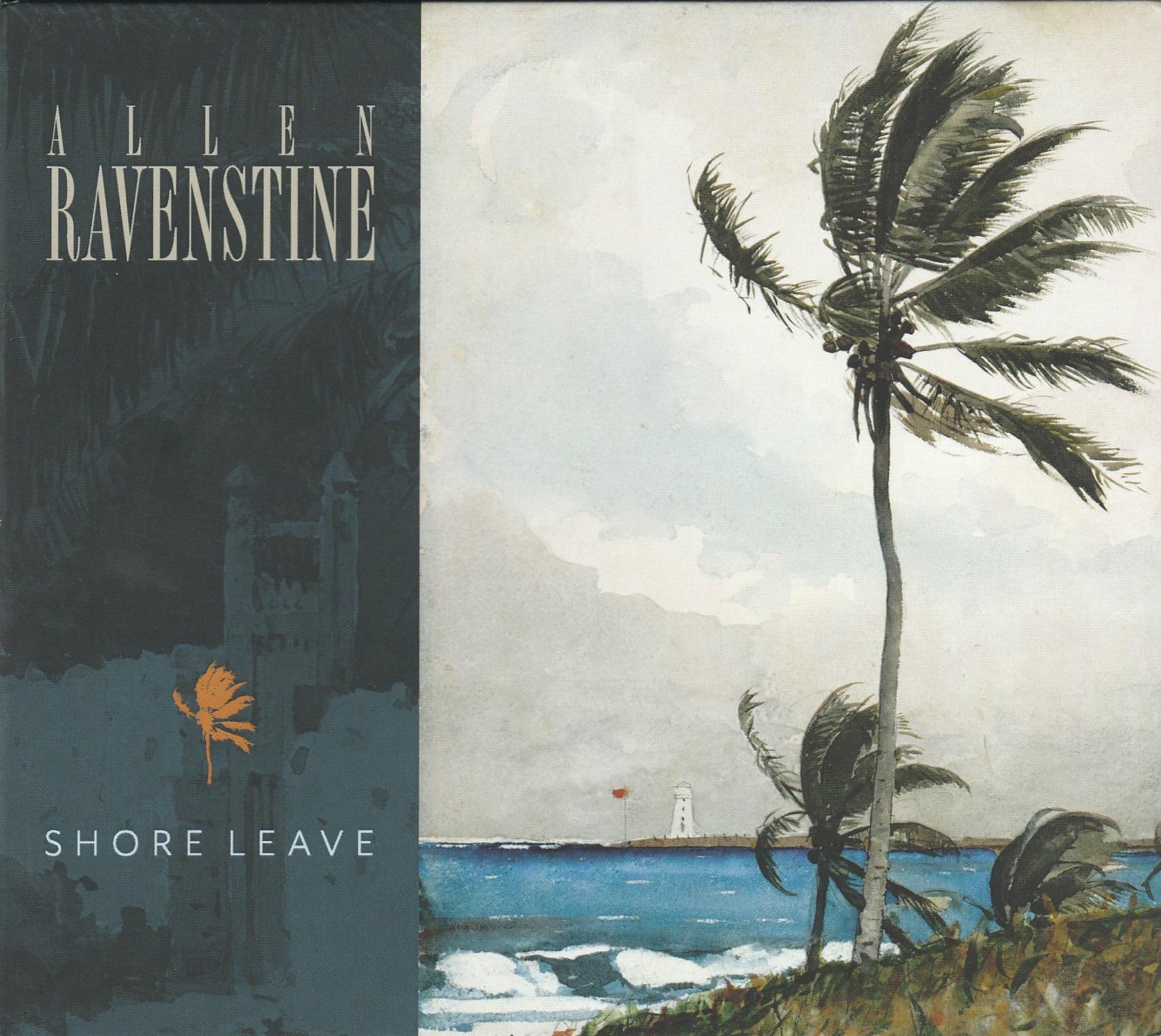
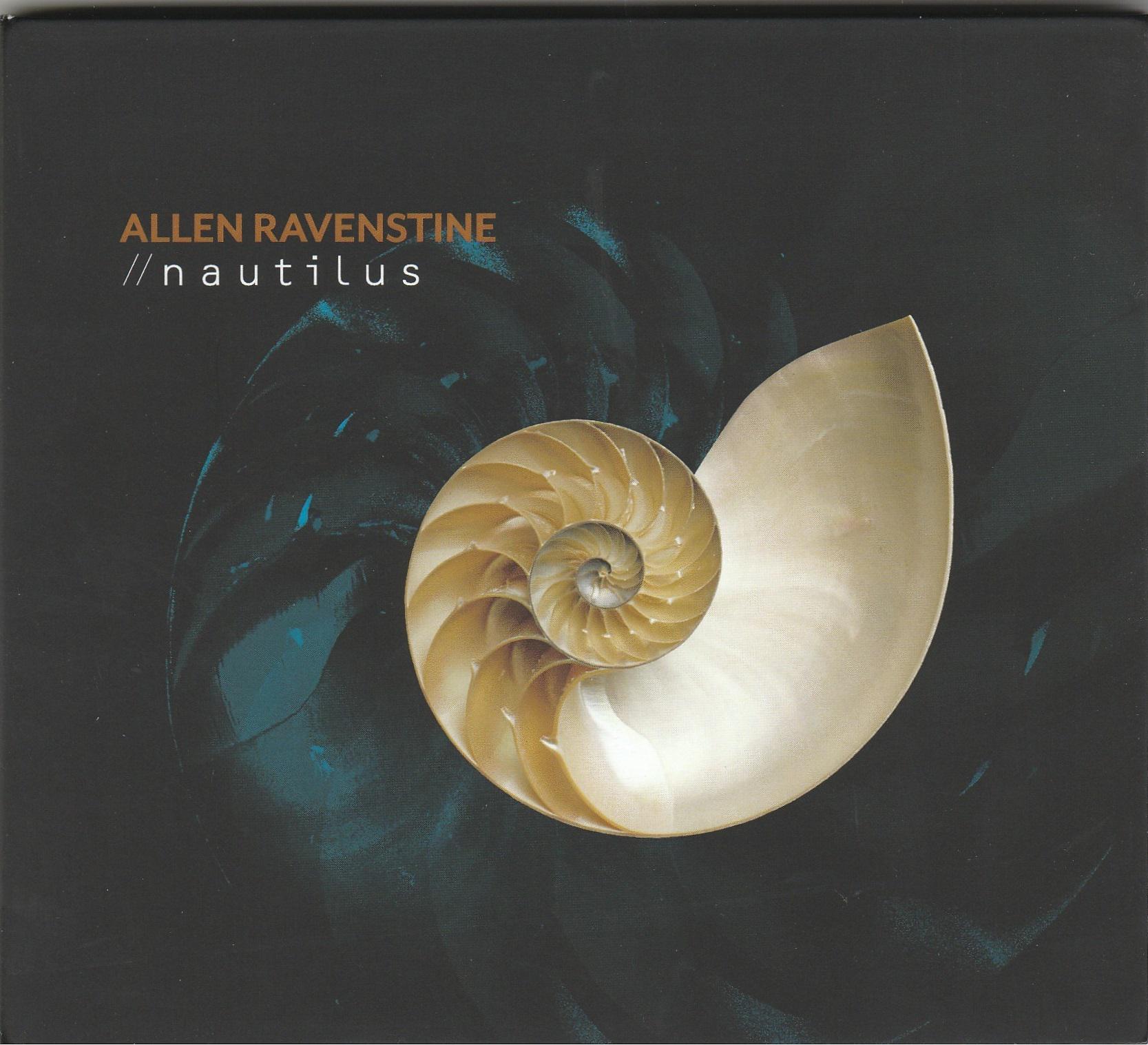
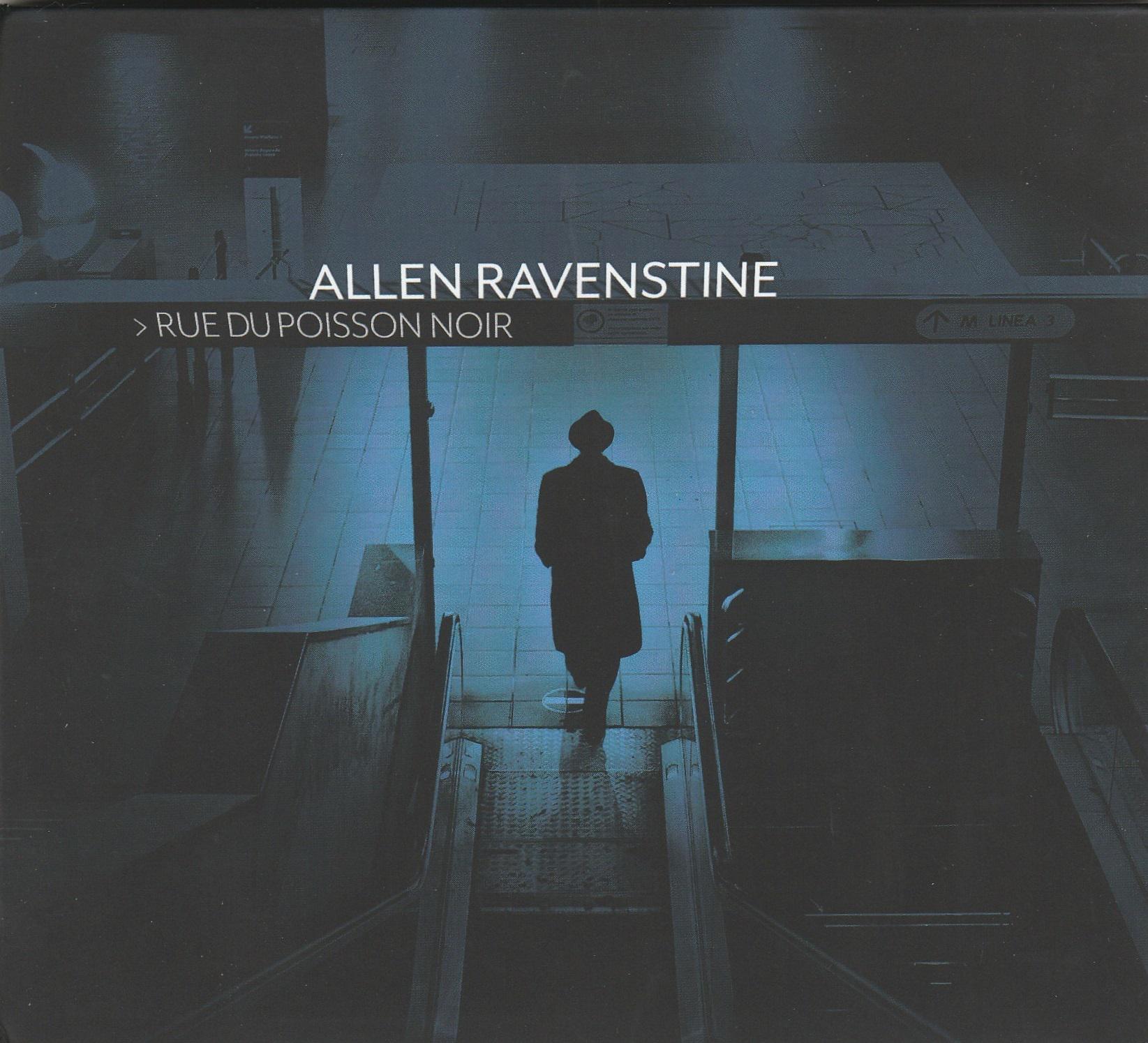
05a ravenstine electron vycpeAllen Ravenstine – The Tyranny of Fiction: Electron Music; Shore Leave; Nautilus; Rue du Poisson Noir
Allen Ravenstine; Various Artists
Waveshaper Media WSM-05/06/07/08 (allenravenstine.com)

05b ravenstine shore leave f0v0qA quartet of EP discs frame an artistic effort by Pere Ubu founder Allen Ravenstine, which together bear the cryptic title The Tyranny of Fiction. Each one is about a half-hour’s worth of sonic content; attractive covers reference the respective disc titles, and on each, a micro-fiction. These shorter-than-short stories, which may or may not link to the music (I’d call it likely, with not much to go on), provoke the imagination and more than satisfy a narrative arc. Each is a slice of a longer story, a tile stolen from a mosaic. 

05c ravenstine nautilus qqi1lAnd why not allow mosaic to describe how the music and fictions interact? Maybe here I’m closing in on the essential tyranny. Listening to these while bearing in mind their story, see if you don’t feel compelled to write your own novel. Does the story demand attention while the music rolls by? Do words determine the music? 

05d ravenstine poisson noir 31fi3My favourite is the fourth disc, Rue du Poisson Noir, which features tracks with titles like Rear Window, Brothers Grimm, Open Season, complete with a menacing beast snarling at the end of a mysterious hunt through the dusk of a musical forest, with rattles and shrieks punctuating a bass ostinato. Who’s doing the hunting, on whom is the season open? Maybe there’s a clue in the text: “I was here when the dinosaurs lumbered… and I will be here when the time comes and the bell tolls…” This is film noir without dialogue or visuals. The title track combines snippets of spoken words, street noise, rainfall and Tom Waits-style clarinet lines (sampled? There’s no clarinet credit!); an intro for a monologue that never begins. Delightful nonsense verse accompanies the first track, Doff Downie Woot, more James Joyce than Ogden Nash or Edward Lear. 

The tracks range from two to six or seven minutes: mosaic fragments, or vignettes, like the stories; they mostly heel to a prog-pop aesthetic: interesting harmonic language but never jarringly dissonant. The first disc, Electron Music, features almost exclusively electronic sounds, with some acoustic piano in there as well. Its final track, 5@28, at nearly ten minutes’ length, extends itself beyond its welcome. Otherwise, the array of newer and older synthetic-sound instruments (theremin and ondes martenot, as well as prepared piano and guitar) are deployed in many ways: at times rhythmic, others lyric and still others wandering about or staying in place, always evocative, distinctive. The accompanying story is deeply sad, and then terrifying. 

The other two discs are related by a maritime theme, although not by their fictions. The story on Shore Leave captures envy and regret; Nautilus is a ghost story told in detached first person. The individual tracks of Shore Leave are gorgeous brief musical scenes. Nautilus is more unsettled and angsty. Titles like Ninety Miles to the Spanish Harbor, Fog (Devil’s Island Mix) and Red Skies at Night suggest Ravenstine is a sailor as well as a musician and fabulist. For those cool enough to have been Pere Ubu fans, maybe the material will sound familiar; to my ear it’s all more listenable and more fun.

06 julia den boer lwa8hKermès
Julia Den Boer
New Focus Recordings FCR311 (newfocusrecordings.com/catalogue/julia-den-boer-kermes)

Julia Den Boer’s latest release is an invitation and a gift. The listener is drawn into a series of towering resonances and rewarded with a listening experience that redefines our acquaintance with the piano. Each of the four works on the disc extends what is sonically capable for the instrument and Den Boer’s expressive interpretations are world-class in their execution. It is through such superb performances that we are able to fully grasp the deeper communicative qualities each piece is offering the listener. 

First, Giulia Lorusso’s Déserts begins with hyper-colouristic and excited brush strokes that evolve into lonesome pinpricks of brilliant colour and imagination. Linda Catlin Smith’s The Underfolding is a harmonic wonderscape. Smith’s sound world reveals itself as one of the most compelling artistic voices one can encounter: wonderfully layered sonorities create a veil of undiscovered colours in an ideal trance haven. The distant hollowness of Anna Thorvaldsdóttir’s Reminiscence produces a cerebral experience that evokes forlorn beauty. Rebecca Saunders’ Crimson uses prickly clusters and obtrusive deep interruptions that create unsettling exchanges. Den Boer’s attention to detail and expressive capabilities makes Kermes a must-listen.

07 robinson organ fyasbA Love So Fierce – Complete Solo Organ Works of David Ashley White
Daryl Robinson; Sarah Mesko; Jesús Pacheco Mánuel; Floyd Robinson; Grace Tice
Acis APL61020 (acisproductions.com)

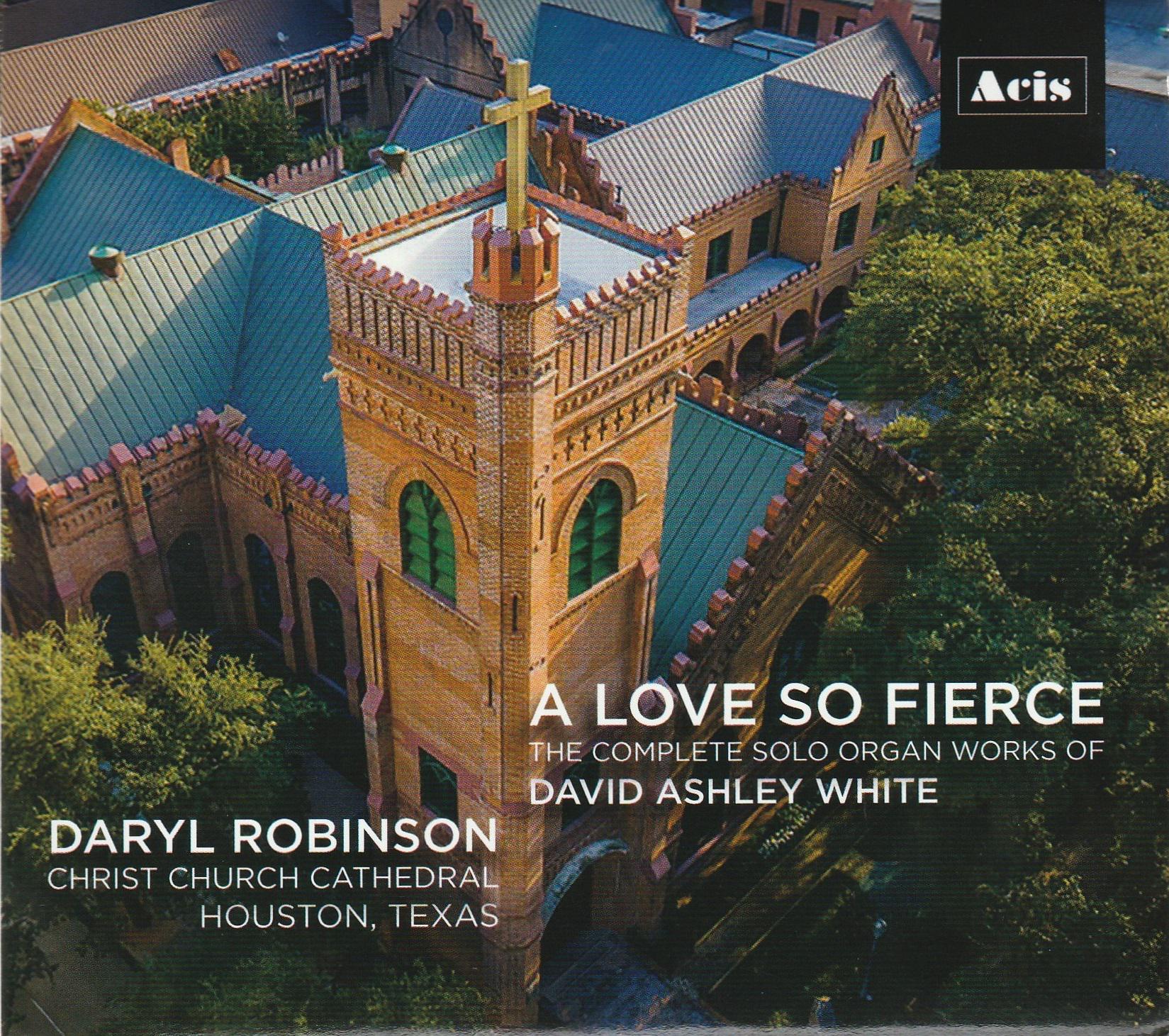
A renowned composer of both secular and sacred works, David Ashley White is perhaps best known for his contributions to the world of church music. Using influences drawn from a variety of sources, both ancient and modern, White’s musical lexicon is diverse and ranges from simple hymn tunes to challenging vocal and instrumental pieces; it is the organ works that are put in full focus on this disc.

The state of Texas plays a pivotal role in the identity of A Love So Fierce: White is a seventh-generation Texan, the organ used for the recording is located at Christ Church Cathedral in Houston, and the disc begins with Fanfare for St. Anthony, an homage to San Antonio. Organist Daryl Robinson is also Texas-based, serving as Cathedral organist at Christ Church and director of Organ Studies at the University of Houston.

Although not always as overt as in the opening Fanfare, there is a strong sense of Americana in many of White’s works, with use of modality and extended harmonies in a manner reminiscent of Leo Sowerby, who himself was a significant contributor to liturgical music in the 20th century.

It is often challenging to separate the efforts of the performer from those of the instrument itself, so entwined is the organist with the manipulation of stops and keyboards in addition to the notes and rhythms themselves. In this instance, both Robinson and the 1938 Aeolian-Skinner organ are in top form, executing White’s often demanding scores in a fluid and seamless manner. 

Though not a household name, White’s contributions to the organ repertory are not to be overlooked, and this is recommended listening for all who enjoy the majestic sounds of what none other than Mozart considered the King of Instruments.

08 lou harrison i1hz6Lou Harrison – Concerto for Piano with Javanese Gamelan
Sarah Cahill; Gamelan Galak Tika; Evan Ziporyn; Jody Diamond
Cleveland Museum of Art n/a (clevelandart.org/events/music-and-performances/cma-recorded-archive-editions/lou-harrison)

American composer Lou Harrison (1917-2003) had an exuberant and searching spirit which extended beyond music to the graphic and literary arts and social activism. Today he is perhaps best known for incorporating in his mature scores non-mainstream tunings and other musical elements from several cultures outside Western classical music. 

Although he was nearing 60 at the time, Harrison nevertheless launched with considerable passion into an in-depth study of the gamelan musics of North, South and West Java. Each region possesses its own kind of music. No mere dilettante, he went on to compose several dozen works for various kinds of gamelan, and was among the first composers to incorporate standard Western concert instruments in his gamelan scores. He even built complete gamelans (orchestras) from scratch with his partner William Colvig. 

Harrison’s Concerto for Piano with Javanese Gamelan (1986) is a good example of all these influences at work. In it he aimed not only for a musical synthesis of East and West, but also to bring the piano into what he fancied as just intonation’s “paradise garden of delights.” In that transcultural musical playground a pianist could experience the rare pleasure of performing with a complete gamelan. Sarah Cahill, the brilliant pianist on this album, reflects on her first encounter with Harrison’s retuned piano. She found it, “disorienting at first, since the keys typically associated with corresponding pitches now ring out with a completely different result. The disorientation, however, provokes more intense listening.”

Jody Diamond and Evan Ziporyn, both longtime champions of Harrison’s music, directed this outstanding recording of the concerto with members of Boston’s Gamelan Galak Tika.

09 mike block planispheres 2oy6ePlanispheres
Mike Block
Bright Shiny Things (brightshiny.ninja)

Cellist, singer, songwriter, composer and educator Mike Block has one of the most eclectic résumés around. From his “chopping” folk history, to jazz and cross-cultural music collaborations (check out his duo with tabla player Sandeep Das, for example) Mike Block has worked with nearly everyone from Stevie Wonder to Will.i.am to Yo-Yo Ma and the Silk Road Ensemble. From pop to jazz, classical and bluegrass, there seems to be no end to the continuous exploration and collaborations around the world for this diverse and prolific artist. As an innovator, Block was among the first wave of cellists to develop a standing style of playing in order to move while performing, and can – and does – play his challenging repertoire sitting, standing and even while singing. He was also the first standing cellist to perform at Carnegie Hall, and on top of that, his Bach is superb. What is such a diverse collaborator to do during a world pandemic? 

Bring in Block’s latest, and possibly most poignant project, Planispheres. As an exploration of human connection during a time when these connections are nearly impossible to make, each track is a full, freely improvised solo to one unknown lucky listener, in a large open space which allowed him to sonically explore and test the acoustics throughout the album. The intimacy of each performance is palpable and adds to the personal nature and timely relevance of the album. Here we have an opportunity to witness not only the wide range of sonic participation of the venue, but also the silent participation of each unnamed audience recipient. We can hear Block’s urgency to connect with others, while allowing space and time to be a fourth element in the room. This album will engage anyone who is missing the intimate experience of live chamber music, but most especially lovers of the cello.

Back to top