01_ThreadgillA highlight of the international calendar, the Guelph Jazz Festival (GJF), September 7 to 11, has maintained its appeal to both the adventurous and the curious over 18 years. It has done so mixing educational symposia with populist outdoor concerts, featuring performers ranging from established masters to experimenters from all over the world. For example, American alto saxophonist/flautist Henry Threadgill appears at the River Run Centre on September 10 with his Zooid quintet. A frequent GJF visitor bassist William Parker is featured in at least four ensembles; twice with Toronto vocalist Christine Duncan’s Element Choir Project on September 9 at St. George’s Anglican Church and September 10 at the outdoor Jazz Tent; on September 11 as part of an all-star quartet in Co-operators Hall; and in the same spot on September 8, with pianist Paul Plimley and drummer Gerry Hemingway. Sharing the bill is Tilting, a quartet led by Montreal bassist Nicolas Caloia. Meanwhile Danish saxophonist Lotte Anker is part of an afternoon performance September 10 at Co-operators Hall with two Americans, pianist Craig Taborn and drummer Gerald Cleaver.
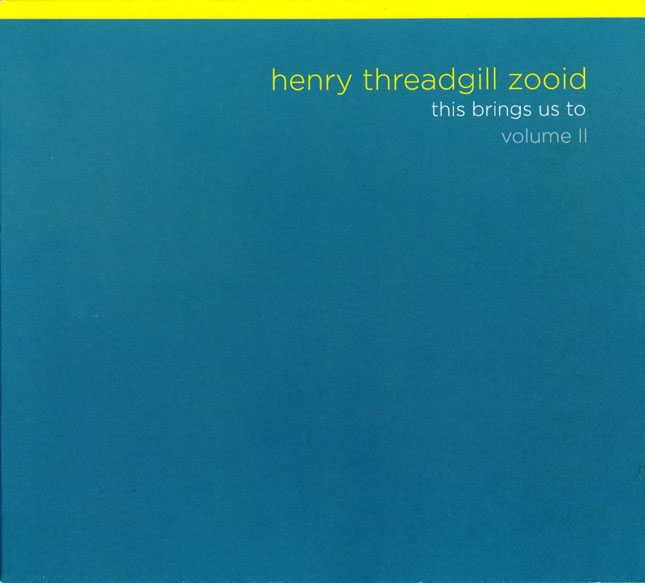
02_FloatingIslandSupplely slinky, bouncingly rhythmic and unmistakable original, Zooid’s This Brings Us To Volume II (Pi Recordings PI 36 www.pirecordings.com) clearly delineates Threadgill’s compositional smarts expressed by the band. Many of the tracks depend on the contrasts engendered by mixing Liberty Ellman’s nylon-string guitar licks with the snorts from Jose Davila’s gutbucket trombone or surging tuba plus cross-sticking and rolls from drummer Elliot Humberto Kavee. The most characteristic track is Polymorph, with a sardonic melody that suggests Kurt Weill’s Berlin period. Here Threadgill’s astringent saxophone timbres are first framed by snapping frails from Ellman and later arrive at contrasting double counterpoint with the thick pop of Stomu Takeishi’s bass guitar.
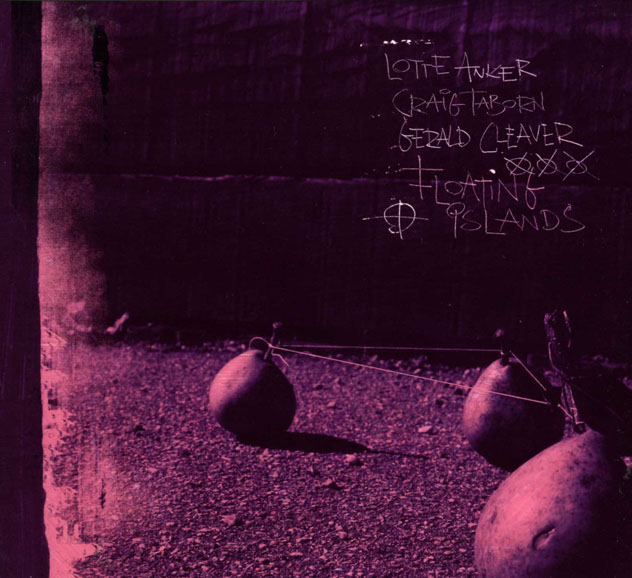
03_ParkerICIFloating Islands (ILK 162 CD www.ilkmusic.com) demonstrates the cohesive skills of the Anker/Taborn/Cleaver group. Recorded at the Copenhagen Jazz Festival, the selections demonstrate the trio’s extrasensory perception. With Anker rotating among soprano, alto and tenor saxophones, the band divides according to the improvisation; sections are devoted to saxophone-piano, saxophone-drum or piano-drum interaction. Hard reed buzzes bring out cascading choruses from Taborn for instance, while the pianist’s unconventional key clicks are met by the saxophonist’s arching split tones and tongue flutters plus swirling cymbals and snare backbeats. Sometimes the narrative becomes a mass of chiaroscuro patterns from all, with the palpable tension finally breached by Anker’s chirping tones and Taborn’s glissandi. Backwards River is an extended example of this, as galloping runs from Taborn arrive after an exposition of gritty reed tones. Before the climax, involving Cleaver knitting rat-tat-tats and tom-tom rolls into a forceful solo, the sax and piano sounds surge from gentle swing to jagged altissimo intersections rife with polyphonic smears.
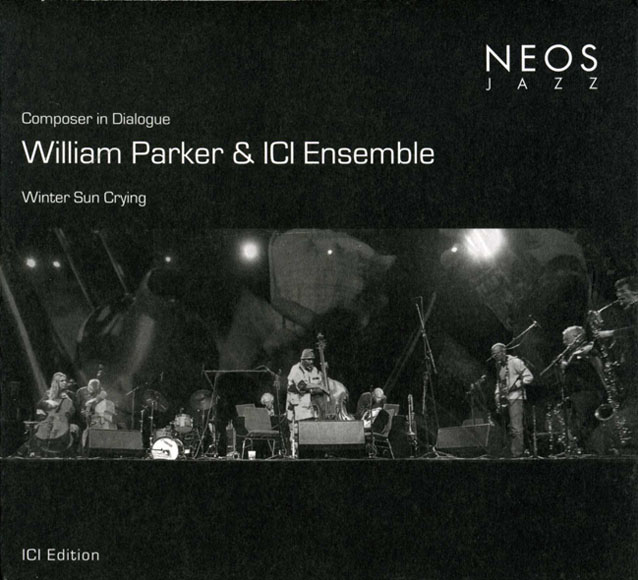
04_TiltingCombination spark plug and spiritual guide William Parker’s gigs at GJF 2011 are with a vocal chorus and two instrumental groupings. Winter Sun Crying recorded with Munich’s nine-piece ICI Ensemble (Neos Jazz Neos 41008 www.neos-music.com) demonstrates the skills he brings to groups of any size or instrumentation. The CD captures a 15-part suite which waxes and wanes between legato and atonal contributions. Parker’s contributions on piccolo trumpet, double reeds, shakuhachi and bass are integrated within the composition. As band members move throughout from aleatoric solos to tutti and contrapuntal passages, he adds walking to keyboardist Martin Wolfrum’s precise chording, while under both, Sunk Pöschl’s drums clatter and pop; or lets his pinched reed contrast with upturned harmonies from ICI’s three woodwinds and trombone. The ensemble never nestles in any style or genre. Roger Jannotta’s faux-baroque piccolo decorations are as germane to the performance as Markus Heinze’s guttural baritone sax snorts, while oscillated processes from Gunnar Geisse’s laptop or trombonist Christofer Varner’s sampler are responsible for the composition’s outer-space-like undertone. Meanwhile the downward shifting of Johanna Varner’s spiccato cello lines join with Wolfrum’s dynamic chording to propel the horns away from dissonance towards linearism. The finale, Let’s Change the World, not only refers back to the head, but weaves gradually diminishing string scrubs, piano key pummels and alternately breathy or splintering reed tones into an echoing statement.

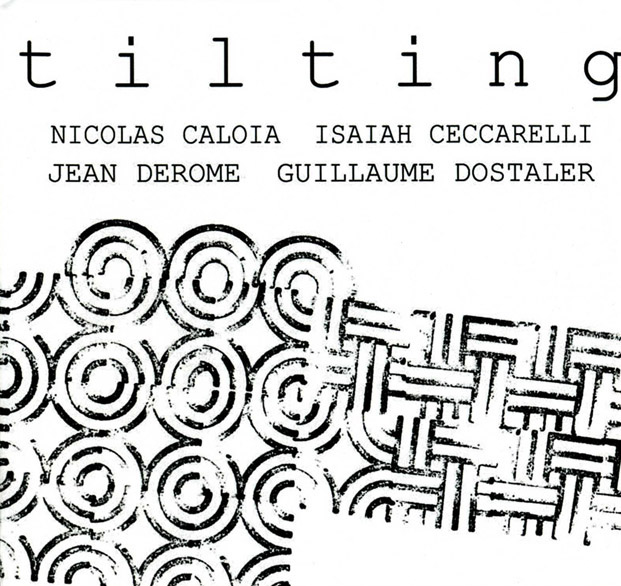
Another bassist/composer is Nicolas Caloia, whose Quartet CD Tilting (www.nicolascaloia.net), is a microcosm of Montreal’s scene. Completed by saxophone/flutist Jean Derome, pianist Guillaume Dostaler and percussionist Isaiah Ceccarelli, the disc highlights the bassist’s approach. While Caloia’s connective ostinato is felt throughout, this high-energy showcase gives everyone space. Impressive on each of his horns, Derome’s bass flute adds appropriately breathy tones, evolving contrapuntally with Dostaler’s comping on Stare. Meanwhile the husky textures Derome propels from baritone saxophone make Locked a stop-time swinger, especially when Ceccarelli’s solo folds flams, shuffles and ratamacues together. Derome’s singsong alto phrasing is all over the other two pieces, both of which feature brief but attentive solos from Caloia, whose string slaps and thumps concentrate the action. The pianist’s languid note cascades are showcased spectacularly on Safety where he interrupts Derome’s forays into false registers with an interlude of harmonized chording and rubato key fanning.

As this group of sound explorers join many others of similar quality during the annual GJF, it’s not surprising that this little festival has reached satisfying maturity without the compromises that impinge on many larger celebrations.
01_minor_empireSecond Nature

Minor Empire

World Trip Records WTR001 (www.minorempire.net)

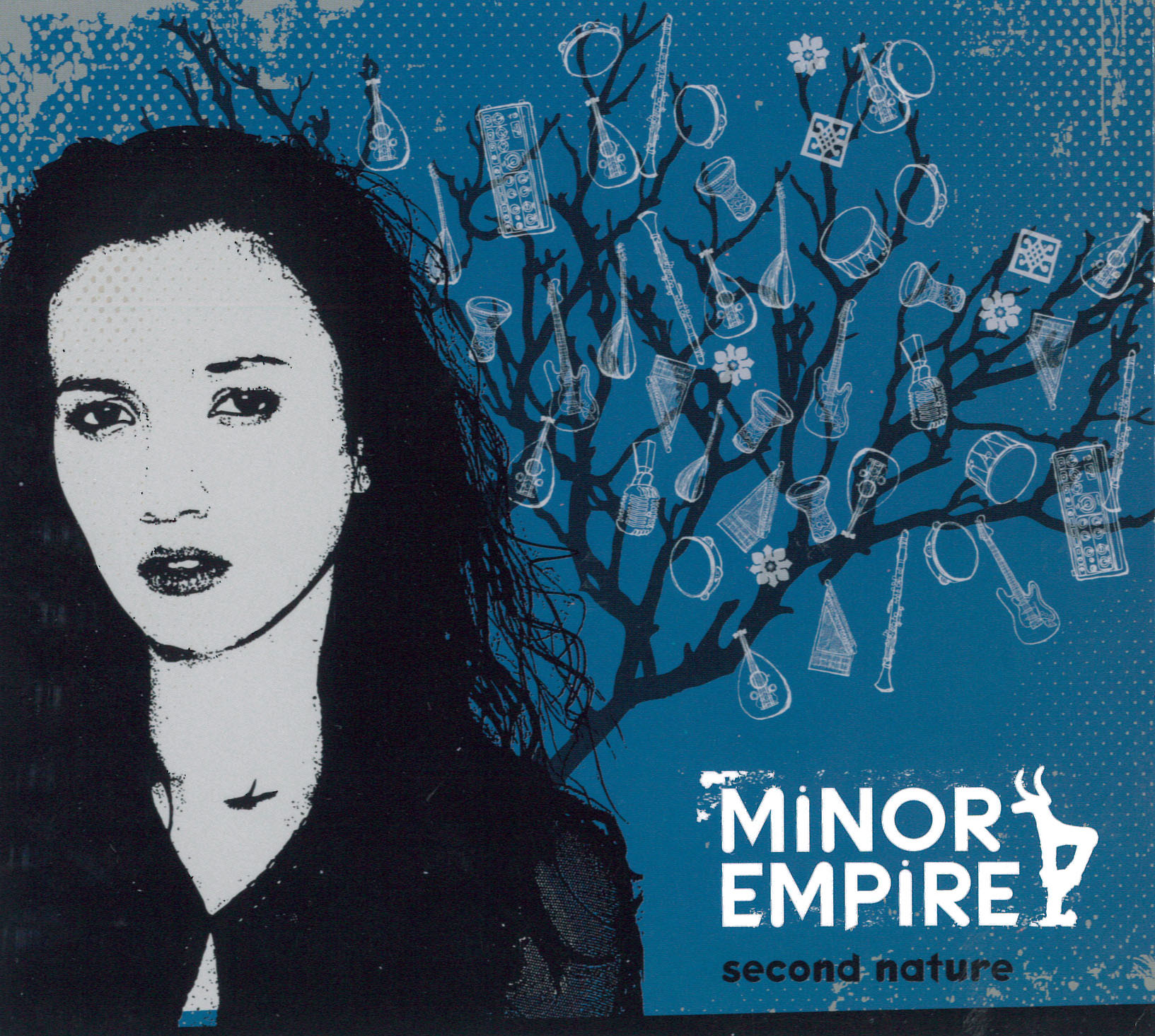
All my initial scepticism immediately disintegrated with the first track of Minor Empire's debut release “Second Nature.” No second rate bad world music here. Leader/electric guitarist/programming guru Ozan Boz has carefully eliminated any such occurrences with his careful combinations of Western pop sounds, jazz improvisations, and Turkish traditional music and his superb arrangements. Toss in band members Ozgu Ozman (vocals), Michael Occhipinti (electric guitar), Chris Gartner (bass) and Debashis Sinha (percussion), Ismail Hakki Fencloglu (oud) and Didem Basar (kanun) and the result is a smart band creating intriguing sounds and melodies set to a backdrop of funky beats.

Especially noteworthy is Zuluf Dokulmus Yuz. Ozman’s sultry vocals weave effortlessly through a tapestry of musical influences. What a great idea is to have short interludes based on makams with catchy titles like Ozan's Psyche and Selim's Anatomy (featuring the amazing guest clarinettist Selim Sesler) which allow the instrumentalists to solo and shine.

Unfortunately there are no translations for the lyrics. I learned a long time ago in my band playing days that the listener wants to know the meanings of the lyrics. But the production values are high and the sound quality superb. Fall is the time to get back to work and back to school. There is no better backdrop than the worldbeat sounds of “Second Nature” to get you back into the groove.


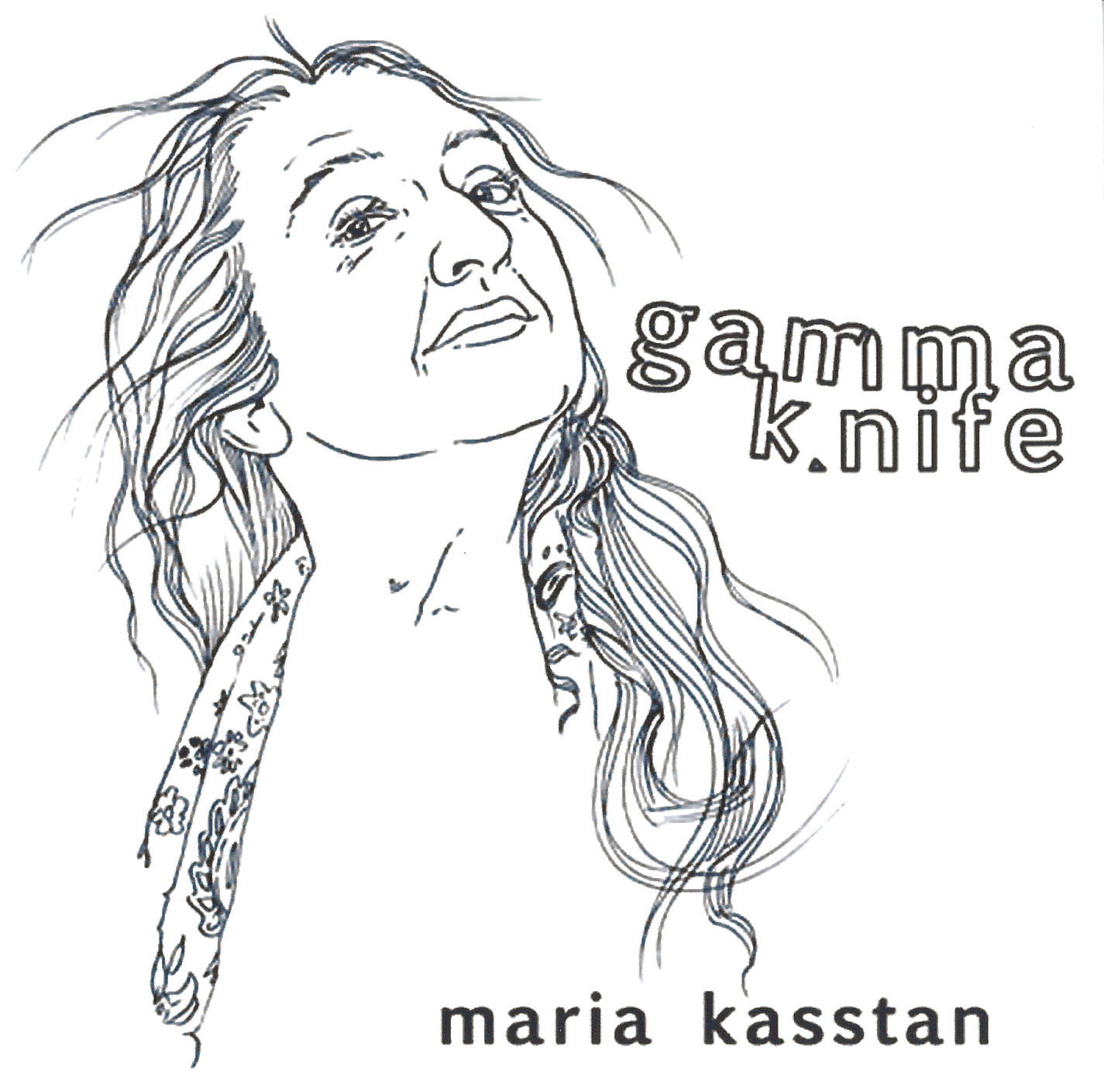
02_gamma_knifeGamma Knife

Maria Kasstan

Independent (www.myspace.com/mariakasstan)

I’m almost ashamed to admit that it has been a very long time since I have heard someone of my generation producing a folk CD that rails against the establishment, but Maria Kasstan has good reason. Her partner of 25 years died as a result of a heart attack right outside of police headquarters. Allegedly, the officers who discovered him assumed the man to be homeless and neglected to administer CPR. Her sorrow and anger are deeply felt by the listener in the last few tracks of the recording. The tracks are arranged as a story of their life together, celebrating the fullness of the good times and grieving the loss with a voice both strong and tender. Upon first hearing, I absolutely fell in love with the first track, Act of Love. Kasstan is known for her work as a pollinator advocate or “seed lady.” This song is a catchy, happy tribute to Mother Nature, with a playfully whimsical arrangement by producer Bob Wiseman... I couldn’t stop singing it all day long! The simple joys continue with Beets in the Cellar and the romantic Didn’t Wait for the Moon. The poignant Saint Jude brings the listener’s awareness back to the stark contrasts existing in Toronto neighborhoods. This artist has not forgotten her beginnings as a folk singer in 1960s Yorkville and reminds us that even as grannies we can still have a powerful voice for change.


03_nylonsSkin Tight

The Nylons

Linus Entertainment 270134

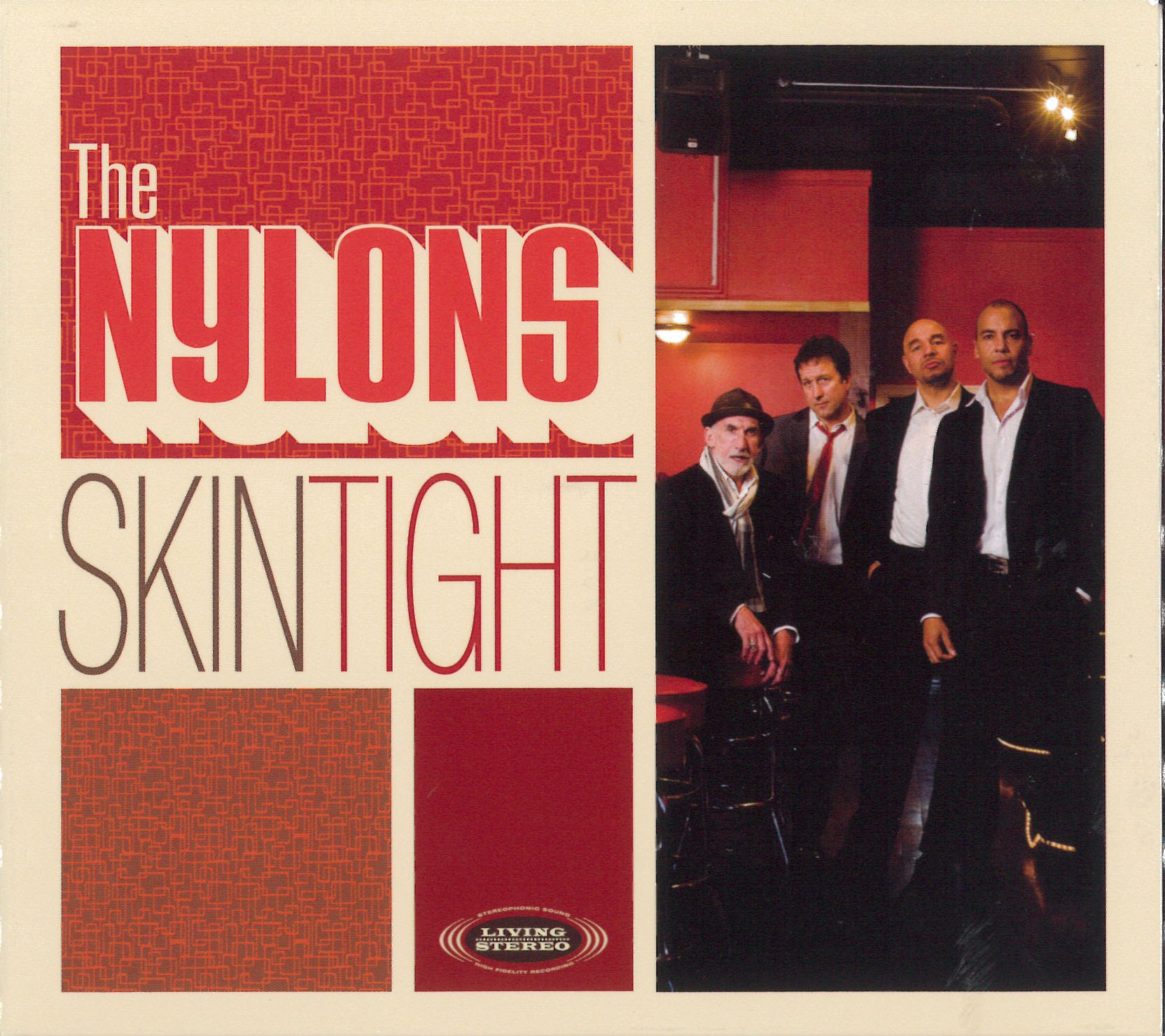
The a capella vocal group The Nylons has been around since 1979 and although all but one of the original members has moved on, the group's trademark upbeat sound is fully intact on its 15th recording. The mix of funky rhythms, jazzy harmonies and quirky mash-ups is due in part to the addition of Toronto-based group-singing luminary, Dylan Bell. As producer and arranger of most of the 12 tracks, and even guest scatter on one, Bell is like the Fifth Nylon (as George Martin was known as the Fifth Beatle) and a big contributor to the success of “Skin Tight.” Of course, the four singers - Claude Morrison (the original), Tyrone Gabriel, Garth Mosbaugh and Gavin Hope - do the heavy lifting. Whether called on for vocal percussion, tight harmonies, scat solos or beautiful crooning, all the singers do their part with skill and joy. The repertoire is largely covers from a variety of eras and genres and while some stay relatively true to the originals with voices substituting for the instruments, others get fresh reworkings. Spider-Man gets a clever spin as it ranges between funk, swing and rap, with a solo courtesy of bass Tyrone Gabriel, while Teach Me Tonight sees lead singer Gavin Hope essentially doing homage to Al Jarreau's version over a Four Freshman-like doo-wop accompaniment. The closing track Gone Too Soon, with its Gene Peurlingesque arrangement, is a beautiful tribute to both its originator Michael Jackson and one of The Nylons founding members, the late Denis Simpson.


04_wingfieldkastningI Walked Into the Silver Darkness

Mark Wingfield; Kevin Kastning

greydisc GDR 3508 (www.markwingfield.com)

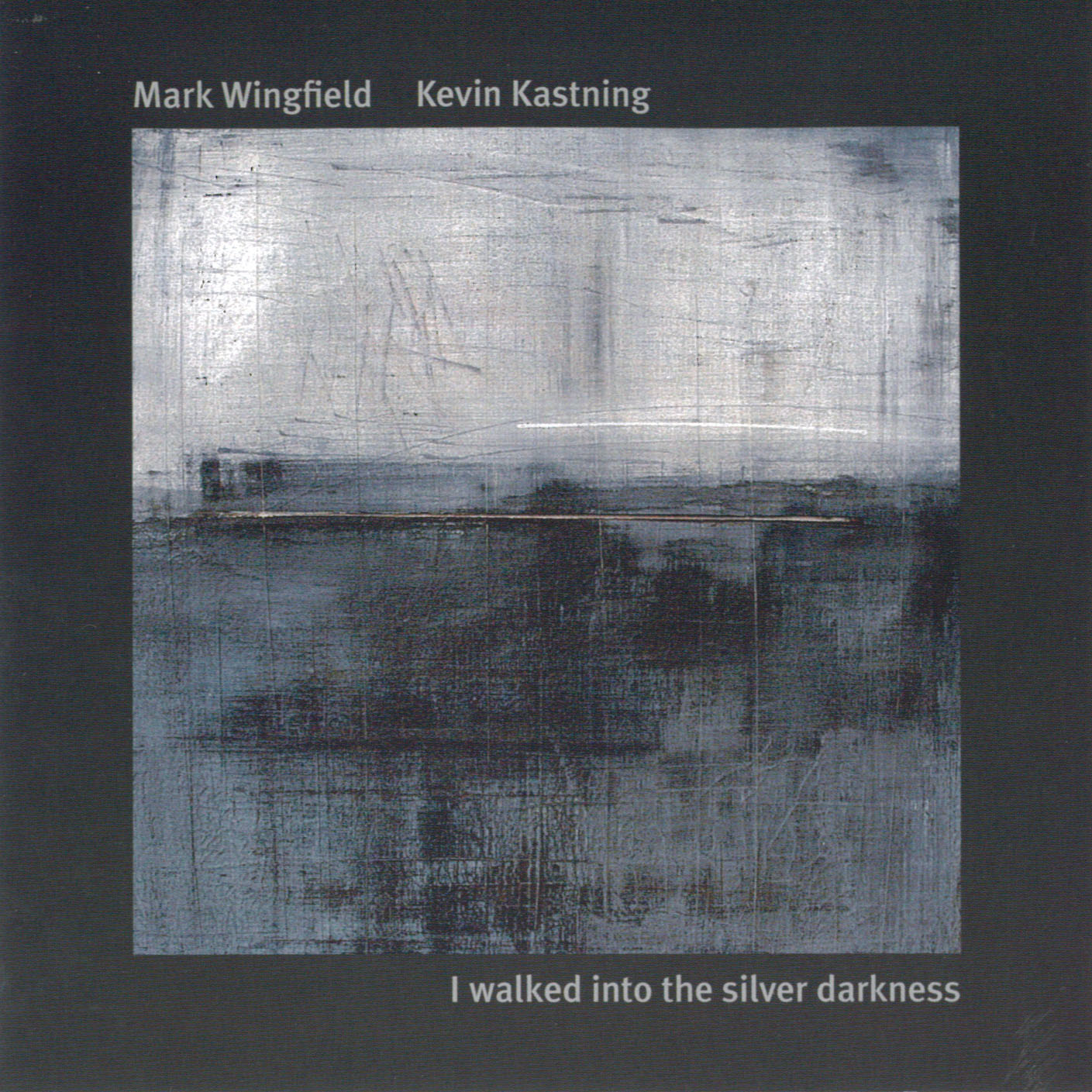
This is a collection of original pieces for guitars. I found myself amazed at the range of guitar voices produced. A very extended palette of sound is due to the odd variety of guitars being played. There are conventional 6-string guitars but also we hear a 14-string contraguitar, 12-string extended baritone guitar, heavily processed electric guitars and even fretless guitar. The sounds had me searching through the liner notes wondering what I was hearing. Wingfield and Kastning are surely pushing the envelope with this disc. According to the liner notes, an “open mind” is required to appreciate these compositions, which are all improvised in the recording studio by two extremely gifted guitarists who had not played together until the time of this recording.

Sonically, the recording is reminiscent of an ecm release, a mix of acoustic and electric sounds with a generous amount of spatial enhancement surrounding the sound. Its multi-tracked, or layered construction, is assembled in an interesting fashion, with some sounds very forward while some are quite distant. It isn't very natural sounding in that the reverberation times differ drastically, with very dry acoustic guitars often surrounded by heavily treated reverberant electric tones.

As a guitarist, I am forever amazed at the compositional aspect of the instrument. I learned how to play with a very tattered Pete Seeger method book about 40 years ago and learned the early American styles of flat-picking and finger picking, using a handful of basic chords, and have had a lifetime of pleasure working in that idiom. For most of what I play, I really only need a guitar that has the first five or so frets. When I hear “modern” guitarists who are pioneering sounds and musical textures, I am in awe of how they can express themselves by travelling through every region of the instrument, often with what seems like effortless abandon. This collection of original instrumental pieces will impress all guitarists, no doubt.


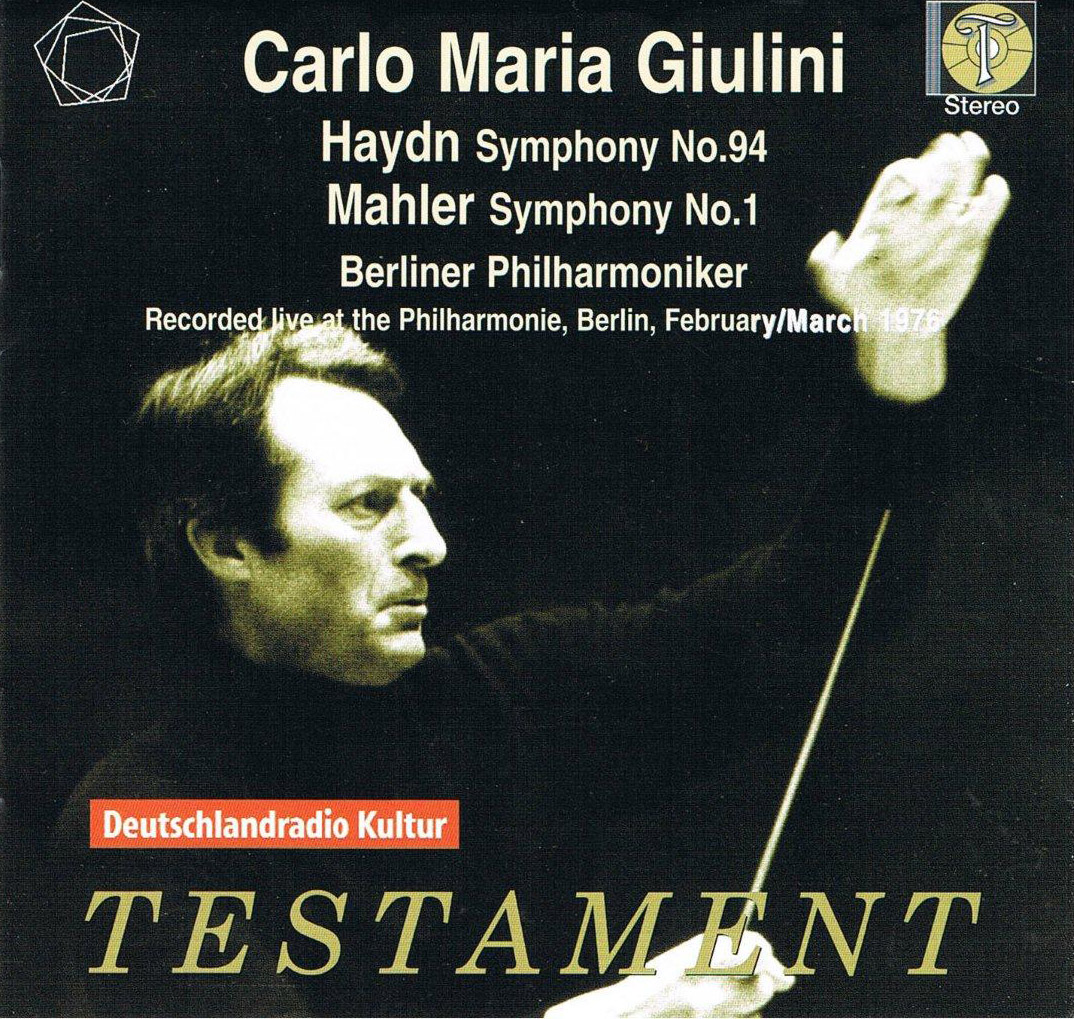
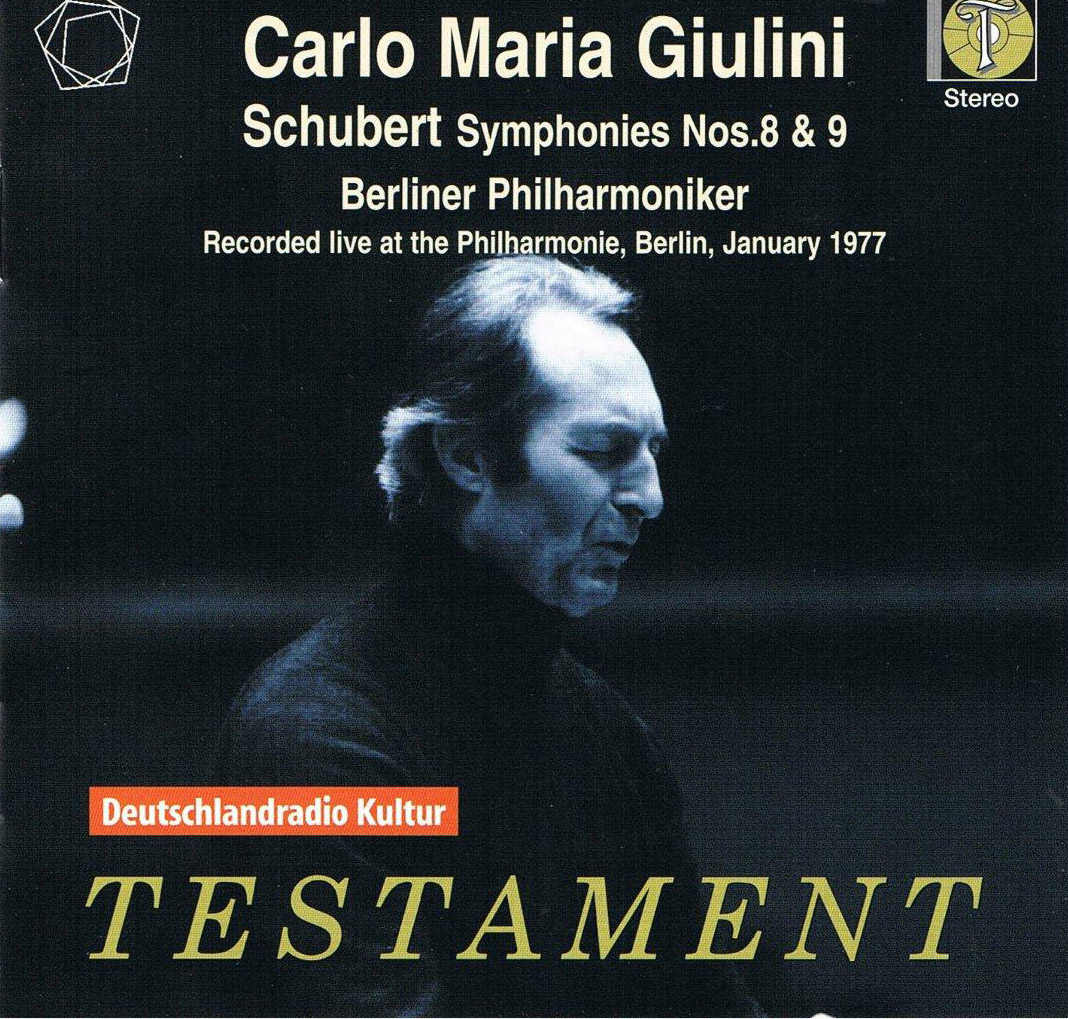
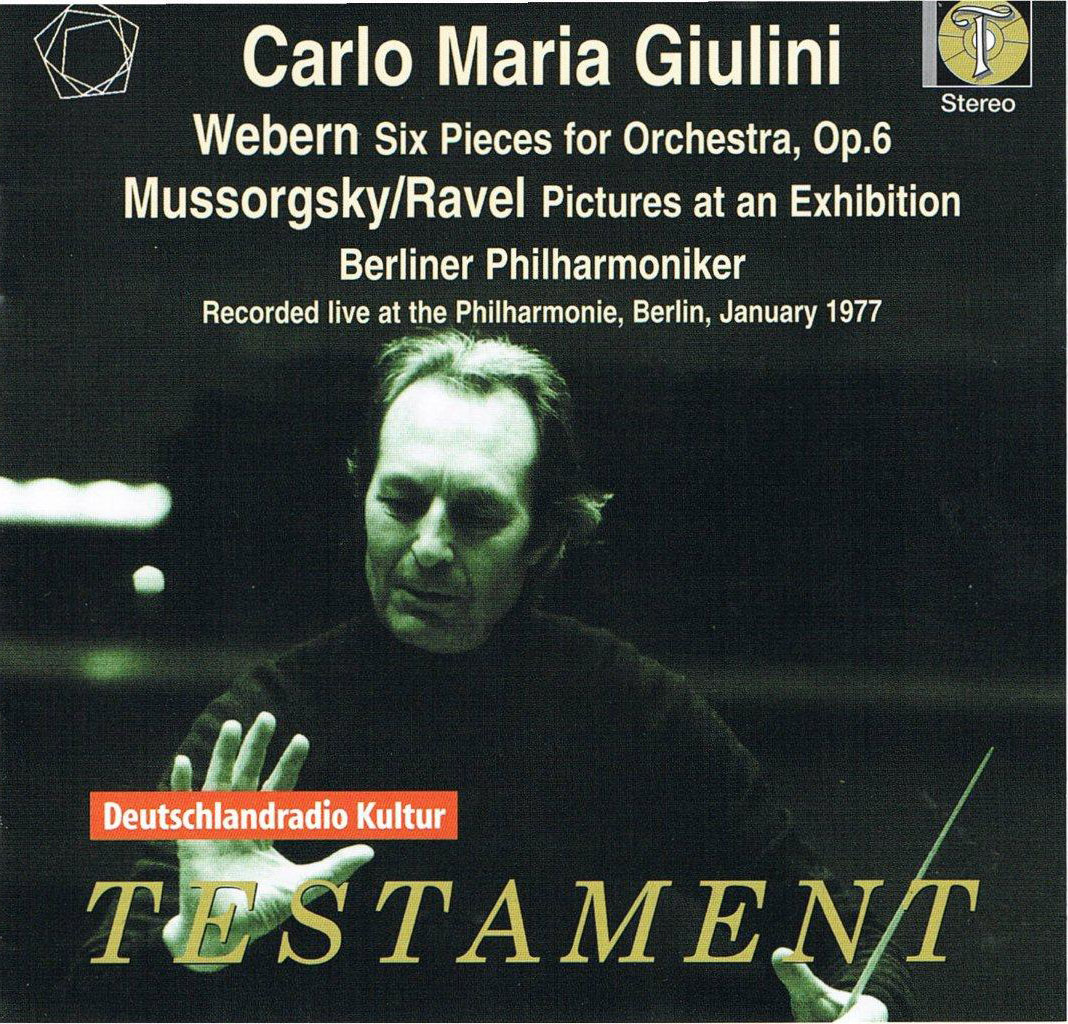
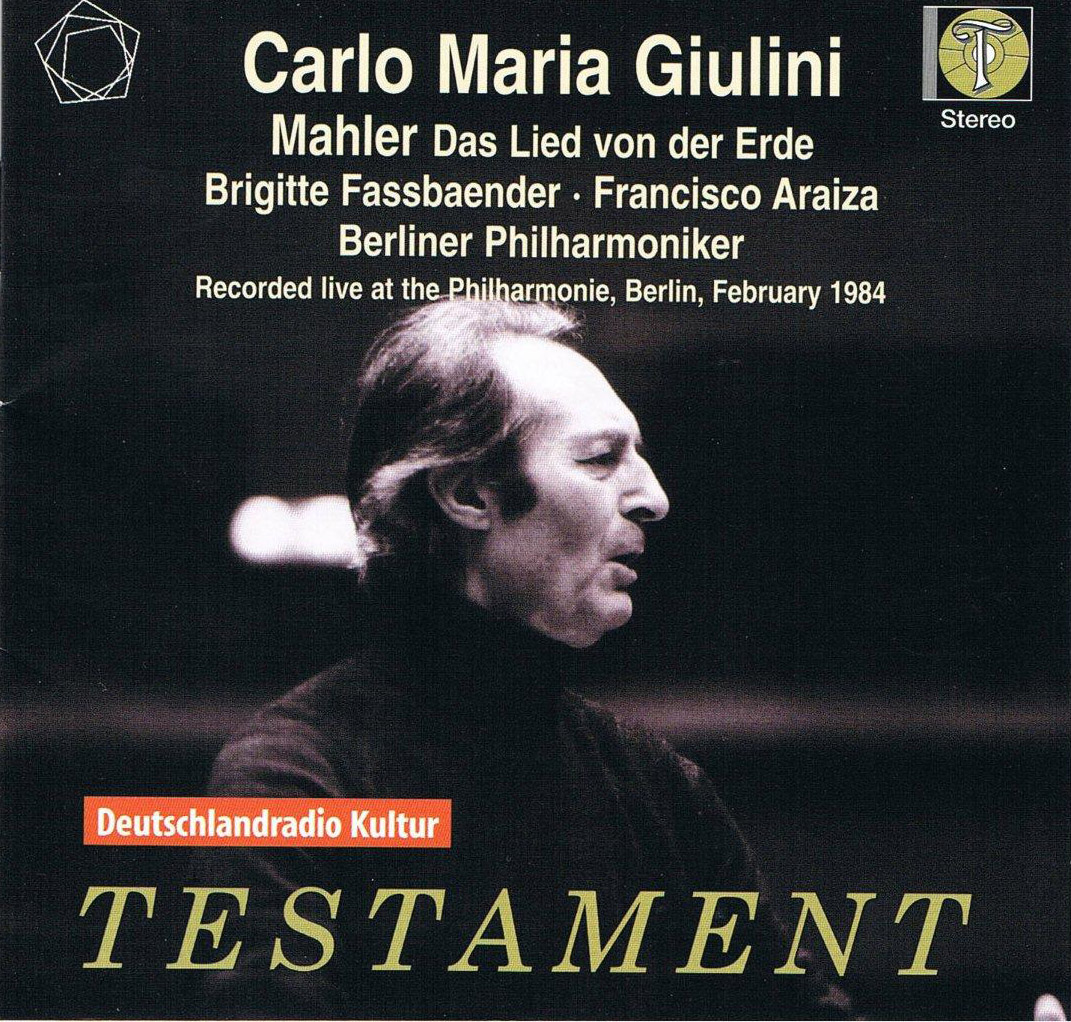
01a_haydn_mahler01b_schubert01c_pictures01d_das_liedTESTAMENT is the prestigious British company that licenses recordings of significant performances that are held in the archives of EMI, Decca, RCA, the BBC and other radio archives. Testament released their first disc in 1990, restoring to circulation two esteemed performances of Brahms: the Horn Trio in E flat op.40 with Aubrey Brain, Adolph Busch, and Rudolph Serkin recorded in 1933 and the Clarinet Quintet with Reginald Kell and the Busch Quartet from 1937 (SBT 1001). 21 years later, Testament, essentially artist-based, continues to liberate valuable performances from record company archives and issue them, many for the first time. Their very few DVDs include the legendary videos of Toscanini and the NBC Symphony transmitted livebetween March 20, 1948 and March 22, 1952. These black and white kinescopes from studio 8H and Carnegie Hall were once available on RCA laser discs and are now licensed to Testament (SBDVD 1003-1007, 5 DVDs available separately). They also offer many vinyl re-issues from the EMI’s LP catalogue in superior new pressings. Their recent releases include five CDs of Carlo Maria Giulini conducting the Berlin Philharmonic in live concerts from the Philharmonie, as recorded by Deutschlandradio Kultur. Giulini was Music Director and conductor of the Los Angeles Philharmonic from 1976 to 1982 and these Berlin performances from that era find Giulini still at the top of his interpretative and conducting abilities. During these years while the Berlin Philharmonic Orchestra was still von Karajan’s, the interpretations are Giulini’s. As these are live performances they let us “attend” these joyful events in which it is clear that the conductor’s conceptions, from very subtle shadings and nuances to expansive climaxes, are delivered with a sureness of playing and ensemble that is a tribute to everyone involved. It’s such a refreshing pleasure to hear performances of this calibre. The sound is nothing short of astounding being crystal-clear, more dynamic than the sound from a broadcast, plus realistic front to back perspective. The first of the four releases is a 2CD set of the Haydn Surprise Symphony coupled, as it was in the concert in February 1976, with an radiant, extroverted reading of the Mahler First (SBT2 1462, 2 CDs specially priced). A must have. The Schubert Eighth and Ninth from February 1977 (SBT1463) are followed by a brilliant concert from January 1977 in which Pictures at an Exhibition is preceded by Webern’s Six Pieces for Orchestra, opus 6 (SBT1464). From February 1984 Giulini conducts Das Lied von der Erde with Brigitte Fassbaender and Francisco Araiza (SBT1465). Conductor and soloists seem to have been on tour with this work and, in fact, recorded it with the BPO for DG... however every performance is unique and this one has its felicities.


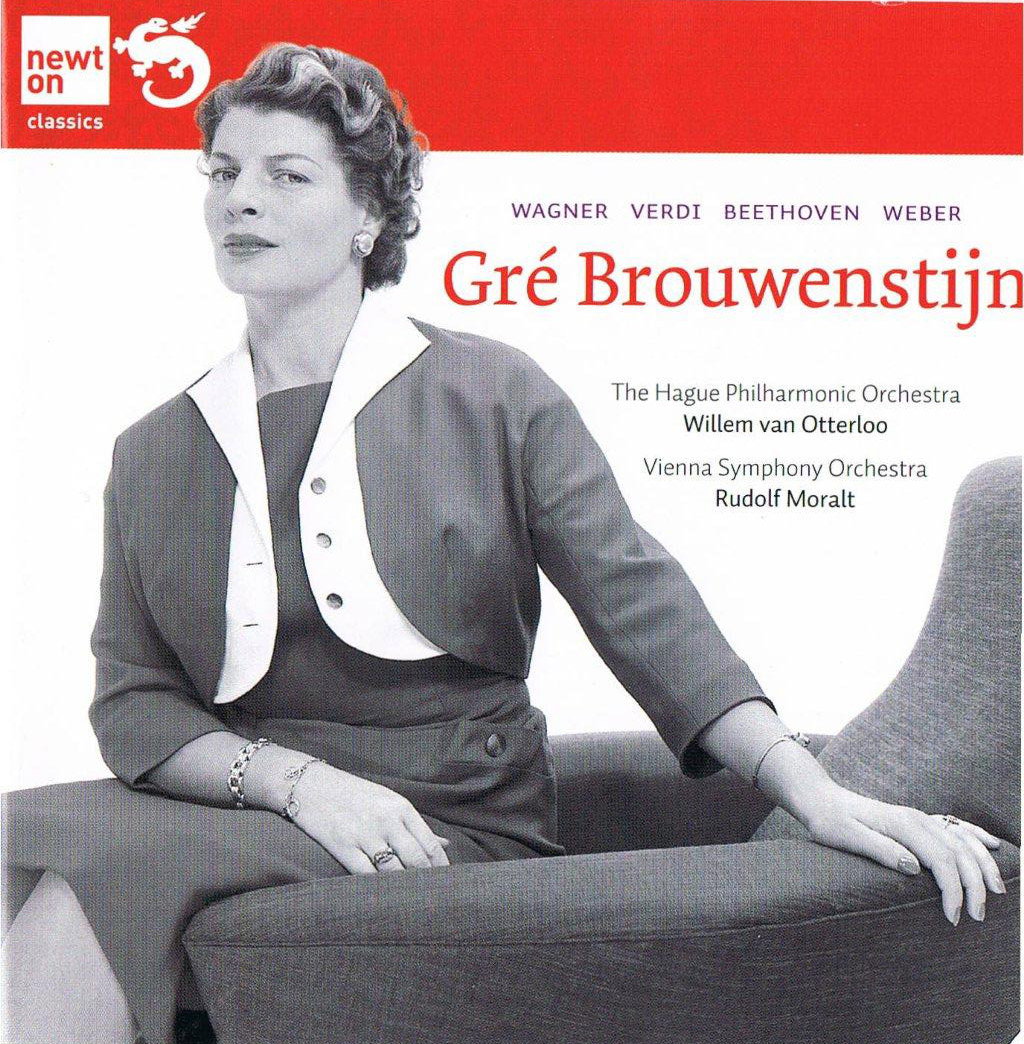
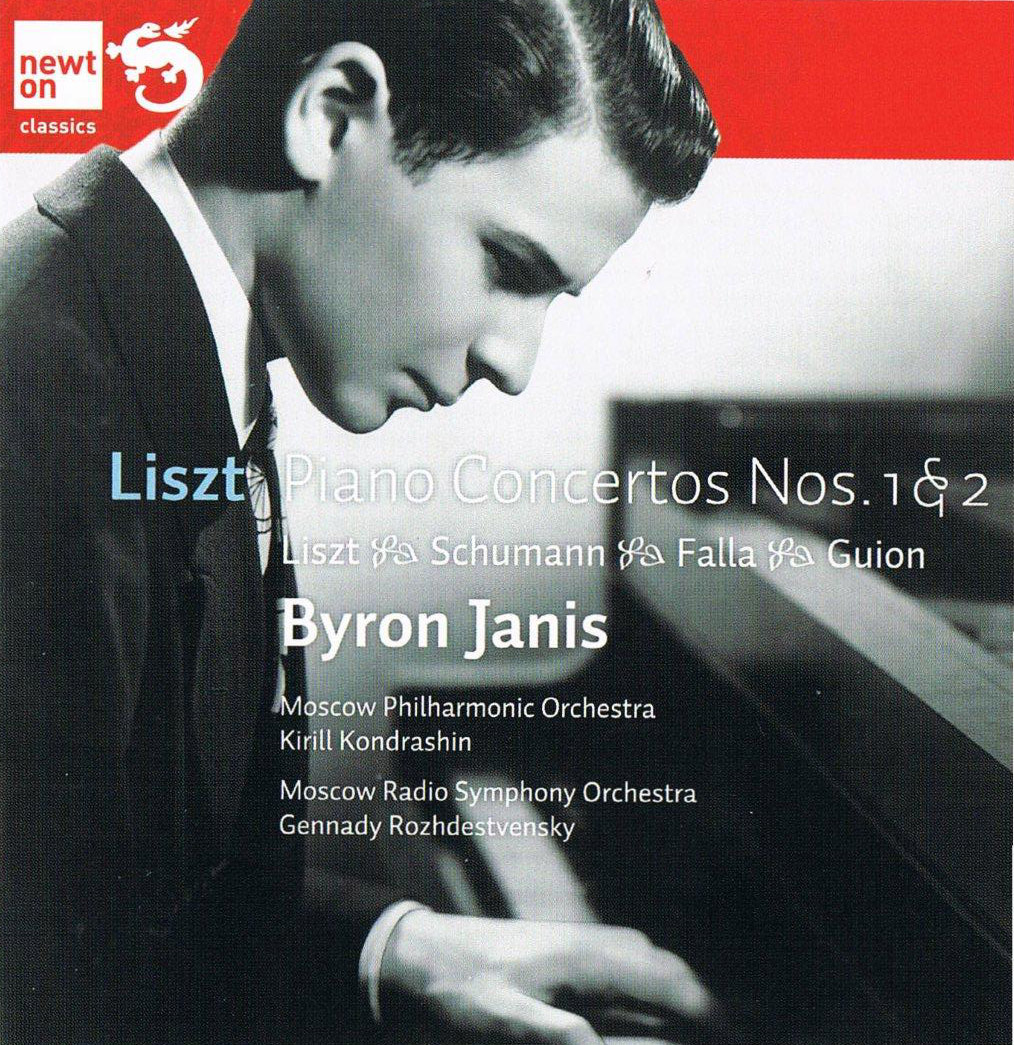
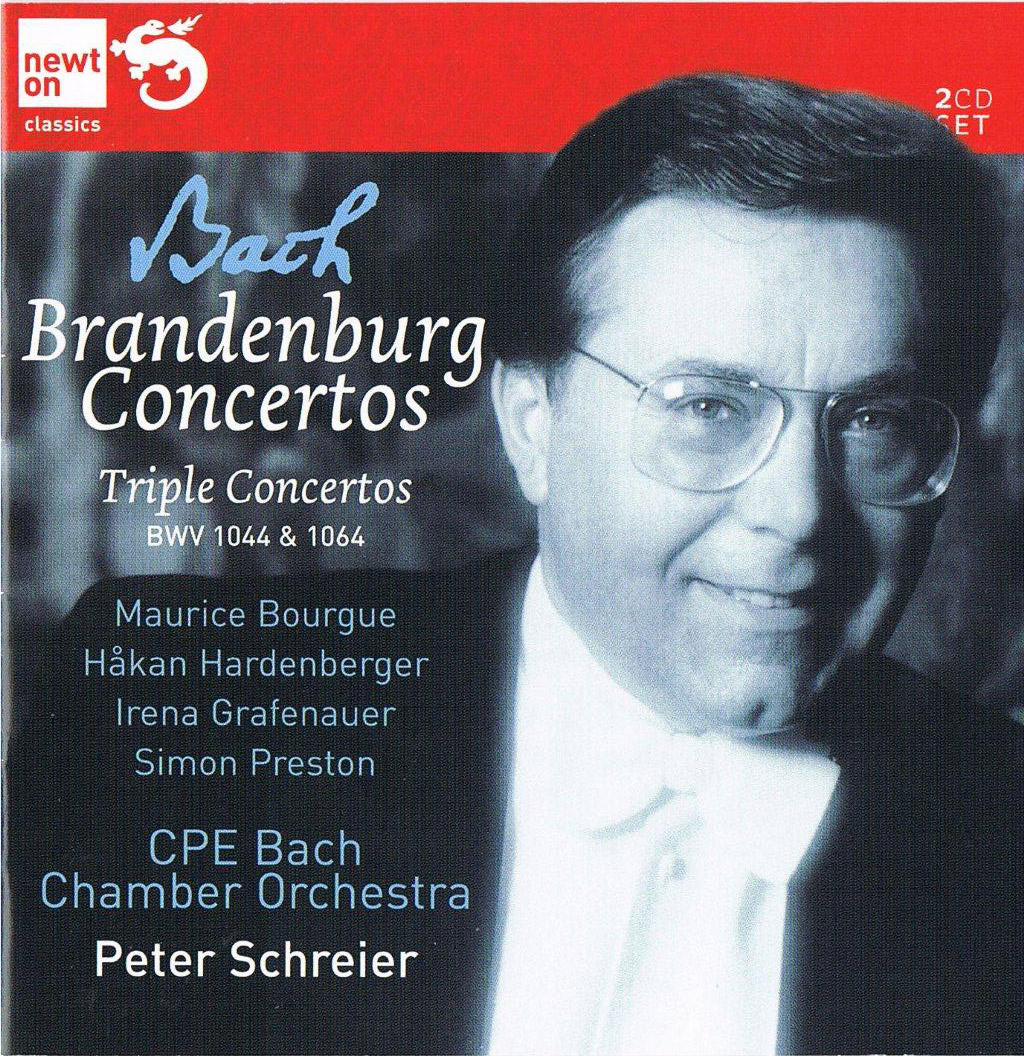
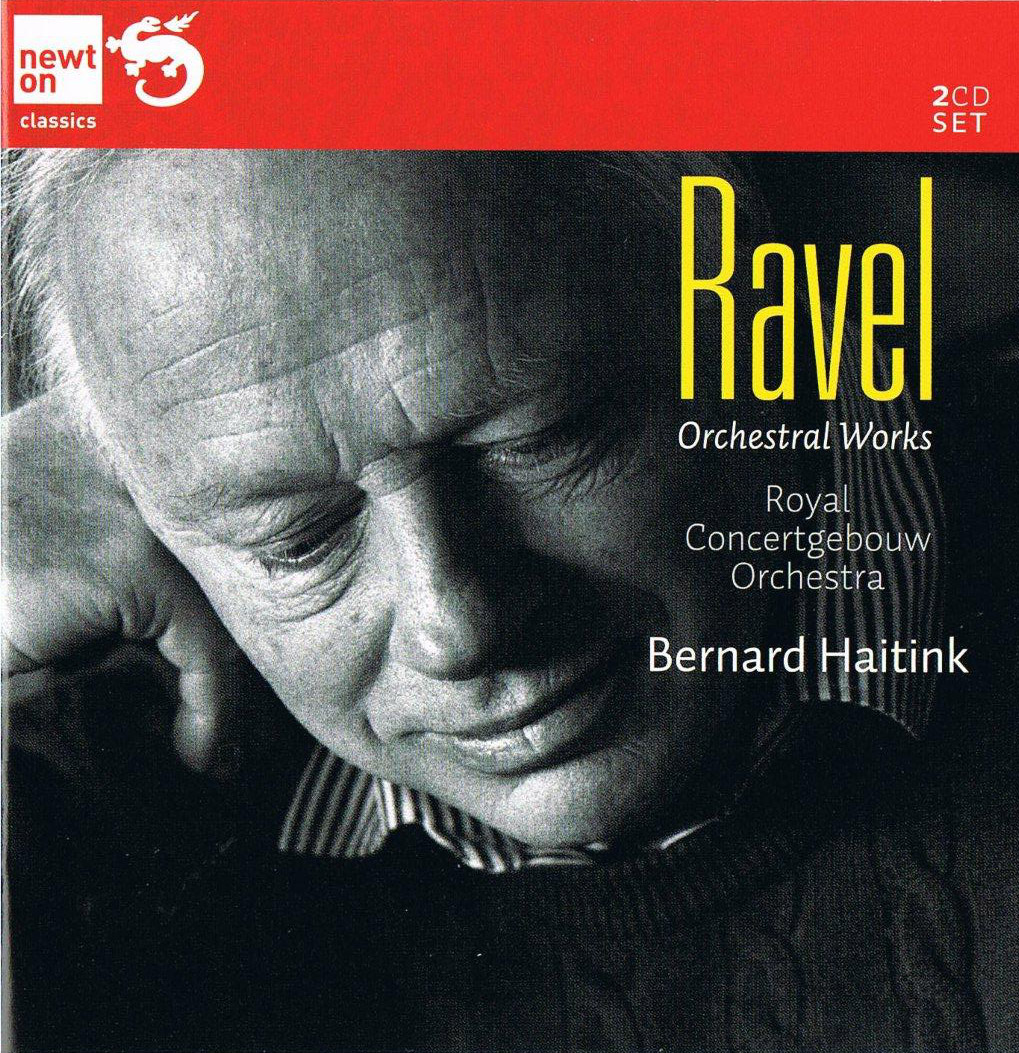
02a_brouwenstijn02b_Janis02c_Schreier02d_ravelNEWTON Classics is a recent arrival on the reissue scene. Since their start-up in 2009 their CD releases have been judiciously selected primarily from the Philips archives. The Dutch lyric-dramatic soprano Gré Brouwenstijn has been a long time favourite, as heard in so many complete operas from Beethoven to Wagner. Eminently recommendable is her eponymous CD of arias by Wagner, Verdi, Weber and Beethoven containing recordings from 1952 and 1956 conducted by Willem van Otterloo and Rudolf Moralt (Newton 8802061). Byron Janis’s steel-fingered performances of the two Liszt concertos recorded in Moscow in 1962 by Mercury for their Living Presence series have lost none of their impact. Seven solo pieces by Schumann, Falla, Liszt and Guion complete this audiophile favourite (8802061). Peter Schreier is not only a notable tenor of opera and lieder fame, he is also a conductor of note. The 1992 recordings of the Brandenburgs by the Kammerorchester Carl Philip Emanuel Bach are conducted with refreshing panache matched by a sparkling recording. Add two triple concertos, BWV1044 & 1064 and the package is hard to resist (8802075). Saving the best ‘till last, the incomparable Ravel/Haitink/Concertgebouw 2CD set, once available on a Philips DUO, makes a most welcome return (8802068, 2CDs). All the Ravel showpieces are here; Bolero, La Valse, Rapsodie Espagnole, Le Tombeau de Couperin, Valses nobles et sentimentales, Ma Mère l’Oye, Menuet Antique, Daphnis et Chloé Suite no.2, and, of course, Alborada del Gracioso and Pavane pour une infant dèfunte. These are all vital, beautifully shaded performances captured in outstanding sound. The Bolero enjoys a rousing performance unequalled in its IMPACT... this would have provided a total workout for Ida Rubinstein, the ballerina for whom the piece was written. Welcome back to this premier collection.

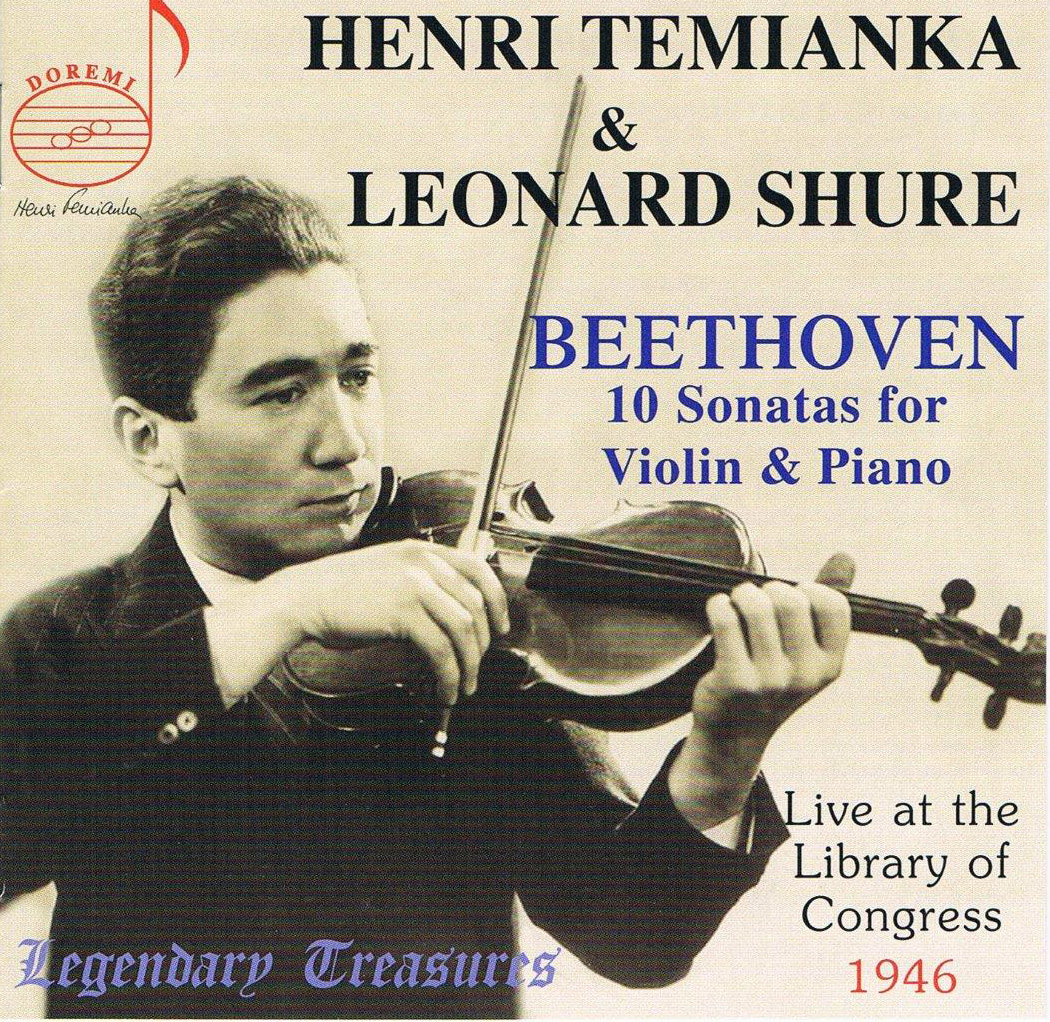
03_temiankaDOREMI, another artist-driven label, has meticulously restored historic recordings for 17 years. Their catalogue embraces performances of works of every size and genre from every period, from early music to a lone South American 20th century guitarist. DOREMI is well known for performances by famous and not-so-famous violinists and pianists. Of course, in this as in any other business, the consumer rules, necessitating recordings by artists for which there is a waiting, world-wide market while at the same time rediscovering and resurrecting major talents that are all but forgotten today, even by some collectors. Their recent set of the Beethoven 10 Violin Sonatas is a notable, if not colossal contribution in this direction (DHR-8011-3, 3 CDs). The performances on this set reconfirm that violinist Henri Temianka and pianist Leonard Shure were among the very finest musicians of the 20th century. Temianka was clearly in the league of Heifetz and Milstein and Shure was similarly among the great talents, Arrau and Serkin. Oddly enough, though both Temianka and Shure had flourishing solo careers, their recording legacies are regrettably few in number. As a young man Temianka achieved international fame when he won the Third Prize in the 1935 Wieniawski Violin Competition in Warsaw; the second went to David Oistrakh, the first to Ginette Neveu. Later he played Prokofiev accompanied by the composer. He was active in England in the 1930s and made recordings for Parlophone. In 1946 Temianka founded the Paganini Quartet, in which each of its members played a Strad that had once been owned by Paganini. The Quartet was well known for many years in the mid-century and was the house quartet of RCA Victor. Just before that he had been invited by Elizabeth Sprague Coolidge to perform the complete Beethoven Violin Sonatas with Leonard Shure in the Elizabeth Coolidge Auditorium in the Library of Congress ... and here are those performances from January and February 1946, originally preserved on acetates and now on CD. Driven by a labour of love, it took Jacob Harnoy months of meticulous restoration to transfer the product of that old technology, which while inherently subject to surface noise, clicks and skips, did maintain the luminosity and beauty of Temianka’s playing. His violin sings and his intonation and technique are impeccable. The revelation of hidden beauties is a joy. Broadly speaking, the outer movements are taken at energetic brisk tempos while the slow movements are expressive in a way that penetrates the soul. If you have more than a passing interest in this repertoire, you owe it to yourself to hear these exceptional performances.


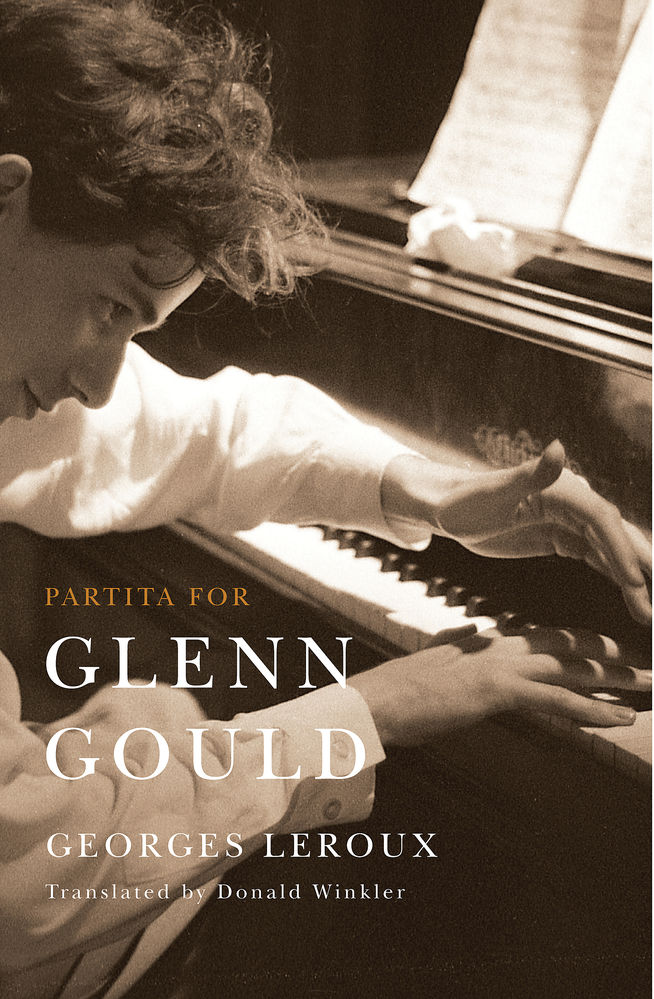
58_bookshelf_1Partita for Glenn Gould:
An Inquiry into the Nature of Genius
by Georges Leroux
McGill-Queens University Press
256 pages; $34.95

it’s almost thirty years since Glenn Gould died, yet there’s no let-up in the number of books written about him. This study by Georges Leroux, a philosopher who taught at the Université du Québec à Montréal, is one of the best. In what he calls a personal meditation, Leroux throws light on aspects of both Gould’s art and his life. Ultimately he shows how inseparable they were, since right from an early age, Gould devoted his whole life unreservedly to his art.

For all the extraordinary piano recordings, radio and television documentaries and writings Gould left us, he remains famous for giving up live concerts early in his career. Leroux argues that Gould was not abandoning anything, least of all his audience. Gould was searching for disembodied musical perfection, which he couldn’t achieve with live concerts, to share with audiences. This means that his pioneering radio documentaries, like the Idea of the North trilogy, which Leroux rightly calls an ‘unequalled masterpiece’, deserve the same consideration as his piano recordings like the second Goldberg Variations.

Gould’s humming, which can be clearly heard on many of his recordings, would drive recording engineers, critics, conductors, and listeners crazy. But Leroux offers another side, asking, “What is this unsettling song if not a message, a compassionate signal designed to draw in to him those who might risk feeling excluded?” For Leroux, it represents Gould wanting “everyone, through him, to draw near to what is sublime in the work.”

By providing philosophical underpinnings for Gould’s artistic dilemmas, Leroux is able to offer an appreciation of Thomas Bernhard’s, provocative, revealing and often misunderstood novel about Gould, The Loser. Bernhard altered the facts of Gould’s life in significant ways, but he captured what made him an inspiring, visionary genius.

This book is not an introduction to Glenn Gould. Leroux assumes at the least a familiarity with Gould’s playing. Nor is it a biography, though he does discuss events in Gould’s life like his love affair with Cornelia Foss.

Gould’s famous description of art as a “state of wonder and serenity” resonates strongly with Leroux, and shapes his view of Gould’s work. But when Leroux looks at the extraordinary diaries Gould kept from 1977 to 1978 — in one of the most fascinating sections of this book — he sees Gould engulfed by anxiety. Surprisingly, these diaries documenting Gould’s crisis have never been published in their original English, only in a French translation.

Leroux is well-served by his translator, Donald Winkler, who presents the original French text in elegant and lucid English. The English version of the full title, however, is misleading. The original subtitle, Musique et forme de vie, neatly sums up Leroux’s purpose, which he has fulfilled brilliantly, “to study the shape of a life as it is reflected in acts and words, to view it in the context of music as an art, and to take the measure of its generosity.” But An Inquiry into the Nature of Genius describes a different concern, and it’s not Leroux’s here. The absence of footnotes for Leroux’s many references is regrettable — to be unable to track down quotations not just from Gould but from everyone Leroux mentions, from Wittgenstein to Robert Fulford, is frustrating. There is, fortunately, a useful bibliography and detailed index.

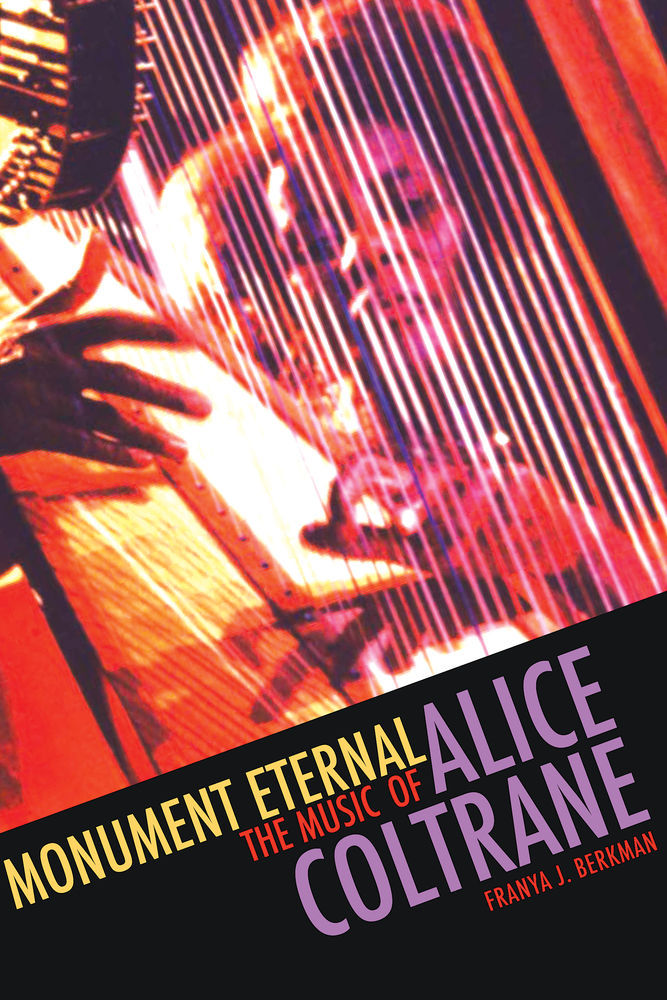
58_bookshelf_2Monument Eternal:
The Music of Alice Coltrane
by Franya J. Berkman
Wesleyan University Press
148 pages, photos, score excerpts;
$27.95 paper

in 1965, McCoy Tyner left John Coltrane’s legendary quartet, so Coltrane asked his wife, Alice Coltrane, to take over as pianist. AliceAwas an equally virtuosic, but more meditative player. John Coltrane died two years later, but the grumblings that she had ridden her husband’s coat-tails to success never stopped.

In this first study of Alice Coltrane’s music, musicologist Franya Berkman leadsAlice Coltrane out from under the shadow of her husband and treats her as a musician in her own right. When she met John Coltrane she was already an accomplished pianist and organist with her own distinctive sound. Berkman documents her early work as a church organist, gospel player, and jazz musician, and her studies with her mentor, Bud Powell, in Paris. She only had five years with John Coltrane before his early death, but she shared fully in his final explorations, not just musical but spiritual as well.

After John Coltrane’s death, Alice Coltrane pursued her own path altogether. When she became the spiritual leader of an Ashram in Southern California, she even forged a new identity. She changed her name to Swamini Turiyasangitananda, and concentrated on writing ecstatic hymns influenced by Hindu and other eastern rhythms and harmonies. In bringing attention to the depth and beauty of her later devotional music, Berkman is able to show that even here Alice Coltrane never strayed far from her roots in gospel, blues, be-bop, and the classical music she studied when young.

Berkman’s study is considerably enriched by the series of interviews she did with Coltrane before her death in 2007. Berkman paints a compelling portrait of an extraordinary woman. Fortunately Coltrane made many recordings — over twenty-five jazz albums alone — providing plenty of material for Berkman’s thoughtful musical analyses.

Alice Coltrane stopped recording and performing in public in 1979. Then, after twenty-five years away from jazz, she gave a concert with her sons Ravi and Oran Coltrane on saxophones. It was a triumphant return, but the recording which resulted, Translinear Light, turned out to be her final album. Berkman has produced a fascinating and important study, showing that it’s Coltrane’s years away from the jazz scene, rather than any musical shortcomings, that have lead to her being so frequently overlooked. In fact, it’s because Berkman offers such a powerful defence of Coltrane’s oeuvre, including the liturgical music of her last years, that I would have welcomed more attention to what Translinear Light accomplished, and where it pointed.

Ravi Coltrane performs in Koerner Hall at the Royal Conservatory of Music on Saturday February 4, 2012 at 8.00.

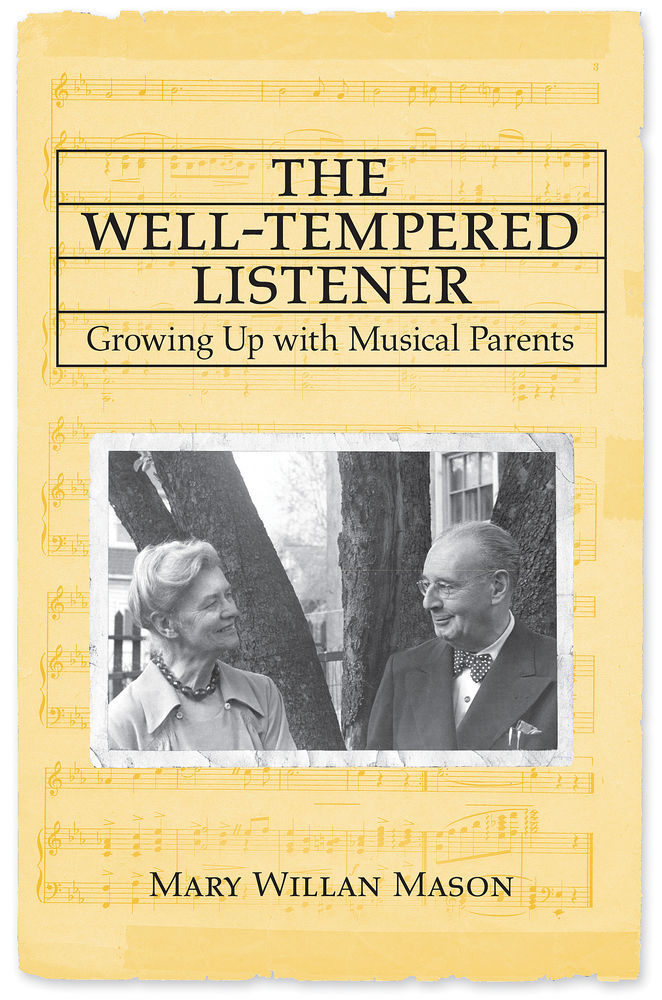
bookshelf_masonThe Well-Tempered Listener:
Growing up with Musical Parents
by Mary Willan Mason
Words Indeed
230 pages, photos; $24.95

Because so much of Healey Willan’s work was devoted to the church — as a composer of sacred music, organist, and choir director — he was often regarded as a serious, devout and rather gruff character. But in her delightful memoir, his daughter Mary Willan Mason gives us another side to this complex, brilliant man, describing just how mischievous, witty and irreverently funny he could be. She still recalls a benefit concert at the Toronto (now Royal) Conservatory of Music, where he taught for many years.
“My father walked on stage wearing a frilly yellow frock with my hair ribbon up on top of his head. I couldn’t believe my eyes. He sat down at the piano pretending to be a very fidgety little girl doing her recital piece,” and performed “The World is Waiting for the Bunrise.” It was a dig at his colleague, Ernest Seitz, who, she later learned, had failed to acknowledge Willan’s help in writing his popular song The World is Waiting for the Sunrise.

Music was the main topic of conversation between Mason’s parents at home. Yet her mother, whose considerable musical accomplishments Mason describes with pride, had given up a promising career as a concert pianist in their native England because Willan would not allow his wife to work. “Although they had played together in public before their marriage,” she writes, “Dad showed his Victorian upbringing by not wanting Mother to perform in public after their marriage.” Willan’s biographer and former student F.R.C. Clarke quotes a family friend who described Gladys Willan as “long suffering.” Mason doesn’t go that far. But she does remark on their strained relationship, and reveals the hurt caused by a husband and father who, though undoubtedly gentle, respectful and loving, was remote and demanding.

Some of the many pleasures here are provided by Mason’s childhood memories of Toronto in the 1920s and 30s, when a water trough for horses sat outside the Royal Ontario Museum, and the Willan home on Inglewood Drive was surrounded by fields. One day she watched as the wooden Sunday school building originally from Christ Church, Deer Park was pulled by horses across the wooden planks of the St. Clair Avenue bridge to Glenrose Avenue, where it became the studio of family friends, sculptors Francis Loring and Florence Wyle.

Mason, a journalist and actor now in her nineties, is an astute observer with a remarkable memory. She is able to offer insights into Willan that no-one else could. Most memorable is the scene the evening after her mother’s unexpected death, when Willan sat down at his piano. “He must have played non-stop for at least half an hour. It was music that I had never heard before, and it was transcendentally lovely, ethereal. I asked him what it was, and he said, very quietly, ‘I was just thinking of your mother’.”

Expert editing, the author’s personal photos, and a detailed index help make this a memoir to treasure.

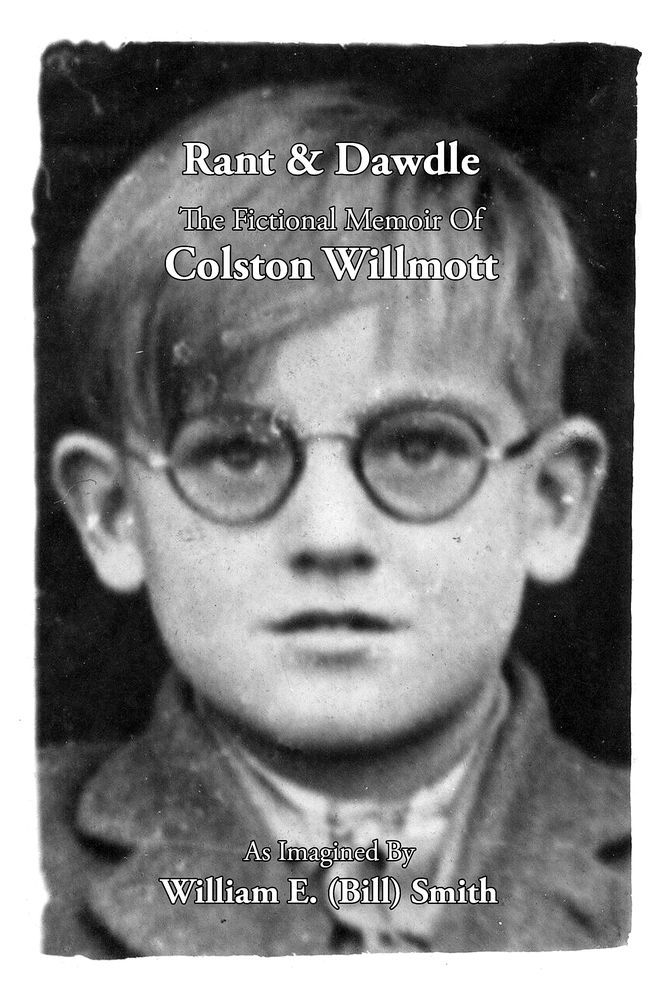
bookshelf_rant___dawdle_coverRant & Dawdle:
The Fictional Memoir of Colston Willmott
As Imagined By William E. (Bill) Smith
Charivari Press
482 pages, photos; $28.95

There’s nothing straightforward about Bill Smith’s life and career, and his rambling, chaotic memoir is no different. It’s not just that it jumps all over, provoking even the author at one point to comment, “You may be wondering where all this is leading, as indeed I am.” For reasons Smith never actually explains, he presents this memoir as a work of fiction, telling the life-story of an imaginary character, Colston Willmott.

The life recorded here has been spent in extremes, driven by an obsession with jazz, and fuelled by an irrepressible imagination. But whose life is it? If it actually differs from Smith’s — and we suspect it doesn’t — we don’t find out here.

But as merely the author, and not the subject, of this “fictional memoir,” Smith gets to assume the voice of a third-person narrator. The text alternates between his narrative and that of his fictional doppelganger. It’s a clever device. Smith can call Willmott a “grumpy, doddering, old sod,” and Willmott can indulge his feelings of self-pity about everything from his declining health to the loneliness that possesses him.

As he moves into his seventies, Willmott takes pleasure in his considerable professional achievements, the books he reads so voraciously, the musicians he still listens to on disc, like Art Blakey, Miles Davis, Thelonius Monk, Sonny Rollins, Anthony Braxton and Albert Ayler, his enduring and rewarding relationship with the woman he calls Essjay, and his abiding love for his two daughters, here referred to as Bones and Giggles.

It’s been over twenty years since Smith retreated from Toronto to Hornby Island. But he remains an essential presence on the Canadian jazz scene as a musician, photographer, record producer, radio host, editor, film producer and writer. This book provides a neat counterpart to Smith’s previous book, Imagine the Sound, which documented his life in jazz with poetry, photos and reminiscences of family, friends, and the extraordinary musicians Smith has played with, photographed, interviewed and recorded. They’re all here — in spirit, if not name. And so is his “old mate and business partner,” fellow Brit John Norris (here called Welman), the founder of Coda Magazine. Together they produced Coda, started Sackville Records and ran the Jazz and Blues Record Centre. Smith was the avant-gardist of the team; Norris, who died in 2010, the traditionalist.

This is such a hilarious, poignant, and thoroughly captivating tale that typos, repetitions and misspellings seem not to matter. The assortment of fonts used may be confusing, and it’s frustrating not to have the photos (many by Smith himself) identified. But better to preserve the rough edges than risk toning down and smoothing out the singularly authentic voice so brilliantly captured here.

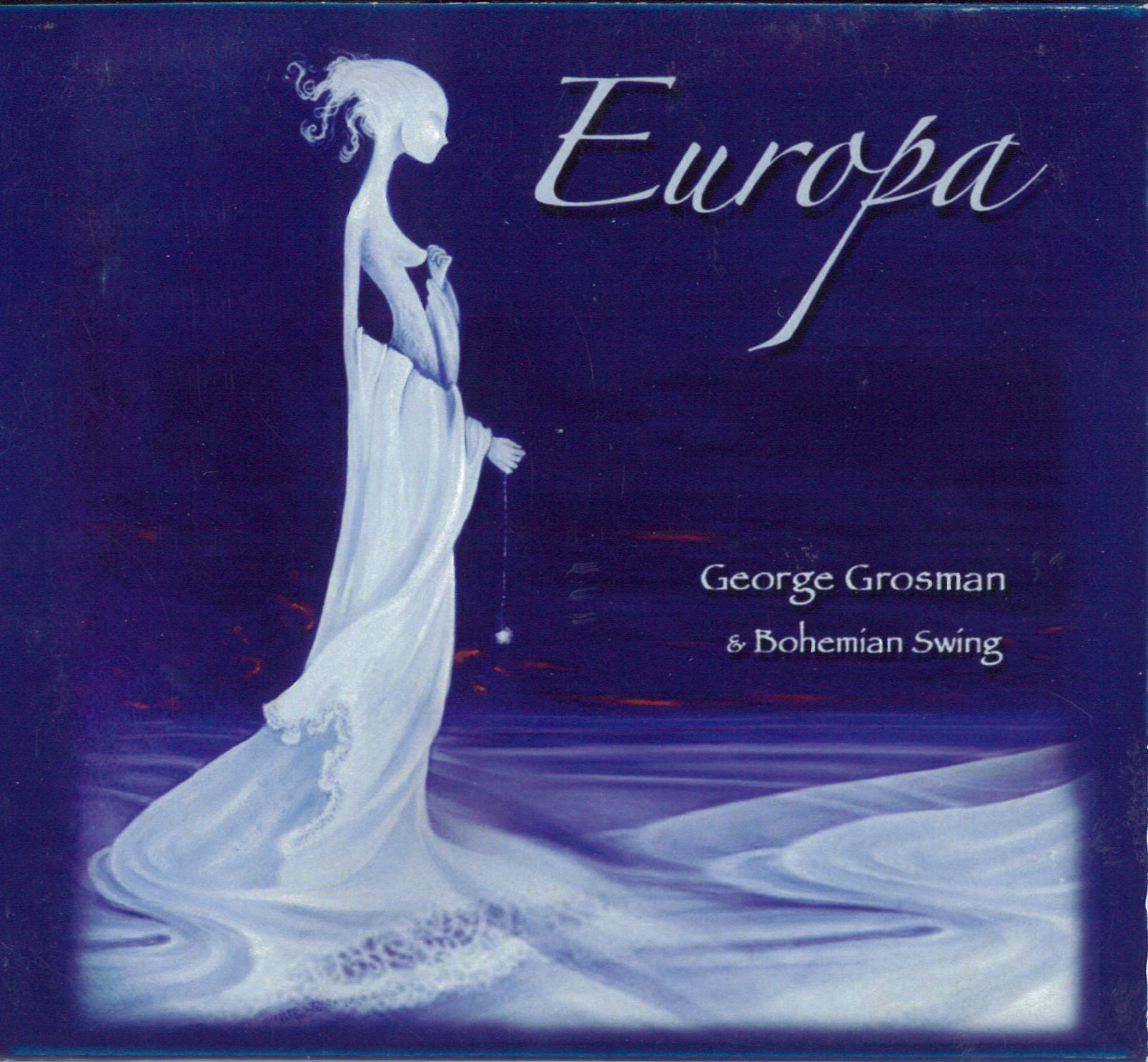
01_europaAt time of writing I am about to officially enter summer mode, which for me means less cello playing and fewer classical pursuits, and more time spent with my folk instruments - guitars, mandolins and accordion. I am pleased to have found several new releases which fit this summer sensibility. The first is Europa, which features local guitarist/vocalist/songwriter George Grosman and his band Bohemian Swing (www.georgegrosman.com). The disc takes us on a whirlwind tour of European capitals with original songs such as Budapest Café, Sarajevo Waltz, The Thief of Bucharest, London in November and Cole Porter’s I Love Paris. Accompanying Grosman on this adventure of love, loss and remembrance are violinist Jonathan Marks, trumpeter Ian MacGillivray, accordionist Fabrice Sicco, upright bassist Abbey Leon Sholzberg and a host of guest artists. Despite occasional moments of naïveté and political incorrectness the project is a clever and compelling portrait, presenting stories almost as film vignettes, giving us both the lighter and darker sides of some of the great cities of the world. You can catch Grosman and Bohemian Swing in a live performance at The Rex on July 10 at 3:30.

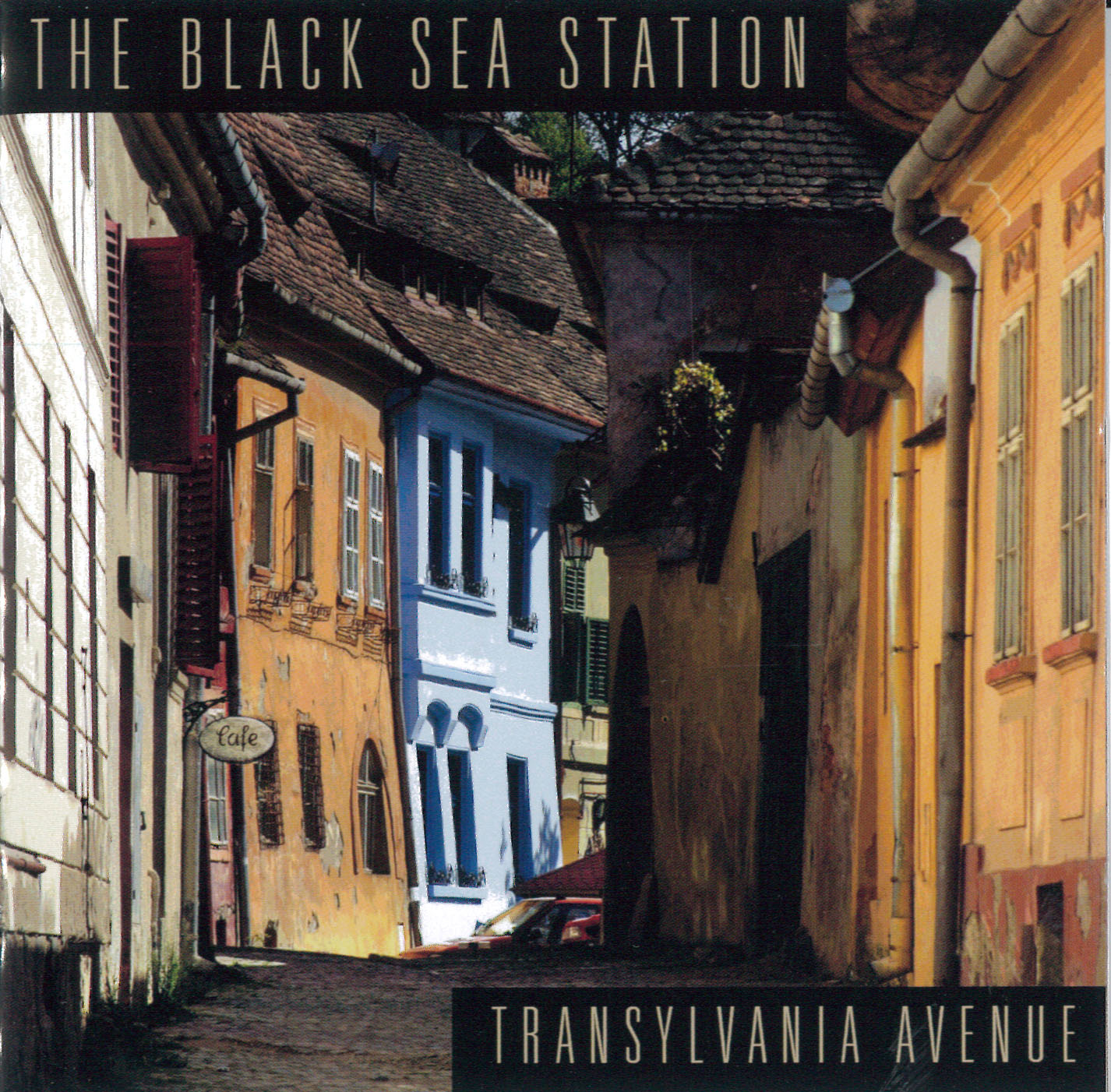
02_transyvania_avenueA little further afield is the primarily instrumental ensemble The Black Sea Station, which grew out of the North End Klezmer Project in Winnipeg. Founding members Myron Schultz (clarinet), Victor Schultz (violin) and Daniel Koulack (acoustic bass), all alumni of the seminal klezmer band Finjan, are joined here by Toronto-born renaissance man Ben Mink (violin, mandolin, mandocello) and Moldovan accordionist Nicolai Prisacar on the rollicking Transylvania Avenue (www.blackseastation.com). The self-described “combination of original compositions influenced by traditional styles and traditional songs set with contemporary arrangements” very effectively conveys the band’s respect of tradition while placing them firmly in the 21st century. Highlights for me include the food oriented My Dinner at Schwartz’s and At the Café Sambor and three Romanian melodies combined to make Nine-Eight, the concluding Trance Sylvanian Waltz (with Sabarelu) and March of the Shikker with guest vocals (well, mutterings really) by Geddy Lee. Although the band’s only summer concert date was in June at the Winnipeg Jazz Festival, I’m hoping they will tour again soon – perhaps a return visit to next year’s Ashkenaz Festival?

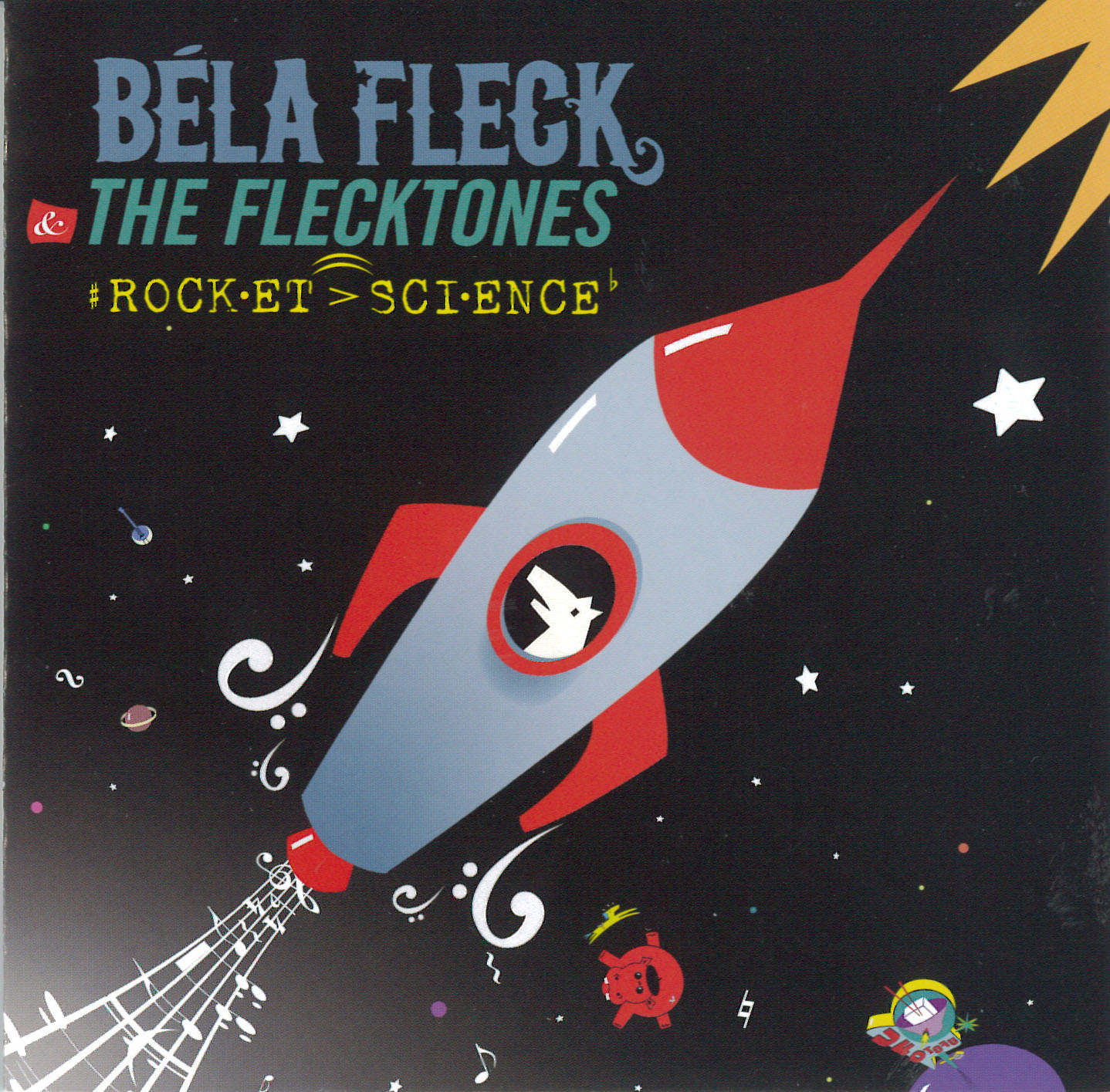
03_bela_fleckIf you are reading this on the first day or so after publication you may still have time to get down to Metro Square for what is bound to be one of the highlights of the TD Toronto Jazz Festival – a performance by the original members of Bela Fleck and the Flecktones on June 30. Fleck’s banjo-led quasi blues band is in fine form on their latest release Rocket Science (EOM-CD 2133 www.eonemusic.com) with Howard Levy on harmonicas and piano, Victor Lemonte Wooten on electric basses and Futureman (Roy Wooten) on “drumitar” (a synthesizer of his own design) and acoustic drums and percussion. All of the tunes are original – in more ways than one – with Fleck and Levy taking most of the writing credits, but a particular treasure is Futureman’s The Secret Drawer, surely one of the most eclectic “drum” solos in the realm of popular music. Other favourites include Fleck’s Gravity Lane, Falling Forward and Bottle Rocket and Levy’s Joyful Spring. If you miss their live performance this disc will go a long way to explaining what all the fuss is about.

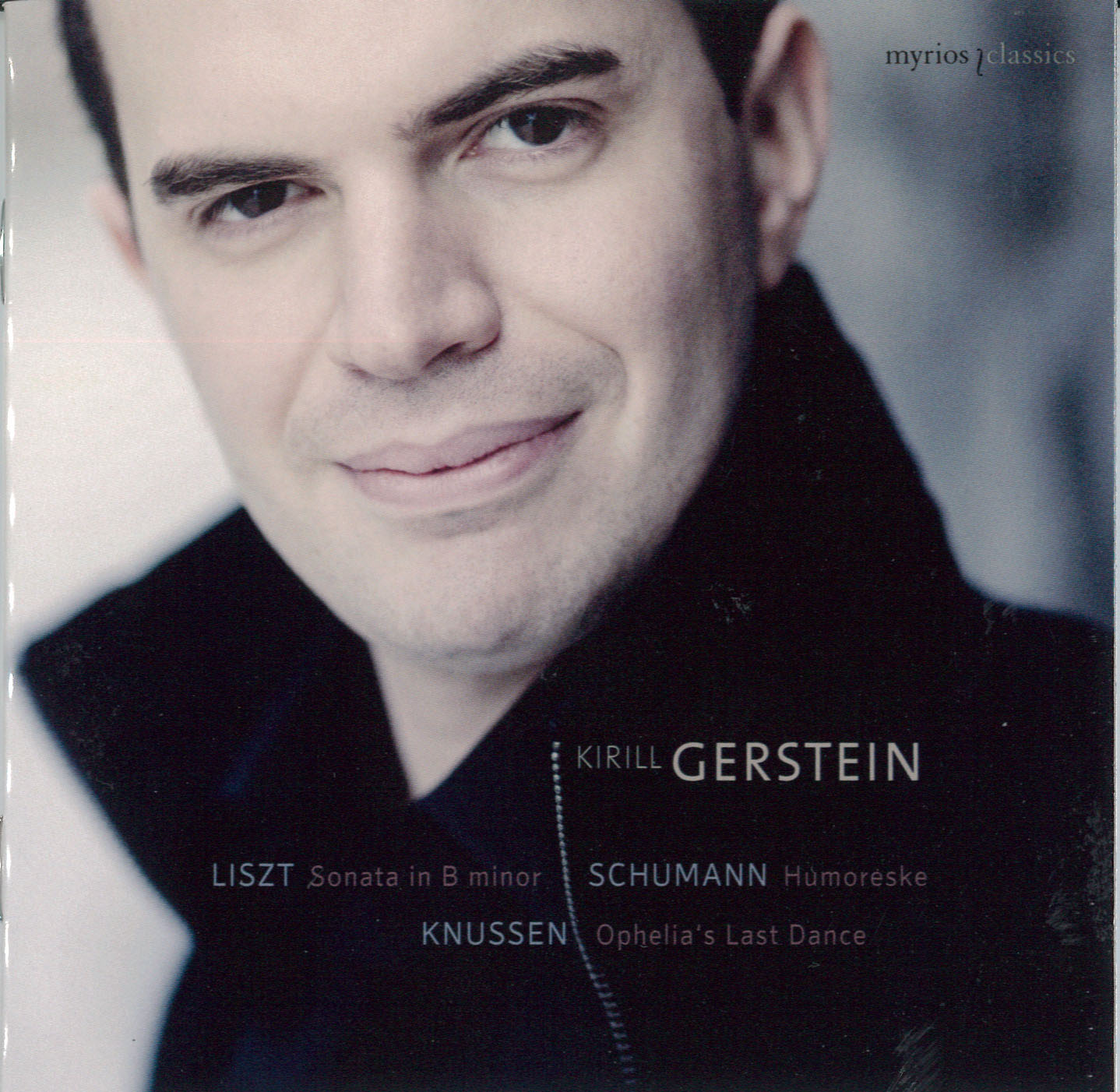
04_gersteinOf course the Toronto summer music scene does not exclude classical music and this year we have seen the addition of the Capital One Black Creek Summer Music Festival with its eclectic offerings rivalling those of Luminato. But the backbone of the classical summer remains the Toronto Summer Music Festival which gets under way with a gala performance featuring Kirill Gerstein at Koerner Hall on July 19. While the festival’s theme this year is “Beethoven and the Romantics” and Gerstein’s repertoire for the concert reflects this – Beethoven’s last sonata and Liszt’s iconic B minor – I was pleased to find that the 2010 Gilmore Award-winning pianist’s inaugural solo album Liszt – Schumann – Knussen (Myrios Classics MYR005) also includes some 21st century fare. The disc begins with Schumann’s Humoreske­, a weighty work belying its title. Gerstein’s performance brings out both the thoughtful melancholy and the moments of whimsy inherent in the work. Oliver Knussen’s Ophelia’s Last Dance was commissioned by the Gilmore Foundation for Gerstein in conjunction with the $300,000 Gilmore Artist Award. Based on earlier fragments intended for but not used in his Third Symphony (1973-74), Ophelia’s Last Dance is a 2010 reworking somewhat reminiscent of Debussy at his most contemplative, but with an expanded tonality firmly rooting it in the music of our own time. Gerstein’s personal take on the Liszt sonata is very effective, beginning in near silence and then bursting to life to hold our wrapt attention for the next half hour. I expect the audience at Koerner Hall will be similarly enthralled.

We welcome your feedback and invite submissions. CDs and comments should be sent to: The WholeNote, 503 – 720 Bathurst St. Toronto ON M5S 2R4. We also encourage you to visit our website, www.thewholenote.com, where you can find added features including direct links to performers, composers and record labels, “buy buttons” for on-line shopping and additional, expanded and archival reviews.

David Olds

DISCoveries Editor

discoveries@thewholenote.com

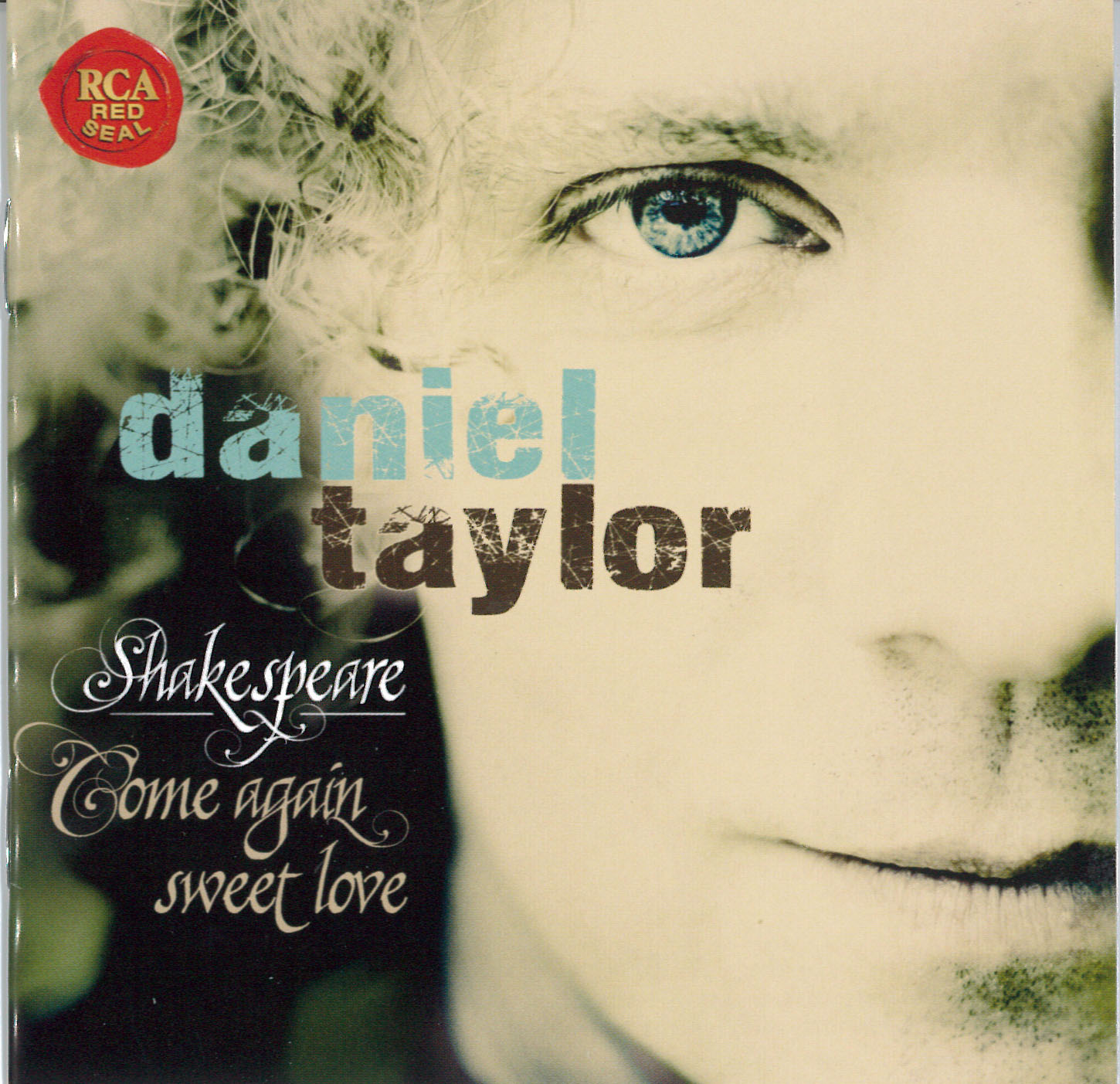
01_daniel_taylorShakespeare - Come again sweet love

Daniel Taylor; Theatre of Early Music

RCA Red Seal 88697727222

As founder and artistic director of the Montreal-based Theatre of Early Music (TEM) and a singer of international renown with over 60 recordings to his credit, Canadian countertenor Daniel Taylor is now at a point in his career where, on the Sony label, he headlines a recording that counts among its vocal performers Dame Emma Kirkby, Michael Chance and Charles Daniels as well as Carol Sampson and Neal Davies. Drawing on repertoire inspired by, referred to or performed in the plays of Shakespeare, this is a delightful and varied collection of solos, duets and madrigals complemented by adept instrumentalists from two different ensembles: TEM’s Elizabeth Kenny and Jacob Heringman on lute and Fretwork’s Richard Boothby and Richard Campbell on viola da gamba. A most wonderful confluence occurs in the various combinations of voices as in Orlando Gibbons’ The Silver Swan and particularly when countertenors Taylor and Chance duet in Robert Jones’ Sweet Kate and Thomas Morley’s Sweet nymph, come to thy lover. Purcell’s By Beauteous softness and If music be the food of love as well as Johnson’s Full Fathom Five are interpreted with tender affect by Taylor, Sampson and Davies respectively. Charles Daniels is given the title track and Emma Kirby adds a light-hearted flavour to Now what is love? This collection, recorded in London, is highly recommended as a feast of love for a mid-summer’s night.


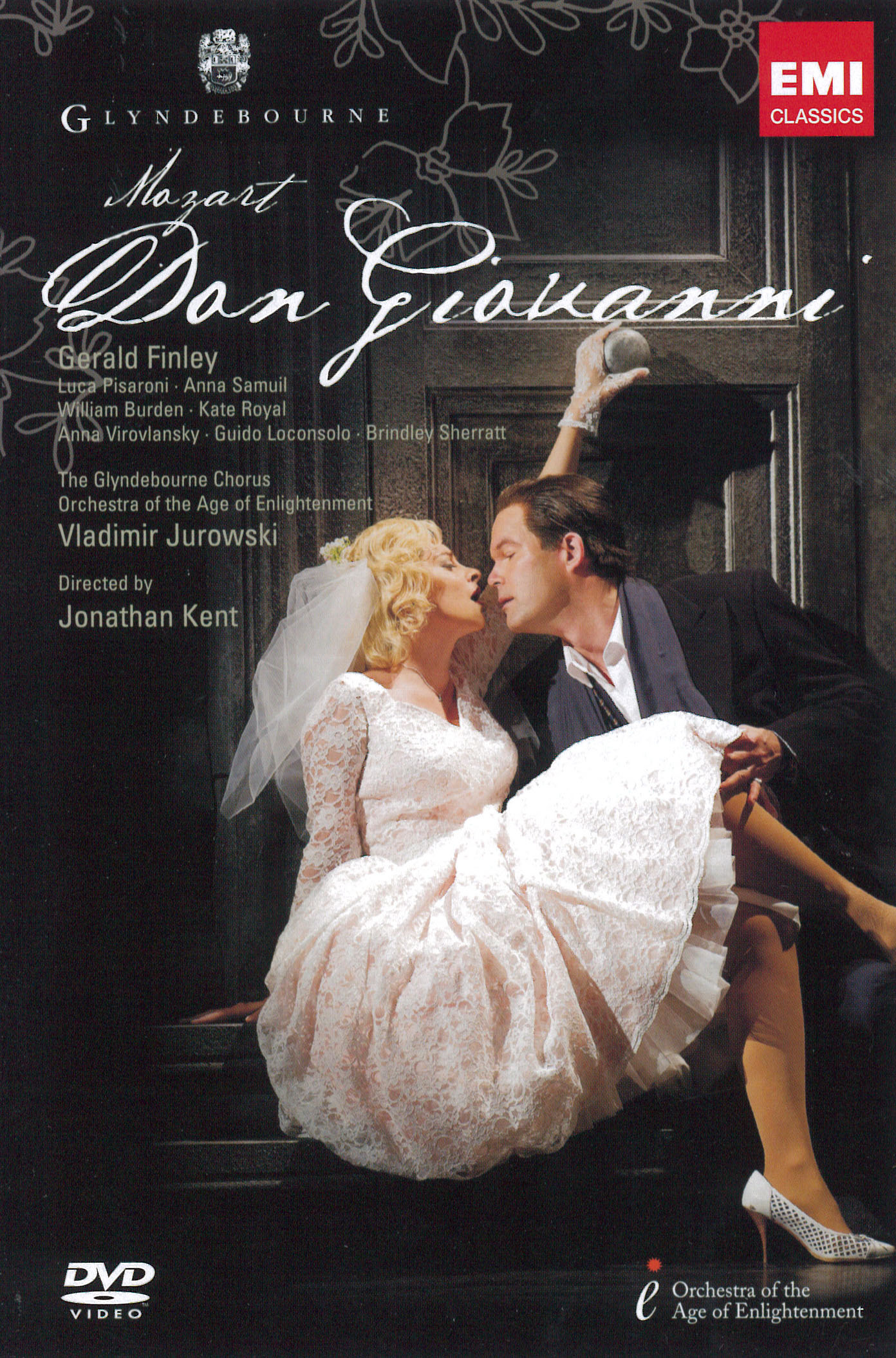
02_don_giovanniMozart - Don Giovanni

Gerald Finley; Glyndebourne; Orchestra of the Age of Enlightenment; Vladimir Jurowski

EMI 0 72017 9

It seems that in every baritone’s career, a Don Giovanni will happen. Given that there are some tremendous baritones out there, it would mean many a splendid production. Not necessarily so, unfortunately – just ask poor Brett Polegato, trapped in the COC’s tepid and messy effort. Surrounded by sub-par voices and dressed as a low-rent gigolo, even Polegato’s beautiful interpretation of the role could not save the production. Gerald Finley fares much better at Glyndebourne – the Kent production works for the most part and the principals are uniformly splendid, even though the OAE playing is uncharacteristically low energy. Nobody needs convincing that Finley is one of the best Giovanni’s on record – here less gigolo and more Berlusconi’s “Bunga Bunga” in the contemporized production. He is not tragic, but simply oblivious to the havoc he wreaks – a narcissistic psychopath if there ever was one. But it is Kate Royal, as confused and heartbroken Donna Elvira who steals the show. Luca Pisaroni, in a fine voice, is not cynical enough as Leporello, even in the Catalogue Aria, but sounds beautifully throughout. Isabel Leonard, beautiful to listen and look at, seems a tad too sophisticated as the naïve country bumpkin. The occasionally revolving set works well, except for the chase scenes and the finale. The most grievous harm of this production is done to the Commendatore. Traditionally, the statue and its subsequent re-animation are a source of a chill down the spine. Here, the freshly dug-out zombie evokes unwanted comedy, not horror. Ah, if only opera directors knew when to leave well enough alone…


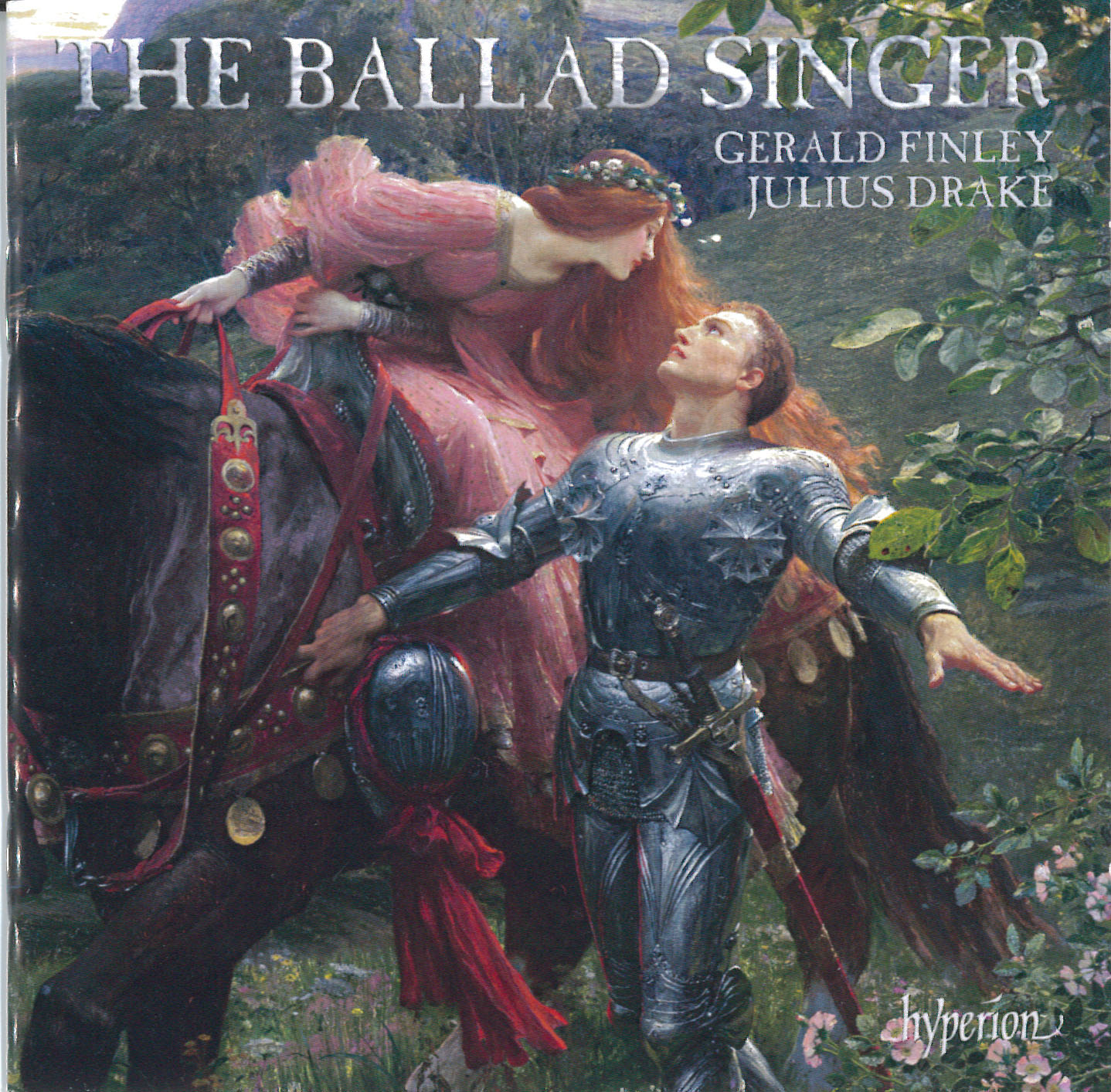
03_ballad_singerThe Ballad Singer

Gerald Finley; Julius Drake

Hyperion CDA67830

Singers crave novel material for their recordings: obscure works, cherished favourites… whatever it takes to create tempting new song packages. Baritone Gerald Finley’s recent release samples the Ballad repertoire and offers a wonderfully chosen program ranging from dark gothic musings of 19th century German and English composers to the devilishly clever writing of Cole Porter.

Finley lives up to his reputation for consistent and solid performance meeting the need of each ballad’s text with an impressive dramatic acuity that elevates the finest singers above the rest of their colleagues. Most notable is his amazing portrayal of the demon in Schubert’s Erlkönig where he assumes a strangely nasal vocal character and deliberately sings the Erlkönig’s extended passages just slightly flat to drive home the evil in the text. I’ve never heard this done before and it’s stunningly effective.

Similarly, Hugo Wolf’s Der Feuerreiter also offers some character vocal moments that most singers simply never attempt. Perhaps the biggest surprise is Finley’s multiple impersonations of narrator, mollusc and socialite in Cole Porter’s The Tale of The Oyster. Eating at a seafood restaurant will never be the same.

Long-time accompanist and artistic partner Julius Drake does so much more than just play the notes to back-up the voice. In Mahler’s Wo die schönen Trompeten blasen he crafts a remarkable orchestral colour palette from the keyboard. Drake knows how to be pianistically comedic as well as dramatic, romantic as well as impish. His artistic contribution is a significant reason for this disc’s success.


01_sacred_bridgeThe Sacred Bridge - Jews and Christians in Medieval Europe

Boston Camerata; Joel Cohen

Apex 2564 69895-6

Early music for many spans over 600 years to the mid-eighteenth century. This single CD takes in music from precisely those six centuries. They were an exhilarating time although this recording also displays deep and sometimes sad contrasts. Some of the music was composed and performed in Jewish ghettoes, some emanated from the Jews’ contemporary Christian persecutors - and yet both communities were inter-dependent.

This interdependence was traced by Joel Cohen 22 years ago in the original “Sacred Bridge” now available on the Apex budget label. At its most intricate Latin and Hebrew versions of Psalm 114 are interwoven line by line, declaimed by tenor, baritone and counter-tenor. As if that is not complex enough, Joel Cohen turns to Jewish minstrels at Christian Courts. One wonders whether Matthew le Juif was actually this composer’s name at court. For all that, John Fleagle (tenor) does him justice, as Michael Collver’s counter-tenor does Suesskint von Trimberg’s Wa heb’uf.

In fact, Cohen’s selections are not all as complicated in their context. Jewish Folklore of the Eastern Mediterranean takes one through Jews in Provence and among Jews exiled from Spain. Again, the counter-tenor makes his presence felt as does Anne Azéma’s soprano in Morena me llaman and Cansoun d’Esther.

And finally, a large number of tracks interpret the songs of Spain before the exile of 1492. King Alfonso the Wise attracts Cohen’s attention; Collver’s impassioned Madre de Deus, ora por nos explains why this monarch is so respected among early music enthusiasts.


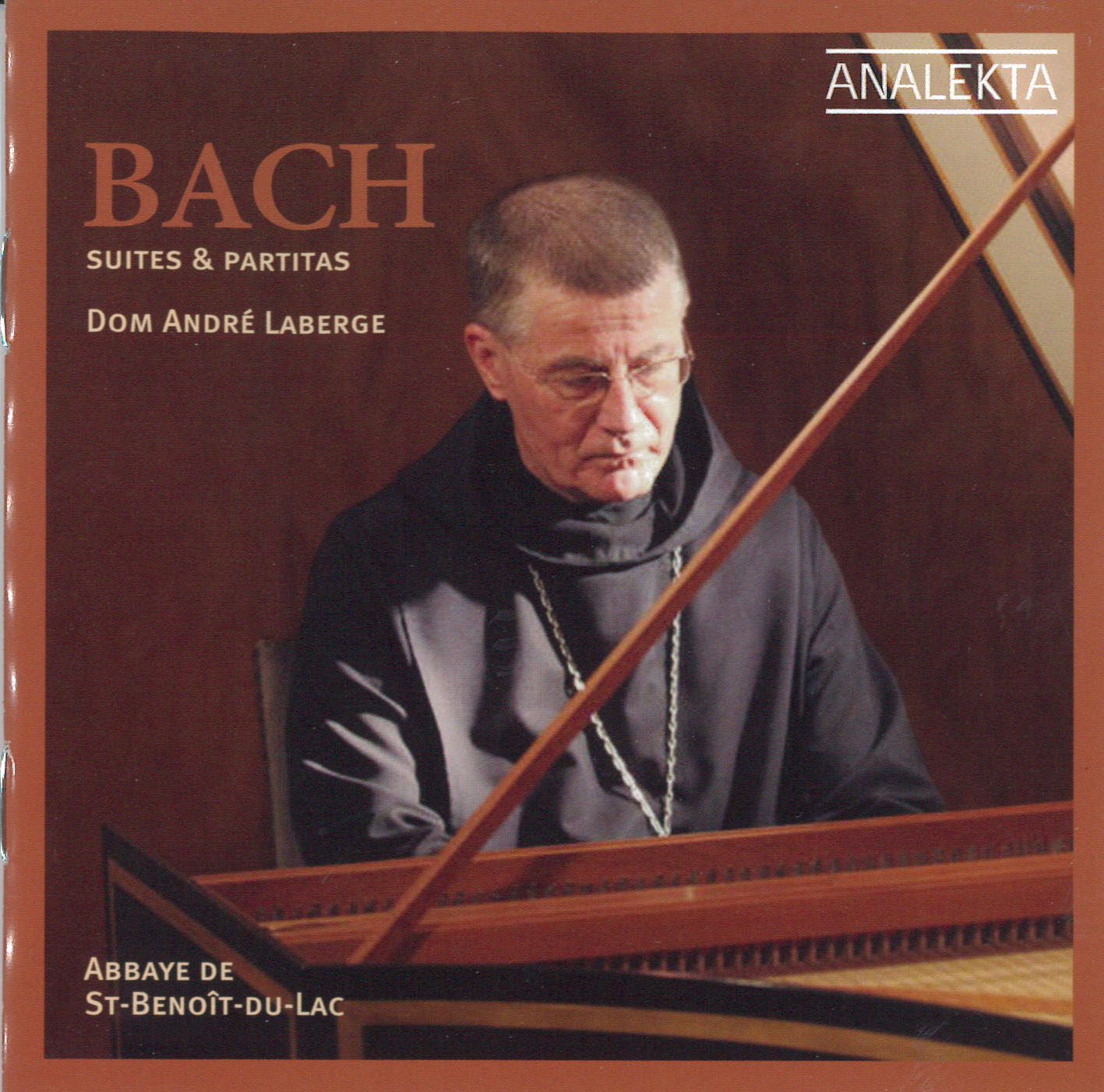
02_bach_dom_harpsichordBach - Suites and Partitas

Dom Andre Laberge

Analekta AN 2 9767

If we needed reminding of the inventiveness, adaptability and wide-ranging influence of Bach’s music, this recording provides ample evidence. The four major works are pieces Bach wrote for instruments other than the harpsichord, including violin (A minor sonata, BWV 1003 and famous D minor Chaconne), lute (BWV 996) and a hybrid known as a “Lautenclavicymbel” (BWV 997). With the exception of the Chaconne - which has been transcribed especially for Laberge by Pierre Gouin – all of the transcriptions were made during Bach’s lifetime by his students.

Paradoxically, the most convincing performance on the disc is of the least successful transcription. The solo violin sonata, BWV 1003, is a glorious work, full of contrapuntal and melodic interest. When transcribed for harpsichord, however, the sound alternates between being too thin or – when the “implied” harmonies of the violin are filled in – too thick and literal. Perhaps sensing this challenge, Laberge’s performance is brilliant, free and exciting, most particularly in the sensational fugue. This is in contrast to the somewhat careful and reserved approach to the rest of the material on the recording.

Laberge’s 1987 Dowd harpsichord records well and its warm and majestic sound suits its classy and formal owner, who is the organist and Abbot at the Benedictine Abbey of Saint-Benoît-du-Lac in Quebec.


Back to top