04_wingfieldkastningI Walked Into the Silver Darkness

Mark Wingfield; Kevin Kastning

greydisc GDR 3508 (www.markwingfield.com)

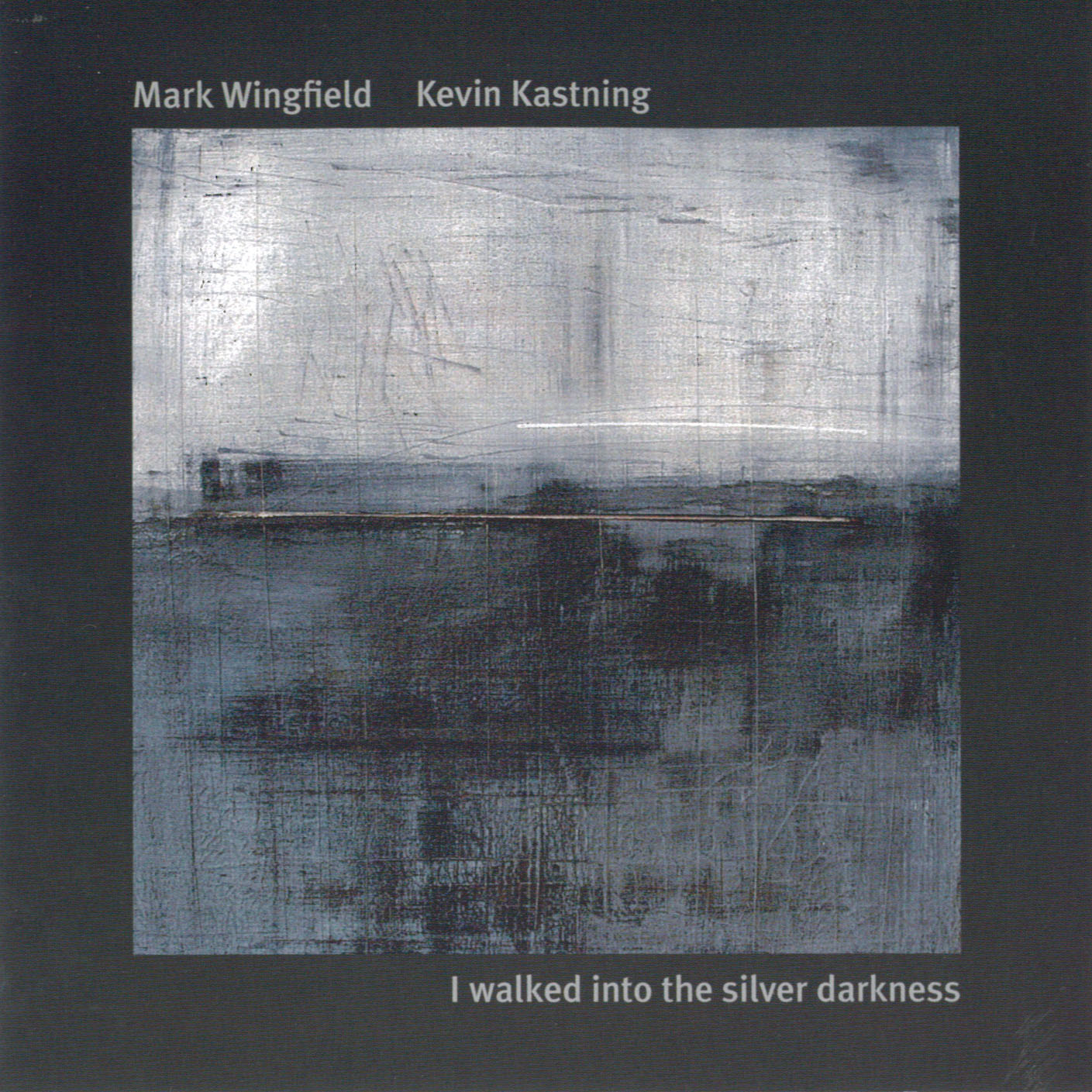
This is a collection of original pieces for guitars. I found myself amazed at the range of guitar voices produced. A very extended palette of sound is due to the odd variety of guitars being played. There are conventional 6-string guitars but also we hear a 14-string contraguitar, 12-string extended baritone guitar, heavily processed electric guitars and even fretless guitar. The sounds had me searching through the liner notes wondering what I was hearing. Wingfield and Kastning are surely pushing the envelope with this disc. According to the liner notes, an “open mind” is required to appreciate these compositions, which are all improvised in the recording studio by two extremely gifted guitarists who had not played together until the time of this recording.

Sonically, the recording is reminiscent of an ecm release, a mix of acoustic and electric sounds with a generous amount of spatial enhancement surrounding the sound. Its multi-tracked, or layered construction, is assembled in an interesting fashion, with some sounds very forward while some are quite distant. It isn't very natural sounding in that the reverberation times differ drastically, with very dry acoustic guitars often surrounded by heavily treated reverberant electric tones.

As a guitarist, I am forever amazed at the compositional aspect of the instrument. I learned how to play with a very tattered Pete Seeger method book about 40 years ago and learned the early American styles of flat-picking and finger picking, using a handful of basic chords, and have had a lifetime of pleasure working in that idiom. For most of what I play, I really only need a guitar that has the first five or so frets. When I hear “modern” guitarists who are pioneering sounds and musical textures, I am in awe of how they can express themselves by travelling through every region of the instrument, often with what seems like effortless abandon. This collection of original instrumental pieces will impress all guitarists, no doubt.


01_lori_cullenThat Certain Chartreuse

Lori Cullen

Independent LC2011 www.loricullen.com

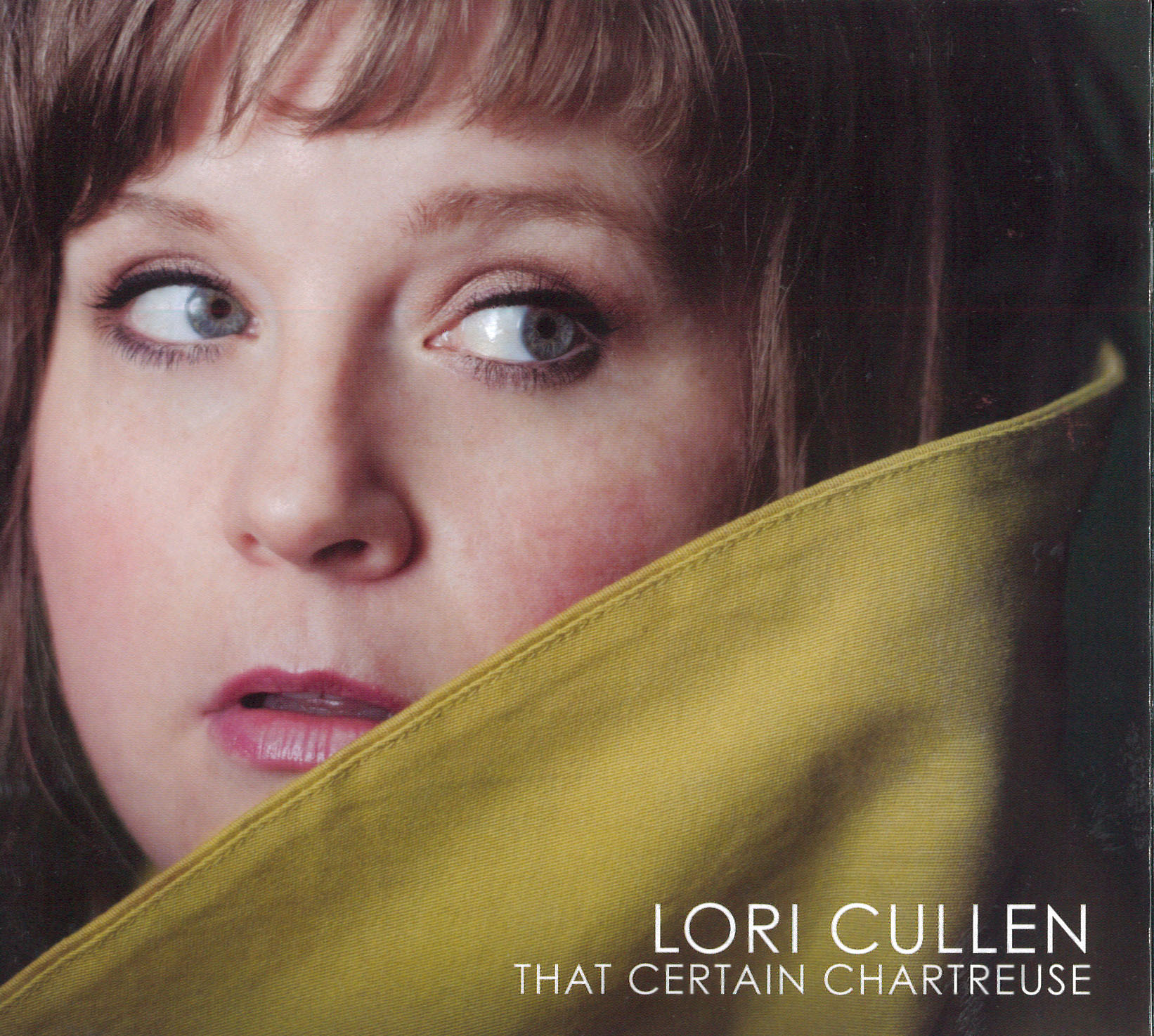
Lori Cullen is a steadfast presence on the music scene in Toronto, consistently producing fine albums and appearing in and putting together live shows that bring together dozens of talented local artists. Although her songwriting is strong, I like her best as a song stylist and her latest, “That Certain Chartreuse,” is dominated by examples of that unique talent. Along with guitarist/partner Kurt Swinghammer, bassist Maury Lafoy, drummer Mark Mariash and keyboardist David Matheson, everyone from the Bee Gees to Suzanne Vega to King Crimson gets the careful caress of Cullen's interpretations. Rainy Day People is given an emotional depth it never had at the hands of Gordon Lightfoot (as un-Canadian as that may be to say). While Baubles, Bangles and Beads gets a delightful and crazy mix of sitar-like guitar sounds, a hint of Optimistic Voices-style vocal arrangements, and trumpet playing, courtesy of Bryden Baird, that has the distinct Cullen/Swinghammeresque imprint. The Shania Twain hit that she wrote with her now very ex husband, Forever and For Always, is done without irony and restores our faith in the possibility of love and loyalty.


02_unspoken_dreamsUnspoken Dreams - Stories from Rumi

Ariel Balevi; William Beauvais

Independent WLCD 012010

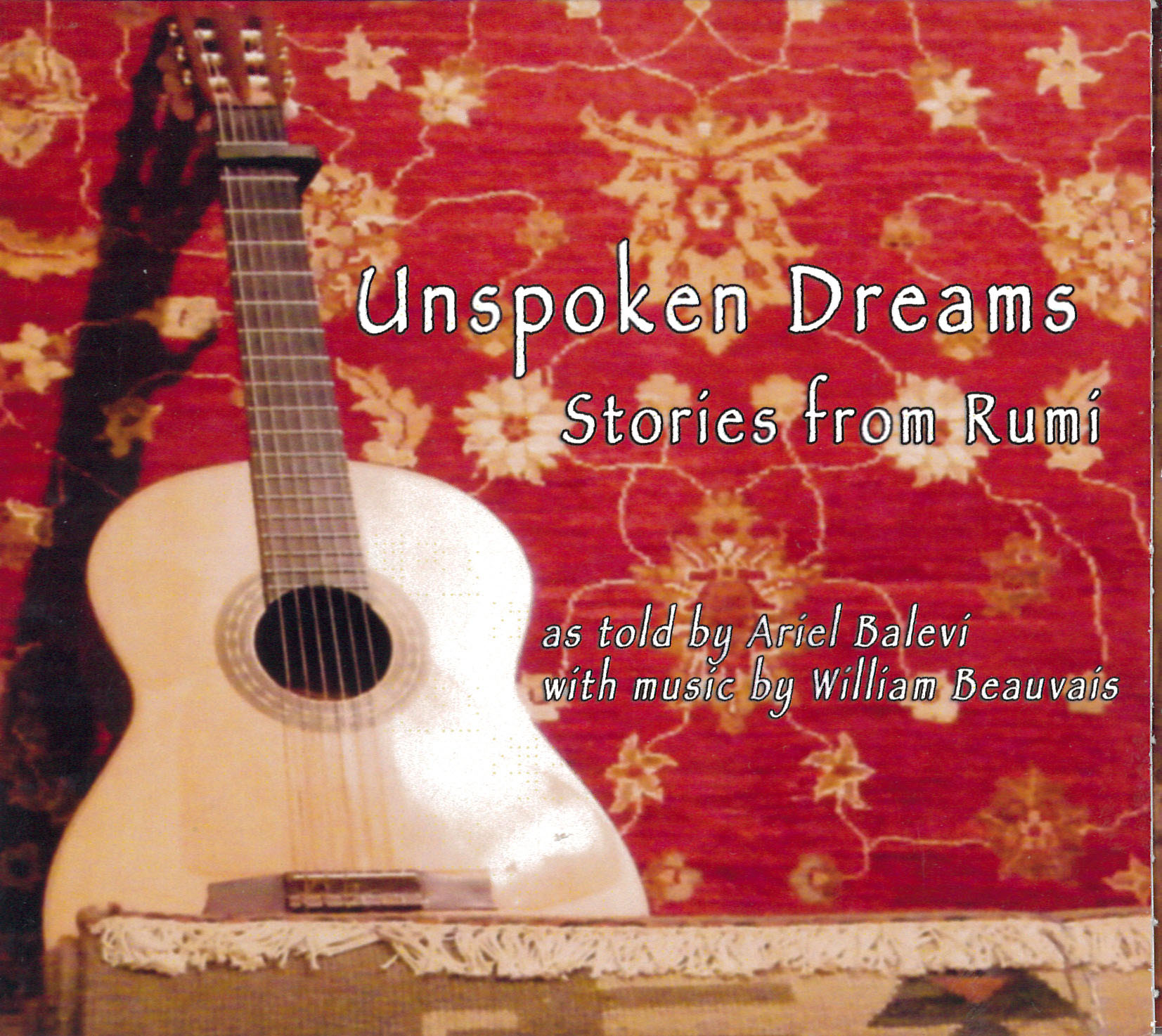
Storyteller Ariel Balevi and guitarist/composer/improviser William Beauvais are a creative team to be reckoned with. “Unspoken Dreams - Stories from Rumi” is concurrently perplexing and interesting in its content and presentation.

Balevi “reads” five stories from the Masnavi, a collection of stories and stories within stories that Rumi, the 13th century Sufi poet and mystic, used in his teachings. Balevi's diction is clear, and his timing is impeccable. Most surprisingly, he has the uncanny knack of drawing the listener deep into the text when least expected to create a powerful listening experience. He is an excellent storyteller with a distinctive voice that brings the stories he so loves to life.

At times, Balevi risks becoming a bit over the top in his sentiment. This is where guitarist William Beauvais weaves his magic. Clearly relishing his musical supporting role, Beauvais’ improvisations, compositions and performance provide the perfect backdrop/soundscape while simultaneously creating clear boundaries to prevent a sonic crash. Between stories as musical interludes, his renditions of the simple Yoruban and Bantu songs are beautiful moments which prepare the listener for the next story.

The sound of the voice and guitar blend with ease and colour. Production qualities are superb. Fans of storytelling should be impressed by “Unspoken Dreams - Stories from Rumi.” The rest of us open minded enough to give this Balevi/Beauvais collaboration a listen should be pleasantly surprised. The disc is available through the Canadian Music Centre Distribution Service (www.musiccentre.ca).


01_Yael_naimShe Was A Boy

Yael Naim; David Donatien

tot ou tard 3231742 (www.yaelweb.com)

Having one of your songs hand-picked by Apple CEO Steve Jobs to represent the launch of a new product is a little like winning the lottery. It can be a blessing and a curse, but French-Israeli singer-songwriter Yael Naim and partner David Donatien took advantage of the windfall brought by New Soul to hole up in their Paris apartment and take time and care producing “She Was a Boy,” the third album in Naim’s young career.

At first listen, the collection of 13 songs sounds much like a lot of releases by female singer-songwriters these days: quirky, cute and catchy. But if you dig into the lyrics a bit you’ll hear depth and anguish that belie the bouncy melodies. (I guess having the Israel Defense Forces as your musical training ground will do that to a girl.) The opening track Come Home speaks of the pain and guilt of being independent from one’s family, accompanied by a lively New Orleans-style party track.

Naim also accomplishes what many musicians attempt but few achieve: a true melding of musical cultures. Man of Another Woman beautifully marries Indian melody with Western modality and the laid-back bluesy lament Never Change sounds like a modern, humbler Billie Holiday. One of the main strengths of “She Was a Boy” is the light-handed use of an arsenal of instruments which enhance but never overwhelm the charm of the songs.


02_fanfare_pourpourDanse des Bresloques

Fanfare Pour Pour

Monsieur Fauteux m’attendez-vous? MFMV? 18 (www.actuellecd.com)

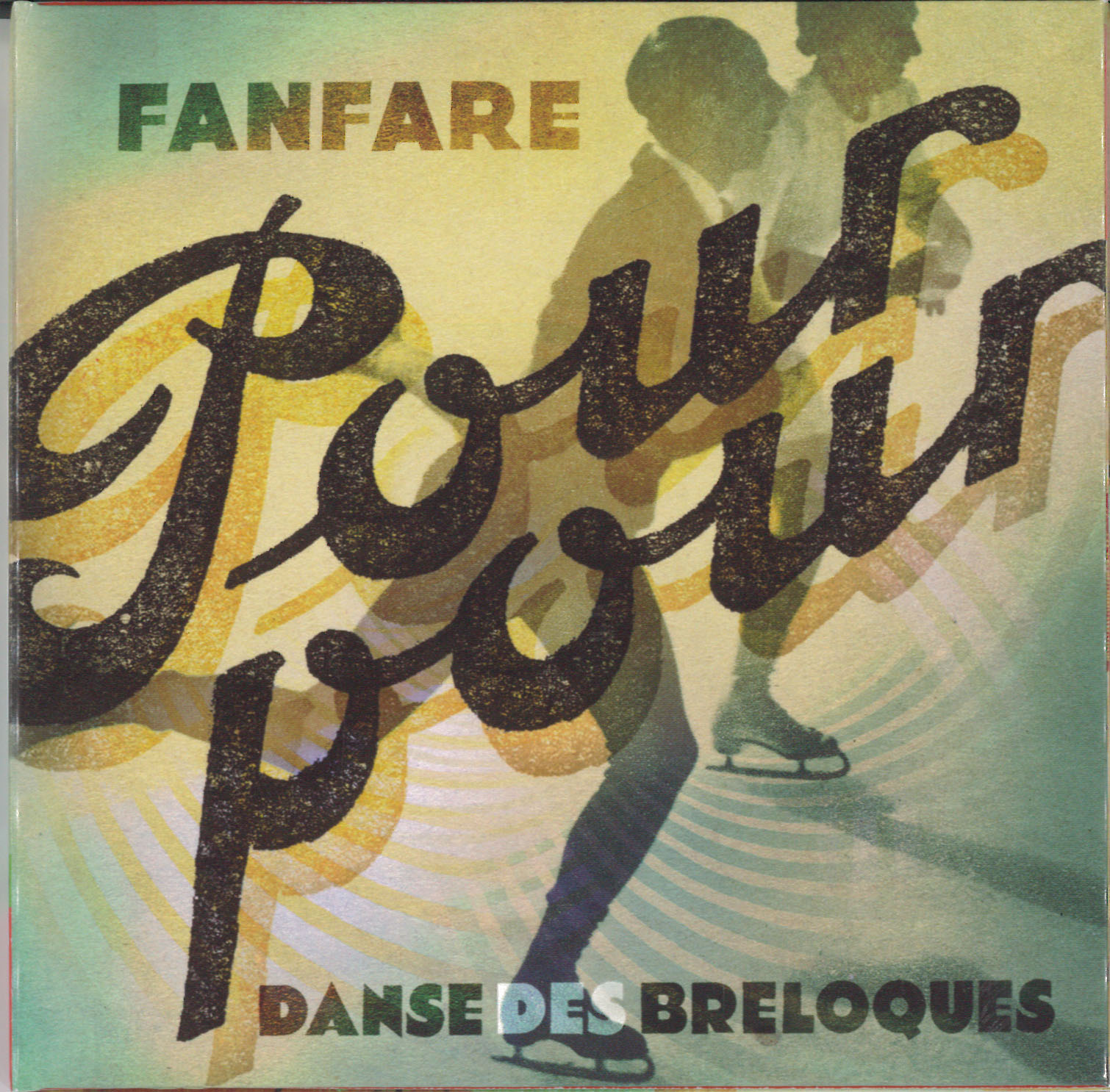
In a bad mood? Listen, laugh and dance to the uplifting “Danse des brelogues” by Fanfare Pourpour. This is happy music from an eclectic happy “big band” of 20 performers well versed in musical idiosyncrasy, style, wit, and technical know-how (not to forget a superb taste in haberdashery!). Nothing atonal here, as the styles range from French waltzes to jazz to Klezmer-like tunes to tango and samba beats to everything in between played on trumpets, saxophones, clarinets, guitars, banjo, accordions, violins, percussion, euphonium, and musical saw, plus vocal soloists and a choir.

Under the direction of Jean Derome and Nemo Venba, the players are a smorgasbord of Quebec musical masters – Altobelli, Babin, Belanger, Bourque, Derome, Duguay, Del Fabbro, Guilbeault, Hubler, Lajeunesse, Letarte, Menard, Nicolas, Nisenson, Poizat, Proulx, Sabourin, Tanguay, Venba and Vendette. A number of these great musicians provide the fifteen original compositions featured on this, the band’s fourth release. The works are group specific or originate from dance, theatre or film. The arrangements of the tunes are so strong, and designed to illuminate the group’s tight ensemble sense while maintaining a continuous improvisational feel. There are also a few tiny aural treats to remind one that the performers are “new musicians” as well.

Sound quality is superb. The French language only liner notes are thorough. Time to take out whatever moves you and boogie along with Fanfare Pourpour’s freewheeling musical spirit.


03_AzulDe la nuit au lever du jour

Azam Ali

Terrestrial Lane Records 013111 (www.azamalimusic.com)

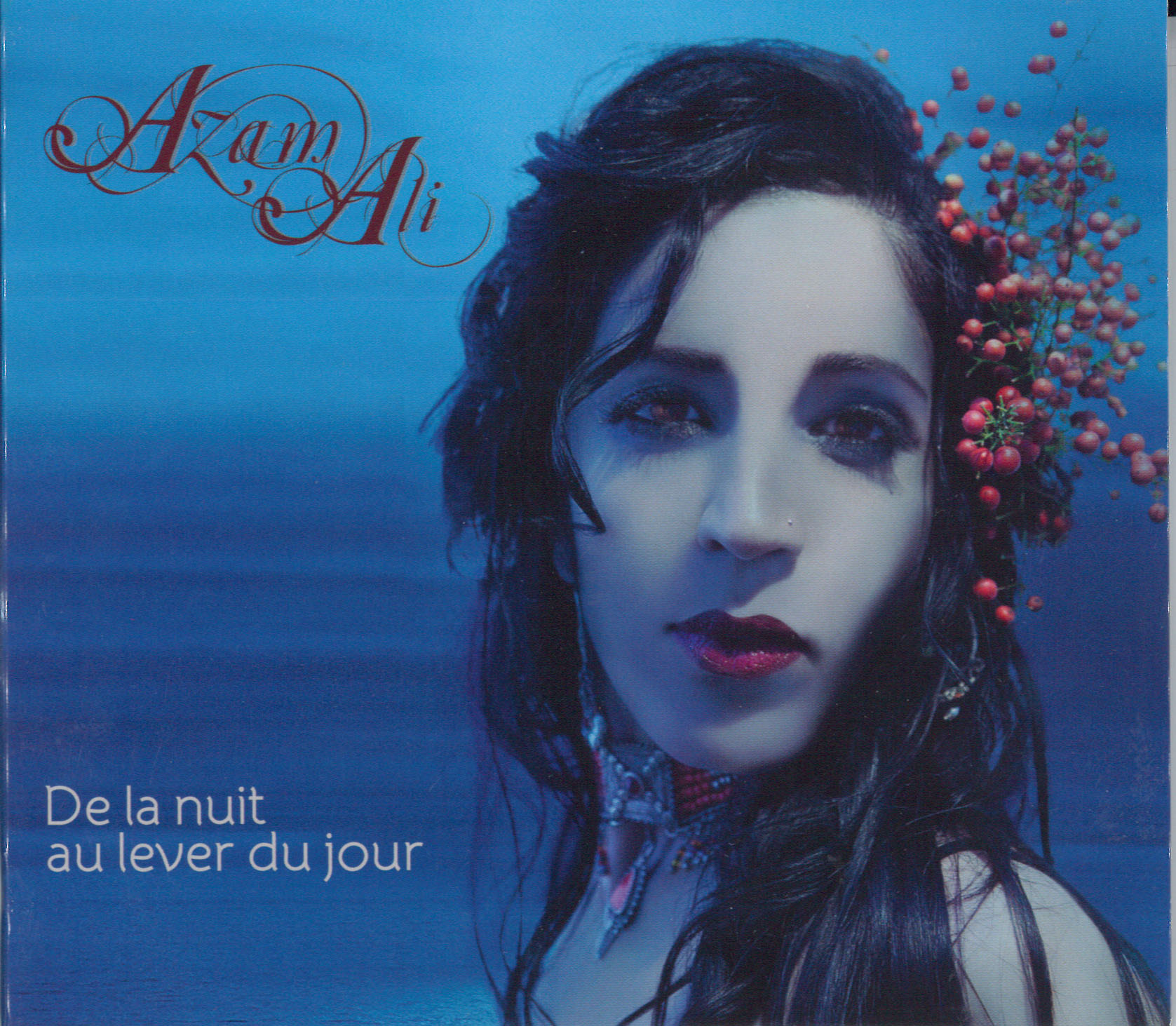
I suppose it shouldn’t be surprising that a collection of lullabies isn’t a terribly upbeat album, but “De la nuit au lever du jour” also has an unexpected solemnity and stateliness to it. These aren’t your everyday cute little bedtime ditties, at least not to my Western ears. Iranian-Canadian singer Azam Ali has chosen songs from a variety of Middle Eastern cultures, plus a few of her own compositions, and sings them in Persian, Turkish, Arabic, Kurdish and Azeri. Unless you understand these languages (or the French the lyrics are translated into in the liner notes), you’re free to enjoy these songs from a purely musical standpoint and Ali’s skill and beauty as a singer are undeniable. Her childhood spent in India and her comfort with the quarter-tone are also apparent in some of her compositions, such as Tendresse, written for her son, and the Kurdish Lai Lai. Ali has enlisted expert musicians from each of the regions to accompany her on traditional instruments, such as oud and saz, as well as the contemporary, Montreal-based Bozzini String Quartet. “De la nuit au lever du jour” is a meditative, transporting work.


01_yasmin_levySentir
Yasmin Levy
4QRecords FQT-CD-1821

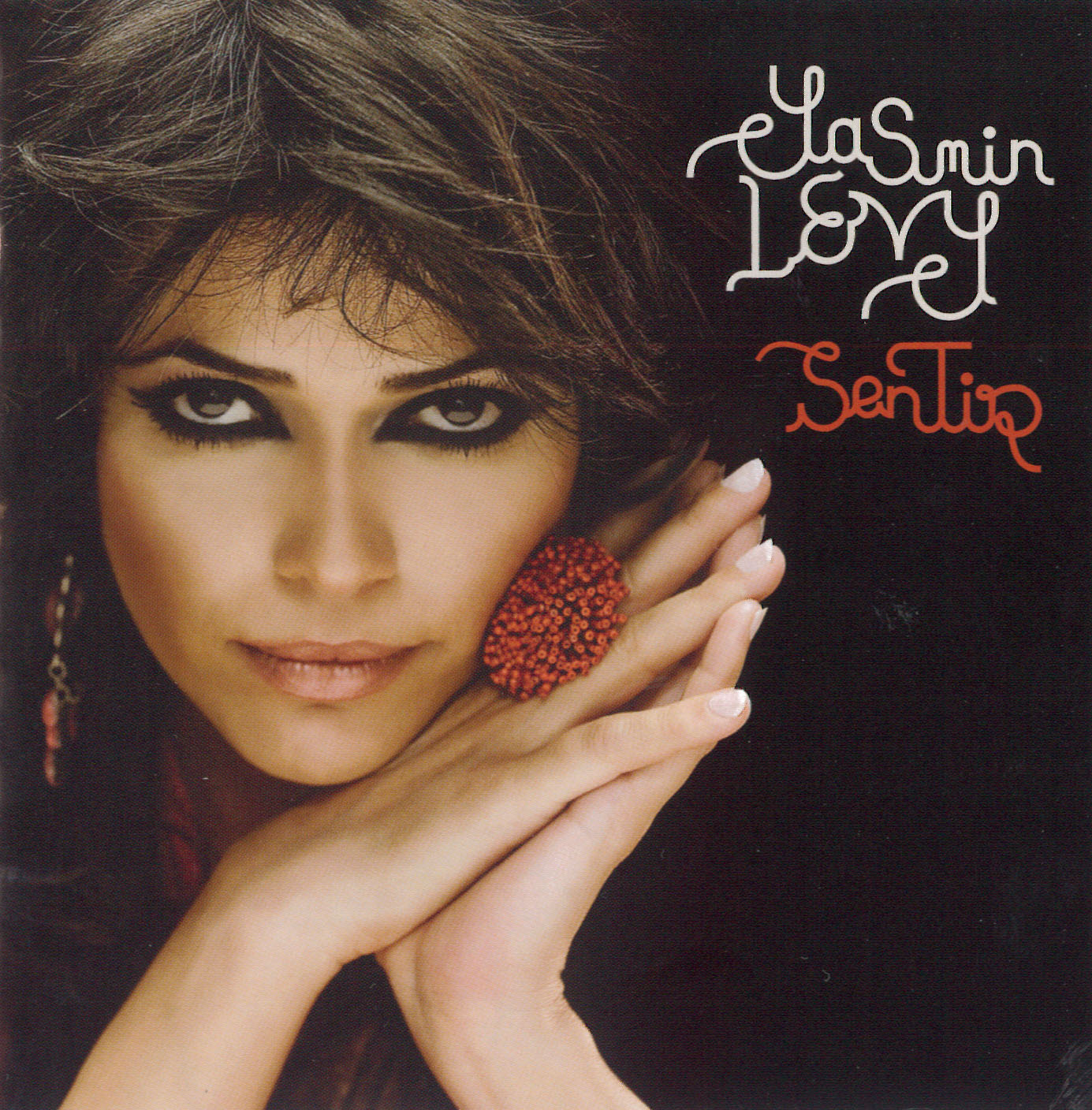
Israeli singer Yasmin Levy has been performing since 2002 and for her latest release, “Sentir,” has somewhat cast herself in the role of musicologist. Taking up the mantle of her father, who was a cantor and Ladino preservationist who died when she was just a baby, Levy has collected and reinterpreted a handful of folk songs from that ancient culture. Ladino is a Judeo-Spanish language dating back to the 1492 diaspora that has been gradually dying out but is enjoying a bit of a renaissance as young musicians, such as the respected Israeli jazz bassist, Avishai Cohen, and local singer Aviva Chernick integrate these songs into their modern repertoire. Historical stuff aside, this is an album that can be enjoyed purely from a musical standpoint. And since the liner notes have the lyrics translated into English and French, we even get to understand what the songs are about, which, for the most part, is love and loss. The album has a pan-Latino/Middle Eastern feel to it as Levy and producer Javier Limon have fused many of the songs with flamenco attributes. Also there's a lilt to much of the music that reminds me of Argentinean tango and the more passionate moments veer into Portuguese fado territory. There’s even a Canadian component on “Sentir” as Leonard Cohen’s Hallelujah gets reworked with Spanish lyrics and flamenco-esque touches, which, rather than adding fire, render it bland and easy-listening. In general, the instrumental work on the album is precise and pretty, so what gutsiness there is comes from Levy as her warm, emotive voice alternates between a purr and a plea.


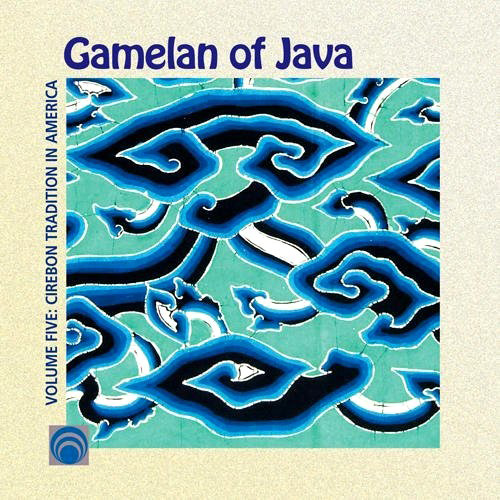
01_gamelan_java _5Gamelan of Java - Vol. 5: Cirebon tradition in America
Various Artists
Lyrichord Discs LYRCH 7461 (www.lyrichord.com)

This is a unique album. Cirebon is an old city and cultural centre located on the north coast plains of the island of Java, Indonesia. This CD is the first commercial recording of all five types of traditional gamelan music still practiced in the courts of the Cirebon Sultans today. For most listeners it will be a fresh window on the aristocratic and ritual music of a 500-year-old culture little celebrated or known even in its own home country.

As we hear on this album, Cirebon gamelan music is made primarily by an ensemble of tuned and un-tuned percussion instruments, occasionally embellished by the suling, the bamboo ring flute. Vocalisations by the musicians also sometimes delightfully peek through and enliven the instrumental texture. Overall the voices of these gamelans are more intimate than either of its larger and better-known South Central Javanese or Balinese gamelan cousins.

The Californian musicians of Gamelan Sinar Surya under the skilled and dedicated direction of Cirebon gamelan expert Richard North (he has been playing this music for a remarkable 35 plus years) bring out the best in each type of repertoire. They provide a welcome variety in mood, emotional value, sound quality, tonal organisation, tempo, timbral texture and note density. More than providers of entertainment, some gamelan (sets) represented here are valued for their deep spiritual associations. Such sets include the Gong Sekati, the Gong Renteng, and the magically imbued gamelan called Denggung on which is played the outstanding track Wawa Bango.

If I were forced to pick a single favourite track, it would be Pacul Goang (Chipped Rice Hoe). It is full of the sort of vibrant musical life I associate with gamelan Cirebon performance, the hallmarks of which include the dynamic playing of the kendang and larger bedug (drums), the characteristically sweet suling riffs in the soft slower sections, and the alok vocalisations of the musicians imbuing life and special Cirebonese flavour to the instrumentals.

Being the first CD to lift the musty, dusty tarp off this special gamelan repertoire, it is a requisite for any world music course, world music student or casual enthusiast.


02_sounds_of_HIVAlexandra Pajak - Sounds of HIV
Sequence Ensemble
Azica   ACD-71260 (www.azica.com)

I have to admit – at first, expressing nucleotides of the genome of a virus as pitches of the melodic scale struck me as a gimmick. Yes, one could draw a connection between adenosine and A, between cytosine and C and so on, but to what end? Once the music started, however, this approach became much harder to dismiss. Applying scientific rigour to music is nothing new and has been done in the past with math (both Satie and Bartok used the golden ratio for their works), so why not with biochemistry? Alexandra Pajak, native of Athens, Georgia studied both composition and sciences and her work reveals a fascination with both subjects. Then there is a general sense of unease, creeping in. This undeniably beautiful music expresses HIV, a virus responsible for the destruction of much beauty and art. On one hand, it’s tempting to assume that nature’s creations achieve a high level of symmetry and beauty and a virus should not be exempt from that principle. On the other hand, what terrible beauty is there to be found should we glimpse inside the genome of the plague, syphilis, smallpox or even flu? These ruminations tend to accompany listening to this oddly-concordant composition, performed with aplomb by the Sequence Ensemble. A special mention goes to Timothy Whitehead, whose piano decodes the protein connections with an astonishing clarity. This strange and disturbing recording reveals itself to be much more than just a mere gimmick!


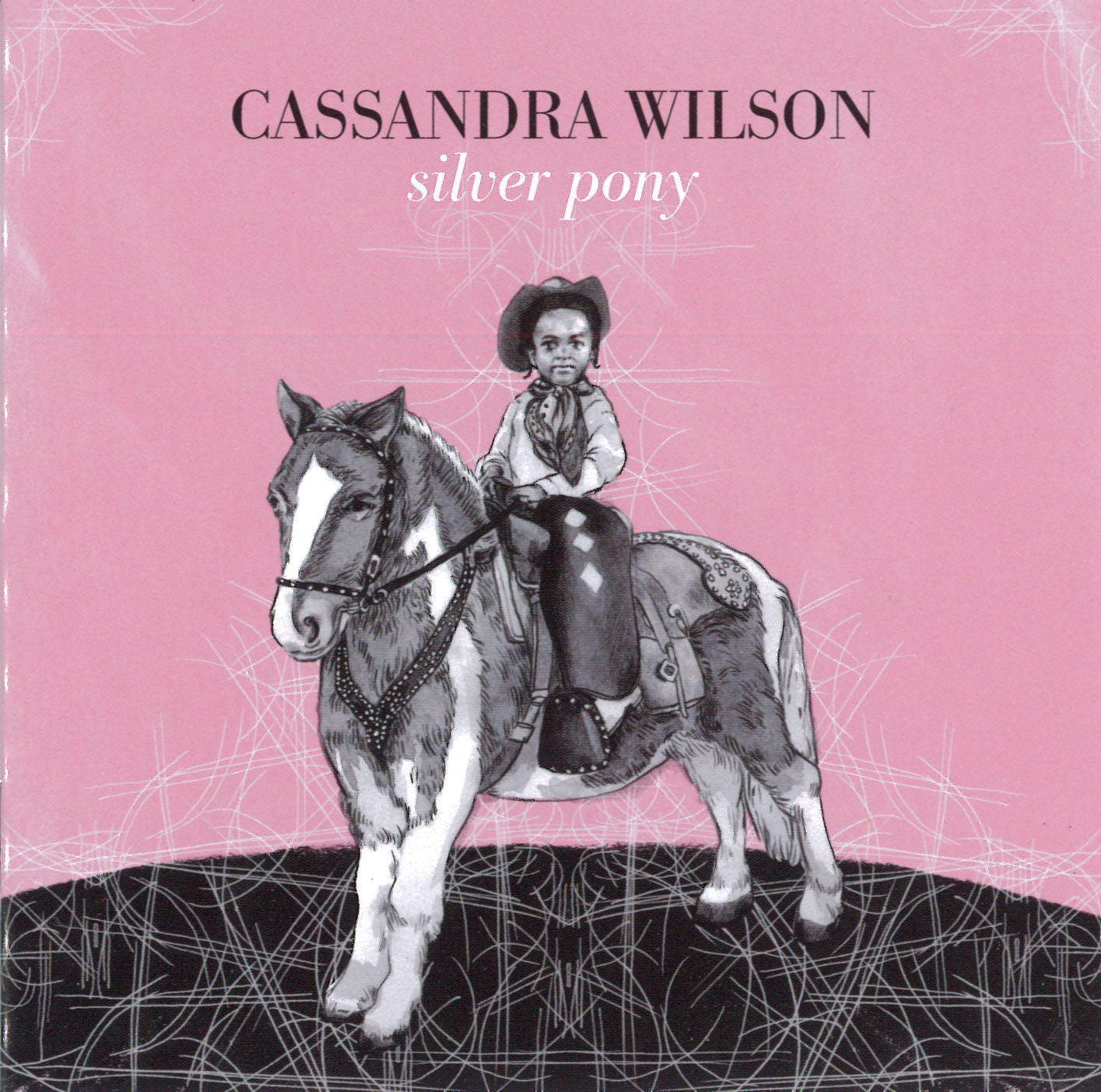
03_cassandra_wilsonSilver Pony

Cassandra Wilson

Blue Note 509996 29752 2 3

“Silver Pony” is the latest in a long line of releases in the varied oeuvre of singer Cassandra Wilson. Getting a new Wilson disc made me feel a little like a kid on Christmas morning, but this wasn't exactly the pony I was expecting to find under the tree. Wilson is at her best when she takes rock and pop tunes and, along with her always innovative band mates, reworks them into atmospheric beauties. Her version of Neil Young's Harvest Moon from the Grammy-winning “New Moon Daughter” with Toronto guitar alchemist Kevin Breit, being a prime example. While “Silver Pony” has a few studio-recorded trademark Wilsonisms - like the funky Forty Days and Forty Nights and Watch the Sunrise, a duet with John Legend — what dominate the album are the live tracks. With many of the songs weighing in around the seven-minute mark and extended soloing from piano player Jonathan Batiste, drummer Herlin Riley and guitarist Marvin Sewell, there's a lot of hay to chew on. Wilson's voice is as deep and nuanced as ever and the interplay between the musicians is a lesson in developing ideas on the fly. Anyone who likes their tunes in nice, neat A-A-B-A packages should probably hitch their wagon to some other horse, but if you want to hear veteran performers giving free rein to their creativity, saddle up and ride.


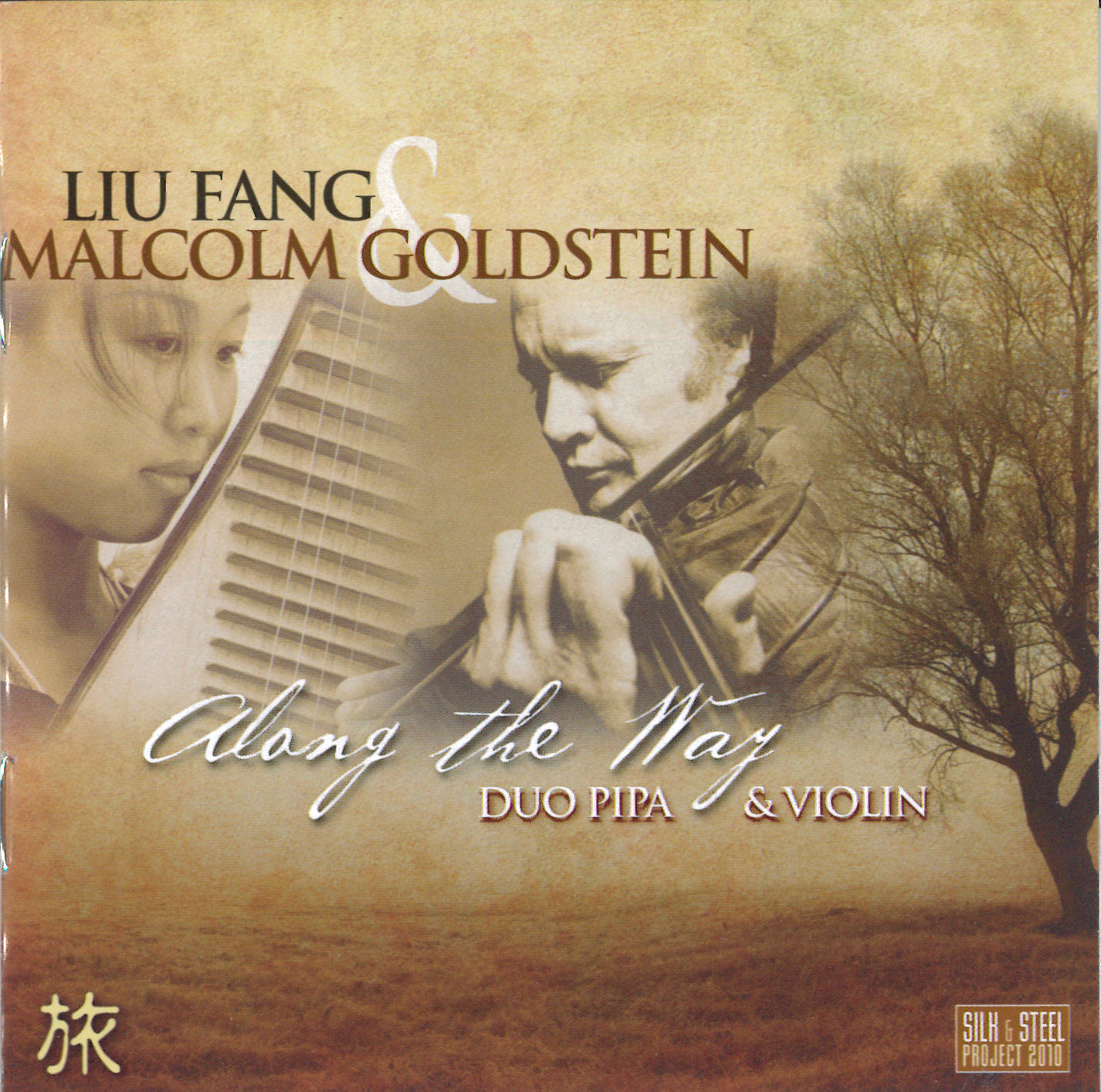
02_duo_pipa_violinAlong the Way - Duo Pipa & Violin

Liu Fang; Malcolm Goldstein

Philmultic PMPCD809 www.philmultic.com

This double album reflects what appears to be a mini trend: skilled performers of disparate instruments and music genres who once never would have thought of sharing the same stage, coming together in collaborative un-scored improvisation.


The violinist Malcolm Goldstein (b. 1936) is an American born composer and violinist, specialising in free improvisation. Active in the new music scene since the early 1960s, he has developed a totally individual and original approach to violin playing, one which on first hearing sounds distinctly unorthodox. Goldstein’s approach is not to make the violin sound as it “should” in a conventional sense, but to explore making music on it from scratch. Far from being a naïf however, his approach is solidly rooted in the 20th century avant-garde music mainstream and also in Eastern European violin playing traditions.


Based in Montréal, the pipa soloist Liu Fang (b. 1974) has shown a commitment to crossing boundaries. Having obtained a solid foundation on her plucked lute-like instrument at the Shanghai Conservatory for Music, she has performed throughout the world and released 10 albums. In addition to her repertoire of Chinese traditional music Liu Fang has also embraced the culture of her adopted homeland. Her premieres of works by Canadian composers including R. Murray Schafer and José Evangelista demonstrate that. Along the Way is the latest installment of what she calls her “Silk and Steel” projects in which she collaborates with leading non-Chinese musicians from various traditions.


These two master musicians first performed together in 2003 and their years of mutual respect and musical understanding is audible on this album. They seem to be aiming to create 15 very different nature-referenced soundscapes in their improvisations. On track 1, CD 2, the predominant mood is dramatic, while on others it ranges from furious to quiet and silent, to sections sounding disputatious, furious, even bellicose. The dominant texture however is an eloquent musical dialogue with occasional virtuoso flourishes on both instruments; some on the violin would not be out of place in a European 20th c. concerto.  Make no mistake, this is sophisticated, richly layered music


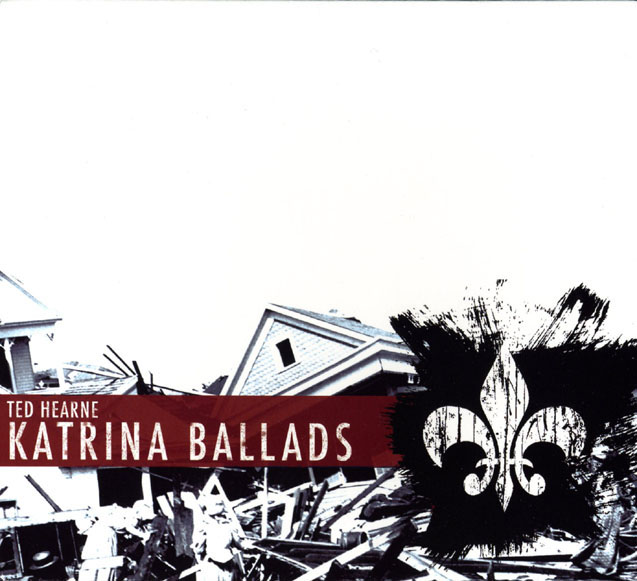
04_katrina_songsKatrina Ballads

Ted Hearne

New Amsterdam Records NWA011 www.katrinaballads.com

With events such as Richard Nixon’s China visit the subject of modern operas, why not 2005’s Hurricane Katrina, which nearly destroyed New Orleans? That’s what composer Ted Hearne has done with this 70-minute song cycle. It’s scored for five singers and 11 musicians, including horn and string ensembles and a rock rhythm section.

Winner of many awards since its premiere at the Piccolo Spoleto Festival, Katrina Ballads is a mature work that belies Herne’s age of 28. Witty as well as inventive, the libretto consists of vocalized versions of transcribed sound bites from New Orleans residents, reporters and officials. Almost every track is given a finer point by the arrangements which adapt variants of notated, jazz, and pop musics to the program.

There are many standouts, including Herne’s zippy and jivey repetition of George Bush’s infamous “Brownie You’re Doin’ A Heck of a Job”; and “Barbara Bush”, where the ex-First Lady’s saying the underprivileged don’t mind uprooting is mocked straight-faced by mezzo-soprano Abby Fischer accompanied by faux C&W fiddling and honky-tonk piano. There’s poignancy as well. “Hardy Jackson” sung by baritone Anthony Turner is a parlando lament for a victim’s missing wife. There’s also tenor Isaiah Robinson’s fully orchestrated gospel-like recasting of the statement that George Bush didn’t care about black people by rapper “Kanye West”.

Impressively as well, Turner and soprano Allison Semple’s musical recreation of an interview between “Anderson Cooper and Mary Landrieu” is an operatic-style recitative highlights swift-tongued talents, while cracklings with the reporter’s indignation towards the platitude-spouting Louisiana senator.


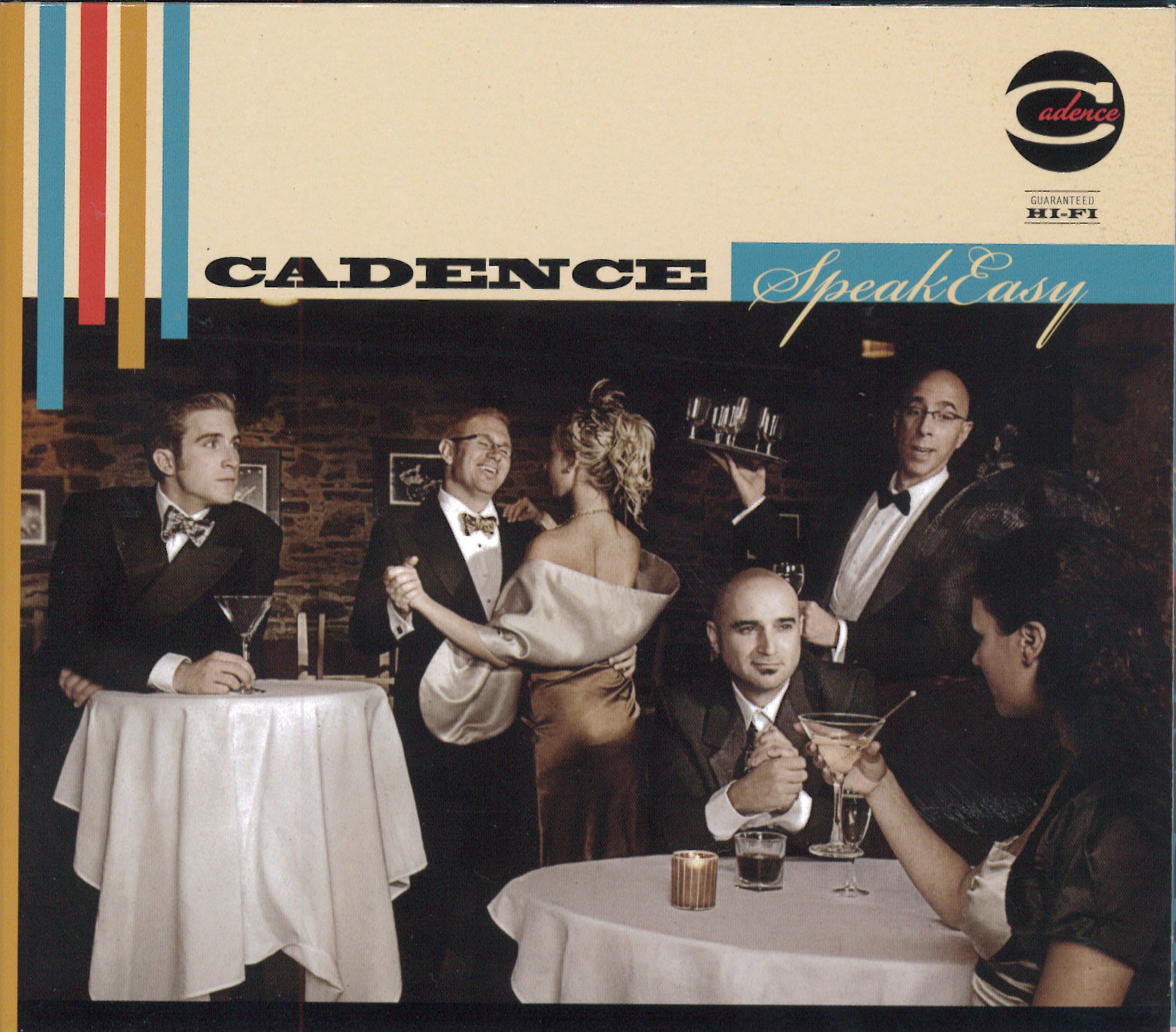
01_cadenceSpeak Easy

Cadence

Independent CD-3 (www.cadence-unplugged.com)

How is it that four men with no instruments play trumpet and snare so well? Is it not enough that the bang-on vocals and supremely crafted a capella arrangements and retro-stylings transport us nostalgically back to that era so cleverly reproduced on the “Hi-Fi” cover?  Seriously, I’m thinking of asking these guys (who, by the way, offer school workshops) to teach our kids how to play an instrument without having to shell out the dough to purchase one! It’s easy to see why they have performed alongside Bobby McFerrin as well as being nominated for a couple of Junos and playing sold out concert halls across the land.

This album mixes new interpretations of classic Cole Porter, Van Heusen/Cahn, Lerner/Loewe with some great original tunes and even innovative arrangements of Joni Mitchell, Neil Young and Paul Simon tunes. Don’t know if they’ve got some Louis Jordan songs up their sleeves but their keen sense of humour and rollicking fun remind me a lot of his good-time musical characterizations. All four, holders of music degrees (York, McGill), obviously studied History of the Rat Pack and its influence on social strata as well as Toward an understanding of be-bop cool.


01_tango_borealTango Boreal

Denis Plante; David Jacques; Ian Simpson

ATMA ACD2 2661

The bandoneon is one of the world's most highly unlikely popular instruments. Tricky to play, a tuning nightmare, and a wheezy creaky contraption, this distant relative of the accordion has made its musical mark for the musicality that it emotes, and the composers who have written for it.

Quebec composer/bandoneonist Denis Plante combines the work of his predecessors and his own musical sensibilities to create an interesting aural pastiche for his Trio Boreal, comprised of himself, guitarist David Jacques and double bassist Ian Simpson. The music is wide ranging in its moods, with a little something for everyone’s taste. The mellower trio tracks are the weakest as they run the risk of becoming too clichéd in their laid-back sentiment. But all is forgotten in the Latin influenced Danza with its jolting rhythms and uplifting spirits. Ave Maria is a beautiful solo bandoneon number drawing on the instrument's religious music background. The guitar solo Vallée de la Lune is gorgeous. Most exciting is the group's potential that can be heard in Prelude where there is a je ne sais quoi element of ensemble playing and compositional attributes that forecasts a promising future.

Production qualities are excellent – we can even hear the breathing of the bandoneon! But it is the fact that all three musicians are fine performers who love the music they are playing which makes this release so special.


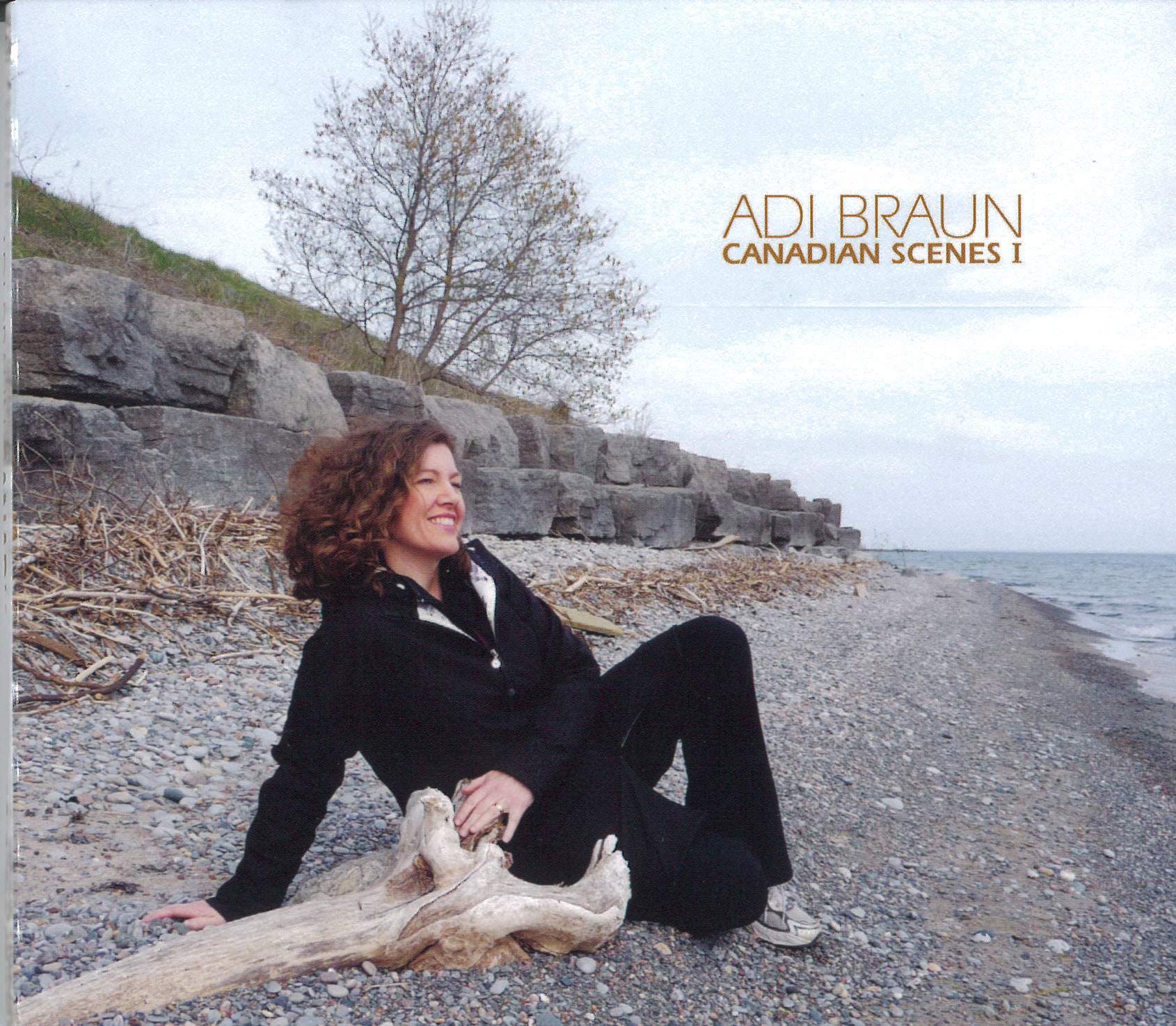
02_adi_braunCanadian Scenes 1

Adi Braun

Independent (www.adibraun.com)

“This recording is a dream-come-true,” says award-winning jazz vocalist Adi Braun of her recently released a five-song EP, “Canadian Scenes I.” On it Braun has stretched her already impressive talents to include songwriting with three originals tunes.

In My Heart I Know begins with a softly plucked acoustic guitar, and is soon joined by an evocative arco bass, to set up this beautifully romantic ballad. Ocean Eyes is an excellent example of Braun’s “cabarazz” style, a mixture of cabaret and jazz. Her sultry vocals caress the lyrics, swooping and soaring over the pulsing beat of Kevin Barrett’s guitar and the piano of Jordan Klapman. Grace “walks with a steady pace/Through the summer heat,” a loving ode to “the place where she and I belong.” It is good to hear that Braun has taken Shirley Eikhard’s encouragement to “put my songwriting foot forward.” These three tunes are hopefully harbingers of many more originals to come.

Braun is also noted for her determination to bring Canadian songwriters to her audiences’ attention, and she does so exquisitely with Tony Quarrington’s collaboration with Jordan Klapman, Rain on the Roof. Songwriter Julian Taylor joins Braun on his composition It’s Not Enough, a pop ballad reminiscent of the many duos of 90s rock. Other contributing artists on “Canadian Scenes I” include bassist George Koller and Glenn Anderson on drums. The EP is available through Braun’s website.

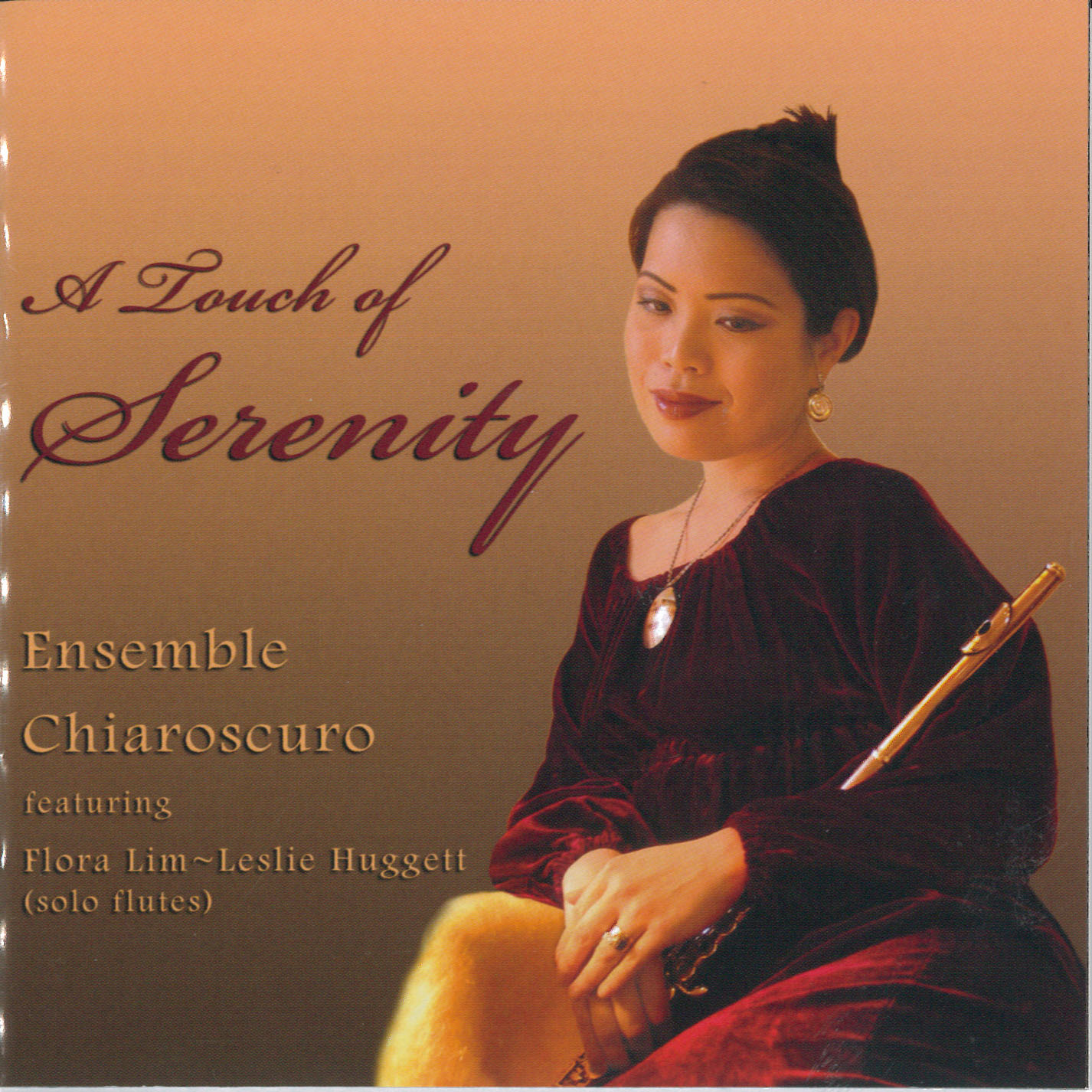
03_serenityA Touch of Serenity

Ensemble Chiaroscuro

Independent HAP3781 (www.theflutestudio.ca)

In the 1970’s the name “The Huggett Family” was synonymous with the revival of baroque music played on period instruments. Leslie Huggett, his wife, Margaret, and their four children were known across Canada for their tasteful interpretations of music from the medieval, renaissance and baroque periods. From Canada’s National Arts Centre to London’s Wigmore Hall and on the CBC and BBC the family performed in period costumes to the delight of audiences and critics on both sides of the Atlantic. In 1982, after several successful LP recordings, the group disbanded.

In the mid 1980’s Leslie and Margaret established their Flute Studio in Markham, Ontario and were joined subsequently by rising young flautist Flora Lim. Now, performing under the name Ensemble Chiaroscuro, their stated aim is “to present music of many genres.” The artistry and sensitivity is still there, but in a very different format. These are not duets. Rather, we are treated to the artistry of two solo flutes, with seamless transitions as the melodies are passed from one performer to the other with the tasteful, non intrusive accompaniment of Leslie’s son Andrew. From traditional songs like Bonnie Doon to operatic arias including Delibes’ Flower Song from Lakmé and Puccini’s O Mio Babbino Caro we are treated to a broad spectrum of beautiful calm melodies. There are no bombastic displays of technique. These performers don’t have to prove anything. This recording is not just “A Touch of Serenity,” it’s a feast of serenity.

To put the icing on the family cake, the final track features Andrew’s daughter Emma singing Ray Noble’s timeless The Very Thought of You, accompanied by the ensemble.

Back to top