04_Heartstrings_Yang.jpgHeartstrings
Xuefei Yang
Decca 8888182

The renowned Chinese-born guitarist Xuefei Yang released her latest album Heartstrings with Universal Music in June 2015. Nineteen pieces ranging from Chinese folk melody to jazz hits and Spanish guitar classics have been included in her first album for the Decca label.

The whole disc seems like a collage as Yang chooses not to follow a certain topic or theme to connect the pieces. This, to some degree, coincides with the cultural characteristics of the Canadian mosaic. All of the pieces, although drawn from various cultural backgrounds, are lovely, delicate and easy on the ear. Some talk about love affairs (e.g. Takemitsu’s Secret Love and Elgar’s Salut d’ Amour) while others depict natural and mental landscapes.

Yang, with her outstanding technique and her “East-meets-West” experience, gives an indubitably charming performance in Piazzolla’s jazz-styled Milonga del Angel and popular Spanish guitar pieces. However, the most attractive selection on the album is her transcription and interpretation of Fisherman’s Song at Eventide, a piece of traditional Chinese music. Widely popular in North China, Fisherman’s Song is a three-part piece played on a guzheng, a Chinese plucked zither. It depicts a sunset scene with a fisherman going back home after a tiring but fruitful day. The guzheng player imitates fishermen’s songs and the sound of waves, and builds up a jovial and warm atmosphere. In the process of transcribing it into a guitar piece, Yang makes utmost efforts to sustain the Oriental elements as well as to respect characteristics of the classical guitar. It is a challenging attempt and happily she finds a subtle balance between the two instruments.

Having previously recorded albums of Bach and Britten, on this disc Yang has chosen to explore her own cultural roots, managing to bring different narratives and styles together with great success.

 

02_Andria_Simone.jpgEvolve
Andria Simone
Independent GKM 1018
(andriasimone.com)

There’s been a major resurgence of R&B/soul singers in the last several years, led by the fabulous and tragic Amy Winehouse. Many singers have tried to imitate Winehouse’s singing style and production
techniques and, as a result, most blue-eyed soul records released lately sound very similar and, frankly, tired. So it’s a real pleasure to hear a relatively new singer who is treading her own path. With the aptly named Evolve, Toronto-based singer Andria Simone is developing a style all her own. That said, there are influences apparent in her big, gutsy voice, but how can you be a blues and soul singer and not have greats like Janis Joplin and Aretha Franklin show up?

Evolve establishes Simone not only as a singer to be reckoned with, but as a songwriter of note too. The majority of the tracks are co-written by her and producer Greg Kavanaugh and there are touches of a variety of styles in the mix, but all are hard-driving. The one cover, Sunshine of Your Love, burns with the heat of a thousand suns. Simone’s backing band – and I hesitate to call them a backing band since they contribute so much to the overall musicality and funkiness of the record that they’re more like collaborators – consists of bassist Mark Wilson, guitarist Dave Kirby, saxophonist Brian Dhari, drummer George Nikolov and keyboardist Anthony Brancati. Evolve doesn’t break brand new ground, but it delivers solid groove and energy.


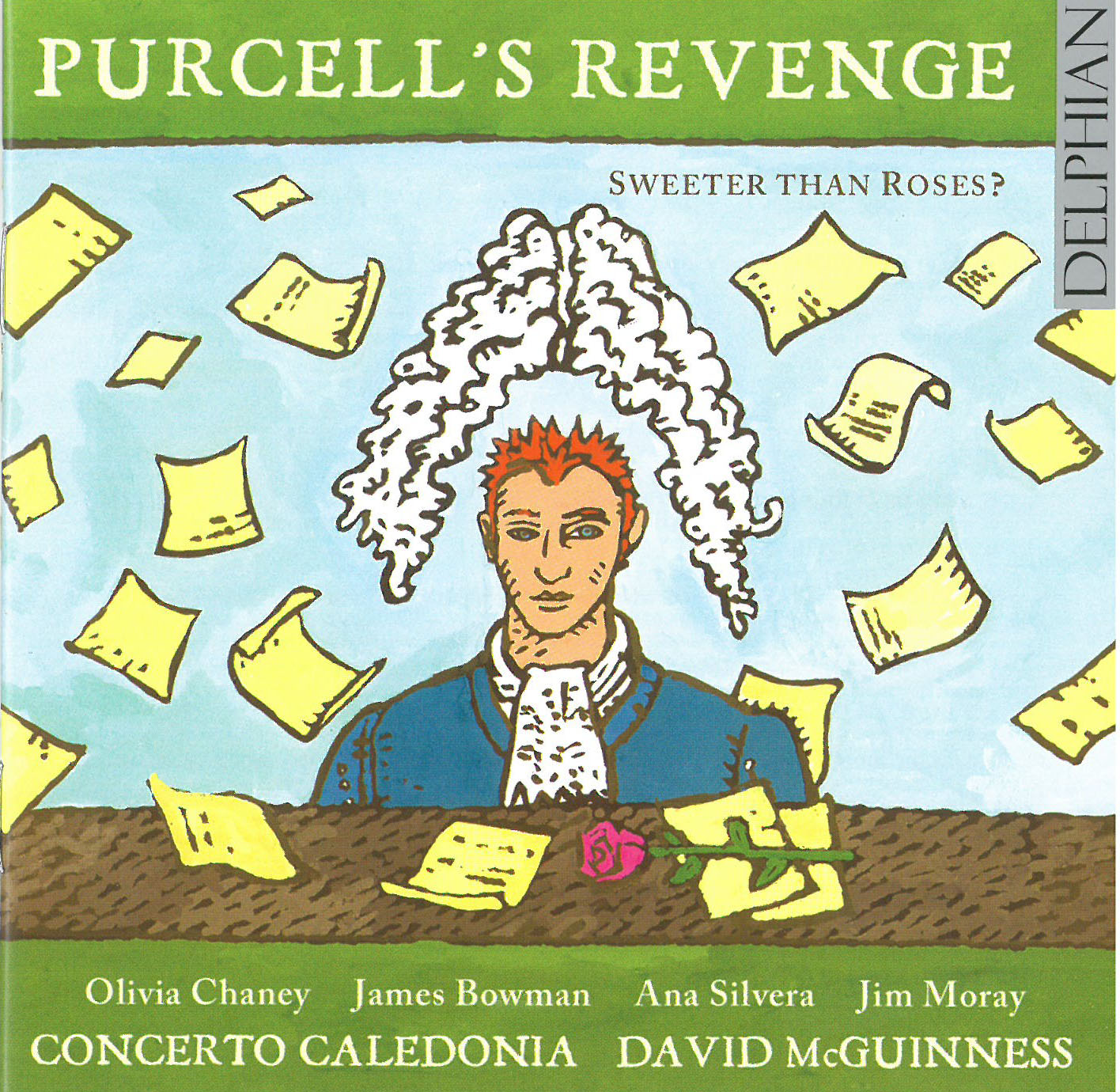
02_Purcells_Revenge.jpgPurcell’s Revenge – Sweeter Than Roses?
Concerto Caledonia; David McGuinness
Delphian DCD34161

Listening to this CD, I felt as though I’d mysteriously stumbled onto the playlist of a stranger who had searched using the keywords “Purcell, Scottish, early music, folk, crossover, James Oswald.” Anyone looking for multiple ways to reinvent Purcell and traditional tunes connected to him will find much to enjoy in the broad swath that this program cuts; but cohesive it’s not.

James Bowman makes a cameo appearance singing Sweeter Than Roses with viol consort, and Jim Moray sings a convincing and innocently folky Fairest Isle. Olivia Chaney’s singing in her wonderful arrangement of There’s not a swain on the plain reminds me of the great Maddy Prior; and Pamela Thorby does an excellent job of whistle-izing a recorder. The connection between Purcell’s New Scotch Tune for solo harpsichord and a hook harp version of the tune speaks elegantly for itself, as does a broken consort version of Purcell’s Fantazia 11, and there are a couple of delightful new pieces by Chaney and Ana Silvera.

But some of the other material left me cold, such as the revamp of Purcell’s Evening Hymn, the original of which is so gorgeous I don’t know why anyone would want to mess with it. Elsewhere there’s some very good harmonica playing, and “rock on” amplification, of which I’d have liked either more, or none. There’s much cleverness and musical delight here, but this particular “anything goes” program doesn’t quite satisfy.


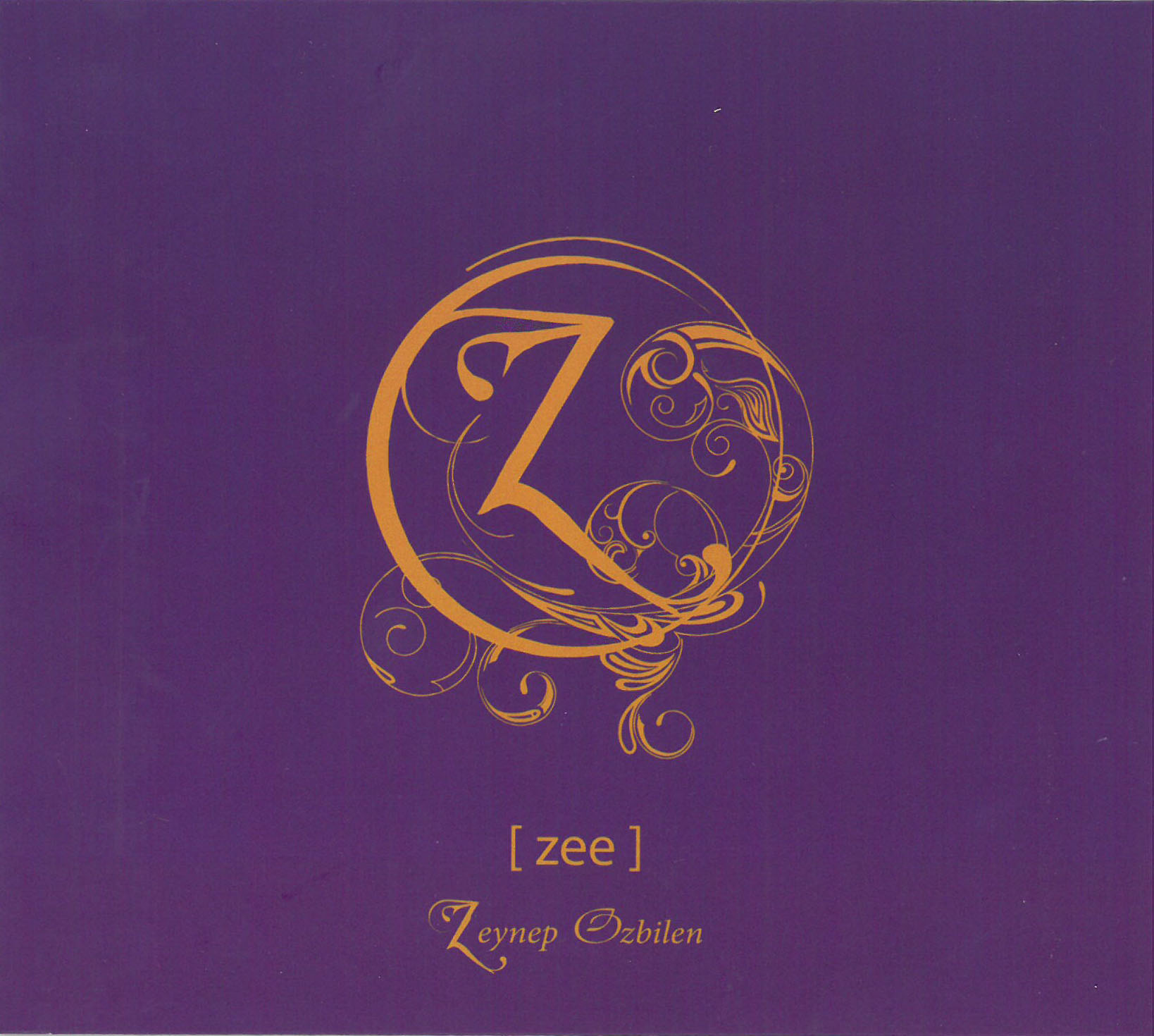
05_Pot_Pourri_01_Zee.jpgZ [zee] 
Zeynep Ozbilen
Independent (zeynepozbilen.com)

Where would the 1969 Blood Sweat and Tears’ jazz fusion hit Spinning Wheel by Canadian singer David Clayton-Thomas receive a caliente Latin-inflected remake by Toronto bandleader and arranger Roberto Linares Brown (leaning heavily on the original influential Grammy Award-winning arrangement by Fred Lipsius), but infused with Turkish lyrics by the singer Zeynep Ozbilen? In Toronto, that’s where. Titled Donme Dolap, the song is among the delights of Z [zee].

While the individual tracks were recorded in cities emblematic of the music genres represented – Istanbul, Miami, NYC and Toronto – the album was produced, mixed and mastered in Toronto. I mention the geography and its implied cultural shifts because it accurately reflects the hybrid musical aesthetics and artistic ambitions of Ozbilen, aided by her producer and band leader Brown.

This album with the single consonant title (given the American pronunciation), is the newest project of Turkish-born, now Toronto-based singer and songsmith Zeynep Ozbilen. For over a decade she was the lead vocalist for the Latin All Stars, the first and best-known Latin group in Turkey. Her warm throaty alto is equally at home in jazz and musical standards as in Anatolian, Balkan and Ladino songs. The lyrics on Z [zee] underscore this multiculturalism, smoothly negotiating between Turkish, English and Spanish.

The skillful fingerprints of Roberto Linares Brown are all over the album too, infusing his knowledge of multiple Latin styles into skillful horn-rich arrangements and delivering understated keyboard performances. While not every song here will make it into my personal heavy rotation, the album as a whole encourages my hybrid musical heart to sing – and to kick off those winter boots and dance.


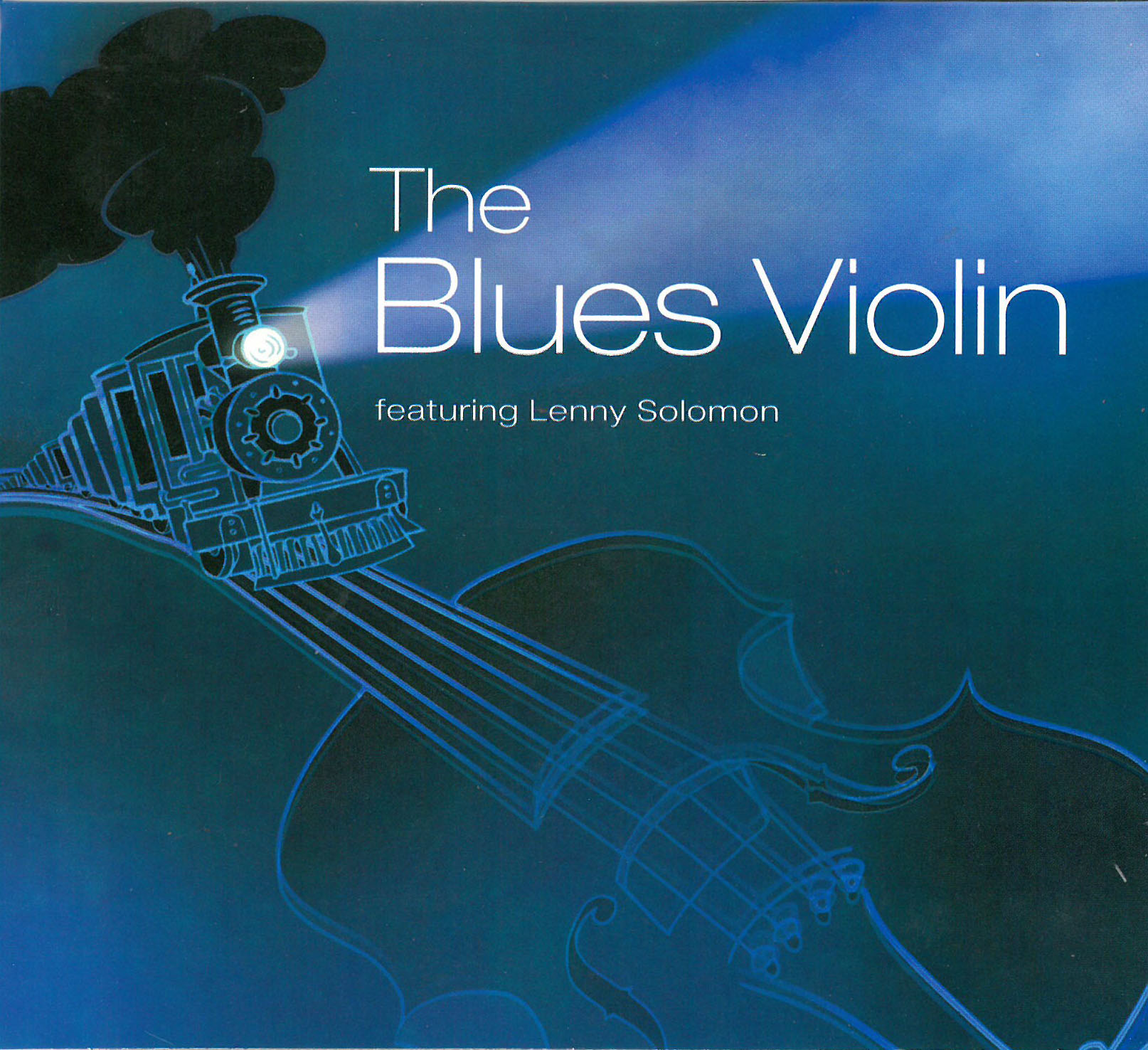
01_Blues_Violin.jpgThe Blues Violin
Lenny Solomon
Independent #301 (thebluesviolin.com)

After the international success of his show Bowfire, Lenny Solomon is returning to his roots with his newest release The Blues Violin. This JUNO Award-winning Toronto musician has built a solid reputation as a jazz violinist, though he has a lengthy classical and pop background. The music on this album journeys through different blues styles but that is not all – Lenny Solomon adds jazz, funk and rock elements with the craftsmanship of a mature artist. The rhythm section (Marc Ganetakos, guitar; Shelly Berger, bass; Mark Lalama, keyboards; Steve Heathcote, drums and percussion) provides a wonderful landscape for the savvy violin solos and shines in solos of their own. Greg Kolchinsky, who recorded and mixed this album, did a fine job bringing out the variety of electric violin sounds.

The recording opens and closes with lively jazz numbers - Jumpy gives a nod to the Jump Jive sound and features fluent violin solos and buoyant horns while Jojo, in addition to the impressive violin improvisations, offers the spotlight to the rhythm section. In between are mellow compositions such as Winter Tears and Slow Side into Blues (this one evocative of Stephane Grappelli’s style) and more animated ones – Half Full Blue, with its majestic opening and a rock beat, and Spooky Blues, with clear violin lines over funk guitar. Edgar’s Blues stands out for its wah-wah violin effects – the violin sound is stimulated with electronics and controlled by the movement of the player’s foot, creating an expressive tone that mimics the human voice.

Highly recommended for escaping the winter blues.


02_Shirley_Eikhard.jpgMy Day in the Sun
Shirley Eikhard
Independent SEM2014 (shirleyeikhard.ca)

Shirley Eikhard is one of the most significant, contemporary singer/songwriter/composers that Canada has ever produced. She has created hit songs for a variety of international artists – blurring the lines between musical genres and embracing elements of country, blues, pop and soul. Eikhard’s Grammy-winning song Something to Talk About became a megahit for the incomparable Bonnie Raitt and she has also penned material for such diverse artists as Rita Coolidge, Anne Murray, Emmylou Harris, Cher and Chet Atkins. Eikhard’s latest project, My Day in the Sun, is rife with her trademark lyrical and melodic skill. Each track is an original Eikhard composition, and a synesthetic treat – in other words, a satisfying delight for the head, heart, eyes, ears and spirit.

The Reggae/Ska-influenced opener Pray for Rain features clever multi-tracked vocals (as well as an appropriate Farfisa-like keyboard patch), and sets the stylistic tone for the entire CD on which Eikhard not only sings all the parts but also plays all the instruments. Her rich, warm, alto voice easily wraps itself around the soulful, rhythmic tracks and effortlessly imbues each song with her distinctive lyrical poetry and profound emotional content. The title track explores her very personal journey as a mature artist… a journey that has not only wended its way through a long and meaningful career, but a career that is as artistically relevant now as it has ever been. It is a joy to hear Eikhard singing in her own, authentic voice – with more than a little positivity, power and truth (elements often lacking in today’s simplistic pop tunes). Of particular note is What Could Have Been – an anthem about putting the past in perspective and moving ahead into a joyous future.


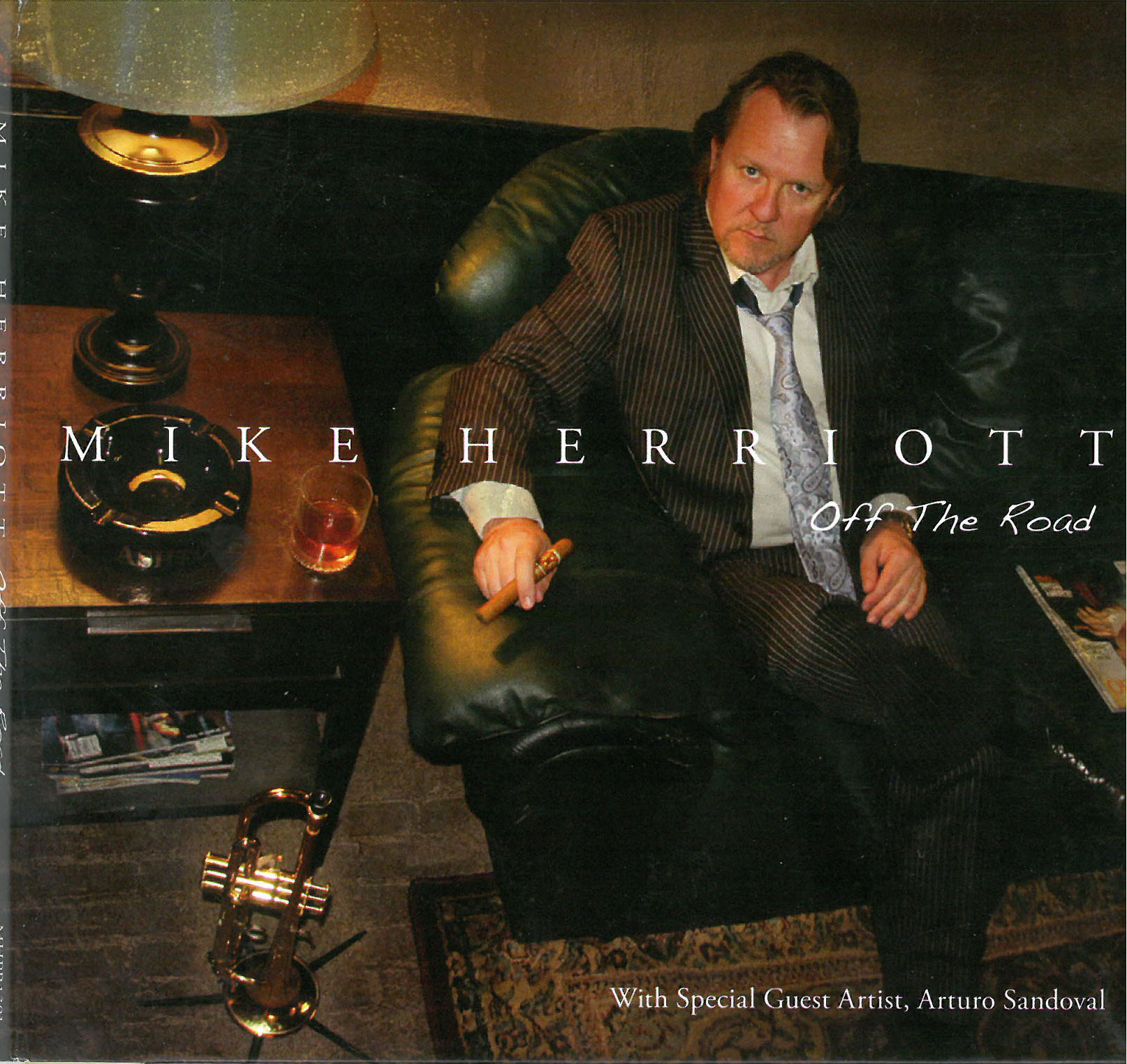
06 Pot Pourri 01 Mike HerriottOff the Road
Mike Herriott; Arturo Sandoval
MHP Records MHPR1301
(mikeherriott.com)

Although perhaps best known as a classical trumpeter who extends into a number of milieus, Mike Herriott is also a multi-gifted, multi-instrumentalist who regularly acquits himself brilliantly on trumpet, French horn, trombone, electric and acoustic bass, piano, percussion and more. On Off the Road, Herriott has utilized a melange of styles, approaches and instrumentations – blurring the lines between jazz, classical, rock and Latin musics. Not quite a one-man-band, Herriott’s talented support on the CD includes percussionist Richard Moore, guitarist Sean Harkness and Canadian Brass trombonist Achilles Liarmakopoulos, as well as his special guest – iconic Cuban trumpeter Arturo Sandoval. Herriott contributes the bulk of the compositions here, with additional material from the eclectic likes of Pete Townsend of The Who, J. S. Bach and 18th-century composer Gottfried Reiche.

Prepare to be thrilled from the solo trumpet opener Abblasen Fanfare, through the stirring, swinging, bop-infused Dear John (a Freddie Hubbard tune, featuring Sandoval), to the final selection – Herriott’s incisive take on Bach’s Adagio, Sonata in G Minor for Solo Violin (performed on trumpet, of course!).

Other complex and challenging gems include the plaintive Stay Thirsty, My Friend (a tribute to his dear friend Alex Mitchell); the cinematic opus Home Suite Home (featuring the exceptional drumming/percussion of Moore) and the Latin cooker, Cancion de Kyra (with some face-melting guitar work from Harkness). Off the Road is not only an immense technical achievement, but the work of a deeply emotional artist clearly at the apex of his creativity and skill.


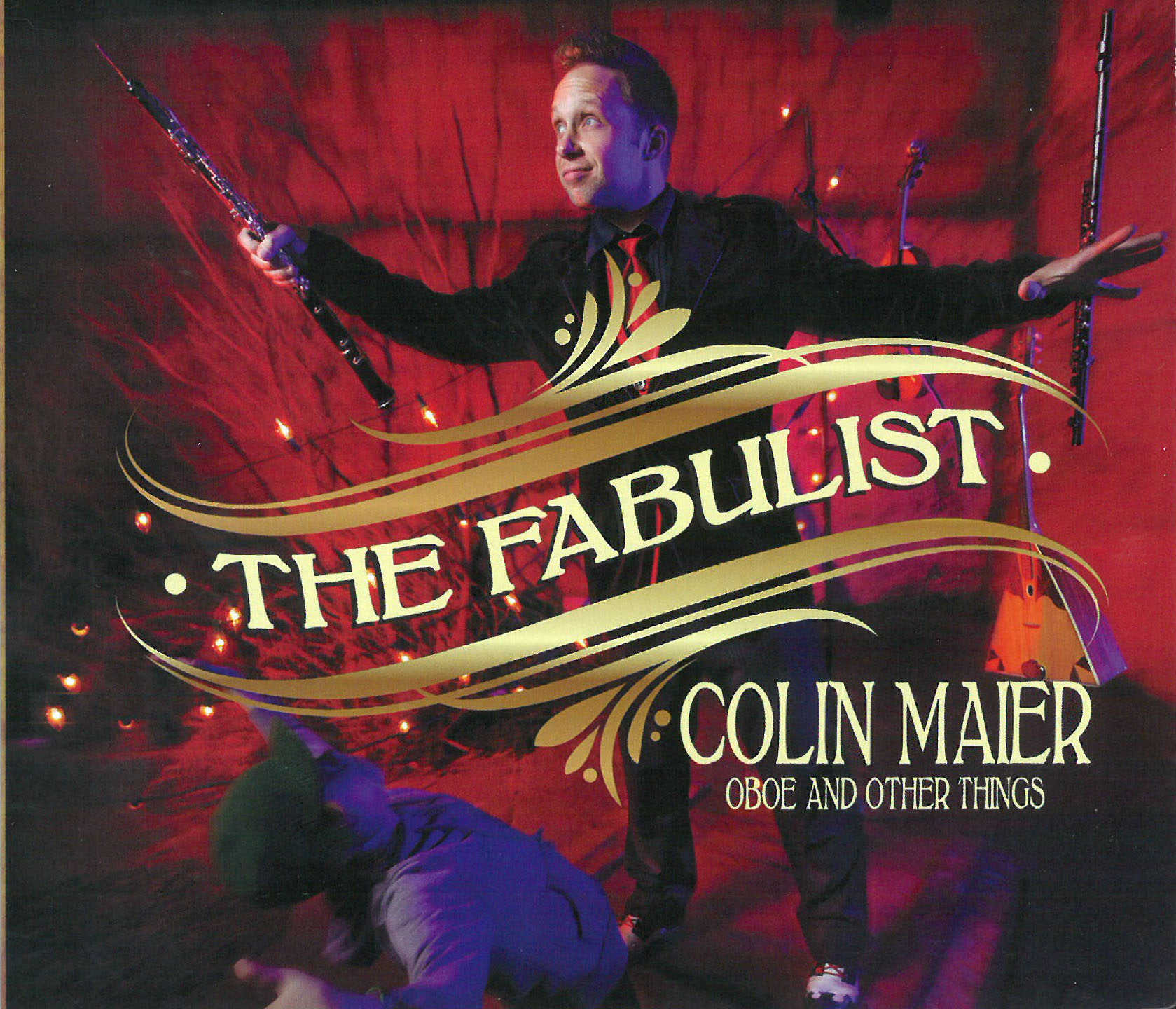
06 Pot Pourri 02 The FabulistThe Fabulist
Colin Maier
Independent CMCD 002 (colinmaier.com)

Currently best known as the oboist with Quartetto Gelato, Canada’s popular classical touring ensemble, Colin Maier is a man of formidable talents that go far beyond playing the oboe. Remember the opening ceremonies of the Vancouver Olympics of 2010? Maier was the guy playing violin in the flying canoe. Having performed as an actor, dancer, stuntman, martial artist and acrobat, what first brought him to the Toronto area was a gig as a hobbit in the stage production of Lord of the Rings. The Fabulist is Maier’s second solo CD and an absolute delight on so many levels. Displaying flawless technique, Maier is not only a master of the oboe but also plays a staggering number of other instruments on this recording, including woodwinds, strings, strummed instruments, percussion and musical saw. And he also sings!

This recording is sheer fun – the choice of repertoire indicates that it doesn’t take itself too seriously, yet there is nothing amateurish about it at all, except in the true meaning of the word! This labour of love is evident throughout the mish-mash of genres; there are a couple of classical pieces for oboe (the beautiful Poulenc sonata and a showy movement by Pasculli). The rest is a bit of jazz, Celtic, some commissions by young Canadian composers and tunes by Richard Rogers and Cape Breton singer-songwriter Buddy MacDonald. Maier is accompanied by pianist and recording engineer Mark Camilleri, his colleagues from Quartetto Gelato and others, including himself; most remarkable is the final piece from which the CD takes its title, by Rebecca Pellett, in which Maier is literally his own orchestra, playing 13 instruments via the wonders of multi-track recording. This must have taken hours to produce, but I’ll bet it was fun!


If the darkness of winter is getting you down, drop everything right now and buy this CD! It is guaranteed to make you smile. To learn more about Maier, visit his website, colinmaier.com.

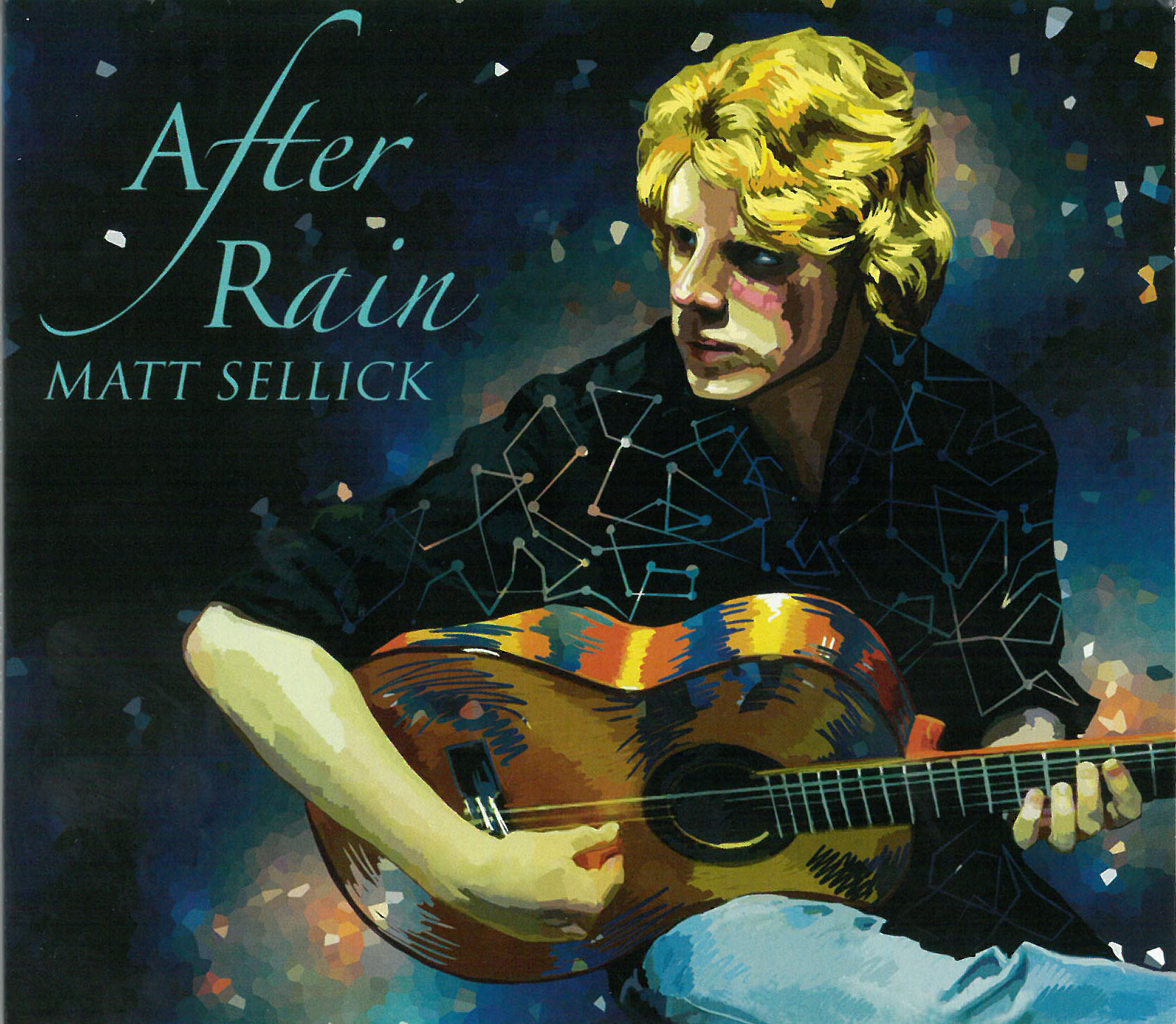
06 Pot Pourri 03 Matt SellickAfter Rain
Matt Sellick
Independent (itunes.apple.com/ca/album/after-rain/id930972312)

After Rain is a very interesting new CD from the Thunder Bay guitarist and composer Matt Sellick. There’s no bio or recording information included, but his Facebook page notes that he has been playing guitar since the age of eight (he’s now 20) and moved through several styles from electric to classical before developing a passion for flamenco guitar.

In the brief notes on the CD digi-pack Sellick says that he plays a flamenco guitar, uses flamenco techniques and uses flamenco song forms as the starting point for his compositions. That should give you a pretty good idea of what his music sounds like: Sellick displays a solid technical base and a good tone, and the nine pieces here are entertaining and creative, with some nice effects and interesting harmonies. Track titles include: Drink From the Fountain; Allons-y!; In the Rain; A Beautiful Day; and For Paco, presumably a tribute to Paco de Lucía, one of Sellick’s admitted influences. Callejón Aynadamar is an excellent solo track (you can watch a performance on YouTube) but the other eight tracks include rhythm and percussion backing and possibly other guitars, although it’s not clear who – if it isn’t Sellick – provides these.

Sellick is clearly a very talented and creative young musician. He admits that he doesn’t know precisely what kind of music he writes, but says that “it’s music I want to share, and I hope it’s music you will enjoy.” Well, mission accomplished!

The tracks are available for download on iTunes as noted above, or you can contact Sellick for a hard-copy:
matt.sellick@gmail.com.


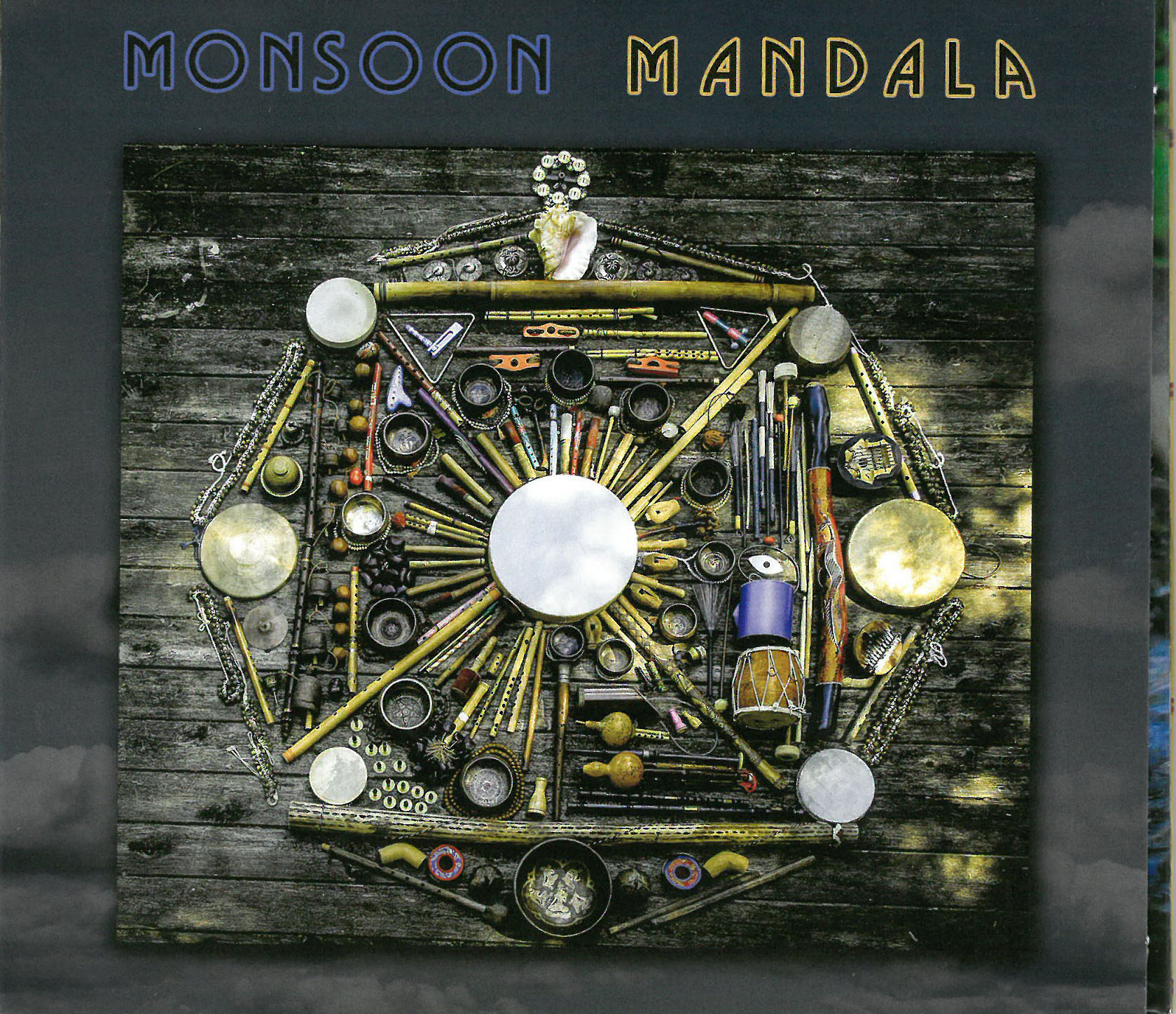
06 Pot Pourri 04 Monsoon MandalaMandala: The Cosmos Is Their Oyster
Monsoon
Independent (monsoon-music.com)

Another Kickstarter album success story, Monsoon’s Mandala was successfully funded through the crowdfunding platform, though there is also an OAC logo on the tri-fold’s back cover. The result is the Toronto-based group’s debut studio album, featuring assured performances captained by the sax, clarinet and bansuri (North Indian flute)-playing brothers Jonathan and Andrew Kay, and bassist Justin Gray. Leading Canadian advocates of Indo-jazz, in 2007 they organized the Toronto International Indo-Jazz Festival, the first in the nation.

The Kay brothers set the tone throughout the album with post-bop jazz modal expositions, revealing imaginative and moody compositions on which the performances hang. Their melodic solos and duos are imbued with characteristic Hindustani ornament and idiomatic gestures inherent to raga, derived from indigenous South Asian dhrupad and khyal music genres. These are aided in no small degree by Ravi Naimpally’s solid tala structures, grooves and solos on the tabla.

On the jazz side of the equation Adam Teixeira (drum set), Todd Pentney (keyboards), percussionist Derek Gray and Justin Gray on various basses securely support the Kays’ wind excursions. Justin Gray in particular shines on the evocative bass veena – a specially fabricated Canadian hybrid electric plucked bass string instrument – which in his hands swings admirably in both westward and eastward directions.

The veteran Toronto bassist and producer George Koller receives studio session producer credits; no doubt his seasoned affiliation with both jazz and Hindustani music is a key reason for the overall success of Mandala. In the end, what’s particularly notable is how gracefully all concerned integrate the North Indian and jazz elements into a refreshingly upbeat listening experience.


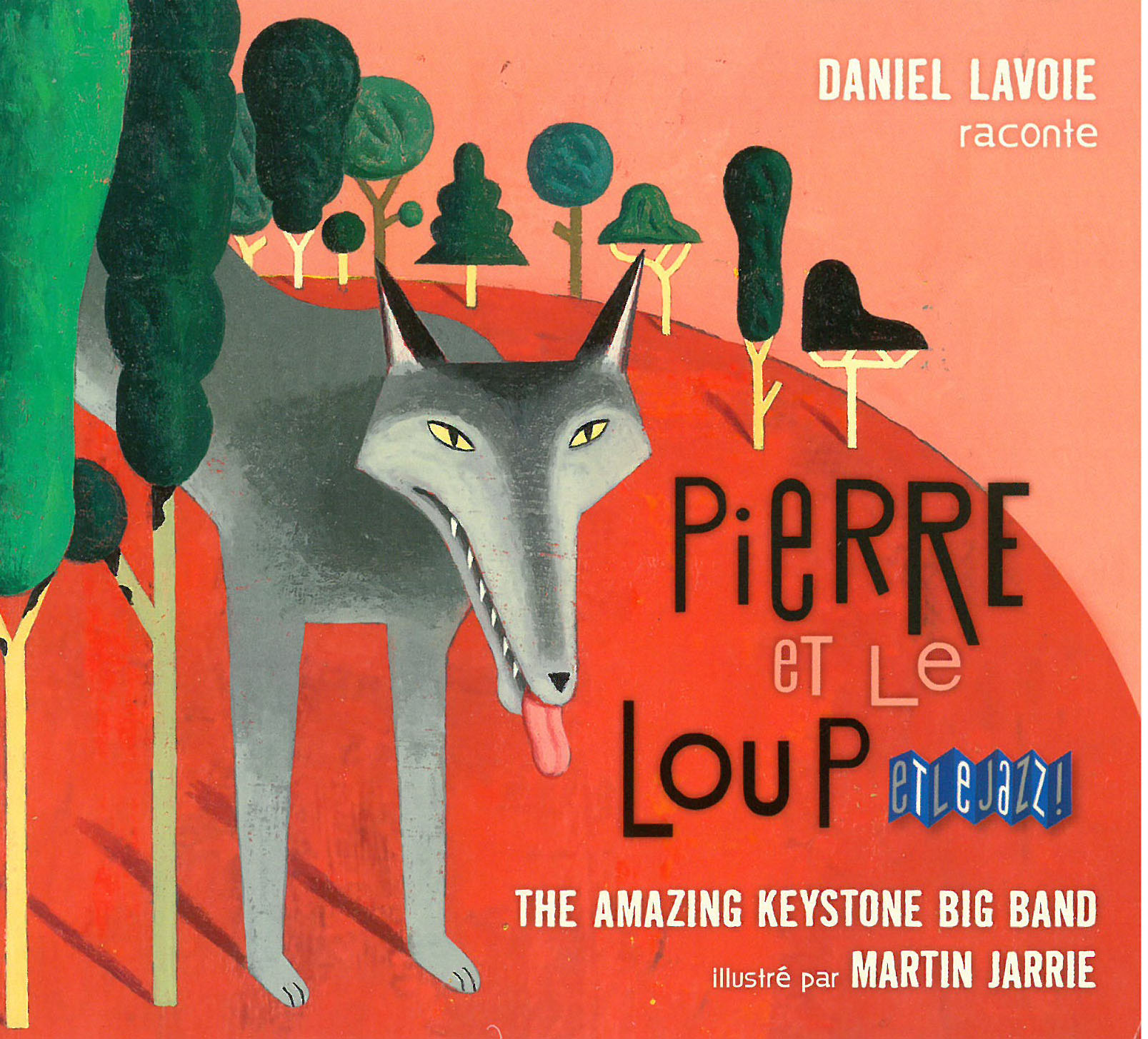
06 Pot Pourri 05 Pierre et le LoupPierre et le Loup… et le jazz
Daniel Lavoie; Amazing Keystone Big Band
Chant du Monde CME 274 2255

In a French version by Renaud de Jouvenel, arranged for orchestra by Bastien Ballaz, Jon Boutellier and Frédéric Nardin, this marvellous rendition stays loyal to Sergei Prokofiev’s wonderful musical story Peter and the Wolf while introducing listeners to big band music and the history of jazz.

The instruments you hear are different than what you’re used to – the oboe, clarinet and bassoon are replaced by saxophones for example. From Harlem to New Orleans, piano stride, free jazz, blues, bebop and jazz rock – it’s all here.

Popular Canadian singer Daniel Lavoie gives a crisp narration that quickly absorbs listeners even if they have a very limited knowledge of French. Pierre/Peter, oiseau/bird, canard/duck, chat/cat, loup/wolf, Grand-père/Grandpa, chasseurs/hunters – you’re all set. Read along in the beautiful booklet illustrated by Martin Jarrie for added comprehension.

When the story is done you’ll hear over 20 minutes of further variations on the theme. Soulful Cat, Elegy for a Duck, Grandpa’s Shuffle, to name but a few. The Amazing Keystone Big Band really is amazing.

The clarity of this recording makes it a delight to hear. This creative arrangement of a familiar tale is a welcome addition to the jazz family.


06 Pot Pourri 01 Canadian Brass ChinaGreat Wall of China
Canadian Brass
Opening Day ODR 7433

Having listened to recordings of the Canadian Brass for many years, I was sure that this CD would be in the same style as previous recordings. Not so. While it has all of the performance polish that is the hallmark of this group, there is a big difference. None of the music is familiar. All 18 tracks are adaptations of Chinese music. First time through I simply sat back and listened from beginning to end. In a few words: It is delightfully listenable.

Since there are no program notes, I was at a bit of a loss as to where to start to obtain information on the selections. Taking the bull by the horns, I called both Howard Cable (who wrote nine of the eighteen adaptations) and Chuck Daellenbach, the founder and tubist of the group. The selections are called “adaptations” because the original material was received as recordings on original Chinese instruments which were then adapted for performance in the brass quintet.

As Daellenbach pointed out, just as the day-to-day life in China has evolved due to Western influence, so has Chinese music. From soft melodies like The Moon Represents My Heart which features the trombone in a jazz style and a very melodic tuba passage to Catching Butterflies While Picking Tea with its definite Chinese flavour and amazing ending, or the lullaby-like sensitivity of Colourful Clouds Chasing the Moon, it’s a new musical experience. In particular, Daellenbach’s sensitive melodic tuba is a joy rarely heard. This CD should be added to the listening material for the classes of instrumental music teachers to show students the range of subtleties and colours achievable with brass instruments in the right hands.


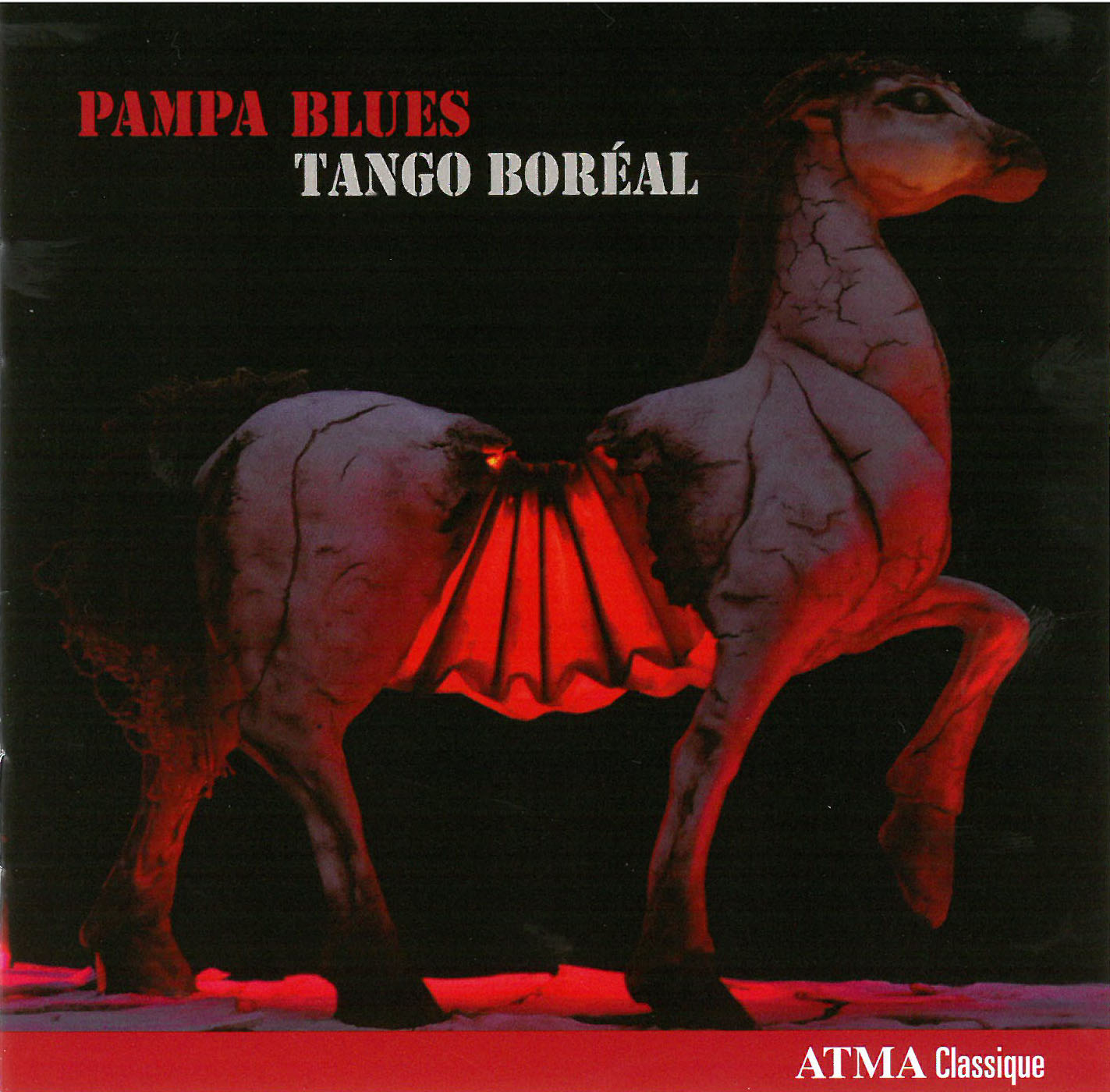
06 Pot Pourri 02 Tango BorealPampa Blues
Tango Boreal
ATMA ACD2 2706

Bandoneonist/composer Denis Plante cunningly equates the music of Pampa Blues with an aural musical journey of a horse travelling north to south across the Americas. Plante’s tongue-in-cheek wit catches one’s attention with his opening liner notes sentence “Tango is dead.” Start to listen, and Tango Boreal begins to prove the statement wrong. Plante’s compositions are rooted in the tango tradition with touches of different styles abounding. His performances with double bassist Ian Simpson and guitarist David Jacques gallop into an exciting treat of tight ensemble playing, strong writing and heartwarming lyricism.

 The tracks are grounded in themes. Highlights are the great car-beeping-sound performance of Ciudad (City), an extract from Piazzolla’s Noche de Tango, while two of Plante’s own stylistically similar exciting works pay homage to the Argentinian great. In contrast, Plante’s four works dedicated to his family members are introspective and stirring. The trio plays with sensitivity to nuance resulting in breathtaking musicality. I love Plante’s idea of writing the world’s longest phrase for the bandoneon in his Tango Romance. The long phrase with no bellow change is executed with agility and surprising tonal control at the end of the line for both the beautiful melody and the completely extended bellows!

 The musicianship is superb. The tonal expertise of Plante’s bandoneon is unmatched. Simpson drives the bass rhythm with colour and bounce. Jacques is equally great in both guitar lead melody and supporting roles. Together they are keeping more than just tango alive!


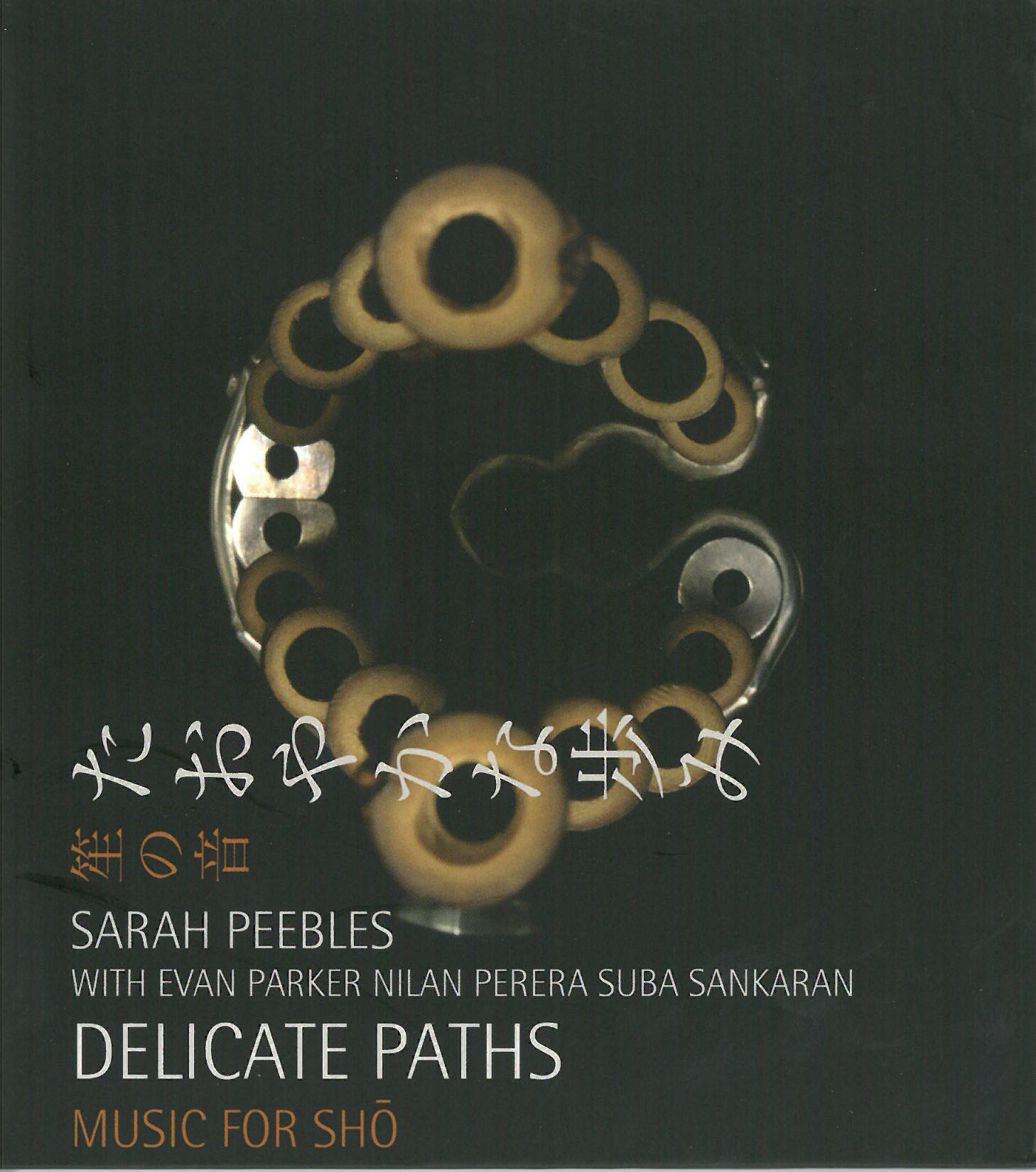
06 Pot Pourri 03 Sarah PeeblesDelicate Paths – Music for Shō
Sarah Peebles; with Evan Parker, Nilan Perera, Suba Sankaran
unsounds 42U (unsounds.com)

For some quarter century the Toronto-based American composer, improviser and installation artist Sarah Peebles has conducted a musical love affair with the shō, the Japanese mouth organ. Ever since studying its foundational repertoire embedded in the music of the antique gagaku, performed by the orchestra of the Japanese court, she has sought to explore the shō’s sonic strengths. She has particularly identified with its ability to produce microtonal and psychoacoustic effects reifying sound, often unfolding leisurely over time.

There is yet another key element on this album. Bees. Peebles’ installation art practice explores the lives of wild bees, pollination ecology and biodiversity, a branch of BioArt. This concern not only explains some of the titles of the works here – i.e. Resinous Fold – but it is also reflected in the synergistic relationships between mouth organs and the resinous production of bees. Tropical stingless bees secrete a resin which has been gathered from wild nests for millennia and applied to many human artifacts, including mouth organs. The shō is no exception. You can view a number of fascinating photos, of both bee habitats and the delicate shō reeds for which their products are an essential ingredient, on the web page for Delicate Paths hosted by the “unsounds” label.

Peebles’ music employs both improvisation and composition, embracing acoustic as well as digitally processed performance. While shō is clearly featured, the album invites other musicians into the music making. On Delicate Paths she has included three star improvisers: a familiar reed instrument, a string, and a voice. Free jazz-rooted saxophonist Evan Parker, prepared electric guitarist Nilan Perera and multi-genre vocalist Suba Sankaran join Peebles. They are canny choices. Each effectively supports, contests and offsets her shō’s melodic long tones and clusters, providing welcome musical tensions, cultural reframings, as well as textural and timbral richness.

Slipping the CD out of its handsome black trifold case I was delighted by its striking, subtly translucent honey-coloured appearance. Repeated listening revealed music of refinement, occasionally graced with a gentle aural sweetness, which in my imagination at least, resonates with a key component of the shō’s inner workings.


06 Pot Pourri 01 Kiran AhluwaliaSanata: Stillness
Kiran Ahluwalia
Independent MTM-CD-930 (kiranmusic.com)

The release of Indian-Canadian singer and songwriter Kiran Ahluwalia’s sixth album Sanata: Stillness, provides copious confirmation that her songs are “one of global music’s most interesting adventures.” Ever since Ahluwalia‘s first CD in 2001, it seems each new album marks new regions of personal musical growth, accompanied by evolving instrumentation and stylistic components. Recorded in Toronto, Sanata, as does her touring group, features some of the city’s top world musicians. Among them number percussionist maestro Mark Duggan and bassists extraordinaire Rich Brown and Andrew Downing.

In my September 2014 WholeNote cover feature on Ahluwalia, I observed that her geo-musical expansiveness is a result “of her careful listening to yet another [geo-cultural] zone of our world. She has [further] shown a continued eagerness to contest the borders of her musical comfort zones in live performance.”

Sanata provides ample proof of that process of exploration and synthesis at work. We hear Ahluwalia’s signature masala of her unique interpretation of Indo-Pakistani ghazal and Punjabi folk song, rendered in her expressive yet unstrained vibrato-less voice. It’s hung on a solid backbone of years of classical Hindustani musical training. Her gift for crafting catchy melodies is evidenced in her songs; I’m guessing a key feature in their audience appeal.

Another significant strand is the addition of pungent echoes of Saharan blues guitar, as in her award-winning 2011 CD Aam Zameen: Common Ground. It grounds the title track and also propels “Hayat” with a swaggering groove at just the right tempo. The superbly supple electric guitar accompaniments are provided by her American husband Rez Abbasi, who is also the album’s arranger and producer. Abbasi gets a chance to show his ample jazz guitarist cred in his “Tamana” solo and elsewhere.

While the album is carefully woven together with jazz-forward and sometimes rock-infused arrangements, “Jhoom” and “Lament,” the two songs in the qawwali tradition, return the album’s musical topography and transport the listener – via many transcontinental byways – to the Subcontinent.


06 Pot Pourri 02 TagaqAnimism
Tanya Tagaq
Six Shooter Records (tanyatagaq.com)

This album is a profound exploration of transcultural confrontation and transformation as expresed through the magical qualities and healing power of sound. Featuring the brilliant vocalism of Inuk avant-garde throat singer Tanya Tagaq, Animism synergistically merges her indigenous rights activism with the expressive force of her art. Not simply a typical “wordless protest album” however, its release promptly caused significant critical acclaim. To cap it off, Tagaq won the 2014 Polaris Music Prize, presented annually for the “best Canadian album regardless of genre or sales,” becoming its first indigenous recipient.

To be sure, the involvement of the polished improv-based musicality of her regular accompanists, Toronto drummer Jean Martin and the B.C.-based violinist, producer and arranger Jesse Zubot, is essential to every track.

Tagaq’s vocal art lives in zones of layered, multiple hybridity, a foundational feature of which is her free improv performance strategy. Paradoxically however, this CD’s first song is a cover of the Pixies’Caribou” (1987) sung in a “standard” (that is non-throat singing) voice by Tagaq and masterfully arranged with the addition of synth, horn and string parts by Zubot. Comparing it to the original Pixies’ recording, I prefer this album’s extended version, still rocking in sections yet musically convincing us without strumming a single guitar chord.

The pop-orientedCaribou” is an exceptional case here, however. Other songs like Rabbit propose an almost cinematic soundscape. Atop field recordings of northern soundscapes by Michael Red, and Zubot’s significant contributions, Tagaq’s vocalise transforms itself effortlessly from human to animal sounds and back.

The music on the innovative Animism, though sonically and emotionally rooted in the arctic, is nevertheless poised to move audiences no matter where they live.

Back to top