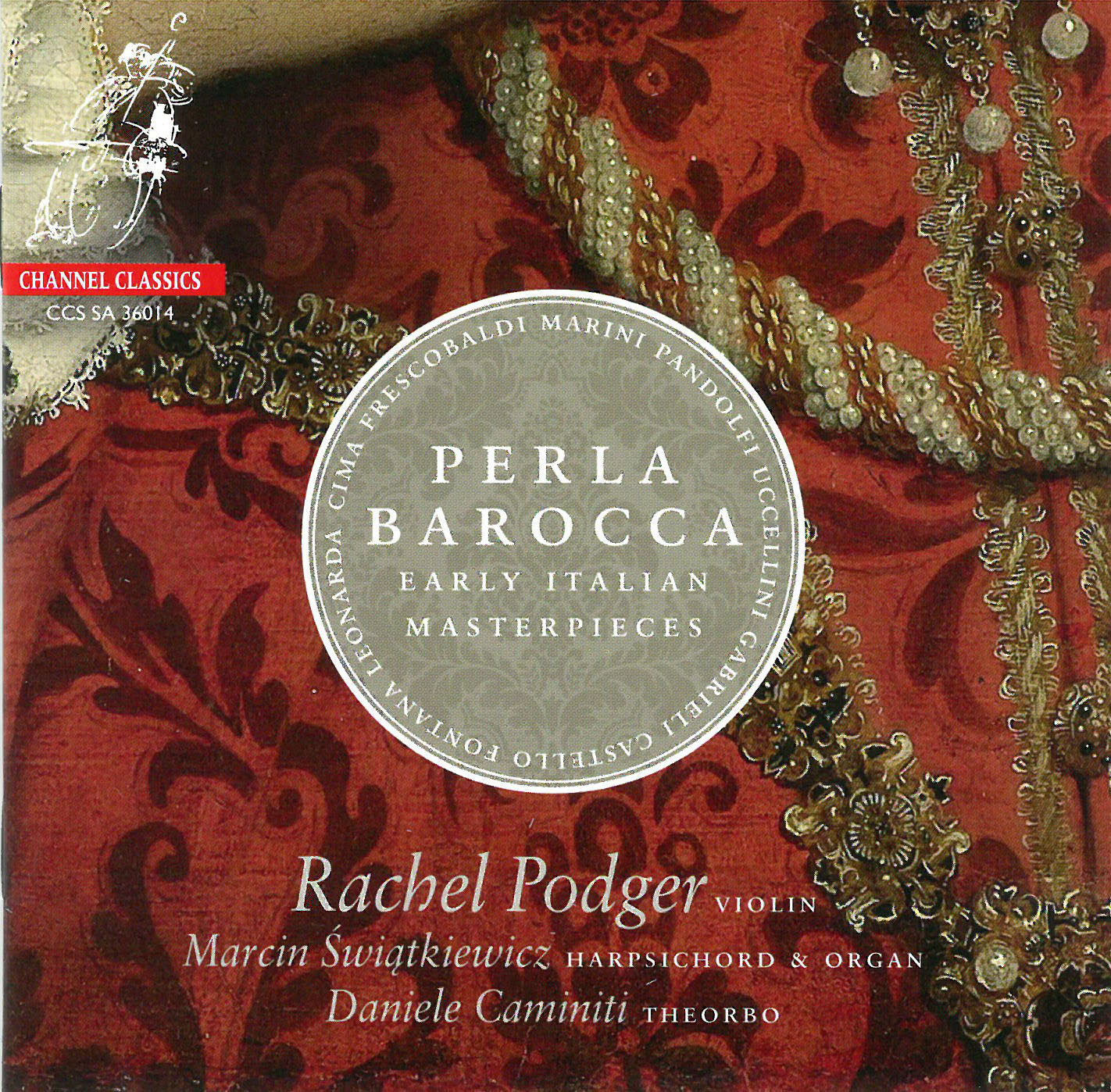
02 Early 01 Perla BaroccaPerla Barocca – Early Italian Masterpieces
Rachel Podger; Marcin Swiatkiewicz; Daniele Caminiti
Channel Classics CCS SA 36014

This beautiful disc is a pearl indeed. From the lyrical, improvisatory opening of G.B. Fontana’s Sonata 2 to the final exuberance of Bertali’s Chiacona, Perla Barocca is a delightful exploration of 17th-century Italian violin repertoire, as interpreted by three luminescent players.

Among my personal favourites on this CD are Pandolfi Mealli’s Sonata 6, in which the composer’s theatrical eccentricity and lyricism are effortlessly captured. Isabella Leonarda’s Sonata 12 is simply gorgeous, and the fiery passagework of Marco Uccellini’s Sonata overo Toccata “detta la Laura rilucente,” isn’t just impressive, it’s refreshingly expressive as well. Particularly in Biagio Marini’s Sonata 4, Rachel Podger and her colleagues make use of an extraordinary range of tonal colour and volume, as well as numerous special effects described in writings of the time but rarely heard nowadays in performances of this repertoire. Girolamo Frescobaldi is represented here with the familiar keyboard Toccata 1, in which harpsichordist Marcin Swiatkiewicz displays his interpretive mastery, and another Toccata for “spinettina e violino.” Podger, Camini and Swiatkiewicz give Dario Castello’s Sonata 2 one of the most thoughtful and inventive renditions I’ve ever heard, providing inspiration for a fresh look at this much-recorded piece. Their perfect exploitation of expressive device, creative pacing and snappy virtuosity give the impression that the three of them are actively collaborating with Castello as they go; and so it is with the rest of the music on this CD.

A must-listen.


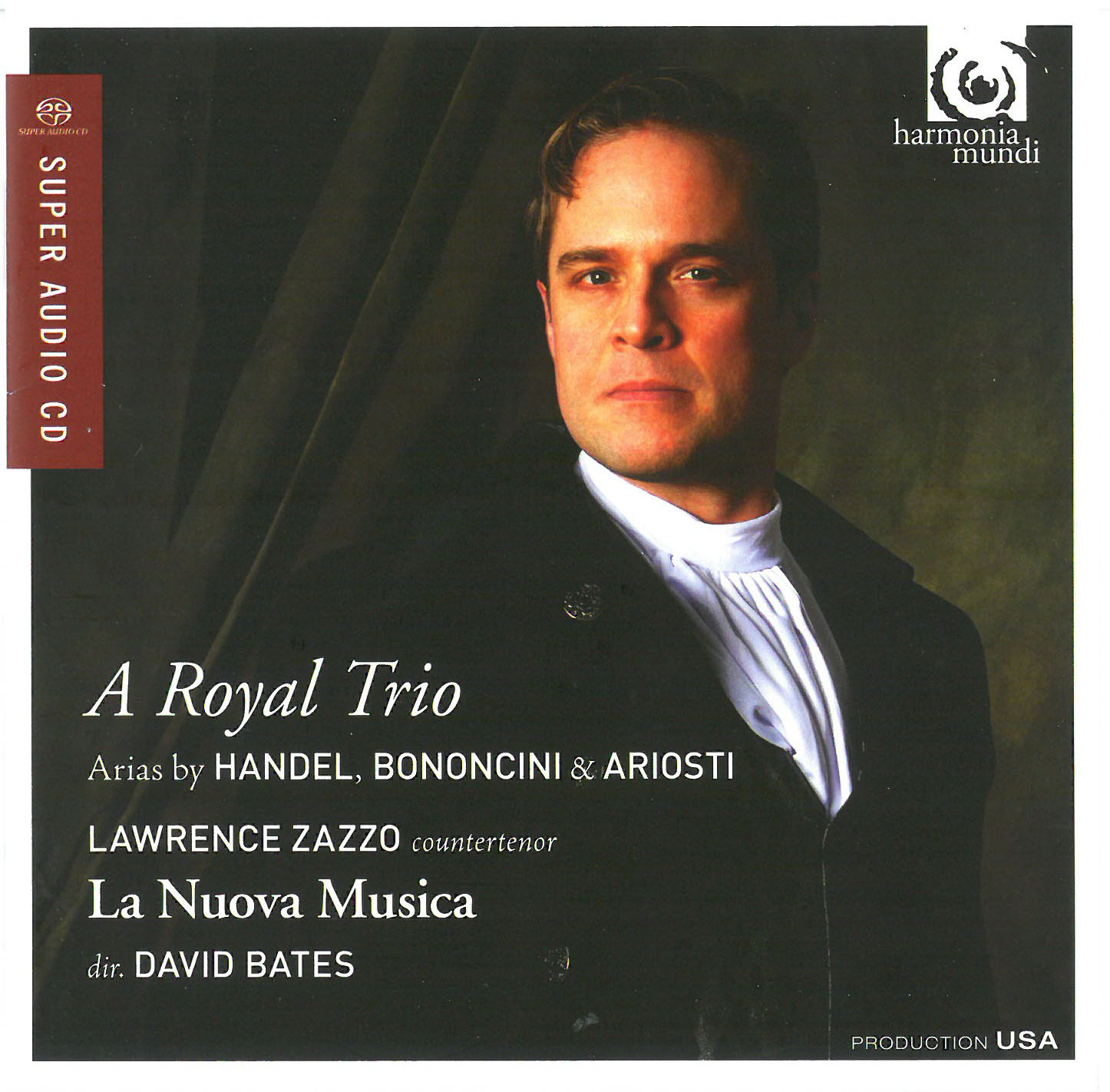
02 Early 02 A Royal TrioA Royal Trio – Arias by Handel, Bononcini & Ariosti
Lawrence Zazzo; La Nuova Musica; David Bates
Harmonia Mundi HMU 807590

In 1719, Handel had been told by the newly established Royal Academy of Music in London to recruit a company of singers, of the calibre of the castrato Senesino. Such singers were the mainstay of the Academy, as were Handel and the Milanese cellist and composer Giovanni Bononcini.

Add a third composer Attilio Ariosti of Bologna, and you have an operatic power house in London which, along with Lawrence Zazzo’s genius as a countertenor, is the inspiration for this CD. Indeed, Zazzo’s skills as a countertenor are immediately displayed with his vigorous interpretation of Handel’s “Rompo I lacci” from Flavio. More sedate but no less intense is his performance of “Cosi stanco Pellegrino” from Bononcini’s Crispo.

Handel’s music features in ten of the 18 tracks on this CD, “Va tacito” from Giulio Cesare being an entirely suitable selection, not only due to Zazzo’s enthusiastic performance but because of the spirited accompaniment from the woodwinds and horns of La Nuova Musica. It is a sharp contrast to the thoughtful, sighing setting of “Tanti affani” from Handel’s Ottone, which follows.

Despite Handel’s reputation, one of the most moving recordings on the entire CD is Ariosti’s “Spirate, o iniqui marmi” from Coriolano, conveying Coriolano’s anguish at his wrongful imprisonment. In this case, it is the strings which combine with Zazzo’s voice to create the doleful atmosphere.

In fact, Bononcini and Handel both end the CD with a flourish, the former with “Tigre piagata” from Muzio Sevola and the latter with “Vivi, tiranno” from Rodelinda. Each piece showcases the sheer skill of Lawrence Zazzo and the demands placed on his voice.


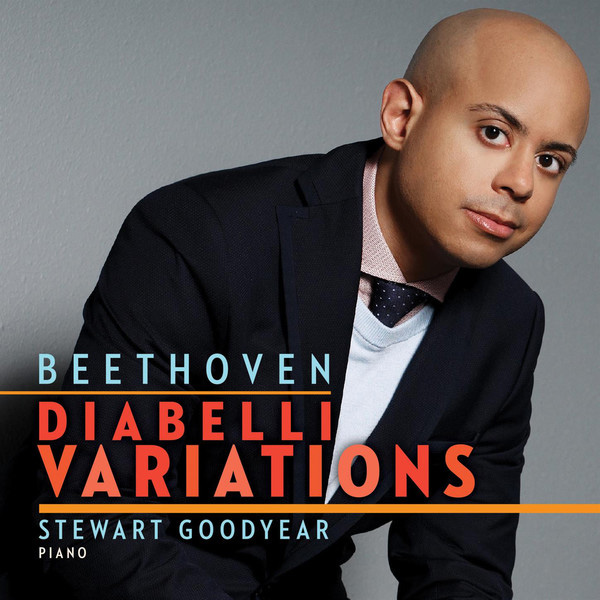
03 Classical 01 Goodyear BeethovenBeethoven – Diabelli Variations
Stewart Goodyear
Marquis MAR 455

Stewart Goodyear has already demonstrated his maturity and artistic mastery of Beethoven in the complete sonata recordings and his marathon performances of the works. This current CD establishes him as one of the premier Beethoven interpreters today.

The Diabelli Variations “amused Beethoven to a rare degree” and were written in “a rosy mood” which dispels the belief that Beethoven spent his later years writing in complete gloom. These variations tease us with incredible humour and “funny themes.” Substitute the syllables ha-ha, hee-hee to the music in Variation 10 which Alfred Brendel so aptly named “Giggling and neighing” in his book Music Sounded Out and it will guarantee a smile and laugh while listening to this extraordinary opus. This is joyful, uplifting music and Goodyear has the formidable technique and astute sense of structure to be able to switch from one character to the next. He clearly defines the unique personality and mood of each variation.

The extra-musical images and literary allusions of the work come alive in Goodyear’s command of the extreme contrasts and articulation of the musical motifs. He brings to life tender moments and violent, disjointed musical excursions while sustaining a focus from the beginning to the end of the work. The love and joy of playing Beethoven is evident in every nuance and breath of Goodyear’s performance. The sound of the recording, tempo and timing flows naturally in its expressive and colourful journey.

This is an excellent recording and is highly recommended. I look forward to Stewart Goodyear recording all of Beethoven’s Variations.


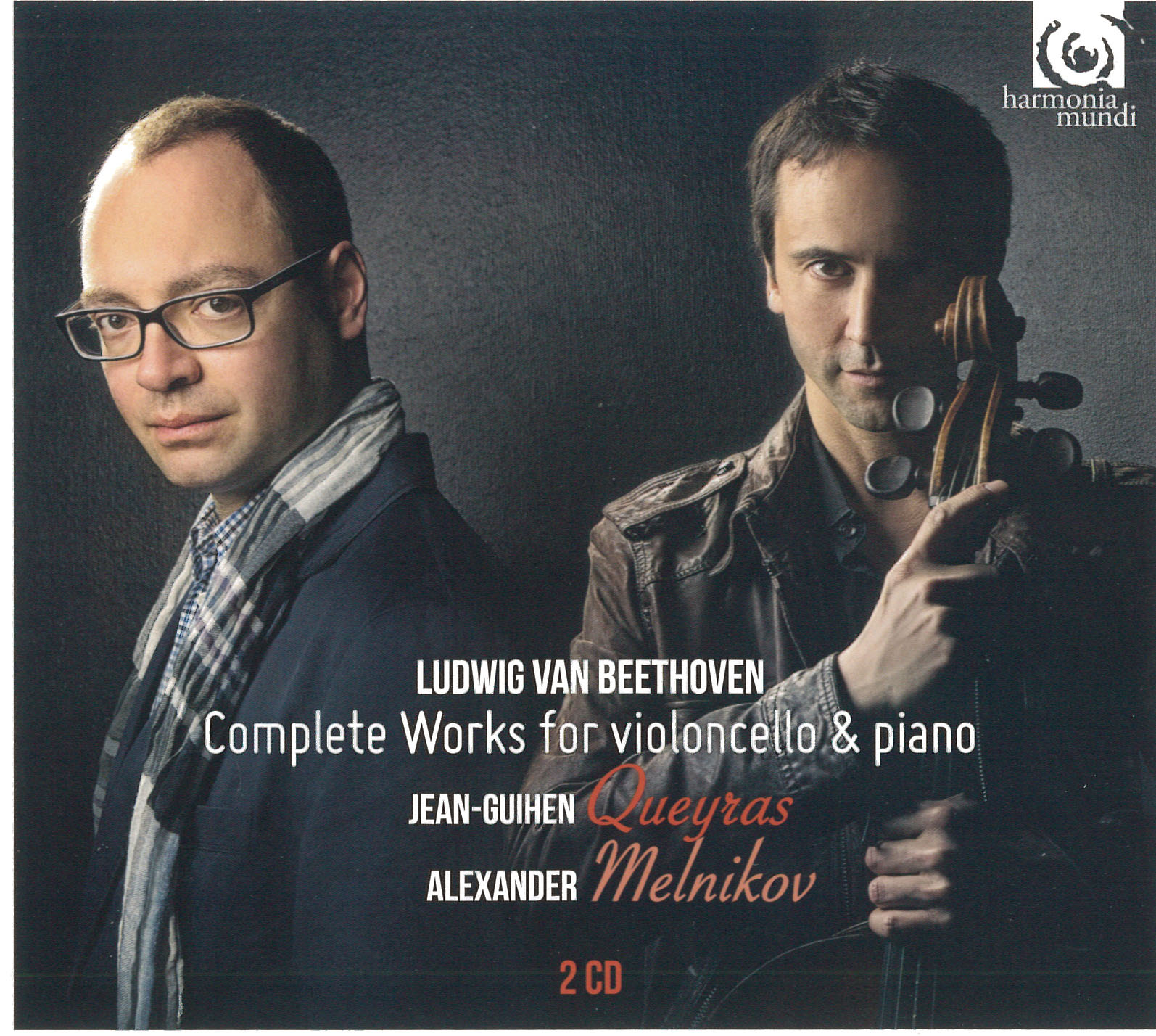
03 Classical 02 Beethoven CelloBeethoven – Complete Works for Cello and Piano
Jean-Guihen Queyras; Alexander Melnikov
Harmonia Mundi HMC 902183.84

Having already collaborated on chamber music by Brahms, Kodály, Debussy and Poulenc, Canadian-born cellist Jean-Guihen Queyras and Russian pianist Alexander Melnikov – two established Harmonia Mundi artists – have now turned their attention to music by Beethoven in this splendid two-disc set featuring the complete works for cello and piano.

The music was composed over a 20-year period, from 1796 to 1815. The two sonatas Op.5, were a result of Beethoven’s association with the musical court life in Berlin which not only included the cello-playing King Frederick Wilhelm II (nephew of, and successor to, the flute-playing Frederick the Great) but also the Duport brothers – both cello virtuosos. The Queyras-Melnikov pairing is a sublime one, their playing elegant and polished, with a wonderful sense of momentum throughout. The first disc also includes the delightful Variations on Mozart’s Ein Mädchen oder Weibschen from The Magic Flute and See the Conquering Hero Comes from Handel’s Judas Maccabeus.

It was almost 11 years later that Beethoven returned to the cello/piano combination with his Sonata in A Major Op.69, long regarded as one of his most renowned in the genre. The mood is dignified and majestic and the equal partnership of the artists results in a wonderful cohesion of sound, with Queyras’ warm rich tone perfectly complemented by Melnikov’s solid performance. Also included on this disc are the variations on Mozart’s Bei Männern welche Liebe fuhlen from The Magic Flute and the two sonatas Op.102 completed in 1815. Queryas displays a particular tenderness in the slow movement of the second sonata before the two embark on the robust fugal finale, thus bringing the set to a most satisfying close.

Well done, Messrs. Queyras and Melnikov – it’s a classic case of outstanding repertoire superbly played, and we can’t ask any more than that.


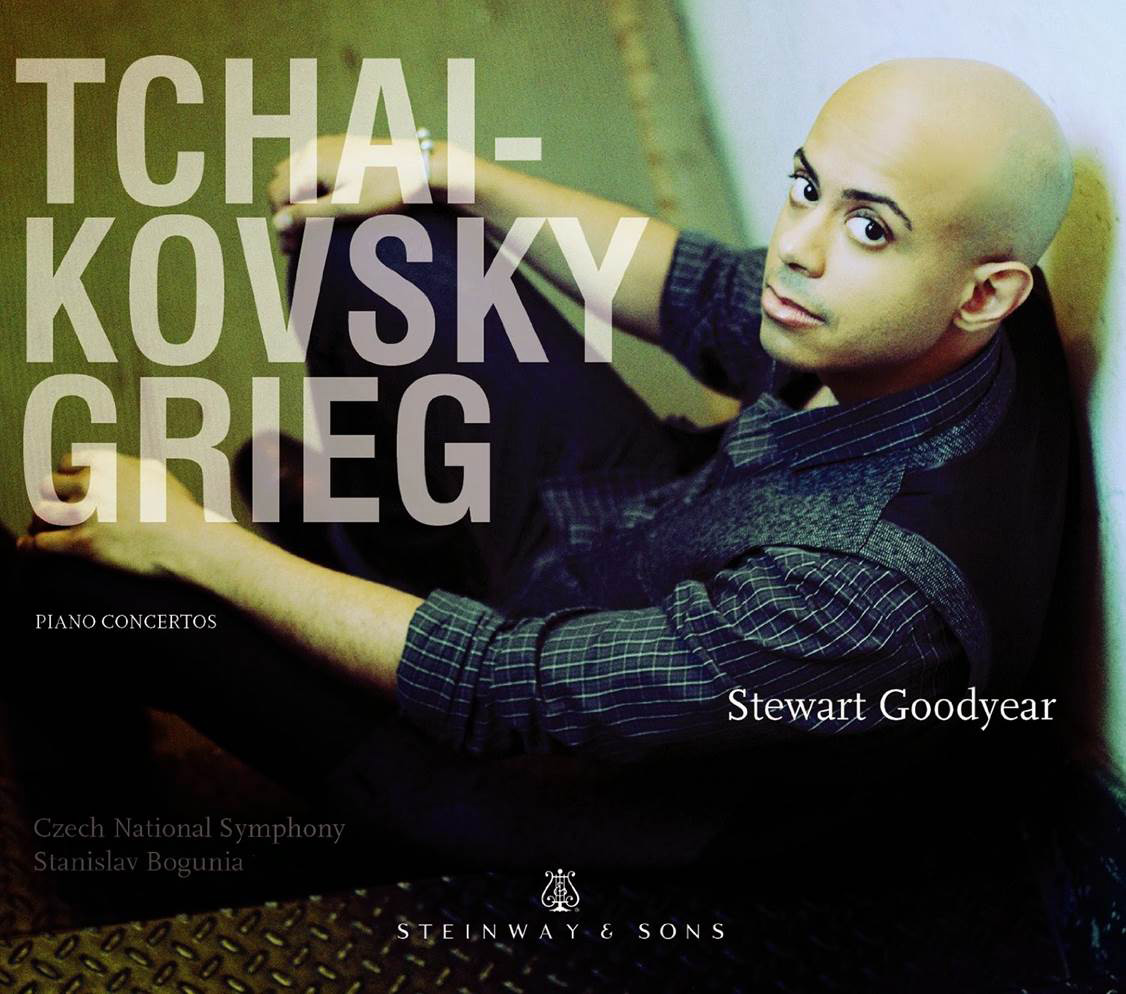
03 Classical 04 Goodyear ConcertosTchaikovsky; Grieg – Piano Concertos
Stewart Goodyear; Czech National Symphony; Stanislav Bogunia
Steinway & Sons Records 30035

These performances of the warhorses by Tchaikovsky and Grieg are on fire. There is an energy and passion from both the remarkable Stewart Goodyear and the incredible Czech National Symphony that makes this a must-listen-to CD for pianists. Goodyear speaks of the collaboration as “dancing” and the performances certainly weave long musical lines and pulsating shapes like dance choreography. I like the tempos in the Tchaikovsky concerto. Both pianist and orchestra refrained from romantic over-indulgence and kept the music flowing in grand, sweeping gestures. This concerto often suffers from affectations and egocentric playing. Goodyear’s impressive technique was used with integrity to interpret the music. He coaxed beautiful tone poems and colours from the piano. He embraced the lush harmonic worlds of Tchaikovsky and made the rhythms dance in balletic forms. His incisive articulation and trills that border on the phenomenal will keep listeners on the edge of their seats. The second movement sparkles effervescently at a quick tempo but the slower sections are tender and carefully nuanced. The concerto ends in a blaze of virtuosic display and fireworks from both piano and orchestra.

The Grieg concerto was impeccable. It sang in lyric colours and the ensemble between pianist and orchestra was exemplary. The tempos and timings breathed and evolved freely while creating naturally flowing phrases. The lyrical and sensitive second movement sang with luminous tone and expressiveness. The third movement was crisp and performed with scintillating precision.

It is so refreshing to hear these often over-done concertos played with such love, mastery and musical integrity. Bravo to Stewart Goodyear and the Czech National Symphony, as well as to Steinway for this excellent CD.


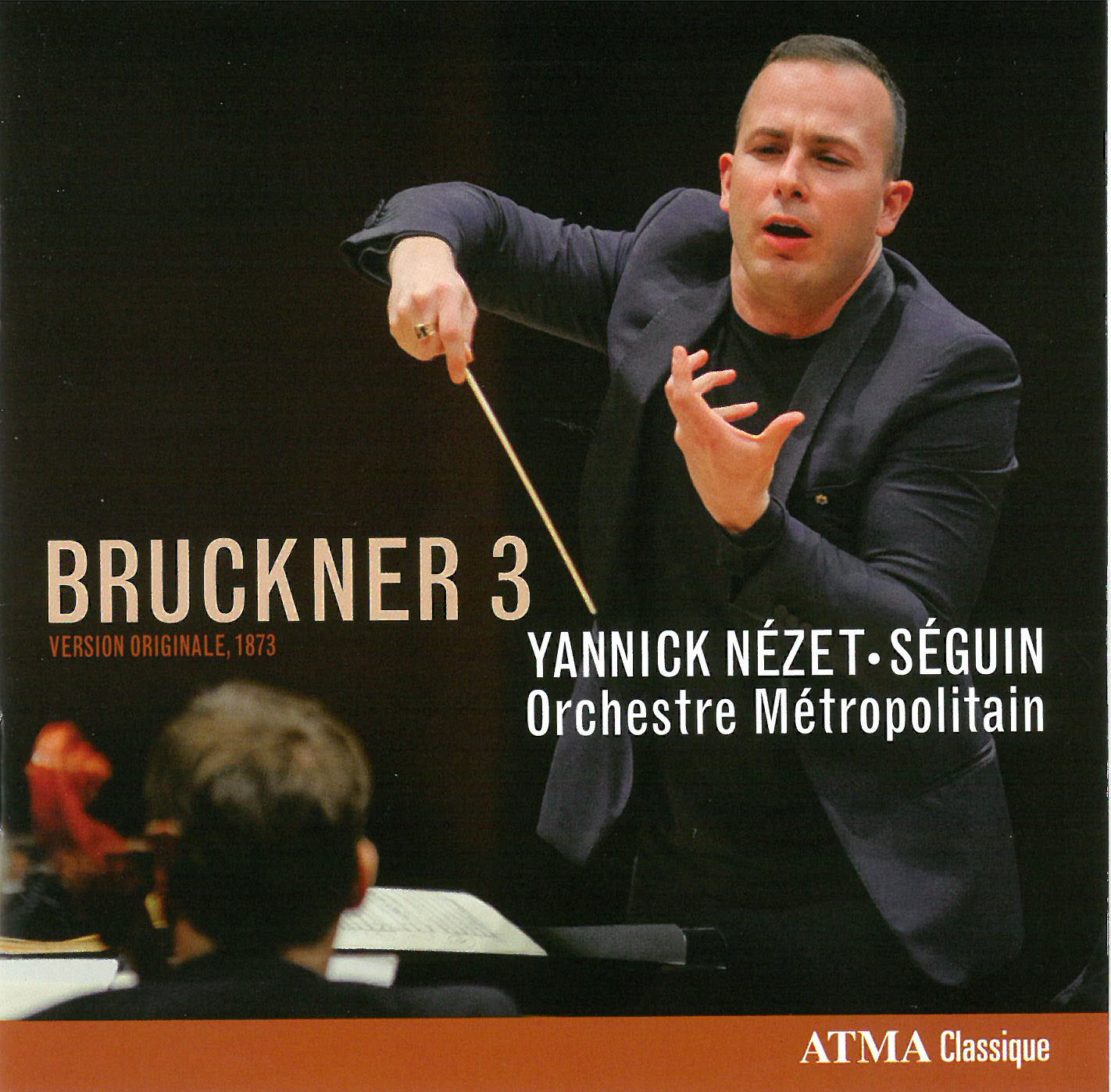
03 Classical 05 Bruckner 3Bruckner – Symphony No.3
Orchestre Métropolitain; Yannick Nézet-Séguin
ATMA ACD2 2700

This Bruckner Third is another triumph for Montreal’s Orchestre Métropolitain and conductor Yannick Nézet-Séguin. Wisely using the original 1873 version, Nézet-Séguin provides a well-paced, convincing performance of this massive symphony, with subtle tempo variations and shifts, controlled crescendos, and strategic silences. For Bruckner, it’s a good thing that we have learned to accept silence in musical works. In his pauses, I hear space for concert hall reverberation, time to ponder a profound question, or maybe a rest on an alpine hike!

Nézet-Séguin and his recording team have balanced the orchestra admirably, blending seamless strings, organ-like winds and bold but restrained brass. In the sprawling first movement he projects both the opening pathos and the later emotional pastoral song, where the orchestra’s strings are particularly warm and expressive. Some of Bruckner’s most arresting writing happens in transitions and interpolations, as in a passage more than a minute long over an A pedal note, or in a well-played trumpet explosion in the development section.

The strings shine again in the sublime slow movement, which shows Bruckner’s originality as a melodist who makes digressions and then picks up the thread again. The scherzo incorporates a ländler (Austrian folk-dance) as the trio section (anticipating Mahler), while the finale has an unusual passage where a polka combines with a wind chorale, exquisitely-played. Overall, I recommend this disc highly: crank up the volume, perhaps listen a movement at a time, and enter Bruckner’s unique sound world!


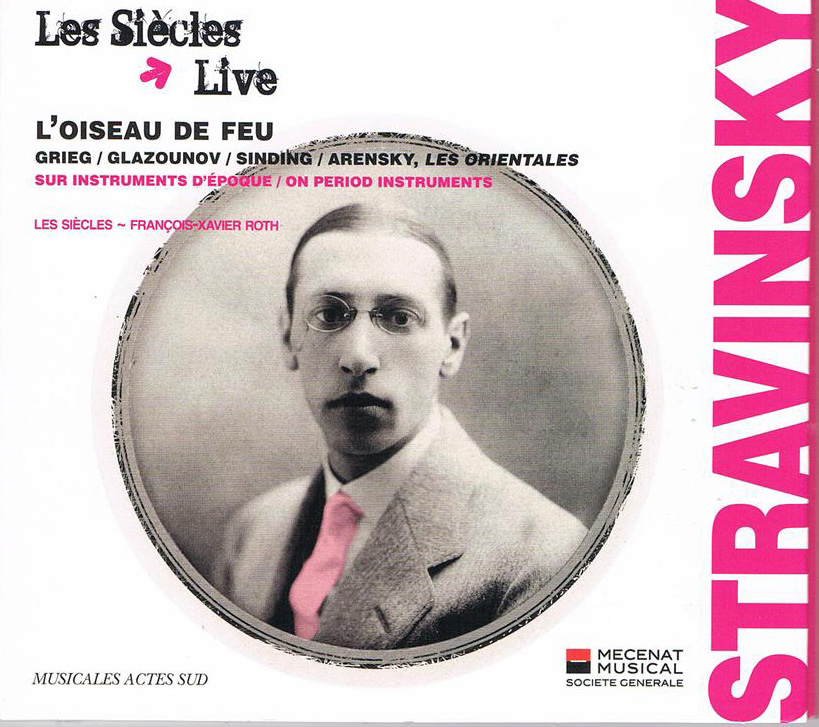
03 Classical 06 Firebird

Stravinsky – Firebird 
Various Composers – Les Orientales
Les Siècles; François-Xavier Roth
Actes sud ASM 06

Last month I enthused over this group playing the reconstructed score of Le Sacre du Printemps as heard at the riotous premiere in Paris on May 29, 1913 (Actes sud ASM 15). Les Siècles is an orchestra of young musicians culled from the finest French ensembles. They have access to and play instruments from all periods and so are perfectly able to replicate the palette of the Ballets Russes orchestra at that time. We listen with new ears.

To conductor Roth’s credit, as one listens to these Stravinsky scores the rhythmic energy, regardless of the tempo, makes it very clear that these are ballet scores. In his later revisions and suites, Stravinsky had his eye on the concert hall. Here we hear exactly what the composer had in his mind over 100 years ago when he was in his late 20s and an enfant terrible in the making with Firebird, although by Le Sacre he was pretty well there. In these performances, we hear for the first time the interplay between instruments, particularly the winds, adding unsuspected nuances to the mix.

To open the program, Roth and Les Siècles are on their mettle with a reconstruction of another Michel Fokine ballet of the day, the exotic divertissement Les Orientales, including music by Glazunov, Sinding, Arensky and Grieg.

An inseparable aspect of these discs is the astonishingly detailed and translucent sound of these vital live performances, truly a “you are there” experience that will ignite the most jaded listeners. You will not hear performances to match these anywhere else. If you care to read the Le Sacre review it can be found at thewholenote.com.

These audiophile recordings belong in every audio dealer’s demo room and of course, in your collection if you have any regard for Stravinsky.


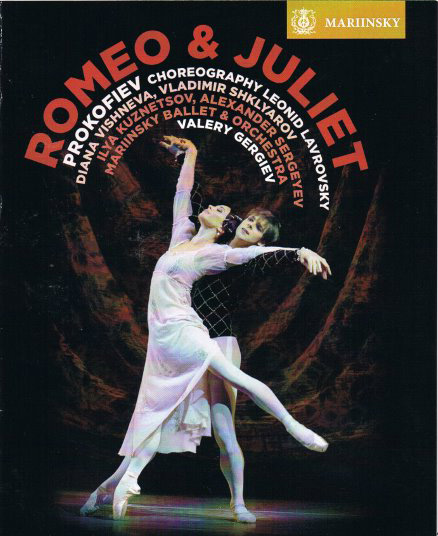
03 Classical 07 Romeo Juliet

Prokofiev – Romeo & Juliet
Mariinsky Orchestra; Valery Gergiev
Mariinsky MAR 0552

This magnificent production, recorded live in March 2013 replicates the January 1940 Russian premiere of Romeo and Juliet choreographed by Leonid Lavrovsky. The mise-en-scène is delightfully dated but every aspect of this production is as virtually flawless as a live performance can be. Principal Dancer and soloist Diana Vishneva is Juliet with Principal Dancer Vladimir Shklyarov as Romeo. Ilya Kuznetsov is Tybalt and Alexander Sergeyev is Mercutio. The power and energy generated from the pit is astounding and the picture is breathtakingly opulent. Enthusiastically recommended!

The 1940 production had a twisted history. The often stormy encounters between composer and choreographer and others began in November 1934 when Prokofiev visited Leningrad to consider with dramatist Adrian Piotrovsky the subject for a new ballet. Shakespeare’s Romeo and Juliet was selected. By January 1935 Prokofiev had drafted a scenario for a five-act production and proffered this to theatre director Sergey Radlov, who suggested some dramatic themes for the production. By May a four-act scenario was agreed upon … with a happy ending! In 1941 Prokofiev wrote that “There was quite a fuss at the time [1935-36] about our attempts to give Romeo and Juliet a happy ending; in the last act, Romeo arrives a minute earlier, finds Juliet alive and everything ends well. The reasons for this bit of barbarism were purely choreographic: living people can dance, the dying cannot.”

From 1936 on, Romeo and Juliet became an artistic football as well as an incidental political one. Dismissals and some arrests, including Piotrovsky and Dimanov, who was the official from the Central Committee who had endorsed the happy ending, were not uncommon. Out with Dimanov and the happy ending! These vehement battles continued unabated right up to and beyond January 1940. In the meantime, in December 1938 the ballet with the tragic ending (as recorded here) had seven performances at the Regional Theatre in Brno, Czechoslovakia. All’s well that ends well…


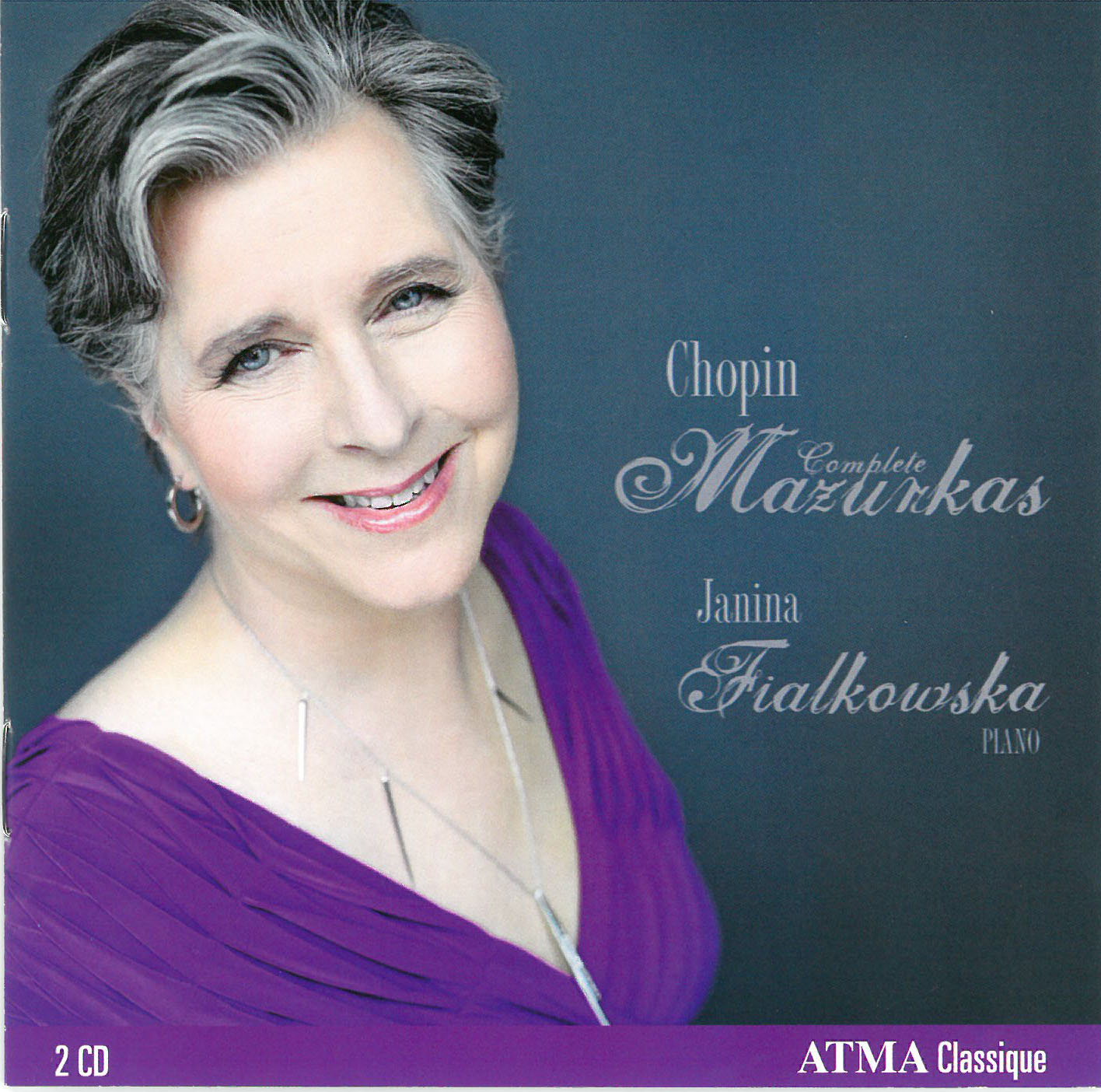
Chopin – Complete Mazurkas
Janina Fialkowska
ATMA ACD2 2682

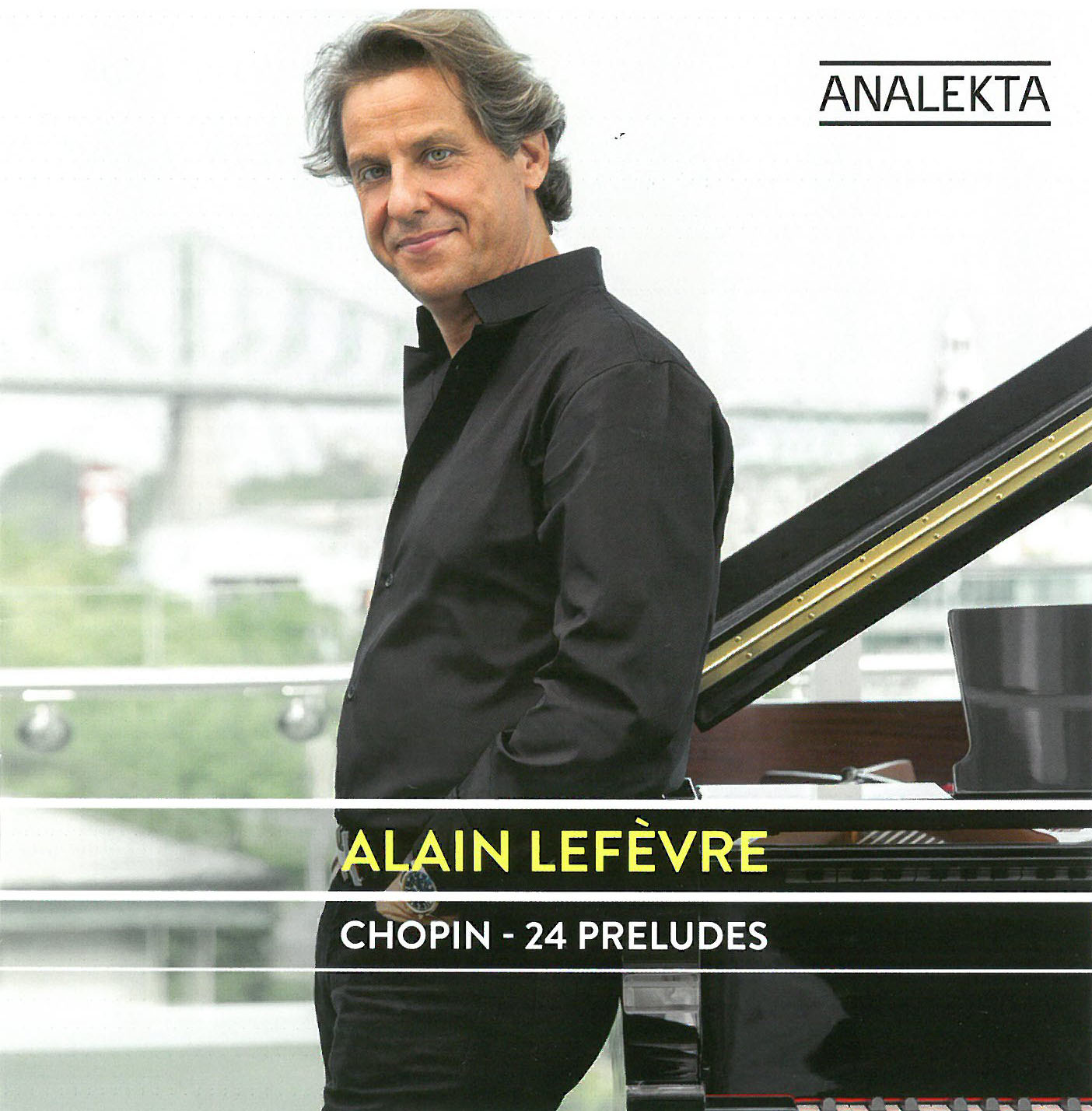
Chopin – 24 Preludes
Alain Lefèvre
Analekta AN 2 9287

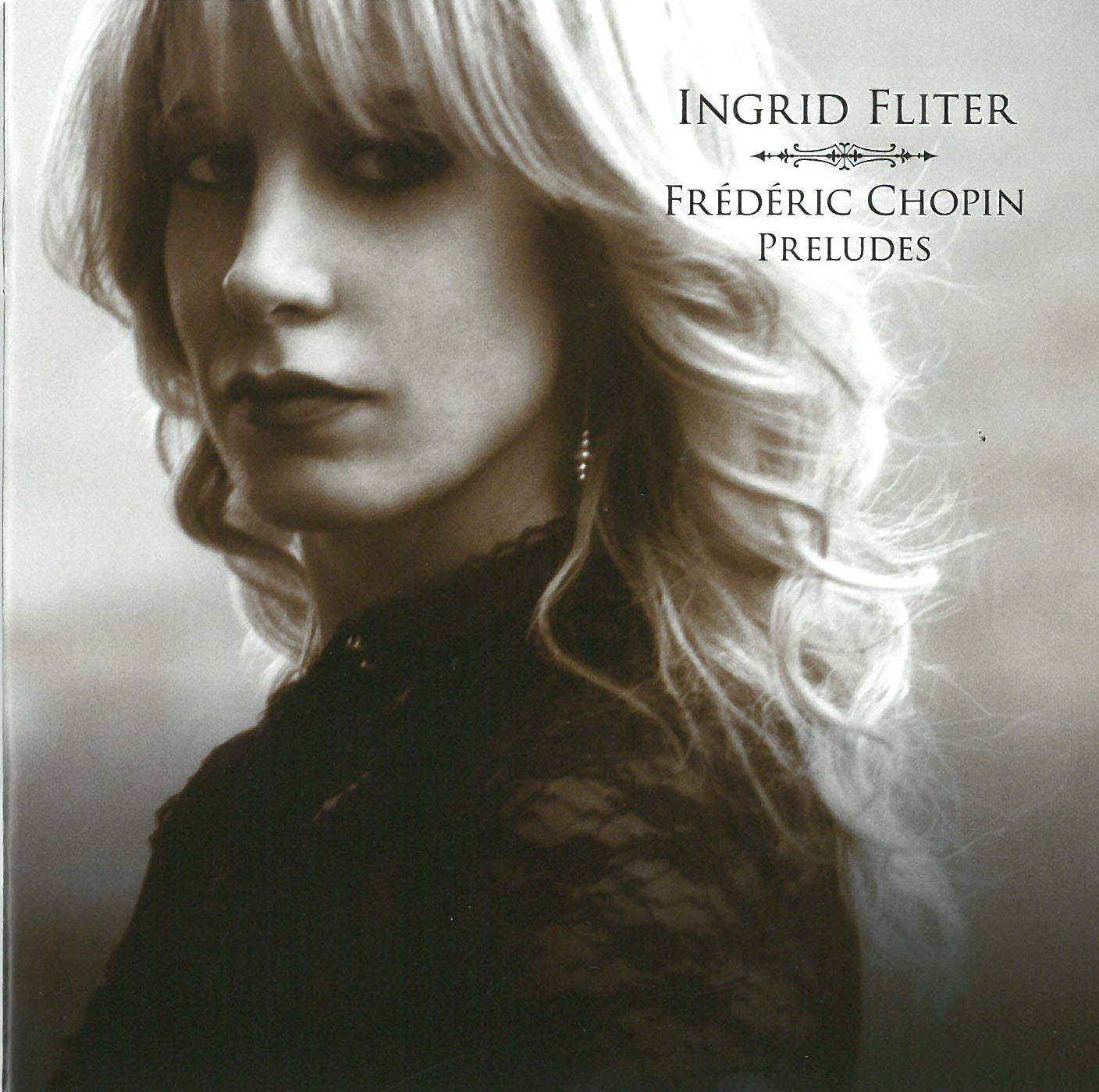
Chopin – Preludes
Ingrid Fliter
Linn Records CRD 475
03 Classical 03a Fialkowska ChopinIn the ridiculous horror-parody film, Attack of the Killer Tomatoes, the bloodthirsty veggies can only be defeated when shown the sheet music of Donny Osmond. That makes them explode in fear. In the real world, the truly scary scores are those of Frédéric Chopin. The sheer complexity of the writing, the crowded added lines and bars bursting with fractal notes are enough to send a casual, sight-reading pianist scrambling. Chopin’s music requires a lot of great technique, to be sure. But technique alone is not enough – the best example of that is the pianist that this reviewer calls Bang Bang in obvious reference to his overuse of the forte pedal. Lots of bravado there, but very little heart and soul.
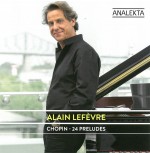
03 Classical 3b Lefevre ChopinIn fact, I would venture to say that the music of Chopin is a lot like wine – it is a result of the terroir, the quality of grapes and the winemaking technique. As for terroir, there is something magical when one hears that music at the Royal Baths Gardens in Warsaw, near the statue of Chopin (wrapped by two bronze weeping willows) or at Chopin’s family cottage in Zelazowa Wola, where his alleged piano is still in working order. Alas, that’s a pleasure not accorded to many. Still, there is something uncanny in the ability of Polish pianists to re-capture that ever-important terroir. Then there are the grapes – the beauty of Chopin’s writing was that no piece, no matter how slight, could be considered minor. The Minute Waltz, the Preludes, the Mazurkas or songs, regardless of length, command attention equal to that of the Piano Concerti. If all his scores are difficult, then the Mazurkas are particularly so, as their intuitive, internal rhythm has tripped up many a virtuoso. There is a reason, after all, for a separate award category for Mazurka interpretation at the Chopin International Piano Competition – a prize so elusive, that on several occasions it was not awarded. Finally we come to the winemaking technique. All three of the pianists in this review are no amateurs and their technique can be vouched for by the international prizes they have garnered – Ingrid Fliter was a silver medalist of the 2000 Chopin Piano Competition, Janina Fialkowska won the inaugural 1974 Arthur Rubinstein competition and Alain Lefèvre scored a JUNO, Prix Opus and ten (That’s ten!) Prix Felix. So, how do they fare?

All three discs are a true delight – so any criticism that follows will be merely an exercise in splitting hairs.
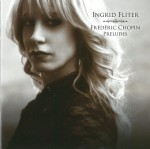
03 Classical 03c Fliter ChopinIf I were to pick the weakest link, it would be the Argentine-born Ingrid Fliter. Though some would argue that hers is the finest technique of the three, her approach to Chopin is almost too conservative and because of that it seems fearful. No room for fear when playing Chopin – this is a counterphobe’s territory. I would also add that despite her triumph at the Warsaw competition, her recording pays the least homage to the actual terroir of the music. A notable exception is the “Raindrop” Prelude – possibly the best performance I have heard in years.

Lefèvre is fearless and bold, taking no prisoners in his approach and perhaps losing some clarity in the process. However, by leading with the heart, you cannot lose when playing Chopin.

Finally, Fialkowska is in fine form, proving once again that it is the combination of emotional presence, technique and experience or the grapes, terroir and winemaking, that delivers the stunning results. Hers is the crown of Mazurkas, those frustrating, intimidating gems that Schumann called “cannons under flowers” referring to their potent political message dressed as “small” piano pieces.


 

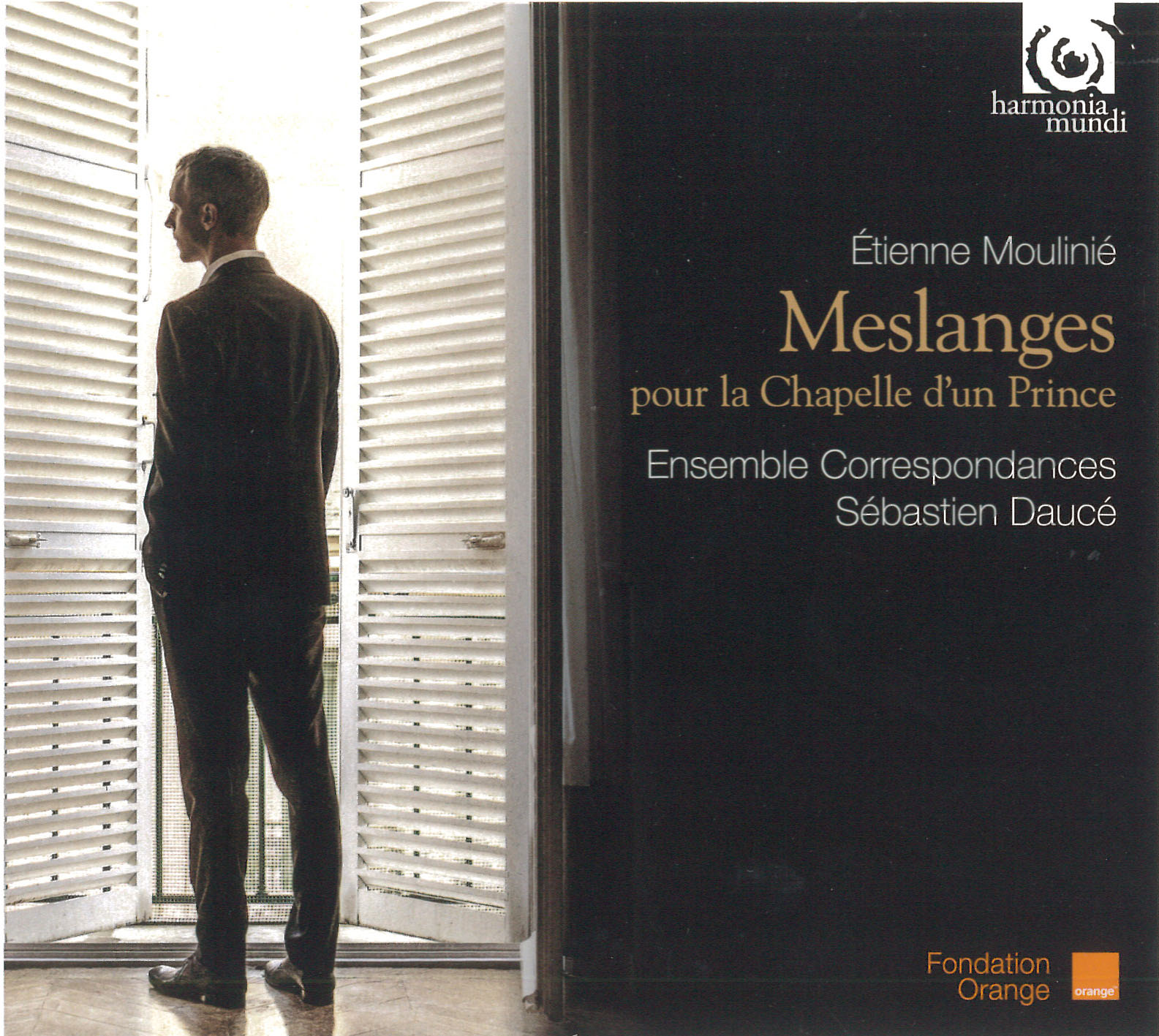
03 Early 01 MeslangesÉtienne Moulinié – Meslanges pour la Chapelle d’un Prince
Ensemble Correspondances; Sébastien Daucé
Harmonia Mundi HMC 902194

Étienne Moulinié served for 30 years as musician to Louis XIII’s brother the Duke of Orléans; his sacred music is important to the development of mid-seventeenth-century French music. This CD brings together twelve singers in imitation of the original standard configuration, and ten musicians.

The serenity of this arrangement – together with its sometimes excitable stretches – is brought home in the first three pieces by Moulinié. Antoine Boësset’s Jesu nostra redemptio is far more spiritual, introducing parts for higher vocal registers as well as organ and viol. This ethereal quality continues in Cantate Domino (despite the words which exhort the listener to praise God with trumpets, cornets and horns – direct biblical quotations) and the organ playing of director Sébastien Daucé in O bone Jesu. Reflecting the sound choice of pieces on the CD, Boësset’s Populus meus sets words of reproach to yet another celestial arrangement.

Two allemandes by François de Chancy are included in the anthology. They demonstrate the compositions thatMoulinié could incorporate into his repertoire, reinforcing his position with the duke, and also the early stages whereby country dances such as the allemande were adopted by court circles and eventually became staples as baroque movements.

The duke took a second wife in 1632, a pious lady to whom Moulinié dedicated the most inspiring and yearning piece in this compilation. The Litanies de la Vierge comprises a series of entreaties to the Trinity and many other sacred beings. Eleven voices create a moving spirituality, imploring but never despairing.


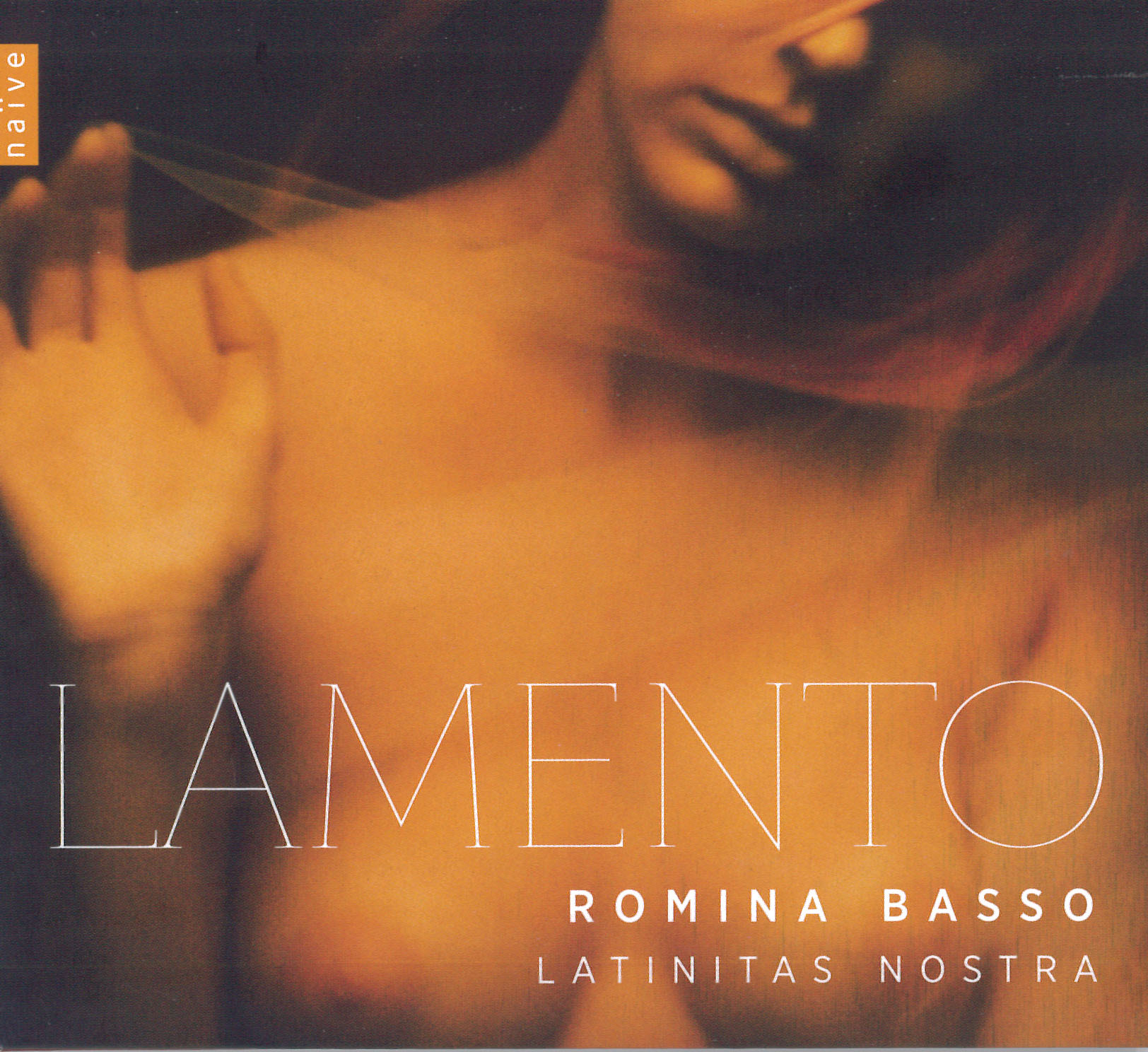
03 Early 02 LamentoLamento (Kapsperger; Rossi; Carissimi; Strozzi; Frescobaldi; Monteverdi; Provenzale)
Romina Basso; Latinitas Nostra
naïve V5390

Monteverdi’s Lamento d’Arianna pioneered the art form known as the lamento, where the death of a famous figure was commemorated by a solo singer accompanied by basso continuo. In addition, techniques such as dissonant chords and melodies with wide leaps would add their own sense of lamentation.

 Latinitas Nostra is a Greek ensemble; their west-looking title refers to the flourishing Greek communities in places such as London and Venice. Soprano Romina Basso begins with Luigi Rossi’s lament by the Queen of Sweden for her husband Gustavus II Adolphus, the brilliant commander killed at Lützen in 1632. The lament combines the Queen’s sense of desperation with an exhortation to kill and strike the Germans, Spaniards and Italians without mercy. Romina Basso rises to this varied emotional challenge with passion, whether one considers this to be a true lament or a plea to crush Sweden’s enemies.

Mary Queen of Scots is the next subject of lament, in this case by Carissimi. Here the tone is again a mix of lamentation and anger: Mary protests her death sentence and expresses resentment against the English regime that created this situation. Vibrato effects enhance the sense of anger. Basso and her continuo admirably meet the demands of the lament.

 Then, one of the most accomplished lady composers of all time, Barbara Strozzi. Lagrime mie lingers over its text and uses pauses to reinforce the emotion. Strozzi’s interpretation makes full use of what one might call surges of melody to reinforce the intended effects of the lament.

And then to Monteverdi with Lamento d’Arianne in its five parts. If ever there was a fine basso continuo accompanying a lamento this was it. All the instruments involved make their presence felt, sometimes supporting and enhancing the plaintive singing, sometimes almost mocking it.

Finally, and to be frank, out of place, is Francesco Provenzale’s “lament” for Gustavus II Adolphus. This is less respectful in its lyrics, almost poking fun at his queen as she learns of his fate. There are exchanges of dialogue which, from the English translation, contain double entendres and undignified comments. In fact, this is not a solo lament; it is accompanied by other voices and the sleeve notes inform us that musicologists have not quite worked out why it was composed. It may just have coincided with Gustavus’ daughter Christina’s spectacular conversion to Catholicism in 1655.

This CD is a fine introduction to a musical form both delicate and forceful.


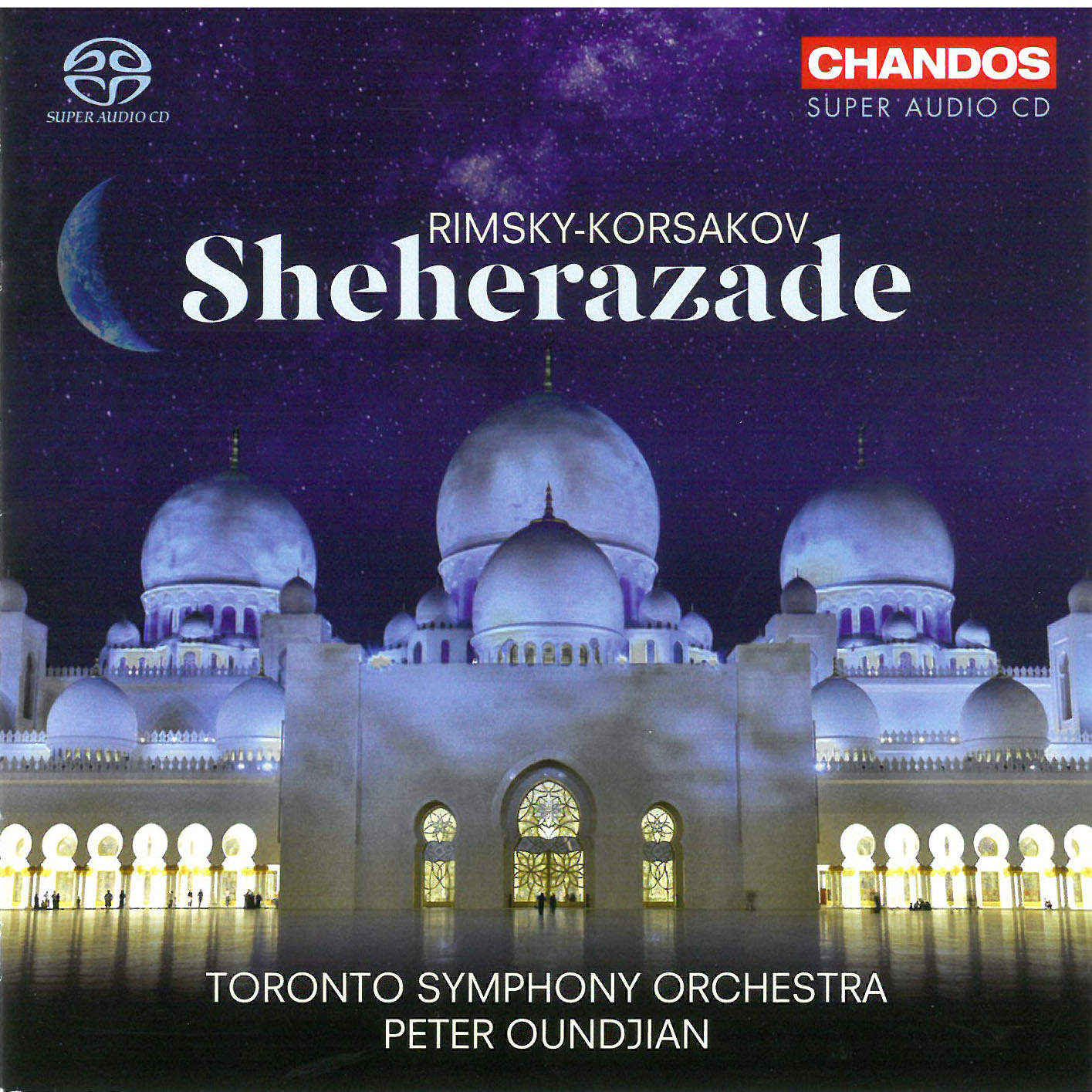
Rimsky-Korsakov – Scheherazade
Toronto Symphony Orchestra; Peter Oundjian
Chandos CHSA 5145

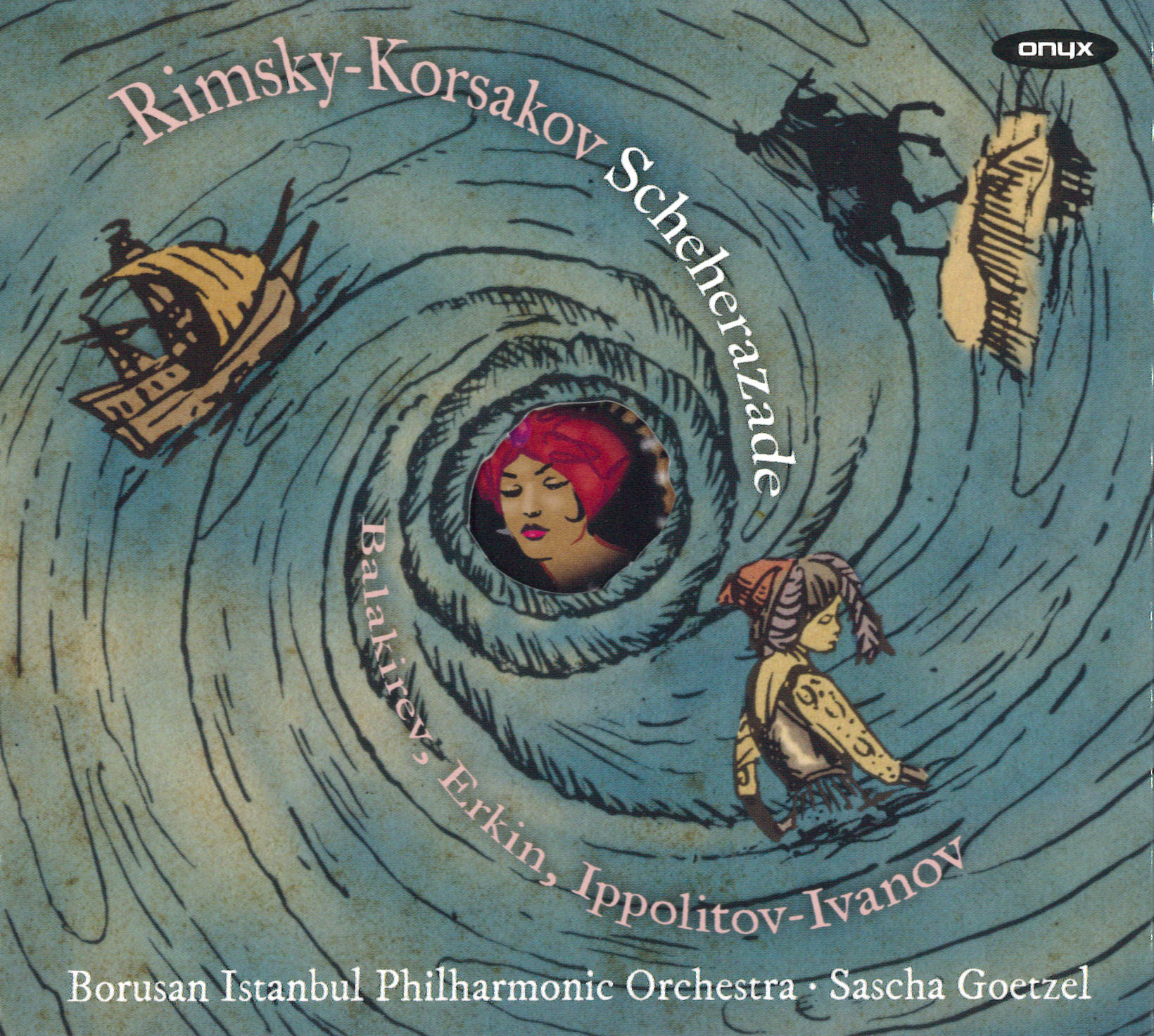
Rimsky-Korsakov – Scheherazade
Borusan Istanbul Philharmonic Orchestra; Sascha Goetzel
Onyx 4124

About half a century ago the question was asked by some aspiring record company person “How do you decide what to record?” The sage answer was “Look in the Schwann catalogue and find the most recorded work and make one more.”

04 Classical 01a Scheherezad TSOThe TSO disc contains a live performance from Roy Thomson Hall recorded in June 2013. The orchestra is in top form and the playing is rock solid with Oundjian conducting an interpretation that does not stray from the usual way in which this popular orchestral showpiece is heard. There are some lovely turns of phrase and the tuttis are thrillingly open and dynamic. The“star of any Scheherazade is the first violin, the voice of the storyteller who must hold the attention of the imperious Sultan Shahryār or lose her head. Concertmaster Jonathan Crow’s engaging charm makes her irresistible.
I would have liked to have the luxurious recorded sound more articulate but this is a slight quibble. The audience is not heard from but I am sure they leapt to their feet in appreciation as Toronto audiences now seem to do no matter what.

Sascha Goetzel is the Austrian music director of the Borusan Instanbul Philharmonic that began as a chamber orchestra in 1993 and was augmented to become the Philharmonic in 1999. This is their third CD. Part of the uniqueness of this Scheherazade is the use of oriental instruments. The opening of the first tale finds her accompanied, not by a harp but a qanun, a plucked zither or dulcimer-like instrument. It is innocently gentle and appropriate. Before the second movement begins there is a mood-setting solo from the oud, a lute-like instrument, and before the final movement we briefly hear the qanun which supports her in the final pages. Throughout, there is an ebullient texture to the orchestral playing, revealing subtle flavours in familiar passages, particularly the quieter episodes. The uncluttered, spacious recording is as vital as the performance. 

04 Classical 01b Scheherezad IstanbulBalakirev’s knuckle-breaking piano spectacular Islamey is heard in the orchestration by Lyapunov and although not a major work in the great scheme of things, it is a dashing showpiece. The two Ippolitov-Ivanov Caucasian Sketches are Procession of the Sardar and a disarmingly tranquil In the Village, featuring the slightly breathy ney flute, a classical Turkish reed instrument. The final piece on this generously filled 77-minute disc, Köçekçe is new to me. It is a dance rhapsody for orchestra. Turkish composer Ulvi Cemal Erkin (1906-1972), a member of the “Turkish Five,” studied in Paris with, of course, Nadia Boulanger and Köçekçeis his most popular work.

Bottom line: Not just another Scheherazade but a unique and arresting performance with oriental overtones together with some very tasty encores, recorded to perfection. I know that it’s pedestrian but I would like to hear an all-out Polovtsian Dances from this group.


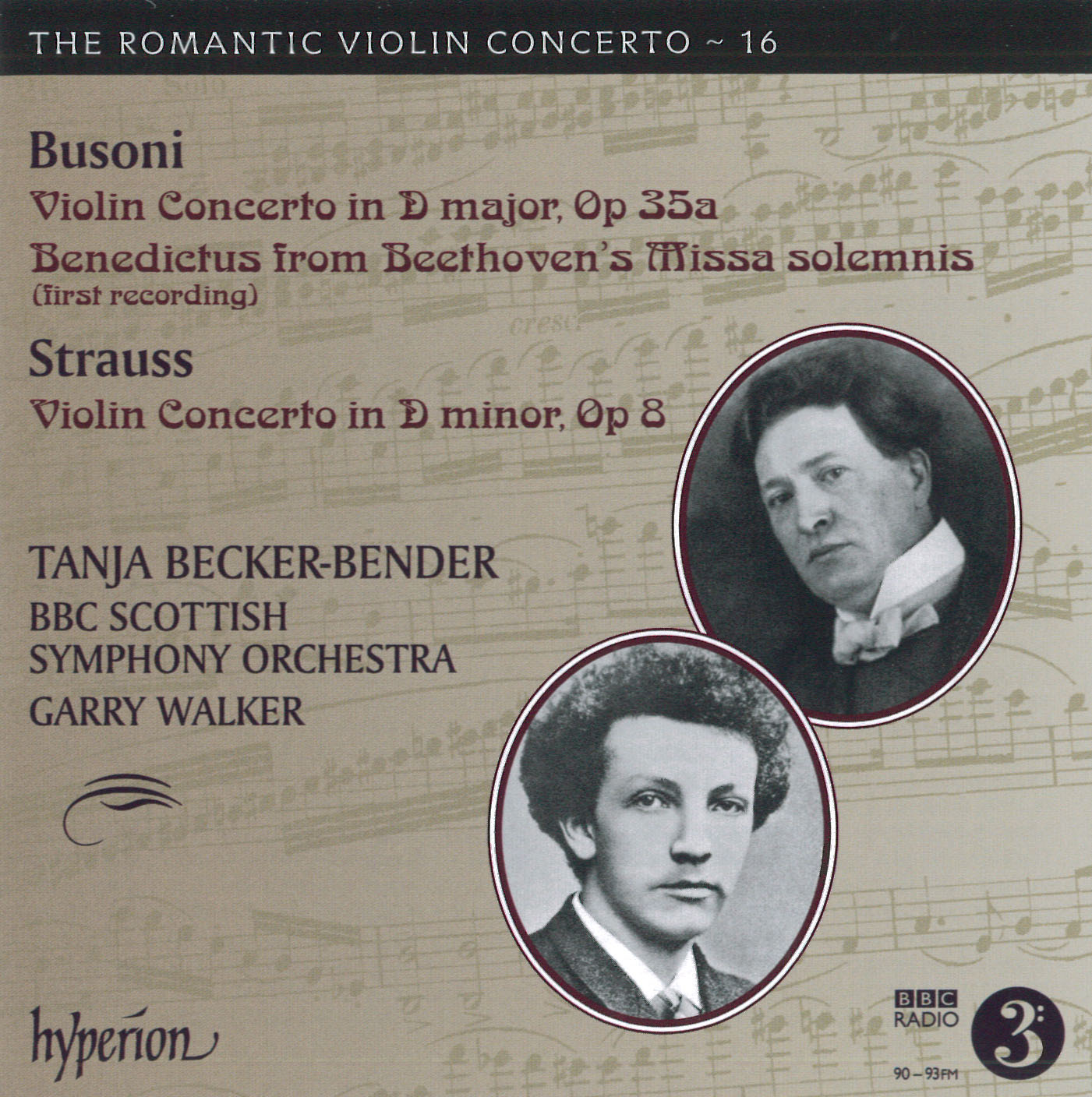
04 Classical 02 Busoni StraussThe Romantic Violin Concerto Vol.16: Busoni; Strauss
Tanja Becker-Bender; BBC Scottish Symphony Orchestra; Garry Walker
Hyperion CDA68044

The 16th instalment of Hyperion’s ongoing survey of Romantic violin concertos is devoted to two early works by Richard Strauss (1864-1949) and Ferruccio Busoni (1866-1924). Though Strauss is immensely better known than his near-contemporary, his Violin Concerto is clearly the weaker of the two works. A product of his teenage years, this D minor concerto was composed in1881-2 for his violin teacher Benno Walter. While Strauss would later admit that he found learning the violin unpleasant and physically taxing, it’s quite evident he well understood the bravura aspects of the now-forgotten showpiece concertos by the likes of Ernst, Spohr and Léonard his teacher favoured. The three movements of the concerto are textbook examples of proper academic form and conventional orchestration without a trace of any distinct personality, though the sprightly finale does provide moments of comic relief from the otherwise echt-Deutsch ponderousness of this dismally anodyne work.

Thankfully a distinct voice and a fascinating amalgam of a unique pan-European viewpoint is magnificently evident in Busoni’s D-Major concerto, conceived in 1896-7 for the Dutch violinist Henri Petri (father of the pianist Egon Petri) and championed in the 20th century by Joseph Szigeti, whose still-available 1958 recording is unfortunately compromised by his arthritic condition at the time, but is musically electrifying. Were it not for Szigeti’s advocacy, Busoni might have willingly disavowed this fascinating work which grows more impressive with repeated hearings and clearly deserves a more prominent place in the violin repertoire than that afforded the Strauss concerto.

Tanja Becker-Bender, the Hamburg-based German violinist and champion of both neglected and contemporary works, is the outstanding soloist, drawing a beautiful tone from a loaned 1710 Stradivarius and exhibiting complete technical mastery. Garry Walker and the Scots BBC orchestra provide a crisp and spirited accompaniment in this nicely recorded disc. Come for the Strauss if you must, but stay for the Busoni; you won’t be disappointed.


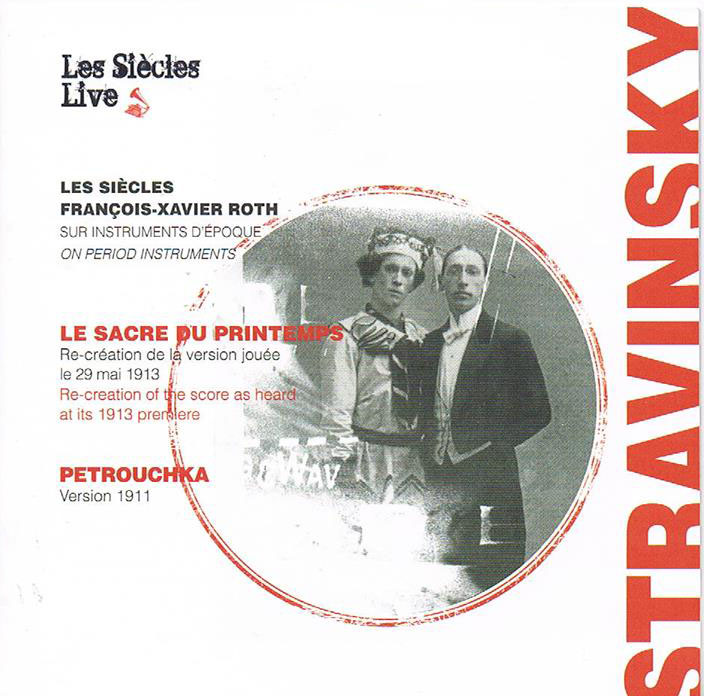
04 Classical 03 Stravinsky RiteStravinsky – Le Sacre du Printemps; Petrouchka
Les Siècles; François-Xavier Roth
Actes sud ASM 5

Today the sole authorized performance version of Le Sacre du Printemps is the 1947 revision, edited by Stravinsky in order to maintain the copyright and hence his royalties. His own recordings including the 1940 New York Philharmonic-Symphony (Naxos 8.112070) claim 1913, which they surely are not. Stravinsky’s amanuensis Robert Craft’s 1995 recording with the LSO is designated as the 1947/1967 version… the master’s final thoughts on the subject. But what were his first thoughts?

In 1919 Stravinsky was asked to correct the original score of Le Sacre which contained a number of copyists’ errors. He agreed to do just that but could not resist the opportunity to not merely make corrections but to re-think and re-compose passages and by so doing created, in essence, the 1919 version. Musicologists agree that we can never know what exactly was in the original score that the orchestra played, or attempted to play on May 29, 1913. Due in no small fact that as orchestral musicians now move freely between orchestras around the globe, the definable character or sound of a particular area or country has all but evaporated. French orchestras once had a “French sound” and Russian orchestras had their sound and so on. Even the choice of instruments has changed. Stravinsky wrote for the timbre of the instruments in the Ballets Russes orchestra, a far cry from that of today’s stalwart instruments.

This live recording uses a reconstruction of the original score, devotedly researched as a labour of love by a number of scholars. Les Siècles is a group of “outstanding young players pooled from the finest French ensembles.” They have access to and play instruments from every period spanning the Baroque to modern eras. Every collector must acquire a copy of this unique and exciting evocation of the original Le Sacre and the effervescent Petrouchka. The translucent recording is of demonstration quality with true perspectives. So if you already have several recordings… get this one. It will be your first.


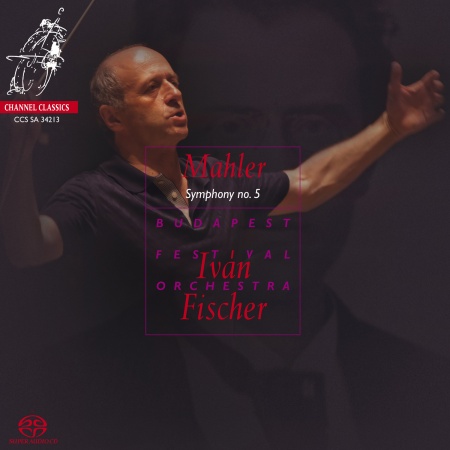
723385342137 450Mahler – Symphony No.5
Budapest Festival Orchestra; Ivan Fischer
Channel Classics CCS SA 34213

Slowly building what promises to be a complete survey of Mahler symphonies, Ivan Fischer’s latest release (preceded by Symphonies 1, 2, 4 and 6) is his most impressive achievement so far in this cycle. In some ways it might be considered a middle-of-the-road interpretation; the tragic, funereal profile of the first two movements in particular seems unusually constrained. Consider for example the operatic, borderline vulgarity of the “oom-pah” trombones so tellingly brought to the fore in the classic Bernstein Vienna Philharmonic recording from days of yore; here their barbaric yapping is barely audible. It’s not, as it turns out, a question of misjudged orchestral balances or engineering oversight, for in general the detail of sound is exemplary throughout, spectacularly so in the dynamic layering of the intricate polyphony of the grand fifth movement finale. Rather, Fischer’s’ devil dwells in the details, with the grand histrionics we have come to expect in Mahler subdued to highlight the large-scale architecture of this sprawling work.

The virtuoso Budapest forces respond most elegantly throughout; their accord with their conductor and founder in the famous Adagietto is positively psychic. It’s a pity however that the obbligato horn soloist placed at the front of the stage in the rustically rendered central Scherzo movement is not credited. Splendidly recorded in Budapest, this SACD features a spacious sound stage with the first and second violins divided to the left and right of the stage and exceptionally pristine sound. This is a refreshingly idiosyncratic performance that deserves a place near the top of recent Mahler recordings.


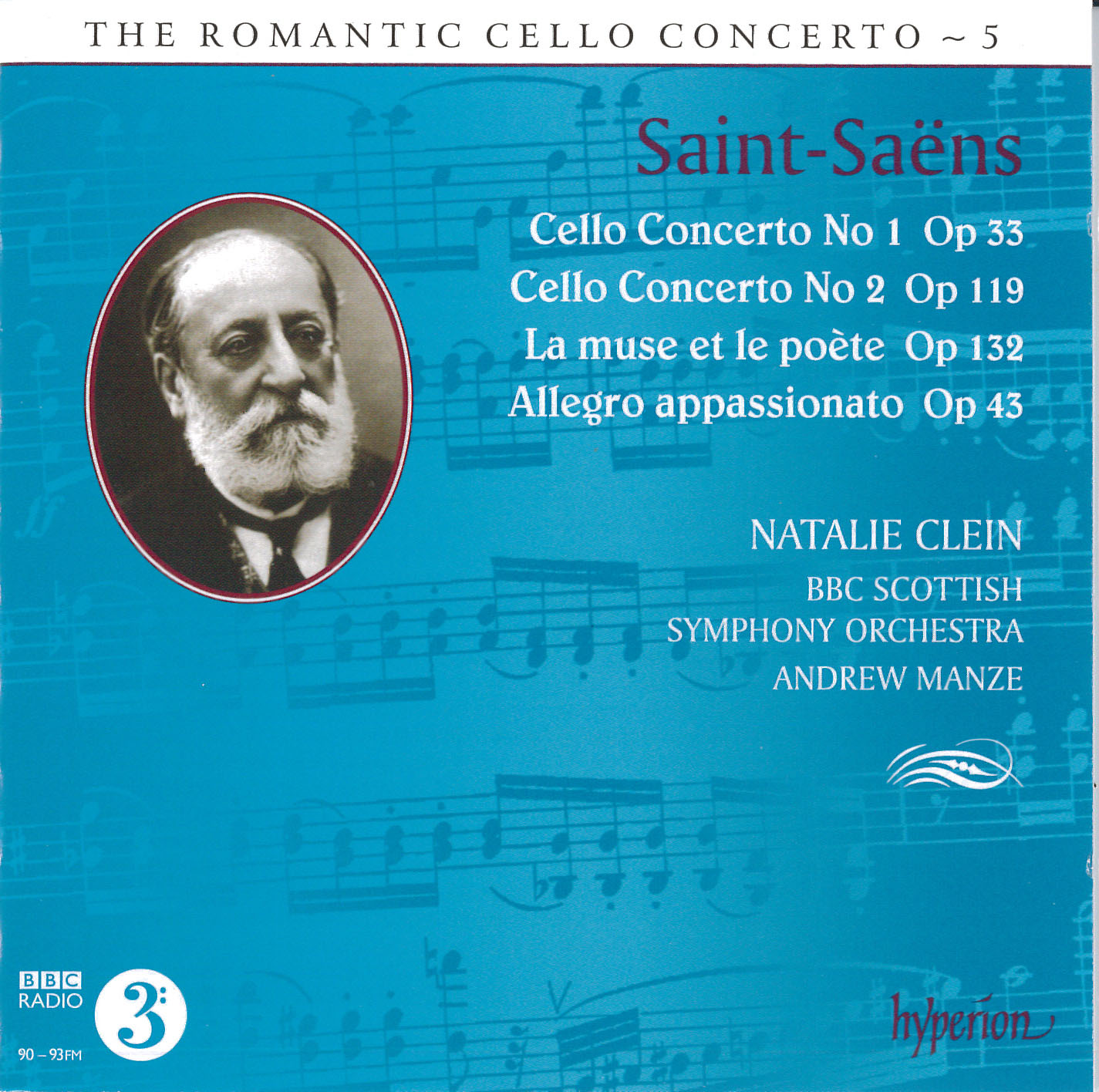
04 Classical 05 Saint-Saens CelloThe Romantic Cello Concerto Vol.5: Saint-Saëns
Natalie Clein; BBC Scottish Symphony Orchestra; Andrew Manze
Hyperion CDA68002

Outside musicological circles, the name Auguste Franchomme is probably unknown today, but during his long lifetime, he earned a reputation as a renowned cellist and composer. Not only did he inspire Chopin to write his one and only piece for cello and piano but he also provided the impetus for Camille Saint-Saëns’s first cello concerto in 1872. Saint-Saëns went on to produce two other works for the instrument, all of them included on this fine recording – the fifth in Hyperion’s Romantic Cello Concerto series – featuring cellist Natalie Clein and the BBC Scottish Symphony Orchestra under the direction of Andrew Manze.

British-born Clein studied at the Royal College of Music and later with Heinrich Schiff in Vienna. She attracted world attention at age 16 when she won the BBC Musician of the Year award, and since completing her studies, has appeared in concert halls throughout Europe, North America, Australia and Asia.

Saint-Saëns’ Cello Concerto No.1 runs the whole gamut of emotions. It opens dark and impassioned, but there are also periods of quiet intimacy and sprightly good humour. Clein’s performance is commanding and technically flawless, her warm and resonant tone particularly suited to this late-Romantic repertoire. Thirty years lapsed before Saint-Saëns completed his second cello concerto in 1902. More serious in tone, it was chosen as a Conservatoire test piece by Gabriel Fauré. Saint-Saëns himself said of it: “It will never be as popular as the first, it’s too difficult.” Challenging is indeed the word, with its virtuosic passagework and frequent double-stopping required of the soloist. Clein meets the difficulties with ease and the orchestra under Manze’s skillful baton provides a solid and sympathetic foundation.

An added bonus is the inclusion of three shorter works, the optimistic La muse et le poète (with violinist Antje Weithaas), the Allegro Appassionato, and as an encore, an arrangement of the familiar The Swan from the Carnival of the Animals, thus rounding out a most satisfying recording.


Back to top