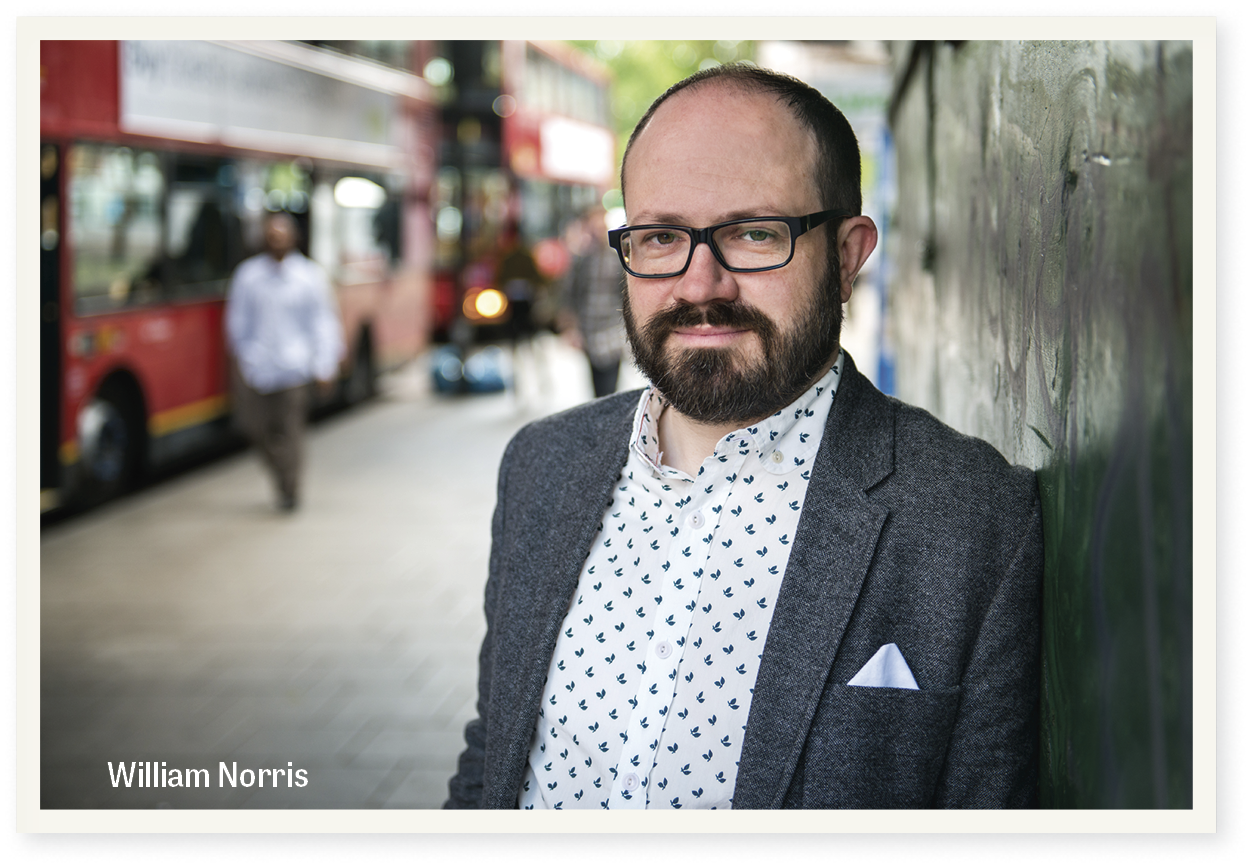
William NorrisThe WholeNote had a chance recently to chat with William Norris who has arrived in Toronto as the new managing director of Tafelmusik. (Norris replaces Tricia Baldwin, who has moved on to take the helm at the new Isabel Bader Centre for the Performing Arts in Kingston. But that will have to be a story for another day.)

Norris comes to Tafelmusik following a ten-year sojourn with Orchestra of the Age of Enlightenment, in London, England, or OAE as he refers to it. OAE has a 30-year history, the past 20 as orchestra-in-residence at London’s Southbank Centre.

He dropped by our offices to chat with publisher David Perlman.

The WholeNote: We won’t start by asking you for sweeping statements about everying you’ve learned about Toronto already! Tell us about Orchestra of the Age of Enlightment and your connection to it. That way our readers who know Tafelmusik can draw some parallels.

Norris: OAE has been at Southbank for two decades, Southbank being the equivalent of, say, the Lincoln Center in New York. OAE plays in two halls there, one 900-seater, one almost 3,000 seats, and has been resident there for at least 20 years.

Read more: William Norris Comes to Tafelmusik
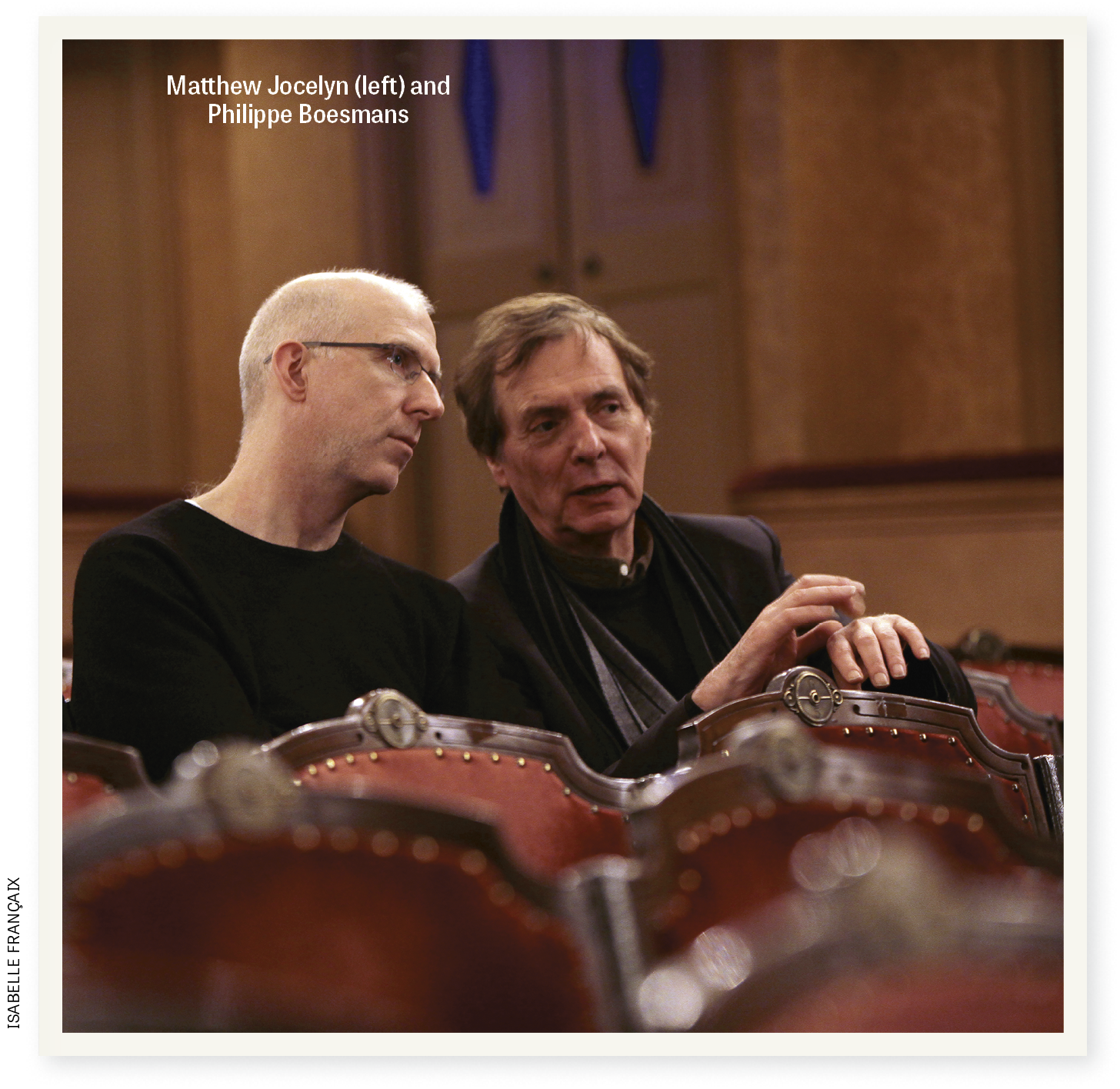
Matthew Jocelyn and Phillipe BoesmansAn unusual event that bodes well for opera in Toronto takes place in November. Canadian Stage and Soundstreams have combined forces to produce the chamber opera Julie by Belgian composer Philippe Boesmans. This will not only be the North American premiere of Julie, but, amazingly, the North American premiere of any opera by Boesmans, one of the most highly regarded contemporary composers of opera. This will also mark the first time that an opera has been included in Canadian Stage’s subscription series.

Read more: Boesmans’ Julie Comes to CanStage

The moment my new CBC Radio Two network program Two New Hours hit the airwaves in January of 1978, composers, and especially Canadian composers, suddenly had a new way to connect with audiences across Canada. The simple act of broadcasting concerts of new works from all the major production centres of Canada each week immediately allowed a growing number of people to become aware of all the diverse sorts of newly created music. And naturally, the musicians who performed in these concerts of new works quickly realized there were paying gigs for them if they were willing to learn new compositions. Musicians began networking with other musicians, often with the result that they created ensembles to play all this new repertoire.

Read more: Alex Pauk’s Big Idea

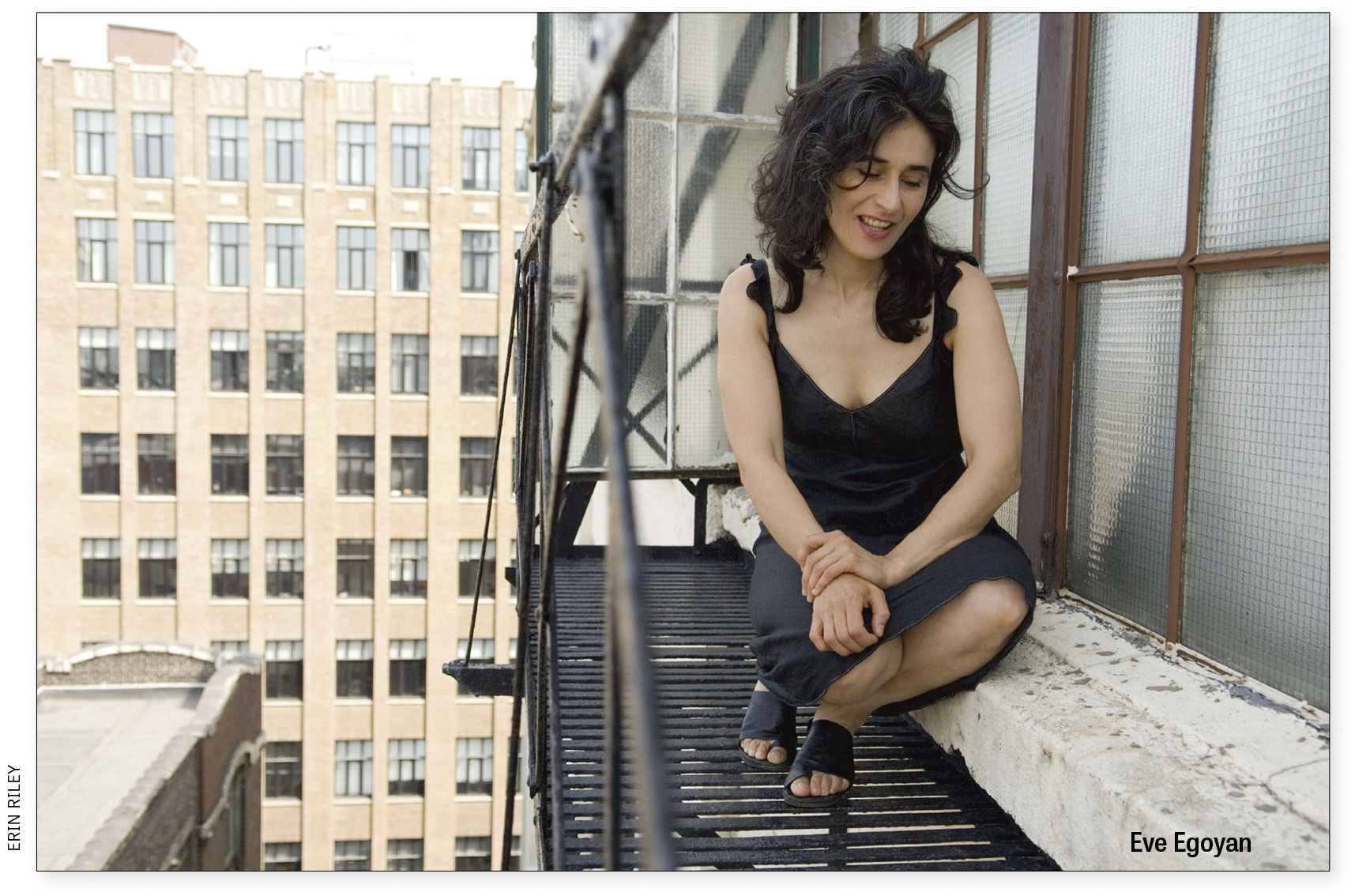
Eve EgoyanAs things turn out, Eve Egoyan’s latest recording, Thought and Desire (Earwitness Editions EE2015, eveegoyan.com), is reviewed elsewhere in this issue, so I will dwell less on the specifics of it in this story than I otherwise might. But with post-production on the disc, minimal as it was, only recently wrapped when Egoyan and I chatted last May, it was very much in mind, so perhaps unavoidably, our conversation started there.

“It’s interesting when you hear a disc in its entirety how satisfying that is, because before then it’s only imagined. It’s a very important disc for me. Beyond that it’s by one composer [Linda Catlin Smith] who is a woman, which is important to me, it’s just gorgeous. And it was recorded at the Banff Centre which is my first time recording there and it was an exquisite experience ... between the location and the pianos and the people we were working with ... just the focus of time there. So the clarity, the fluidity of the experience – everything just fell into place and I think you can hear that ease in the sound of the recording because we were all very happy there.”

Read more: A Ground From Which A Lot Springs Forth

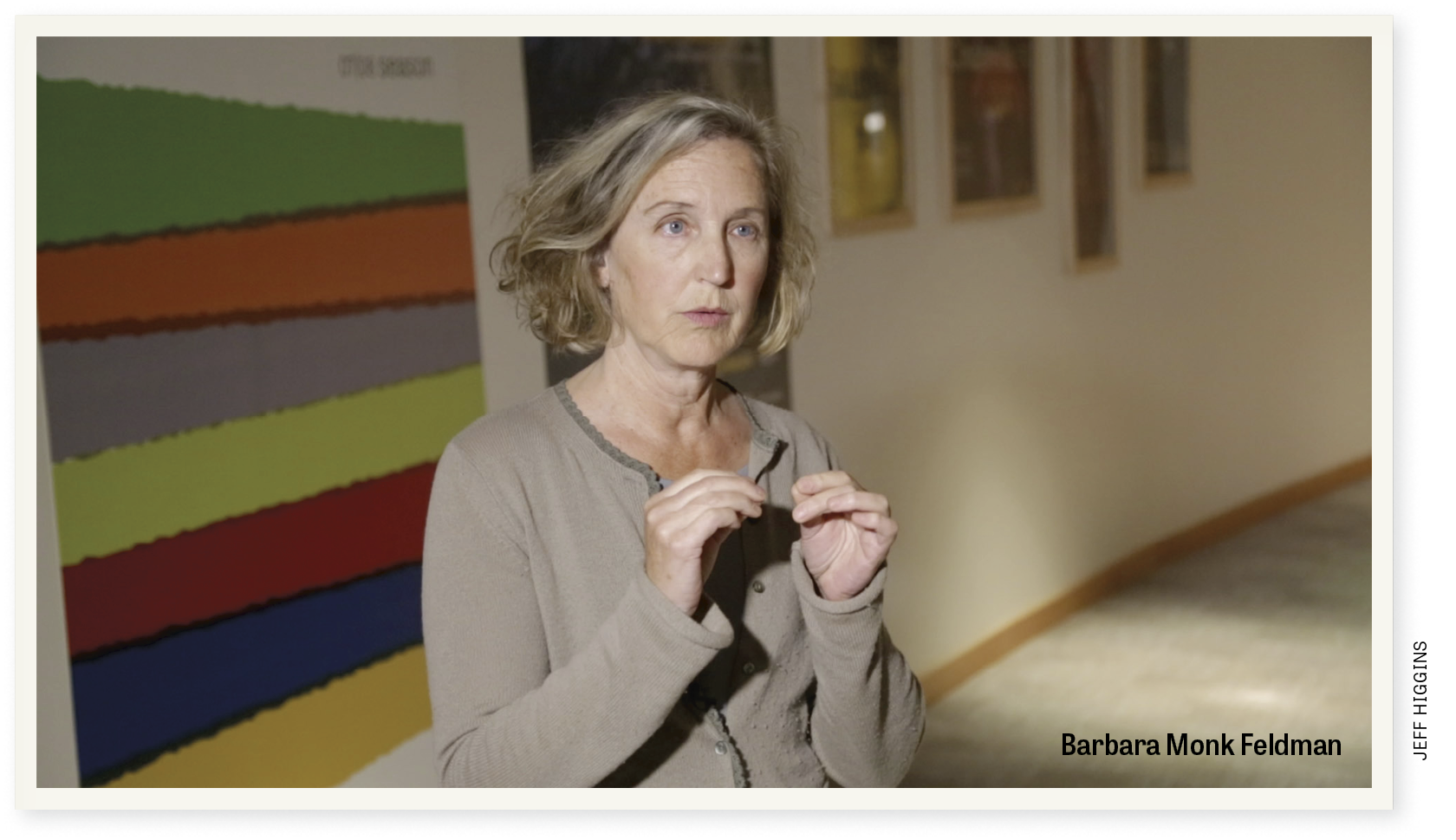
Barbara Monk FeldmanFacing the darkness, whether metaphorical or real, is not an activity most of us are drawn toward; human struggle and tragedy is, in fact, often what we seek most to avoid in our pursuit of a happy life. Opera is renowned for its dramatic portrayal of the bigger emotions at play in these difficult aspects of human experience, letting the characters and music take us deeper into a more visceral encounter with life’s complex moments. In her opera Pyramus and Thisbe, which runs at the COC from October 20 to November 7, Canadian composer Barbara Monk Feldman takes a unique approach to the existential reality of having to face the darkness, both within and without.

I recently sat down with her in a local park for a conversation about the nature of the opera and how it came into being. Often an opera is created through a collaboration between a writer and a composer with the promise of a production at the end of a long and complex road. Not so with Monk Feldman’s Pyramus and Thisbe. First of all, the opera was written through a process of following her own creative instincts. A few years after it was completed in 2010, a colleague who plays in the COC orchestra encouraged her to send it to COC general director, Alexander Neef. She got a quick reply – a request to see the score – and from that point on, the production was underway.

Read more: Facing the Darkness Barbara Monk Feldman And The Making Of A Contemporary Opera
Back to top