Strings Attached - June 2025
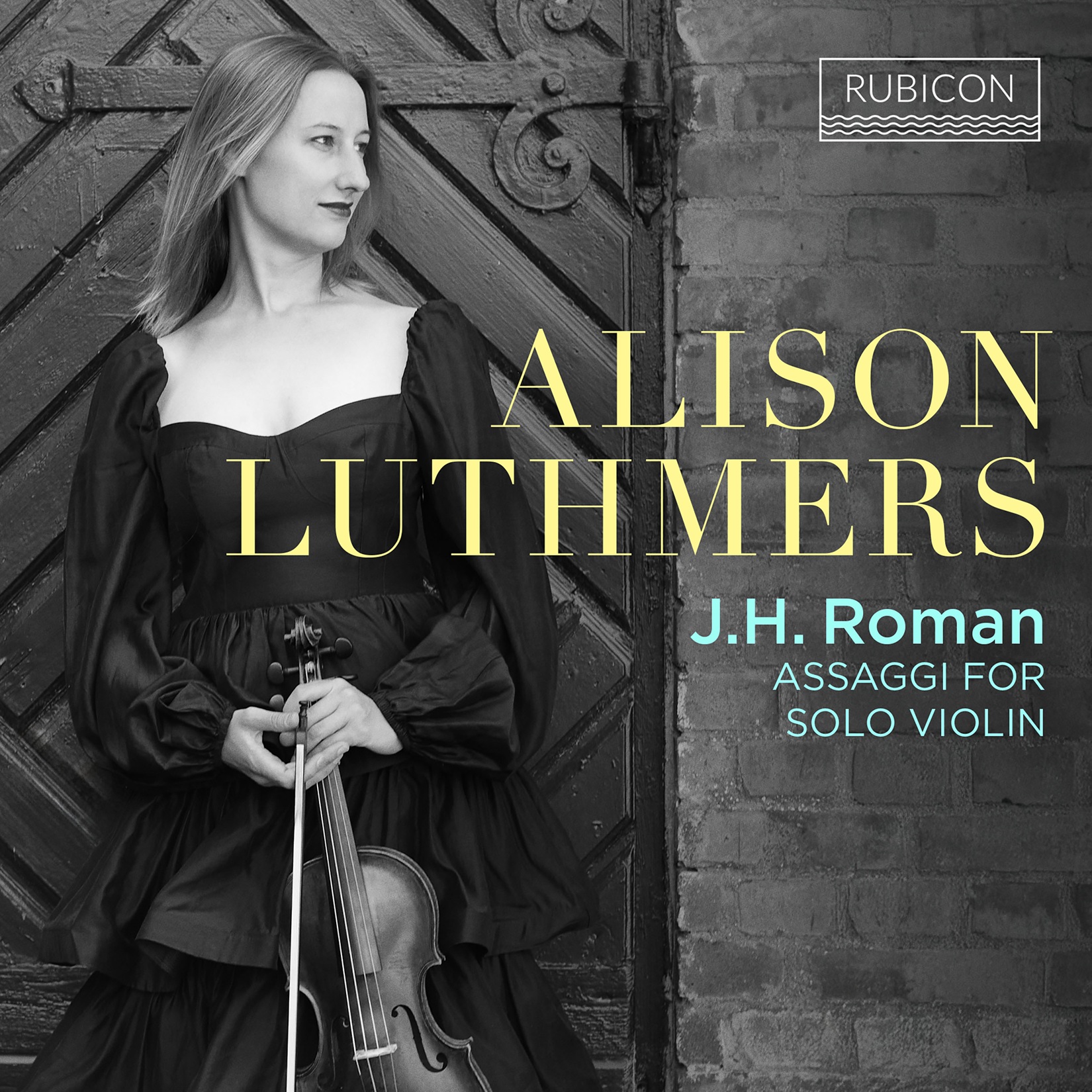 After completing modern violin studies in Los Angeles the Canadian-American Baroque violinist Alison Luthmers moved to Sweden in 2012 and began pursuing her “true love,” the Baroque violin. It’s no surprise, then, to find her recording the J.H. Roman: Assagi for Solo Violin, featuring four of the distinctive works by one of Sweden’s most important composers, Johan Helmich Roman (1694-1758) (Rubicon RCD1140 shop.darksiderecords.com/en-ca/collections/release-date-4-25-25/products/alison-luthmers-j-h-roman-assaggi-for-solo-violin?srsltid=AfmBOoot3C0eW4G6btJhhwKGMZpJ8z40sXzHSt0gn_nw_px1ie-Lby83).
There are about 20 Assagi extant in various degrees of completion and with a complicated and contradictory source history that includes a few movements from an aborted print edition, Roman’s manuscripts and contemporary copies. Luthmers has chosen the Assagi in E Minor BeRi 312 and in A Major BeRi 301, and the two Assagi in G Minor BeRi 314 and 320.
Her playing is exemplary – light and nuanced, unfailingly accurate and with a lovely sense of pulse.
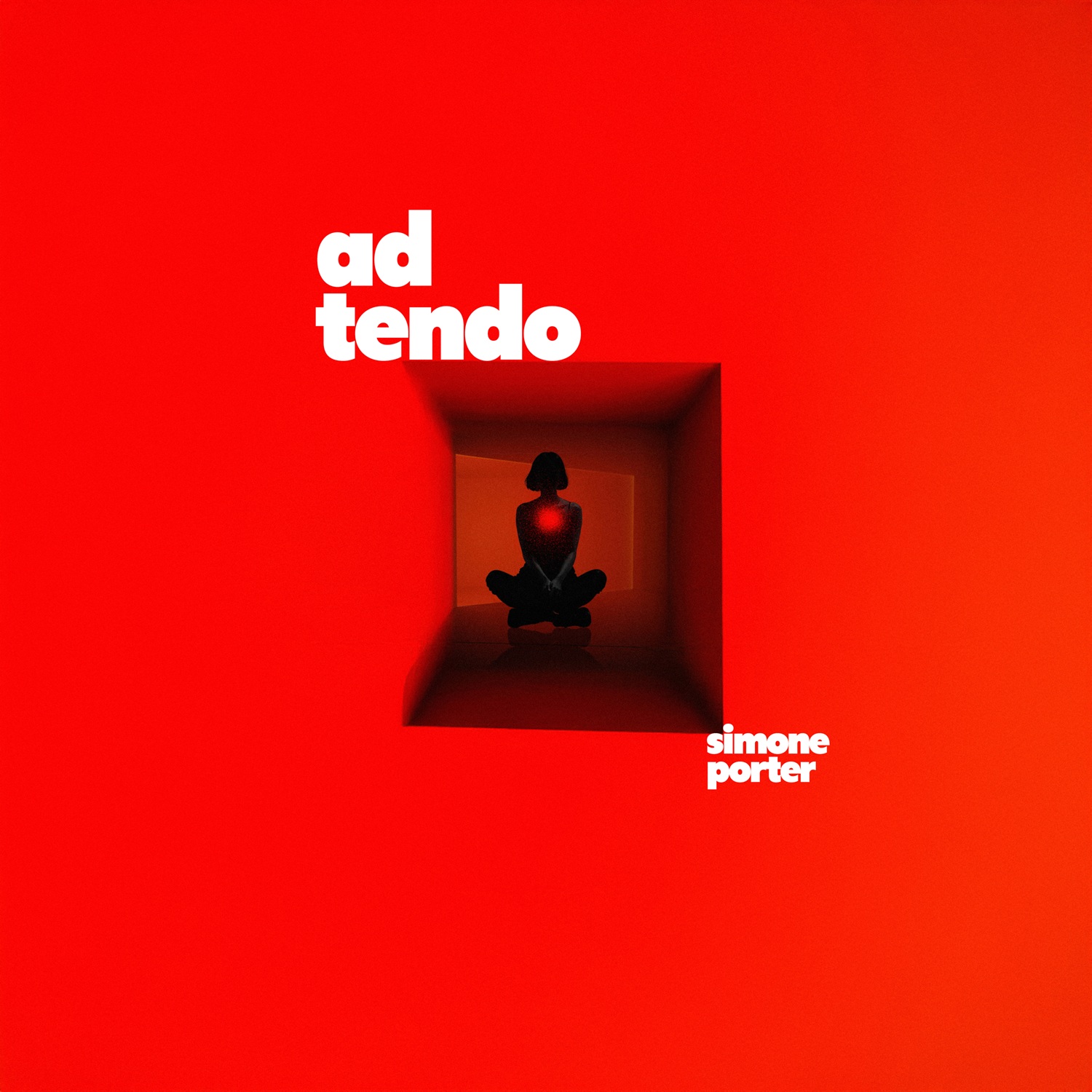 The American violinist Simone Porter makes her recording debut with ad tendo, a collection of mostly 21st-century solo violin works inspired by philosopher Simone Weil’s quote “Absolutely unmixed attention is prayer,” Porter feeling that the experience of total absorption offers a kind of deliverance. ad tendo, the Latin root of the word “attention” means “I stretch toward.” (Bright Shiny Things BTC-0217 brightshiny.ninja/useless-information/ad-tendo-amazon-music-classical-focus).
The world premiere recording of Reena Esmail’s Drishti (“focused gaze”) anchors the disc, which also includes Esa-Pekka Salonen’s Lachen verlernt, Olivia Marckx’s Improvisation on O Virtus Sapientiae by Hildegard von Bingen and Andrew Norman’s Sabina, his arrangement of a movement from his string trio written after watching a sunrise during morning mass in Rome’s Santa Sabina Basilica.
Biber’s Passacaglia in G Minor, “Guardian Angel” provides a suitably meditative conclusion to an excellent CD on which Porter fully exploits the tonal qualities of the on-loan 1740 Carlo Bergonzi violin.
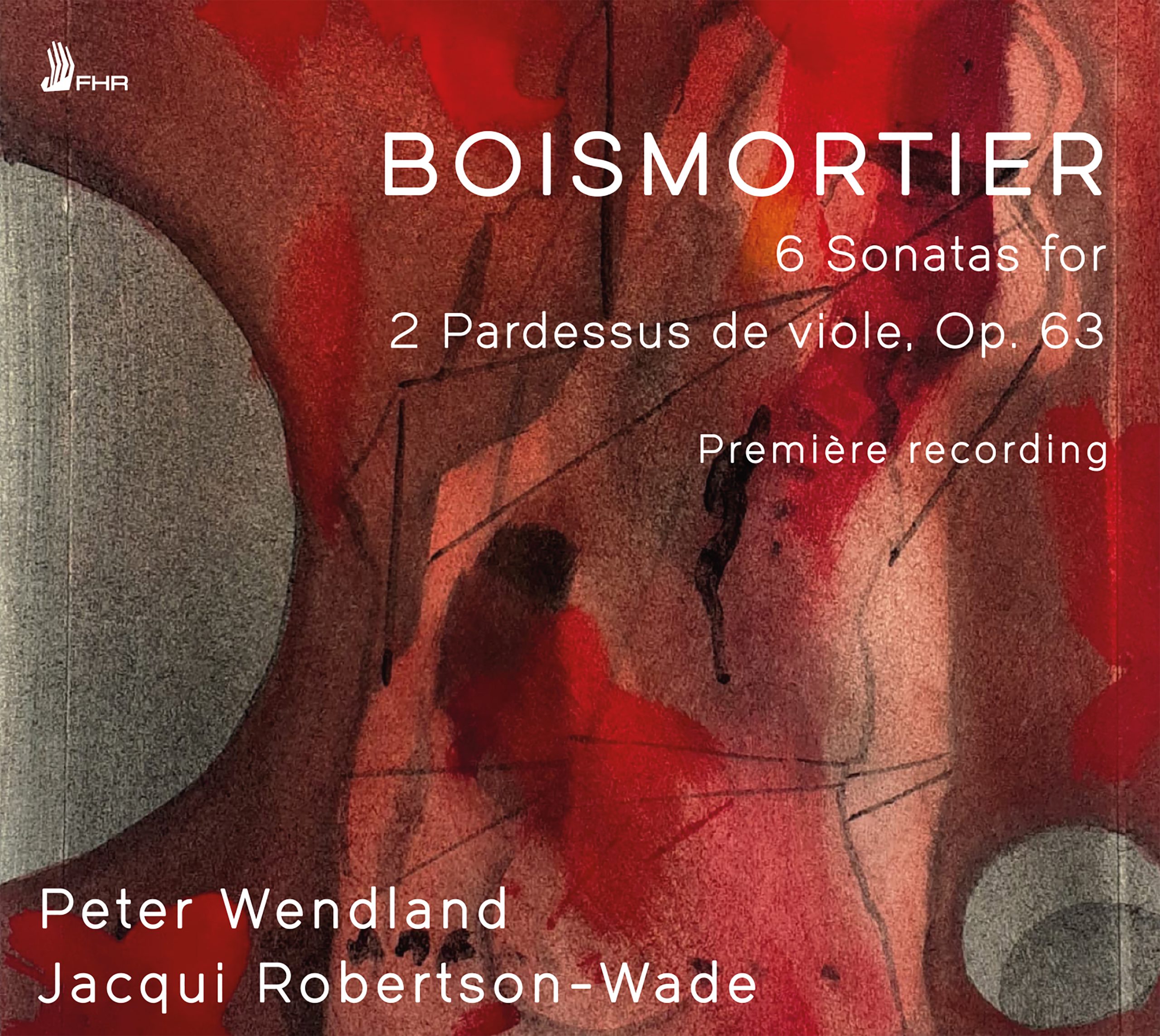 On Boismortier 6 Sonatas for 2 Pardessus de viole, Op.63 the Dialogue Viols duo of Peter Wendland and Jacqui Robertson-Wade performs delightful works by Joseph Bodin de Boismortier (1689-1755) that have probably not been heard in well over 200 years, a copy of the engraved score originally published in 1737 having only recently been discovered and published in facsimile by Atelier Philidor in 2021 (First Hand Records FHR159 firsthandrecords.com/products-page/album/boismortier-6-sonatas-for-2-pardessus-de-viole-op-63).
The pardessus de viole was in vogue in France in the mid-18th century; it had six strings tuned in fourths across an almost identical range to the violin. The six sonatas here are quintessentially French in style, and the performances, at the French Baroque pitch of A=392Hz are simply flawless and quite captivating.
Two short pieces transposed up an octave from the original sources end a fascinating CD: the Fantaisie en Écho from Marin Marais’ Pièces de viole Book 1, arranged for two pardessus de viole by Villeneuve (1706-1771) and Le Dodo, ou l’amour au berceau from Couperin’s Pièces de clavecin Book 3, arranged by the performers.
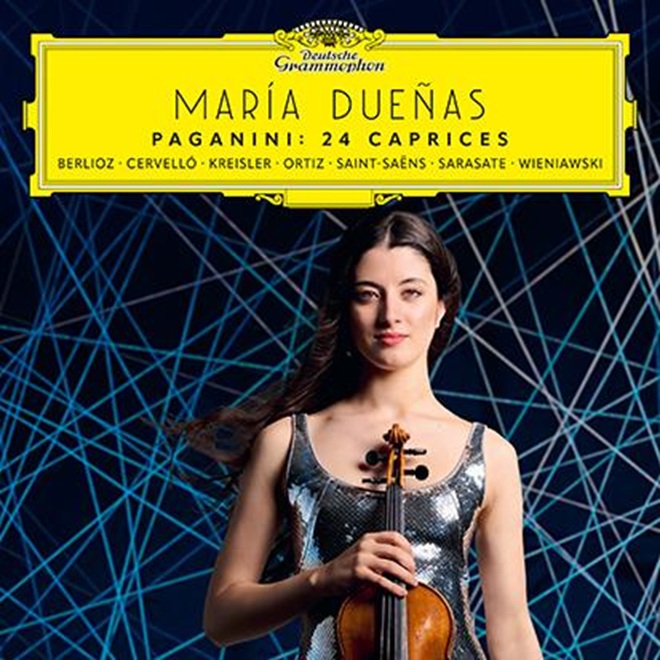 Paganini Caprices, the second Deutsche Grammophon release by the young Spanish violinist Maria Dueñas is a 2CD set that features much more than Paganini’s 24 Caprices Op.1, Dueñas also offering a selection of caprices for solo violin, violin and guitar, violin duo, violin and piano and violin and orchestra (DG 4865 708 deutschegrammophon.com/en/catalogue/products/paganini-24-caprices-mara-dueas-13622).
The solo works are Kreisler’s Recitativo & Scherzo-Caprice Op.6 and Jordi Cervelló’s Milstein Caprice, written for Dueñas. Boris Kuschnir is the second violinist in Wieniawski’s Étude-Caprice Op.18/2, Raphaël Feuillâtre the guitarist in Kreisler’s Caprice viennoise Op.2, Itamar Golan and Alexander Malofeev the pianists in Sarasate's Caprice basque Op.24 and Gabriela Ortíz’ De cuerda y mad era respectively, and the Deutsches Symphonie-Orchester Berlin under Mihhail Gerts supports Dueñas in Berlioz’s Rêverie & Caprice Op.8 and Saint-Saëns’ Caprice andalous Op.122 and Introduction & Rondo capriccioso Op.28.
It’s the Paganini that drives this release, however, and it’s a stunning performance, technically assured and brilliantly coloured, with Dueñas quite rightly stressing the bel canto vocal nature of much of the writing.
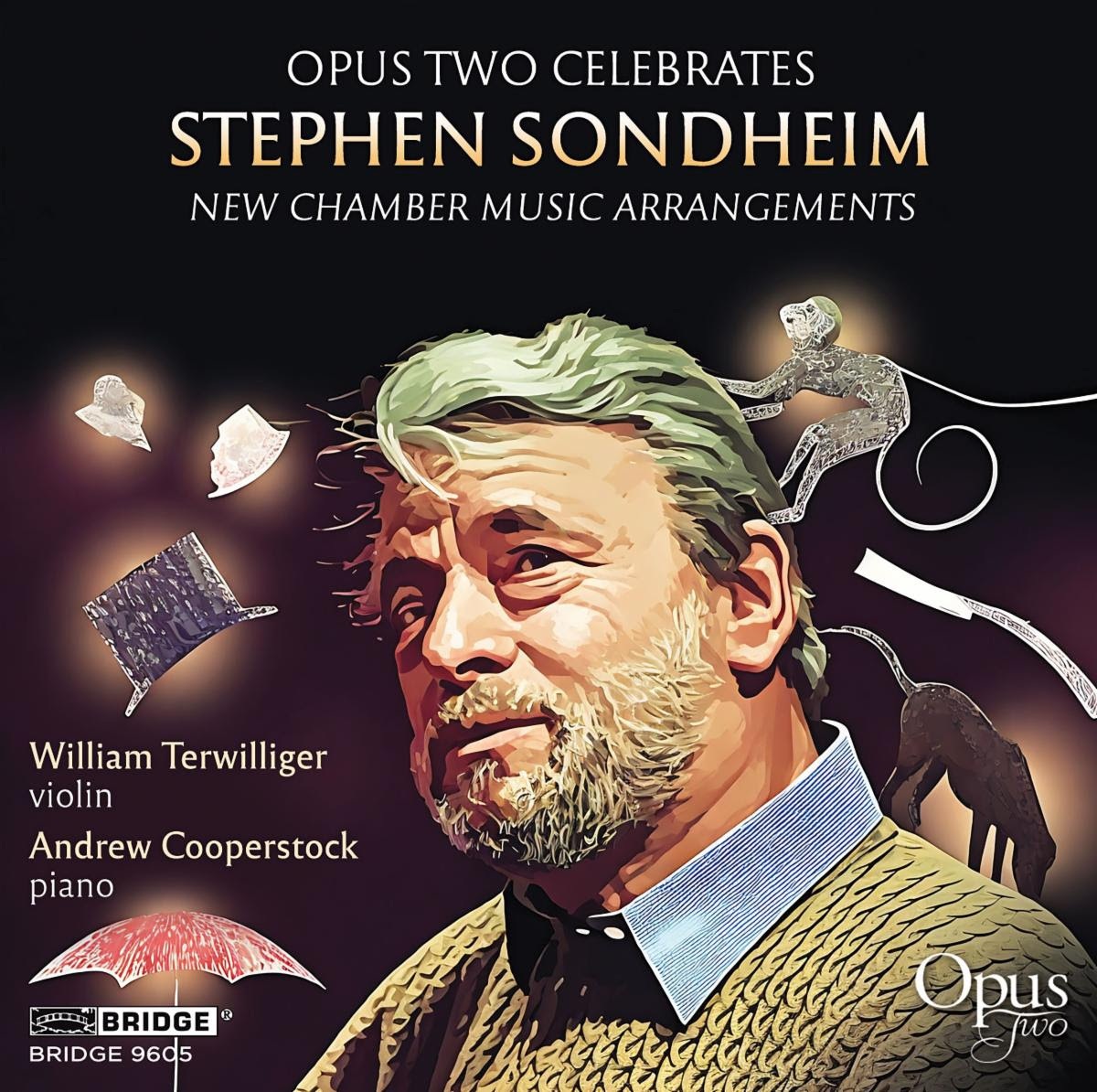 A few years ago, somewhat uncharacteristically, I included a digital-only single release in the column because it was so good – a suite from Sondheim's Broadway musical A Little Night Music, arranged by Broadway veteran Eric Stern and performed by the Opus Two duo of violinist William Terwilliger and pianist Andrew Cooperstock. The good news is that it’s back on regular CD; the even better news is that it opens a full-length CD of world-premiere recordings of Sondheim arrangements by the same team – Opus Two Celebrates Stephen Sondheim (Bridge Records 9605 bridgerecords.com/products/9605).
Stern worked closely with Sondheim as musical director for numerous shows, and his arrangements are an absolute delight. Broadway Baby and Not While I’m Around are probably the best-known items here, but Follies, Evening Primrose, Company, Sunday in the Park with George and Merrily We Roll Along are also represented.
Fittingly, the more substantial Fleet Street Suite – music from Sweeney Todd – bookends a delightful CD.
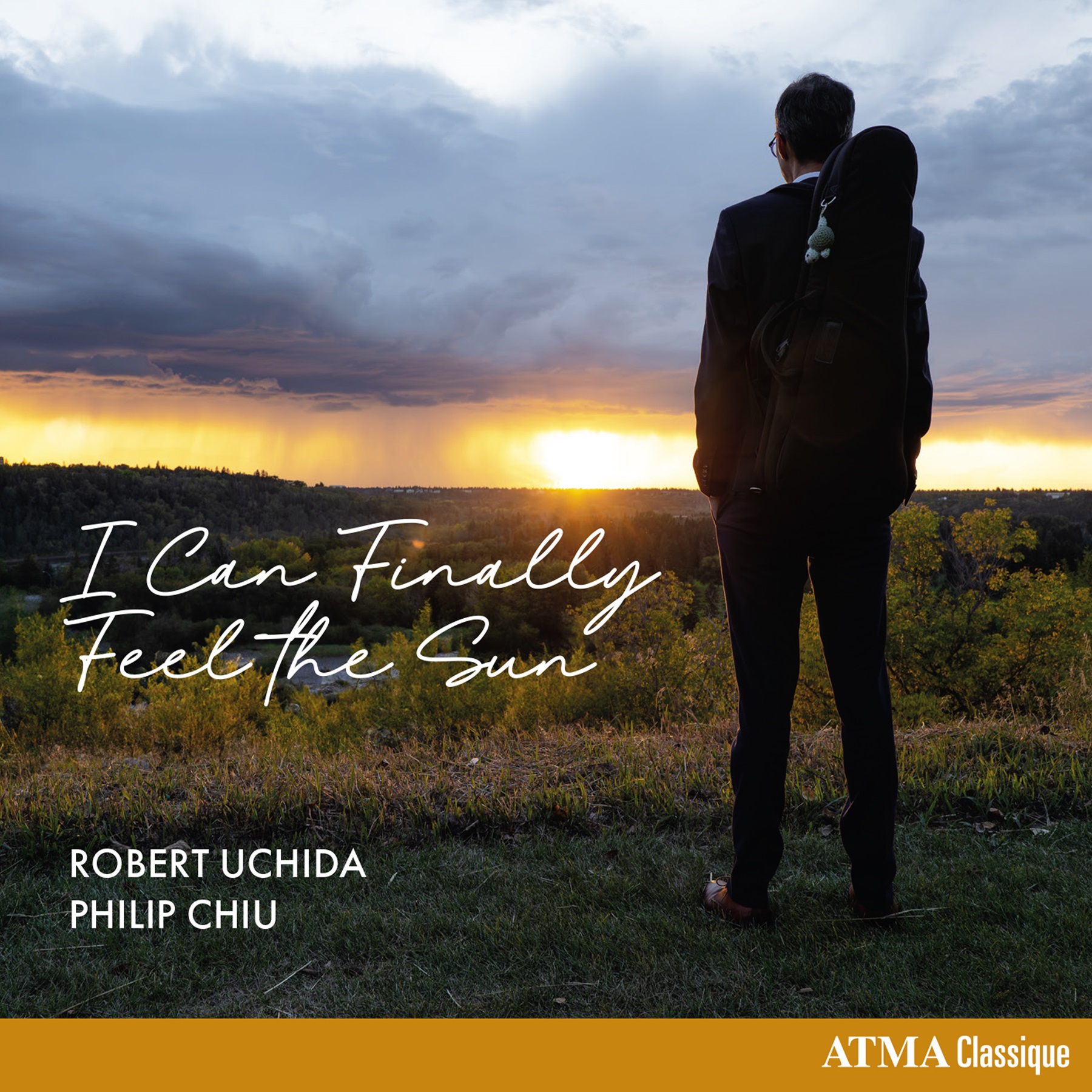 On I Can Finally Feel the Sun violinist Robert Uchida explores musical relationships on a CD inspired by his playing the “Dawes, de Long Tearse” Guadagnini violin previously played by Andrew Dawes, the first violin of the Orford String Quartet and a mentor of Uchida. Philip Chiu is the pianist (ATMA Classique ACD2 2916 atmaclassique.com/en/product/i-can-finally-feel-the-sun).
Stravinsky’s Suite Italienne is paired with Jean Papineau-Couture's Suite for Violin Alone, three brief movements by a self-described “Stravinskyist.” Telemann’s Fantasie No.1 in G Minor is coupled with Murray Adaskin’s Sonatine Baroque, written for Dawes and first recorded on this same violin. It quotes Bach’s E Major Partita, the Prelude from which is the following track, paired with the Prelude - “Obsession” from Ysaÿe’s Sonata for Solo Violin Op.27 No.2, which again directly quotes the Bach.
Debussy’s Violin Sonata L.148 and the CD’s violin solo title track by Canadian composer Carmen Braden close an entertaining and engrossing disc.
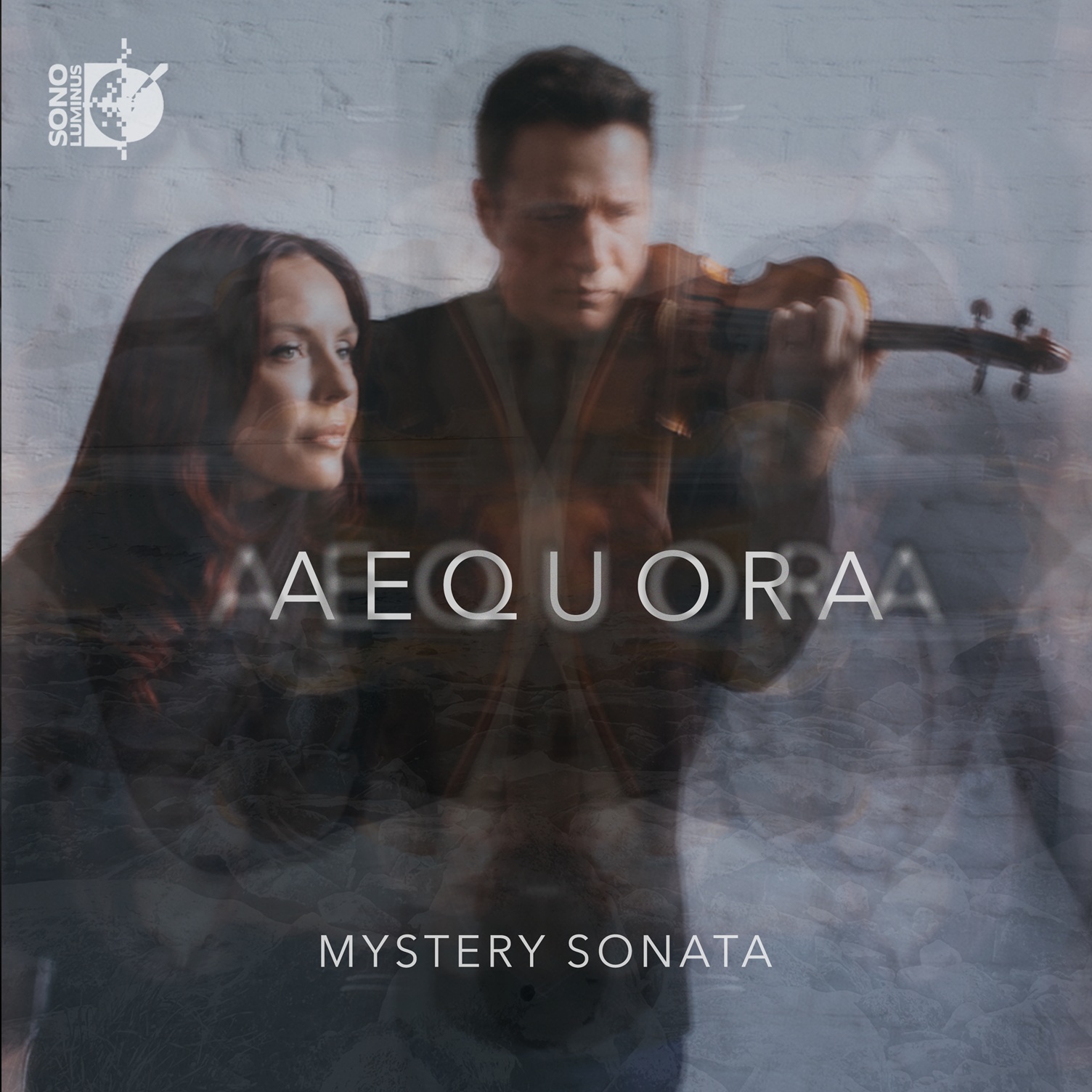 On Aequora, the Mystery Sonata married duo of violinist Zachary Carrettin and pianist Mina Gajic present works by several prominent Icelandic composers (Sono Luminus DSL-92282 sonoluminus.com/sonoluminus/aequora).
The title track, by Maria Huld Markan Sigfúsdóttir was originally for grand piano and electronics, with a violin and new material being added when the composer met Carrettin. Daniel Bjarnason’s First Escape for solo violin, commissioned by violinist Jennifer Koh explores natural harmonics in a virtuosic fashion.
Páll Ragnar Pálsson’s Notre Dame from 2021 was originally for harp and violin. Anna Thorvaldsdóttir’s 2017 Reminiscence for solo piano comprises seven short sections “exploring mental images and memories of witnessing and experiencing natural phenomena.”
Re/fractions, also by Sigfúsdóttir was commissioned by Mystery Sonata and the Boulder Bach Festival in Colorado. Inspired by space, time and textures, its second half gravitates around the note D – “Re” in tonic solfa, hence the split in the title.
 Shostakovich – Silvestrov contains music for viola and piano by the two Russian composers in performances by violist Ettore Causa and pianist Boris Berman (Le Palais de Dégustateurs PDD041 lepalaisdesdegustateurs-shop.com/boutique/SHOSTAKOVICH-SILVESTROV-Ettore-Causa-et-Boris-Berman-p712329711).
The Viola Sonata Op.147, with its huge third movement Adagio, was the last work Shostakovich composed before his death in 1975. There has been much speculation about the autobiographical nature of the music, given the numerous quotations from other of his works, especially in the Adagio.
Valentin Silvestrov (b.1937) wrote a Postlude DSCH for piano trio, but the two composers never met. Silvestrov’s 2010 Elegy for Viola solo, his 2022 Three Intermezzi for Piano (dedicated to Berman) and the 2023 Triptych for Viola and Piano (commissioned by the record label for this CD) are world premiere recordings. His Epitaphium (L.B.) from 1999, originally for piano and string orchestra, was written in memory of his wife, whom he lost in 1996.
Shostakovich’s brief Impromptu for Viola and Piano Op.33, written in 1931 but only discovered in 2017, ends a high-quality CD.
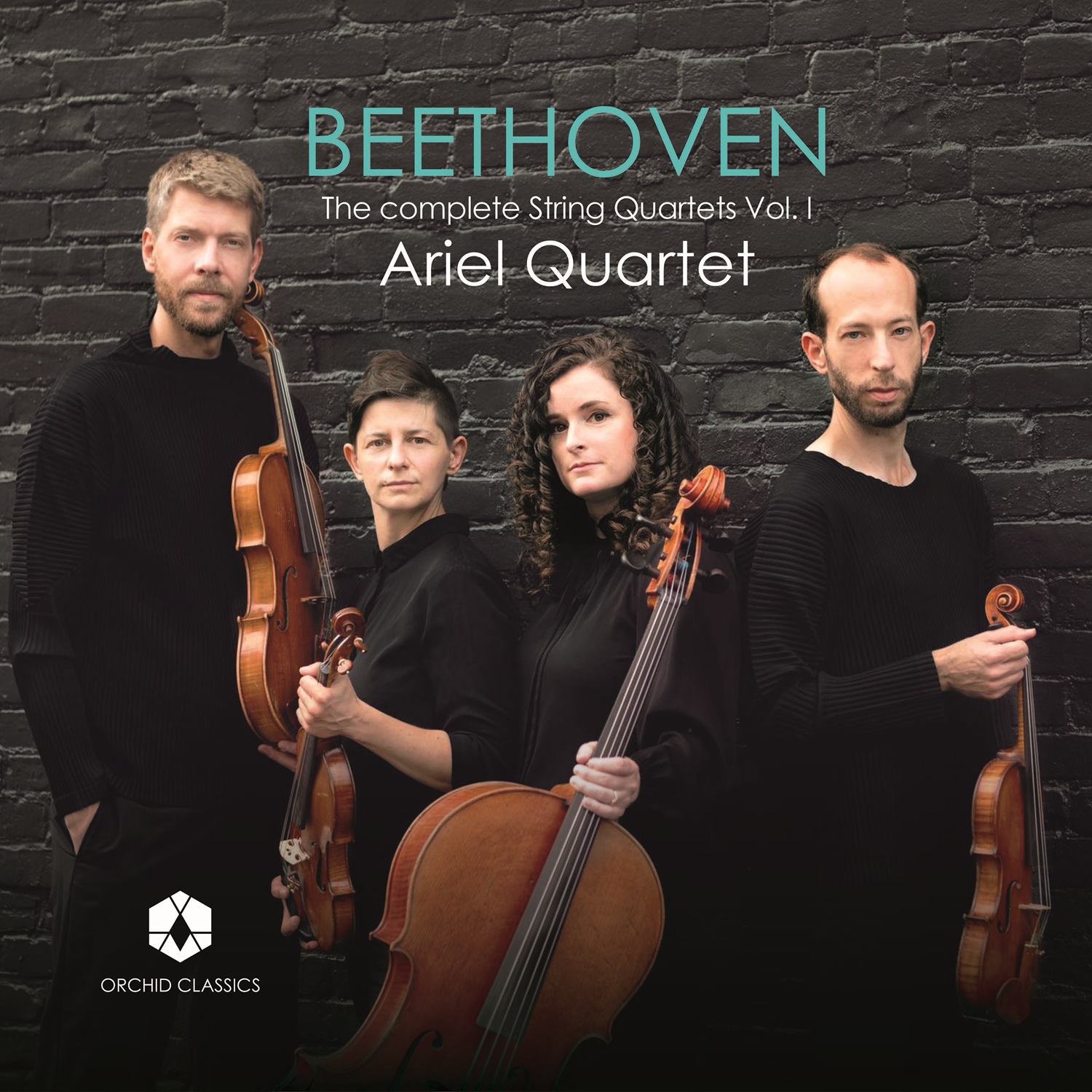 With Beethoven Complete String Quartets Vol.1 the Ariel Quartet launches a project which they describe as a testament to their belief in the enduring relevance of the music. Volume 2 is scheduled for release in November, followed by Volume 3 in June of next year and a special box set in March 2027 to mark the 200th anniversary of Beethoven’s death (Orchid Classics ORC100378 orchidclassics.com/releases/orc100378-ariel-quartet-vol-1).
This first volume contains the six String Quartets Op.18. The quartet first played together at the ages of 13 in 1998 – three founder members are still present – and Beethoven’s Op.18 No.4 quartet was the first they played. There’s an immediacy and commitment in their playing and a full, rich recorded sound on what promises to be a significant and attractive option in a fiercely competitive field.
 Poland's Silesian Quartet is the ideal interpreter for Górecki Complete Works for String Quartet, a survey of the three quartets all commissioned by the Kronos Quartet together with five choral works played as string quartets (Chandos 202283 2 chandos.net/products/catalogue/CHAN%2020383).
Górecki (1933-2010) turned to string quartets relatively late in his career, No.1 Op.62 “Already it is dusk” dating from 1988, No.2 Op.64 “quasi una fantasia” from 1991 and the monumental No.3 Op.67 “...songs are sung” from 1994-95. The Five Kurpian Songs Op.75 are from 1999.
These are not new recordings: the quartets are from 2008, originally released on Polish EMI, and the choral songs are from 2014. No matter, for I’ve not heard these challenging and sometimes abrasive works sound warmer or more personal and accessible than in these penetrative and illuminating performances.
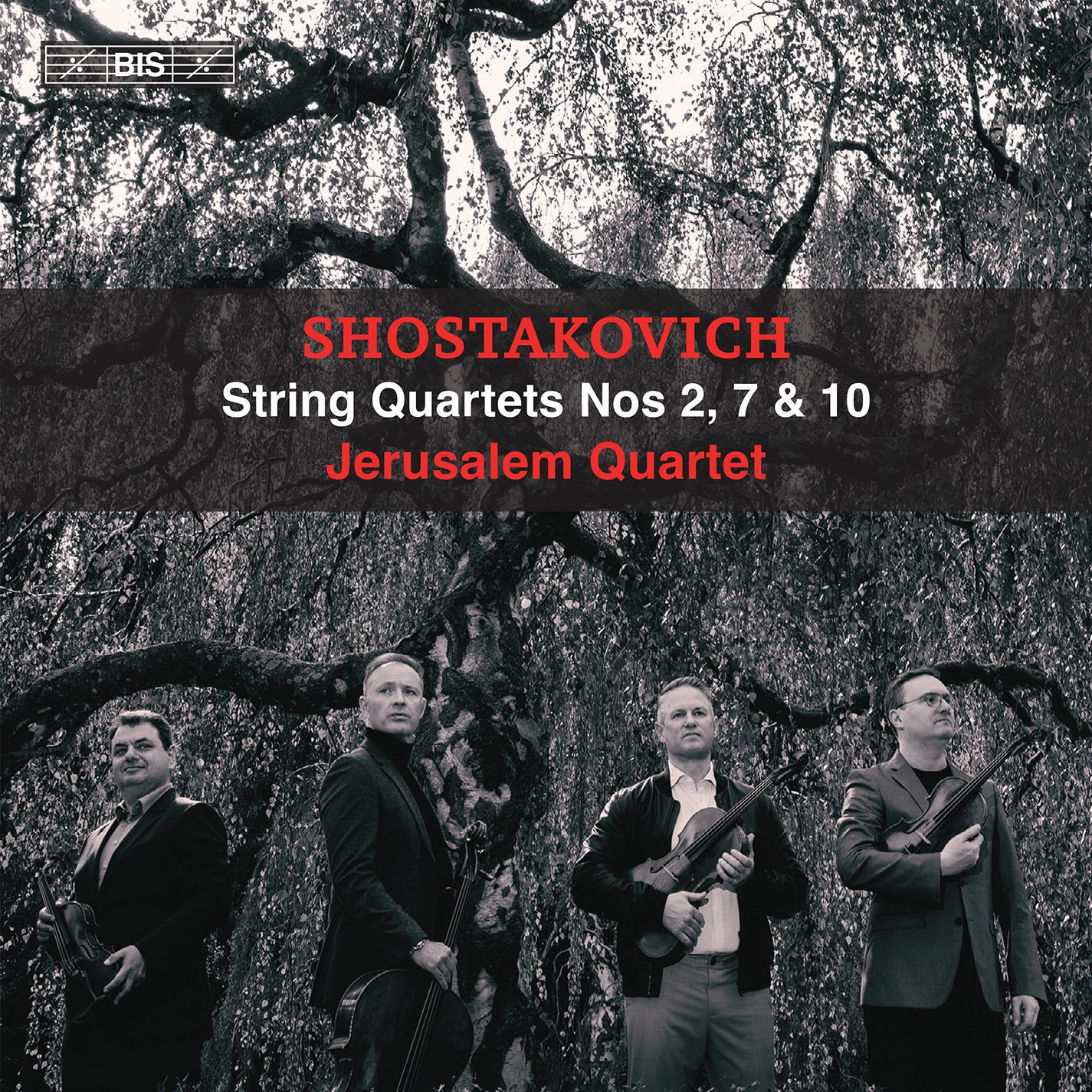 Shostakovich String Quartets Nos 2, 7 & 10 is the first release on the BIS label by the Jerusalem Quartet (BIS-2654 SACD bisrecords.lnk.to/2654).
The String Quartet No.2 in A Major is from 1944, but has no direct war reference, its remarkable slow movement possibly reflecting lingering grief over the sudden loss of a close friend. The String Quartet No.7 in F-sharp Minor Op.108 from 1959-60 is a brief but deeply personal three-movement work dedicated to the memory of his wife, and the String Quartet No.10 in A-flat Major Op.118 is one of his most accessible.
The Jerusalem Quartet is in top form on an excellent disc.
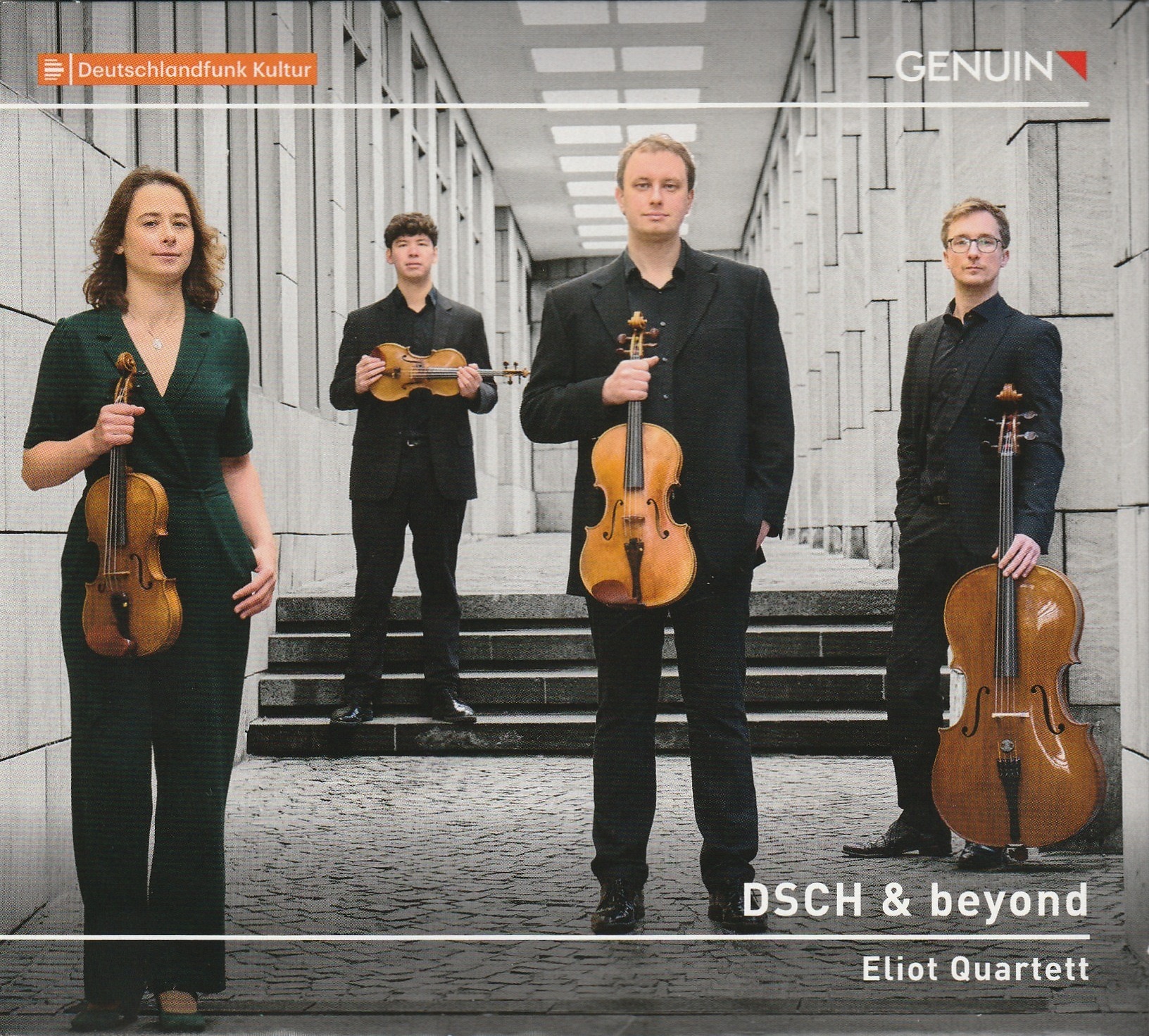 On DSCH & beyond the Eliot Quartett delivers impassioned performances of Shostakovich’s String Quartet No.3 in F Major, Op.73 and the hauntingly autobiographical String Quartet No.8 in C Minor, Op.110 (GENUIN GEN 25919 genuinclassics.com/_new/cd_1.php?cd=GEN25919).
The central work on the disc is the remarkable Au-delá d’une absence, Op.89 by Krzysztof Meyer, a hypothetical Shostakovich String Quartet No.16 written in 1997 entirely in the style of Shostakovich as “a tribute to a man who had been very close to me.” In 1974 Meyer had discussed a possible 16th quartet with the composer, who had intimated that it would be in three movements, with a singable second movement and a double fugue finale, playing Meyer one of the tunes for the latter. On that minimal framework Meyer has built an astonishingly idiomatic and convincing quartet.
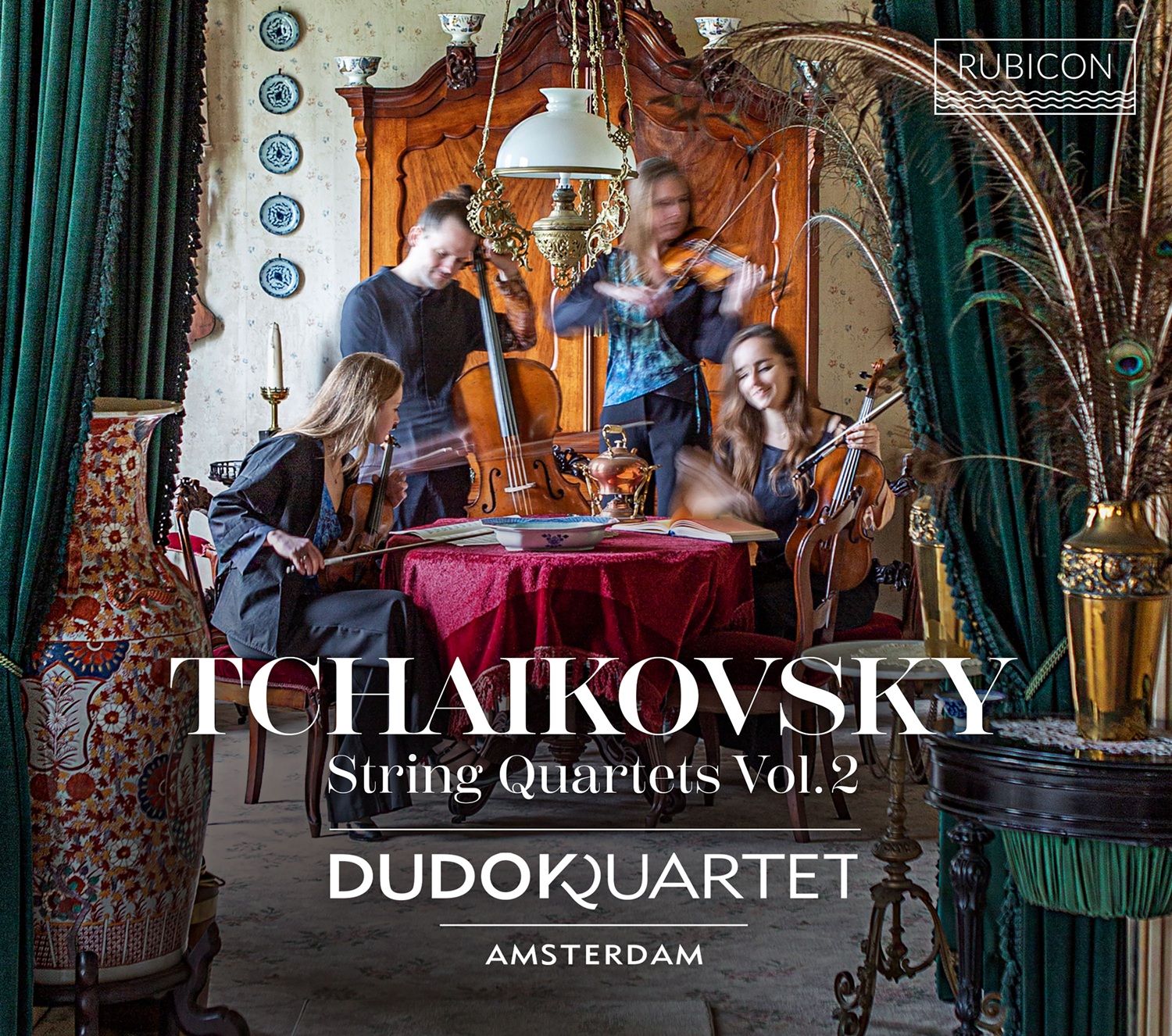 The Dudok Quartet Amsterdam completes its recording of the composer’s three quartets with Tchaikovsky String Quartets Vol.2, the String Quartet No.3 in E-flat Minor Op.30 from 1876 being the central work on the CD (Rubicon RCD1124 dudokquartet.com/albums/tchaikovsky-string-quartet-vol-2).
The single Quartet Movement in B-flat Major from 1865 opens the disc, with four short pieces from the solo piano work The Seasons Op.37a, arranged by members of the quartet closing it.
The quartet members use unwound gut strings for music written before 1900, noting the necessary adjustments in the left hand and the bow control – not that you would ever know, given the remarkable and ravishing depth of sound and colour they draw from their instruments.
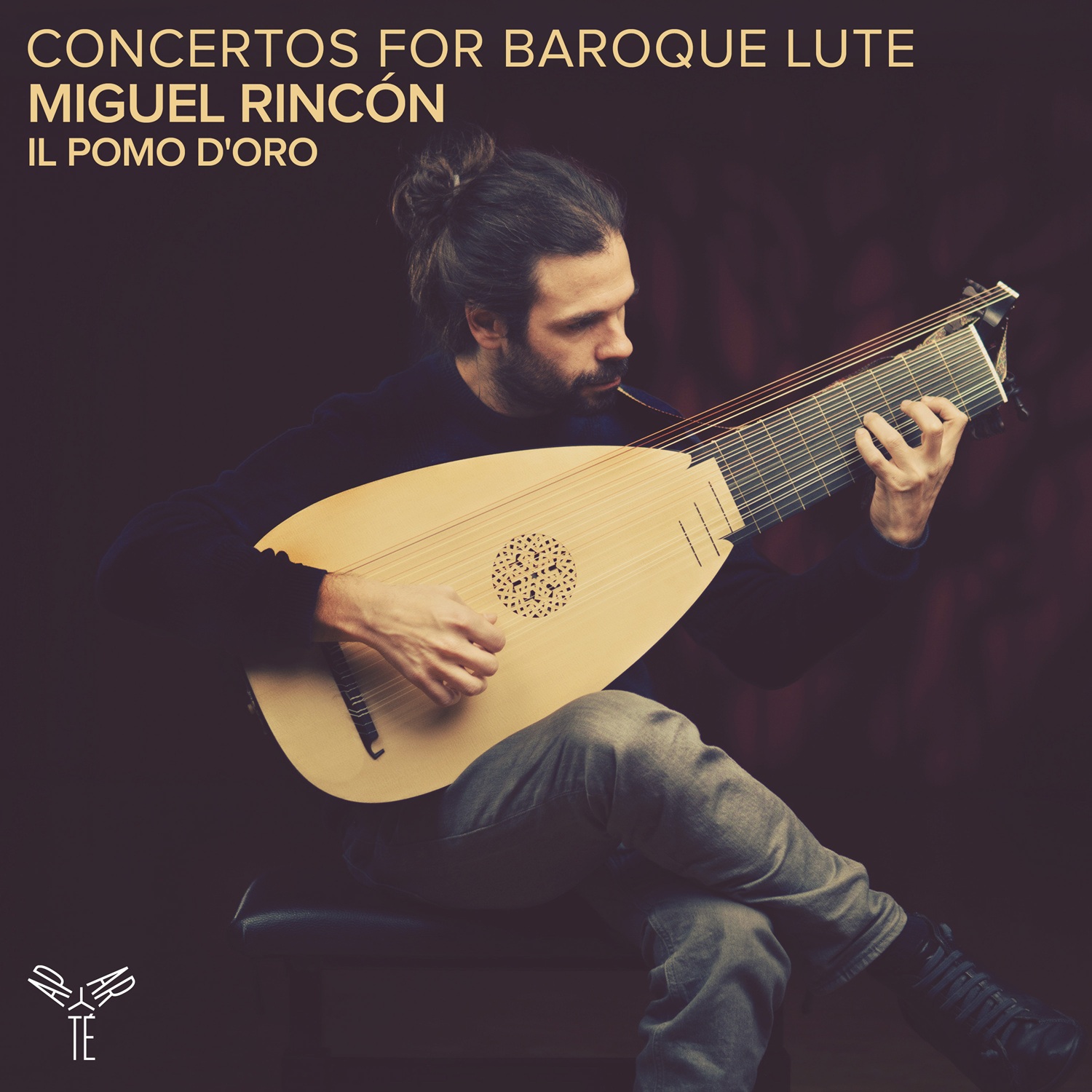 Lutenist Miguel Rincón describes his new CD Concertos for Baroque Lute, with Il Pomo d’Oro as the result of a deep desire to breathe new life into forgotten repertory from the crossroads of the Baroque and galant style eras before the lute became eclipsed by the classical guitar (Aparté AP376 apartemusic.com/en/album-details/concertos-for-baroque-lute-fasch-hagen-kohaut-kleinknecht).
The small ensemble – two violins, viola, cello, bass and harpsichord – allows the virtuosity and subtlety of the lute to predominate in performances of the Concerto in F Major by Austrian composer Karl Kohaut (1726-84), the Trio in E-flat Major by Bernhard Joachim Hagen (1720-87), the Concerto in C Major by Jakob Friedrich Kleinknecht (1722-94) and the Concerto in D Minor by Johann Friedrich Fasch (1688-1758), his only lute work, and one which is described as a work of great expressiveness and virtuosity that still surprises today.
It’s all absolute perfection, with brilliant playing by Rincón and sensitive and spirited support from the ensemble.
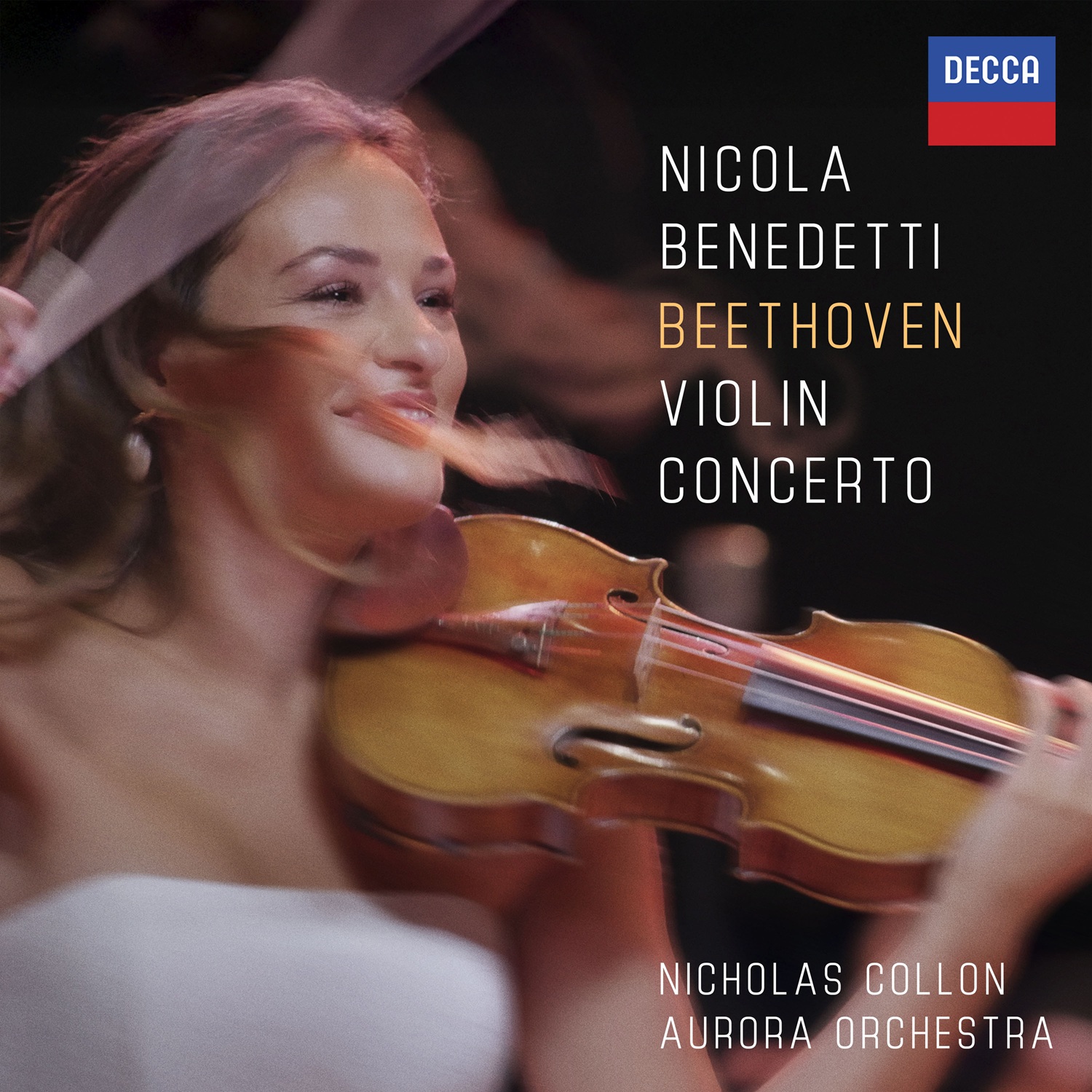 We’re all accustomed to seeing soloists perform concertos from memory, but on Beethoven Violin Concerto, the remarkable new CD from Nicola Benedetti everyone, including the entire Aurora Orchestra under Nicholas Collon, is playing from memory (Decca Classics store.deccaclassics.com/products/beethoven-violin-concerto?srsltid=AfmBOorfd_sRrmBkGU4lTPTu1g8Pan7Z22yPK9WgTNblk_VDHF3eERnt).
The Aurora Orchestra has been pioneering the performance of orchestral works from memory since 2014, but this is the first time they have done so for an instrumental concerto. It doesn't translate into a noticeably different sound, but from the opening hard-stick timpani strokes this is clearly a performance with spirit and lightness. There’s no sense of bravura virtuosity from Benedetti, who dances through the finale after a slow movement that feels almost like a private meditation – you almost hold your breath listening to it.
The very different first movement cadenza is “rearranged and adapted” by Petr Limonov from the cadenza with timpani that Beethoven wrote for his own arrangement of the concerto for piano and orchestra.
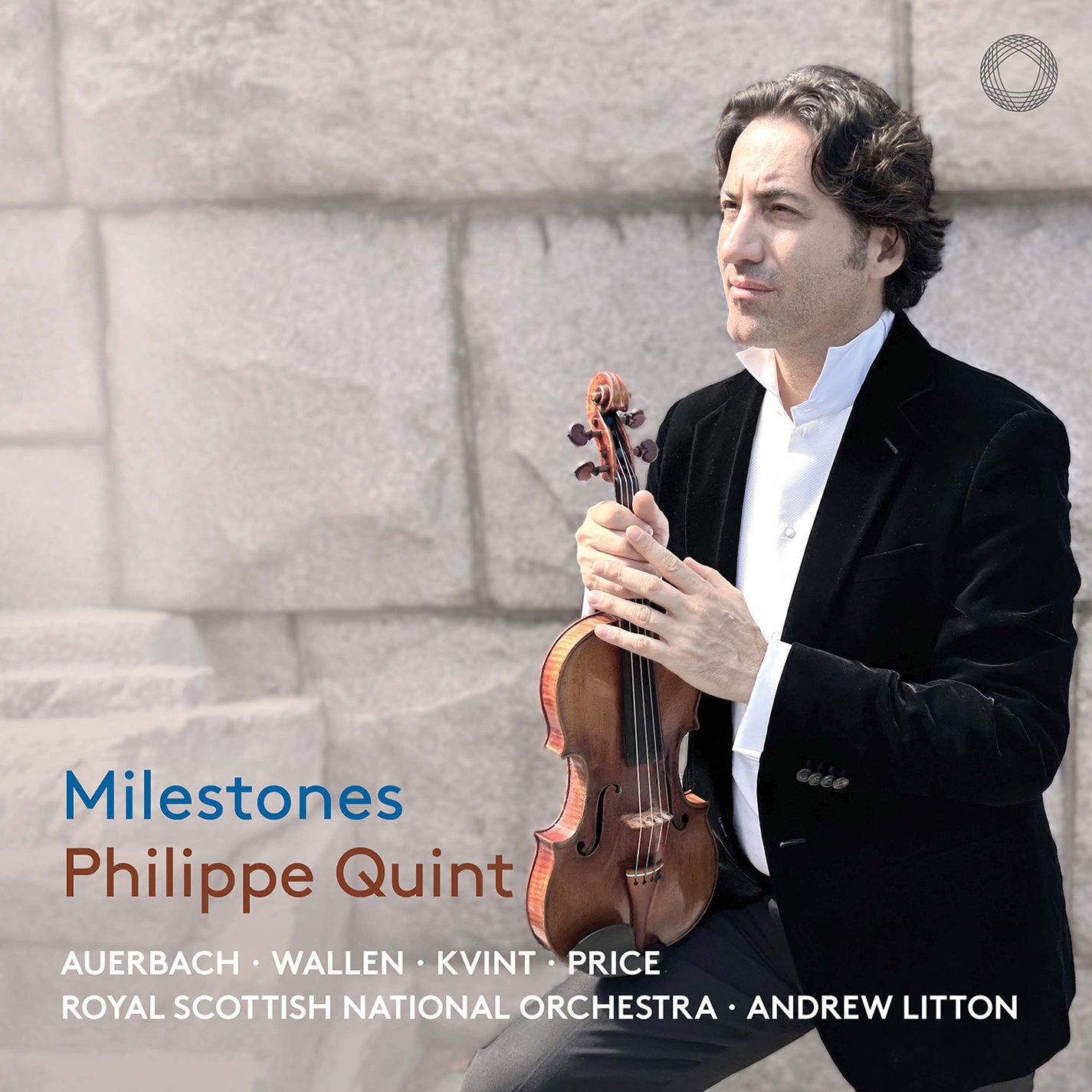 On Milestones violinist Philippe Quint presents world-premiere recordings of three works written for him during pivotal moments of his artistic journey. Andrew Litton conducts the Royal Scottish National Orchestra as well as joining Quint as pianist for the two final works (Pentatone PTC5187408 pentatonemusic.com/product/milestones).
The two concertos here are remarkably effective and simply stunning works. Lera Auerbach’s four-movement Violin Concerto No.1 from 2003 contrasts outright aggression (she describes the opening as “apocalyptic Deathclusters”) with lyrical richness and beauty. Errollyn Wallen’s 2024 Violin Concerto references Quint’s childhood memories, especially in the lovely Lamenting middle movement. Both works are essential listening for anyone interested in contemporary violin concertos and will richly reward deeper acquaintance.
The Odyssey Rhapsody for violin and piano by Quint’s mother, the Russian composer Lora Kvint was inspired by her fascination with Greek mythology.
Florence Price’s brief but lovely Adoration completes an outstanding release.
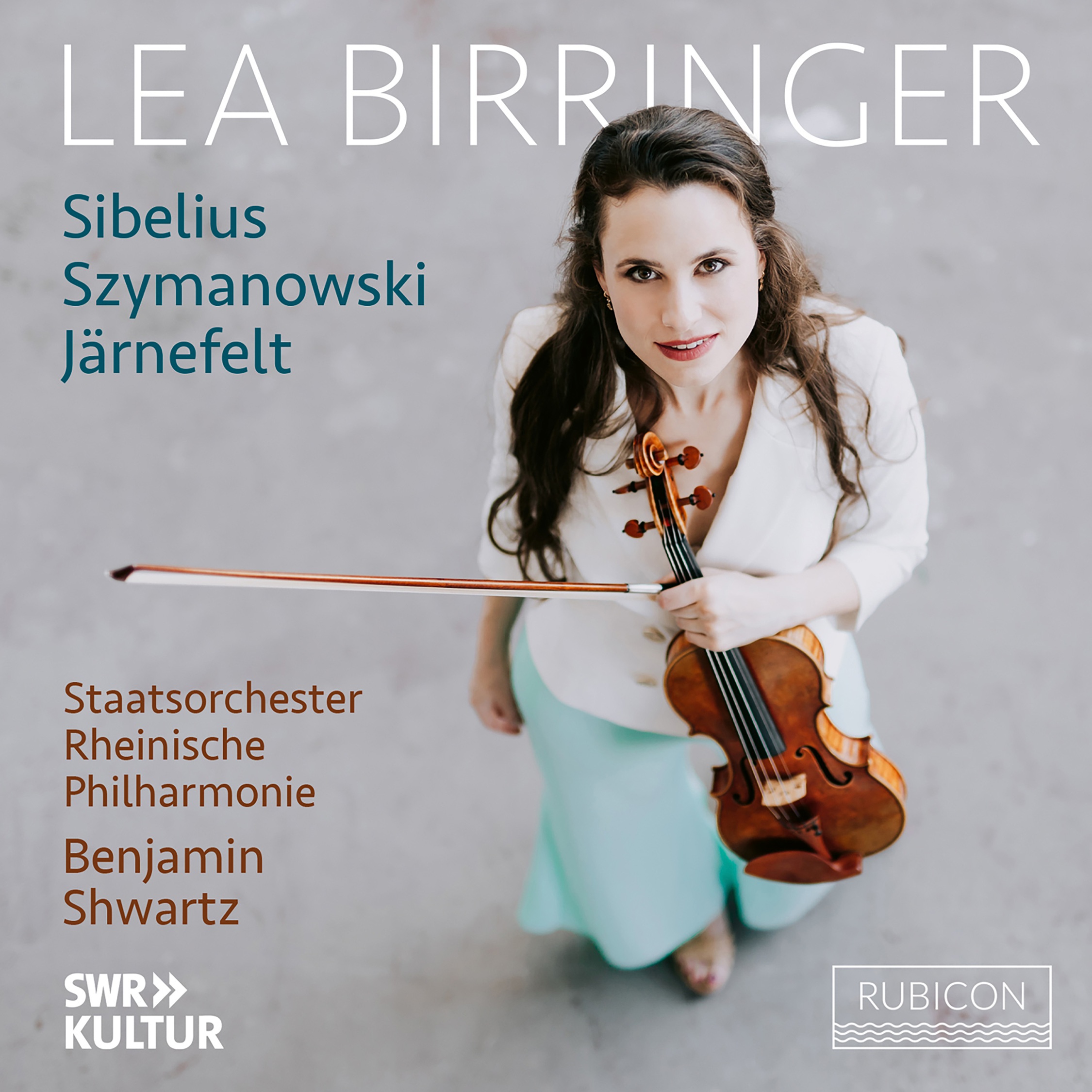 Just when you think you probably won’t hear a better recording of the Sibelius concerto along comes the German violinist Lea Birringer performing works by Sibelius Szymanowski and Järnefelt on her new CD, with Benjamin Shwartz conducting the Staatsorchester Rheinische Philharmonie (Rubicon RCD1193 rubiconclassics.com/release/sibelius-jarnefelt-szymanowski).
Hers is a full-blooded, full-bodied approach to the Sibelius Violin Concerto in D Minor, Op.47 – no icy landscape in the warm opening here – and her thrilling virtuosity and huge tone combined with the outstanding orchestral support result in a heart-pounding performance to rank with the best available on disc.
Much the same can be said of the Szymanowski Violin Concerto No.2, Op.61, a lush, Romantic work overflowing with brilliant orchestral colours reminiscent of Scriabin. Birringer’s shimmering tone and technical mastery again combine with superb orchestral support in a captivating performance.
The brief Berceuse in G Minor by Armas Järnefelt completes an exceptional CD.
 There have been two recent releases featuring violinist James Ehnes. The Spanish violinist and composer Pablo de Sarasate is the focal point on a CD of the music of Lalo, Saint-Saëns and Sarasate, with Ehnes supported by the BBC Philharmonic under Juanjo Mena (Chandos CHAN 20333 chandos.net/products/catalogue/CHAN%2020333).
Sarasate lived in Paris from his early teen years, and two of the French works here – Lalo's Symphonie espagnole, Op.21, a work bristling with Spanish themes, rhythms and influences, and Saint-Saëns’ Violin Concerto No.3 in B Minor, Op.61 – were written for him. Sarasate’s own Concert Fantasy on Bizet’s “Carmen,” Op.25 completes the disc.
Ehnes’ playing is all that we have come to expect – technically flawless, warm and instinctively musical.
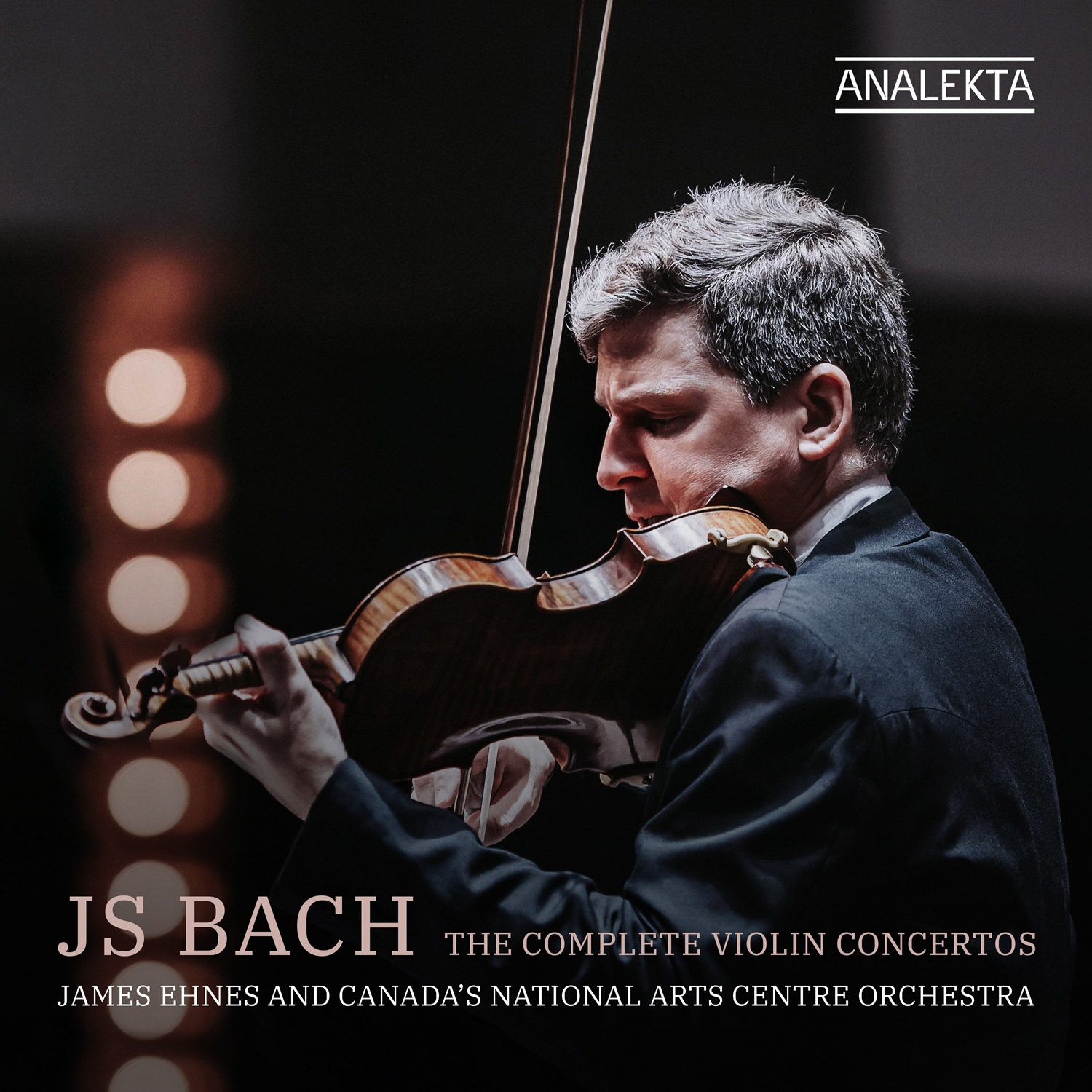 On the 2CD set J. S. Bach: The Complete Violin Concertos, James Ehnes and Canada’s National Arts Centre Orchestra fulfill Ehnes’ longtime desire to present Bach’s violin concerti in their entirety (Analekta AN28893-4 nac-cna.ca/en/orchestra/recordings/ehnes-bach).
In addition to the three standard works – the Violin Concertos in A Minor BWV1041 and in E Major BWV1042 and the Double Concerto in D Minor BWV1043 – Ehnes also presents the three concertos – in D Minor BWV1052R, in G Minor BWV1056R and in D Major for Three Violins BWV1064R – that were “reverse-engineered” from Bach’s own harpsichord transcriptions of now-lost originals. The Concertos in A Minor for Flute, Violin and Harpsichord BWV1044 and in C Minor for Oboe and Violin BWV1060R are also here.
The other soloists are Yosuke Kawasaki and Jessica Linnebach (violins), Charles Hamann (Oboe), Joanna G’froerer (Flute) and Luc Beauséjour (harpsichord), all contributing to performances of warm, beautiful playing on a set that has the feeling of close friends making music that they love.
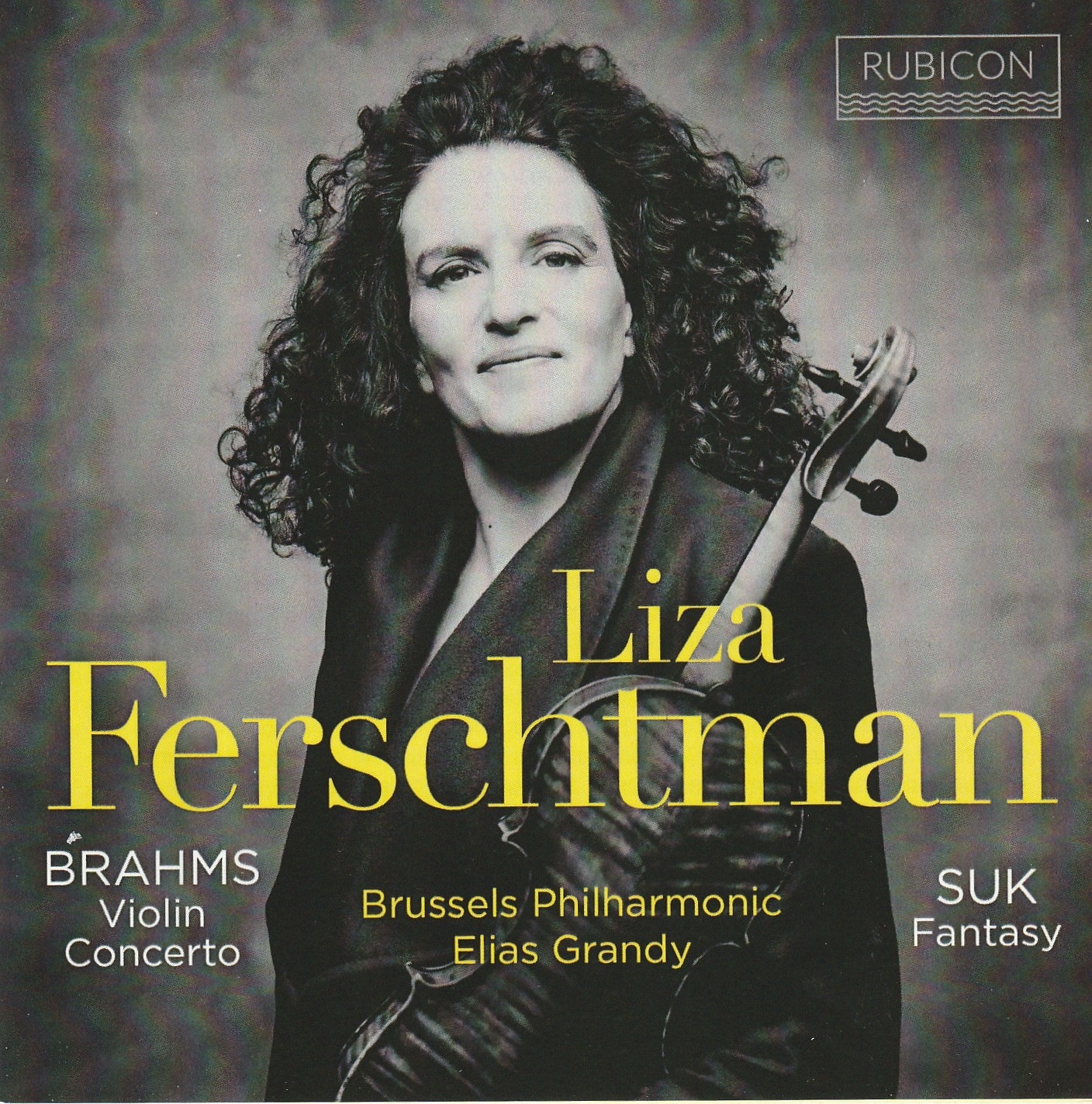 The Dutch violinist Liza Ferschtman studied with – among others – Philippe Hirschhorn, Ivry Gitlis, Igor Oistrakh, Aaron Rosand and Herman Krebbers, so with such a legacy it’s not surprising to find her giving a technically flawless and engrossing and towering performance of one of the great Romantic concertos on her new CD Brahms – Suk, with the Brussels Philharmonic under Elias Grandy (Rubicon RCD1120 rubiconclassics.com/release/9189).
The Brahms Violin Concerto in D Major Op.77 is a pure delight from start to finish, with a warm, rich tone, beautiful phrasing, rhythmic bite in the outer movements and lovely orchestral support.
The Fantasy in G Major Op.24 by the Czech composer Josef Suk dates from 1902-03 and is described as being infused with heavy doses of melancholy. Showing clearly the influence of Dvořák (Suk’s father-in-law) and Brahms, it makes a perfect pairing for the main work, drawing more beautiful playing from all concerned.
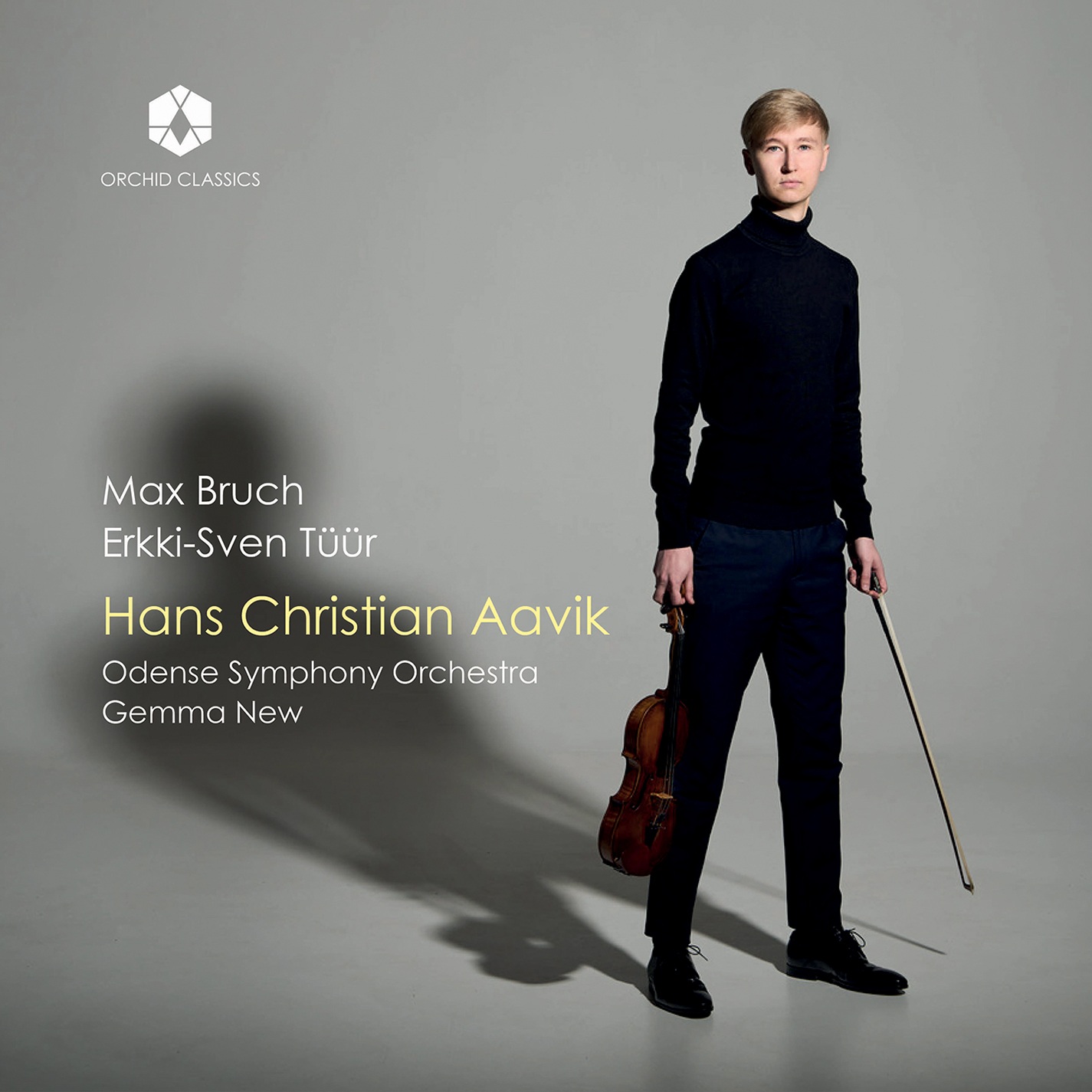 The Estonian violinist Hans Christian Aavik, who won first prize in the 2022 Carl Nielsen International Violin Competition, pairs two concertos written 150 years apart on Max Bruch – Erkki-Sven Tüür, with Gemma New conducting the Odense Symphony Orchestra (Orchid Classics ORC100380 orchidclassics.com/releases/orc100380-hans-christian-aavik).
Bruch’s Violin Concerto No.1 in G Minor, Op.26 is a perennial favourite, and Aavik shows us just why with a beautiful performance full of simply gorgeous playing on the Giovanni Paolo Maggini violin from c.1610 that he has on loan.
Tüür’s Violin Concerto No.2, “Angel’s Share” was written in 2017. The title refers to the small amount of whisky that evaporates during the aging process in wooden barrels, Tüür believing that for humans, maturity can also lead to a deepened sense of goodness. It’s a really interesting soundscape full of dynamic contrasts and scored for strings and percussion, including vibraphone, bass drum, tam-ta, crotales and temple blocks.
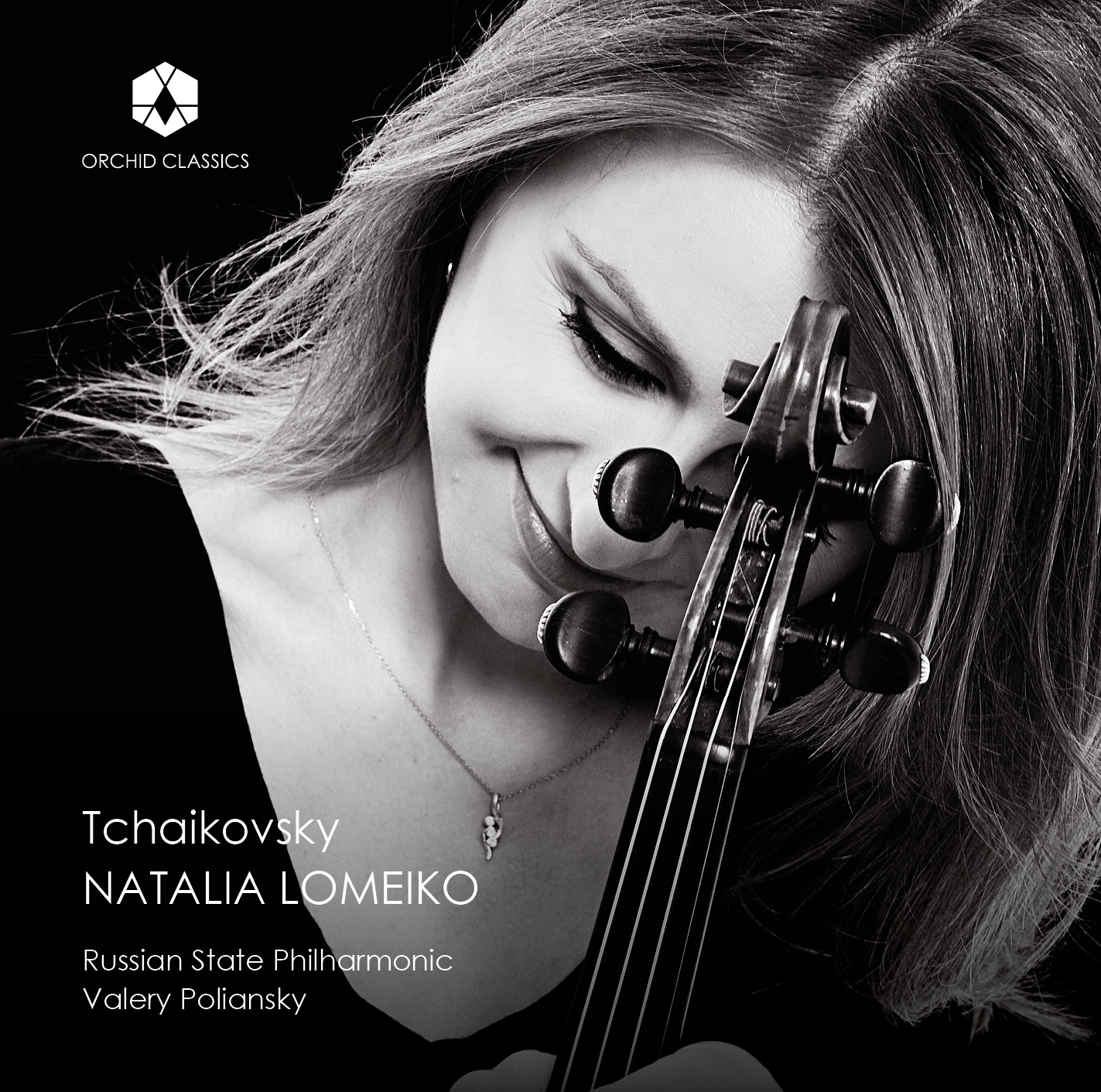 On Tchaikovsky the London-based Russian violinist Natalia Lomeiko performs Tchaikovsky’s complete music for violin and orchestra, the latter being the Russian State Philharmonic under Valery Poliansky (Orchid Classics ORC100195 orchidclassics.com/releases/orc100195-natalia-lomeiko).
The Violin Concerto in D Major, Op.35 is a lovely performance, technically assured and with a crystal clear, glistening tone. Tchaikovsky replaced the concerto’s original Méditation slow movement, re-working it for violin and piano and making it the first of the three pieces that comprise his Souvenir d’un lieu cher, Op.42, heard here in the customary orchestration by Alexander Glazunov. There’s more beautiful playing here and in the Sérénade mélancolique, Op.26, written in 1875 for Leopold Auer.
The Valse-Scherzo, Op.34 from 1877, written for Iosef Kotek, Tchaikovsky’s former student who was closely involved in the writing of the concerto, ends an immensely satisfying disc.
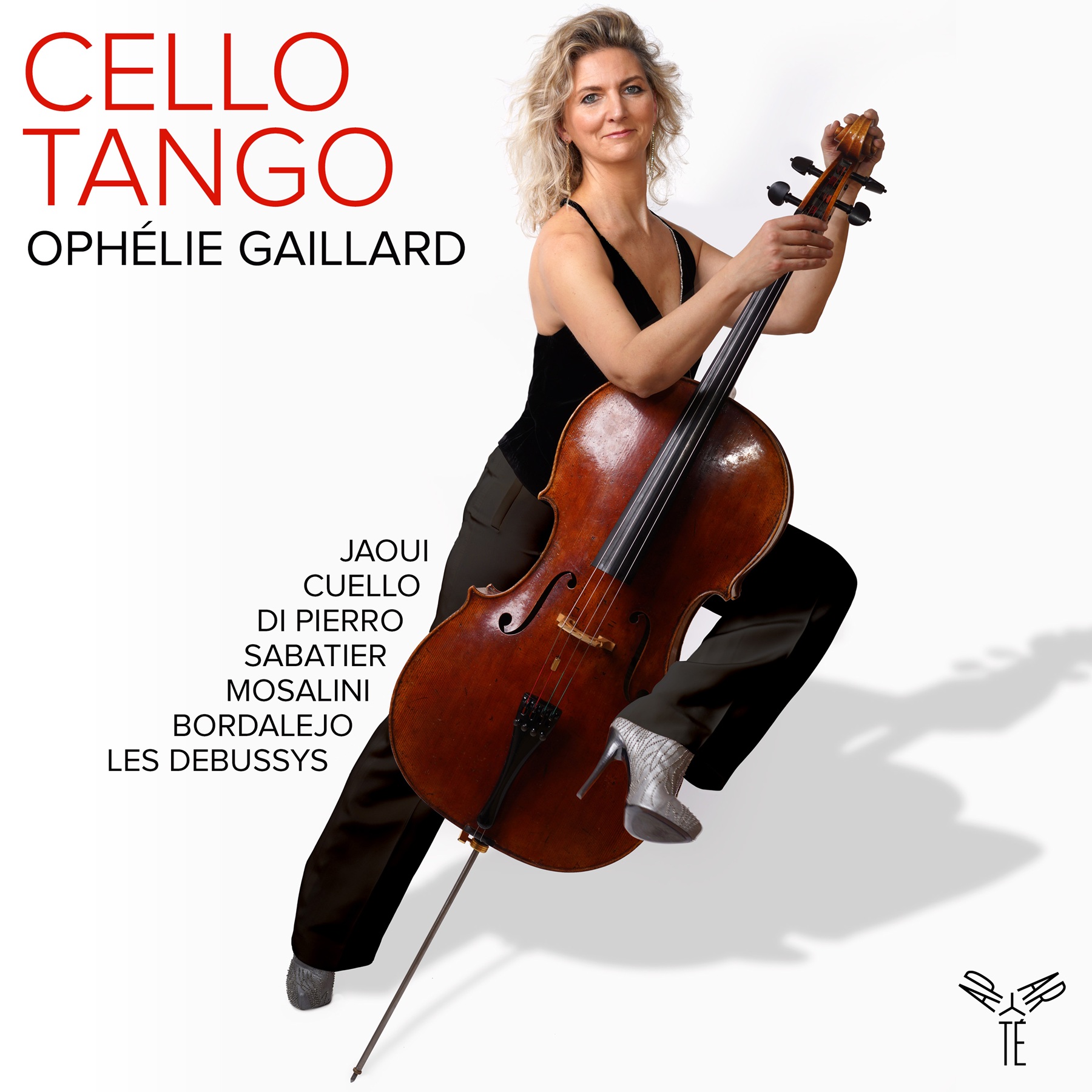 Cello Tango, the new 2CD set from cellist Ophélie Gaillard is a crossover album on which she presents new arrangements of her favourite Argentinian pieces – timeless hits and lesser-known gems. The ensemble comprises Juango Mosalini and William Sabatier (bandoneons), Tomás Bordalejo (guitar), Romain Lecuyer (double bass), the Debussy Quartet, singers Nahuel dí Pierro, Inés Cuello and Agnès Jaoui and pianist Émilie Aridon-Kociolek (Aparté AP368 ophliegaillard.bandcamp.com/album/cello-tango).
Instrumental combinations vary from solo cello to full ensemble, with the bandoneon tracks obviously adding the most evocative sound. Of the 26 tracks 12 are by Astor Piazzolla, including his Oblivion and Milonga, and eight by Alberto Ginastera, including his Puneña No.2, Op.45 for solo cello. Other composers are Osvaldo Pugliése, Carlos Gardel, Alfredo Le Pera, Rosita Melo, Julián Plaza, Mercedes Sosa and Gerardo Matos Rodrígues, whose La cumparsita closes a highly entertaining and delightful set.
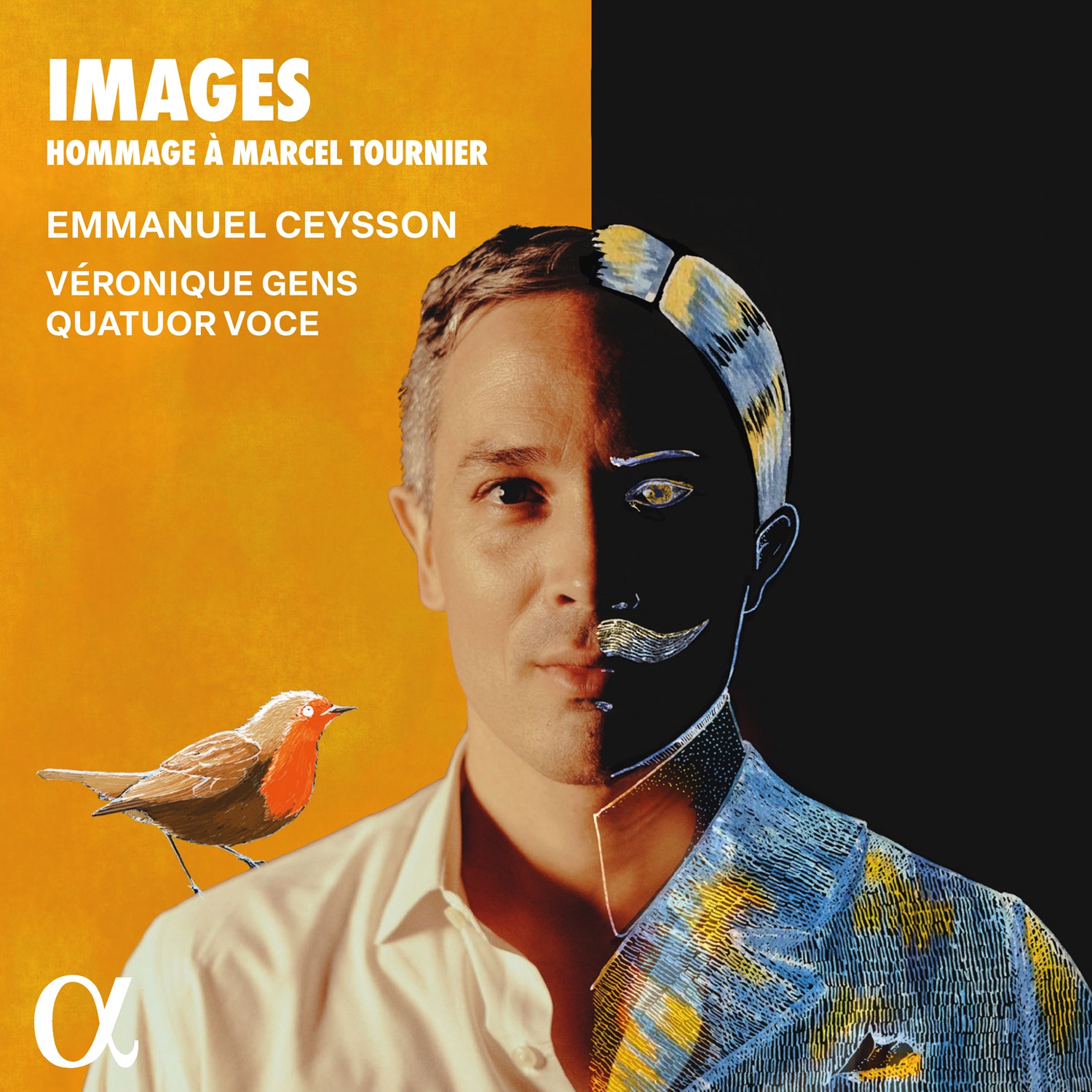 On Images: Hommage à Marcel Tournier the French harpist Emmanuel Ceysson pays tribute to one of the greatest harpist/composers, who lived from1879 to 1951. Quatuor Voce provides the various string additions, and Véronique Gens is the soprano in the four lovely songs included (ALPHA1133 outhere-music.com/en/albums/images-hommage-marcel-tournier).
Most of Tournier’s compositions – and all of the ones here – were originally for solo harp or harp and voice, with Tournier often adding additional instruments at a later date. The works represented are from his mature years and include several previously unpublished pieces from recently discovered manuscripts.
The centrepiece of the disc is the Sonatine Op.30, a 1924 harp solo to which violin and cello were added in 1939. The CD’s title comes from the four Images Suites, No.1 Op.29, No.2 Op.31, No.3 Op.35 and No.4 Op.39 that are spread throughout the disc.
Ceysson was principal harp for the Opéra national de Paris for 15 years and the Metropolitan Opera New York for five years; he has been principal harp of the Los Angeles Philharmonic Orchestra since 2020. His superb playing anchors a really beautiful CD.
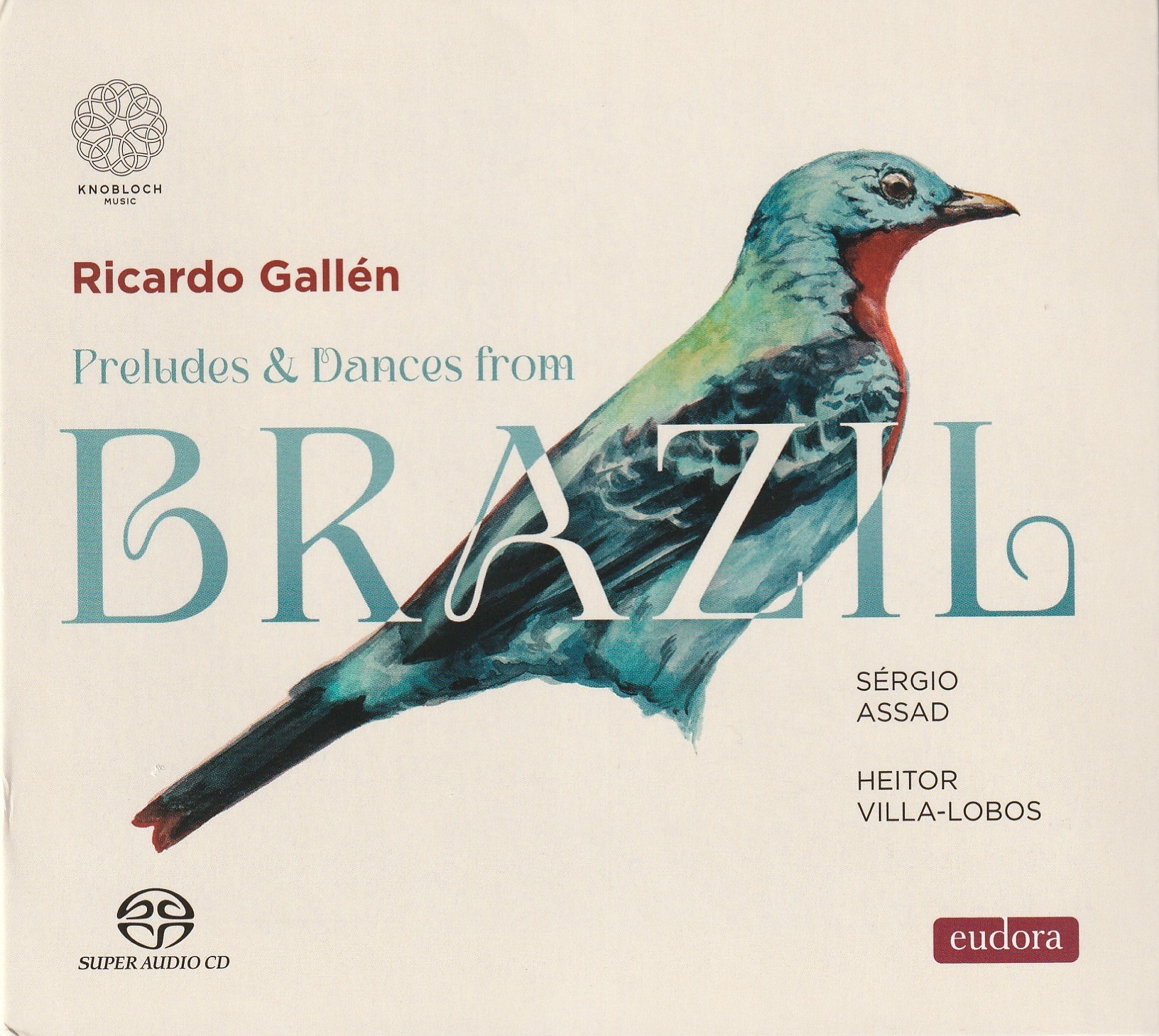 The Spanish guitarist Ricardo Gallén dedicates his latest CD, Preludes & Dances from Brazil to the works of the legendary Brazilian composer Heitor Villa-Lobos, honouring his contribution to the classical guitar repertoire (eudora EUD-SACD-2501 eudorarecords.com/shop/catalogue/preludes-and-dances-from-brazil).
Villa-Lobos' five Préludes W419 and the five-movement Suite populaire brésilienne W020 are paired with the first recording of Sérgio Assad’s 12 Colloquial Preludes, commissioned by Gallén and dedicated to him.
The Villa-Lobos works naturally celebrate the folk and traditional music of Brazil, the Suite also incorporating European dance elements, while the Assad work is described by the composer in his booklet notes as exploring a broader spectrum of Brazilian popular music.
Gallén’s playing is of the highest quality throughout a delightful CD.