08 Third Coast PercussionPerspectives
Third Coast Percussion
Cedille CDR 90000 210 (cedillerecords.org)

Perspectives takes listeners on a stylistically wide-ranging, musically rewarding, journey. The opening four-movement Percussion Quartet by prolific film composer Danny Elfman effectively juxtaposes the warm wooden sound of the marimba with the sharp sounds of pitched metal pipes and tubular bells, the work very effectively rendered by Chicago’s Third Coast Percussion.

Philip Glass’ Metamorphosis No.1, originally for piano solo is here arranged for TCP. Beginning darkly with repeated low marimba eight-note chords, the arrangement blooms to include electronic organ, vibraphone, tubular bells, decorated with glockenspiel and crotales sparkles. A wistful major key melodica melody floats over the bubbling percussion along the way. 

Rubix is a playful three-movement collaboration between TCP and flutists Nathalie Joachim and Allison Loggins-Hull, collectively known as Flutronix. Rubix imaginatively overlaps the short sonic envelopes of keyboard percussion with the sustained melodies of the duo flutes.

Electronic music producer Jlin’s impressive seven-part Perspective highlights TCP’s conceptual, arranging and performing strengths. The work draws on a style of electronic music and dance known as footwork. Born in Chicago’s underground dance competitions and house parties it’s marked by hyper-fast tempos.

Perspective originated as a series of electronic tracks produced by Jlin. Collaborating with the composer, TCP arranged an imaginative performing score from that material scored for an acoustic batterie of over 30 (mostly) percussion instruments. The result is not only a feast for the ears and mind but sections with intense grooves are guaranteed to get you off the couch.
09 Sarah Bernstein QuartetSarah Bernstein – Veer Quartet
Sarah Bernstein; Sana Nagano; Leonor Falcon; Nick Jozwiak
New Focus Recordings Pan 26 (newfocusrecordings.com)

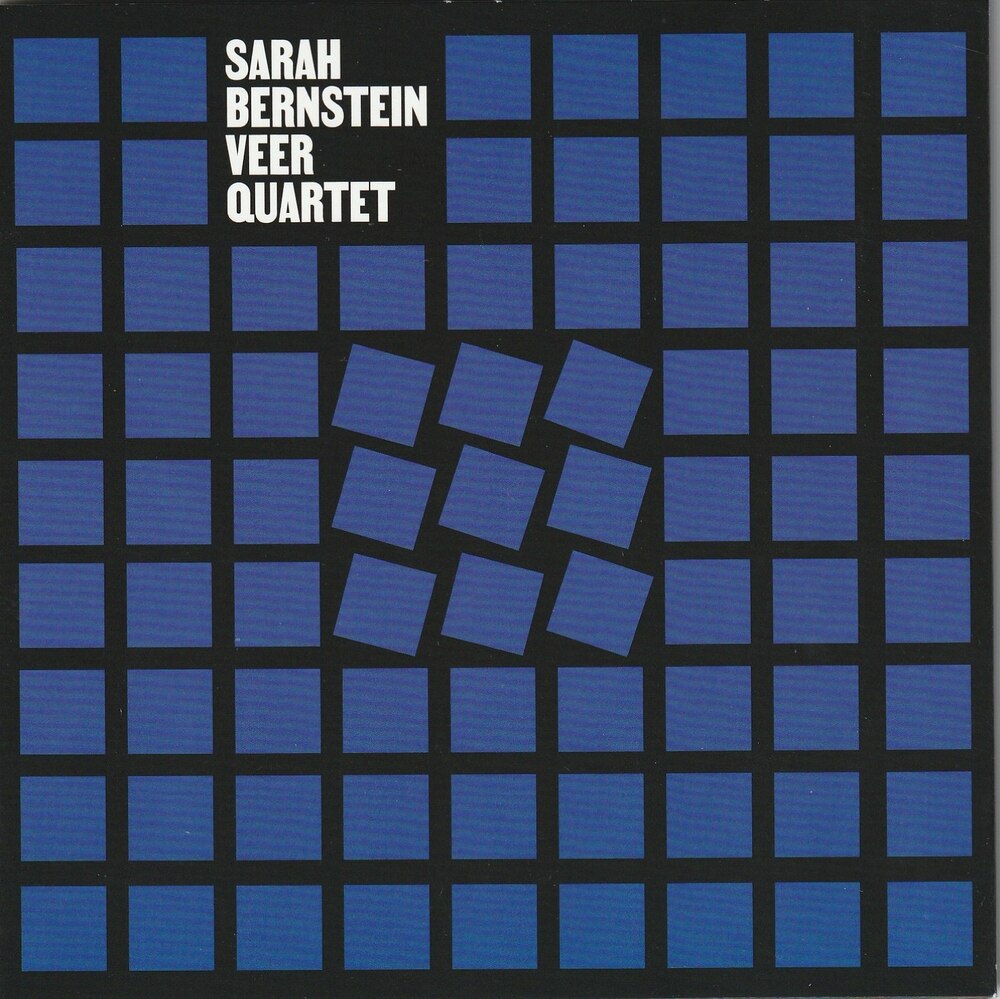
Sarah Bernstein is a violinist and composer exploring the boundaries of genres, mixing elements of jazz, the avant-garde, electronica and improvisation. On this album, she explores the more traditional sounds of a string quartet but not with a result that is at all traditional. Her six compositions range from the hectic and angular News Cycle Progression to the more lyrical Clay Myth with its broad, elegiac head, to Hidden where she flirts with minimalist arpeggiation and an unpredictable ending. 

My favourite track is the first one, Frames No.1: clear jazz references with a walking bass in the cello, solid grooves, and a simple form that gives soloing time to each of the four players. The string playing throughout is excellent though particular improv kudos go to Bernstein and cellist Nick Jozwiak who throws some surprisingly dense material into his solos. Bernstein often has the group accompany the solos with pizzicato: a nice device that sounds great. 

Four string players of this quality have to be classically trained so you won’t hear the sort of language you might expect from jazzers. What you do hear is a group of excellent musicians searching for something new. Bravo to that.

Listen to 'Sarah Bernstein – Veer Quartet' Now in the Listening Room

10 OculusAndy Akiho – Oculus
Various Artists
Aki Rhythm Productions ARP-R008 (akirhythmproductions.bandcamp.com/album/oculus-2)

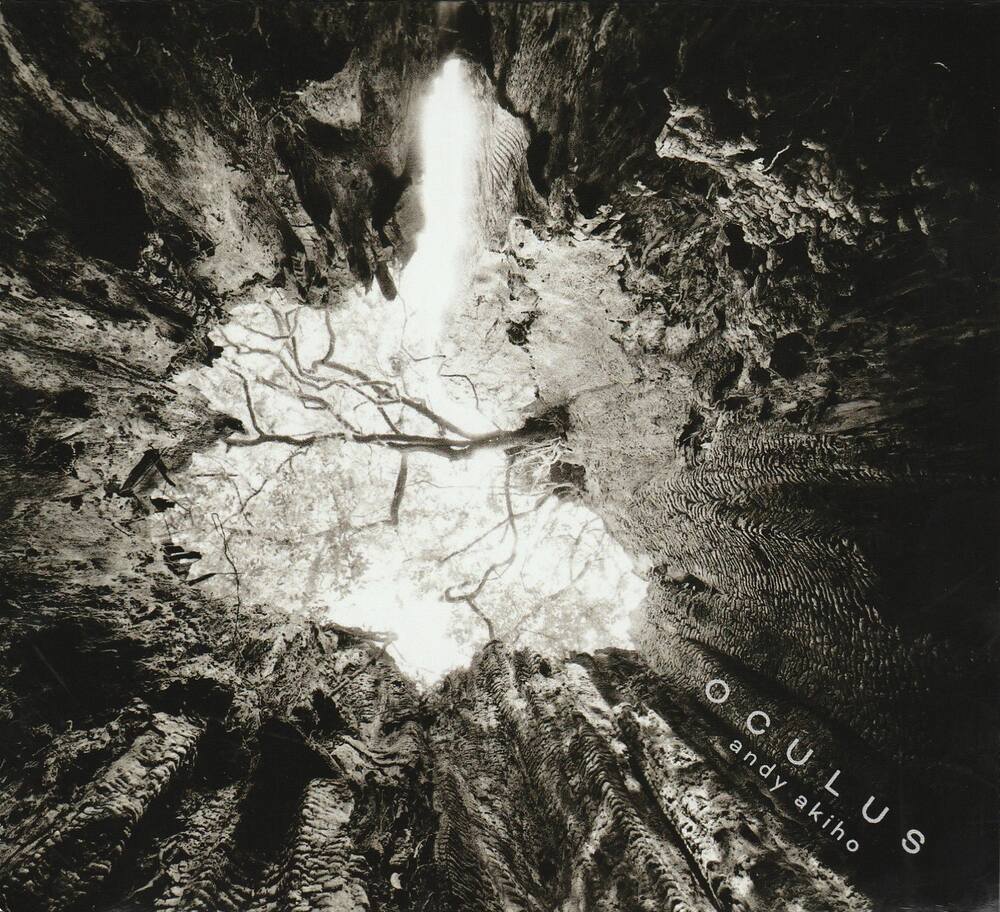
Andy Akiho is a rising star on the American new music scene. He’s a virtuoso player of steel pan drums, who, as a composer, has been nominated for big prizes like the Pulitzer and Grammy Awards. One can hear why: good ideas abound, and no section overstays its welcome. Akiho uses grooves not as a gimmick but as a way to drive you from one intriguing idea to another. 

Much of this tree-themed disc is taken up with his five-part LigNEous Suite for string quartet and marimba, played brilliantly by the Dover Quartet with Ian Rosenbaum. Akiho finds all kinds of ways to vary the marimba’s timbre, using bundles of sticks, wooden mallets, even an elastic band. The strings, too, are given effects like crunches, snaps, body knocks and glissandi, but even without all this colour the compositions are compelling: caffeinated, driving grooves, unpredictable codas, dark and brooding slow movements. 

Also included on the disc are Speaking Tree for string quintet, brass quintet and percussion, and Deciduous for violin and steel pan. The former features wonderful ensemble playing with more of Akiho’s groove-oriented but complex writing, including a delightful section with toy piano. At just over 15 minutes, Deciduous is the longest work on the disc and gives ample scope to Akiho’s spectacular pan playing, paired with Kristin Lee’s equally masterful violin performance in a duet filled with surprising colour and dash. The disc cover includes textural and evocative artwork by American photographer Stuart Rome.

11 Enfoldingenfolding
String Orchestra of Brooklyn
New Focus Recordings FCR331 (thesob.org)

True to its title, the music on this album creates an encompassing sonic space for the listener, encouraging inwardness and introspection. SOB’s innovative new release features two composers that dive into the exploration of sound in its pure form and experiment with extended string techniques and grainy, undiluted textures. Both compositions are premiere recordings and both are beaming with originality. The orchestra never gets in the way of the music but rather supports it with subtle interpretative choices. 

Outside Only Sound by Scott Wollschleger was commissioned by SOB at the time when concerts in outside spaces were becoming a new normal due to the pandemic restrictions. Recorded live at Fort Greene Park in Brooklyn, this piece cleverly juxtaposes outside spaces and internal experiences. The immediate sounds of everyday life, such as voices, footsteps, traffic and wind are an organic part of the composition; and strings mix, match, colour and interact with them. The changes in volume and spatiality add richness to the listening experience.

with eyes the colour of time, composed by Anne Leilehua Lanzilotti, was a Pulitzer Prize finalist in 2022. Made of movements and interludes, with poetic titles referring to works of art in the Contemporary Museum in Honolulu at the time of its opening in 1980, it presents a flowing, ever-changing sound that is visceral and elemental. The most delightful manipulation of sonic density by Lanzilotti incorporates a peaceful motif in the strings among explorations of raw textures. The last movement on the album, enfolding, leaves the listener in a harmonious state of contemplation.

Listen to 'enfolding' Now in the Listening Room

12 Guy SacreGuy Sacre – Oeuvres pour piano
Billy Eidi
Le Palais des Dégustateurs PDD 028 (lepalaisdesdegustateurs.com)

There is, perhaps, no better way to become familiar with an individual composer’s ideas and performance practice than to hear them (or someone close to them) perform their works. Consider, for example, Olivier Messiaen’s recordings of his own organ music, or Yvonne Loriod-Messiaen performing her husband’s piano compositions, and how these aural experiences can augment – and sometimes overcome – the murky clarity present in printed music.

Such is the case with Billy Eidi’s interpretation of Guy Sacre’s piano works. Eidi and Sacre (b.1948) worked together in the 1990s to create the association Contrechants, intended to rediscover unknown French repertoire. Equal parts scholar and composer, Sacre’s greatest contribution to musicology is perhaps La Musique de Piano, a critical census of a large part of the piano repertoire, dealing with 4,000 works by 272 composers. 

Given his broad knowledge of piano repertoire, especially from French composers, it is no surprise that Sacre’s own compositions contain a wide range of influences and techniques. Many of his works utilize classical forms and structures over which are draped the harmonies and melodies of the early 20th century, inspired by Fauré, Debussy and Milhaud. This is, at its core, beautiful music and it traverses a range of affects and depth of expression without ever losing its levity, which is a remarkable compositional achievement.

While Sacre certainly writes stunning material, it is up to the interpreter to make it so, and Eidi brings a lightness of touch that, even in the most solemn and profound moments, provides much-needed clarity and transparency. This disc is a magnificent example of how an ideal combination of performer and composer can produce music of transcendent and sublime beauty.

13 Icarus QuartetBig Things
Icarus Quartet
Furious Artisans FACD6829 (icarusquartet.org)

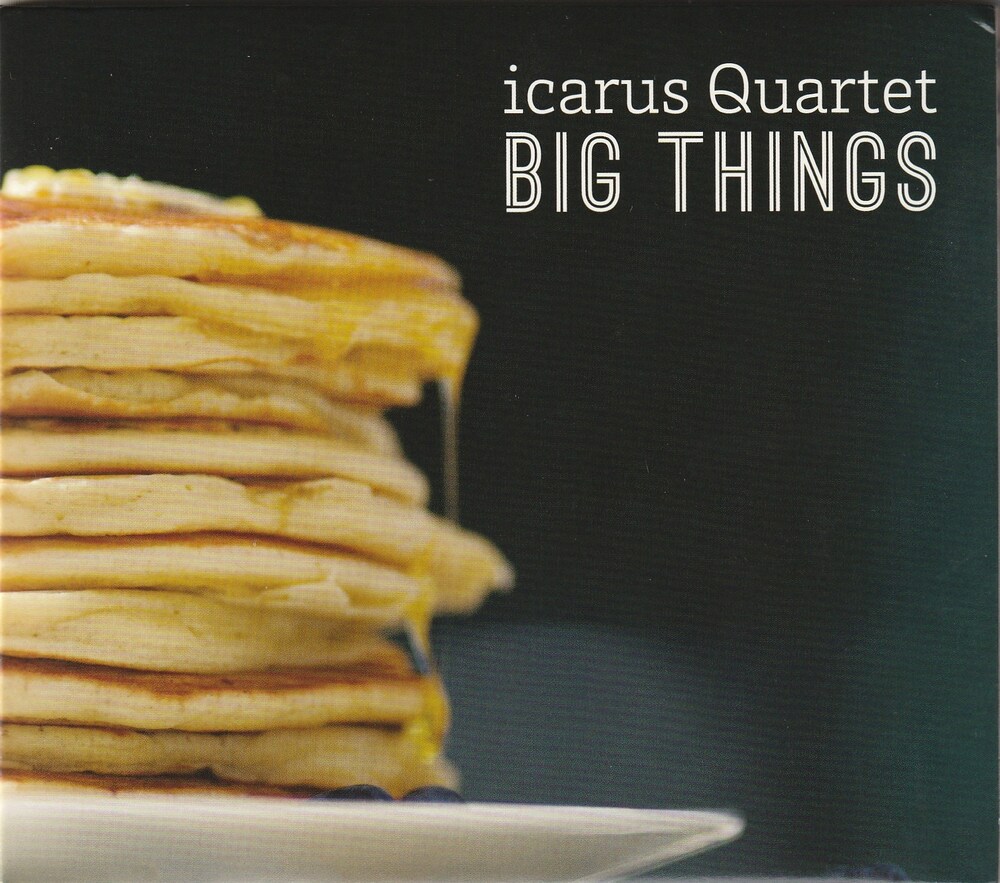
There are those who call out “somebody should do [a thing]” and there are those like the Icarus Quartet who just do them. In this case, the thing to do is find a jam where interesting, exploratory music is buoyed by popular or (gasp) commercial music. Big Things is the title track of a three-work disc from this double-duo: two pianos, two percussion. Big sounds and big gestures are what they bring to the party, or perhaps the brunch table. A running gag in the liner notes is the American pancake, in all its fluffy glory. Not sure how it ties to the actual music, but a gimmick’s a gimmick, and they go with it, including the track running times expressed as dollar-and-cent prices on a diner-style menu. 

Fortunately, there’s no gimmick in the performance, for truly, these lads play the s#!+ out of the material. I like track 1 and tracks 3-10 most. That leaves Brad Lubman’s Tangents, track 2, and at over twenty dollars (cough, minutes), you’d want to like it the most. Alas. Michael Laurello’s title track is just over half that price, but beautifully poses two one-word questions in shifty ways: isitorisitnotanostinato? And whenisanostinatonotanostinato? Forgiveme. Buy the disc, you’ll get the answers, or a fun trip towards them. 

Performances of these first two works are just the bomb, as the kids used to say, at some point. Favourite item of all, a bunch of small sides that add up to the second half of this one-hour disc (30 bucks), Paul Lansky’s Textures. Each short section of eight develops a synaesthetic depiction: Striations, Soft Substrate, Granite, just some of the textures conjured in sound; and then Slither, wherein one is reminded that sometimes very LARGE things can slither.

Back to top