Despite its many other attributes, the Netherlands was never known as a major centre for Jazz and Improvised Music. At least that is until the late 1960s, when ensembles such as the Willem Breuker Kollektief and the Instant Composers Pool led by Misha Mengelberg and Han Bennink began touring internationally and cementing interactions with other international players. Since that time the Dutch scene has blossomed with successive generations of local musicians playing there and, especially in this century, numerous innovative musical stylists from not only Europe but also elsewhere migrating there for a time or permanently.
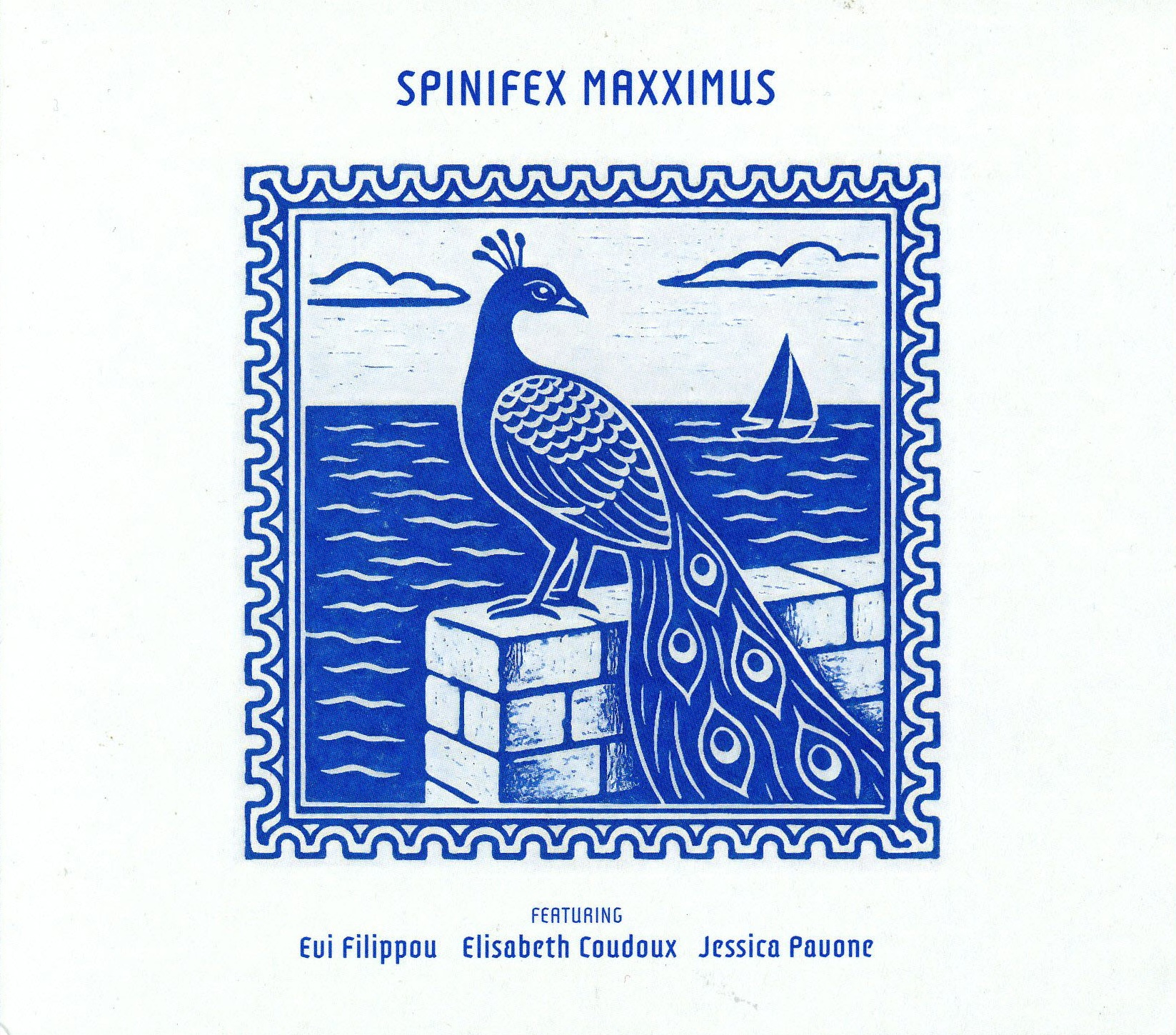 One fine example of this enriched cross fertilization is the Amsterdam-based Spinifex group which celebrates its 20th anniversary with the release of Maxximus (Trytone Records TT59-114 spinifex.bandcamp.com/album/maxximus). True to the country’s recent musical history, Spinifex’s members hail from all over. Trumpeter Bart Maris is Belgian; bass clarinetist/alto saxophonist Tobias Klein is German; tenor, bass saxophonist John Dikeman is American; bassist Gonçalo Almeida is Portuguese; while percussionist Philipp Moser and guitarist Jasper Stadhouders are Dutch. Confirming the Maxximus title, the sextet is augmented with American violist Jessica Pavone, German cellist Elisabeth Coudoux and Greek vibraphonist Evi Filippou. However, the added string emphasis and some slower tunes don’t dimmish the dynamism of Spinifex’s performances. While the band’s palate encompasses textures from relaxed (Smitten) to rasping (The Privilege of Playing the Wrong Notes), the basic interface remains the same. Most tracks don’t stay languid for long and throughout spiccato string stops and vibraphone chiming join brass smears, reed bites, percussion ratamacues and guitar twangs to define the session.
Annie Golden includes a guitar-propelled theme revealed after cow bell clangs, brusque string stops and a bass sax ostinato introduce the track. Rounded guitar frails are soon replaced by buzzing sul ponticello slices from Pavone and Coudoux as the saxophone outputs becomes ferocious enough to blend R&B-like honking and atonal Free Jazz until hard drum pumps propel the nonet into descending harmonies. Group unity is also expressed on Phoenix when Maris puts aside his stinging piccolo trumpet rips for a connection between his muted trumpet lines and pizzicato strings ambulation. While later string sweeps almost resemble parody Mittle (sic) European formalism, the resulting cushioning is transformed by the climax into polyphonic horn lines and string projections while cymbal slaps and trumpet slurs pierce the interface.
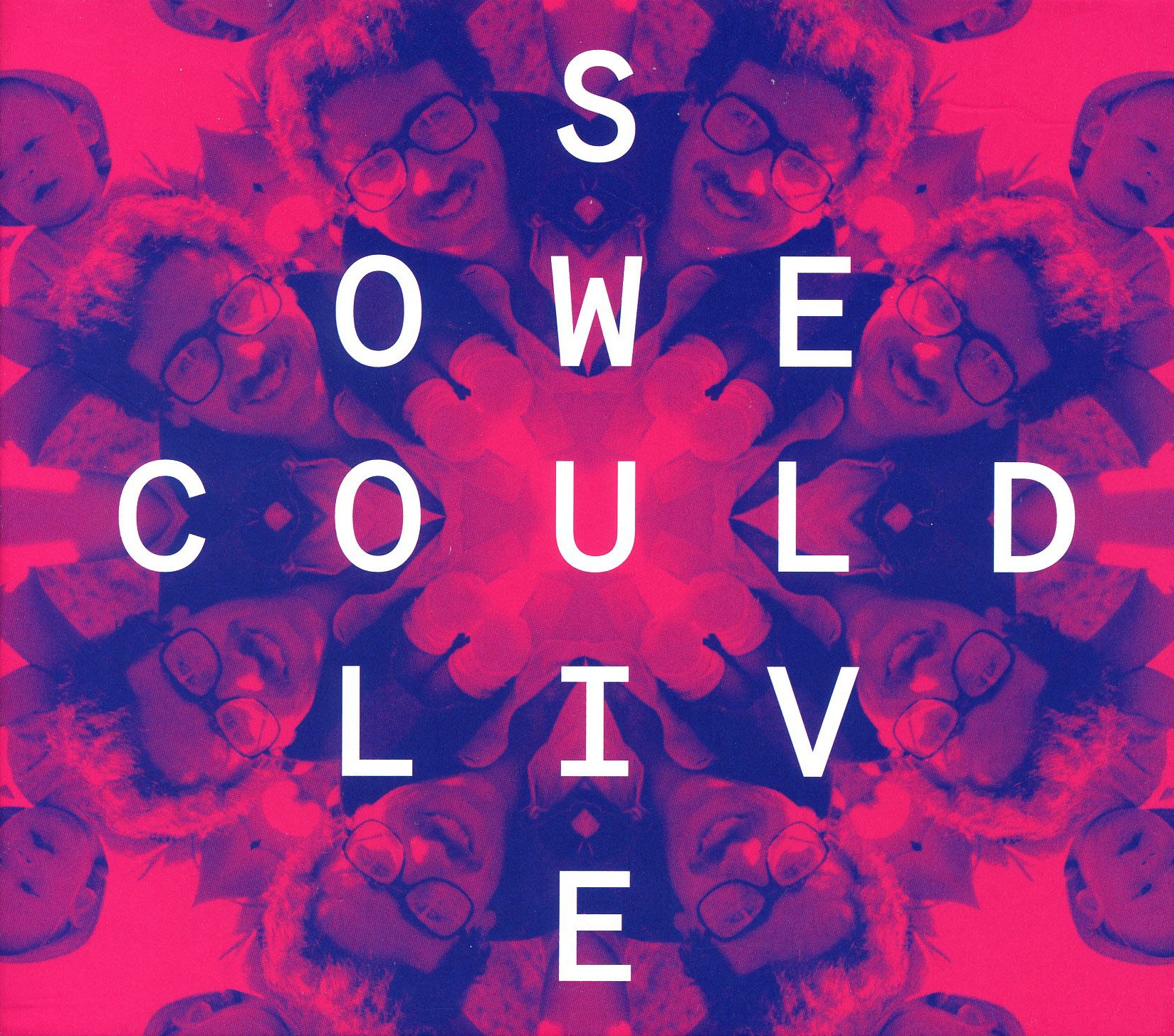 A more compact band, which takes some of its focus from saxophone and trumpet is So We Could Live (Zennez Records ZR 202515 zacklober.bandcamp.com/album/so-we-could-live) except this time Jasper Blom the veteran tenor saxophonist and Suzan Veneman, the younger trumpeter are both from the Netherlands. But also true to the scene’s internationalism, the quartet’s leader is ex-Montrealer Zack Lober, and the drummer is South Korean Sun-Mi Hong. More in the modern mainstream mode than some sessions, this LP-length (38 minutes) CD is a group effort. That’s because except for Dad/Bésame Mucho, an unaccompanied threnody for his father, featuring an emphasized, multiple-stroked melody, Lober’s pumps and stops are embedded within the band’s narratives. Hong locks in with the bassist with cymbal sizzles and paradiddles that complement cadenced forward motion. However when the horns’ unison intersection isn’t emphasized each player expresses individuality.
On Feathered Head, for instance, a swinging pseudo-Hard Bopper, Veneman works her brass draughts higher and higher, exposing triplets that aren’t screechy or distended and when mated with a sliding reed interjection replicates lively harmonies. Balancing on a thick bass pulse Landscape is an attentive foot tapper where the ambulatory exposition is coloured by Bloom’s wobbly near-(Stan) Getzian vibrato shifts. With most improvisations never overbearing, the most advanced line is the polytonal Vignette where the saxophonist’s multi-tongued slides and slurs sometimes ascend to squeaks and Veneman’s note-bending breaths are a bit strained. Still, the climax is fully harmonized.
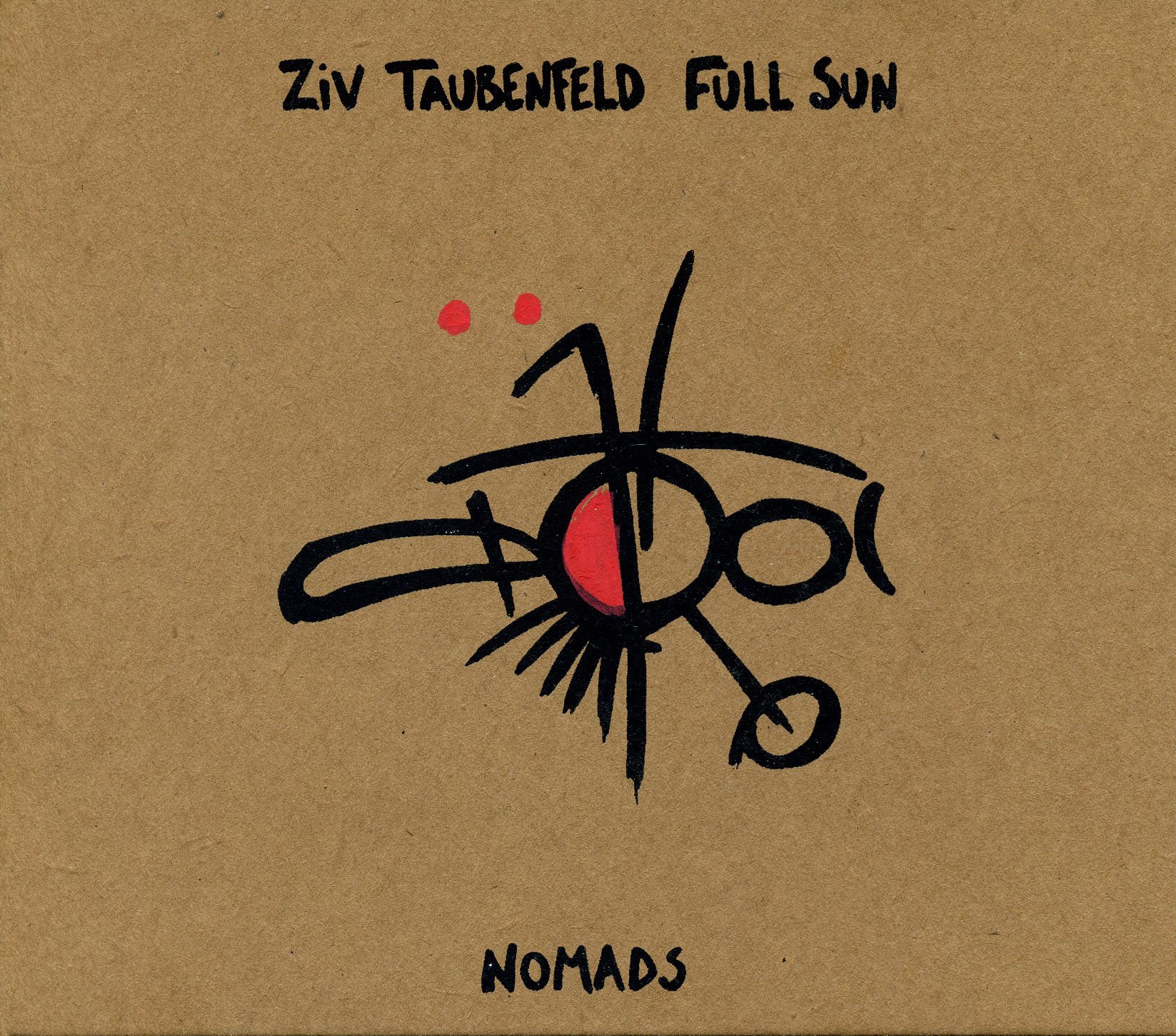 Spikier than the other discs and with an augmented ensemble is bass clarinetist Ziv Taubenfeld’s Nomads (Full Sun Records FSR 001 fullsunrecords-zivtaubenfeld.bandcamp.com/album/ziv-taubenfeld-full-sun-nomads), as his Full Sun septet includes players from at least two generations of Netherlands-based, but not necessarily Dutch, players. First there’s Israeli-born Taubenfeld, who after a decade in Amsterdam recently relocated to Lisbon. Additionally reflecting the CD title that would be appropriate for the players on all discs here, the band is filled out by veteran and younger players. There’s experienced American alto saxophonist/clarinetist Micheal Morre and Dutch trombonist Joost Buis joined by slightly younger arrivals: Argentinean pianist Nico Chientaroli and Taiwanese vibraphonist Yung-Tuan Ku. Also in hand are drummer Onno Govaert and bassist Rozemarie Heggen who are actually from the Netherlands.
Interestingly enough though, despite the leader’s reed adaptations, Nomads’ four tracks are as concerned with percussion as horn textures. That’s because, especially on Rozemarie’s Flying Carpet, and frequently elsewhere, Buis joins Govaert and Ku with additional idiophone vibrations as well as the introduction of extra shakes and pulsations from Taubenfeld’s gongs and Chientaroli’s vibrating objects. This schism and connection is made even more obvious on Balbalus. The track expands the swirling polyphony of piano patterns, slinky clarion reed stops, measured vibe pops, drum rolls and bass string buzzes emphasized elsewhere to accentuate swaths of experimental textures. After a formalist piano intro linked to key stops and soundboard echoes, Boppish hi-hat slaps and a walking bassline adumbrate horn harmonies that soon splinter into gutbucket trombone blasts and slippery clarinet twitters that could arise in a Dixieland session. As the pianist exposes first angled key slaps then bluesy chording, pinched double bass sweeps and a collection of multiphonic barks and yelps move the three horns into a crammed Free Jazz mode until the entire band climaxes with an andante pseudo march.
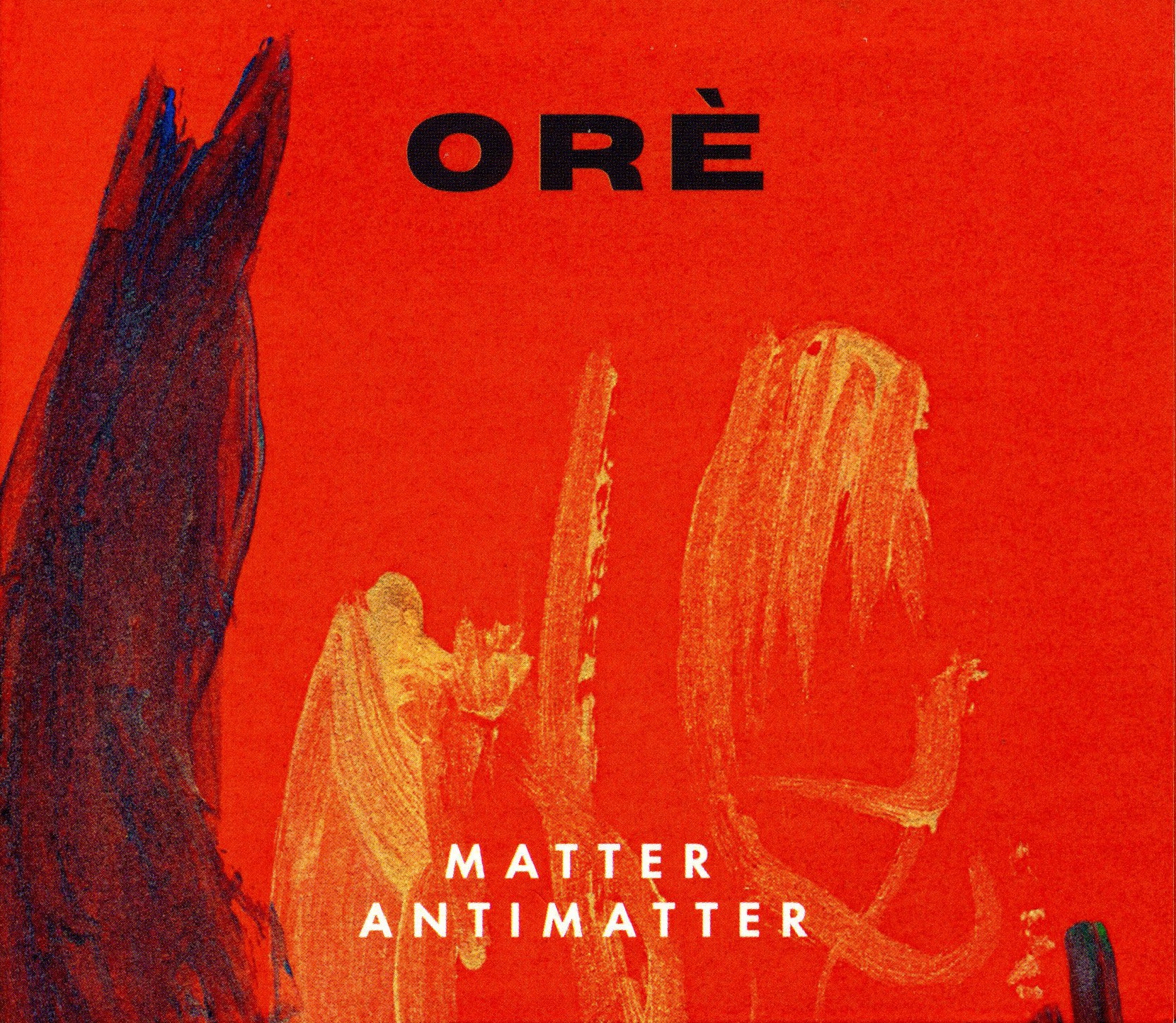 Onno Govaert is also a part of Brazilian bassist Pedro Ivo Ferreira’s Orè quartet whose Matter Antimatter (Trytone TT 519-113 trytonerecords.bandcamp.com/album/matter-antimatter) is a foursome like Lober’s, but features musicians from other countries who play different instruments. They are Portugues alto saxophonist José Soares and Uruguayan guitarist Miguel Petruccelli. Proving once again the Netherlands’ attraction for international musicians and sound experimentation, what could have been a Lusitanian or Hispanic session instead takes elements of each player’s tradition and mixes them with Dutch exactness while adding free jazz touches.
Separating the longer tracks are around one minute unaccompanied solo interludes for each musician, although the only exceptional instance is Overpass where stretched and scraped strings bounce and buzz with door-stop-like resonance. While there are a couple of instances where the gentle reed-guitar blend threatens to slink back to Bossa Nova-like gentleness or Ode where berimbau string samples are worked into the mix, overall Matter Antimatter maintains a tougher stance. Linear advancement is never abandoned nor are turns towards foot tapping patterns. Notably though a touch of dissonance is audible throughout. Pastor for instance may begin in lento tempo with gentle drum plops, but its elaboration encompasses double bass string slaps, guitar frails, sneaky reed burbles that work up in pitch and cymbal patterning that turns to a concluding echoing smash. Soares isolates snarls, yelps and split tones on the title track that are coordinated with drum top scratches and bass string stops. Orè’s lyrical direction is pleasant but perhaps more antimatter with extended tracks and improvisational experiments would have created more than some turns to matter of fact melodies in this musical formula.
 Another expatriate South American, Venezuelan guitarist Andrew Moreno leads Axiom (Honolulu Records HR 34 andrewmoreno.bandcamp.com/album/axiom). Yet with the musical freedom offered by Amsterdam, he like others here has his music interpreted by an international cast. Alto/soprano saxophonist Tineke Postma is Dutch; baritone saxophonist Bo Van Der Werf is Belgian; Jonathan Ho Chin Kia, who plays bass and no-input mixing board is from Singapore and drummer Tristan Renfrow is American. Also a bit different than the other more experimental sessions, a few of the ten tracks have an over-reliance on guitar licks with some emphasizing Moreno’s jagged rock music-like buzzes, fuzz tones and elevated flanges rather than the string chiming, emphasized slides and logical horizontal riffs he plays elsewhere. Luckily these excesses are kept tot a minimum, with guitar playing comping in connection with harmonized or contrapuntal saxophone runs or the drummer’s ruffs and paradiddles more common.
What does really set Axiom apart from the other sessions though are the feedback loops and resonant frequencies from Kia’s no-input mixing board introduced on some tracks. These signal processed sound waves create unpredictable electrified flutters that are alternating staccato and smooth. At the same time Postma’s ethereal soprano trills are more present than Van Der Werf’s baritone snores and expositions are usually most focused on group interaction. Even tracks like Vanilla Song and Matrix which reduce interplay among only guitar, bass and drums evolve in that context. The first matches a spraying guitar exposition with the drummer’s march tempo, so that concentrated twangs and echoes are as straight-ahead as well as spectacular. Meanwhile the clouds of rasping mixing board tones heard on Matrix actually frame unadorned double bass thumps and edgy guitar lines pumped with echo in an original fashion.
The Netherlands’ economic world primacy may have ended centuries ago, but as a hub for exploratory music it hasn’t lost its international appeal.