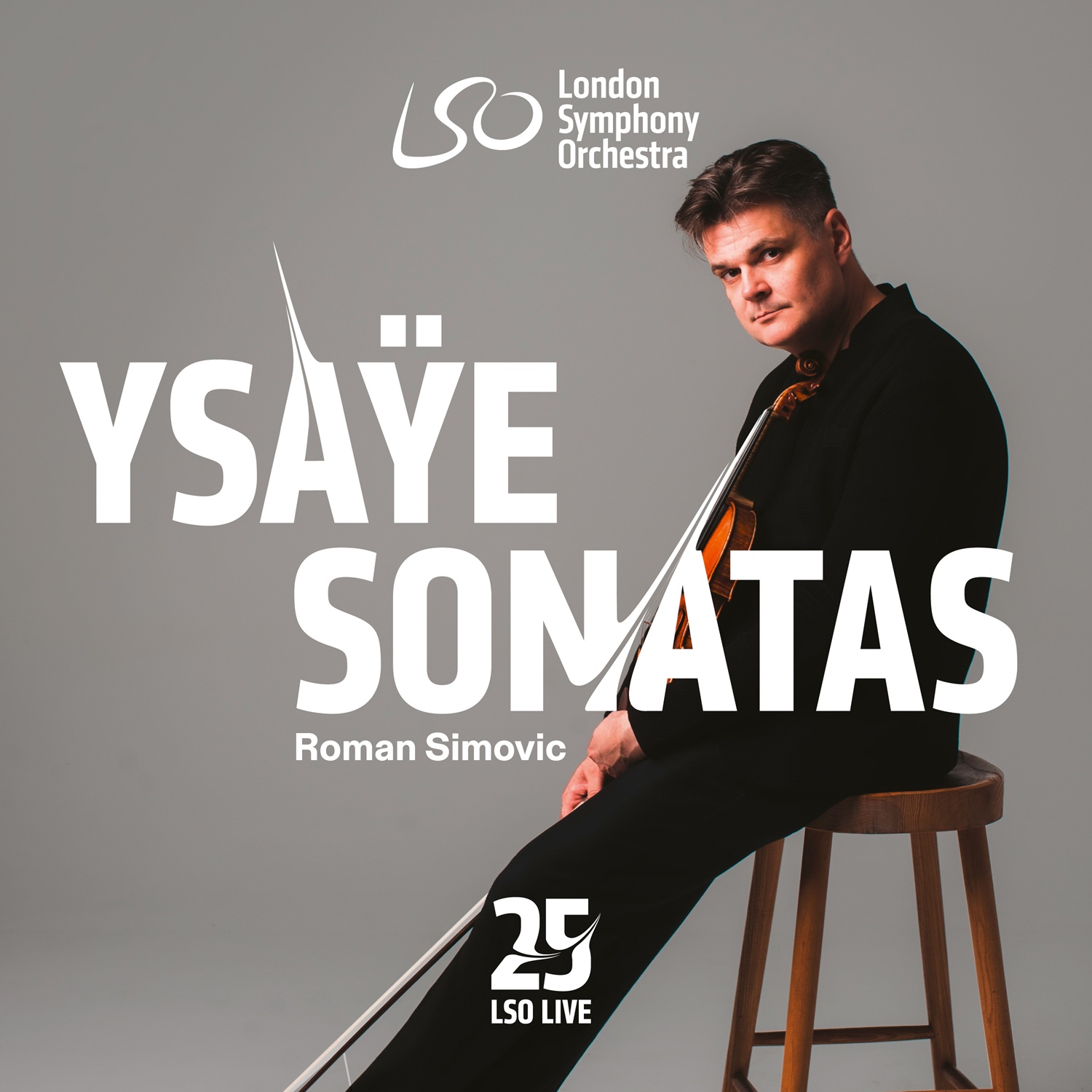
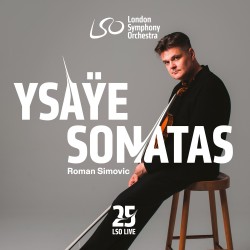
 Violinist Roman Simovic, who has been a leader with the London Symphony Orchestra since 2010, steps into the solo spotlight with Ysaÿe Sonatas, his recording on the orchestra’s label of the Six Sonatas for Solo Violin, Op.27 by the Belgian violinist and composer (LSO Live LSO5130 lsolive.lso.co.uk/products/lso5130-ysaye?srsltid=AfmBOopL6egsa4v3PWG1Q22V_sVFs0tBo5QtT2glavRI-d2JUGYw7X9G).
Inspired by a Joseph Szigeti Bach recital, Ysaÿe wrote the Sonata No.1 in G Minor in early 1923, dedicating it to – and tailoring it to the style of – Szigeti. By July he had written another five, the dedicatees being contemporary violinists Jacques Thibaud, Georges Enesco, Fritz Kreisler, Mathieu Crickboom and Manuel Quiroga. They are inspired works, looking back to Bach but also to the future with a variety of progressive techniques.
They continue to attract recording attention, this being my eighth CD review during the life of this column. This performance by Simovic, who is superb throughout, can stand shoulder to shoulder with any of them.
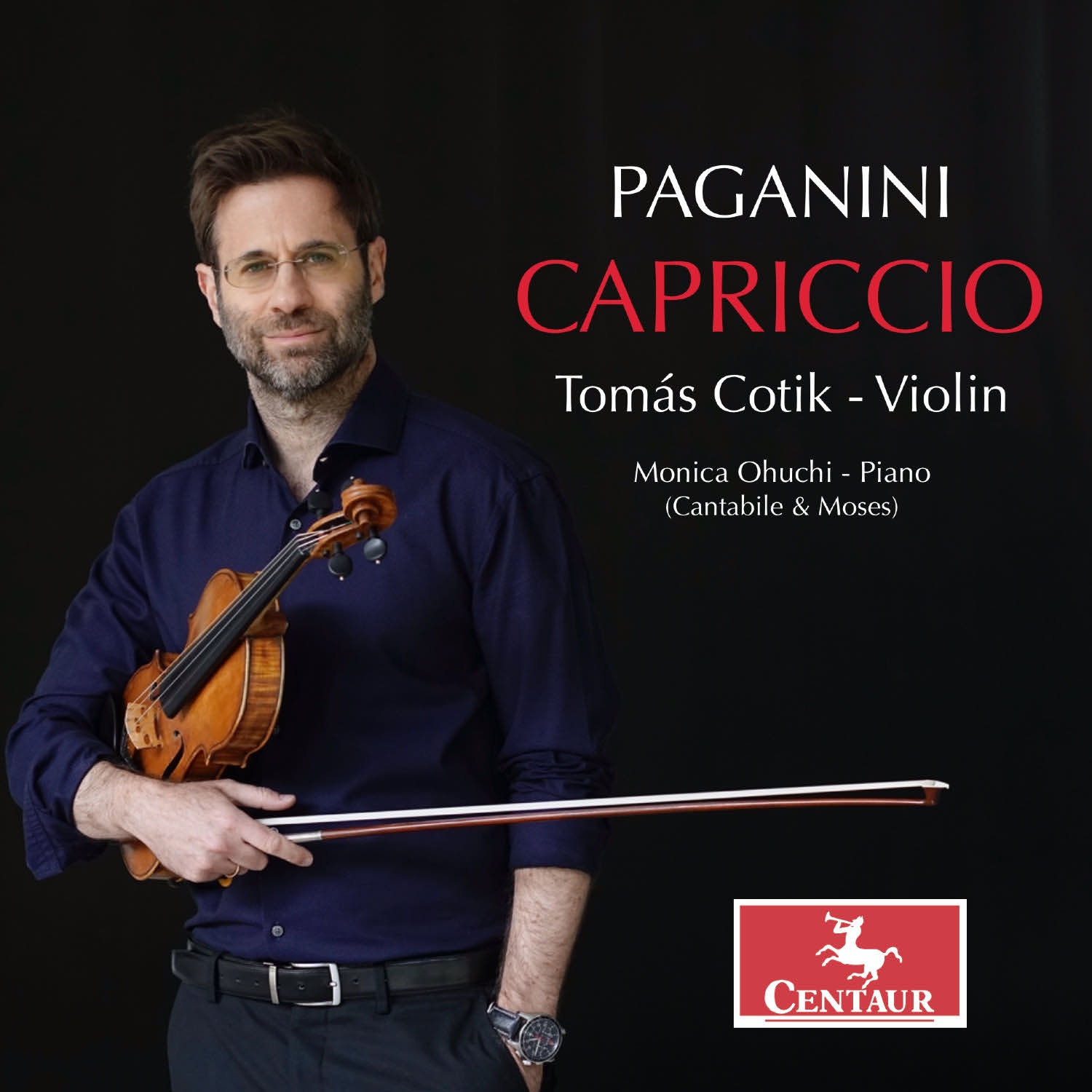
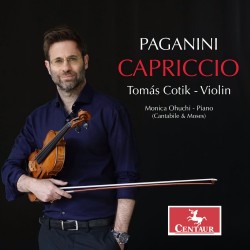 Violinist Tomás Cotik describes his decision to record a selection of the Paganini 24 Caprices, Op.1 as a search for another challenge after recording solo violin music by Bach and Telemann. The result is his new CD Capriccio, a project that was clearly a labor of love (Centaur CRC 4130 tomascotik.com/album/paganini-capriccio).
Seventeen of the caprices are included – numbers 3, 4, 7, 8, 12, 15 and 19 are omitted – and Cotik opens and closes the disc with two Paganini pieces for violin and piano: the Cantabile in D Major, Op.17 and the Sonata a Preghiera, Op.24 “Moses Fantasy,” the virtuosic set of variations on a theme from Rossini’s opera played entirely on the G string. Monica Ohuchi is the pianist.
Cotik’s playing is never flashy and always has a feeling of intelligent thoughtfulness. His booklet essay is, as usual, extensive and fascinating.
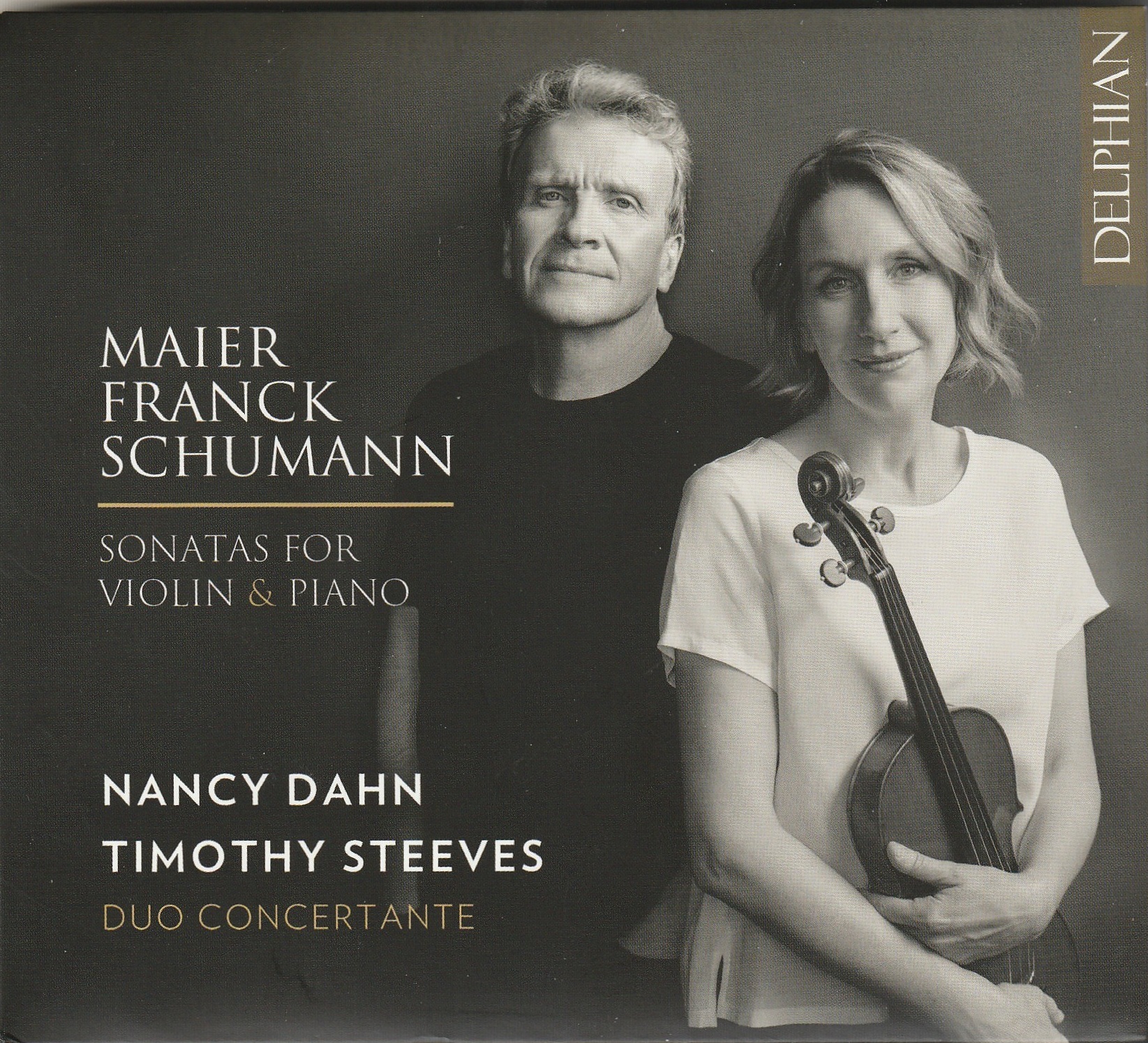
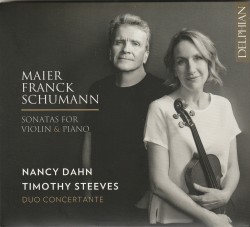 The Duo Concertante team of violinist Nancy Dahn and pianist Timothy Steeves is back with another top-notch recital on Maier-Franck-Schumann Sonatas for Violin & Piano (Delphian DCD34316 delphianrecords.com/collections/new-releases/products/maier-franck-schumann-sonatas-for-violin-piano).
There’s a connecting thread running through the three works here. In his 1851 Violin Sonata No.1 in A Minor, Op.105 Robert Schumann began moving away from balanced classical forms, employing a cyclical use of musical themes and material which was further developed by Amanda Maier in her 1874-75 Violin Sonata in B Minor, Op.6 and in particular by César Franck in his 1886 Violin Sonata in A Major.
Tempos are never rushed, but as always with this outstanding duo this never results in a loss of intensity. The Digipak liner note describes their playing as emotionally engaged and stylistically insightful, qualities that are fully evident on an excellent CD.
The back of the CD package, incidentally, says “Limited Edition 500 CDs”, but I can’t find anything to back this up.
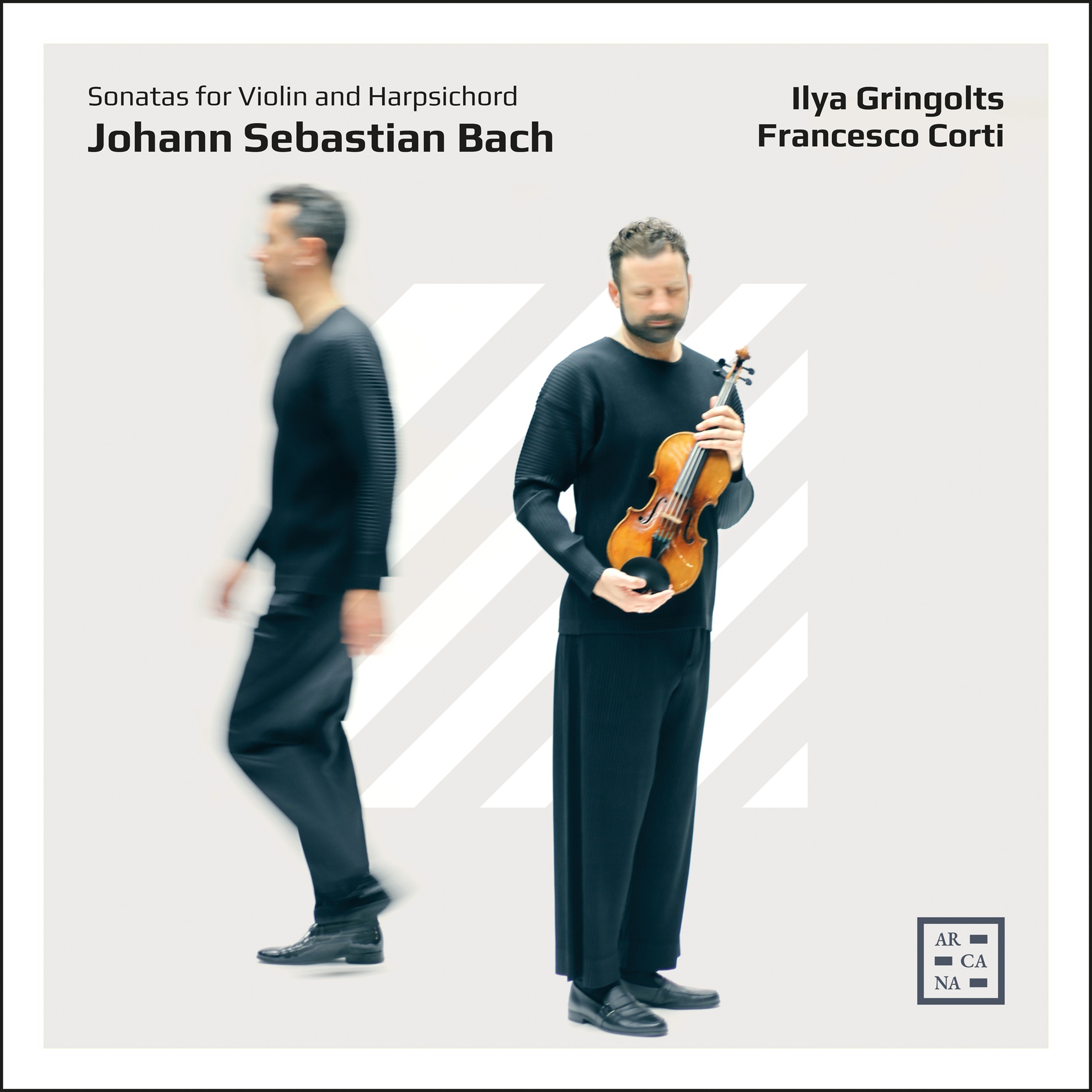
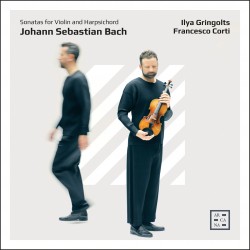 On the 2CD set Johann Sebastian Bach Sonatas for Violin and Harpsichord violinist Ilya Gringolts, making his Arcana label debut, and harpsichordist Francesco Corti perform the six Bach sonatas BWV1014-1019, described as “the first great example of concertante sonatas for keyboard and melodic instrument” (Arcana A583 outhere-music.com/en/albums/j-s-bach-sonatas-violin-and-harpsichord).
Completed no later than 1725, the works brought the trio sonata to its fullest form, one of the two upper voices being assigned to the keyboard right hand and the bass to the left hand. These are superb performances, the deep, rich harpsichord sound in perfect balance with the crystal-clear, warm violin in playing that is vibrant and alive from beginning to end.
The set includes the fascinating world premiere recording of Tertia deficiens by the American Baroque violinist Andrew McIntosh, commissioned specifically for this project. The title refers to “false” or enharmonic thirds in early 18th-century tunings, written as augmented seconds but sounding in practice as small or “deficient” thirds.
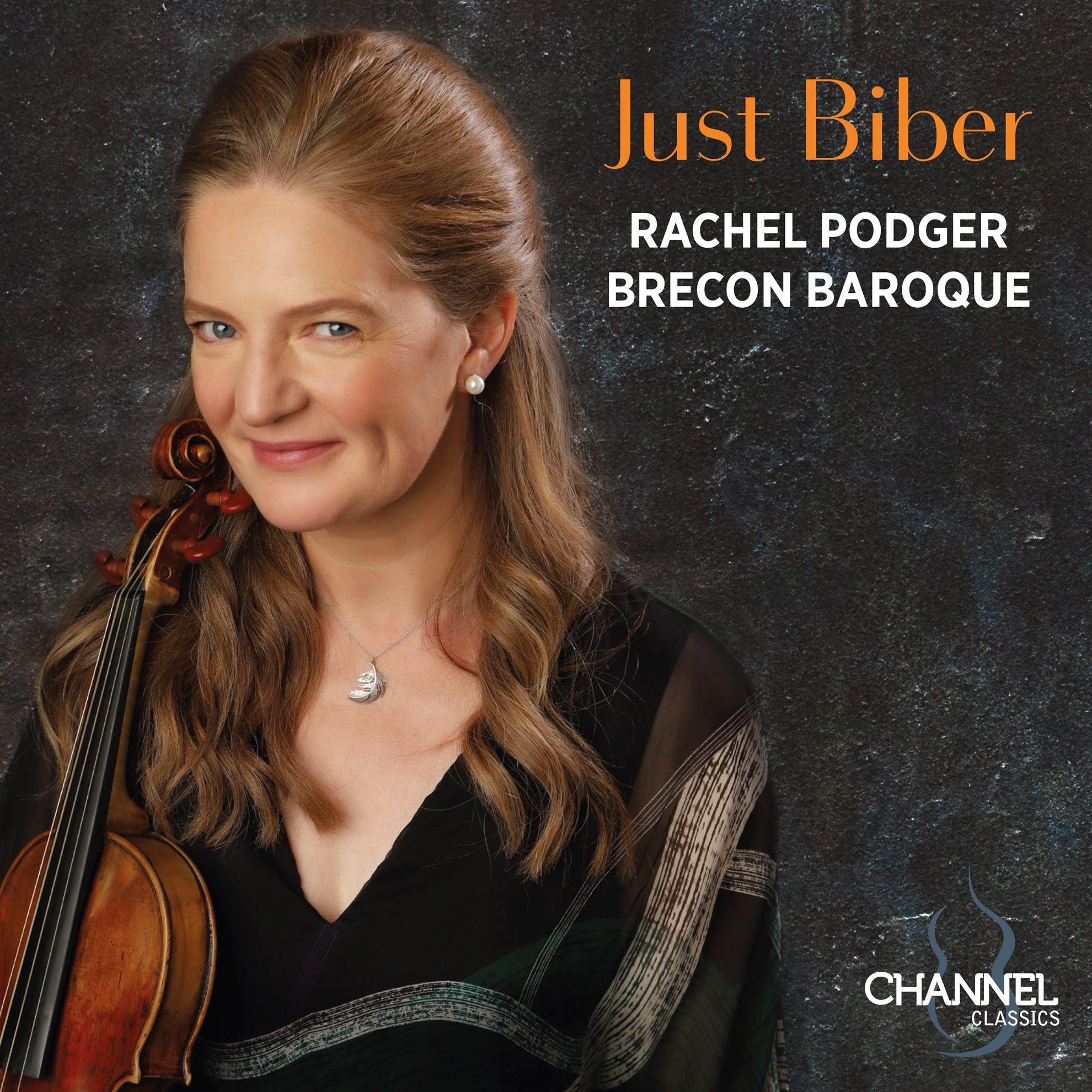
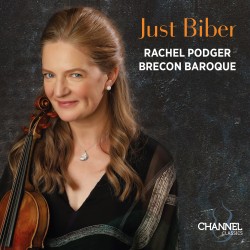 The outstanding Baroque violinist Rachel Podger is in brilliant form on Just Biber, a CD featuring the remarkable violin music of the Austrian composer Heinrich Ignaz Franz Biber, with Podger’s own Brecon Baroque ensemble providing sensitive and effective support (Channel Classics CCS48525 outhere-music.com/en/albums/just-biber).
There are five sonatas from Biber’s 1681 collection Sonatæ Violino Solo: Nos. 1 in A Major, 2 in D Minor, 3 in F Major, 5 in E Minor and 6 in C Minor. They were dedicated to the Archbishop Maximilian Gandalf, Biber describing them as effectively a prayer for the Archbishop’s good health. They are extremely virtuosic, with extensive multiple stopping and occasional scordatura, although Podger handles everything with jaw-dropping ease and fluency.
Also here is the Sonata Violino solo Representativa in A Major, with its imitations of different birds and animals. Its authorship is disputed in some quarters as possibly being a copy of the “Birdsong” work of Johann Heinrich Schmelzer, with whom Biber may have studied.
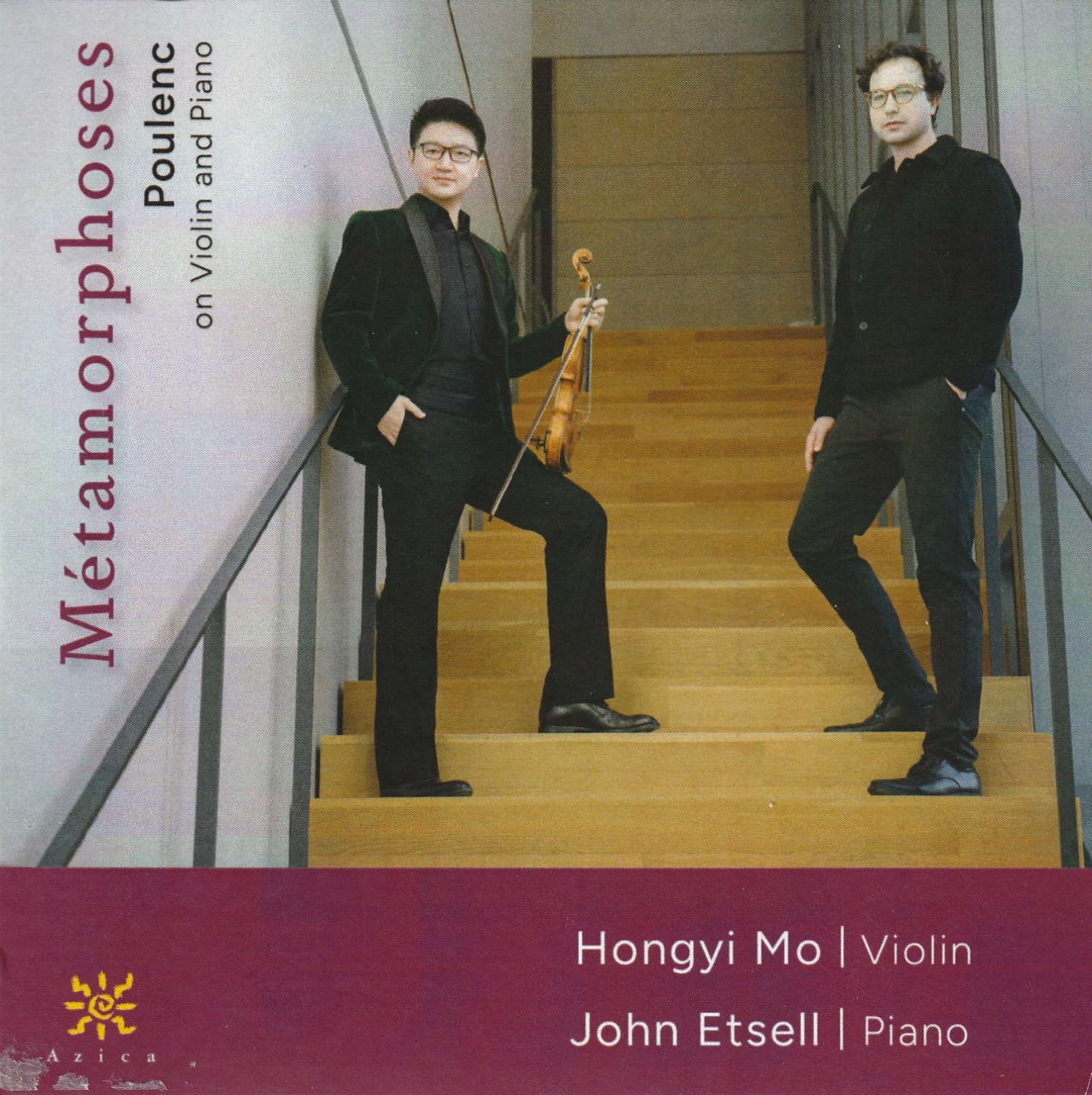
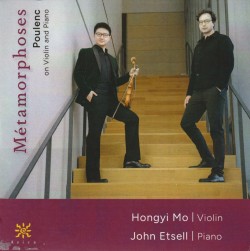 Métamorphoses is a new CD featuring transcriptions and performances of ten of Francis Poulenc’s songs, plus the violin and oboe sonatas, by violinist Hongyi Mo, together with pianist John Etsell (Azica ACD-71382 azica.com/albums/metamorphoses-poulenc-on-violin-piano).
Mo describes the core intent of the album as being his desire to highlight the literary quality of Poulenc’s songs, the texts producing intense emotions in the engaging music. All ten songs – the three Métamorphoses, the Banalités Nos.2 (Hôtel) and 4 (Voyage), Deux Poèmes de Louis Aragon, Fiançailles pour rire No.5 (Violon), Bleuet and Les Chemins de l’amour – are from the period 1939-43, as is the sonate pour violin et piano, revised in 1949. The charming sonate pour hautbois et piano of 1962 is Poulenc’s last chamber work, written in his final year.
Mo has a warm, sweet sound ideally suited to these delightful works, and has a fine and sympathetic partner in Etsell in a beautifully judged recital.
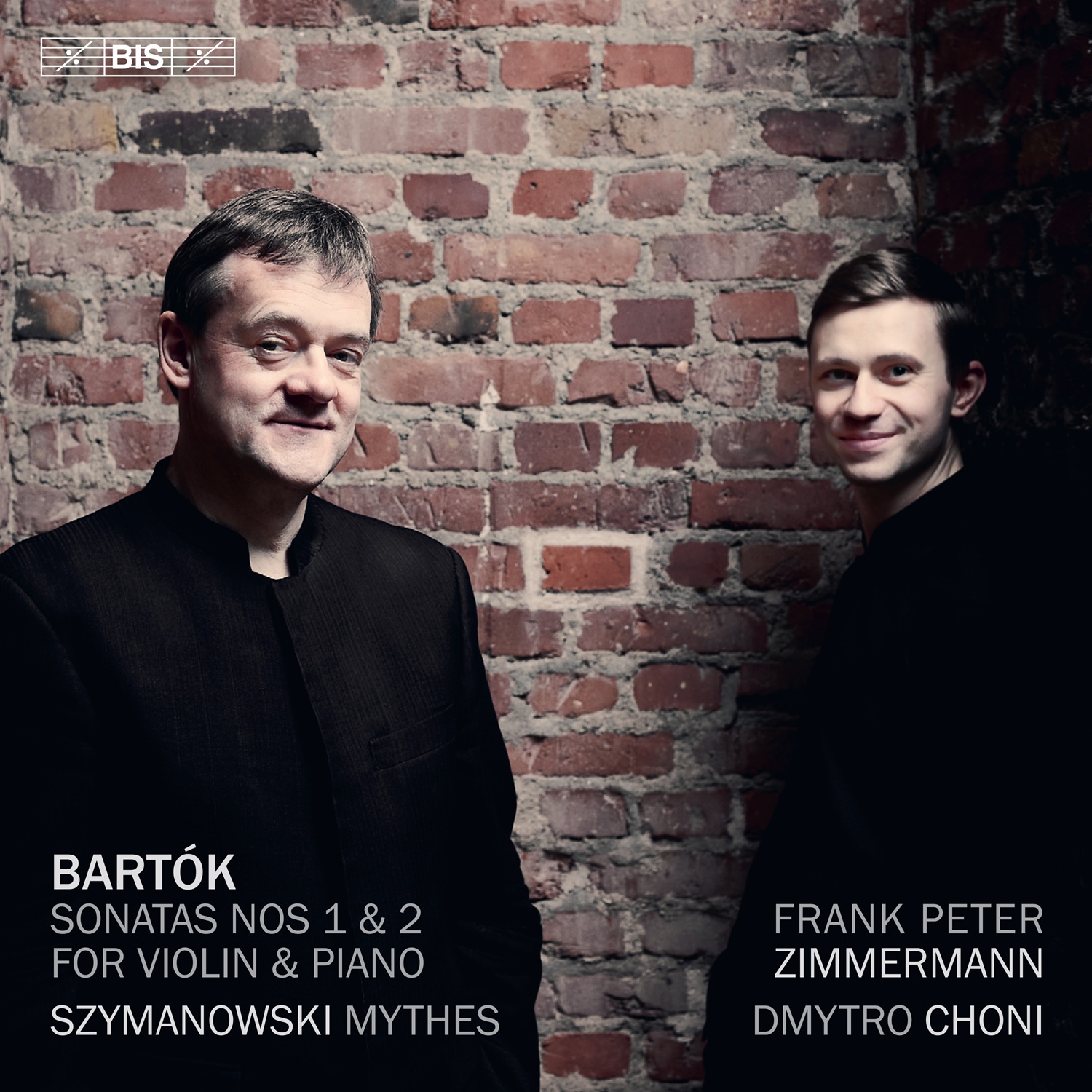
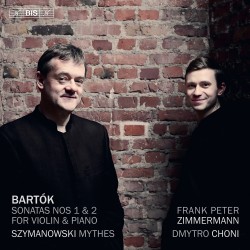 The start of musical modernism in the early years of the 20th century is at the heart of Frank Peter Zimmermann plays Szymanowski, Bartók, the new CD from violinist Zimmermann and pianist Dmytro Choni (BIS-2787 bisrecords.lnk.to/2787).
The central work on the CD, Szymanowski’s three-piece Mythes, Op.30 from 1915 was created with violinist Pawel Kochański, a player noted for his beautiful tone and whose collaboration was fundamental to Szymanowski’s writing for the violin, a new style emerging with sound colour becoming of greater significance.
A violinist also contributed creative impetus to the two works by Béla Bartók on the CD – this time Jelly d’Arányi, who introduced him to Szymanowski’s works, including Mythes. Some elements of the latter’s new mode of expression appear in Bartók’s Violin Sonatas Nos.1 & 2, Sz.75 and Sz.76 from 1921 and 1922 respectively, although other contemporary and folk music influences can also be felt.
Zimmermann and Choni deliver solid performances of three technically challenging but highly significant works.
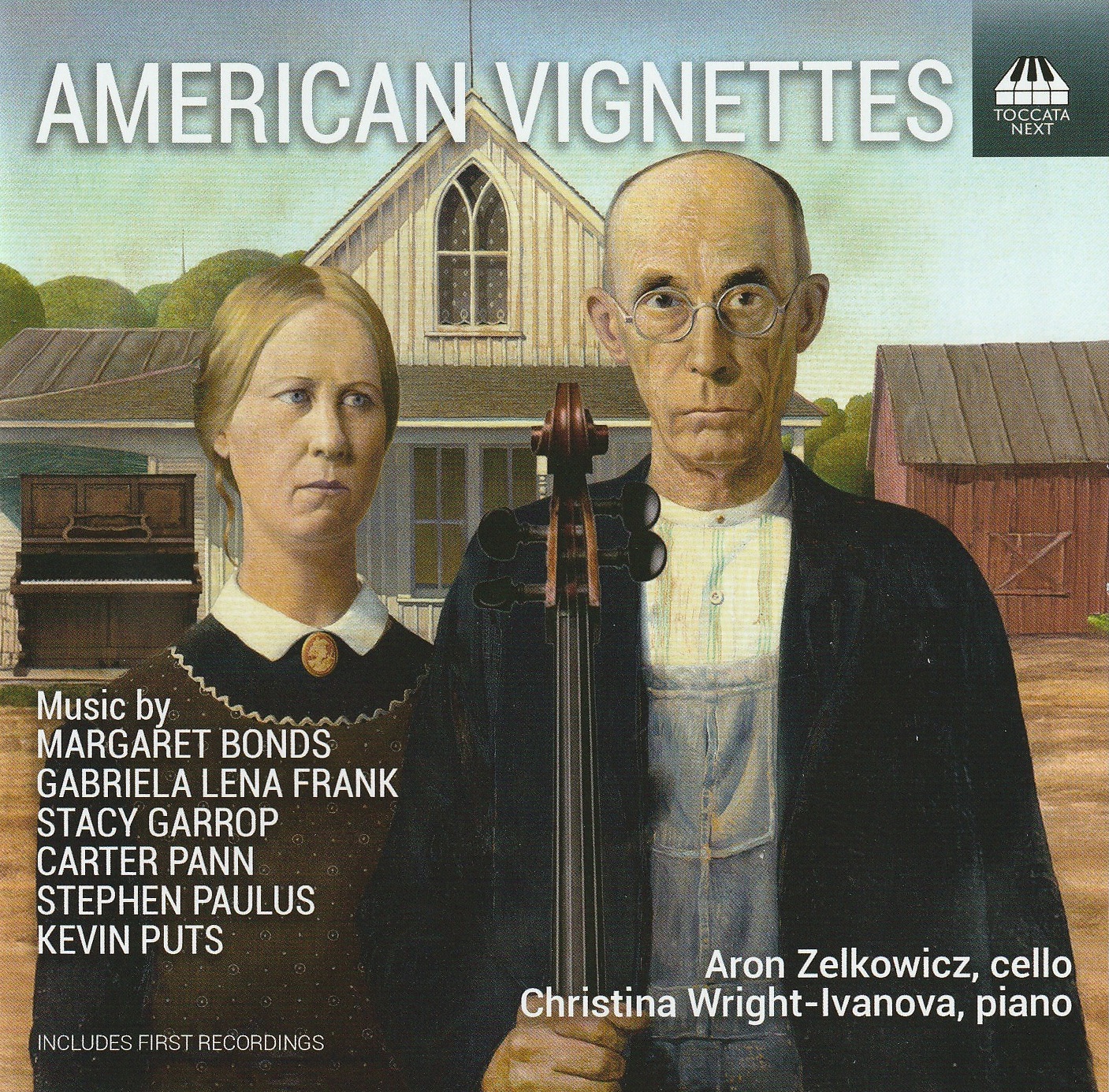
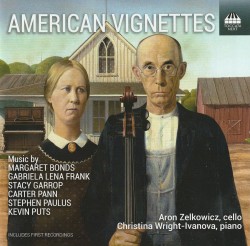 AMERICAN VIGNETTES Contemporary Works for Cello and Piano features cellist Aron Zelkowicz and pianist Christina Wright-Ivanova, two Canadian expats now based in Boston, in works drawing from influences as varied as the blues, jazz, Broadway, spirituals, folksong and the Wild West (Toccata Next TOCN 0023 toccataclassics.com/product/american-vignettes-contemporary-works-for-cello-and-piano).
The five-piece Differences from 1996 by Carter Pann (b.1972) makes a terrific opener. The very effective 1995 jazzy triptych Manhattan Serenades by Gabriela Lena Frank (b.1972) is a first recording, as is the 2014 Noir Vignettes, four pieces of 1940s cinematic imagery by Stacy Garrop (b.1969).
Margaret Bonds (1913-72) was a protégée of Florence Price. Her Troubled Water from c.1952, originally for solo piano was based on the jubilee song “Wade in the Water” and arranged for cello by her in 1964.The 2004 Air by Kevin Puts (b.1972) and 1988’s six American Vignettes by Stephen Paulus (1949-2014) complete the recital.
Highly entertaining works, superbly played and with outstanding booklet notes by Zelkowicz make for a really impressive release.
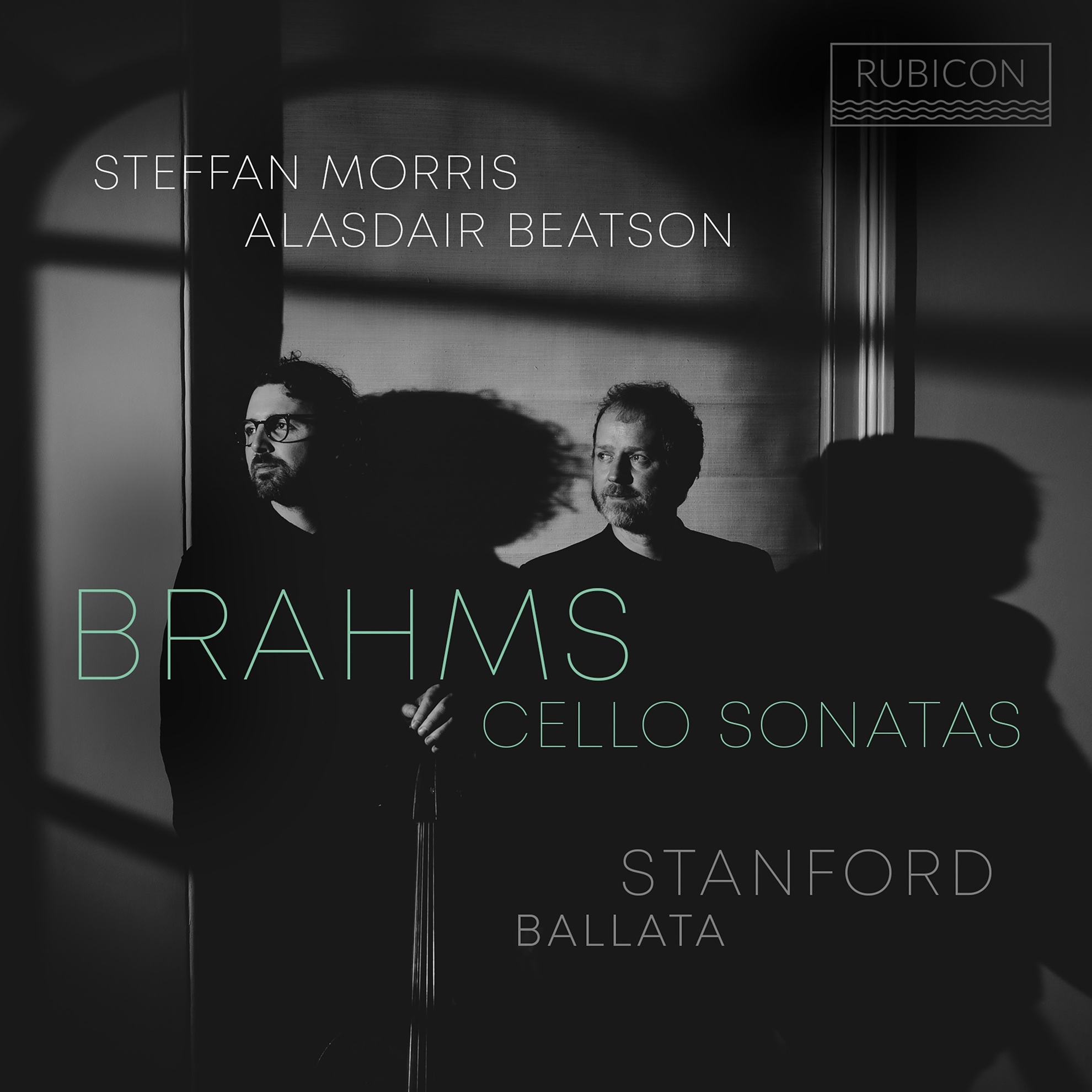
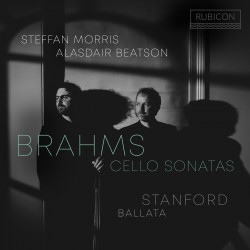 There’s another really lovely recording of the Brahms Cello Sonatas to add to the list, this time featuring the Welsh cellist Steffan Morris partnered by the Scottish pianist Alasdair Beatson (Rubicon Records RCD1196 rubiconclassics.com/release/brahms-cello-sonatas-stanford-ballata).
The Cello Sonata No.1 in E Minor, Op.38 was written in 1865 at an emotional time for the composer. It was originally in four movements before Brahms discarded the second movement. The four-movement Cello Sonata No.2 in F Major, Op.99, on the other hand, is a late work written during a summer lakeside holiday in Switzerland, the music being essentially warm and sunny throughout. Full-blooded playing, a lovely balance and recorded sound all contribute to outstanding performances.
The English composer Charles Villiers Stanford wrote his two-movement Ballata and Ballabile for Cello and Orchestra, Op.160 in 1918, and made a cello and piano arrangement the same year. It’s almost a cello concerto, just lacking an opening movement. The lovely Ballata, Op.160 No.1 closes an immensely satisfying disc.
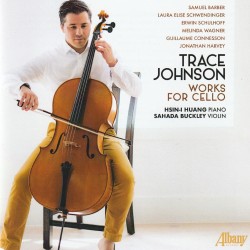 On Trace Johnson: Works for Cello the American cellist presents what he describes as an audio diary in which he has assembled some of his most cherished pieces. Hsin-I Huang is the pianist (Albany Records TROY1984 albanyrecords.com/catalog/troy1984).
The CD is book-ended by two substantial works: a strong but tender reading of Samuel Barber’s Cello Sonata, Op.6 and the rapturous and quite beautiful three-movement Les Chants de L’Agartha from 2008 by the French composer Guillaume Connesson.
Violinist Sahada Buckley joins Johnson in the central work on the disc, Erwin Schulhoff’s lovely 1925 Duo for Violin and Cello, which is heard between two works for unaccompanied cello: Laura Schwendinger’s 2018 All the Pretty Little Horses and Melinda Wagner’s really effective 2023 Limbic Notes. Jonathan Harvey’s Ricercare una melodia for Cello and Electronics from 1985 completes an excellent CD.
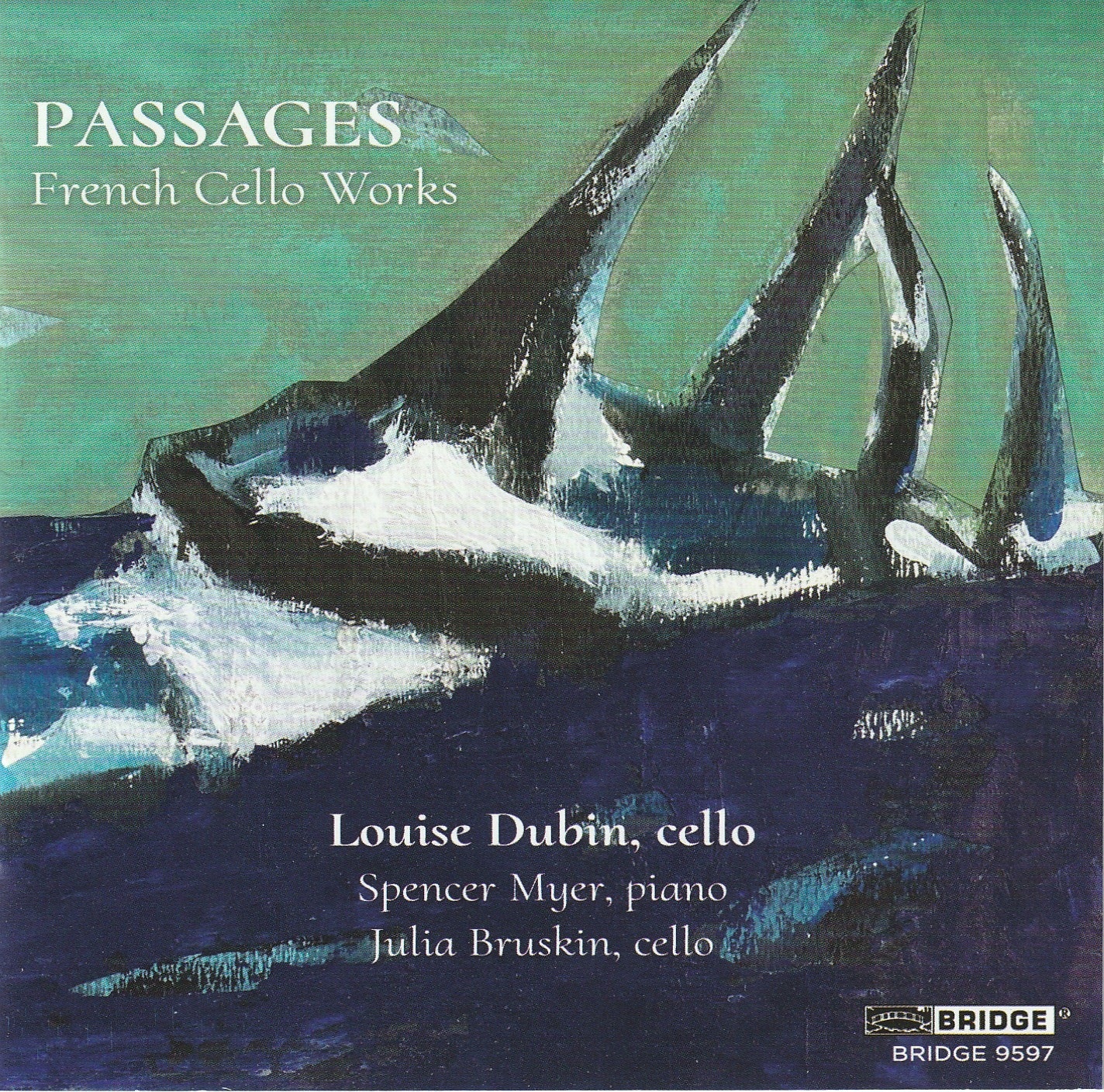
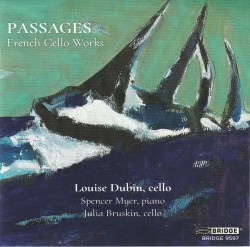 Cellist Louise Dubin has undertaken extensive research into the works of the French cellist-composer Auguste Franchomme (1808-84), and world premiere recordings of several of his cello pieces are featured on her new CD Passages, together with music by Debussy, Fauré, Poulenc, Charles Koechlin and Philippe Hersant. The pianist is Spence Meyer (Bridge Records 9597 louise-dubin.com/shop).
Koechlin’s 1917 Sonata for Cello and Piano, Op.66 opens the disc and an exact contemporary – Debussy’s 1915 Sonata for Cello and Piano – closes it. The Franchomme works are his arrangement of Chopin’s Étude, Op.25/7, his Air Irlandais, Variè, Op.25/3 and his Nocturne, Op.14/2 for two cellos (Julia Bruskin joining Dubin in this) as well as Hersant’s three Caprices and the recently discovered Fauré Allegro moderato.
Maurice Gendron’s arrangement of Poulenc’s Sérénade completes an enjoyable recital of predominantly brief pieces.
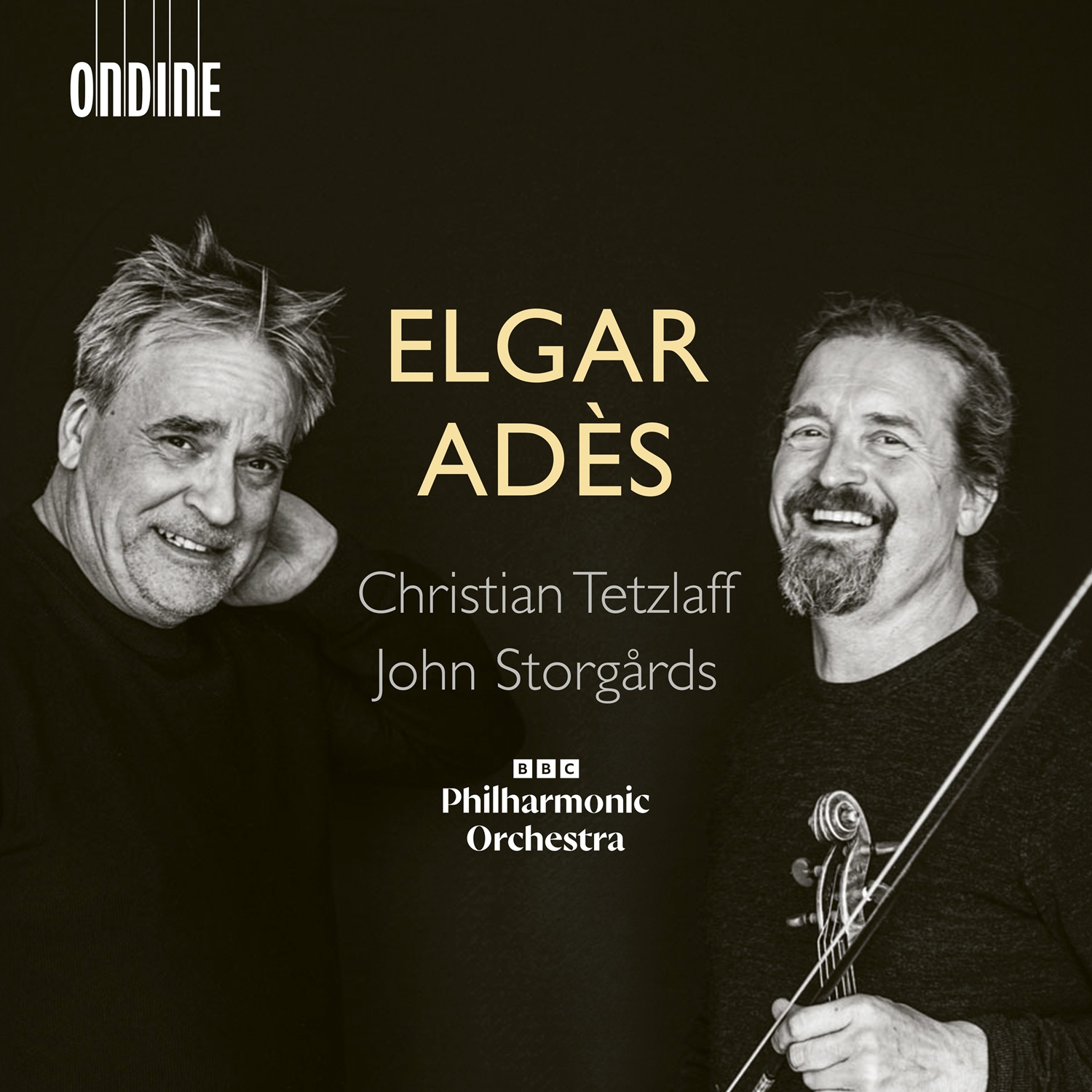
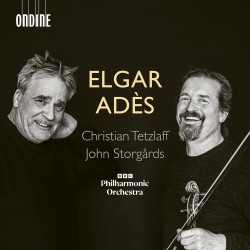 Violinist Christian Tetzlaff and the BBC Philharmonic Orchestra under John Storgårds present two English concertos written almost 100 years apart on Elgar, Adès, Elgar’s Violin Concerto in B Minor, Op.61 from 1910 being paired with Thomas Adès’ Violin Concerto (‘Concentric Paths’) from 2005 (Ondine ODE 1480-2 naxos.com/CatalogueDetail/?id=ODE1480-2).
The booklet notes consist entirely of an interview with Tetzlaff, with valuable insight into his approach to both concertos. Interestingly, he first played the Elgar just six years ago with this same orchestra and conductor, and had only played the Adès once before this recording. His tempi in the Elgar are closer to those in early recordings of the work, and although his performance is faster than some recent recordings there is never any sense of undue haste, especially in the slow movement, which Tetzlaff describes as “divine contentment.”
The Adès is a fascinating work of three movements – Rings, Paths, Rounds – with the lengthy middle Paths accounting for over half of the concerto. Tetzlaff sounds as if he has been playing it his whole life.
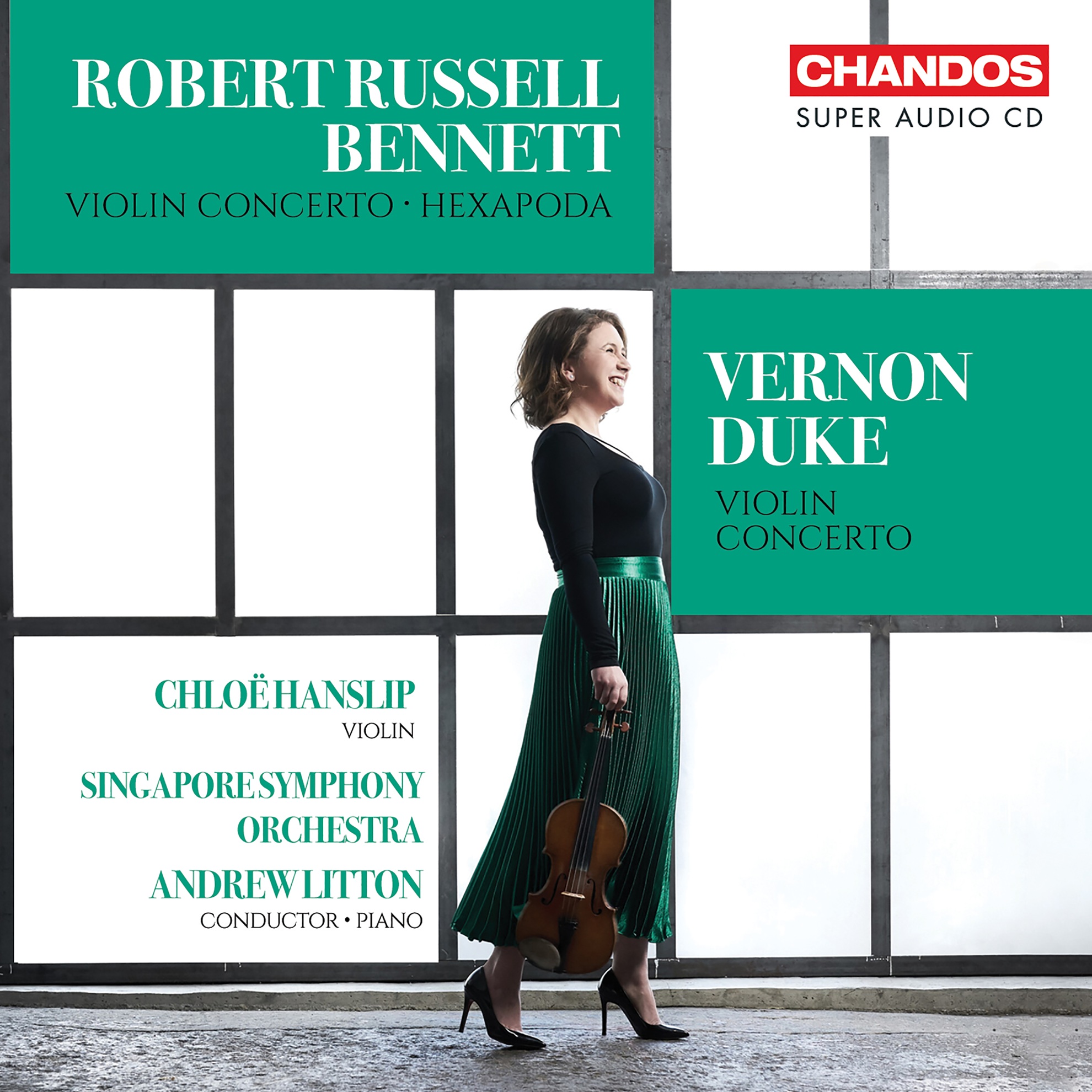
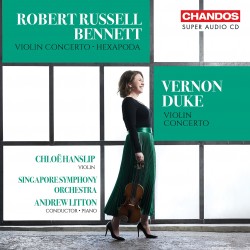 If you know the names Robert Russell Bennett and Vernon Duke at all it’s almost certainly in connection with their Broadway musical careers, in which case a new CD of their Violin Concertos with Chloë Hanslip and the Singapore Symphony Orchestra under Andrew Litton will be a revelation (Chandos CHSA 5371 chandos.net/products/catalogue/CHSA%205371).
Bennett (1894-1981), one of the great Broadway show orchestrators, had already started his Broadway career when studying with Nadia Boulanger in 1926-29; he wrote seven symphonies and at least five concertos. His Violin Concerto from 1941, written for Louis Kaufman is an attractive work very much aligned with the music of the period.
The Broadway composer Vernon Duke (1903-69), born Vladimir Dukelsky, entered the Kiev Conservatory at 11 and studied composition with Glière. He wrote for the Ballets Russe in Paris in 1924, and continued to compose under his birth name after settling in the United States and anglicising his name. His really impressive Violin Concerto from 1941-43, while an exact contemporary of the Bennett, inhabits a different world, being much less of the period and more purely classical, with occasional hints of his friend Prokofiev.
Litton is the pianist in Bennett’s brief but entertaining Hexapoda (Five Studies in Jitteroptera).
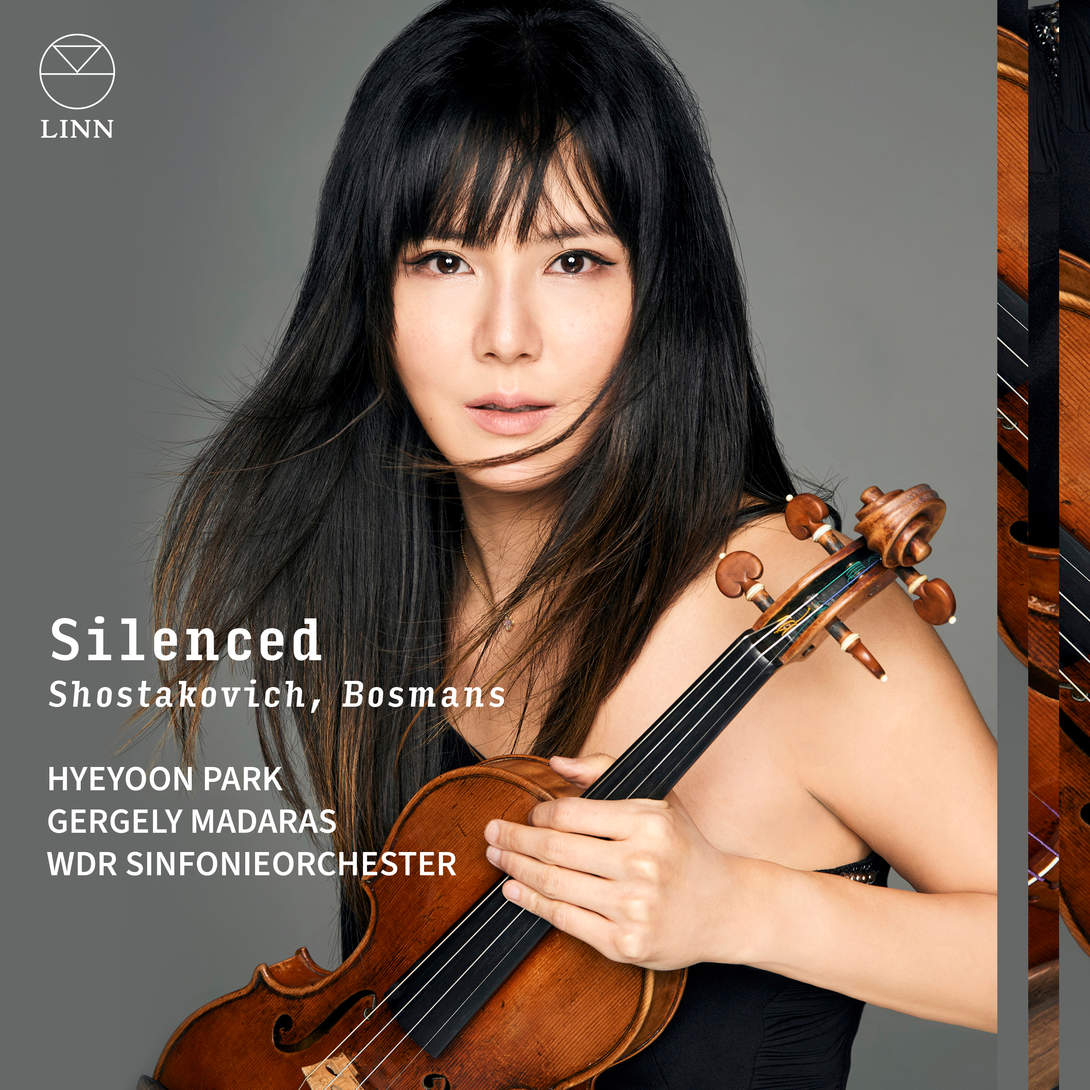
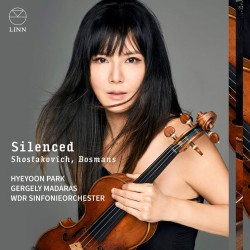 On Silenced – Shostakovich, Bosmans, her first album for the label, violinist Hyeyoon Park with Gergely Madaras and the WDR Sinfonieorchester performs works by two composers who both had performances of their music banned by oppressive regimes (LINN CKD772 outhere-music.com/en/albums/silenced).
Shostakovich was working on his Violin Concerto in A Minor, Op.77 when the February 1948 Zhdanov decree on music made its performance impossible, the composer making several revisions before the work was finally premiered in 1955 after Stalin’s death.
Performances of the music of the Dutch composer Henriëtte Bosmans (1895-1952) were banned following the Nazi invasion of the Netherlands in 1940. The work here, though – her Concert Piece for Violin and Orchestra – is from 1934, written after the death of her fiancé, the violinist Francis Koene. Despite several early performances it remained unpublished until 2022. It’s virtually a concerto, with three linked sections in a single movement of a passionate, restless intensity.
A student work by the teenage Shostakovich, his Theme and Variations in B-flat Major, Op.3 from 1921-22, apparently never performed in his lifetime, completes a fascinating CD.
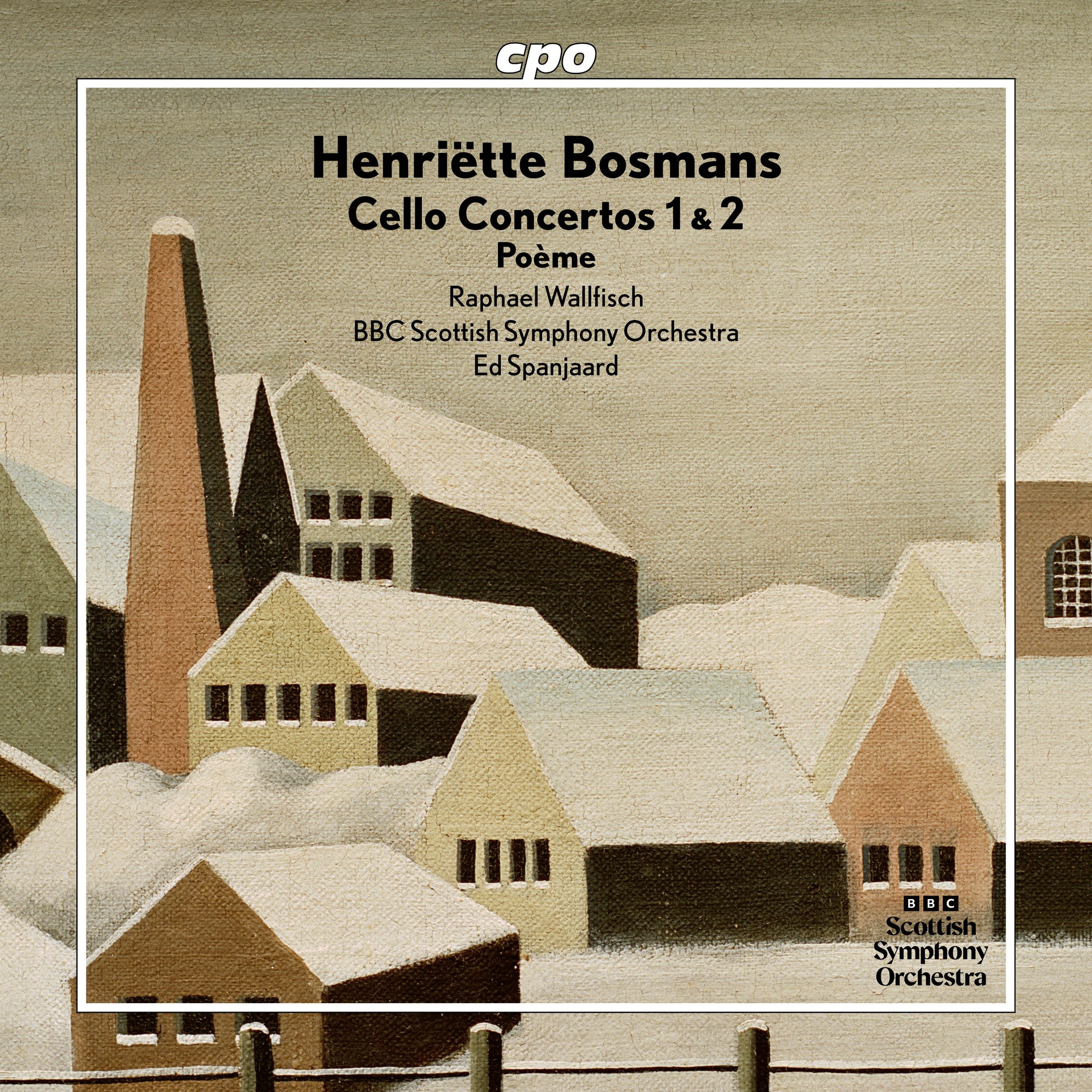
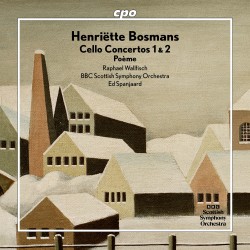 There’s even more of Bosmans’ music on Henriëtte Bosmans Cello Concertos 1 & 2, with Raphael Wallfisch and the BBC Scottish Symphony Orchestra under Ed Spanjaard providing world premiere recordings on CD of her two cello concertos, although I believe the second concerto has since been recorded again (cpo 555 694-2 naxosdirect.co.uk/items/henriëtte-bosmans-cello-concertos-nos.-1-2-poème-1281531).
The opening work on the disc is Bosmans’ second Poème for cello and piano from 1922, orchestrated in 1923, a simply gorgeous piece that, despite a hugely successful premiere, fell into obscurity along with the rest of her music in the 1950s. The Cello Concerto No.1 from May 1922 was premiered in February 1923 by Marix Loevensohn, principal cellist of the Concertgebouw Orchestra from 1915 to 1936, whose student Frieda Belinfante was the dedicatee of the Cello Concerto No.2, which was finished in May 1923 and premiered the following January. After several further performances by Belinfante and Loevensohn it was never performed again after 1933.
It seems inconceivable that music of this quality and significance should languish in obscurity for so long, but hopefully these outstanding performances will put an end to such a huge injustice.


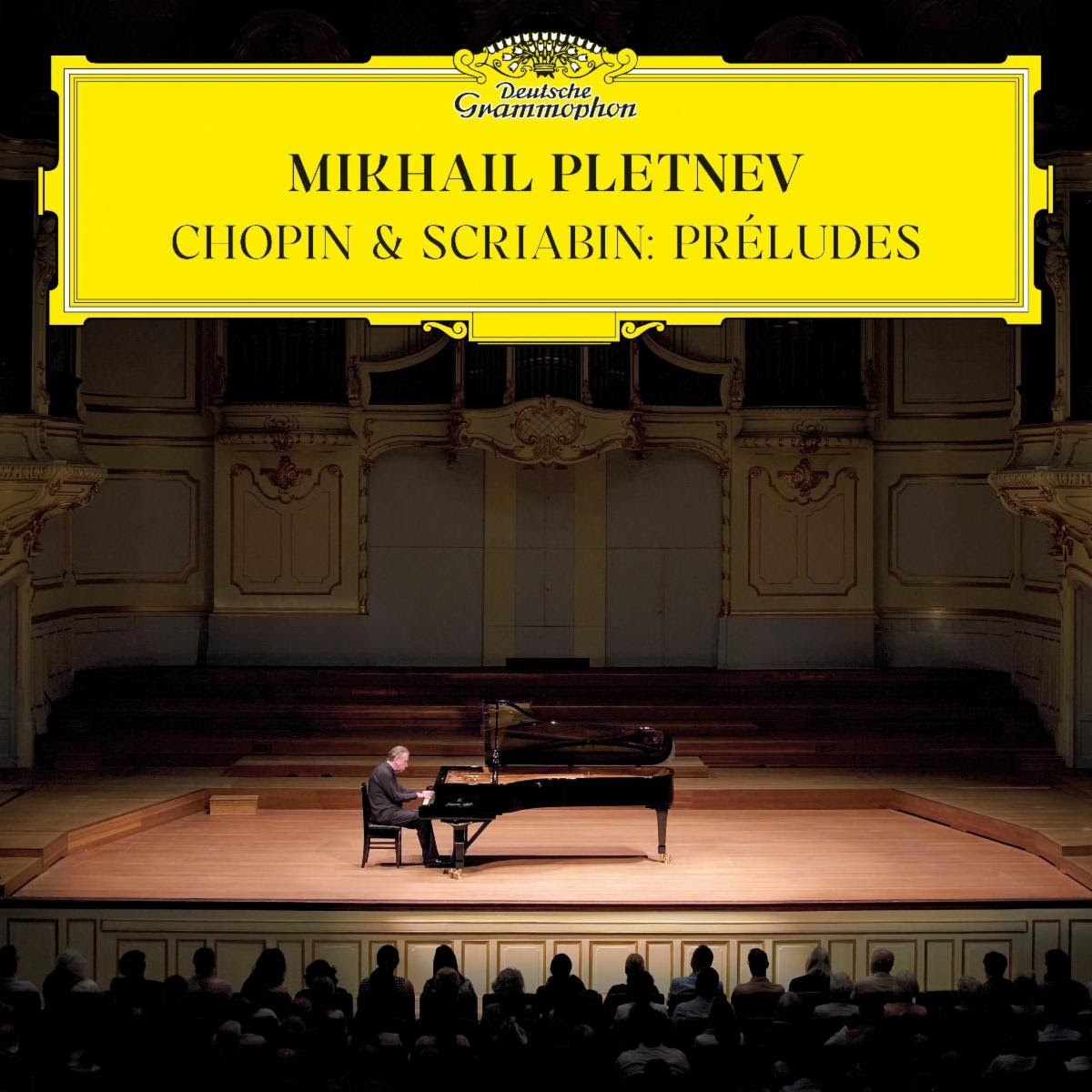 Chopin & Scriabin: Preludes