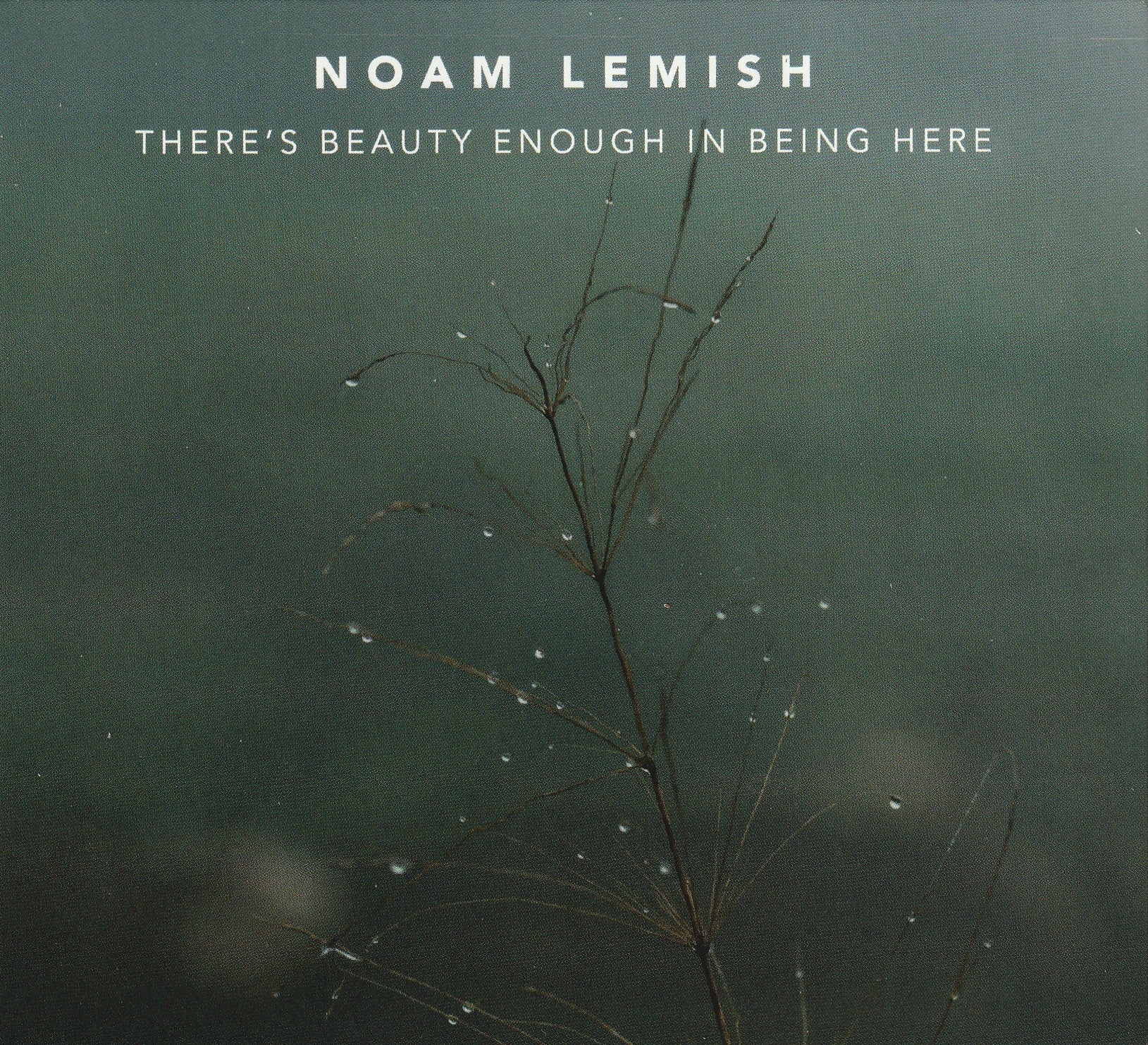
04 NoamLemish ThereIsBeautyNoam Lemish – There’s beauty enough in being here
Noam Lemish; Sundar Viswanathan; Andrew Downing; Nick Fraser
TPR Records (noamlemish.bandcamp.com/album/theres-beauty-enough-in-being-here-2)

In mid-November 2025, I attended the album release concert for jazz pianist/composer Noam Lemish’s newest project, There’s Beauty Enough in Being Here. The house was full, the energy warm and inviting, the music-making superb and uplifting! While indeed there was beauty enough in being “there” in person, this “gently ravishing” (an irresistible one-sheet quote) CD effortlessly conveys those same elements of warmth, grace and beauty.

A consummate musician on every front – player, composer, accompanist, collaborator, innovator, pedagogue – Lemish continues on his “trademark” multicultural, boundary-expanding, genre-blurring journey with this album. Inspired by the “be in, and appreciate, the moment” sentiment of Portuguese poet, Fernando Pessoa’s poem titled, Beyond the Bend in the Road, the nine captivating, original tracks incorporate jazz idioms, Middle Eastern sounds, Classical music and Himalayan folk tunes. 

Joining Lemish are first call musicians on the Canadian jazz scene: Sundar Viswanathan on saxes and bansuri, bassist Andrew Downing and Nick Fraser, drums. With ease and sensitivity, this all-star quartet delivers the contemplative, mysterious, expansive and hopeful sounds and sensibilities that permeate the album. Aviv (Hebrew for the spring season) is lyrical and moody, with gorgeous overlays between sax and piano. Kadrin Gatshor (Gratitude) is a beautifully melodic homage to the Bhutanese people. About 20 years ago, Lemish wrote It Was There All Along, and recently “rescued” the then untitled piece from languishing in an old, composition notebook. It is lovely. So are the remaining tracks, particularly the stunning, Schumann-inspired The Poignancy of Now.

There’s more than enough beauty here.

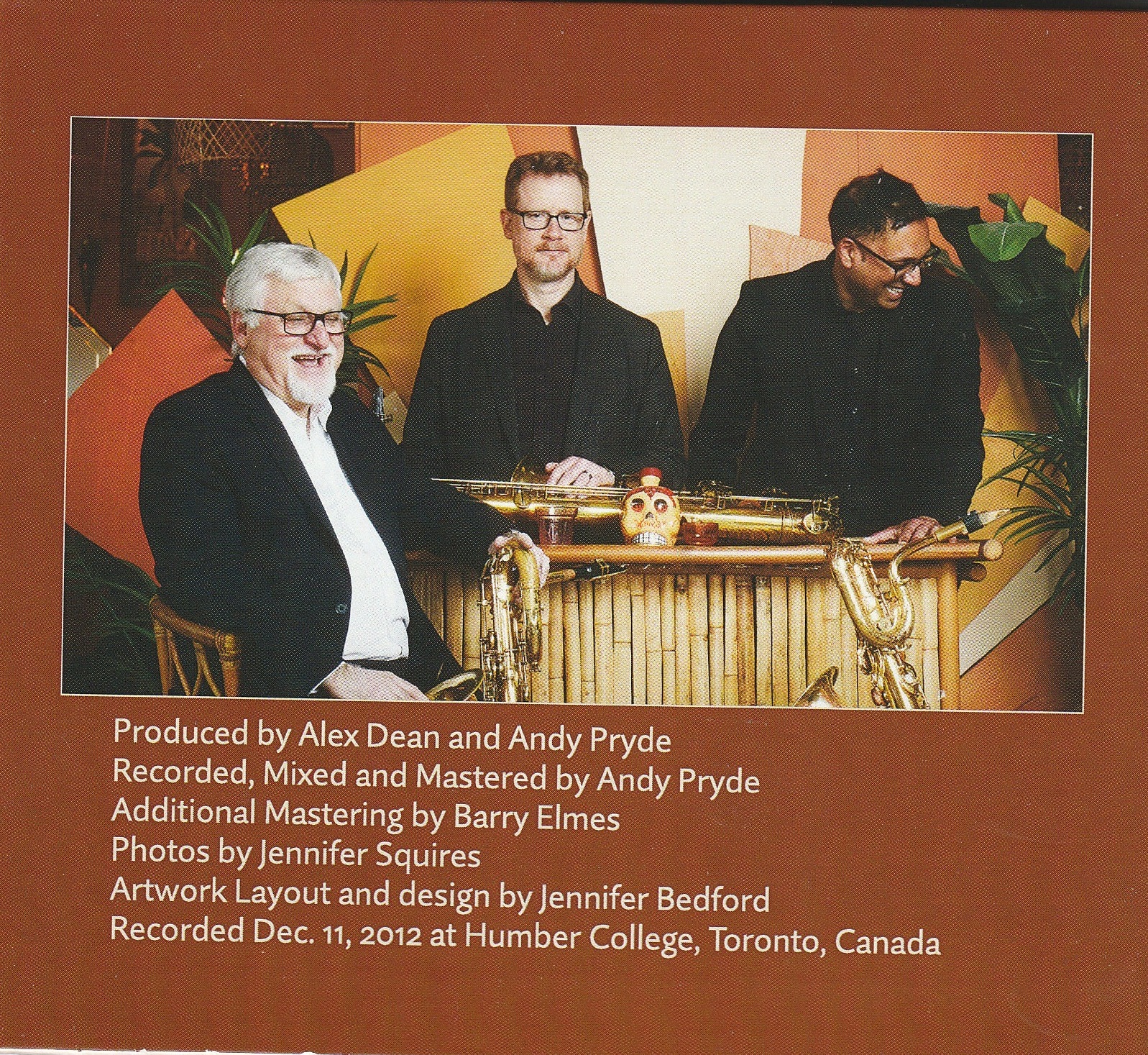
05 BARI ed AlivePut It There
BARI-ed Alive
Cornerstone Records CRST CD 171 (cornerstonerecordsinc.com/pages/cat171.html)

Most jazz fans will remember Gerry Mulligan and Pepper Adams as two famous baritone sax players but otherwise this large full-throated instrument is usually consigned to the end of the saxophone line in a big band. But we now have BARI-ed Alive, a Toronto jazz sextet featuring Alex Dean, Shirantha Beddage and Chris Gale all playing the baritone saxophone, with Jeff McLeod on Hammond B3 organ, Andrew Scott on guitar and Morgan Childs on drums. 

Put it There is the new release from this group and contains nine original tunes all written by members of the band. The album begins with the high energy and quick tempos of Abraca-Pocus and Baritone Boogaloo which provide great grooves and some high-voltage solos. Blues for Owl is slower and bluesier with lots of feeling and a few growls in the solos. Turrentrane is (I assume) a play on the two tenor sax players Stanley Turrentine and John Coltrane and its beginning seems inspired by Smoke On the Water

The tunes are all fairly standard, and offer not surprises but many swinging delights. The “bari” sax is a remarkably expressive instrument and the team of Dean, Beddage and Gale swing hard and blow the heck out of all the tunes. Their rhythm section is also rock solid; McLeod gives us many tasty organ solos and Scott’s guitar intro to Don’t Call Me Victor is simply gorgeous. May I suggest their next album be titled: Three Baris, No Waiting?

Listen to 'Put It There' Now in the Listening Room

06 Saku MantereSaku Mantere – Divine Apology
Saku Mantere; Various artists
Orchard of Pomegranates (sakumantere.bandcamp.com/album/divine-apology)

So-called universal themes are bridges, not capsules. They serve to connect and relate our lived experiences, not fold them into each other neatly. Divine Apology is a wonderful network of these bridges. Pulling from the written works of artists from various disciplines including Norman Cristofoli, Dylan Thomas and Kalervo Hämäläinen, the sonic poetry of Saku Mantere breathes new meaning into every line. 

Lapin Äidin Kehtolaulu turns a lullaby into a fleet-footed waltz in which everyone involved rips their solos with such a vigorous fervor that invokes the mother-child dynamic found in the song’s lyrics racing through eternity. Mantere’s vocals personify care and wistfulness, each syllable its own delectable morsel, vibrato conveying more compassionate feeling for the song’s address with each passing beat. There is a bittersweetness constantly permeating through how harmony interacts with lyric, lines like “the circle of life is closing in” from Mantere’s own Not Fair being more an observation or acceptance than a lament. 

On a personal note, I love albums that feel like windows into the room in which they were recorded, and as Adrian Vedady takes an eloquent bass solo while Kate Wyatt paints in the margins with her comping, I feel like I can find physical refuge in the surrounding calm. Divine Apology is a window through and through. It is a window into familiar notions of love, grief, smallness, earnestness and connection. It is a window into how these notions tint Mantere’s world.

07 Trio of BloomTrio of Bloom
Craig Taborn; Nels Cline; Marcus Gilmore
Pyroclastic Records PR42 (trioofbloom.bandcamp.com/album/trio-of-bloom)

Besides the abundantly obvious fact that it is scientifically impossible to go wrong with this lineup of musicians, one striking thing about the debut recording of this super trio is how it stands as a testament to how much more experimenting and boundary-obliterating still remains to be done in careers this storied. Each musician is a loose spigot of cascading ideas and moments of profound motivic force, the union of which gives each improvisation a shapeshifting quality. 

Signposts reached in soft alignment, growths develop organically rather than methodically, an unspoken knowing that renders even the dizzying Unreal Light five-five-four-four metric cycle intrinsic to owning a pulse. Craig Taborn’s keys and Nels Cline’s guitar bite, ravage, warmly embrace, coalesce, and repel the air, while drummer Marcus Gilmore channels fluid deposits of universal energy, dancing currents through the mind’s eye. Music that finds itself woven into the fabric of everything that has been and will follow, all while finding its own outpost in the midst of the living. Even as time is manipulated by phrases that feel unsusceptible to the trappings of any bar lines, it is seldom wasted. When a song like Diana is three minutes, it need not run a second longer, even as sentences run on without periods, and a simple gesture contains all the narrative depth of an epic. 

Trio of Bloom is music for rare moments of stillness in our world, letting one’s imagination run amok, and for awesome music’s sake.

08 A Day in the Life OfA Life in the Day Of
Gabriella Cancelli; Lori Freedman; Stefano Giust; Giorgio Pacorig; Paolo Pascolo
Setola Di Maiale SM 4950 (setoladimaiale.net/catalogue/view/SM4950)

Souvenir of a busperson’s holiday in Italy by Canadian bass clarinetist Lori Freedman, the two long improvisations that make up A Life in the Day Of find her in buona compagnia with sympatico local improvisers flutist Paolo Pascolo, trumpeter Gabriele Cancelli, percussionist Stefano Giust and pianist Giorgio Pacorig.

Introduced by keyboard clips and trumpet yelps, the players pound, project and pepper the expositions with all manner of distinct, dissonant and defining sounds while maintaining a logical flow. As Freedman’s thickened chalumeau snores and clarion tongue stops emerge, she infrequently trades places with Pacorig’s percussive key clips and strummed strings or Giust’s crunches and shuffles to preserve the continuum. Cancelli’s brassy grace notes constantly move up the scale when not intersecting with the others for linear motion, while Pascolo’s flute trills create ethereal counterpoint, except for rare pivots when his bass flute pressure reaches a low-pitch ostinato.  

As passages shift from mellow to multiphonics, each player seems determined to expose every variable tone from plunger growls to ascending peeps to distant breaths. Climax is reached during the final section of A Life In The Day Of (Part II). The pianist’s shift to indicative swing draws out drum rim shots and vocalized half-valve trumpeting so that even Freedman’s intense split tones fit into the finale. 

With its concluding rhythmic emphasis and continuous sound explorations the session fascinates and proves how improvisers from different countries can efficiently reach the same groove.

09 UnseparateUnseparate
Webber/Morris Big Ban
Out of Your Head Records OOYH 037 (outofyourheadrecords.com/news/2025/7/22/pre-order-webbermorris-big-band-unseparate-ooyh-037)

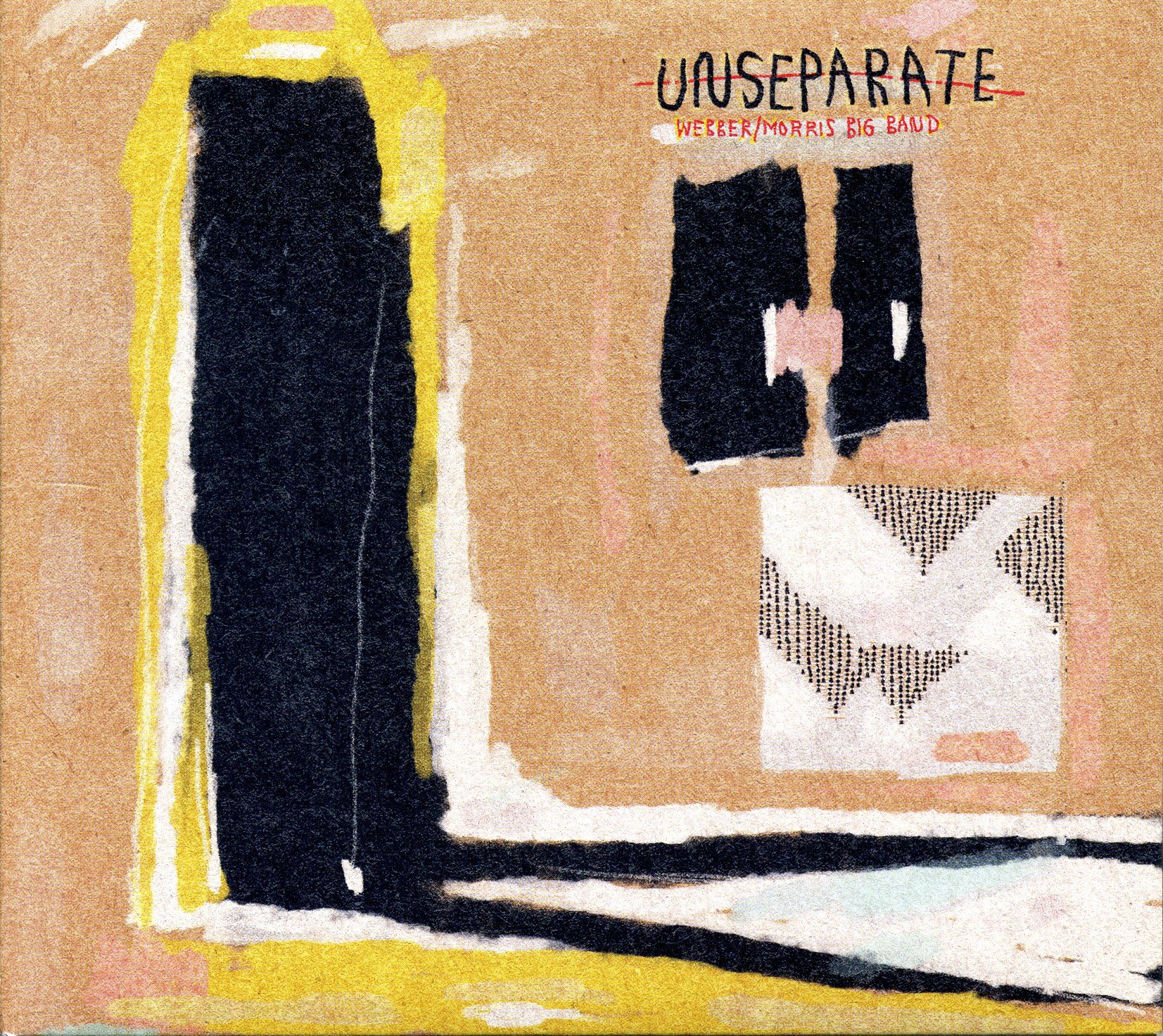
Recalibrating big band music for the 21st century with sophisticated arrangements and solo space for most members of this 19-piece New York ensemble are two expatriate Canadians, who co-lead, conduct and play tenor saxophones and flutes: Ontario’s Angela Morris and B.C.’s Anna Webber. 

Led by Morris and Webber since 2015 and continuing the sonic experiments of the band’s debut release from 2019, Unseparate includes the four-part Just Intonation Etudes For Big Band; segments of the title suite interspaced throughout the disc; and three standalone compositions. The latter pseudo-concertos include interludes like Yuhan Su’s vibraphone resonations, alto saxophonist Jay Rattman’s tongue stops and Jen Baker’s trombone plunger growls. An unabashed blues, balanced on Dustin Carlson’s guitar twangs Microchimera is most notable as brass and reed sections bolster and buttress Webber’s flute trills and Jake Henry’s heraldic trumpet screeches.

Even more assured are the long form compositions, especially the Etudes. Morris’ clarion reed stops introduce the throbbing theme which steadily ascends alongside group dynamics as contrapuntal sequences dominate the brass and reeds. While the tracks inflate and ascend, tolling vibe slaps, Jeff Davis’ drum ruffs and Lisa Parrott’s baritone saxophone burbles preserve linear evolution as overlapping respites from Tim Vaughn’s plunger trombone blasts and squeezed brass triplets. Before dissolving into cacophony, sections return to straight-ahead emphasis with artful reed pulses and percussion thumps. 

An exemplar of cultivated big band writing and playing, Unseparate may have been created in the U.S., but like the Auto Pact needs Canadian input to be put into motion.

Despite its many other attributes, the Netherlands was never known as a major centre for Jazz and Improvised Music. At least that is until the late 1960s, when ensembles such as the Willem Breuker Kollektief and the Instant Composers Pool led by Misha Mengelberg and Han Bennink began touring internationally and cementing interactions with other international players. Since that time the Dutch scene has blossomed with successive generations of local musicians playing there and, especially in this century, numerous innovative musical stylists from not only Europe but also elsewhere migrating there for a time or permanently. 
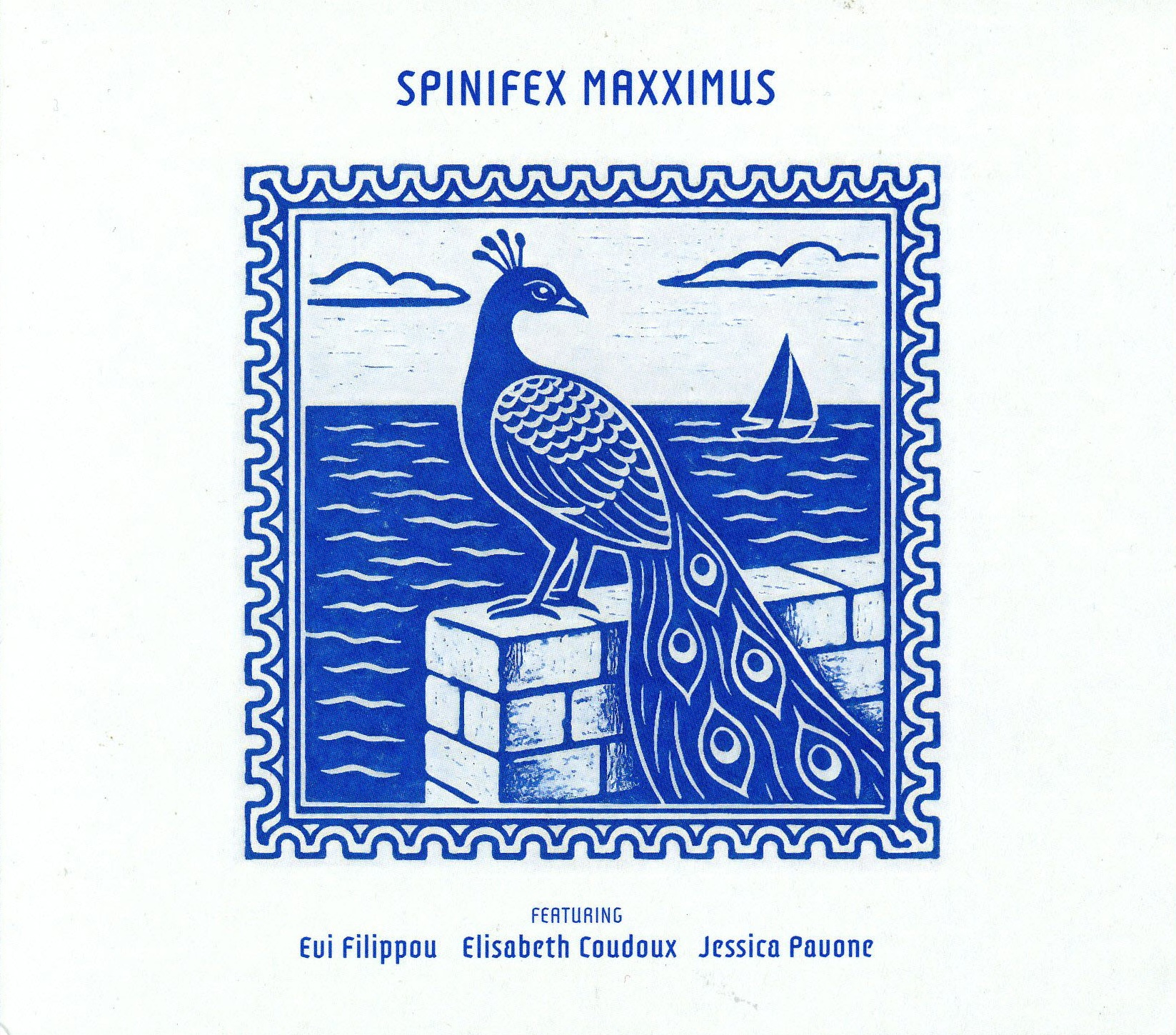
01 SpinfexOne fine example of this enriched cross fertilization is the Amsterdam-based Spinifex group which celebrates its 20th anniversary with the release of Maxximus (Trytone Records TT59-114 spinifex.bandcamp.com/album/maxximus). True to the country’s recent musical history, Spinifex’s members hail from all over. Trumpeter Bart Maris is Belgian; bass clarinetist/alto saxophonist Tobias Klein is German; tenor, bass saxophonist John Dikeman is American; bassist Gonçalo Almeida is Portuguese; while percussionist Philipp Moser and guitarist Jasper Stadhouders are Dutch. Confirming the Maxximus title, the sextet is augmented with American violist Jessica Pavone, German cellist Elisabeth Coudoux and Greek vibraphonist Evi Filippou. However, the added string emphasis and some slower tunes don’t dimmish the dynamism of Spinifex’s performances. While the band’s palate encompasses textures from relaxed (Smitten) to rasping (The Privilege of Playing the Wrong Notes), the basic interface remains the same. Most tracks don’t stay languid for long and throughout spiccato string stops and vibraphone chiming join brass smears, reed bites, percussion ratamacues and guitar twangs to define the session. 

Annie Golden includes a guitar-propelled theme revealed after cow bell clangs, brusque string stops and a bass sax ostinato introduce the track. Rounded guitar frails are soon replaced by buzzing sul ponticello slices from Pavone and Coudoux as the saxophone outputs becomes ferocious enough to blend R&B-like honking and atonal Free Jazz until hard drum pumps propel the nonet into descending harmonies. Group unity is also expressed on Phoenix when Maris puts aside his stinging piccolo trumpet rips for a connection between his muted trumpet lines and pizzicato strings ambulation. While later string sweeps almost resemble parody Mittle (sic) European formalism, the resulting cushioning is transformed by the climax into polyphonic horn lines and string projections while cymbal slaps and trumpet slurs pierce the interface.  

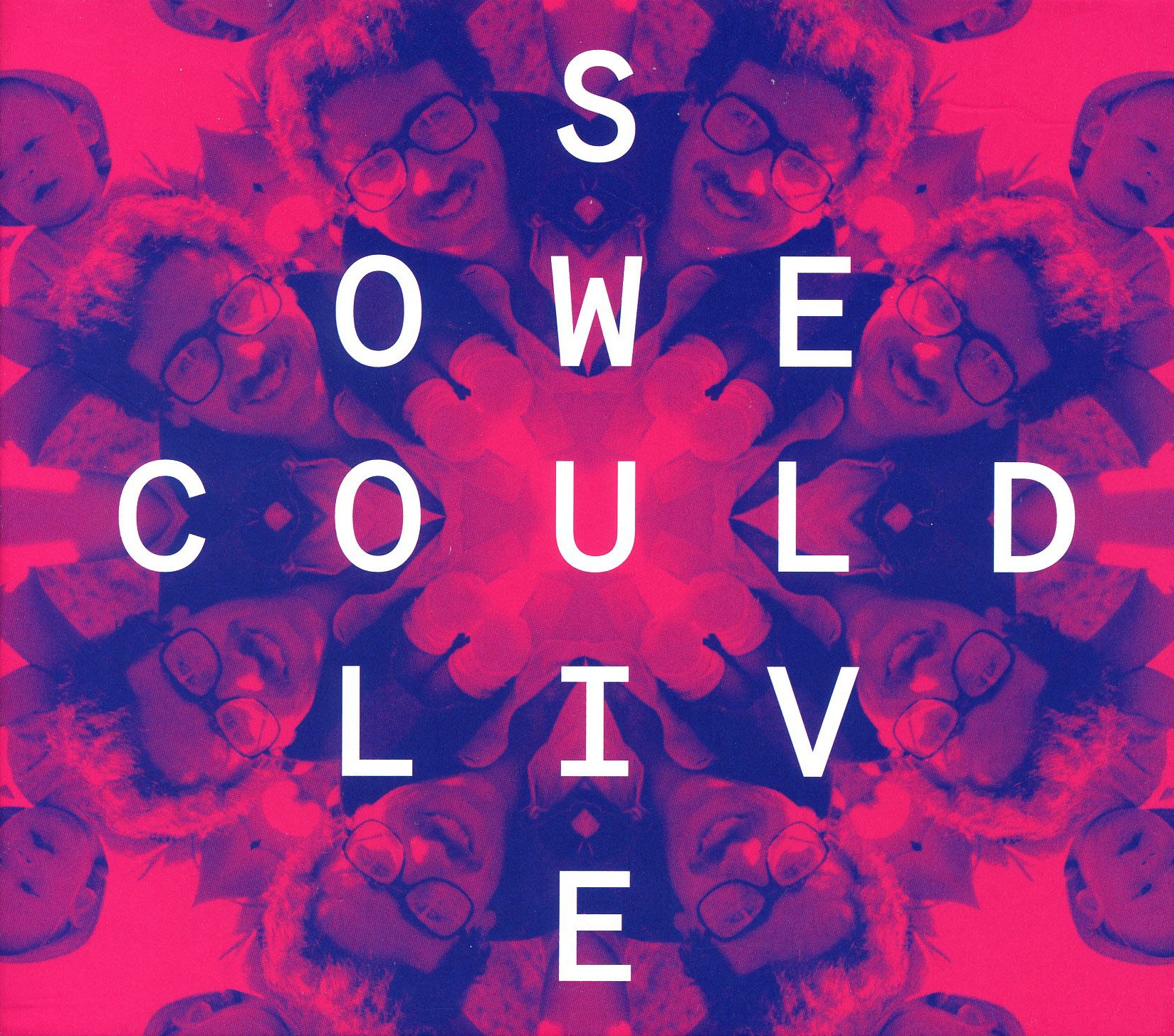
02 So We Could LiveA more compact band, which takes some of its focus from saxophone and trumpet is So We Could Live (Zennez Records ZR 202515 zacklober.bandcamp.com/album/so-we-could-live) except this time Jasper Blom the veteran tenor saxophonist and Suzan Veneman, the younger trumpeter are both from the Netherlands. But also true to the scene’s internationalism, the quartet’s leader is ex-Montrealer Zack Lober, and the drummer is South Korean Sun-Mi Hong. More in the modern mainstream mode than some sessions, this LP-length (38 minutes) CD is a group effort. That’s because except for Dad/Bésame Mucho, an unaccompanied threnody for his father, featuring an emphasized, multiple-stroked melody, Lober’s pumps and stops are embedded within the band’s narratives. Hong locks in with the bassist with cymbal sizzles and paradiddles that complement cadenced forward motion. However when the horns’ unison intersection isn’t emphasized each player expresses individuality. 

On Feathered Head, for instance, a swinging pseudo-Hard Bopper, Veneman works her brass draughts higher and higher, exposing triplets that aren’t screechy or distended and when mated with a sliding reed interjection replicates lively harmonies. Balancing on a thick bass pulse Landscape is an attentive foot tapper where the ambulatory exposition is coloured by Bloom’s wobbly near-(Stan) Getzian vibrato shifts. With most improvisations never overbearing, the most advanced line is the polytonal Vignette where the saxophonist’s multi-tongued slides and slurs sometimes ascend to squeaks and Veneman’s note-bending breaths are a bit strained. Still, the climax is fully harmonized. 
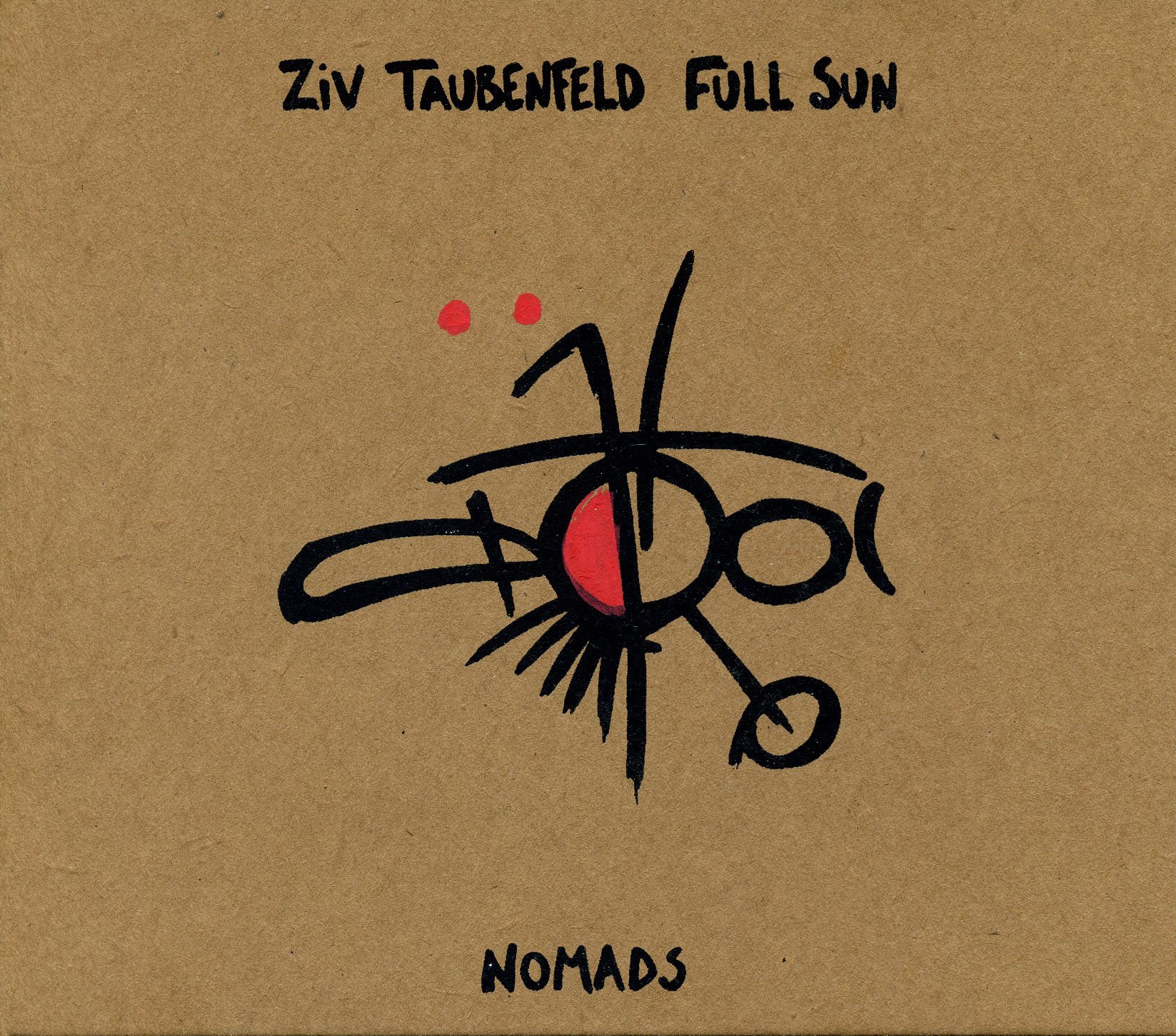
03 NomadsSpikier than the other discs and with an augmented ensemble is bass clarinetist Ziv Taubenfeld’s Nomads (Full Sun Records FSR 001 fullsunrecords-zivtaubenfeld.bandcamp.com/album/ziv-taubenfeld-full-sun-nomads), as his Full Sun septet includes players from at least two generations of Netherlands-based, but not necessarily Dutch, players. First there’s Israeli-born Taubenfeld, who after a decade in Amsterdam recently relocated to Lisbon. Additionally reflecting the CD title that would be appropriate for the players on all discs here, the band is filled out by veteran and younger players. There’s experienced American alto saxophonist/clarinetist Micheal Morre and Dutch trombonist Joost Buis joined by slightly younger arrivals: Argentinean pianist Nico Chientaroli and Taiwanese vibraphonist Yung-Tuan Ku. Also in hand are drummer Onno Govaert and bassist Rozemarie Heggen who are actually from the Netherlands. 

Interestingly enough though, despite the leader’s reed adaptations, Nomads’ four tracks are as concerned with percussion as horn textures. That’s because, especially on Rozemarie’s Flying Carpet, and frequently elsewhere, Buis joins Govaert and Ku with additional idiophone vibrations as well as the introduction of extra shakes and pulsations from Taubenfeld’s gongs and Chientaroli’s vibrating objects. This schism and connection is made even more obvious on Balbalus. The track expands the swirling polyphony of piano patterns, slinky clarion reed stops, measured vibe pops, drum rolls and bass string buzzes emphasized elsewhere to accentuate swaths of experimental textures. After a formalist piano intro linked to key stops and soundboard echoes, Boppish hi-hat slaps and a walking bassline adumbrate horn harmonies that soon splinter into gutbucket trombone blasts and slippery clarinet twitters that could arise in a Dixieland session. As the pianist exposes first angled key slaps then bluesy chording, pinched double bass sweeps and a collection of multiphonic barks and yelps move the three horns into a crammed Free Jazz mode until the entire band climaxes with an andante pseudo march. 
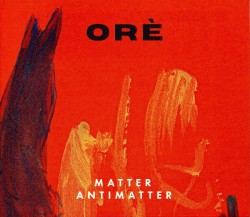
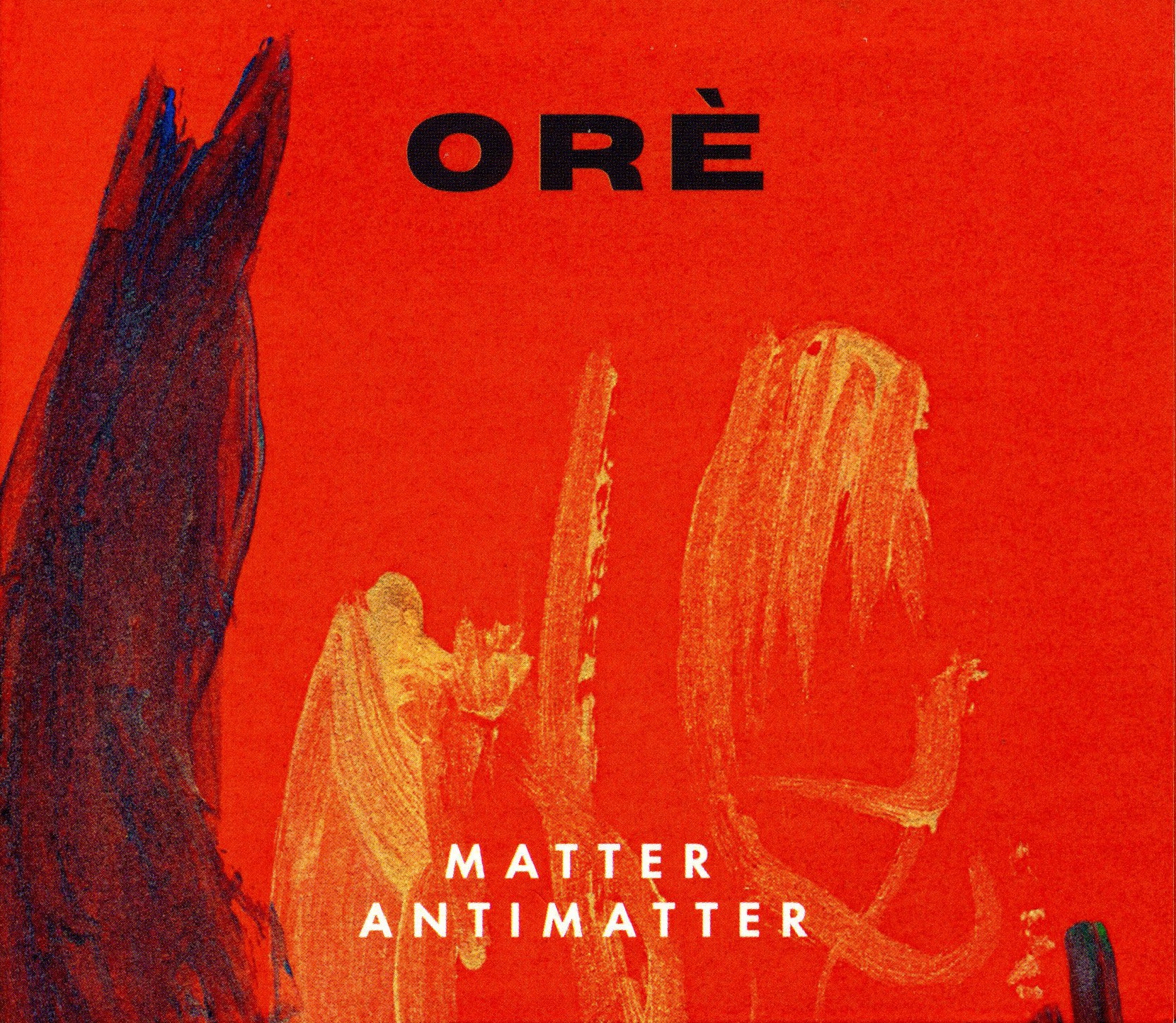
04 OreOnno Govaert is also a part of Brazilian bassist Pedro Ivo Ferreira’s Orè quartet whose Matter Antimatter (Trytone TT 519-113 trytonerecords.bandcamp.com/album/matter-antimatter) is a foursome like Lober’s, but features musicians from other countries who play different instruments. They are Portugues alto saxophonist José Soares and Uruguayan guitarist Miguel Petruccelli. Proving once again the Netherlands’ attraction for international musicians and sound experimentation, what could have been a Lusitanian or Hispanic session instead takes elements of each player’s tradition and mixes them with Dutch exactness while adding free jazz touches. 

Separating the longer tracks are around one minute unaccompanied solo interludes for each musician, although the only exceptional instance is Overpass where stretched and scraped strings bounce and buzz with door-stop-like resonance. While there are a couple of instances where the gentle reed-guitar blend threatens to slink back to Bossa Nova-like gentleness or Ode where berimbau string samples are worked into the mix, overall Matter Antimatter maintains a tougher stance. Linear advancement is never abandoned nor are turns towards foot tapping patterns. Notably though a touch of dissonance is audible throughout. Pastor for instance may begin in lento tempo with gentle drum plops, but its elaboration encompasses double bass string slaps, guitar frails, sneaky reed burbles that work up in pitch and cymbal patterning that turns to a concluding echoing smash. Soares isolates snarls, yelps and split tones on the title track that are coordinated with drum top scratches and bass string stops. Orè’s lyrical direction is pleasant but perhaps more antimatter with extended tracks and improvisational experiments would have created more than some turns to matter of fact melodies in this musical formula.   

05 AxiomAnother expatriate South American, Venezuelan guitarist Andrew Moreno leads Axiom (Honolulu Records HR 34 andrewmoreno.bandcamp.com/album/axiom). Yet with the musical freedom offered by Amsterdam, he like others here has his music interpreted by an international cast. Alto/soprano saxophonist Tineke Postma is Dutch; baritone saxophonist Bo Van Der Werf is Belgian; Jonathan Ho Chin Kia, who plays bass and no-input mixing board is from Singapore and drummer Tristan Renfrow is American. Also a bit different than the other more experimental sessions, a few of the ten tracks have an over-reliance on guitar licks with some emphasizing Moreno’s jagged rock music-like buzzes, fuzz tones and elevated flanges rather than the string chiming, emphasized slides and logical horizontal riffs he plays elsewhere. Luckily these excesses are kept tot a minimum, with guitar playing comping in connection with harmonized or contrapuntal saxophone runs or the drummer’s ruffs and paradiddles more common. 

What does really set Axiom apart from the other sessions though are the feedback loops and resonant frequencies from Kia’s no-input mixing board introduced on some tracks. These signal processed sound waves create unpredictable electrified flutters that are alternating staccato and smooth. At the same time Postma’s ethereal soprano trills are more present than Van Der Werf’s baritone snores and expositions are usually most focused on group interaction. Even tracks like Vanilla Song and Matrix which reduce interplay among only guitar, bass and drums evolve in that context. The first matches a spraying guitar exposition with the drummer’s march tempo, so that concentrated twangs and echoes are as straight-ahead as well as spectacular. Meanwhile the clouds of rasping mixing board tones heard on Matrix actually frame unadorned double bass thumps and edgy guitar lines pumped with echo in an original fashion.

The Netherlands’ economic world primacy may have ended centuries ago, but as a hub for exploratory music it hasn’t lost its international appeal.


01 Ingrid Laubrock Purposing the AirPurposing the Air
Ingrid Laubrock
Pyroclastic Records PR38/39 (ingrid-laubrock.bandcamp.com/album/purposing-the-air)

Music is poetic, poetry is musical, theirs is a magical marriage when it happens. Ingrid Laubrock personifies this alchemy, but also shows that there is immense beauty and depth to be found in small things. On one hand, familiarizing oneself with the source text here – Erica Hunt’s Mood Librarian – would greatly enhance its sense of proximity and connection to Laubrock’s piece. On the other hand, there is something to be said for moving in the opposite direction, short-circuiting orderly chronologies, escaping the page before again setting foot squarely within its perimeter. This work’s library defies chronology, it is not a curation of order and sequential notions, but rather of words that cater to the expressive tendencies of improviser pairings, with four singers interacting with either cello, piano, electric guitar or violin. 

These duos range from those playing together for the very first time to pairs established enough to have their own name (Duo Cortona), which is a fascinating spectrum in a vacuum but in practice it is striking how imperceptible these differences are. Beyond responding to Laubrock’s compositional outlines, the musicians allow each word of Hunt’s koans their own space to embody fullness, leaving room for boundless rendering of feeling. There is so much feeling in fact, that it is all too easy to overlook that for each koan only about two lines are being read. Every voice is an instrument and every instrument a voice. Trajectories are charted, but the intersecting currents influence them just as palpably.

02 Deja VuDéjà vu
Carlos Jimenez; Alexandre Cote; Pierre Francois; Dave Watts; Alain Bourgeois
CAJ Music CD005 (carlosjimenez1.bandcamp.com/album/d-j-vu)

What we are looking at is a rollicking album of eight songs written in the style of contrafacts (new pieces based on the chord changes of existing works). Its many styles include forays into jazz, folk, Berlin cabaret, Middle Eastern and chamber music of the post-serialist 20th century conservatoire. But to describe it as such gives the impression of overcooking when in fact the whole project is a masterpiece of subtlety.

Carlos Jiménez’s take on the spacy and the cool rippling horn-like tones from his guitar summon woodwind-like tones from Alexandre Côté’s alto saxophone which, along with Pierre Françoispiano, Dave Waltz’s rumbling bass, and Alain Bourgeois’ world of drums, makes for something magically different. This is the contrafact-world of Carlos Jiménez’s Déjà vu. The performers’ long-limbed dreamworld of narratives crafted into glassy sheets of harmonic soundscapes with earthy melodies and rolling rhythms lift up these songs to elevated heights.

Jiménez pilots a tall ship that navigates deep and shallow waters. He rings in the moods and changes with compositions and improvisation; he dashes his music into rocks, breaks free and glides rippling through Deep Blue ink-black seas, with a Look At The Stars in a brave new sound world all his own.

03 Fiat LuxFiat Lux
René Lussier; Robbie Kuster
Microcidi 044 (renelussier.bandcamp.com/album/fiat-lux-2025)

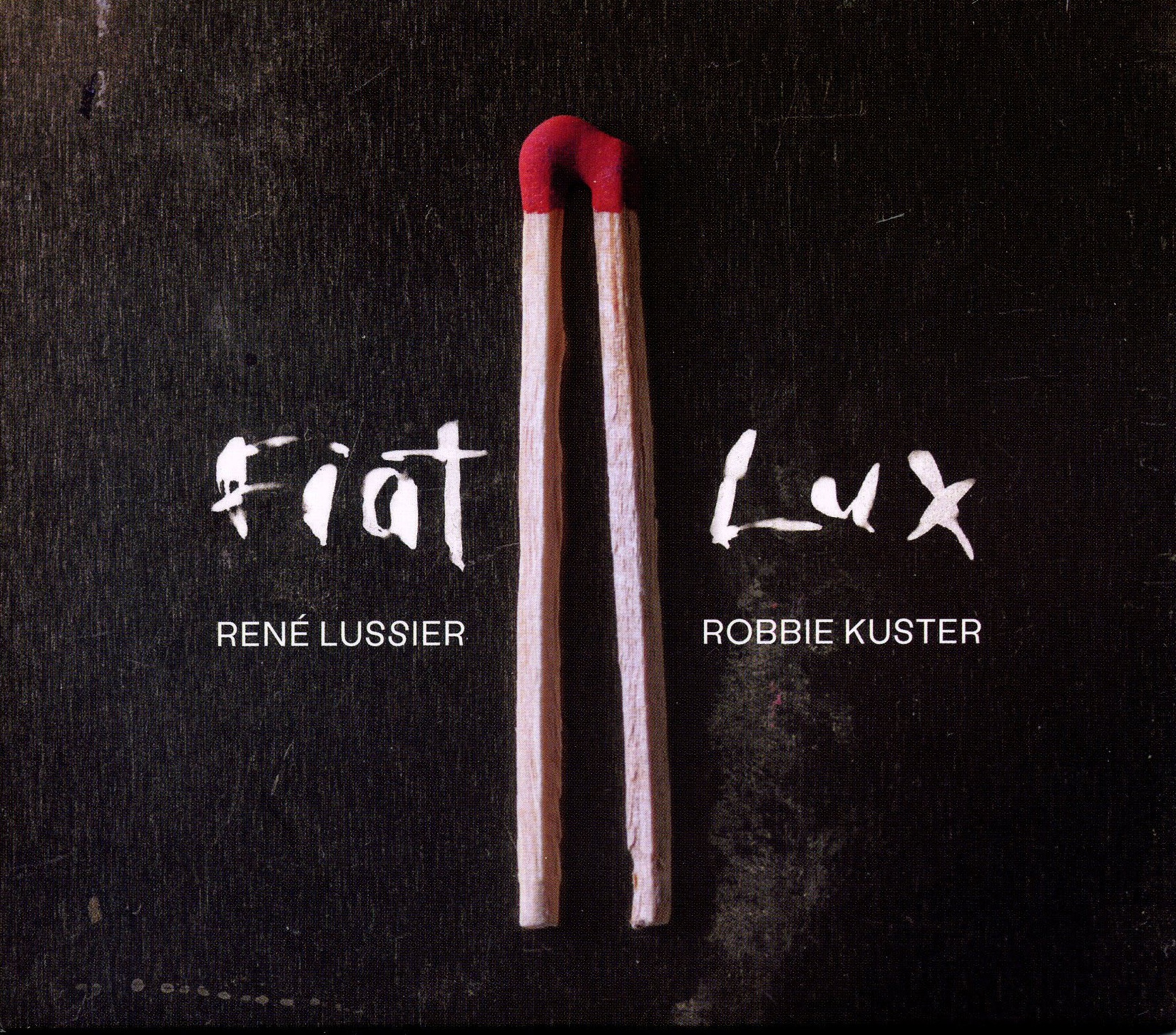
Listen to any two tunes on this14-track disc by Montreal experimental guitarist René Lussier and you’ll understand why he’s now celebrating a half-century career. Backed by Swiss-born Montreal percussionist Robbie Kuster, Lussier, who also plays electric bass and daxophone (an electric wooden experimental musical instrument) and Kuster, who varies his percussion thrashing with hand saw whines and nail organ vibrations, bound from style to style with the same sophistication and energy.

The guitarist’s shaking flanges and fuzz tones brush up against drum pounding on Rock 66. Rien d’aquis mates Kuster’s patterning clips with simple reflective string picking; while La Valise Du Vendredi is a Québécois blues, featuring garbled mumbles and perfect bottleneck frails. Lussier even uses the wooden daxophone’s gaunt voice-like drones to scrape alongside saw reverb replicating the sounds suggested by Guimbarde Et Brosse à Dents.   

Fiat Lux isn’t all fun and games. Some of the other Lussier originals mark his POMO conversions that add C&W licks to an otherwise understated improv melody or use primitive whistling to humanize what stands out as a heavy metal attack.

Unbeatable technique mixed with humour also turns French folk composer Albert Larrieu’s Biscuit – La Feuille D’Érable into a Rock anthem with guitar feedback; and he uses simple harmonies to break down Ornette Coleman’s Haven’t Been Where I Left into a progressive child’s song with chiming guitar runs and zipping single notes. 

There may be some music Lussier can’t distinctively transform, but it’s not here.

04 Cory Weeds meets Jerry WeldonCory Weeds meets Jerry Weldon
Cory Weeds; Jerry Weldon
Cellar Music CMF102704 (coryweeds.bandcamp.com/album/cory-weeds-meets-jerry-weldon)

In a fast-paced world where we are constantly bombarded and pressured to keep up with the latest trends and objects, renowned saxophonist and bandleader Cory Weeds’ latest release is a reminder to slow our pace down and “stop and smell the roses,” if you will. The album harks back to the classic swing era with a fresh twist, embodying the idea of honouring the classics in an era where “newness” constantly wants to take over. Weeds has gathered a group of famed musicians for these recordings, namely fellow tenor saxophonist Jerry Weldon, pianist Miles Black, bassist John Lee and drummer Jesse Cahill. 

What captures the attention of the listener right from the first note are the dual saxophone lines, a unique aspect of the album that pays tribute to “seminal tenor-battle recordings of the past.” The record starts off with the tune Hey Lock, where the listener is treated to a driving drum rhythm, swinging piano chords and the intertwining tenor melodies of Weeds and Weldon. Taking the tempo down for Just As Though You Were Here, a well-known tune by jazz pianist John Benson Brooks, the lyrical and mellow qualities of Weeds’ skilled playing are showcased. The album features a collection of jazz greats, ending with the bandleader’s own composition 323 Shuter

A perfect accompaniment for soon to be chillier fall days, this is a worthy addition to any jazz aficionado’s collection.

05 Jacob Chung LiveJacob Chung – Live at Al Frankie’s Jazz Club
Jacob Chung; Tyler Henderson Trio
Cellar Music CMF110924 (jacobchung.bandcamp.com/album/live-at-frankie-s-jazz-club)

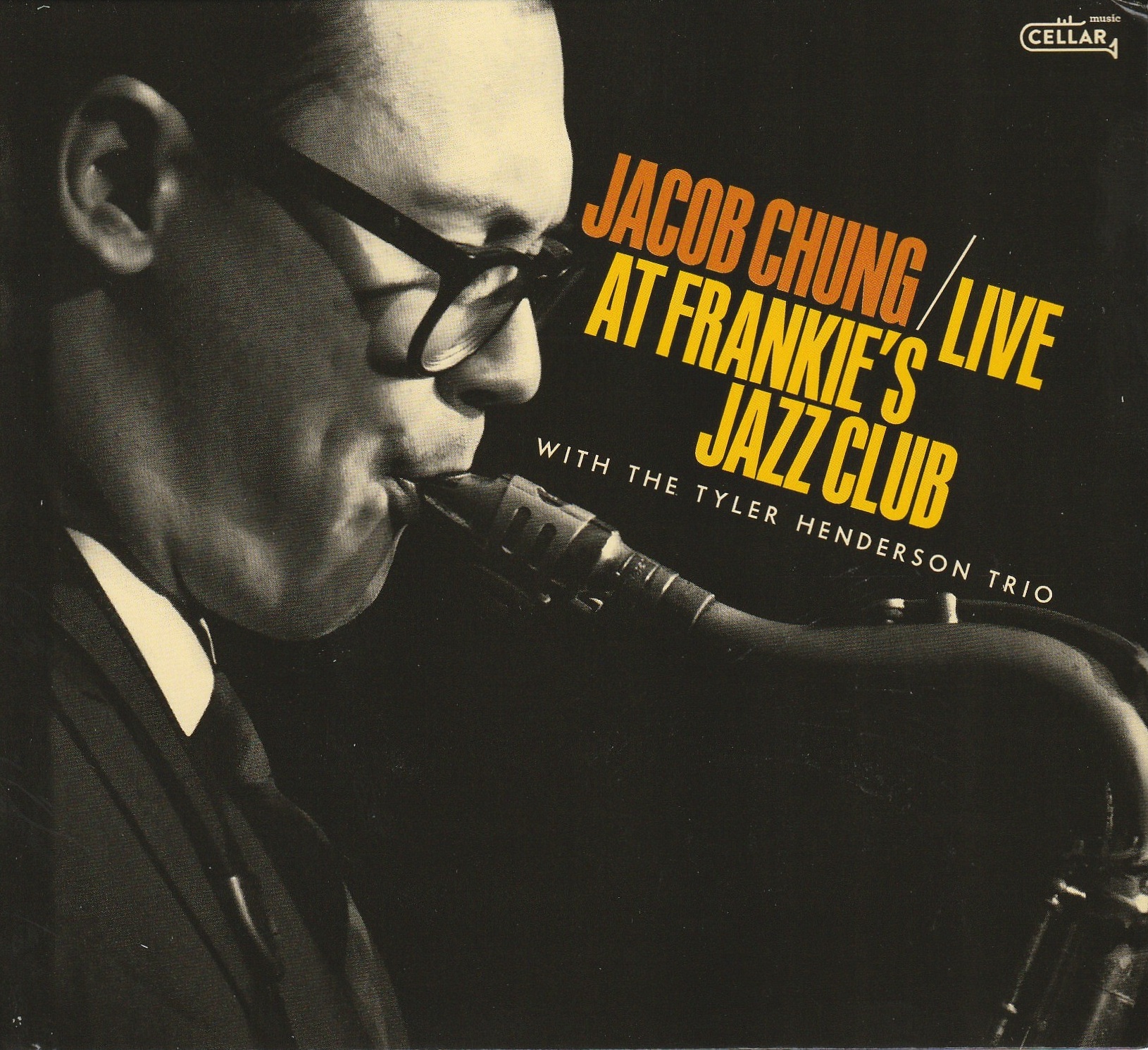
New-York based saxophonist and composer Jacob Chung’s newest recording is ample proof that jazz is most certainly not going away anytime soon and that the younger generation is carrying the torch for continuing this great musical genre. Chung has gotten a group of truly skilled musicians and friends together to breathe life into this record: pianist Tyler Henderson, bassist Caleb Tobochman and drummer Hank Allen Barfield. The tracklist features a collection of well-known tunes as well as a couple penned by Henderson thrown into the mix. 

Chung describes the album as “a true snapshot of four friends just playing and sharing our love for each other and the music with an enthusiastic Vancouver audience.” This friendship and love for the music clearly shines through in every note of the recording and is especially evident through how balanced and “tight” each piece sounds. The musicians are in tune with each other and share a cohesive feeling throughout the melodies and rhythms. Opening track Jeannine stands out for its catchy bass line, moving rhythms and soaring tune. Love Endures, one of the aforementioned songs composed by Henderson, is mellow yet energetic and embodies both the traditional and the modern. The fact that the recordings were made unbeknownst to the musicians during a live show is what really captures the essence of the raw passion for this music and respect for each other that this group has and holds.

06 Tommy Crane The IsleThe Isle
Tommy Crane; David Binney
Elastic Recordings/MythologyRecords ER 022 | MR29 (davidbinney.bandcamp.com/album/the-isle)

Tommy Crane is a Montreal based drummer/composer and saxophonist/composer David Binney lives in Los Angeles. They have played together several times over the years and collaborated on The Isle which was recorded in Montreal in 2023 and “draws inspiration from the city of Montreal itself—its atmosphere, rhythms, and cultural landscape. The city’s influence is evident not just in the album title, but in the pieces themselves, several of which are named after neighbourhoods.” 

One of the album’s most noticeable strengths are the many atmospheric grooves which are both relaxing and engaging. Crane’s drumming gives each work a steady and entrancing pulse like the St. Lawrence which flows immutably past the busy island of Montreal with its vibrant culture, traffic and road construction. In fact, I can hear horns and brakes in the slightly apprehensive The Isle of Jam. Binney’s saxophone is lyrical and limber, sometimes providing long tones and then breaking into delightful flights of fluttering bop lines. The tonal palette is enhanced by several other musicians on flutes, bass, keyboards and guitar. The Isle creates a sense of expectant calm: you can relax to it, listen while driving or anywhere else you enjoy sampling a variety of evocative moods.

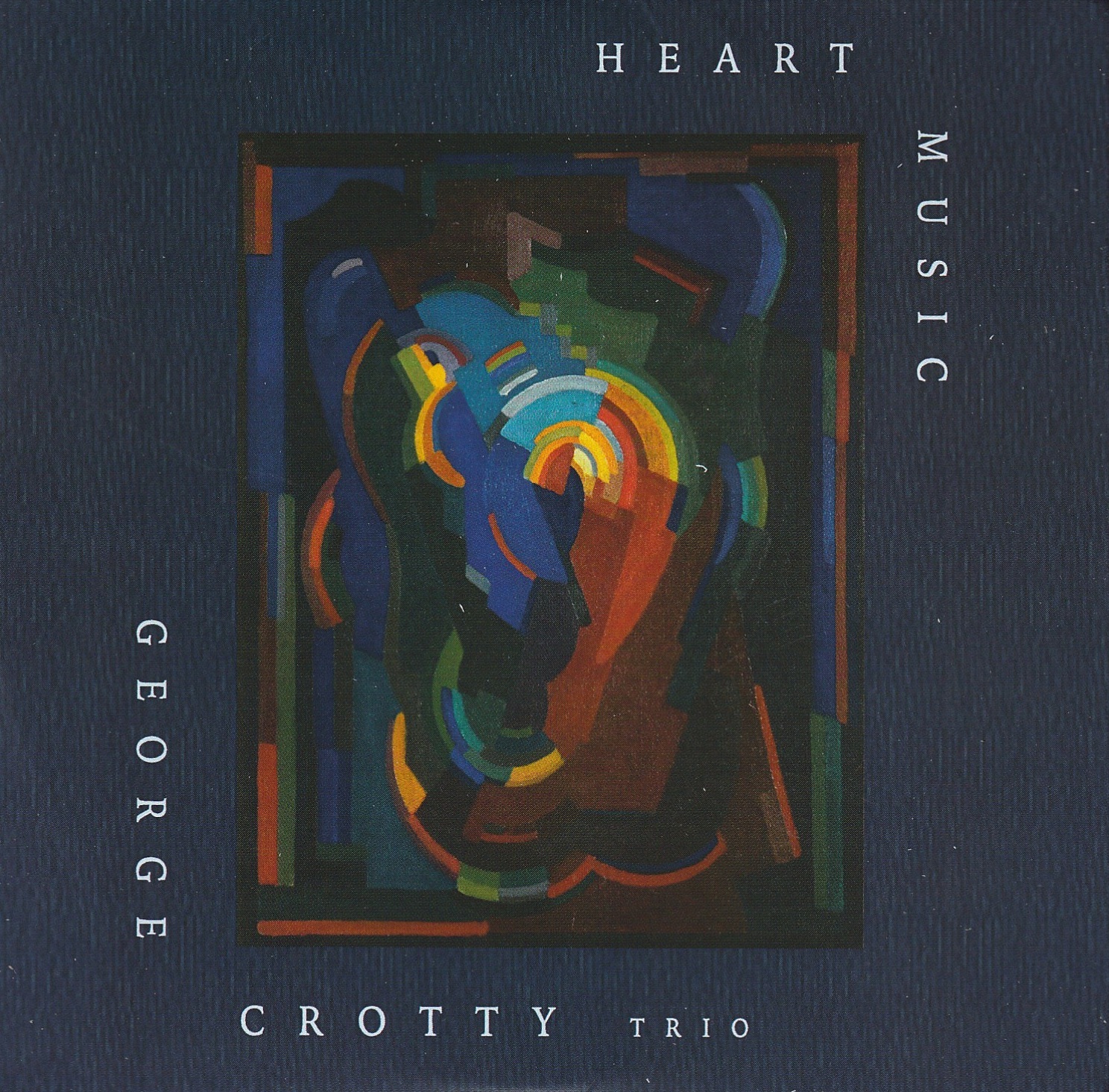
07 George Crotty TrioHeart Music
George Crotty Trio
Independent (georgecrotty.com)

Having had the good fortune of recently seeing cellist George Crotty’s latest album release of his trio’s Heart Music in concert, I was excited to find listening to the recording just as engaging as the live performance. The Toronto native has been travelling and touring for many years, picking up his heavy skills in jazz and many music languages of the world, and this album reflects on the wide diversity of the entire trio which includes John Murchison on bass and Jeremy Smith on percussion.

Crotty has many collaborations in his credits including the Brooklyn Raga Missive, the National Arab Orchestra, and years of travelling and studies of Hindustani raga, European jazz, and left hand pizzicato to build the powerhouse of chops he has at his disposal. The trio is unique in its combination of jazz, classical, Arabic, Irish, flamenco and music theatre, and each of the tracks on this album is equally unique. Crotty plays the cello in this configuration standing, allowing him to move and lead freely.  

From the opening Bandish, based on an evening raga, and Heart Music and The Task at Hand, both of which use exceptionally intricate left-hand pizzicato, we experience the power of Crotty’s technique on the cello. The spooky intro to Twelfth House gives way to a jazz-infused exploration of dreams. The following track A Game features playful episodes within the group, and the cinematic Cigarettes at Sunrise includes Crotty in duet with himself in a live cello loop. The album closes with my favourite track Saturn Returns, a complex expansion of chords in parallel fifths on the cello, polyrhythms, and a group improvisation showcasing the entire trio, a solid brew of skill and inspiration from around the world.

Listen to 'Heart Music' Now in the Listening Room

08 Curtis NowosadI Am Doing My Best
Curtis Nowosad
Independent CN002 (curtisnowosad.bandcamp.com/album/i-am-doing-my-best)

With I Am Doing My Best the hard-driving percussionist is wearing his emotions on his sleeve – even carrying the weight of living on his shoulders. Nowosad belongs to the “bracing change” in this literal sense. Edgy and unpredictable, an ensemble that is invigorating as a shower of ice-cold water on a day that is by turns hot and cold. 

This album is set out in eight short and vivid movements, each with an evocative title. For example: What We Do, Choices (A Butterfly Breaks Free), Mythologies (The Stories We Tell). Nowosad brings together several guests: the brilliant vocalist Joanna Majoko, the JUNO-Award winning singer and songwriter Joey Landreth and guitarist Andrew Renfroe whose harmonics scorch the fretboard. All the while the performers brilliantly subscribe to the leader’s vision and artistry with which this gritty music is conceived and articulated.

Nowosad’s music shifts from a fecund kind of beauty to a dirty bluesy volatility. On What We Do we feel the unexpected jolts of a man’s forsaken cry, loosed upon the rumble and thunder of his drums, and in the quiet sizzle of the well-tempered and singing tissue of his brass, superbly aligned to the bronzed, glistening voice of Majoko. (I’m Learning To Be) Kind is a gush that pushes wind into the song’s sails. The Archer (I’m Doing My Best) featuring Landreth and Majoko closes out a fine album.

09 Nancy NewmanDream
Nancy Newman; Jennifer Scott; Rene Worst; Buff Allen; Bill Buckingham
Independent (nancynmusic.com/new-album-dream)

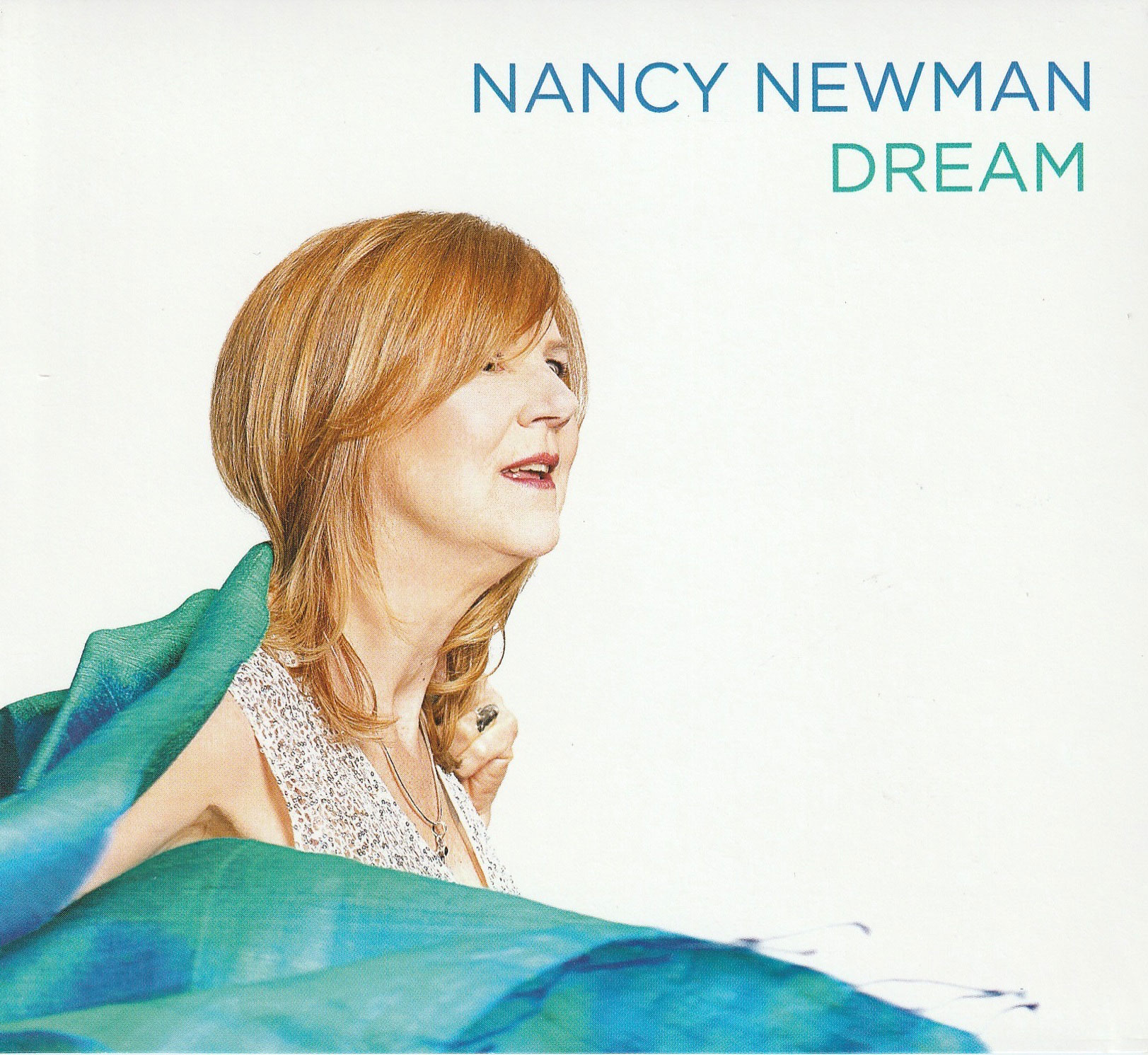
Women who interpret standards with allure and uncommon wisdom and grace can be all-too rare, but for this Nancy Newman certainly gets my vote. She is an erudite vocalist, a natural stylist who can work with any kind of material and interprets standards with a completely independent mindset. Her phrasing is brilliant and so is the emotion she puts into a phrase. While digging into every word, she emerges like a breath of fresh air, giving each work a special grace. 

Newman is not fazed by the limitations of her range. On Dream, a repertoire that includes film songs and other standards, she has set down authoritative accounts of what is billed as the Great American Songbook. Newman’s interpretations of Bond theme songs are quite special. On every one of them it feels as if she has a new story to tell. And with each one, the story of Mr. Bond takes on a new, more graceful, often more menacing, and energetic face.

Back to top