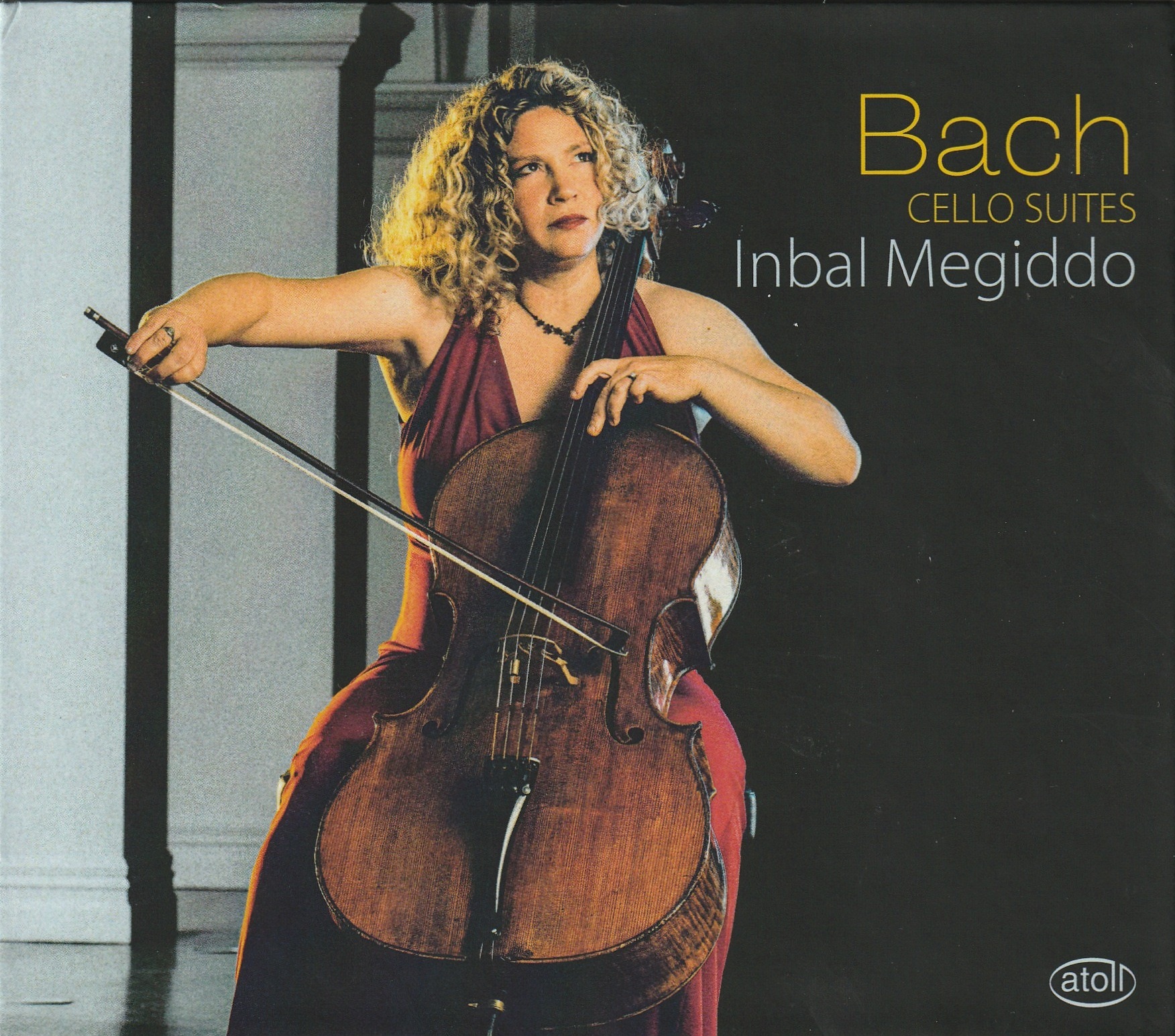
01 Bach MeggidoThere’s another complete set of the Bach Cello Suites, this time from the New Zealand-based cellist Inbal Megiddo (Atoll Records ACD233 atoll.co.nz/album.php?acd=233).

From the opening notes of the Suite No.1 in G Major, BWV1007 there’s a lovely use of rubato – no strict tempo here, but a rhythmic freedom which her mentor Aldo Parisot rightly says “gives an improvisatory feel to the music.” Beautifully shaped, expressive and sensitive, it sets the tone for all that follows.

Megiddo likens the Suites to an emotional and spiritual journey that mirrors life’s experience, convincingly equating each suite with a progressively later stage of life. Gorgeous tone, faultless intonation, all beautifully recorded – it’s been a long time since I’ve enjoyed listening to these wonderful works this much.

Listen to 'Bach Cello Suites' Now in the Listening Room
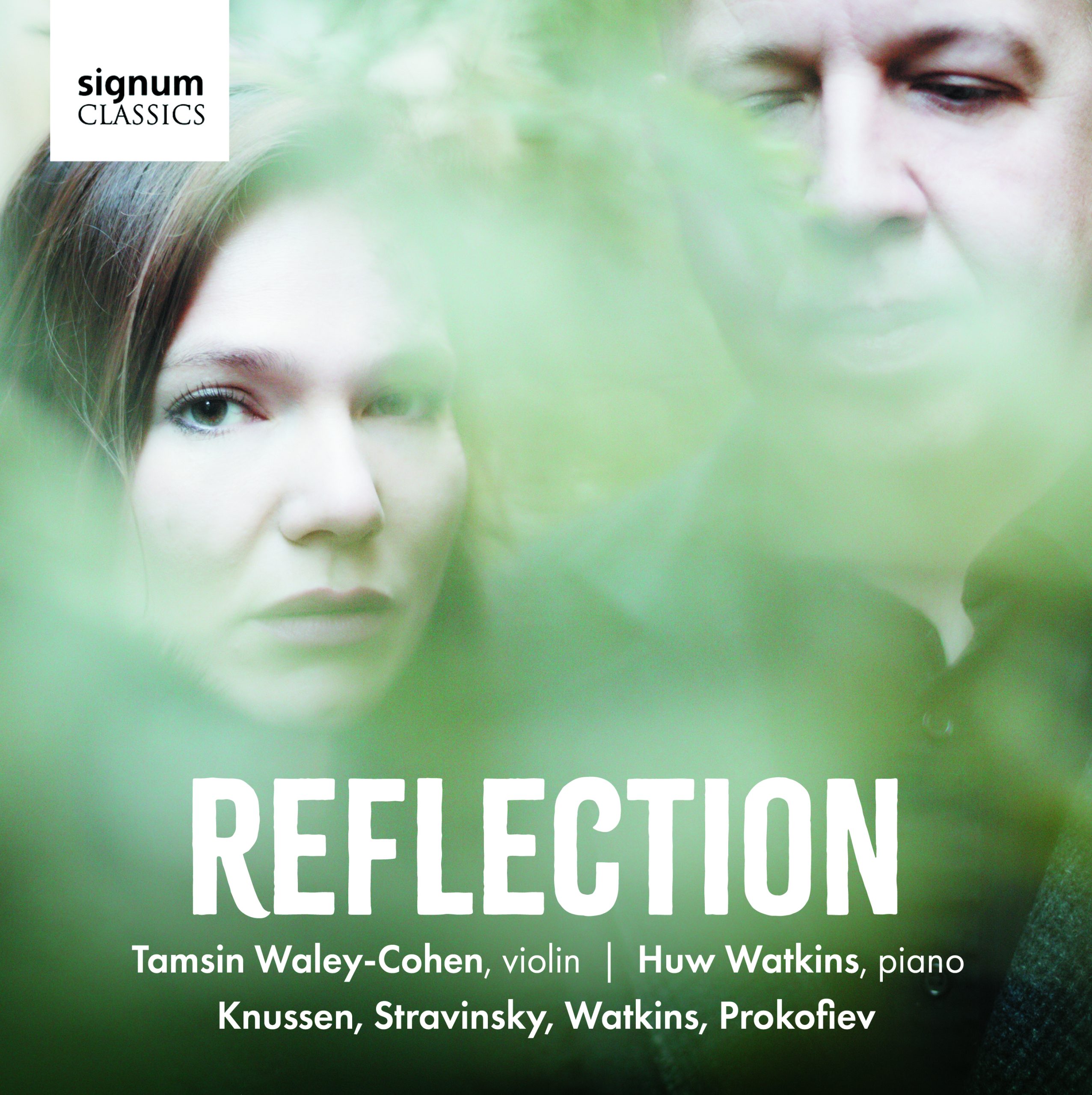
02 ReflectionReflection, the new CD from violinist Tamsin Waley-Cohen and her long-standing duo partner pianist/composer Huw Watkins was inspired by Reflection Op.31a, written for the duo in 2016 by British composer Oliver Knussen, who died in July 2018 (Signum Records SIGCD968 signumrecords.com/product/reflection/SIGCD968).

The duo immediately wanted to record it, but it wasn’t until they performed Watkins’ own Violin Sonata in 2020 that Waley-Cohen felt they had found the right accompanying piece; both works are world-premiere recordings. The Watkins sonata is a striking work, written for Waley-Cohen and influenced by the qualities he sees and admires in her playing; despite some climactic passages, it has what the composer calls a prevailing mood of calm introspection.

Also on the CD are Stravinsky’s Duo Concertant, K054 and Prokofiev’s Violin Sonata No.1 in F Minor, Op.80, works by two favourite composers of Waley-Cohen, Watkins and Knussen.
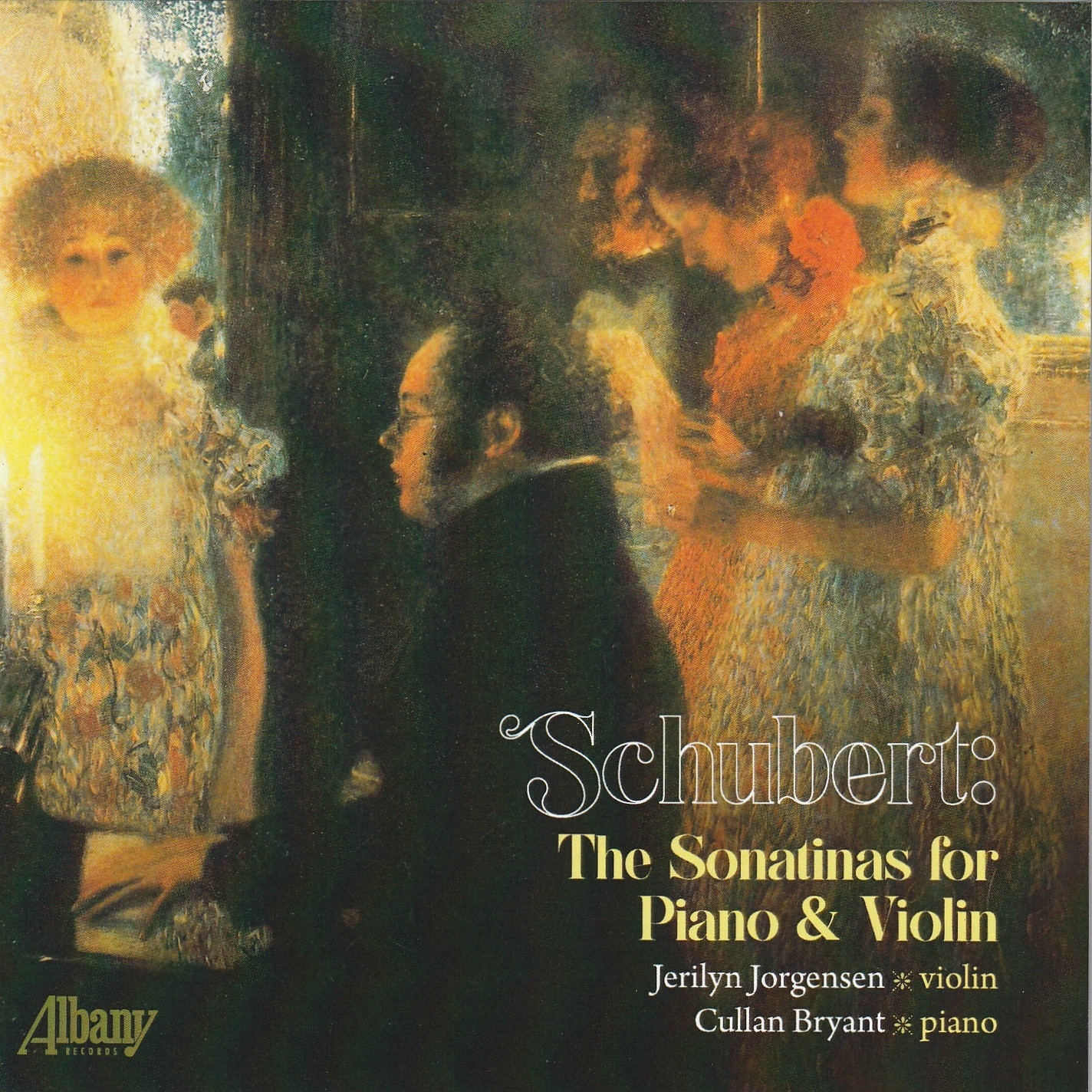
03 Schubert ViolinViolinist Jerilyn Jorgensen and pianist Cullan Bryant are the duo on Schubert: The Sonatinas for Piano & Violin (Albany Records TROY2012 albanyrecords.com/catalog/troy2012).

The three Violin Sonatas in D Major D.384, in A Minor D.385 and in G Minor D.408 from 1816 were published posthumously in 1836 as Sonatinas Op.137. In her insightful notes Lidia Chang suggests that the term sonatina was a deliberate marketing choice, indicating a lesser degree of difficulty with the many capable amateur players of the time in mind, a view supported by the fact that the style of the works suggests that they were intended not for the concert hall but for private performance.

Jorgensen and Bryant established a career presenting classical period historical performances, and this CD appears to be in that vein. The violin playing is low-key and understated, with very little consistent vibrato, and the keyboard is presumably a period instrument, the CD having been recorded in Ashburnham MA, home of the Frederick Collection of Historic Pianos, which Bryant has used as an instrumental source since the late 1990s. No confirmation in the notes, however.
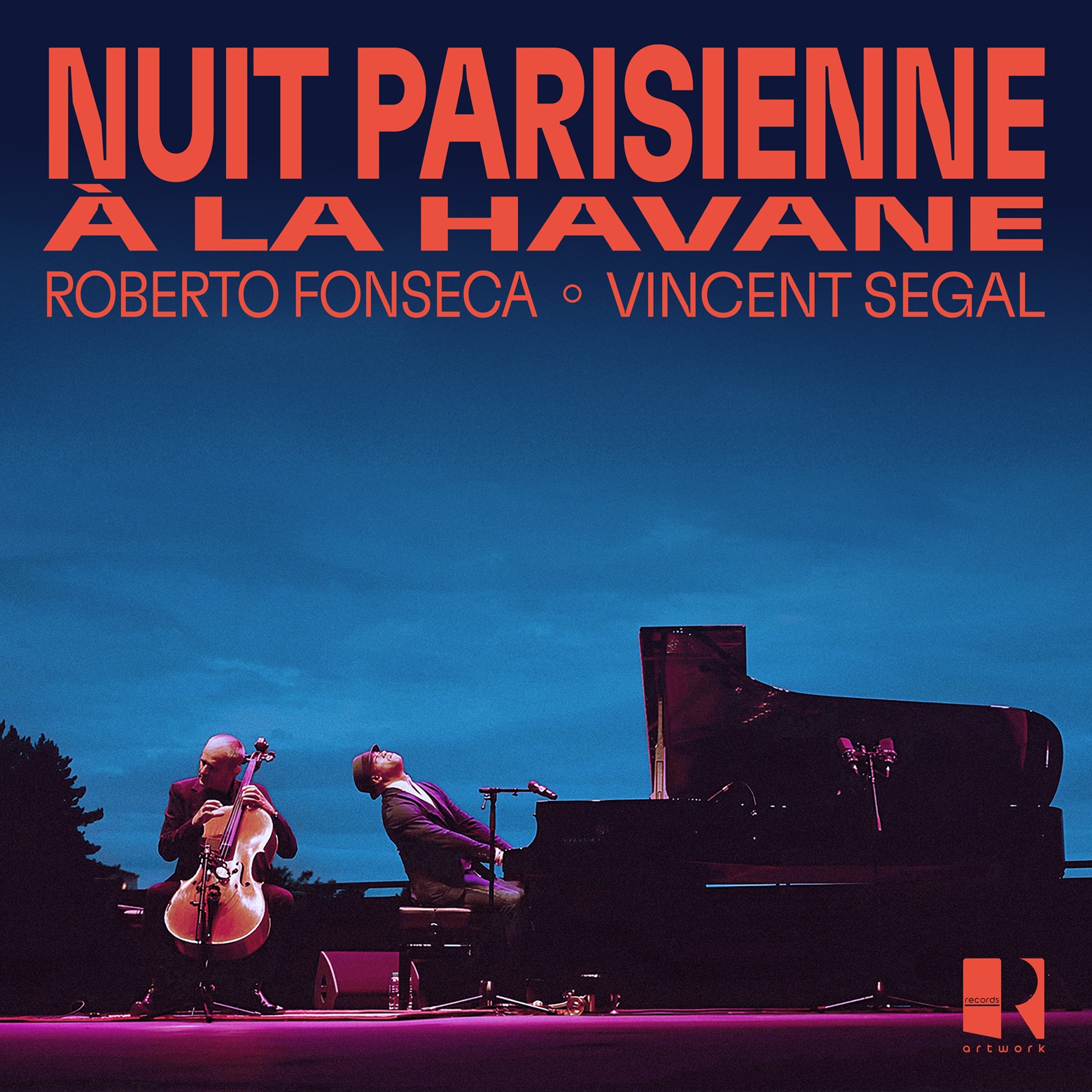
04 Nuit ParisienneIf the thought of a Cuban pianist and a French cellist playing and improvising together appeals to you then you really should listen to Nuit Parisienne à la Havane, the new CD from pianist Roberto Fonseca and cellist Vincent Segal (Artwork Records ARTR0016CD store.pias.com/release/559357-vincent-segal-roberto-fonseca-nuit-parisienne-la-havan).

Fonseca – who includes the Buena Vista Social Club among his early activities – and Segal have created an intimate, finely crafted encounter that bridges classical influences, Afro-Cuban traditions and contemporary improvisation. The CD was recorded spontaneously over five days, with no preparation – they “simply sat down and began to play,” balancing carefully composed material with moments of improvisation. 

Fonseca admits to being strongly influenced by classical music, especially Bach and Chopin, and the interplay here between classical and jazz piano is captivating and immensely entertaining. Segal’s cello is a joy throughout.
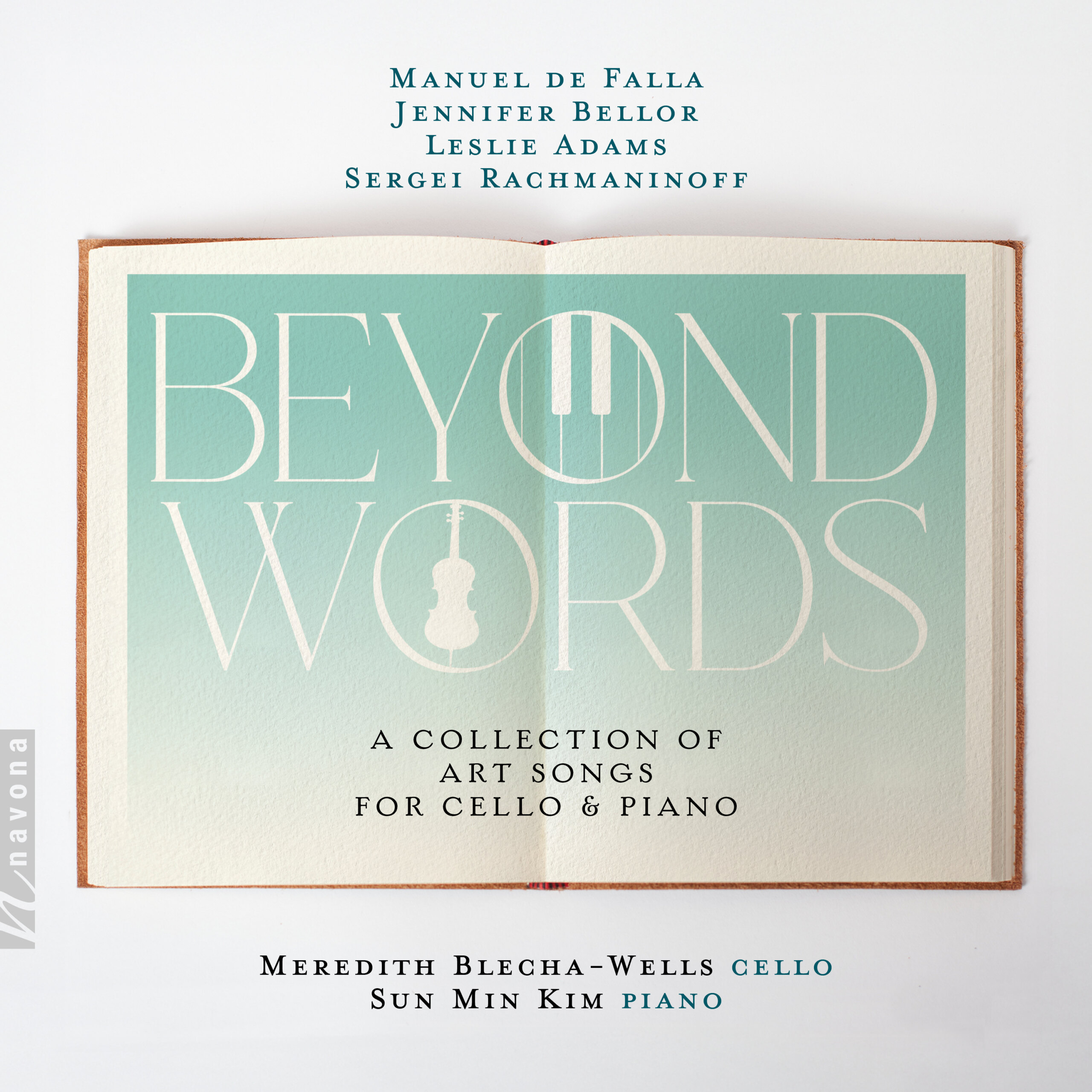
05 Beyond WordsBEYOND WORDS – A Collection of Art Songs for Cello and Piano features cellist Meredith Blecha-Wells and pianist Sun Min Kim in a recital of vocal works reimagined for their instruments, highlighting music’s power to communicate emotion beyond language (Navona NV6788 navonarecords.com/catalog/nv6788).

Two American works are at the heart of the recital: the lovely Aria for Cello and Piano by H. Leslie Adams (1932-2024) and Jennifer Bellor’s three-part Smile and a Sigh – Song of Flight, Echo and Long These Days – originally for soprano, electric guitar and piano, and arranged here by the performers.

Blecha-Wells and Kim are also responsible for all the remaining transcriptions on the disc. The CD opens with eight Rachmaninoff songs, selected from his various Romances Opp.4, 21, 34 and 38, and closes with de Falla’s six-part Suite populaire espagnole.

Blecha-Wells has a warm, smooth tone and a lovely sense of line, with Kim a fine accompanist. Cello and piano sound are both beautifully recorded on an excellent release.
07 Beethoven Calidore QuartetIn Beethoven complete string quartet news, the three volumes of The Complete Beethoven String Quartets released by the Calidore String Quartet between February 2023 and January 2025 have now been reissued as a 9CD box set (Signum Classics SIGCD925 signumrecords.com/product/beethoven-cycle-4-complete-box-set/SIGCD925).

From the outset the releases garnered a very positive response, with reviews in this column noting ensemble playing of the highest quality and expecting the resulting box set to be an exceptionally strong option – which, in a highly competitive field, it clearly is. 
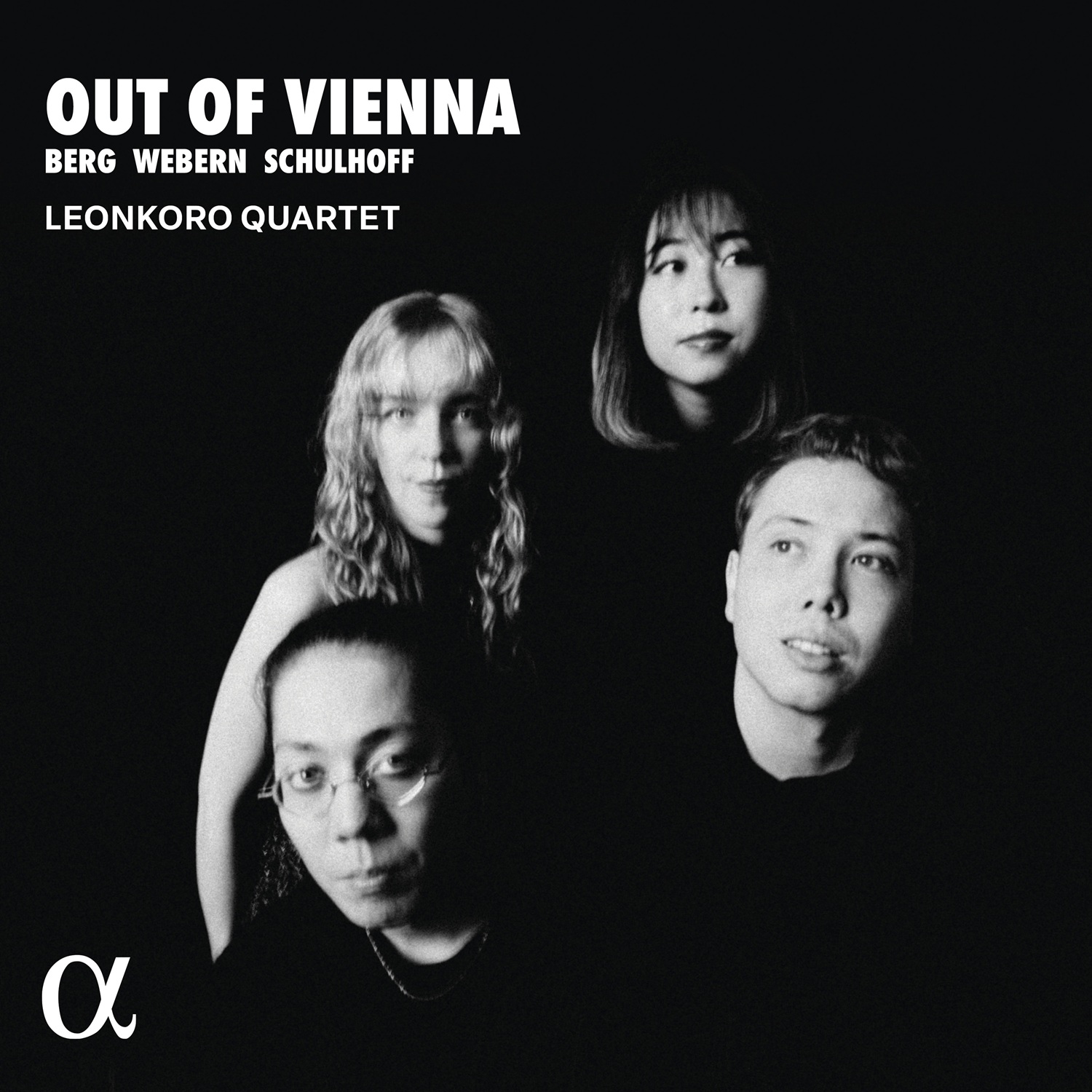
08 Out of ViennaOut of Vienna – Berg, Webern, Schulhoff, the outstanding debut album on the Alpha Classics label by the Leonkoro Quartet is a fascinating exploration of Viennese music for string quartet in the early 20th century ALPHA1196 leonkoroquartet.com/en/media).

Berg’s 1926 Lyric Suite is an intimate and passionate depiction of his deep love for Hanna Fuchs-Robettin, the sister of Franz Werfel and the wife of an industrialist friend of the composer. Hanna’s annotated copy of the study score from Berg (“May it be a small monument to a great love”) details the use of their initials (B-F and A-Bb in German notation) and personal numerology, as well as significant quotes from other works.

Schulhoff’s Five Pieces for String Quartet from 1923-24 are described as looking at the Baroque genre through surrealist – and sometimes sarcastic and mocking – lenses.

Webern’s Five Movements for String Quartet, Op.5 from 1909 was the first string quartet work to use the free atonal style that Webern had started in his Lieder Op.3 – “a concentration of means that tended towards aphorism.” He told Berg that the work mourned the 1906 loss of his mother. His beautiful Langsamer Satz, an early work from 1905 is essentially a love poem to his future wife.

Concert note: The Leonkoro Quartet perform Haydn, Bosmans and Schubert at Music Toronto on March 5. 
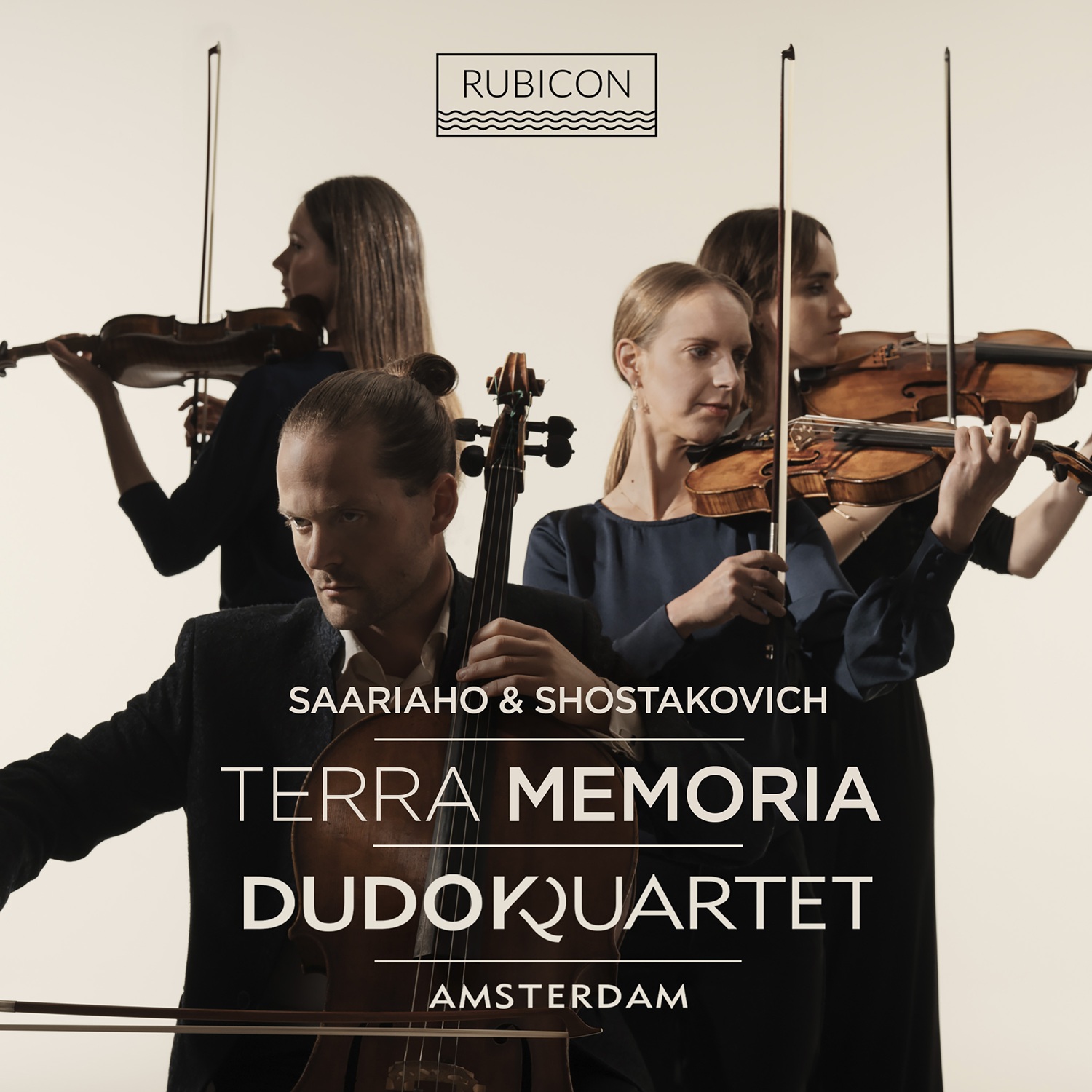
09 Dudok QuartetWorks by Shostakovich and Kaija Saariaho are presented on Terra Memoria, the new CD from the Dudok Quartet Amsterdam (Rubicon Classics RCD 1218 dudokquartet.com/albums/terra-memoria-saariaho-shostakovich).

Shostakovich’s String Quartet No.3 in F Major, Op.73 was highly regarded by the composer, who originally gave each of the five movements a title suggesting an anti-war stance – Blithe ignorance of the future cataclysm; The eternal question: why? and for what?, for instance – before deciding to withdraw them. It remains a powerful personal statement in his unmistakeable style.

The title track is Saariaho’s atmospheric 2007 Terra Memoria for String Quartet, her second work in the genre. It has the dedication “for those departed,” remembering those no longer with us, “Terra” (earth) referring to the material of their complete lives and “memoria” to its transformation in our memories.

Transcriptions of seven of Shostakovich’s 1933 24 Preludes Op.34 complete the disc, with two (numbers 1 and 22) arranged by the Dudok’s violinist Judith van Driel and five (numbers 2, 4, 6, 7 and 12) by their cellist David Faber.
20 Elena RuehrOn Elena Ruehr: The Northern Quartets the Quartet ES performs the programmatic set of three string quartets that Ruehr wrote for them following a casual suggestion that she write some new quartets about places she loves (AVIE AV2798 avie-records.com/releases/elena-ruehr-the-northern-quartets).

String Quartet No.9 “Keweenaw” explores the Keweenaw Peninsula on Michigan’s Upper Peninsula where Ruehr grew up. The five movements include A Thimbleberry Ripens in the Sun, A Blizzard and Lake Superior at Night. String Quartet No.10 “Long Pond” evokes the small lake in Cape Cod where Ruehr has spent a lot of time, the quartet opening with Moonrise and ending with a Nor’easter storm.

Iceland was the inspiration for the String Quartet No.11 “Reykjavik” in anticipation of its premiere there, Ruehr admitting to having been inspired by Górecki’s Symphony of Sorrowful Psalms and Barber’s Adagio for Strings when writing it.

The works are all strongly tonal and immediately accessible, creating a distinctive array of soundscapes and fully supporting Ruehr’s remark that you don’t need to know the programmatic elements to enjoy the music. 
11 Mozart QuintetsThe string quintet developed alongside the string quartet, but never matched the latter’s prominence in the chamber music world. The new 3-CD set Mozart String Quintets, featuring violinists Oleg Kaskiv and Alexander Grytsayenk, violists Eli Karanfilova and Valentyna Pryshlyak and cellist Pablo de Naverán presents all six of the works Mozart wrote for the genre, with a viola instead of a cello as the fifth instrument (Claves Records CD 50-3127-29 claves.ch/products/mozart-the-string-quintets?srsltid=AfmBOoqfo6k0fgxKgUYsw9OI9DT5AGRFn3Ltpzw-14bjh4tbwIdE1pxu).

  Michael Haydn has been credited with creating the form in 1773, the same year that Mozart wrote his String Quintet in B-flat Major, K174 on returning from a trip to Italy. The String Quintets in C Major K515, in G Minor K516 and in C Minor K406/516b (the latter a transcription of an earlier Serenade for Wind octet) date from 1787, the String Quintet in D Major K593 from 1790 and the String Quintet in E-flat Major K614, the last chamber work he completed, from 1791.

There’s bright, joyful playing here that still plumbs the emotional depths of these superb works.
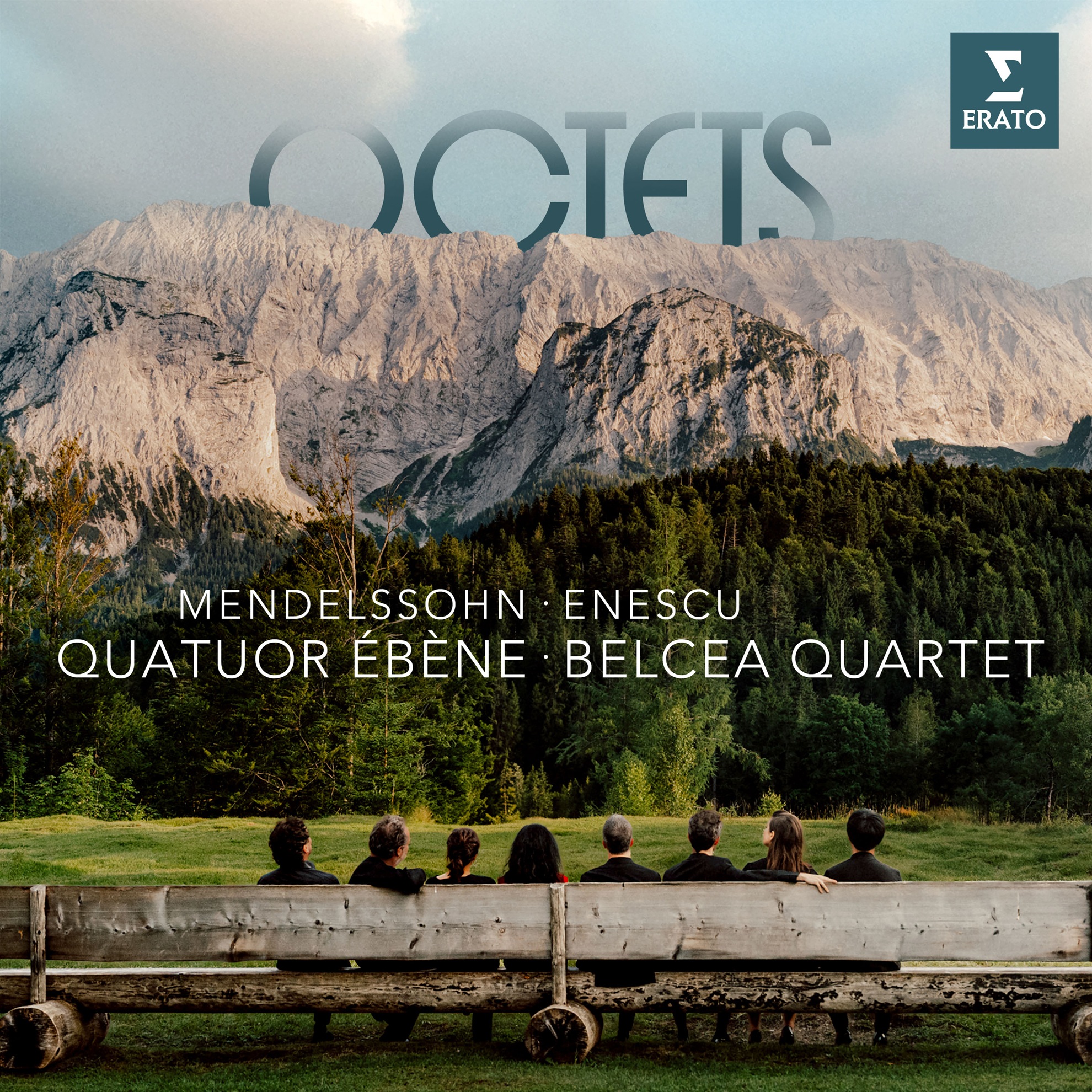
12 Mendelssohn EnescuTwo remarkable works by teenage composers are featured on Enescu & Mendelssohn Octets, with the Paris-based Quatuor Ébène and the London-based Belcea Quartet continuing a relationship they first began ten years ago (Erato 5021732997296 warnerclassics.com/release/octets-mendelssohn-enescu).

“Phenomenally gifted,” says the release blurb of both composers – if anything, an understatement. It’s still difficult to believe that Mendelssohn’s wonderful Octet in E-flat Major, Op.20 from 1825 was written by a 16-year-old, and George Enescu’s Octet in C Major, Op.7 from 1900, when the 18-year-old composer was living in Paris, inspires equal admiration. It’s an expansive and passionate work that reflects the influences of the time – Strauss, Wagner, Debussy – as well as folk music from the Romanian composer’s homeland.

Both works receive full-blooded performances. There are numerous recordings of the Mendelssohn available, but the addition of the Enescu renders this excellent release even more attractive.
13 Viola ConcertosThe Brazilian Rafaell Altino has been principal viola with the Odense Symphony Orchestra for 28 years, and they join him in three 21st-century Danish Viola Concertos by Karsten Fundal (b.1966), Christian Winther Christensen (b.1977) and Søren Nils Eichberg (b.1973), all written for him. David Danzmayr conducts the Christensen, Pierre Bleuse the Fundal and Eichberg (Dacapo DAC-DA2044 dacapo-records.dk/en/recordings/fundal-viola-concertos).

Fundal’s 2008 Viola Concerto (Lightened Darkness/Darkened Light/Dwindling Recall) is an engrossing work, brilliantly orchestrated with a full range of textures and sonorities. The three sections grow less dense in texture, with the solo viola gradually disappearing over the final six minutes against a barely audible background of what sounds like falling water.

 To call Christensen’s 15-minute composition from 2019 a Viola Concerto seems a misnomer: seven brief sections, mostly mixtures of sounds and effects with barely a hint of orchestration. The release sheet mentions “strings tapped with rods rather than bowed, instruments patted and scraped, and woodwinds blown without reeds. Rarely does anything sound fully or in the foreground.” Make of that what you will.

Eichberg’s 2016 Charybdis (Wirbeirausch ) restores our faith. It’s named for the whirlpool and sea monster in Homer’s Odyssey and was inspired by the force of natural destruction, the viola being “caught in the spiraling vortex of the orchestra.” Brilliant stuff!

14 English Works for CelloCompositions by Edward Elgar, John Ireland and Frank Bridge are featured on English Cello Works, a new Naxos CD with the Danish cellist Andreas Brantelid, the Swedish pianist Bengt Forsberg and the Royal Danish Orchestra under Thomas Søndergård (8.573690
naxos.com/CatalogueDetail/?id=8.573690).

Brantelid digs deep in an expansive and passionate opening to the Elgar in a live recording of a 2021 Copenhagen concert. It’s a terrific performance all through, with lovely phrasing, plenty of nuance and a fine mix of intensity and expressive sensitivity. The orchestral support is equally fine.

Ireland’s Cello Sonata in G Minor from 1928 is fittingly described here as fusing brooding, terse muscularity with lyricism and bravura. Brantelid and Forsberg provide a compelling reading, as they do with Bridge’s Cello Sonata in D Minor, H125, a two-movement work begun in 1913 but not completed until 1917, the trials and tribulations of the First World War which intervened possibly accounting for the differences between the Romantic opening movement and the more melancholic and defiant second.

Elgar wrote Liebesgruß (Love’s Greeting) in 1888 as an engagement present for his piano student Caroline Alice Roberts; it was published by Schott the following year in various arrangements under the title Salut d’amour. The cello and piano version closes an outstanding CD.
15 Shostakovich Cello ConcertosThe two Shostakovich Cello Concertos were both written in collaboration with Rostropovich, whose artistry inspired the composer to expand the cello’s expressive capabilities with virtuoso technique and profound emotional depth. They are presented on a new Avanti Classic CD in live performances by Alexander Kniazev and the Yokohama Sinfonietta under Kazuki Yamada (AVA 10672 avanticlassic.com/releases/shostakovich-cello-concerto-cd).

Both concertos offer insights into Shostakovich’s relationship with the Soviet regime. Concerto No.1 in E-flat Major, Op.107 from 1959, with its extraordinary solo cello cadenza third movement is from a relatively relaxed period following the 1953 death of Stalin, but it is still somewhat ambivalent and cautious.

 Concerto No.2 in G Major, Op.126 from 1966 is darker and more introspective; the composer’s health was deteriorating, and he was under increased scrutiny after reluctantly joining the Communist Party in 1960.

The two concertos were recorded in performance in Philia Hall, Yokohama in January 2015 and February 2018 respectively, and are accurately described as capturing the dark intensity and emotional richness of Shostakovich’s music.
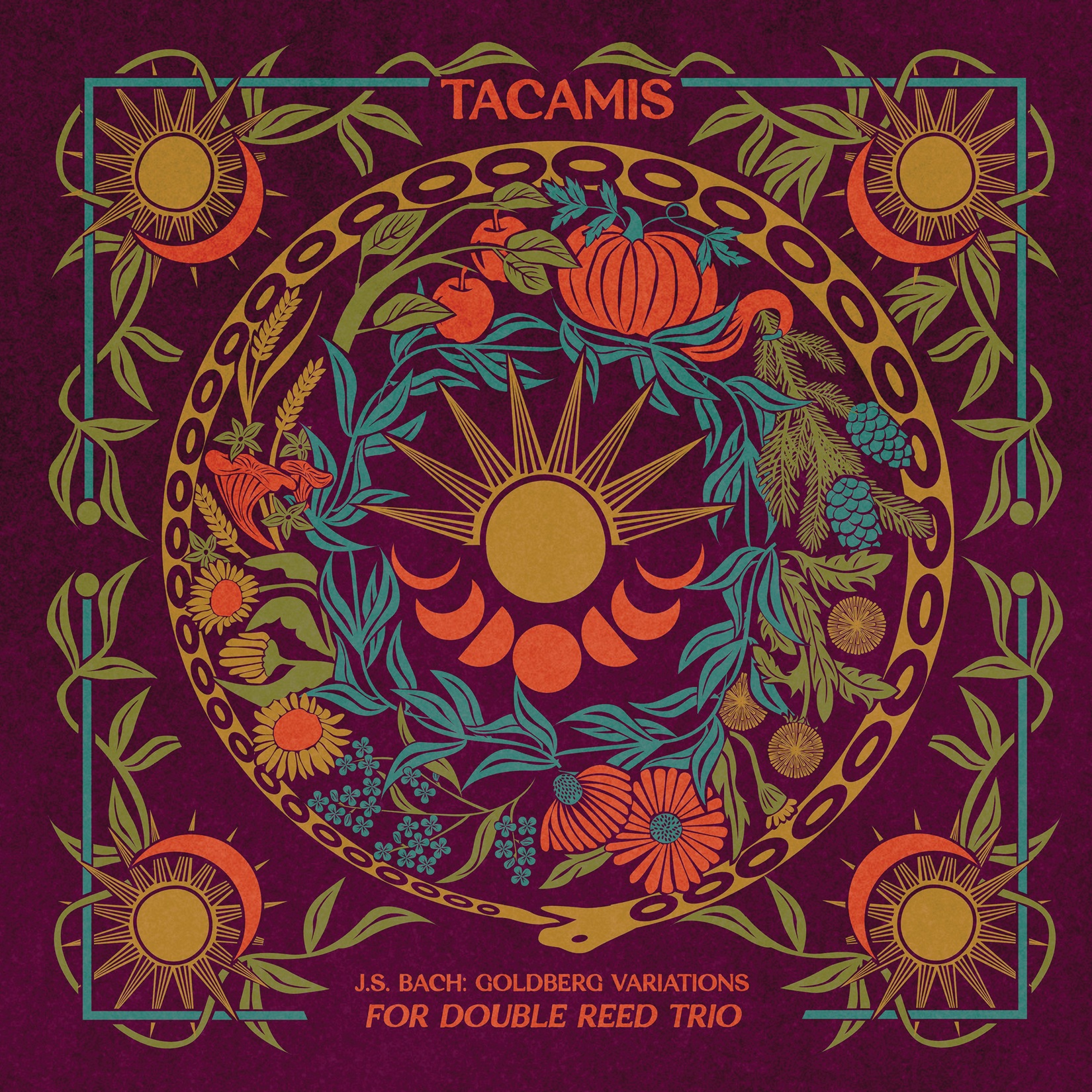
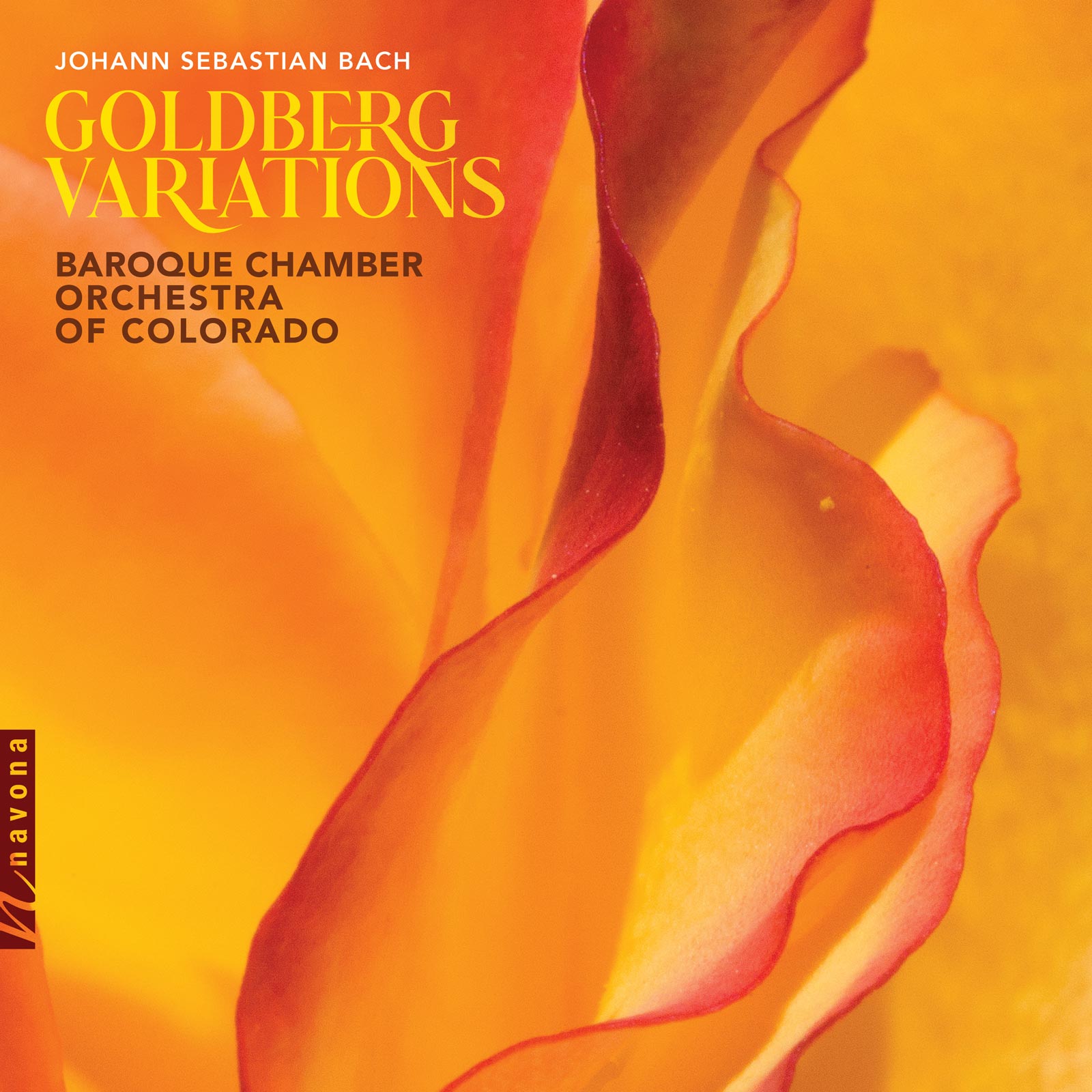
01a Goldberg Double ReedBach – Goldberg Variations for double reed trio
Tacamis Trio
Leaf Music LM 307 (leaf-music.lnk.to/lm307PR)

Bach – Goldberg Variations
Baroque Chamber Orchestra of Colorado; Frank Nowell
Navona Records nv6821 (navonarecords.com/catalog/nv6812)

Even in 2026, the genius of J.S. Bach is revealed in new and exciting ways. His Goldberg Variations, a war horse within the Baroque canon, was originally composed for the two-manual harpsichord, but has been interpreted using just about every instrumental and vocal combination imaginable. A hallmark of technical difficulty, the piece demands much from its performers who need to find their own opportunities for dynamism (the original harpsichords offered no dynamic touch sensitivity) and personalization within what at this point is a plethora of wonderfully recorded and creatively interpreted performances. Good thing then that there are still imaginative and skilled musicians out there willing to take up the mantle of responsibility and find ever new ways of approaching this great work. And two fine new 2026 recordings, Bach – Goldberg Variations by the Baroque Chamber Orchestra of Colorado and Bach: Goldberg Variations for double reed trio by the Tacamis Trio do just that. 

I had the good fortune to attend the Tacamis Trio’s album launch party at the wonderful Arts & Letters Club of Toronto recently and to hear the skilled double-reed maneuvering and interpretive aplomb that this talented young trio brings to the Goldbergs. Comprised of oboist Caitlin Broms-Jacobs, English hornist Tracy Wright, and bassoonist Allen Harrington, who collectively form the double reed section of the Manitoba Chamber Orchestra, Tacamis’ unique instrumental combination and compelling ensemble sound mined the expressive expansiveness of a well-chosen selection of the 30 variations, plus a few beautiful Renaissance pieces. Both the performance and their most recent recording on Leaf Music highlight the groups musicality, ability to weave together compelling contrapuntal lines using an unorthodox, but beautiful, collection of instruments, and their symbiotic performance style that undoubtedly comes from working together, as they have done, in both the MCO and the Winnipeg Symphony Orchestra for over a decade.

01b Goldberg Baroque OrchestraWhile the intimacy of the trio format can tease out the delicate intricacies of Bach’s piece. It is indeed an impressive undertaking when an orchestra, in this case the terrific Baroque Chamber Orchestra of Colorado (featuring a new arrangement by violist Alexander Vittal), takes on Bach’s famous aria and its subsequent creative inventions. Vittal’s version captures both said delicacy, along with the intensity and expansiveness that, for example, Variation 2 deserves, and which an impressive large scale orchestra such as this can handle admirably. 

Both recordings are excellent and while listening to them back-to-back, one gets the sense of not only how seamlessly Bach’s timeless piece can move within various ensemble shapes and sizes, but how in the skilled hands of the many wonderful musicians represented here, there is still much to discover and much joy to be had from a work that is nearly 300-years old.

Listen to 'Bach: Goldberg Variations for double reed trio' Now in the Listening Room

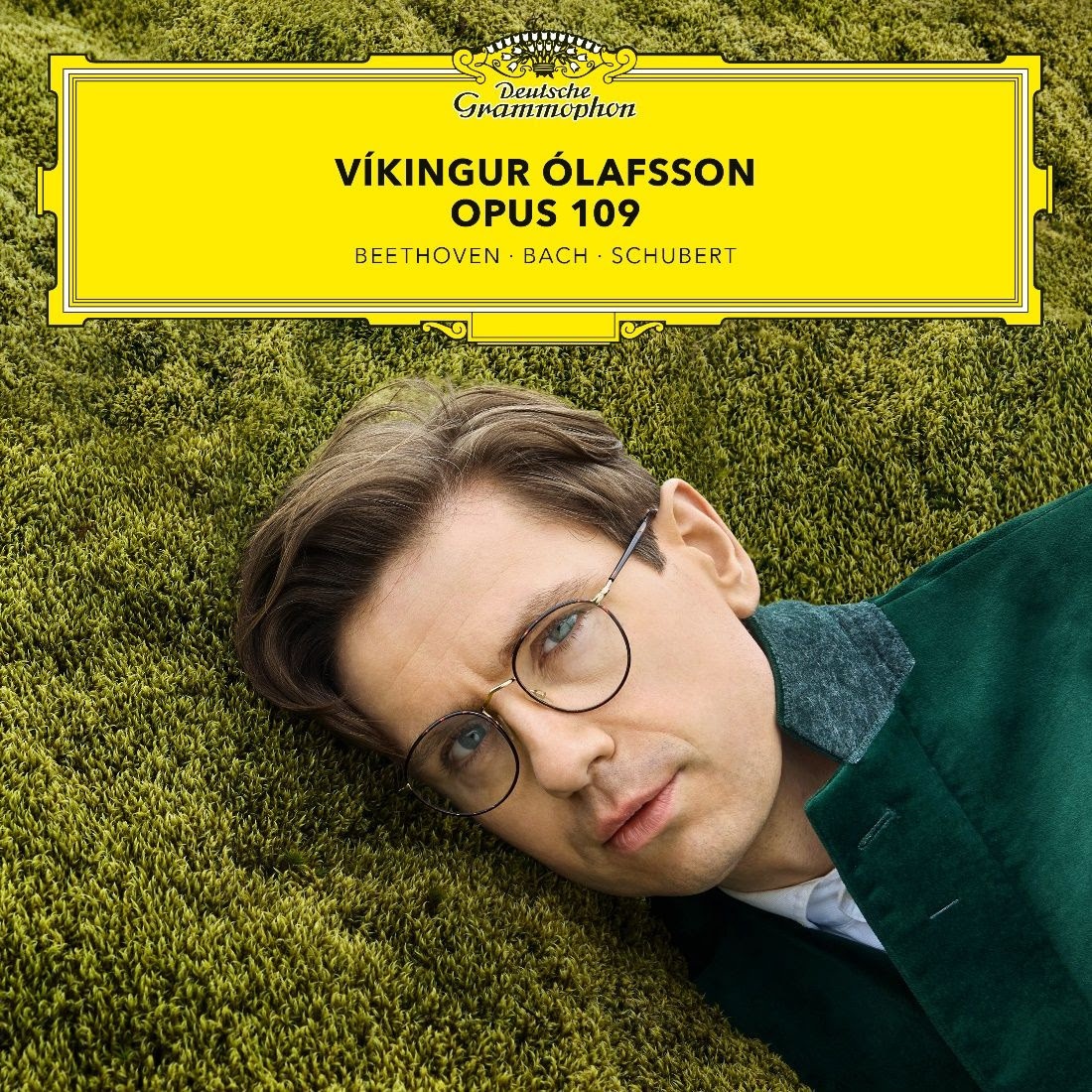
02 Olafsson Opus 109Opus 109 – Beethoven | Bach | Schubert
Vikingur Ólafsson
Deutsche Grammophon 13812 (deccaclassics.com/en/catalogue/products/opus-109-beethoven-bach-schubert-vkingur-olafsson-13812)

Born in Reykjavik in 1984, Grammy award winning pianist Víkingur Ólafsson completed his studies at the Juilliard School, and since then has earned an international reputation, performing with such orchestras as the Berlin Philharmonic and the Royal Concertgebouw. Ólafsson signed a contract with DG in 2016 and in ten years, has made some 30 recordings, this latest one featuring music by Bach, Schubert and Beethoven.

The disc opens with the Prelude No.9 in E Major from Bach’s Well-Tempered Clavier – all of a minute and 44 seconds – a seemingly odd choice for an opener. Equally intriguing is his decision that every composition on the recording be in the key realm of E, stemming from Ólafsson’s synaesthesia (in his mind, the key translates into vibrant shades of green.)

Beethoven’s Sonata Op.90 from 1814 that follows is sometimes referred to as “a struggle between head and heart.” Ólafsson plays with a strong assurance, easily meeting the demands of the two contrasting movements.  

He returns to Bach with the Partita No.6, long regarded as the grandest of all the Partitas and a true study in contrasts. While the notes are well articulated, both the Corrente and Air are taken at a much brisker pace than is commonly heard. 

The early Sonata in E Minor D586 by Schubert precedes the final composition, Beethoven’s three-movement Sonata No.30 Op.109. The work is a marked departure from the traditional sonata form and Ólafsson offers an energetic and expressive interpretation.

A quibble in this recording is the sound quality. It seems possible that the mic may have been placed too closely to the keyboard, resulting in a particular imbalance and a somewhat less resonant sound. While this might be overlooked, it somewhat mars an otherwise engaging performance.

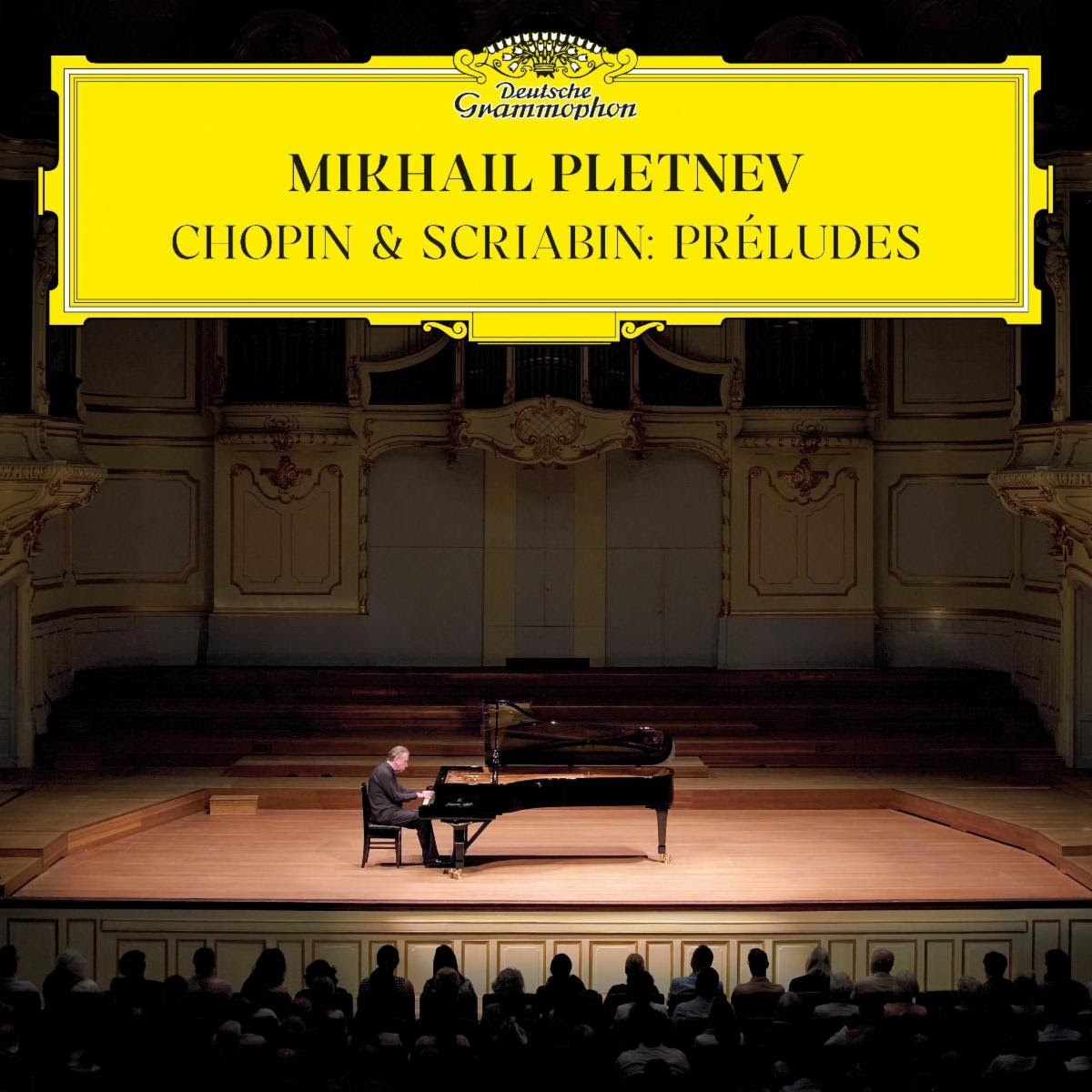
03 Pletnev Chopin ScriabinChopin & Scriabin: Preludes
Mikhail Pletnev
Deutsche Grammophon 5419773735 (store.deccaclassics.com/products/chopin-scriabin-24-preludes-cd?srsltid=AfmBOorvIu8gwUT_6TdcZw2LGlc5Be-7qAj3MxSpSnUCrf-ejgPCWJqz)

Since winning the gold medal at the International Tchaikovsky competition in 1978, Mikhail Pletnev has enjoyed a stellar career, not only as a pianist but also as a composer and pedagogue. Included among his activities are a large number of recordings for the DG label, both as soloist and conductor. Nevertheless, this latest one presenting Chopin’s 24 Preludes Op.28 and the 24 Preludes Op.11 by Alexander Scriabin, is his first studio recording after a 19-year hiatus. 

Romantic legend has it that Chopin composed the preludes while on his ill-fated sojourn in Mallorca with George Sand during the winter of 1839. Yet contemporary sources indicate that they were probably completed before the couple departed. Pletnev approaches these well-loved gems with an elegant sensitivity, perfectly capturing the ever-contrasting – and fleeting – moods while infusing his own personal mark within.

The opening prelude is taken at a much more leisurely pace than is commonly heard and the “Raindrop” Prelude No.15 in D-flat Major makes much less use of the pedal so the repetitive A-flat in the bass-Iine indeed resembles the sound of its namesake. Préludes such as the Third and Eighth reinforce Pletnev’s reputation for formidable technique, while demonstrating keenly balanced phrasing.

Less well known are the Preludes by Scriabin. The Russian composer greatly admired Chopin’s music, and this set similarly covers all 24 major and minor keys while following the same key sequence. Nevertheless, many have a mood of quiet introspection utilizing a lush harmonic language. Pletnev delivers a refined performance, always carefully nuanced, from the delicacy of No.5 to the more strident Nos.6 and 11.

A program of music both familiar and less so – welcome back Mr. Pletnev. It has been a long wait and we hope you’ll favour us with another recording soon.

04 TSO BartokBartók – Miraculous Mandarin; Concerto for Orchestra
Toronto Symphony Orchestra; Gustavo Gimeno
Harmonia Mundi HMM 905365 (store.harmoniamundi.com/format/1871527-bartk-the-miraculous-mandarin-concerto-for-orchestra)

This third issue of the Toronto Symphony Orchestra conducted by Gustavo Gimeno for French Harmonia Mundi is the best yet. Bartók is another 20th century giant whose masterpiece, the Concerto for Orchestra has been paired with one of his most imposing works, The Miraculous Mandarin in its seldom performed complete version. This includes some brief but telling choral elements, provided by the Toronto Mendelssohn Choir, and this is far preferable to the usually programmed Suite. The style of this ballet-pantomime is in Bartók’s most challenging Expressionistic vein, a constant and colourful, mostly atonal setting, with a stream of motives and musical events that are hard to fit into any sense of a narrative just from the volatile music. For me this piece is best taken as purely sonic experience, and in this production the TSO gives an overwhelming performance.

The famous Concerto for Orchestra is one of the more frequently done and recorded works of the 20th century, and always shows any orchestra at its best, being not only a challenge for countless solo instrumental turns, but also in ensemble and orchestral discipline. The competition is daunting on recordings, starting with the first great recording by the Chicago Symphony conducted by Fritz Reiner, who commissioned the piece from the dying Bartók in 1941 after he made it to the United States. The Concerto has since been recorded by most major orchestras and many aspiring conductors, and this new recording must be one of the best in recent times. Gimeno is competitive with Reiner.

There is a short, commissioned piece, the sediments, by TSO associate composer Emile Cecilia Lebel. This welcome work contrasts the event-packed Bartók pieces with calmer, sustained sonorities of complex overlaid chords later mixed with tam-tams. 

The sound has been perfectly captured with careful microphone placement in Roy Thompson Hall to create a resonant soundstage with a good sense of depth and uncluttered spatial openness. The annotations are especially informative.

05 Mahler 9 JurowskiMahler – Symphony 9
London Philharmonic Orchestra, Vladimir Jurowski
LPO LPO-0139 (lpo.org.uk/recording/mahler-nine)

No composer ever expressed more turbulent inner demons in his music than Gustav Mahler. In his last completed symphony, the Ninth, he even confronted his own mortality, having been diagnosed with a life-threatening heart condition.

The symphony’s hesitant opening phrases, likened by Leonard Bernstein to Mahler’s irregular heartbeat, lead to nearly half-an-hour of musical angst, struggle, nostalgia and cataclysmic fortissimo climaxes before ending with serene resignation. The second movement sardonically parodies ländler folk dances using “wrong notes” and heavy-footed accents. The following Rondo-Burleske frames longing lyricism with music of angry aggression.

The extended Adagio has been called “a foreshadowing of eternity,” its tormented dissonances dissolving into a profoundly moving evocation of transfiguration, comparable to the sublime Adagios of two other Ninths, those by Beethoven and Bruckner.The extraordinarily drawn out closing minutes have always suggested to me a long series of faltering heartbeats, inexorably diminishing until the symphony’s final note, marked “ersterbend” (dying).

On December 3, 2022, Vladimir Jurowski returned to London’s Royal Festival Hall to conduct the London Philharmonic Orchestra, having served as its principal conductor from 2007 to 2021. In this “live” performance, Jurowski combined intense energy with generous rubatos, drawing superbly balanced, massive sonorities from Mahler’s huge orchestra, including an immense string section – 18 first violins, 16 seconds, 14 violas, 12 cellos and 10 double-basses – while carefully spotlighting the many beautifully played woodwind and brass solos. Bravi Jurowsky and the LPO!

06 YouthYouth – Krása | Ancerl | Schulhoff
Krása Quartet
Supraphon ANI-145-2 (wearewarpedrecords.com/UPC/8594211850674)

The Prague-based Krása Quartet’s debut album honours three Czech-Jewish victims of the Nazis, including Hans Krása (1899-1944), the ensemble’s inspiration, who was murdered in Auschwitz. Influenced by Zemlinsky and Mahler, Krása’s early String Quartet, Op.2 (1921) mixes lyricism, harmonic instability and highly imaginative part-writing, juxtaposing sonorities from the violin’s highest register to the cello’s lowest. The opening Moderato features brooding, disquieted chromaticism; the whimsically titled Prestissimo-Molto Calmo-Volgare is a fantastical excursion through strident dissonances and kitschy clichés; the predominantly meditative Molto lento e tranqillo is interrupted by an intense, far-from-“tranquil” climax before slowly subsiding into silence. This youthfully audacious work contrasts markedly with Krása’s Theme with Variations (1935-1936) which tries too hard to please with its excessive sentimentality.

Karel Ančerl (1908-1973) survived internment in Auschwitz, albeit with permanently impaired health; his wife and son, however, died there. Ančerl, the Czech Philharmonic’s artistic director (1950-1968), emigrated after the Soviet invasion, becoming the Toronto Symphony’s music director from 1969 until his death. His robust Two Fugues (ca.1926-1927), brief student exercises, suggest Ančerl’s compositional potential before he opted instead for the baton.

Erwin Schulhoff (1894-1942), who died of tuberculosis while interned at Wälzburg, embraced diverse styles including jazz and musical Dadaism – his absurdist, silent piano piece In Futurum, consisting solely of rests, possibly inspired John Cage’s 4’33”. The young Schulhoff’s five-movement Divertimento (1914) alternates cheerful and melancholy folk-flavoured melodies. It’s an appealing work, but the real gem here is Krása’s boldly ingenious String Quartet.

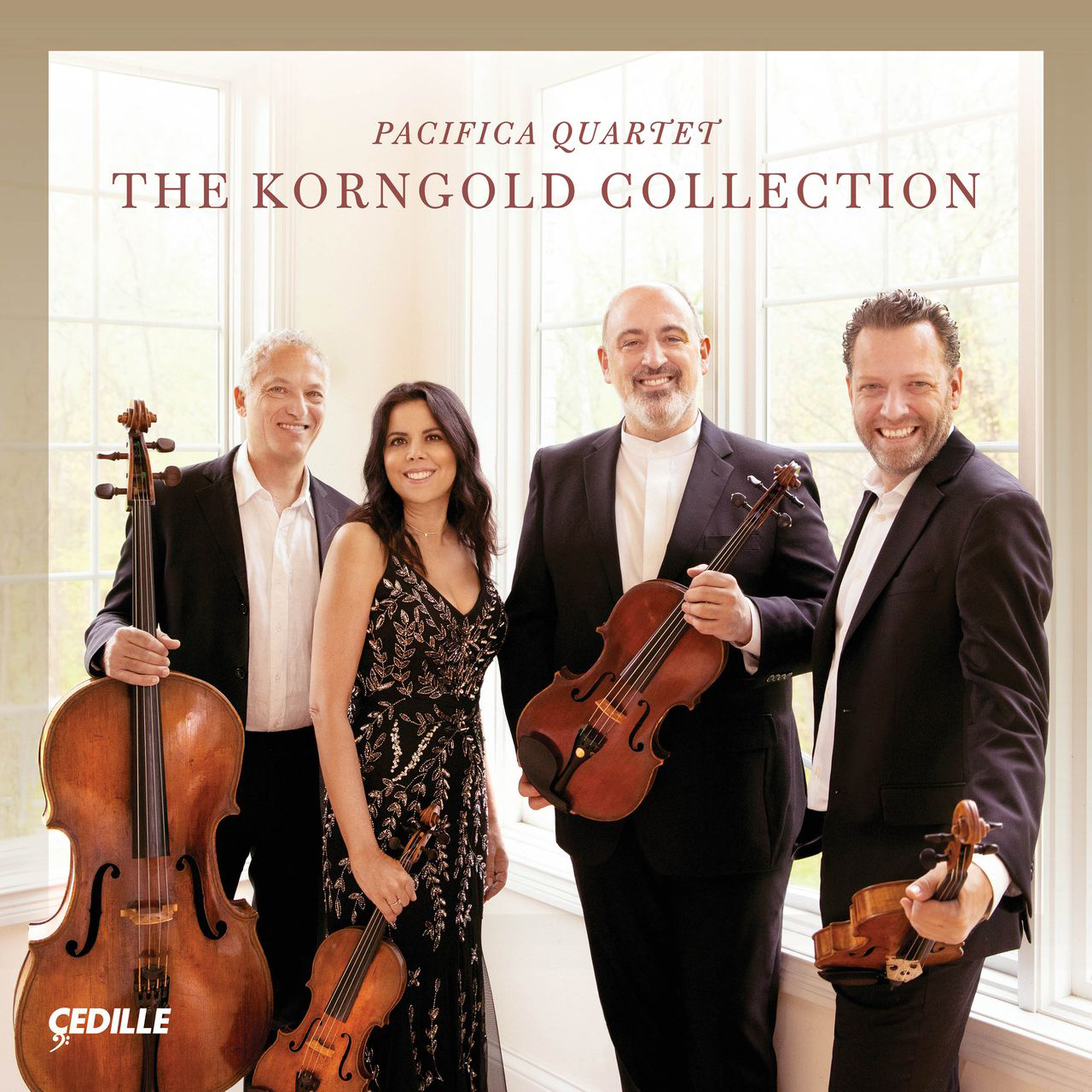
07 Korngold Collection copyThe Korngold Collection
Pacifica Quartet; Orion Weiss; Milena Pajaro van de Stadt; Eric Kim
Cedille CDR 90000 240 (cedillerecords.org/albums/the-korngold-collection)

Having created a legacy of gorgeous operatic and instrumental works, including four of the five pieces in this two-CD set, Erich Wolfgang Korngold fled Austria in 1938, just ahead of the Nazi Anschluss, to flourish anew as a Hollywood film composer.

Beauties abound in this album’s nearly two-and-a-half hours of music. In the richly-textured String Sextet in D Major, Op.10 by the teenaged Korngold, two joyously surging movements frame the moody Adagio and the Intermezzo’s charming Viennese waltz. Korngold’s signature combination of long-lined, achingly beautiful melodies and jaunty cheerfulness illuminate his Piano Quintet in E Major, Op.15 (incorporating themes from his song cycle Lieder des Abschieds) and his pre-Hollywood string quartets, No.1 in A Major, Op.16 and No.2 in E-Flat Major, Op.26.

As with his other final masterworks – the much-loved Violin Concerto and still under-performed Symphony – Korngold drew from his film scores for his String Quartet No.3 in D Major, Op.34. The Trio of the spiky Scherzo uses a nostalgia-laden theme from Between Two Worlds, the tender slow movement is based on The Sea Wolf’s haunting love music, and the bumptious Finale features a lighthearted tune from Deception.

Strangely, despite their loveliness, these five works are seldom heard in the concert hall. Bravi, then, to the Pacifica Quartet, quartet-in-residence at Indiana University, pianist Orion Weiss, violist Milena Pájaro-van de Stadt and cellist Eric Kim for their stirring performances that should help bring these unjustly neglected works to a wider audience.

08 TulevaisuusTulevaisuus
Mackenzie Melemed
Bright Shiny Things BSTC-0227 (brightshiny.ninja/tulevaisuus)

Finnish for “future,” Tulevaisuus is the title of an engaging and moving recital of music from the 18th to the 21st centuries by American pianist Mackenzie Melemed. A disparate combination of music at first glance, Melemed pairs works from the classical canon by Bach, Liszt, and Brahms with contemporary works that respond to these older works.

Melemed employs a wide range of tone colour for Bach’s Prelude and Fugue in B-flat Minor (from book one of the Well-Tempered Clavier). His beautiful control of textures and contrasts in the following Prelude and Fugue by Stephen Hough is proof that this music is effective even in hands other than Hough’s own. Not linked by title alone, Hough’s fugue features a sudden re-appearance of the opening motif from Bach’s prelude at its climax. Liszt’s Funérailles is suitably dramatic and brooding, if lighter in texture than normally heard. Laura Kaminsky’s Threnody… October 2024 follows with dramatic use of sonority and a bell-like resonance which recalls Liszt’s own dramatically tolling work. 

In Brahms’ early Variations on a Theme by Schumann, Melemed gives a performance of sombre lyricism, a mood that continues in Avner Dorman’s Lament and Variations, which quotes directly from the Brahms in the course of an emotional arc that ranges from sorrow to resilience, and concludes in peaceful stillness. 

Drawing these works together is an overall mood of elegiac reflection. Liszt’s Funérailles was inspired by the failed Hungarian Revolution of 1848, Brahms’ variations were composed in the aftermath of Schumann’s attempted suicide by drowning, Dorman’s work is dedicated to the victims of the October 2023 attack in Israel, and Kaminsky’s Threnody was written in response to the incessant conflict of our present time.

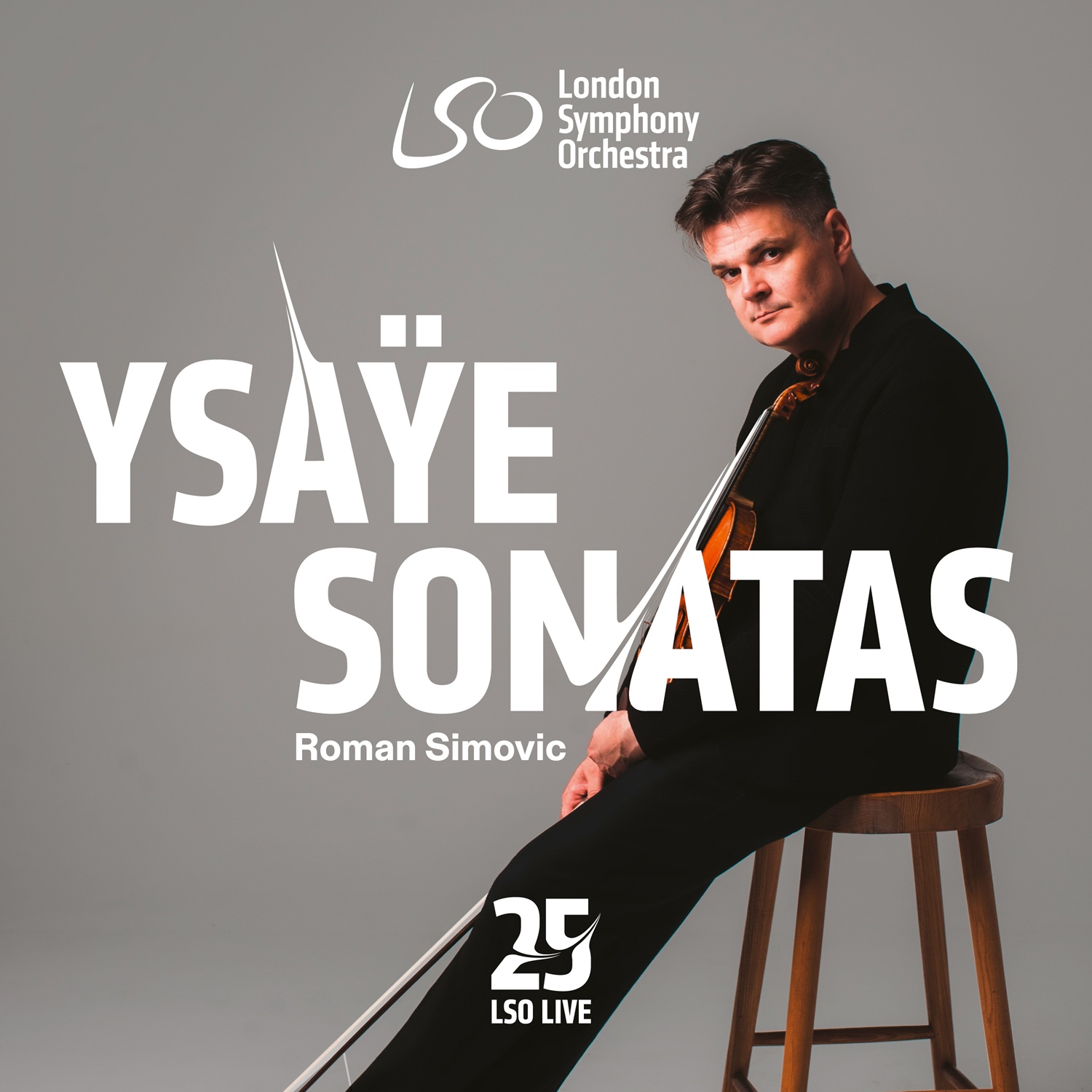
01 Ysaye SimovicViolinist Roman Simovic, who has been a leader with the London Symphony Orchestra since 2010, steps into the solo spotlight with Ysaÿe Sonatas, his recording on the orchestra’s label of the Six Sonatas for Solo Violin, Op.27 by the Belgian violinist and composer (LSO Live LSO5130 lsolive.lso.co.uk/products/lso5130-ysaye?srsltid=AfmBOopL6egsa4v3PWG1Q22V_sVFs0tBo5QtT2glavRI-d2JUGYw7X9G).

Inspired by a Joseph Szigeti Bach recital, Ysaÿe wrote the Sonata No.1 in G Minor in early 1923, dedicating it to – and tailoring it to the style of – Szigeti. By July he had written another five, the dedicatees being contemporary violinists Jacques Thibaud, Georges Enesco, Fritz Kreisler, Mathieu Crickboom and Manuel Quiroga. They are inspired works, looking back to Bach but also to the future with a variety of progressive techniques.

They continue to attract recording attention, this being my eighth CD review during the life of this column. This performance by Simovic, who is superb throughout, can stand shoulder to shoulder with any of them.

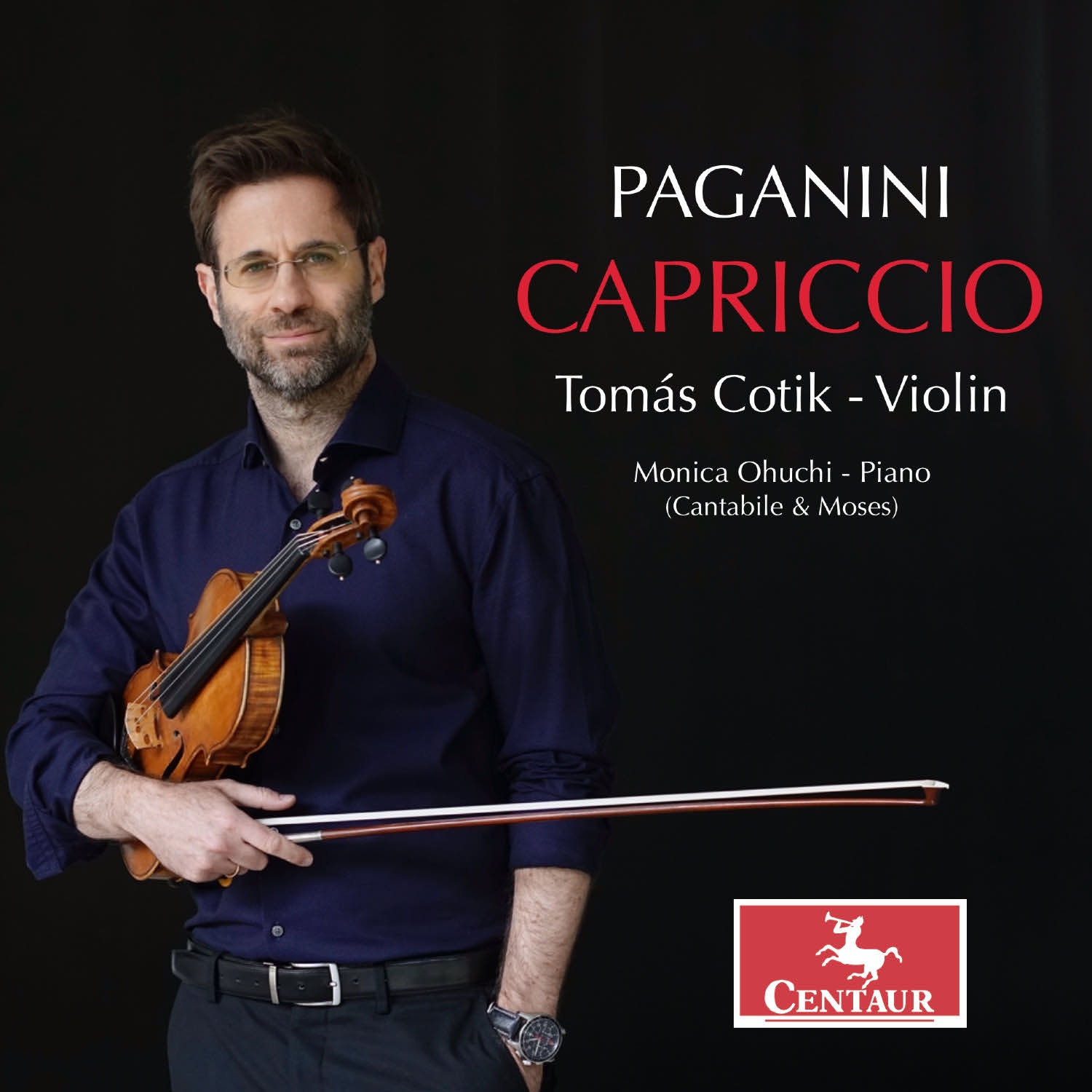
02 Paganini CotikViolinist Tomás Cotik describes his decision to record a selection of the Paganini 24 Caprices, Op.1 as a search for another challenge after recording solo violin music by Bach and Telemann. The result is his new CD Capriccio, a project that was clearly a labor of love (Centaur CRC 4130 tomascotik.com/album/paganini-capriccio).

Seventeen of the caprices are included – numbers 3, 4, 7, 8, 12, 15 and 19 are omitted – and Cotik opens and closes the disc with two Paganini pieces for violin and piano: the Cantabile in D Major, Op.17 and the Sonata a Preghiera, Op.24 “Moses Fantasy, the virtuosic set of variations on a theme from Rossini’s opera played entirely on the G string. Monica Ohuchi is the pianist.

Cotik’s playing is never flashy and always has a feeling of intelligent thoughtfulness. His booklet essay is, as usual, extensive and fascinating.

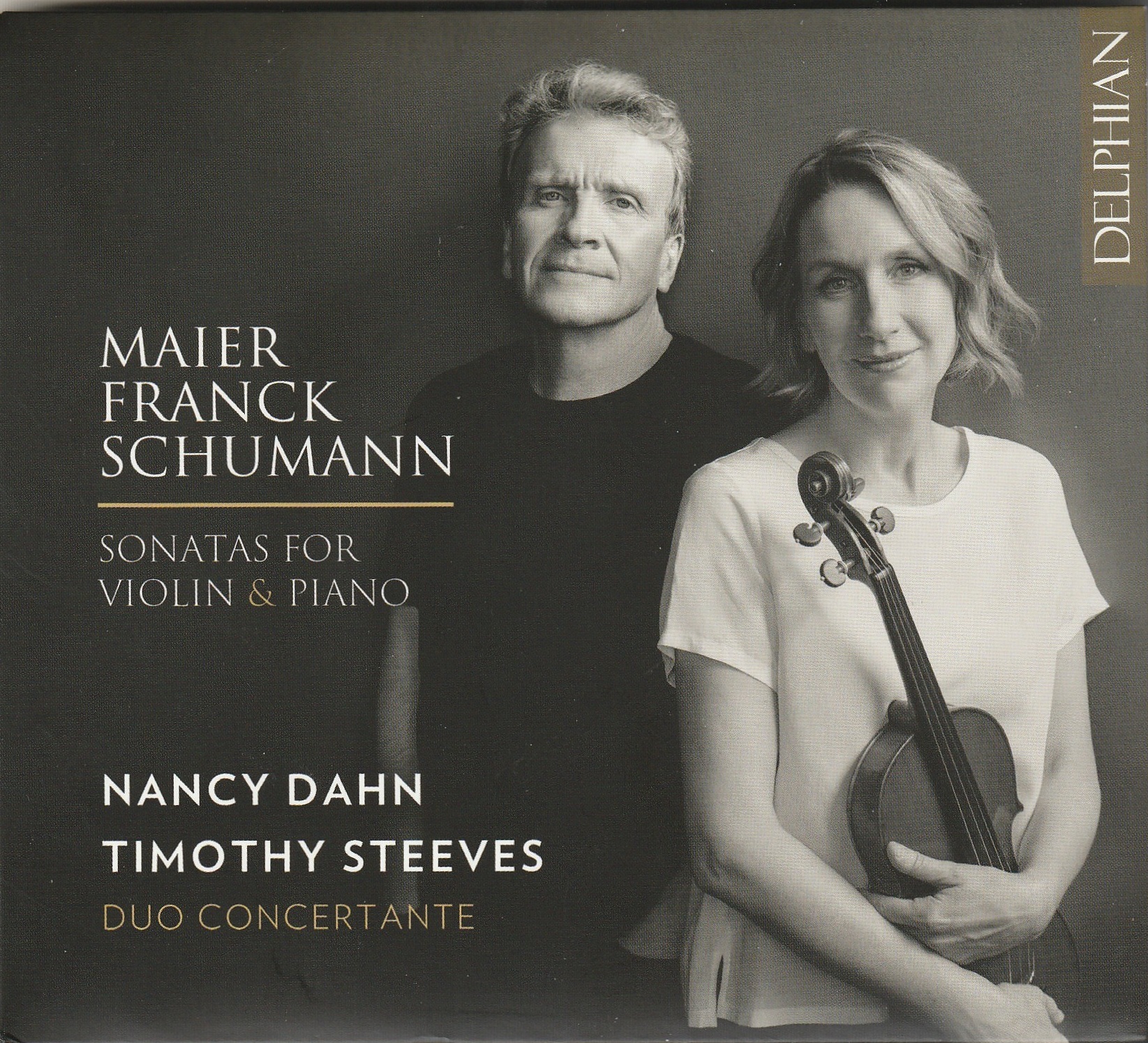
03 Duo ConcertanteThe Duo Concertante team of violinist Nancy Dahn and pianist Timothy Steeves is back with another top-notch recital on Maier-Franck-Schumann Sonatas for Violin & Piano (Delphian DCD34316 delphianrecords.com/collections/new-releases/products/maier-franck-schumann-sonatas-for-violin-piano).

There’s a connecting thread running through the three works here. In his 1851 Violin Sonata No.1 in A Minor, Op.105 Robert Schumann began moving away from balanced classical forms, employing a cyclical use of musical themes and material which was further developed by Amanda Maier in her 1874-75 Violin Sonata in B Minor, Op.6 and in particular by César Franck in his 1886 Violin Sonata in A Major.

Tempos are never rushed, but as always with this outstanding duo this never results in a loss of intensity. The Digipak liner note describes their playing as emotionally engaged and stylistically insightful, qualities that are fully evident on an excellent CD.

The back of the CD package, incidentally, says “Limited Edition 500 CDs”, but I can’t find anything to back this up.

Listen to 'Maier-Franck-Schumann' Now in the Listening Room

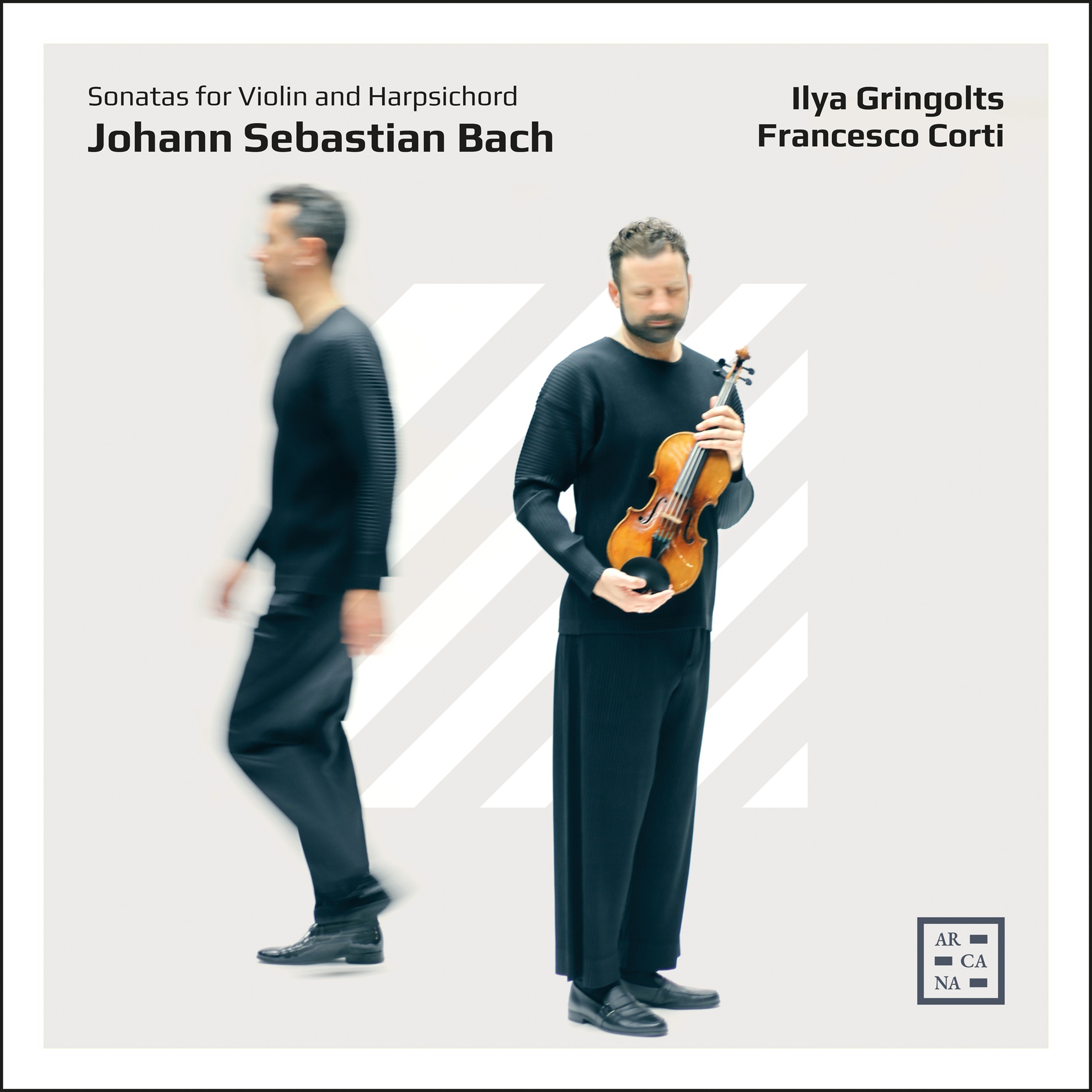
04 Bach GringoltsOn the 2CD set Johann Sebastian Bach Sonatas for Violin and Harpsichord violinist Ilya Gringolts, making his Arcana label debut, and harpsichordist Francesco Corti perform the six Bach sonatas BWV1014-1019, described as “the first great example of concertante sonatas for keyboard and melodic instrument” (Arcana A583 outhere-music.com/en/albums/j-s-bach-sonatas-violin-and-harpsichord).

Completed no later than 1725, the works brought the trio sonata to its fullest form, one of the two upper voices being assigned to the keyboard right hand and the bass to the left hand. These are superb performances, the deep, rich harpsichord sound in perfect balance with the crystal-clear, warm violin in playing that is vibrant and alive from beginning to end.

The set includes the fascinating world premiere recording of Tertia deficiens by the American Baroque violinist Andrew McIntosh, commissioned specifically for this project. The title refers to “false” or enharmonic thirds in early 18th-century tunings, written as augmented seconds but sounding in practice as small or “deficient” thirds.

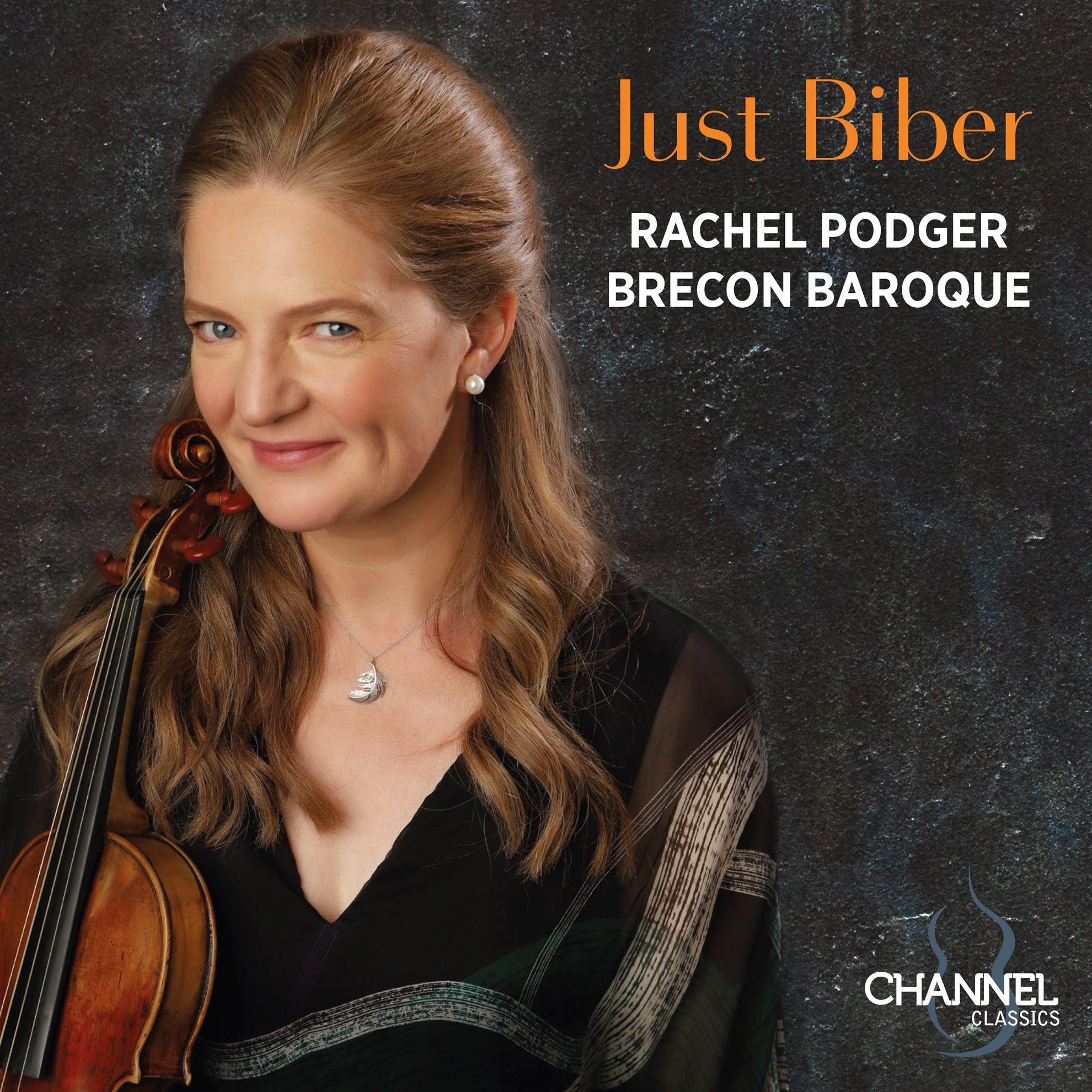
05 Just BiberThe outstanding Baroque violinist Rachel Podger is in brilliant form on Just Biber, a CD featuring the remarkable violin music of the Austrian composer Heinrich Ignaz Franz Biber, with Podger’s own Brecon Baroque ensemble providing sensitive and effective support (Channel Classics CCS48525 outhere-music.com/en/albums/just-biber).

There are five sonatas from Biber’s 1681 collection Sonatæ Violino Solo: Nos. 1 in A Major, 2 in D Minor, 3 in F Major, 5 in E Minor and 6 in C Minor. They were dedicated to the Archbishop Maximilian Gandalf, Biber describing them as effectively a prayer for the Archbishop’s good health. They are extremely virtuosic, with extensive multiple stopping and occasional scordatura, although Podger handles everything with jaw-dropping ease and fluency. 

Also here is the Sonata Violino solo Representativa in A Major, with its imitations of different birds and animals. Its authorship is disputed in some quarters as possibly being a copy of the “Birdsong” work of Johann Heinrich Schmelzer, with whom Biber may have studied.

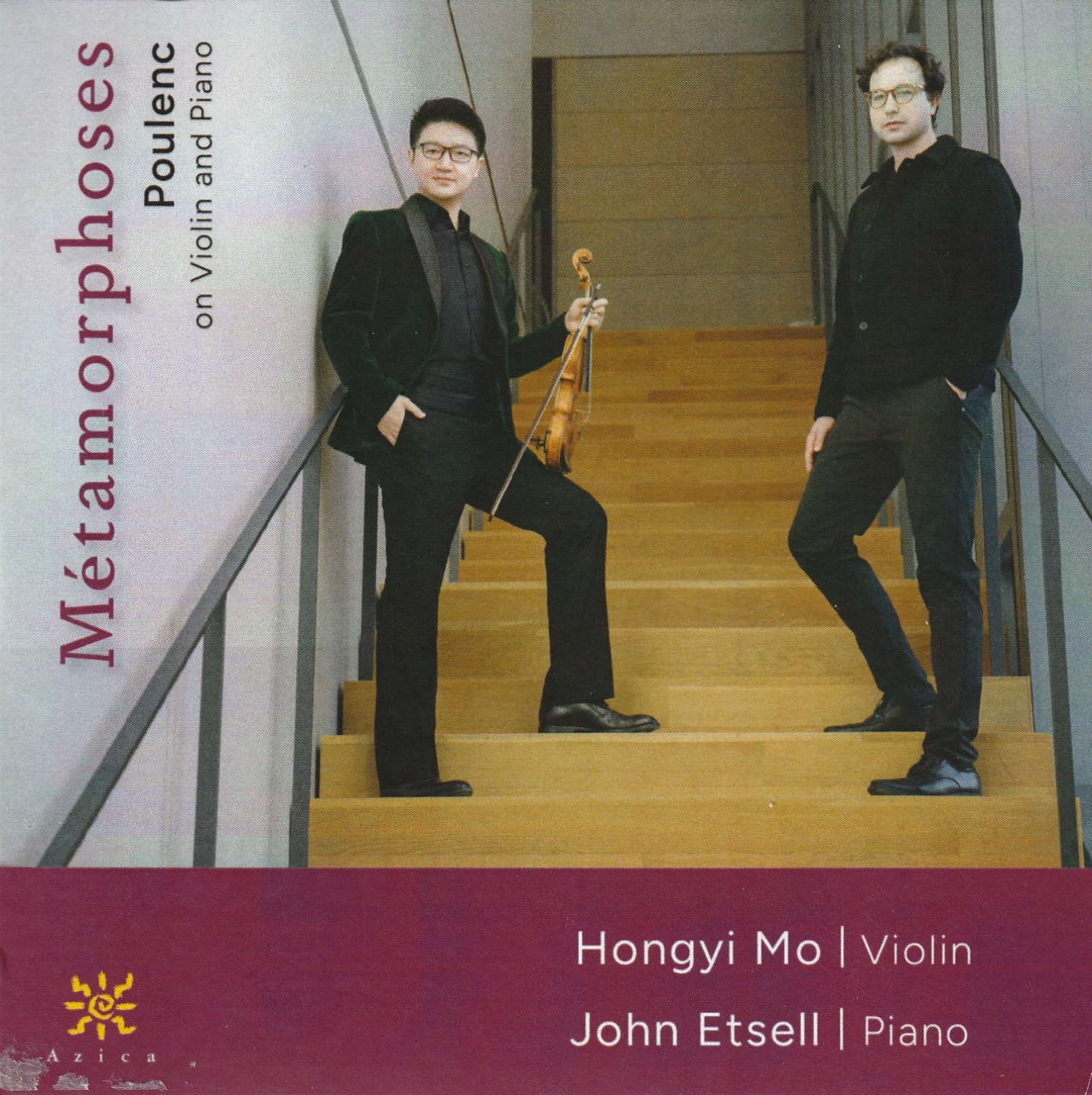
06 Metemorphoses PoulencMétamorphoses is a new CD featuring transcriptions and performances of ten of Francis Poulenc’s songs, plus the violin and oboe sonatas, by violinist Hongyi Mo, together with pianist John Etsell (Azica ACD-71382 azica.com/albums/metamorphoses-poulenc-on-violin-piano).

Mo describes the core intent of the album as being his desire to highlight the literary quality of Poulenc’s songs, the texts producing intense emotions in the engaging music. All ten songs – the three Métamorphoses, the Banalités Nos.2 (Hôtel) and 4 (Voyage), Deux Poèmes de Louis Aragon, Fiançailles pour rire No.5 (Violon), Bleuet and Les Chemins de l’amour – are from the period 1939-43, as is the sonate pour violin et piano, revised in 1949. The charming sonate pour hautbois et piano of 1962 is Poulenc’s last chamber work, written in his final year.
Mo has a warm, sweet sound ideally suited to these delightful works, and has a fine and sympathetic partner in Etsell in a beautifully judged recital.

Listen to 'Métamorphoses' Now in the Listening Room

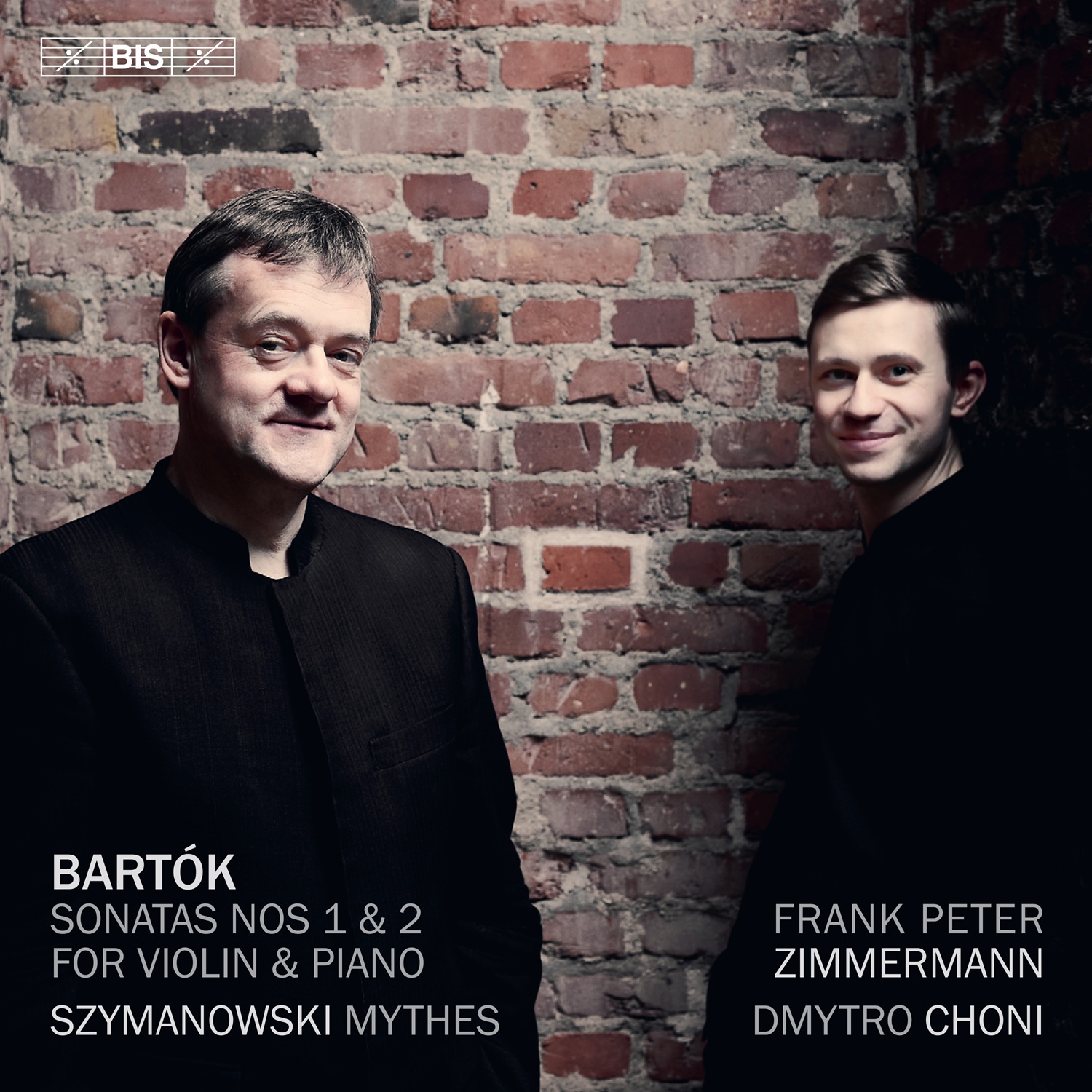
07 Bartok ZimmermannThe start of musical modernism in the early years of the 20th century is at the heart of Frank Peter Zimmermann plays Szymanowski, Bartók, the new CD from violinist Zimmermann and pianist Dmytro Choni (BIS-2787 bisrecords.lnk.to/2787).

The central work on the CD, Szymanowski’s three-piece Mythes, Op.30 from 1915 was created with violinist Pawel Kochański, a player noted for his beautiful tone and whose collaboration was fundamental to Szymanowski’s writing for the violin, a new style emerging with sound colour becoming of greater significance.

A violinist also contributed creative impetus to the two works by Béla Bartók on the CD – this time Jelly d’Arányi, who introduced him to Szymanowski’s works, including Mythes. Some elements of the latter’s new mode of expression appear in Bartók’s Violin Sonatas Nos.1 & 2, Sz.75 and Sz.76 from 1921 and 1922 respectively, although other contemporary and folk music influences can also be felt.

Zimmermann and Choni deliver solid performances of three technically challenging but highly significant works. 

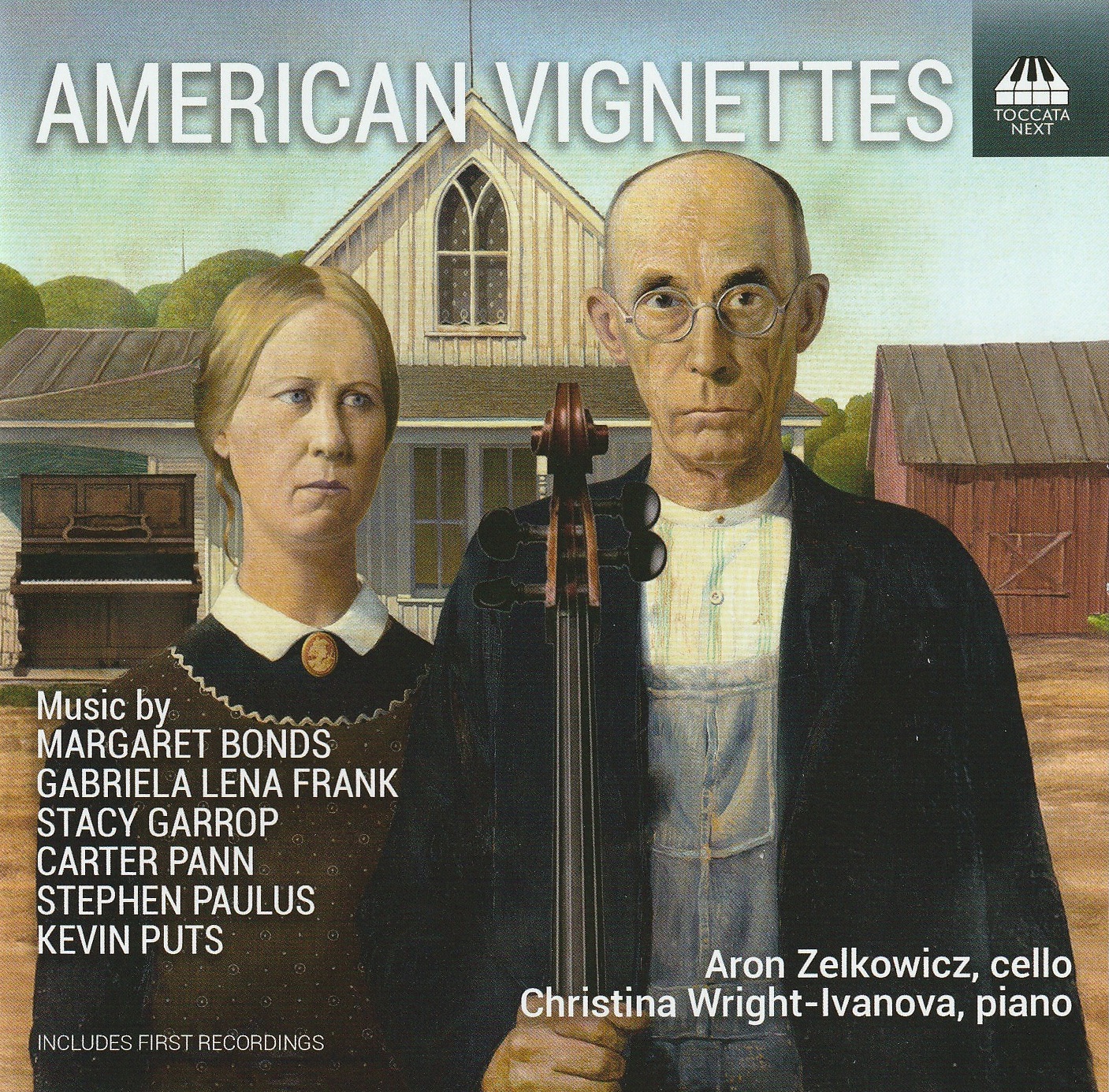
08 American VignettesAMERICAN VIGNETTES Contemporary Works for Cello and Piano features cellist Aron Zelkowicz and pianist Christina Wright-Ivanova, two Canadian expats now based in Boston, in works drawing from influences as varied as the blues, jazz, Broadway, spirituals, folksong and the Wild West (Toccata Next TOCN 0023 toccataclassics.com/product/american-vignettes-contemporary-works-for-cello-and-piano).

The five-piece Differences from 1996 by Carter Pann (b.1972) makes a terrific opener. The very effective 1995 jazzy triptych Manhattan Serenades by Gabriela Lena Frank (b.1972) is a first recording, as is the 2014 Noir Vignettes, four pieces of 1940s cinematic imagery by Stacy Garrop (b.1969).

Margaret Bonds (1913-72) was a protégée of Florence Price. Her Troubled Water from c.1952, originally for solo piano was based on the jubilee song “Wade in the Water” and arranged for cello by her in 1964.The 2004 Air by Kevin Puts (b.1972) and 1988’s six American Vignettes by Stephen Paulus (1949-2014) complete the recital. 

Highly entertaining works, superbly played and with outstanding booklet notes by Zelkowicz make for a really impressive release.

Listen to 'AMERICAN VIGNETTES' Now in the Listening Room

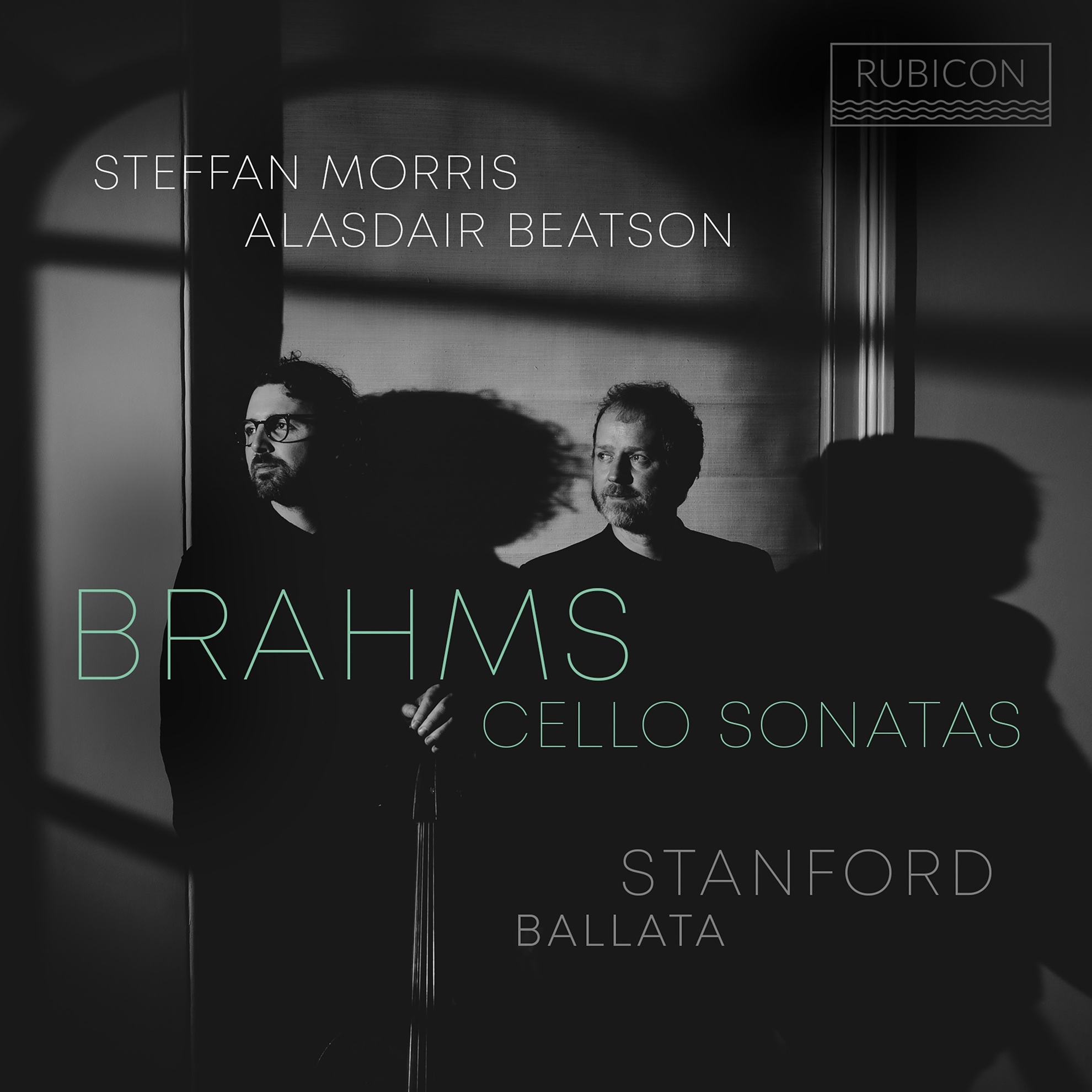
09 Branms StanfordThere’s another really lovely recording of the Brahms Cello Sonatas to add to the list, this time featuring the Welsh cellist Steffan Morris partnered by the Scottish pianist Alasdair Beatson (Rubicon Records RCD1196 rubiconclassics.com/release/brahms-cello-sonatas-stanford-ballata).

The Cello Sonata No.1 in E Minor, Op.38 was written in 1865 at an emotional time for the composer. It was originally in four movements before Brahms discarded the second movement. The four-movement Cello Sonata No.2 in F Major, Op.99, on the other hand, is a late work written during a summer lakeside holiday in Switzerland, the music being essentially warm and sunny throughout. Full-blooded playing, a lovely balance and recorded sound all contribute to outstanding performances.

The English composer Charles Villiers Stanford wrote his two-movement Ballata and Ballabile for Cello and Orchestra, Op.160 in 1918, and made a cello and piano arrangement the same year. It’s almost a cello concerto, just lacking an opening movement. The lovely Ballata, Op.160 No.1 closes an immensely satisfying disc.

10 Trace Johnson Works for CelloOn Trace Johnson: Works for Cello the American cellist presents what he describes as an audio diary in which he has assembled some of his most cherished pieces. Hsin-I Huang is the pianist (Albany Records TROY1984 albanyrecords.com/catalog/troy1984).

The CD is book-ended by two substantial works: a strong but tender reading of Samuel Barber’s Cello Sonata, Op.6 and the rapturous and quite beautiful three-movement Les Chants de L’Agartha from 2008 by the French composer Guillaume Connesson. 

Violinist Sahada Buckley joins Johnson in the central work on the disc, Erwin Schulhoff’s lovely 1925 Duo for Violin and Cello, which is heard between two works for unaccompanied cello: Laura Schwendinger’s 2018 All the Pretty Little Horses and Melinda Wagner’s really effective 2023 Limbic Notes. Jonathan Harvey’s Ricercare una melodia for Cello and Electronics from 1985 completes an excellent CD.

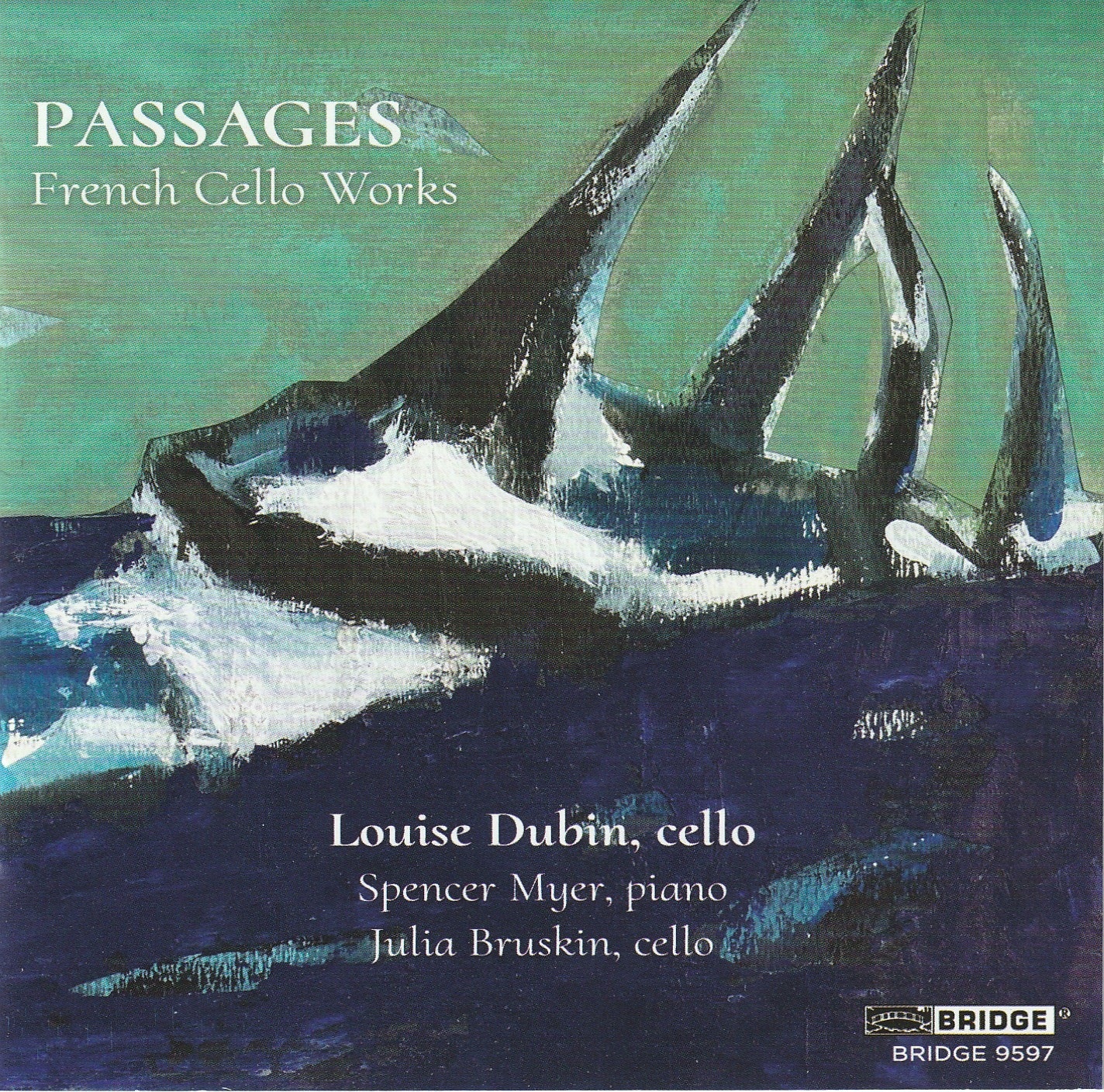
11 PassagesCellist Louise Dubin has undertaken extensive research into the works of the French cellist-composer Auguste Franchomme (1808-84), and world premiere recordings of several of his cello pieces are featured on her new CD Passages, together with music by Debussy, Fauré, Poulenc, Charles Koechlin and Philippe Hersant. The pianist is Spence Meyer (Bridge Records 9597 louise-dubin.com/shop).

Koechlin’s 1917 Sonata for Cello and Piano, Op.66 opens the disc and an exact contemporary – Debussy’s 1915 Sonata for Cello and Piano – closes it. The Franchomme works are his arrangement of Chopin’s Étude, Op.25/7, his Air Irlandais, Variè, Op.25/3 and his Nocturne, Op.14/2 for two cellos (Julia Bruskin joining Dubin in this) as well as Hersant’s three Caprices and the recently discovered Fauré Allegro moderato.

Maurice Gendron’s arrangement of Poulenc’s Sérénade completes an enjoyable recital of predominantly brief pieces.

Listen to 'Passages' Now in the Listening Room

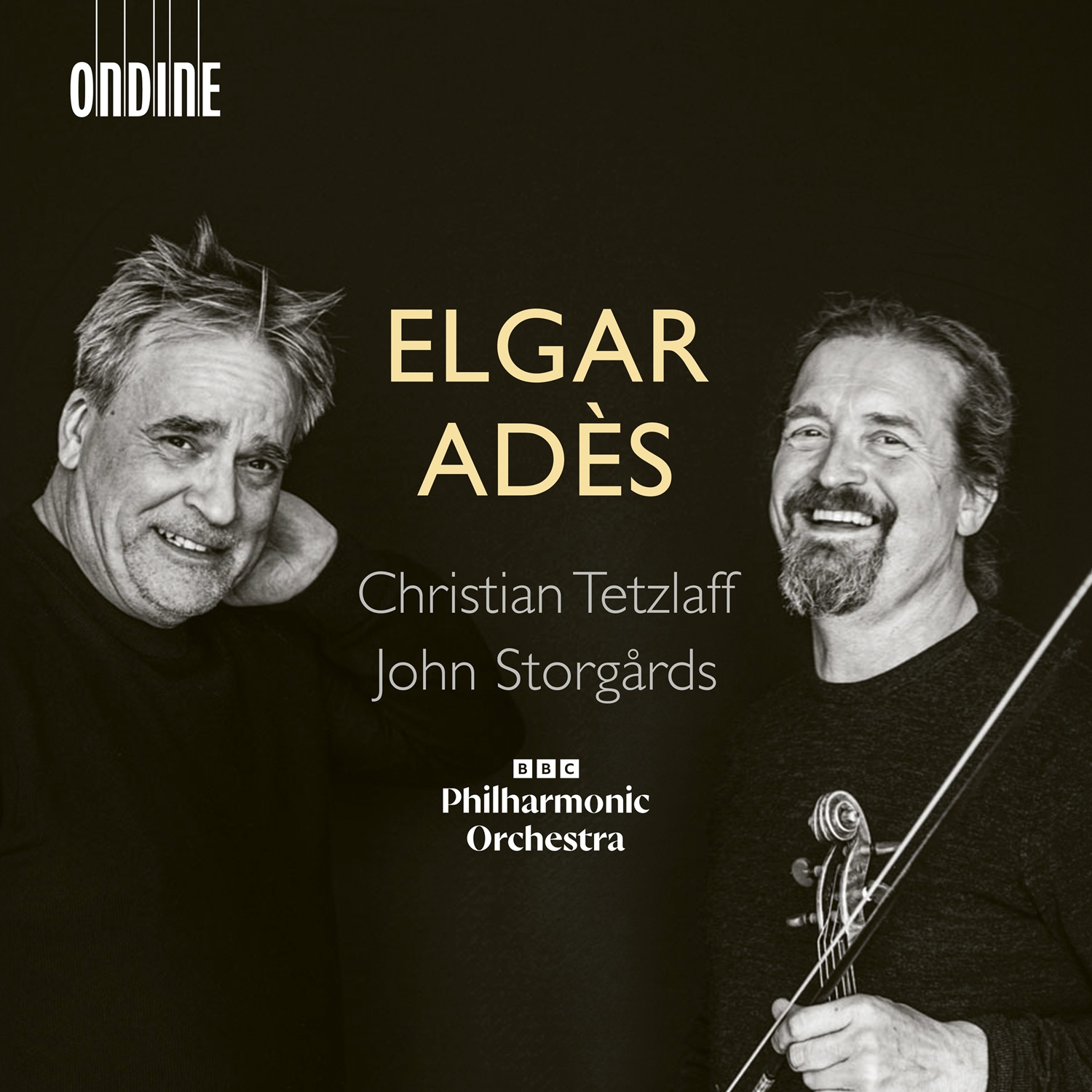
12 Elgar Ades TetzlaffViolinist Christian Tetzlaff and the BBC Philharmonic Orchestra under John Storgårds present two English concertos written almost 100 years apart on Elgar, Adès, Elgar’s Violin Concerto in B Minor, Op.61 from 1910 being paired with Thomas Adès’ Violin Concerto (‘Concentric Paths’) from 2005 (Ondine ODE 1480-2 naxos.com/CatalogueDetail/?id=ODE1480-2).

The booklet notes consist entirely of an interview with Tetzlaff, with valuable insight into his approach to both concertos. Interestingly, he first played the Elgar just six years ago with this same orchestra and conductor, and had only played the Adès once before this recording. His tempi in the Elgar are closer to those in early recordings of the work, and although his performance is faster than some recent recordings there is never any sense of undue haste, especially in the slow movement, which Tetzlaff describes as “divine contentment.”

The Adès is a fascinating work of three movements – Rings, Paths, Rounds – with the lengthy middle Paths accounting for over half of the concerto. Tetzlaff sounds as if he has been playing it his whole life.

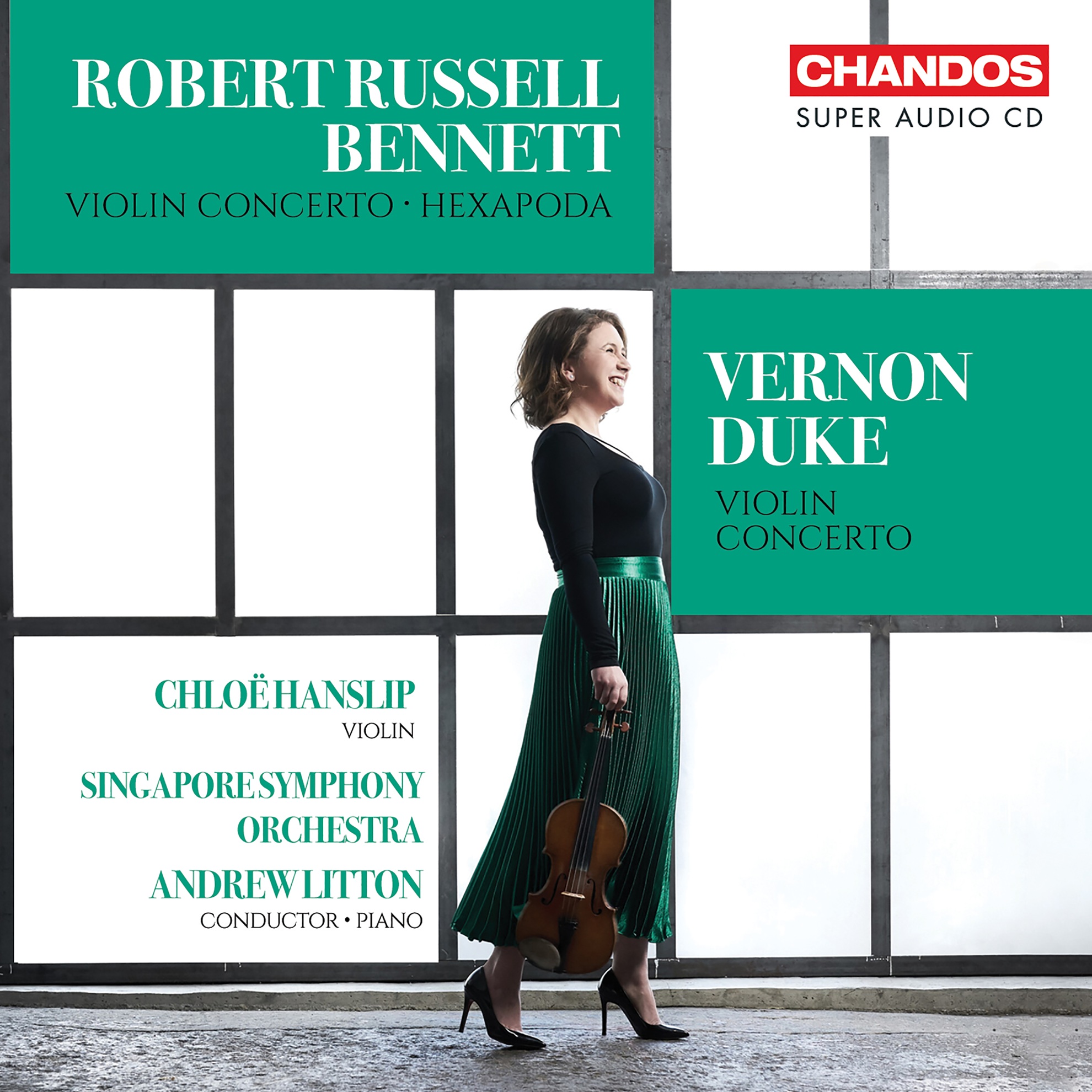
13 Bennett Duke HanslipIf you know the names Robert Russell Bennett and Vernon Duke at all it’s almost certainly in connection with their Broadway musical careers, in which case a new CD of their Violin Concertos with Chloë Hanslip and the Singapore Symphony Orchestra under Andrew Litton will be a revelation (Chandos CHSA 5371 chandos.net/products/catalogue/CHSA%205371).

Bennett (1894-1981), one of the great Broadway show orchestrators, had already started his Broadway career when studying with Nadia Boulanger in 1926-29; he wrote seven symphonies and at least five concertos. His Violin Concerto from 1941, written for Louis Kaufman is an attractive work very much aligned with the music of the period.

The Broadway composer Vernon Duke (1903-69), born Vladimir Dukelsky, entered the Kiev Conservatory at 11 and studied composition with Glière. He wrote for the Ballets Russe in Paris in 1924, and continued to compose under his birth name after settling in the United States and anglicising his name. His really impressive Violin Concerto from 1941-43, while an exact contemporary of the Bennett, inhabits a different world, being much less of the period and more purely classical, with occasional hints of his friend Prokofiev.

Litton is the pianist in Bennett’s brief but entertaining Hexapoda (Five Studies in Jitteroptera).

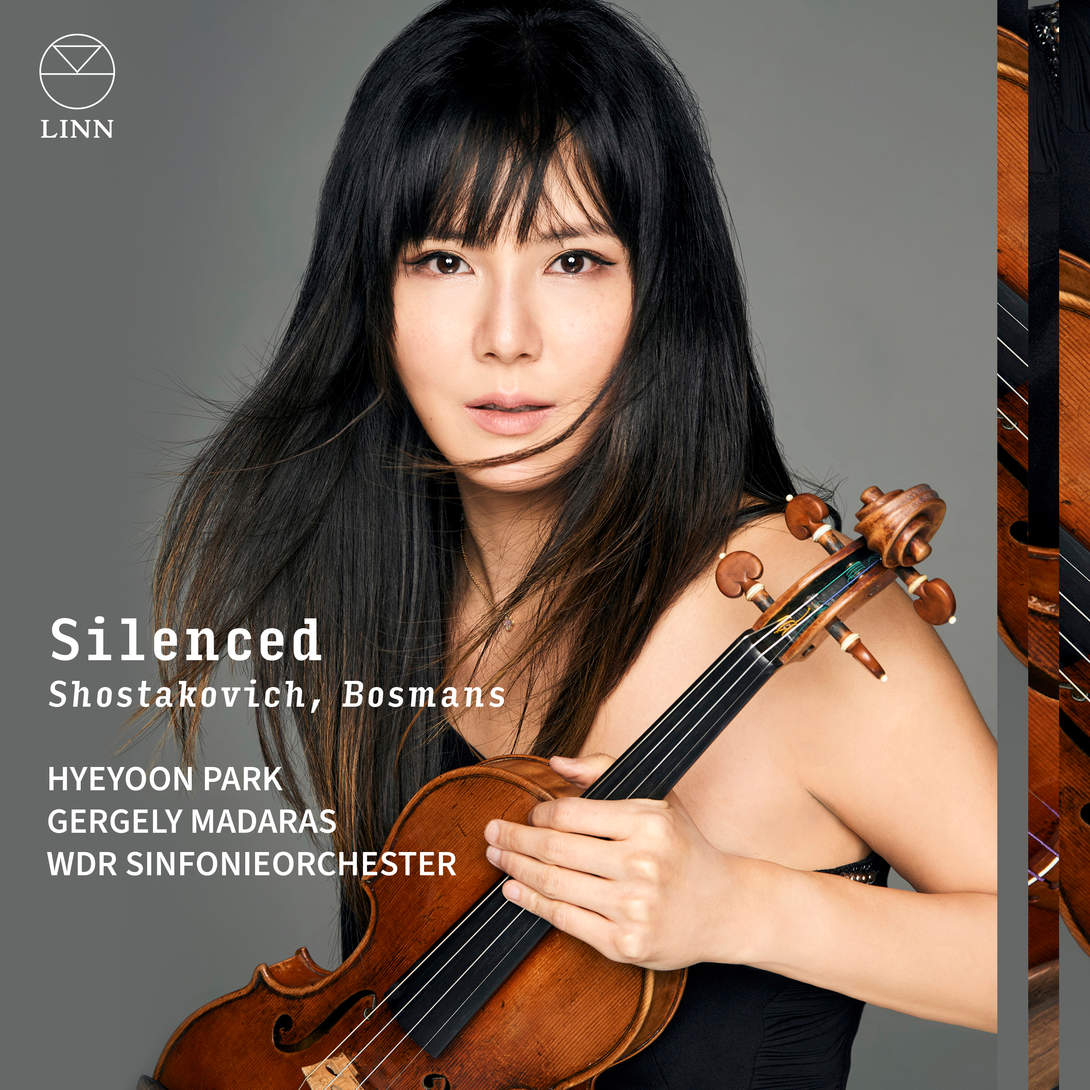
14 SilencedOn Silenced – Shostakovich, Bosmans, her first album for the label, violinist Hyeyoon Park with Gergely Madaras and the WDR Sinfonieorchester performs works by two composers who both had performances of their music banned by oppressive regimes (LINN CKD772 outhere-music.com/en/albums/silenced).

Shostakovich was working on his Violin Concerto in A Minor, Op.77 when the February 1948 Zhdanov decree on music made its performance impossible, the composer making several revisions before the work was finally premiered in 1955 after Stalin’s death. 

Performances of the music of the Dutch composer Henriëtte Bosmans (1895-1952) were banned following the Nazi invasion of the Netherlands in 1940. The work here, though – her Concert Piece for Violin and Orchestra – is from 1934, written after the death of her fiancé, the violinist Francis Koene. Despite several early performances it remained unpublished until 2022. It’s virtually a concerto, with three linked sections in a single movement of a passionate, restless intensity.

A student work by the teenage Shostakovich, his Theme and Variations in B-flat Major, Op.3 from 1921-22, apparently never performed in his lifetime, completes a fascinating CD.

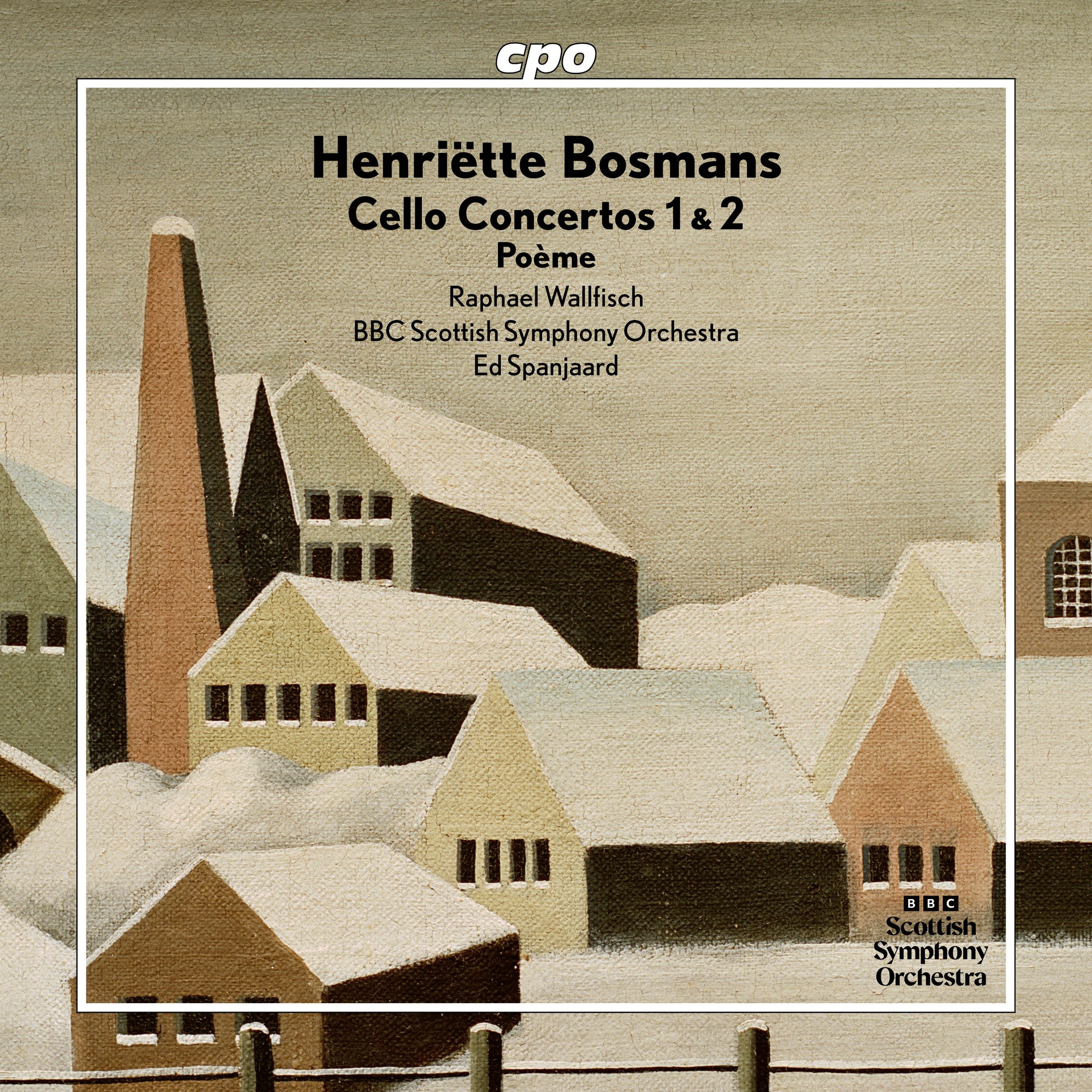
15 Bosmans Cello ConcertosThere’s even more of Bosmans’ music on Henriëtte Bosmans Cello Concertos 1 & 2, with Raphael Wallfisch and the BBC Scottish Symphony Orchestra under Ed Spanjaard providing world premiere recordings on CD of her two cello concertos, although I believe the second concerto has since been recorded again (cpo 555 694-2 naxosdirect.co.uk/items/henriëtte-bosmans-cello-concertos-nos.-1-2-poème-1281531).

The opening work on the disc is Bosmans’ second Poème for cello and piano from 1922, orchestrated in 1923, a simply gorgeous piece that, despite a hugely successful premiere, fell into obscurity along with the rest of her music in the 1950s. The Cello Concerto No.1 from May 1922 was premiered in February 1923 by Marix Loevensohn, principal cellist of the Concertgebouw Orchestra from 1915 to 1936, whose student Frieda Belinfante was the dedicatee of the Cello Concerto No.2, which was finished in May 1923 and premiered the following January. After several further performances by Belinfante and Loevensohn it was never performed again after 1933.

It seems inconceivable that music of this quality and significance should languish in obscurity for so long, but hopefully these outstanding performances will put an end to such a huge injustice.

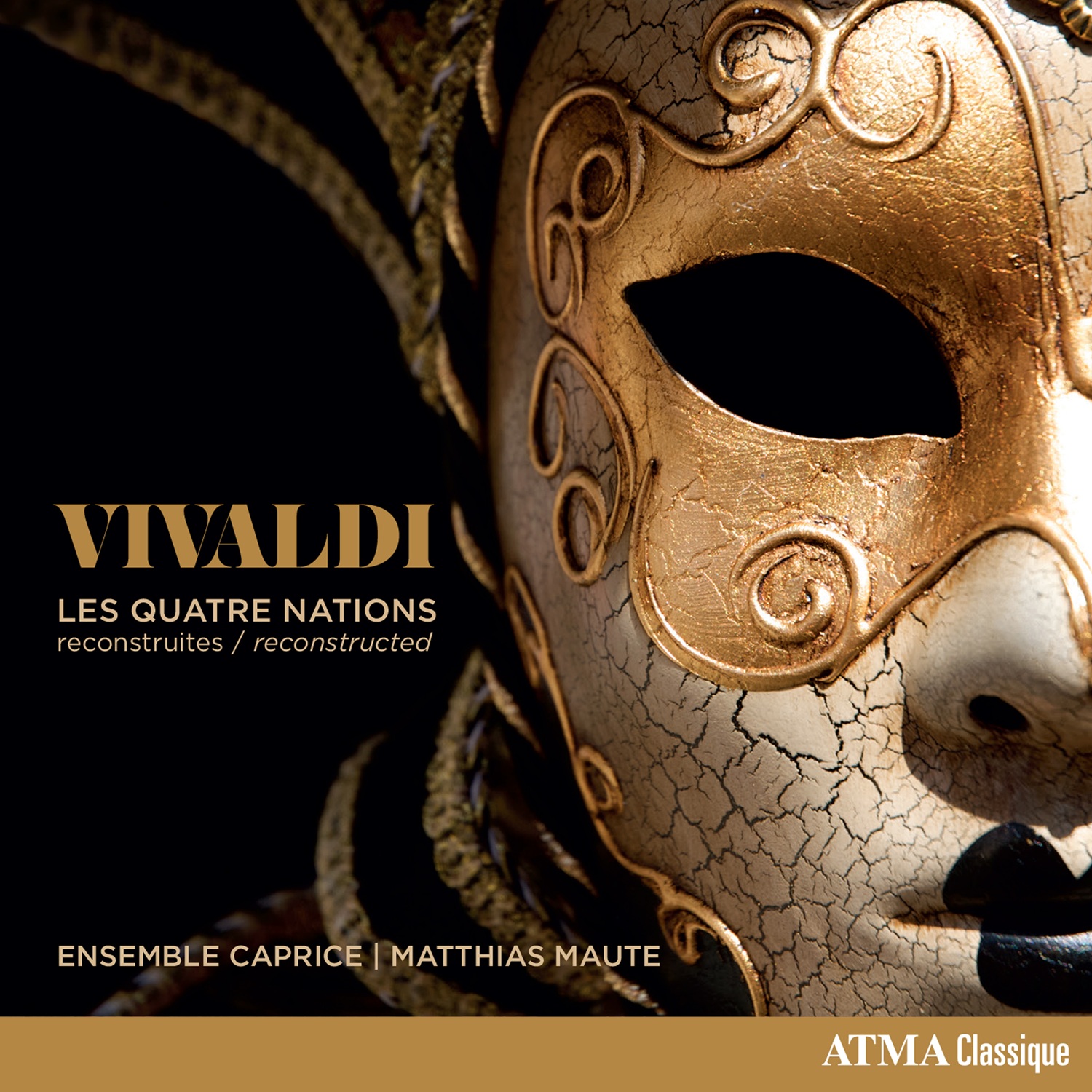
01 Vivaldi Quatre NationsVivaldi – Les Quatre Nations (reconstructed)
Ensemble Caprice; Matthias Maute
ATMA ACD2 2879 (atmaclassique.com/en/product/vivaldi-the-four-nations-reconstructed)

At the end of his lifetime Antonio Vivaldi hoped to remedy some financial challenges through the creation of four concertos paying homage to four specific countries – France, England, Spain and the Mughal Empire (present day India). Sadly, the first three of the concertos are lost, but the fourth, titled (Il Gran Mogol) was discovered by a musicologist in Scotland in 2010. Matthias Maute, a composer and also director of the Montreal-based baroque orchestra Ensemble Caprice embarked upon a project to recreate the missing three concertos scoring them for recorder or transverse flute with strings and continuo. The result is this splendid recording on the ATMA label. 

In undertaking the new works, Maute explained it was all about giving a voice to one that was silenced by closely adhering to Vivaldi’s musical idiom and respecting the compositional techniques. 

His efforts are admirable, and from the beginning, the listener is struck by how successfully he captures Vivaldi’s Venetian style with specific musical elements associated with each nation. Moreover, each concerto is preceded by a short prelude musically connected to the work to follow. As an example, La Francia is preceded by an excerpt from Charpentier’s Mercure Galante while The Duke of Norfolk from The Division Violin by John Playford seems a fitting introduction to L’Inghilterra.

Throughout, Ensemble Caprice delivers a polished and energetic performance while the skilful playing by Maute and Sophie Larivière – each doubling on recorder and flute – melds perfectly with the strings.

While most of the music on this recording is inspired, rather than composed, by Vivaldi, Maute’s finely-crafted scores seamlessly blend with the one existing concerto and together they comprise a cohesive grouping. How could the red-headed priest not have approved?

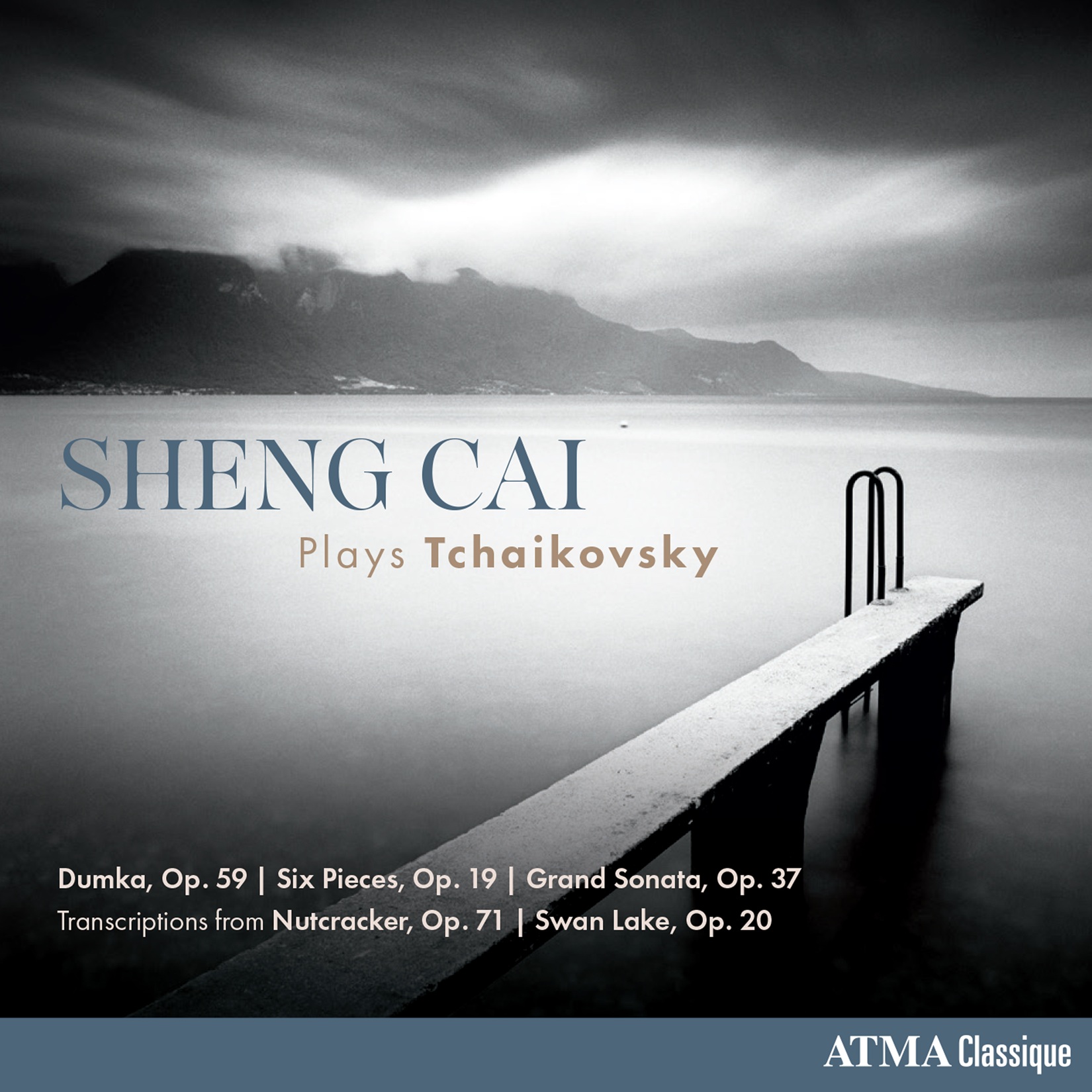
02 Sheng Cai TchaikovskySheng Cai plays Tchaikovsky
Sheng Cai
ATMA ACD2 2947 (atmaclassique.com/en/product/sheng-cai-plays-tchaikovsky/?srsltid=AfmBOorK53RO9QaedPk34LVW93FD0Mo6O1kKQdfSQxkcBO6hMMZPEEeP)

History has never been overly kind in its appraisal of Tchaikovsky’s works for solo piano, some critics referring to it as unimaginative and even unpianistic. Nevertheless, this opinion is not shared by everyone, and the Chinese-born pianist Sheng Cai presents a formidable program on this ATMA recording. 

Cai began his musical studies at the Royal Conservatory of Music in Toronto, continuing at the Juilliard School and the New England Conservatory where he studied with Gary Graffman and Anton Kuerti. Since then, he has earned an international reputation through solo recitals and appearances with such orchestras as the Vienna Radio Symphony, the Vancouver Symphony, and the North Czech Philharmonic. 

The disc opens with Dumka Op.59 completed in 1886 for the Parisian publisher Félix Mackar. The lyrical, introspective opening is followed by more animated, dance-like sections, where Cai’s performance carefully balances technical brilliance with carefully nuanced phrasing.

The Six Pieces for Solo Piano Op.19 from 1873 are charming studies in contrasts, including the familiar Feuillet d’album, the capricious Scherzo humoristic, and the rousing Theme and Variations finale.

The most important work on the recording is the impressive four-movement Grand Sonata in G Major Op.37 from 1878. Grandiose is indeed the word here – the work has a decidedly symphonic feel to it to the point that it could be referred to as a “symphony for piano.” The first and final movements abound with technical difficulties, but Cai easily rises to the challenges with much bravado.

Rounding out the program are movements from the ballets Swan Lake and The Nutcracker. Here, the carefully conceived arrangements by Mikhail Pletnev and Cai himself artfully capture the essence of the original scores.

Unimaginative or unpianistic? Hardly. There is much to appreciate in this music and kudos to Cai, not only for a satisfying performance, but for shedding light on some deserving repertoire.

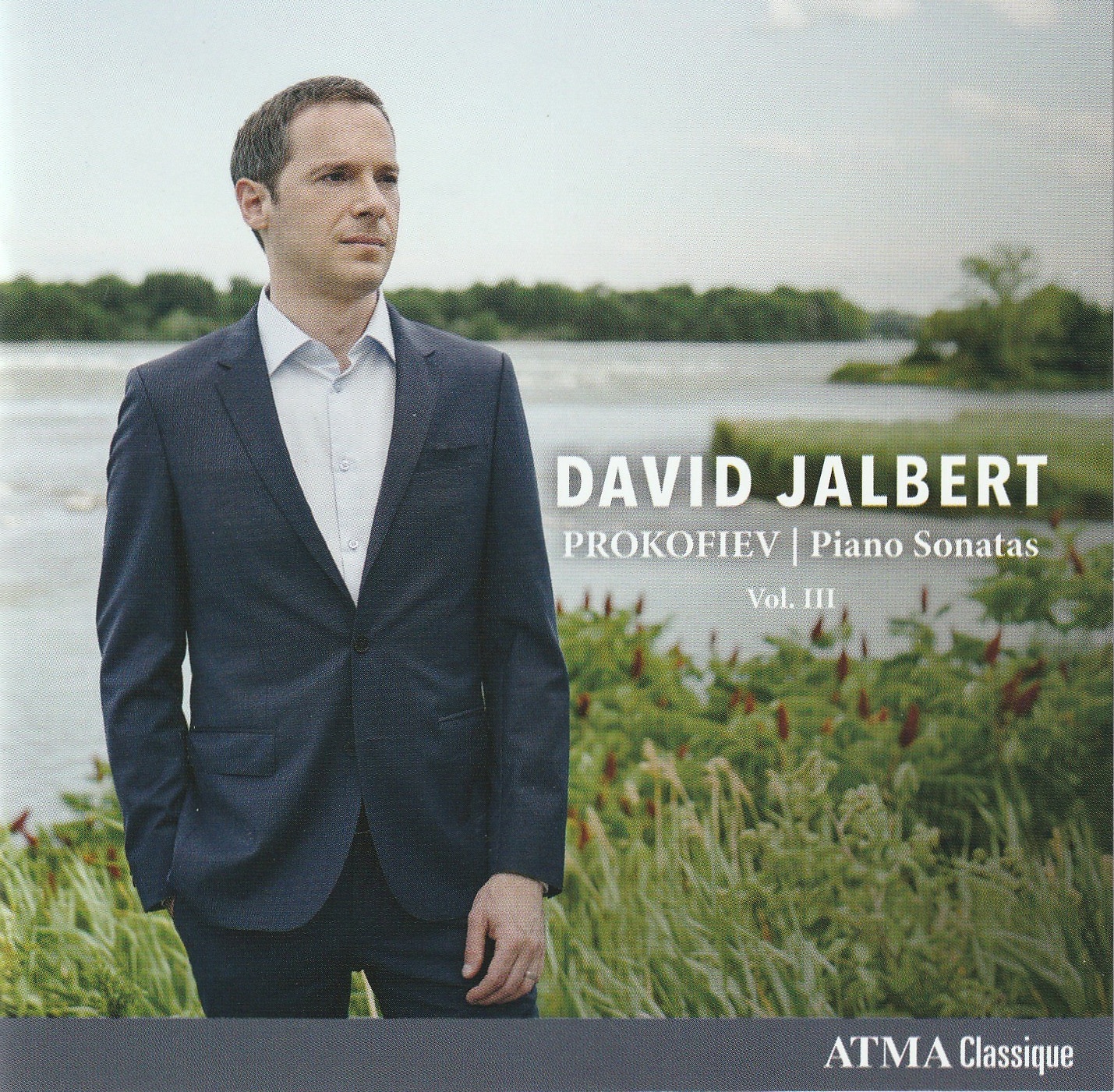
03 Jalbert ProkofievProkofiev – Piano Sonatas Vol.III
David Jalbert
ATMA ACD2 2463 (atmaclassique.com/en/product/prokofiev-piano-sonatas-vol-iii)

David Jalbert has for years now been numbered amongst Canada’s very best pianists. He has been recording sensitive renditions of Russian repertoire, and here he is in the third and final instalment of the Complete Piano Sonatas of Sergei Prokofiev which stand as a pinnacle amongst mid-20th century piano composition. They are not often assayed because of their stringent technical demands, especially these last few, written in close collaboration with Sviatoslav Richter. Richter premiered most of Prokofiev’s later sonatas, and this is rarefied territory which Jalbert masters with aplomb.

These pieces are not only intense, they have to be displayed in a relaxed way no matter the storm of notes creating the aesthetic tension. The thrilling climaxes in the Eighth Sonata never threaten to become clotted, with absolutely clear articulation through the tangled but never muddy Iines. The dynamics can become suddenly thunderous, or fall into transparent mid-distance textures, the volume wells up in a complex of contrapuntal lines, but there is never any banging on chords. Amazing stuff, and Jalbert really brings out the Prokofievian earmarks. 

There is a bit of chord banging in the makeweight Sarcasms from 1911 however, when  Prokofiev was still working on being a musical “Bad boy.” 

This is all borne by the absolutely exemplary capture of the piano sound, which is the best imaginable, placed in a resonant but not too roomy acoustic in the Isabel Bader Center in Kingston. The piano is not named. 

This is urgently recommended, and I will now seek out the first two volumes of this series, which augur to be the best integral set of some of Prokofiev’s greatest music.

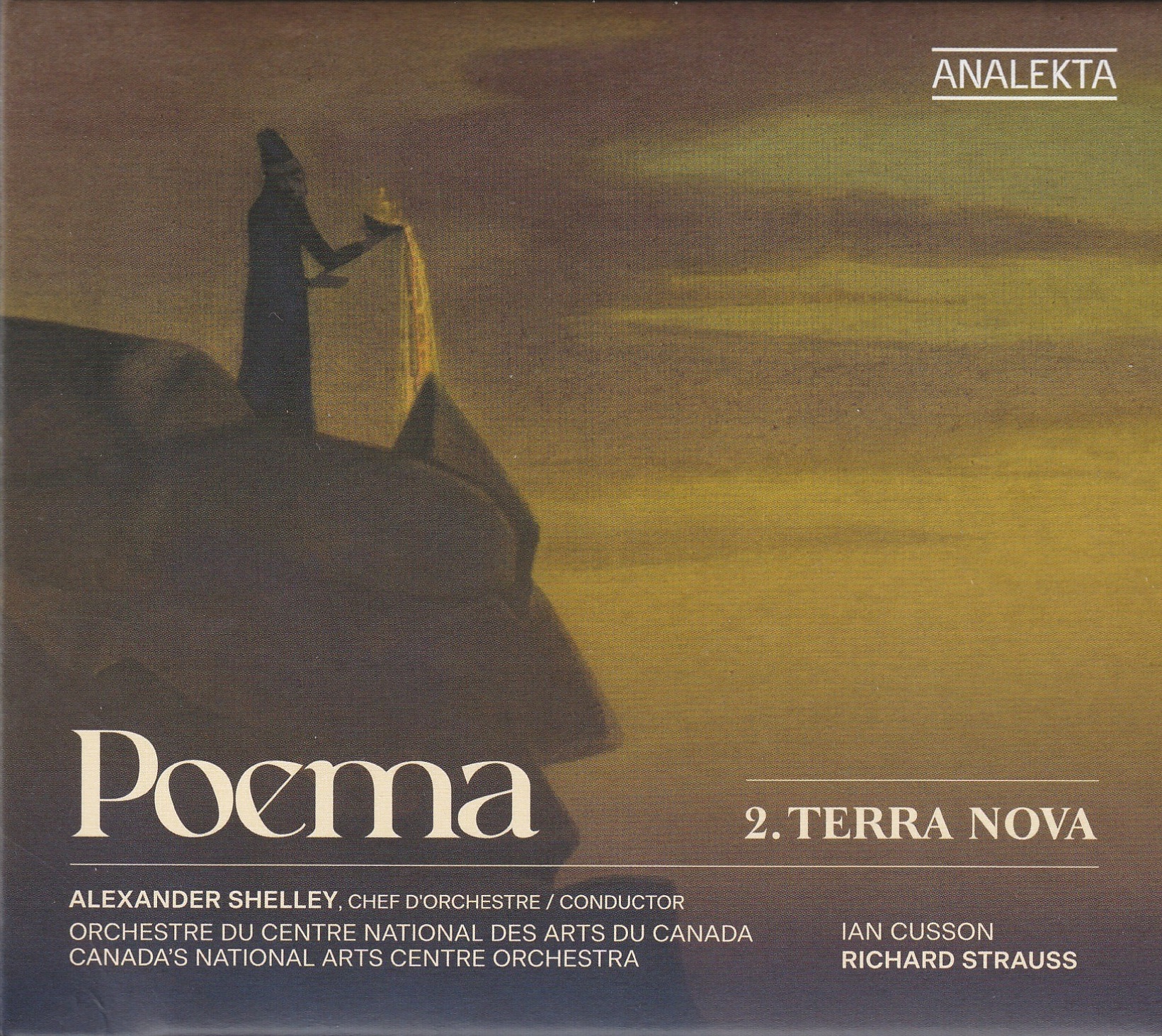
04 NACO PoemaPoema 2. Terra Nova
Canada’s National Arts Centre Orchestra; Alexander Shelley
Analekta AN 2 8892 (nac-cna.ca/en/orchestra/recordings/poema-2)

This is the second issue from Analekta of an ambitious series of recordings that feature works of Richard Strauss, juxtaposed with newly commissioned concert items by young composers. It may be the first Canadian attempt to present a series of Strauss Tone Poems with a single orchestra, in this case the National Arts Center Orchestra conducted by their resident maestro Alexander Shelley. The commissioned Canadian composers are invited to reflect, critique, embrace, reject or deconstruct Strauss’ language at will.

This series has been titled Poema, and this is Poema2, further mysteriously subtitled Terra Nova. In much smaller print we discover the listing of Ian Cusson’s 1Q84 Sinfonia Metamoderna, paired with the ubiquitous Also Sprach Zarathustra. The Cusson piece does not seek to de-construct or criticize Strauss, but manages to extend his orchestral practices into an impressive style, using an extended instrumentation, but differing from Strauss’ orchestra. 

The orchestral lists show that the National Art Center Orchestra has been much extended with guest artists to provide the required massive forces. The venue, Southam Hall, is roomy, but not reverberant, and there is a good sense of space. An organ [digital] has been brought in, but it is merely adequate in that big open space. Shelley’s performance is a well paced 34 minutes long, and it has a great sense of coherence and flow. The strings  have enough impact but are recorded a bit diffusely.

On repeated listening the Cusson piece is for me by far the more interesting piece on this disc. Cusson, of French speaking Métis extraction, has produced a brilliant orchestral movement of some depth and complexity. At only ten minutes, it could have been much longer, but this is a commissioned piece, which usually comes with a time limitation (R. Murray Schafer’s No Longer Than Ten Minutes, a TSO commission based on Strauss’ Ein Heldenleben comes to mind). With a capacity of another 30 minutes of music on this disc, it is a pity that the commission should not have been for a longer piece from this evidently able composer. As it is, the new piece could seem like an afterthought, except that it is sure to grow on anyone who listens to it a few times.

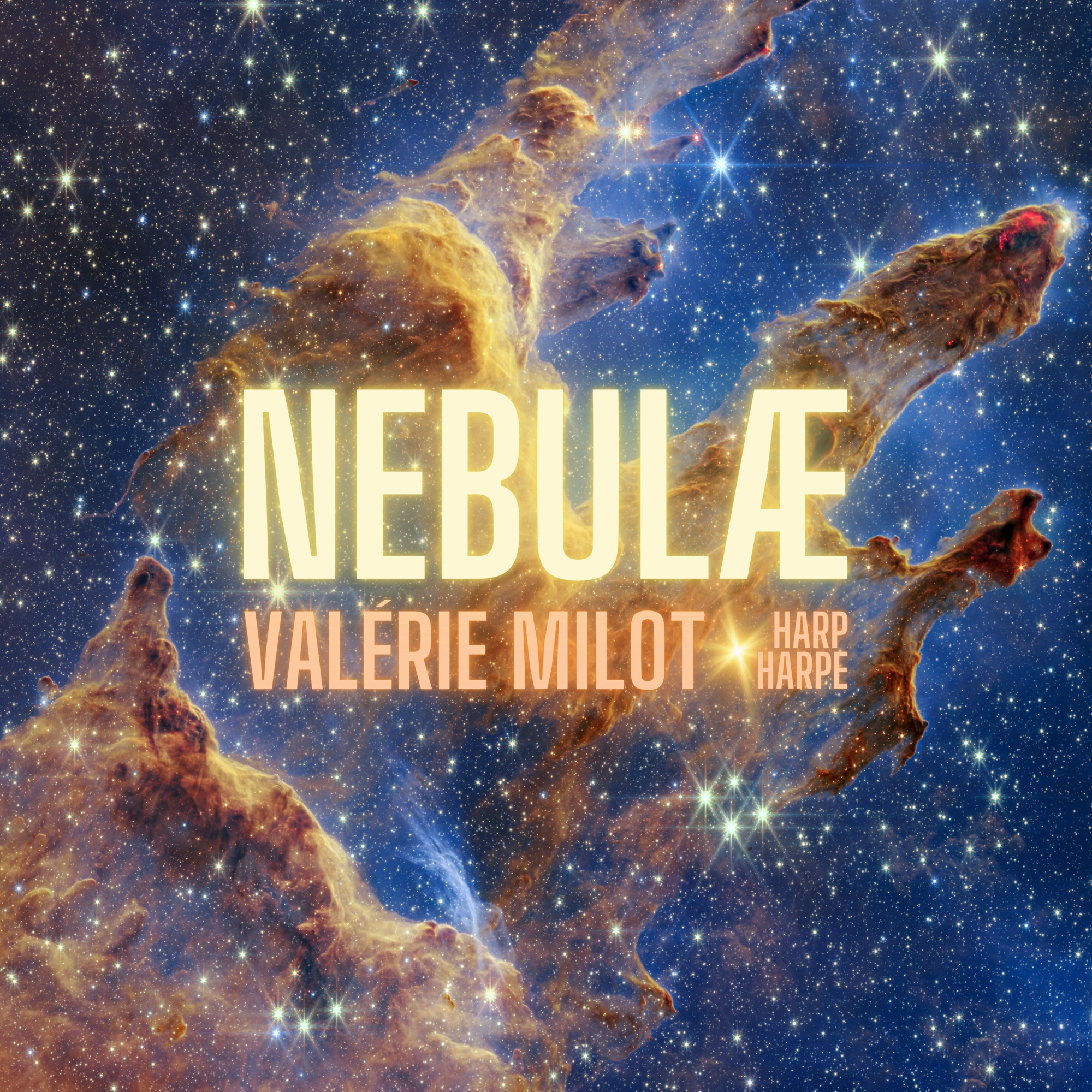
05 Nebulae Valerie MilotNebulæ
Valerie Milot
2xHD 2XHDVM1286 (valeriemilot.com/audio)

Quebecoise harpist Valérie Milot has performed on over 100 recordings. She appears both as a soloist and in ensemble settings with such orchestras as Les Violons du Roy and Orchestre symphonique de Montréal. In 2008 she became the first harpist in nearly a century to win Prix d’Europe. 

Milot’s latest release, Nebulæ, features an intriguing cross section of solo harp music. Her album liner notes state that it is the audio portion of a dual project, in conjunction with a live performance tour which includes projections and  “exposes scientific and philosophical themes through the science of astral phenomena.” She encourages her listeners to reflect and meditate on their place in the universe.

 New works by Denis Gougeon and Amelie Fortin are featured, along with works by Debussy, Gluck, Liszt, etc. Harpist Carlos Salzedo’s composition Jeux d’eau, Op.29 has sudden descending glissandos, vibratos, lower and higher pitched sounds, repeated notes and a melody section adding colourful “watery” interest. The closing soft section with single detached notes is so enticing. 
Milot’s colleague Amélie Fortin composed Lux, a solemn piece with atonal sounds at times. An unexpected sudden silent space leads to more classic harp sounds like diverse pitches, high notes and melodies leading to a sudden ending. Milot’s arrangement of William Bolcom’s Graceful Ghost Rag has a more rock/jazz feel with accented melody, low notes and grooves. A full band sound is created by her virtuosic playing.

Regardless of whether you do or don’t meditate, Milot’s colourful harp playing here in 14 solo tracks is amazing musical listening.

01 Stories retracedI’m not always sold on how artists describe the genesis of their CDs – violinist Nancy Zhou, for example, describes her new release STORIES (re)TRACED as a personal response to the question “What does it mean to be human?” – but when it results in a recital as stunning as this, who really cares? (Orchid Classics ORC100379 orchidclassics.com/releases/orc100379-stories-retraced).

Zhou has a strong, clear tone and virtuosity to spare, but always with a striking musicality and interpretative power. Works by two composers who were close friends open and close the disc: Ysaÿe’s Sonata No.4 in E Minor, Op.27 No.4, which was dedicated to Fritz Kreisler, and the latter’s Recitativo & Scherzo-Caprice, Op.6, both superbly played. The Bartók Sonata for Solo Violin, Sz.117 and Bach’s Partita No.1 in B Minor, BWV1002 form the middle section, the Bartók in particular a towering and memorable performance.

It’s a really outstanding CD, with the remarkable Zhou at times sounding anything but human. 

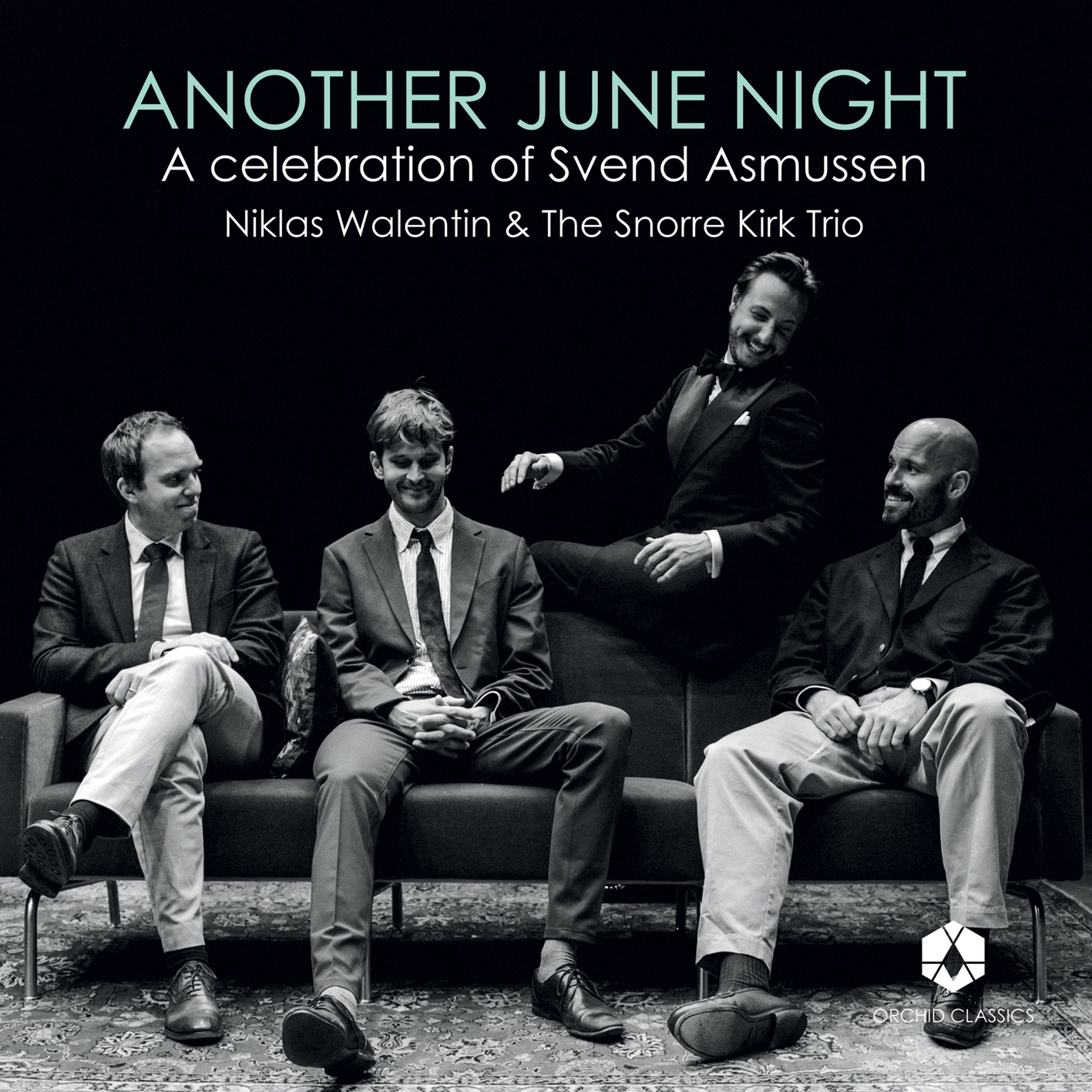
02 Niklas WalentinOn Another Night – A Celebration of Svend Asmussen the Danish violinist Niklas Walentin and the Snorre Kirk Trio of drummer Kirk, pianist Calle Brickman and bassist Anders Fjelsted present “a heartfelt tribute” to Svend Asmussen, one of Denmark’s greatest jazz violinists who died in 2017 aged 100 (Orchid Classics ORC100320 orchidclassics.com/releases/orc100320-another-june-night).

There’s a deep personal connection here: the 10-year-old Walentin met the 90-year-old Asmussen back-stage after a concert, with the two violinists later sharing a unique friendship. Asmussen gifted Walentin a collection of 11 of his jazz arrangements, and they are presented here with the violin solos remaining as true to the written form as possible.

And just look at some of the 11 track titles: Don’t Get Around Much Anymore, Someone to Watch Over Me, Basin Street Blues, All the Things You Are (a Bach-flavoured violin solo), Embraceable You, Fascinating Rhythm, Sophisticated Lady, The Nearness of You – it’s all absolute magic, with gorgeous arrangements superbly played.

It’s apparently only available as a download or a vinyl LP and not on CD.

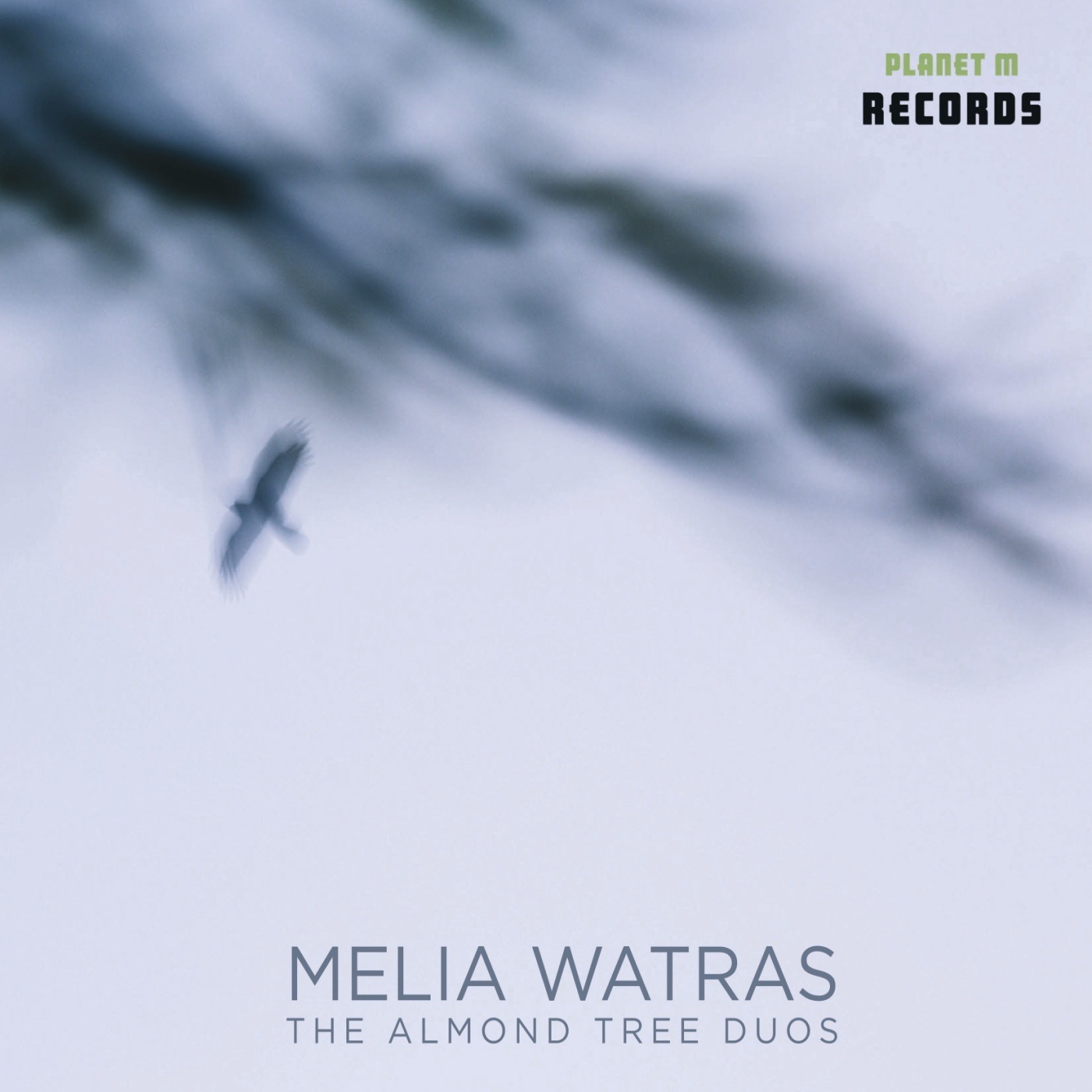
03 The almond tree duosThe almond tree duos is the world premiere recording of a work from 2019-2021 by violist and composer Melia Watras comprising 18 brief pieces for violin and viola. The violin duties are shared by baroque violinist Tekla Cunningham and violinists Rachel Lee Priday and Michael Jinsoo Lim (Planet M Records PMR-007 planetmrecords.bandcamp.com/album/melia-watras-the-almond-tree-duos).

The work can be performed in several ways, from stand-alone pieces through various combinations to a complete set; if the latter, the order should be as recorded here.

Watras encourages experimenting with combinations of modern violin and viola with baroque violin and viola. The end result here is a fascinating soundscape, the three violinists providing a variety of techniques, tonal colours and nuances to supplement Watras’ playing.

Listen to 'The almond tree duos' Now in the Listening Room

04 Lena Neudauer BeethovenThere’s another set of the Ludwig van Beethoven Complete Violin Sonatas, this time a 3CD box with the German duo of violinist Lena Neudauer and pianist Paul Rivinius (cpo 555 550-2 naxosdirect.co.uk/items/ludwig-van-beethoven-complete-violin-sonatas-1281535).

While originally titled Sonatas for Piano and Violin the 10 works, written in Vienna between 1797 and 1812, permanently established an equal and balanced partnership between the two instruments. In that respect Rivinius is every bit Neudauer’s equal in a beautifully-judged progression from the three early Op.12 sonatas through a delightful “Spring” Sonata Op.24 to an imposing and powerful “Kreutzer” Sonata Op.47.

There’s not a false note or moment throughout an outstanding set that will stand comparison with any in the catalogue.

05 Brahms Schumann violaPianist Paul Rivinius appears again, this time with violist Christian Euler, on Brahms | Schumann Works for Viola and Piano, a CD featuring works from relatively late in each composer’s career (Musikproduktion Dabringhaus und Grimm MDG 903 2353-6 euler-viola.com/en/tontraeger/new-release-2025-brahms-schumann).

The central work on the disc is Schumann’s Märchenbilder Op.113 or Fairy Tale Pictures from 1851, a work that has no individual titles that might suggest the content of the four movements.

In 1890 Brahms decided to retire from composing, but the following year he met the clarinetist Richard Mühlfeld and was inspired to write four works for him: the Clarinet Trio Op.114, the Clarinet Quintet Op.115 and the two Clarinet Sonatas in F Minor Op.120 No.1 and E-flat Major Op.120 No.2. The latter are here in the composer’s own arrangements, which he apparently felt were “clumsy and unpleasant.” Changes to accommodate the viola were mostly octave transpositions, but here Euler has “decided to play the original clarinet version consistently and to fully exploit its large range.” It’s an interesting choice.

Listen to 'Schumann Works for Viola and Piano' Now in the Listening Room

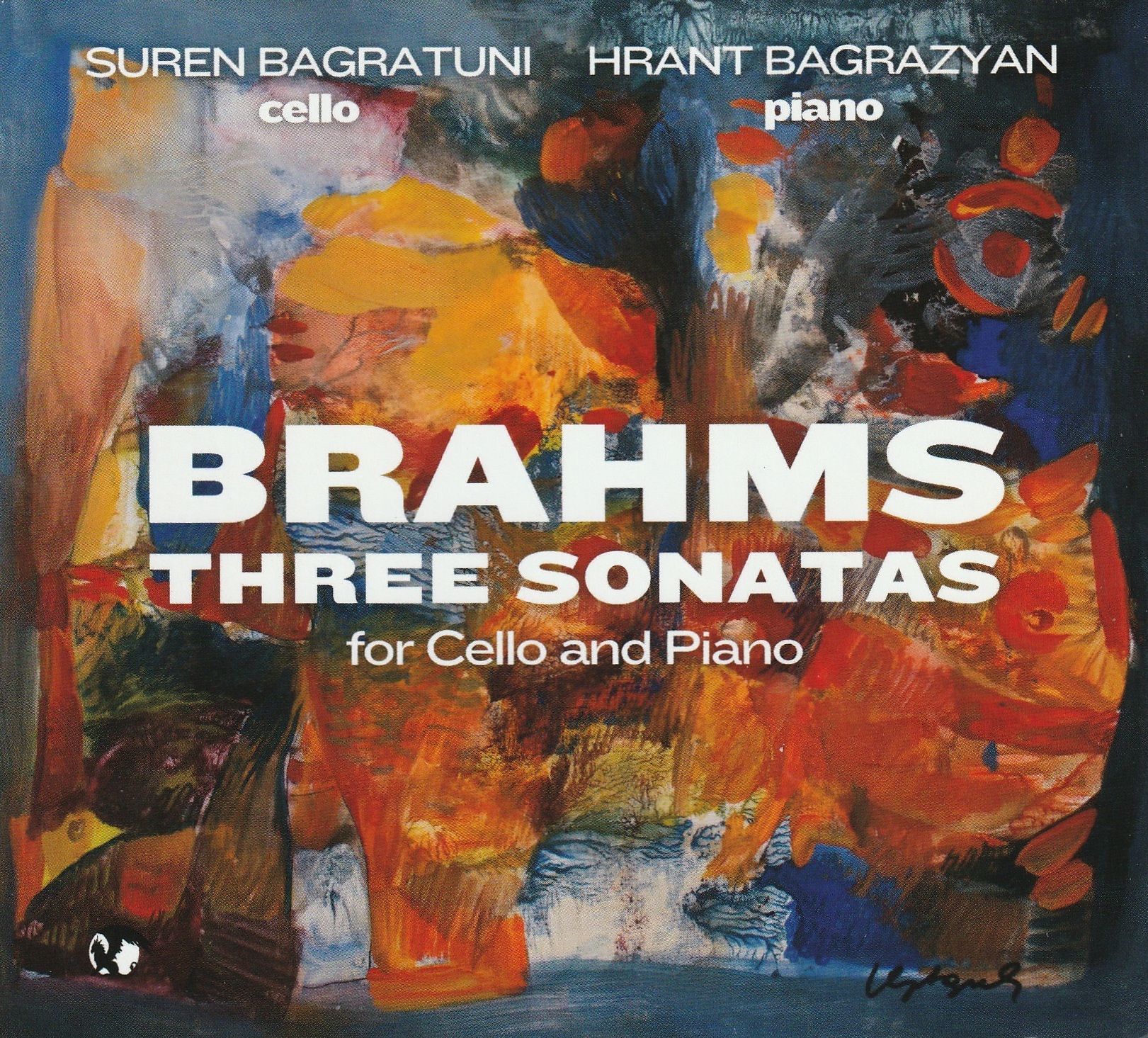
06 Brahms Three Sonatas celloOn Brahms Three Sonatas the Armenian duo of cellist Suren Bagratuni and pianist Hrant Bagrazyan perform the two cello sonatas as well as the composer’s own transcription of his first violin sonata (Blue Griffin records GBR677 bluegriffin.com/cd-catalog/p/brahms-three-sonatas-for-cello-and-piano-suren-bagratuni-and-hrant-bagrazyan?rq=bagratuni).

The Sonatas for Cello and Piano in E Minor, Op.38 and in F Major, Op.99 are given expansive readings, with both players displaying a rich, warm tone. It’s simply lovely Brahms.

The central work on the CD is Brahms’ transcription, transposed from G major to D major, of the Violin Sonata No.1, Op.78. I sometimes have issues with cello transcriptions of violin sonatas, partly because of the alterations to the melodic line – there are several octave drops in the first movement in particular here – but also because they usually bring the instrumental part down into the piano mid-range, altering the nature of the tonal colour. Here, though, that extra warmth is a positive addition, and there’s no denying the sheer beauty of the playing.

07 Dialogue Debussy SchumannFrench cellist Juliette Herlin and Canadian pianist Kevin Ahfat are the duo on Herlin’s debut CD Dialogue: Debussy & Schumann, a recital of music by two composers whose artistic kinship is often overlooked, and whose music has long been a part of the cellist’s life (Orchid Classics ORC100382 orchidclassics.com/releases/orc100382-dialogue).

The more substantial tracks are Schumann’s Fantasiestücke Op.73, Adagio & Allegro in A-flat Major Op.70 and Drei Romanzen Op.94, and Debussy’s 1915 Cello Sonata in D Minor. Herlin arranged the two Schumann Liederkreis and Debussy’s L’âme évaporée and Beau soir, with the latter’s Nuit d’étoiles, Intermezzo and Rêverie completing the disc.

Herlin has a warm, sweet tone well-suited to the music, and is given fine support from Ahfat on a charming CD that rarely really catches fire.

08 from eastern europeOn the 2CD set From Eastern Europe the husband and wife team of cellist Marie-Elisabeth Hecker and pianist Martin Helmchen present six works by 20th-century Russian composers (Alpha Classics ALPHA827 outhere-music.com/en/albums/eastern-europe).

CD1 has the Shostakovich Cello Sonata in D Minor, Op.40, Schnittke’s remarkable Cello Sonata No.1 and Stravinsky’s Suite Italienne, K034B, drawn from his neoclassical ballet Pulcinella.

CD2 features Weinberg’s Cello Sonata No.2, Op.63 and Prokofiev’s Cello Sonata in C Major, Op.119, the recital closing with a fine reading of the Rachmaninov Cello Sonata in G Minor, Op.19, surely one of the most glorious works ever written for cello and piano.

Hecker won the First Prize and two Special Prizes at the 2005 Rostropovich Competition and is clearly in her element here, beautifully supported by Helmchen.

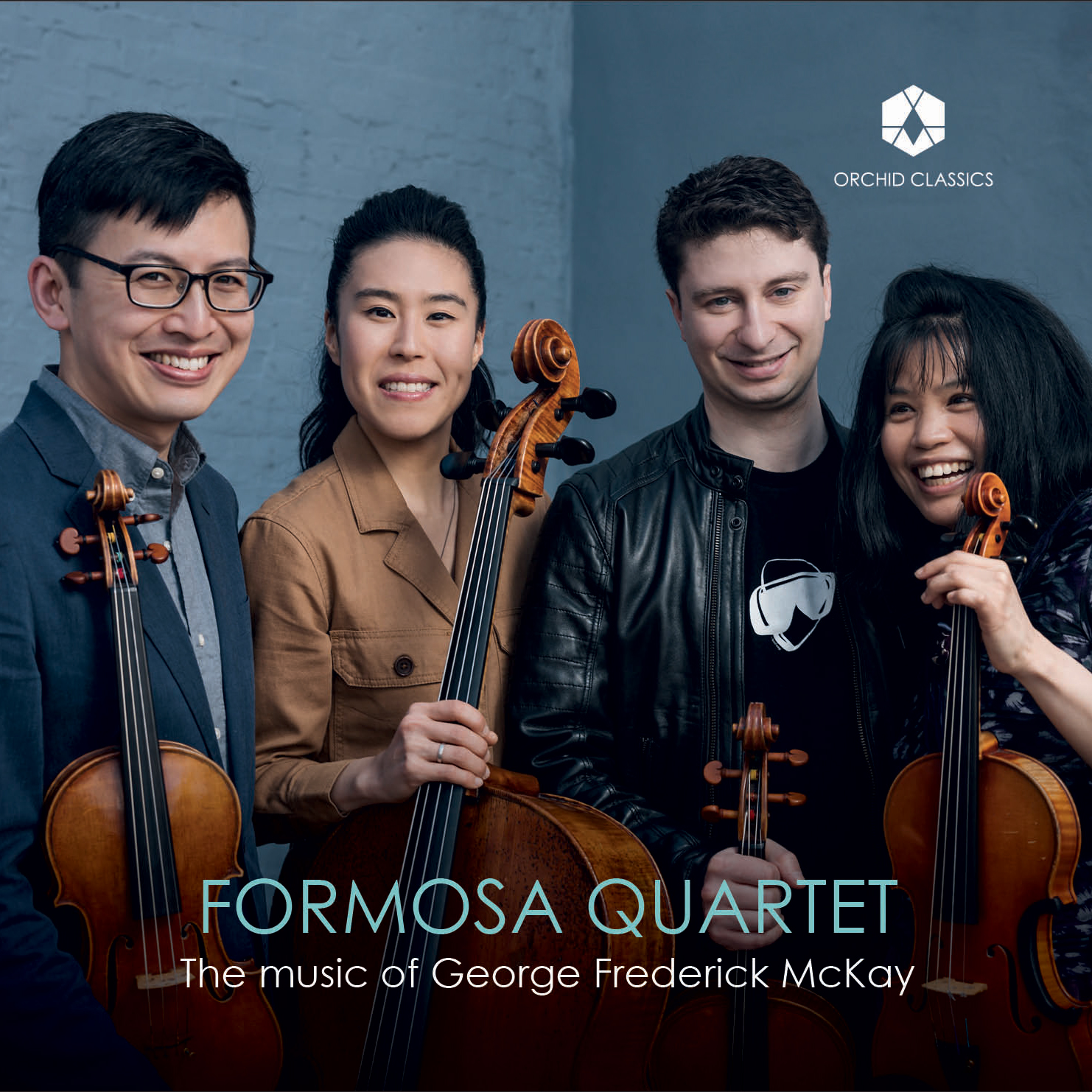
09 Formosa QuartetThe Music of George Frederick McKay sees the Formosa Quartet present the first commercial release of the string quartets of the mid-century American composer George Frederick McKay (1899-1970) (Orchid Classics ORC100381 orchidclassics.com/releases/orc100381-formosa-quartet).

McKay founded the Music Department at the University of Washington, where he was the Professor of Music for 41 years until 1968. The string quartets occupy a prominent place in his large output, and are described here as reflecting his distinctive musical language, shaped by influences ranging from Civil War era folk songs and Native American melodies to avant-garde satire from the West Coast urban scene.

The String Quartets No.1 “American Sketches” and No.2 “appassionato” are from 1935 and 1937 respectively, while the String Quartets No.3 “Poem of Life and Death” and No.4 “Mister Del Balboa” are both from 1950. They’re strongly tonal, immediately accessible and finely crafted works, given strong performances on this welcome release.

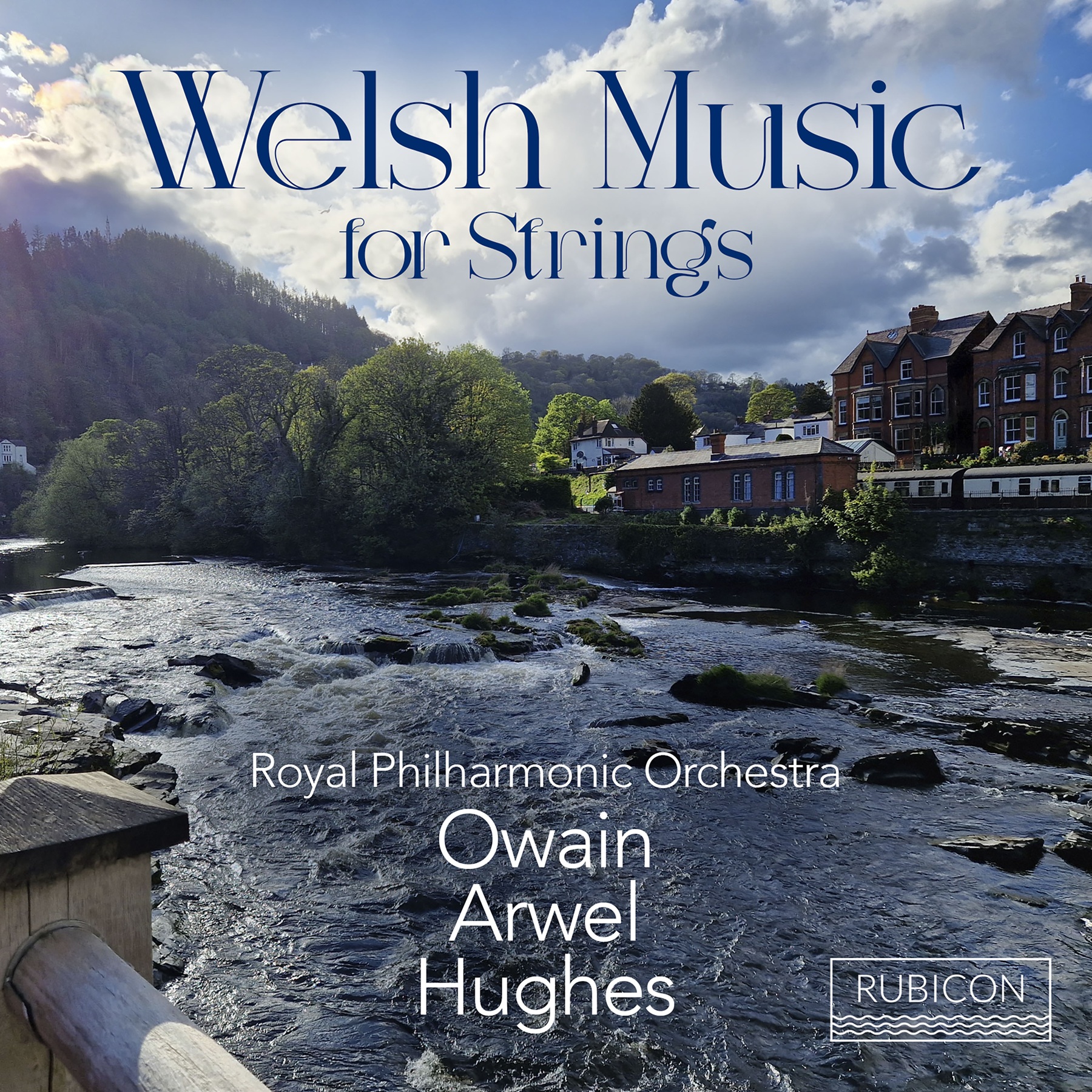
10 Welsh Music for StringsWelsh Music for Strings is a CD of world premiere recordings with the Royal Philharmonic Orchestra under Owain Arwel Hughes (Rubicon Classics RCD1198 rubiconclassics.com/release/welsh-music-for-strings).

The simply beautiful Elegy by Grace Williams (1906-77) was written in 1935 for the newly-formed BBC Welsh Orchestra. Described as “a prayer without words” the stunning O Sacred Heart, by leading contemporary composer Paul Mealor (b.1975), was written especially for this album. 

The short but upbeat Romance by Morfydd Owen (1891-1918) is an early work from a woman composer who died tragically young. The heartfelt Aberfan, by Christopher Wood (b.1945) was written for the 50th anniversary of the 1966 Welsh disaster.

There are two works by Arwel Hughes (1909-88), the father of the conductor: Gweddi (A Prayer) for soprano, chorus and strings, featuring Jessica Robinson and the Côr Llundain, and the lush Divertimento, recently discovered by his son.

The three-movement 1961 Music for Strings by William Mathias (1934-92) completes a really lovely disc.

11 Kremer Viktor KalabisString music by the Czech composer Viktor Kalabis (1923-2006) is presented on the new CD from violinist Gidon Kremer, who is joined by cellist Magdalene Ceple and the Kremerata Baltica under Fuad Ibrahimov in a recital of works by a lesser-known composer whose career was impacted by both the Nazi occupation of his country and the Communist regime that followed it (Hyperion CDA68474 hyperion-records.co.uk/dc.asp?dc=D_CDA68474).

The earliest work here is the three-movement Chamber Music for Strings, Op.21 from 1963. The two-movement Diptych for Strings, Op.66 and the four-movement Duettina for Violin and Cello, Op.67 are both from 1987. Kalabis described the Diptych as “chaste of expression – a study of new sonic possibilities of string ensemble,” but there are some hauntingly beautiful moments here – especially in the Op.21 – in music that seems to reveal more the more you listen to it.

Performances, as you would expect from Kremer and his friends, are exemplary.

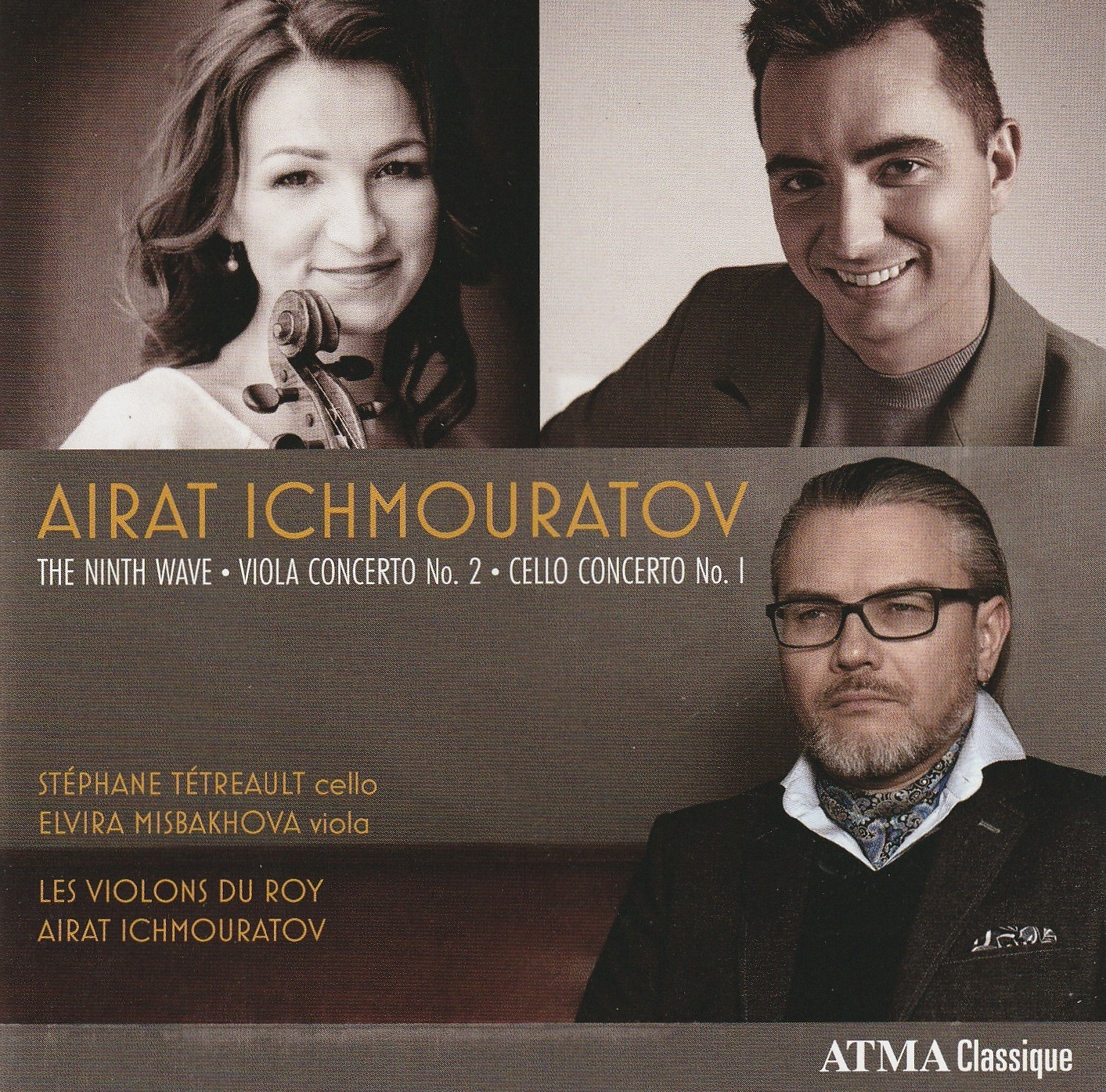
12 Airat IchmouratovCompositions inspired by artworks are featured on Airat Ichmouratov, a CD of music by the Russian-born Canadian composer, with cellist Stéphane Tétreault, violist Elvira Misbakhova and Les Violons du Roy under the direction of the composer (ATMA Classique ACD2 2896 atmaclassique.com/en/product/ichmouratov-the-ninth-wave-viola-concerto-no-2-cello-concerto-no-1).

The 2018 Tone Poem for Strings: The Ninth Wave Op.61 is a response to the painting of that name by the Russian marine artist Ivan Aivazovsky, Ichmouratov saying that he used impressionist techniques to capture the restless spirit of a turbulent ocean.

For his 2015 Concerto for Viola No.2, Op.41 Ichmouratov imagined a scene from the childhood of J. S. Bach, the three movements being written in a neo-Baroque style while also embracing Ichmouratov’s own neo-Romantic voice.

Three paintings – Intrigues, Repentance and Moto perpetuo – by the Montreal-based artist Natasha Turovsky inspired the 2008 Concerto No.1 for Cello and Strings with Percussion, Op.18 and provided the titles for the individual movements. Commissioned and premiered by Les Violons du Roy, it has a striking middle movement mourning the victims of the mid-century Soviet era.

13 Emma RushThe outstanding Hamilton guitarist Emma Rush is back with the Life & Times of Catharina Pratten, a delightful and fascinating CD featuring the music of the 19th-century guitarist and composer Madame Sidney Pratten and her associates (Independent emma-rush.com/the-life-and-times-of-catharina-pratten).

A child prodigy, Pratten was born in Germany in 1824, her family moving to England in 1829. She performed, composed and taught virtually up to her death in 1895, her three guitar methods and her book Learning the Guitar Simplified offering valuable insight into 19th-century guitar performance. There are seven of her pieces here, along with short works by her father Ferdinand Pelzer, her husband Robert Sidney Pratten, the Swiss child prodigy Giulio Regondi, the German guitarist and composer Leonard Schultz, Francisco Tarregá (who visited Pratten in London), the English virtuoso (and Pratten student) Ernest Shand, and Pratten`s student and biographer Frank Mott Harrison.

Rush plays two guitars from the 1850s, both associated with Pratten, in an immensely satisfying and beautifully played recital.

14 CancionetaThere`s more outstanding guitar playing on Cançioneta – Works for Guitar, with the English guitarist Frederick Lawton providing a snapshot of lesser-known mid-20th-century Spanish guitar music (Navona NV6723 navonarecords.com/catalog/nv6723). 

The main composer here is the pianist Federico Mompou (1893-1987), who is represented by his six-movement Suite Compostelana, composed for Andrés Segovia in 1962, and two selections – Nos.6 & 10 – from his 15-piece Cançions y Danzas piano series, the former arranged by Paolo Pegoraro and the latter transcribed by the composer.

Manuel de Falla`s Homenaje a Debussy is here, as are the three-movement Suite Valenciana by Vicente Asencio (1908-1979) and the delightful four-movement Sonata by Antonio José (1902-1936).

Lawton`s playing seems effortlessly clean, and his phrasing and musicality are first class. The recording was made using vintage microphones in order to give a warm and saturated tonal colour to the performances, and it certainly produced the desired effect on a terrific CD.

15 Empty Houses Canadian Guitar QuartetThe Canadian Guitar Quartet of Steve Cowan, Jérôme Ducharme, Christ Habib and founding member Louis Trepanier is in superb form on Empty Houses, a fascinating programme of compositions and arrangements (ATMA Classique ACD2 2883 atmaclassique.com/en/product/empty-houses).

The delightful Prologue, fougue et allegro trépidant was written by Habib’s teacher Patrick Roux for the CGQ’s 20th anniversary, the three movements referencing Chopin, Piazzolla and Bach. The other original compositions are Pulsar, by Belorussian-American composer and guitarist Olga Amelkina-Vera – its exciting rhythms gradually slowing to nothingness – and Renaud Côté-Giguère’s four-movement title track, described by the composer as an overview of his musical influences.

The hugely-effective Allegro con spirit from Mozart’s Sonata for Two Pianos, K488 (one hand=one guitar!) was arranged by Trepanier, who also arranged Areias Brancas, Orfeu Negro, a compilation of musical themes by Antônio Carlos Jobim and Luiz Bonfa from the 1959 French-Brazilian film Orfeu Negro that introduced the Bossa Nova to the outside world.

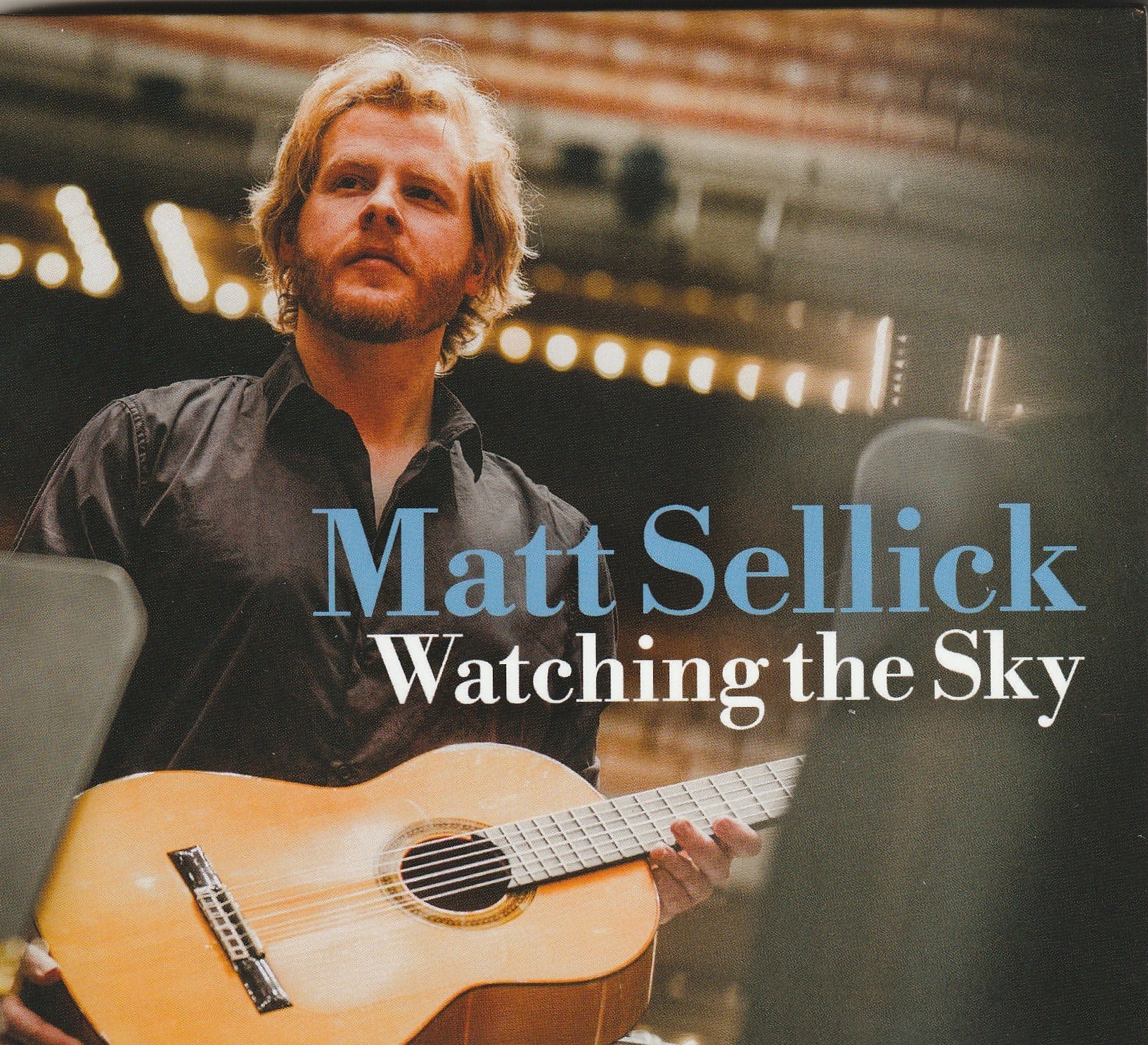
16 Matt SellickThe Thunder Bay flamenco guitarist and composer Matt Sellick, now Toronto-based, has spent much of the past decade orchestrating many of his flamenco guitar pieces and performing them with the Thunder Bay Symphony Orchestra, conducted here by Evan Mitchell on the resulting album Watching the Sky (Independent mattsellick.com).

Five of these pieces in their original form were included on Sellick’s 2014 CD After Rain, reviewed here in February 2015, and despite this being an intriguing and well-crafted project it’s difficult to feel that the orchestrations have enriched and enhanced the compositions; rather, they seem to detract from the original intimacy and impact and too often reduce the guitar to a rhythm accompaniment role. The guitar’s crispness – and After Rain had real punch – also tends to get softened in the recording balance.

The result is more of a Latin album than a flamenco album revisited, with occasional shades of José Feliciano – not a bad thing by any means. As such it has its attraction and its merits, but if you really want to know just how good a composer and guitarist Matt Sellick is then revisit After Rain.

Listen to 'Watching the Sky' Now in the Listening Room

Back to top