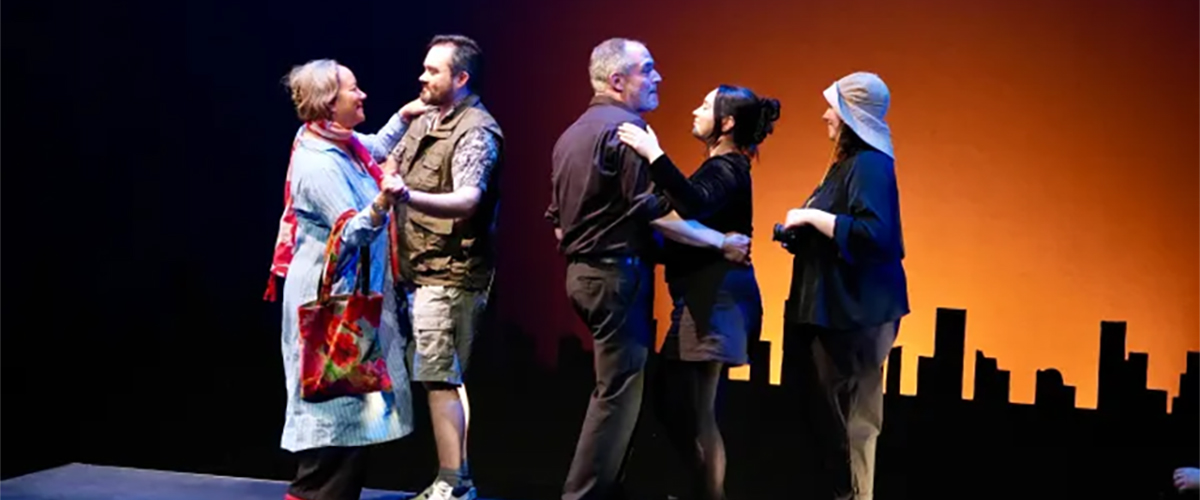
 The story so far: From promising mainstage opera to theatrical minefield: Ian Cusson and Royce Vavrek’s operatic adaptation of Thomas King’s novel Indians on Vacation was caught in the cultural crossfire when King’s assertion of Cherokee lineage was confirmed to be false in November 2025.
Planned runs of the opera in Edmonton and Toronto were cancelled; the primarily Indigenous cast and creative team responded by performing several scenes from the opera in an enthusiastically received one-off performance entitled Stories Don’t Die in Toronto on May 9, 2026 (staged by Against the Grain Theatre). It was a performance that provided tantalizing glimpses into the opera that could have been, and reminded viewers of the productive outcomes that difficult conversations and exchanges in an open environment can foster. During the audience Q&A following the show, the cast expressed tempered expectations when asked about future productions of the opera. But even if the show still faces an uncertain future, the ideas and questions that Stories Don’t Die sparked deserve further exploration.
I was particularly interested in two aspects: one, how the show blurred the lines between character, art and artist by having cast members take a microphone and speak short monologues as themselves between scenes; and the question as to whether a production can detach itself from its story’s original creator.
With these questions in mind, I contacted several members of the cast and creative team after the show. Director Yvette Nolan was the first to reply (available here). Mezzo-soprano Keely McPeek, who played Didi – one of the uninvited demons who pop up during Bird and Mimi’s European vacation – was next to respond.

On “Stories Don’t Die” as a production:
KM: Stories Don’t Die wasn’t just about presenting scenes from the opera; it was also about documenting what happened to the Indigenous artists involved and what we think about this opera, and Indigenous opera more broadly. I hope that one day we will be able to expand on the work that Stories Don’t Die began.
Is Indians on Vacation an Indigenous opera?
“The story surrounding Indians on Vacation (the opera) is now much more than what the original [book] was. Indians on Vacation had already been in development for years, and many Indigenous artists had already contributed to it. Indigenous artists had already put their art into this opera. What happened to us throughout this entire process became its own story. What happened to us is an Indigenous story in its own right.
Out of all of the Indigenous operas and plays that I have been a part of, Indians on Vacation is the one that has best reflected my personal lived experience as an Indigenous person. These characters are familiar to me. This opera portrays Indigenous people as funny and real and current and relatable to anybody. They aren’t historical figures or caricatures - they are real people. Portraying Indigenous characters in this way in opera is progress. That progress is what’s important to me.
This opera has been created and shaped by many Indigenous artists. I bring pieces of myself to every character I ever play. I always look for the parts of myself that overlap with the character, because that’s what makes a performance feel truthful to me. That’s me inside the character. I’m Indigenous. That should be enough.
On how the monologues provided a space for dialogue:
Even though it was scary, I think the monologues were one of the most important parts of the show. As artists, it can often feel like we’re at the mercy of arts organizations and whatever decisions they make. What shows get produced? Who gets cast? What stories are told, and who gets to tell them? Individual artists don’t always have much of a say, and Indigenous artists often have even less.
The monologues gave us, the Indigenous artists who were the most impacted group of people by everything surrounding Indians on Vacation, the opportunity to speak for ourselves. We weren’t speaking through a character or through someone else’s script. We were able to share our own experiences, perspectives, and expertise. I’m really grateful that Against the Grain made the brave decision to give us that space.
Is the opera separate from the book?
I actually still haven’t read Indians on Vacation, the novel. I fully intended to before rehearsals began for the original premiere. Then things obviously shifted. I’m not sure if I ever will read it. I currently prefer to think of Indians on Vacation (the opera) as its own work. That’s the version I’ve lived with and the version I have a relationship with.
On double standards in operatic stagings:
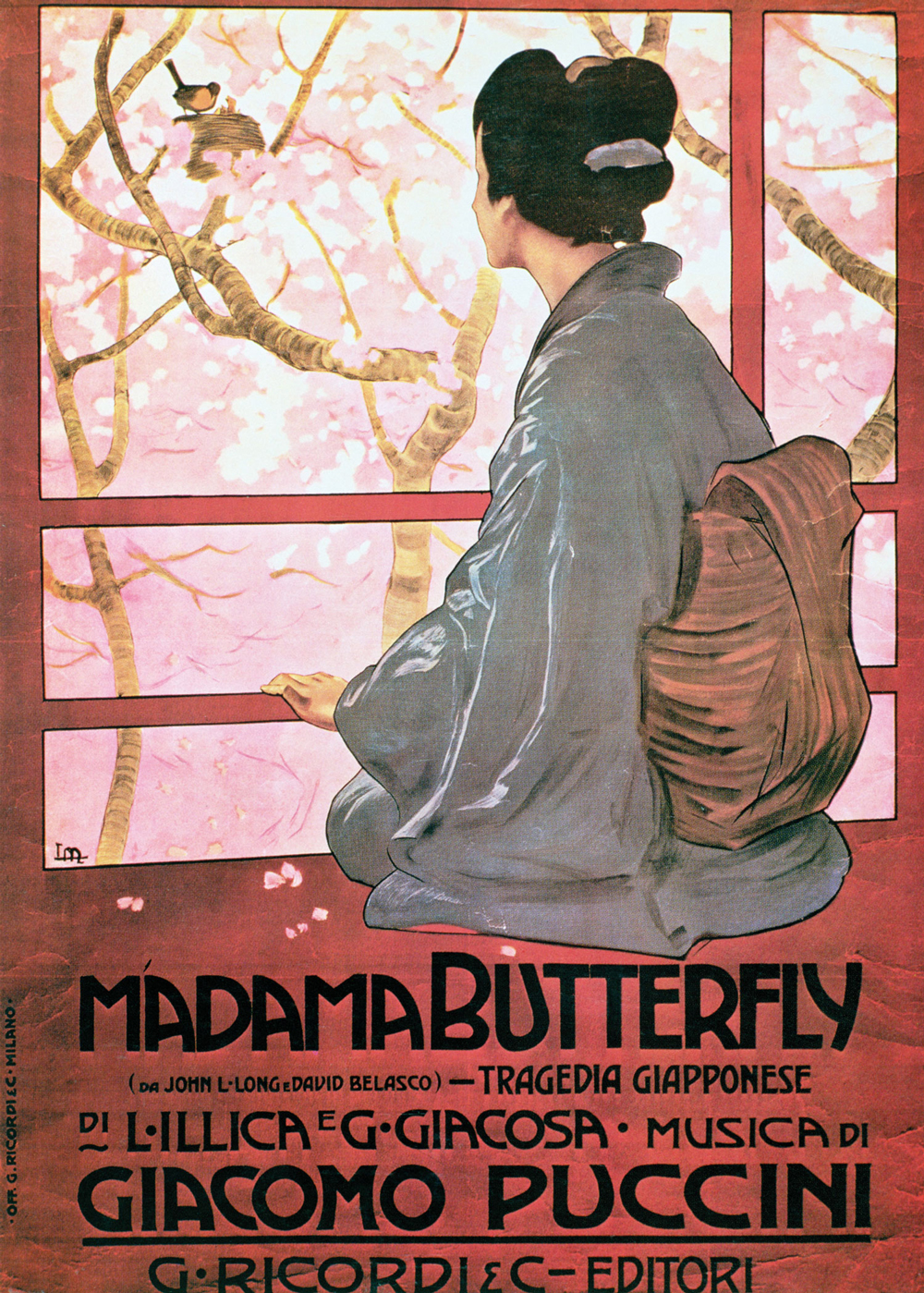
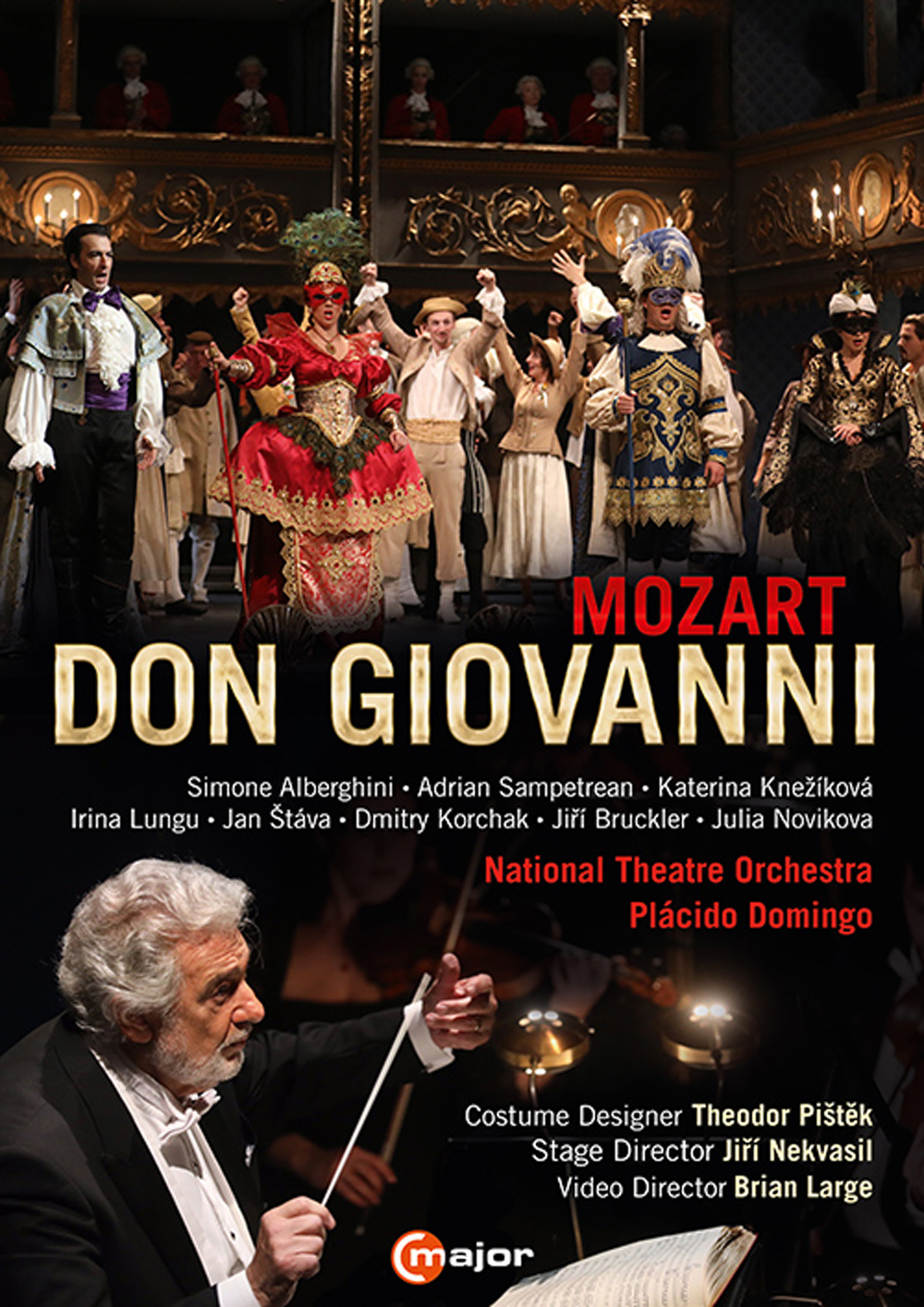
I find it frustrating that an opera like Indians on Vacation was criticized to the point of cancellation, while operas like Don Giovanni and Madama Butterfly remain some of the most frequently performed works in the repertoire today. I also think that if we can recontextualize and Indigenize existing stories that were not previously Indigenous, then we should be able to do the same with Indians on Vacation. Is it an absolutely perfect opera, artistically and politically? Probably not. But I would say that Indians on Vacation has a lot more power to create meaningful conversations and social change than another production of Don Giovanni does. We won’t be able to make any progress if we need every new creation to be perfect in every way.
On the toll - and necessity - of speaking out:
On a personal level, speaking publicly about such a controversial topic while trying to build a performance career was intimidating. It’s worth pointing out that even when Indigenous artists manage to enter into a performing arts career (which is already difficult for anyone), we often find ourselves being forced to navigate incredibly complex cultural and political issues at the same time as we’re trying to establish ourselves professionally. My non-Indigenous colleagues generally don’t have to carry that same responsibility. I’m fortunate to have a good education and a smart support network, but not everyone does. We aren’t there yet, but I hope that one day we can get to a point where speaking up about these issues isn’t simply accepted as part of the cost of being Indigenous in this industry.
As Keely's answers illuminate, the issues relating to Indians on Vacation run far deeper than the identity of one person, or one show, for that matter. Stories Don’t Die offered a unique opportunity for larger issues of participation and power to truly play out both in the voices of the characters and of the performers that played them. As such it was an invitation: to continue, in an open environment, a difficult and vital conversation. More to come.
Having written for Total Baroque and Martlet, Lucas Hung follows stories at the intersection of artistic endeavour and public perception, and strives to illuminate the connections between programmers, performers, and the public. He can be reached at lucashungmedia@gmail.com.