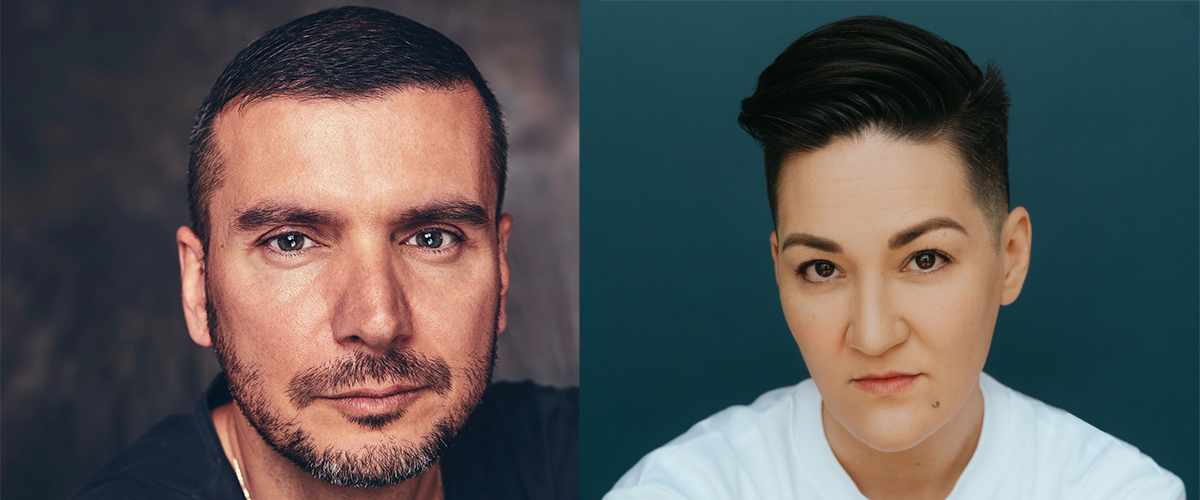
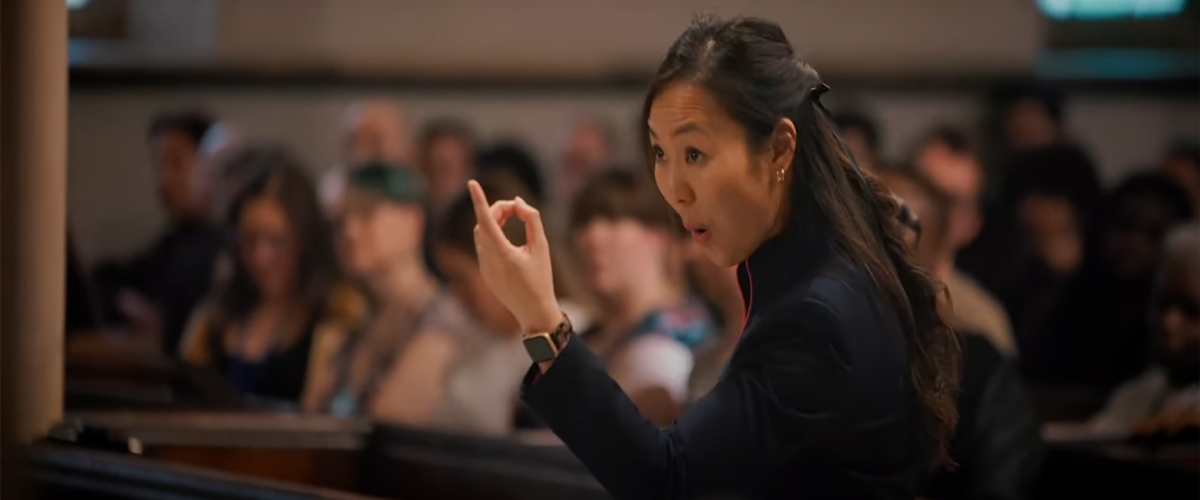
Babεl Chorus - founded in 2018 by Elaine Choi - performing "Cultural Landscapes" at PODIUM National Choral Conference, Montreal 2024, singing in Arabic, Seriac, Japanese, Cantonese, Mandarin and Malaysian.One day in the golden late ’80s in Hong Kong, almost past the reaches of Elaine Choi's memory, she balanced on her mother's piano bench. She was about three years old. Her mother helped one of her small fingers find middle C. The note resonated through the black upright Yamaha, as it did for the many piano students who filled Choi’s childhood home. Choi's own lessons with her mother turned out to be the beginning of an impressive international music career bridging East and West. But not as a performance soloist. Instead, Choi found success in one of music's most collaborative genres – as a conductor for choral music.

Read more: Community Through Song: Elaine Choi’s Choral Journey
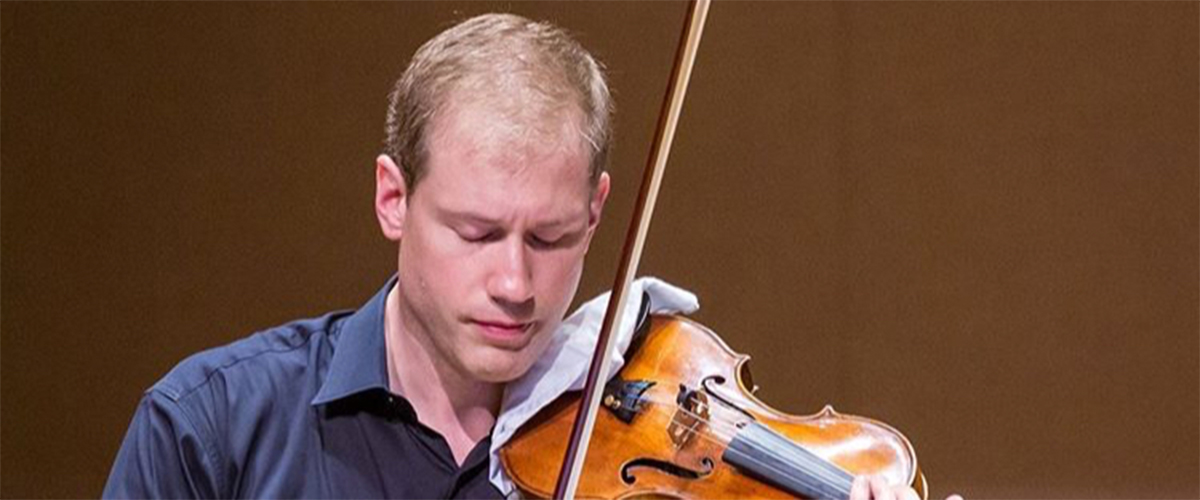
Jonathan Crow. Photo by James Ireland.If I were talking only to long-time readers of this magazine right now, I would suggest you do some online homework before carrying on with reading this story, by heading off to one particular spot on the Toronto Summer Music (TSM) website. Once you arrived, I’d ask you to scroll your way up through the two lists of musicians you’ll find there – the alumni of the TSM’s two Academy programs (chamber and vocal music) from 2012 to 2023. (The lists are easy to find even if you don’t have a link: just go to “Alumni” under the tab “Academy.”)

Read more: Fellows and Mentors: The Warp and Weft of Toronto Summer Music

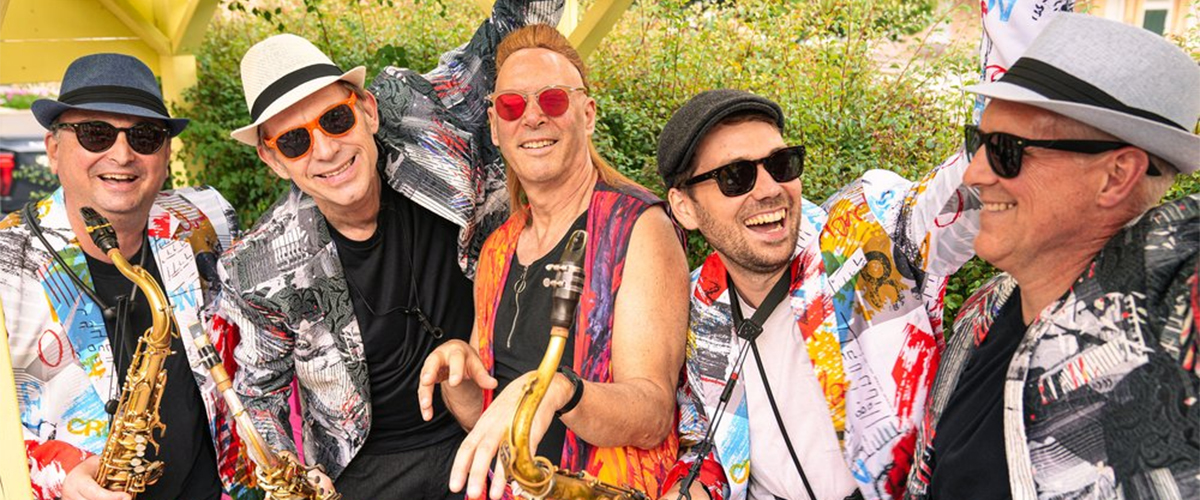
Something Else Festival: The Shuffle DemonsEvery year in Toronto – at least for this west coast transplant – summer seems to arrive all at once. Parkas transform into t-shirts; boots to sandals; a pervasive dread that winter shall never end is replaced by a cautious optimism that a few brief moments of respite are at least theoretically possible. The summer has many of the same delights to offer as the regular season for the dedicated music patron, but festival season also offers the appealing prospect of being jolted out of one’s usual routines.

Read more: SUMMER TIME & the definitions go out the window

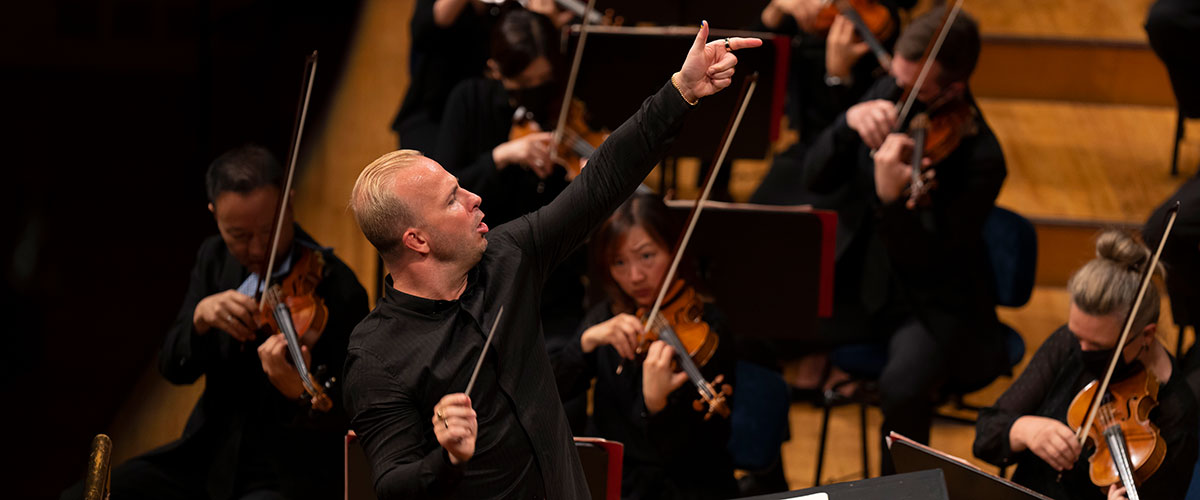
Yannick Nézet-Séguin’s tail-less Philadelphia Orchestra come to Koerner Hall on April 21. Photo by Todd Rosenberg.

It’s time I rumble (fussing with the shirt studs and cufflinks) “once again” (muttering while untwisting the back strap on my white vest) “to carp and whine about this ridiculously outmoded uniform requirement!

The occasion? Getting set to join my colleagues in the Hamilton Philharmonic, a fine regional orchestra where I am sometimes called as a substitute. We are to perform music by Mozart, who wrote his beloved Symphony No.40 in G Minor before white tie and tails were a thing, and Richard Strauss, who lived during their rise as formal evening wear.

Read more: It’s Time to Ditch the Tails

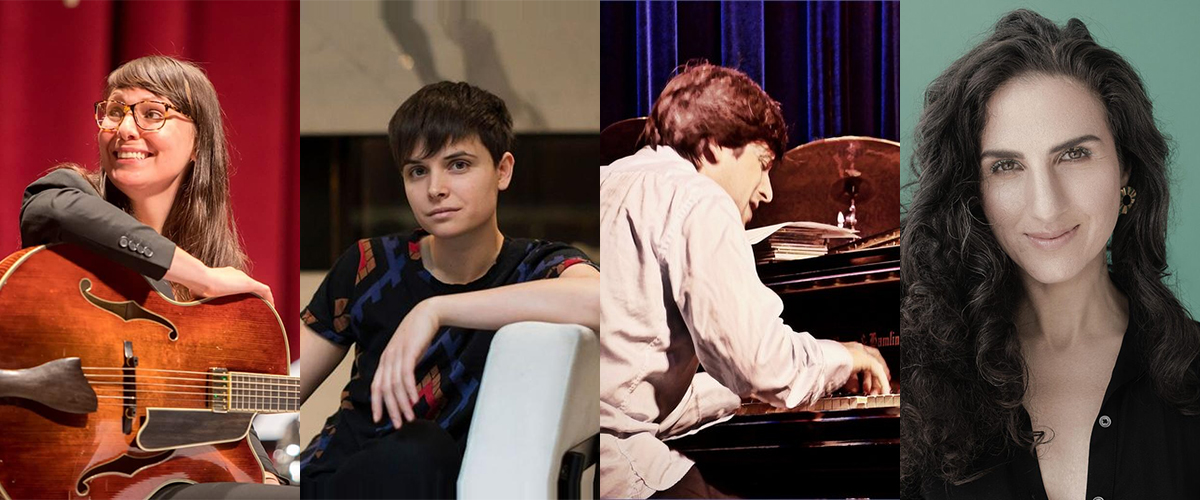
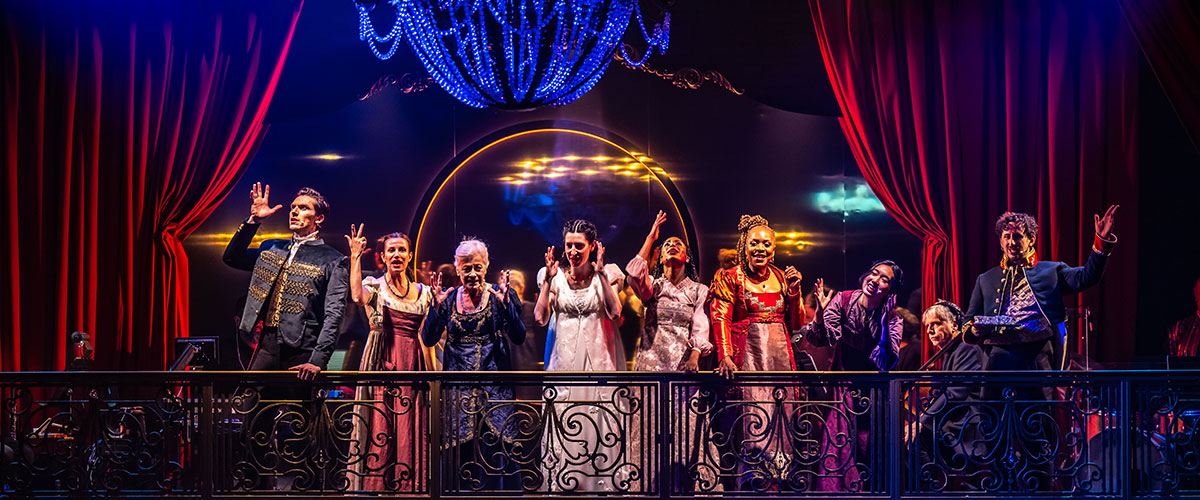
(L to R): Jocelyn Gould, Gentiane MG, Noam Lemish, Laila Biali.Ah, awards season. That very special time of year when artists across a variety of fields experience the thrill of being nominated, grapple with existential issues of the validity of awards and rankings within the arts, eat a moderately expensive banquet salad, and rub shoulders with fellow Canadian music-industry colleagues. (When I attended the JUNOs, in 2016, Canadian hip-hop legend Kardinal Offishall came up behind me, patted me on the shoulder and said “keep doing what you’re doing, man.” When I turned around, he said “oh, sorry, thought you were, uhh…” and promptly left. It remains a proud moment.)

Read more: Looking Forward to the JUNOs (after the fact)

Pianist David Eliakis (L) and Teiya Kasahara 笠原 貞野. Gaetz photography.Lieder, or art song, might seem a tough sell at times. With just two performers on stage, singer and pianist, it does not offer the visual dazzle of opera with its scenery, orchestra and casts of thousands. Texts are usually by 19th-century poets such as Verlaine, Goethe, Rilke, Heine and Hesse, and in German or French which makes them less accessible to English-speaking listeners. To do justice to the texts, songs were often through-composed and so they lack choruses that might catch the audience’s ears.

Read more: A New Journey: Reimagining Art Song for the 2020s

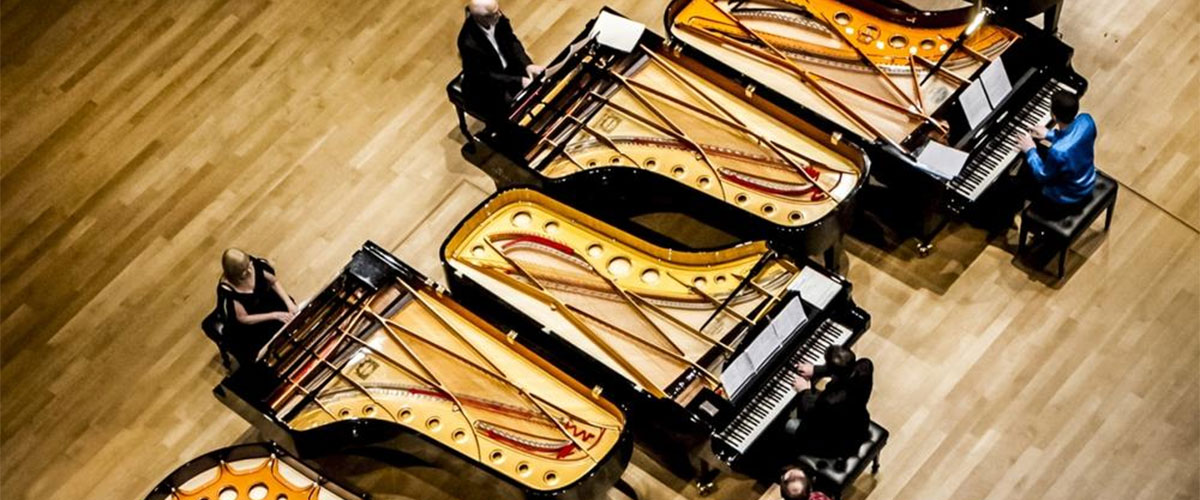
KEYED UP!: the final concert features three works for six grand pianos. Photo courtesy of Facebook page.Women from Space: In last month’s issue, I wrote about the Women from Space festival, which happened from March 8-10. I was delighted to attend some of the events, and came away feeling inspired and energized by what I heard. The festival opener was a spectacular improvisation by Bloop, the duo made up of trumpeter Lina Allemano and her performance partner Mike Smith, whose electronics wizardry was fully on display in the effects processing he conjured from the equipment at hand. At times Allemano also played various gong instruments, such as a large cow-bell with one of her hands, adding different sonorities to the mix.

Read more: Keying Up for an Inventive Spring

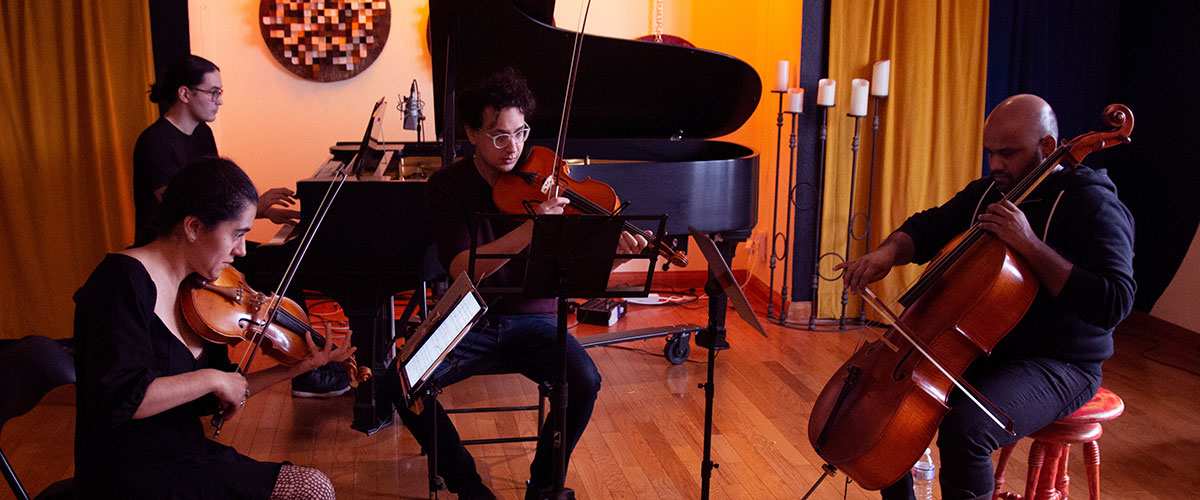
Freesound collective. L-R: Wesley Shen, piano; Aysel Taghi-Zada, violin; Matthew Antal, viola; Amahl Arulanandam, cello. Photo by Shawn Erker.As we endure the coldest stretch of the year, anticipating the first signs of thaw around six weeks from the release of this issue, it seems that new music activity in the city is also undergoing a bit of a hibernation, with many of the typical presenters holding off until April to resurge into action. However, as I discovered while perusing the listings, there are some signs of vibrant and percolating life out there. One concert in particular caught my eye – a performance of Morton Feldman’s 80-minute work for piano and cello entitled Patterns in a Chromatic Field, performed and produced by members of Freesound on February 29 and March 1.

Read more: Freesound Collective tackles Feldman

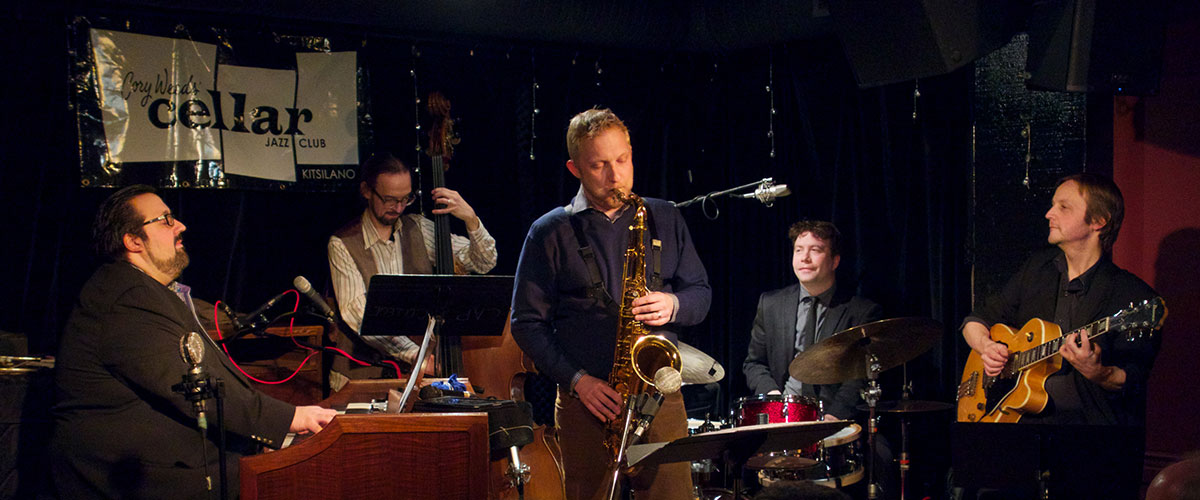
At The Cellar, Vancouver, in 2014: (l-r) Joey Defrancesco, Adam Thomas, Cory Weeds, Julian MacDonough, Mike Ru. Photo courtesy of Cory Weeds.There is a conventional narrative about a musician’s career trajectory, perpetuated in television and film: in the US version, the talented young musical artist plays progressively bigger stages, from high school talent shows to local clubs to Madison Square Garden, or Carnegie Hall, or the Grand Ole Opry, depending on the genre; and at the conclusion of the hero’s journey, we are left with an image of our protagonist as having arrived, as it were, on their rightful stage, never again to play in a venue smaller than an aircraft carrier.

Read more: When Small is Beautiful
Back to top