05 Russ BrannonRuss Brannon – Sojourn
Russ Brannon; Various Artists
Independent (russbrannon.com)

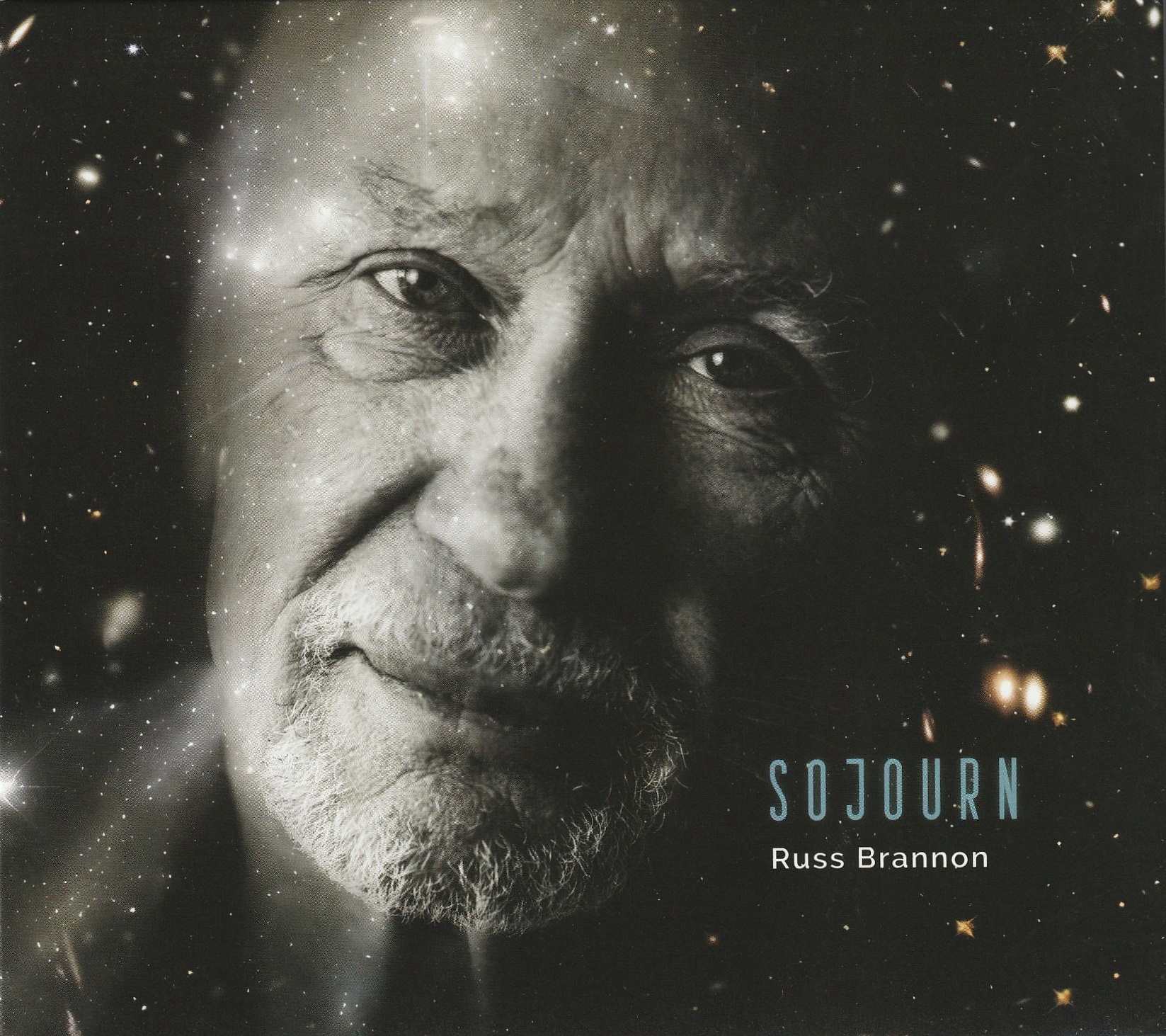
Cruising, nocturnal, tasteful, groove-laden, melodic and velvety in equal measure, Sojourn is a pleasure to sit through, and then sit through again, and then again. The ensemble Russ Brannon recruits here is on the larger side, and yet rather than a wall of sound, what greets the listener is more like a warm breeze. 

Consisting entirely of Brannon’s original compositions, the subtleties are what arrest and surprise the most here. Pauline’s shuffling beat gives way to a buoyant waltz, one that feels lighter than air while also being on the looser side, hanging back nicely in the beat. Thistle Street moves effortlessly through unison lines between the guitar and saxophone, into more open sections that give the piece time to breathe. Soloing is nicely paced, while the actual blowing has a feeling of palpable intent (not to be mistaken for sounding contrived, there is still much freedom here) behind it, as if each catchy melody was contending with the others for real estate in the listener’s mind. 

When the band arrives in a spot together, it feels like second nature, even down to every last premeditated rhythmic hit. Adding considerable richness to these arrangements are a full string section and Lori Cullen’s voice; the former uplifting numerous sections with ambient swells while the latter provides a unique ethereal quality to the more harmonic passages. To sojourn is to stay temporarily, but Sojourn will remain with you for a while.

06 Sam BrovermanSam Broverman – Memories of You
Sam Broverman; Morgan Childs; Jacob Gorzhaltsan; Peter Hill; Leslie Huyler; Drew Jurecka; Jordan O’Connor; Tony Quarrington
Independent (brovermusic.com)

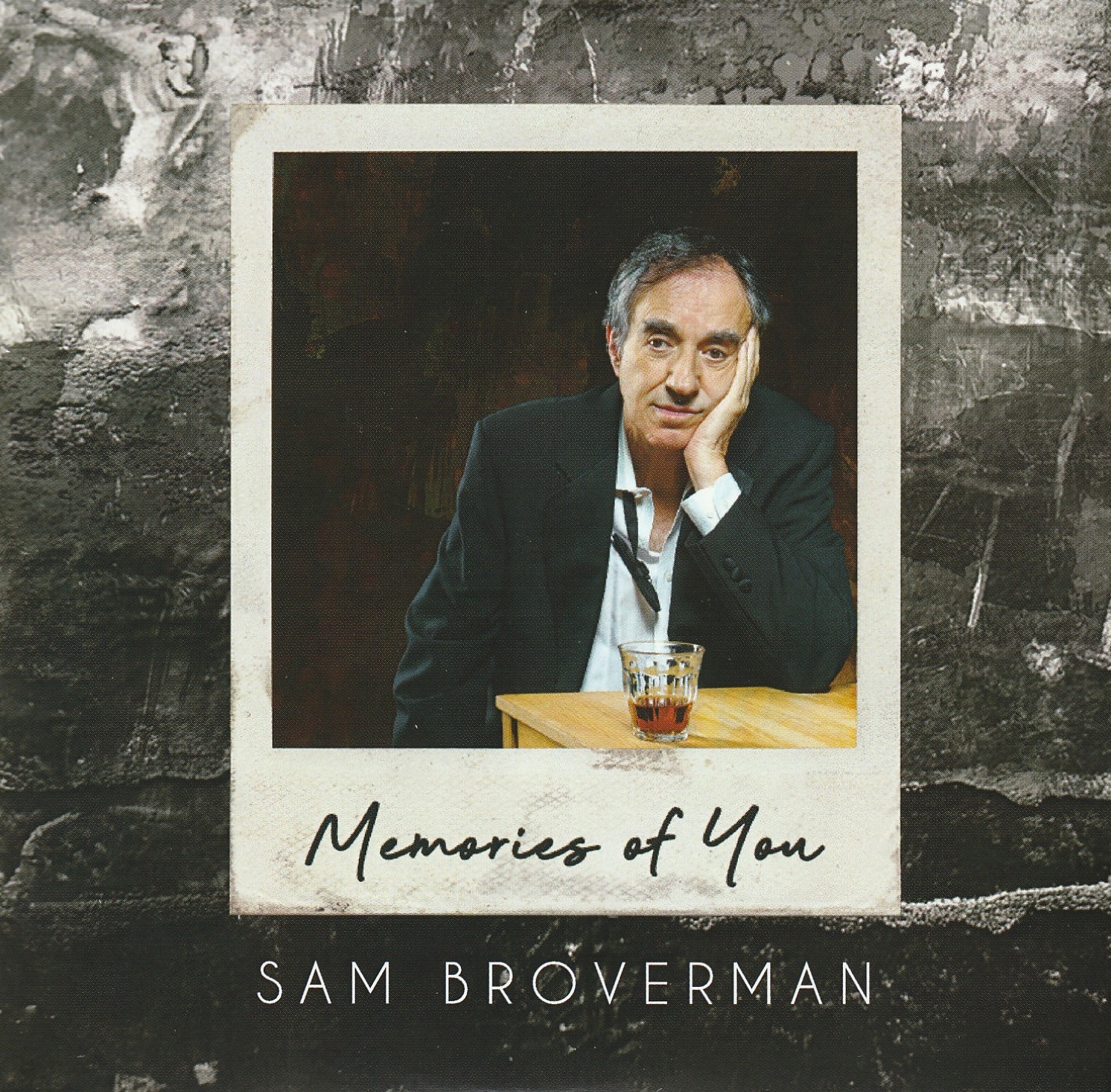
Toronto-based, Winnipeg-born jazz singer and songwriter Sam Broverman is back with 11 original songs written alone or in collaboration with others, and two covers. Broverman, perfect and inspirational in his musicianship, has performed worldwide. He also has a Ph.D in math and is Professor Emeritus in Actuarial Mathematics at the University of Toronto.

Broverman sings about the ups and downs of love relationships in a positive reflection. He is joined by seven A list musicians. The title track is upbeat rhythmical storytelling. He sings his memorable melodies with clear phrasing and colour, with instrumental solos midstream. The heart wrenching lyric “now a ghost of you is all I have” becomes positive with the held note “memories” at the ending. 

Broverman’s voice is emotional and controlled in the cover Have a Heart by DiNovo and Mercer. Tony Quarrington’s guitar performances give powerful support to Broverman’s vocals here, with a beautiful jazzy solo. Broverman and Quarrington’s unforgettable jazz composition I’ll Still be Loving You features great Quarrington solos and Broverman’s passionate clear, emotional singing. Their composition As a Matter of Fact opens with a drumkit solo. Broverman’s upbeat singing gives a positive feel and encourages singing along. Jordan O’Connor’s bass solo with Peter Hill’s virtuosic piano accompaniment are both so musical.  

Perfect songs, singing, instrumentals and production are simultaneously jazzy and contemporary: it is impossible to feel depressed while listening to Broverman.

07 Ilya OsachukIlya Osachuk – The Answer
Ilya Osachuk; Tyler Henderson; Donald Vega; Kai Craig; Billy Drummond
Independent IOM01 (ilyaosachuk.com)

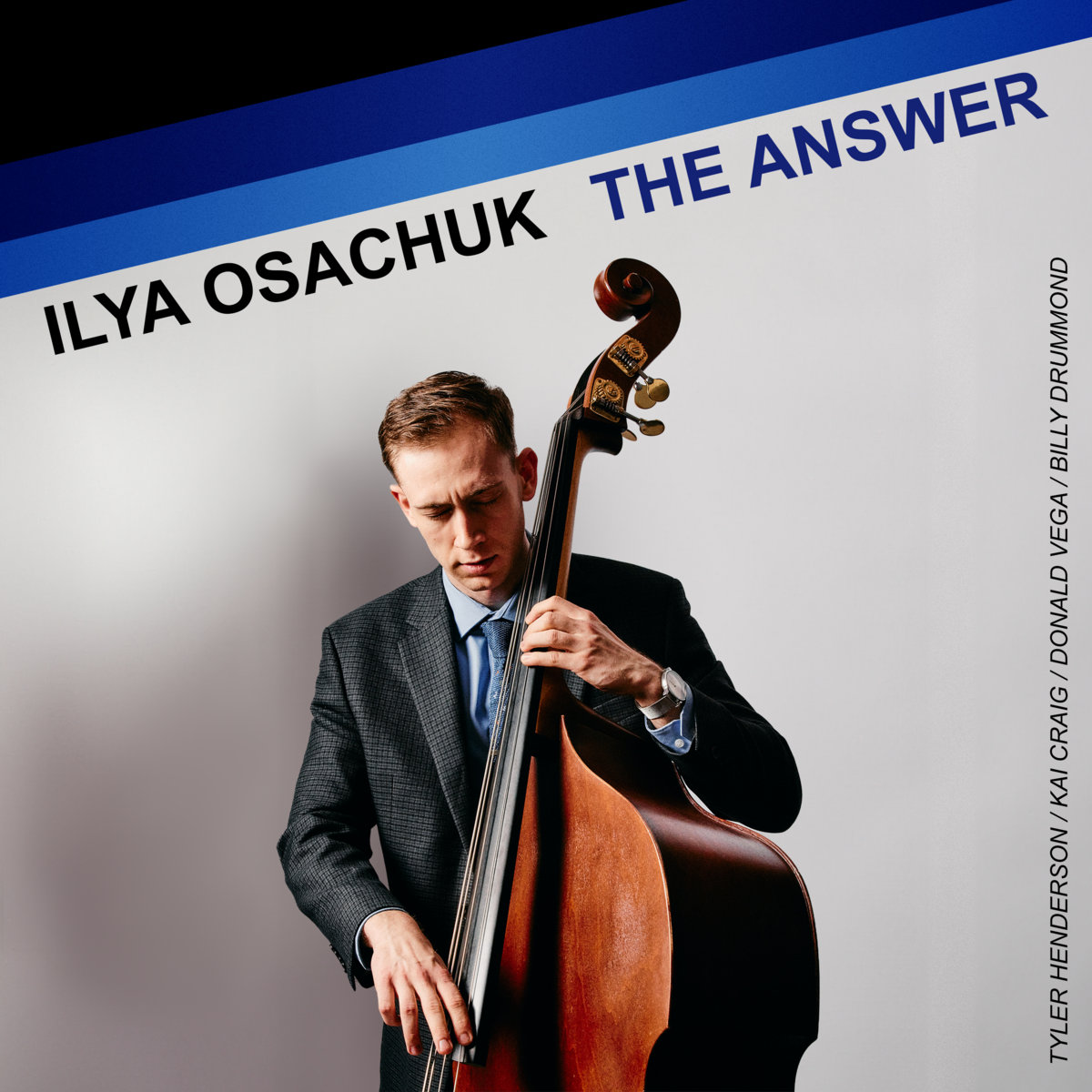
It is always exhilarating to hear the upright bass harnessed as a melodic instrument to the extent that Ilya Osachuk does on his delightful debut album. It is even more satisfying when it is in a piano trio (or perhaps, bass trio in this case) format, as the bass is allowed more space to breathe in the higher registers, and there is infinite potential for musical interplay. It helps even further then, that the trios on this album are just about the tightest and most dynamic on planet Earth. Piano duties are shared by Tyler Henderson and Donald Vega, with drums provided alternately by Kai Craig and Billy Drummond.

Osachuk’s intricate, labyrinthine original works are a joyful listen, particularly when played with such clarity and verve. The rhythmic hits on Lviv Perspective are incredibly lively without ever once masking the melody, which itself brings to mind the Geri Allen Trio with how seamlessly all the mini-sections are weaved together; moments of pure synchronicity between bass and piano occurring organically yet also selectively. February and its intro have their own music video, which among other things offers an incredibly moving glimpse into the moments of real quietude in the studio, particularly leading out of Osachuk’s spellbinding solo, when there is a glance shared, a head nod, but that second of true silence also finds a profound moment of rest. It is a beautiful thing when music can afford to do that, fill the air with an abundance of gestures that all come together perfectly, and then catch its breath.

Listen to 'Ilya Osachuk: The Answer' Now in the Listening Room

08 Robert LeeForbidden West
Robert Lee; various artists
In The Sun Records ITSCD 102 (inthesunrecords.com/robert-lee-forbidden-west)

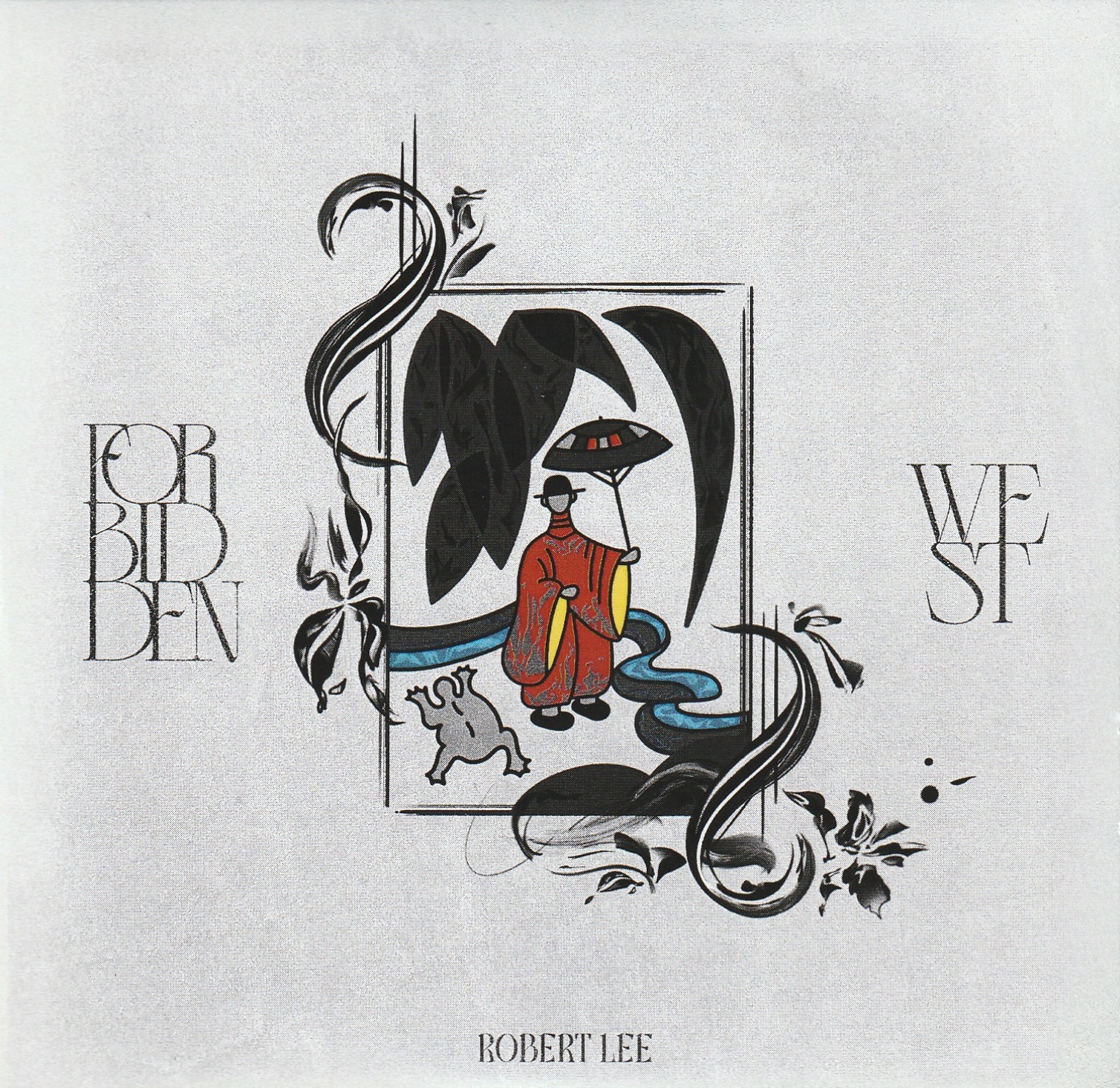
Within a country that celebrates multiculturalism as Canada does, it’s truly great to see a musician with a diverse cultural heritage diving into where his roots come from. Such is the focus of Canadian-born Korean bassist and composer Robert Lee’s newest record. In his own words, he has “delved deeper into exploring his identity as a Korean Canadian, questioning what it means to simultaneously straddle two contrasting cultural identities.” He has showcased this exploration in a beautiful way in his compositions. The album features some renowned players, such as Allison Au on the saxophone, Andrew McCarthy on drums and Todd Penteny on piano. It is also a treat to see several Asian-identifying musicians featured, adding to the authenticity of the cultural experience of the tunes. 

What really stands out is a certain openness and soul-baring quality, present throughout the album. It is as if Lee is exposing a part of his soul and being, exploring his multifaceted cultural background and the struggles - but mostly positivity - which comes out of trying to balance two cultures simultaneously. Lee manages to prolifically weave elements of Korean traditional music into his modern compositions, the zither-like sound of the gayageum, played by Roa Lee, intertwining with expressive bass melodies, soaring saxophone solos and captivating piano chords which are reminiscent of the pentatonic scale often used in Asian cultures. If you’re looking for a true cultural and musical experience in one, this album is for you.

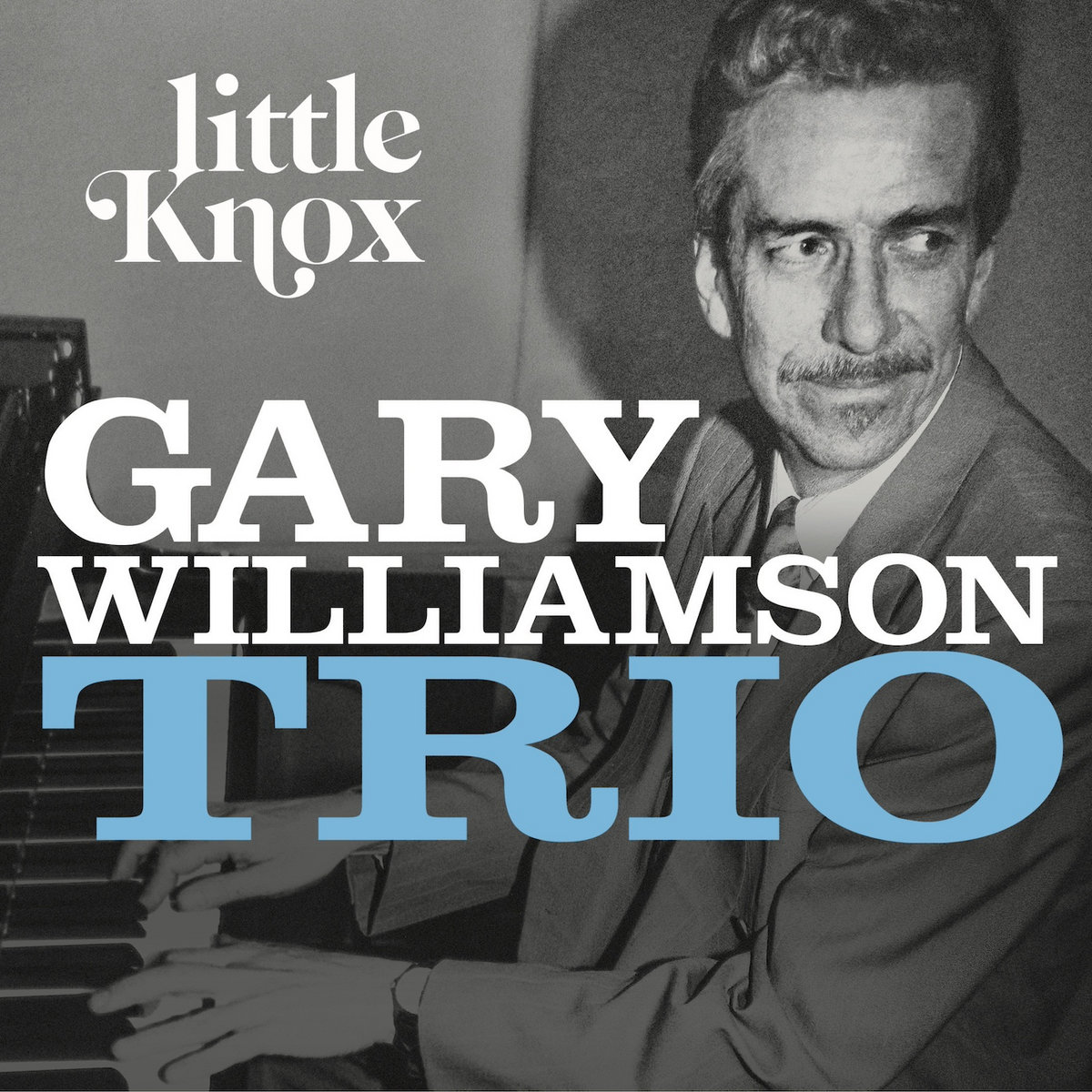
10 Gary Williamson CoverLittle Knox
Gary Williamson Trio
Modica Music (modicamusic.bandcamp.com/album/little-knox)

The late inspired and inspiring jazz pianist, Gary Williamson, left us in 2019. Although a much-in-demand figure in the Toronto/Canadian jazz scene and his musical legacy is extensive (including jazz education and sharing the stage with an impressive array of jazz luminaries), it still seems as if Williams was under-acknowledged. Although often compared to the iconic Bill Evans, ironically, he rarely listened to Evans. Williamson’s intuitive melodic ideas, his technical facility and of course his deep understanding of lyrics – the intent of a tune, and of a particular song’s emotional vocabulary – are his own.

Modica Music has just released this posthumous, historic and pristine trio album,  recorded at Williamson’s home on August 12 and 15, 2003. Joining Williamson on the date was  the iconic percussionist Marty Morrell and bassist Dave Young. Beautifully produced by noted bassist, Roberto Occhipinti, the CD features 14 tracks – an elegant mash up of gorgeous ballads, jazz standards and bebop burners. This fine CD (Williamson’s only trio recording) is not only a tribute to a magnificent musician, but it should be a primer to every emerging jazz musician.  

Although every track is a gem, a highlight is Fun Ride. On this snappy opener, Williamson’s dynamic, lush sound is literally breathtaking, and the work of Morrell and Young is both enhancing and supportive – just as it should be. Williamson’s facile pianistic attack insures that every melodic nuance lays itself before his feet. His soloing is exquisite and takes a swinging turn when Morrell switches from brushes to sticks. The title track, Little Knox, again showcases Williamson’s incredible sensitivity, enhanced by Morrell’s brilliant percussive choices. Also superb are Williamson’s delicious, swinging performance on Rodgers and Hart’s classic I Didn’t Know What Time it Was, and of sheer, nearly unbearable beauty is the trio’s rendition of Ellington’s sensual ballad, Prelude to a Kiss.

11 Lockdown SessionsThe Lockdown Sessions
106 Ontario Collective
Modica Music (modicamusic.bandcamp.com/album/the-lockdown-sessions)

Roberto Occhipinti is truly a jack of all trades, staunchly eschewing the “master of none” trap that can accompany that descriptor. He is a multi-genre bassist, a contractor of bands and orchestras, a music educator, and someone who’s occupied most roles in countless recording studios. Occhipinti’s latest offering The Lockdown Sessions features its leader not only performing the double-bass parts but producing and mixing the record as well. 

It’s essentially three albums in one, featuring two trios and a quartet. Maybe 2.5, as the final product comes out to 13 tracks. This is too much music to describe track by track in a short review, but each group has a distinct sound that gives a great context through which to discuss the album. 

The quartet portion of The Lockdown Sessions features guitarist Lorne Lofsky and pianist Adrean Farrugia, with Occhipinti and drummer Terry Clarke rounding out the rhythm section. They play contemporary arrangements of four jazz standards, with a synchronized yet exploratory approach. Lofsky’s stellar 2021 release The Song is New is also on Modica Music, and to me, his playing on The Lockdown Sessions is more probing and “live” than the shorter studio arrangements heard prior. 

The rest of the album is piano trio, featuring Ewen Farncombe on the next four pieces with drummer Davide Corazza, and Farrugia returning for the final five with Ernesto Cervini on drums. Listeners get to hear three different drummers approach this repertoire, but it’s a testament to the album’s leader that all three groups coexist organically.

12 Nicola Miller Living ThingsLiving Things
Nicola Miller
Cacophonous Revival Recordings CRR-025 (cacophonousrevivalrecordings.bandcamp.com/album/living-things)

Nicola Miller is an Ontario-born, Nova Scotia-resident alto saxophonist and composer who has taken a circuitous route to her first recording as leader, earning a BA in jazz performance from a Toronto college nearly 20 years ago, teaching fiddle to children in Mohawk territory near Montreal and getting an MA from the Jazz Institüt Berlin. Based on Living Things, it was all worth it. It’s as impressive a debut as one might want to hear – mature, thoughtful, passionate work in the company of masters.

She’s assembled a fine Canadian band (trombonist Doug Tielli, as witty as he is exploratory, drummer Nick Fraser, both precise and energetic, and bassist Nicholas D’Amato, a sensitive bulwark of form), topped off by her German mentor Frank Gratkowski, playing mostly bass clarinet here with just a single turn on his more usual alto saxophone. Loading a debut with stellar sidemen can conceal a neophyte’s virtues, but that doesn’t happen here. Miller‘s conception may be rooted in Ornette Coleman’s mercurial voice, but hers is lighter, a voice that is engaged in its own discoveries. 

Her compositions welcome elastic interpretation, but they also have strengths of their own, summoning up the soundscape of Miller’s Maritime home. The opening Barge Is a night-time description of dock, water and whistles, while Seaweed and Seagulls are similar tone poems, but all go beyond programmatic atmosphere to summon a sense of teeming life, a continuum between sonic subject and the quintet’s creative impulses.

13 Brûlez les meubles Folio 5Folio #5
Brulez les meubles
(tourdebras.bandcamp.com/album/folio-5)

Electric bassist Éric Normand is best known for somehow making Rimouski, Quebec a national hotbed of improvised music with his improvising orchestra GGRIL and frequent international guests. Normand has also developed a far gentler (and composed) side with Brûlez les meubles (Burn the furniture), his duo with electric guitarist Louis Beaudoin-de la Sablonnière. Here they are joined by special guests: tenor saxophonist Ingrid Laubrock, pianist Marianne Trudel and vibraphonist Jonathan Huard.   

There are seven pieces here, with compositions contributed by Normand, Beaudoin-de la Sablonnière and Trudel, but the effect is virtually that of a linked suite, a series of ethereal nocturnes, often with moonlight glittering in Beaudoin-de la Sablonnière’s sustained lyricism, whether subtly lifted or trailed by Normand’s muted bass lines. The ensemble shifts through multiple combinations, sometimes reduced to just the essential duo, at other times in permutations that range to full quintet. The guitarist’s Conscience de tragique is particularly multi-hued, with Laubrock, generally emphasizing her pastoral side here, beginning with a contrasting a capella explosion that dances between Stan Getz-like lyricism and expressionist multiphonic pitch-bending. Trudel’s opening exposition of her La vie commence aujourd’hui is as limpidly graceful as flowers floating on water, her long solo piano exploration gradually opening to ringing electric guitar and gauze-like saxophone. 

The concluding Folio is serenely beautiful, its suspended melody passing evocatively among Laubrock, Trudel and Beaudoin-de la Sablonnière in a final performance that’s at once spectral and sublime.

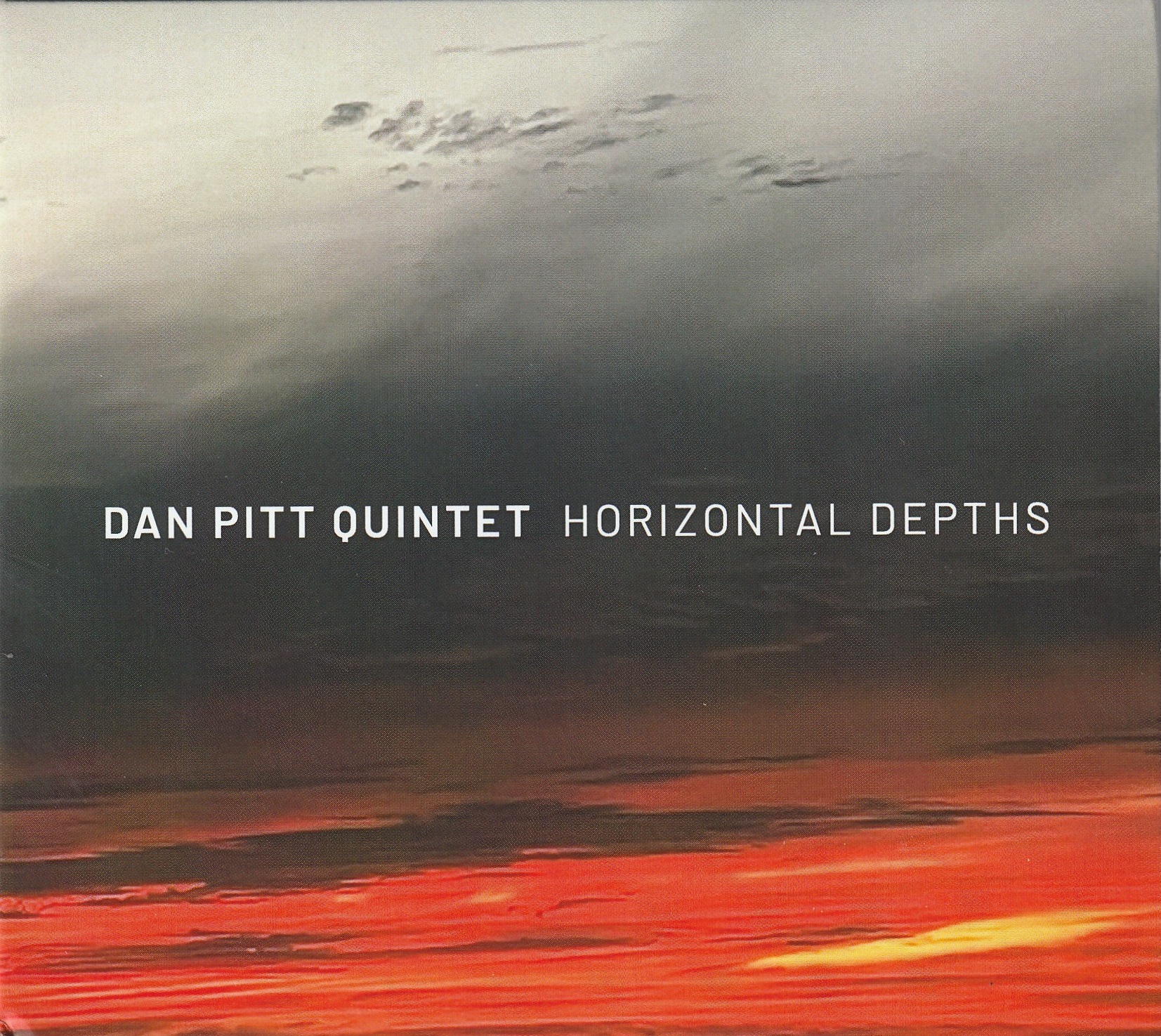
14 Dan PittHorizontal Depths
Dan Pitt Quintet
Independent DP005 (danpitt.bandcamp.com)

This album’s oxymoronic name, Horizontal Depths, exemplifies the quirky and playful nature of the Dan Pitt Quintet. This band plays hard, as in the opener 27 Hours which spends a couple of minutes getting its funk on with a solid ensemble riff before a ripping tenor sax solo from Patrick Smith brings us to a sputtering and rockingly distorted guitar solo from Pitt himself. Eventually everyone returns to the opening riff and slams it home. Naomi McCarroll-Butler’s bass clarinet provides some excellent background texture and Nick Fraser’s drums are, as always, solid, intelligent and innovative. Let’s not forget the great bass work from Alex Fournier which is a solid, and often contrapuntal underpinning for the rest of the hijinks. 

On This is Fine, Fournier shows off some nice bowing work. Horizontal Depths - Part One is a shorter and more delicate piece displaying nice jazzy minor scale runs from Pitt’s guitar. The Sorrow shows off the cleaner, more traditional jazz side of Pitt’s guitar chops before a languorous bass clarinet solo. All the tunes on Horizontal Depths were composed by Pitt and display his combination of inventiveness and effortless groove and the players excel in their interpretations.

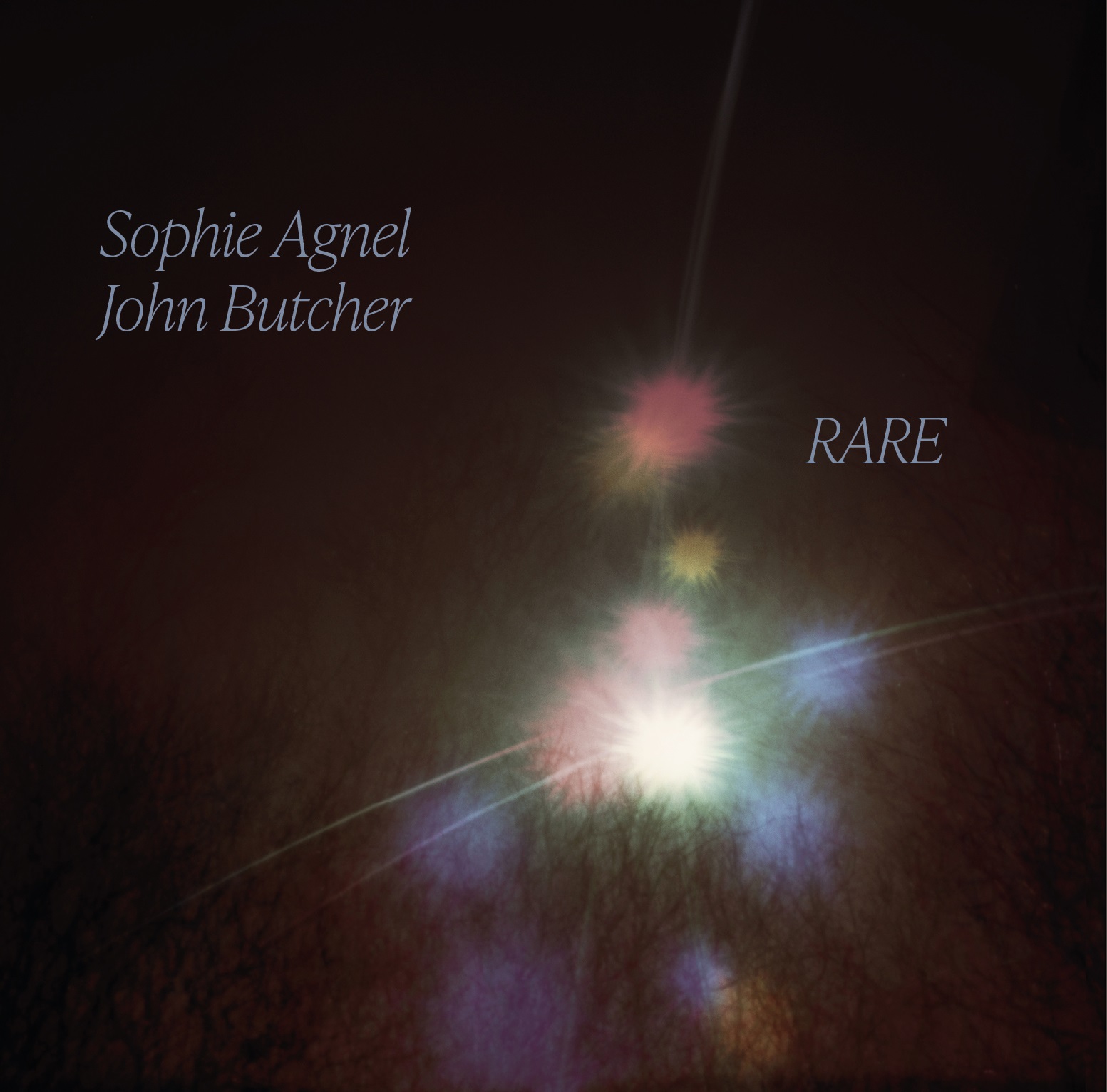
15 Sophie Agnel John ButcherRare
Sophie Agnel; John Butcher
Victo CD 138 (lesdisquesvicto.bandcamp.com/album/rare)

French pianist Sophie Agnel and British saxophonist John Butcher are among the most distinguished members of the European free improvisation community. Agnel is  one of the elite musicians featured on the soundtrack of The Brutalist – winner of the 2025 Academy Award for best original soundtrack (Daniel Blumberg). Butcher is a sonic creator with few peers, exploring for over three decades the specific resonances of his tenor and soprano saxophones, creating compound sounds, sometimes investigating hyper-resonant spaces (a mine, a gasometer, caves). The duo’s music is a model of close listening and multi-dimensional response, their continuously shifting roles expanding the moment’s potential.

Rare documents their first North American performance at the 2024 edition of Festival International Musique Actuel Victoriaville (FIMAV), Canada’s premier festival of “outside” music. Attending the concert was a significant experience, but the detail of the recording adds more sonic subtext and microscopic detailing. From the outset, one Is in an exalted acoustic world. The grand piano can suggest an enormous ukulele or a steel mill; the saxophone’s multiphonic burble passes from woodland birds to a bank of oscillators. Instruments’ interiority becomes our interiority. Then, at any moment, not birds but intense free jazz takes flight. 

The longest of the five improvisations, the 18-minute rare ii, is both tour de force and Odyssey, stretching between looming terror and impending revelation, then moving to microscopic details, reveries of air and materiality, wind and touch, memory and futurity.   

Rare validates an essential possibility of free improvisation: no matter what you’ve heard, you haven’t heard this.

16 TemporalTemporal Driftness
Floris; Bauer; Hertenstein
Evil Rabbit ERR 3738 (matthiasbauer.bandcamp.com/album/temporal-driftness)

Still innovating at 72, veteran Greek reedist Floros Floris has created this 11-track program of abstract improvisation with the same zeal and confidence he’s exhibited since recording Greece’s first free jazz LP in 1979. On Temporal Driftness he’s joined by slightly younger players, bassist Matthias Bauer and percussionist Joe Hertenstein, in Berlin where he now lives.

Floris, who also composes film music, and the others, make each of the tracks as distinctive as individual movie scenes. Overall, they harmonize enough to make the equivalent of a feature film.  Moving among clarinet, bass clarinet and alto saxophone Floris will frequently mate chalumeau register bass clarinet tones with double bass thumps to toughen the low pitch textures of the improvisations. Elsewhere squeaky bites from one of the higher-pitched reeds amplify Bauer’s clenched arco slides. Meanwhile Hertenstein adds tom-tom slaps, bass drum pounding or cymbal scratches accenting the unrolling sound picture. 

Some of the most spectacular scenes occur as Floris alternates his actorly persona as on Drift 7 where his continuous flutters move from arched trills to strained honks and double-tongued bites with the timbres surrounded by the bassist’s spiccato buzzes and the drums measured patter. A track like Drift 3 on the other hand abstracts the thematic scenario further and faster connecting comb-and-tissue paper-like reed strains, string strops and boiling drum ruffs. 

As cinema this CD wouldn’t be standard popcorn fare, but would be appealing as well-wrought experimental film making.

A mainstay of so-called classical music since its creation in the 16th century, the cello is prominent in orchestral, string ensemble and solo settings. Innovators like Oscar Pettiford and Fred Katz created roles for the four-string instrument in mainstream jazz during the 1950s, but it was only with free improvisers’ acceptance of new sounds and instruments about 20 years later that cellos became almost as common on bandstands as guitars and double basses. Today while the cello is most often found in small ensembles, numerous musicians are finding new ways to use the instrument.
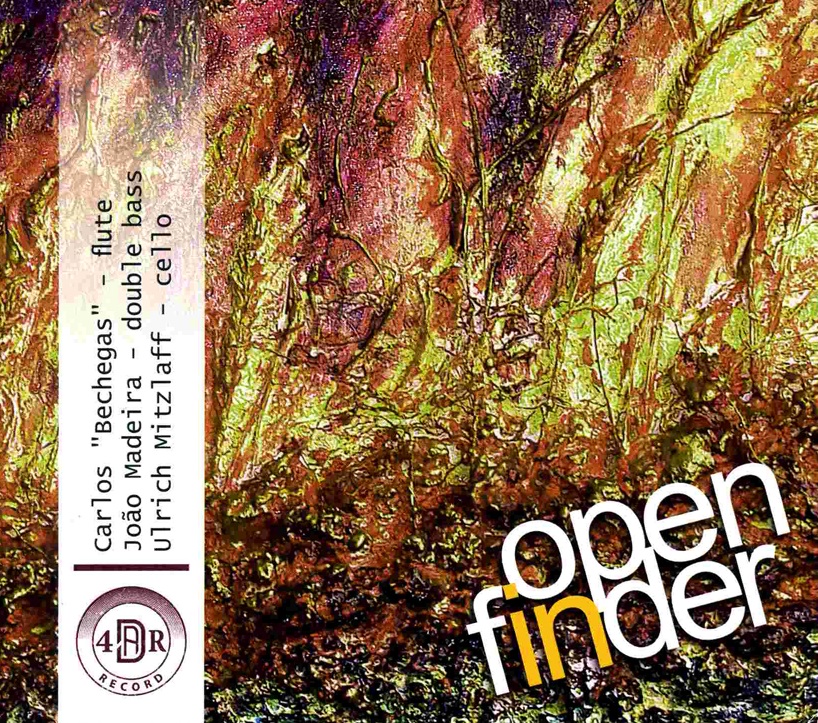
01 Open FinderOne outfit that presents a variant of improvised chamber music consists of German cellist Ulrich Mitzlaff and two Portuguese, flutist Carlos Bechegas and bassist João Madeira, although the four tracks of Open in Finder (4DaRecord  4DRCD 009 joaomadeira.bandcamp.com/album/open-in-finder) are anything but standard concert hall fare. Complementing the bassist’s thick pizzicato throbs and woody arco strains and the flutist’s transverse trills and peeps, Mitzlaff’s timbres slide between the extremes. At points his connection is with Madeira as he doubles the woody sul ponticello emphasis. Elsewhere his kaleidoscopic angling extends the flutist’s turn towards refinement, mating mid-range cello slices with Bechegasaviary flutters. Nowhere is the disc background music though. The flutist’s range encompasses circular-breathed whines and shallow stop time, and for every segue into linear advancement there are interludes where the strings’ strategy is both staccato and spiccato. On the extended Drag After Two for instance, Bechegas mines unexpected metallic tones from inside his instrument as the string players extend the line at a speedy pace while working up and down the scale. Sequences are unexpectedly cut off or extended and during the introductory Stream for One percussive and prestissimo horizontal movement is interrupted by one player vocally yodelling, scatting and mumbling rhythmically before a jab on the strings below the cello’s bridge wraps up the track.
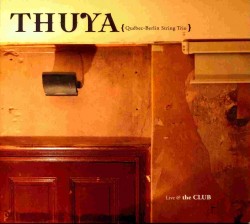
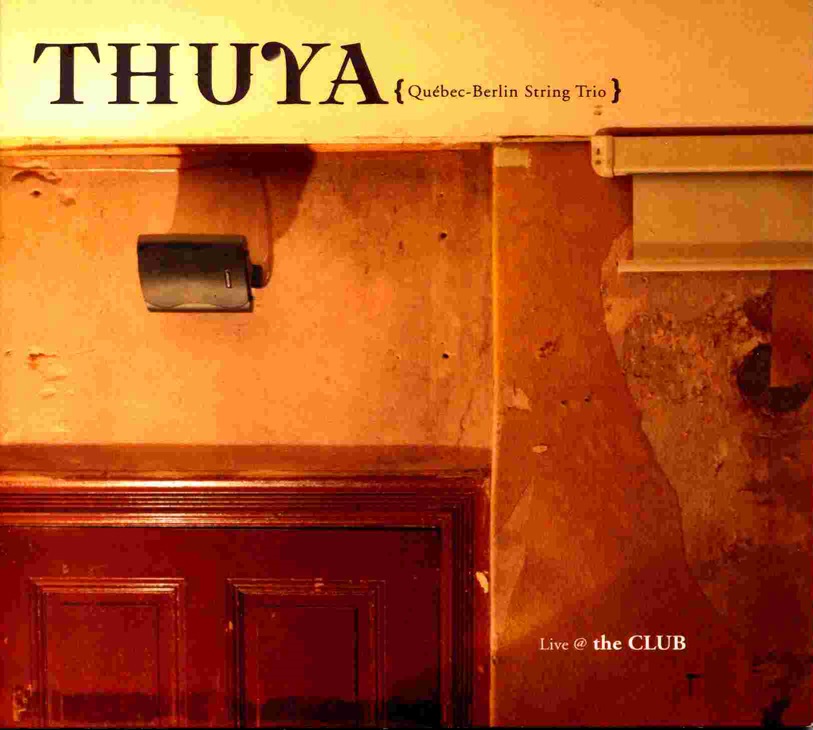
02 ThuyaAnother trio, but with a more conventional chamber music line up is the Quebec-Berlin String Trio. On Thuya: Live @ the Club (Creative Sources CS 378 CD creativesources.bandcamp.com/album/live-the-club), Germans, violinist Gerhard Uebele and bassist Klaus Kürvers plus Québecois cellist Remy Belanger de Beauport perform two multi-part instant compositions recorded at the same place but a half year apart. Throughout both dates de Beauport too plays the mediator’s role, creating thick double stops and mid-range slides that knit together Uebele’s frequent squeaky sul ponticello stings and Kürvers’ buzzing string stops. With the three players unleashing scrapes, plinks and squeaks as often as intertwined glissandi, May 6 is the climax of the first set. Working up to prestissimo with prods from the bows’ frogs as well as a pinched interface, apogee is reached as elevated violin tones arch over the undulating lower strings with an interlude of swelling hoedown-like phrasing from the cellist. More aggressive and confident six months previously, November’s track doubles down on the trio’s cohesion at the same time as raucous fiddler screeches frequently interrupt linear evolution. Although this is quickly countered with warm drones from the lower pitched strings. Again before completing the sequences with layered rubs from all, the penultimate November 10 finds this mid-range interlude alternating fragmenting and connecting as the trio members swop sweetened sul tasto affiliations with wood-rending strains and stops from the bassist, string bounces from the violinist and biting mandolin-like strokes from the cellist.
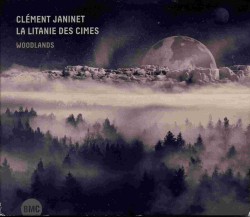
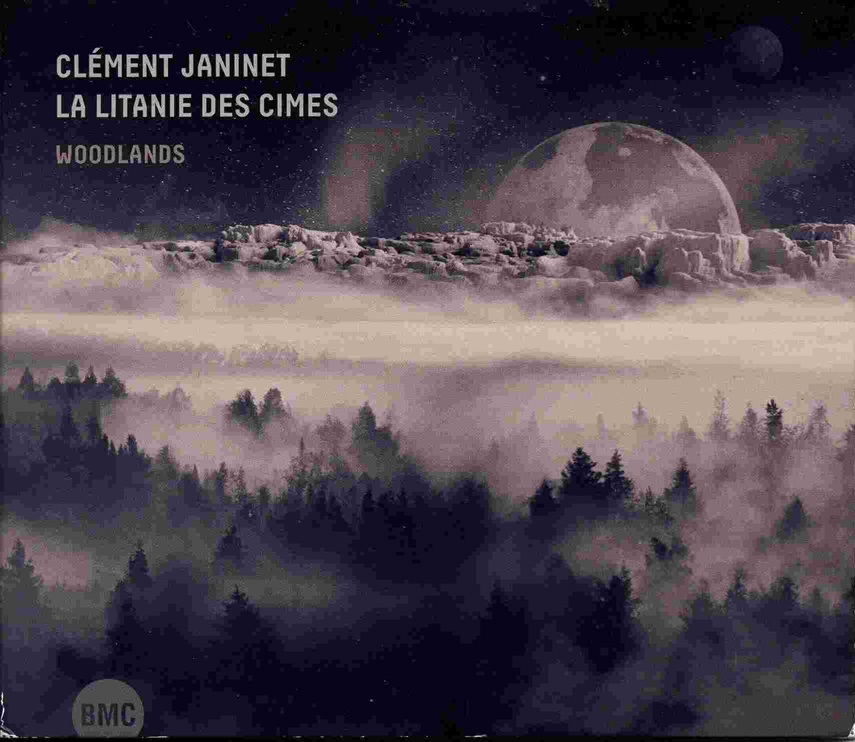
03 Clement Janinet WoodlandsA more expanded identity for the cello is expressed by Bruno Ducret during the ten tracks that make up Woodlands (BMC CD 314 bmcrecords.hu/en/albums/la-litanie-des-cimes-woodlands), One third of violinist Clément Janinet’s all French La Litanie des Cimes  – clarinetist Elodie Pasquier is the other member  – the group’s blend of folkloric melodies, reiterated minimalist pulses and the rock music-like thrusts wrapped in creative improvisation, has Ducret replicating the sounds of a double bass, a 12-string guitar or percussion at various points. Janinet’s super spiccato string stabs are also splayed to resemble tones that could come from a Medieval vielle, a Bluegrass fiddle or the most contemporary electrified four-string instrument. Pasquier who mostly sticks to clarion emphasis usually provides the linear stasis. With thumps midway between those of a doumbek and a conga drum the cellist become a percussionist on Shadows for example as the violinist exuberantly piles notes upon notes from his string set until a sudden stop when he and the cellist suddenly appear to be playing guitars. It takes broken-chord reed snorts to wrap up the track. Alternately on Quiet Waltz – which is neither quiet nor a waltz – the cello snakes around stops and slides and replicates walking bass plucks as soaring violin glissandi frame the clarinet’s andante horizontal line. Narrowly missing screech timbres at points, Pasquier’s most notable expression is on With The New (Tribute To Bina Koumaré) where her evolution from simple flutters to precise double tonguing presents a contrapuntal challenge to Janinet’s ecstatic strokes which vibrate at twice the speed of her output in this tribute to the West African fiddle master. Eventually it takes Ducret’s double bass emulation to steady the disparate parts.
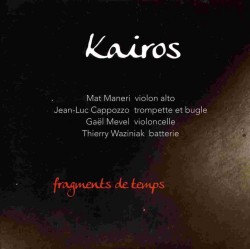
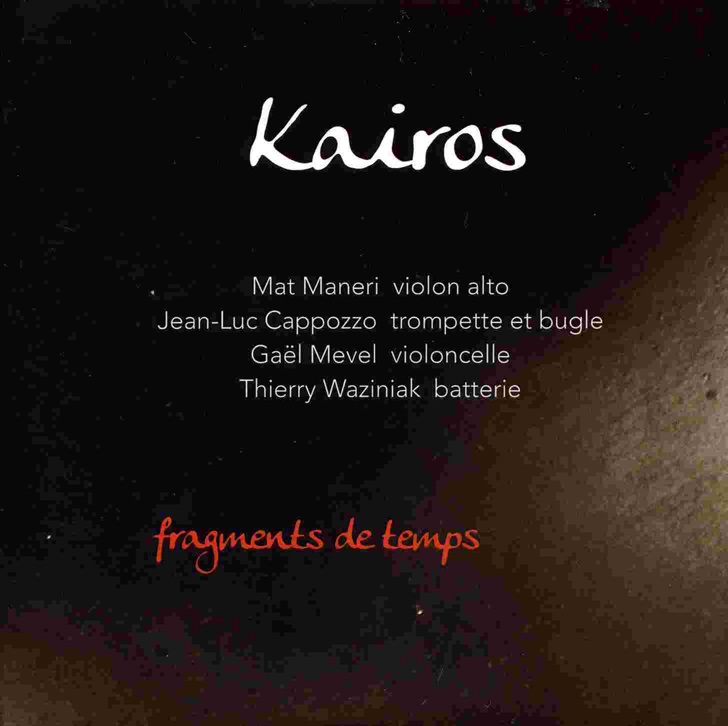
04 KairosEnlarging a band and its affiliated timbres even more is the Kairos quartet (Label Rives 7 labelrives.com). On Fragments de temps the basic duo of French cellist Gaël Mevel and drummer Thierry Waziniak is joined by fellow Gaul trumpeter/flugelhornist Jean-Luc Cappozzo and American violist Matt Maneri. The result is inventive and invigorating improvised chamber-jazz. With nods towards classic traditions some tunes are contrafacts of Ravel or Rodgers & Hart lines, while at the disc’s centre are two affiliated pieces called Bach 1 and Bach 2. Slyly beginning the first with a delicate meld of flugelhorn flutters and well-tempered string smoothness, drum clips and low-pitched cello slides soon chip away at the pseudo-Baroque delicacy. Half-valve and toneless brass explorations, double bass-like throbs from Mevel and Maneri’s mandolin-like strums create a polyphonic lamination that is resolved on Bach 2. Sustained sharp strokes from the cello (andante) and the viola (adagio) coupled with irregular drum smacks maintain the exposition as bass bites and Maneri’s staccato jabs transform the narrative. With themes expressed by motifs including cello-trumpet harmonies or viola-cello refractions, the quartet additionally maintains horizontal expressions even as pivots and note bending fragment the time.
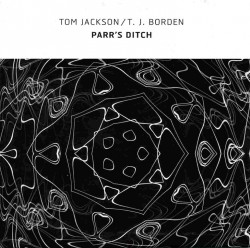
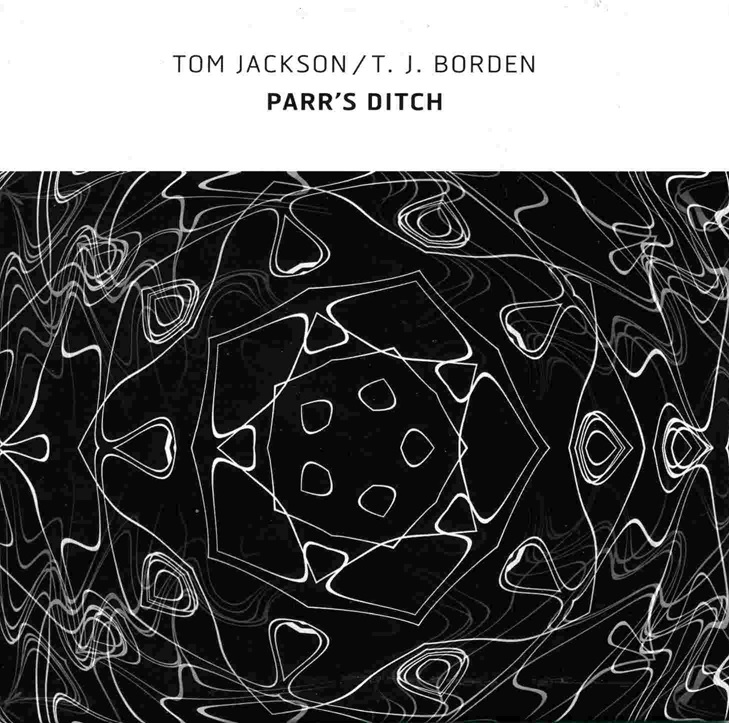
05 Tom JacksonAlthough much of the cello’s appeal over the centuries has been melodic tones that can be created with its four strings, the instrument’s percussive and discordant qualities can also be featured. More so than on the other discs this happens on Parr’s Ditch (Confront CORE 41 confrontrecordings.bandcamp.com/album/parrs-ditch). Brooklyn-based cellist T.J. Borden highlights many of these barbed timbres in this duo with clarinetist Tom Jackson of London, England. Heard during three lengthy improvisations are a few linear and lyrical interludes. But the key idea of the duo is to express as wide a variety of rugged and pointed strokes with a bow, fingers and a minimal number of strings as the clarinetist can produce with his reed and multiple keys. While Jackson’s collection of altissimo squeaks, watery trills and intensified breaths set up the challenge from the first sequences, Borden’s exposition of sul ponticello stabs and strident string whistles match tones with similar aggression. Often these spiccato slices also cut through the clarinetist’s clarion calls. By the time Parr’s Ditch 2 arrives, stop-and-start reed elevation is supplemented by equally belligerent arco timbres which are sourced from below-the-bridge strings and often sound as if they’re lacerating the wood itself. Additionally, as Borden’s col legno stops and Jackson’s flutters intertwine they reach such prestissimo affiliations that if the program was visual the result would be a blur. Later the clarinet’s transverse slobber and the cello’s harsh flanges almost meld. Until more generalized reed puffs and descending string vibration mark a final concordance, strained ruggedness has defined the interaction.

The crafts people who evolved the cello from the viola de gamba and bass violin centuries ago to become the instrument it is today, likely couldn’t imagine the multiple roles exemplified by the sounds on these discs. But we can hear them.


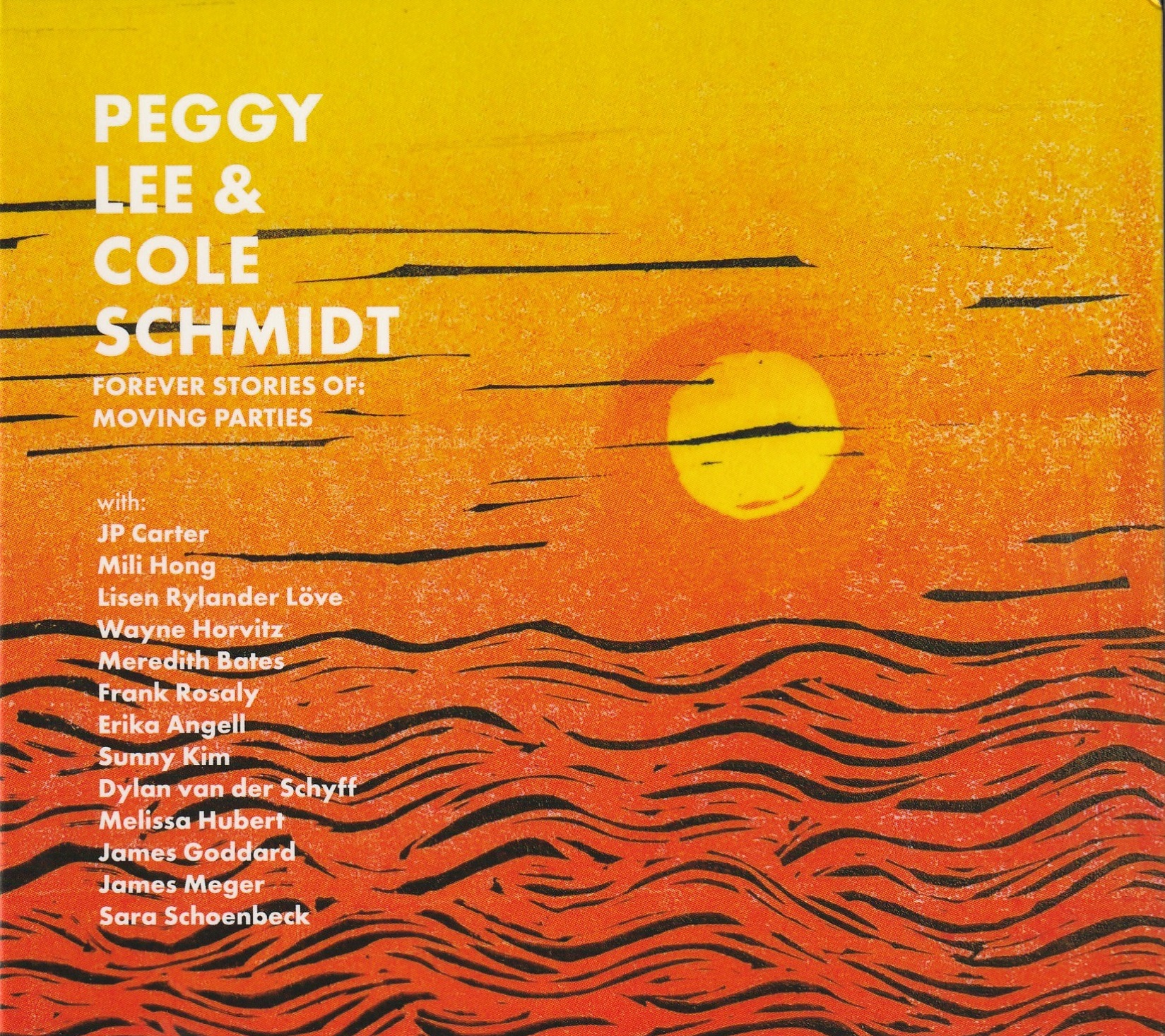
01 Peggy Lee Cole SchmidtForever Stories of Moving Parties
Peggy Lee; Cole Schmidt
Earshift Music (peggyleecoleschmidt.bandcamp.com/album/forever-stories-of-moving-parties)

Cellist Peggy Lee and guitarist Cole Schmidt have been playing together since 2017 and their deep trust and easy communication naturally extend to their community of exceptional improvisors, many of whom add their voices to the conversations on this album. “The initial concept for the record had to do with hosting a party,” remarks Schmidt, “[one] that included all kinds of people and characters connecting on different conversations in different rooms of the house.”

 Lee and Schmidt have a way of being lyrically tight compositionally while at the same time being flexible and open to new ideas. Their generous co-leadership has resulted in them structuring compositions which leave lots of room for improvisation. The result is exactly what the album describes it to be; a group of friends getting together to float through the album like conversations at a house party, no two being alike. Many of the tracks were made remotely between studios in Vancouver, Melbourne, Montreal and home recordings, retaining the album’s genuine feeling of collaboration and conversation, as well as allowing for multi-tracking and effects. 

It Will Come Back features the vocals and electronics of Sunny Kim with exquisite backing from the band. Lisen Rylander Löve’s vocals on Dr. Dawn is a breathless standout and flows freely with experimental and layered cello. The melodic and dreamy for Ron Miles (featuring bassoonist Sara Schoenbeck) is gorgeous. Wayne Horwitz’s Wurlitzer on the seamless funk-out of Gloop stealthily creeps up inside the tune to a gloried end, and Dylan van der Schyff’s knockout drumming in Sungods is a whole trip on its own.  

The final track Coda, featuring only Lee and Schmidt, feels like the exhausted end of a house party, when everyone has gone home, and two good friends finally have a sit-down on the sofa and feel warm and satisfied for having hosted a great gathering.

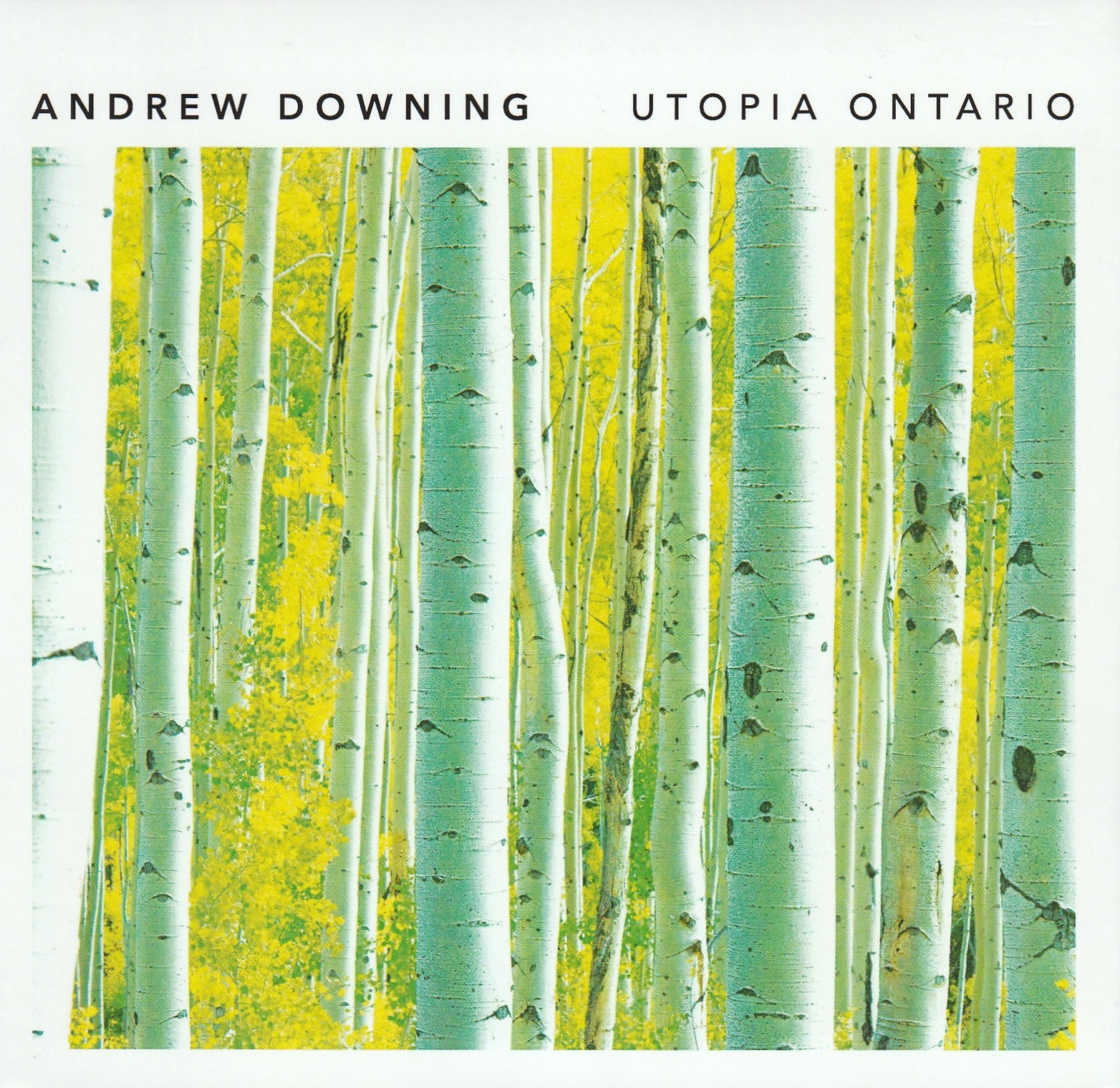
02 Andrew DowningUtopia Ontario
Andrew Downing; Maggie Keogh; Justin Orok; Kevin Turcotte; Ian McGimpset
Independent AD00107 (andrewdowning.com)

The latest release from eminent bassist, multi-instrumentalist and composer Andrew Downing is a love letter to a rural, small-town in Ontario, perhaps ironically named Utopia. All eight compositions are from the amazing brain of Downing, with lyrics by Downing and vocalist Maggie Keogh who contributes lyrics on three tracks. Like much of Downing’s work, the music itself defies category… a mash-up of jazz, folk and art song. Downing has said that his diverse group of influences include Bill Frisell and Joni Mitchell, with a blast of Debussy, Billy Strayhorn and Carla Bley, and he has manifested here a singular musical palate involving Ian McGimpsey on pedal steel guitar, Justin Orok acoustic guitar as well as his long-time coterie member on trumpet, Kevin Turcotte.

The programme kicks off with Tiger Lilly – a folk-inspired, mystical reverie that conjures up the deep peace of a woodsy sunset, as well as the earthy power of the feminine mystique, elegantly negotiating the seasons. The tasteful execution of slide guitar by McGimpsey is inspired. Turcotte also shines here on muted trumpet, while Keough’s diaphanous, pure vocal instrument is both delightful and abundantly refreshing in this era of over-wrought, vibrato-clad divas. Of particular, subtle beauty is Girl – an almost unbearably romantic ballad replete with a cleverly poetic lyric – a treat for both musical sensibility and the emotional self. Turcotte enhances the elegant melody while Downing’s bass is the anchor to which all attaches.  

Downing’s facile arco technique is on full display in the melancholy, nostalgic Sideroad, and again, Keogh’s honest and pure vocal effortlessly evokes deep, profound emotions connected to what is precious to all humans – while Downing’s unique artistic perspective, vision and masterful musical skill saturate every moment of the experience.

03 Diana PantonSoft Winds and Roses
Diana Panton; Reg Schwager; Don Thompson
Independent (dianapanton.com/releases-new.html)

With Soft Winds and Roses, vocalist Diana Panton offers listeners an album that will appease nostalgic music fans, without sounding out of place in the eclectic sonic world of the 2020s. This is a commendable feat, and perhaps the key to Panton’s ability to appeal to such a wide range of audiences. Her music has gained more commercial traction than many comparable Canadian musical acts, without failing to appeal to jazz purists. 

Some of the well-rounded nature of Soft Winds and Roses is a result of Panton’s excellent casting choices. Veteran musicians Reg Schwager and Don Thompson round out a trio “and then some.” Schwager contributes beautiful accompaniment on acoustic and electric guitars, and Thompson is responsible for the arrangements and piano work. The “then some” comes in the form of the aforementioned arranger adding vibraphone and bass to a handful of tracks. Thompson is a master of several instruments and has an uncanny ability to showcase ample musicality on all of them.  

On my first listen I thought that more liberties could have been taken when arranging some of the better-known pop songs covered by Panton. I changed my tune on this, so to speak, after delving further into the recording. The vocal melodies and song forms are treated beautifully by Panton, and they still leave room for improvisation from Schwager and Thompson. 

I’m confident that this album does not require my hype to reach a broad audience, but I’m happy to give it a positive review, as it indeed contains something for everyone.

Listen to 'Soft Winds and Roses' Now in the Listening Room

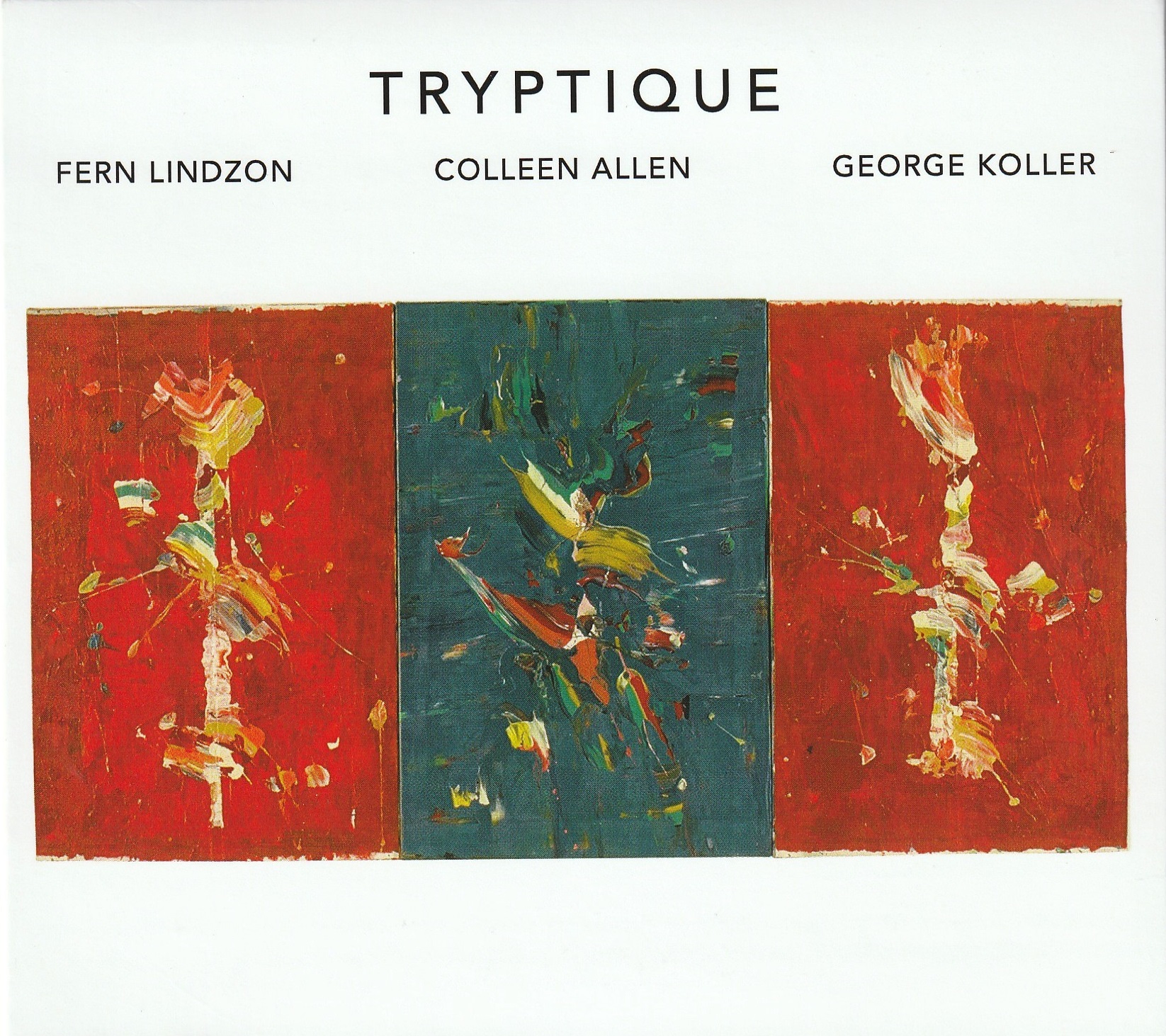
04 Fern Lindzon TryptiqueTryptique
Fern Lindzon; Colleen Allen; George Koller
Zsan Records ZSAN7458 (fernlindzon.com/tryptique)

What a compelling mixed metaphor it is that draws you into the seductive mystique of the three parts of the painting that adorns the package (bigger, and better explicated if folded out) of this disc. Of course, that magnetic pull only serves to intensify the effect of that metaphor on its transposed metamorphosis into the music of the album Tryptique. Indeed, the pianist Fern Lindzon, saxophonist (and flutist) Colleen Allen and contrabassist George Koller employ the sublime melodic, harmonic and rhythmic subterfuge in their arrangements of jazz standards (Satin Doll) and several originals.  In turn, this music finds reflection in each section of Mythology, the beckoning painting by artist Rose Lindzon, and the unique character of the group’s collaboration brings it to fruition. 

I could spiral into a frenzy trying to define this music and trace its influences. Is it jazz so evasively polyrhythmic that a clear, regular beat rarely emerges? (Cue Kerl Berger’s Zeynebim or Moe Koffman’s A Flower for Amadeus). Do these oh-so-seductive arrangements of standards and originals perfectly define the creativity of the players? 

The sensible thing to do would be to get out of the way and let each song do the “singing.” It bears mention that this is a perfect encounter of musicians whose individual and collective work redefines the very process of improvisation around composition. The result: overall performances that are crisply articulate, rich in hue and gesture.

Listen to 'Tryptique' Now in the Listening Room

Back to top