10 Nicolas Ferron MultiverseMultiverse
Nicolas Ferron Trio
Independent (nicolasferron.bandcamp.com/album/multiverse-2)

The organ trio setting is truly a dream for guitarists. One is able to play chords as they might in a trio with bass and drums, but there is ample harmonic accompaniment available when needed, rivalling that of a quartet with piano. To an audience there is a funky accessibility present on gigs and recordings that utilise organ, regardless of how esoteric the repertoire may get. Modern jazz doesn’t necessitate esotericism, but I was thrilled to hear such fresh and interesting new sounds when I first experienced Multiverse.

The 2020s experienced a renaissance of very traditional jazz guitar playing, ranging from players who honour their valuable influences, to those who sound stuck in a bygone era. Guitarist Nic Ferron eschews any entrapment in nostalgia, whilst staying grounded in the rich tradition of the instrument. He’s joined by Jonathan Cayer on organ, and Louis-Vincent Hamel on drums, who function beautifully as a rhythm section. 

The album’s namesake and title track Multiverse features an upbeat groove and energetic trading between Cayer and Ferron in its solo section. This sets the tone for the tracks that follow, which are each simultaneously contrasting yet unified. Valencia begins with a guitar pattern that would sound apropos of either Radiohead, or Leo Brouwer, and moves on towards groovier territories. Each time I’ve listened to Multiverse it’s felt like a brief vignette, but at just over 47 minutes in duration, it’s no doubt a full album. That is a shining endorsement of its intrigue.

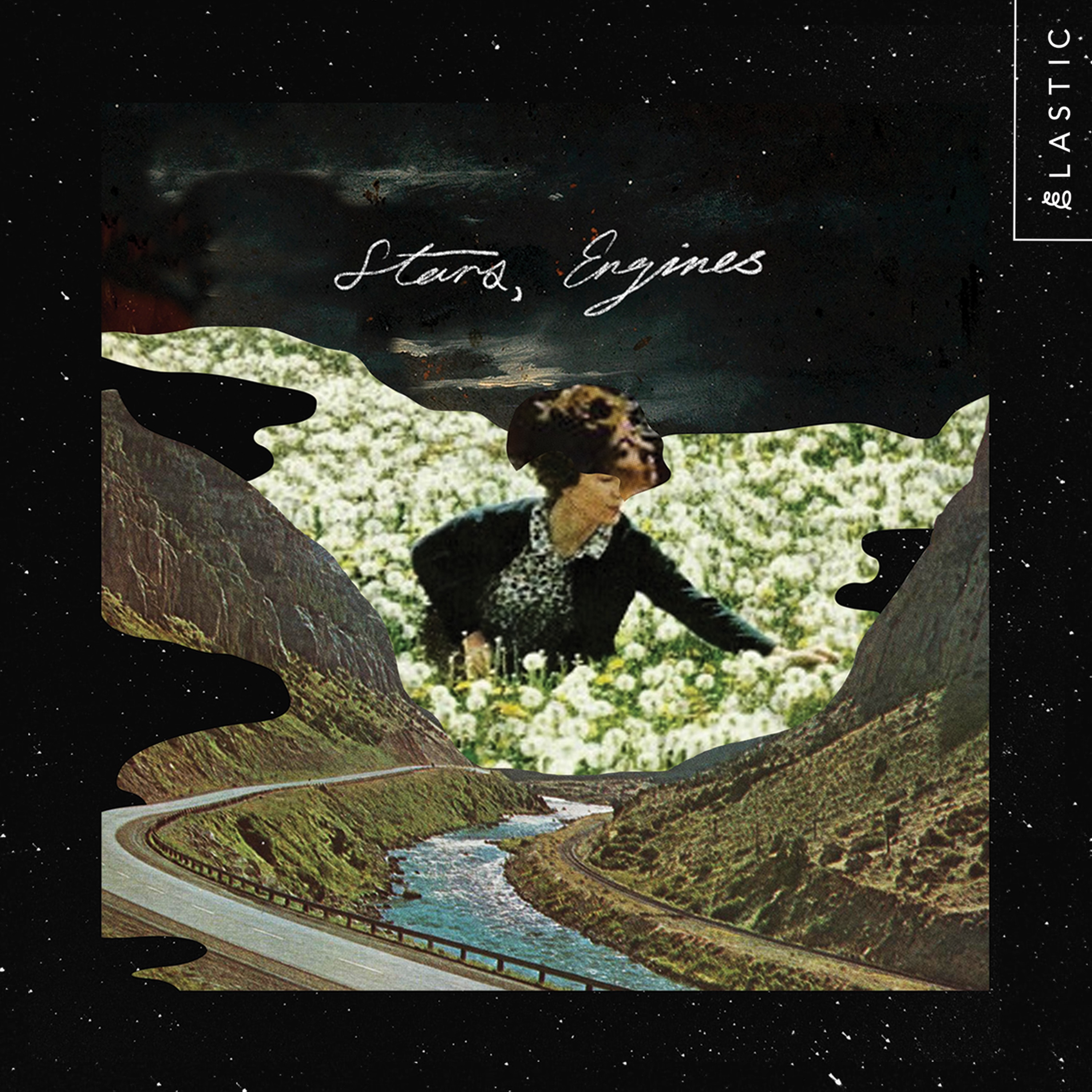
11 Valley Voice Stars EnginesStars, Engines
Valley Voice
Elastic Recordings (harrisonargatoff.bandcamp.com/album/stars-engines)

I first came across the beautifully creative noodlings of native Torontonian Harrison Argatoff somewhere around 2020 while walking through a local ravine underpass, where I came upon the saxophonist using the cement structure as a resonance box, creating long tonal phrases and rhythmic rounds which became the Toronto Streets Tour album. I’ve been hooked on Argatoff’s warm, thoughtful playing ever since. 

His newest project is the group Valley Voice and their debut album is called Stars, Engines. It features a quartet of some of the city’s finest cohorts: Michael Davidson on vibraphone, Dan Fortin on bass, and Ian Wright on drums; the album refers back to Argatoff’s earliest relationships to the natural world. Despite the contrary themes, this collection of compositions has the feel of emerging from his Streets Tour album in melodic structure and tone, now paying homage to his rural British Columbian Doukhobor roots and his relationship to his grandmother. Continuing his formal training as a composer, add Argatoff’s experience as a contact dancer, and you get the lyrical, flowing lines and phrases of an authentic artist not afraid to de-couple his instrument from the standard jazz repertoire. Even with the addition of the vibraphone the group still manages to avoid the typical/traditional jazz memes. 

Outstanding tracks for me were Analemma, a spacious and luminous tune with a wishful quality, and the titular Stars Engines, a sweet, gentle accompaniment to a memory his grandmother shared years ago relating to seeing the stars at night. Deftly supported by his award-winning bandmates, this new quartet promises to be a Canadian group to watch.

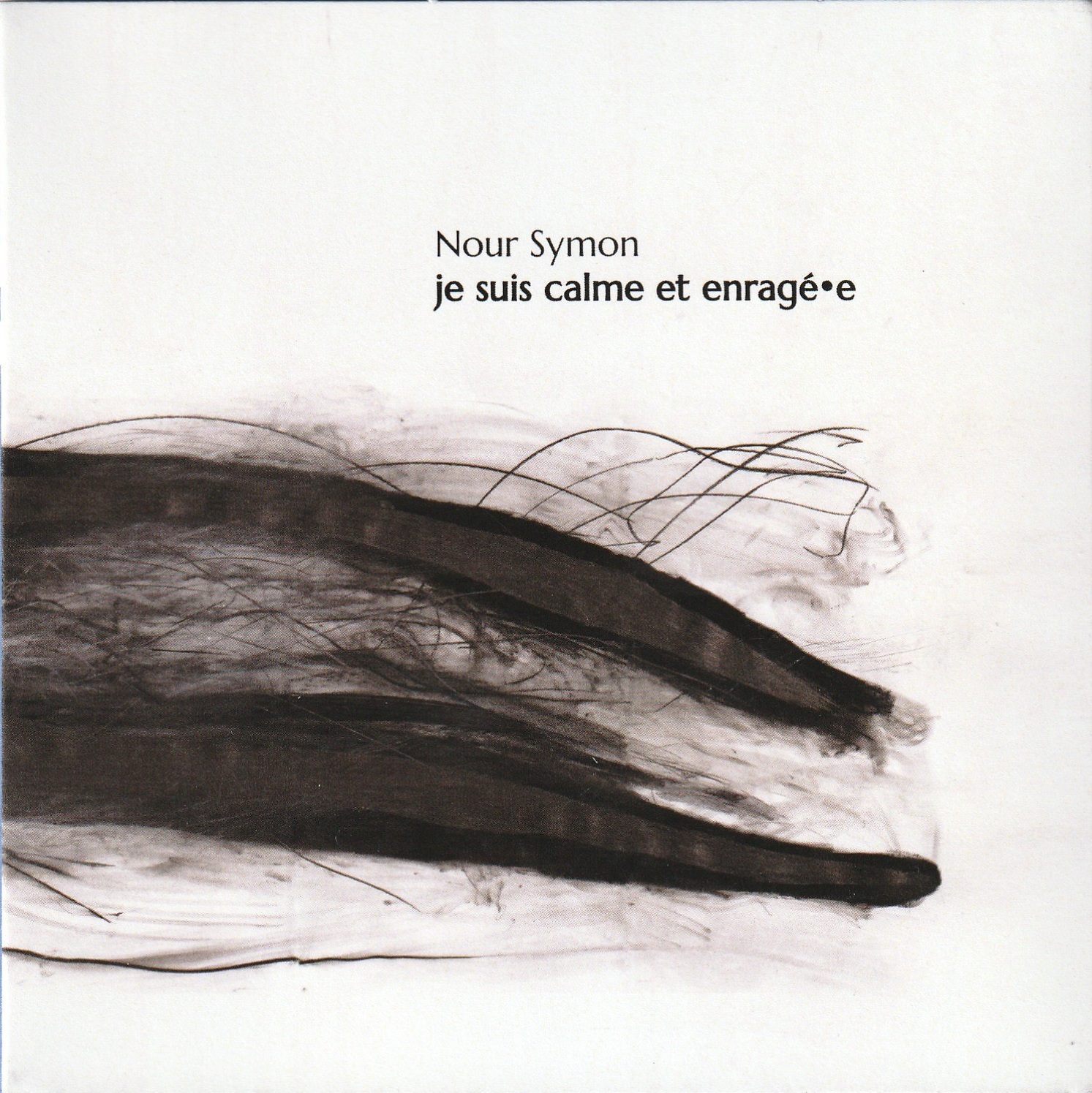
12 Nour SymonNour Symon; Roxane Desjardins – Je suis calme et enragé-e
Ensemble Supermusique; Collectif Ad Lib
ambiences magnétiques AM 281 CD (ambiances-magnetiques.bandcamp.com/album/je-suis-calme-et-enrag-e)

Listening as I was walking, I thought there were helicopters overhead, the overt voice interplay masking the underlying drones, unable to fully cloak them. At this point in time, I am aware that what I was hearing was Ensemble SuperMusique directed by Nour Symon, as they, along with the vocalists, realized their graphic scores (which were not in front of me). 

While the history of improvised music accompanying poetry (and/or vice versa) is endlessly rich and contains multitudes of multitudes, Symon’s piece scratches out the lines between poet, subject, musician, recitation, and performance until everything in sight is swept up in a furious blaze of microscopic events and fleeting collective gestures. Look not for meditative passages that gradually blossom into cathartic brushstrokes of melodicism; perhaps do not look at all, merely brace senses to receive. Accordions coalesce into synthetic tones that contract as they briefly become timbrally indistinguishable from a croak of a stringed instrument’s bow which clashes with the overtones in organically distorted vocals while moans echo, carrying just enough that the dimensions of the room can be mapped. Distinguishing features between how sound is produced becomes more of a rough outline as sonic details proliferate, in a manner that comments on the world surrounding them. 

One can, as I have, reach a brief idiosyncratic alcove in the music while gazing upon the apparition of Ontario Place, confident that the resilience of people and the impermanence of public space are anything but antithetical.

Listen to 'Je suis calme et enragé-e' Now in the Listening Room

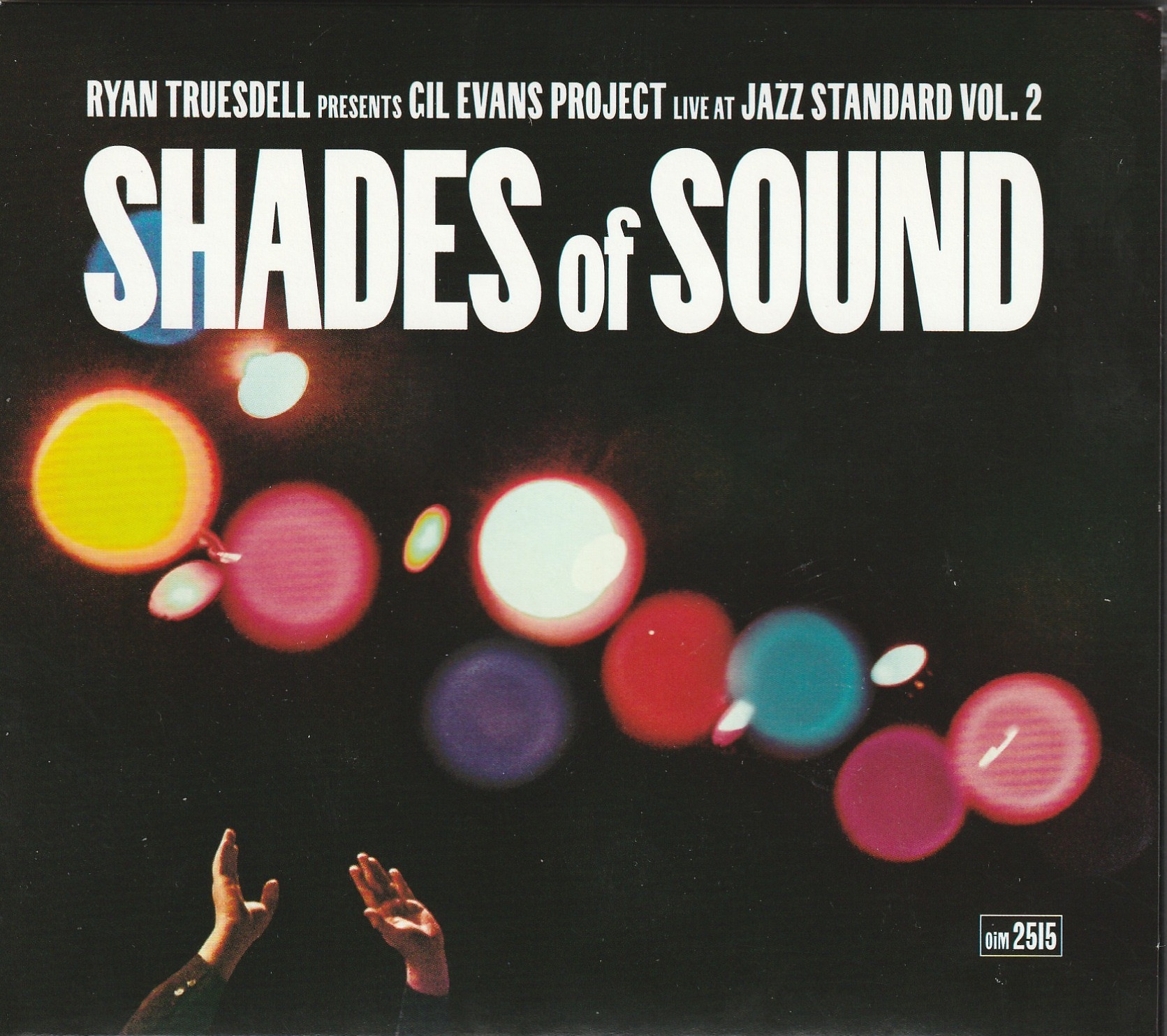
13 Ryan Truedell Gil EvansGil Evans Project Live at Jazz Standards Vol.2 – Shades of Sound
Ryan Truesdell; Gil Evans Project
Outside In Music OiM2515 (ryantruesdell.com/shades-of-sound)

This gorgeously produced, historically priceless recording is actually “Volume 2” and just like the Grammy nominated “Volume1” Shades of Sound was recorded live at the now defunct Jazz Standard in Chelsea, NYC. The music here was entirely arranged by the late Gil Evans and produced and conducted by the guiding light of both Evans-centric recordings, Ryan Truesdale. This album is dedicated to the late Frank Kimbrough, who was a consummate pianist and pioneering voice of the Gil Evans Project. This new recording lovingly presents vibrant takes on four never before recorded works as well as four of Evans’ more familiar compositions and arrangements. The 23-piece orchestra includes outstanding soloists too numerous to name.

On Spoonful, drawn from Evans’ original 1964 recording The Individualism of Gil Evans, Kimbrough’s luminous, complex tone clusters seamlessly mesh with bass and viola as the rest of the ensemble creeps in on a beam of micro-tones. Donny McCaslin’s tenor solo is sexy, rhythmic and bracing and Dave Pietro’s alto breaks the sound barrier as he soars into the sonic stratosphere. The Ballad of the Sad Young Men is a unique tune written by Fran Landesman and Tommy Wolf for the 1959 Off-Broadway musical, The Nervous Set. Kimbrough’s playing is breathtaking and the arrangement itself is a thing of special beauty. The ensemble moves like a single-celled organism, with skill, insight and deep sensitivity – words that easily apply to the incomparable Canadian/North American treasure, Gil Evans.

14 Cosmic CliffsCosmic Cliffs
Whispering Worlds
Adhyâropa Records ÂROO 117 (aaronshragge.bandcamp.com/album/cosmic-cliffs)

Extending the minimalist/global music ideas of the late John Hassell, Montreal raised Aaron Shragge brings his custom microtonal slide trumpet with rotary valves, shakuhachi and special effects, to a unified quartet that plays three of his compositions, one of Hassell’s and five group improvisations. Assisting are the alternately rhapsodic and ratcheting flanges and frails from guitarist Luke Schwartz, the understated throbs of Damon Banks’ bass strings and Deric Dickens’ drum clanks, chips and clatters.

Appending Carnatic raga affiliations to electronic oscillations throughout, the concept is most expertly expressed on the extended Seen by the Moon/Secretly Happy. On it the trumpeter mates shakuhachi tones with vocoder processed trumpet samples so that his plaintive brass tone becomes more intense as it works up the scale. It’s expertly backed by percussion slaps.

Sampled loops are also interpolated on the interconnected improvisations Reflection Nebula, Crystals and Serpentine Suspension, as microtones create double and triple shakes as if from multiple brass instruments. Meanwhile the three affiliated improvisations reflect how half-valve brass smears judiciously join with drum rattles, cymbal vibrations and tremorous guitar string scratches so that repeated portamento trumpet phrasing adumbrates melodic transformation to create a lyrical concordance.

Electro-acoustic applications are steadily advancing and the wealth of subcontinental traditional music is still available for study. That means that the cosmic cliffs that Shragge and company scaled so expertly here will most likely lead to additional sound ascension in the future.

Listen to 'Cosmic Cliffs' Now in the Listening Room

As the history of music advances, deepens and becomes more inclusive, thoughtful people now realize that rather than it being a succession of Great Men who created notable sounds, distinguished music is the result of many adventurous stylists adding their contributions to the sound gestalt. Less hierarchical than most, creative music has long accepted this truism. What that means is that when contemporary players salute their forebearers by playing their music, a wealth of compositions exist from others than the justly celebrated Great Men. This is what these discs promise. Besides coming up with highly original versions of the oeuvre of Jazz’s Great Men – in this case John Coltrane and Thelonious Monk – the bands here interpret the music of other innovators, one of whom was even a woman. 
01 Jutta HippThat woman was Leipzig-born German pianist Jutta Hipp (1925-2003), who in the 1950s was recognized as the first non-American female instrumentalist to contribute to Jazz’s evolution. To honour her during her centennial, the members of Remedy on Hipp Hipp Hooray (Fundacja Sluchaj! FSR 02/2025  sluchaj.bandcamp.com/album/hipp-hipp-hooray-celebrating-the-centennial-of-jutta-hipp) play her compositions as well as their own, Not only that, but the trio doesn’t even include a pianist. Instead Remedy is composed of two Germans, trumpeter Thomas Heberer and drummer Joe Hertenstein, plus American bassist Joe Fonda. Only on Der Grüne Zweig does the band name check Hipp and her 1952 group “a lady and four gentlemen” while replicating pseudo-Bop with brassy shakes, echoing drum accents and a walking bass line. 

The other tunes are postmodern rather than puffery as the three adapt 21st century techniques to firm, swinging expositions. With his playing as relaxed as it is rugged, Hertenstein supplies the necessary cymbal chings, drum clanks and occasional thundering ruffs to the nine tunes, but even his heaviest hits allow the others to play on unperturbed. Exponent of the low pitched string slap with the same cultivated skill he brings to speedy spiccato rubs, two of Fonda’s compositions are as fully in the groove as ones from the 1950s, but are stretched into this century. Detroit Meets Leipzig mates thick bass string throbs with Heberer’s gritty growls and flutter; while Bass Bottom accelerates from languid to lively as the trumpeter interposes an interlude of gargles and gurgles dug out of his horn’s innards, emphasized among soaring grace notes as the drums smack and the bassist’s tough spiccato rubs speed and slow. Heberer’s portamento command is featured best on his own Das Brot der Frühen Jahre as he maintains an elongated phrase alongside Fonda’s col legno stops and then relaxes into a sequence of easygoing story telling.
02 HemphillA similar transformation of another musician’s oeuvre is created on Plays the Music of Julius Hemphill (Out of Your Head OOYH 035) Members of The Hemphill Stringtet – violinists Curtis Stewart and Sam Bardfeld, violist Stephanie Griffin and cellist Tomeka Reid – take the compositions of alto saxophonist Julius Hemphill (1938-1995), created for reed heavy ensembles like the World Saxophone Quartet, and interpret them as part of the string quartet tradition. Influenced by, but not part of the jazz mainstream, Stringtet members often perform the compositions as Reid’s low-pitched pizzicato creates the pulse a double bass would provide, while the others stick to arco interpretations. Vibrant lyricism takes its place alongside vigorous locution, but melody never gives way to soppiness. That’s because as well as harmonies, the strings create rhythmic stops and touches of hoedown sprightliness. On the final Choo Choo for instance, they not only replicate expected locomotive chugging, but enliven the reading with hide-and-seek cadences. My First Winter/Touchic, an extended tone poem, may start off balladic and atmospheric, yet it emphasizes colour and motion more than romanticism. When the affiliated Touchic is latterly played, it’s defined by col legno sweeps and spiccato string swabs. Even as the theme variations ascend in speed and volume lilting touches remain. In part the disc is also a dual tribute, for its centrepiece is Mingus Gold, a Hemphill arrangement of three Charles Mingus compositions commissioned by the Kronos Quartet. Stringtet’s variant emphasizes antiphony between high and low pitches and in recasting the main themes blends raunchy with romanticism without overindulging either. Most spectacularly during Better Get Hit in Your Soul its pronounced funkiness is expressed clearly with Reid’s plucks surrounded by the others’ prestissimo cadenzas that manage to swing at the same time as they extend the famous piece’s musical architecture.  
03 RoscoeComing from the opposite direction is Roscoe Village, the Music of Roscoe Mitchell (Corbett vs Dempsey CvsD CD 103). The disc consists of unaccompanied renditions by vibraphonist Jason Adasiewicz mainly of compositions by multi-reedist Mitchell. Some were initially performed solo by the composer himself, while others were played by Mitchell’s groups, including the Art Ensemble of Chicago. Adasiewicz, who has recorded with other advanced saxophonists like Peter Brötzmann, doesn’t miniaturize the composition with his metal and resonator instrument, but gives them a novel reading. By maximizing the sustain and focusing on multi-mallet pressure he brings out both the rhythmic and refined qualities of the tunes. This is expressed most eloquently on the extended Toro/Jo Jar, where his repeated patterns coalesce into expressive swing, then just as quickly switch to the second sequence derived from contrasting hard bell-like ringing with gentling resonating echoes. Since the solo instrument husks the arrangements to their core, the simplicity and beauty of Mitchell’s pieces previously masked by horn and rhythm inferences are revealed. The usually aggressive A Jackson in Your House becomes a showpiece of strained metal echoes, moving forward even as motor-driven shakes preserve the melody. The Cartoon March leans more towards pep than parading, as the pinpointed aluminum bar slaps and stop-time runs turn to speedy glissandi which define animation motion rather than multi-layered character sketching. Subverting its title, Carefree is actually slower paced and more meditative than would be imagined, with Adasiewicz mixing measured strokes and quicker mallet clunks to examine the charm and contradictions in Mitchell’s compositions.
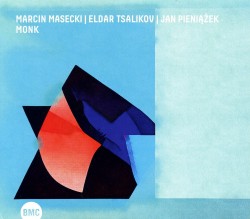
04 MonkOne musician who specialized in contradiction and subverting expectations was Thelonious Monk (1917-1982). Yet on Monk (BMC CD 344) Poles, pianist Marcin Masecki, reedist Eldar Tsakukov and drummer Jan Pieniążek, go one step further using an uncommon instrumental mix and unusual arrangements for a different take on 19 Monk tunes. Whether solo on three tracks, or with the trio, the pianist extends the composer’s initial stride and angled inferences to pseudo player piano and ragtime emphasis, inflating hesitant tonal shakes and repeated key clips into wider arpeggios with keyboard slides and slaps. Still his speedy fingering and stop time throbs on a track like Bemsha Swing feature a darker ostinato that preserves the head while also emphasizing the cadenced part of the title. With Pieniążek’s cymbal splashes, woodblock hits and backbeat thumps mostly deep background, the disc’s seesawing essence is between Masecki and Tsakukov’s alto saxophone and clarinet, another difference since Monk’s quartet partners were tenor saxophonists. The reedist’s fluctuating lines add a yearning eastern European melancholy not found in pieces like Ugly Beauty, while his cheeping squeals fit perfectly the pianist’s often parodic pre-modern comping and subvert Monk’s usual initial futuristic style. At the same time on tunes like Misterioso and Brilliant Corners, Tsakukov uses tongue stops and reed bites to create a pyramid of upward surging smears attaining prestissimo pitches in tandem with Masecki at near piano roll speeds for stop-time intersections. 
05 LoveHowever the strangest acknowledgement of an influential musician’s work is Berlin-based DAS B’s recalibrating of John Coltrane’s seminal A Love Supreme entitled Love (Thanatosis Produktion THT 40/Corbett vs Dempsey CvsD CD 117 thanatosis.bandcamp.com). Despite the exact same running time, division into the same four movements and replication of the CD’s label colours of that 1965 album, sonic transfiguration renders it a completely different product. While the rhythm section consisting of German pianist Magda Mayas and Australians, drummer Tony Buck and bassist Mike Majkowski remains the same as the original, Lebanese trumpeter Mazen Kerbaj’s choked, half valve inner horn boring timbres are substituted for Coltrane’s majestically overt saxophone soloing. The transformative tracks, each labelled Love and a numeral, capture an intriguing contrast between a tough conveyor belt of the others’ textures and the trumpet modelling. Double bass strings buzz and stop; drumming moves from sonorous rumbles and harsh clanks to cymbal and press roll explosions; while Mayas’ cross chording, chiming expositions and vibrations of metal objects on the piano’s inner strings create an ever-shifting continuum that intersect with Kerbaj’s tones. Portamento expression from the trumpet is usually abandoned for guttural scoops, aviary squeals, mouthpiece whistles and blowsy rips that not only redefine the Coltrane suite but also the standard trumpeting rules. Somehow though disparate timbres converge and result in a unique session which in itself is a backhanded salute to the constant innovation which Coltrane and his bands personified.

Moving past Great Men celebrations to advocate for a fuller version of jazz and improvised music history, albeit in a revamped form, is what makes these discs consequential.


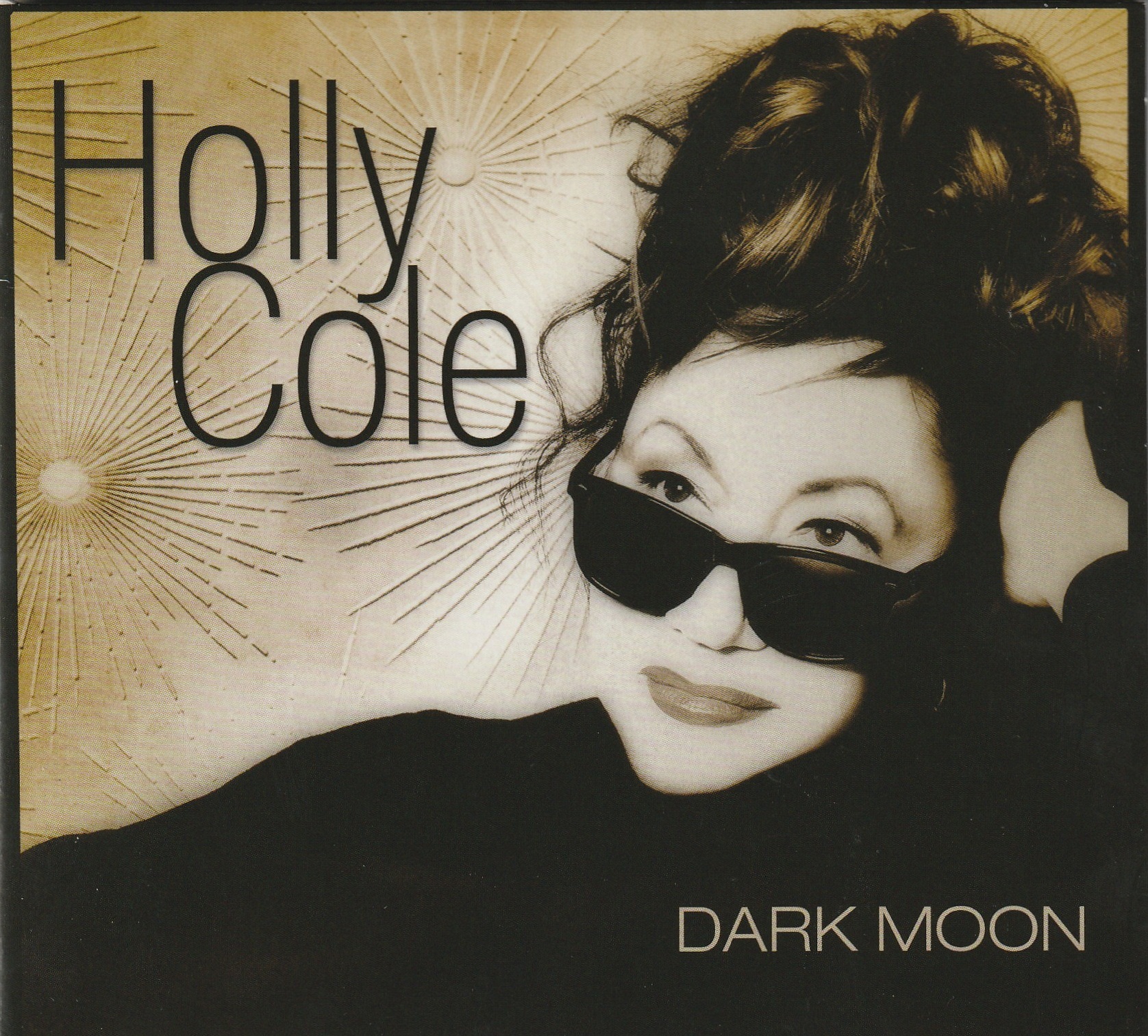
01 Holly ColeDark Moon
Holly Cole
Rumpus Room Records 0246557815 (umusic.ca/products/dark-moon)

Gifted chanteuse Holly Cole has just released her 13th studio album – a project that promises to be one of her most notable musical offerings to date. Cole serves as producer here and has also assembled a stellar coterie of musical colleagues that includes Aaron Davis on piano, George Koller on bass, Davide DiRenzo on drums, Johnny Johnson on sax as well as eminent guitarist Kevin Breit, harmonicist Howard Levy (famed member of Béla Fleck and the Flecktones), and the Nashville-inspired harmonic stylings of the Good Lovelies.

There are 11 exquisitely produced and performed tracks here, including compositions from Irving Berlin, Johnny Mercer, Bert Bacharach, Henry Mancini and Peggy Lee – all presented on a tasty platter of originality, and the highest musicianship. Steppin’ Out With My Baby is voiced at the bottom of her contralto register and supported by sweeping arco bass lines from Koller; Cole imbues this classic with a languid, contemporary eroticism. Moon River is performed with honesty and pure melodic integrity, while soulful and facile work from Davis is the icing on the cake.

Another shining gem is the moving, re-imagining of Bacharach and David’s Message to Michael. The forthright arrangement and Breit’s guitar contribution propel this Brill Building hit into a contemporary anthem of loss and longing. The rarely performed title track is a deft odyssey into Southern Swing motifs, replete with appropriate guitar support from Breit as well as vocal harmonies from the Lovelies that harken back to the incomparable Boswell Sisters. Cole’s take on the classic, Walk Away Renée is another triumph, as well as a fine piano/vocal duet featuring sublime intonation, communication and creative entanglement from Cole and Davis.

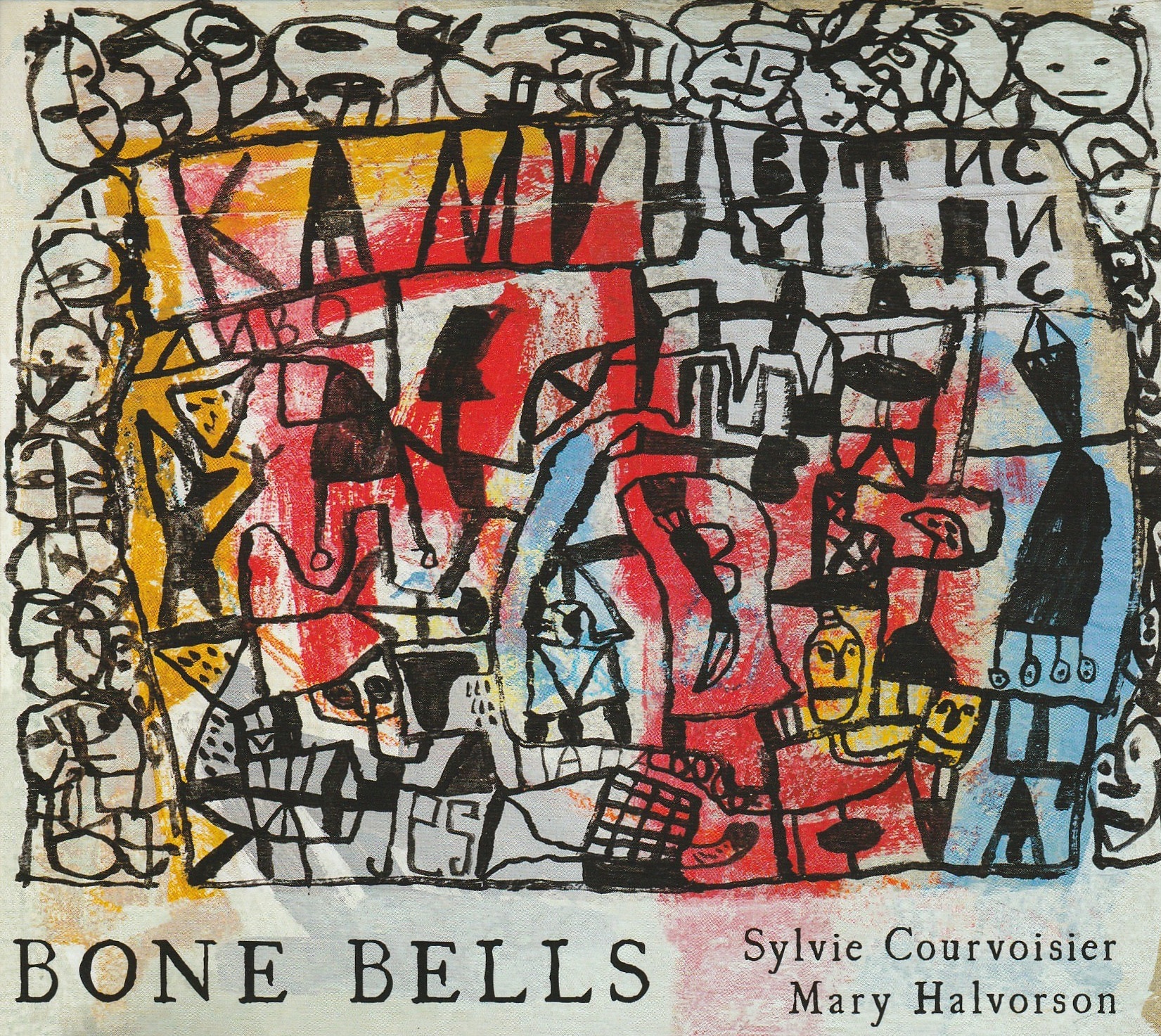
02 Courvoisier HalvorsonBone Bells
Sylvie Courvoisier; Mary Halvorson
Pyroclastic Records PR 40 (sylviecourvoisier.bandcamp.com/album/bone-bells)

The title track begins with a slow, steady pulse trading hands. This pulse has a destination, and will gradually reveal itself as cyclical, but at the start, it is just the slightest notion of a march. Guitar first, and then as if flipping a switch, the piano seamlessly picks up the very next beat. One instrument creates space, one scribbles in the margins, and then this process repeats until that pulse begins to grow heavier, slower, more laboured. Finally, after almost stalling entirely, the original tempo and dynamic return, velocitizing the listener into feeling that initial interval of time as something lighter. 

The improvised passages between Sylvie Courvoisier and Mary Halvorson begin to defy timeflow even more; melodic phrases finding subversive entry and exit points, glitches that embed themselves in the logic of everything we’re hearing. When we come to a standstill again, Courvoisier seems to always play the same piano chord that suddenly anticipates the next pulse, with Halvorson picking two notes at a time to almost illusively hold up any form of stability that is left. The piece ends with the pattern being abruptly cut short in a manner that implies perpetual continuity. What ensues is a series of increasingly intricate ideas trading hands, back and forth, down to the way the tracklist cycles back and forth between the two composers’ offerings. Always there is fullness in the spaces in between.

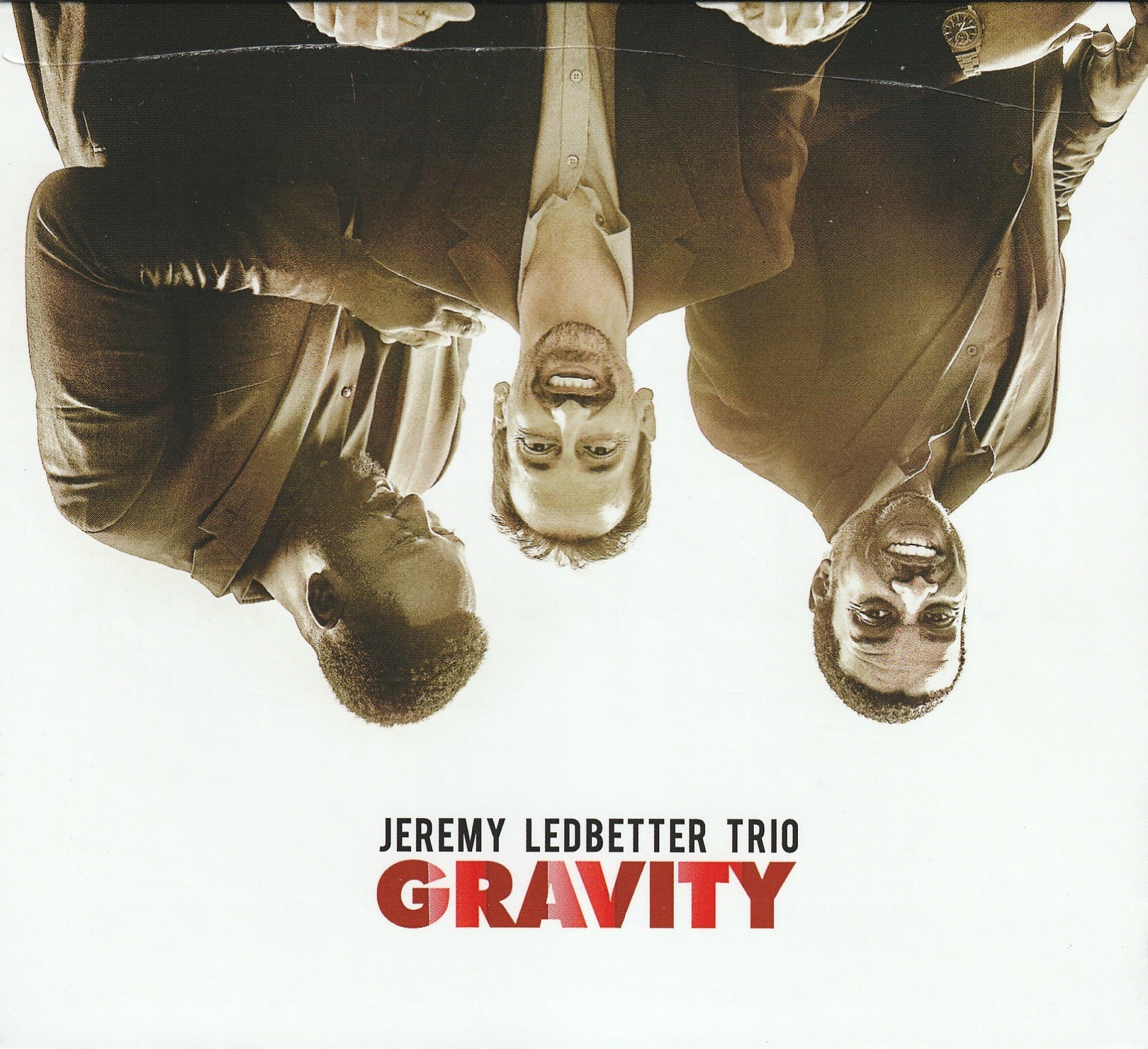
03 Jeremay Ledbetter GravityGravity
Jeremy Ledbetter Trio
Canefire Records WBH003 (jeremyledbetter.com)

If you’re a musician or just have an appreciation or love for music, you know that a “sweet spot” is when a group comes to make music together, is on the same wavelength and meshes instantly. It makes for a certain kind of magic that is perceptible through the music itself. This musical phenomenon is present on highly acclaimed pianist, composer and producer Jeremy Ledbetter’s latest album. The record has recently won a JUNO for Best Jazz Recording and features Grammy-award winning drummer Larnell Lewis as well as renowned bassist Rich Brown. With a tracklist of all original compositions penned by Ledbetter himself, this exhilarating disc is one for all music-lovers to check out. 

The listener is transported into a world of fiery rhythms and searing melodies right from the first track, Flight. As the title suggests, Ledbetter’s digits “fly” over the keys with modern, captivating chords and tunes, underpinned by Brown’s tight bass line and Lewis’ complex beats. The inspiration for this album comes from Venezuelan and Trinidadian music which can be heard within the rhythms and melodies throughout each song. 

The record takes you on both a musical and cultural journey, introducing the listener to something completely new while also somehow managing to create a sense of familiarity and comfort. A truly experiential and captivating collection of tunes, we’re left wanting more and awaiting what this talented musician comes up with next.

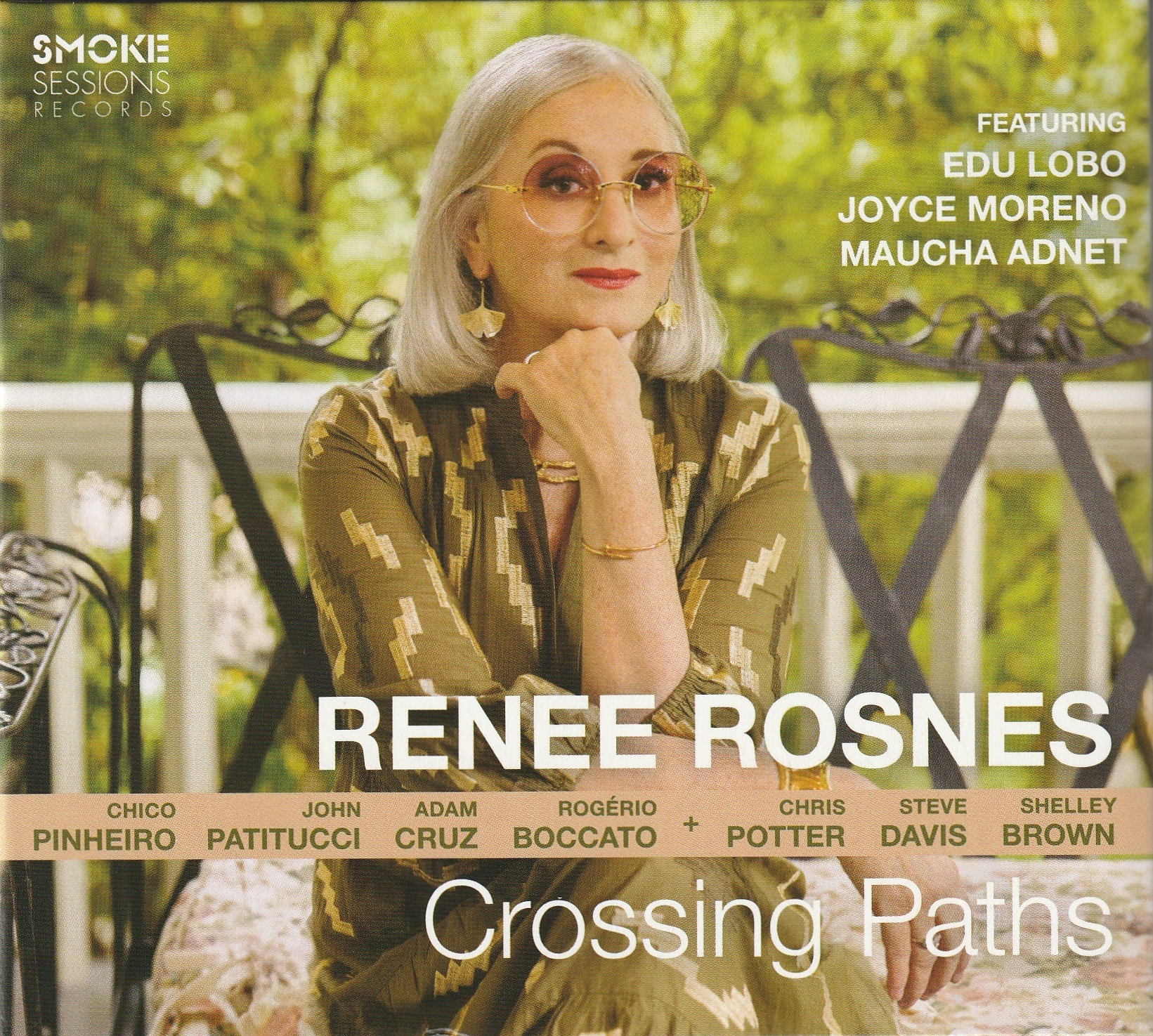
04 Renee RosnesCrossing Paths
Renee Rosnes
Smoke Sessions Records SSR-2408 (reneerosnes.bandcamp.com/album/crossing-paths)

Illustrious jazz pianist/composer Renee Rosnes has just released a recording that has been in her thoughts for more than 30 years. This formidable, Brazilian-infused project was co-produced by Rosnes and Paul Stache, and all arrangements here were created by Rosnes, embracing her unique perspective on the compositions of Edu Lobo, Egberto Gismonti, Gaetano Veloso, Antonio Carlos Jobim, Gilberto Gil and Milton Nascimento. Rosnes performs on Fender Rhodes and acoustic piano, surrounded by a stellar coterie of hand-picked co-creators, including legendary vocalist/composer Lobo, vocalist/composer Joyce Mareno and luminous chanteuse, Maucha Adnet. Noted instrumentalists here also include John Patitucci on bass, guitarist Chico Pinheiro, drummer Adam Cruz, percussionist Rogerio Boccato, saxophonist Chris Potter, trombonist Steve Davis and flutist Shelley Brown. 

The opening salvo is appropriately Gismonti’s Frevo (Fever). The tune is based on marching rhythms from the north of Brazil, and the complex, rhythmic, melodic line is presented in rapid fire, with stirring unison motifs and unfettered soloing from Rosnes and Pinheiro, while Brown’s expressive flute enhances the high-energy track. Next up is Lobo and lyricist Torquato Neto’s emotional composition Pra Dizer Adeus (To Say Goodbye), in which Neto’s poignant lyrics reflect his 1972 suicide. Previously recorded by over 75 artists, this version boasts a unison line with Rosnes in duet with Lobo’s heart-rending vocal performance. A fine inclusion is Veloso’s Trilhos Urbanos (Urban Tracks). Veloso and Gil’s importance to Brazilian music cannot be underestimated, and Davis’ facile trombone solo enhances the arrangement. Of special delight is Jobim and Vinicius de Moraes’ Canta, Canta Mais (Sing, Sing More) featuring the lovely tones and meaningful interpretation of Adnet. 

Another stand out is Lobo’s classic Casa Forte. Lobo’s vocal and the free solo sections (particularly Potter’s soprano solo) make this one of the finest contributions to this programme, but every track here is a work of art – a creative concept germinated and supremely brought to fruition by Rosnes and her colleagues.

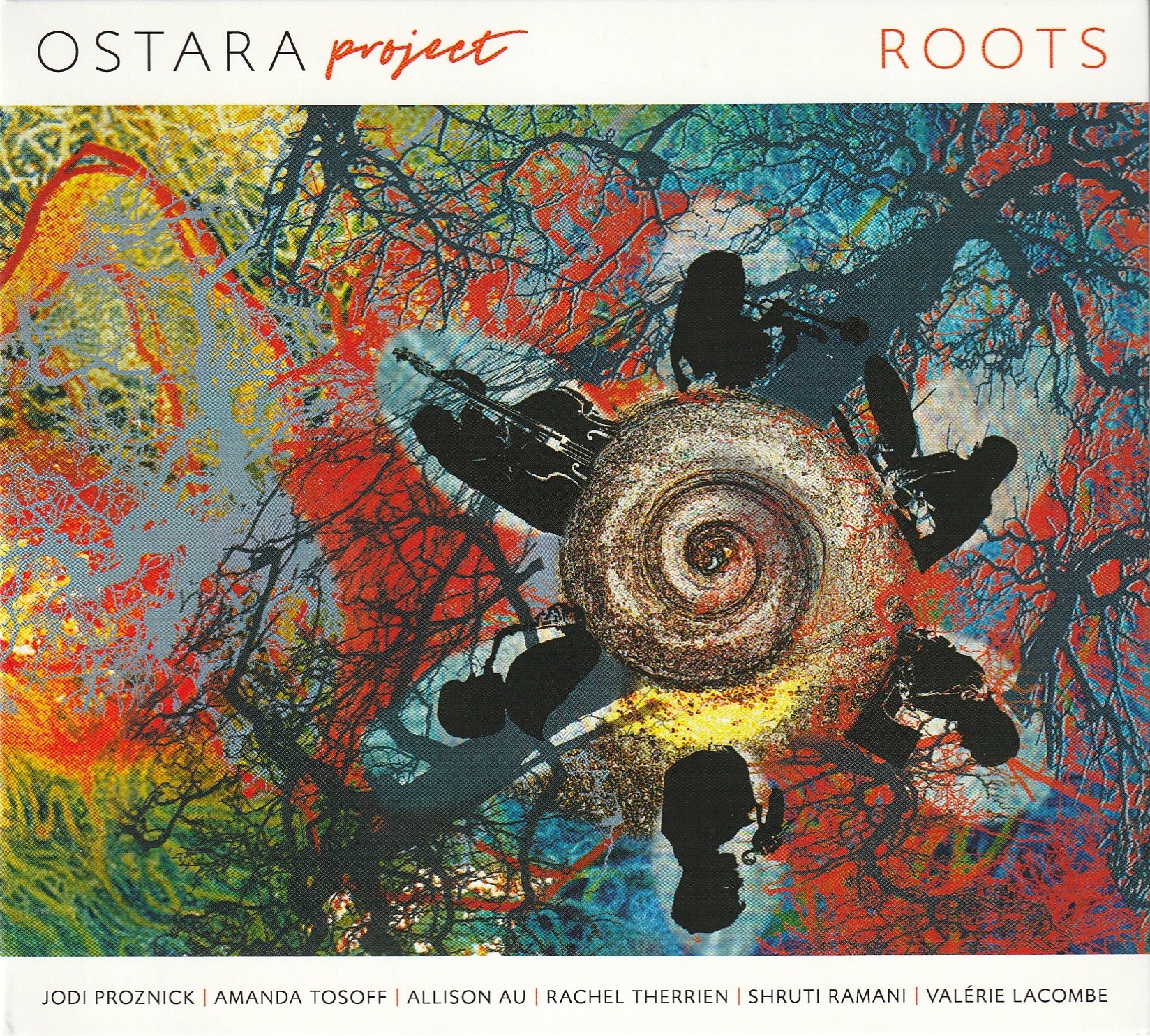
05 Ostara ProjectRoots
Ostara Project
Rhea Records RR CD 00001 (ostaraproject.ca)

Without context, given song titles alone, this music still conveys so much. So much feeling, so much meaning, so much narrative, so much image, and so much life from every voice within the six-piece ensemble. However, the liner notes provide the context behind each piece and the overall vision of this album and how the pieces transform into exploratory reflections and tributes through sound. For example, the notes describe how the album’s title, Roots, takes on a double meaning, referring to honoring the foundations and experiences integral to one’s very being, while also resonating deeply with the welcoming of spring. 

Each member contributes at least one of their own sonic offerings of personal storytelling, either by composition or arrangement, and while commonality between these distinct statements could be reduced to “they sound seasonal,” the more you listen, the less reductive that actually becomes. Seasonal changes are above all else, transitional. In the case of the coldest season giving way to one very often associated with emerging colours and rebirth, that transition becomes emblematic of new ways of receiving a story. Allison Au’s 2601, Shruti Ramani’s Rajalakshmi, Rachel Therrien’s Papa and the collective improvisation Voyage Sans Retour all honour specific family members, in a way that feels transitional between remembrance and the power of stories to be retold and given new life. Meanwhile Amanda Tosoff, Jodi Proznick and Valérie Lacombe honour places, letting us see/hear for ourselves.

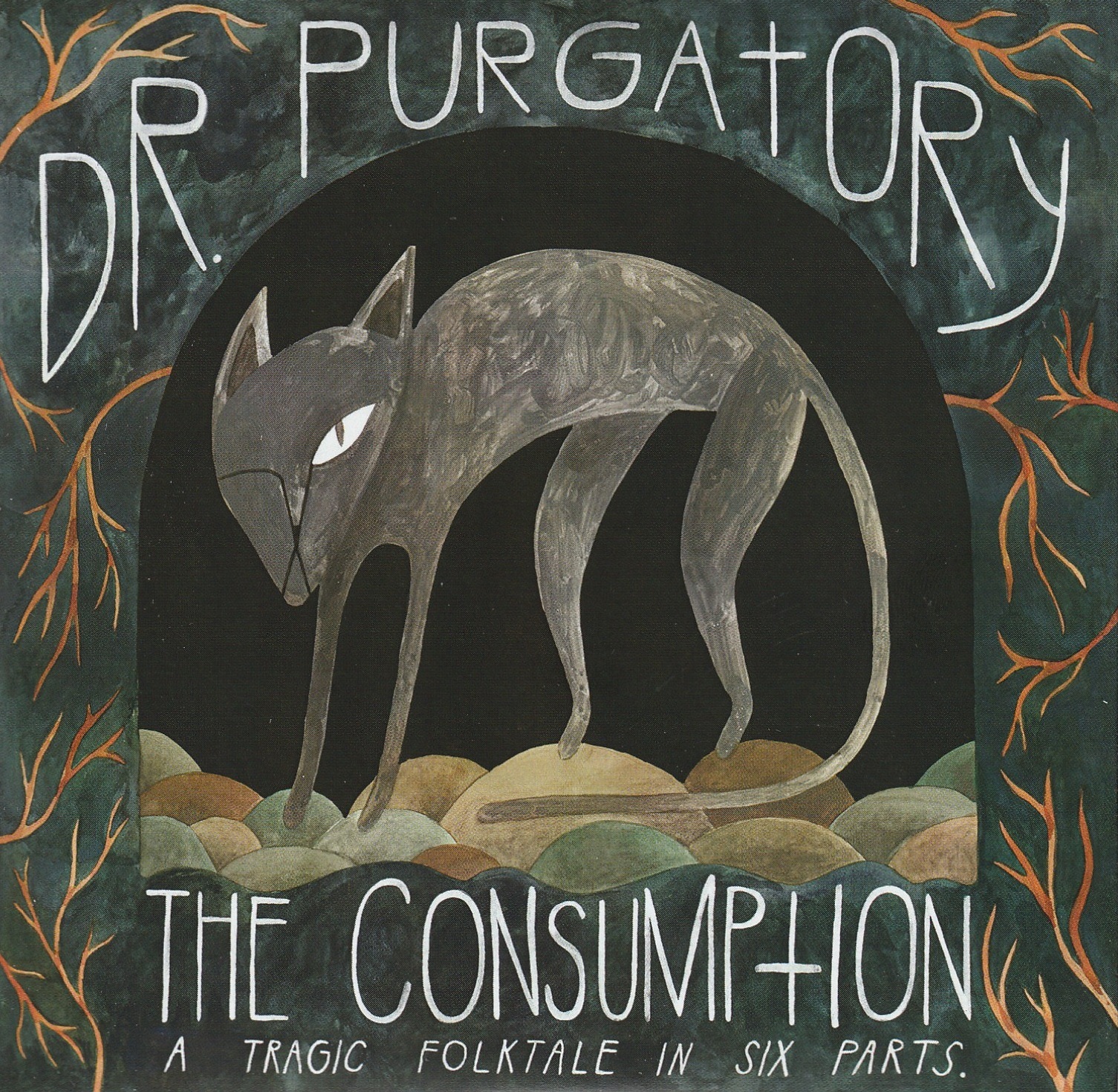
06 Dr PurgatoryDr. Purgatory - The Consumption: A Tragic Folktale in Six Parts
David Riddel; Aline Homzy; Colleen Allen; Conrad Glutch; Noah Lemish; Andrew Downing; Stefan Hegerat
Independent (drpurgatory.bandcamp.com)

Dr. Purgatory is the nom de plume of Toronto guitarist and composer David Riddel who studied at the U of T and who has figured centrally into several exciting jazz and creative music fusions in this city over the last ten or so years. 

Assembling a great band of Aline Homzy, Colleen Allen, Conrad Gluch, Noam Lemish, Andrew Downing and Stefan Hegerat, Dr. Purgatory’s second album, The Consumption (A Tragic Folktale in Six Parts) combines the influences of Reinier Baas (an Amsterdam-based guitarist and composer with whom I was unfamiliar until now), the French impressionist Maurice Ravel, and the Icelandic singer and composer Björk into an idiosyncratic, but always musically satisfying package. Over ten compositions, including a Prologue, Intermission and Epilogue, the group traverses what seems like every improvisatory chamber group subgenre. On Necropolis, exciting musicianship and well-executed unison lines between the strings and reeds are employed to great effect. Riddel’s guitar playing is marvelous throughout, and includes soaring single note lines, beautiful wide intervallic solo playing, such as the beginning of The Philistine, and genre-less musical improvisations throughout. 

Included is a short novella that relates the folktale in prose,that is explored musically on the recording so Riddel can now add author to his already impressive list of credits. The head-spinning mix of genres represented here, from Aleister Crowley to Björk to Ravel, remind me of the post-Third-Stream teaching and music of Ran Blake, who, like Riddel and company, somehow managed to coalesce a dizzying list of disparate influences into an always impressive and unified whole. I am not sure if Riddel knows Blake, but I have a feeling they would find sympatico musical and philosophical ground. A creative and thought-provoking new recording.

07 Rachel TherrienMi Hogar II
Rachel Therrien Latin Jazz Project
Lula World Records LWR048A (racheltherrien.bandcamp.com/album/mi-hogar-ii)

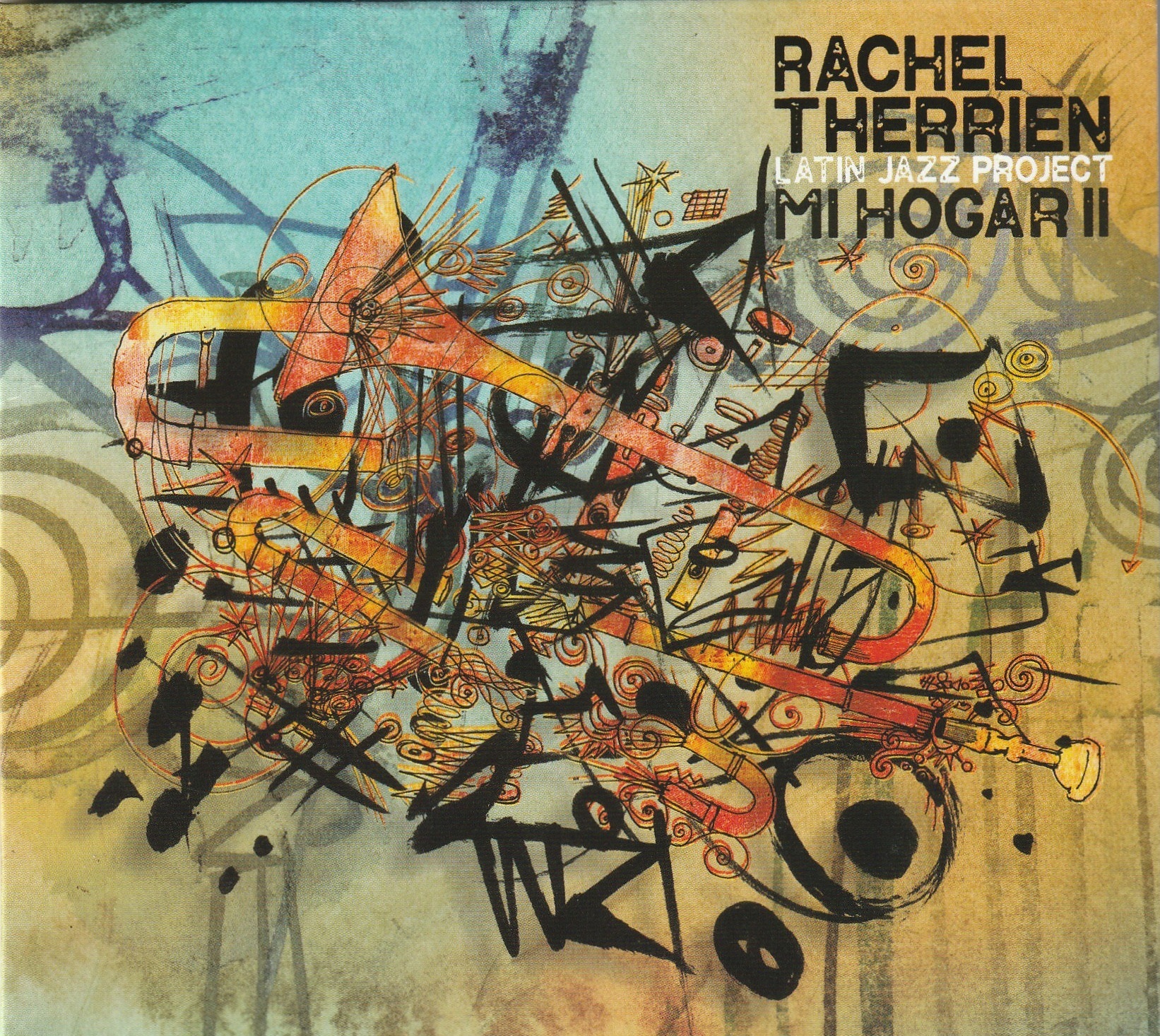
Renowned trumpeter and flugelhornist Rachel Therrien’s newest release is a collection of tunes that contains spicy Latin and Afro-Cuban, jazz-fusion goodness. Her eighth release, a follow up to Mi Hogar I, brings together acclaimed, all-star musicians for an immersive, ear-catching musical experience that is sure to get your head bobbing and feet moving. The selection of songs features many original compositions by Therrien and a couple penned by her bandmates thrown into the mix. The album “continues her exploration of Latin jazz… reflecting Therrien’s deep connection to her musical community and the myriad influences that have shaped her sound.”

What stands out is the way in which each piece is a unique journey, evoking its own emotions and soundscapes, yet a cultural thread strings together and unites these separate “stories.” Take the tune Back Home: the listener gets a taste of various Latin and Afro-Cuban rhythms, complemented by searing piano chords and sizzling trumpet melodies, with a mid-song lengthy bass solo that captivates and dazzles. The composition is a great example of the way in which “each piece reflects Therrien’s commitment to blending traditional Latin rhythms with contemporary jazz elements.” 

Another piece to note is Beauty Free, which closes out the album on a mellow yet intriguing note, featuring beautiful vocals by Mireya and Andy Ramos. A tasty morsel that evokes the hopeful question: will there be a Mi Hogar III in the near future?

08 Kenny Wheeler LegacyKenny Wheeler Legacy - Some Days are Better
Royal Academy of Music Jazz Orchestra;  Frost Jazz Orchestra
Greenleaf Music (glmstore.bandcamp.com/album/some-days-are-better-the-lost-scores)

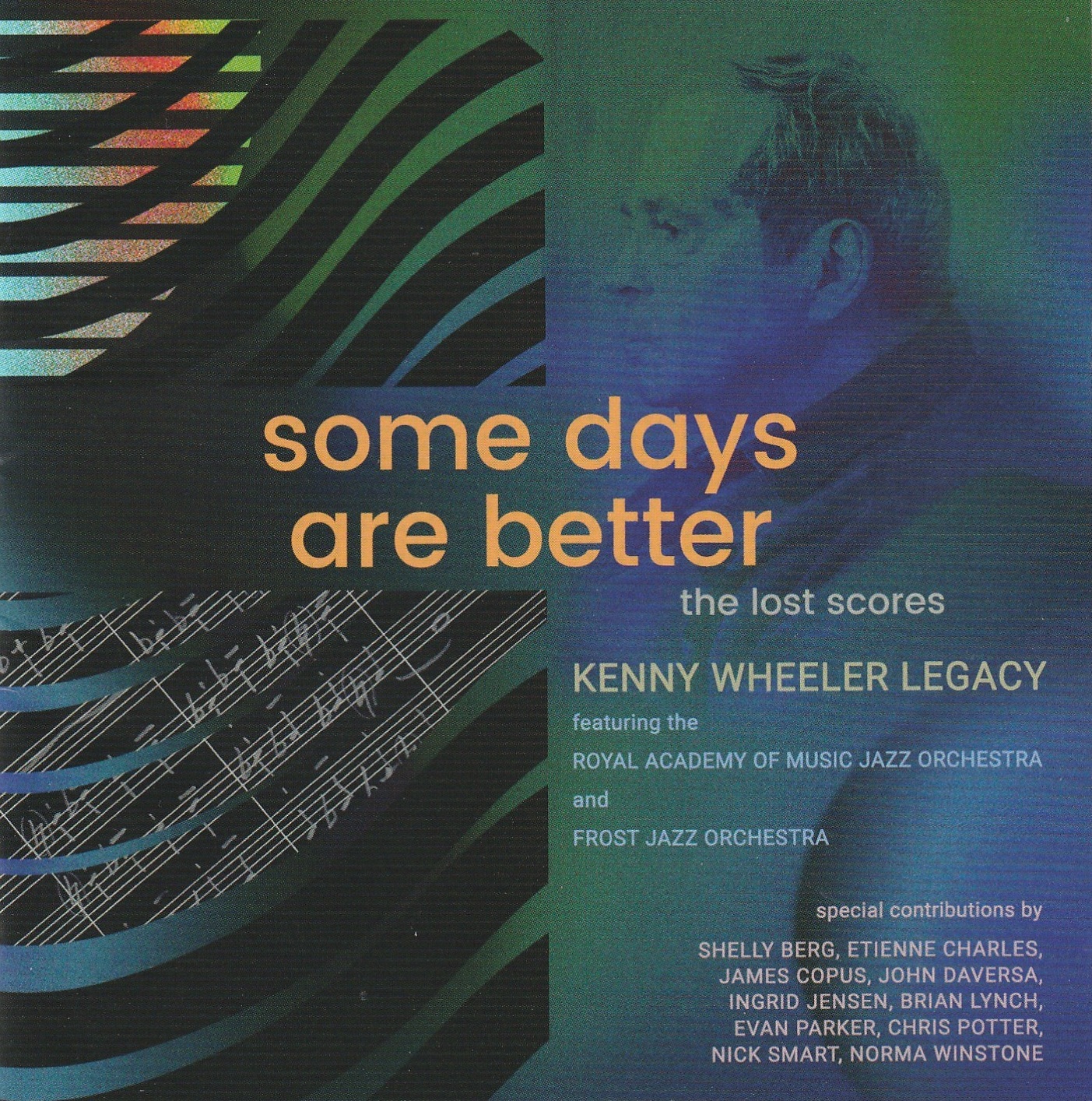
Canadian Jazz trumpeter/flugelhornist Kenny Wheeler’s position is analogous to Norman Bethune’s: more famous abroad than at home. Toronto-born Wheeler (1930-2014), who moved to the UK in 1952 was equally proficient playing commercial studio gigs; big band jazz with Johnny Dankworth and others; and free music with the likes of Anthony Braxton. He also composed intricate scores, most of which were played only once for BBC radio concerts in the 1970s.

Not really “lost,” 11 of these scores are performed by 34 musicians drawn from Miami’s Frost School of Music and London’s Royal Academy of Music. Reconstitutions of these impressionistic, quietly swinging tunes are expanded when the ensemble(s) add veteran soloists who earlier collaborated with Wheeler himself. 

The title suite for instance uses brass blasts to surround Norma Winstone’s wordless vocals both shredded and soulful, with Evan Parker’s circular breathed emphasis following contemporary electric piano jangling. Parker’s pressurized tenor saxophone is inventively matched with growls and flutters from trombonist Sam Keedy on C.P.E.P., as drum beats push the large ensemble forward; while flugelhornist Brian Lynch’s measured pitches face off with a three-saxophone choir blend on D.G.S

Not every track is given over to the professionals however. Maria Quintanilla’s bel canto vocal coloration on a couple of tracks, bassist Nikolas Lukassen steadying swing throughout and Some Doors Are Better Open’s gentle duet of flugelhornist Etienne Charles and tenor saxophonist Emma Rawicz confirm younger players’ skills and the continued appeal of Wheeler’s music.

09 Wind FormsWind Forms
Greg Burk; Michel Lambert
Tonos Records (gregburk.bandcamp.com/album/wind-forms)

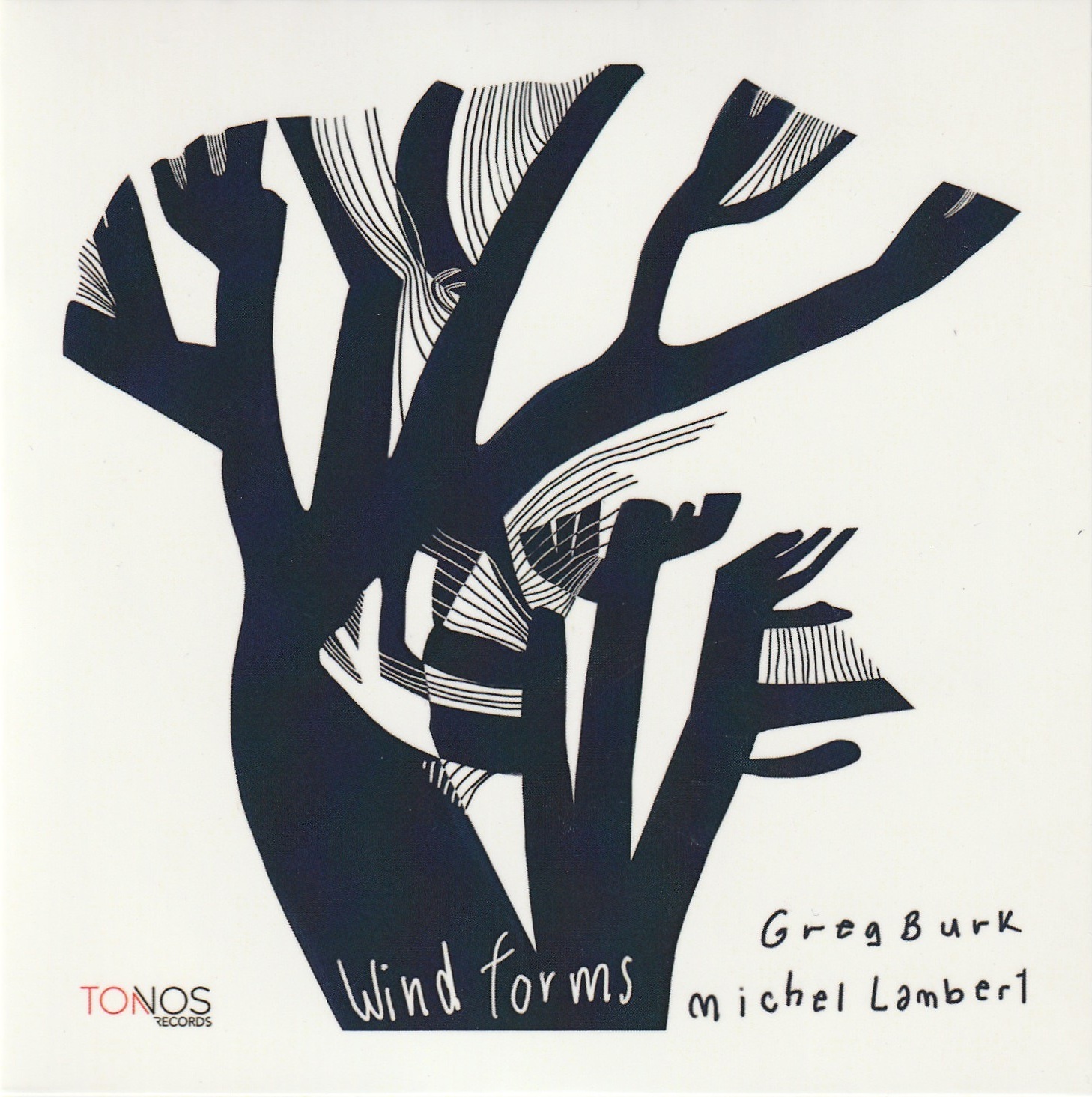
This idea of putting Wind Forms to music is interesting, especially when you pair piano and drums and more especially when the musicians are as adventurous as Greg Burk and Michel Lambert. The “trick” (a word used with caution so as not to denigrate the musical gestures employed here) would be to astutely meld the majestic chordal power of the piano and extend its percussive possibilities.

This seems easy thanks to the intrepid technical ingenuity of Burk. Conversely it is the extension of Lambert’s facility as a percussion colourist by finding ways to turn the rolling thunder of the drums and the hissing of cymbals into the realm of melody and harmony. These strange bedfellows coalesce in a dynamic partnership.

The disc gets off to a fiery start with Scirocco, a searing desert wind that sweeps across the sand dunes that could scorch anything in its path. Other ingenious improvisations may be heard on Aeolian Awakenings (a clever little play on an ancient mode), the darkness of the play on Hamartian (Aristote’s fatal syllogistic flaw) in which piano and drums incessantly – but brilliantly – argue musically. And then there is the majestic Zephyrus, crafted as a wall of music to recall both the Greek demi-god and winds heralding the arrival of spring. The collision of intellectuality with poetic imagery makes for a wonderful study in improvised music.

10 Occhipinti RemnantsRemnants
Roberto Occhipinti
Modica Music (modicamusic.bandcamp.com/album/remnants)

It’s not often that we get to take a closer, intimate look at the great musical mind of renowned bandleader, bassist and composer Roberto Occhipinti. But with this latest CD we get to do just that; featuring previously unreleased tracks, it feels like we are privy to a new, exclusive foray into unexplored musical territory. With a musician as in-demand as Occhipinti, it’s always great when an album featuring his own compositions is released. As is often the case with someone of the bassist’s calibre, the record features a star-studded list of musicians, among them Hilario Duran, Luis Deniz, Mark Kelso and Kevin Turcotte. 

Remnants’ tracks are a mix of those penned by Occhipinti himself, as well as interesting takes on songs by greats such as Pat Metheny and Leonard Bernstein. With the first notes of title track Remnants, we’re taken into a sultry, mellow musical landscape where the woes and worries of the world and winter chills instantly melt away. In contrast, Occhipinti’s large ensemble arrangement of Brazilian Hermeto Pascal’s Os Guizos is just stunning, with flowing string melodies, a melodious bass solo and fluttering flute tune showcasing the fabulous musical imagination of the bassist. Featuring everything from rhythmic, catchy tunes to slower tempo passionate ballads, this is a great addition to any music lover’s collection. 

Back to top