10 Brulez les meublesCrayonnage
Brûlez les meubles
Tour de bras/Cicrum Disc 900070cd/microcidi 035 (tourdebras.com/album/crayonnage)

Proof that quiet improvising can be as compelling as faster, louder music comes from this Québecois quartet. Based around the harmonies and broken-chord narratives of guitarist Louis Beaudoin-de la Sablonnière and electric bassist Éric Normand, Jonathan Huard’s vibraphone pings further embellish the 12 tunes while drummer Tom Jacques’ whaps and slaps keep the pieces fluidly linear.

Reflective and relaxed are the adjectives applied to most tracks as guitar strings soar, echo and frail, matched in lockstep by bass strokes. Nonetheless calm shouldn’t be confused with casualness. Tunes like sous les assauts du soleil reveal the drama and emotion that goes into such systematic strategy. Ringing guitar/bass chords showcase and then relax the pressure that initially creates this mixture of light and dark tones. Regardless, it’s the brief empattement which fully defines the entire band’s sympathetic connection. While initial guitar twangs and thumping bass responses suggest the group is heading towards Metal, Jacques’ use of mid-range clips not backbeats confirms the quartet’s creative non rock music stance.

The concluding extended group improv estompes substantiates this. Atmospheric and expressive, Normand’s use of electronics for backing rustles and a looped pulse allows Beaudoin-de la Sablonnière to add a sitar-like echo and ratcheting frails to his tone variations, as the vibist and drummer speed up the backing with temperate textures that are decorative without being delicate. 

The moderation expressed on Crayonnage may draw in and be a pleasant surprise for those who eschew improv.

11 AccidentalsAccidentals
Don Fiorino; Andrew Haas
Independent (american-nocturne.bandcamp.com/album/accidentals)

Don Fiorino (guitar, glissentar, lap steel, bass, banjo, lotar, mandolin and more) has collaborated for over two decades with Andrew Haas (saxophone) and Accidentals is their third album. Each of the relatively short pieces is a freeform investigation of experimental sound collaborations. Talismanic has percussion (could be a pot banging) with a stringed instrument (could be a bass or low tuned guitar) and the saxophone uses mostly the altisimo range. But it really grooves and its trance-like determination drags you along. Phat Flutter contains a lot of fluttering saxophone sounds with a few multiphonics thrown in over percussive strings. 

All the pieces successfully create unique universes in their short durations and also include humour. They seem to be implying: life is short so push the envelope. Obscure fact: Haas, who spends most of the album using only extended techniques, is the same saxophone player who can be heard on the 80s hit Echo Beach (by Toronto’s Martha and the Muffins)He has expanded his playing in amazing ways over those decades. Fiorino comes up with a truckload of sounds from a wide assortment of stringed instruments and constantly provides esoteric but infectious grooves. Accidentals is inventive, fascinating and very deliberate.

Listen to 'Accidentals' Now in the Listening Room

12a William Parker HeartHeart Trio
William Parker; Cooper-Moore; Hamid Drake
Aum Fidelity AUM118-2 (aumfidelity.com)

Cereal Music
William Parker; Ellen Christi
Aum Fidelity AUM119-2 (aumfidelity.com)

The words “ancient to the future” may sound like a Zen Koan to those befuddled by their meaning. However, it describes William Parker perfectly because of all the musicians alive today – and many no longer with us – no one but Parker seems to travel back and forth through the music continuum; an earthling making music in a glorious arc between earth and sky traversing back and forth between Mother Africa and the Americas, Europe and the near and far east. Indeed, Parker is a musician unlike any other, cut from an artistic cloth, both ancient and modern. 

I have listened to these two recordings – Heart Trio and Cereal Music – intermittently for several weeks, and the capacity of Parker’s music to linger – to evolve inside the inner ear once the sounds themselves have breathed their last – leaves a nourishing post-listening afterglow.

As a card-carrying, dyed-in-the-wool member of the William Parker (the composer) fan club I confess to also being a longtime subscriber to his belief in Universal Tonality (also a two-disc recording dedicated to this concept, released on Centering Records in 2023). In notes to that recording that are characteristically enigmatic and mystical, Parker writes that “When a feather falls and touches the ground music begins. Nothing is said. There are no keys, no chord changes, modes, or notations… we speak different languages, but we feel each other. The music guides us. All we have to do is listen. All we have to do is feel. The sky, mountains, and trees all understand Universal Tonality and they always have.” He also sees “…many musicians carrying all kinds of musical instruments. From all over the world.” And so on, as he lures you into his musical manifesto.

Parker also “plays” – as he puts it – “inside the rainbow.” This is far from delirium. It is the voice of a griot and a shaman rolled into one. His music poses existentialist musical questions such as those raised by John Cage’s 4’33”, Parker’s music privileges active listening over hearing. 

As multi-instrumentalist and poet who often recites his verses, Parker’s recording Heart Trio includes two like-minded musicians. One is the percussion colourist Cooper-Moore (playing ashimba and hoe-handle harp), and the other is the frame drummer Hamid Drake, who also sits in on a drum set. The resulting music is the epitome of Parker’s conception of Universal Tonality. 

Employing the West African doson ngoni (a stringed instrument made of wood or calabash) that stands in for the bass, a bevy of flutes and the double-reed bass dudek, Parker weaves often amorphous melodic, harmonic and rhythmic lines into the colourful percussive sounds issued by Cooper-Moore and Drake. Thus, we meet Five Angels by the Stream, wraith-like and ephemeral. The blaring cityscape in Serbia co-exists with the glacial quietude from its countryside. We also meet personalities such as Japanese trumpeter Toshinoro Kondo and legendary drummer Rafael Garrett in portrait pieces. The celebratory Afri-centric Processional brings this remarkable recording to a close, but not before we might feel the music pulsating from inside the heart itself.

12b William Parker Ellen ChristieThe recording Cereal Music is a metonymic feature for Parker and Ellen Christi, both of whom recite – Parker also chants bringing his velvet tenor to bear on his idiomatic poetry – and both serve up the music as if on an edible table of plenty. Parker also returns to playing the contrabass, and an array of flutes. The portraits of the late tenor saxophone player Kidd Jordan and Sonny (for the retired tenor saxophone titan, Sonny Rollins) are timeless. Parker’s recitation and instrumental connective tissue melts into Christi’s atmospheric sound design. Elsewhere on this 15-track set, on Birth and Death chromatic notes sigh, but the harmonic cushioning rarely falls where you anticipate. The pinnacle – to my mind – is We Are Very Civilised with his Afri-centric rhythms, propelled by the shimmering chimes of the Moroccan qraqeb – a large iron castanet-like musical instrument primarily used as the rhythmic aspect of Gnawa music into which the musicians expertly gravitate. By now, we realise that Parker is also immersed in the gnawa tradition of Morocco, drawing a very willing Christi in his wake.

13 JON GORDON7th Avenue South
Jon Gordon
ArtistShare ASO229 (artistshare.com/projects/experience/?artistID=64&projectId=533)

There are precious few first call jazz artists who have not only paid their professional dues, but who have also developed their own unique sound, compositional skill and a style that is informed by (but not derivative of) the giants of jazz that have influenced them. Jon Gordon is one of those amazing individuals and is one of the leading lights of the alto and soprano sax. Gordon’s latest offering is a love letter to the vibrant Greenwich Village jazz scene of the early 80’s, a time where you could saunter down the street to the Village Vanguard, Sweet Basil, Bradley’s, the Knickerbocker and, of course, the Brecker Brothers’ 7th Avenue South. 

This fertile area was ground zero for the jazz world. Young Gordon was a witness to this seminal scene, and it shaped and molded the skilled saxophonist that he was then and is now. Additionally, the personnel on this recording has been well selected, and every track is exquisite. Aside from two tunes, all compositions here were written and arranged by Gordon – who now influences young jazz musicians as a professor at The University of Manitoba.

The opener, Witness, draws the listener in with a contrapuntal vocal section, which turns into an almost melancholy motif, rife with emotion. Will Bonness on piano and the thrilling work of percussionist Fabio Ragnelli and bassist Julian Bradford complete the haunting intro, which segues into the title tune, a complex, swinging arrangement involving the entire complement. Also outstanding are Ed’s Groove and the thought-provoking Visit. Gordon’s alto solo here is luscious and complex, as is the work of exquisite trumpeter John Challoner. The boppish Spark is also a treat, as is the brilliantly written and executed reprise of the title tune. A triumph!

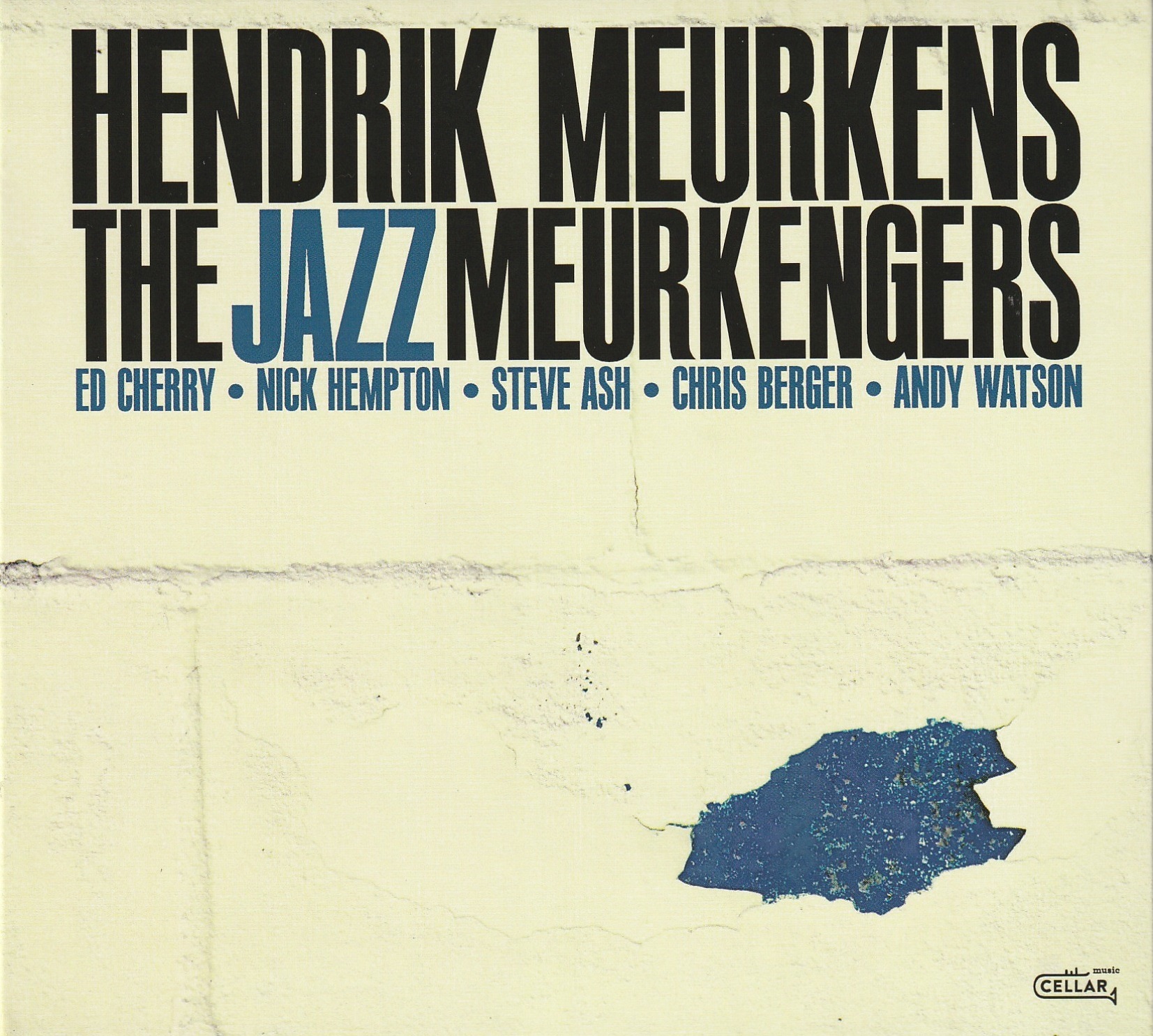
14 Hendrik MeurkinsHendrik Meurkens – The Jazz Meurkengers
w/Ed Cherry; Nick Hempton; Steve Ash; Chris Berger; Andy Watson
Cellar Music CMR080824 (hendrikmeurkens.bandcamp.com)

There’s just something charming and captivating in the mellow, reedy timbre of the harmonica that instantly reels in the attention of the listener. Renowned harmonicist Hendrik Meurkens shows his incredible skills once again on his latest release. Not only does his very apparent love for the instrument shine through clearly, but his compositional talent is also showcased on several of the tracks. This record is also special because it is the debut of his new project “The Jazz Meurkengers,” featuring longtime musician friends such as Ed Cherry on guitar, Steve Ash on piano and Chris Berger on bass. Supported by a stellar band, the album is full of refreshing energy and creativity where each musician has the opportunity to show their talents. 

What really makes this record unique and interesting is the mellow, sultry tone within the tunes. Achieving a completely smooth, connected sound from the harmonica is a truly tough endeavour; legendary Toots Thielmans and Meurkens are among a small group of jazz harmonicists that have ever been able to achieve that feat. Adding to the quiet energy and allure of the album are the pleasant riffs of Cherry and soaring saxophone melodies of Nick Hempton overlaying Andy Watson’s driving rhythms. The record also features a touching, bluesy tribute to Thielmans in A Tear for Toots, where the sadness felt for the loss of the celebrated musician is thoroughly expressed in Meurkens’ sorrowful harmonica line.

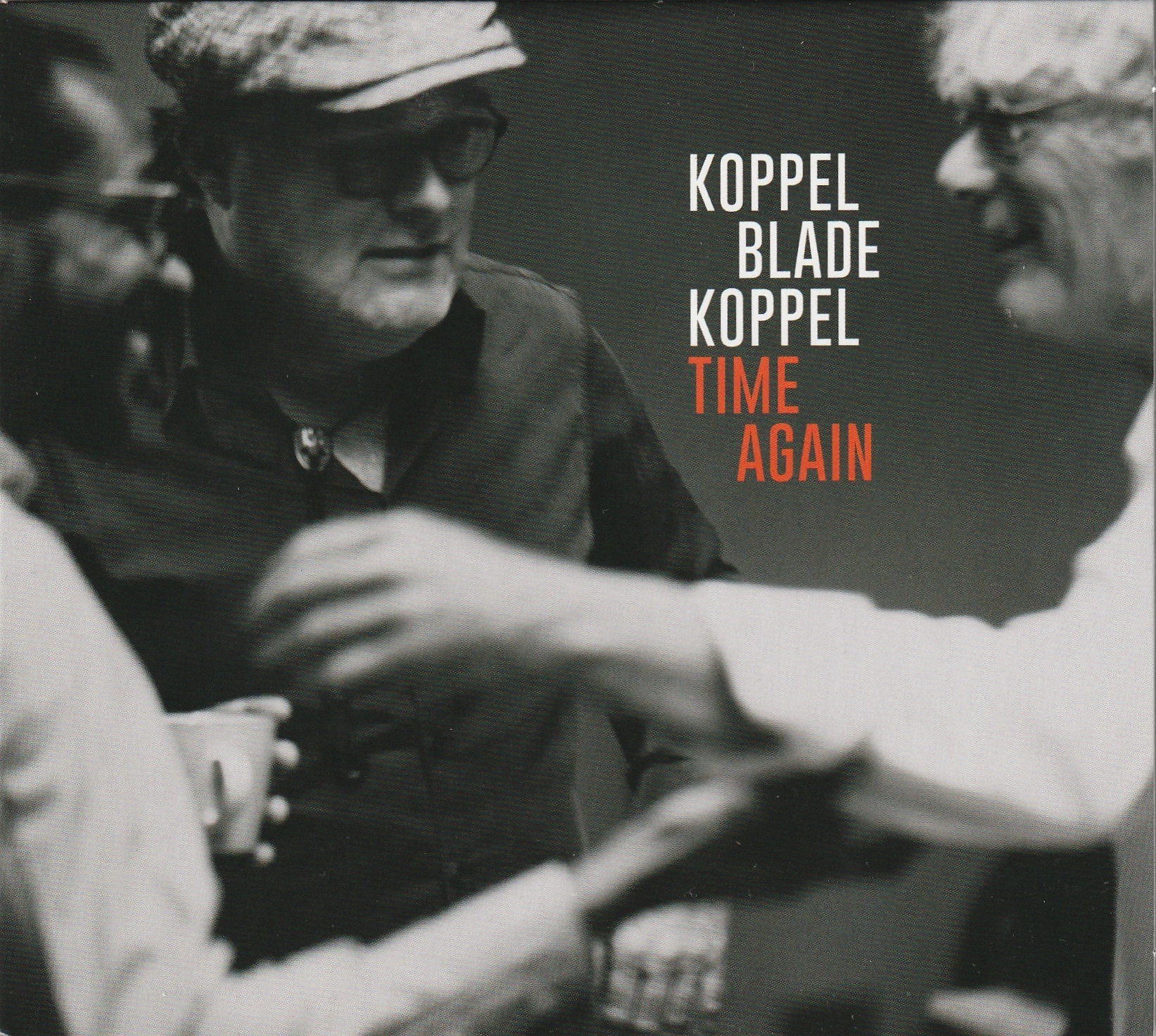
15 Koppel Time AgainTime Again
Benjamin Koppel; Brian Blade; Anders Koppel
Cowbell Music 89 (cowbellmusic.dk/products/koppel-blade-koppel-time-again-cd)

Sunny mid-summer days call for scorching rhythms and sizzling melodies to get your feet moving. This latest release by famed group Koppel-Blade-Koppel brings just that to the table, a perfect musical accompaniment to vacations and parties alike. Featuring the all-star musical father-son duo of organist Anders Koppel and alto saxophonist Benjamin Koppel with the addition of renowned drummer Brian Blade, each piece is elevated to new musical heights. With the exception of one, all tracks are penned by the Koppels, making this a delightful compilation of new tracks. If you’re on the hunt for fresh music that gets you grooving and also delves into your emotions, this is the album for you. 

The record is incredibly multi-faceted, with both thoughtful pieces interspersed with rhythmic tunes and a certain contagious energy running throughout. Right away, the first song Puerto Rican Rumble starts with an infectious bass groove that doesn’t let up during the duration of the piece and combined with Blade’s continuous rhythms and riveting saxophone melodies, makes for a positively bopping piece. In contrast, If You Forget Me takes it down a notch, with Koppel Jr.’s bluesy, soulful sax line just tugging at the heart strings and creating a beautiful, melancholy soundscape. What makes the record such an incredible musical journey is that it manages to both feel new and like a nostalgic throwback simultaneously. A hark back to different times, bringing that complexity and emotion into today’s world.

Listen to 'Time Again' Now in the Listening Room

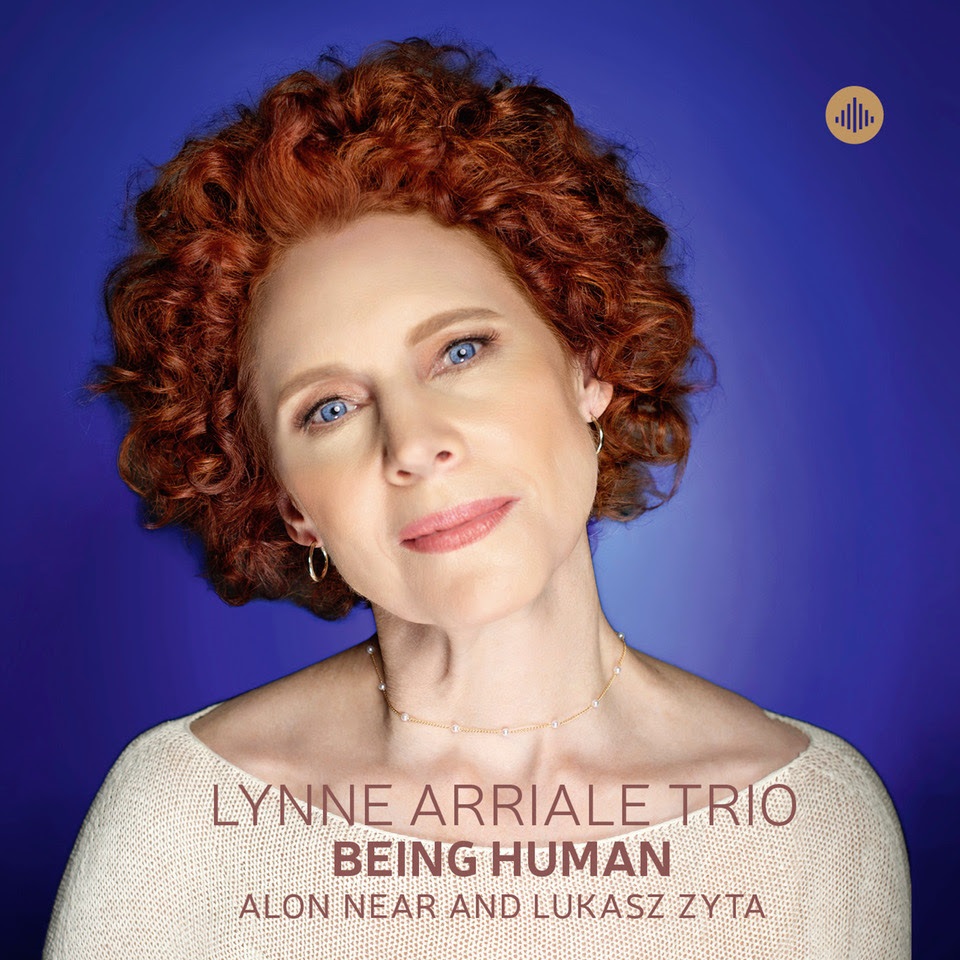
16 Lynne ArrialeBeing Human
Lynne Arriale; Alon Near; Lukasz Zyta
Challenge Records CR 73572 (lynnearriale.com/shop/being-human-1)

Luminous pianist, composer and arranger Lynne Arriale has graced the stages of the most prestigious temples of jazz throughout the world and with the release of her 17th recording, Arriale is joined by internationally renowned musicians, bassist Alon Near and drummer Lukasz Zyta. Ten moving and insightful original compositions are included in this jazz suite, with Arriale having taken inspiration from remarkable individuals such as environmental activist Greta Thunberg and Nobel Peace Prize Laureate Malala Yousafzai, as well as from positive human qualities and the variety of emotions and needs that we all share – musically and etherically eclipsing the “great lie” of human separatism.  

First up is Passion dedicated to Thurnberg. This arrangement is rife with youthful enthusiasm, tinged by the melancholy of the high emotional price that young people can pay for their dedicated, nascent mono-vision, having connected with their pure, focus-driven path early on. Written by Arialle for the Human Race, Love is stunningly beautiful, and a reminder of how unique every soul is and that the potential for illumination resides in each one of us. Arriale’s playing here embraces both the contrapuntal aspects of a classical composition, as well as a refreshing purity and simplicity. Near and Zyta are in a rarefied communicative state with Arriale, at once supportive and creative, imbuing each nuance with their individual sound and skill.

Highlights include the free Curiosity, dedicated to autistic mathematician/physicist Jacob Barnett, where universal mysteries and chaos are plumbed. The swinging Soul (dedicated to Amanda Gorman, National Youth Poet Laureate) is a groovy, rhythmic trip that not only features a hard-driving four from the rhythm section, but Arriale’s dynamism and encyclopedic knowledge of the bop canon. The suite closes with a reprise of Love utilizing “voices” on the Yamaha Clavinova, which underscore faith in humanity and a mutual commitment to unity and a brighter, inclusive future.

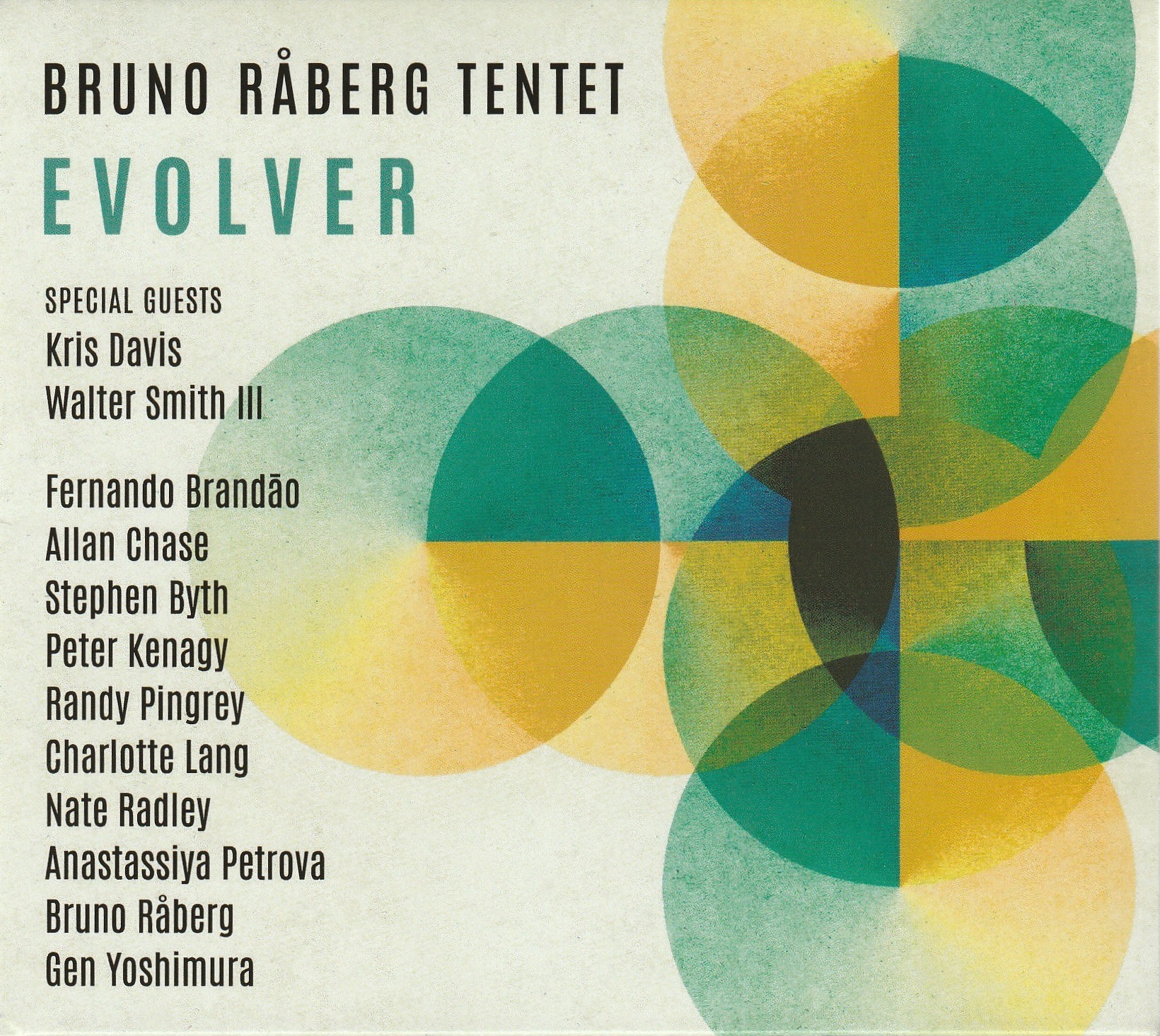
17 Bruno Raberg 10Evolver
Bruno Raberg Tentet
OrbisMusic OM1323 (brunoraberg.com)

Music – especially the music called jazz – is always an evolutionary process. So having workshopped this music for a considerable period, its shepherd, Bruno Råberg rightfully, albeit whimsically, called its recorded iteration Evolver. Listening to it being played by the ace alliance he calls the Tentet you will be beckoned seductively by the dramatic twists and turns of each piece on this record. 

Plunge in then as if you intended to discover the secrets of the source of the music, as if it were the water of life to its composer. The technical aspects of this music – arranged for ten performers who read exceedingly well – is one way to regard the music of Evolver with its six individual pieces and the final four-part work, The Echos Suite. However, penetrating the skin of the music to mine its secrets is more spiritual, shamanic and ephemeral.

In ephemeral terms the wellspring for Råberg’s compositions are perceived as shamanic affirmations translated into musical synchronicities. The melodies, harmonies and rhythms are signs he is doing precisely the right thing at the right time. This is how his labyrinthine melodies flow into harmonious tributaries and eloquent and complex rhythmic variations. 

Thus, Råberg marshals his musicians through a masterful expansive musical odyssey; Greek myths (Peripeteia, Erbus and The Echos Suite), the Swedish countryside (Stilytje) and with Mode Natakapriya, through the diabolical complexities of the South Indian music tradition.

Listen to 'Evolver' Now in the Listening Room

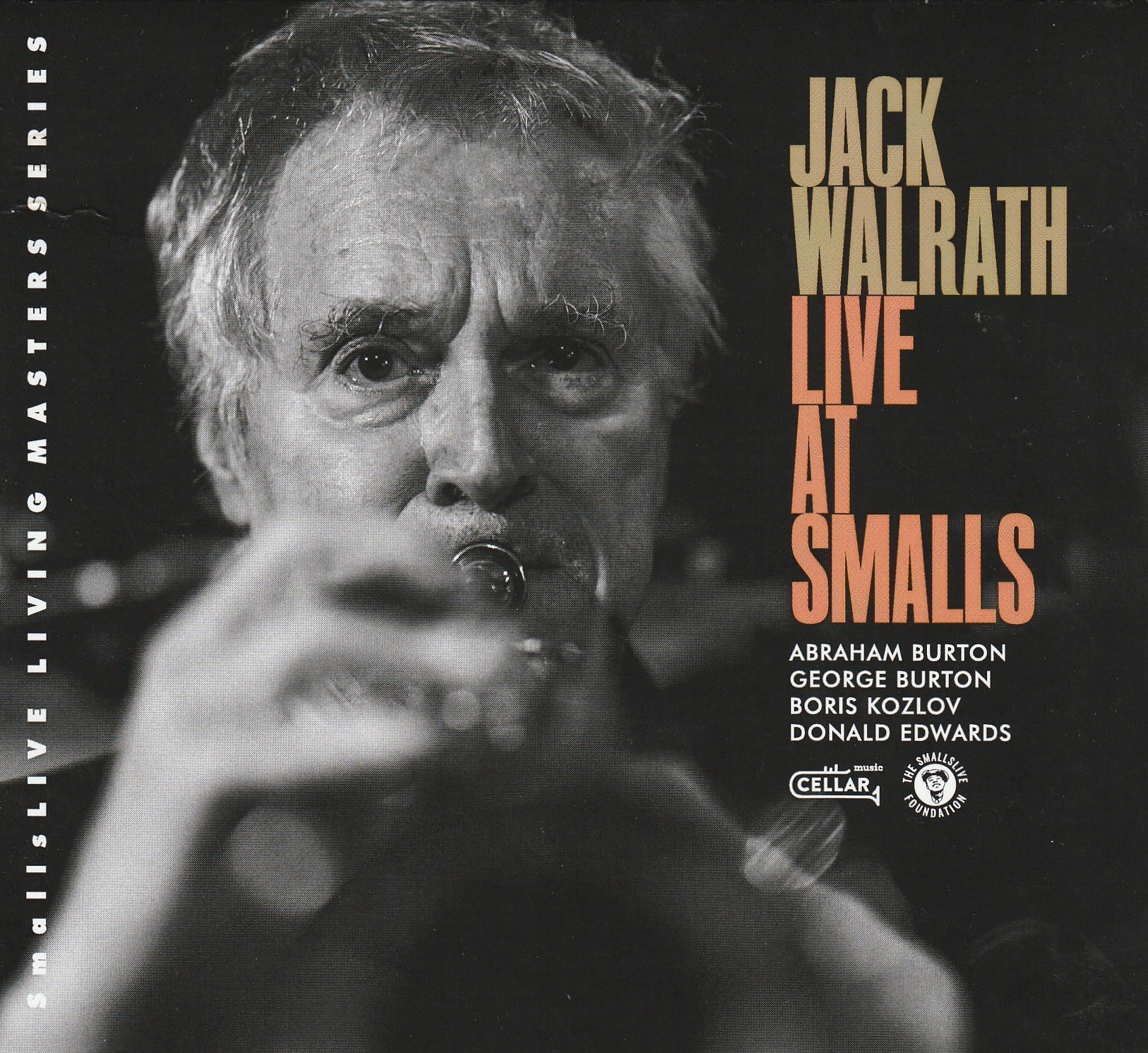
18 Jack WalrathLive at Smalls
Jack Walrath; Abraham Burton; George Burton; Boris Kozlov; Donald Edwards
Cellar Music CMSLF008 (jackwalrath.bandcamp.com/album/live-at-smalls)

Devotees of the titan of music and musical successor to Duke Ellington, Charles Mingus, will remember trumpeter Jack Walrath from Me Myself an Eye (Atlantic, 1979), from the final era of Mingus’ epic oeuvre. That album began with Three Worlds of Drums, the bassist’s composition for large ensemble with two bassists and three drummers. Why remember Walrath? It was the trumpeter who gave wings to Mingus’ idea for the work, which the bassist “…noodled into a tape recorder,” said Walrath.  

Many years after that epic recording, a wizened Walrath made what I believed to be his finest recording. Invasion of the Booty Shakers (Savant, 2002), with the brilliant vocal gymnast, Miles Griffith. That recording began with Walrath’s iconic piece, Black Bats and Poles, a work that graced Mingus’ album Changes Vol. Two (Atlantic, 1974). Having his song immortalised on a Mingus album says a lot about Walrath, the trumpeter. Mingus didn’t simply “pick” trumpeters, he bonded with the best. (Remember Johnny Coles, and the great Clarence Shaw?)

Like those men, Walrath is an artist of the first order, a master of his instrument. He shows us just that on this brilliant recording Live at Smalls. He is a player of remarkable virtuosity and expressive élan. He announces his compositional provenance especially on the erudite Grandpa Moses, and the brooding Moods for Muhal. Saxophonist Abraham Burton, pianist George Burton, bassist Boris Kozlov and drummer Donald Edwards interpret Walrath’s compositions with idiomatic brilliance.

Earlier this year, Canada’s newspaper of record, the Globe & Mail, took a full two weeks to publish a story on the death at 100 of Phil Nimmons, arguably Canada’s dean of modern jazz. Media priorities differ, although reporting on the demise of pop music performers seems to happen almost immediately, but in a way this reflects the perception of jazz as a young person’s art. That’s about as bogus as any other musical cliché, and right now there are numerous improvising musicians creating memorable sounds in their late 70s and 80s.
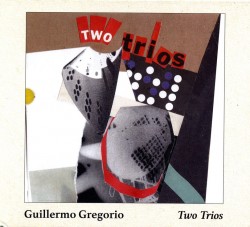
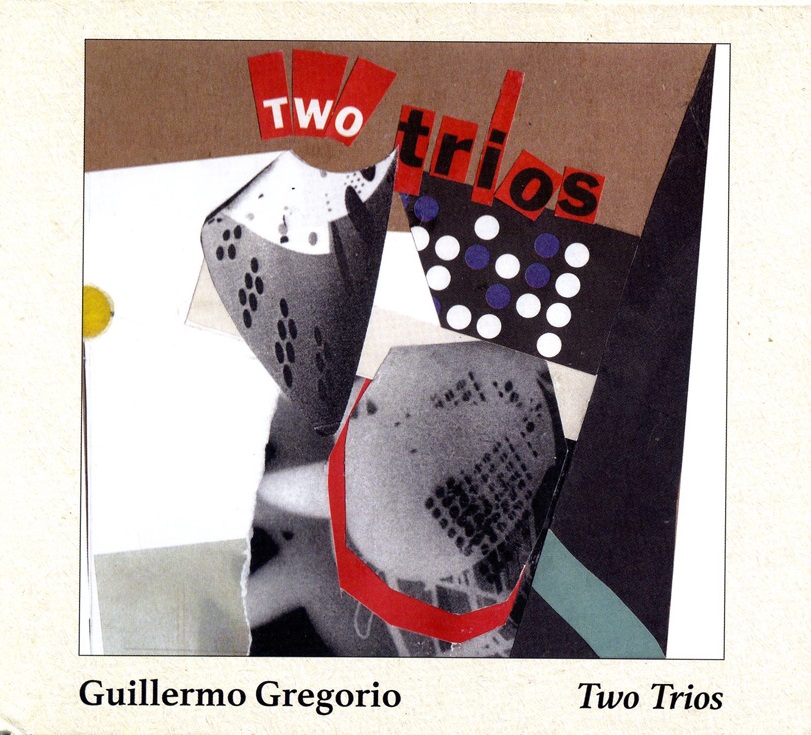
01 Two TriosTake Argentinian-American clarinetist Guillermo Gregorio, 82 for instance. An academic dealing with architecture and art history, he played improvised music at the same time and has intensified his musical interests since he stopped teaching. Two Trios (ESP 5047 espdisk.com/5047) involves live sessions featuring the clarinetist with either cellist Fred Lonberg-Holm and vibraphonist Carrie Biolo or contralto clarinetist Iván Barenboim and cellist Nicholas Jozwiak. In sync chamber improv in both cases, the first finds the vibist alternating between front line shimmers and rhythmic thumps as Lonberg-Holm sharpens the program with string slices and stops while Gregorio elaborates themes with reed glissandi, flutters and chalumeau register lowing. Although most tracks are almost lyrical, with an emphasis on harmony, others like Degrees of Iconicity and Improvisation toughen the program with the equivalent of bell-ringing motifs from Biolo, sul ponticello emphasis from the cellist and Gregorio’s timbres fluctuating from andante to presto as he squeals split tones upwards. Even more energized, the second trio set uses contralto clarinet tones as a huffing ostinato mixed with string strums for bouncing expositions as Gregorio distills aggressive or pastoral trills from his horn, interjecting vibrations at many speeds. Still like the session with the other trio, a track like Out of the Other Notes is an interlude confirming that intense free music can also be well-balanced, moderated and linear. 
02 Cerntral ParkFull time musicians and early members of Chicago’s AACM, trumpeter Wadada Leo Smith and pianist/organist Amina Claudine Myers, both 82, combine to celebrate the grandeur of New York’s Central Park’s Mosaics of Reservoir, Lake, Paths and Gardens (Red Hook Records RH 1005 redhookrecords.com/rh1005). A seven-part suite, with six tracks composed by Smith and one by Myers, the mood throughout is moderate, unhurried and precise as well as discriminating in its depiction. With the pianist usually concentrating on quiet plinking and expressive cadenzas, the park’s spaciousness is reflected in Smith’s sophisticated storytelling. Squeezing out a tapestry of perfectly rounded notes, his portamento is pensive and passionate in equal measure. Jubilation is most obvious on a track like Central Park at Sunset when he spreads grace notes all over the exposition, with the subsequent descending tones cushioned by darkened soundboard rumbles and a hint of gospel piano. Myers’ composition When Was is initially recital-like formal, but loosens up with a profusion of curvaceous tones at elevated pitches and by the end is the closest to unmetered free music on the disc. Smith’s mournful didacticism isn’t just obvious on a brief track matching his Harmon-muted flutters with organ burbles attached to faint ecclesiastical suggestions, but at greater length on Albert Ayler, a meditation in light. Named for the late saxophonist who lived near Central Park’s northern boundary, Smith’s half-valve smears and slurs in this threnody turn to defiant yet graceful trills at the end. Beside him Myers’ thick chording likewise slides into gentleness by the conclusion.
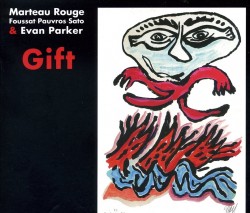
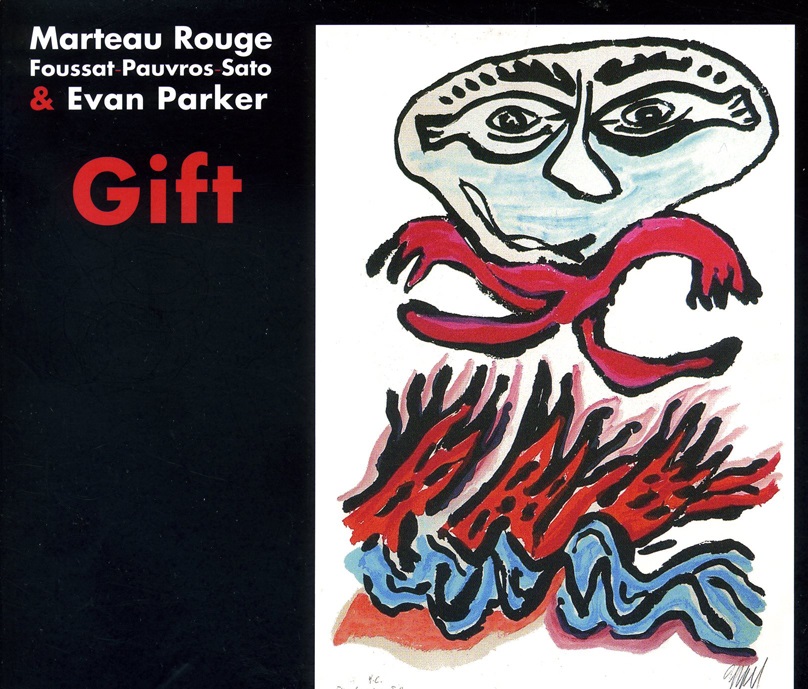
03 GiftThere was nothing gentle or melancholy about the live meeting between British saxophonist Evan Parker, 80, and members of the French Marteau Rouge trio on Gift (FOU Records FR-CD 51 fourecords.com/FR-CD51). A self-contained unit that boomerangs among tough improv, rock and electronics, guitarist Jean-François Pauvros, drummer Makoto Sato and synthesizer player Jean-Marc Foussat bring a furious energy to their playing. Finding a prominent place for himself among Pavros’ twangs, frail and arco string bowing expressions, Sato’s steady beat and Foussat’s processed drones and field recorded samples doesn’t faze the saxophonist who has faced down big bands and electric-acoustic ensembles with the same aplomb. He outputs what could be termed anthracite lyricism at points, his usual strategy, especially on Into The Deep, the more than 34-minute centrepiece. Building on earlier synthesized, organ-like thrusts, constant string strums and drum rumbles, Parker alternately soars over the interface with whistling timbral variations or snorts and snarls that whir as much as programmed voltage, as vibrating reed pressure finds a place beside the guitarist’s intense flanges and twangs. In contrast though, while the saxist fragments textures into slurps and split tones – the better to challenge Sato’s drum clunks and clips and Foussat’s yodels and yells produced by both his voice and machine programming – Parker’s straight-ahead tone touches on melody. Going his own way slowly and logically, reed timbres are partially affirmed by the others so that there’s a song-like as well as a sinewy essence to the final improvisation.
Listen to 'Gift' Now in the Listening Room

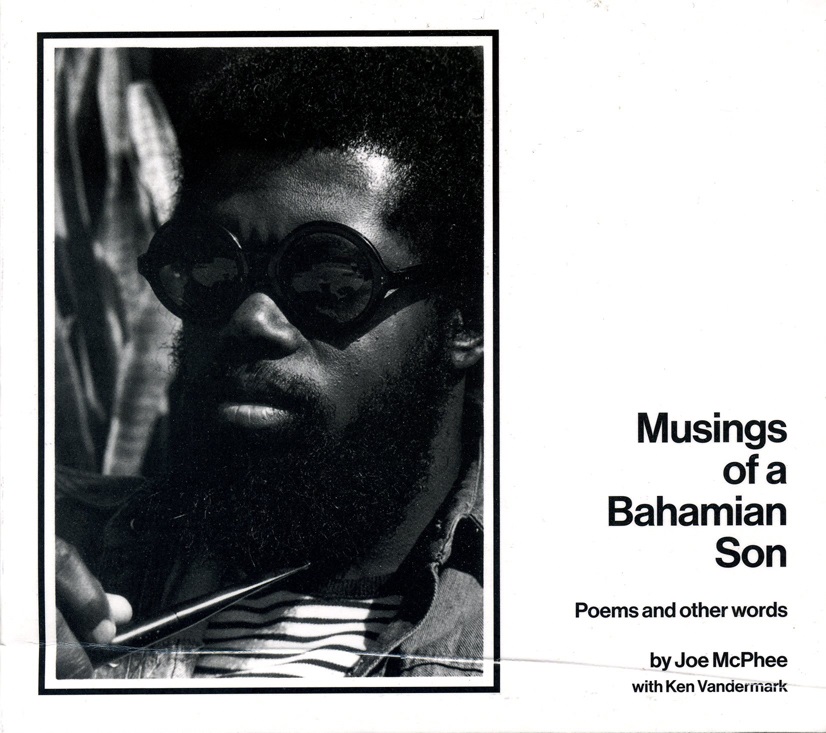
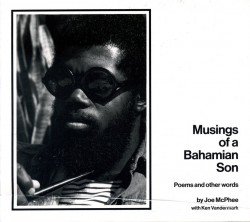
04 MusingsAnother venerable musician, whose most recent CD is almost completely lyrical is upstate New York’s Joe McPhee, 83. He is someone who has proven his prowess on the soprano and tenor saxophones and pocket trumpet over the years in settings ranging from large ensembles to solo. Sometimes he also raps or recites poetry and on Musings of a Bahamian Son (Corbett vs Dempsey CvD CD 109 corbettvsdempsey.com/records) he verbalizes 28 of these lyrics as well as playing soprano saxophone on nine instrumental interludes backed by Ken Vandermark’s clarinet or bass clarinet. The disc ends with a profound free-form duet between McPhee and Vandermark and each interlude is distinctive, expressing moods ranging from a tough march tempo to poetic harmonies with Vandermark’s spiky snorts and caustic slurs nicely contrasting with McPhee’s vibrating trills and horizontal connections. Although a vocalized piece like The Grand Marquis with its couplet about “wearing the blues like a Mona Lisa smile” sets up the subsequent bluesy improvisation, most tracks focus on the prose and poetry. The recitations mix absurdist humor (The Last Of The Late Great Finger-Wigglers); Edward Lear-like imagery (The Ship With Marigold Sails); sardonic couplets that harangue divisive politicians and fret about climate change; and even attack AI (“music comes from people not tape machines,” he states on Party Lights). McPhee’s musical experience means that his verses about jazz greats also go way beyond name checking. Tell Me How Long Has Trane Been Gone (for James Baldwin and John Coltrane) for instance cannily blends song titles and book titles to make its point, while The Loneliest Woman (for Ornette Coleman) is turned into a plaint for lost love with Lady Marmalade’s choruses sung pointedly among the melody. Musings of a Bahamian Son is no introduction for those who have never experienced McPhee’s music – there are literally about 100 discs on which to hear that – but it will fascinate both those who have followed his career so far as well as poetry fans. 
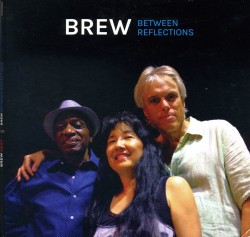
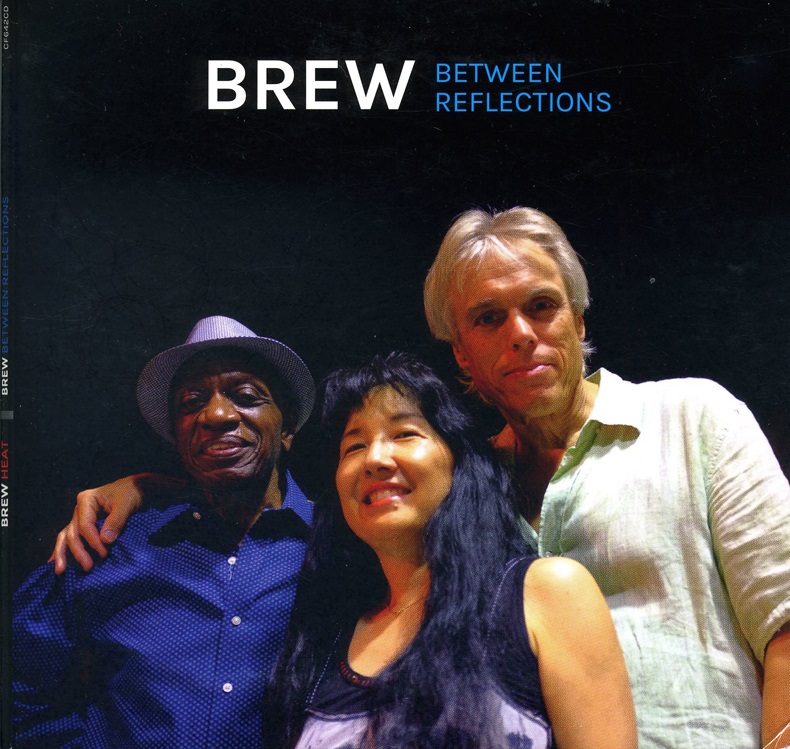
05 BrewOldest of these improv masters is American bassist Reggie Workman, 87, best-known for his 1960s tenures in John Coltrane’s quartet and the Jazz Messengers. But like the others cited here he’s still accepting new challenges more than a half century later. Heat/Between Reflections (Clean Feed CF 642 CD cleanfeed-records.com/product/heat-1998-99-between-reflections-2019-2cd-set) is a two-CD set of the Brew trio, consisting of the bassist, percussionist Gerry Hemingway and koto player Miya Masaoka, both of whom are two decades younger than Workman. Although the admixture may seem odd, there’s no fissure. As a matter of fact, when the others add implements like a monochord, vibes and electronics to their playing, Workman expands the textures on From Above and Below for example by using his expertise playing musical saw to answer the koto’s reflective patterns and drum rattles before reverting to a powerful bass line. Although it’s his responsive, but understated pulse that keeps the tunes horizontal, his strings can also create high-pitched violin-like sounds to top off Masaoka’s multi-string strums (on Morning) or complement with mid-range pops and scrapes from high-register koto twangs to harp like glissandi (on Between Reflections). Additionally Hemingway’s vibraphone sustain on One for Walt Dickerson is given more of a ripened sound when the bassist surrounds it with low-pitched arco swells. Overall, Workman’s positioned throbs are so forceful that the pace and direction of tracks never deviate even on those featuring jagged koto-string stabs, lug-loosening and cymbal rubbing beats and additional whistles and hisses from electronic programming.

Like politicians, not all musicians ripen and mature with advancing age. However, the musicians here, in their late seventies and eighties certainly make the case for lifetime inspiration and performance. 

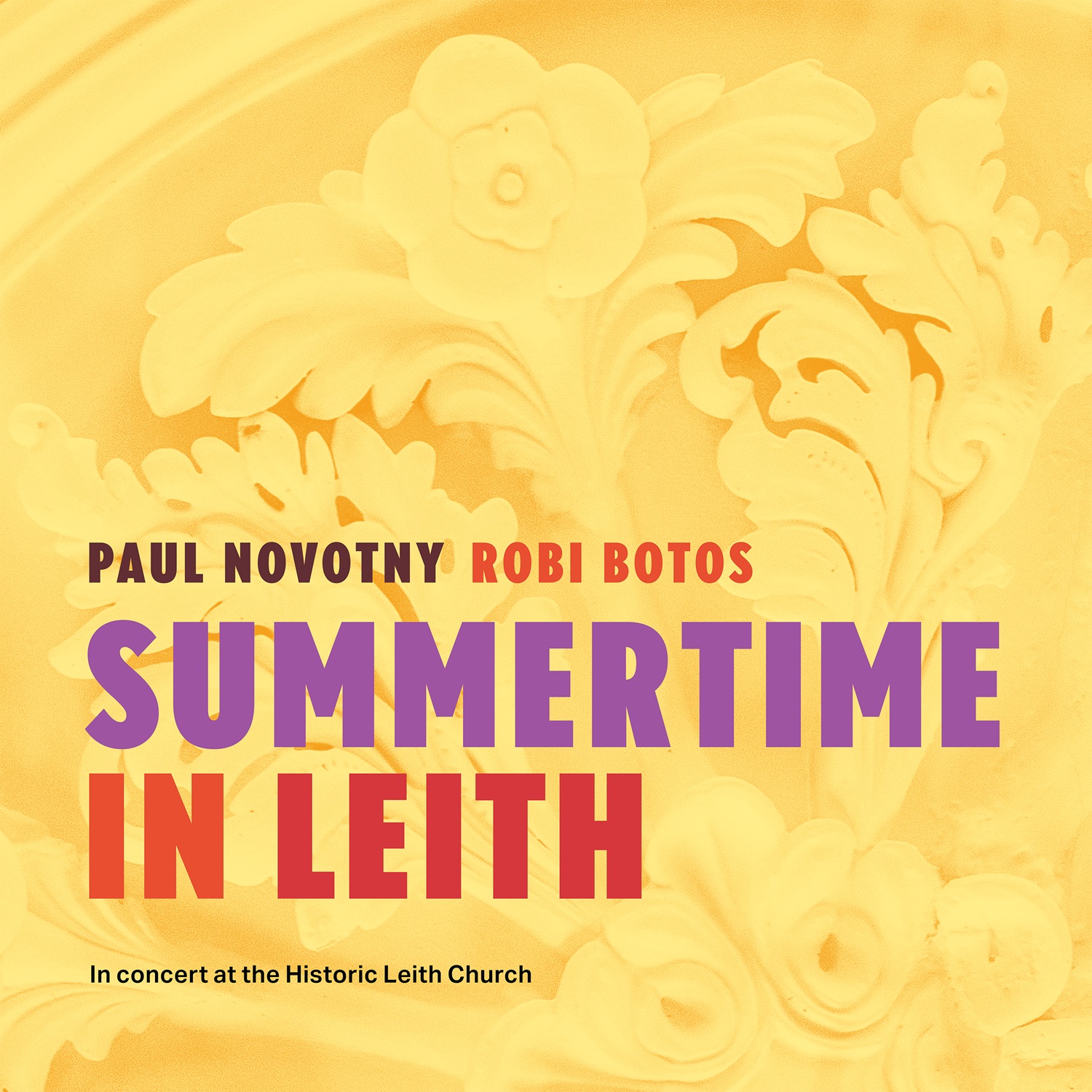
01 Paul Novotny Robi BotosSummertime in Leith – In Concert at the Historic Leith Church
Paul Novotny; Robi Botos
Triplet Records TR10026-ATMOS (tripletrecords.com)

When two of Canada’s finest, most skilled and internationally acclaimed jazz musicians come together in a performance of phenomenal symbiosis, it is an occasion worthy of celebration. As the title of this fine recording would suggest, bassist/producer Paul Novotny and pianist (and Oscar Peterson protégé) Robi Botos graced the stage of the Historic Leith Church in Annan, Ontario on Georgian Bay and performed much loved compositions for an enraptured audience. With exquisite production, all of the electricity and spontaneity of the live event has been captured here. 

Six dynamic tracks are included in the recording – each one a rare jewel. Appropriately Gershwin’s Summertime opens the programme. The arrangement begins with a deep, languid bass pizzicato, which intertwines with diaphanous upper register piano keys as the tune morphs into a sensual, timeless journey. Novotny’s solo is lyrical, facile and loaded with emotional colours, and Botos answers with deeply rhythmic ideas, never overplaying.

A stand-out is the duo’s take on Wheatland from Peterson’s Canadiana Suite. Novotny and Botos capture the majesty of central Canada, grooving à la the iconic Peterson and yet putting their own, contemporary and harmonically complex stamp on it. Novotny uses the full scope of his bass to create fluid, gravitas-laden tones that are imbued with a profound sense of rhythm and joy, and Botos is just simply breathtaking.  

Another highlight is The Flick which comes from Earl VanDyke (Motown’s “Soul Brothers”). This track is pure adrenaline, excitement and elation, with Novotny relentlessly laying it down while Botos fearlessly dives deep into blues and American soul. On this brilliant and well-produced project, the pair have created not only an auditory delight, but healing music for our very souls. Bravo!

Listen to 'Summertime in Leith: In Concert at the Historic Leith Church' Now in the Listening Room

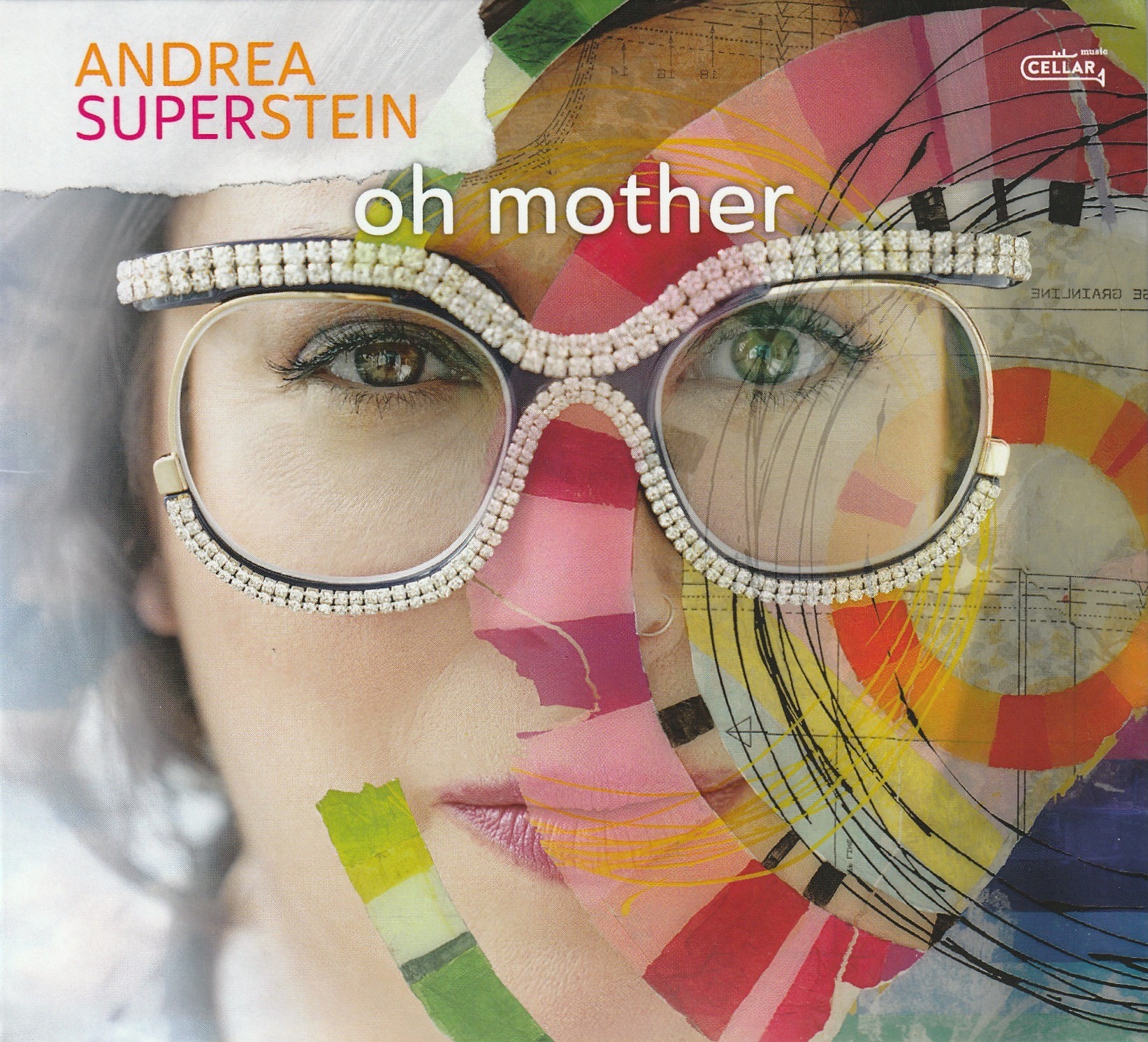
02 Andrea SupersteinOh Mother
Andrea Superstein
Cellar Music CMR082823 (cellarlive.com)

Despite often deifying our mothers, as men we tend to allow ourselves to – wittingly or unwittingly – either ignore motherhood or push it so far into the background as to forget it might even be “a thing.” On her wonderfully lyrical jazz recording Oh Mother, and after sharing her experiences as a mother of course, Andrea Superstein reminds us of both the potent struggles and unfettered joys of motherhood.

The album comprises mostly originals, except for Everywhere by Christine McVie, May You by Ayelet Rose Gottlieb and So In Love by Cole Porter. The apogee of this fine record is, however, Superstein’s The Heart Inside, with its long, sculpted lines, arranged by Superstein and Elizabeth Shepherd, delivered with uncommon grace and beauty by Superstein. Here, as elsewhere, her vocals are light, plaintive and display a colourful, many-splendored sonority. 

Superstein’s introspective vocal exhortations are boosted by inspirational instrumentation that lift the songs into a higher realm. Best of all these are honest sounds of love, joy, and serenity – all of which are de rigueur the province of a woman who has made a life in which art and parenthood are aglow with success and pride.

The performers inhabit the songs with idiomatic allure, and a children’s choir adds charming recitations which are spliced into Superstein’s memorable vocals. This is a musical treat not simply for mothers – young or old – but for lovers of fine vocal music everywhere.

Listen to 'Oh Mother' Now in the Listening Room

03 Daniel JankeAvailable Light
Daniel Janke Winter Trio
Chronograph Records CR-104 (danieljanke.com)

Daniel Janke has had a varied career over several decades as pianist, composer, filmmaker and more. He is based in the Yukon where you might see him composing for and conducting the Problematic Orchestra, recording in his studio, playing jazz in a local lounge or directing a film. But a month later he could be in Berlin as the Musical Director for a Bowie retrospective, performing at a new music festival in Kitchener, Ontario or taking part in a music residency in France, which is where he met Basile Rahola (bass) and Ariel Tessier (drums). 

Available Light is his second album using the name Winter Trio and it contains original and traditional pieces emphasizing Janke’s gospel roots. For example, the final song Gospel for Betty is a gorgeously deliberate piece named for his mother who sang gospel songs. The traditional Blessed Assurance receives a beautiful treatment beginning with a sparsely improvised solo piano building into the full trio and then lightens into a modestly stated melody. Available Light is an elegant and subtle album that contains jazz and new music sophistication while never straying too far from its gospel fundamentals.

Listen to 'Available Light' Now in the Listening Room

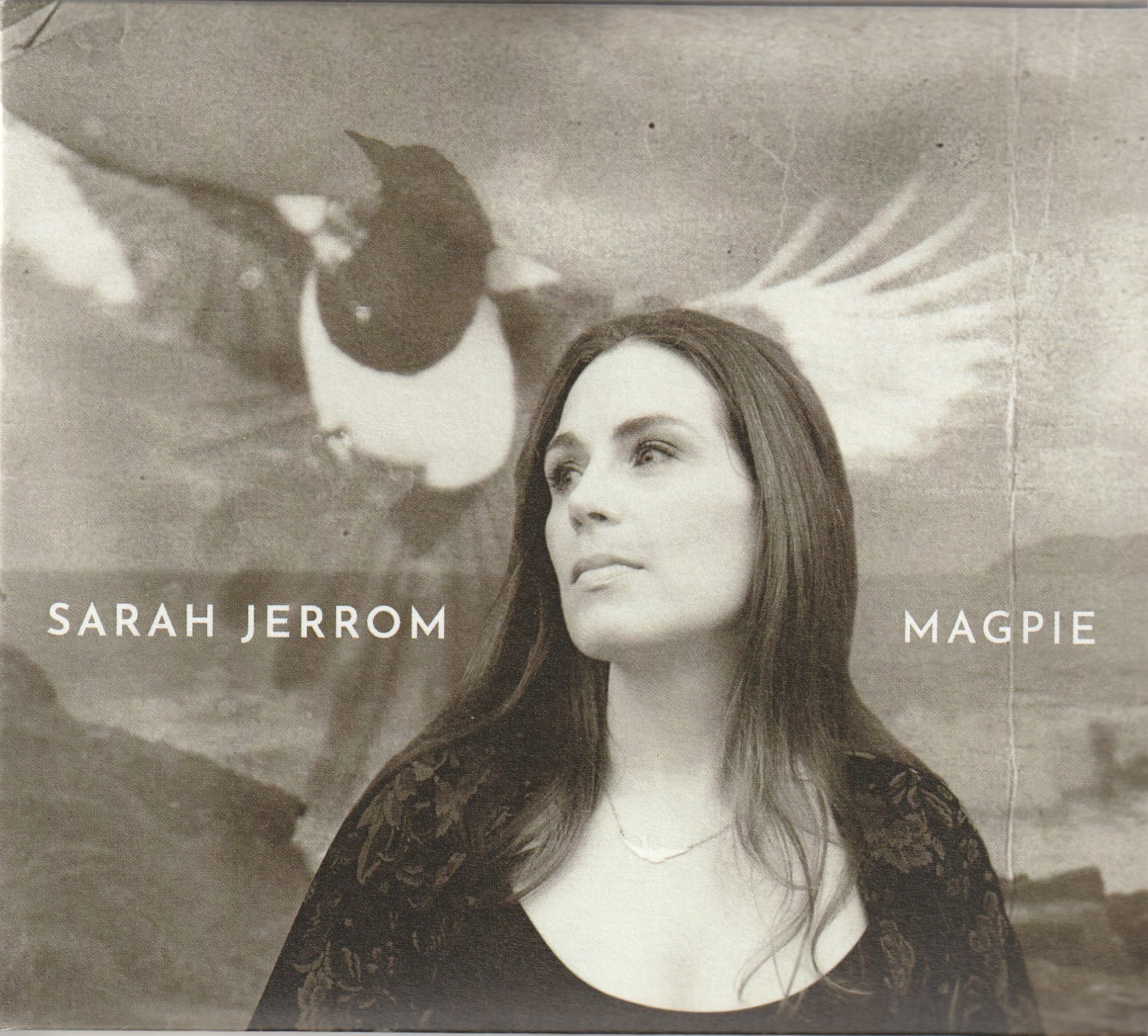
04 Sarah JerromMagpie
Sarah Jerrom
TPR TPR-0019-02 (sarahjerrom.com)

The incredible Sarah Jerrom’s 2024 suite Magpie shows her heading – with a superbly orchestrated large ensemble – into the countryside of her (ostensible) childhood, making friends with the fabled magpie (and other birds) in the Canadian forest. I have long been an unabashedly dyed-in-the-wool admirer of the songwriter and vocalist; now I have decided that I would like to sojourn into the wilds of her interior landscape with her.

On the eight sections of Magpie, you will hear the sense of freedom in her voice as she remembers the birds of the Canadian Rockies and the elk of the forest, while the elegance of her voice and visionary music and the superbly rehearsed big band become part of a sweeping landscape that mixes beauty and danger, and the sounds of animals and birds, in particular the flight of her magpie. 

But should I journey with Jerrom, I couldn’t match the brilliance of her travelling companions: among them the inimitable flutist Laura Chambers, oboist Cheih-Ving Lu, saxophonists Tara Davidson, Mike Murley, Kirk MacDonald and Shriantha Beddage, trumpeters James Rhodes and Kevin Turcotte, trombonists Olivia Esther and William Carn, the magical pianist Nancy Walker, bassist Rob McBride and drummer Ernesto Cervini.

In such songs as Circling Feathers, or The Mountain Cries, and in Jerrom’s ethereally beautiful vocals everywhere – whether evocative of freezing nights or long rainy days – each track takes us into some wild place with trusted and inspiring musical friends.

Listen to 'Magpie' Now in the Listening Room

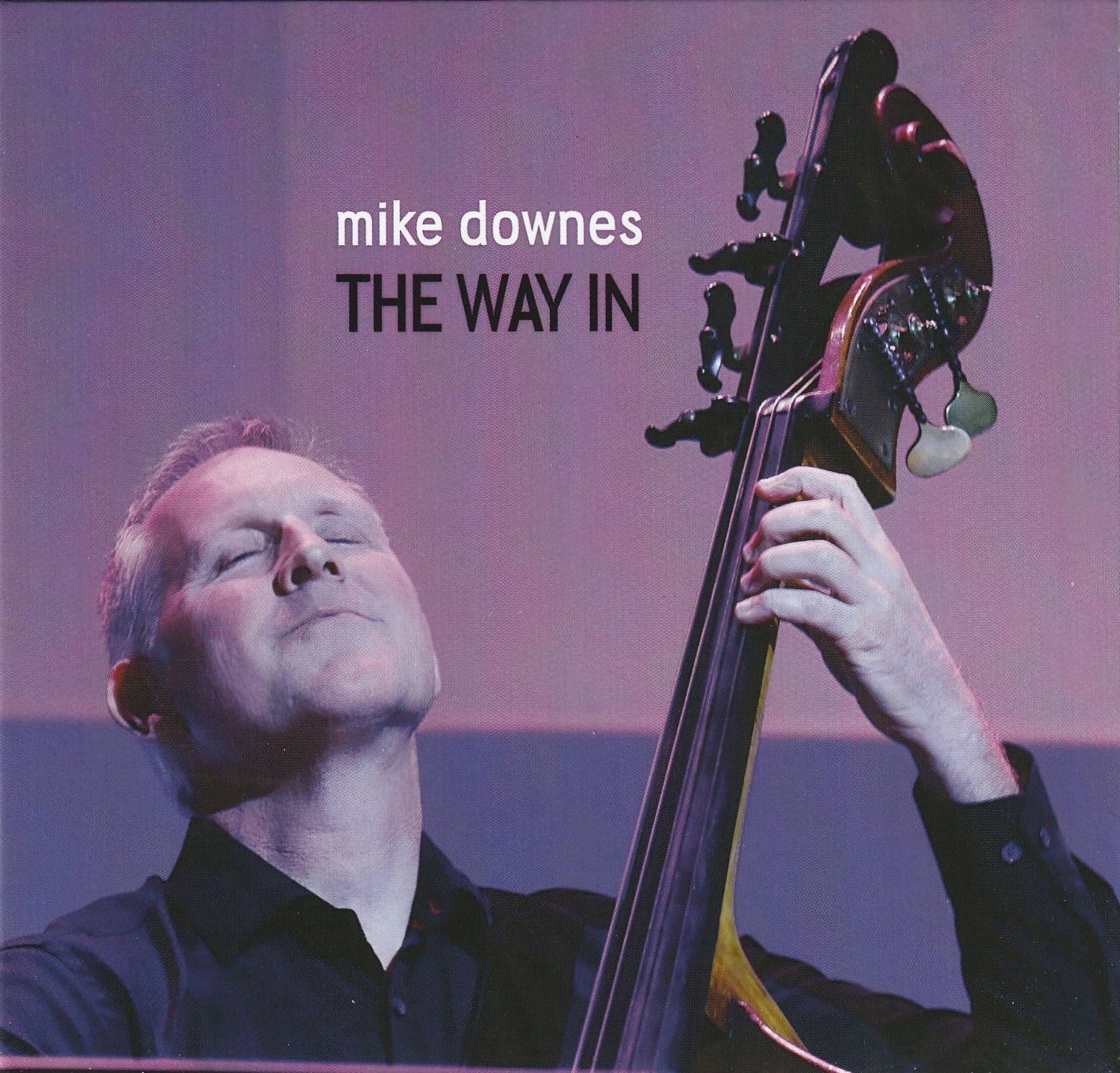
05 Mike DownesMike Downes – The Way In
Mike Downes; Robi Botos; Ted Quinlan; Joaquin Nunez Hidalgo; Davide di Renzo
M Music (mikedownes.bandcamp.com/album/the-way-in)

Versatility and the ability to bend and cross genres are valued qualities in musicians. Multi-JUNO award winning, renowned bassist Mike Downes is the embodiment of these qualities. His newest release is a great showcase of his prolific talents as a unique and captivating musician and composer. The track list is chock-full of songs penned by the bassist himself and his lyrical compositional style is accessible  and able to be enjoyed and appreciated. Downes himself says the album showcases his “deep gratitude to the long lineage of extraordinary bassists who blazed the way forward.” There’s a certain beauty and humbleness there when a musician who so many look up to pays homage to his idols in such a way. 

These pieces are such a fitting example of Downes’ sensitive and melodious style of playing, he makes his instrument truly “sing.” What is exceptional is how he draws out such emotions and creates a truly clear imagery in the listener’s mind; he has a way of making the bass into a storyteller, almost as if we’re listening to it speak and sing to us. Coming back full circle to the versatility mentioned earlier, each song has a completely unique and distinct feel, even very specific textures which come to the forefront through the different ways in which Downes creates sounds and layers them; from bowing to rhythmic tapping and melodious pizzicato. A must-add to your music collection!

Listen to 'Mike Downes: The Way In' Now in the Listening Room

06 Bill McBirnieReflections (for Paul Horn)
Bill McBirnie
Extreme Flute (billmcbirnie-extremeflute.bandcamp.com/album/reflections-for-paul-horn)

At the beginning of his liner notes McBirnie acknowledges flutist Paul Horn as “…unquestionably the earliest, the strongest and the most enduring of all my influences on this instrument.”  What touched him about Horn’s playing was his “…use of space, coupled with …often stark – but heartfelt – phrases to communicate musically. …now, a decade after his passing, I decided to take some time and make an effort to acknowledge all he has done for me... and so many others...”

In this recording we hear McBirnie’s similar use of space and stark, heartfelt phrases, particularly in his alto flute improvisations, like track three, Masada Sunrise. It is especially in McBirnie’s sound that I hear something of his feeling for Paul Horn. There is an openness, a spaciousness that he conveys through the sound, that I know could not be conveyed in any other way.

Speaking of the spaciousness of his sound, however, I do have one small quibble. While Horn released a couple of dozen albums and most were not in exotic locations, he famously recorded in some acoustically extraordinary spaces, like the Taj Mahal and the Great Pyramid at Giza. In these locations the acoustic properties of the spaces participated, so to speak, in the improvisations. McBirnie’s recordings were made in a studio, with the “acoustics” added after the fact. What is missing for me is the Horn’s interaction with the environment in this handful of extraordinary spaces. I found myself wistfully thinking of buildings in and near Toronto that offer acoustical environments which could have been co-participants in these recordings – Holy Trinity Church in Toronto, and the Foster Memorial north of Uxbridge, for example – thereby keeping the artistry in the hands of the artist himself, and not those of a recording engineer.

That being said, kudos to McBirnie for keeping the memory of Paul Horn so resonantly alive – a worthy reminder of Paul Horn and the tremendous influence he had “back in the day” on Jazz. This album is a real labour of love.

Back to top