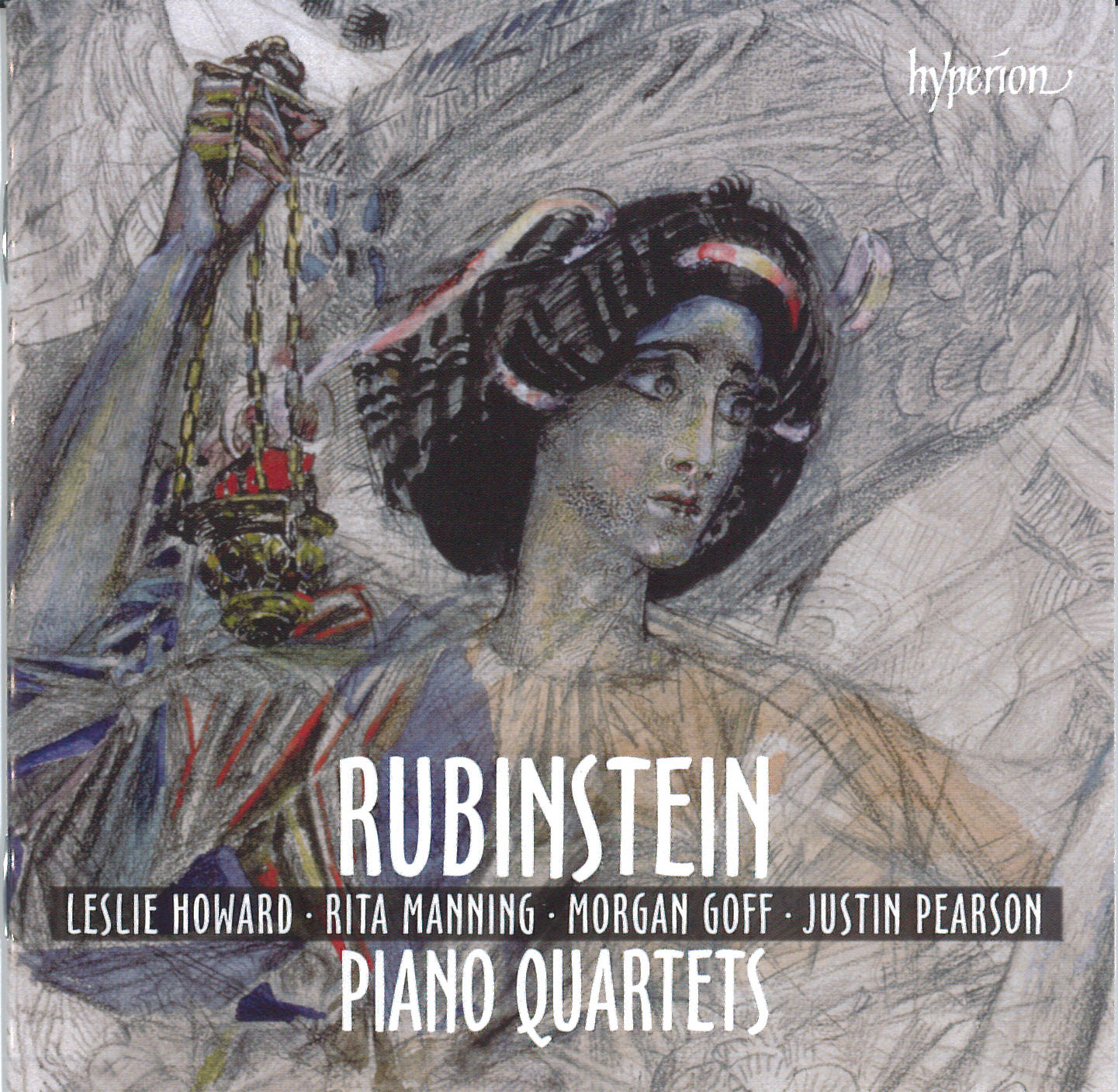
04 Classical 06 RubinsteinAnton Rubinstein – Piano Quartets
Leslie Howard; Rita Manning; Morgan Goff; Justin Pearson
Hyperion CDA68018

“Russians call me German, Germans call me Russian, Jews call me Christian, Christians a Jew. Pianists call me a composer, composers call me a pianist. The classicists think of me as futurist, and the futurists call me a reactionary. My conclusion is that I am neither fish nor fowl – a pitiful individual.” Anton Grigorevich Rubinstein playfully described himself this way in his posthumously published book Gedankenkorb. While he is better known as one of the greatest 19th-century pianists and educators (he founded the St. Petersburg Conservatory, the first of its kind in Russia), Rubinstein also had a long and productive composing career.

The two piano quartets presented on this CD are premiere recordings of these pieces. Piano Quartet in F major, Op.55bis was originally written as a quintet with winds and the reduction for the string version was quite successful. The string’s sonority (with slightly more prominence given to the cello) certainly enhanced typical romantic gestures, lush harmonies and flourishing piano lines.

Piano Quartet in C-Major, Op.66 is clearly the stronger of the two – more cohesive, with more emotional depth and a touch of beautiful dark sonorities. The third movement, Andante assai, stands out with its stately piano lines and a dramatic violin solo that brings in a dash of gypsy spirit before settling into a peaceful melody. The ensemble playing is strong and close knit. Leslie Howard’s articulation is refined, bringing a sparkling quality to more virtuosic piano lines. Strings are juxtaposed nicely, achieving lovely colours in unison parts. Recommended for rainy afternoons – not exactly masterpieces, but these quartets could certainly take you on an interesting journey.

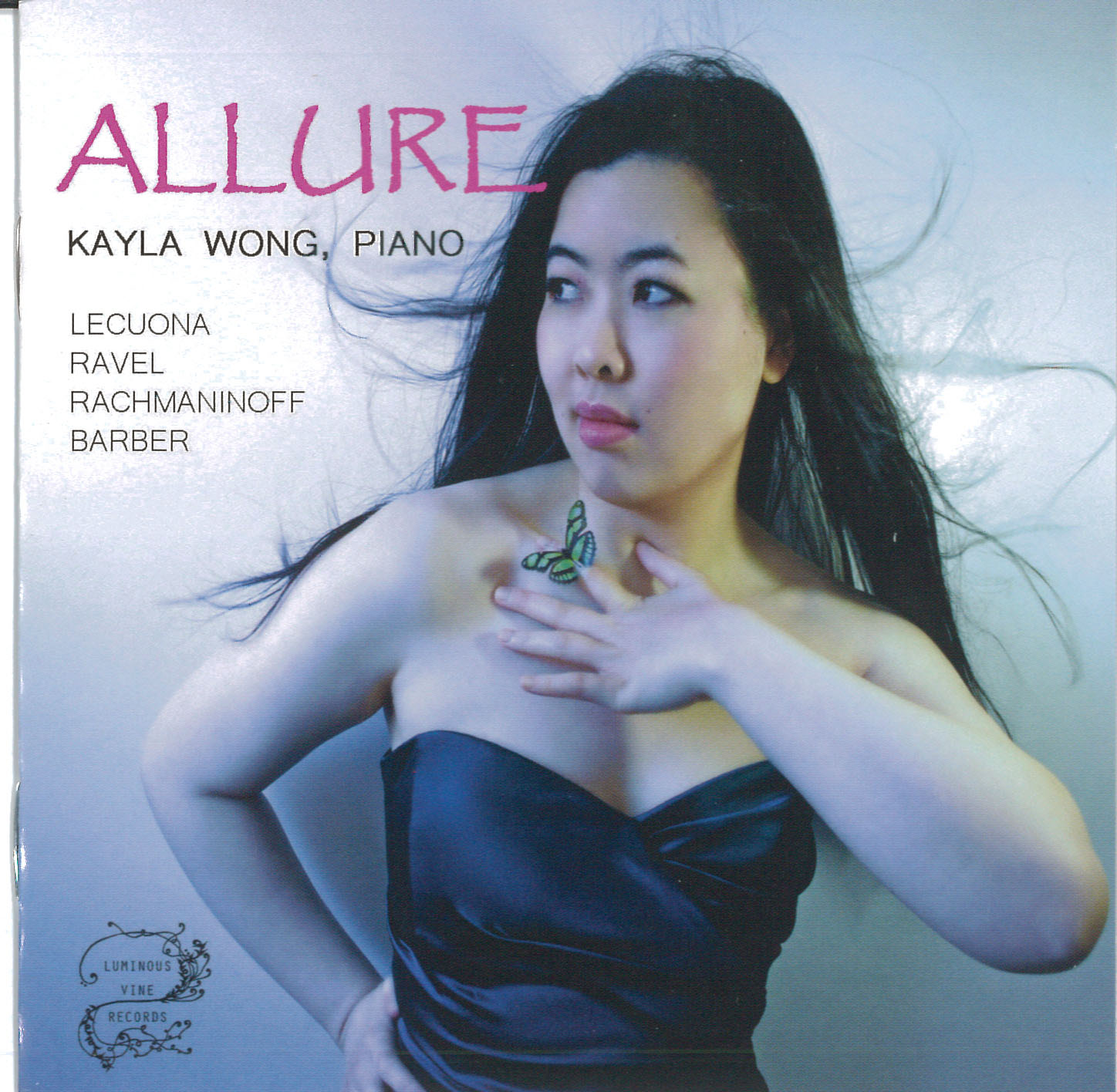
04 Classical 07 Kayla WongAllure
Kayla Wong
Independent (kaylawong.net)

Unlike many young artists, who tend to stick to familiar repertoire when releasing their first recording, pianist Kayla Wong thought outside the box and produced a CD of music almost entirely from the 20th century. She explained: “The composers on this CD are ones that I have always been drawn to on a deep musical level” and the result is an intriguing combination of music by Lecuona, Ravel, Rachmaninoff and Barber on this debut release titled Allure.

Born and raised in Saskatchewan, Wong studied at the University of Victoria and the University of Southern California, Los Angeles. Since then she has appeared in concert throughout North America and Asia, including recitals at Carnegie Hall and the Hong Kong Cultural Centre.

Wong’s deep affinity for 20th century music is evident from the first chord of Lecuona’s Ante El Escorial, one of three compositions included by the Cuban-born pianist/composer. Her playing is dramatic and polished, at all times capturing the subtle rhythms and nuances which are such an inherent part of his style. Lecuona’s slightly older contemporary Maurice Ravel is represented by two of his most famous compositions, Jeux d’eau from 1901 and Une barque sur l’océan from the set Miroirs, written four years later. Dazzling and difficult, this music broke new ground when it first appeared and Wong approaches its formidable technical challenges with apparent ease. Indeed, her flawless technique seems to have no limitations, evident again in the Rachmaninoff Moments Musicaux Op.16 where a warmly romantic tone further enhances a fine performance. Of all the compositions on this disc, Samuel Barber’s Piano Sonata Op.26 from 1948 is undoubtedly the least familiar. Its four movements are a study in contrast, from the strident opening to the bold finale in the form of a fugue – a true technical tour de force which Wong brings off with much bravado.

In all, this is a very impressive recording from a young artist – “alluring” indeed – and we certainly hope to hear from her again in the future.


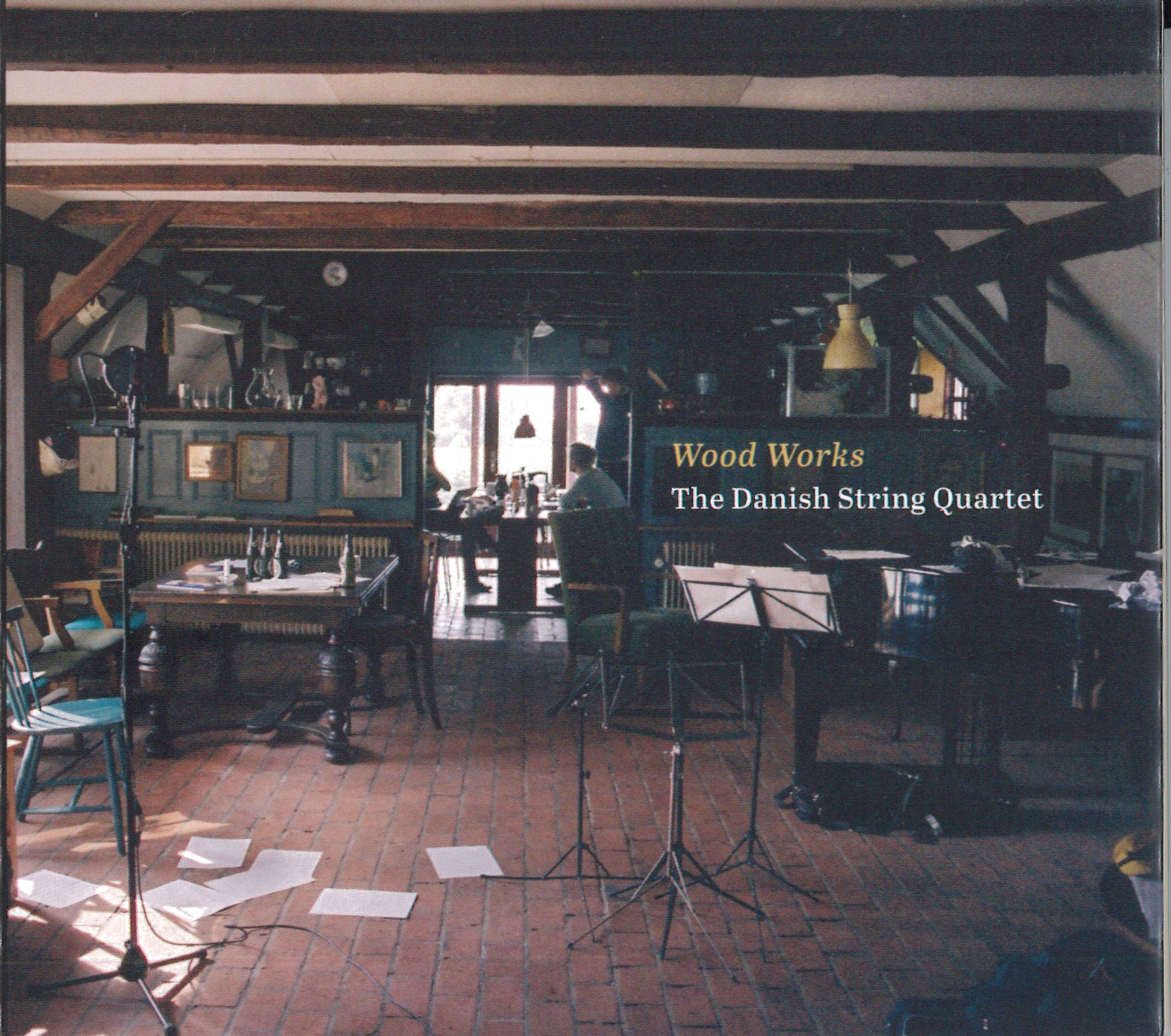
Terry 01 Wood WorksThere is some simply beautiful music on Wood Works, the latest CD from the Danish String Quartet (Dacapo 8.226081), but it’s not necessarily what you would expect to hear. In their description of the recording the quartet members say that they borrowed a selection of Nordic folk tunes that are very close to their hearts and “let the music flow through the wooden instruments of the string quartet.” All but one of the 13 tracks are arrangements by the quartet members, and they are very effective, retaining the simplicity of the folk music while adding a quite modern touch in places. Some of the tunes, as you would expect, are clearly fiddle-based in origin, but there is a lovely range of mood and tempo here. I’m not sure why they felt it necessary to add an anonymous jazz trumpet solo to Five Sheep, Four Goats, though!

On the sleeve notes the quartet wonders “Does it work?” Yes, it does. It’s a charming, relaxing and thoroughly satisfying CD.
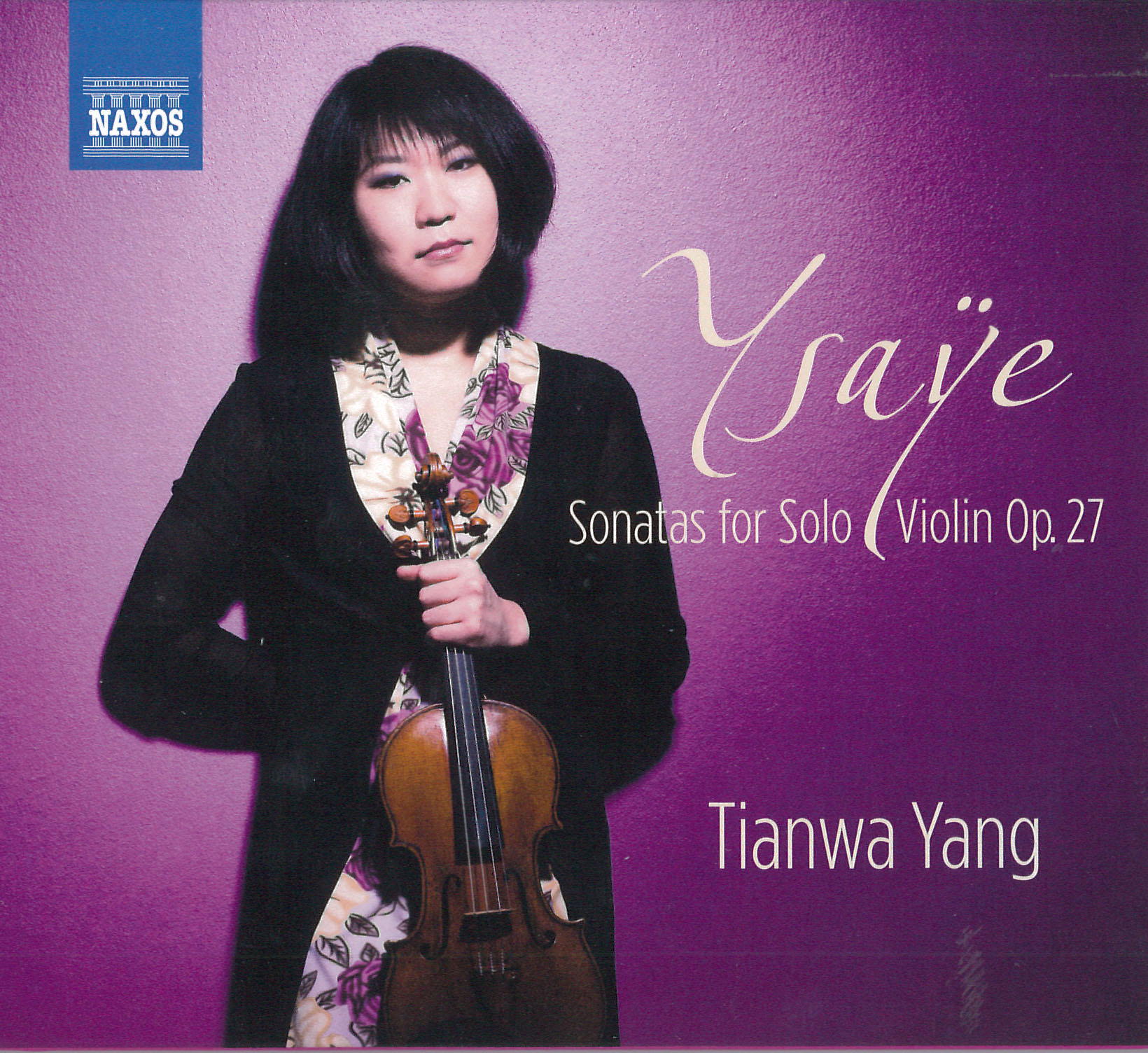
Terry 02 Tianwa YangViolinist Tianwa Yang has often been featured in this column over the past few years, mainly because of her outstanding Naxos series of the complete violin music of Pablo Sarasate, and she has now let loose her remarkable talents on the Sonatas for Solo Violin Op.27 by Eugene Ysaÿe (Naxos 8.572995).

This is the fourth CD I’ve received that features all six of these astonishing works, arguably the greatest contribution to the solo violin repertoire since the Bach Sonatas & Partitas that were, in part, their inspiration, and it again highlights the difficulty in trying to make comparisons between the various versions. There are close to two dozen currently available on CD, and while many of the biggest names are missing there are certainly enough outstanding recordings to make choosing a top recommendation virtually impossible.

The good news, of course, is that there’s no need to. This is clearly one of those epic works – like the Bach unaccompanied – where owning one version is simply never enough. Tianwa Yang’s current performance, where her faultless technique enables her to delve deeply into the heart of these remarkable sonatas, is certainly one that you’ll want and will keep going back to.
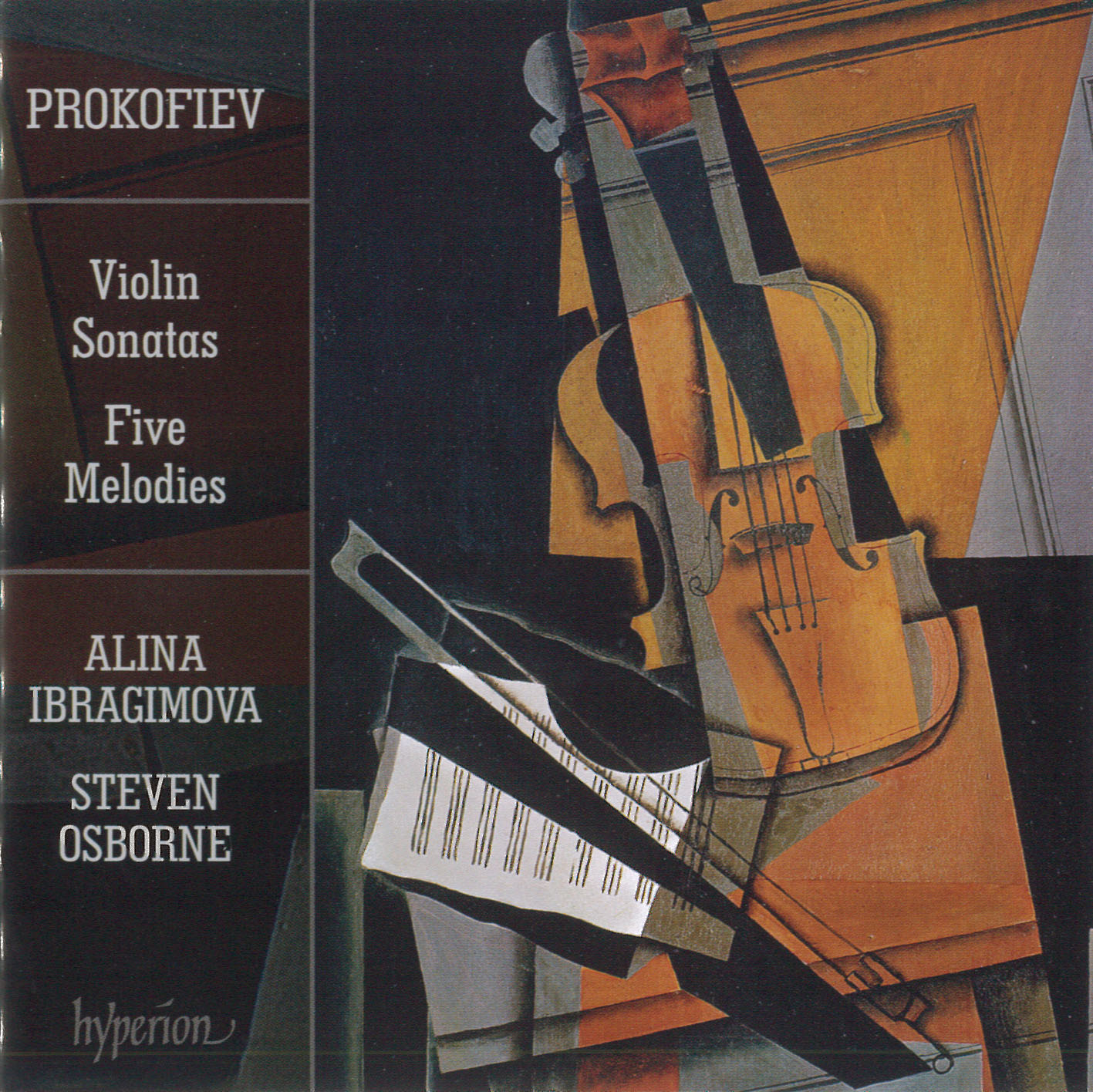
Terry 03 ProkofievThe brilliant young Russian violinist Alina Ibragimova adds yet another stunning CD to her catalogue with Prokofiev Violin Sonatas and Five Melodies (Hyperion CDA67514). Cédric Tiberghien, her regular keyboard partner, is missing this time, but the outstanding British pianist Steven Osborne proves to be an ideal choice as replacement.

Prokofiev’s music for violin and piano seems to be attracting a lot of recording attention these days: this is the third CD of the same three works to come my way just this year, following the James Ehnes and Jonathan Crow discs reviewed in this column in February and April respectively.

As fine as those CDs were, Ibragimova proves to be quite irresistible in her performances here, showing the same fire, intensity, subtlety and intellect that helped make her live Wigmore Hall 3CD set of the complete Beethoven sonatas with Tiberghien such a remarkable issue.
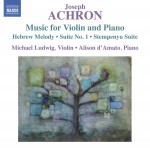
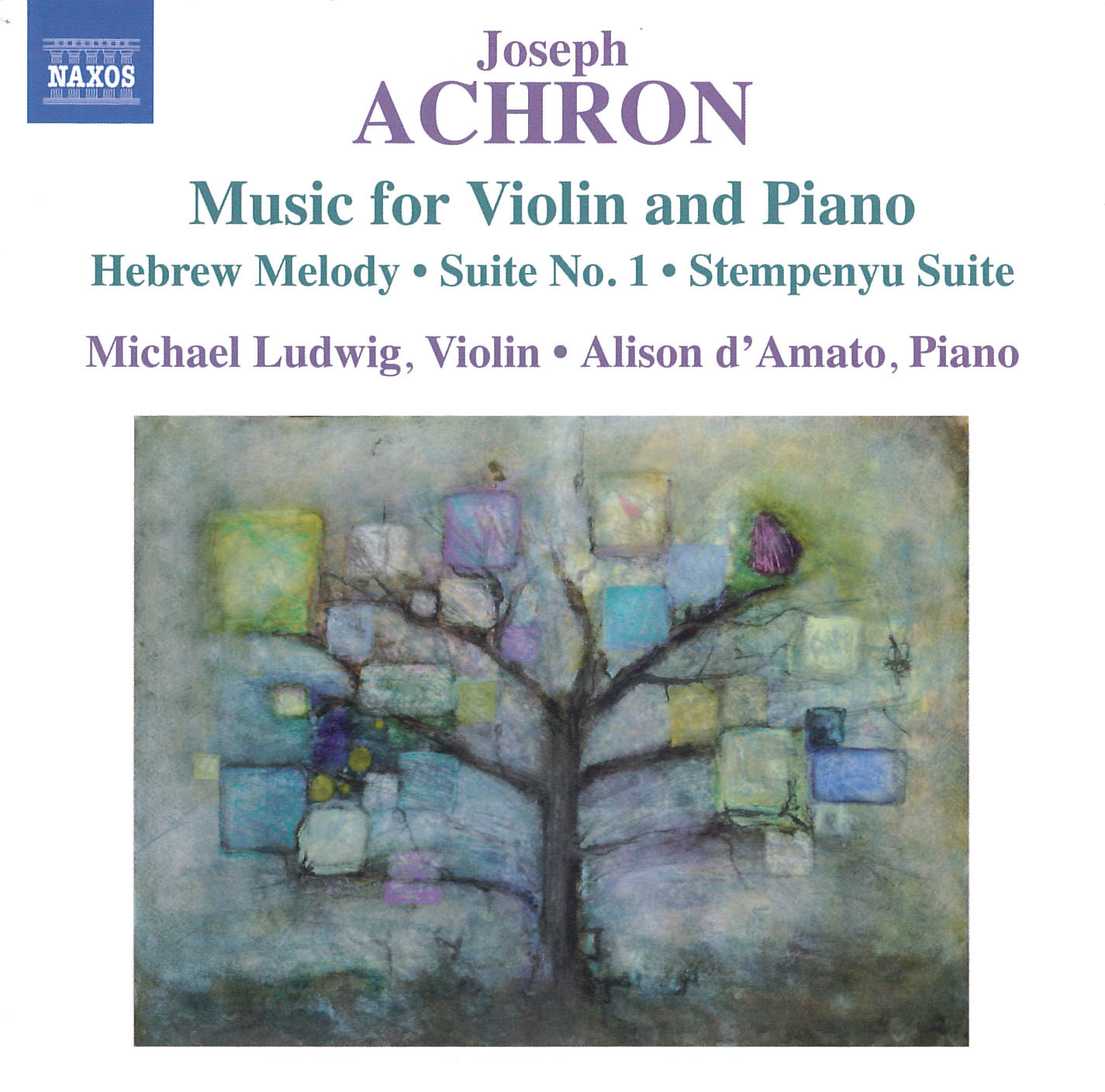
Terry 04 Joseph AchronThere’s another CD of violin music by the early 20th-century Russian Jewish virtuoso Joseph Achron, this time on a Naxos CD of his Music for Violin and Piano featuring Buffalo Philharmonic concertmaster Michael Ludwig and pianist Alison d’Amato (8.573240).

Achron not only had a remarkable career as a soloist but also enjoyed great success as a composer, although his music fell out of favour following his death in 1943, just short of his 57th birthday. Most of his works have remained unpublished, and those that were in print suffered badly: his early publishers went out of business following the Russian Revolution, and nearly a dozen works published by Universal Edition were forced out of print by the Nazis when Achron was blacklisted in the 1930s. Achron’s music does seem to be making a comeback, however. Hagai Shaham’s terrific 2CD Hyperion set of the Complete Suites for Violin and Piano was reviewed in this column in September 2012, and Naxos has also issued the Violin Concerto No.1 in a performance by Elmar Oliveira.

The titles here are mostly short early pieces from before the First World War that encompass many different moods. Michael Ludwig’s big, rich tone is perfectly suited to the style and nature of Achron’s music, deeply influenced as it was by Jewish folklore and melodies, and he and d’Amato give performances that are idiomatic and technically stunning.
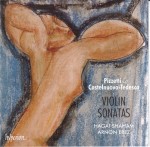
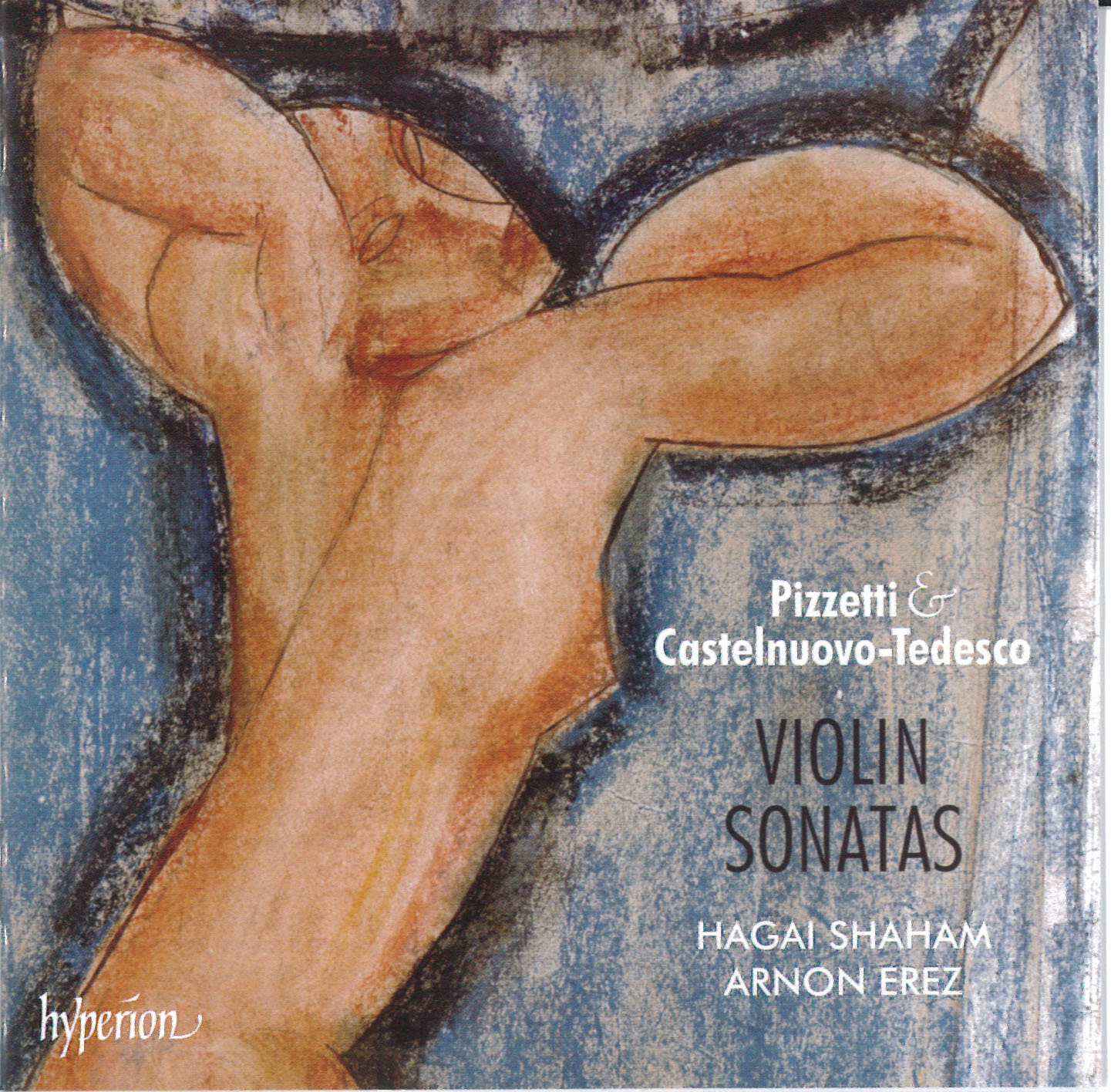
Terry 05 PizettiBy coincidence, there was also a new CD by the afore-mentioned Hagai Shaham in a recent selection of discs, this time featuring Violin Sonatas by Italian composers Ildebrando Pizzetti and Mario Castelnuovo-Tedesco with Arnon Erez as keyboard partner (Hyperion CDA67869). Both composers died in 1968, but Castelnuovo-Tedesco was 14 years the younger, and studied with Pizzetti in his youth.

Both are represented here by a single sonata and three short songs.

Pizzetti’s Violin Sonata in A Major dates from 1918-19, and although it premiered to somewhat mixed reviews it was considered to be a major addition to the Italian chamber music repertoire, Castelnuovo-Tedesco devoting an in-depth article to it in a 1920 Turin music magazine. It’s an easily accessible work with – not unexpectedly – clear links to the war years; the central movement is a Prayer for the Innocents. The Tre canti from 1924 were transcribed by Pizzetti from his original cello and piano version.

Castelnuovo-Tedesco’s Sonata quasi una fantasia Op.56 was written in 1929, and features a big, sweeping first movement that makes great technical demands on the players, a dance-like middle movement and a calm epilogue. The Tre vocalizzi Op.55 were written the previous year for wordless voice and piano, and arranged for violin in 1930 by Mario Corti, an early advocate of the violin sonatas of Pizzetti and Respighi. Not surprisingly, perhaps, there are touches of Respighi here, but they’re lovely pieces, really stretching the violinist and ending with a delightful Tempo di Fox Trot (“American Music”).

Shaham’s playing is, as always, passionate and seemingly effortless in its handling of the technical challenges, but his constantly fast and intense vibrato can be a bit unsettling at times. The overall balance is fine, but there are moments when the two performers seem somehow to be a bit disconnected.


 

02 Early 01 Julie Boulianne HandelHandel & Porpora
Julie Boulianne; Clavecin en Concert; Luc Beauséjour
Analekta AN 2 8764

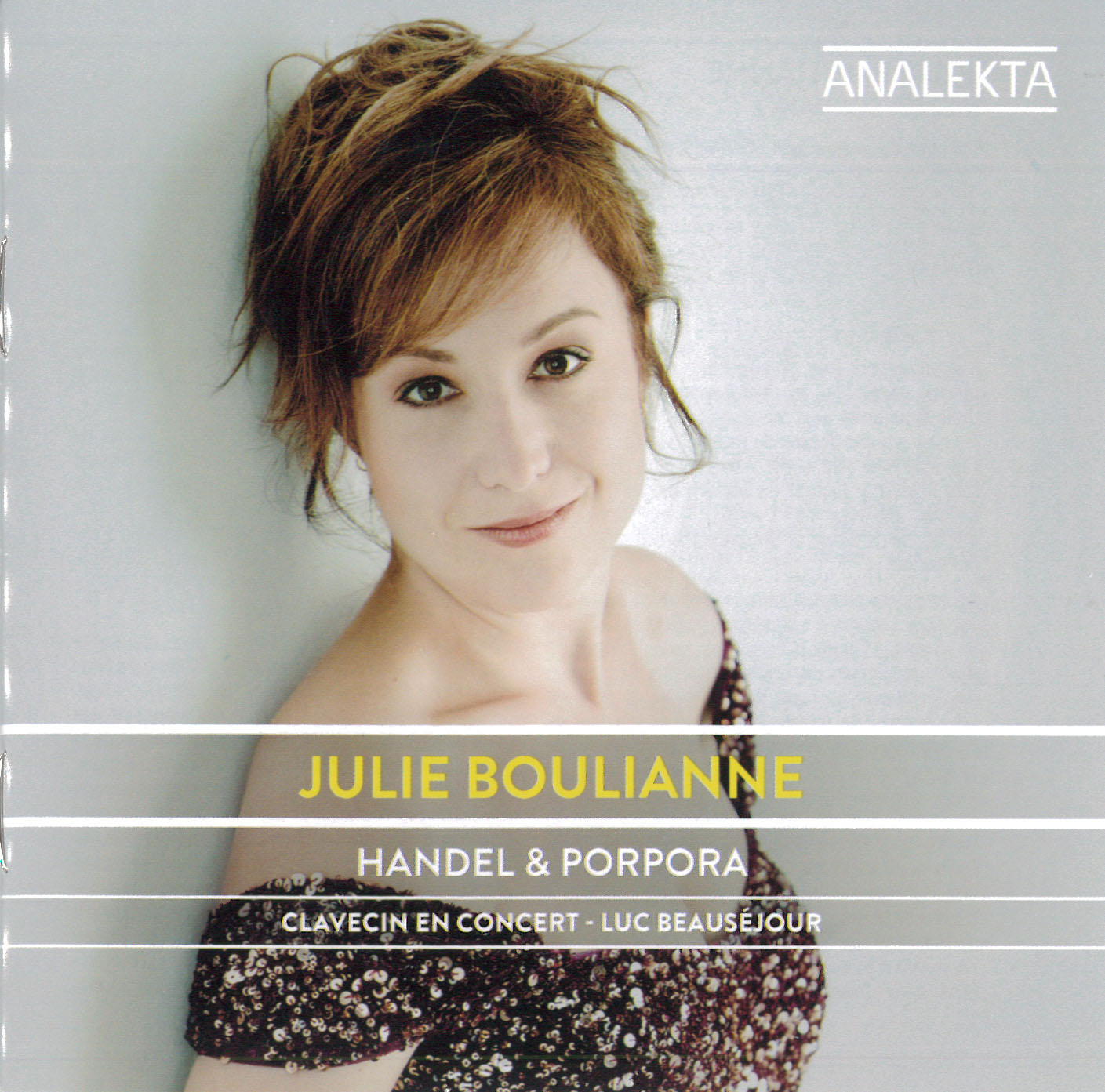
The Schulich School of Music at McGill University in Montreal is doing something right – the sheer number of successful, outstanding graduates eclipses any other Canadian hive of classical music. Not to give too much credit to the school (after all, Juilliard was involved too), Julie Boulianne is a born talent – a mezzo of rare beauty of voice, whose technique matured rapidly since her debut recording in 2006 (that album, with music by Berlioz, was nominated for a GRAMMY!). What a wonderful choice of material here – the music that was the soundtrack of the battle royal between the Royal Academy of Music and the Opera of the Nobility, between Handel and Porpora. Between 1733 and 1737, London audiences were treated to a tight contest of the two great composers, the best castrati of the period and extravagantly staged operas. To be sure, both parties went over the top, losing thousands of pounds – the Opera of the Nobility went bankrupt, the Royal Academy nearly so, but Handel’s Atalanta turned out to be the coup de grace and Porpora left London defeated. And we have been left with a treasure trove of music, none more revered to this day than “Ombra mai fu” from Handel’s Serse, delivered here by Boulianne with a rarely heard delicacy and tenderness. Clavecin en Concert provide equally beautiful accompaniment within a traditionally well-produced Analekta recording. Five out of five stars.


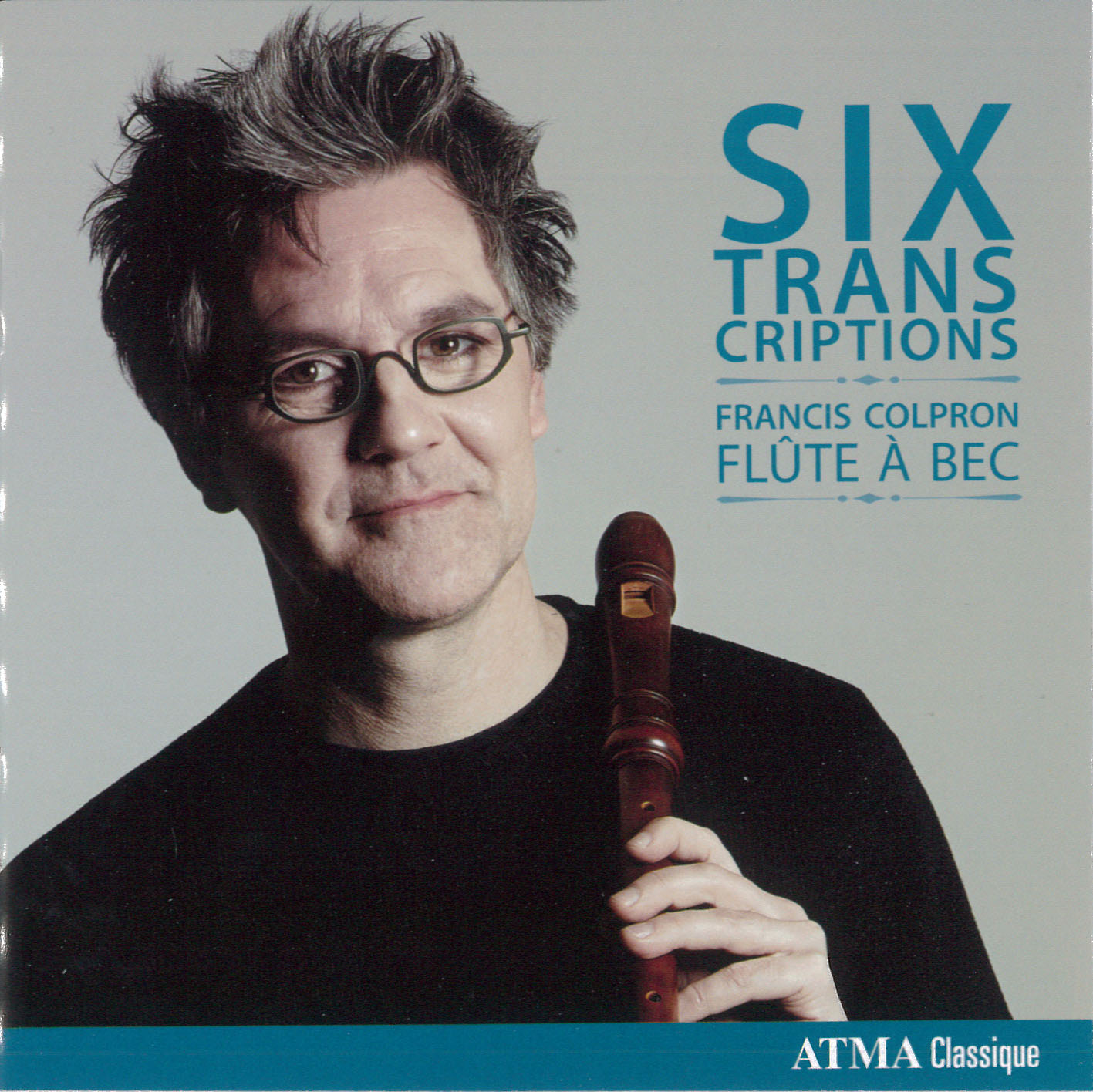
02 Early 02 Six TranscriptionsSix Transcriptions
Francis Colpron
ATMA ACD2 2677

None of the works on this CD were written for the recorder but, as Francis Colpron points out, in the 18th century composers did not always prescribe the instruments on which their work should be performed. Consequently the works by Telemann, Marais, Bach and Tartini sound perfectly idiomatic. It is true that this music often needs to be transcribed. The A minor solo sonata by Bach, for instance, has long been appropriated by recorder players. But the baroque transverse flute went down to D and the alto recorder goes no lower than F. Consequently recorder players have to perform it in C minor which makes parts of the work very high and technically difficult. Needless to say, the high notes provide no problem for Colpron.

One work on this CD stands out as different, the Caprice No.24 for solo violin by Paganini. The composer would never have imagined a performance of this work on the recorder as by 1820 (when it was first published) the recorder was seen as totally obsolete. Yet the transcription works: Colpron aptly sees it as a “translation” and he cites Liszt’s piano transcriptions of the Beethoven symphonies as an analogue.

Colpron is brilliant throughout. I have often admired his playing and I had the pleasure of being coached by him in a recorder consort last July. One thing I discovered then is that his Dutch is impeccable and he will understand what I mean when I say that this recording is “uitstekend.”


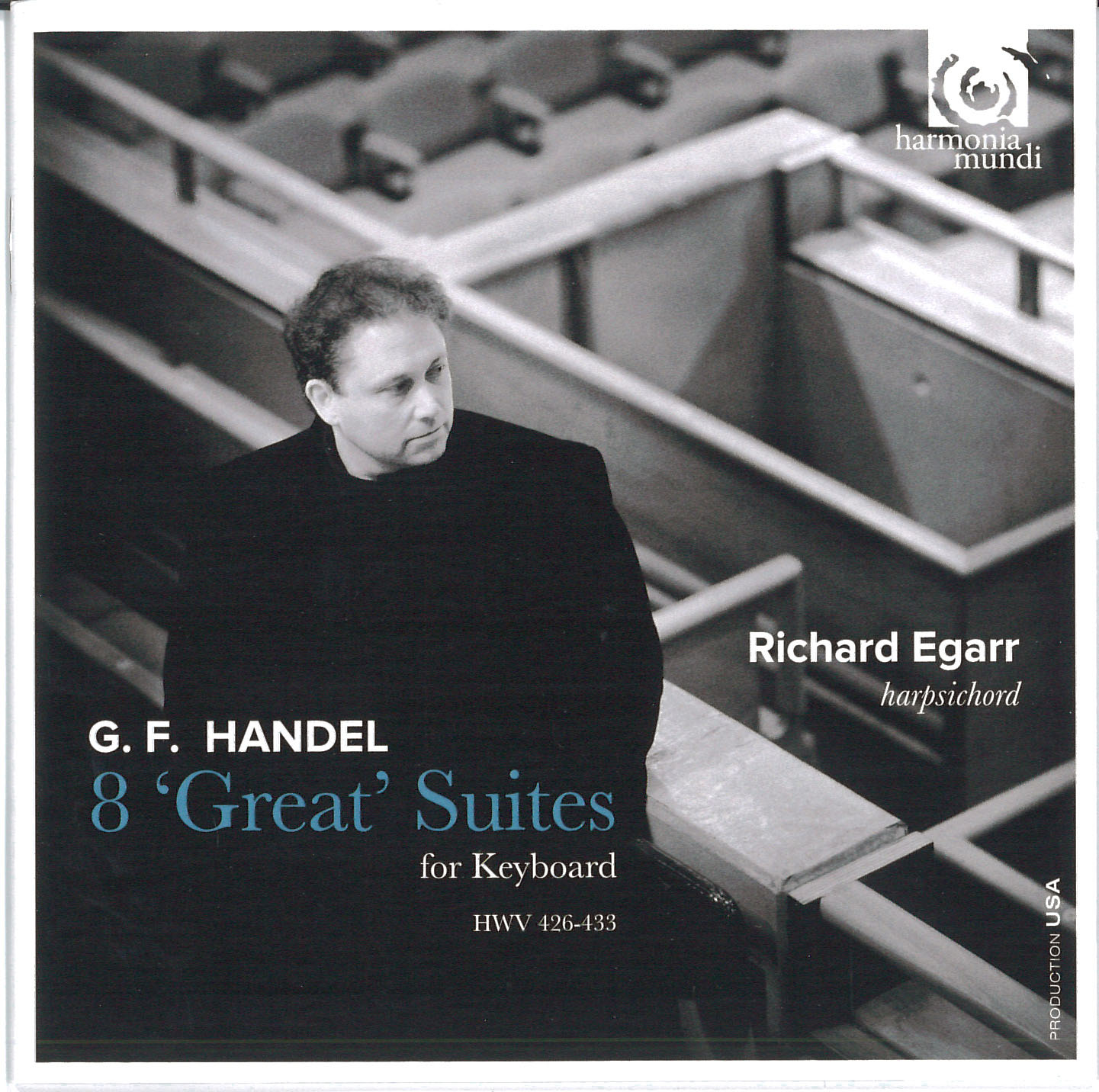
02 Early 03a Handel suites harpsichord02 Early 03b Handel suites pianoHandel – 8 “Great” Suites
Richard Egarr
Harmonia Mundi HMU 907581.82

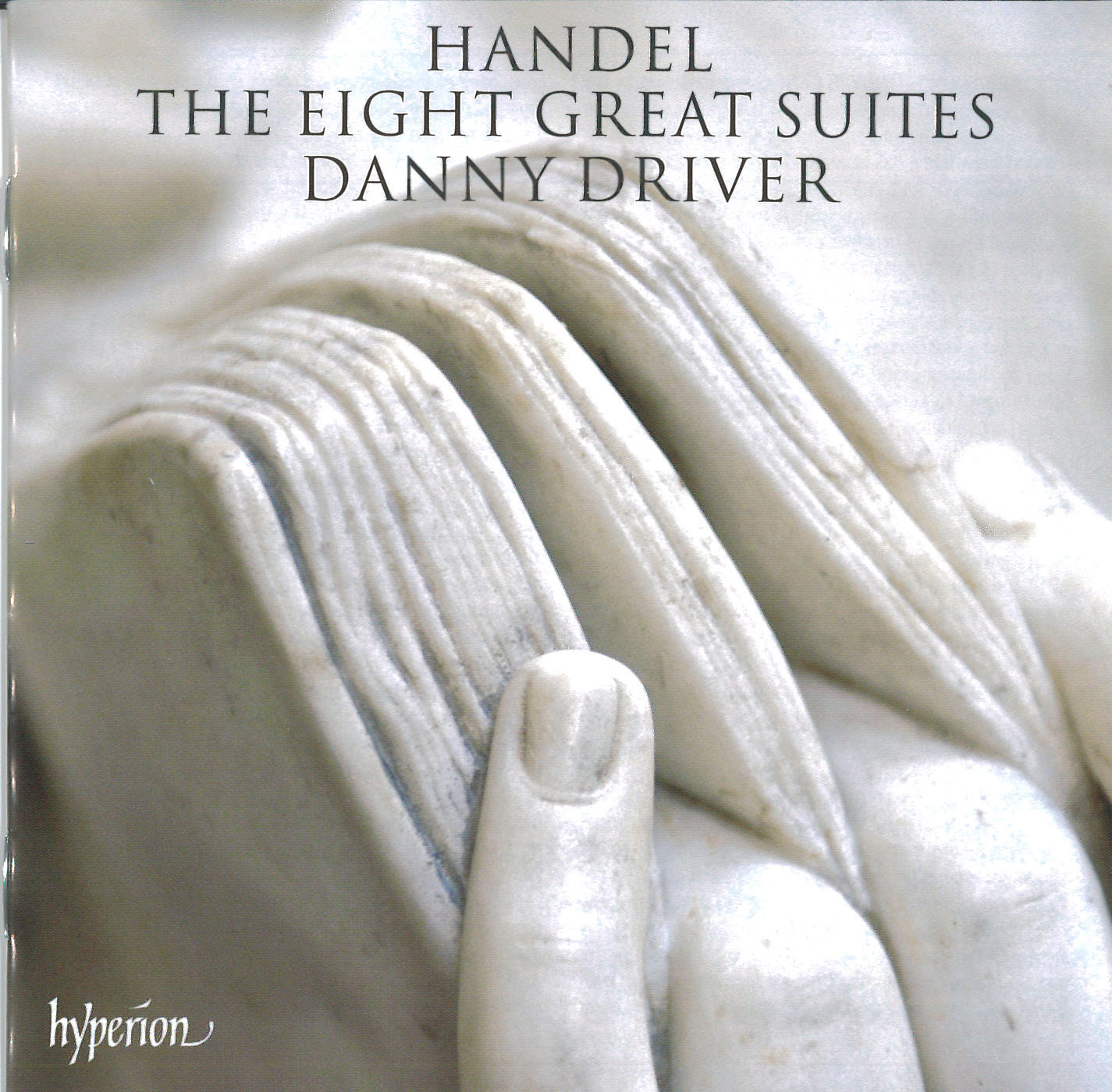
Handel – The Eight Great Suites
Danny Driver
Hyperion CDA68041/2

Harpsichord or piano for Handel? Two CD collections have simultaneously been released, continuing to ask the question. Pianist Danny Driver opens the account for Hyperion, his prelude (described in the sleeve notes as “ruminative”) being a thoughtful, cautious approach before the allemande, courante and gigue, not so far removed from their rural roots. Harpsichordist Richard Egarr is more cautious in his courante before an excited gigue. At this early point, it is difficult to judge which instrument is the more suited.

Suite 2 starts with a restful adagio followed by a highly spirited allegro, demanding for both pianist and harpsichordist. Driver’s interpretation would have communicated to an 18th-century harpsichord audience exactly what the piano still demands of its players three centuries on. The second adagio and allegro: fugue are a relaxing contrast. Egarr tackles with enthusiasm the first allegro which must be a highlight of the baroque repertoire.

And so to the contemplative Suite 3 and its air with five gentle variations. This is the chance to take a breath and compare instruments. While much of early music was not scored for any particular instrument, one does wonder why a piano is selected; the harpsichord is not deficient in any way as Egarr’s glorious presto testifies. It may be the case that harpsichords were not available in previous decades: the piano was ready to stand in and this practice has never ceased.

Suite 4 begins with another allegro: fugue which is almost a cliché of baroque keyboard playing. Its “hammer blows” are, in fact, more vigorously interpreted by Driver’s piano playing – Egarr’s harpsichord is played with passion but it is still overshadowed, a process repeated with the allemandes. There is a tenderness to both sarabandes and it is difficult to say which is the more sensitive.

Driver’s piano-playing gives a thoughtfulness to the Suite 5 prelude and allemande before its spirited courante. Egarr’s prelude and allemande are slower; perhaps that word ruminative applies to him this time round. And so to the air with five variations, the universally loved “Harmonious Blacksmith.” Driver is sensitive in his interpretation, Egarr more virtuosic and more effervescent in his playing.

“The Harmonious Blacksmith” is a hard act to follow. Both Driver’s and Egarr’s renditions of the Suite 6 gigue are dashing, in contrast with the largo in the same suite. It is easy to say that the remaining suites comprise the dance-based movements already discussed, but Suite 7 concludes with a passacaille: chaconne. With Egarr’s combination of strident and exuberant playing, perhaps this movement is the sole differentiation between piano and harpsichord.

And on a personal note, Driver’s sleeve notes refer to frescoed ceilings by Bellucci. They are still there in the local Church of St. Lawrence: this reviewer grew up a half mile from them. 


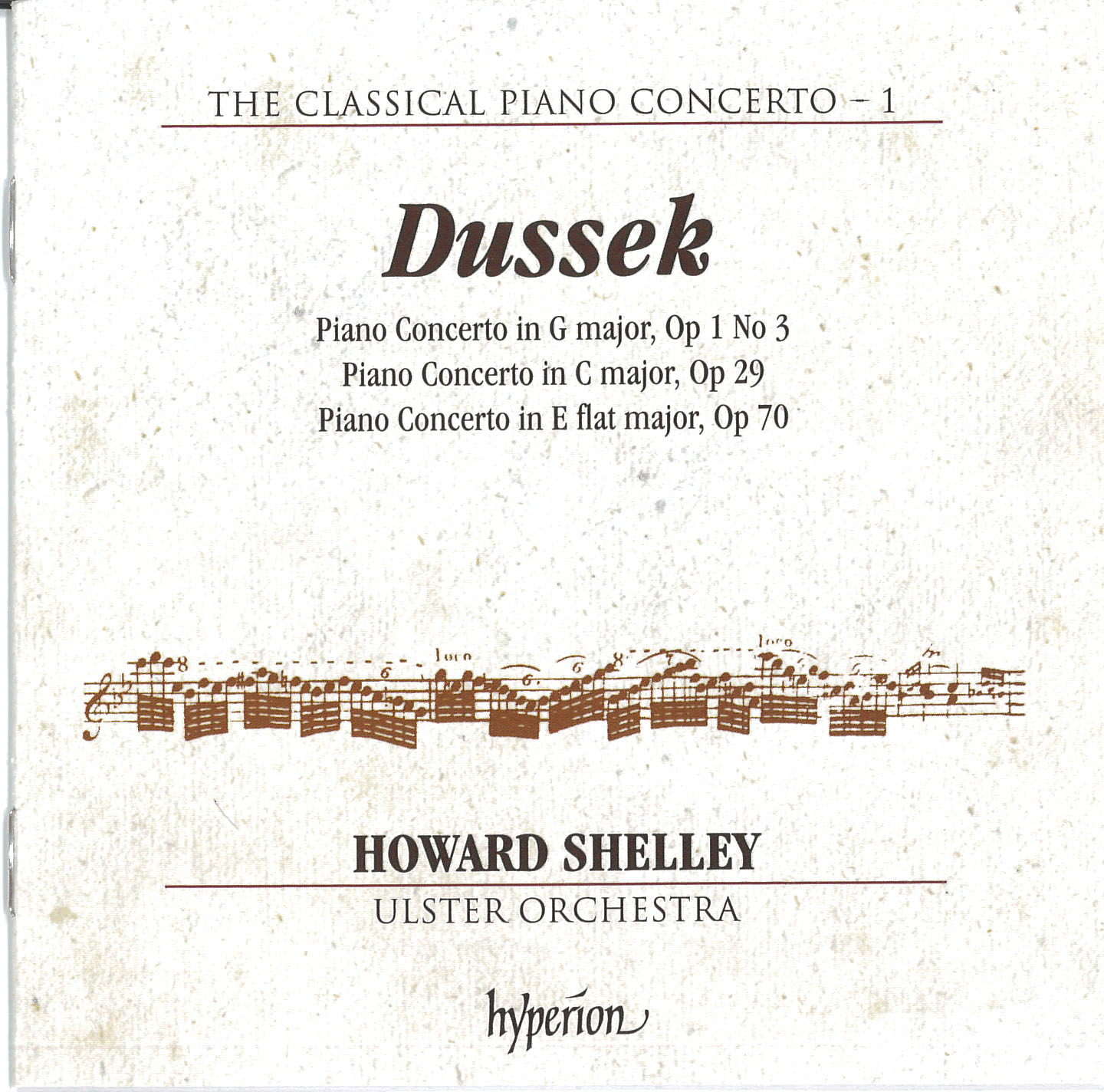
03 Classical 01 DussekThe Classical Piano Concerto Vol.1 – Dussek
Howard Shelley; Ulster Orchestra
Hyperion CDA68027

Was it really 23 years ago that Hyperion issued the first of the “Romantic Piano Concerto” series, presenting us with a bevy of 19th century composers, many of whom might otherwise have languished in obscurity? The series is still going strong, and at last count, was up to number 64. This year, the company is embarking on yet another project – the “Classical Piano Concerto” series, and this premiere release features three works by the Bohemian composer Jan Ladislav Dussek (1760-1812) performed by  the renowned British pianist and conductor Howard Shelley who also leads the Ulster Orchestra.

Born in Čáslav, Bohemia, Dussek was a truly international musician – one of the first – whose successful career as a performer, composer and teacher took him to the Netherlands, Paris, London and then back to his homeland before settling in post-revolutionary Paris.

The opening concerto on the disc, Op.1,No.3, written before 1783, is a model of classicism. In only two movements, the music bears more than a trace of galanterie, not dissimilar in style to Haydn’s divertimenti from roughly the same period. Shelley’s playing is elegant and precise, perfectly capturing the subtle nuances of the score. The concertos in C, Op.29 (c.1795) and in E flat, Op.70 (1810) are written on a much grander scale. In keeping with the early Romantic spirit of the music, the Ulster Orchestra’s warmly romantic sound is a fine complement to Shelley’s sensitive and skilful performance.

These concertos are a splendid introduction to a series which I hope will prove to be as all-encompassing as the first – and bravo to Howard Shelley and the Ulster Orchestra for taking the lead in such a masterful way.


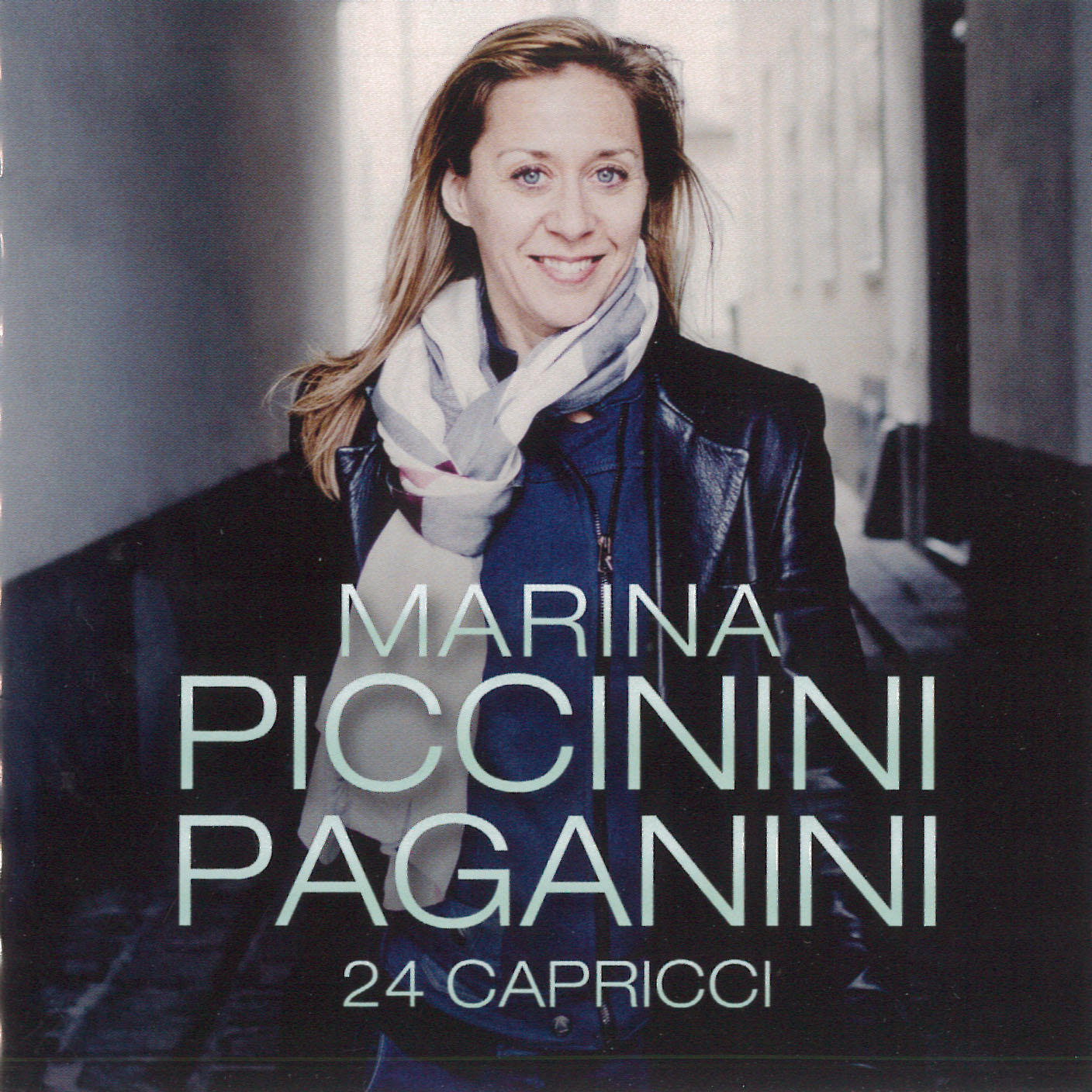
03 Classical 02 Piccinini PaganiniPaganini – 24 Capricci
Marina Piccinini
Avie AV2284

In his liner notes for this two-CD set of Paganini’s Capricci transcribed for flute by the performer, Julian Haycock writes: “In [Paganini’s] virtuoso hands, music of unprecedented technical complexity was dispatched with a cool nonchalance that betrayed little of the effort behind its execution.”

Yes, the name Paganini is synonymous with virtuosity, no end of which Piccinini brings – incredibly fast double tonguing in No.5, brilliant triple tonguing in No.13, admirable articulation throughout, but particularly in Nos.15 and 16, fluidity and even finger movement, used to great effect in Nos.17 and 24, the striking use of harmonics in No.18 and the ability throughout to bring out a melody in the low register and accompany it or comment on it with a soft sweet sound in the high.

All of the above, however, are mere technical foundation for the artistry which makes these studies so much more than just fodder for developing chops. The music appears nonchalant, as in the always tasteful, relaxed and never sentimental execution of the ubiquitous ornamentation in a way that reveals unexpected depths of feeling, in the exquisite control of dynamics and the expressive power that control brings.

In the liner notes Piccinini refers to the Capricci as “inspired miniatures of extraordinary … intensity,” going on to say that she was struck by their expressive range and by “Paganini’s mystic, dark side and … haunting, introspective, tender vulnerability.” In this recording she has succeeded in transmitting this vision of the Capricci. All in all, it is an enormous accomplishment … brava!!


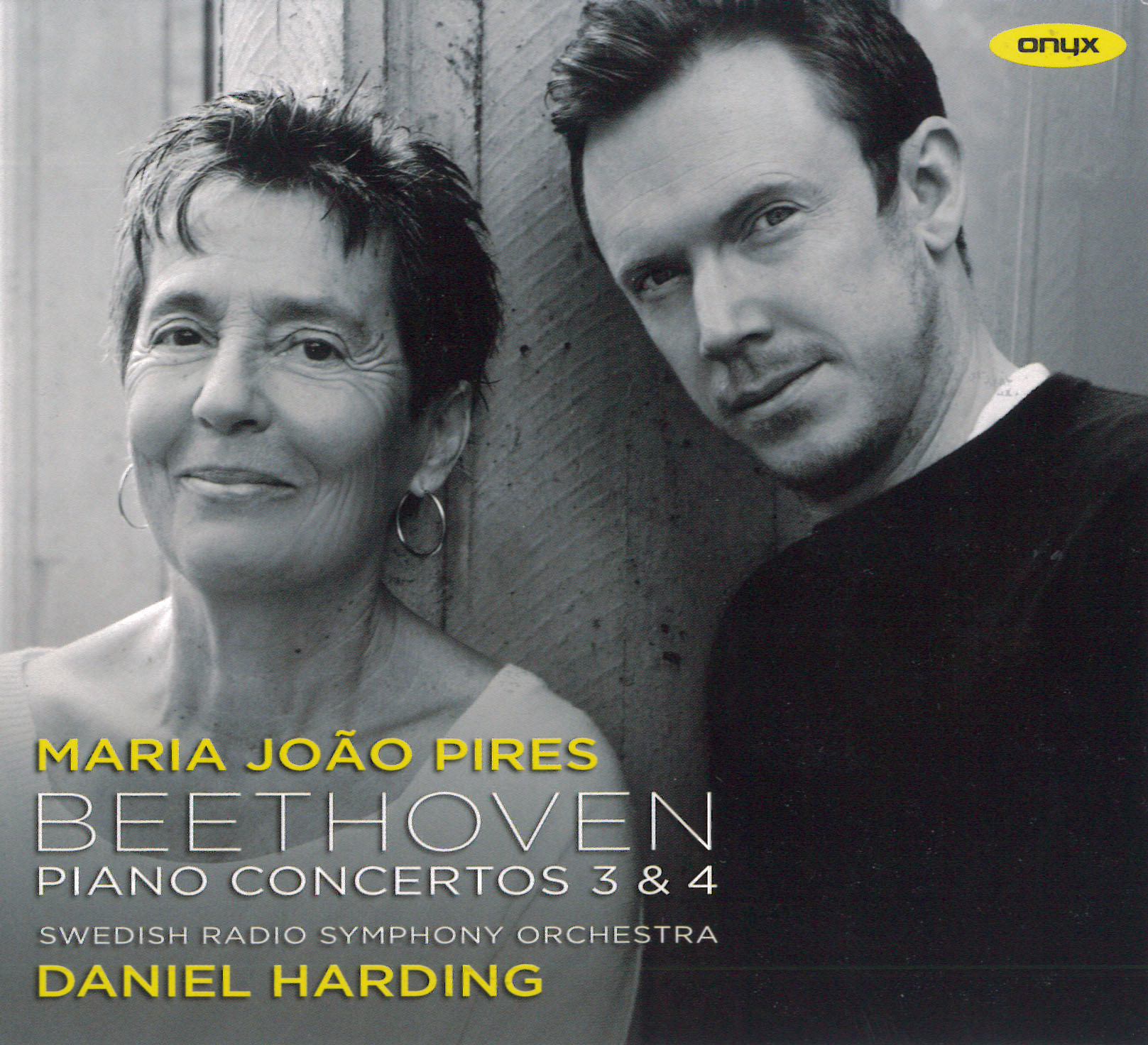
03 Classical 03 Pires BeethovenBeethoven – Piano Concertos 3 & 4
Maria João Pires; Swedish RSO; Daniel Harding
Onyx 4125

Certainly there is no paucity of fine recorded performances of these two concertos. However here we have an outstanding newcomer that, for these ears, sweeps the field. Over the past four decades, Pires has established herself as a consummate and refined Mozart interpreter, demonstrating a profound musical approach with playing that is articulate and sensitive. Applied to her Beethoven these qualities illuminate in a pure classical Mozartian approach, particularly in the Third Concerto. In the Fourth the romantic Beethoven breaks out of the Mozartian boundaries. Pires plays throughout with exceptional taste; it is as if she were “talking” the music to us. The results are so persuasive that I found myself rehearing and re-hearing the two performances and wondering if I would want to listen to any other recording of this repertoire.

Another of the joys of listening to these recordings is the complete accord throughout between conductor and soloist. It is a hand-in-glove partnership. The style and balances of the orchestra are very much in the manner of the Deutsche Kammerphilharmonie, Bremen of which Harding was the conductor from 1999 to 2003. The performances are well served by the splendid production values.


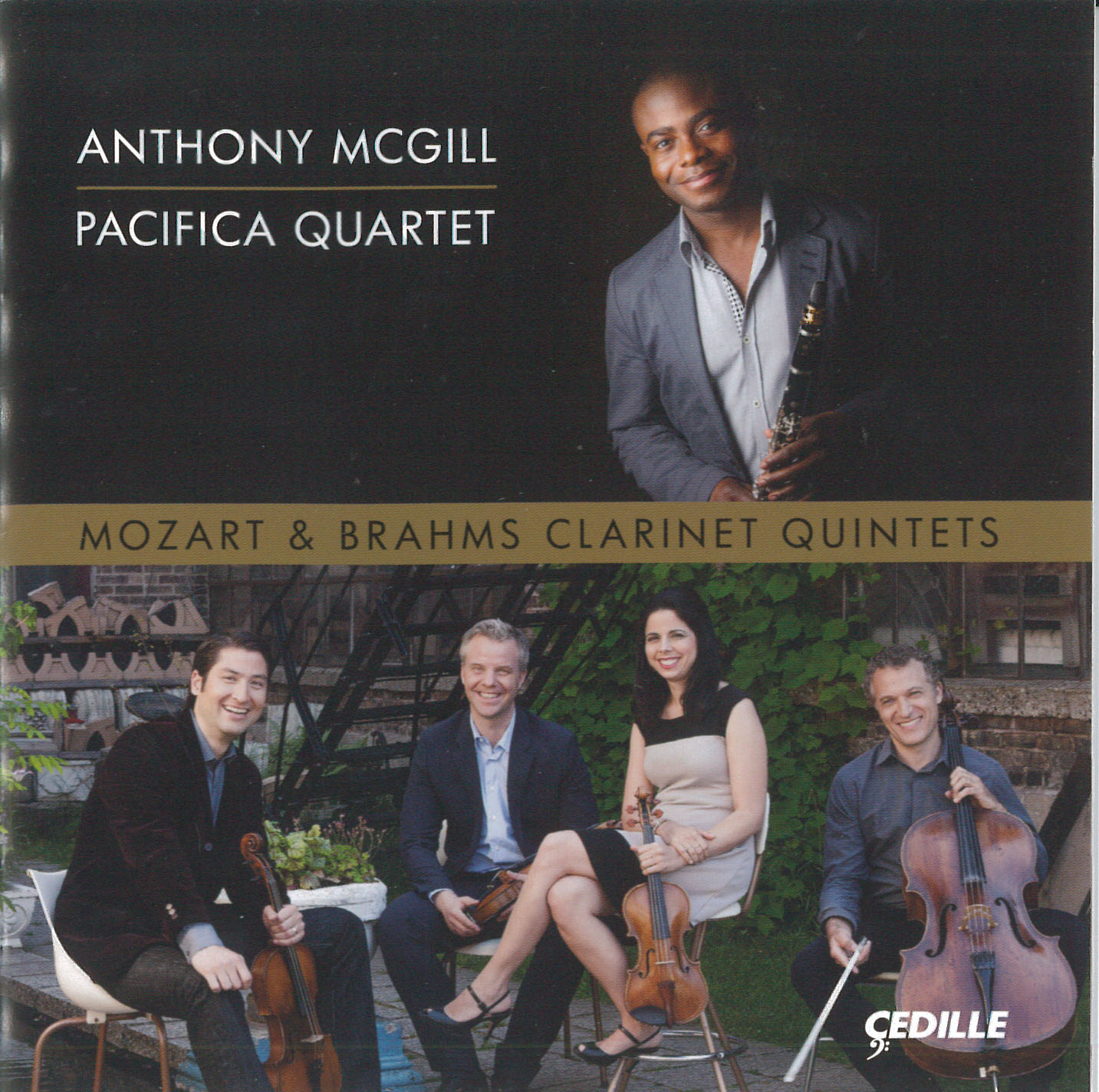
03 Classical 04 McGill PacificaMozart & Brahms – Clarinet Quintets
Anthony McGill; Pacifica Quartet
Cedille CDR 90000 147

Mozart and Brahms, more or less a century apart, wrote quintets for clarinet and string quartet during their most mature creative period. While liner notes for this latest recording draw interesting parallels between them, the pieces are quite distinct. More interesting than material similarities is that both works sprang from the composers’ admiration and affection for particular clarinetists. It is left to the contemporary performer to step into the shoes of Anton Stadler (Mozart) and Richard Muhlfeld (Brahms), to represent an aesthetic span of a century in the manner of one’s performance.

A greater challenge still is making the pieces sound new. Mozart’s K581 is perhaps too well-known for that. McGill and company keep tempi brisk, eschew vibrato, remain in tune; they even affect a Viennese waltz in the second trio. The clarinet tone is clear and yet warm: crystal velvet. The string playing is assured, all gut strings and clear understatement. It is nice to hear a different cadenza in the finale, uttered with flair. Still, I’m left feeling that what we have here is another fine rendition of a treasured yet worn part of the repertoire, even as I admire the heck out of the musicianship.

Brahms’ longer and darker work is more daunting for performer and listener alike. In Steppenwolf Hermann Hesse imagines an encounter with these composers in the afterlife: Brahms is a Jacob Marley figure (burdened by notes instead of chains); Mozart is the perfect Buddha, free of overstatement. Never mind! The opening of Op.115 is such a tremendous joy to hear in all its melancholic beauty, I forgive the composer his excesses. What a totally ravishing performance is given on this disc. Bittersweet romance blooms. The pacing is vital and flexible. Inner voices sing, hemiolas rock. The finale leads to ineluctable tragedy, beautifully. McGill opts for restraint for too much of the rhapsodic section of the adagio, but on the whole he and the quartet remain true to Brahms’ passionate expression. Buy this recording.


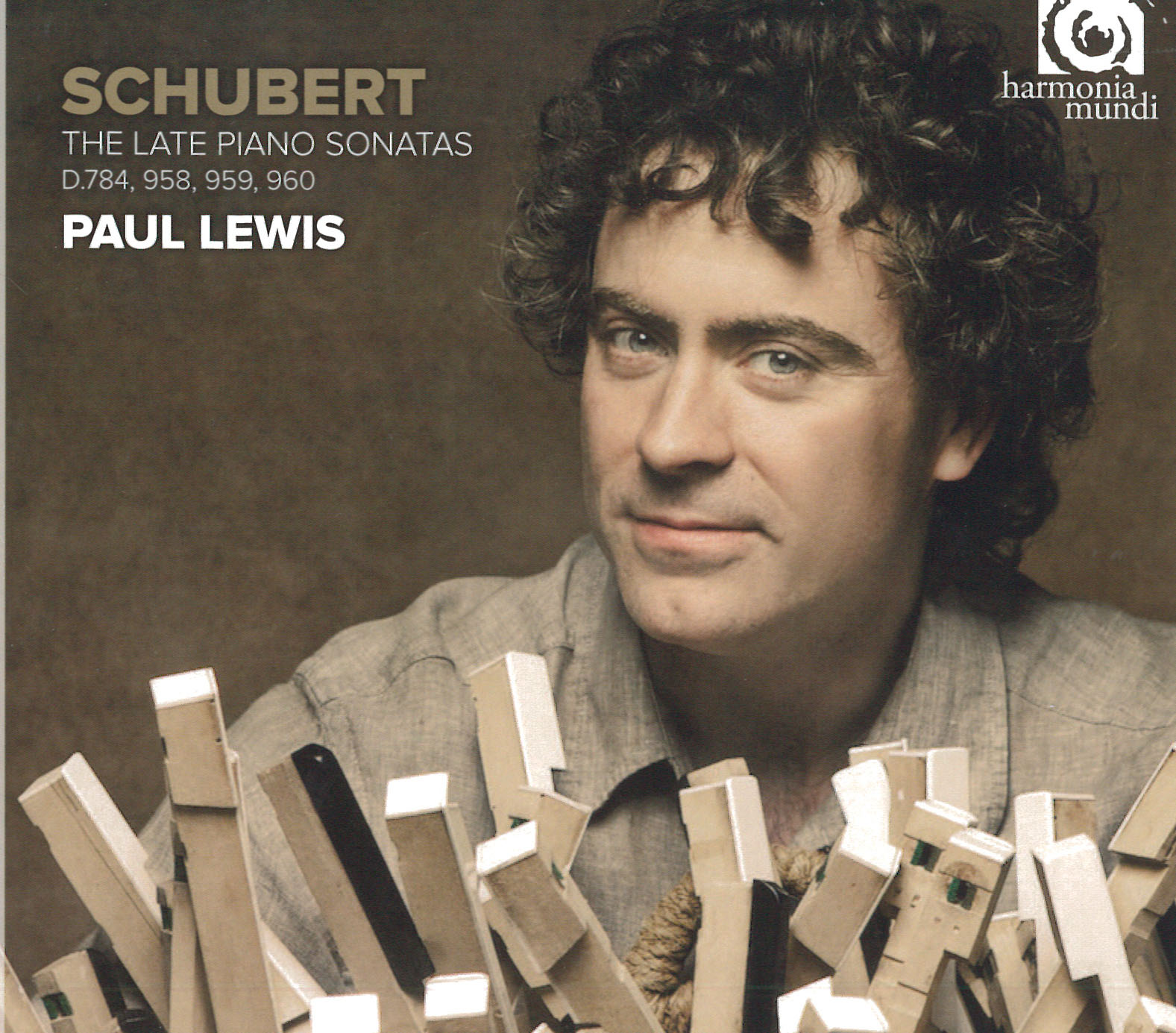
03 Classical 05 Schubert  LewisSchubert – The Late Piano Sonatas
Paul Lewis
Harmonia Mundi HMC 902165.66

For explicable reasons I have a special affinity for Schubert’s piano works, including the Impromptus, the Moments Musicaux and others, but especially the sonatas. Particularly the final three which were all composed in 1828, the year following his visit to the dying Beethoven. Schubert himself was deathly ill but in his last months he also managed to complete the C Major Symphony, the song cycle Schwanengesang and give a concert on the anniversary of the death of Beethoven. He died on November 19, 1828 aged 31 and was buried, as he had wished, very close to Beethoven in Wahring. In the 1860s both bodies were disinterred and taken to Vienna where they lie, side by side in the Central Cemetery.

Lewis is a front-rank interpreter of Beethoven as his recordings of the five concertos and the complete piano sonatas will attest, but his realizations of Schubert are no less commanding. He recorded the D784 and D958 in 2013 and the last two in 2002. Lewis does far more than give us exactly what is written in the score, seeming to express the composer’s own thoughts. This is nowhere more evident than in the opening movement of the D960. A couple of comparisons: Clifford Curzon is smooth, fluid and melodic while Radu Lupu is somewhat thoughtful. Neither those nor others has the innigkeit (sincerity, honesty, warmth, intensity and intimacy) displayed by Lewis. And so it is across the four sonatas. For Lewis there are no throwaways; every note is significant and important and placed exactly right. An essential recording of this repertoire.


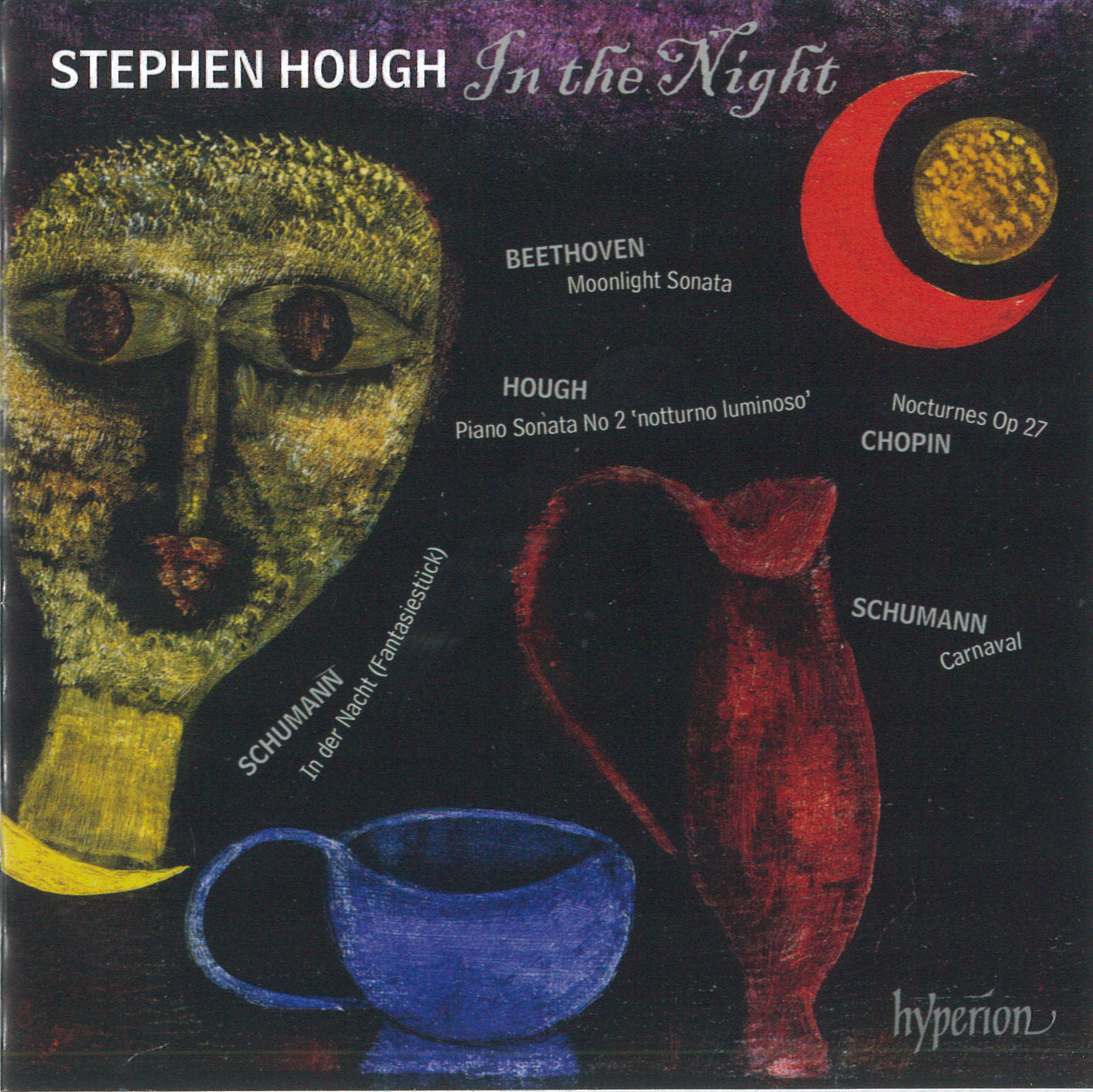
03 Classical 06 Hough in the NightIn the Night
Stephen Hough
Hyperion CDA67996

Pianist Stephen Hough is absolutely brilliant in his solo release In the Night where the many aspects of night, from nightmares to insomnia to deep sleep to bliss, are given a pianistic rendition. Beethoven’s Piano Sonata in C sharp minor “Moonlight” is an obvious inclusion here. Hough begins with thoughtful reflection and a mournful lyrical melodic statement which weaves around a steady rhythmic framework and sets the stage for an emotionally dark yet hopeful performance. Likewise his performances of Frederic Chopin’s Two Nocturnes Op.27 are charged and driven by deep musical maturity. Both Robert Schumann’s In der Nacht from Fantasiestucke, Op.12 and Carnaval are performed with technical and musical wizardry.

The pianist’s own composition Piano Sonata No.2 “notturno luminoso” is a tour de force. It is always such a joy to hear composers perform their own work. Though clearly steeped in romantic attributes, Hough chooses more modern jazz-evoking harmonies, witty repartees between high and low pitches, and excursions into sharp, flat and natural sections to evoke the many sides of nighttime living. From crashing percussion chords which never overwhelm, to sudden silences, to a soothing final cadence lulling one to sleep, Hough musically evokes nighttime at its very, very best and very, very worst.

Superb production qualities, well-written liner notes, a great performer and a great choice in repertoire make In the Night piano music to listen to any time of day.


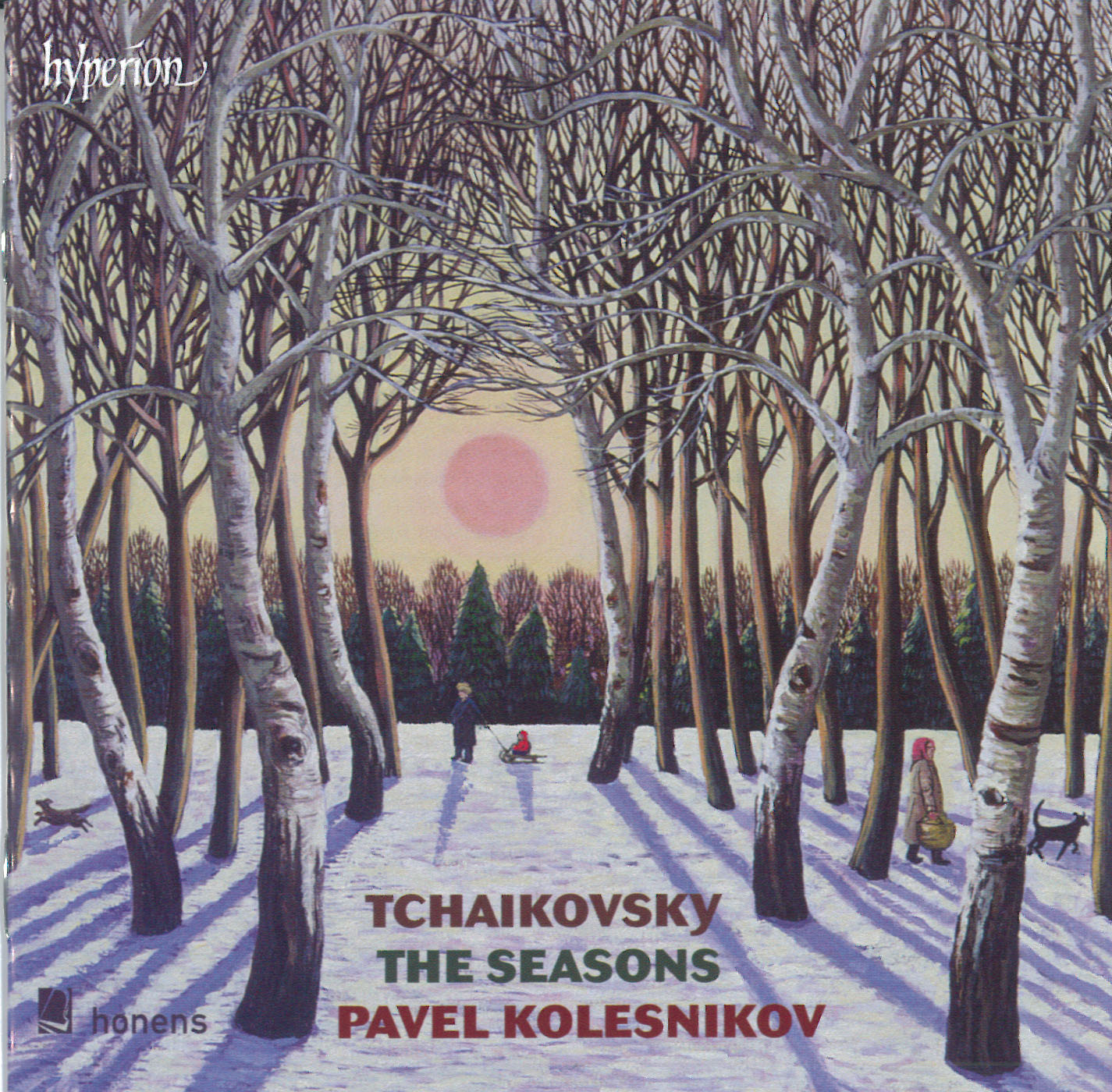
03 Classical 07 Honens TchaikovskyTchaikovsky – The Seasons
Pavel Kolesnikov
Hyperion CDA68028

While Tchaikovsky is most famous for his ballets, operas and orchestral music, he also completed a large number of pieces for solo piano. These may not be as well known, but they bear the same attention to detail and finely crafted melodies as his larger works – and these characteristics are very evident in the two sets Op.37b and Op.19 found on this Hyperion recording performed by Siberian-born pianist Pavel Kolesnikov.

Still only in his early 20s, Kolesnikov was a first-prize winner in the Honens piano competition in 2012, and is currently pursuing musical studies at Moscow State Conservatory in addition to private lessons with Maria João Pires in Brussels. To date, he has performed at Carnegie Hall, Berlin’s Konzerthaus and the Banff Summer Festival.

The Seasons (1876) initially appeared as individual movements in a musical journal spanning the course of a year, each one representing a different month. Charming and graceful music, each movement is characterized by its own unique character, from the quiet reflection of “January (By the fireside)” and the exuberance ofFebruary (Carnaval)” to the gracefulness of “December (Valse).” Kolesnikov’s approach to the music is thoughtful and intuitive, demonstrating an understated sensitivity combined with a formidable technique.

The Six Morceaux, composed three years earlier, is also a study in contrasts. Once again, Kolesnikov effortlessly conveys the ever-changing moods, right up until the striking “Thème original et Variations” which concludes the set and the disc with a fine flourish.

Well done, young man, you’ve already accomplished much in your short life and if this fine recording is any indication, you’re headed for greatness.

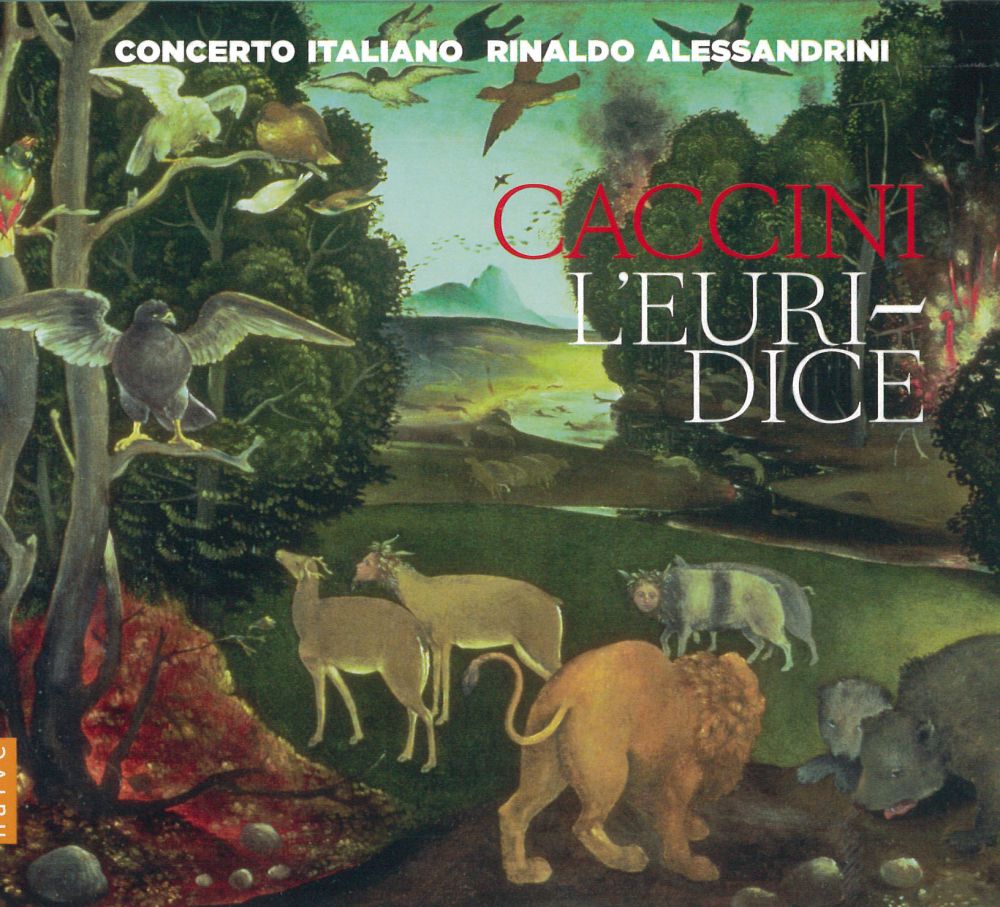
02 early 01 caccini euridiceCaccini – L’Euridice
Soloists; Concerto Italiano; Rinaldo Alessandrini
Naïve OP 30552

In 1607 Carlo Magno wrote to his brother that there would soon be a performance of “a piece that will be unique because all the performers speak musically.” The piece was Monteverdi’s Orfeo and the letter clearly shows that a work that was sung throughout or, as we would call it, an opera, was felt to be a new thing. The earliest opera was Jacopo Peri’s Dafne (1597 or 1598) but, since the music for that work has not survived, opera is generally thought to begin with the two Eurydice operas (written to the same libretto) by Peri and Giulio Caccini, both of which date from 1600. Musicologists have usually dismissed the Caccini version. On the other hand, the printed material that comes with an earlier recording of the Caccini (conducted by Nicholas Achten, on the Ricercar label) claims that Caccini, not Peri, was the true founder of the new genre.

The musical language of Caccini’s opera, the stile rappresentativo, is based on the impassioned speech of the solo voice. It is more melodious than mere recitative but it never develops into aria. Nor does it have the musical inventiveness or instrumental variety that characterize Monteverdi’s opera only a few years later. Whether or not the Caccini is inferior to Peri’s version, it has a great deal of dramatic power and is certainly worth listening to, especially when it is sung and played as well as it is here. Rinaldo Alessandrini and the Concerto Italiano have given us many fine recordings, particularly of the Monteverdi Madrigals, and this CD does not disappoint.


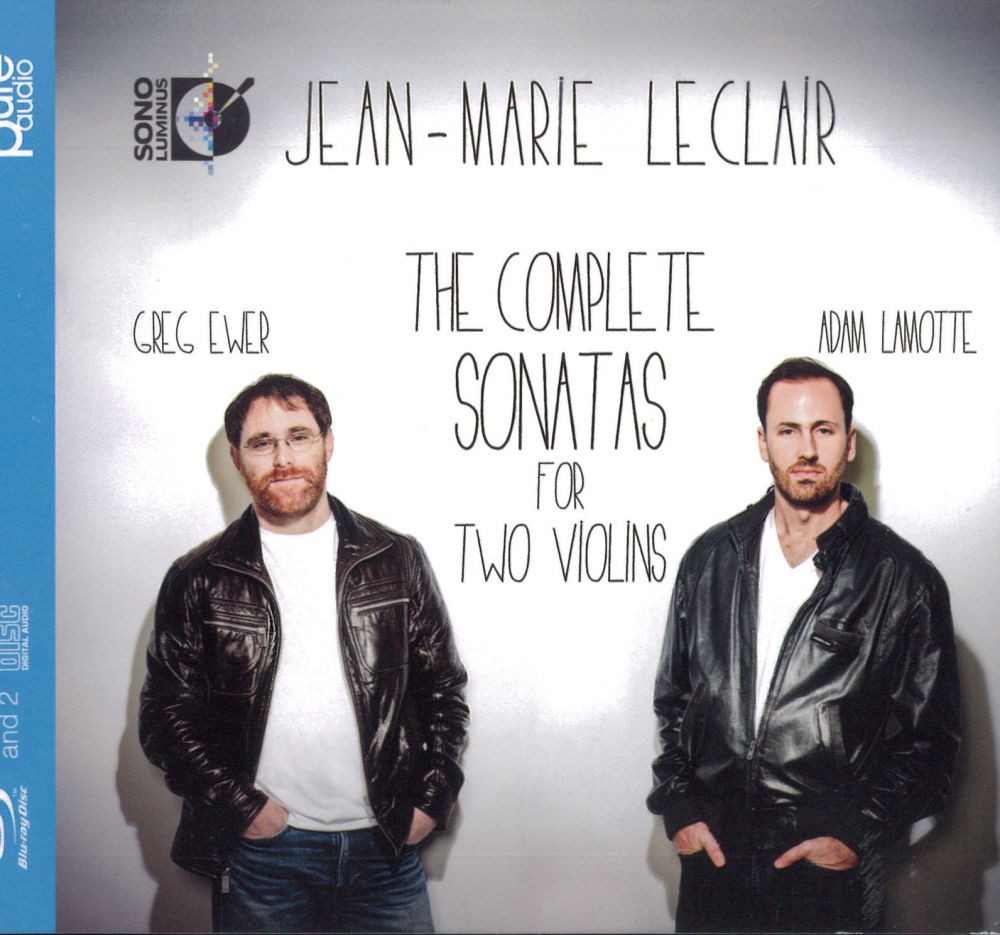
02 early 02 leclair 2 violinsLeclair – Complete Sonatas for Two Violins
Greg Ewer; Adam Lamotte
Sono Luminus DSL-92176
(sonoluminus.com)

This two-CD set does indeed include all 12 violin duos by the French violin virtuoso Jean-Marie Leclair, six each in his Opp.3 and 12 collections. Leclair’s compositional brilliance is in marrying Italian and French styles with endlessly interesting and entertaining results. A dancer in his younger life, Leclair has an innate sense of dance rhythms and even the most ferocious of his allegro movements possesses grace, elegance and warmth. His writing for two violins, in particular, makes full use of the sonic possibilities of each instrument. Each part has equal prominence and there is an intricate relationship of soloistic and accompaniament duty-sharing as one finds in the gamba duos of Marais from a generation before. Along with Leclair’s sonatas and concertos, these duos deserve wider recognition and more frequent performance.

Ewer and Lamotte display an obvious fondness for this repertoire and take great care to bring out the expressiveness and line in each of these delightful sonatas. My one minor wish is that they might have occasionally made a more extreme tempo choice, either on the fast or slow side of the equation. That being said, their performances are poised, elegant and full of colour, contrast and life. It was a pleasant surprise to read the informative program notes by Montreal’s Matthias Maute.


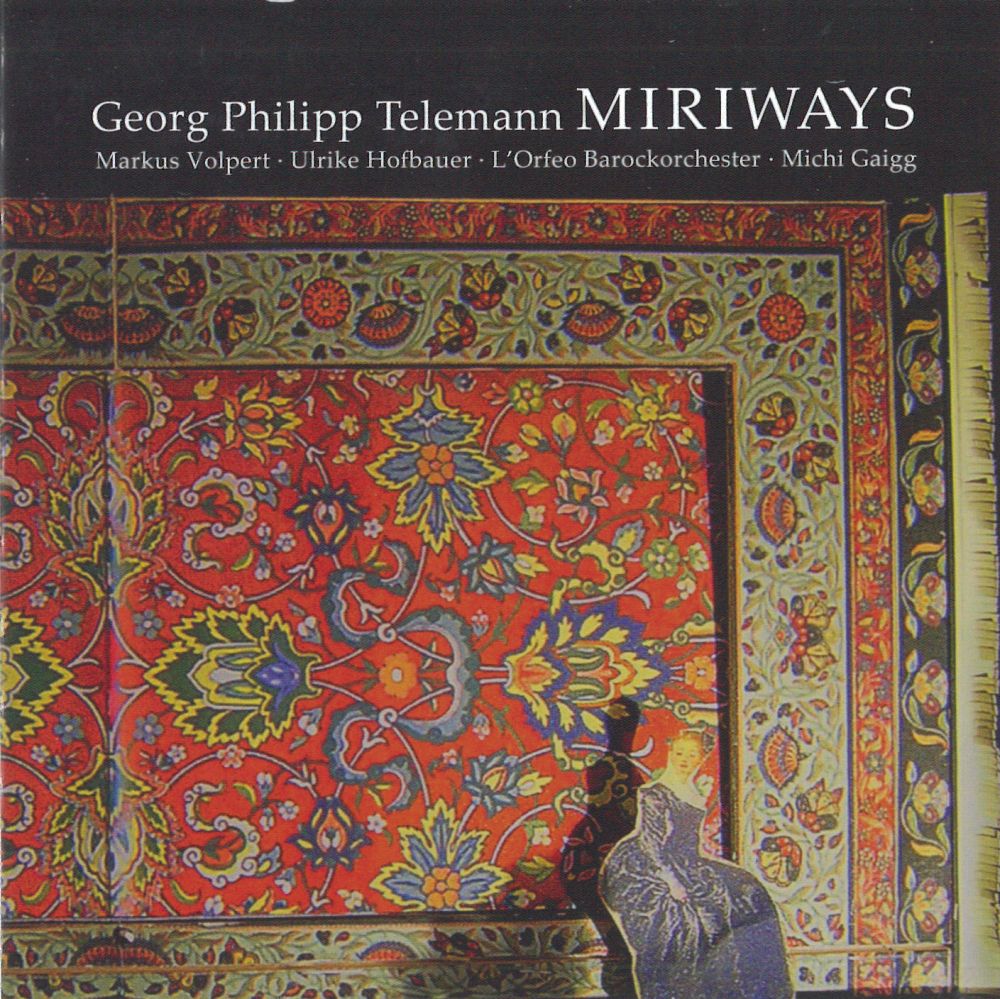
02 early 03 telemann miriwaysTelemann – Miriways
Markus Volpert; Ulrika Hofbauer; L’Orfeo Barockorchester; Michi Gaigg
CPO 777 752-2

The Opera House in Hamburg, the first public opera house in the German-speaking world, opened in 1678. The operas it staged were in German, although they sometimes included Italian arias. Initially the major composer was Reinhold Keiser; later younger composers like Handel and Johann Mattheson gained their start in Hamburg. Telemann settled in Hamburg in 1721. He soon became the director of the company and wrote many operas for it. Most Hamburg operas dealt with mythology or ancient history but occasionally more topical subjects were introduced: Keiser wrote Masaniello Furioso in 1706; its subject was the 1647 Neapolitan revolt against the Spanish rulers of the city. Mattheson wrote an opera about Boris Godunov in 1710. Telemann’s 1728 Miriways was more topical than either. Its main character is a Pashtun emir from Kandahar, who, supposedly, defeated the Persians and conquered Isfahan in 1709.

Although the opera is in German, it is based on the Italian opera seria pattern with elaborate da capo arias. There is some interesting experimentation: in the first act the Persian Nisibis sings an aria, in which she invokes sleep, and appropriately falls asleep in the middle, in the B section, on the dominant! An oriental colouring is provided by the brilliant and taxing parts for the corni da caccia. In this performance recorded live in Theatre Magdeburg the opera is well sung and well played. Magdeburg was Telemann’s home town and the Magdeburg theatre is committed to performing all his works. Telemann’s operas are not well known and this lively (and live) performance can be wholeheartedly welcomed.


Back to top