Once the preserve of virtuosi and usually limited to a few designated instruments such as the piano and the violin, solo concerts began featuring many more instruments in the concert field and jazz, especially during the later half of the 20th century. The growth of improvised music during that time bolstered the individualized concept even further and now it’s possible to find solo expositions for as many instruments as exist anywhere. Of course, the idea of solo playing involves timbral enhancement, not reduction and the sounds on these discs comprehensively reflect this approach.
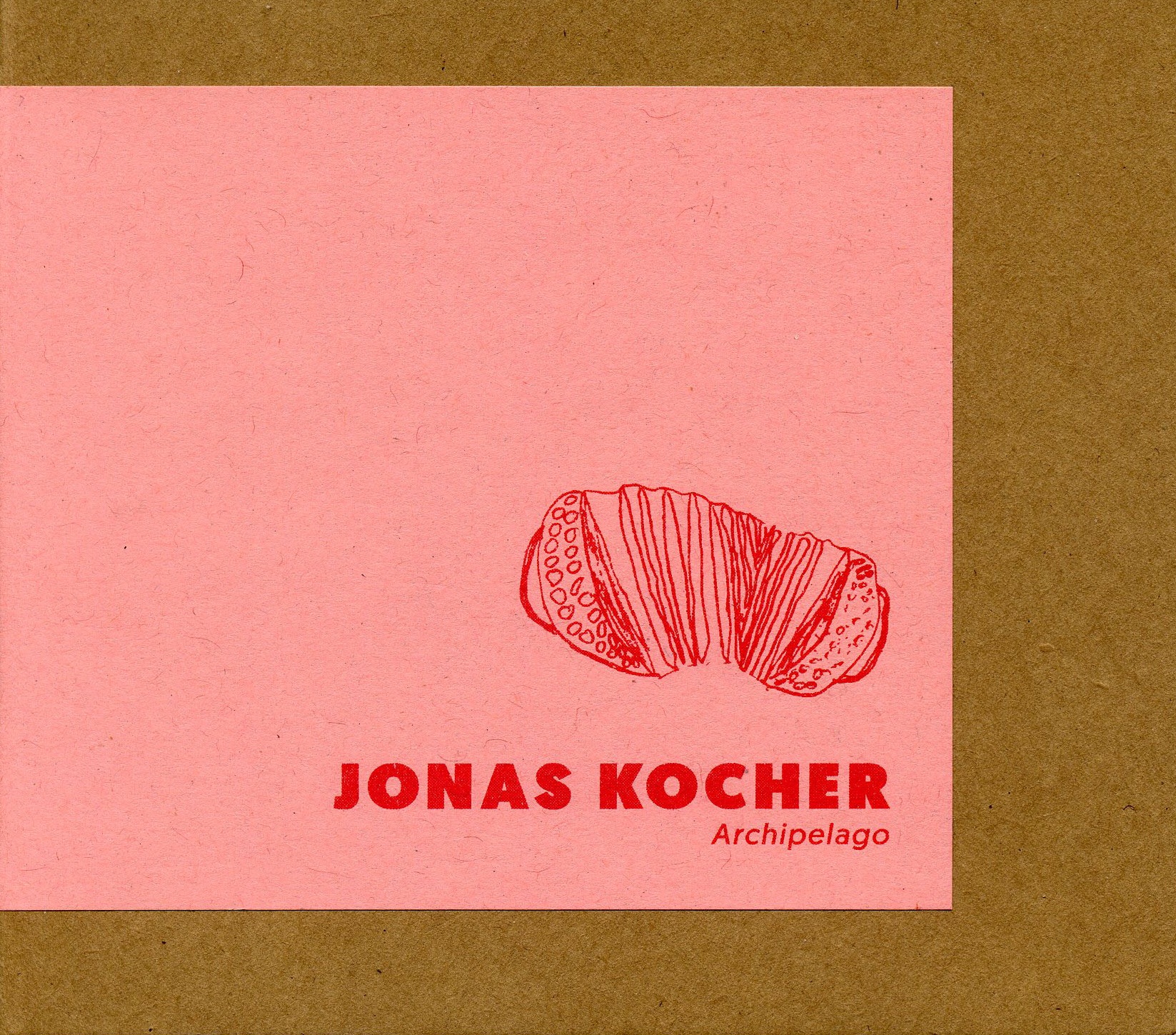
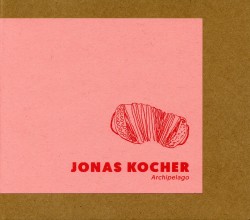 Banish any thoughts of Lawrence Welk schmaltz or endless choruses of Peg of My Heart from the squeeze box when contemplating Swiss accordionist Jonas Kocher’s Archipelago (Bruit Editions BR 17 bruit-asso.bandcamp.com/album/archipelago). Divided into seven parts, the unpredictable improvisation slides among tempos, pitches and emphasis as Kocher uses bellows glissandi plus button pressure and release to outline the narrative. At points allowing largo drones or repeated shakes to confirm the ongoing exposition, his sudden staccato jabs or pinpointed accents break up the sequences enough so that inserts including treble key tension, sudden stops and pulsing almost-electronic shrills are constantly associated. As likely to winnow chords as to ascend to pipe-organ-like chordal augmentations, Archipelago contains its own wood slapping percussion and responsive jiggles while maintaining logical horizontal ambulation. Additionally, among the presto mechanized pivots, key stops and resonating squeaks and shrills, melodic fragments exist that harmonize enough to tone down unwarranted stridency,
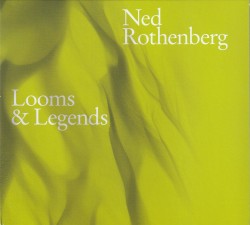 Another solo flight which has become almost standard in the jazz-improvised music world, especially after the pioneering efforts of Steve Lacy, Anthony Braxton and others in the 1960s, is the unaccompanied saxophone session. Looms & Legends (Pyroclastic Records PR 41 nedrothenberg.bandcamp.com/album/looms-legends) is American Ned Rothenberg’s solitary statement with alto saxophone, Bb and A clarinets or shakuhachi. Although Rothenberg ends the disc with a strained breathy version of the jazz standard ‘Round Midnight that’s the only conventional tune here. Instead, he moves through timbral scrutiny, study and story telling with his reeds. Irregularly projected with tongue slaps, bagpipe-like tremolo drones and consistent tone extensions, there are recurrent interludes where his andante lower-pitched flutters and shrill staccato cries advance two tandem lines with different pitches at the same time. Meantime, for example, Fra Gile moves from squirmy and slithery flutter tonguing to altissimo circular breathing, and then downshifts to more dissonant but consistent linear puffs. More forcefully, a track like, Plun Jah alternates spetrofluctuation and pinched clarinet trills until reaching straight-ahead line extensions. Others, including Resistance Anthem work their way horizontally with languid balladic suggestions in advance of single alto saxophone bites slowly ascending with taut variations. With many other instances of circular breathing and intense clarion reed whooshes and whorls, the key definition of Rothenberg’s ideas among the 14 tracks is the give-away titled Urgency. Making full use of continuous reed slurs and slides and the timbral extensions of nearly every tone, a steady ostinato continues at the same time that tongue, mouth and air approaches encompass reflexive reflux. This hardens into snorts and snarls until a combination of those textures and emphasized mouthpiece squeaks confirms the harmonized narrative until it fades away.
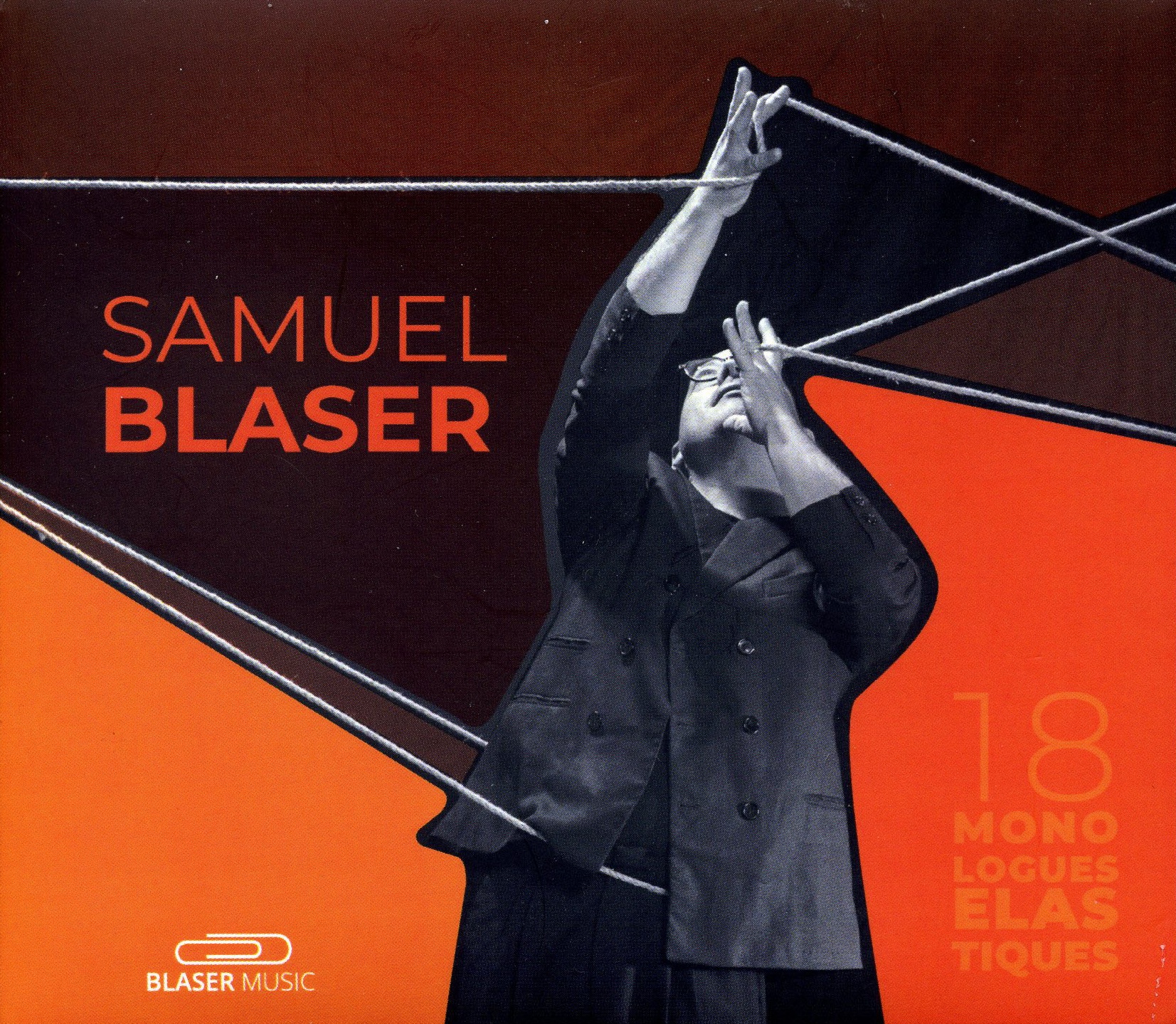
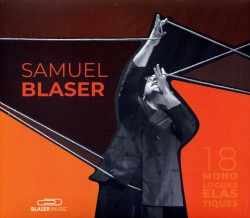 If singular extemporization is a challenge for musicians when they have bellows, buttons and a keyboard at their disposal or multiple woodwind keys, imagine how it is improvising with nothing but three valves, a manipulating slide and a body tube. But that’s what Swiss trombonist Samuel Blaser does on 18 monologues élastiques (Blaser Music BMO 18 CD samuelblaser.bandcamp.com/album/18-monologues-lastiques). Not the first to do so, and actually his second solo disc, these monologues are even more unique. That’s because he recorded the album while walking through multiple acoustically-designed areas in Berlin’s famous Funkhaus studio complex. With tracks lasting from 32 seconds to six minutes, the building’s spatial qualities are also adapted to the creation. At points you hear footfalls as he enters a space along with brass textures moving from distant to close up. Sometimes trombone output reflects the location as on Torture Room when detached mouthpiece whistles become murmuring howls and rumbling snarls as brass metal is rubbed against the floorboards. Grand 8 features wide gutbucket slurs that reflect back from the walls, with here and on other tracks antiphonic responses taking two identities, one slurry and horizontal the other fragmented. The speedy 78 instead of 45 is double- tongued, staccato and almost martial, as notes refract onto themselves and slither up to prestissimo. Meanwhile La promesse de l’aube is built around speedy glissandi that when moderated become rounded and almost mellow, but when emphasized turn to triplets. Oddly enough the concluding Waedamah is so linear that the mid-range and moderated tones nearly replicate lyrical jazz standards. However brass pressure is adumbrated on the extended Le grand numéro as the detached slide is banged against the trombone’s body to create metallic clanks as prestissimo yelps echo off the studio walls, then gradually thicken and widen as they bend into subterranean tones.
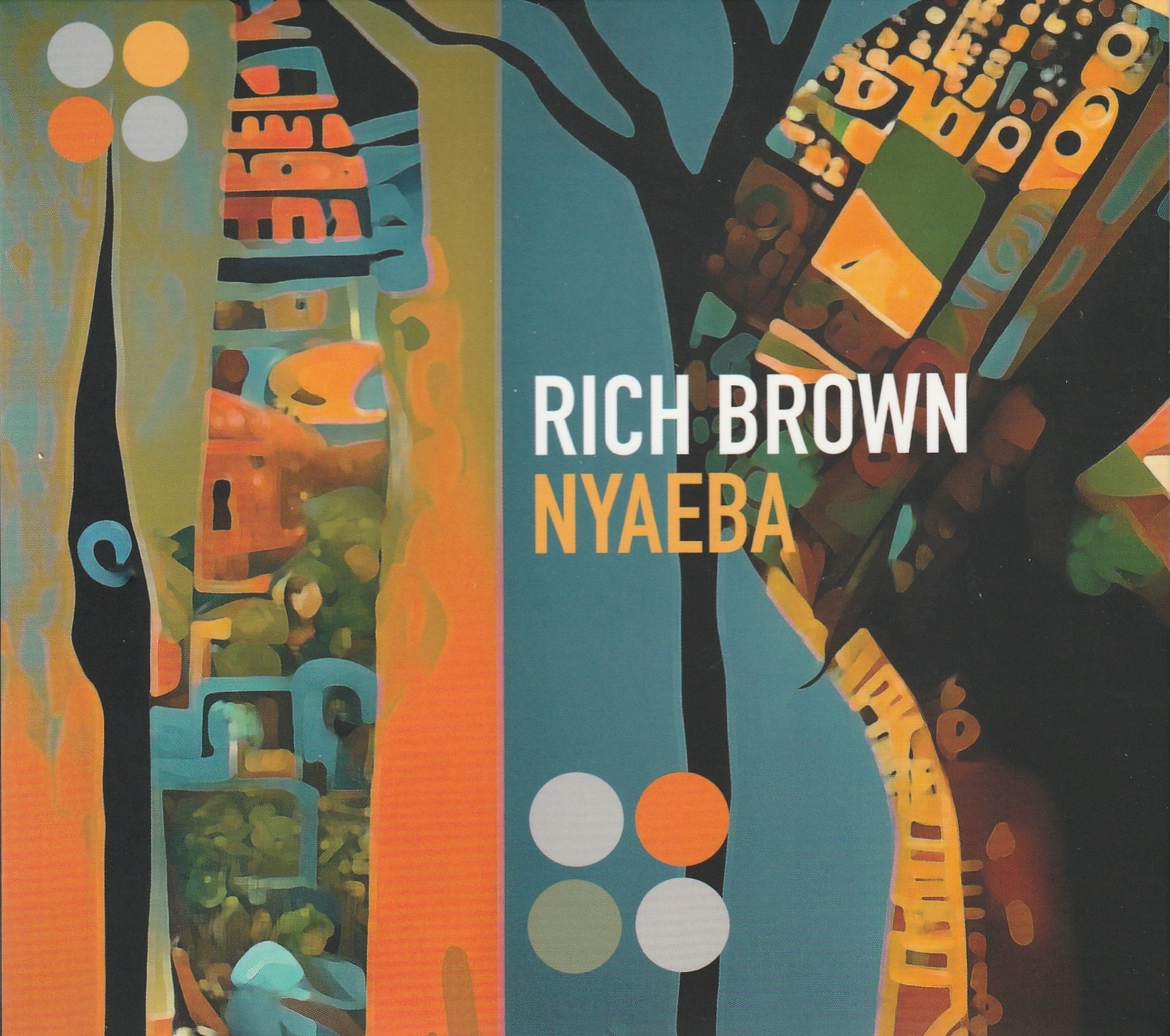
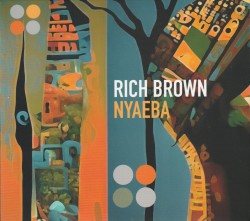 There are prominent stops and pops as well on NYAEBA (Whirlwind Recordings WR4838 richbrown-whirlwind.bandcamp.com), but ones only produced with thumbs and fingers. That’s how Toronto’s Rich Brown uses a 6-string electric bass, a 4-string semi-acoustic fretless bass and e-bowed electric bass to define his eight variants on solo playing. Someone who has participated in projects with the likes of Rudresh Mahanthappa and James “Blood” Ulmer, here he cannily matches the instrument(s)’ rhythmic and resonant roles with textures that also resemble those from a guitar, a kalimba, idiophones and synthesized strings. In a way NYAEBA is an updated version of Spiritual Jazz of the 1970s, with less percussion and uneven expositions, but pinpointed versatility. Confirming his jazz influences, Brown plays Heart of a Lonely Woman, which incorporates Ornette Coleman’s classic tune and bookends his elevated interpretation on Turiyasangitananda - The Transcendental Lord’s Highest Song of Bliss with audio clips from an interview with Alice Coltrane, known for her transcendental music. The first has a slippery and slinky exposition with buzzes and bumps advancing underneath the familiar theme played on the instrument’s top strings. Reflecting instrumentally Coltrane’s statements with a consistent meditative drone on the latter track, Brown’s elevated finger picking projects a groove on top of what is a vaguely eastern-leaning canon. Other tracks project folkloric airs with chiming guitar-like elaborations in stop-start melodies anchored by double bass-like stops. Then there are those like Nyaeba (The Griot) and Kalagala Ebwembe where blurred fingering creates Africanized ngoni-like frails at the same time as thick thumps resemble a jazz bass solo. Since Brown’s soloing is eclectic, not exhibitionist, variations throughout maintain a groove as well as melodic extensions.
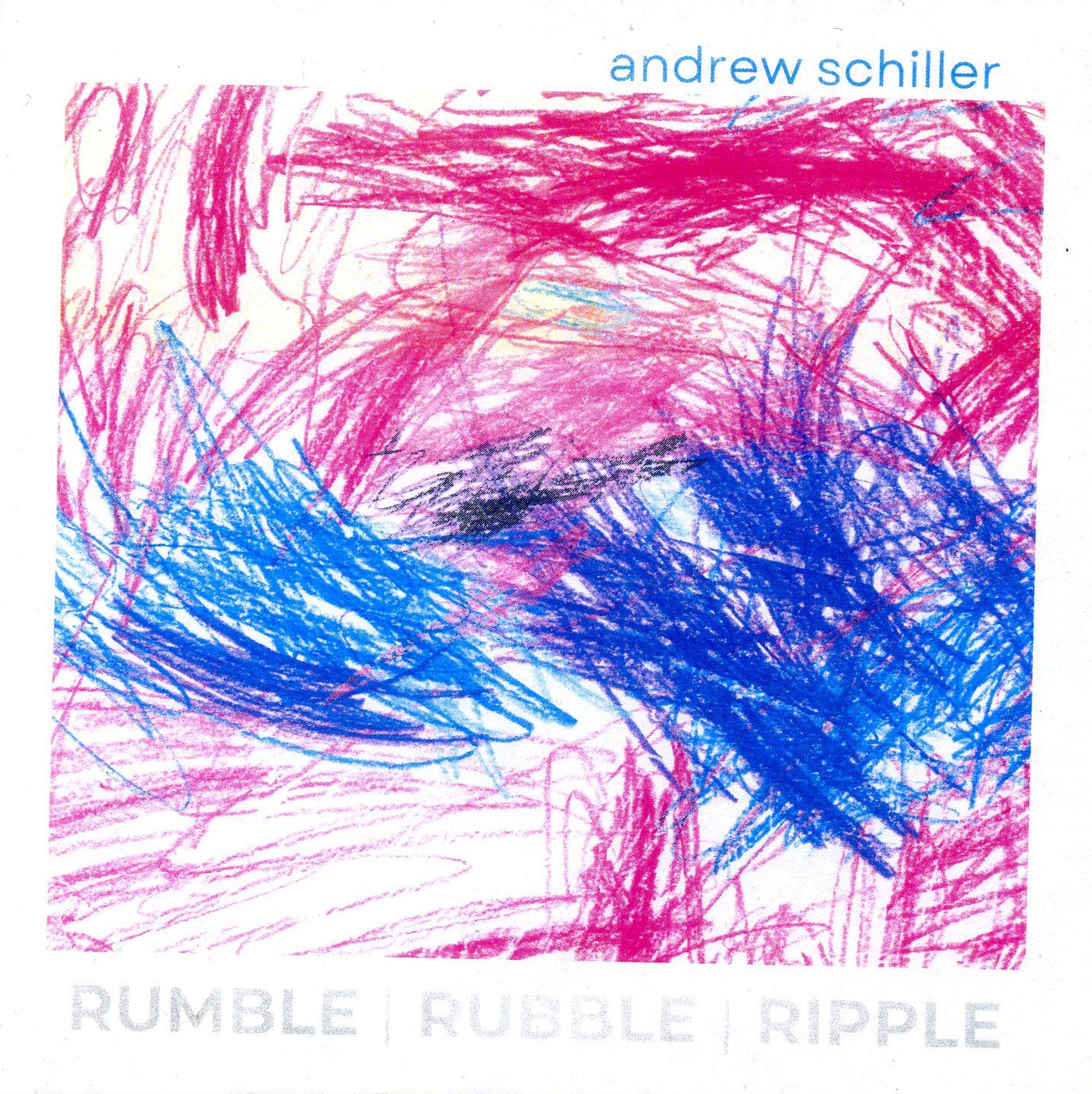
 More expected but unique solo explorations of acoustic double bass textures are on Rumble | Rubble | Ripple (Endectomorph Music EMM-029 andrewschiller.bandcamp.com/album/rumble-rubble-ripple) by Boston-based academic and improviser Andrew Schiller. Drawing on the standard repertoire as well as diversions into folkloric, improv and aleatoric music, Schuller’s is the only album here that includes interpretations of familiar tunes such as Skylark and You Must Believe in Spring. The recognizable melody of the second is framed with adagio bowing, then with measured nonchalance doubled and finally defined with single sul tasto strokes. Meanwhile Skylark is introduced in triple time as the theme is deconstructed in single notes then reprised at an even quicker pace. More generic to his ideas, Schiller’s magnified low tones are the antithesis of Brown’s electrified pitch leaps. Hard string stops with prestissimo or staccato thumps bring out the instrument’s woody resonance as processional patterns move consistently forward. Despite pivots in tempos, speeds and intensity, light and more lyrical motifs also exist within the improvisations. Instances of this two-pronged approach are on Blueberry Phase and Satellite. The former is built around scouring narrow bow work that reaches strident constriction then downshifts to a more moderated exposition though with harsh string pulls as a climax. Satellite on the other hand tweaks expectations by interpolating snatches of Norwegian Wood and other lyrical stanzas in between stop-start evolution of singular woody thumps, and introduces a melodic reprise at the end.
These musicians have adopted various strategies to emphasize their concepts of how to present solo sessions to their best advantage. Rather than thinking of the results as missing timbres from other instruments, the use of extended techniques adds textures to solo playing which makes these sessions more productive than reductive.


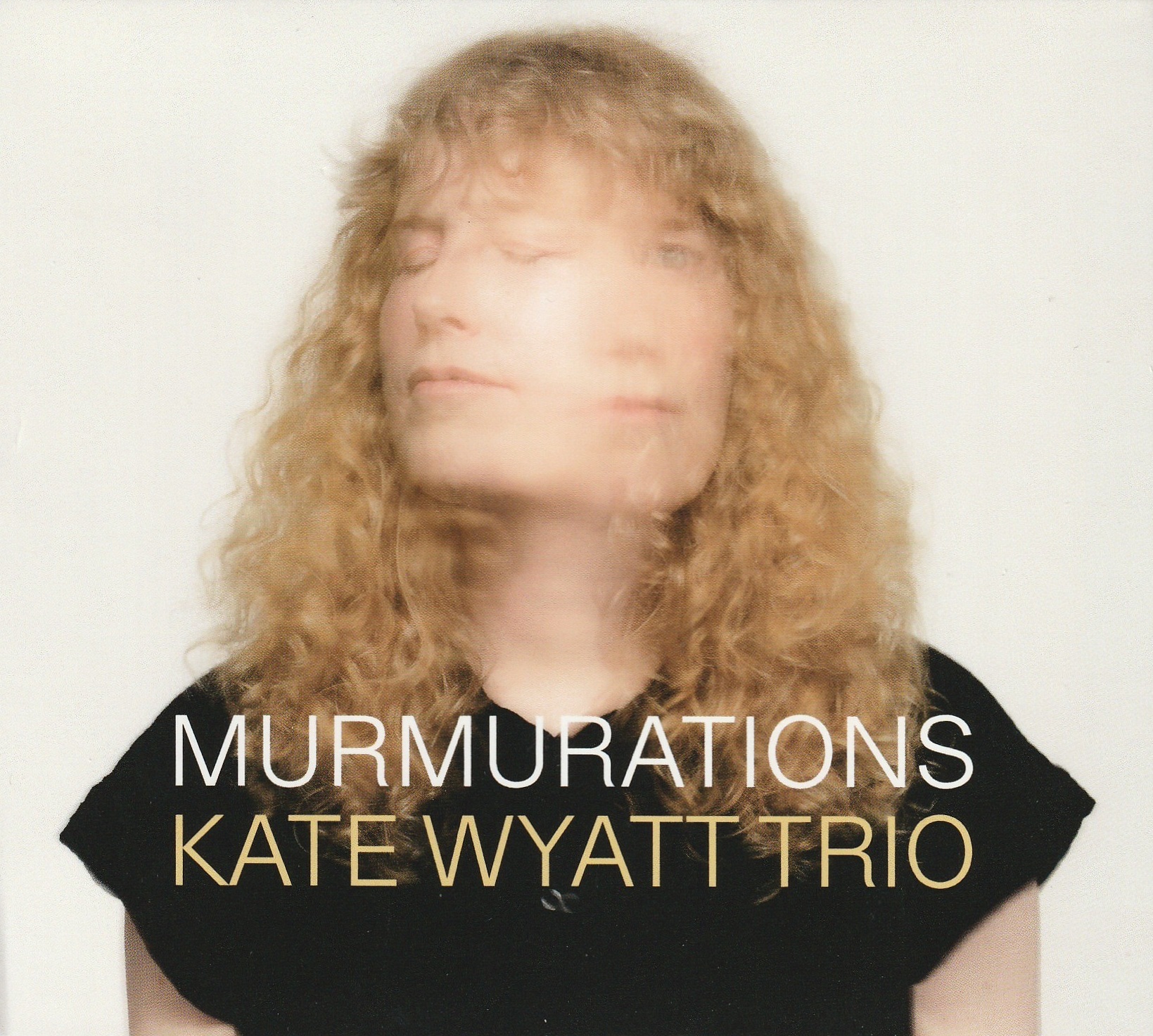 Murmurations