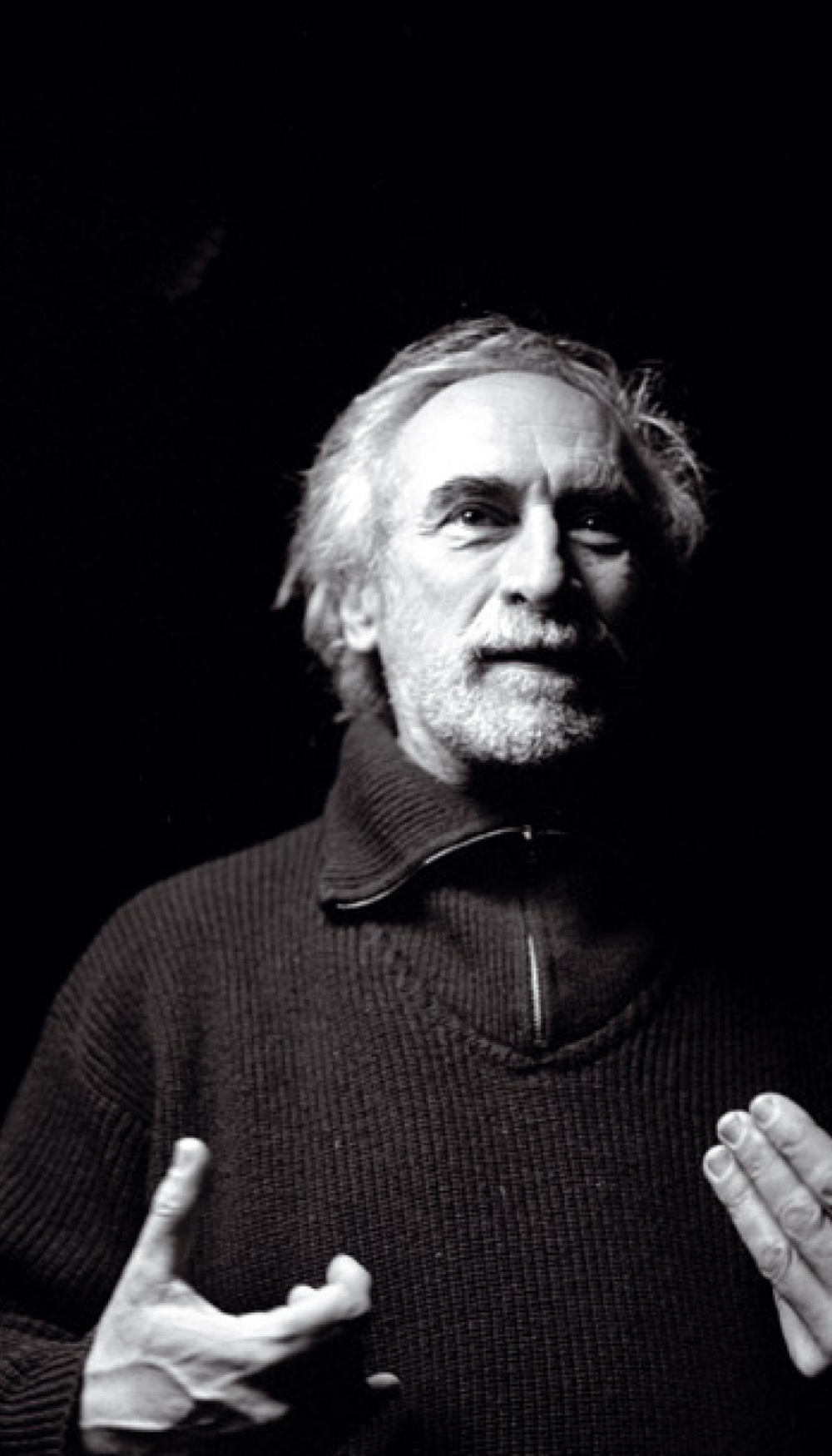
"The basic idea of a nanosonata is a form in which different elements come together as they do in a sonata, but do not develop. Instead of developing, they are left hanging, something like the characters that frequently appear in Tolstoy, who are described in a few words in a way that makes it clear that a whole book could be written about them, but isn’t." — Frederic Rzewski (1938-2021)
Let’s start with nanoSONATA, your October Somers Pentad project.
AS: It was Frederic Rzewski who is credited with first conceiving the genre/title of nanosonata; he wrote 56 such pieces between 2006 and 2010, organized into eight books. Since we had newly found a home at 1001 R Bloor Street W in 2025 (ie., the nanoSTAGE) for full moon performances, Piano Lunaire thought a cheeky brand alignment could work for the new commissions from six composers for the Harry SOMERS SONATA PENTAD Project. Not only have we borrowed the term from Rzewski, but we have capitalized “SONATA” in the same manner as we brand the text of our venue. We hope to continue commissioning new works at the nanoSTAGE and theming them as “nanoSONATAS.”
So when did the nanoSTAGE name come to you as a venue for Piano Lunaire?
When Piano Lunaire was founded in October 2018 (under a Hunter’s Moon), we presented recitals at my own home on Brock Avenue. We dubbed it simply, “The Brockton Nanostage.”
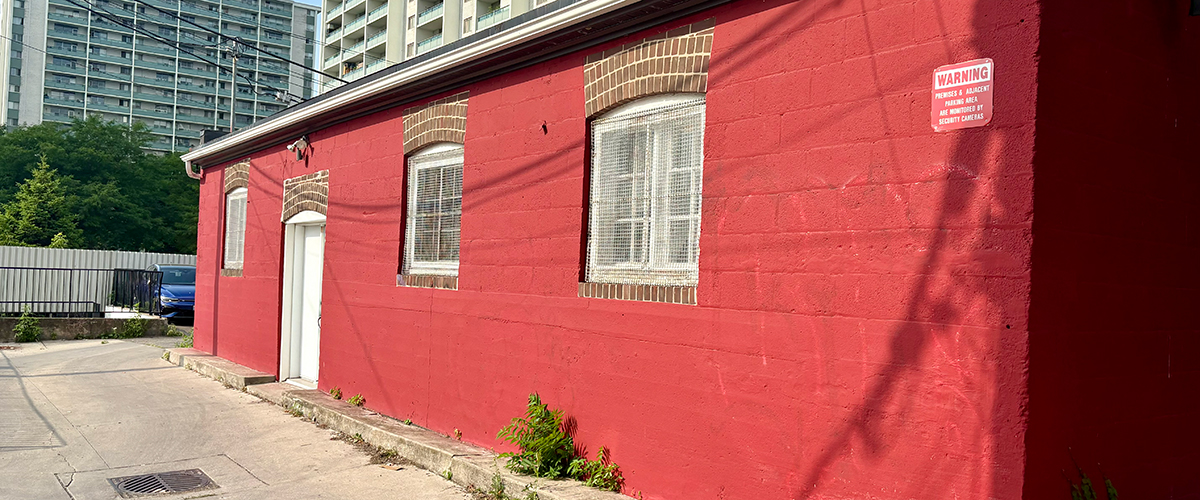
Last summer, when working with gallery owner and painter Gail Williams to find the right name for the nanoSTAGE venue, she wanted to discard the former name for the location: “Bunker Lane Press.” After many iterations (often centred around the colour of the little red one-storey building), nanoSTAGE seemed a fitting choice as both an acknowledgment of Piano Lunaire’s past and its place in the future of West End music-making in Toronto.
From the Greek for dwarf? Tiny but mighty.
Yes, we have always sought out platforms and spaces that bring an audience in with a slightly more intimate atmosphere. The edgy, unexpected venue suits us best. Since we program music exclusively after 1950 (nothing written before 1951 is permitted), we appreciate the alternative nature of such spaces to larger purpose-built halls for listening to music. Nevertheless, we aspire to create a listening experience no less focused nor considered. We have a glorious Bosendorfer 200 (1982), ample wood throughout, new artworks by Gail Williams displayed on the walls and high ceilings that ensure The nanoSTAGE is an exciting and acoustically satisfying place to take in new music (mostly from the piano).

Your instruction for how to find the venue, “take the south laneway to the scarlet building with the double white doors,” has a certain cachet for some. What can you say to encourage the less adventurous?
The locale and neighbourhood play an important role in the musical presentation we offer. We hope that it credits a certain west-end profile, providing audiences with a sense of place: steps off Bloor Street, in a Bloorcourt laneway, in a century-old building.
Our performances at The nanoSTAGE are ever warm, welcoming, and over before you know it — an hour of music that stays with you! In short, we like to think that there’s nothing quite like Piano Lunaire in Toronto. A dedicated solo piano series, in a fixed intimate salon, on a full moon cadence — presenting some of the most compelling new music being made in Canada today. (And we have a complimentary bar with fantastic libations from our sponsor, Big Head Wines.)
And what should people expect (and not expect) Sept 25 and Oct 14-15?
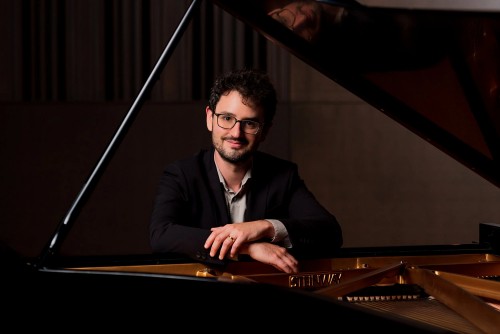
This Harvest Moon, Sept 25 and 26, Piano Lunaire opens the doors of its West End Toronto salon for an evening of extraordinary solo piano. Thirty seats. Under an hour. Some of the finest new music being written today, performed with the intimacy of a private gathering and the precision of a world-class concert. No fuss. Just the music, the room, and you. This September we highlight Daniel Pesca, who makes his nanoSTAGE debut. Daniel is a fine ambassador for everything we believe in at Piano Lunaire: he plays, writes and inhabits the challenges of a new musical path at the very highest level of achievement.
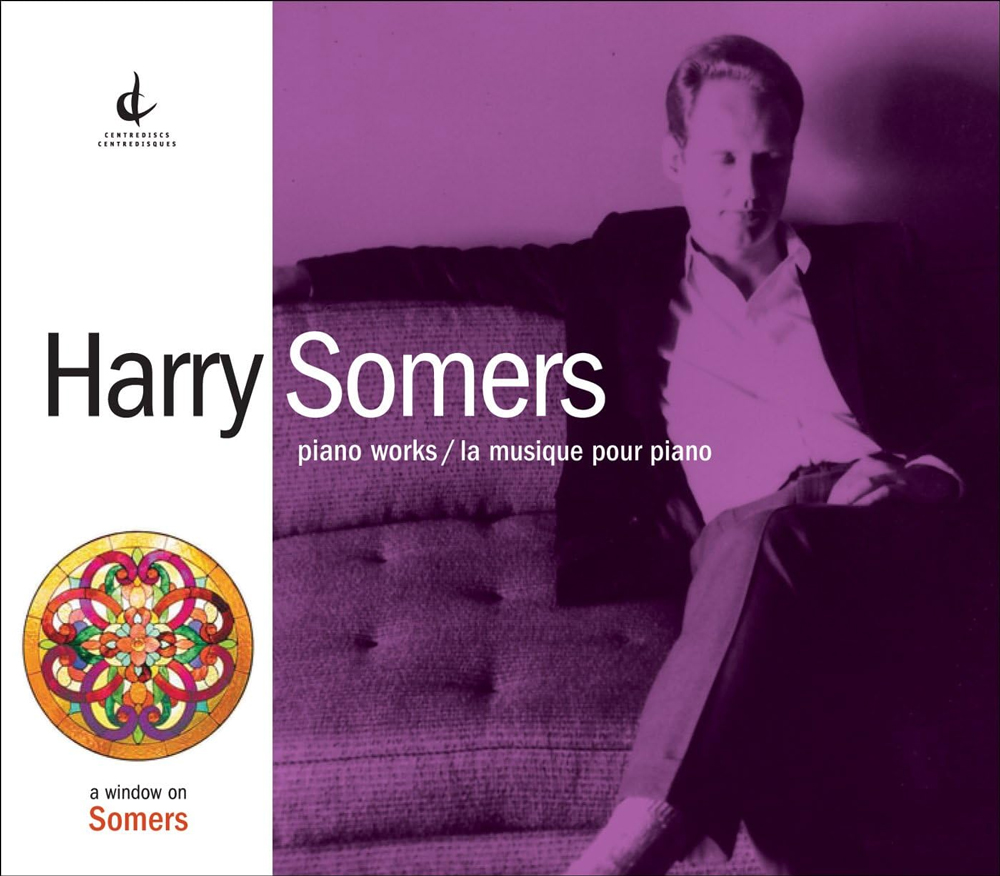
Oct 14-15 is something quite different (i.e. a non-Moon event). We are celebrating the centenary of Harry Somers and his five piano sonata cycle Cinq a Sept at The nanoSTAGE on the 14th; then the full Toronto premiere of five new nanoSONATAS plus the five Somers sonatas on the 15th at Walter Hall and the 18th in Montreal. The pianists involved include David Potvin, Adam Sherkin, Gabrielle Gagnon-Picard, Bryn Blackwood and Stephanie Chua, and the composers are Keiko Devaux, Alison Yun-Fei Jiang, Lily Koslow, Adam Sherkin and Saman Shahi.
David Perlman can be reached at publisher@thewholenote.com