06 AlkemieLove to My Liking
Alkemie
Bright Shiny Things BSTC-0201 (alkemie.bandcamp.com/album/love-to-my-liking)

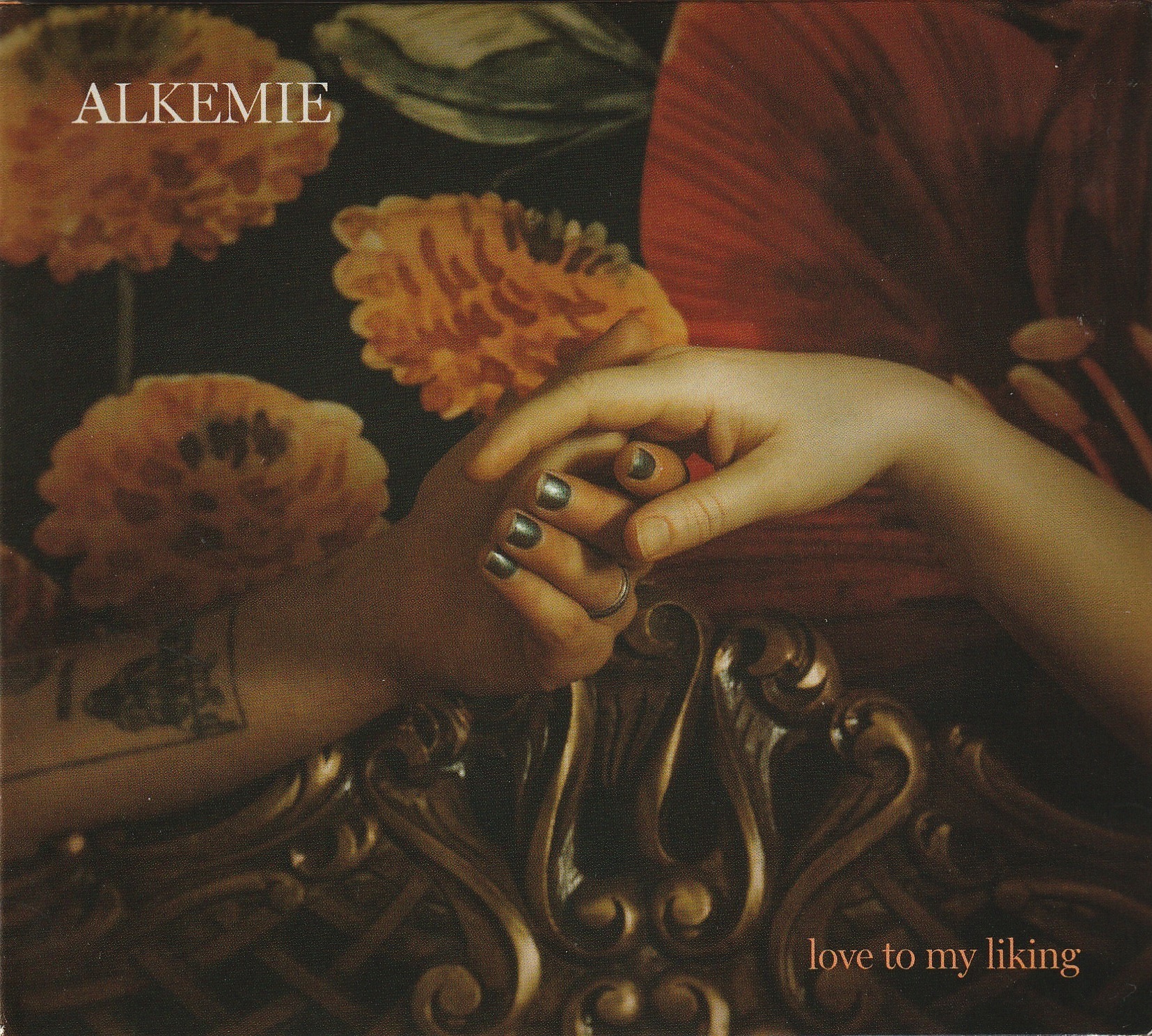
Unusually for recordings of medieval troubadour songs, all five vocalists on this CD are women – three of the six-member Alkemie ensemble (they also play instruments) and two “guests.” They’re reviving the spirit of the all-but-forgotten Trobairitz, a unique all-female troupe of 13th-century French troubadours (not mentioned in the CD’s notes), discovered when I googled “female troubadours.” The notes also offer little information beyond the names of the selections, performers and instruments. Most regrettably, there are no texts or translations.

Searching online, I learned that Alkemie was founded in 2013, is based in Brooklyn and that most of the CD’s 13 selections were drawn from the 13th-century collections Chansonnier du Roi and Montpellier Codex. I also found descriptions of five instruments with names unfamiliar to me: hümmelchen (small German bagpipe), viola a chiavi (seven-keyed viola), scheitholt (German zither), gittern (small lute) and douçaines (double-reed woodwind). These, plus recorders, vielle, psaltery, lute, harps and percussion provide Alkemie’s constantly varying combinations of intriguing instrumental timbres, among the disc’s chief delights.

I particularly enjoyed the selections featuring all five singers – the up-tempo E, bone amourette/La rotta della Manfredina, La joliveté/Douce amiete and L’autrier chevauchoie delez Paris, and the haunting, chant-like Belle doette as fenestres se siet, lasting over nine minutes.

Although Alkemie’s fresh arrangements, incorporating touches of bluegrass and Celtic music aren’t historically authentic, since no one can ever know exactly how these ancient pieces originally sounded, musicological conjecture must yield to extant entertainment.

01 Karina GauvinMarie Hubert: Fille du Roy
Karina Gauvin; Pierre McLean; Valerie Milot; Etienne Lafrance; Quatuor Molinari; Pentaedre; Clauce Lapalme
ATMA ACD2 2827 (atmaclassique.com/en)

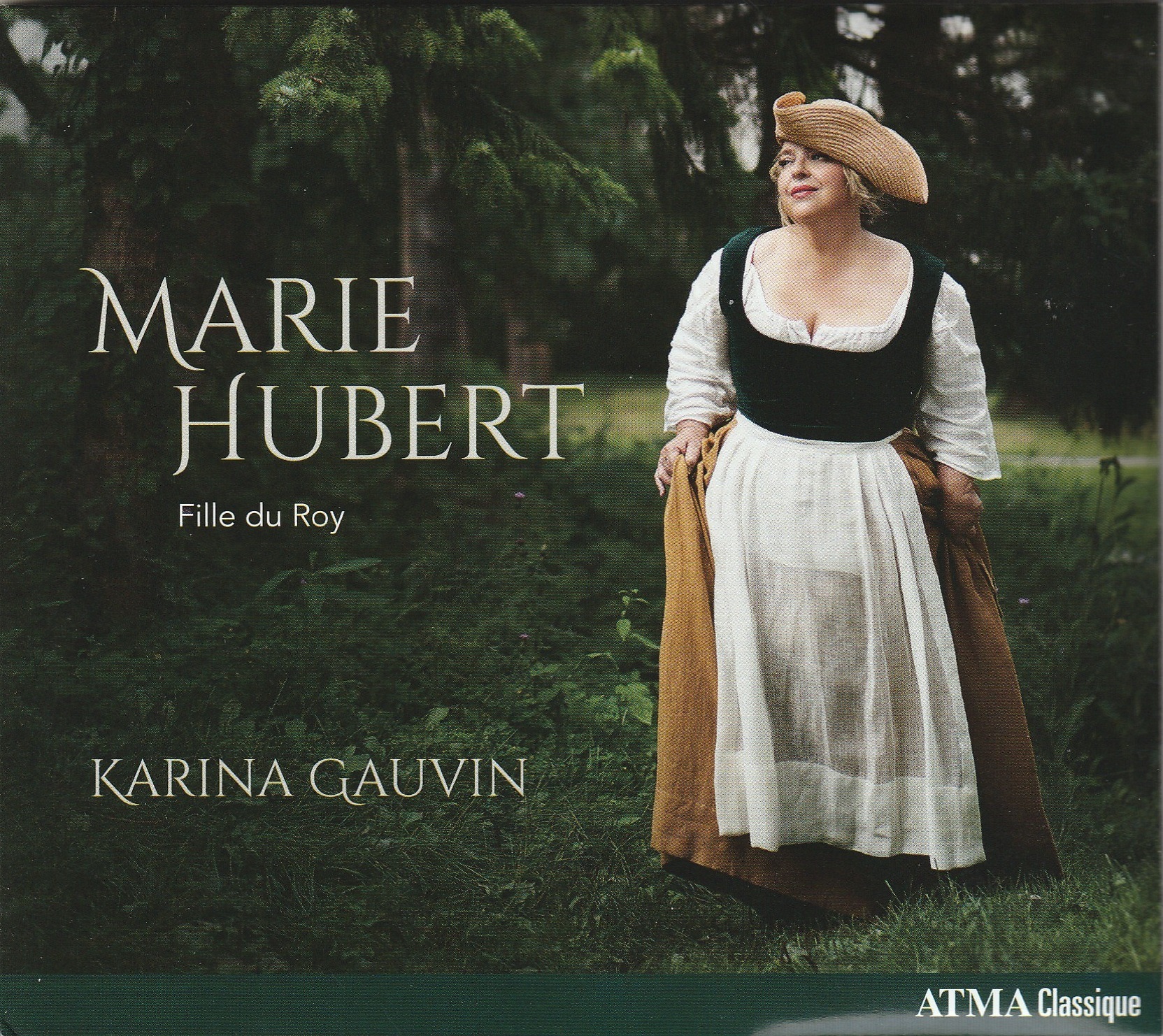
In 1889, Oscar Wilde asserted: “Life imitates art far more than art imitates life,” arguing that rather than merely copy, life imitates art because life craves the expression found in great art. Karina Gauvin has turned this maxim on its head playing one of the most fascinating dramatic roles. Indeed, in Gauvin’s case, “art imitates life” – the life of Marie Hubert

Gauvin traced her lineage to Hubert, one of the 46 (of 327) “Filles du roi” that Monsieur de Bretonvilliers priest of the parish of Saint-Sulpice, selected to sail from Dieppe to New France, by royal decree of King Louis XIV. This is an enthralling story, and Gauvin tells it eloquently – before a single note, or phrase is sung – with charming booklet notes based on her great-ancestor’s diary entries. Gauvin then employs her fabled lyric soprano to turn the diary entries – 21 in all – into songs, the lyrics and music of which propel them into a rarefied realm. 

Gauvin is a priceless gift to music, an artist of the first order, broadening out from the Baroque repertory for which she is celebrated across the world. Her instrument is gorgeous: lustrous, precise and feather-light. Her musicianship is fierce as she digs into the expression of each word, brings ceaseless variety to soft dynamics and gives every phrase grace. 

She is accompanied by pianist Pierre McLean, harpist Valérie Milot, contrabassist Étienne LaFrance, Quatuor Molinari and the wind quintet Pentaédre. Claude LaPalme conducts and arranged the music.

Listen to 'Marie Hubert: Fille du Roy' Now in the Listening Room

02 Schafer IlluminatedMurray Schafer – You Are Illuminated
Coro Volante; Brett Scott; Krista Cornish Scott
Centrediscs CMCCD 31523 (cmccanada.org/shop/cmccd-31523)

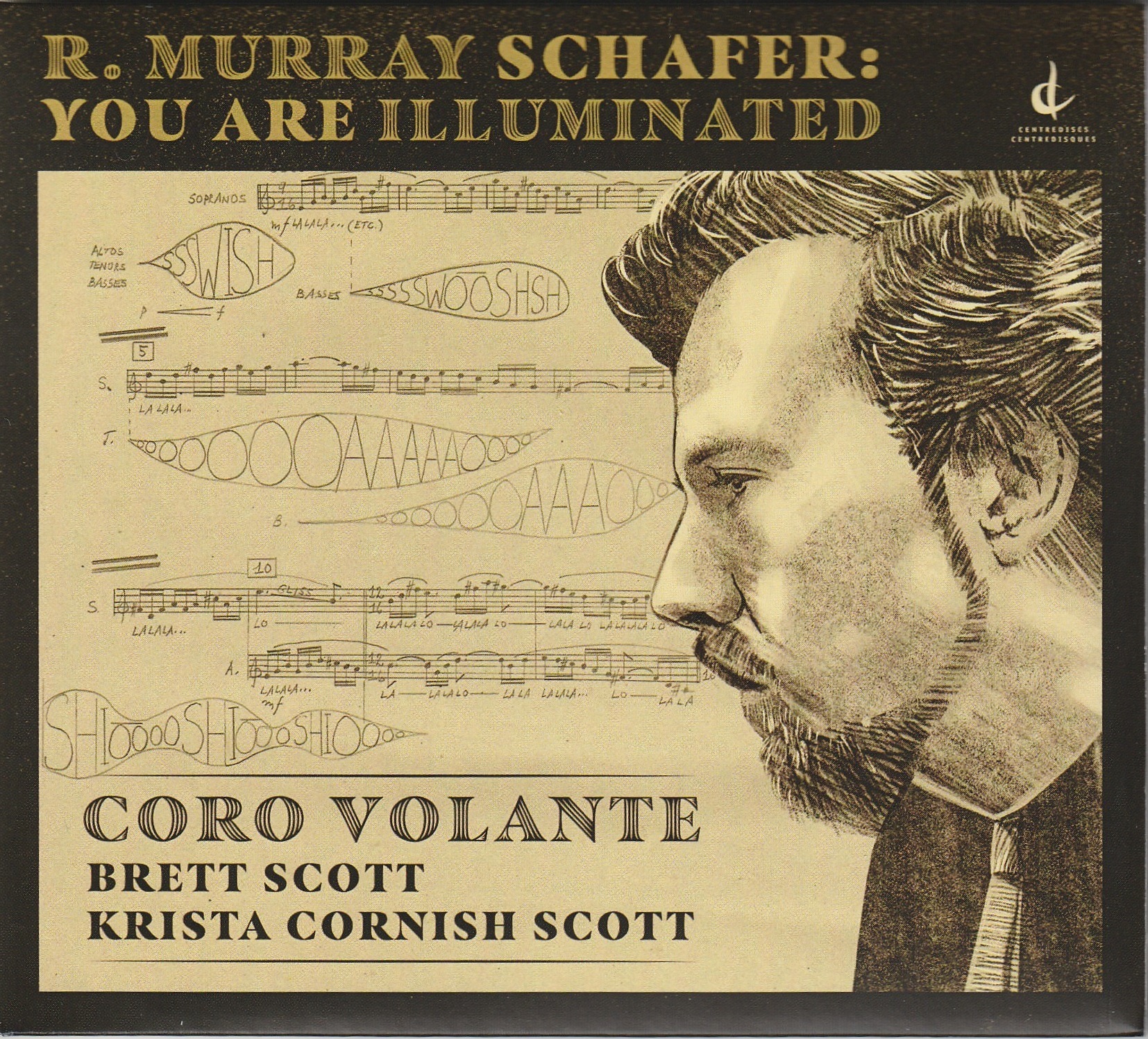
This terrific new album of choral music by the late R. Murray Schafer stands simultaneously in both the past and present. I suppose this blurring of old and new is one reason why Schafer is often referred to as a postmodernist (in addition to being called an avant-gardist who coined the term schizophonia, a soundscapist or an acoustic ecologist). But with You Are Illuminated, a beautifully captured 2024 recording by the Cincinnati-based choir Coro Volante under the keen direction of conductor Brett Scott, the music not only defies classification, but requires little explanation or illumination beyond what a simple listen can provide. 

Although eminently enjoyable, Schafer’s music often challenges listeners to expand beyond their comfort zones and to confront his above-mentioned musical theories and concepts. But with Scott at the helm, who, in 2019 penned an authorized biography of Schafer and who enjoyed a two-decade long friendship and musical relationship with the Canadian composer, listeners are in expert hands. As such, Scott, along with an impressive roster of soloists, ensemble choral singers and an excellent percussionist, has put together a stylistically divergent, but always musical program of Schafer’s choral works that span 45 years of compositional creativity. A self-described “labour of love,” this valuable new addition to the Canadian Music Centre’s already impressive discographic output focuses primarily on works of Schafer’s that have never before been recorded (or in some cases even performed), adding much to both the legacy of Schafer’s contributions to the choral canon, and to Canadian music more generally. 

03 Barbara Hannigan MessiaenMessiaen
Barbara Hannigan; Bertrand Chamayou; Vilde Frang; Charles Sy
Alpha Classics ALPHA 1033 (outhere-music.com/en/albums/messiaen)

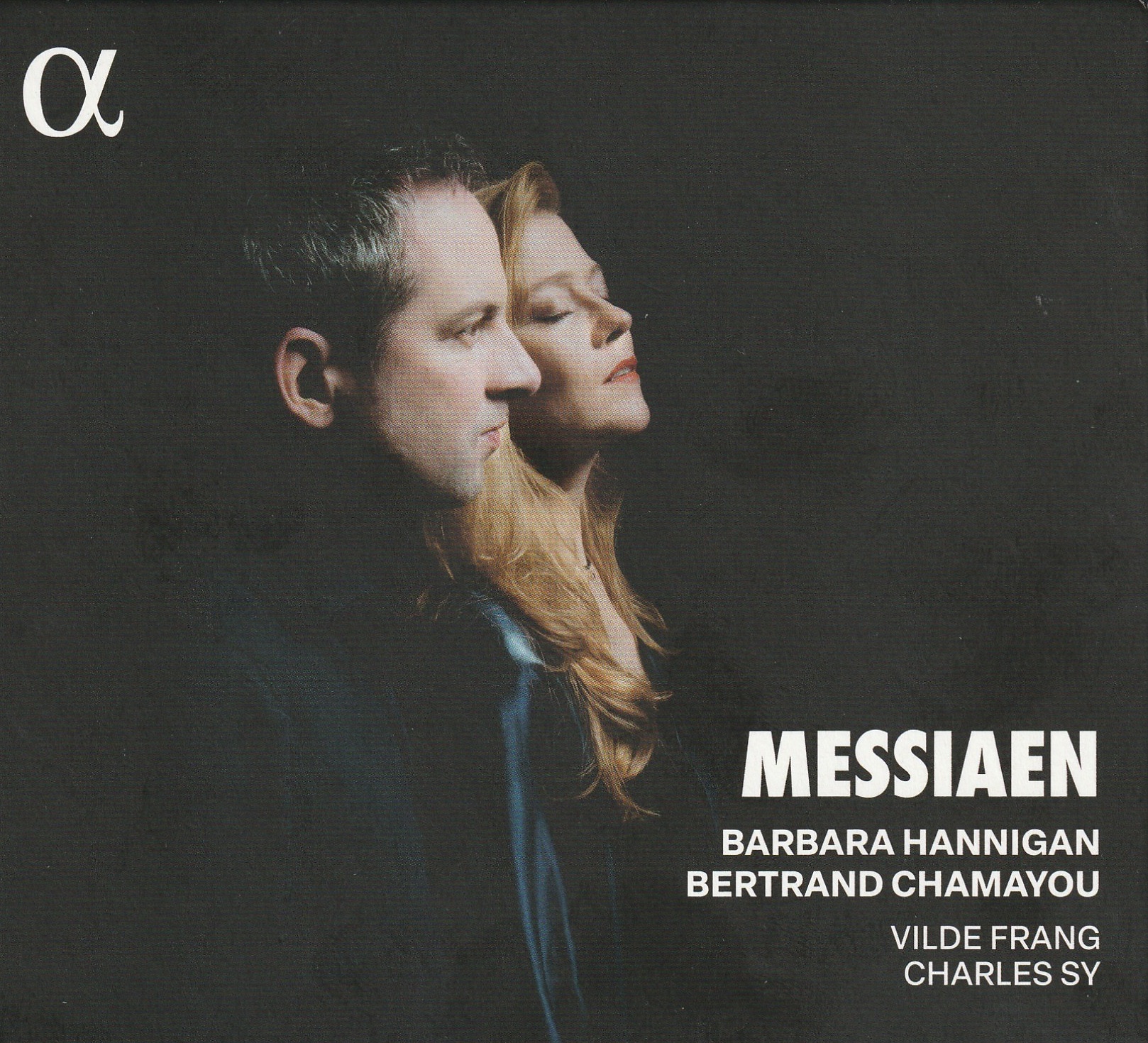
Sensuality and – yes – spirituality don’t so much ripple as burst in the waves of ecstatic, convulsive melisma from Barbara Hannigan and Bertrand Chamayou’s magical, mystical Messiaen recording. It is in the imagination of the programming and the bold, almost cheeky intelligence that guides the choice and juxtaposition of repertoire, and the duo’s homage to the greatest 20th-century French composer after Debussy and Ravel.

Terms of endearment and hallelujahs tumble, rise and fall from Hannigan’s pliant lips through the sparkling song cycles. Chants de Terre et de Ciel is aglow, particularly in Bail avec Mi, Danse du bébé-Pilule, Antienne du silence and the ecstatic Résurrection. 

The music Is incandescent right out of the gate. And it only gets better with Poèmes Pour Mi before reaching the tidal crescendos of La Mort du Nombre with the eloquent sonorities of Vilde Frang’s violin and Charles Sy’s magnificent tenor.  

The scintillating elegance of Olivier Messiaen’s music is incandescent as it comes from an explosion at the heart of the nuclear corona of the sun. The luminescence of Hannigan’s voice gives these works an operatic freedom and scope that makes sense of these fragrant texts and their amplified emotions. It seems unimaginable that anyone but Hannigan, with her lustrous lyric soprano and unbridled dramatic abilities, could give the song cycles by Messiaen such life. She is marvellously served by Chamayou’s shimmering pianism throughout.

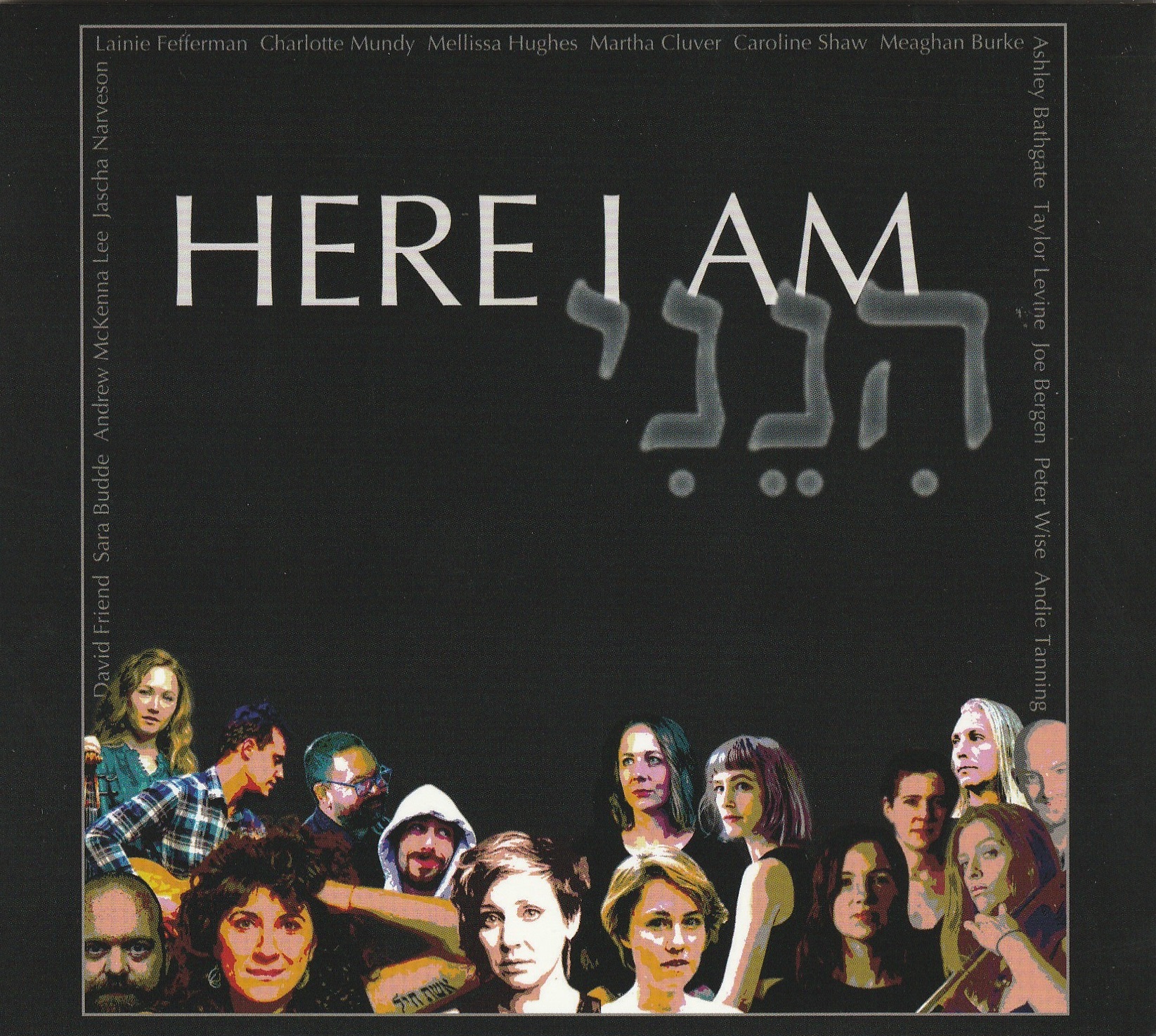
04 Here I AmLainie Fefferman – Here I Am
Vocal Soloists; Transit New Music
New Focus Recordings FCR403 (newfocusrecordings.com/catalogue/lainie-fefferman-here-i-am)

Who do you report to when you wake up in the morning? We have had anywhere between two thousand and seven thousand or so years to think about it. 

Lainie Fefferman, the composer of this deeply meditative big ensemble piece didn’t always punch in the “right name” when she woke up until the political climate in the USA (and far and wide) began to take its toll on her state of mind. Her short introduction describes the rude awakening of American Jews. 

There are six people in ancient scripture who uttered the words: “Here I Am (Lord).” The patriarchs Abraham and Jacob, the prophets Moses, Samuel, Isaih and Ananias, who was called to minister to Saul. However, Fefferman has expertly woven the miniatures that make up Here I Am with episodes from Genesis, Exodus, Leviticus, Numbers and Deuteronomy. The cantors, led by Fefferman, nestle cheek-by-jowl with an accomplished improvising septet and the powerful neo-psalmody of a vocal trio to tell the story.

The words, “Here I Am” are pivotal to that story, and the unification of the tribes of Israel. This is Fefferman’s operatic “Here I am Lord.” A story of faith, expertly told from the brimstone and fire of Lot’s Daughters, And their Bloodguilt Shall Be Upon Them to the ultimate test of that faith in the story of Abrahan and Issac in Take Thy Son.

Listen to 'Lainie Fefferman: Here I Am' Now in the Listening Room

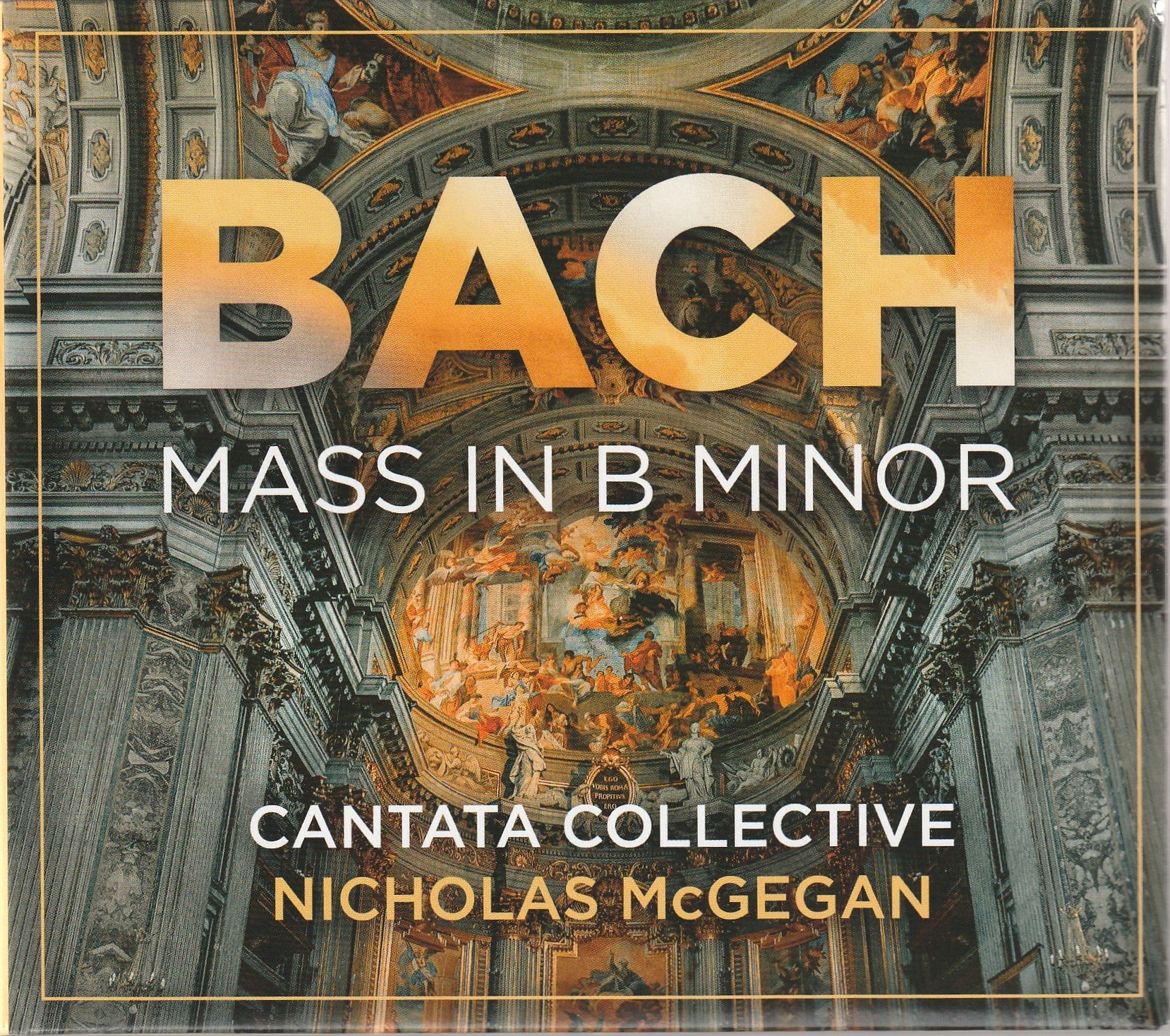
01 Bach B MinorBach – Mass in B Minor
Cantata Collective; Nicholas McGegan
Avie Records AV2668 (cantatacollective.org)

Some people submit finely-crafted resumes, perfectly-worded cover letters and superfluously supportive references as part of a job application. Johann Sebastian Bach sent (an early version of) the Mass in B Minor. Submitted (along with a letter of appeal) to Elector Frederick Augustus II of Saxony in July 1733, Bach was seeking a position outside of Leipzig, where his work at the Thomaskirche was full of conflict, insufficient resources and, according to Bach, blatant disrespect. Despite this impressive application, there is no evidence that the work was ever performed in Dresden and Bach did not receive the title of Hofcompositeur, or Court Composer, from the Elector until late in 1736.

Now recognized as one of the greatest choral masterworks in music history, the B Minor Mass was not composed all at once, nor was it entirely spontaneous; it was, however, meticulously crafted. Cobbled together over a significant portion of Bach’s career from music that he composed previously and revised as needed, this work is considered his last major composition.

The San Francisco-based Cantata Collective, led by early music specialist Nicholas McGegan, tackles the B Minor Mass head-on in this live recording from March 2023. Measured and well-paced, this performance prioritizes contrapuntal clarity over velocity, giving fleeting movements such as the Et Resurrexit a sense of depth, and slower sections, such as the opening Kyrie, much weight and gravity.

While not as superficially thrilling as more “fast and furious” interpretations of this work, it is a challenging task to find a single note that is out of place or tune; it is, in fact, difficult to determine that this is indeed a live recording. The choir and orchestra are in fine form here, and this recording is an excellent listening opportunity both for those who are intimately familiar with this masterwork and those who are discovering it for the first time.

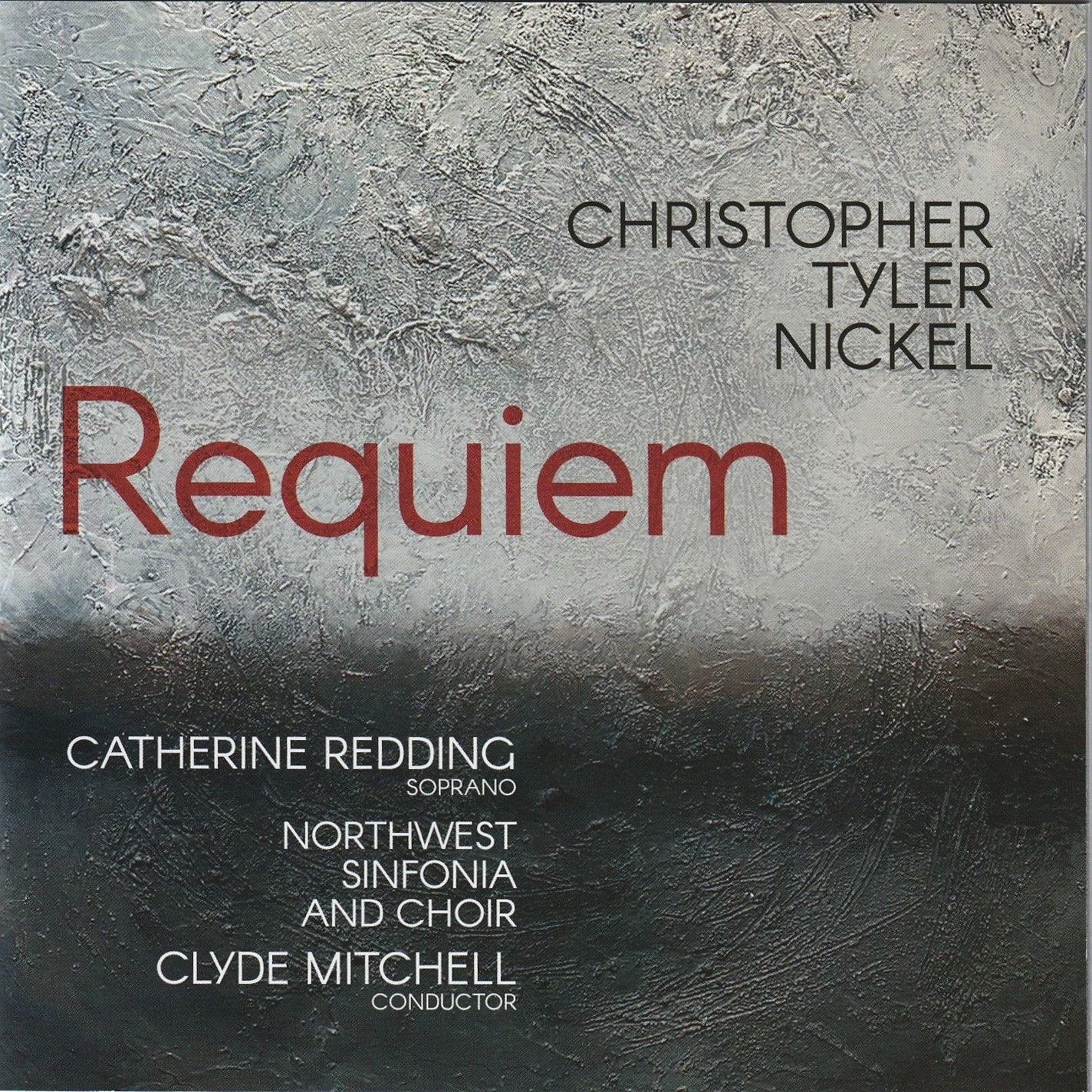
02 Nickel RequiemChristopher Tyler Nickel – Requiem
Catherine Redding; Northwest Sinfonia and Choir; Clyde Mitchell
Avie Records AV2659 (avie-records.com)

Vancouverite Christopher Tyler Nickel has composed over 100 scores for theatre, film and TV, as well as symphonies, concertos, chamber works and a seven-hour-long (!) oratorio, a complete setting of The Gospel According to Mark. His Requiem (2019), lasting “only” 70 minutes, here receives an emotionally stirring performance from Canadian soprano Catherine Redding and the Northwest Sinfonia and Choir conducted by Claude Mitchell.

It’s scored for a dark-sounding chamber orchestra of oboe, English horn, two French horns and strings; “I wanted to keep a solemnity to the Requiem,” writes Nickel. The choral writing largely avoids rhythmic counterpoint, embracing instead “homorhythm” – all voices in rhythmic unison, creating a sense of granite-like solidity. The music varies in character, each of the 19 sections, says Nickel, having its own “overarching emotion.” He’s drawn from stylistic sources ranging from the austerity of Gregorian chant, in the opening Introitus and Kyrie, to the urgent expressivity of late-Romanticism.

The gently supplicating lyricism of Gabriel Fauré’s Requiem predominates in nine of the sections, while the syncopated, motoric dynamism of Carl Orff’s Carmina Burana energizes the Dies Irae, Confutatis and Responsorium. Brucknerian grandeur magnifies the Tuba Mirum; the Offertorium sounds like a sentimental folk-ballad.

Nevertheless, there’s an overall unity to this beauty-filled music, thanks to Nickel’s distinctive melodic gift. As a chorister, I’ve sung in Requiems by Mozart, Cherubini, Brahms, Fauré and Duruflé; I’d love to be able to add Nickel’s to this list.

03 BreatheBreathe
Hera Hyesang Park; Orchestra del Teatro Carlo Felice; Jochen Rieder
Deutsche Grammophon 486 4627 (deutschegrammophon.com/en/artists/hera-hyesang-park)

Can profound fear be experienced – and expressed – with quintessence of beauty? In theory, probably not. Yet every aspect of this disc does exactly this. The prescient repertoire on Breathe paves the way. The real reason, of course, is an inspired performance by rising-star lyric soprano Hera Hyesang Park. The utter luminosity of her voice, and deep digging into songs, brings special grace to words, and extraordinary lyricism to vocalise and rhapsodising about the exposition of both the literal and metaphorical beauty of fearfulness.

The act of making breath not simply a gesture of release, but an artistic device is what we – in turn – experience throughout this extraordinary disc. Park delves into the work of a group of composers from the 19th and 20th centuries, exploring their work as part of a bleak, Impressionistic backdrop for the horrors of the global pandemic and the isolation that it inflicted on humanity. In doing so she imbues songs, and their significance, with near-spiritual fervour in the context of the pandemic.

Should familiarity of repertoire be an indicator, then the Lento e Largo movements of Górecki’s Symphony of Sorrowful Songs is the apogee of this recording. But the Evening Prayer from Humperdinck’s Hänsel and Gretel and the Flower Duet from Delibes’ Lakmé are also sensational. 

So deeply does Park embody this material that she lives the songs rather than projecting them as outside entities of breathing. Everything about this disc declares: A minor miracle.

04 La FlambeauDavid Bontemps – La Flambeau
Suzanne Tafflot; Catherine Daniel; Paul Williamson; Brandon Coleman; Orchestre Classique de Montréal; Alain Trudel
ATMA ACD2 2880 (atmaclassique.com/en)

La Flambeau is a chamber opera by David Bontemps. Premiered in 2023 with the Montreal Classical Orchestra and conducted by Alain Trudel, La Flambeau features Canadian mezzo-soprano Catherine Daniel, American bass-baritone Brandon Coleman, Cameroonian-born soprano Suzanne Taffot and Jamaican-Canadian tenor Paul Williamson. 

Based on the play of the same name by Haitian poet and playwright Faubert Bolivar (b.1979), the opera is sung in French with short passages in Haitian Creole. The opera begins with an overture and evolves into seven scenes scored for string orchestra and maracas. Set in Haiti, La Flambeau’s characters have no names: Monsieur who has political ambitions and is preparing a speech; Madame, his wife who speaks to deceased family members; Mademoiselle, their working-class maid abused by Monsieur; and l’Homme, a sort of judge who condemns and ultimately sentences Monsieur, turning him into a zombie in the service of his community. 

While on the surface drawing on Yoruba mythology and Haitian Vodou traditions, the composer also embeds commentary on women’s rights, deceit, prejudice and corruption. Bontemps writes unornamented melodies with Afro-Haitian elements and in the style and rhythm of spoken word. 

The recording of La Flambeau is an opportunity to hear a cast of prominent Black singers in a medium where they are historically underrepresented. The singers’ musicality and commitment to the text invites listeners on a journey inside of our humanity to show that individual struggles are of a universal nature, regardless of gender, colour or caste.

Back to top