03 Brad Turner Its All SoIt’s All So
Brad Turner; Trio Plus One
Cellar Music CMF090924 (bradturner.bandcamp.com/album/it-s-all-so)

Much of what I wanted to discuss about It’s All So is already covered in the album’s detailed and eloquent liner notes. The music speaks for itself too, and hopefully this review provides context in the form of a glowing recommendation for those who have yet to listen.

Brad Turner is a stalwart Vancouver-based multi-instrumentalist, composer, and educator who I first heard on trumpet. Unlike some who merely dabble on other instruments, Turner brings a unique and masterful voice to any tool of expression. That tool is piano on It’s All So, and the “plus one” of Turner’s Trio Plus One is percussionist Jack Duncan.  

Duncan is a creative guest, joining Turner’s longstanding rhythm section of Darren Radtke on bass and Bernie Arai on drums. The piano trio format offers ample creative space, and Duncan adds steady grooves without “boxing in” any of the album’s eight selections. Turner penned each composition for the musicians present, save for an arrangement of Cole Porter’s Love For Sale that is unique enough to sound like another original. 

Jazz is at the heart of It’s All So, but the album features grooves equally appropriate under the “Latin” umbrella. The compositions and playing remind me of Woody Shaw and Clare Fischer at times, among other artists who expertly fused these genres. This could suggest a departure from the hard-swinging catalogue of Cellar Music, but after repeated listening the album fits their mandate to a tee. This is a unique and memorable addition to Turner’s discography.
04 NoamLemish ThereIsBeautyNoam Lemish – There’s beauty enough in being here
Noam Lemish; Sundar Viswanathan; Andrew Downing; Nick Fraser
TPR Records (noamlemish.bandcamp.com/album/theres-beauty-enough-in-being-here-2)

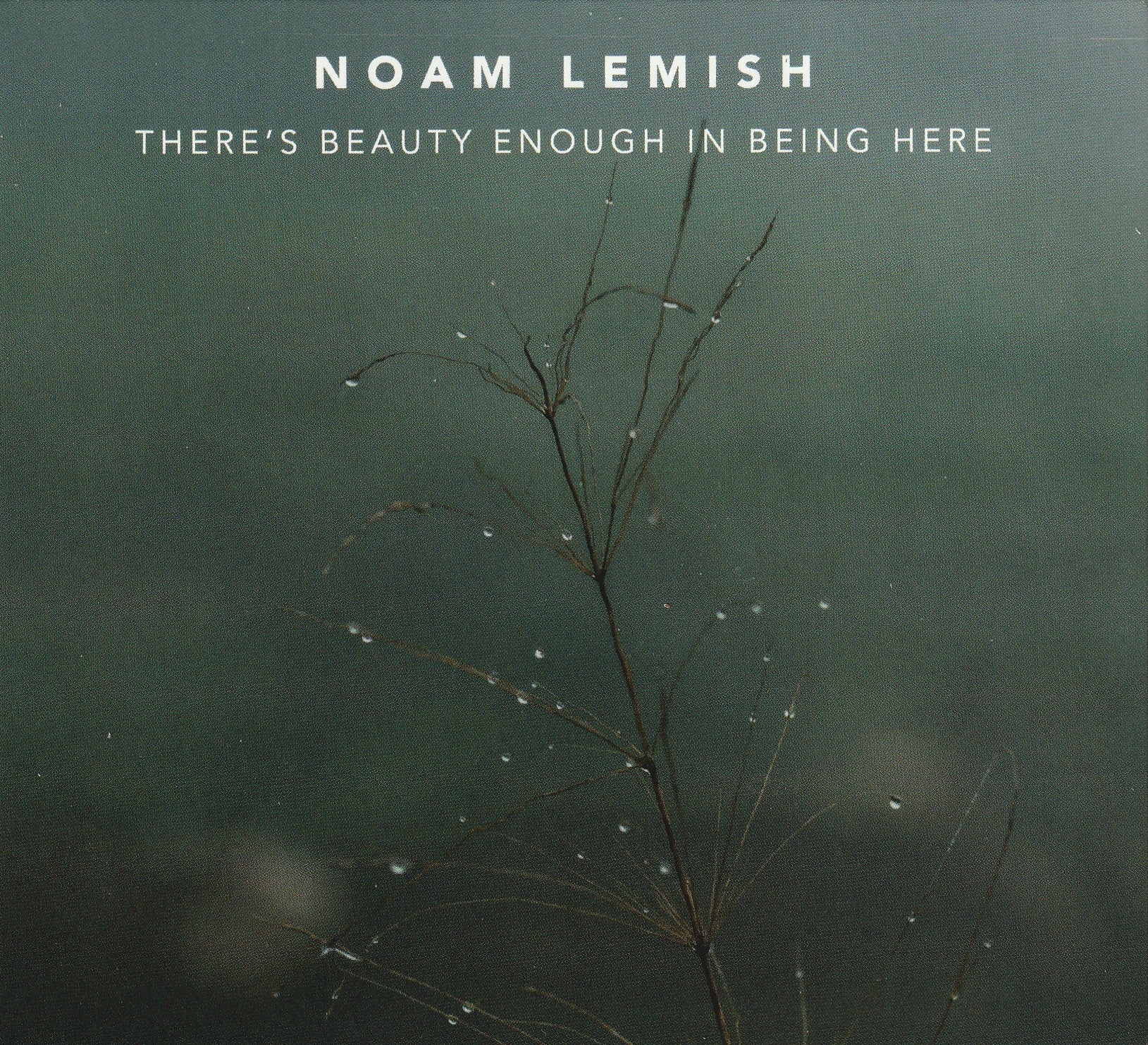
In mid-November 2025, I attended the album release concert for jazz pianist/composer Noam Lemish’s newest project, There’s Beauty Enough in Being Here. The house was full, the energy warm and inviting, the music-making superb and uplifting! While indeed there was beauty enough in being “there” in person, this “gently ravishing” (an irresistible one-sheet quote) CD effortlessly conveys those same elements of warmth, grace and beauty.

A consummate musician on every front – player, composer, accompanist, collaborator, innovator, pedagogue – Lemish continues on his “trademark” multicultural, boundary-expanding, genre-blurring journey with this album. Inspired by the “be in, and appreciate, the moment” sentiment of Portuguese poet, Fernando Pessoa’s poem titled, Beyond the Bend in the Road, the nine captivating, original tracks incorporate jazz idioms, Middle Eastern sounds, Classical music and Himalayan folk tunes. 

Joining Lemish are first call musicians on the Canadian jazz scene: Sundar Viswanathan on saxes and bansuri, bassist Andrew Downing and Nick Fraser, drums. With ease and sensitivity, this all-star quartet delivers the contemplative, mysterious, expansive and hopeful sounds and sensibilities that permeate the album. Aviv (Hebrew for the spring season) is lyrical and moody, with gorgeous overlays between sax and piano. Kadrin Gatshor (Gratitude) is a beautifully melodic homage to the Bhutanese people. About 20 years ago, Lemish wrote It Was There All Along, and recently “rescued” the then untitled piece from languishing in an old, composition notebook. It is lovely. So are the remaining tracks, particularly the stunning, Schumann-inspired The Poignancy of Now.

There’s more than enough beauty here.

05 BARI ed AlivePut It There
BARI-ed Alive
Cornerstone Records CRST CD 171 (cornerstonerecordsinc.com/pages/cat171.html)

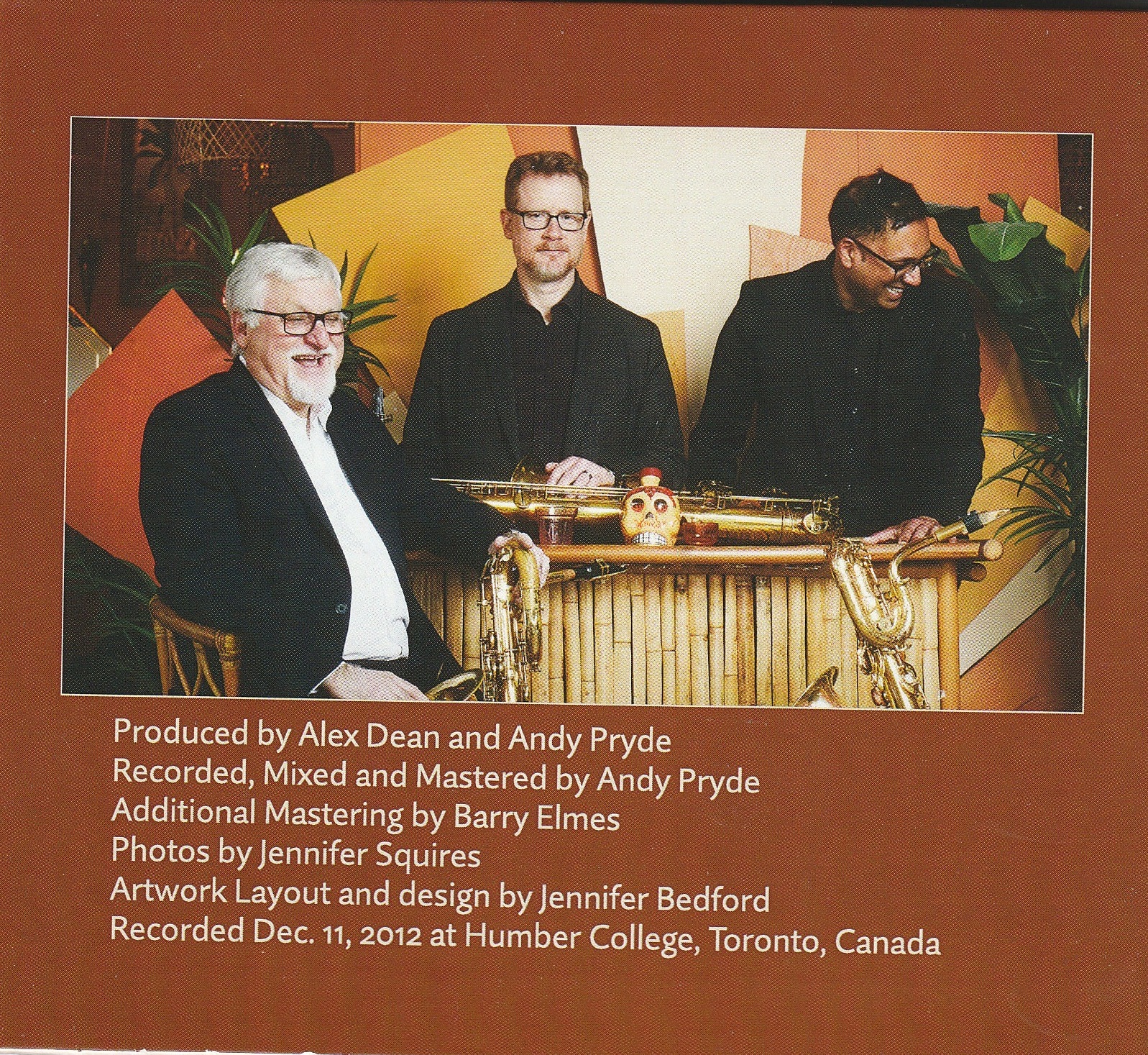
Most jazz fans will remember Gerry Mulligan and Pepper Adams as two famous baritone sax players but otherwise this large full-throated instrument is usually consigned to the end of the saxophone line in a big band. But we now have BARI-ed Alive, a Toronto jazz sextet featuring Alex Dean, Shirantha Beddage and Chris Gale all playing the baritone saxophone, with Jeff McLeod on Hammond B3 organ, Andrew Scott on guitar and Morgan Childs on drums. 

Put it There is the new release from this group and contains nine original tunes all written by members of the band. The album begins with the high energy and quick tempos of Abraca-Pocus and Baritone Boogaloo which provide great grooves and some high-voltage solos. Blues for Owl is slower and bluesier with lots of feeling and a few growls in the solos. Turrentrane is (I assume) a play on the two tenor sax players Stanley Turrentine and John Coltrane and its beginning seems inspired by Smoke On the Water

The tunes are all fairly standard, and offer not surprises but many swinging delights. The “bari” sax is a remarkably expressive instrument and the team of Dean, Beddage and Gale swing hard and blow the heck out of all the tunes. Their rhythm section is also rock solid; McLeod gives us many tasty organ solos and Scott’s guitar intro to Don’t Call Me Victor is simply gorgeous. May I suggest their next album be titled: Three Baris, No Waiting?

Listen to 'Put It There' Now in the Listening Room

06 Saku MantereSaku Mantere – Divine Apology
Saku Mantere; Various artists
Orchard of Pomegranates (sakumantere.bandcamp.com/album/divine-apology)

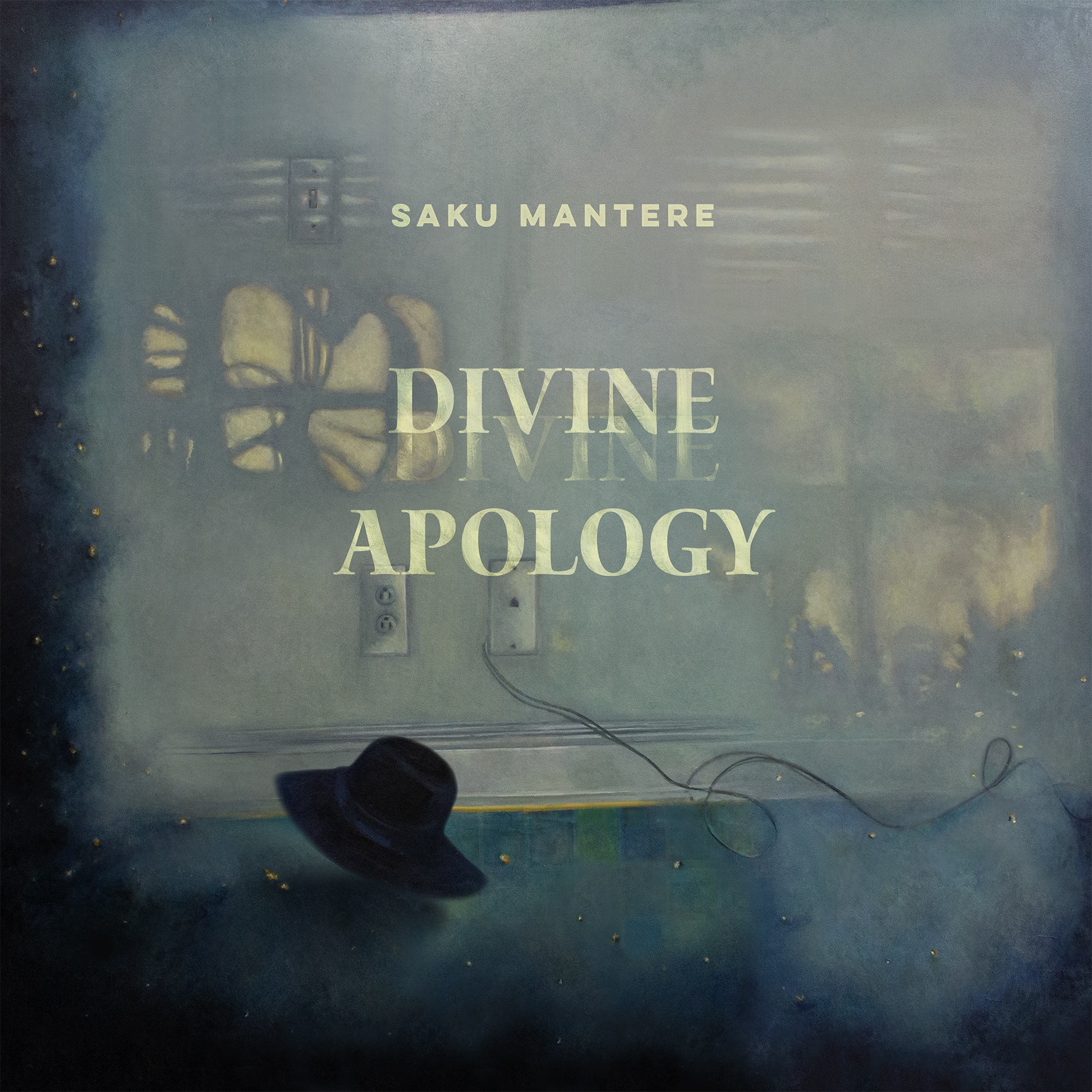
So-called universal themes are bridges, not capsules. They serve to connect and relate our lived experiences, not fold them into each other neatly. Divine Apology is a wonderful network of these bridges. Pulling from the written works of artists from various disciplines including Norman Cristofoli, Dylan Thomas and Kalervo Hämäläinen, the sonic poetry of Saku Mantere breathes new meaning into every line. 

Lapin Äidin Kehtolaulu turns a lullaby into a fleet-footed waltz in which everyone involved rips their solos with such a vigorous fervor that invokes the mother-child dynamic found in the song’s lyrics racing through eternity. Mantere’s vocals personify care and wistfulness, each syllable its own delectable morsel, vibrato conveying more compassionate feeling for the song’s address with each passing beat. There is a bittersweetness constantly permeating through how harmony interacts with lyric, lines like “the circle of life is closing in” from Mantere’s own Not Fair being more an observation or acceptance than a lament. 

On a personal note, I love albums that feel like windows into the room in which they were recorded, and as Adrian Vedady takes an eloquent bass solo while Kate Wyatt paints in the margins with her comping, I feel like I can find physical refuge in the surrounding calm. Divine Apology is a window through and through. It is a window into familiar notions of love, grief, smallness, earnestness and connection. It is a window into how these notions tint Mantere’s world.

07 Trio of BloomTrio of Bloom
Craig Taborn; Nels Cline; Marcus Gilmore
Pyroclastic Records PR42 (trioofbloom.bandcamp.com/album/trio-of-bloom)

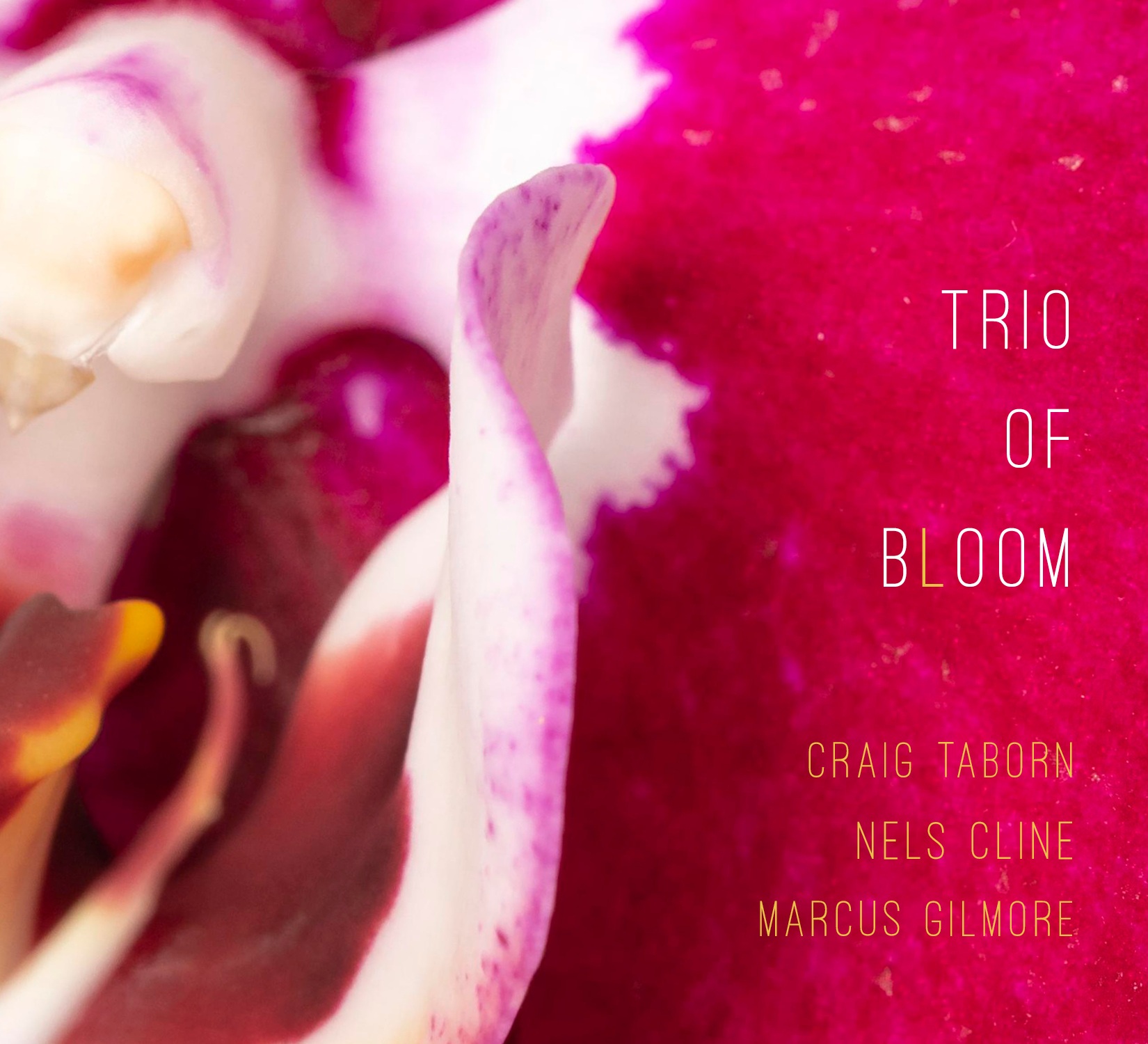
Besides the abundantly obvious fact that it is scientifically impossible to go wrong with this lineup of musicians, one striking thing about the debut recording of this super trio is how it stands as a testament to how much more experimenting and boundary-obliterating still remains to be done in careers this storied. Each musician is a loose spigot of cascading ideas and moments of profound motivic force, the union of which gives each improvisation a shapeshifting quality. 

Signposts reached in soft alignment, growths develop organically rather than methodically, an unspoken knowing that renders even the dizzying Unreal Light five-five-four-four metric cycle intrinsic to owning a pulse. Craig Taborn’s keys and Nels Cline’s guitar bite, ravage, warmly embrace, coalesce, and repel the air, while drummer Marcus Gilmore channels fluid deposits of universal energy, dancing currents through the mind’s eye. Music that finds itself woven into the fabric of everything that has been and will follow, all while finding its own outpost in the midst of the living. Even as time is manipulated by phrases that feel unsusceptible to the trappings of any bar lines, it is seldom wasted. When a song like Diana is three minutes, it need not run a second longer, even as sentences run on without periods, and a simple gesture contains all the narrative depth of an epic. 

Trio of Bloom is music for rare moments of stillness in our world, letting one’s imagination run amok, and for awesome music’s sake.

08 A Day in the Life OfA Life in the Day Of
Gabriella Cancelli; Lori Freedman; Stefano Giust; Giorgio Pacorig; Paolo Pascolo
Setola Di Maiale SM 4950 (setoladimaiale.net/catalogue/view/SM4950)

Souvenir of a busperson’s holiday in Italy by Canadian bass clarinetist Lori Freedman, the two long improvisations that make up A Life in the Day Of find her in buona compagnia with sympatico local improvisers flutist Paolo Pascolo, trumpeter Gabriele Cancelli, percussionist Stefano Giust and pianist Giorgio Pacorig.

Introduced by keyboard clips and trumpet yelps, the players pound, project and pepper the expositions with all manner of distinct, dissonant and defining sounds while maintaining a logical flow. As Freedman’s thickened chalumeau snores and clarion tongue stops emerge, she infrequently trades places with Pacorig’s percussive key clips and strummed strings or Giust’s crunches and shuffles to preserve the continuum. Cancelli’s brassy grace notes constantly move up the scale when not intersecting with the others for linear motion, while Pascolo’s flute trills create ethereal counterpoint, except for rare pivots when his bass flute pressure reaches a low-pitch ostinato.  

As passages shift from mellow to multiphonics, each player seems determined to expose every variable tone from plunger growls to ascending peeps to distant breaths. Climax is reached during the final section of A Life In The Day Of (Part II). The pianist’s shift to indicative swing draws out drum rim shots and vocalized half-valve trumpeting so that even Freedman’s intense split tones fit into the finale. 

With its concluding rhythmic emphasis and continuous sound explorations the session fascinates and proves how improvisers from different countries can efficiently reach the same groove.

09 UnseparateUnseparate
Webber/Morris Big Ban
Out of Your Head Records OOYH 037 (outofyourheadrecords.com/news/2025/7/22/pre-order-webbermorris-big-band-unseparate-ooyh-037)

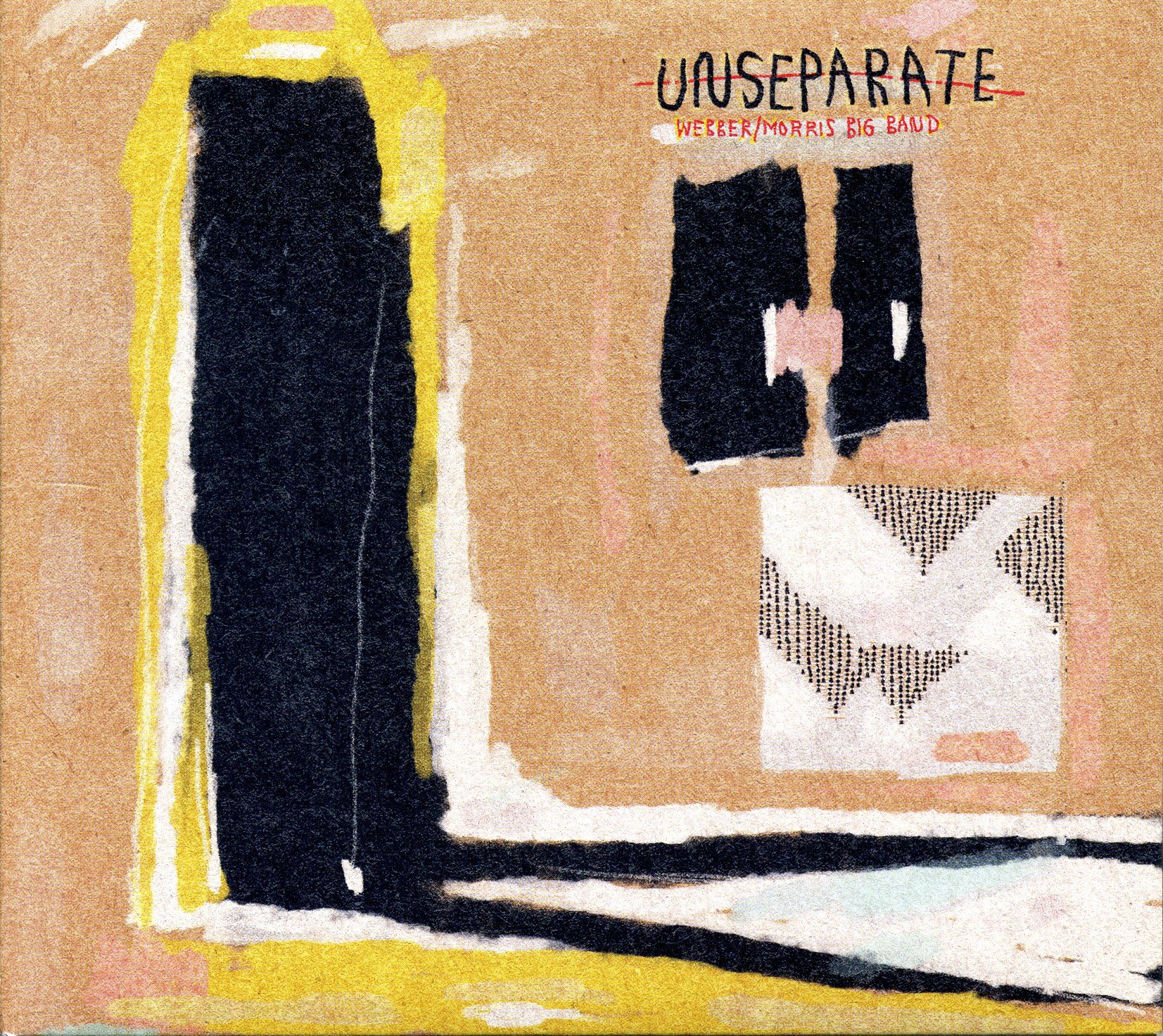
Recalibrating big band music for the 21st century with sophisticated arrangements and solo space for most members of this 19-piece New York ensemble are two expatriate Canadians, who co-lead, conduct and play tenor saxophones and flutes: Ontario’s Angela Morris and B.C.’s Anna Webber. 

Led by Morris and Webber since 2015 and continuing the sonic experiments of the band’s debut release from 2019, Unseparate includes the four-part Just Intonation Etudes For Big Band; segments of the title suite interspaced throughout the disc; and three standalone compositions. The latter pseudo-concertos include interludes like Yuhan Su’s vibraphone resonations, alto saxophonist Jay Rattman’s tongue stops and Jen Baker’s trombone plunger growls. An unabashed blues, balanced on Dustin Carlson’s guitar twangs Microchimera is most notable as brass and reed sections bolster and buttress Webber’s flute trills and Jake Henry’s heraldic trumpet screeches.

Even more assured are the long form compositions, especially the Etudes. Morris’ clarion reed stops introduce the throbbing theme which steadily ascends alongside group dynamics as contrapuntal sequences dominate the brass and reeds. While the tracks inflate and ascend, tolling vibe slaps, Jeff Davis’ drum ruffs and Lisa Parrott’s baritone saxophone burbles preserve linear evolution as overlapping respites from Tim Vaughn’s plunger trombone blasts and squeezed brass triplets. Before dissolving into cacophony, sections return to straight-ahead emphasis with artful reed pulses and percussion thumps. 

An exemplar of cultivated big band writing and playing, Unseparate may have been created in the U.S., but like the Auto Pact needs Canadian input to be put into motion.

Back to top