Strings Attached - October 2026
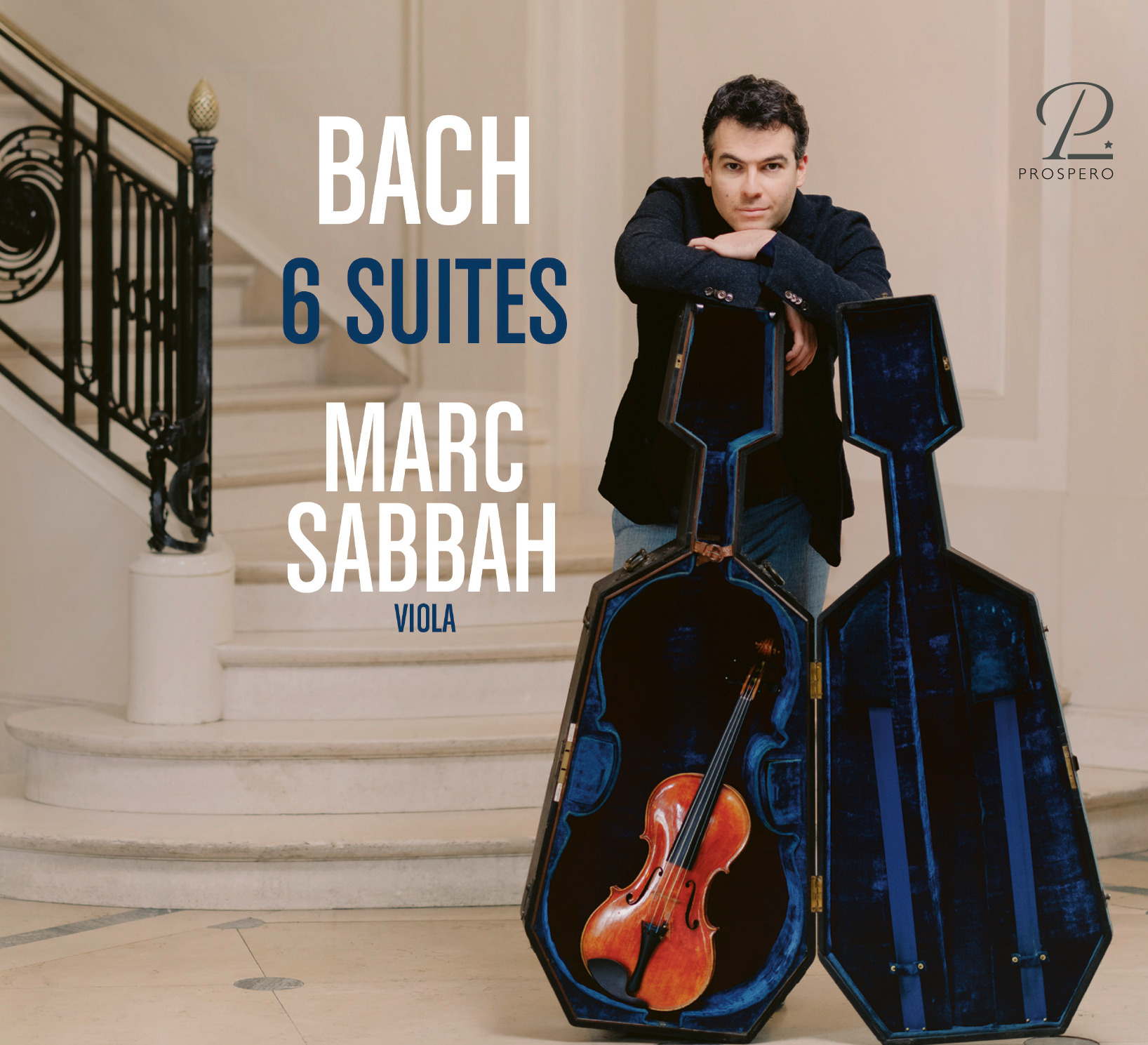 On BACH 6 SUITES violist Marc Sabbah presents the Six Suites for Solo Cello BWV1007-1012 in simply outstanding performances on viola (Prospero PROSP58580 8merch.shop/products/marc-sabbah-bach-suites-1-6-played-on-the-viola-cd-pre-order?variant=57370603553150).
The viola is tuned an octave above the cello, so while the relationship of the notes to the strings is unchanged the higher range results in a lighter and more translucent sound.
Sabbah’s approach mirrors that of several current soloists when recording the Bach solo string works. For years the top players seemed to wait until they felt they had a definitive personal interpretation to preserve, whereas now there is an awareness that these works will grow with you throughout a lifetime of performing, and that one single recording will never be either definitive or sufficient.
Sabbah says: “My own interpretive journey with these six suites has been one of the most satisfying and challenging experiences of my life, and one which will surely continue to evolve. I hope to re-record them many years from now, not primarily to pit the two recordings against one another, but to reflect on the evolution of a life in music which they represent.”
If it turns out to be even better than this, I would love to be around to hear the result.
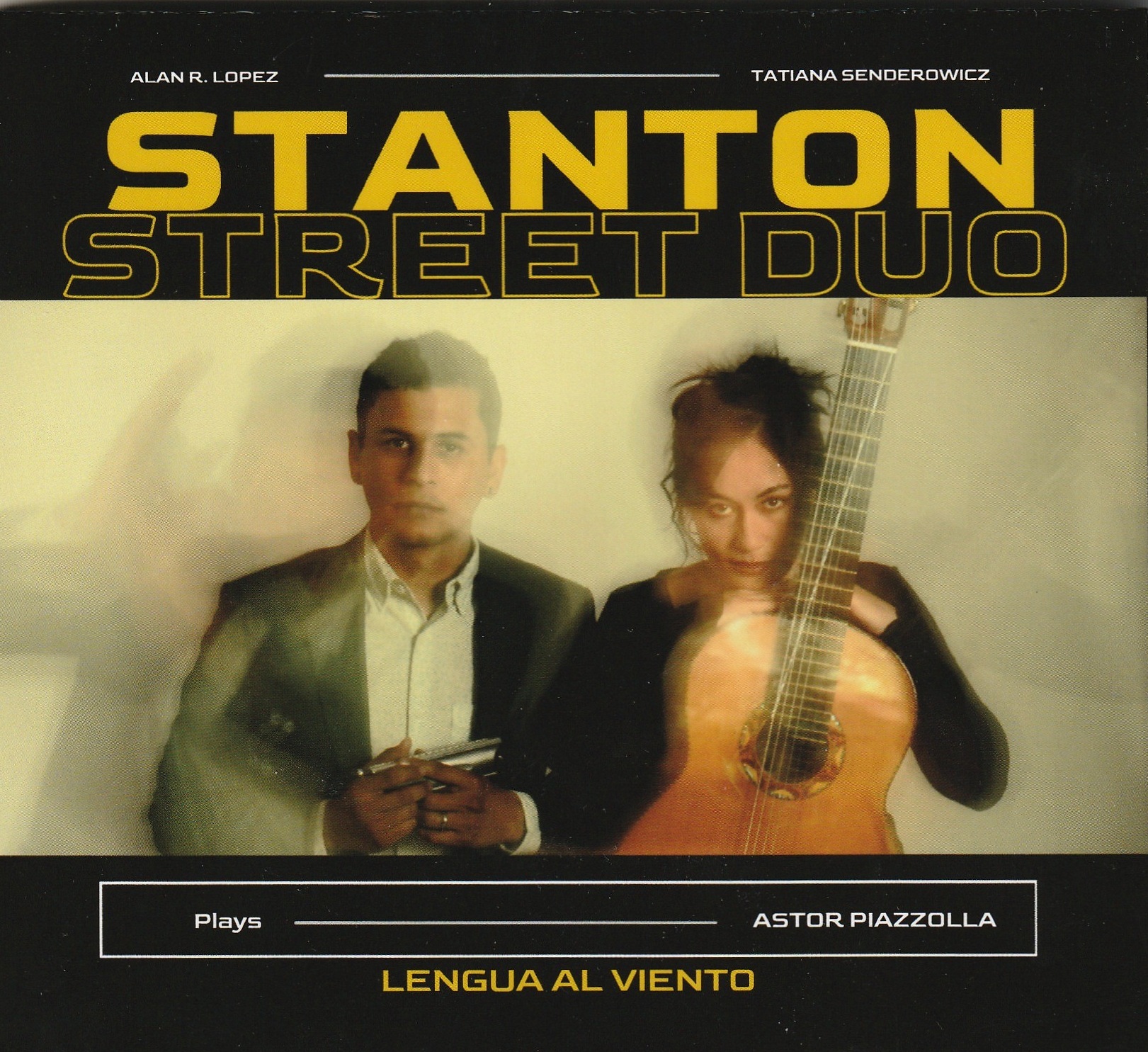 Although they both belong to the same instrumental family it’s never really occurred to me how closely the harmonica and bandoneon share the same sound quality, but on the remarkable Lengua al viento – Stanton Street Duo Plays Astor Piazzolla (stantonstreetduo.bandcamp.com/album/lengua-al-viento-stanton-street-duo-plays-astor-piazzolla) we are treated to an absolute masterclass in chromatic harmonica playing by Alan R. Lopez, beautifully accompanied by Tatiana Senderowicz on 7-string guitar in a fascinating recital of their own arrangements of tango music.
The teenage Piazzolla apparently tried to steal a chromatic harmonica from Macy’s in New York, having dreamed of owning one before his father gave him a bandoneon, so the validity of this instrumental grouping is never in doubt.
There are seven pieces by Piazzolla – Libertango, Chiquilin de Bachin, Fracanapa, Soledad, Zita, Café 1930 and Yo Soy Maria – together with Sergio Assad’s Midnight Tango Pursuit, Franco Luciani’s Piazzollarmonica solo number, and Lopez’s own title track Lengua al viento (“tongue in the wind”).
It’s brilliant stuff, my only disappointment being the length of the CD at 41 minutes; it could have been twice as long and I still wouldn’t have had enough. Watch them play Zita on YouTube and you’ll see – and hear – what I mean.
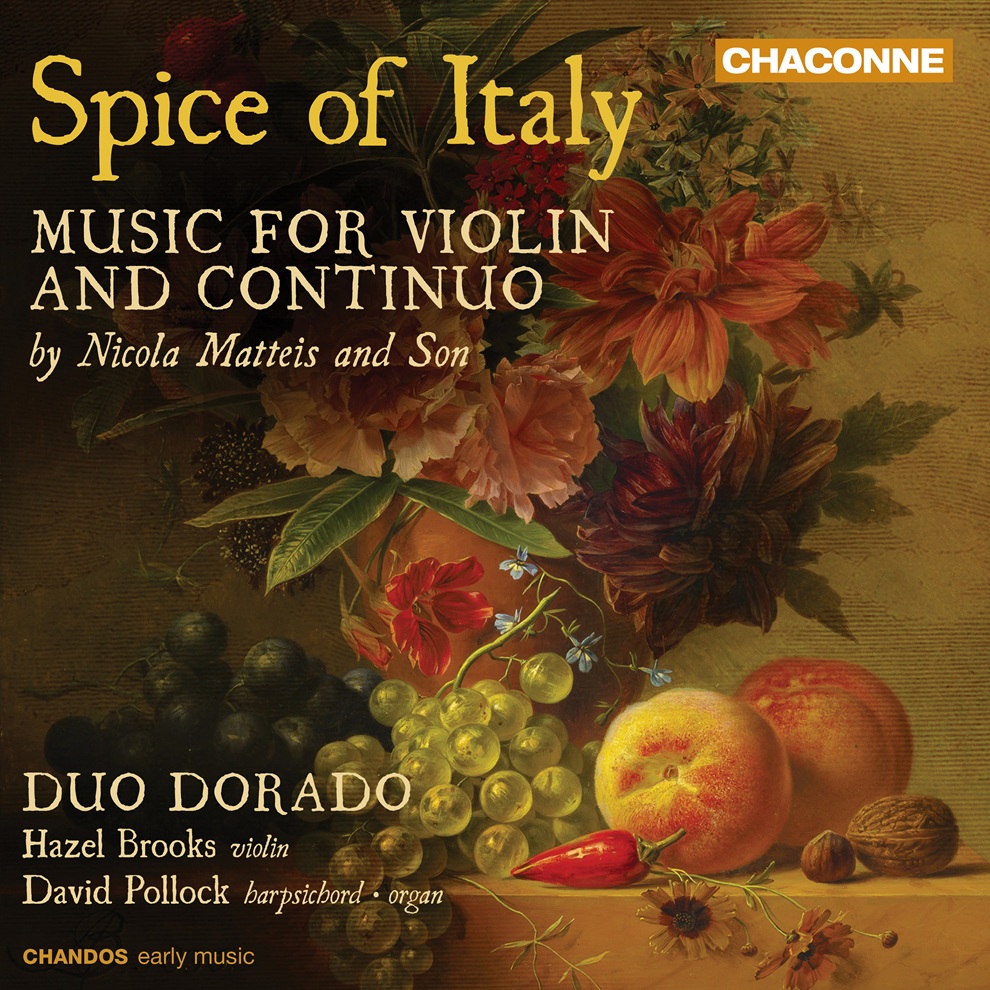 The Duo Dorando of violinist Hazel Brooks supported by David Pollock on harpsichord and organ presents Music for Violin and Continuo by Nicola Matteis and Son in outstanding performances on the CD Spice of Italy (CHANDOS early music CHACONNE CHAN 0831 chandos.net/products/catalogue/CHAN%200831).
In her excellent booklet essay Brooks notes that when Matteis Senior (c.1645-c.1699) came to England pre-1671 he was the first significant Italian violinist to arrive, his dazzling technique and extremes of musical expression transforming the English violin-playing scene; his influence, she says, “cannot be overestimated.”
The majority of the music here is from four printed books of Ayres for the Violin by the elder Matteis, volumes 1 and 2 from 1676 and 3 and 4 from 1685 containing more than 210 movements; performers were apparently expected to construct their own suites from selected movements, as Brooks and Pollock have done here. There are six Sets of Movements, together with a Ground after the Scotch Humour and the unpublished Variations on La Folia.
Nicola Matteis Junior grew up in London, and was taught by his father, moving to Vienna in 1700 and dying there in 1737. His two Sonatas in C Minor and A Major pre-date 1700, and show a stylistic departure from his father’s music.
The CD’s title comes from a quote by Matteis’ personal friend Roger North: “Nothing in towne had a relish without a spice of Itally.”
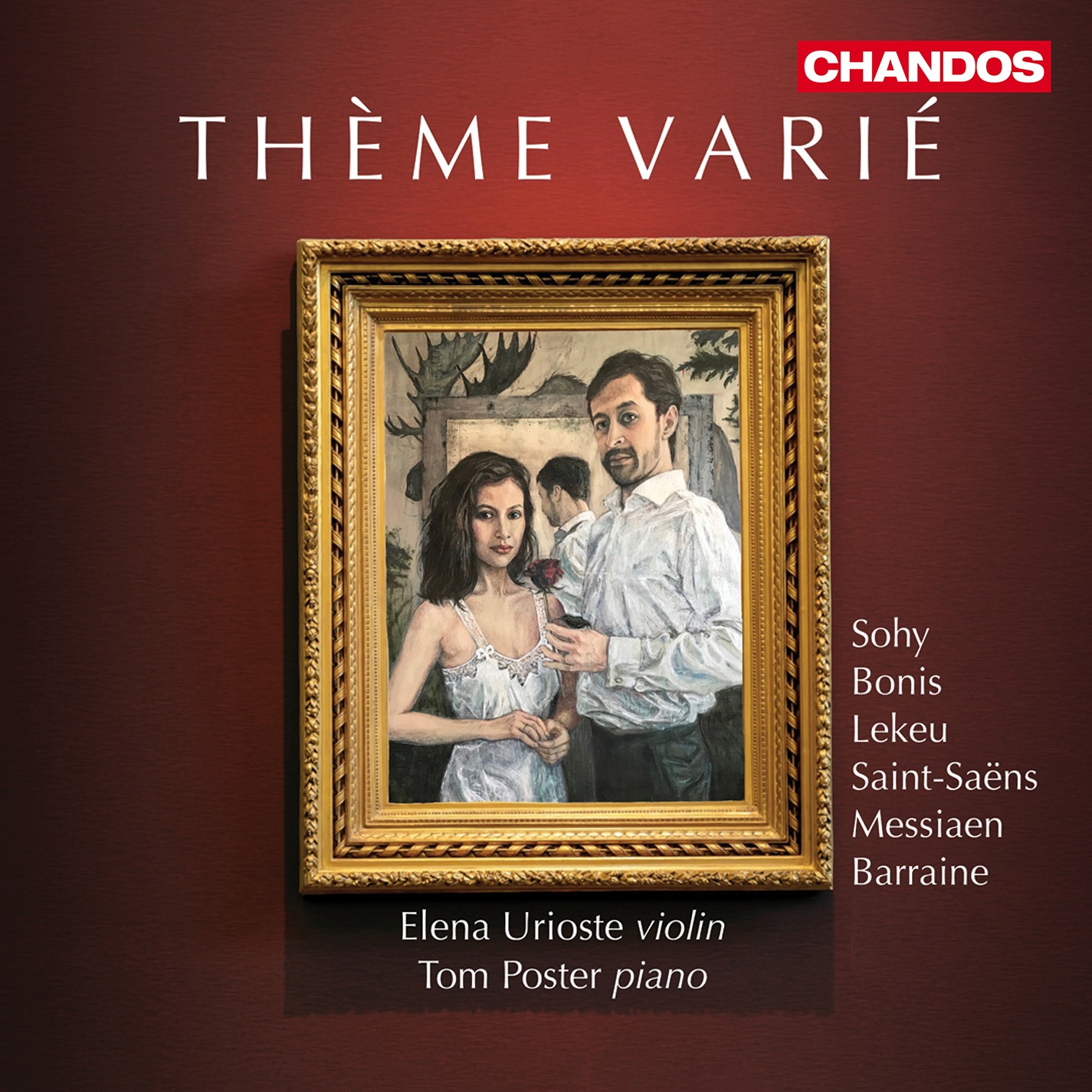 With Thème varié, the outstanding duo of violinist Elena Urioste and pianist Tom Poster, returns with another superb CD to follow their 2024 recital of French music on Le Temps retrouvé, this time with a programme described as a treasure trove of lesser-known French and Belgian repertoire spanning the 40-year period from 1892 to 1932 (Chandos CHAN 20380 chandos.net/products/catalogue/CHAN%2020380).
The central work on the disc is the remarkable 1892 Sonate by the Belgian composer Guillaume Lekeu, written two years before his death from typhoid the day after his 24th birthday. The duo feels that it surpasses the Franck violin sonata “in passion, intoxication and ecstasy,” although it’s rarely performed in concert.
A selection of shorter works equally deserving of a wider audience includes Charlotte Sohy’s 1921 Thème varié, Op.15, three pieces by Mel Bonis, the two Saint-Saëns Élégies Op.143 and Op.180 and Messiaen’s 1932 Thème et variations with its glorious fifth variation.
With Urioste`s ravishing tone and Poster`s effortlessly stylish playing it`s just one gorgeous track after another for a generous 72 minutes.
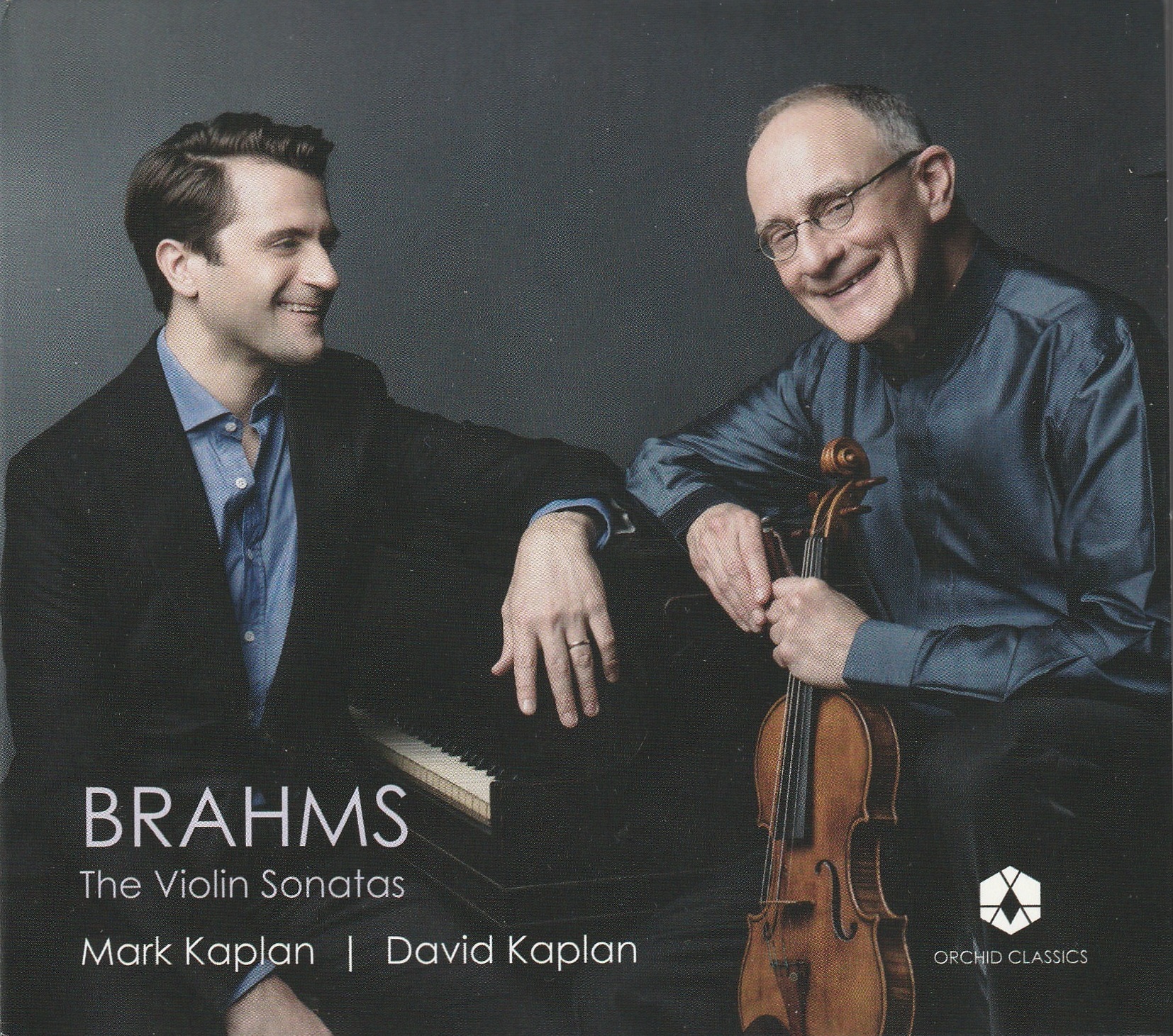 There’s yet another recording of Brahms: The Violin Sonatas – at least the eighth reviewed in the lifespan of this column – this time by the father and son duo of violinist Mark Kaplan and pianist David Kaplan (Orchid Classics ORC100454 orchidclassics.com/releases/orc100454-brahms-the-violin-sonatas).
Chamber music was always a part of the Kaplan family’s life (Mark and his wife met as teenagers while studying with renowned Juilliard School violin pedagogue Dorothy DeLay) and while Mark and David have performed together over the years this is their first album together, one they view as a beginning as well as a culmination. Both had experienced the Brahms sonatas with different duo partners, so the works were obvious choices for this recording.
They’re certainly not powerhouse performances like some of the CD choices on the market. The piano sound is warm and full, while the violin displays less of a passionate dynamic range than you might want, coming across as more restrained and always thoughtful. It’s a very personal recital, perfectly described by David Kaplan when he says “We hope you hear these performances as if entering into the middle of a decades-long conversation.”
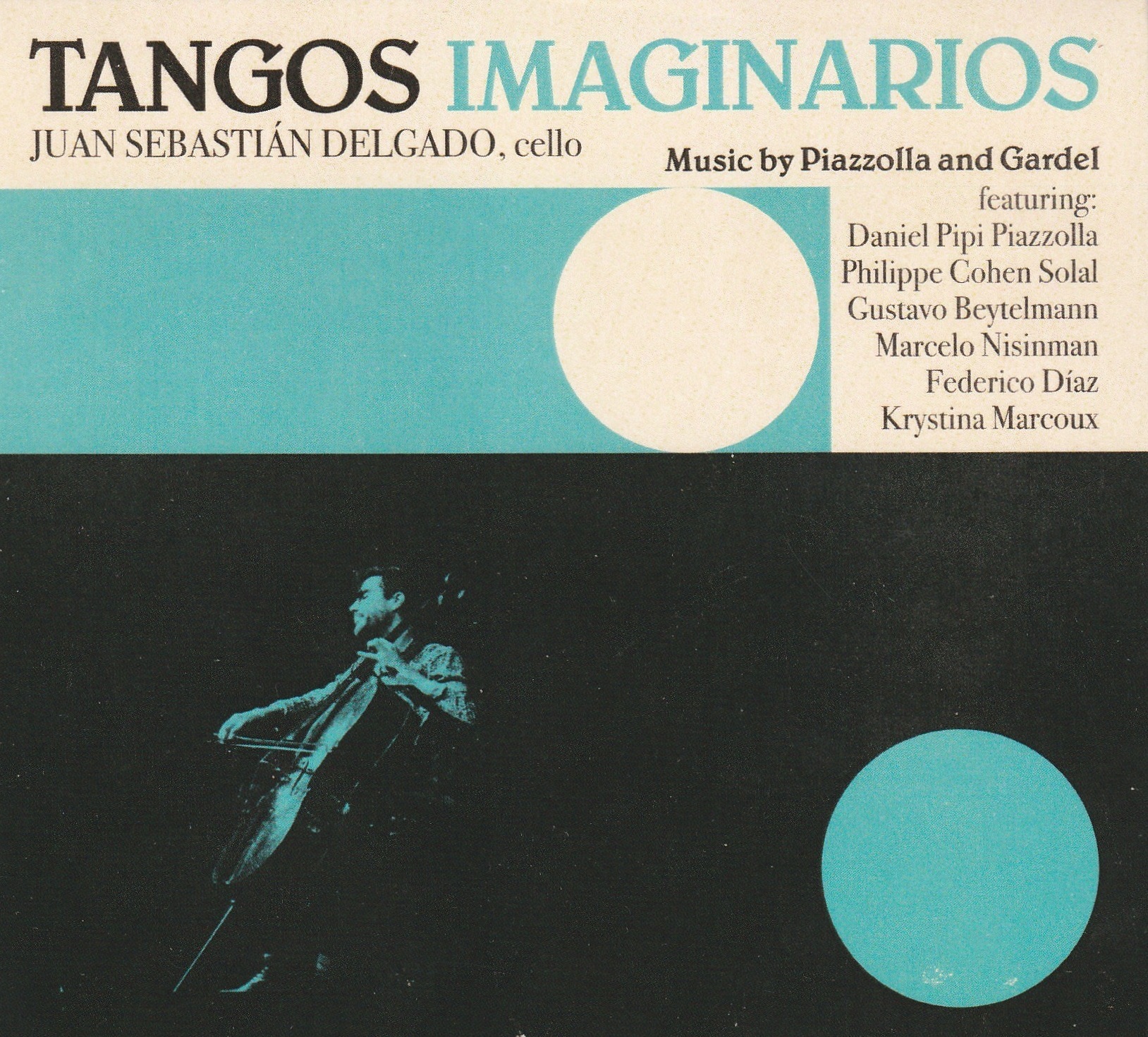 Tangos Imaginarios is the debut solo album from cellist Juan Sebastián Delgado, who earned his Doctorate in Performance from McGill University specialising in contemporary music and nuevo tango (InTempo Musique 9938421904 youtube.com/playlist?list=OLAK5uy_mbyBdV6x1RlE7EJxJ5Gj8_xkkS5VWrygY).
The album is rooted in the music of two iconic tango figures, Astor Piazzolla and the singer/composer Carlos Gardel, Delgado saying that he reinterprets their works through original arrangements written for and in collaboration with him, incorporating improvisations, electronic elements and contemporary aesthetics, and embodying his personal and evolving vision of tango.
Delgado certainly casts a wide net, having recorded the tracks in Buenos Aires, Paris, Montreal and Zurich with an eclectic supporting cast. Gustavo Beytelmann is the pianist on the improvised opening track; Piazzolla’s grandson Daniel Pipi Piazzolla plays drums alongside Federico Diaz on electric guitar on two Piazzolla tracks; Krystina Marcoux plays marimba on Beytelmann’s arrangement of Piazzolla’s Buenos Aires hora cero; Marcelo Nisinman is the bandoneon player on his own arrangements of music by Gardel and Piazzolla; and Philippe Cohen Solal handles the electronics on the final two tracks.
Listen to 'Tangos Imaginarios' Now in the Listening Room
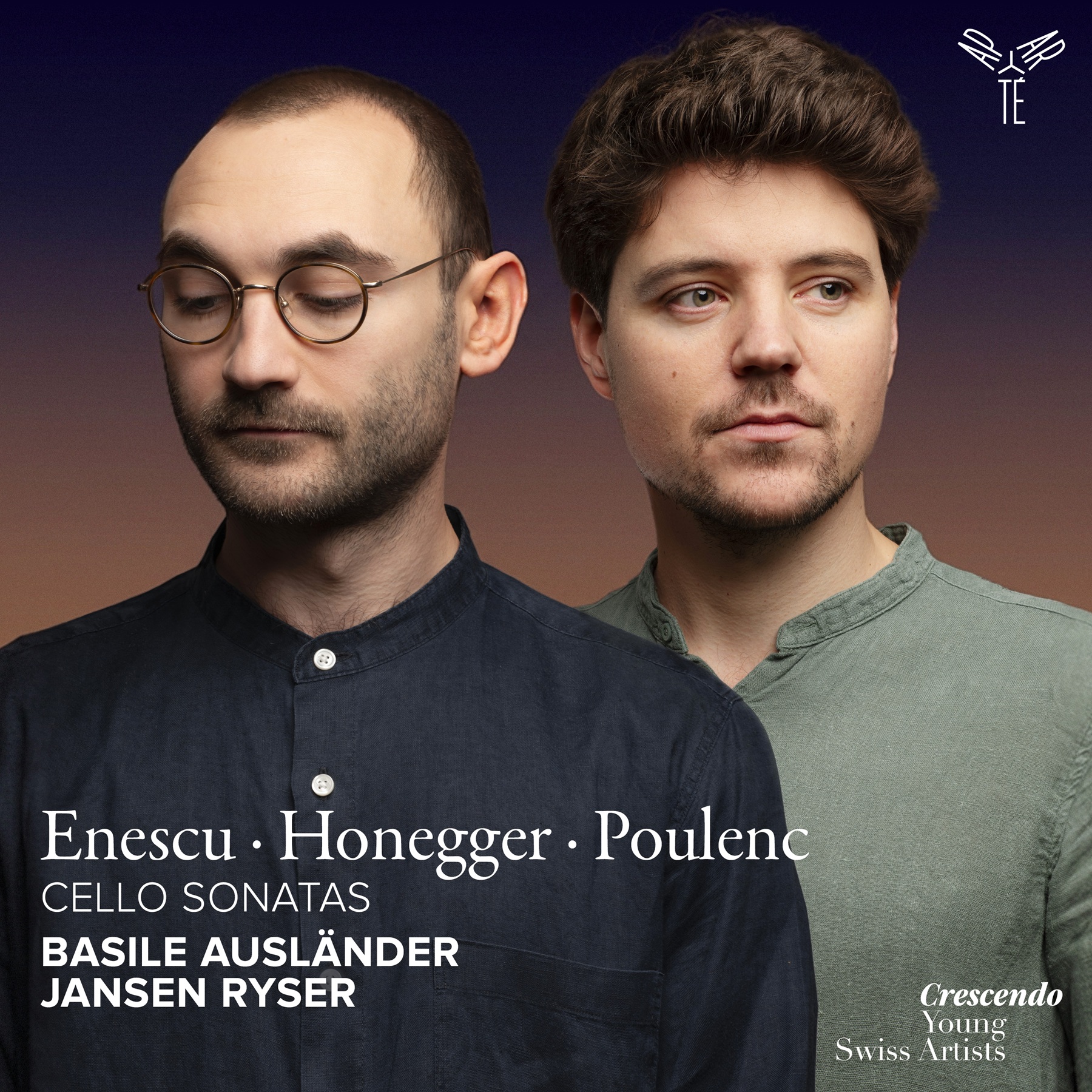 Enescu – Honegger – Poulenc Cello Sonatas, the debut duo recording from cellist Basile Ausländer and pianist Jansen Ryser is described as exploring the musical landscape of the first half of the 20th century by bringing together works from 1920, 1935 and 1948 (Aparte AP415 apartemusic.com/en/album-details/enescu-honegger-poulenc-cello-sonatas).
Arthur Honegger’s Sonata for Cello and Piano H.32 from 1920 is at the centre of the disc. It’s a striking work, written not long after the end of the Great War and reflecting the darkness and uncertainty of a mechanised industrial world that is the War’s legacy.
Dedicated to Pablo Casals, George Enescu’s 1935 Sonata for Piano and Cello No.2, Op.26 No.2 was written with the world once again staring into the abyss, but even with its wide range of influences and moments of nervous intensity its abiding mood is one of serenity. Enescu’s own transcription of the brief Languir me fais from his 7 Chansons de Clément Marot, Op.15 follows the sonata.
Francis Poulenc’s Sonata for Cello and Piano FP143 was written – “fitfully” – between 1940 and 1948, spanning the time from the German Occupation to the Liberation and beyond. It’s classic Poulenc, a constantly changing kaleidoscope of moods.
Ausländer and Ryser are in exceptional form on a terrific CD.
 The Fine Arts Quartet has been around in one form or another since 1946 and has over 260 recordings in its discography, with particular strength in the Classical era. Haydn Mozart Beethoven is a reissue of beautifully resonant recordings made in London’s St. Barnabus Church in 1986, when the line-up was violinists Ralph Evans and Efim Boico (both still current members), violist Jerry Horner and cellist Wolfgang Laufer (Les Palais des Degustateurs PDD054 lepalaisdesdegustateurs.com/store/fine-arts-quartet-haydn-mozart-beethoven).
The recordings were apparently made for the Geneva label Lodia Records, issued as 7701 (Haydn and Beethoven) and 7702 (Mozart). As far as I am able to discover Lodia Records was founded by Argentinian conductor Carlos Paita and went out of business in 2006, but both CD numbers are currently available (amongst other Lodia titles) for download on Presto Music’s UK website. There are extensive booklet notes on the works – Haydn’s String Quartet in D Major, Op.64 No.5, ‘The Lark’; Mozart’s String Quintet No.2 in C Minor, K406 (Jean Dupouy the second viola); and Beethoven’s String Quartet Op.59 No.3, ‘Razumovsky’ – but not a word on the Fine Arts or the reason for the reissue.
Still, why quibble? It’s gorgeous, dazzling playing, and a wonderful record of a world-class ensemble at the half-way point of an incredible life and journey in music.
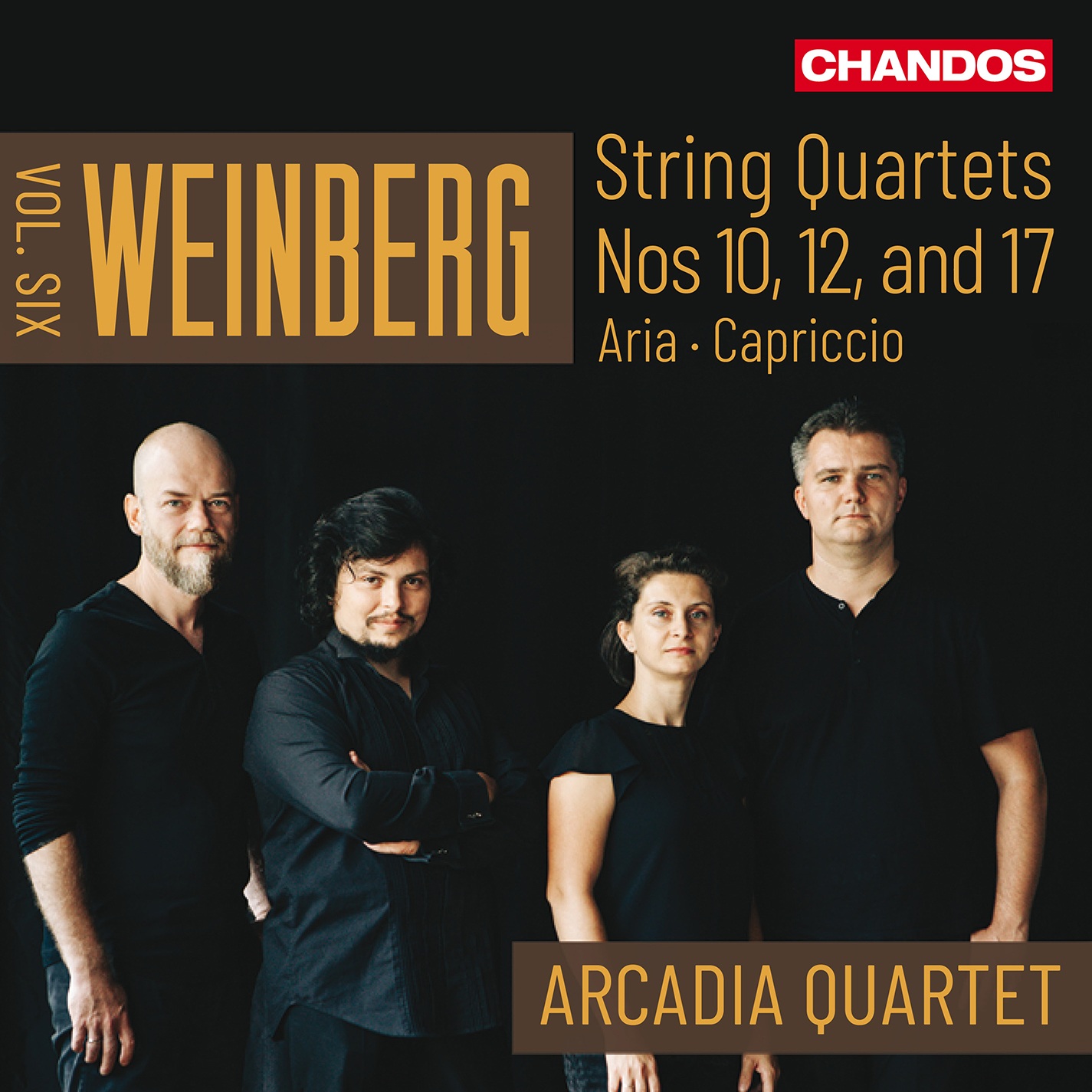 With Weinberg String Quartets Vol.6 the Arcadia Quartet reaches the final volume of a project launched in 2020 to record all 17 string quartets by Mieczysław Weinberg (Chandos CHAN 20363 chandos.net/products/catalogue/CHAN%200831).
Dedicated to Olga Rachalskaja, a friend of his daughter’s who became his second wife in 1970, the String Quartet No.10 in A Minor, Op.85 was written in July-August 1964, a few weeks after the tenth quartet by Weinberg’s close friend Shostakovich. It follows the same slow-fast-slow-fast format and inhabits the same sound world, albeit with a more assertive character.
The String Quartet No.12, Op.103 was written between August 1969 and May 1970, and is dedicated to Veniamin Basner, a pupil of Shostakovich and a mutual friend. It’s an expressive and wide-ranging work with some twelve-tone elements – again following the example of Shostakovich in his twelfth quartet – and the clear influence of Bartók. The quartet ends with an enigmatic col legno chord played 32 times.
The String Quartet No.17 in D major, Op.146 is from October 1986 and was dedicated to the Borodin Quartet on their 40th anniversary. It quotes liberally from the composer’s earlier works.
Two brief early works, the Aria, Op.9 from 1942 and the Capriccio, Op.11 from 1943 complete an outstanding disc and series.
 Friction Quartet violinist Kevin Rogers notes that the album Proper Nostalgia was partially inspired by the Attacca Quartet’s Real Life, an album he feels created a work of studio art, transforming what a string quartet album could be. The Friction Quartet consequently commissioned several pieces to be written for the studio, the composers given complete freedom in how they would approach this (Aerocade Music AM021 frictionquartet.bandcamp.com/album/proper-nostalgia).
The four-part DIRTWORK by Michi Wiancko displays rhythmic drive, moving from “a deep space within ourselves” to an open blossoming before turning inward again.
Andrew M Rodriquez’ seven-part Proper Nostalgia is described as a piece intended to be recorded, the final “work” being the recording and not the score. Two types of recording were used: raw “home” recordings made by the quartet members in their own personal spaces; and various levels of artificiality in the studio, with electronic synthesis and overdubbing.
Unveiling, by Isaac Io Schankler is the most striking and immediately accessible work on the disc, referencing Shostakovich and Beethoven in its four intense sections. The dreamy Inner Orbits by Alex Dowling completes an intriguing CD.
Listen to 'Proper Nostalgia' Now in the Listening Room
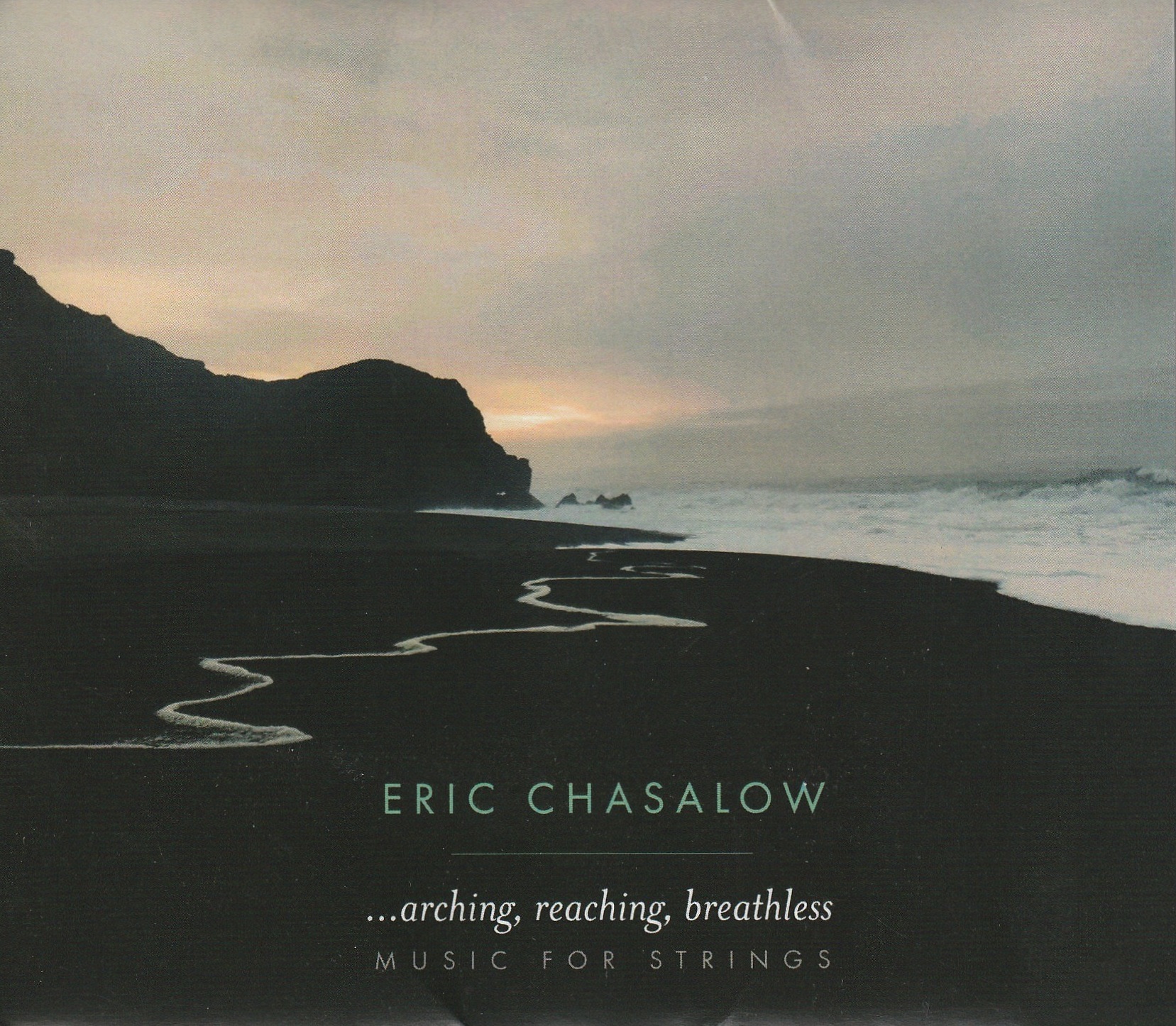 The music of American composer Eric Chasalow is featured on …arching, reaching, breathless, a collection of his music for strings that balances his extensive work in electroacoustic contexts with his straight chamber music (New Focus Recordings FCR468 newfocusrecordings.bandcamp.com/album/arching-reaching-breathless).
The Lydian String Quartet is at the centre of a programme that actually features very little electronic material. Additional performers are Mari Kimura (violin), Sam Kelder (viola), Hannah Collins (cello), David Russell (cello and vocals) and Steven Beck (piano).
Kimura is the excellent soloist in a 2022 work inspired by the Icarus and Daedalus myth, The Wings That Bear the Night Away for violin and fixed media, the electronic part fashioned from pre-existing string quartet material. Also from 2022 is the Third Piano Trio: Rock Hill Variations, a single movement work dedicated to Aaron Copland.
Two poems by Wallace Stevens (1879-1955) – The Snow Man and Disillusionment of Ten O’Clock – are heard in 2018 settings for cello and live electronics, with cellist David Russell reciting or singing the words while playing.
The two major works on the disc are the 2019 Second String Quartet (the 15-minute concert version of an hour-long spatialized performance piece) and the 2009 three-movement String Sextet.
Originally a 1997 piece for flute and piano, To the Edge and Back in the 2022 version for violin and piano ends an interesting disc.
Listen to '…arching, reaching, breathless' Now in the Listening Room
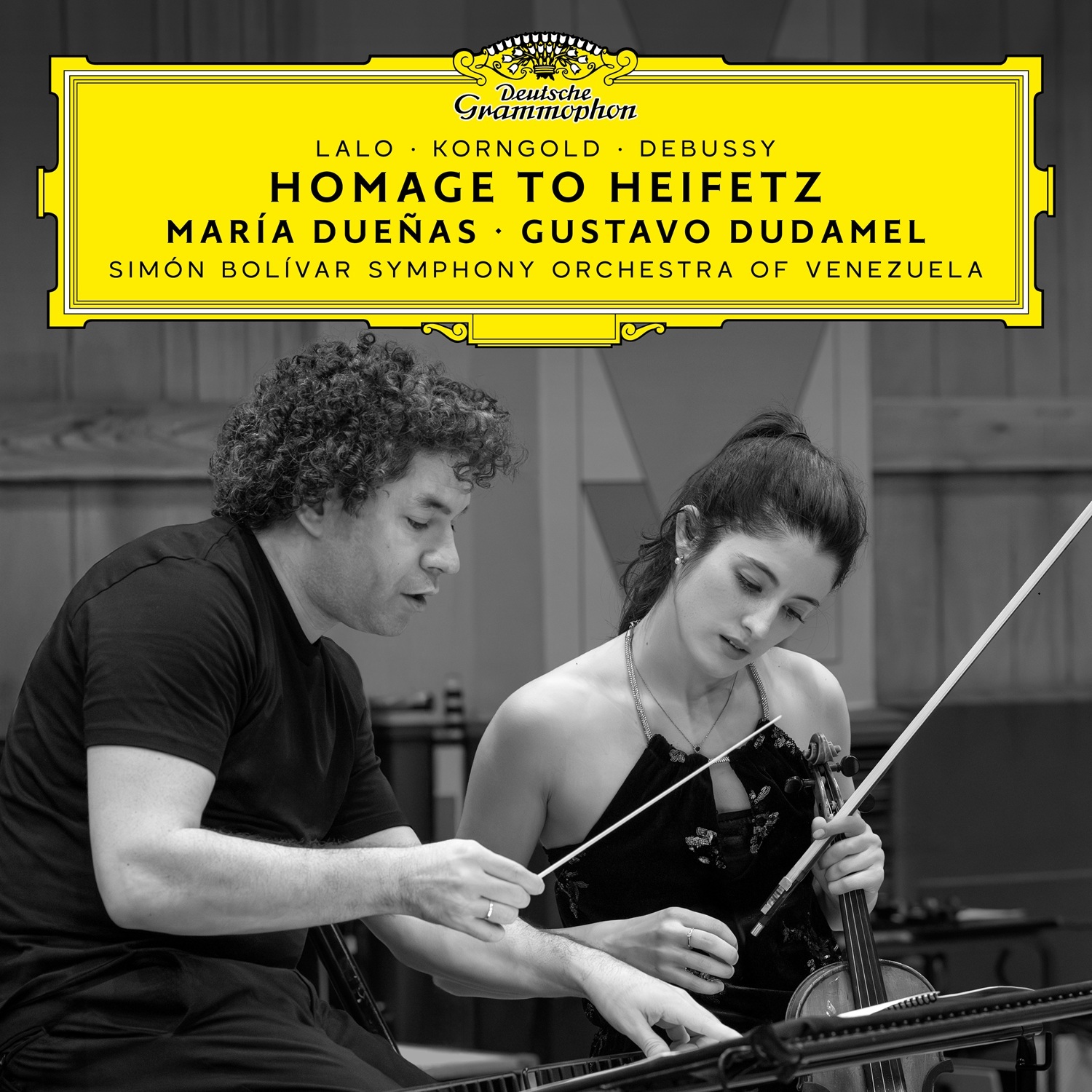 The brilliant Spanish violinist María Dueñas has a new CD featuring the music of Lalo, Korngold and Debussy on Homage to Heifetz, with Gustavo Dudamel conducting the Simón Bolívar Symphony Orchestra of Venezuela (DGG 4867487 deutschegrammophon.com/en/catalogue/products/homage-to-heifetz-mara-dueas-gustavo-dudamel-1420).
Heifetz was an early role model for the young Dueñas, especially through his early 1950s LP pairing of Lalo’s Symphonie espagnole Op.21 and Korngold’s Violin Concerto in D Major, Op.35 (its first recording), and it was that pairing that inspired this new project.
Dueñas really digs into the opening of the Lalo, and clearly understands the Spanish heart of the piece. Her playing of the Korngold is warm and passionate. She mentions “soul and fire” when talking about Heifetz’s playing, and while there’s clearly no attempt to try to emulate his individual sound those two words apply just as aptly to her own playing as well.
The two main works were recorded at London’s Abbey Road Studios, together with an orchestral arrangement of Debussy’s La fille aux cheveux de lin, and there’s a more physical Heifetz connection to end the disc. Recorded in Berlin with pianist Itamar Golan and using Heifetz’s own 1731 “Heifetz, Piel” Stradivarius violin specially loaned for the occasion, Dueñas plays Debussy’s La plus que lente and La chevelure together with Ponce’s Estrellita, the latter two in Heifetz’s own arrangements.