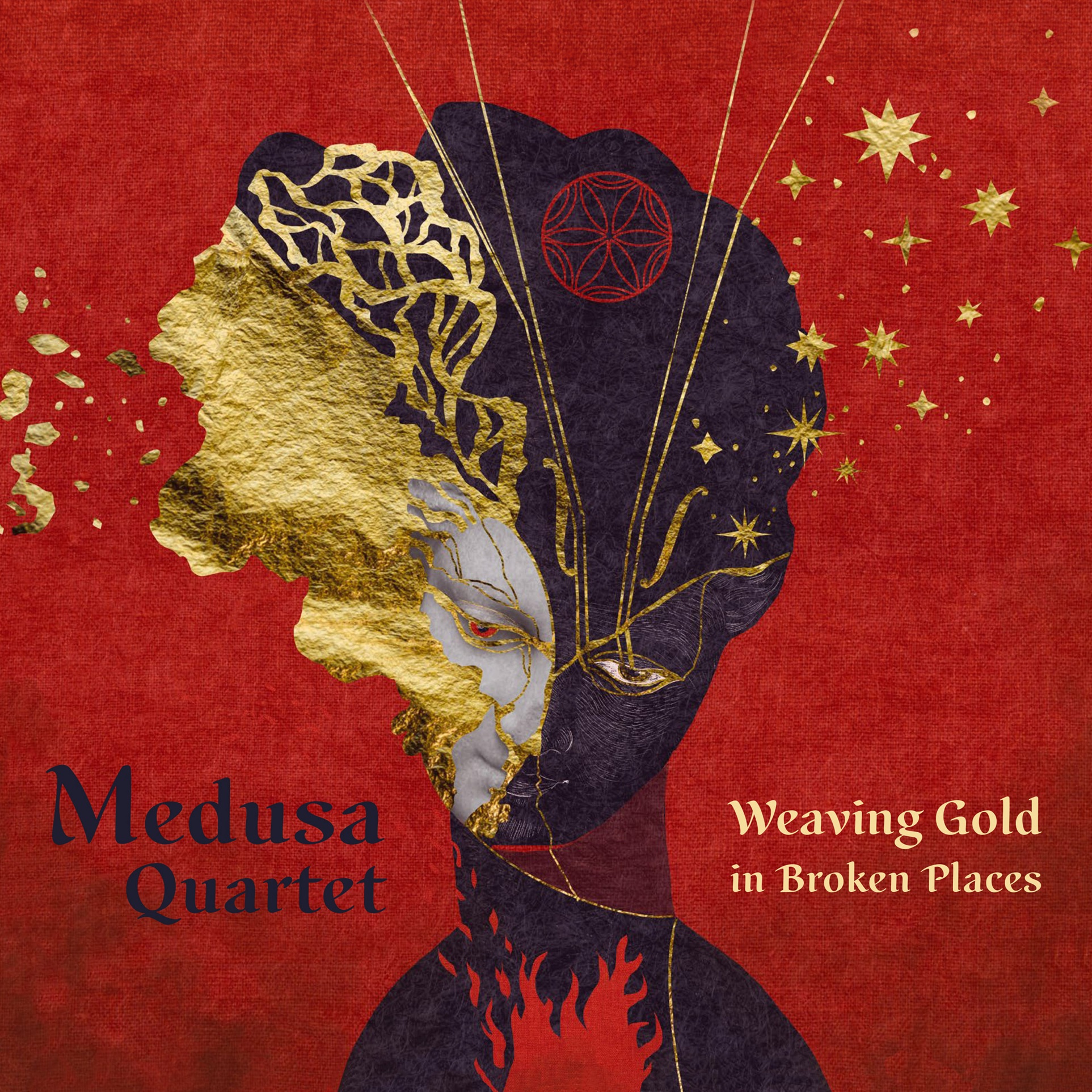
02 Medusa Quartet Weaving GoldWeaving Gold in Broken Places
Medusa Quartet
Independent (medusaquartet.bandcamp.com/album/weaving-gold-in-broken-places-2)

Toronto-based Medusa Quartet – Saskia Tomkins, Marta Solek, Lea Kirstein and Geo Hathaway – create unique global, chamber, and folk music on violin, viola and cello, and such rarely-heard bowed traditional string instruments like the Polish suka, Płock fidel, and Swedish nyckelharpa. Their inspiration to musically blend international, traditional folk and original music in their first full-length album is drawn from Japanese practice of Kintsugi, which mends broken pottery with gold. 

Each composition on this ten-track release is a combination of such styles as chamber, pop, classical and world music. The title track, for violin, nyckelharpa, viola and cello, is composed by Kirstein and arranged by Medusa. It starts slow, with a low pitched, somewhat “sad” melody. This develops into different melodic sections with tight group playing, syncopated rhythms, slightly higher pitched sections, then back to the low theme and a rewarding brief ritardando closing of this folk/classical string quartet.

Kujawiak/Oberek are contrasting Polish dances arranged by Medusa for nyckelharpa, violin, płock fiddle, suka, and cello, the first traditional and the second composed by Sołek. Kujawiak starts slowly, in the lower registers. Love the lower grounding backdrop notes under the expressive melody. Fast Oberek enters with repeated melody lines and toe-tapping rhythms to closing. 

Vulgar Bulgar, composed by Tomkins, features great syncopated melodies, and the pairing of loud rock-like and Bulgarian rhythms. Medusa musicians perform here on nyckelharpa, violin, lyra, and cello and are joined by guest hand percussionist Persian Naghmeh Farahmand.

A “must-listen-to” recording!
Listen to 'Weaving Gold in Broken Places' Now in the Listening Room

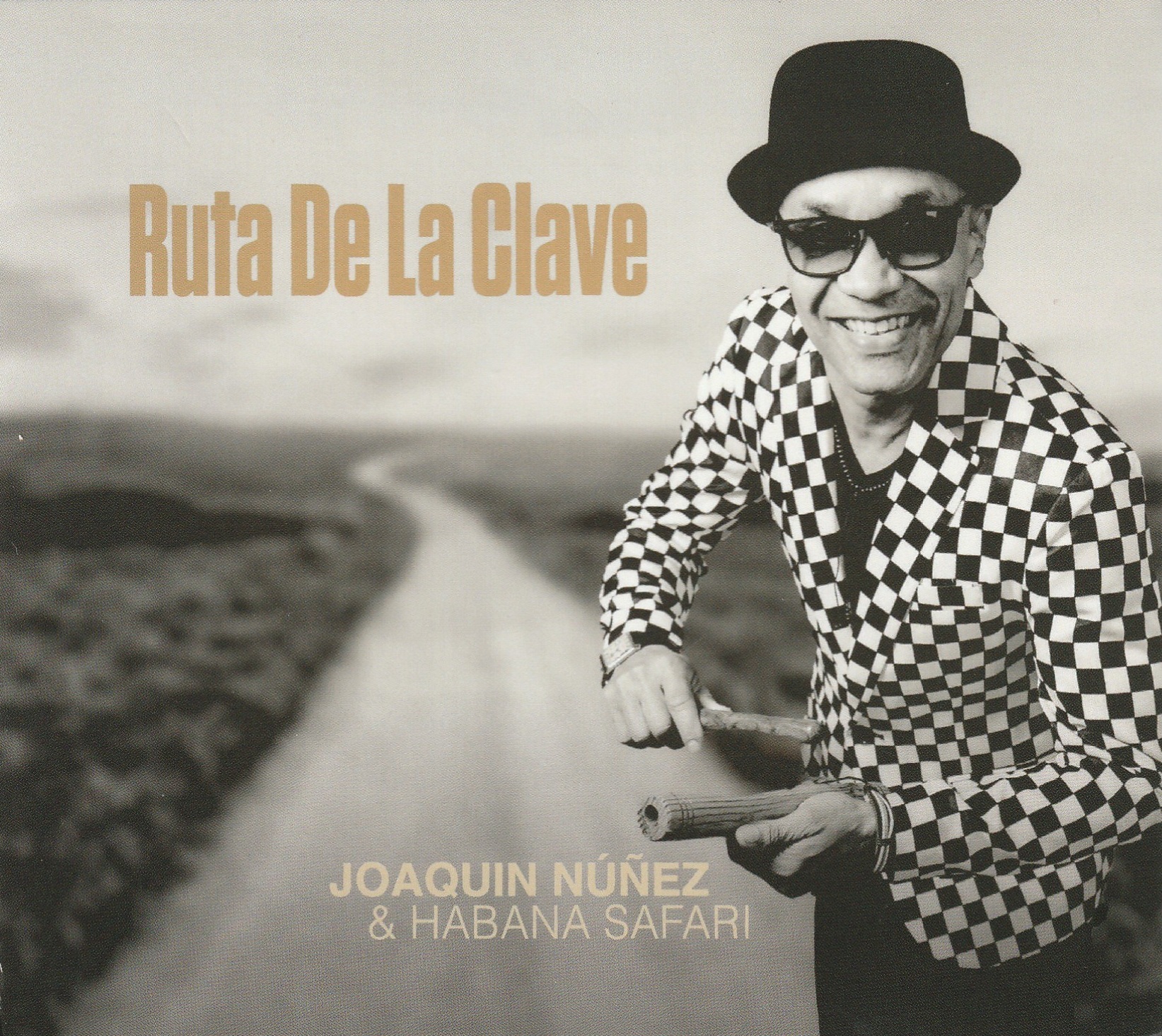
01 Joaquin NunexRuta De La Clave
Joaquin Núñez & Habana Safari
Lula World Records LWR051A (lulaworldrecords.ca/joaquin-nunez-habana-safari)

Five years in the making, noted JUNO-winning, Cuban-Canadian percussionist, composer and producer, Joaquin Núñez has produced an exquisite, contemporary Latin-Jazz recording. Núñez’s partner here is sizzling New York City-based Cuban pianist, Dayramir Gonzalez. All of the superb compositions were penned by the pair, and are a celebration of the essential heartbeat of Afro-Jazz, the “clave” rhythm, which can be found in nearly every Latin-Indigenous culture positioned along the Caribbean slave routes from West Africa.

Although incorporating motifs from a number of Latin musics – this CD is clearly a New York project, infused with Cuban cultural identity, but also baptized in that special energy, creativity and magic that can only be found in one place. Núñez’s gifted colleagues here, include Gonzalez on piano/keyboards, Roberto Riveron and Paco Luviano on bass, Alexander Brown on trumpet and flugelhorn, Jeff King on tenor sax, Luis Deniz on alto sax, Bill McBirnie on flute, Colleen Allen on clarinet, Esteban Vargas on violin and viola, and vocalists Marta Elena, Joanna Majoko and Dyalis Núñez-Machado.

Things kick off with the incendiary Afrocubanos, which features thrilling percussion from Núñez, potent bop-infused horn lines and a face-melting tenor solo by King, as well as a ridiculous trumpet solo by Brown. The listener takes a deep dive into Afro-Cuban mysticism on Mi Changui, supported by dynamic vocals and an exquisite solo from Deniz on alto as well as a volcanic percussion-infused coda.  Other stand out tunes include the stirring title track Ruta De La Clave, which boasts a skilled arrangement with plenty of Cuban flavour, and the magnificent Una Guajira En NY (Cuban country girl in New York), which is loaded with fine bop-centric soloing and continued reverence to the sacred “clave” itself!

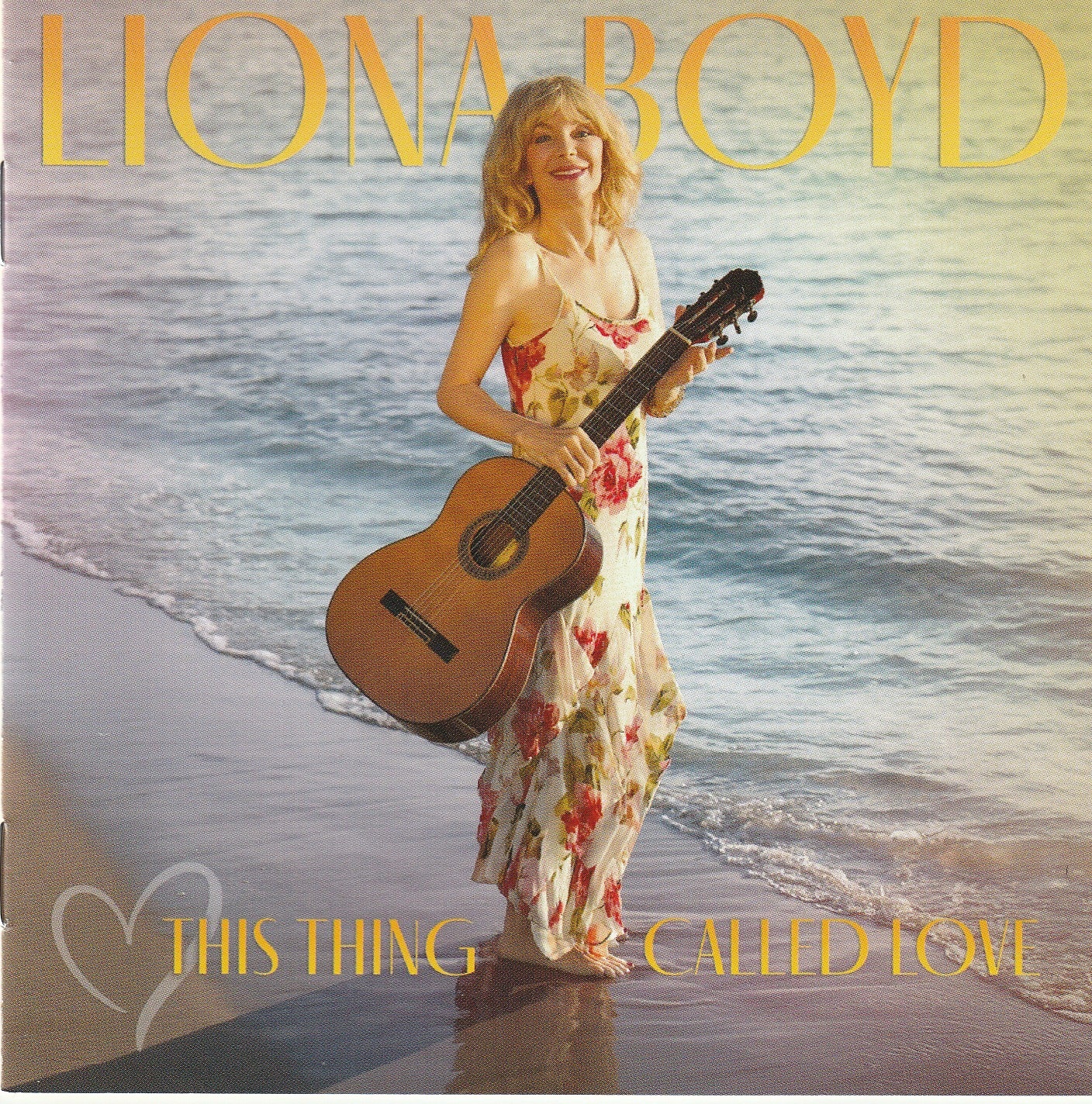
02 Liona BoydThis Thing Called Love
Liona Boyd
Moston Music 471603 (lionaboyd.com)

Internationally renowned, multi-award-winning Canadian musician Liona Boyd blends her classical guitar with folk, pop and Latin music, her singing, and song/lyrics writing skills here. This surprisingly memorable 14-track release, Boyd explains, “covers” her full range of lifetime emotional experiences. It marks her 50-year career, which has included more than 30 recordings.

The first two tracks are covers. The Everly Brother’s Bye Bye Love has Boyd singing with Mark Masri (of The Tenors) in an upbeat rendition with guitar strums and solos. Producer and longtime collaborator Peter Bond’s bass supports Boyd and Srdjan Givoje vocals in Jamaica Farewell. Two of Boyd’s earlier collaborative compositions/recordings are reimagined here. Gordon Lightfoot, a tribute to the late musician’s classics, includes Ronnie Hawkins vocals. Boyd also revisits her collaboration with the late Olivia Newton-John on lead and harmony vocals, with classical instrumental touches in Summer Dreams.

The other tracks are Boyd compositions. My Dog (Dedicated to all animal lovers) is a heartwarming song about pets, in duet with Andrew Dolson, who also plays steel string guitar here. Guitar melody phrasing is perfect. Nice woof-woof like guitar plucks at the ending. My Canada is a rambunctious patriotic work featuring a full orchestra arranged by Mark Lalarna, choirs and numerous Canadian vocalists. Boyd passionately expresses her personal feelings in the instrumental This Thing Called Love, a moving Boyd/Dolson classical guitar duet. Introspective My Life Alone, and high-pitched Living on Borrowed Time are heartbreaking storytelling songs about the ups and downs of Boyd’s life.

Thanks to this iconic artist for sharing her personal emotions and this marvellous music.

Listen to 'This Thing Called Love' Now in the Listening Room

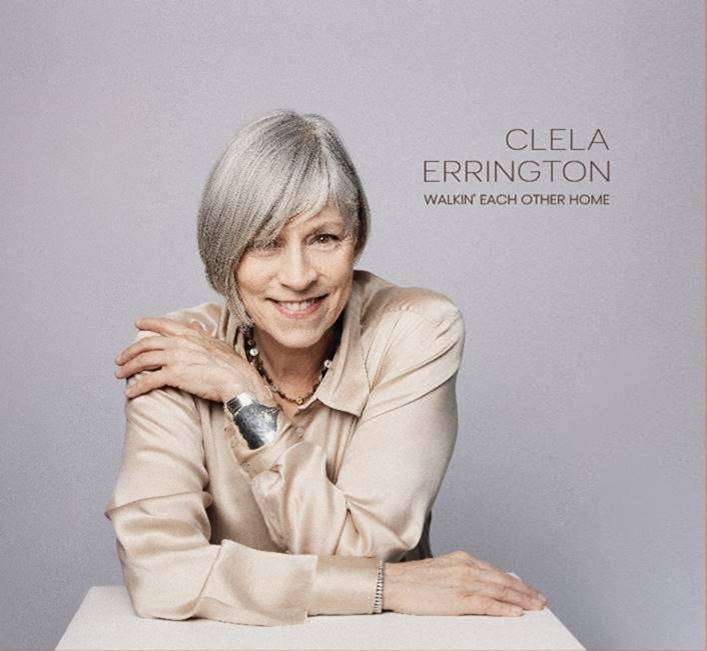
01 Clela ErringtonWalkin’ Each Other Home
Clela Errington
Independent (clelaerrington.bandcamp.com/album/walkin-each-other-home)

In today’s musical world of autotune, synthesized everything and the outright fakery of AI, having a new album of genuine artistry and stripped-down arrangements is a refreshing treat. Imagine someone simply sitting at a mic with an acoustic guitar and singing good songs. What a concept. But that’s exactly what veteran singer-songwriter-guitarist, Clela Errington has done.

Yes, she’s gotten a little help from some very musical friends, most notably blues/roots master Jimmy Bowskill, who does co-producer duty, and plays guitar, mandolin and bass. Other main musicians include Steve O’Connor on keyboards and accordion and Ian McKeown on drums and percussion. But it’s Errington’s soulful vocal interpretations that carry the album, which explores a few styles, but leans heavily toward slow and mid-tempo, bluesy numbers. It opens strongly with a traditional song, I Know You Rider, that kind of puts me in mind of early Stevie Winwood. Careless Love is another traditional song, but in more of a country vein, with a distinct lilt. Got to Make a Change Blues, is a fun sassy cover of a Memphis Minnie blues shuffle designed to get you up on your feet.  

If you’ve not yet heard of Errington, despite this being her fifth album, you could be forgiven, since she spent much of her adult life in Prince Edward Island. But she’s been back in the Toronto area for a while now and can regularly be seen gracing stages here with her warm presence. She often performs with her daughter, singer Jocelyn Barth, who lends her voice to two tracks here, including the Errington original that closes out the album, Full Moon Dark Time, and the blend is exquisite.

Overall, Errington’s warm vocals and accessible style, along with the intimate recording technique, make Walkin’ Each Other Home feel like a good friend is sitting right over there singing these songs just for us.

ELIANA CUEVAS Mi Pequena Cover 3000x3000Mi Pequeña
Eliana Cuevas; Jorge Glem
Lula World Records (lulaworldrecords.ca/product-page/mi-penqueña-by-eliana-cuevas)

Venezuelan/Canadian/International chanteuse and composer, Eliana Cuevas, has long been acclaimed for her previous six well-received albums and dynamic live performances, as well as for her vision as a bandleader and composer. Her choices are rife with diverse cultural and cross-ethnic musical influences. Cuevas’ Mi Pequena (My Little Girl) was created in collaboration with the well-respected multi-Latin GRAMMY-winning cuatro player, Jorge Glem. The cuatro (sometimes mis-identified as a Ukelele by the un-enlightened) is at the very core of indigenous Venezuelan music, and Glem is one of the foremost cuatro artists to be found on the globe.  

The opening title track was composed by former Cuevas collaborator, the late, iconic Aquilas Baez and features a diaphanous intro by Glem, which is joined by Cuevas’ sensual, sibilant and resonant voice, dancing through this lovely, melodic, folk-inspired composition. Cuevas is blessed with not only a supple vocal instrument, but is also a master communicator – beyond language or culture – existing in the shared musical stratosphere. On La Partida (Simon Diaz/Carlos Bennett) Glem reaches levels of artistry and technique on the cuatro which are breathtaking, as is Cuevas’ powerful and gymnastic vocal. 

Other exquisite tracks include Henry Martinez’ muy romantico ballad, Venme a Buscar. Cuevas exposes her very soul here, using vocal dynamics like a paintbrush. On Glem’s delightful Cambur Pinton, rapid fire Spanish lyrics rendered exquisitely by Cuevas intensify the rhythmic dynamism of Glem and the under-exposed scope of the essential cuatro. Cueva’s only composition here, El Quarto Venezolano (The Venezuelan Fourth) is a stunner, with Cuevas on piano, re-enforcing the rhythmic spine, with Glem’s cuatro and Cuevas’ sumptuous voice weaving a powerful Venezuelan spell that will captivate all listeners of this finely crafted and exceptionally performed recording.

Listen to 'Mi Pequeña' Now in the Listening Room

03 Schmaltz and PepperSchmaltz & Pepper
Schmaltz & Pepper
Independent SP01 (schmaltzandpepper.com/store)

During a “random” chamber music gig he played back in November 2023, stellar musician and principal TSO clarinettist, Eric Abramovitz, commented to fellow virtuoso, violinist Rebekah Wolkstein, that he had always wanted to be in a klezmer band. Wolkstein’s reaction? “Let’s do it!” And right there, she got out her computer, started scheduling stuff and Schmaltz & Pepper was born.

Six months later, the band was playing concerts and summer festivals, wowing audiences with their dazzling mastery and musicianship, performing original, sassy, sophisticated and, yes, schmaltzy (in a good way) material in breathtaking arrangements! 

And now we have their brilliant, eponymous debut CD. Rounding out this klezmer supergroup are three more top-tier, award winning musicians: Drew Jurecka on violin and bandoneon; pianist Jeremy Ledbetter; and Michael Herring, bass. Their jazz, swing, classical, Roma and European folk music infused brand of klezmer is virtuosic, soul-stirring, innovative and just plain fun! The track titles, alone, are entertaining: Mozart the Mensch, Gefilte Fugue, Tango Shmango, Manischewitz Mazurka, to name a few. And then there’s the rip-snorting (pun intended) The Yiddish Bullfighter. Wolkstein, also an accomplished vocalist, treats us to both a humorous lament about trying to find the perfect (non-musician) man in I’m Sorry Mama, and a delightful, “Modern Major General-esque” romp in Evil Eye

Schmaltz & Pepper have upended the traditional boundaries of klezmer music, joyously Stirring the Pot (see track 1) on the Jewish and world music stage.

04a Jussi Reijonen Cover Jussi Reijonen Sayr SaltThirstsayr: salt | thirst
Jussi Reijonen
unmusic (jussireijonen.bandcamp.com)

sayr: kaiho - live in Helsinki
Jussi Reijonen
unmusic (jussireijonen.bandcamp.com)

Guitarist and oud player Jussi Reijonen was born in Finland and raised in Finland, Jordan, Tanzania, Oman and Lebanon, and has spent much of his adult life in the USA. In 2025 he released two albums: Sayr: salt / thirst recorded in a studio and Sayr: kaiho, recorded “Live in Helsinki.” Reijonen’s liner notes explain that the Arabic concept of “sayr” means a “course” or “motion” and in his own music it refers to “a musical pathway unfolding through improvisation” to a “a memory palace of sound.” 

One of the fascinating aspects of these works is the guitar at their centre: a late-40s Gibson LG-2 acoustic that was “gifted to him by a former student.” It is common to hear this kind of guitar playing folk, country or roots music where its lineage has been built, but in these two albums its acoustic properties are moved into a much more exploratory realm and the result is a unique beauty. The music is not as melodic as it is “sonorous” with plucking, eastern minor scales, silences and melancholy riffs that pull a different and inspired resonance from the instrument. 

04b Jussi Reijonen Cover Reijonen sayr kaihoReijonen has stated “sayr is an exploration of the small, the simple and the sparse; the rugged earth” which takes the idea of “roots music” off in a much different direction. For example, the piece salt is 17 minutes long with several different sections and moods: it begins softly with many complex chords plucked and sustained, then moves into a faster section with lyrical swirls and a tonality revealing more of an eastern influence. Repetition is used throughout but each succeeding statement is changed as it reveals another emotion or thought. 

It is an inspiration to hear such meditatively beautiful sounds released from this 80-year-old instrument and I recommend repeated listening for everyone.

Listen to 'sayr: salt | thirst' Now in the Listening Room

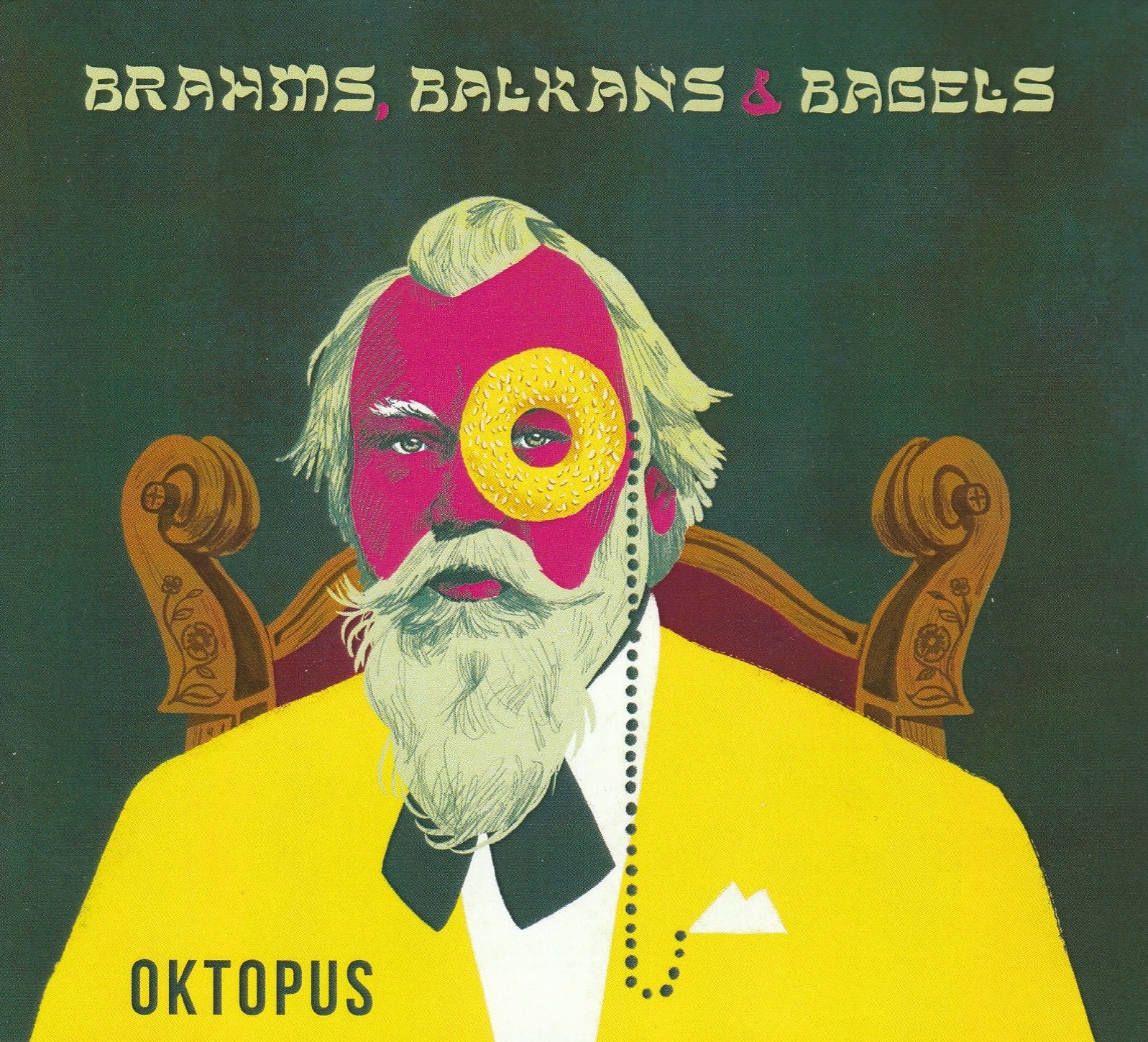
01 Oktopus BBBBrahms, Balkans & Bagels
Oktopus
Independent (oktopus1.bandcamp.com/album/brahms-balkans-bagels)

Formed in 2010 by clarinetist Gabriel Paquin-Buki, Oktopus, the Quebec-based klezmer octet (get it?) dedicates itself to exploring those creative possibilities that reside in the stylistic margins and fuses Western Art Music with klezmer and jazz improvisatory sounds on this terrific release. Brahms, Balkans & Bagels, released through the ensemble’s online Bandcamp site, expands upon and amplifies the influence that folkloric and traditional musical traditions had upon such esteemed art music composers as Brahms, Saint-Saëns and Franz Liszt. Although it is well-known that Béla Bartók and Zoltán Kodály—whose dynamic piece Kállai kettős is performed with aplomb here—were among music’s first ethnomusicologists, less is understood about the ways in which traditional folk music styles inspired other composers from the Western Art Music canon. 

Over 12 fine performances, creative arrangements and engaging sonic fusions where the only constant is musical excellence, Oktopus demonstrates why it has been routinely fêted with nominations for JUNO, Canadian Folk Music, Félix and Opus Awards.  Perhaps most notably, they earned a “special prize for the most creative fusion of ancient and contemporary music traditions,” at the Slovak Radio’s International Competition of Folk Music Recordings in Bratislava. Creative fusions certainly abound on Brahms, Balkans & Bagels. The album’s leadoff track, Mahler Goes Meshuge (Mahler goes crazy) sets the tone for the excellently curated, dynamically performed, inspired arrangements to come. Notable contributions from French chanteuse Janna Kate underscore the fact that there is much to enjoy on this unorthodox, but always musical, new release.

Listen to 'Brahms, Balkans & Bagels' Now in the Listening Room

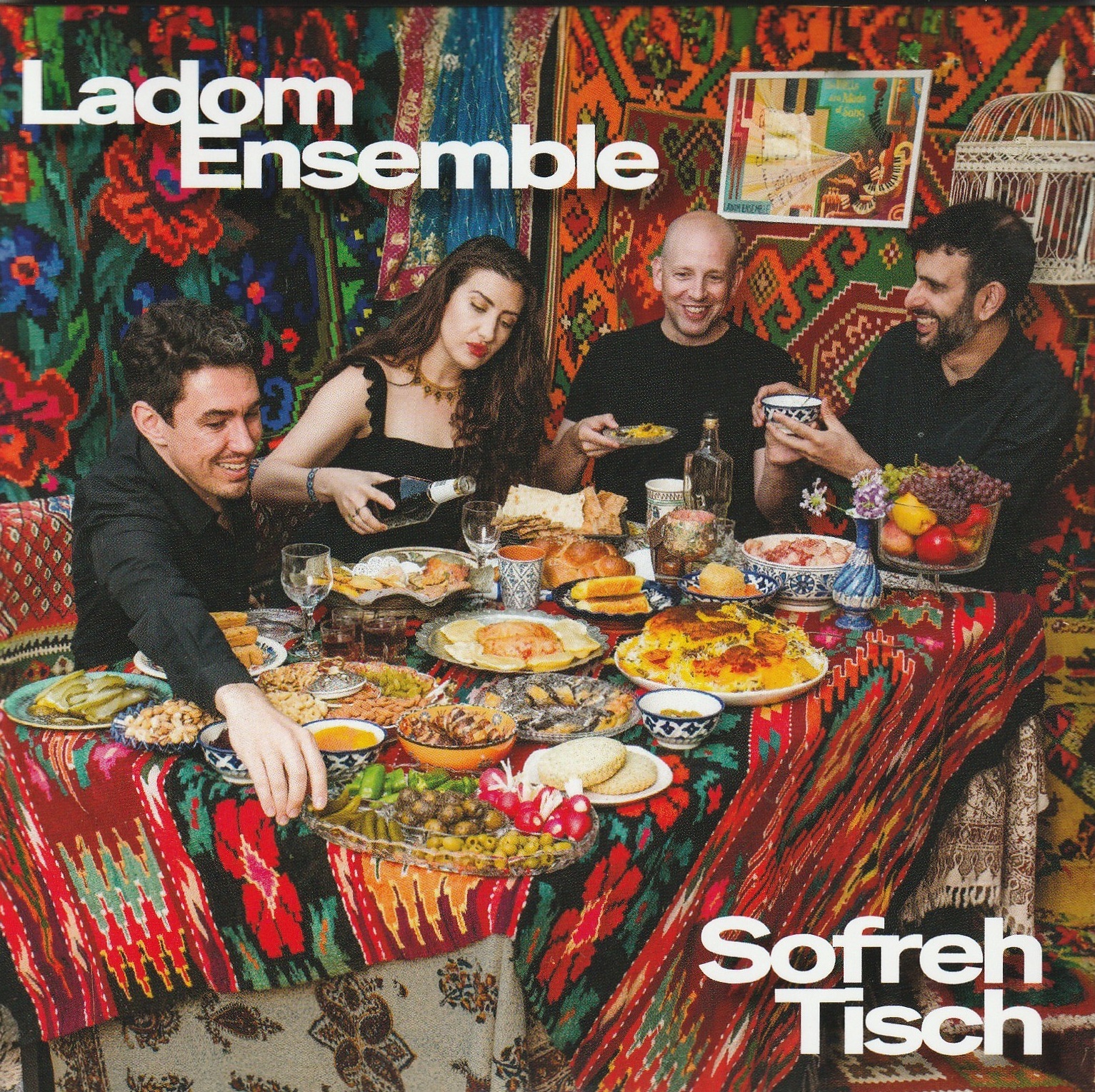
02 Ladom EnsembleSofresh Tisch
Ladom Ensemble
Lula World Records LWR050A (ladomensemble.bandcamp.com/album/sofreh-tisch)

Canadian Ladom Ensemble is back with its third illustrious release, Sofreh Tisch. The four-member band’s diverse cultural and musical influences are created by founding member pianist Pouya Hamidi from Iran, who is joined by current members cellist Beth Silver of Ashkenazi Jewish heritage, Canadian accordionist Michael Bridge, and Canadian percussionist Adam Campbell. They combine their personal musical talents and influences to blend Western classical, klezmer, rock, tango, jazz, East Coast traditional and classical Persian sounds. 

The ten diverse tracks are highlighted by each musician’s technical and improvisational expertise. Opening Gegna Taksim was composed by Jewish klezmer composer/violinist Jacob Gegna as an introduction or interlude. Here, with its moving cello melody above a low drone note, and tonal melodies with touches of modern music effects like rapid runs, it leads directly to the next track, Hamidi’s three movement Distance Suite. Inspired by separation.1. Hope opens with cello plucks, repeated notes on the piano, and taps on the accordion like raindrops. Detached chords with conversational legato cello and accordion melodies add drama. Gole Pachal is a Ladom “traditional” take on an Iranian folksong with crashing dramatic instrumental start, high pitched piano, and a memorable, traditional mid piece section with accordion and cello countermelodies.

Together as a “band,” Bridge’s musical accordion lines, Silver’s cello effects/melodies, Campbell’s intense to subtle percussion, and Hamidi’s grounded stylistically diverse piano playing make Sofreh Tisch  (meaning “spread” in two senses – the ceremonial table cloth at a celebration, and the feast placed on the cloth) unforgettable.

03 Payadora The Legend of CarauRebekah Wolkstein: Drew Jurecka – The Legend of Carau
Payadora
Independent (payadora.com/legen-of-carau)

This stunning, multi-media project is the brainchild of founding members of the Payadora ensemble, writer, violinist and vocalist Rebekah Wolkstein and multi-instrumentalist and composer Drew Jurecka, who also serves as producer and recording engineer. The package involves a children’s book with original text by Wolkstein, illustrations by Camille Dumaine, and an original score by Jurecka, as well as related dance videos by PointTango Dance. The CD (or digital download) can easily be coordinated along with the book, for the optimum listening experience.

The spine of this ambitious project is an Argentinian folk tale, The Legend of Carau (the weeping bird of Argentina), which is beautifully re-told here and accompanied by a stirring 14 song original score. Payadora expertly performs Jurecka’s score, replete with Wolkstein on violin and vocals; Jurecka on bandoneon, violin and mandolin; the late Robert Horvath on piano; Joe Phillips on bass and guitar, and vocalist Elbio Fernandez. 

Things kick off with the rhythmic and bombastic Gaucho de las Pampas featuring Fernandez, and segues into the lovely violin and mandolin-centric bolero, Remember What’s Important. The Call of the Bandoneon is a stand-out, featuring Jurecka’s ridiculous chops, and morphs seamlessly into Fruta Prohibida (Forbidden Fruit) – a red-hot tango, masterfully sung by Fernandez. Also superb is the lovely ballad, Zamba del Carau which features the artistry of the entire ensemble. Horvath’s emotional and consummate piano solo on the reprise Ojos Que Mienten (Eyes That Lie) is the perfect closer for this radiant, potent and meaningful collection…which is not only a succinct “Morality Play” about what is “truly important” (suitable for children), but a verdant, irresistible, cross-cultural journey to a rich country of mystery, music and passion, with plenty of appeal for all.

04 Justin GrayImmersed
Justin Gray
IAN Records LC 84945 (justingraysound.bandcamp.com/album/immersed)

As soon as music became a recordable commodity,  pressed onto wax cylinders and disseminated through record distribution, jukeboxes, and radio stations, it took on a codependent relationship with technology. For example, while it is true that Louis Armstrong’s instrumental virtuosity expanded the instrumental range of the trumpet, his broadening of register would not have been possible were it not for the then burgeoning technological advances of brass manufacturing. Same goes for the Beatles’ important relationship with the recording studio, where technological advances helped the group realize their increasingly sophisticated artistic goals. And on it goes. 

For bassist, composer, mix and mastering engineer and producer Justin Gray, it has been the industry’s technological expansion into Dolby Atmos that has facilitated the realization of his own musical vision, supporting the ambitious, expansive, and consistently excellent work contained on Immersed. As the name articulates, the music was recorded using immersive audio techniques aimed at capturing every sound, musical gesture, and improvisation in three dimensions through a sophisticated process of microphone placement and studio mediation. 

While there is much more to discuss regarding the album’s enmeshed relationship with technology, this cinematic release on IAN Records also offers a wonderfully satisfying musical experience thanks to the contributions of a terrific cast of 30-plus world class players who collectively traverse the stylistic boundaries of film, jazz, and Indian Classical Music, among other vibrant global music traditions. 

Full disclosure, Justin is a friend and industry colleague, but with Immersed his expansive creative vision, technological engagement, and clear musical artistry is undeniable. Immersed, the album, can be paired with a full-length film and the stereo CD package comes with cinematic visuals for each track and an informative 24-page booklet of liner notes. 

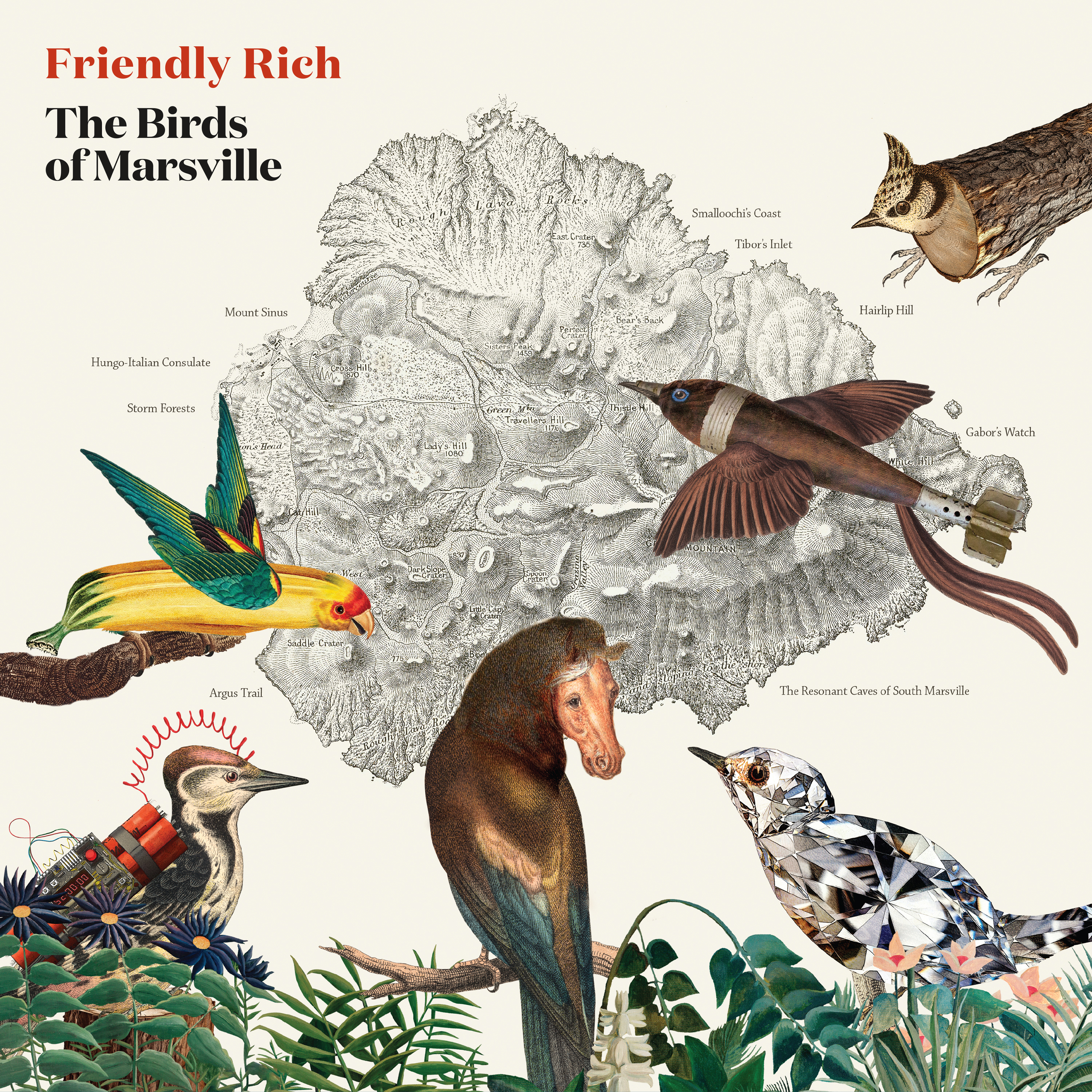
05 Friendly RichThe Birds of Marsville
Friendly Rich
We Are Busy Bodies (friendlyrich.bandcamp.com/album/the-birds-of-marsville)

Richard Marsella, well-known as Friendly Rich, releases his 17th album, and his second on the indie label We are Busy Bodies here. Marsella performs solo on a custom-built mechanical street organ equipped with contrasting effects built by Henk Degraauw. Marsella is joined on some tracks by Gregory Oh (organs and piano), Nick Fraser (drums), Nichol S. Robertson (electric guitar), Ed Reifel (orchestral percussion), and Tom Richards (trombone and tuba).

Marsella presents 76 imaginary birds from the fictional town of Marsville. Each is represented by a separate musical track in varying lengths and contrasting stylistic flavours on Side A (Birds 1-39) and Side B (Birds 40-76). Side A opening Overture encompasses musical ideas which reappear throughout like waltzlike rhythms, high pitched bird squeals, fast melodic ascending lines with held notes, short fragmented fanfares, and “bird sounds.” It leads with no break to Bird One: Songwriter with more short fragmented ideas, rhythms and ascending lines. High-pitched lines in Bird Five: The Marsvillian Farm Bird. Slight jazz feel with shorter higher pitched lines and repeated basslike notes in Bird Sixteen: The Honker.  

Side B’s contrasting tracks are intensely orchestrated, tonal to atonal and mostly seconds long. Percussion and drums add “noisy” colour. Closing longer Finale has snippets of ideas again, to the ending “flying away” fade.

Marsella’s detailed experimental, very soft to blasting loud, inspirational “musical bird” masterpieces incorporate such styles as vintage dancing, rock, jazz, new music and synthesizer. From fun to challenging listening, this is perfect, wacky music, tweet tweet!

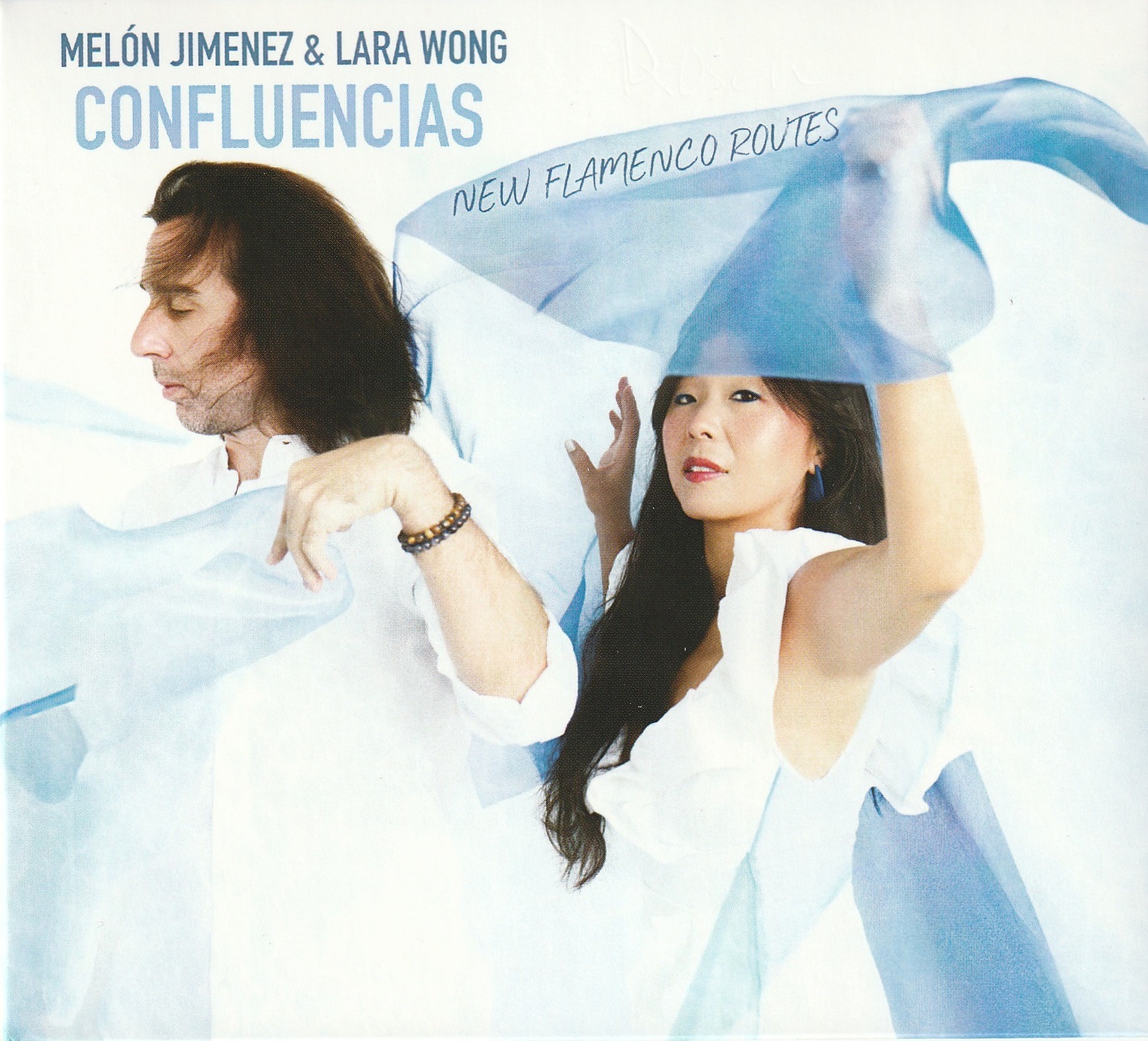
03 ConfluenciasConfluencias
Melon Jimenez; Lara Wong
Scatcat Music (larawong.com/melonlara)

Confluencias contains hauntingly atmospheric oceans of music that are likely to fill your listening room. Both the music of the flute of Lara Wong and the guitar of Melón Jiménez (with contrabass and percussion and judiciously added electronics as well) combine to make it so. 

Wong is a virtuoso concert flutist and turns on the most seductive charm every time she puts the instruments to her lips, sculpting extraordinary melodic phrases and lines. But when she exchanges that flute for the hollowed-out bamboo of the Indian bansuri she unleashes an exponentially bewitching charm that will hold you in irresistible – and willing – bondage. 

Jiménez is no less a virtuoso. He puts this to work to bring to life his flamenco roots. He evokes memories of the great province of Andalusia that is home of the greatest of flamenco practitioners including José Miguel Carmona Niño, Juan José Carmona Amaya El Camborio, Paco de Lucía, Pepe Habichuela, and others. 

Jiménez’s flawless technique is employed through picados and rasgueados (flamenco strumming) with great sensitivity. He’s playing to bring to life what Federico García Lorca called the “Dark sounds of duende – that mysterious force that everyone feels, and no philosopher has explained. The duende is not in the throat: the duende surges up, inside, from the soles of the feet.”

Two songs on this riveting album that will leave you breathless are Kalima and Pardo Perdío.

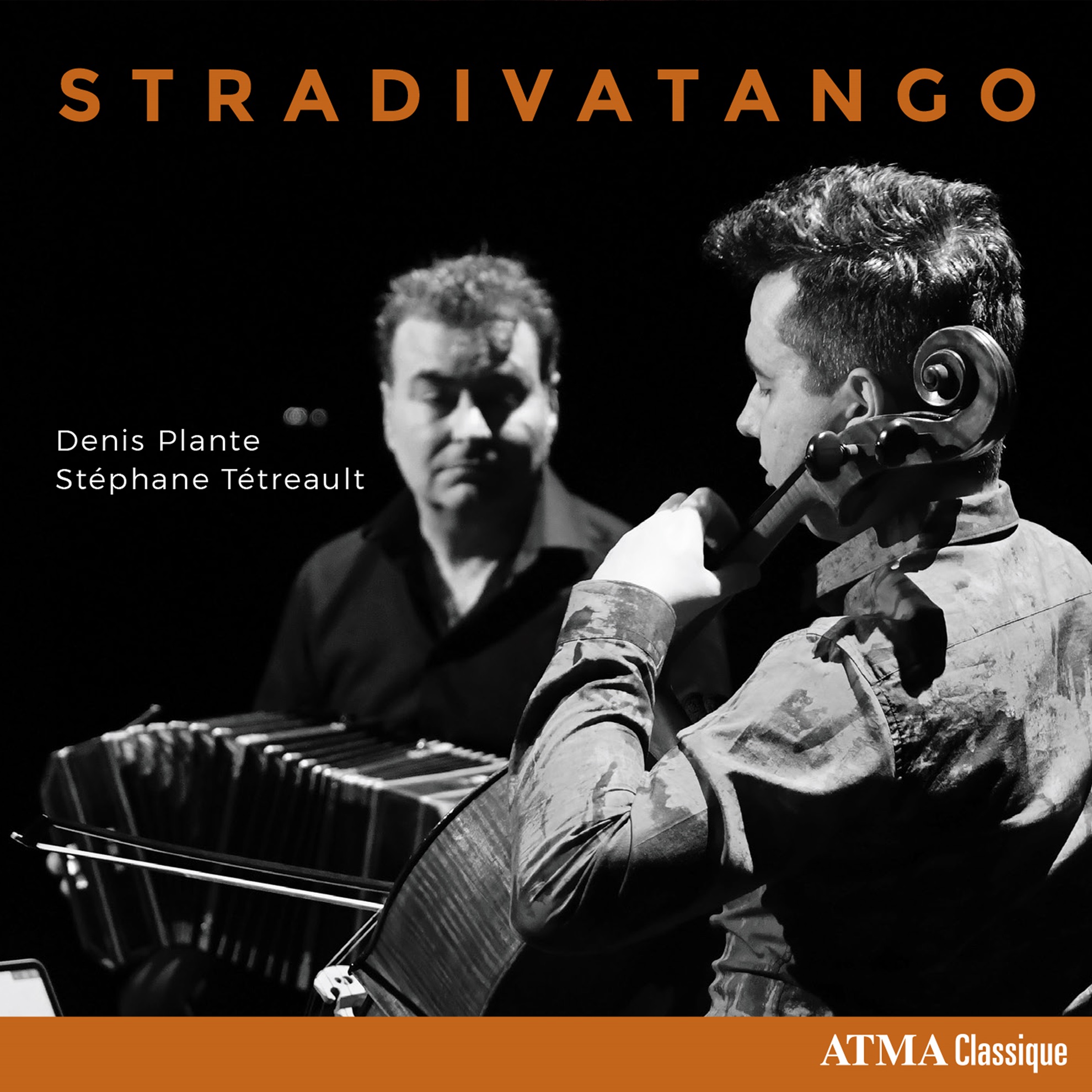
01 StradivatangoStradivatango
Denis Plante; Stephane Tetrault
ATMA ACD2 2886 (atmaclassique.com/en/product/stradivatango)

The Canadian duo of bandoneonist/composer/arranger Denis Plante and cellist Stéphane Tétreault are back with memorable tango performances. The title Stradivatango is a contraction of the words Stradivarius and tango, the cello Tétreault plays and the music style the duo performs, respectively. Their close collaboration since 2018 makes for beautiful, tightly performed, colourful sounds that expand the sonic world of tango.

Plante’s composition Stradivatango is an eight-movement work influenced by baroque, classical and tango elements. The first movement, Le prince écarlate is Plante’s self-described tribute to Antonio Vivaldi, with both styles’ repeated notes, accents, melodic conversations and descending cello lines. There are more baroque theme and variations references with tangos in ChaconneLa camarde is a rhythmic dance with bandoneon opening and cello backdrop. A higher pitched bandoneon solo is even more tango flavoured, with close back and forth with the cello.

There are inspirational performances of Plante arrangements of “classic” tangos by Piazzolla, Gardel, Pugliese and Villoldo. Plante reorchestrates three of Piazzolla’s popular works including Libertango which has a bright and light cello melody with a nicely percussive bandoneon backup. Plante’s original Tango romance is a slower sombre piece with subtle tango feel in the rhythmic groove and colourful virtuosic melodic embellishments on the bandoneon. 

Plante and Tétreault’s continued dedication to the development of the tango style, and their intelligent moving musicianship is inspirational.

Listen to 'Stradivatango' Now in the Listening Room

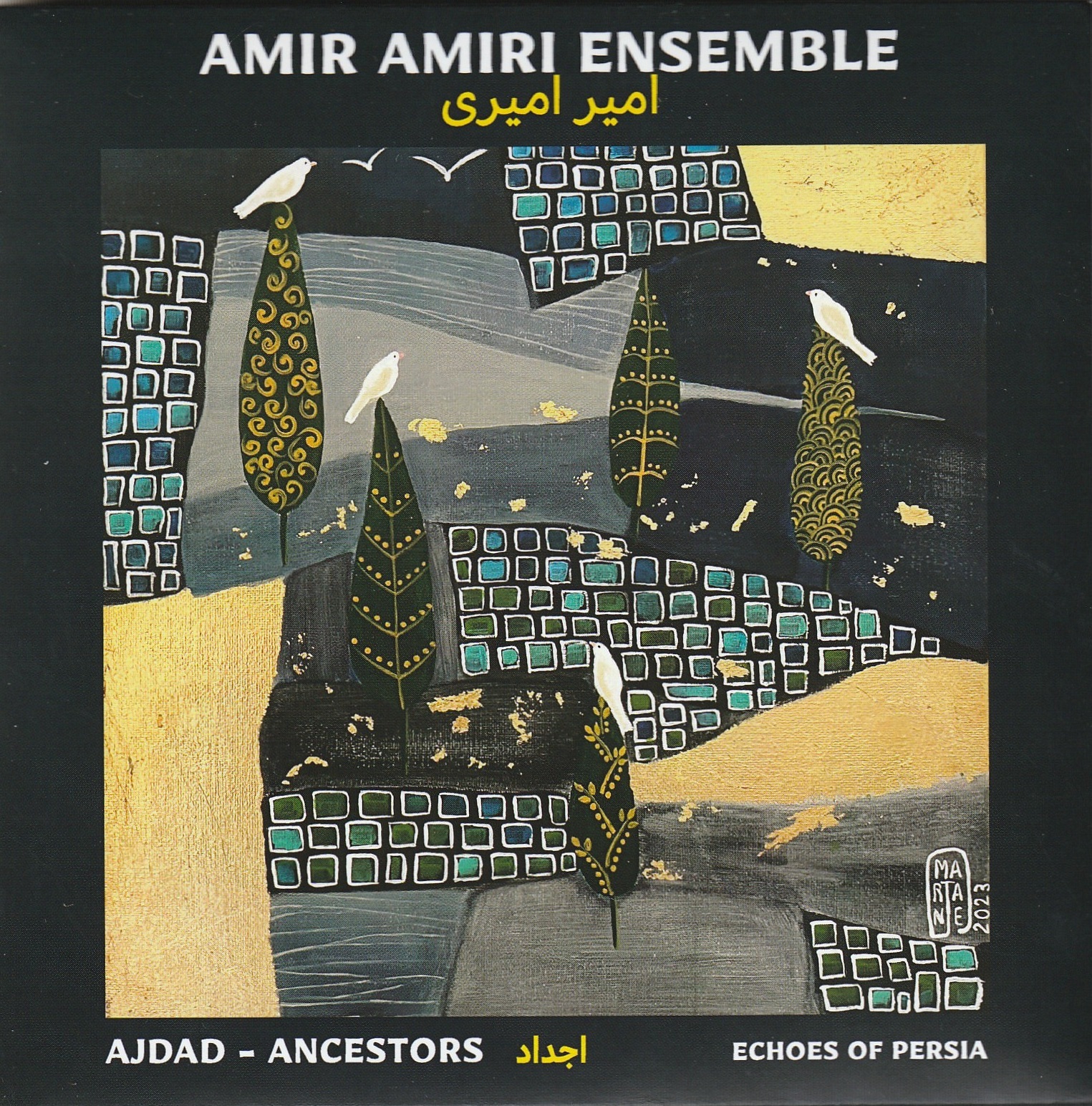
02 Amir Amiri EnsembleAjdad – Ancestors | Echoes of Persia
Amir Amiri Ensemble
Fifth House FH-101 (amiramiriensemble.bandcamp.com/album/ancestors-ajdad)

Amir Amiri Ensemble’s latest recording project is nothing short of masterful. Sadly, this celebration of Iranian/Persian culture could never have been manifested under Iran’s current theocratic, repressive regime. Amiri, an icon of the santur, and his gifted collaborators, Reza Abaee (ghaychak), Omar Abu Afach (viola), Abdul-Wahab Kayyali (oud) and Hamin Honari (tombak, dayereh and daf) have gifted us with 12 original compositions that explore the ancient connections between Persian and other Middle Eastern musics – relationships that were obliterated following Iran’s 1979 cultural and political upheaval. 

Amiri wears several hats here, as performer, producer, arranger and composer, and the project is rife with musical complexities rendered on primarily traditional instruments by his coterie of skilled musicians. This CD is an emotional journey framed by a series of original compositions. In particular Baran (Rain) contains diatonic descending lines intertwined with unison motifs, invoking the cleansing, healing rain, woven into a fabric of melancholy. Amiri and Afach shine here, with stunning, facile technique. Another delight is Raghseh Choobi (Dance of the Wooden Sticks), which clearly and harmonically illustrates the joy of the unfettered Iranian and other Middle Eastern peoples. Also stunning is the melancholy Sarzamineh Madaran (Towards My Motherland) – a moving lament that will resonate with every newcomer and ex-patriot. Afach is featured in a solo viola sequence here, filled with sonorous, motifs of lament and longing.

Kayyali displays breathtaking technique in his solo sequence, Sarzamin (Spirit of Our Land) on a stringed instrument that pre-dates the Western Lute, and the ensemble unites on the rousing Raghseh Sama (Sama Dance) utilizing dynamics and incendiary percussion to flame the excitement. This gorgeous disc closes with the title track, an ode to the ensemble’s ancestors – brave, courageous and artistic, whose unique DNA lives on in the Iranian people.

04 Farnaz OhadiBreath | Ah |Aliento
Farnaz Ohadi
AIR Music Group (Farnazohadi.com)

Persia and Spain seem too geographically apart for the musical traditions to collide. But ancient travel does throw up incredible surprises, such as when the Persian scholar Zaryab established a conservatoire in Cordoba 1000 years ago. Persia’s music also bears the influence of Mughal North India. Afghan, Azeri traditions are also intertwined with Persian ones as are those of Andalusia that might have come via Arabia. 

The Canadian-created double-CD Breath owes its magical veritas to Farnaz Ohadi who “blends” Persian maqam (modes) seamlessly with the flamenco guitar of Gaspar Rodríguez. 

Listening to Farsi lyrics sung, mystically, Sufi-style by the smoky-voiced Ohadi is quite eye-popping and spectacular. Moreover, the flamenco-style strumming and dark chords by Rodríguez makes for a very unusual, but spectacular encounter with Ohadi’s vocals. 

Ohadi’s and Rodríguez’s musical ingenuity goes a step further by orchestrating the music incorporating Lebanese or Phoenician traditions. This provides a brilliant new fluid dynamics, making everything fit like a velvet glove.

Both discs are superb. Disc one’s Anda jaleo – the bulerias flamenco – is exquisite, providing much freedom for improvisation, and variable metre. The song Oriyan, a hypnotic solea, and Resurrection, which melds the chanted seguidillas rhythms to close out the disc, are superb. After three eloquent vocal songs – especially the Persian folk song, Yar – disc two closes out with five instrumentals. Of these, the song Erev and the instrumental rendition of Oriyan are truly spectacular.

Back to top