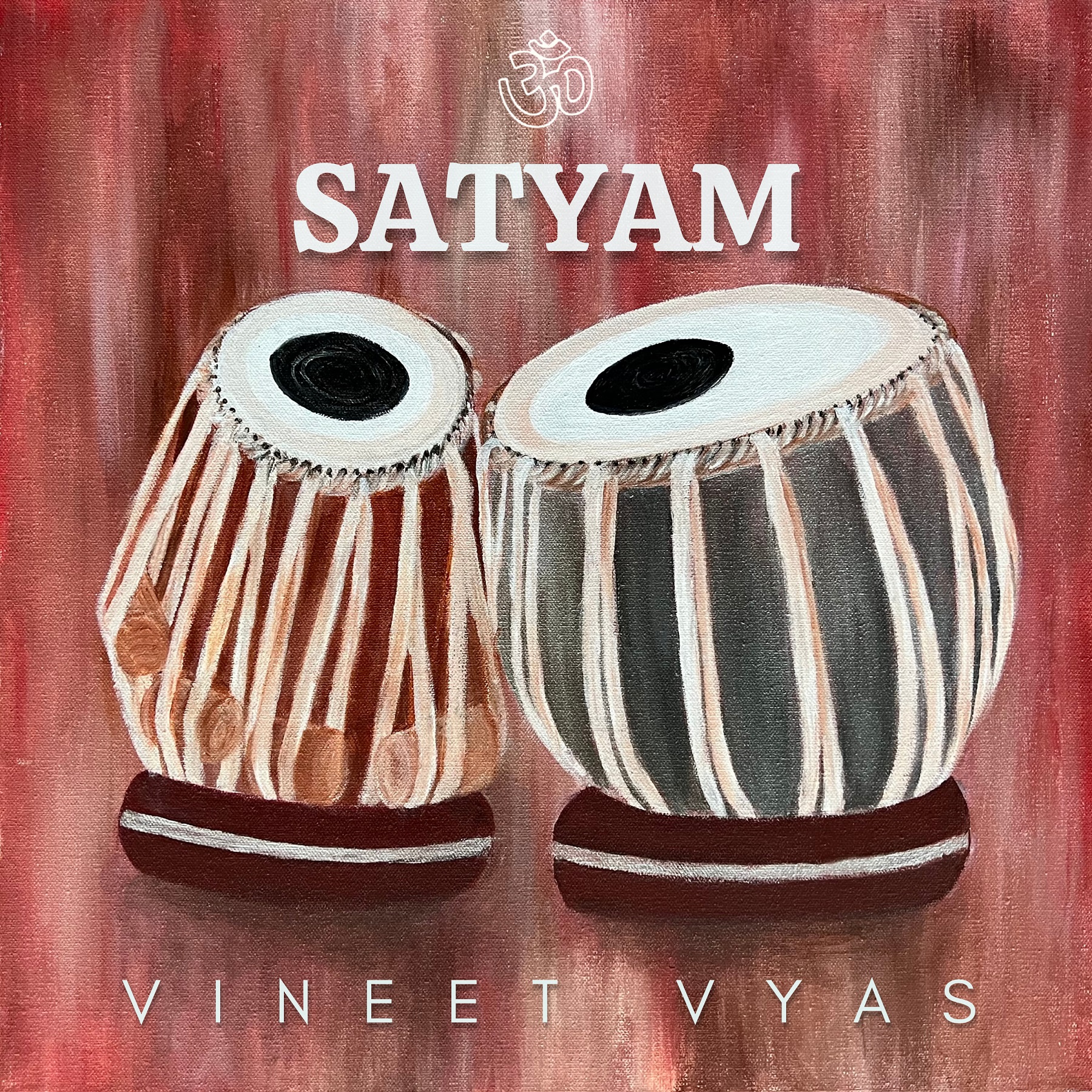
02 Vineet VyasSatyam
Vineet Vyas
Independent (vineetvyas.com)

Toronto-based tabla virtuoso Vineet Vyas’ musical path encompasses both the Canadian East Coast and one of the preeminent music traditions of India. Born into a family of Hindustani classical musicians in Nova Scotia, he began lessons on the tabla early. 

Already showing promise, in 1987 his studies modulated to the next level. That year he began instruction in the traditional guru-shishya parampara manner with tabla master Pandit Kishan Maharaj in Varanasi, India. Vyas credits that intense training and sadhana (dedication) to his guru for enabling him to establish himself as a tabla musician on the international stage. 

Vyas’ seven-track album Satyam, his third solo outing, was nominated for Global Recording of the Year at the 2023 (Canadian) East Coast Music Awards. Satyam – a Sanskrit concept referring to examining the truth – musically evokes the Hindu myth of princess Savitri, her husband prince Satyavan and their struggle with Yama, the goddess of death. Spoiler alert: after extensive musical conflict, the last track resolves in a peaceful coda. 

While the record features Vyas’ tabla mastery throughout, Satyam also leans heavily on seven skilled musicians who provide melodies based on Hindustani ragas. They contextualize, support and sometimes also defy the often sonically dense and mathematically intense drumming. In addition to the gripping Savitri narrative, Ajay Prasanna (bansuri), Rajib Karmakar (sitar), Pankaj Mishra (sarangi), Justin Gray (electric bass) and Bageshree Vaze (vocals) make substantial contributions to Satyam’s success as a listen-through album.

Listen to 'Satyam' Now in the Listening Room

03 WanderlustWanderlust
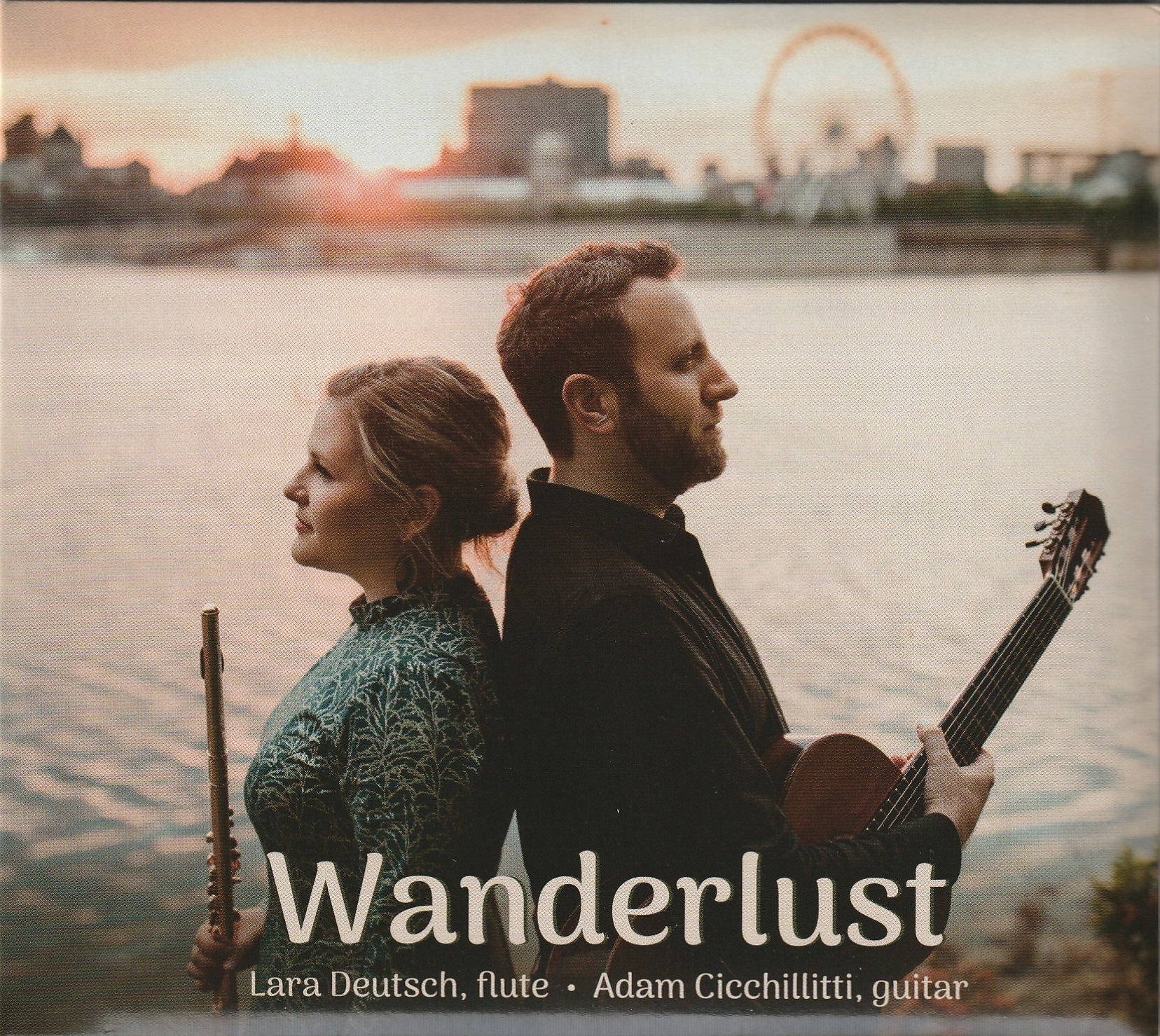
Lara Deutsch; Adam Cicchillitti
Leaf Music LM269 (leaf-music.ca)

During the mid-2010s I went to New York to research an article about some of the unusual characters that dot the historical jazz landscape. After a considerable crosstown public bus journey one day, I found myself sitting across from Bernard Stollman, whose career and life is too fantastical and wide-ranging to discuss here. Briefly, however, I was speaking to Stollman about that incredibly fertile 18-month period from 1963 to 1965, when he oversaw and released 45 largely freely improvised albums on his label ESP-DISK. Although the label would become best known for its association with Albert Ayler and Sunny Murray, ESP-DISK’s first release was Ni Kantu En Esperanto (Let’s Sing in Esperanto), a vocal album capturing a collection of folk songs in that “universal language” created by L.L. Zamenhof in 1887.

What, you may ask, does any of this have to do with Wanderlust, the terrific Leaf Music collection of folk pieces by flutist Lara Deutsch and guitarist Adam Cicchillitti? I suppose it is that while enjoyably listening to this 2023 recording – which threads together eight disparate pieces representing a multiplicity of musical regions and cultures by way of gorgeous playing, telepathic musical interaction and two expertly cultivated instrumental sounds – I was again reminded that Zamenhof’s quest for a “universal language” had, in fact, already been realized. It’s called music. This aptly named travelogue recording, treats the music of Argentina, Romania, Japan and elsewhere with the equity of aplomb and care it deserves, foregrounding beauty while ensuring that nothing is lost in translation. 

Listen to 'Wanderlust' Now in the Listening Room

04 Ivan LindsMy Heart Speaks
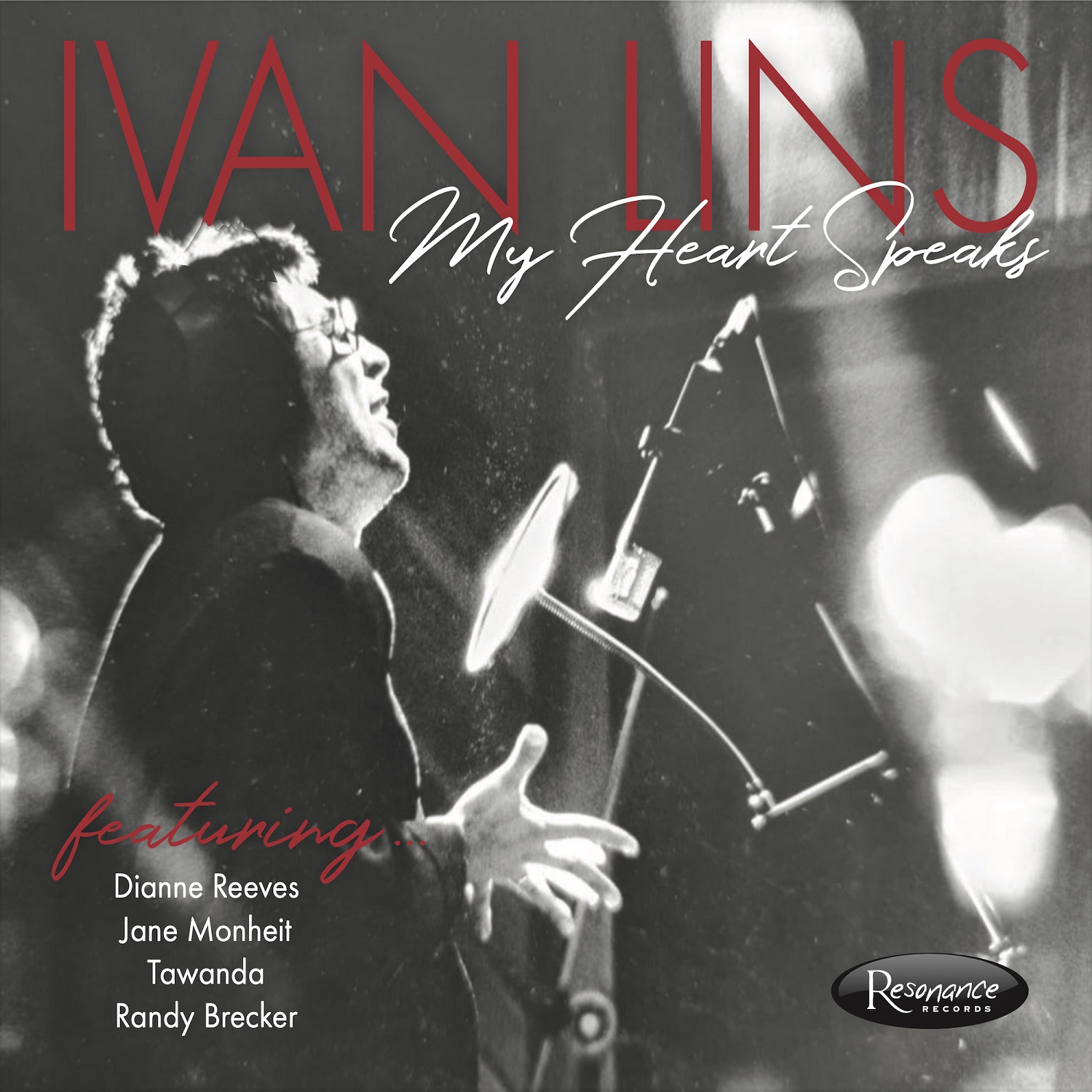
Ivan Lins
Resonance Records (resonancerecords.org/product/ivan-lins-my-heart-speaks-cd)

All of the compositions here were written by the esteemed Ivan Lins (who has penned more than 600 tunes in his illustrious 50-year career), and all arrangements are by Kuno Schmid. Lins’ dynamic core ensemble includes Josh Nelson on piano, Leo Amuedo on guitar, Carlitos Del Puerto on bass and Mauricio Zottarelli on drums and percussion, as well as the gorgeous inclusion of the Republic of Georgia’s Tbilisi Symphony Orchestra, conducted by Vakhtang Kakhidze. The recording was produced by Schmid and George Klabin and the stunning CD package itself features compelling liner notes from the eminent author and arts journalist, James Gavin.

The first selection is the sumptuous Renata Maria, which features Lins’ recognizable tenor in a lovely melodic foray, enhanced by lush symphonic string lines, a superb guitar solo by Amuedo and Lins’ palpable sense of joy. Next up is the title track, replete with a luminous Dianne Reeves sailing directly into the listener’s heart, effortlessly wielding her languid and sultry-four octave range. Congada Blues features the core ensemble, and surrounds us with a deep, percussion-enhanced tribal resonance, punctuated by a fine bass solo from Del Puerto. 

Other beauties here include the up-tempo, jazzy cooker Easy Going, the melancholy waltz, Corpos (Bodies) and Missing Miles, which features perhaps the most lush and thrilling symphonic elements on the project, as well as a superb wordless vocal from Lins and a deeply moving, muted solo from trumpeter extraordinaire, Randy Brecker. The final track, Nada Sem Voce (Nothing Without You) returns the music to the essential unit of piano and rhythm section – rendering it all the more emotional and directly communicative.

05 Poetry is BloodPoetry is Blood
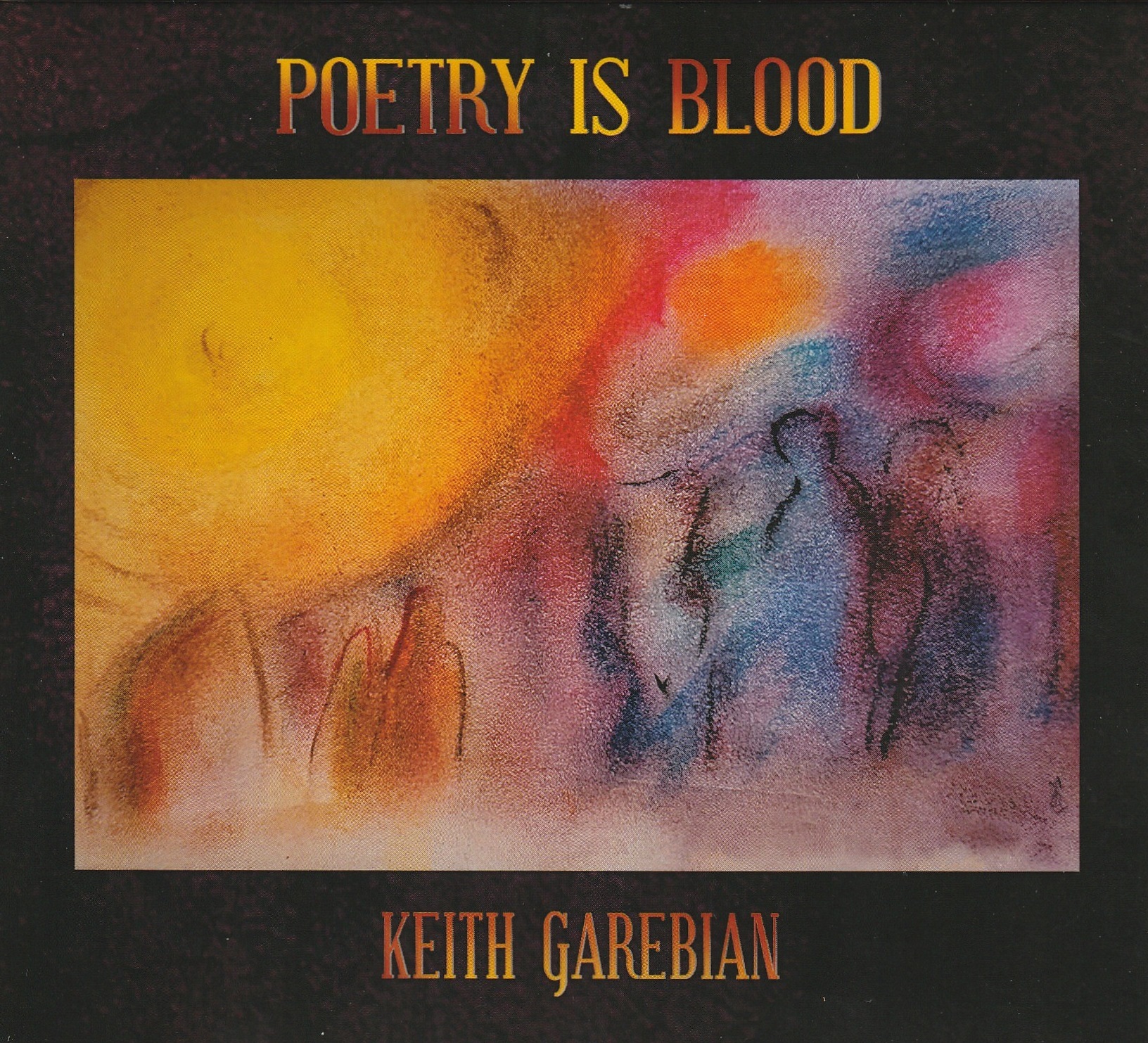
Keith Garebian
Independent KGCD2301 (kgarebian@gmail.com)

Much in the same way that musical improvisation is sometimes referred to as “liquid composition,” and, conversely, composition as “frozen improvisation,” there exists a simpatico relationship to the best poetry and musical collaborations. Great poetry is indeed musical, and the best musical offerings poetic. 

Although prior to listening to the thoughtful, and thought-provoking, recording Poetry is Blood by Keith Garebian (with musical contributions from the great Ernie Tollar), my reference for successful fusions of poetry and jazz was limited to Jack Kerouac’s October in the Railroad Earth or American Haikus, where the late Beat writer’s prose is accompanied by some combination of Steve Allen, Al Cohn, and Zoot Sims. While admittedly genre non-adjacent to my aforementioned Kerouac reference, Garebian’s 2023 release, supported by a Mississauga Arts Council grant, is an equally compelling offering. Presenting 18 poems taken from some 40 contained within Garebian’s 2018 book of the same name, this recording explores both dark and introspective themes as related to the ongoing Armenian genocide. As such, engaged listeners once again bear witness to the power of art to comment upon, contextualize and humanize tragic events that, in our 24-hour news cycle, may wax and wane in our collective imagination, but are nonetheless important to be reminded of and educated about. 

Read by the author in his fine voice and accompanied by Tollar on both flute and percussion utilizing a call-and-responsive trope of effective musical communication, the recording is not an easy listen, given the sobering magnitude of the subject matter. But for those looking to expand their knowledge of this unfolding world event through deeply personal and effective poetry and creative reflection, this recording comes highly recommended. 

01 Brooklyn Rider Kinan AzmehStarlighter
Kinan Azmeh; Brooklyn Rider
In A Circle Records (kinanazmehbrooklynrider.bandcamp.com/album/starlighter-icr026)

Okay, this is the stuff. There’s this guy who writes music for strings and percussion and his own voice (a clarinet that sometimes passes for the best alto flute you’ve ever heard). His name is Kinan Azmeh and the string quartet is Brooklyn Rider (look ‘em up); plus there’s a percussionist Mathias Kunzli adding to the mayhem. 

I get carried away when clarinet tone colour doesn’t assault my ears with plangent “listen to me!” swipes left and right. Azmeh can certainly invoke that strident animal, the upper register, but he shows true restraint. Mostly his velvet colour floats across the strings’ texture like syrup on waffles, like gravy on poutine, like tahini on falafels. Who’s hungry? The quintet-plus-one fires up dance rhythms straight out of the very Near East. Alongside “exotic” modalism and dance figurations, Azmeh draws on contemporary rhythmic complexity and dissonance. His writing is lyric, kinetic and narrative too. The disc opens with the three movements of In the Element, written in 2017-2018; Run and Rain describe themselves, and Grounded (the third movement added a year after the first two were written), narrates feelings from his recent return visit to his home city of Damascus. His other work, Dabke on Martense Street for string quartet, describes an imagined round dance on the street where he lives in Brooklyn.   

Brooklyn Rider violinist Colin Jacobsen’s title track Starlighter was inspired by the magical transference of energy into matter known as photosynthesis. It takes more than one listen to get inside, but it’s worth the effort. The final track is a work adapted for the same quintet plus percussion by Ljova (aka Lev Zhurbin). Originally written for the Silk Road Ensemble, Everywhere is Falling Everywhere (a Rumi reference) makes an apt bookend to the disc. A different version of similar language, more latkes-and-applesauce than falafels-and-tahini, but delicious as well.

02 AlexCubaEl Swing Que Yo Tengo
Alex Cuba
Caracol Records (open.spotify.com/album/0IHxZjy8PyE5I5CBwF0JlW)

Ever since we first became aware of the music of the Juno and Grammy Award-winning Alex Cuba, we have always known that the elements of music – melody, harmony and, especially, rhythm – have throbbed and pulsated through his veins. And like the celebrated album Mendó that came just before this one, El Swing Que Yo Tengo, continues to buck every trend while remaining true to the glorious rhythms of the island from which he takes his name.

In the repertoire of the latter album Cuba pushes the proverbial envelope even further, including electronic elements in music that is steeped, as much in traditional Cuban dance forms as in funky and hip-hop-inspired rhythmic flavours. 

Cuba’s lustrous tenor swoops and soars fuelled by seductive romantic lyricism, often entwined with harmonies that he has overlaid on these delicious melodies. This is true even when – as on songs such as El Swing Que Yo Tengo and Son Para Tu Boca – more adventurous vocal elements and styles such as rap and other localized Caribbean song elements intervene. 

On this album Cuba plays all the instruments, including those powered by electronics, blending superbly with the percussion and he even treats us to an elegantly slapped-on bass. The apogee of the album, hands down, is Agüita de Coco, a song that is powered by Cuba’s eloquent voice together with the chocolate-and-chilli-coated vocals of the Rwandan music sensation, Butera Knowless.

Back to top