Although they were the ensemble of choice for configurations like Count Basie’s Kansas City Seven, Miles Davis’ Birth of the Cool sessions, Carla Bley’s groups and Ulrich Gumpert’s Workshop Band, the little big band of seven or eight musicians has a curious jazz history. Although infrequently on the road, in the studio the group is both bare bones and fleshed out, giving composers and arrangers the maximum amount of sonic colours created by the minimum number of musicians.
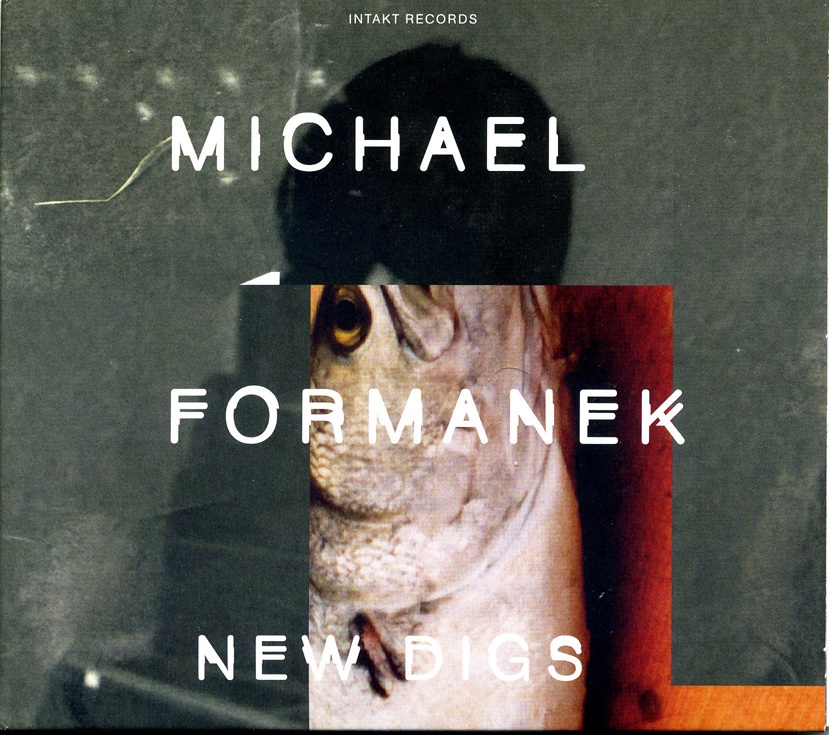
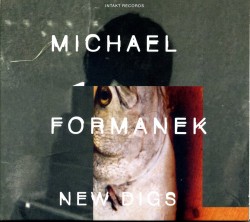 One method of using this is demonstrated by American bassist Michael Formanek who now lives in Portugal. On New Digs (Intakt Records CD 457 intaktrec.ch michaelformanekintakt.bandcamp.com/album/new-digs-dolby-atmos), he augments his stateside Thumbscrew trio of drummer Tomas Fujiwara and guitarist Mary Halvorson with Portuguese trumpeter João Almeida and US alto saxophonist John O’Gallagher, who lives in Lisbon, plus Canadian tenor saxophonist/clarinetist Chet Doxas and UK organist Alexander Hawkins. Despite the soul jazz implications suggested by guitar and organ only one of Formanek’s nine compositions – Aka The Stinger – with Hawkins’ organ slides and stops, Halvorson’s rhythmic strokes and Doxas’ slurs and quickened double tonguing, is overtly funky. Otherwise, Hawkins, who usually works as a pianist, uses his dual keyboards for ghostly resonations and pinpointed reverberations on tunes such as Prequel and Quinze. In tandem with guitar frails and double bass stops on the first, he extends the exposition until his ostinato meets contrapuntal drum thumps. Quinze on the other hand balances on speedy organ pulses as three horn vamps splinter with Almeida proffering triplets and swift puffs to both saxophonists’ honks and snarls. Emphasizing timbral accords, instrumental subsets ensure that lyrical story telling is emphasized as much as dissonant variations. At points O’Gallagher builds solos from upwards moans and bites intensified by guitar string tweaks and a bouncing bass line. But shifts in the narratives introduce tougher responses such as portamento brass breaths and string sweeps before initial themes are recapped.
Formanek doesn’t stud the tracks with multiple bass solos. But on Gone Home/Interlude For Susan Alcorn, a threnody for a steel guitarist, he takes advantage of the subsequent multiple sonic colours depicted by other bands members. Initially solo, he then directs his mordant and moving extended bass line towards a full band response that combines harmonized reed patterns and muted brass grace notes. These tender group undulations avoid being maudlin when Halvorson unleashes a coda of a jarring Hawaiian-guitar like twangs.
 On the other hand, doubling the size of quartet to an octet can introduce inferences from other genres into compositions from a jazz base. Brussels-based French pianist Lara Humbert does so with her I’m Not Done Cooking band on Tome I: Beauty and the Queen (MOKU H 1011 larahumbert.bandcamp.com/album/tome-1-beauty-and-the-queen-2) by adding the close-to-notated tones of flutist Lúcia Pires and violinist Amèle Metlini plus the rock-oriented pulse of electric bassist Matteo Mazzù and guitarist Raphaël Desmarets to the improv tinctures from Adrien Lambinet (trombone) and Alejandra Borzyk (tenor saxophone). Bridging the gap among the genres are Gaspard Sicx’s vibraphone sustain and drum beats, and Humbert’s own formal or free keyboard.
Throughout, languid interludes also populate the tracks adding soundtrack suggestions. On La Sombre Avancée for instance upwards drum smacks, vibe colouration and a horizontal reed line are fragmented with sharpened violin sweeps, simultaneously referencing country fiddling and concerto formalism, until pedal point pianism and a plunger trombone snort refresh the initial straight-ahead direction. Separated by episodes where group timbral intersection is more polyphonic than pretty, the light music echoes nearly vanish by the disc’s second half. The concluding Jouvenet and especially Dreamland demonstrate how Humbert’s arrangements paper over potential textural fissure. Based around amplified electronic pressure that underlines a breathy tenor sax introduction on the first tune, pinpointed guitar fills create a contrapuntal ambulatory line as cross pulses build up the tension so that undulating processes complete it via flute puffs and plunger trombone inserts. Another revelation despite its title, Dreamland quickly shakes off its movie theme suggestions following a near-baroque violin introduction with gutbucket trombone sputters. Reed yelps adumbrate sweeping piano and swift fiddle glissandi while measured drumbeats cement light swing.
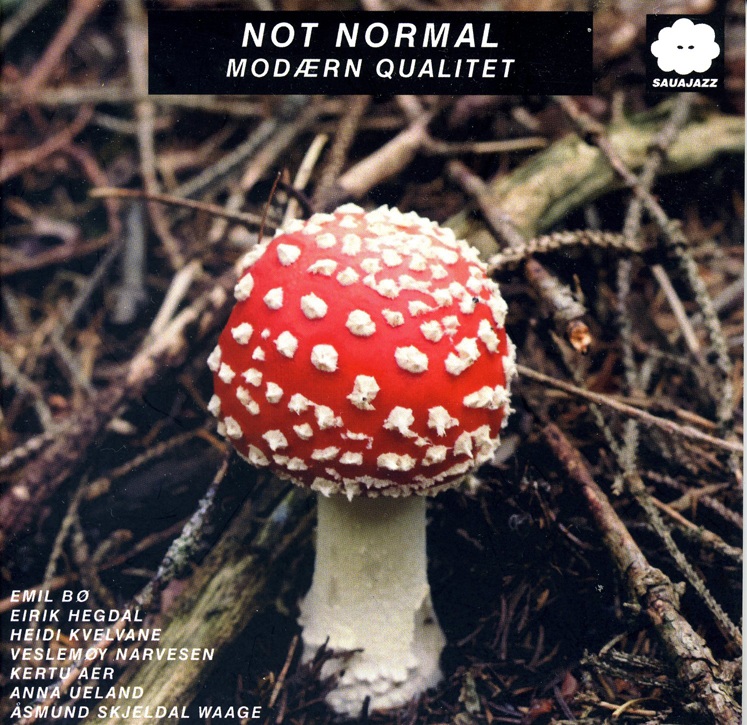
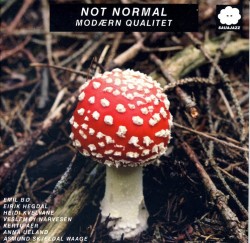 Adding multi-timbral electronic instruments to a project can also make a difference as is done on Modærn Qualitet (Sauajazz SAU 006 CD emilb.bandcamp.com/album/mod-rn-qualitet). A Norwegian septet playing compositions by trombonist Emil Bø, Not Normal doesn’t overuse electronics, but instead uses the timbres from Anna Ueland’s electric piano and synthesizer and the synthesizer of multi-reedist Eirik Hegdal to put a finer point on the acoustic impressions from Bø, Hegdal, alto saxophonist Heidi Kvelvane, vibraphonist Åsmund S. Waage, bassist Kertu Aer and drummer Veslemøy Narvesen. Meanwhile judicious use of voltage washes and oscillating flanges on tracks such as the affiliated Intro/Maskinell Loop, Subland and Ingensteds cleverly put electro-acoustics into practice. On the first the trombonist’s squeezed burrs evolve alongside synthesizer whirrs eventually made palatable by a relentless bass pulse. Subland and Ingensteds follow a similar formula. As cascading synthesizer expansions and wave form fizz join equivalent guitar flanges to reach a climax that suggests a rocket launching soundtrack. In both cases quieter piano chording isolates a linear melody.
With or without electronics, the concluding Dizzy Dada Pt.1 and Dizzy Dada Pt.2 demonstrate that voiced the right way seven instruments can express the same sort of sleek, shouting power expected from much larger bands. Yet as the narratives move from allegro to presto to prestissimo, elements suggesting a marching band, a country hoedown and a Metal band’s strength confirm that Not Normal isn’t your father’s (or mother’s) powerhouse configuration. Note-bending flutters from the saxophonists also confirm modernity. The disc is a fine introduction to an evolving little big band. But it still needs seasoning to take full advantage of the instrumentation’s colour palate.
 One septet that does so is the resolutely non-electric Alchemy Sound Project on Under the Surface Plays the Music of Sumi Tonooka (ARC 6670 sumitonooka.bandcamp.com/album/under-the-surface). It features trumpeter Samantha Boshnack, trombonist Michael Ventoso, tenor saxophonist Erica Lindsay, Salim Washington playing tenor saxophone, bass clarinet and flute, pianist Tonooka, bassist Gregg August and drummer Jonathan Blake. A transnational collective, this particular configuration was organized to play this suite, symbolically representing tree root survival. It was composed by Tonooka, who often plays in a trio, but now branches out composing for chamber ensembles, symphonies and larger jazz groups.
Beginning with the obviously titled Points of Departure her emphasized and often stop-time keyboard strategy is astringent enough to suggest Herbie Nichols at his most cadenced, angular enough to reference Thelonious Monk’s comping but alive with keyboard tinkles and responsive voicing to salute her mentor Stanley Cowell on For Stanley. But as acerbic as some of her lines may be, turns during the tracks contain a steadfast finger-snapping groove. Ventoso contributes a virtuoso wah-wah introduction to Saveur reminiscent of “Tricky Sam” Nanton’s growls with early Duke Ellongton bands. It introduces the pecking horns vamps and August’s walking bass line, allowing the measured theme to shuffle forward with a plethora of emphasized notes and rests. Overall narratives highlight everything from clarion register bass clarinet trills to portamento trumpet theme elaboration. Emphasized are equally knowing dips into keyboard interpretations ranging from faux old-timey to clashing near-atonal. Overall, Tonooka uses band timbres to their fullest. With tunes at points referencing bossa nova, Bop and blues motifs, her arrangements stretch the instruments into reed, brass, string and percussion sections to produce a sound much larger than expected from seven pieces.
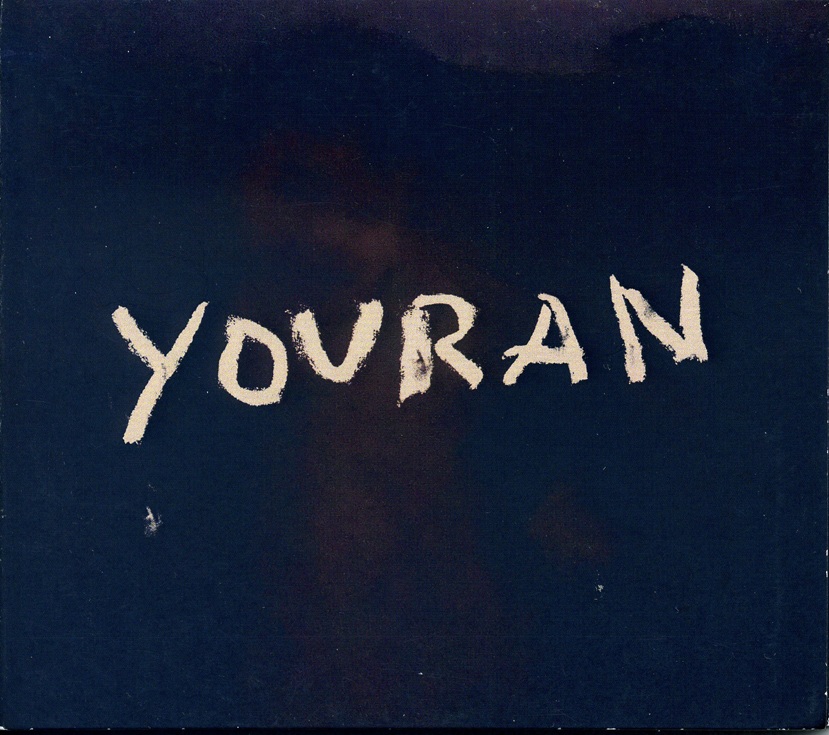
 A different expansion was attained with seven musicians on Youran (Klein -21 joachimbadenhorst.bandcamp.com/album/youran). Result of another commission, Belgian Joachim Badenhorst, who plays clarinet, bass clarinet and tenor saxophone, gathered musicians from continental Europe and Japan to play his compositions during two Rotterdam concerts, one in a former margarine factory, the other in a medieval church. Pipe organist Hayo Boerema played the mammoth church instrument, while the reedist and the other players – trumpeter Alistair Payne, trombonist Nabou Claerhout, Simon Jermyn on guitar and electric bass and Tsubasa Hori using taiko drums, bell and a koto – took full advantage of the buildings’ spatial qualities as they roamed through the audience. Later electronics manipulator Rutger Zuydervelt took these concert sounds plus additional studio recorded material and processed and synthesized the results into Youran’s 11 tracks.
No different than mixing electronic and acoustic instruments in a live setting, the dial twisting and sequencing merely means that variations of single vocal and choir-like timbres from Badenhorst are inserted into some narratives. These warbles and murmurs are intertwined with the instruments as are electronic wave forms as well as the pitches and volumes from the pipe organ’s ranks. Sustain and pressurized air from the organ creates a continuum as well as commentary on the expositions, with pointed interludes from the other instruments. That means that Mineral Rhythm moves between koto and guitar strums to pointed trombone grace notes mixed with clarion reed trills on top of wave form crackles and static, climaxing with bell-ringing and diffuse electronics ascending in volume. Elsewhere, as on the concluding But, Still, extended drones and slides animate both trombone and multi-keyboard projections as single-string guitar variations are cushioned by pulsating oscillations. Themes touch on sweetened baroque-like airs, distended synthesized sustain, and one percussion heavy track that appears to be both a country tune and an anthem.
The polyphonic, pretty, powerful and programmed motifs on Youran couldn’t have been attained without the full participation of all seven members of this group. The result is another explanation of why adventurous players and composers turn to this little big band configuration.


 Bird Food