09 Songs in FlightShawn E Okpedholo - Songs in Flight
Rhiannon Giddens; Karen Slack; Paul Sanchez; Will Liverman; Reginald Mobley; Julian Velasco
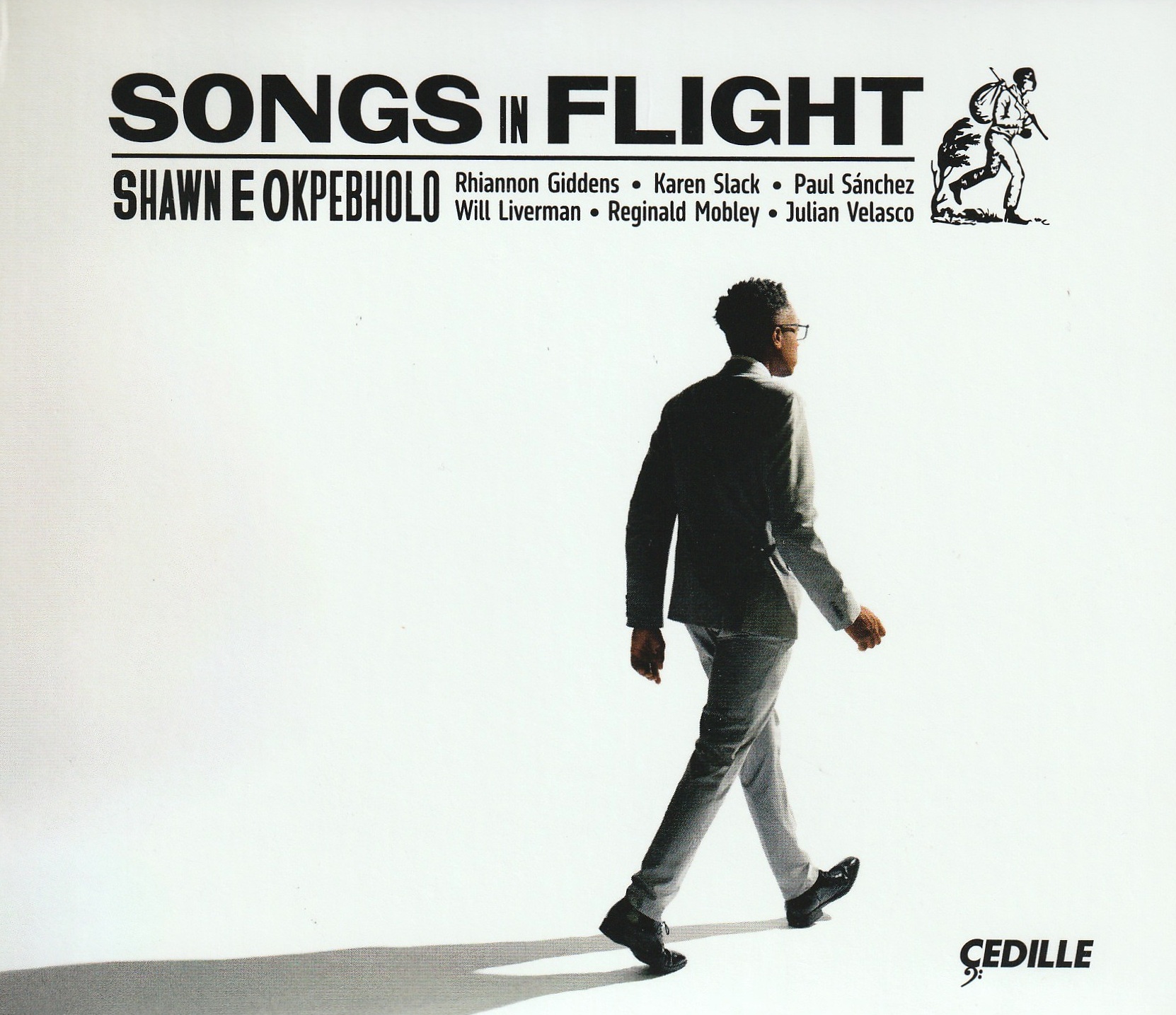
Cedille Records CDR 90000 234 (cedillerecords.org/albums/songs-in-flight)

Shawn E. Okpebholo’s exquisite disc Songs in Flight, strikes me as being an incredibly beautiful – and disturbing – new palimpsest of the American Spiritual. The uncomfortable truth of each song cuts to the quick, deep within the heart. 

Okpebholo's songs repurpose news stories of young boys and girls escaping slavery during the 18th and 19th centuries using the language of poetry. His music turns the narratives into arias sung by lyric soprano Rhiannon Giddens, mezzo Karen Slack, baritone Will Liverman and renowned countertenor Reginald Mobley. Paul Sánchez’s pianism and a forlorn saxophone accentuate the dark atmosphere.

Missing may be the story of Emmett Till, but spirituals about Ahmaud Arbery and Trayvon Martin tell their tragic stories with fervour and operatic flair. In particular the lynching of Arbery is a painful gut-punch and even complements Sing, O Black Mother by Langston Hughes. 

Slavery has deep roots, its history spanning diverse cultures and geographical regions. But the transatlantic slave trade and its institutionalization on plantations has had a profound and enduring impact on the history of the US, leaving an indelible legacy of racial injustice and inequality that continues to resonate today. 

“I said your name / first, choked in wondrous / love. Nothing more holy / than the first farewell. My womb, no longer / habitable. My song / was your first and only home.” – words by Wanda-Cooper Jones, Arbery’s mother on Ahmaud sung by Giddens, send a chill through the spine.

01 Handel Nine German AriasHandel – Nine German Arias
Nicole Palmer; Marika Holmqvist; Rebecca Humphrey; Barbara Weiss
Zenith Ensemble (zenithensemble.org)

Of Georg Frideric Handel it is believed – and certainly true – that of his contemporaries, only J.S. Bach produced work in which such qualities of robustness, lucidity and passion were so delicately balanced. These Nine German Arias, an exposition of rarely performed gems by baroque Zenith Ensemble - Nacole Palmer co-artistic director and soprano, Markia Holmqvist baroque violin, Rebecca Humphrey baroque cello, Barbara Weiss harpsichord - are an indisputable testament to this fact.

With immaculate consistency of sound and approach the Zenith Ensemble makes a more than fitting and generous celebration of this repertoire, confirming the organization’s high achievement of this period work. These are live-wire performances, technically excellent and propelled with exactly the right degree of eloquence and driving energy by Palmer. Her Handelian qualities are superbly showcased.

Palmer’s interpretations combine great imagination and musicality with a special ability to find details in the music that you maybe hadn’t registered before. Magically, she draws them out and thrills you with them. In Den Angenedmen Büschen and Süsser Blumen Ambraflocken are but two outstanding examples. 

I must leave room to laud the instrumental performers. They make things easier for Palmer. Bright but strong in tone, virtuoso but pressingly expressive, Holmqvist, Humphrey and Weiss display just enough distinctiveness that can touch the heart by revealing there are three other persons to Zenith, not just Palmer’s superb voice.

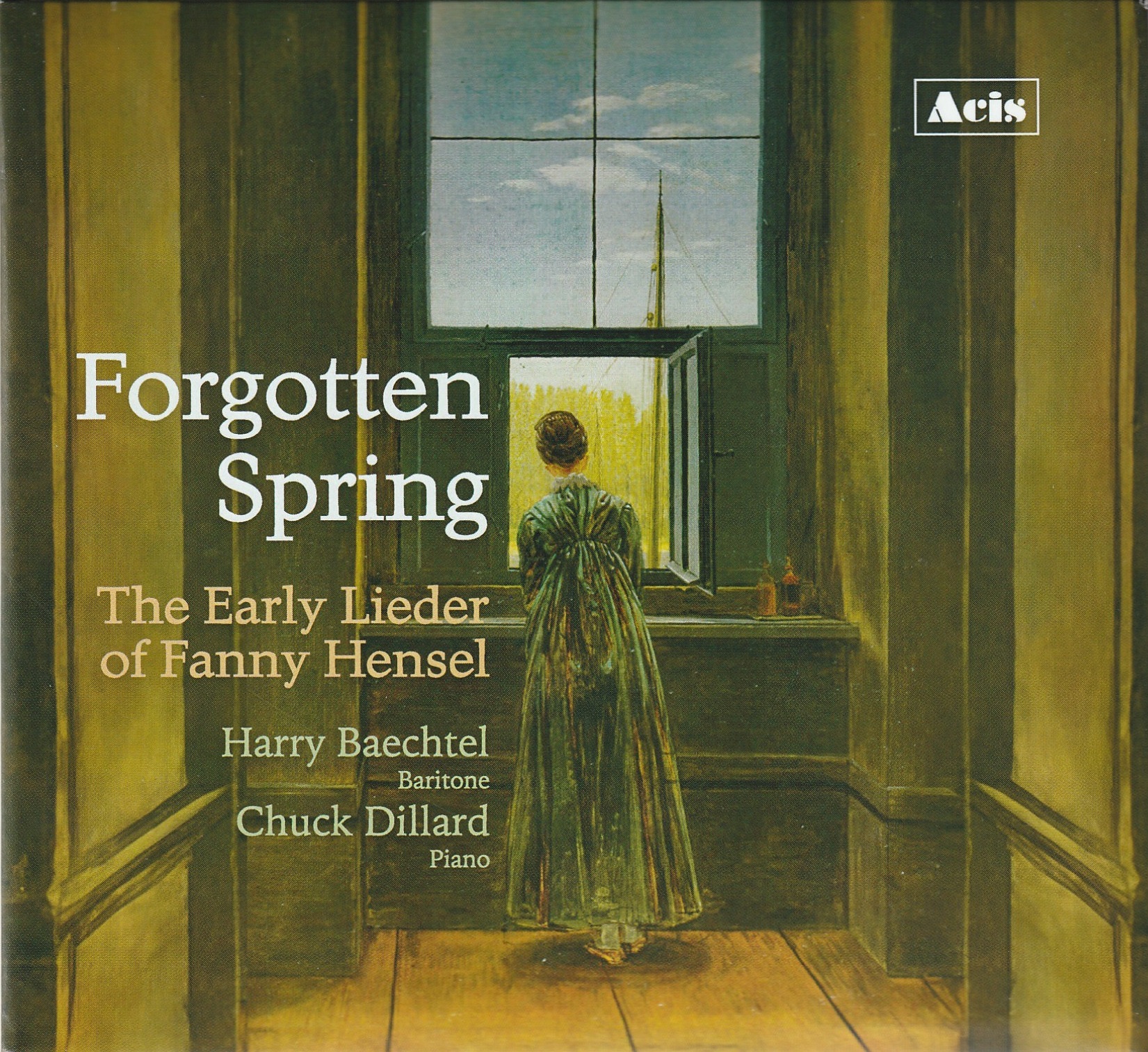
02 Forgotten SpringForgotten Spring – The Early Lieder of Fanny Hensel
Harry Baechtel; Chuck Dillard
Acis APL53882 (acisproductions.com/forgotten-spring-fanny-hensel-lieder-harry-baechtel-chuck-dillard)

A quarter of a century into our next millennium we are in the thrall of remarkable discovery, that of incredible music by women composers. These works include buried masterpieces by composers such as Clara Schumann, Florence Price – and most remarkable of all – hidden gems by the brilliant Fanny Mendelssohn Hensel.

Some of Hensel’s work has been performed and recorded (and reviewed here too). And now we have a disc of some of her most remarkable work. In fact, The Early Lieder of Fanny Hensel, displays a genius akin to her illustrious brother Felix.

Listening to this recording is a heady experience. It almost feels as if no expression would be hyperbole enough to express admiration for Hensel’s lieder. Her maturity – rare erudition with regard to the poetics of lied, sensitivity to lyric and finding the absolute perfectly suited melodic and harmonic conception to employ – is breathtaking. 

The extraordinary music interprets poems by Johann Peter Eckermann who lived in the long shadow of Goethe. Among other poets represented are works by Luise Hensel, Ludwig Tieck, Johann Henrich Voß and Sir Walter Scott.  

Meanwhile the deep and resonant baritone of Harry Baechtel captures the textural luminosity distilled into wondrous music. Moreover, the delicate pianism of Chuck Dillard makes for a perfect musical partnership.

Listen to 'Forgotten Spring: The Early Lieder of Fanny Hensel' Now in the Listening Room

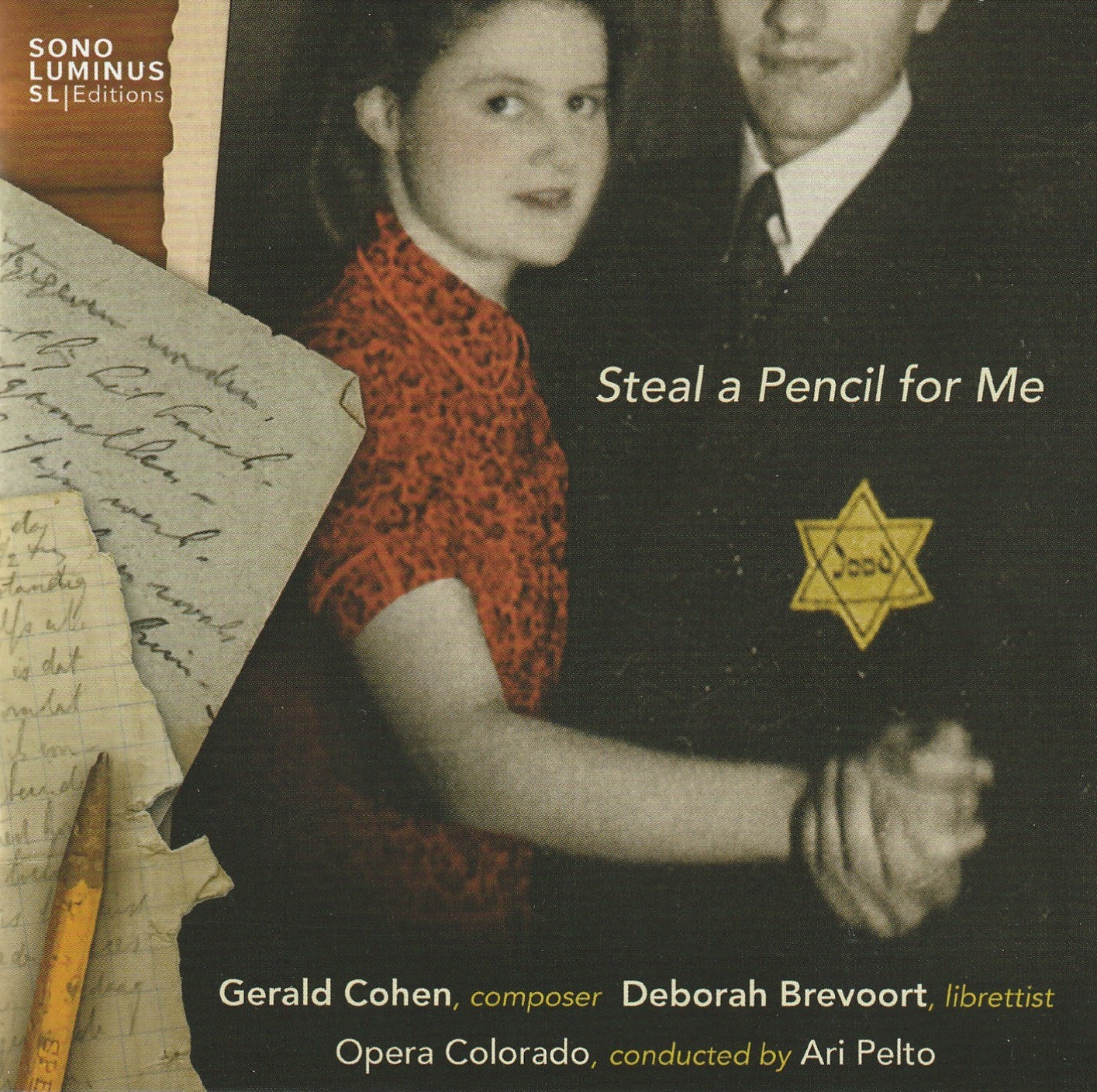
03 Cohen Steal a PencilGerald Cohen – Steal a Pencil for Me
Opera Colorado; Ari Pelto
Sono Luminus SLE-20034 (sonoluminus.com/sonoluminus/steal-a-pencil-for-me?rq=pencil)

The evil Nazi era of the 30s and 40s stole more than six million lives. But that Holocaust during World War II held many miracles in secret. One of these unfolds on this exquisite double-disc, in a deeply expressive opera with short solo and duet arias and powerful recitatives, which goes like a bolted arrow directly to the heart.

Steal a Pencil for Me, by composer Gerald Cohen and librettist Deborah Brevoort, is a story of joy, hope and the imperative to survive in tender, requited eternal love (mixed in with elemental sadness and despair). Let’s also not forget a magnificent cast of opera stars playing principal characters and the cast of supporting artists together part of Opera Colorado, expertly shepherded by the conductor Ari Pelto.

Based on the book of the same name, the narrative is a quadrangular love story: among principal Jaap Polak (played with lyrical tenderness and strength by baritone Gidean Dabi) and his deeply empathetic wife Manja (brilliant Adriana Zabala), Jaap’s true love Ina Soap (the liquid soprano Inna Dukach) and her fiancé Rudi Cohen (the sublime, dramatic Daniel McGrew). Other roles are superbly played and include friends and family, three Nazis, and a chorus of nine with chorusmaster Sahar Nouri, who is also a pianist in the orchestra.

Act 1 telling of persecution in Amsterdam and the unfolding of the love story in Westerbork is brought to dramatic life. Act 2 depicts survival in Bergen-Belsen, a secret Passover celebration, lovers lost and reunited in a happy conclusion back in Amsterdam. The package includes booklet essays, Brevoort’s libretto driven by excellent cultural anthropology. Cohen’s vent is dramatic and dark, and atmospherically sinister. And operatically grand. The tenderness of the dénouement after short, outstanding operatic arias and recitatives is sustained throughout making for a memorable event.

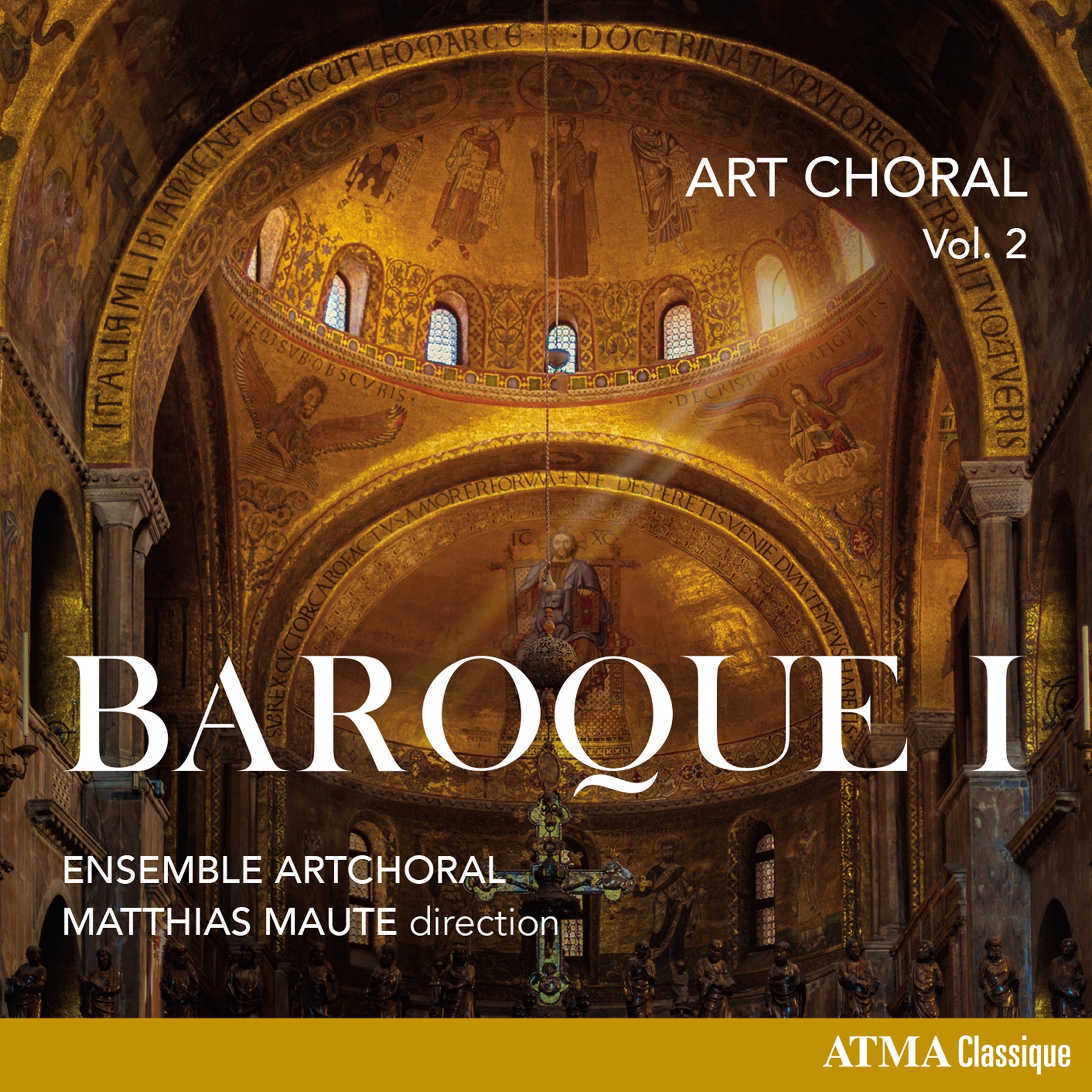
01 Art Choral 2Art Choral Vol.2 – Baroque I
Ensemble Artchoral; Matthias Maute
ATMA ACD2 2421 (atmaclassique.com/en/product/art-choral-vol-2-baroque-i)

Those seeking the mesmerizing and magical in their choral listening will enjoy this album of works by 16th and 17th century experimenters such as Gesualdo, Schütz, Monteverdi and Purcell —part of an ATMA series comprising fifteen volumes of music from 16th to the 21st centuries. Matthias Maute and Quebec’s Ensemble ArtChoral achieve a deft ensemble dynamic while also delivering the soloist flair that is so needed in this repertoire. 

The opening track, Il Lamento d’Arianna by Claudio Monteverdi, sparkles with the “meraviglia” (wonderment) which the composer sought to depict, as discussed in the recent book Monteverdi and the Marvellous by Canadian scholar Roseen Giles. From the first words, (“Lasciatemi morire / Let me die”), their intensity and precision dissolves at times to sweetness, as it should.

Carlo Gesualdo’s music is known for its colourful word-painting, involving shifts from exaggerated chromaticism to melodious diatonicism. Especially effective on this recording is the reading of Tristis et anima mea, a church responsory set with the florid and dramatic style of a madrigal and delivered with the panache that Gesualdo deserves. 

Maute approaches the Purcell pieces differently than this reviewer has heard or sung before. Especially with Man that is Born of a Woman – and In the Midst of Life, into which it segues without credit – the pace feels so rushed that in places the dissonances and text settings fly by rather than lingering painfully as seems apt for a funeral piece. It is a bold choice, but the madrigal-like delivery is effective in such sections as “He fleeth as it were a shadow / and ne’er continuith...” One can’t imagine that the choir of Westminster Abbey sung it this way at Queen Mary’s funeral, for which it was composed, but this performance cleverly points to Purcell’s Italian influences and stands as an alternate interpretation of this rich and beloved repertoire.

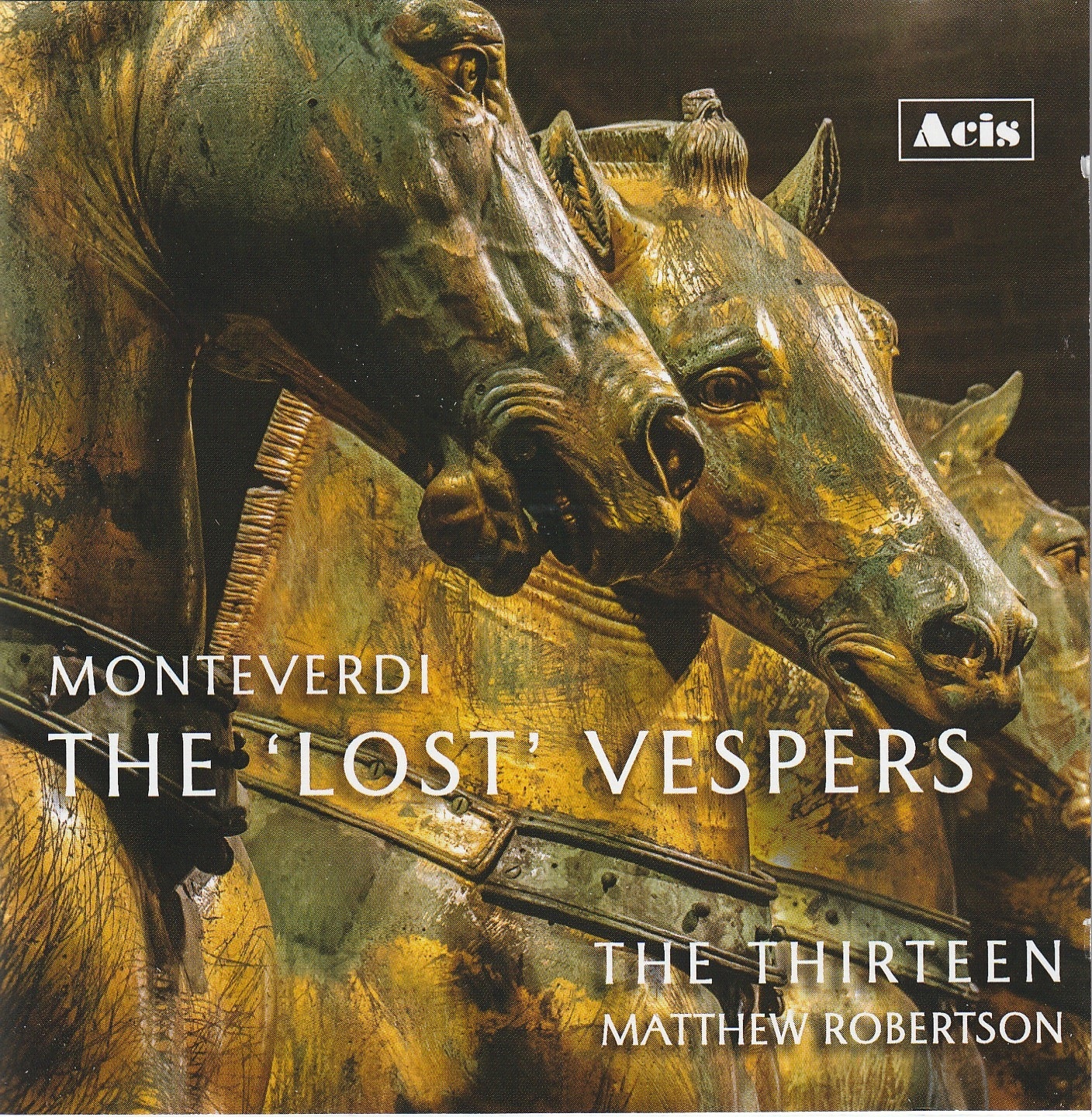
02 Monteverdi Lost VespersMonteverdi – The “Lost” Vespers
The Thirteen; Matthew Robertson
Acis APL54148 (acisproductions.com/the-thirteen-monteverdi-lost-vespers)

The Thirteen is an acclaimed professional orchestra and choir of soloists that reimagines vocal music, from early chants and masterworks to contemporary world premieres. Their most recent recording, The ‘Lost’ Vespers, is the culmination of a five years passion project by the ensemble’s artistic director and founder, Matthew Robertson. The ‘Lost’ Vespers is a curated compilation that draws from Monteverdi’s end of life volumes, Selva morale e spirituale (1640-1641) and Missa et salmi (1650). With Robertson as conductor and Adrienne Post as concertmaster, The Thirteen presents a meticulously historically informed performance of Monteverdi’s sacred work. The ensemble is comprised of eight singers and seven instrumentalists, including violin, organ, cello, cornetto and theorbo. The songs alternate in the typical style of a vespers, generally between joyful celebrations and solemn reflections. 

The carefully considered musical choices are reflected throughout the album; the exquisite push-pull of pure sonorities that represents different parts of a vespers; the word painting, specific shape of sounds and rhythms executed with craftsmanship and precision, especially noteworthy in the Magnificat primo and in the Nisi Dominus; and the virtuosity that not only creates the expected beautiful outcome of technical capacities, but also a deeply intimate and affecting musical experience. 

The liner notes of the album provide a valuable source of information on the project. Robertson first shares the journey that led to the recording of The ‘Lost’ Vespers and Dr. Steven Plank, Professor of Musicology at Oberlin College and Conservatory, then provides a wealth of information that can guide or enhance the listener’s experience.

The ‘Lost’ Vespers was recorded at the Franciscan Monastery of the Holy Land in America in Washington, DC in October 2023.

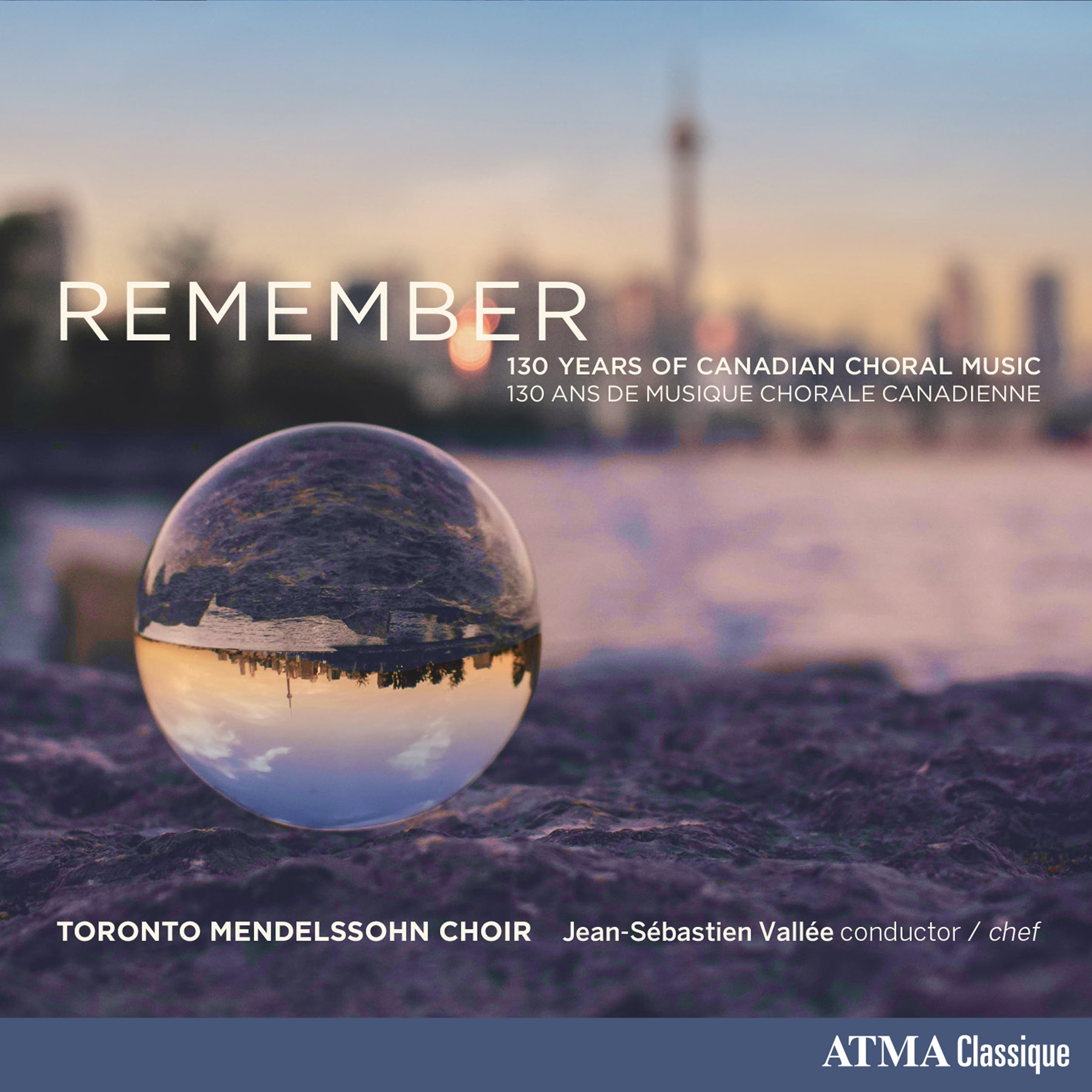
03 Toronto Mendelssohn ChoirRemember – 130 Years of Canadian Choral Music
Toronto Mendelssohn Choir; Jean-Sebastien Vallee
ATMA ACD2 2882 (atmaclassique.com/en/product/remember-130-years-of-canadian-choral-music)

Fifteen a cappella works, variously sung in English, French, Latin, German, Hebrew and Arabic, offer what Rena Roussin, Toronto Mendelssohn Choir’s musicologist-in-residence, calls in her booklet notes “a time capsule of musical touchstones and reflections across 130 years of Canadian choral music history,” the span of the choir’s existence. (Seven selections are performed by the choir’s 24-member professional nucleus, the Toronto Mendelssohn Singers.)

The two-CD set opens with the collection’s title work, Stephen Chatman’s hauntingly beautiful Remember, the second of his Two Rossetti Songs. It’s followed by the gentle hymn, Jesus, Lover of My Soul, by the TMC’s founder and first conductor, Augustus Stephen Vogt. The one piece not by a Canadian, Mendelssohn’s robust setting of Psalm 43, Richte mich, Gott, was performed at the eponymous choir’s debut on January 15, 1895. 

Other standouts are Harry Somers’ elaborate arrangement of She’s Like the Swallow, Healey Willan’s much-loved An Apostrophe to the Heavenly Hosts (at nine minutes, the collection’s longest work) and Imant Raminsh’s luminous Ave verum corpus. Also represented are Ernest MacMillan, Srul Irving Glick, Peter-Anthony Togni, Christopher Ducasse, Andrew Balfour, Jocelyn Morlock, Stuart Beatch, Shireen Abu-Khader and Stephanie Martin, the last six by pieces composed between 2018 and 2022.

At only 84 minutes, this wide-ranging collection could easily have been augmented with works by three significant Canadian choral composers, surprisingly absent – R. Murray Schafer, Ruth Watson Henderson and Eleanor Daley. Nevertheless, there’s much lovely music and lovely singing here to enjoy.

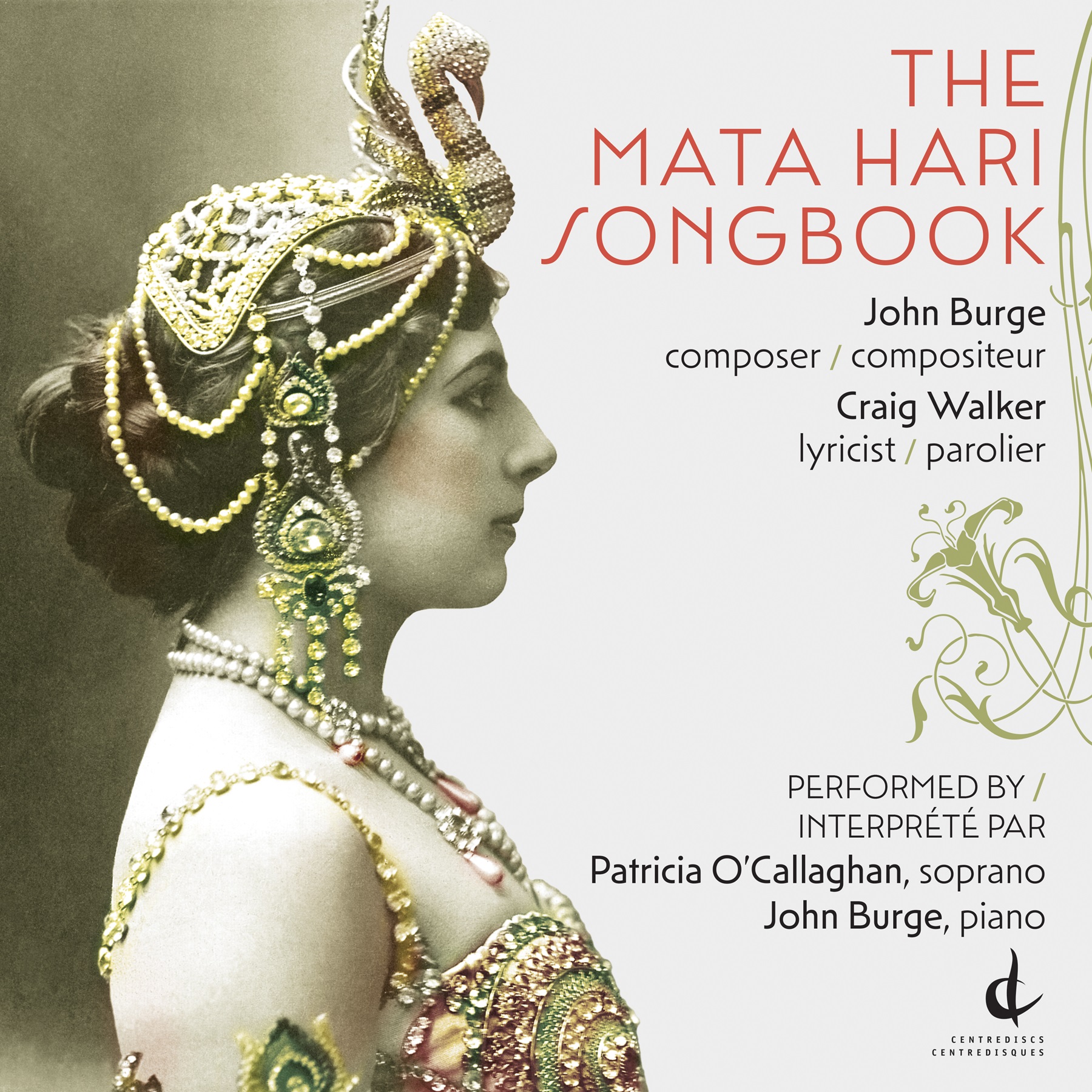
04 JohnBurge MataHariSongbookJohn Burge – The Mata Hari songbook
Patricia O’Callahan; John Burge
Centrediscs CMCCD 34424 (cmccanada.org/shop/cmccd-34424)

The early 20th century erotic Javanese dancer and European courtesan, Mata Hari (1876-1917) is still surrounded by an aura of mystery, more than a century since her passing at the hands of a French firing squad, following her rather dubious and hasty conviction on charges of spying for Germany during World War I. Notorious is the word irrevocably tied to this fascinating and complex character… was it her so-called traitorous activities that caused her downfall, or was it a generalized male fear of her seductive, political powers? Thrilling, versatile and accomplished soprano Patricia O’Callahan in a creative partnership with composer/pianist John Burge and writer/director Craig Walker explore these questions (and more) in their brilliant one-woman, two-act, high-end cabaret production One Last Night with Mata Hari. The recording of that presentation has resulted in the stunning ten-song collection presented here, focused on the night before Hari faced her death.

The plot sees Hari recalling her life and times for the staff and holy sisters in the place of her internment. First up is the lilting An Officer to Marry where O’Callahan deftly captures the irony of young Hari’s desire to upgrade her social situation by her assignation with the sadistic and vile Rudolph McLeod.  Burge’s superb pianistic skill injects each composition with energy and verity, while the equally superb libretto by Walker paints a sometimes terrifying and complex picture of Hari’s life. Of special beauty is the love song to her sickly child, You’ll Be My Sun, where Burge and O’Callahan perform with a near telepathic communication and O’Callahan soaring to the outer reaches of her remarkable register.   

Each of the compositions here contain undeniable elements of German Art Song. O’Callahan creates a three-dimensional portrait of a survivor, traumatized by her times as well as by her peripatetic and unstable reality. This is a thoroughly compelling and satisfying cycle of songs – expertly performed and recorded.

Listen to 'John Burge: The Mata Hari songbook' Now in the Listening Room

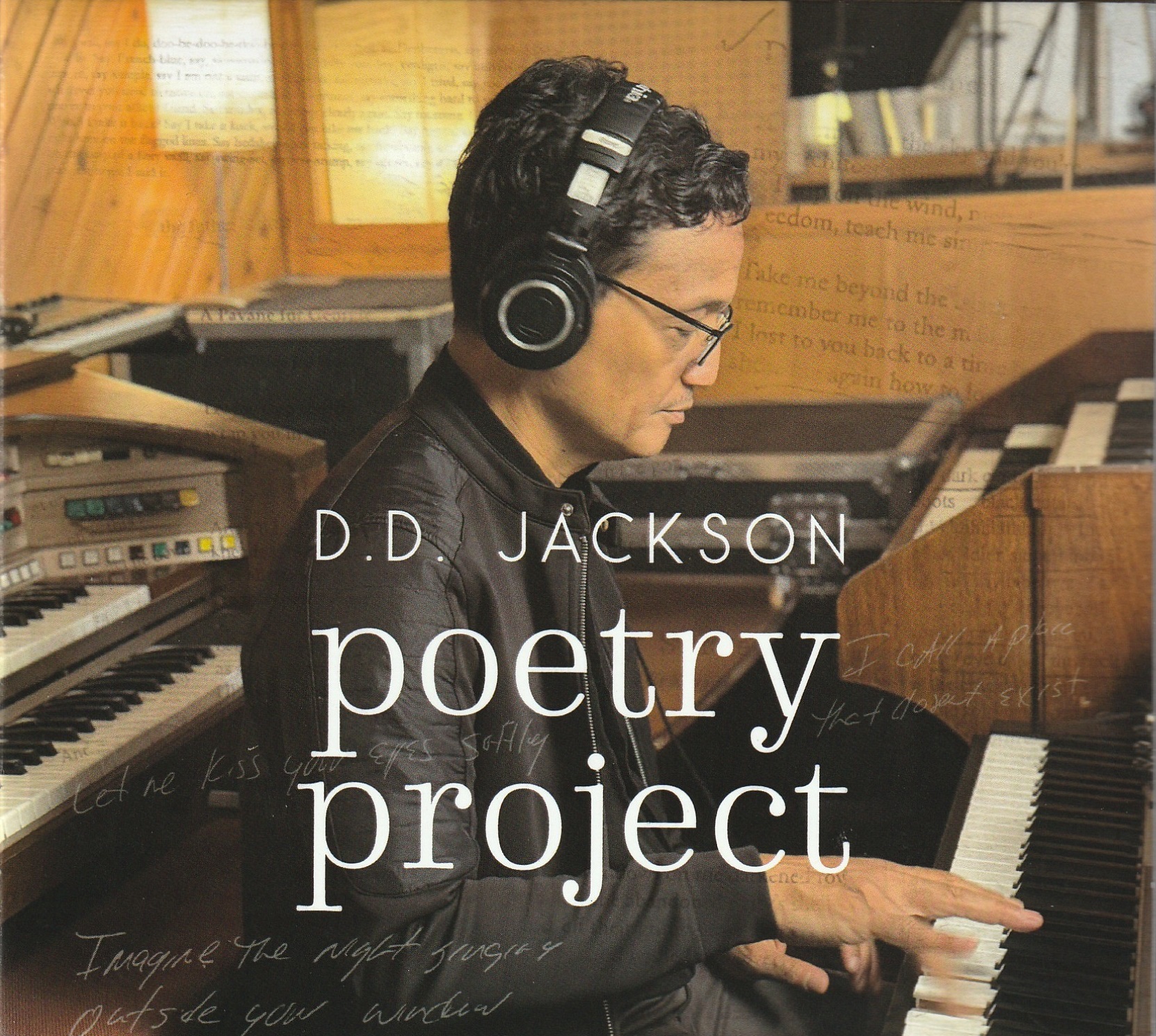
05 DD JacksonD.D. Jackson – Poetry Project
D.D. Jackson; various  artists and vocalists
Independent (ddjackson.bandcamp.com)

D.D. Jackson is a JUNO and Emmy winning composer, producer and jazz pianist. In the spring of 2021, eminent Canadian poet George Elliott Clarke commissioned Jackson to set music to one of his poems. This initial collaboration snowballed into The Poetry Project, an album of 13 songs mostly arranged for piano and voice with small ensembles of varying instruments. The last song in the set, Daedalus’ Lament (Giovanna Riccio) is performed by D.D. Jackson and the Czech National Symphony Orchestra via Musiversal. 

In addition to Clarke and Riccio, The Poetry Project features poems by Canadian writers Ayesha Chatterjee, Luciano Iacobelli, Irving Layton, Micheline Maylor, Bruce Meyer, Al Moritz, Libby Scheier, Choucri Paul Zemokhol and Chinese poet Xiaoyuan Yin. The performers on the album include many well-known names, including Laila Biali, Dean Bowman, Yoon Sun Choi, Ethan Cronin, Sammy Jackson, John Lindsay-Botten and Raina Sokolov-Gonzalez.   

The Poetry Project includes a variety of themes. For example, I call (Zemokhol) is about the poet rediscovering his mother’s Egypt. Daylight Shooting in little Italy (Iacobelli) is about an incident Iacobelli and his family witnessed. On Silence (Chatterjee) is a layered and imaged interpretation of silence and how in its stillness we can truly hear. Self-Composed (Clarke) is a song from a father to his daughter and 2641 Fuller Terrace (also by Clarke) is an homage to guitarist Gilbert Daye. 

For all of the intensity of the words chosen for The Poetry Project, Jackson writes surprisingly dynamic and rhythmic music with both fluid and, at times, challenging vocal lines that sway in all of the right places. Kudos to him for transforming sometimes long pages of poetry with its own rhythmical pacing into song length material that has retained the writers’ intentions and emotions.

06 Anastasia MinsterSong of Songs
Anastasia Minster; Canadian Studio Symphony Orchestra; Felipe Tellez
Independent (anastasiaminster.com)

The title of this disc Song of Songs by Anastasia Minster may suggest it contains works based on The Song of Songs, that biblical book sometimes attributed (albeit erroneously) to King Solomon, legendary for his superlative wisdom and extraordinary wealth. But don’t let that distract you for it does – in a not-so-oblique way – reference themes of love, the heart and soul and metaphor of its biblical namesake. 

Moreover, what the recording is may also not be everyone’s idea of an orchestral one – although it is quite extraordinary. Survey the performance of pianist and vocalist Minster, and you will discover someone incapable of being temperamentally innocuous, bland or emotionally disengaged from the black-velvet-dark content. With her silvery timbre – lustrous in the high notes and like molten lava in the lower ones – Minster rises to the challenge; nay she bursts through the glass ceiling of this impassioned, shadowy repertoire.

In the artistic execution – vocal and orchestral – and in the warmth and detail of its recording, the disc is flawless. I do miss printed lyrics and believe (too punctilious a demand on my part perhaps) that every vocal disc ought to come with a booklet of texts. In her defense, I have to say that this gorgeously poetic disc may be a worthy exception. Minster is an uber-articulate vocalist and it is not particularly difficult to follow these contemporary art songs without the guide of printed lyrics.

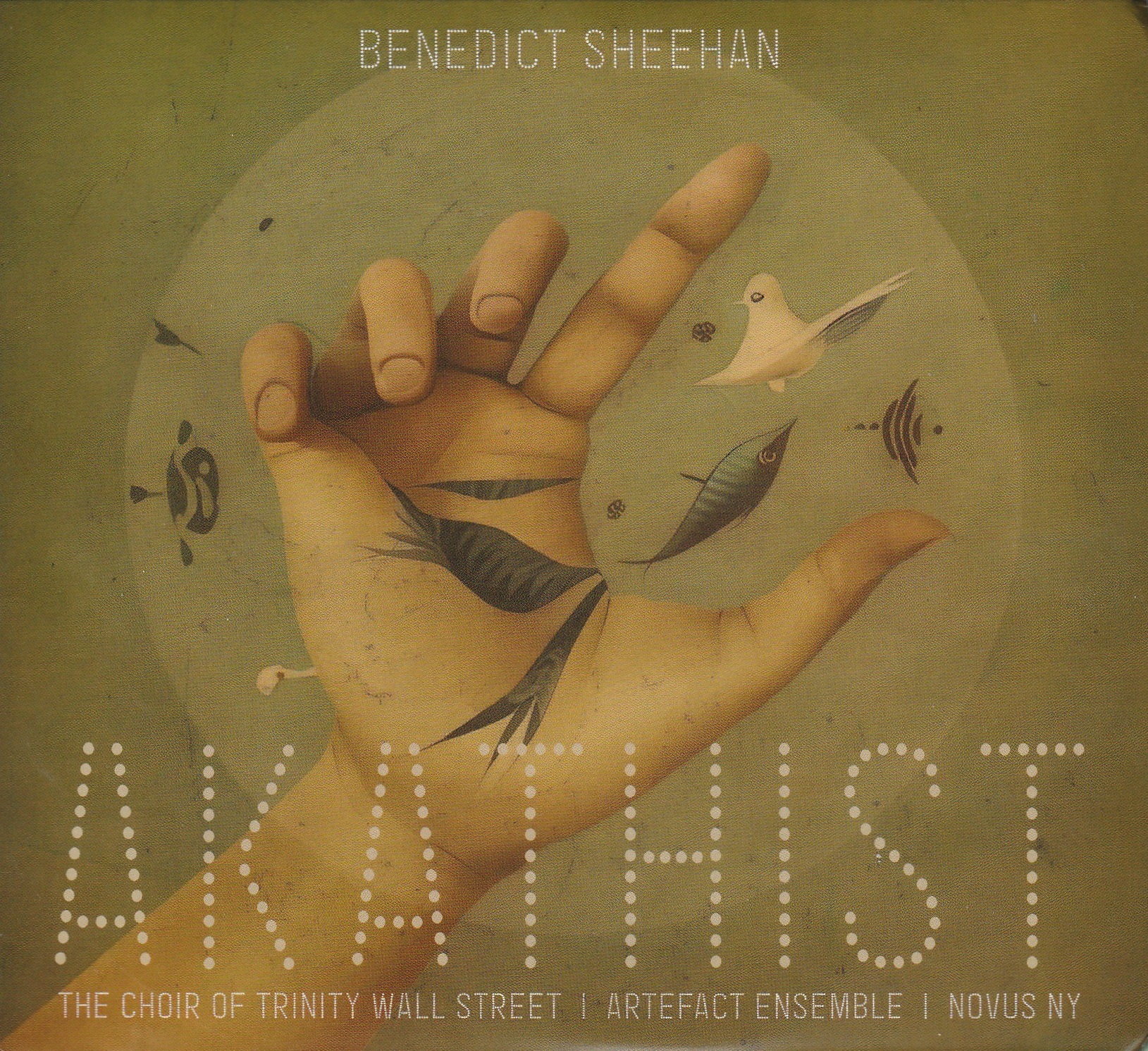
07 Sheehan AkathistBenedict Sheehan – Akahist
Choir of Trinity Wall Street; Artefact Ensemble; Novus NY
Bright Shiny Things (BSTC-0210 brightshiny.ninja/akathist)

Benedict Sheehan’s epic oratorio came to be as a poignant reminder of the dark days of the Stalinist purges. The language of this work has at its heart Akathist: Glory to God for All Things, an Eastern Orthodox service in plainchant, as a hymn of thanksgiving. However, the musical topography traversed by Sheehan’s work references all of fallen humanity – from the earliest times to that of our day. 

The sweeping chorales on two discs centre on the theology of Ecclesia (the community of the church) and Sapientia (holy wisdom) and appear to proffer the blinding light of God’s invisible spiritual wisdom emanating from the Heavens as a salve to heal the grief of the evils on earth. 

Melding liturgical songs (antiphons, responsories, sequences and hymns) sung by the glorious voices of several soloists and choral groups, accompanied by an instrumental ensemble into a modern-day symphonia harmoniae caelestium revelationum (a symphony of heavenly revelations) Sheehan has created a harmonious combination of different musical sounds, woven into the divine cosmic harmony. 

In fact Sheehan has created a powerful metaphor that unites the physical and the spiritual realms that brings both participant and listener into a closer – mystical – relationship with the divine. The Choir of Trinity Wall Street, the Trinity Youth Chorus, combined with the voices of the Artefact Ensemble and the Downtown Voices, together with instrumental ensemble NOVUS NY bring the spontaneity of Akathist to life.

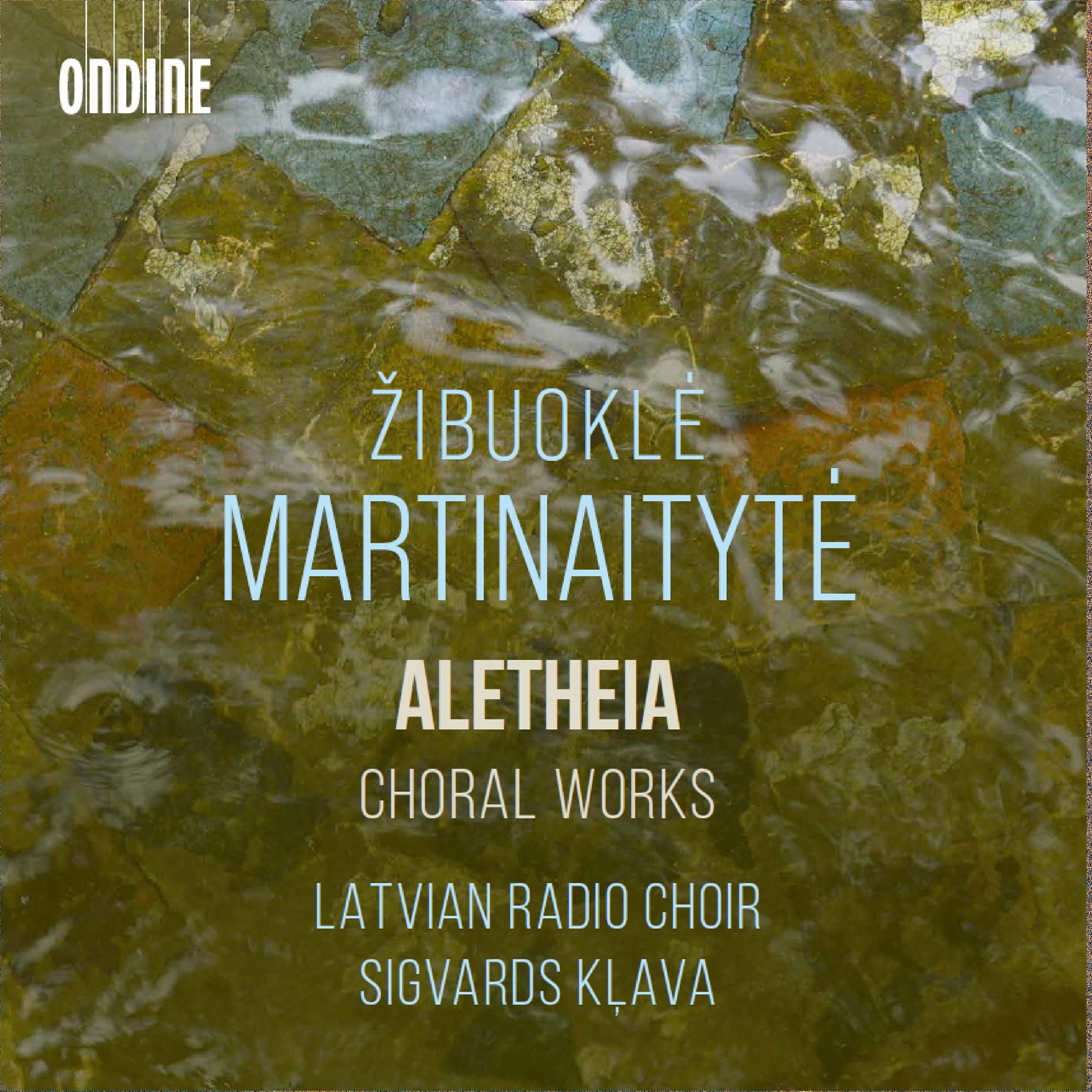
08 Martinaiyite AletheiaZibuokle Martinaityte – Aletheia: Choral Works
Latvian Radio Choir; Sigvards Klava
Ondine ODE 1447-2 (ondine.net/index.php?lid=en&cid=2.2&oid=7307)

On Aletheia, celebrated Lithuanian composer Žibuoklė Martinaitytė has used the wordless language of the heart to drive the emotional spirituality of these four outstanding choral works. Using thrillingly sensuous music of bright acoustic colours and resonant fades, she has created a vocabulary defined by note durations, attack and intensities through throat-singing, drones and other vocal devices. In fact, she has brought new meaning and beauty to the mystique of spiritual music. 

In the titular first work on this disc Martinaitytė evokes the horrors of the Russian invasion of Lithuania, a personal trauma that was triggered by the more recent Russian invasion of Ukraine. Ululations is a work similar to Aletheia. Although it is not born of the despair and trauma of the latter work, it is born of an elemental, “ululating” wail. 

Chant des Voyelles employs voices to mimic the curves of sculptures by the cubist sculptor Jacques Lipchitz. And although The Blue of Distance has no particular setting, this sweeping Whitmanesque piece completes the exquisite cycle of mystical chorales vividly interpreted by the Latvian Radio Choir conducted by Sigvards Kļava.

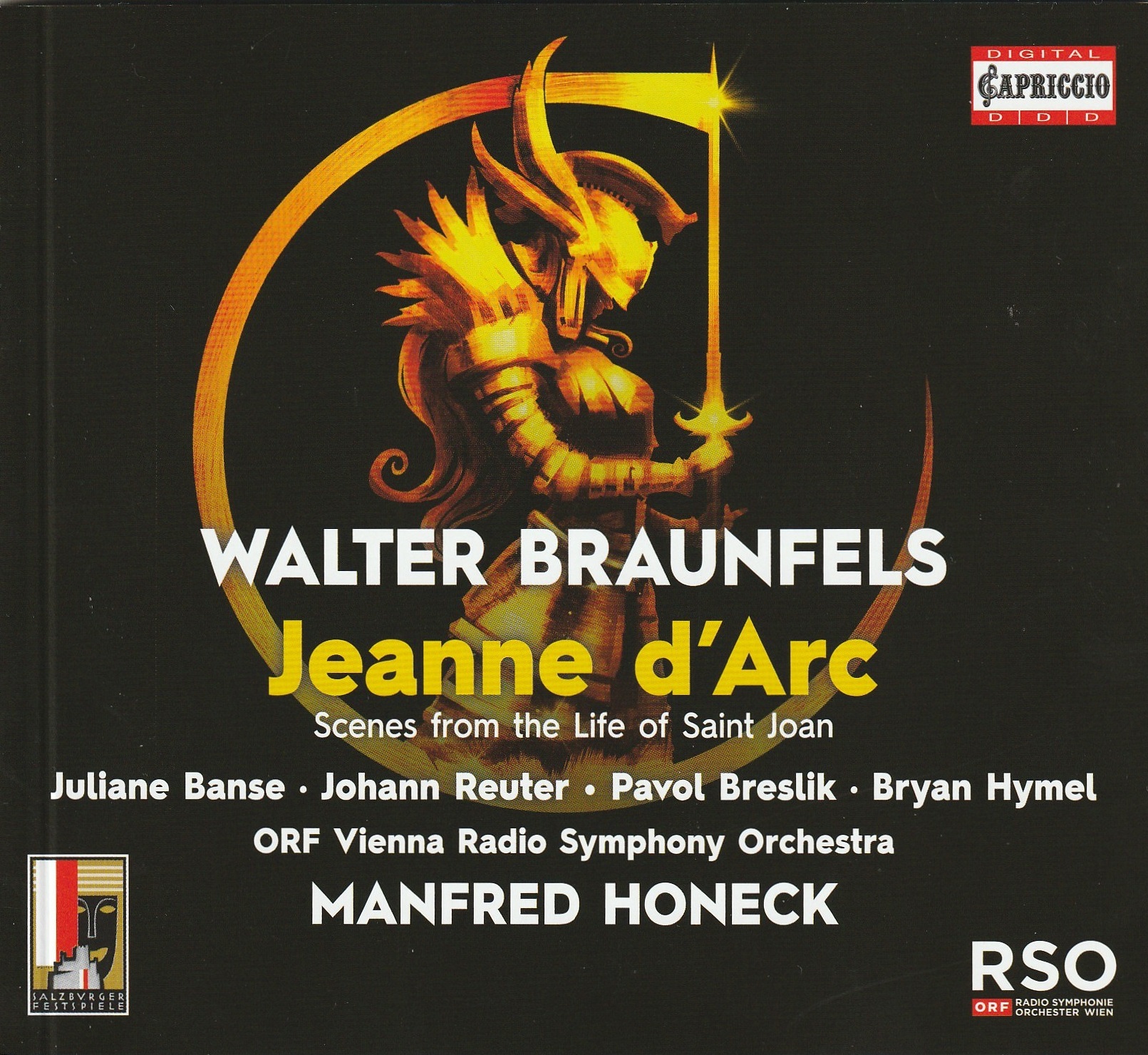
01 Braunfels Jeanne dArcWalter Braunfels – Jeanne d’Arc
Juliane Banse;  Salzburger Bachchor and Kinderchor; ORF Vienna Radio Symphony Orchestra; Manfred Honeck
Capriccio C5515 (naxos.com/CatalogueDetail/?id=C5515)

Her brief but eventful life and agonizing death have been depicted in paintings, books, plays, films and several operas, most notably those by Verdi and Tchaikovsky. In 1943, Walter Braunfels completed the three-act opera he titled Szenen aus dem Leben der Heilige Johanna (Scenes from the Life of Saint Joan). It wasn’t heard, however, until 2001 in a concert performance in Stockholm conducted by Manfred Honeck (since 2008 the music director of the Pittsburgh Symphony Orchestra). At the 2013 Salzburg Festival, Honeck again conducted a concert performance, preserved in this two-CD set.

Braunfels’ self-written libretto traces, in seven scenes, Joan’s life from when she first receives her marching orders from Saints Catherine, Margaret and Michael until her immolation at the stake. It’s dramatically compelling throughout, illuminated by Braunfels’ powerful score, composed in the post-Wagnerian Germanic idiom that Alexander von Zemlinsky and Franz Schreker employed in their increasingly admired operas – rapturous flights of vocal lyricism amid intense, tonally indecisive harmonies and boldly-coloured orchestral strokes.

The chorus provides some of the opera’s most thrilling passages – the stirring scene as the entire ensemble prepares to march off to the besieged city of Orleans, singing of the victory to come; the exalted grandeur of King Charles’ coronation; and the angry mob of Rouen’s townspeople demanding Joan’s death. The opera’s closing minutes are extraordinarily emotion-wrenching – Joan’s ecstatic, final outburst at her trial for heresy (Braunfels quoted her words from the actual trial documents), Gilles de Rais’ anguished aria as he witnesses Joan’s execution and the chorus of townspeople, having seen Joan’s heart unburned and a dove rising from her ashes, proclaiming a holy miracle.

Leading the superb cast are soprano Juliane Banse (Joan), her light, bright voice perfect for the teenage heroine, tenor Pavel Breslik (King Charles), bass-baritone Johan Reuter (Gilles de Rais) and bass Ruben Drole (Duke of La Trémouille). As the opera requires an additional 12 soloists plus chorus and children’s chorus, in today’s economic climate the expense of mounting a fully-staged production of such an unfamiliar opera may be too risky an enterprise. But it surely deserves to be seen as well as heard! (Texts and translations are included.)

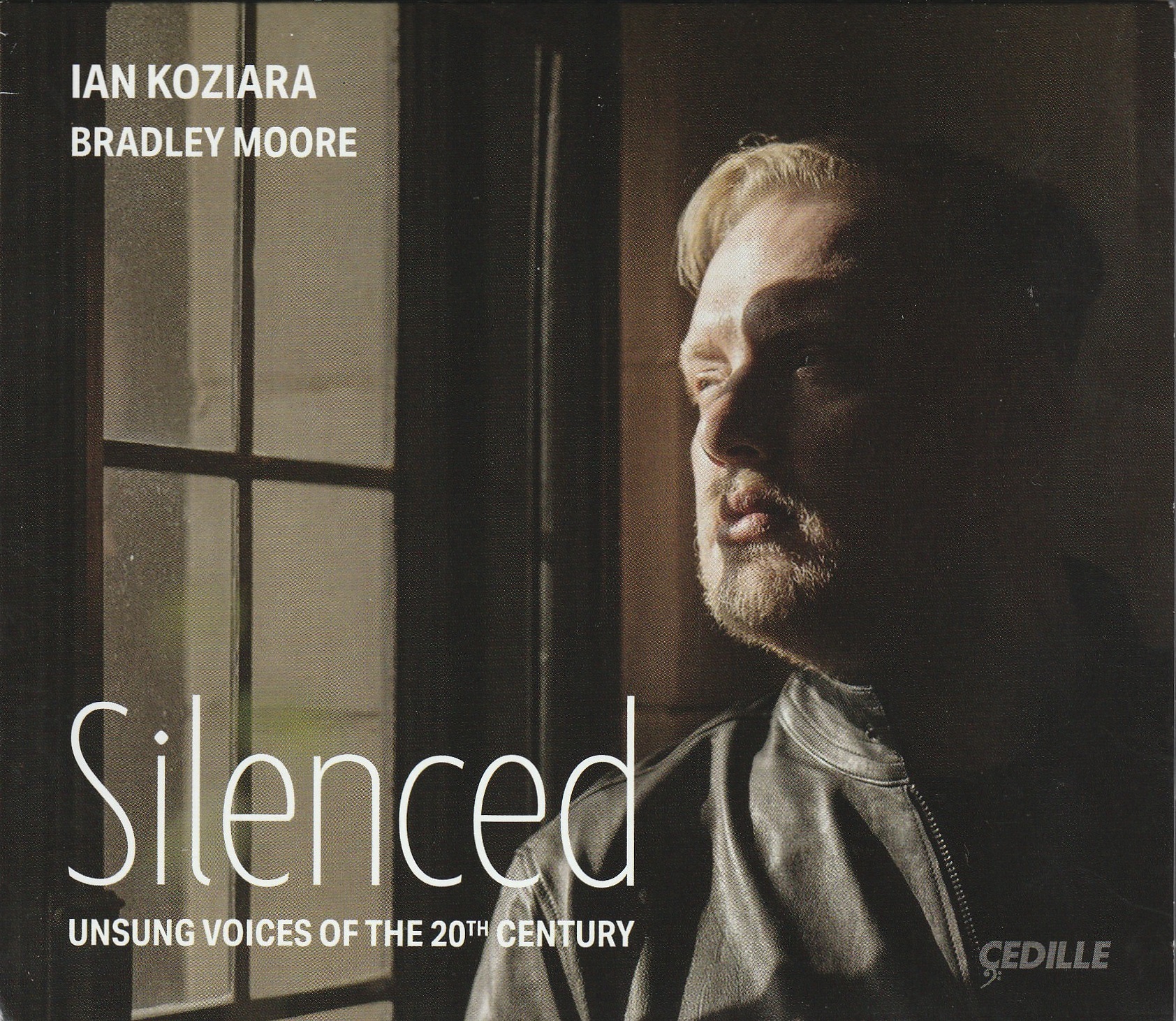
02 SilencedSilenced – Unsung Voices of the 20th Century (Schreker; Ullmann; Kapralova; Zemlinsky)
Ian Koziara; Bradley Moore
Cedille CDR 90000 231 (cedillerecords.org/albums/silenced-unsung-voices-of-the-20th-century)

They were enjoying successful careers as composers and conductors until their Jewish ancestry resulted in their “voices” being “silenced” by the Nazis, their music banned, their podium engagements cancelled, their lives altered. Franz Schreker (1878-1934) suffered a fatal stroke; self-exiled Vitežslava Kaprálová (1915-1940) succumbed to disease in France; Alexander von Zemlinsky (1871-1942) died, forgotten, in New York; Viktor Ullmann (1898-1944) was murdered in Auschwitz. But their music survives, here performed with operatic fervour by American heldentenor Ian Koziara; Bradley Moore scintillates in the often elaborate, extended piano accompaniments.

Three early songs by Schreker are highlighted by the surging, ecstatic Frühling (Spring), celebrating “spring’s splendour.” Heightened drama imbues five songs by Zemlinsky – two filled with reverential religiosity, two bitterly sardonic about wartime mutilation and mortality; the fifth, a despairing “dance of death.” Of the ten chromatic, emotionally-laden songs by Kaprálová, the first Czech woman to conduct professionally, I particularly enjoyed the rhapsodic Jitro (Morning), the wild, surrealistic Jamí Pout’ (Spring Fair), the regretful Navždy (Forever) and the passionate Čím Je Můj Žal (What Is My Grief).

Ullmann, despite studying with Arnold Schoenberg (who studied with Zemlinsky!), never embraced serialism, although his music is tonally ambiguous. Three of this CD’s seven songs stand out: the robust Schnitterlied (Reaper-Song), the satiric Die Schweitzer (The Swiss) and the ruminative Abendphantasie (Evening Fantasy). Abendphantasie, composed during Ullmann’s internment in Terezin, ends with the supremely ironic words, “my old age will be peaceful and serene.”

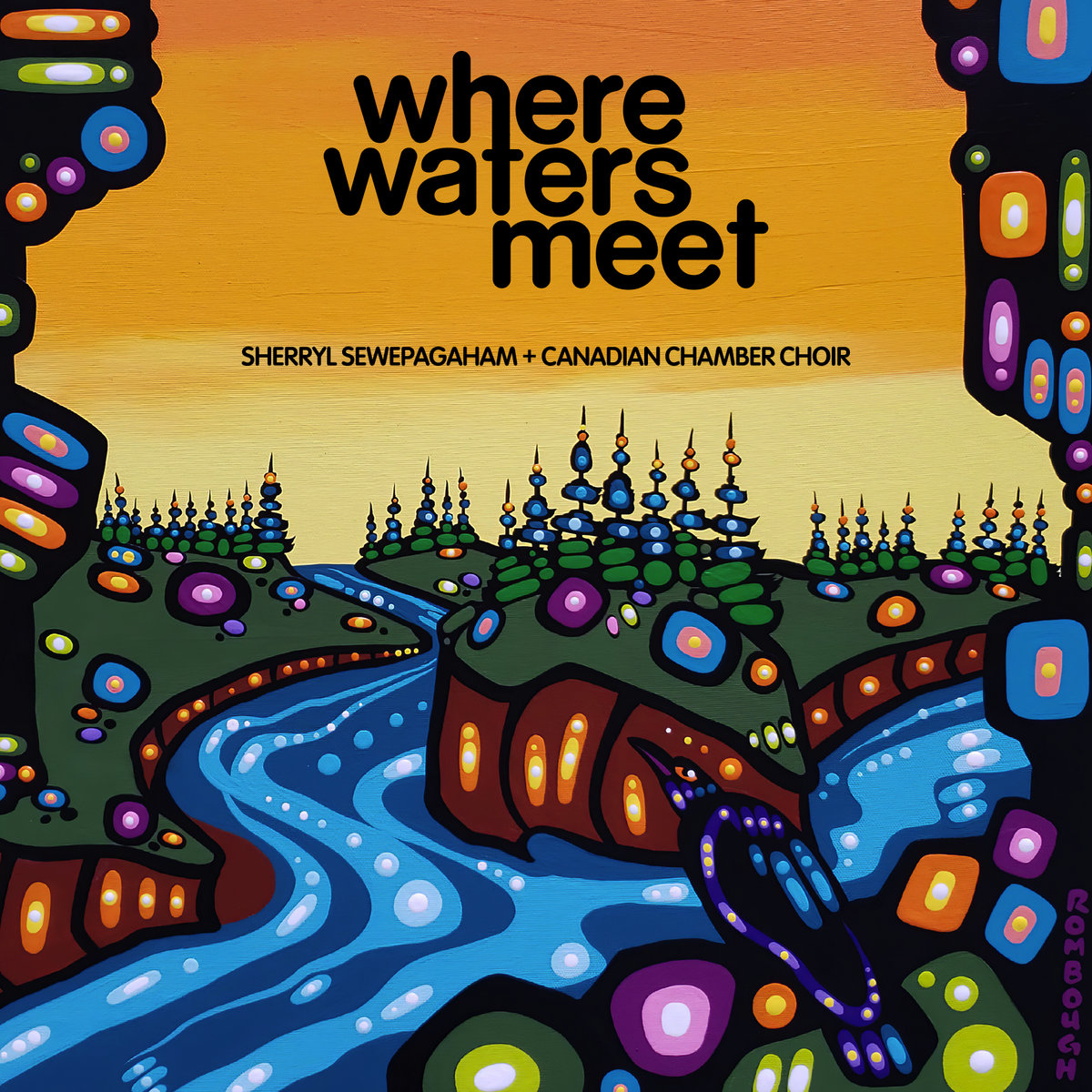
03 Where Waters MeetWhere Waters Meet
Canadian Chamber Choir; Sherryl Sewepagaham
Independent (canadianchamberchoir.bandcamp.com/album/where-waters-meet)

Formed in 1999, the Canadian Chamber Choir has a unique approach to music making. Under the direction of Julia Davids and associate conductor Joel Tranquilla, the ensemble draws members from all parts of the country and convenes periodically in different cities across Canada spending three or four days in rehearsal before presenting concerts or workshops. 

This newest recording titled Where Waters Meet featuring singer Sherryl Sewepagaham is an homage to Canadian Indigenous culture and appears at a particularly fortuitous time when the Indigenous presence in Canada is receiving long-overdue recognition.

Sewepagaham, a Cree-Dene artist from Little Red River Cree Nation in Northern Alberta, opens the recording with the haunting Morning Drum Song. The remainder of the pieces appropriately have an aquatic theme, including Hussein Janmohamed’s Sun on Water which comprises a true melding of cultures in its use of texts from Hindi, Islamic, Christian and Cree cultures.

The major piece in the program, Where Waters Meet by Canadian arctic composer Carmen Braden with texts by First Nations playwright Yolanda Bonnell, is in four movements, interspersed throughout the recording. The words are inspired by various sources, with the third movement based on a 2022 Toronto Star article focusing on the issue of poor water quality found in many Indigenous communities.

What a wonderful sound this ensemble achieves, at all times demonstrating a keen sense of dynamics and phrasing. All the while, Sewepagaham, as a soloist either with or without the choir, delivers a compelling performance, the voice of a culture too long under-acknowledged. Attractive packaging and detailed notes further enhance an already fine recording.

Listen to 'Where Waters Meet' Now in the Listening Room

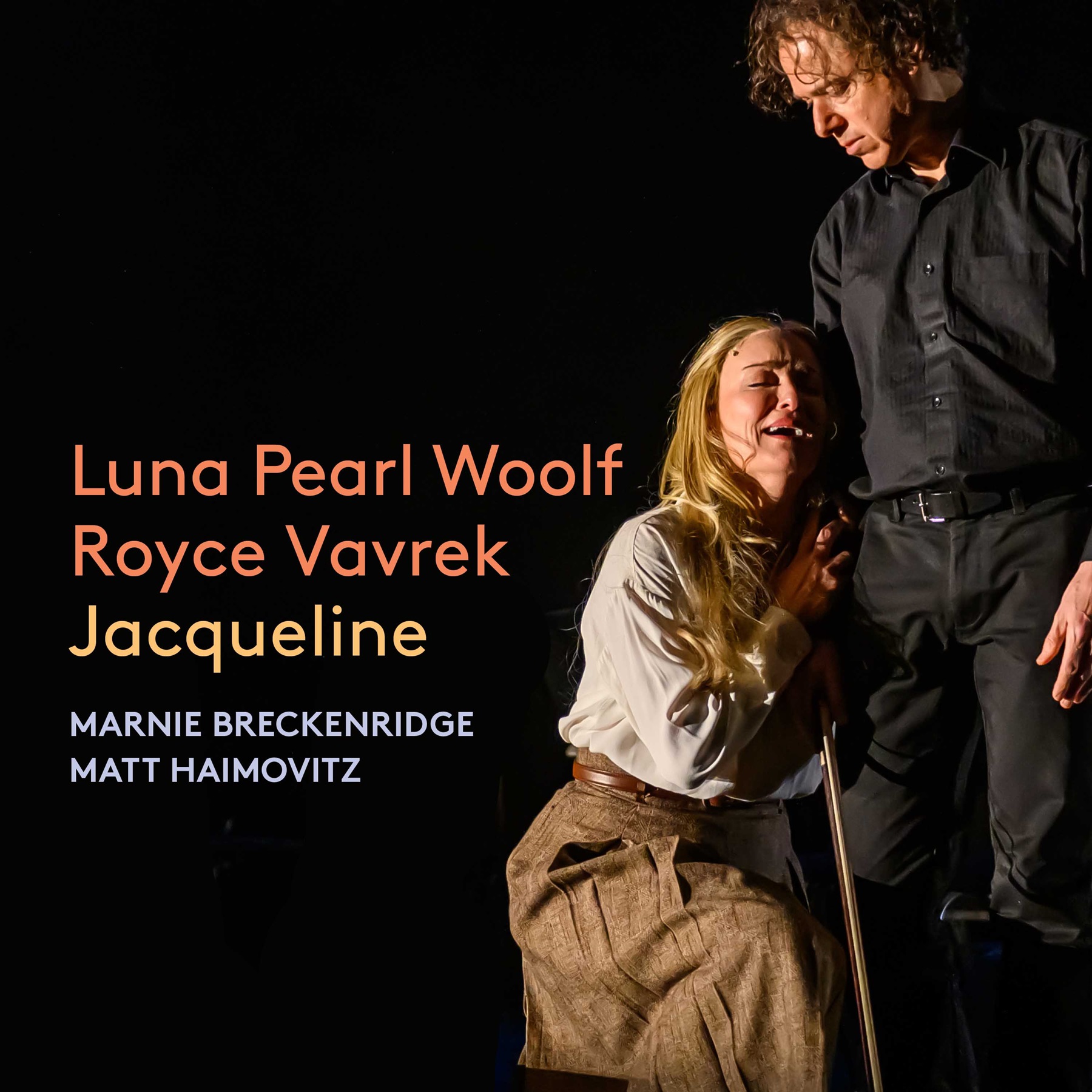
04 Luna Pearl WoolfLuna Pearl Woolf – Jacqueline
Marnie Breckenridge; Matt Haimovitz
Pentatone PTC5187341 (pentatonemusic.com/product/jacqueline)

“It is with a heavy heart that I must cancel my engagements,” announces Jacqueline du Pré towards the end of Canadian-American composer Luna Pearl Woolf’s gripping chamber opera, Jacqueline. It’s 1973, and the incomparable British cellist is only 28 years old. But the ravages of MS have forced her to stop performing.      

Woolf and her librettist, Canadian Royce Vavrek, focus on du Pré’s most significant relationship – with her cello. There are just two performers. It’s a daring artistic choice, and it works brilliantly here. The charismatic American soprano Marnie Breckenridge is du Pré, and cellist extraordinaire, Montreal-based Matt Haimovitz, is her cello. It is as dramatic as it is moving.      

Other performers will undoubtedly want to take on these two challenging roles. But it’s hard to imagine anyone surpassing either Breckenridge or Haimovitz. Breckenridge evokes du Pré with untethered intensity. Yet her voice retains its luminous allure throughout. Haimovitz does full justice to du Pré’s matchless sound with his richly expressive tone and effortless technique. 

Vavrek, newly-appointed Artistic Director of Against the Grain, shows why his work is in such demand by composers today. His libretto is unsparing. But it’s poetic and playful enough to offset the grimness of du Pré’s struggles, recalling joyful childhood memories and key works that defined her career.

Pentatone has produced an especially attractive CD set, with a booklet containing the full libretto and photos of the original staging by Toronto’s Tapestry Opera in 2020.

Back to top