01 Jeff BirdORDO VIRTUTUM – Jeff Bird plays Hildegard von Bingen: volume two
Jeff Bird
Independent 2025UTUM (jeffbird.bandcamp.com/album/ordo-virtutum-jeff-bird-plays-hildegard-von-bingen-volume-two)

A few years ago, Guelph area musician Jeff Bird produced a unique recording featuring what he called adaptations of the music of Hildegard of Bingen. He has now followed up with a further collection of pieces inspired by and adapted from this 12th century German abbess, who must stand out as one of the most remarkable individuals of that mediaeval period. Hildegard produced melodies for her nuns to sing communally [as monks did with Gregorian Plainchant], and inscribed these musical lines in illustrated manuscripts, designed with colours and ornaments, which are beautiful in themselves. 

As with Bird’s first collection, the chant has been compressed to produce a faster moving melody line, which follows the intervals of the chant more quickly and renders them instrumentally in arrangements that are based on a main voice usually played on a harmonica. There is no singing.

There are eight separate numbers, and each features a very precise scoring of the solo harmonica line, recorded and performed meticulously with a limited vibrato, plus another instrumental line which varies from number to number, and forms organum and pedal effects and echoes surrounding the main melody, with strings in the first, trumpet in the third, and we hear sections with electric guitar, sruti-box, [tiny] pipe organ and even a harp, but all in contemplative flowing, very simple and clear lines. 

The intense meditational focus eventually creates an obsessive, mesmerizing quality, but each of the numbers ends abruptly, usually fading back before the next piece without any cadential process. This disc could be an effective background of calming music played on repeat. The single sleeved album has a minimum of notes, but is very elaborately decorated, as is the CD itself.
Listen to 'ORDO VIRTUTUM' Now in the Listening Room

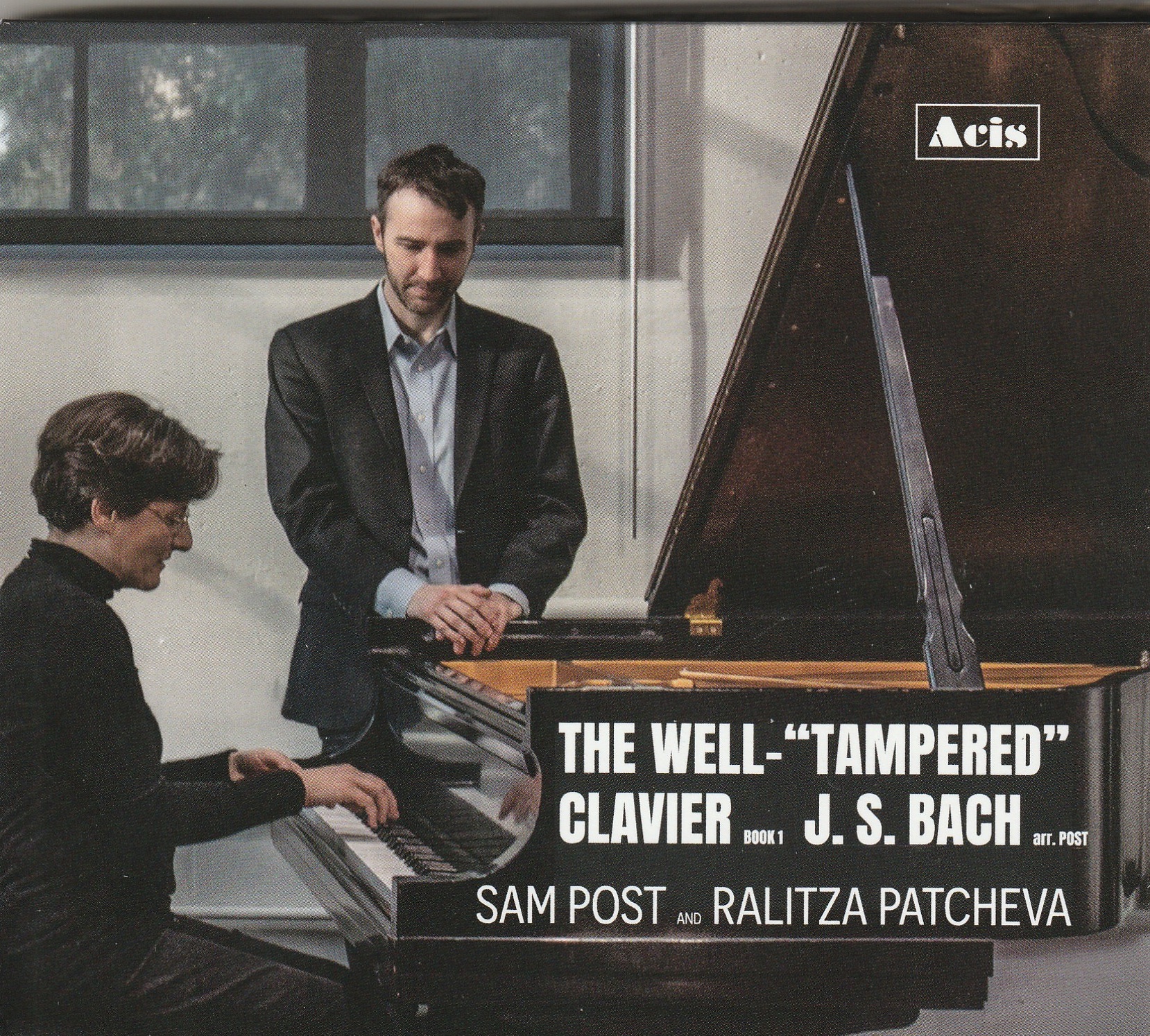
02 Well Tampered ClavierJ.S. Bach – The Well “Tampered” Clavier Book One (arranged Sam Post)
Sam Post; Ralitza Patcheva
Acis APL53516 (acisrecordstore.com)

Sam Post, and his piano-playing partner Ralitza Pacheva, play a sensational Book 1 of J.S. Bach’s Well-“Tampered” Clavier here. More about that title later. Both books (24 preludes and fugues) work through the 12 major and 12 minor keys on the instrument as it was constructed at that time. 

Unequalled in the profligacy of their inventiveness, the books were intended partly as a manual of keyboard playing and composition, partly as a systematic exploration of harmony, and partly as a celebration of tuning technique – the “Well-tempering” that enables playing in any key without having to retune the piano. The twist in the title may sound whimsical, but it is not as it restores the Pythagorean (and other mathematical elements) of the composition. As the elements of melodic line, harmonic construction and rhythmic invention are unfurled and unfettered, the “Tampered” vs “Tempered” title makes its charm even clearer.

Post’s and Ralitza’s quirky and clever interpretation joins the annals of great recordings – Glenn Gould’s and Friedrich Gulda’s to cite a couple – of this masterful compositional invention. The fugues, in as many as five voices, are brilliantly constructed and full of dance-like passages and strong, concise melodies, and the preludes can be seen as palimpsests of the poetic distillations of Chopin’s Préludes and Études. Post and Ralitza exploit the full range of the piano’s sonorities; crisp, hard touch is used for the more rhythmically motorised preludes.

Listen to 'J.S. Bach: The Well “Tampered” Clavier Book One' Now in the Listening Room

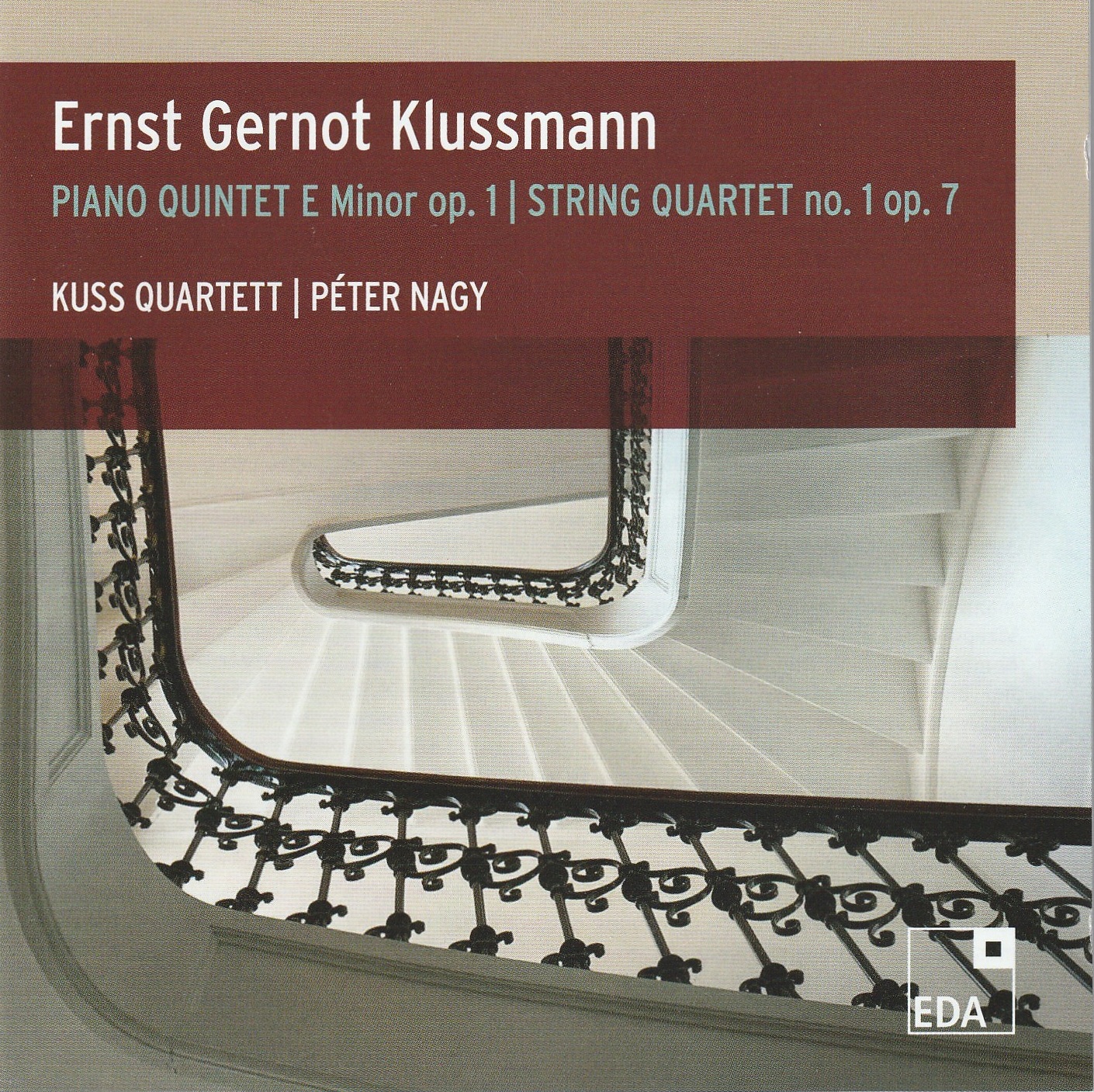
03 Ernst Gernot KlussmannErnst Gernot Klussmann – Piano Quintet; String Quartet No.1
Kuss Quartet; Péter Nagy
EDA Records EDA 055 (eda-records.com/177-0-CD-im-Detail.html?cd_id=100)

In the booklet accompanying this first-ever CD devoted to Ernst Gernot Klussmann (1901-1975), Carsten Bock suggests that the neglect of Klussmann’s extensive output in all genres is “due to the stigma attached to artists who worked in Germany during the Nazi era.” Klussmann had joined the Nazi party in 1933 but, insists Bock, he “was anything but a Nazi… a timid person who was careful to observe the rules and laws.”

After listening to these two early works, I submit instead that Klussmann’s “timidity” and “careful observation of the rules” led him to creating music that despite its intrinsic merit is dismissed for too closely imitating the composers he admired – Brahms, Mahler and Schoenberg.

Klaussmann’s Piano Quintet in E Minor, Op.1 (1925) opens with a yearning violin melody that could have been written by Brahms. Brahms reappears in the movement’s tumultuous development and the rhapsodic Adagio molto e cantabile as well as the noble, vigorous anthem and fugal section of the dramatic Finale. This thoroughly enjoyable work might easily have entered the repertoire had it been premiered a generation earlier.

Just a few years later, in his String Quartet No.1, Op.7 (1928-1930), Klussmann abandoned Brahms for the long-lined, chromatic dissonances of Mahler and the Schoenberg of Verklärte Nacht.

Pianist Péter Nagy and the Berlin-based Kuss Quartet make a persuasive case for these substantial works, both over half an hour, both well worth hearing even if you’ve “heard it all before.”

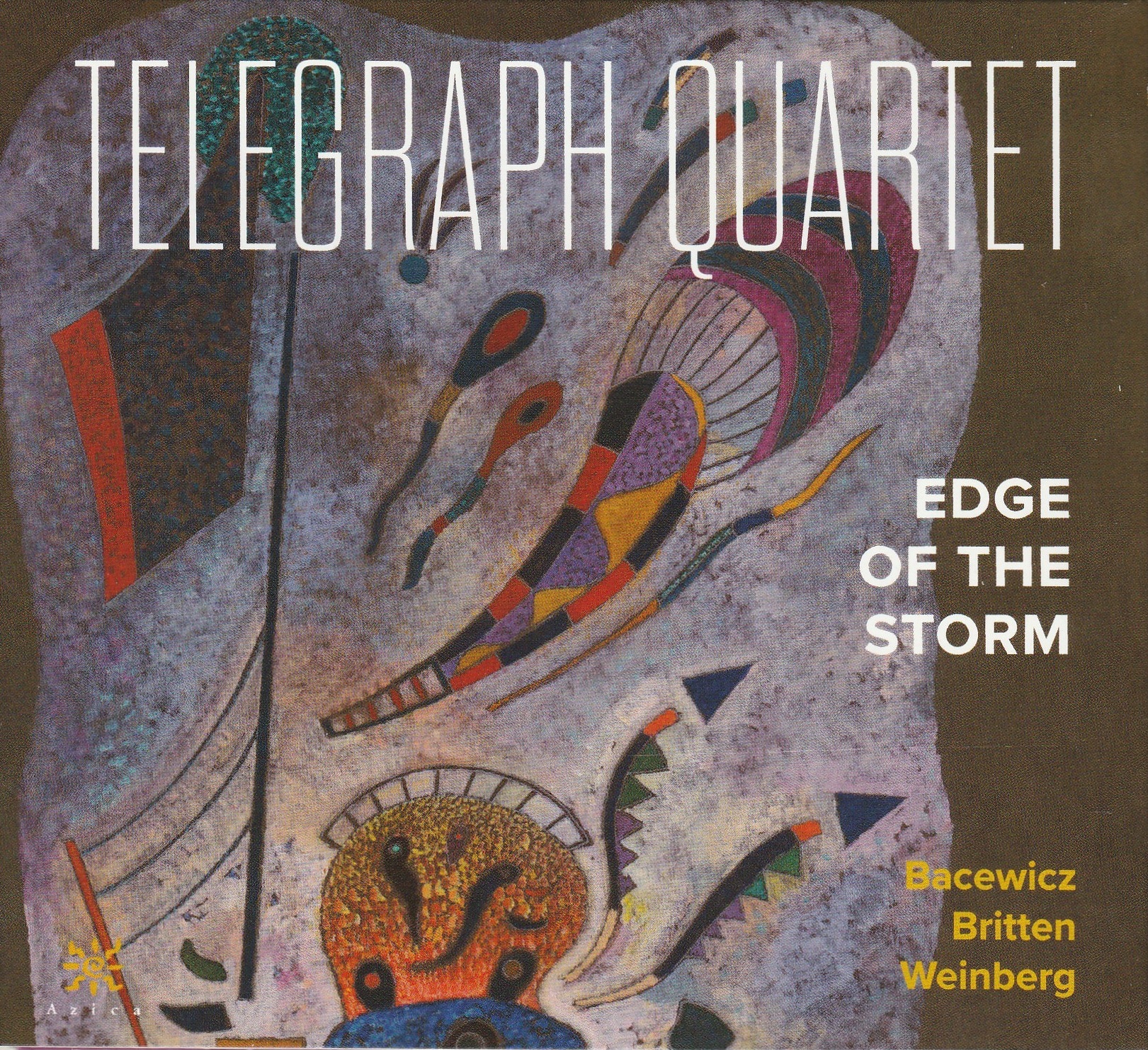
04 Telegraph QuartetEdge of the Storm
Telegraph Quartet
Azica ACD-71381 (azica.com/albums/edge-of-the-storm)

This CD’s three quartets date from a decade when their composers lived on the “edge of the storm” – World War Two.

Benjamin Britten composed his remarkable String Quartet No.1 in D Major, Op.25 (1941) in California, having chosen, as a pacifist, self-exile from the U.K. Filled with fresh melodies, surprising irregular rhythms and strikingly original sonorities, it features eerie, high-pitched shimmers over cello pizzicati, an energized syncopated dance, a driving scherzo abruptly punctuated by rude outbursts, an extended elegy and a skittish, exuberant and eventually triumphant finale.

In 1939, Mieczysław Weinberg fled from Poland to the U.S.S.R. There, he composed his String Quartet No.6 in E Minor, Op.35 (1946), a memorial to the millions of innocents killed, including his parents and sister who were murdered by the Nazis. Bittersweet folk-like tunes contrast with violent turmoil, a wailing klezmer melody, a grief-stricken prayer for the dead, a ghostly Yiddish dance (played using mutes), ending with a grandiloquent, Shostakovichian proclamation of survival after tragedy. Banned from performance by Soviet authorities, this monumental work wasn’t premiered until 2006!

During the Nazi occupation, Grażyna Bacewicz participated in Poland’s Underground Union of Musicians, which later commissioned her String Quartet No.4 (1951). Wistful melodies and optimistic passion emerge from initial gloom, pulsating shadows drift mysteriously and a spirited rondo based on a Polish oborek dance accelerates to a joyous conclusion.

Thanks to the virtuosic Telegraph Quartet, quartet-in-residence at the University of Michigan, for this superb CD.

05 Paul Cohen NightfalssNightfall and Midnight Revels – New Chamber Music from Two Centuries
Paul Cohen; Various artists
Ravello Records rr8117 (ravellorecords.com/catalog/rr8117)

Sadly, in the world of chamber music, the saxophone is usually not in the picture at all; even in 2025 the standard strings and wind instruments usually take precedence. Famous exceptions would be William Walton’s brilliant Façade or various transpositions of Bach, Hindemith and other works. 

Paul Cohen’s Nightfalls and Midnight Revels does an excellent job of rectifying this by highlighting many obscure works and presenting “a distinguished array of music old and new, including chamber works for trio, quartet and quintet.” Cohen plays soprano and alto saxophones in addition to the “conn-o-sax,” a straight design in “F” (saxes are normally tuned in B-flat or E-flat) which was produced for only one year (1928). Other instrumentation includes piano, violin, viola, cello and other saxophones, and includes pieces from 1932 to 2021.

There are several beautiful gems in this collection – for example Wolfgang Jacobi’s recently discovered Kleine Stucke (1932) and John Sichel’s Piano Saxophone Quintet (2021) – and I heartily urge everyone to give it a listen: you will be surprised and intrigued.

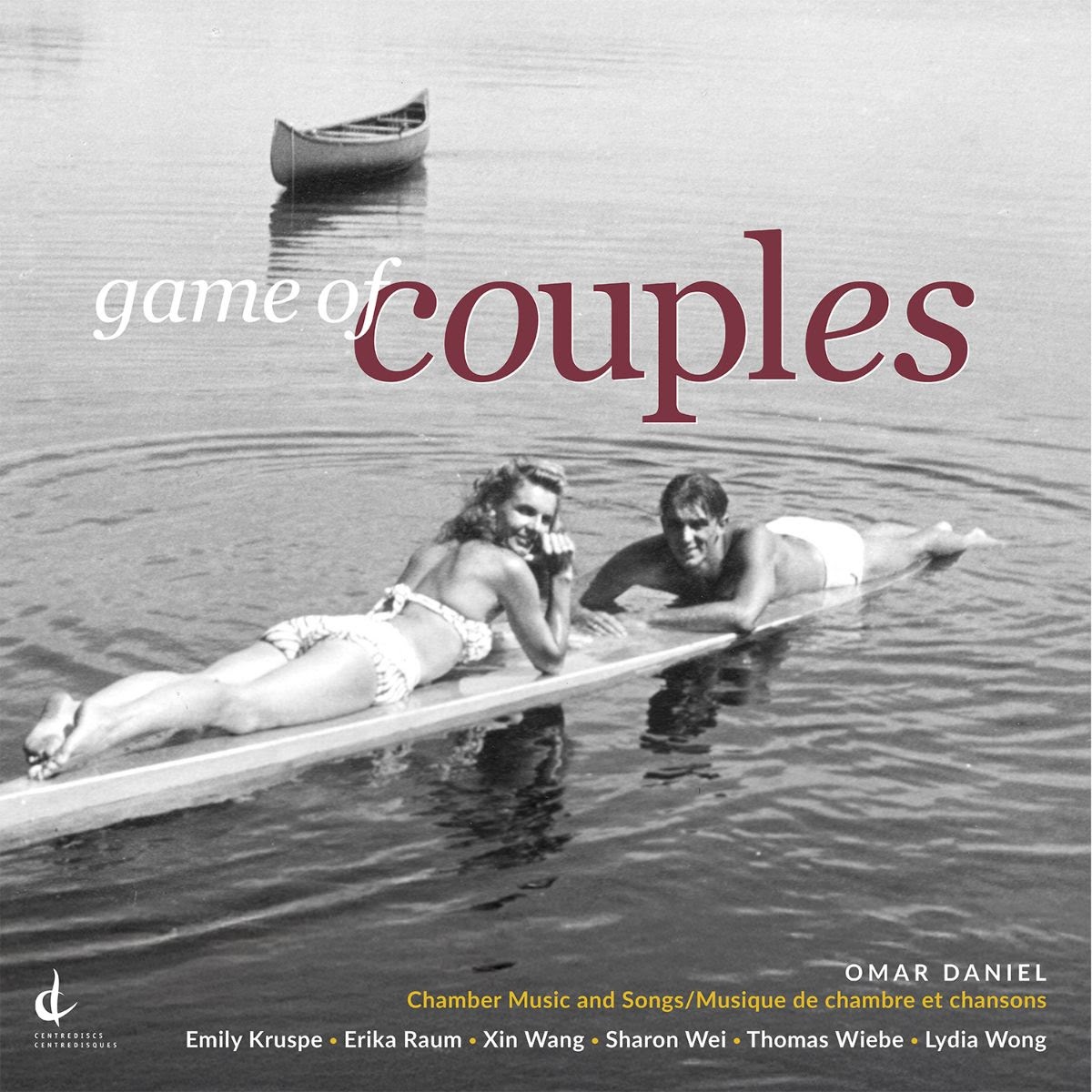
01 Omar Daniel Game of CouplesOmar Daniel – Game of Couples: Chamber music and songs
Various Artists
Centrediscs CMCCD 34124 (centrediscs.bandcamp.com/album/game-of-couples)

Toronto-born Omar Daniel, currently associate professor of composition at Western University, reliably rewards listeners with his patented formula combining striking melodies with dynamic rhythms, often, as in this latest release, adding ingredients from the music of his parents’ homeland, Estonia.

Violinists Erika Raum (Daniel’s wife) and Emily Kruspe perform Giuoco delle coppie/Game of Couples (2014). This “game” is anything but “fun.” Six movements, all under three minutes, range in expressive content from the abrasive argument of the opening Allegro barbaro (a favourite Daniel designation) through distressed pleading, emphatic assertions, depression, anxiety, finally ending in a lonely, despairing, near-silent Adagio.

Pianist Lydia Wong joins Raum in the five-movement Metsa maasikad/Wild Strawberries (2009). With titles including Horse Game, Spinning Song, Grew into a Herder and The Mouse Goes to the Forest, insistent rhythms and spiky melodies suggest the rustic folkloric music of a lusty peasant community.

More folkish melodies appear in Daniel’s Ühekse eesti regilaulud/Nine Estonian Rugo-Songs (2008, rev.2021), comprising songs of harvest, cooking, games and a lullaby. Soprano Xin Wang’s unrestrained hoarse yelps – over innovative, discordant instrumental sonorities provided by Raum, violist Sharon Wei and cellist Thomas Wiebe – make this a wildly exhilarating work!

Raum and Wiebe return in two Nocturnes (2020-2021), a grim Adagio and an Allegro molto that begins raucously but gradually fades to a funereal hush. When will the Toronto Symphony and/or the Canadian Opera Company commission a major work by this most-deserving composer?

Listen to 'Omar Daniel – Game of Couples' Now in the Listening Room

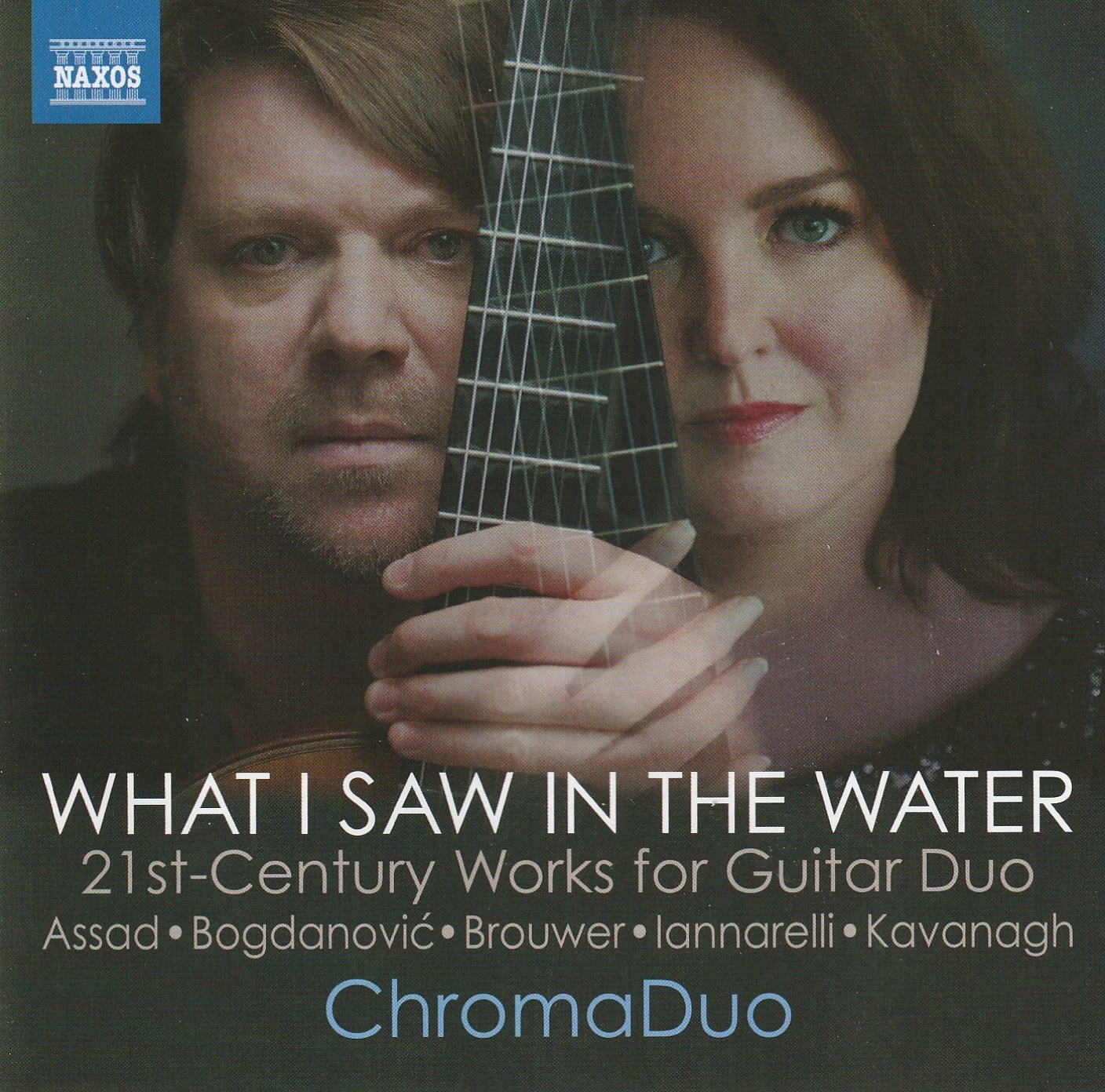
02 What I Saw in the WaterWhat I Saw in the Water
ChromaDuo
Naxos 8.574578 (arkivmusic.com/products/assad-bogdanovic-brouwer-iannarelli-kavanagh-what-i-sa)

Five 21st-century works by five guitarist-composers are lovingly performed by Canada’s ChromaDuo, guitarists Tracy Anne Smith and Rob MacDonald.

Simone Iannarelli (b.Rome 1970) says his Siete pinturas de Frida Kahlo “tries to recreate the images, atmosphere, inside feelings or background of these works of Frida,” beginning with the rippling, impressionistic Lo que vi en el agua, the source of the CD’s title. The flamenco-flavoured Unos cuantos piquetitos is followed by five mostly inward-looking pieces which offer pleasant listening but are considerably understated compared to Kahlo’s flamboyantly phantasmagoric paintings.

The remaining works were written expressly for ChromaDuo. The Circle Game by guitar icon Leo Brouwer (b.Havana 1939), inspired by Margaret Atwood’s poetry collection of the same name, enigmatically mixes minimalist pulsations with fragmented phrases, interrupted by sudden silences. The four-movement Sonata No.2 by Dušan Bogdanović (b.Belgrade, 1955) offers brief hints of Indian music, some jazzy riffs and tantalizing snatches of several near-recognizable old pop songs.

In the warm-hearted, ballad-like tone poem, The Ghost of Peggy’s Cove, Op.14, Dale Kavanagh (b.Halifax 1958) depicts the Nova Scotia legend of a woman whose ghost haunts the shore where she drowned herself after seeing her husband die when he fell while dancing on the rocks.

This multifaceted CD ends with the three-movement Dyens en trois temps, a tribute by Sérgio Assad (b.São Paulo 1952) to his friend, Tunisian-French guitarist-composer Roland Dyens (1955-2016), echoing, in turn, Dyens’ treatment of jazz, French songs and the music of Brazil.

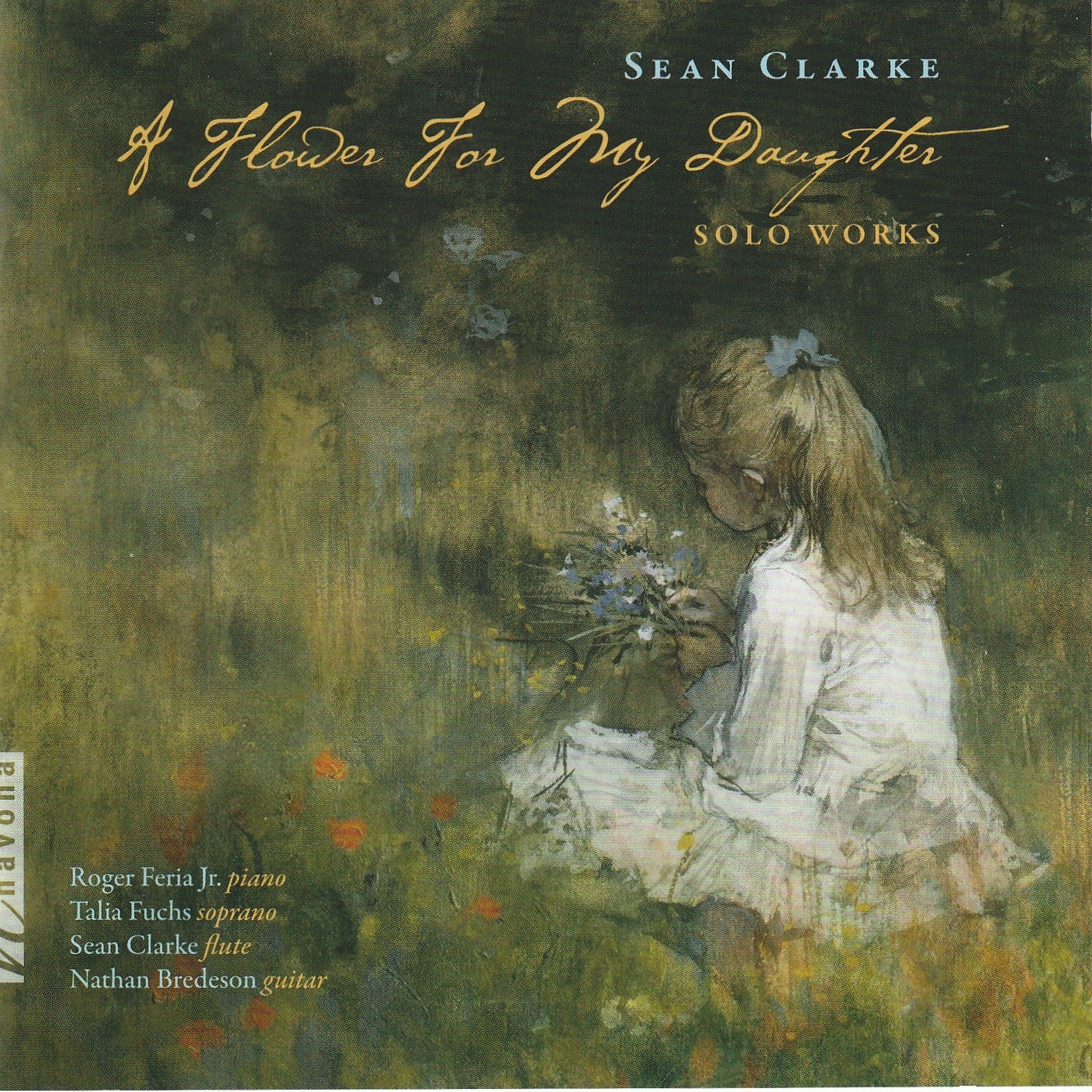
03 Sean ClarkeSean Clarke – A Flower for My Daughter
Sean Clarke; Roger Feria Jr.; Talia Fuchs; Nathan Bredeson
Navona Records nv6743 (navonarecords.com/catalog/nv6743)

Being a published poet and a dyed-in-the wool Imagiste, this disc registers with me in the same way as the poem A Prayer for My Daughter written by the great poet William Butler Yeats. However, the composer of A Flower For My Daughter, Sean Clarke, has more of the impressionist in him, leaning more towards Claude Monet than Yeats. Clarke says “I wrote this piece, slowly and late at night, in the year after my daughter was born. I tried to capture the feeling of holding my tiny sleeping child, into the early hours, letting her rest when she couldn’t sleep by herself, deep in my own thoughts, hopes, and fears.”

But here, Clarke’s love for his wife is gloriously expressed in the pain and joy of the experience. It is both graphically and sonically depicted in the melodic and harmonic conception of the musical tapestry into which it is woven, in textures that take us on a course of music that references sacred flute works:  Mountain Hymnal for solo flute and resonance performed by Clarke, Ballade featuring guitarist Nathan Bredeson, and the Three Nocturnes, after Monet which are imbued with impressionist zeal by pianist by Roger Feria Jr. 

Connecting these, A Flower For My Daughter intertwines a chamber opera sung by Talia Fuchs titled Franey Trail – a silken aria accompanied by Feria, wondrously strung out to adorn the birth of Clarke’s child. The fantastical world of David Lynch is also beautifully referenced.

Listen to 'Sean Clarke: A Flower for My Daughter' Now in the Listening Room

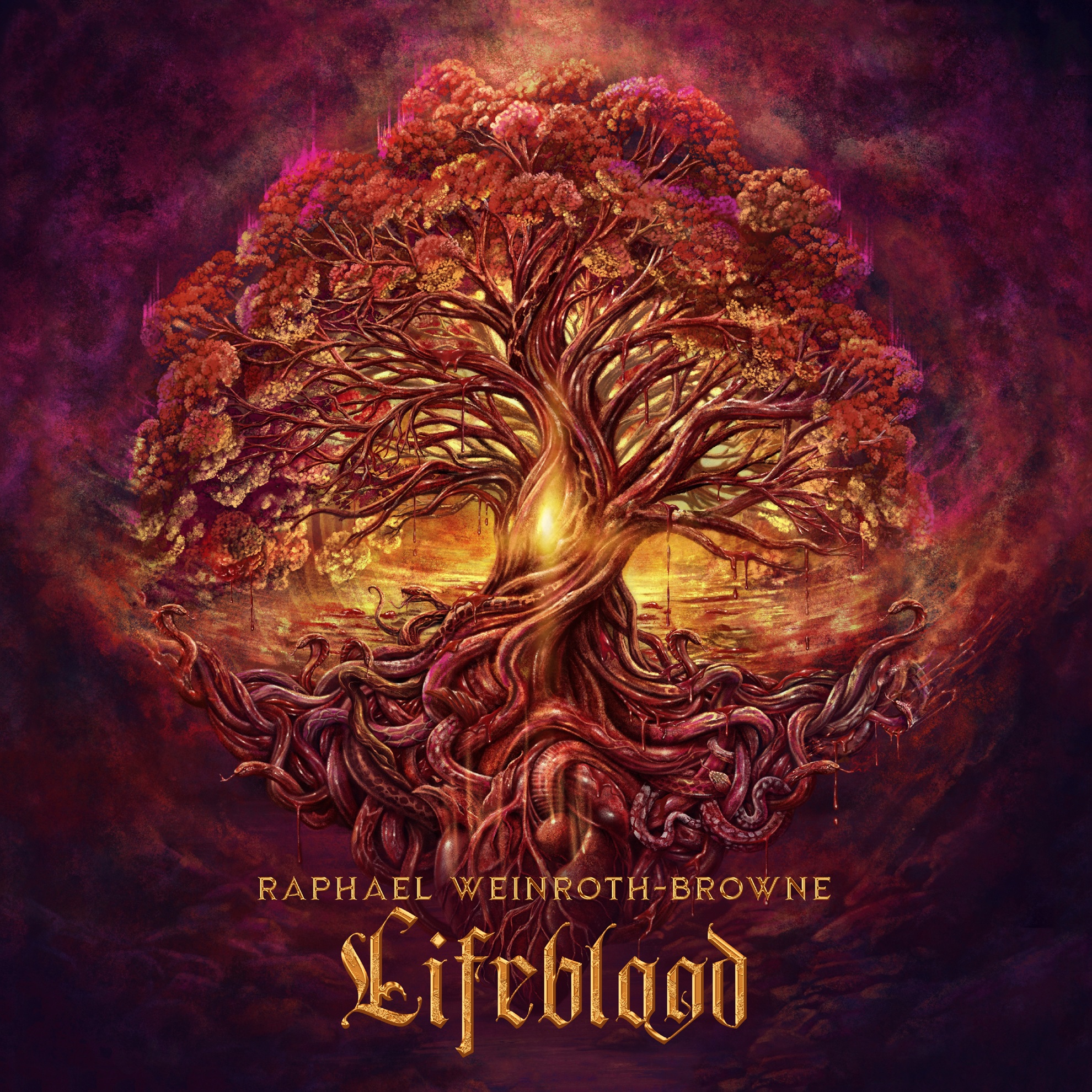
04 Raphael Weinroth BrowneLifeblood
Raphael Weinroth-Browne
Independent (raphaelweinroth-browne.bandcamp.com/album/lifeblood)

Thirty-three year old Ottawa-raised,Toronto-based cellist Raphael Weinroth-Browne has already had a long and diverse career, and this latest offering demonstrates his rocket trajectory has no plans to slow down. Weinroth-Browne’s early work in contemporary classical music has grounded his solid technique, and his growth and expertise continue to be explosive. From his early years with Norwegian prog-rock band Leprous in 2016, and studio albums too numerous to mention, his experience and breadth of skill defy description. Continuing from his early days with the duo Kamancello, Muskox, The Visit, and Glass Armour, where Weinroth-Browne plays a multitude of instruments, this artist has refused to be stapled down as a classical player. Often described as a “Black Metal” cellist, his growing stage presence and elevated production quality in sound, film, dance compositions and live performances has given him a cult-like following. 

With Lifeblood, Weinroth-Browne pushes further into his Rock/Metal Opera journey, self-producing some of his best work yet. With a Goth-like presentation, including artwork and photographs of body art both devoted to snakes, this album leaves no room for doubt as to where this artist is going. 

From the pulsating Neanderthal to the transcendent, starry, restful motion of Winterlight and the heavy-metal Possession, the precision of every composition keeps the work taught, each piece expanding to an audio version of wide-screen cinema. The final Glimmering‘s freely phrased opening gives way to layered pizzicato lines overlain with cello upon cello upon cello, painting colours over colours and topped with fervent motion upon motion. Even being familiar with Weinroth-Browne’s style, this track’s mixing, panning and overall production really shines the album to a close.

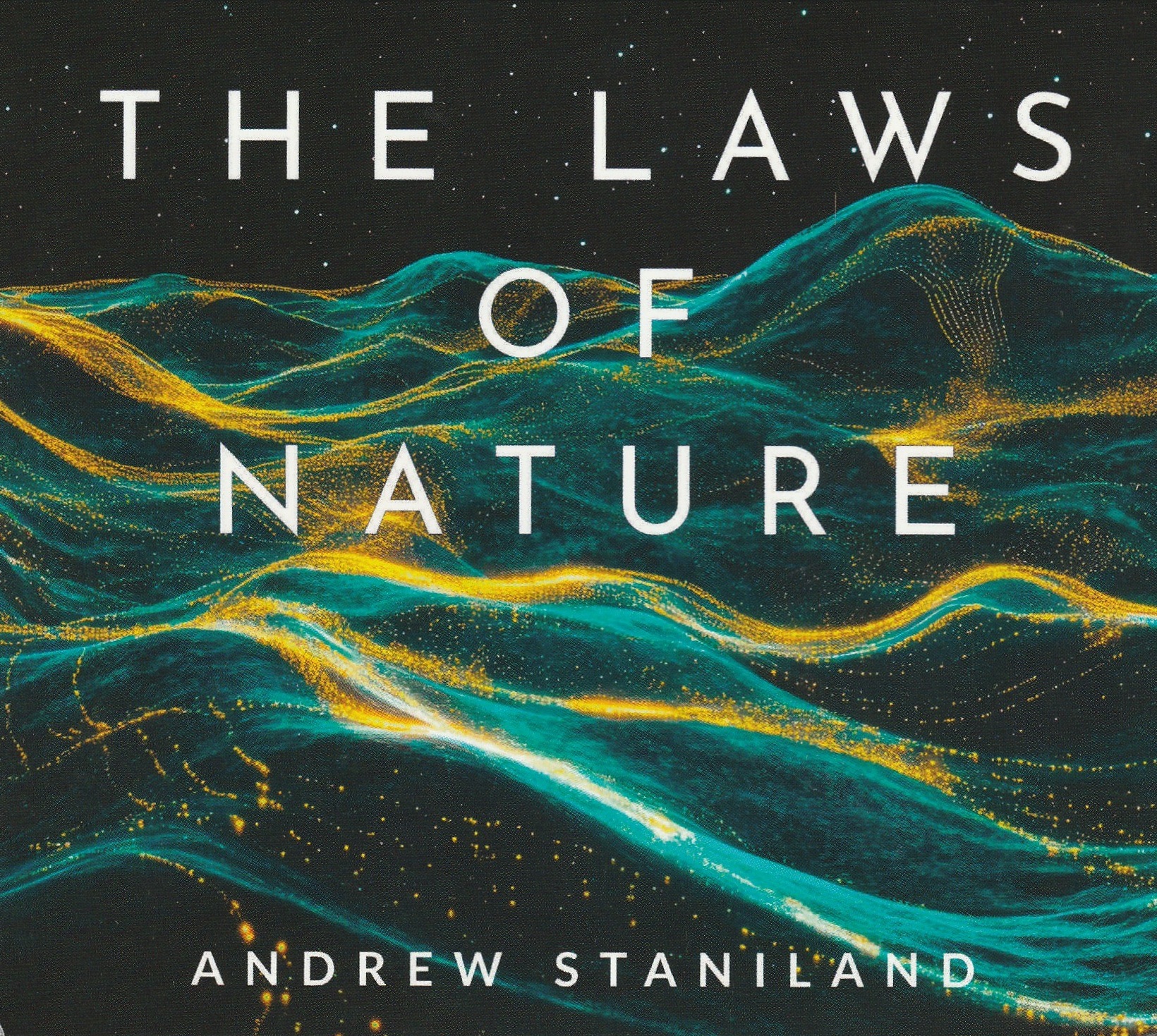
05 Andrew StanilandThe Laws of Nature
Andrew Staniland
Leaf Music AS2025 (andrewstaniland.com/thelawsofnature)

A new release on Leaf Records features the latest developments on a new musical instrument, called JADE, developed over the last decade by the multi-faceted composer and musical theorist Andrew Staniland. He has won many awards in Canada throughout this century and was the TSO Affiliate Composer in 2006. A professor at Memorial University St. John’s Newfoundland, he founded their ElectroAcoustic Lab where, with his cross-disciplinary research team, he has been developing the JADE concept. This is a radically new digital music instrument and one of its innovative features is that it will respond to direct brain impulses transmitted through a band worn on the head. 

The sounds of JADE seem to have limitless potential and it contains myriad musical voices, textures and environments that constitute these pieces. There are six compositions that at first can elide into one another, and there is a six-movement piece called The Laws of Nature, which is intended as a single piece although there is still great variety in the different sections that make it up. 

The actual substance of the sounds used still seem to have been collected from reality in an impressive array of sampling techniques. Staniland has created a wide variety of new voices and effects, in a basically tonal setting. The ambient soundstage is an illusion of JADE, which gives the music an atmosphere to resound in. The effect is of being in a complex musical environment, and the listener is mostly unaware that the music is entirely electronic, although some sections are clearly electronically derived. 

Since it is so rich and varied, this CD can be listened to as a stimulating journey through seemingly endless new vistas. Although this music was developed as an accompaniment for the Kittiwake Dance Company, it also stands as a piece in its own right, but you will not necessarily go away humming the tunes.

Listen to 'The Laws of Nature' Now in the Listening Room

06 Andy Haas Honey BeeThe Honeybee Twist
Andy Haas; Brian Skol
Resonantmusic 021 (andyhaas.bandcamp.com/album/the-honeybee-twist)

New York based Canadian saxophonist Andy Haas is back with a “duo” release featuring his diverse sax playing, circular breathing technique, special effects, and improvising brilliance with the equally gifted Toronto-based percussionist and drummer Brian g Skol. Recorded in Toronto in 2024, the two musicians create and combine their unique avant-garde experimental sounds.

The slightly over 30-minute-long release features eight improvised, experimental tracks. The Eagle and Prometheus features ascending melodies and repeated saxophone notes and crashing cymbals and drums.  A bouncy groove is prevalent. The long-held saxophone notes add variety with the intense percussion. The title track opens with a “crunching” saxophone sound, then repeated notes alongside dramatic percussion and drums. Then a more melodic, slightly atonal, detached melody is like hearing the bee flying. The two musicians’ consistent, tight sense of time is especially forefront in Myth Hysteria Blues where the more melodic sax lines with percussion hits have a quasi blues sound. 

To be expected in experimental improvisations, Haas and Skol incorporate numerous musical elements which can create some difficult and challenging listening. Their complex effects, shifting dynamics,  atonal melodies, subtle touches of grooves like jazz and blues, drones and wide-ranging percussion add to the originality and beauty of this music, especially with each repeated listening.

Listen to 'The Honeybee Twist' Now in the Listening Room

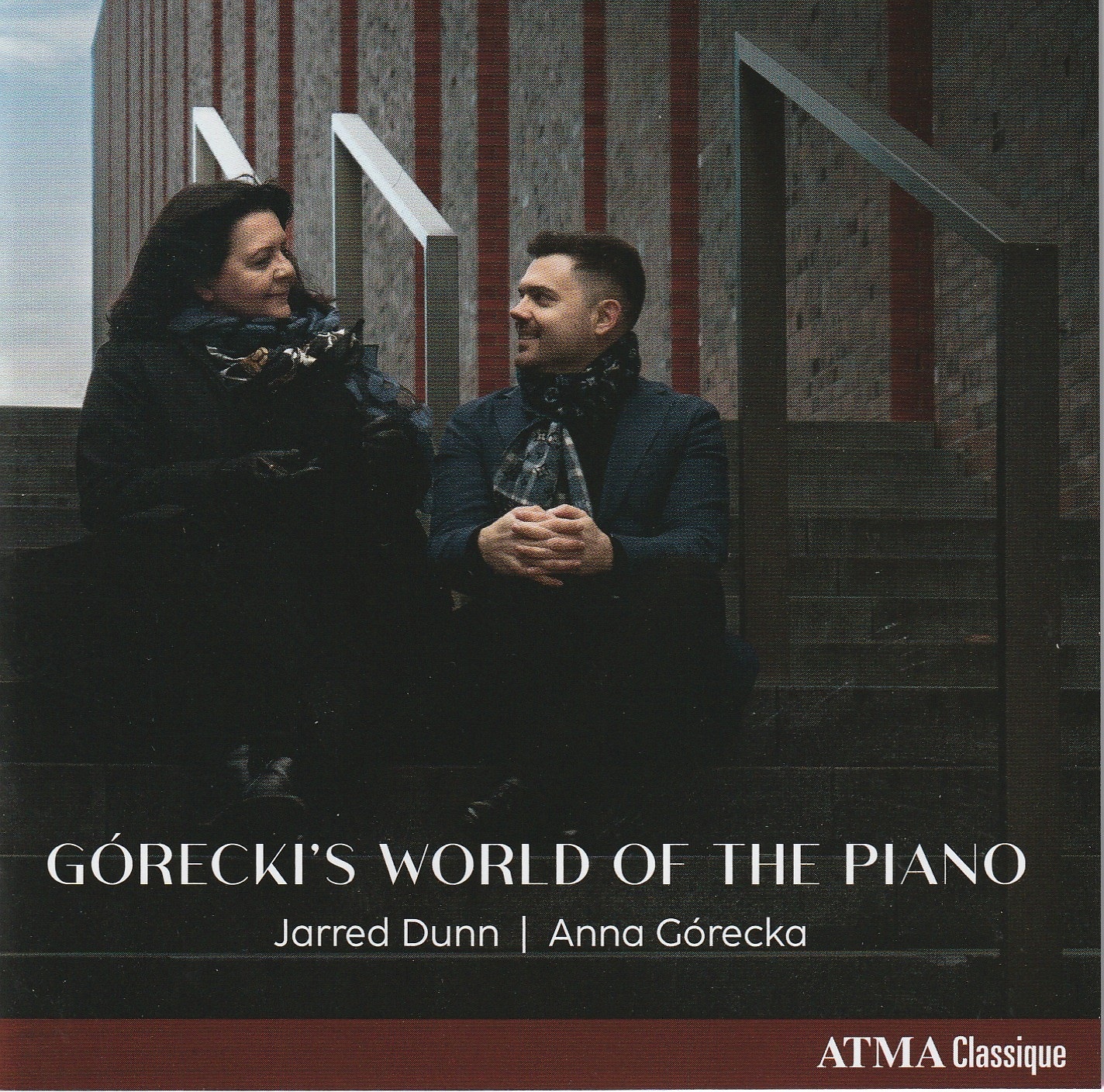
07 Goreckis WorldGorécki’s World of the Piano
Jarred Dunn; Anna Gorécka
ATMA ACD2 2901 (atmaclassique.com/en/product/goreckis-world-of-the-piano)

To all the world,  Henryk Gorécki’s best-known type of music is long-form – the symphonic template – the most celebrated of which is his hauntingly marvellous Symphony of Sorrowful Songs, the Third Symphony, that has become a million seller – made so by the breathtaking sonorities of Dawn Upshaw. It was matched – possibly made more rich, transparent and meaningful – by the Kilanowicz National Radio Symphony Orchestra and a more spiritual reading by Zofia Kilanowicz. 

But for all the emotionally and powerful symphonic and choral works, little is known, much less performed, of Gorécki’s smaller offerings. Spanning 1955 to 2008, Gorécki’s World of the Piano presents his complete works for one and two pianos, many composed in the dark and difficult context of post-war Poland. Jarred Dunn performs the solo works and is joined by the composer’s daughter Anna Gorécka for the duets.

Toccata For Two Pianos Op.2, the brilliant outburst of Four Preludes Op.1, the shimmering quietude of the Berceuse Op.9, the longest of the Chopinesque miniatures in his Intermezzo, and the extended Piano Sonata No.1, Op.6 testify to the diversity of Gorécki’s output. The music here gives full reign to his characteristically high, shimmering, patiently sustained chords along with bell-like ones which mirror the intervals confined to shorter, more tentative melodic cells. Although Gorécki’s piano works are difficult to give expression to, clearly Gorécka and Dunn play them with deep meaning and absolute mastery.

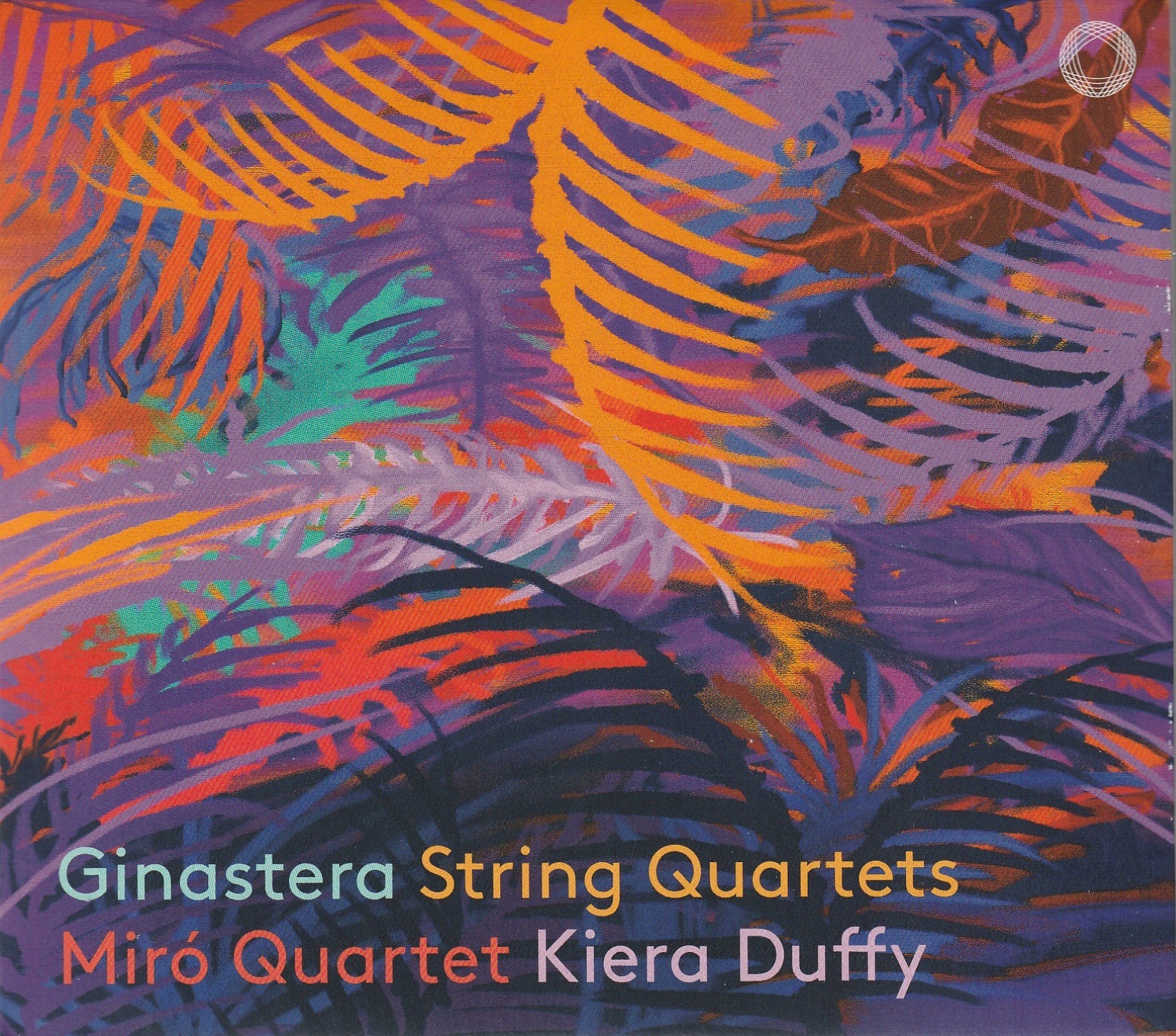
08 Ginastera QuartetsGinastera – String Quartets
Miró Quartet; Kira Duffy
Pentatone PTC5187412 (pentatonemusic.com/product/ginastera-string-quartets)

Argentina’s greatest composer, Alberto Ginastera (1916-1985), divided his career into three stylistic phases, composing one string quartet in each of them. No.1, Op.20 (1948) typifies what Ginastera named “Objective Nationalism,” evoking the vibrant melodies and rhythms of Argentine folk music. The 6/8 syncopations of the melambo, a traditional gaucho dance, dominate the first and fourth movements. The second movement, Vivacissimo, is a gossamer, quicksilver scherzo, while the third, Calmo e poetica, is a melancholy meditation.

In No.2, Op.26 (1958, rev.1968), reflecting Ginastera’s “Subjective Nationalism” period, he superimposed Schoenbergian dodecaphony upon what he called “constant Argentine elements such as strong, obsessive rhythms… the quietness of the pampas, magic, mysterious sounds reminding one of the cryptic nature of the country.” The opening Allegro rustico alternates aggression with uncertainty; Adagio angoscioso wanders through dark labyrinths; Presto magico is another diaphanous scherzo; Libero e rapsodico is an intense set of variations on Ginastera’s song Triste el dio sin sol; the finale, a perpetuum mobile, is appropriately titled Furioso.

Ginastera added the human voice to the extravagantly emotional No.3, Op.40 (1973, rev.1978), a product of his “Neo-Expressionism” period. American Kiera Duffy’s shining soprano illuminates verses by 20th-century Spanish poets Juan Ramón Jiménez, Federico García Lorca and Rafael Alberti that embrace musical and sexual ecstasy, violent death and the silence of eternity.

The Texas-based Miró Quartet effectively produces textures from ethereal to caustic in these powerfully expressive quartets, each very different, each very rewarding to hear.

01 Ingrid Laubrock Purposing the AirPurposing the Air
Ingrid Laubrock
Pyroclastic Records PR38/39 (ingrid-laubrock.bandcamp.com/album/purposing-the-air)

Music is poetic, poetry is musical, theirs is a magical marriage when it happens. Ingrid Laubrock personifies this alchemy, but also shows that there is immense beauty and depth to be found in small things. On one hand, familiarizing oneself with the source text here – Erica Hunt’s Mood Librarian – would greatly enhance its sense of proximity and connection to Laubrock’s piece. On the other hand, there is something to be said for moving in the opposite direction, short-circuiting orderly chronologies, escaping the page before again setting foot squarely within its perimeter. This work’s library defies chronology, it is not a curation of order and sequential notions, but rather of words that cater to the expressive tendencies of improviser pairings, with four singers interacting with either cello, piano, electric guitar or violin. 

These duos range from those playing together for the very first time to pairs established enough to have their own name (Duo Cortona), which is a fascinating spectrum in a vacuum but in practice it is striking how imperceptible these differences are. Beyond responding to Laubrock’s compositional outlines, the musicians allow each word of Hunt’s koans their own space to embody fullness, leaving room for boundless rendering of feeling. There is so much feeling in fact, that it is all too easy to overlook that for each koan only about two lines are being read. Every voice is an instrument and every instrument a voice. Trajectories are charted, but the intersecting currents influence them just as palpably.

02 Deja VuDéjà vu
Carlos Jimenez; Alexandre Cote; Pierre Francois; Dave Watts; Alain Bourgeois
CAJ Music CD005 (carlosjimenez1.bandcamp.com/album/d-j-vu)

What we are looking at is a rollicking album of eight songs written in the style of contrafacts (new pieces based on the chord changes of existing works). Its many styles include forays into jazz, folk, Berlin cabaret, Middle Eastern and chamber music of the post-serialist 20th century conservatoire. But to describe it as such gives the impression of overcooking when in fact the whole project is a masterpiece of subtlety.

Carlos Jiménez’s take on the spacy and the cool rippling horn-like tones from his guitar summon woodwind-like tones from Alexandre Côté’s alto saxophone which, along with Pierre Françoispiano, Dave Waltz’s rumbling bass, and Alain Bourgeois’ world of drums, makes for something magically different. This is the contrafact-world of Carlos Jiménez’s Déjà vu. The performers’ long-limbed dreamworld of narratives crafted into glassy sheets of harmonic soundscapes with earthy melodies and rolling rhythms lift up these songs to elevated heights.

Jiménez pilots a tall ship that navigates deep and shallow waters. He rings in the moods and changes with compositions and improvisation; he dashes his music into rocks, breaks free and glides rippling through Deep Blue ink-black seas, with a Look At The Stars in a brave new sound world all his own.

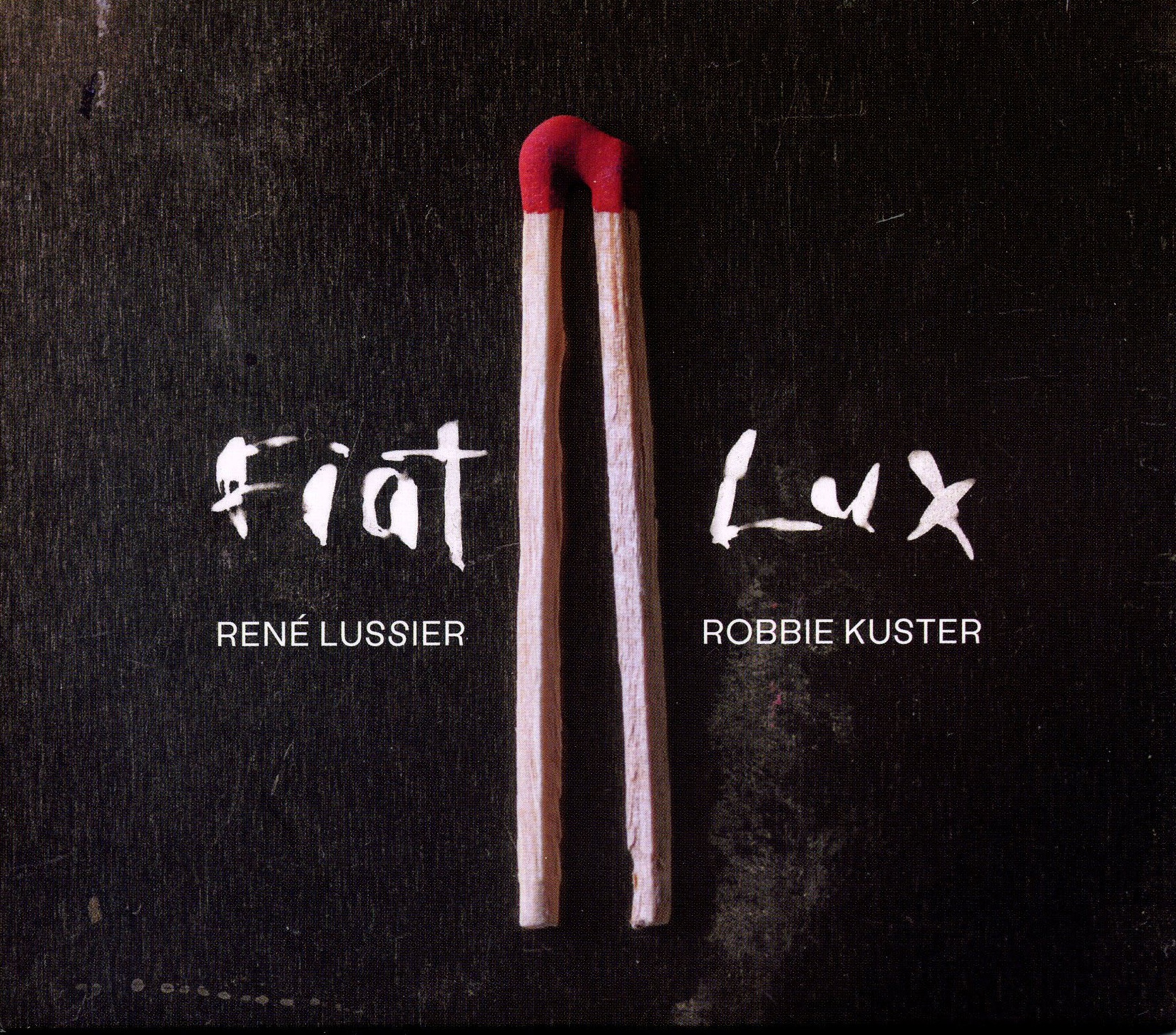
03 Fiat LuxFiat Lux
René Lussier; Robbie Kuster
Microcidi 044 (renelussier.bandcamp.com/album/fiat-lux-2025)

Listen to any two tunes on this14-track disc by Montreal experimental guitarist René Lussier and you’ll understand why he’s now celebrating a half-century career. Backed by Swiss-born Montreal percussionist Robbie Kuster, Lussier, who also plays electric bass and daxophone (an electric wooden experimental musical instrument) and Kuster, who varies his percussion thrashing with hand saw whines and nail organ vibrations, bound from style to style with the same sophistication and energy.

The guitarist’s shaking flanges and fuzz tones brush up against drum pounding on Rock 66. Rien d’aquis mates Kuster’s patterning clips with simple reflective string picking; while La Valise Du Vendredi is a Québécois blues, featuring garbled mumbles and perfect bottleneck frails. Lussier even uses the wooden daxophone’s gaunt voice-like drones to scrape alongside saw reverb replicating the sounds suggested by Guimbarde Et Brosse à Dents.   

Fiat Lux isn’t all fun and games. Some of the other Lussier originals mark his POMO conversions that add C&W licks to an otherwise understated improv melody or use primitive whistling to humanize what stands out as a heavy metal attack.

Unbeatable technique mixed with humour also turns French folk composer Albert Larrieu’s Biscuit – La Feuille D’Érable into a Rock anthem with guitar feedback; and he uses simple harmonies to break down Ornette Coleman’s Haven’t Been Where I Left into a progressive child’s song with chiming guitar runs and zipping single notes. 

There may be some music Lussier can’t distinctively transform, but it’s not here.

Back to top