05 Frank MorelliFrom the Soul
Frank Morelli; Wei-Yi Yang; Janna Baty; Callisto Quartet
Musica Solis MS202602 (musicasolis.com/from-the-soul-frank-morelli)

From the Soul is a collection of five chamber pieces for bassoon, three with piano, one with mezzo-soprano and one with string quartet, recorded by the American bassoonist Frank Morelli. Morelli is one of the top teachers of bassoon in North America, having taught for many years at such places as Yale, Juilliard, and even at our own Glenn Gould School, and his playing credentials include groups like the Orpheus Chamber Orchestra and the Chamber Music Society of Lincoln Center. He’s a player in demand and you can hear why on this disc: lots of fluidity on the instrument, and lots of expression. Some listeners might find the vibrato excessive, but life is short and I’ll always support the goal of more expression, not less. 

Morelli leads off the disc with Elegy for Innocence by Jeff Scott, an episodic and lyrical piece with some very pretty moments. The best music here comes from Wynton Marsalis and his 1999 jazz-infused piece Meeelaan written in three movements for bassoon and string quartet: some nice grooves, impressive turns of phrase and even some gritty moments where the normally mellow bassoon gets downright raunchy. My favourite piece on the album is Prayer, written in 2022 by Nirmali Fenn, in which the composer evokes the exotic sounds of the duduk, and the inside-the-piano effects are fascinating. The Callisto Quartet sounds cohesive and compelling on this disc, as does Morelli’s dramatic and expressive pianist Wei-Yi Yang.

01 Quinsin NachoffQuinsin Nachoff – Patterns from Nature
Quinsin Nachoff; Matt Mitchell; Ryan Keberle; François Houle; Satoshi Takeishi; Carlo De Rosa; Molinari String Quartet
Whirlwind Recordings (quinsin.com/patterns-from-nature)

Toronto born, Brooklyn-based saxophonist and composer Quinsin Nachoff brings us another momentous work in the form of Patterns from Nature, a full-scale 45-minute work that celebrates the convergence of music, film, and art with scientific research into pattern formation without merely mimicking it. So many elements have convened to create this work that it’s a wonder it could be contained to 45 minutes. Is it a chamber suite? A symphonic work, a film and full score, multimedia presentation, a narrative on the interrelationship of science, art, and the natural environment? It is all of these. As the composer explains: “I composed the music in parallel with filmmakers Tina de Groot, Lee Hutzulak, Gita Blak, and Udo Prinsen, allowing sound and image to evolve together in response to those natural forces. We are not illustrating the science, but working with it as a foundation, something to be interpreted, reshaped, and carried through the form and motion of the piece.” 

Drawing on the research of longtime collaborator (and University of Toronto Professor Emeritus) Physicist Stephen Morris’ work in emergent patterns in nature, Nachoff teamed up with the four filmmakers to integrate music, film and science, a project taking ten years to realize. The composition includes seamless marriages between notation and improvisation, highlighting improvising soloists for each movement: titled Branches, Flow, Cracks and Ripples they feature Nachoff himself, pianist Matt Mitchel, trombonist Ryan Keberle, clarinetist François Houle, percussionist Satoshi Takeishi and bassist Carlo De Rosa, with underpinnings from the Molinari String Quartet and direction from JC Sanford. Each movement entwines the explorations of the informing elements, and the ensemble moves effortlessly through melodic and textural elements of contemporary dialects with infusions of urban jazz keeping the human element present. The attention to detail creates a magnificent work. 

It was an interesting experience to view snippets of the films and photos available online after hearing the album; the added dimension creates a powerful multi-dimensional narration and it’s a shame they are not accessible with the album. One can only hope it is presented again in full soon.

The second work on the album features Nachoff’s three-movement saxophone concerto Winding Tessellations (2017); a seamless addition to the album and no less exquisite.

Listen to 'Quinsin Nachoff: Patterns from Nature' Now in the Listening Room

02 Le Bolduc Groove QuintetLe Bolduc Groove Quintet
Remi Bolduc
Independent (remibolduc.com/store)

Rémi Bolduc has long been recognized as one of Canada’s most expressive alto saxophonists and his latest album highlights his gift for balancing technical precision with an easygoing sense of swing. Built around a tight-knit ensemble, the record celebrates groove-driven jazz while leaving plenty of room for personality and improvisational spark. From the opening moments, the quintet establishes a rhythmic foundation that feels both sturdy and playful. Bolduc’s alto saxophone glides across the arrangements with clarity and warmth, delivering melodies that are memorable without sacrificing an exploratory spirit that defines modern jazz. His phrasing is crisp but relaxed, suggesting a musician deeply comfortable in his musical language.

The album’s strength lies in the chemistry between the players, featuring Canadian greats Chantel de Villiers on saxophone and vocals, Nick Semenykhin on guitar, Ira Coleman on double bass and Rich Irwin on the drums. The rhythm section locks in to keep the music moving forward, while piano and bass lines weave around Bolduc’s saxophone with ease. Rather than spotlighting a single voice, the quintet operates as a collective unit, allowing each instrument to contribute to the evolving texture. Groove is the central thread throughout the record. Whether leaning toward funk-inspired rhythms or classic post-bop momentum, the music maintains an inviting pulse that draws the listener in. Even during more intricate passages, the band never loses its sense of flow.

The record ultimately feels like a celebration of ensemble jazz at its most vibrant. Bolduc leads with confidence, but the real story is the shared energy of the group, creating music that is lively, polished, and unmistakably alive.

03 My World is the SunMy World is the Sun
Dominique Fils-Aimé
Ensoul Records (singwithmi.bandcamp.com/album/my-world-is-the-sun)

Captivating Montreal-based vocalist and composer, Dominique Fils-Aimé has already left her indelible mark on the international jazz world, having received two JUNO awards for “Vocal Jazz Album of the Year” as well as the 2024 FELIX Award for Best Album for her release, Run Deep. Her fifth studio release, My World is the Sun, features mainly her own distinctive compositions, as well as a deep dive into the marriage of blues, soul, jazz and other contemporary forms. Fils-Aime is well-known for her skill at lyrical interpretation, and regularly takes her audiences on surprising, moving and soulful journeys – and this recording is no exception. A sonic, sensory and emotional treat, rife with thought provoking lyrics as well as diverse musical motifs.

Fils-Aimé has assembled a fine musical coterie for this project, including producer/engineer Jacques Roy; Claudette Thomas on upright/electric bass; Jacques Roy on drums; Harvey Bien-Aimee on keyboards; David Osei Afrifa on piano; Hichem Khalifa on trumpet, Elli Miller Maboungou on percussion; Shawn Mativetsky on tabla; Etienne Miousse on guitar and Steeve St-Pierre on violin. The programme begins with Ma Melodie (Intro) written by Patricia Carli and Leo Missir. A simple and beautiful air, performed with a single, unapologetic guitar and Fils-Aimé’s warm, supple alto voice. A remarkable track is Sea of Clouds, where a mystical, chant-like melodic line, morphs into an esoteric journey, replete with gorgeously arranged, diatonic layers of vocals. 

Also stunning is The River. Soulful and healing, Fils-Aimé’s powerful vocal performance and arrangement embraces the heart of African-American Gospel music (whose roots extend deeply into mother Africa). A true stand-out is the thoroughly delicious Going Home. Composed by Nans Clastrier and Fils-Aimé, this song features fine guitar work as well as compelling lyrics and an intoxicating mood.

04 Jay DanleyTriago de Todo
Jay Danley
Independent (jaydanley.bandcamp.com/album/traigo-de-todo)

Jay Danley’s latest release is an album that feels less like a carefully plotted statement and more like an open musical sketchbook where styles drift in and out with playful ease. Drawing on jazz phrasing, Latin rhythms and funk textures, Danley builds a record that thrives on motion and curiosity rather than strict genre loyalty. What makes Traigo de Todo especially engaging is its sense of warmth. Even in its more meandering turns, the music is thoroughly inviting, full of melodic details that reward close listening. 

Soaring guitar lines intertwine with nimble percussion, while subtle keyboard colours expand the atmosphere without crowding it. There’s a relaxed confidence in the way the songs unfold, as though Danley trusts the listener to enjoy the journey rather than wait for a predictable destination. A great example of this can be heard in Coffee and Beignets, where the aforementioned elements combine into a satisfying whole. What also makes the album unique is its distinct hark back to ‘70s funk and soul sound, a noticeable element that carries through each tune. 

There’s a pleasant near restlessness that is also part of the record’s charm. Traigo de Todo ultimately plays like a musical travelogue, inviting listeners to wander through shifting sonic landscapes guided by curiosity, groove and quiet imagination at every turn along the way forward and beyond expectation or convention altogether. A great choice for listeners looking for something fresh, playful and alive.

05 BellbirdThe Call
Bellbird
CST Records CST190 (bellbirdband.bandcamp.com/album/the-call)

Together since 2021, this Montréal-based quartet demonstrates tight-knit cooperative performances during this set of group compositions. With Allison Burik on alto saxophone and bass clarinet, Claire Devlin playing tenor saxophone, bassist Eli Davidovici and drummer Mili Hong, the four work through tunes that are rugged and expanded when they should be and compressed and exquisite elsewhere.

The last adjective is a bit of an overstatement since Bellbird, the band, eschews aviary delicacy and instead often replicates the tonal flexibility coupled with squawking stridency sometimes found in wild fowl. Although Davidovici’s downward slaps mostly regularize the program, Burik and Devlin layer the expositions with aleatory honks, snuffles and cheeps, offering obbligatos or harmonization with the other reed, whether it’s for sliding toughness on the title track or gentling melancholy expressed on Morning Dove. Hong too switches constructively from ruffs and rumbles that, alongside Davidovici’s strident arco string swabs, buffer a forceful tune like Blowing on Embers, or overcome reed dissonance with brush strokes that promote Phthalo Green’s gentle harmonies. 

Overall, the quartet’s sound reaches its zenith on the extended Eternity Perspective. Contrapuntal as well as cooperative, snarly bass clarinet scoops paced by martial drum patterns centre the piece until one saxophone timbre floats over the other until following an interlude of reverberating double bass thumps, a false ending adumbrates a lush logical diminuendo.

Intertwined enough to suggest ESP, Bellbird is one aviary species that deserves watching and hearing.

06 Gentiane MGCan You Hear the Birds?
Gentiane MG, Levi Dover; Mark Nelson
Effendi FND 178 (gentianemg.com/music)

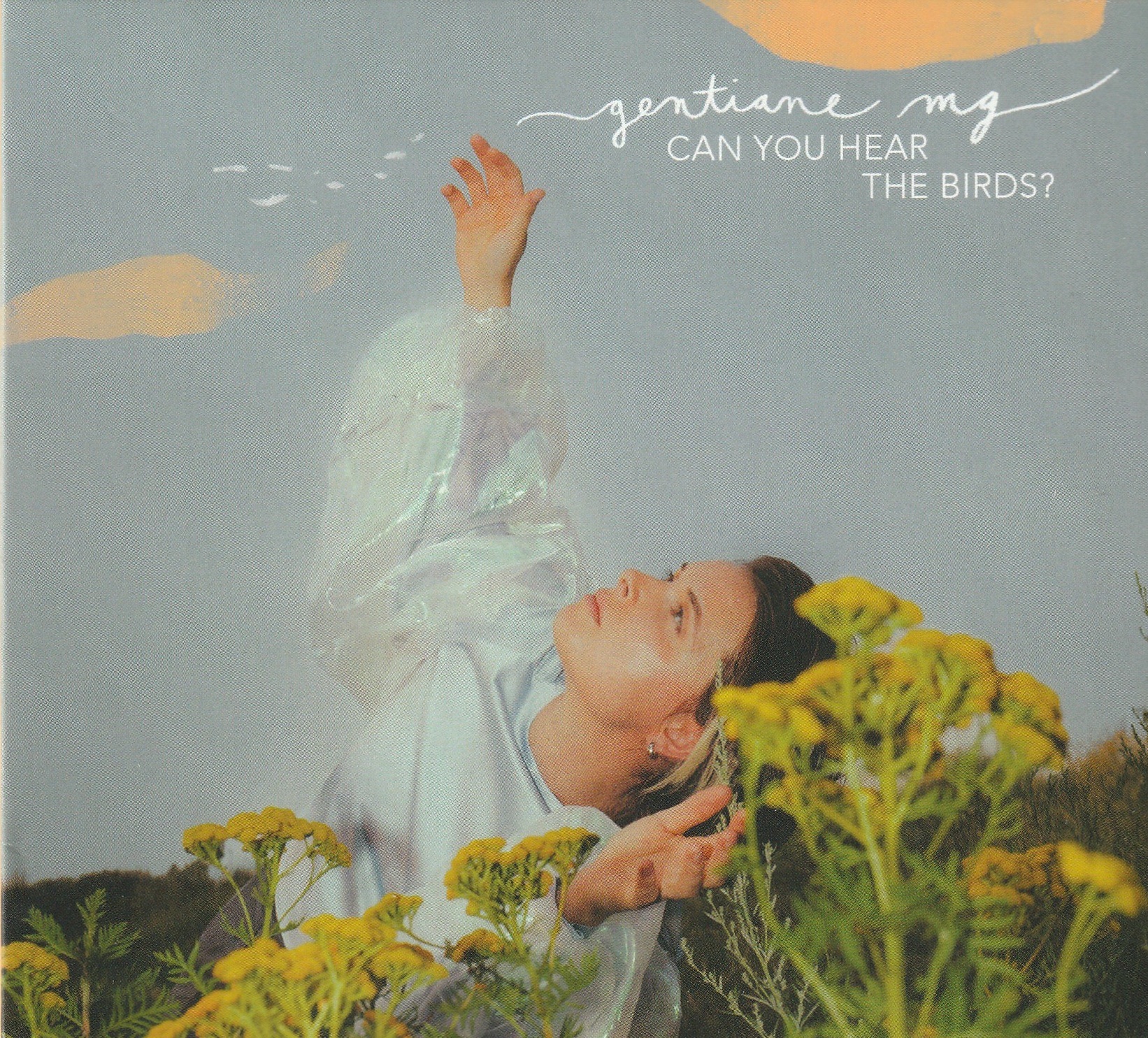
Can You Hear the Birds is Montreal-based pianist Gentiane MG’s fourth album as a leader and features an exciting set of original trio music. The album has a unique design aesthetic, which Gentiane and her team have made ample use of in its promotion, but the musical performance speaks for itself as well.

The trio features bassist Levi Dover and drummer Mark Nelson. They act as creative partners in this endeavour, while simultaneously laying down the accompaniment and groove listeners expect from a traditional piano trio format. The music pleasantly obscures what is improvised and what is composed, adding to the suite-like flow of the album’s programming. There are open and sparse moments throughout Can You Hear the Birds, alongside tightly arranged sections, notably intricate basslines doubled in the piano’s low register on tracks like Standing on a Cloud

I try to avoid direct musical comparisons, for their tendency to cheapen a review, but an overarching sensibility present on this album is that of the finest European jazz. To me Quebec has always felt simultaneously more European, and more American, than other provinces in Canada. How does that relate to Can You Hear the Birds? There is both a stylishness, and an element of visceral grit present, that I don’t hear articulated on the average Canadian jazz album. In some ways this is inevitable, as Gentiane MG and her trio are in a league of their own far above “average.”

07 Worst Pop Band EverThe Least Greatest Hits Vol.1 & 2
Worst Pop Band Ever (Drew Birston; Adrean Farrugia; Chris Gale; Dafydd Hughes; LEO37; Tim Shia)
Independent n/a (wpbe.bandcamp.com/album/the-least-greatest-hits-vol-1-2)

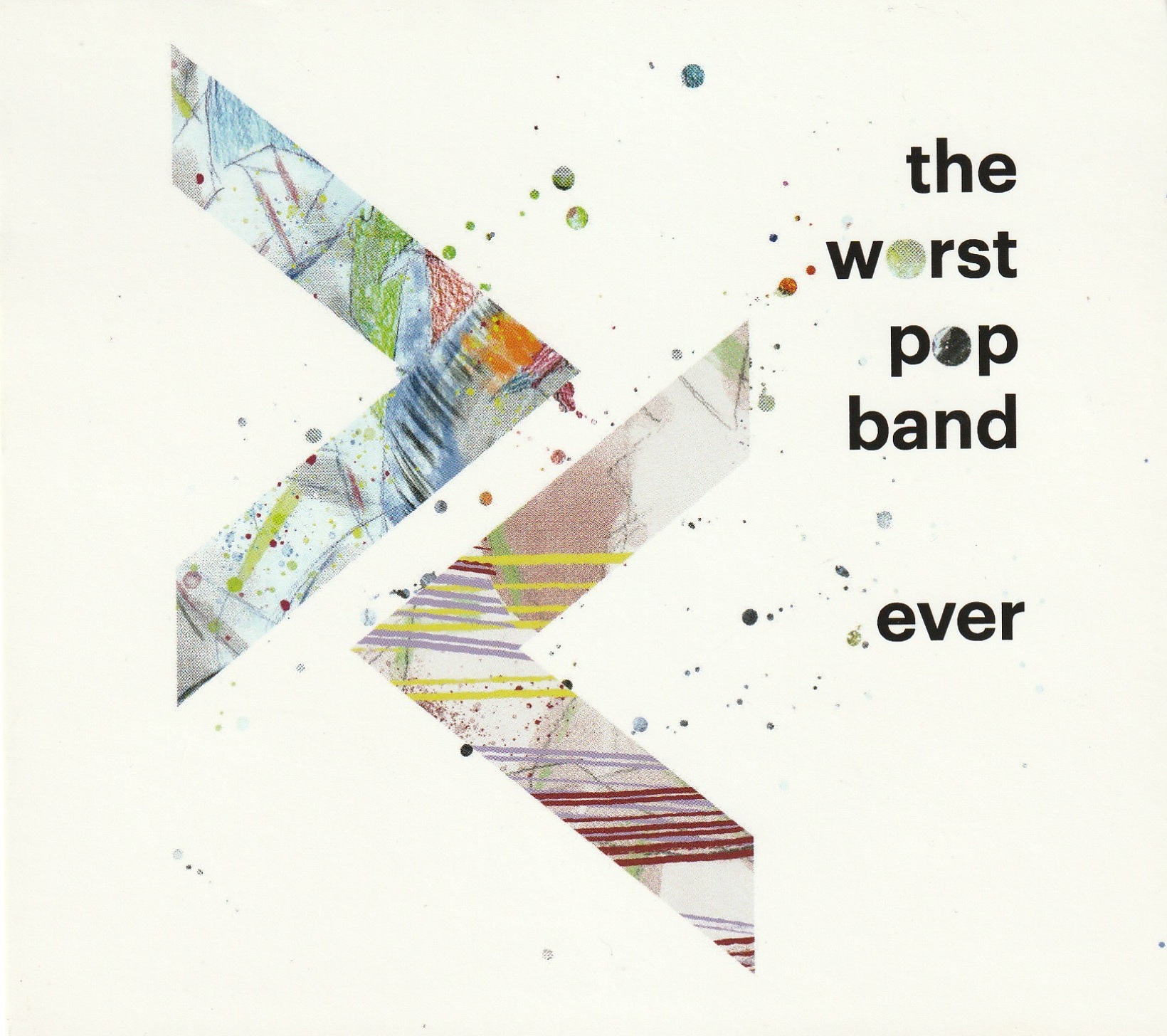
The somewhat whimsical name of this genre-bending jazz ensemble belies the clear excellence of the exceptional musicians and composers who founded the group more than two decades ago – and continue to record, write and tour throughout Canada, North America and the immediate world! With the release of their new two-volume collection, the group re-visits, explores and in some cases re-imagines 15 memorable compositions that have been a solid part of this popular group’s diverse repertoire. The majority of the compositions here were penned by the ensemble and are described as having influences that range from Wayne Shorter and J Dilla to Levon Helm. 

This group dances on that fine line between improvisational jazz and indie pop, and is always full of surprises and fresh perspectives. The superb Toronto-based core ensemble includes upright and electric bassist Drew Birsten, pianist/keyboardist Adrean Farrugia, Chris Gale on tenor and baritone sax, Dafydd Hughes on synths and keyboards, turntable-est/vocalist LEO37 and drummer/percussionist/synthesist Tim Shia. The luminous guest artists on the project include vocalists Caity Gyorgy, Elizabeth Shepherd and Rhonda Stakich as well as trumpeter Rebecca Hennessy and soprano saxophonist Hsien Minyen. 

Included in the wealth of fine material here are several standouts, including Shia’s Love is for Losers, which features a moving piano solo from Farrugia as well as a stunning tenor solo from Gale, enhanced by an ironic and groovy lyric rendered by Gyorgy. Vacation for the Emotionally Challenged is a funky, percussive dive propelled by Shia’s skilled percussion work, and the sumptuous blues Too Much News again highlights Farrugia’s gorgeous technique on Rhodes. Other gems include Year of the Tiger and Believe Beleft Below – all rendered with consummate musicianship, taste and even a bit of humour!

08 Matt GreenwoodDaybreak
Matt Greenwood
Independent (mattgreenwood.bandcamp.com)

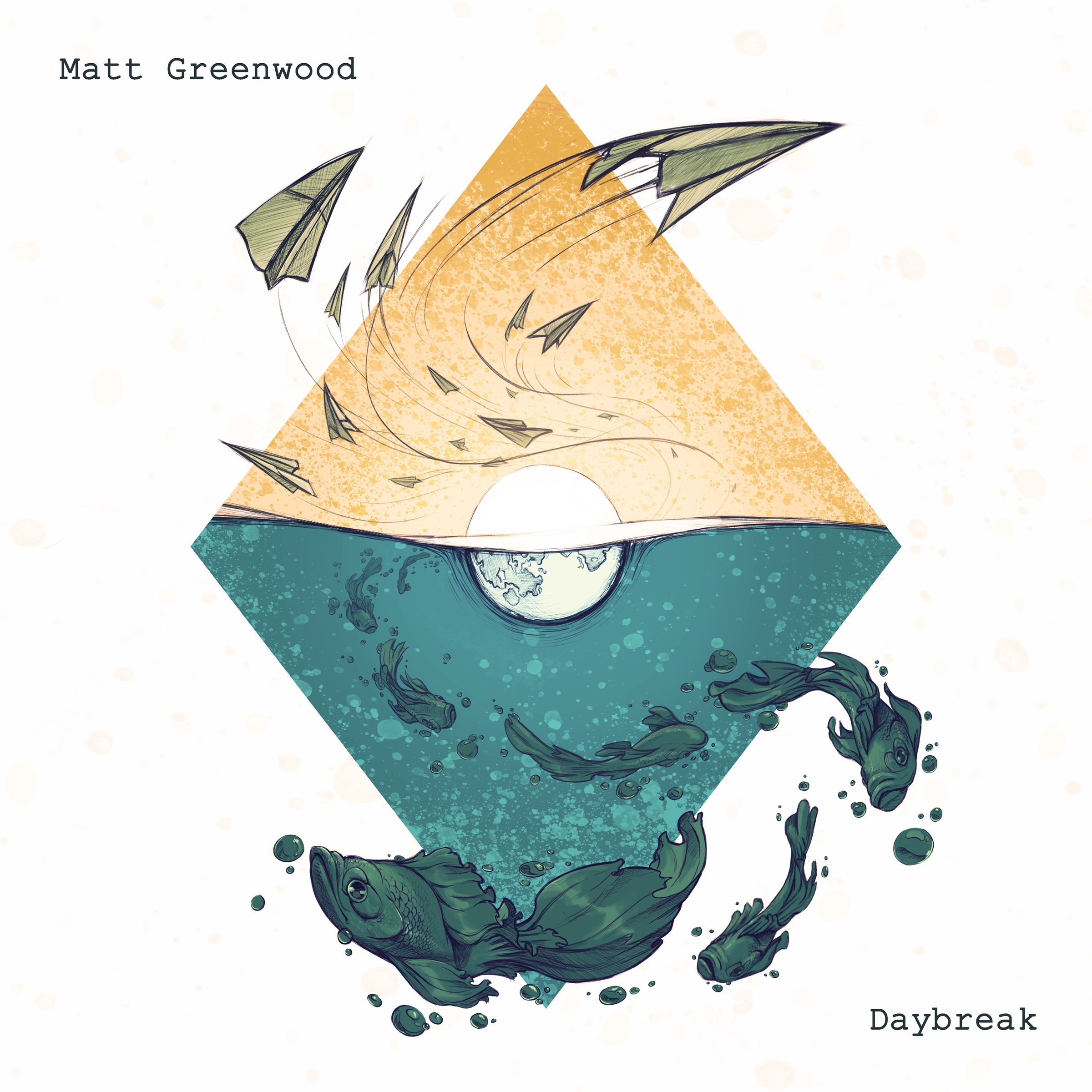
Guitarist Matt Greenwood returns with his sophomore album Daybreak, which he aptly describes as “diving deeper into guitar-driven sonic landscapes with renewed purpose.” The album is substantially more “produced” than its 2023 predecessor Atlas, and Greenwood uses studio technology to craft a lush aesthetic atop an intimate guitar-trio base. 

Born in Zimbabwe, Greenwood earned his undergraduate degree in Toronto, where he was introduced to bassist Mike Downes and drummer Mark Kelso. Zimbabwean percussionist Othnell “Mangoma” Moyo guests on the tracks 1000 Paper Cranes and Guide My Hand, lending them their own unique sound without altering the album’s stylistic tone. The latter track brought to mind a phrase a jazz purist colleague used to say, along the lines of “this is what pop music would sound like in a perfect world.” That idea resurfaced several times while listening to Daybreak, as its compositions and arrangements blend elements of indie, folk, and pop while incorporating enough harmonic sophistication to engage even the most esoteric listeners.

Downes and Kelso are perfectly versatile personnel for this genre-eschewing album, adding sensitivity to rambunctious moments, and confidence to subtler ones. The ensemble’s sounds are recorded immaculately, which is a commendable feat with music this dynamic. Greenwood’s writing makes use of Downes’ consummate bow playing on several melodies, adding yet another dimension to the diversity of sounds. Daybreak should appeal to listeners across the gamut of genres, which is a recommendation in itself.

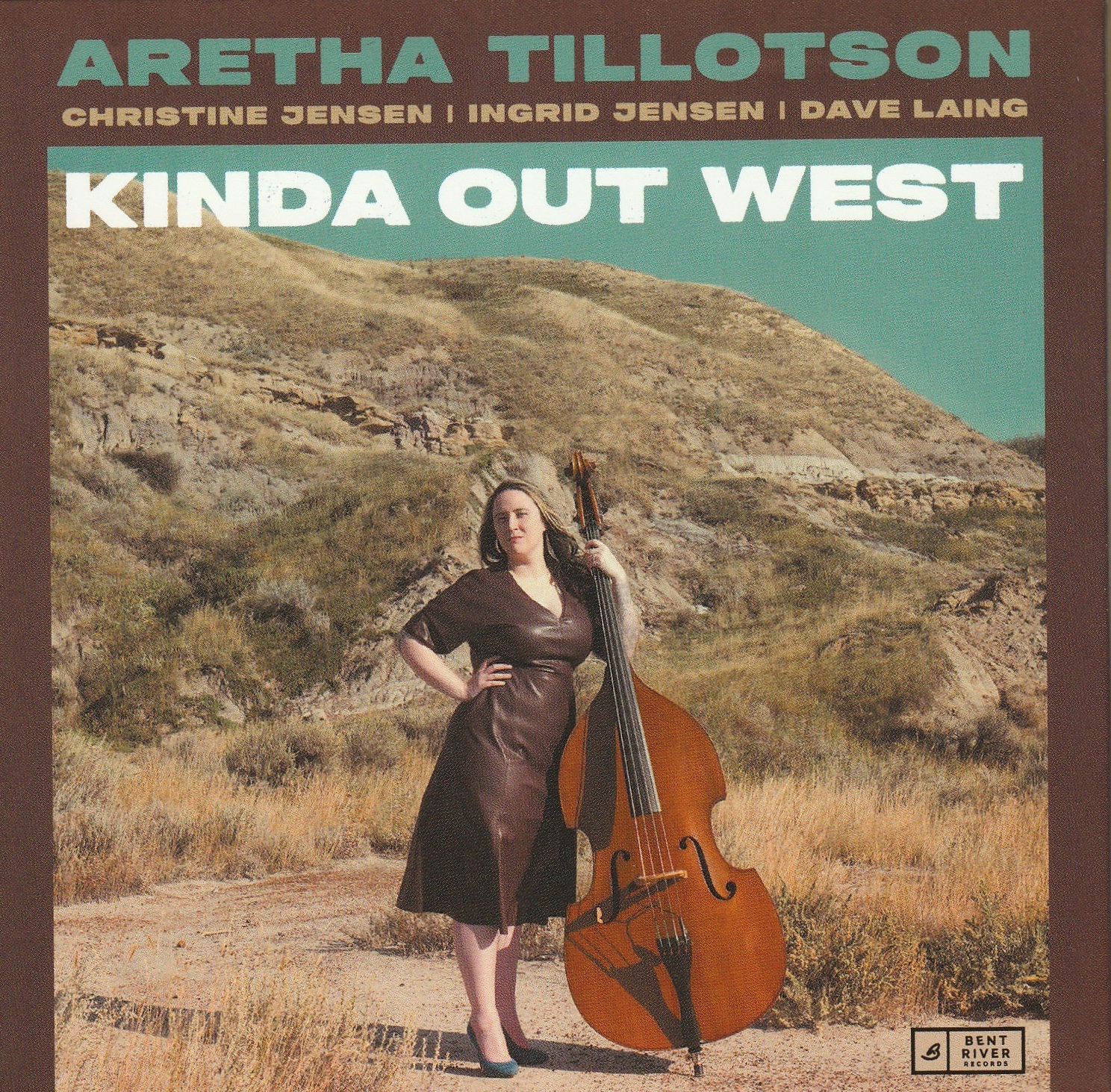
09 Aretha TillotsonKinda Out West
Aretha Tillotson
Bent River Records BRR-202508CD (arethatillotson.bandcamp.com/album/kinda-out-west)

Aretha Tillotson teaches bass and theory at MacEwan University in Edmonton and has played with many prominent jazz groups over the past several years including touring with the Ingrid and Christine Jensen quintet. In 2024 she won a Western Canadian Music Award for Jazz Artist of the Year. Kinda Out West is her second album as leader and I imagine the title is a reference to Sonny Rollins’ Way Out West (1957) which has just bass and drums behind Sonny’s tenor. 

Kinda Out West has a similarly sparse instrumentation with Ingrid (trumpet) and Christine (alto sax) Jensen along with Dave Laing on drums and Tillotson on bass. Tillotson has written all nine unique and bopping tunes on this album. Jill of All gives us a sonically edgy melody while maintaining an awesome bass/drum groove. Christine Jensen begins her solo with a (Rollins) Pent Up House quote and then moves into a melodic flurry with a sweet wailing tone reminiscent of Ornette Coleman. 

The title tune begins with a tasty and bouncy drum solo and then moves into a happy and loopy melody played with trumpet and alto sax. Eventually the bass picks up the melody and extrapolates it into several marvelous ideas while maintaining the bounce. Sphere of Influence’s melody has definite similarities to Monk’s Well You Needn’t while the improvisations move far beyond mere imitation. 

Kinda Out West is quirky and inventive and each musician is allowed to showcase their own style while contributing to a fabulous collective effort.

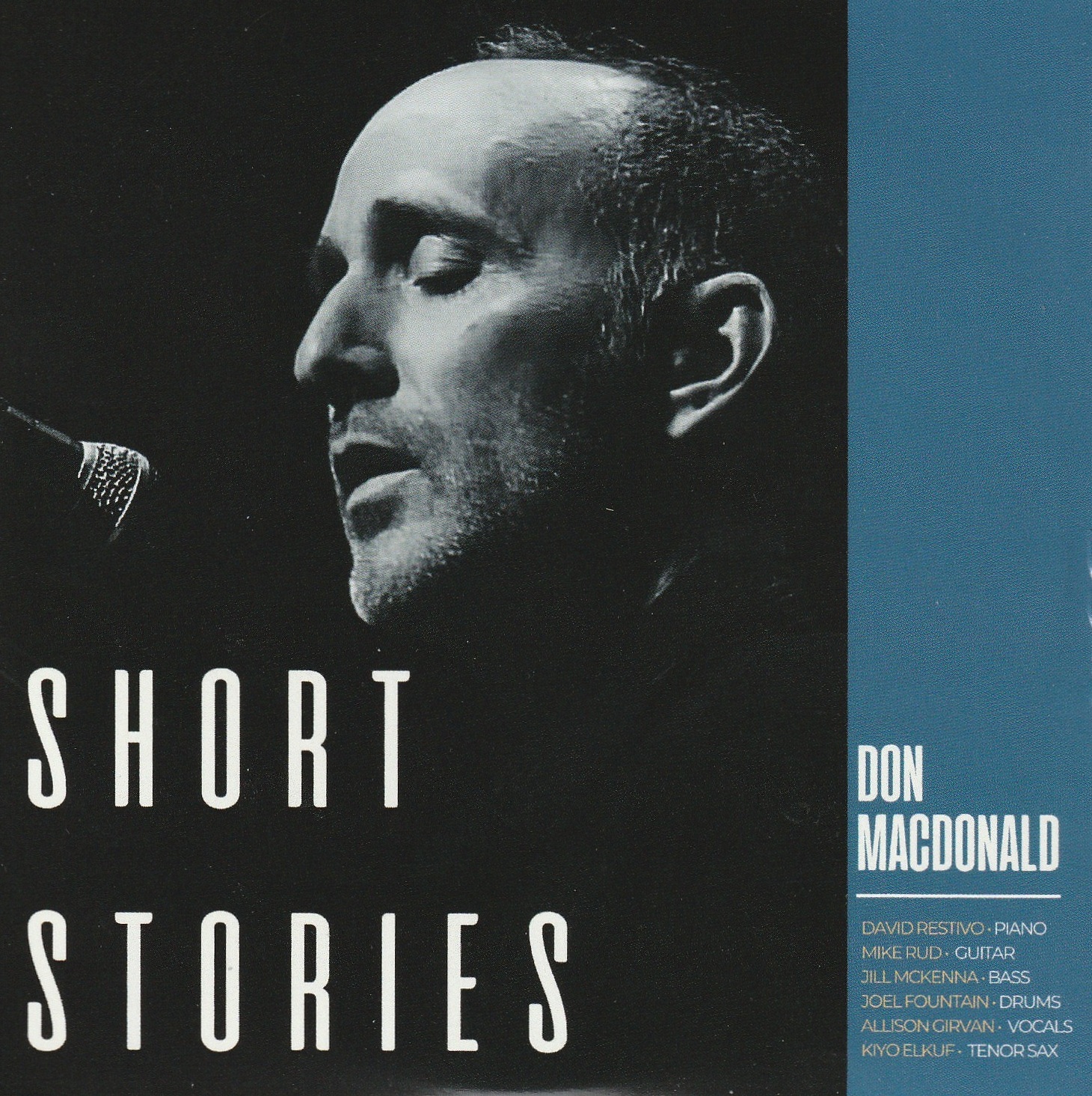
10 Don MacdonaldShort Stories
Don Macdonald; David Restivo; Mike Rud; Jill McKenna; Joel Fountain
Independent (donmacdonald.bandcamp.com/album/short-stories)

In-your-face instrumentation from the first few chords, sweet velvety delivery from MacDonald with great rhythmic finesse, lyrics that are direct and concise. There is a prevailing immediacy to proceedings here, making it no trouble at all to feel immediately anchored to the presentness of the here and now. 

The mere recording quality of a session is not something often worth remarking on, but there is staggering definition given to the absolute tippy-top of each and every piano voicing, each pizzicato pluck, every brushstroke, the tail end of each fricative consonant. The listener is never left with anything but a fulsome image of the combo, never yearning for the further prominence of any single element. Due to the album title, one might notice the various forms of storytelling at play here. MacDonald’s syllabic placement, time feel and seamless use of emphasis grants these words a unique emotional quality. Then there are the words themselves, intimate and making spellbinding use of perspective. Lastly, brevity itself is as effective a narrative tool as anything else here, almost acting as its own character. 

Seven originals, three re-interpretations – and the less versed when it comes to the Great American Songbook would hardly hear the difference – these songs just have that classic quality about them. Oh, and that Bob Dylan rendition? Exquisite.

11 Winnipeg Jazz OrchestraForgotten Stories Suite
Winnipeg Jazz Orchestra; Sean Irvine
Chronograph Records CR-118 (winnipegjazzorchestra.bandcamp.com/album/forgotten-stories-suite)

This is, simply put, big band music as a creative medium done justice. 

Sean Irvine provides the poetry, lyrics and music for the entire suite, and really achieves something special. There is multi-disciplinary artistry where each arrow in one’s quiver is given its own treatment, its own time of day, its own level of care. This is another kind entirely, one where Irvine completely renders distinctions between these artforms unimportant, or even obsolete, showing that one can indeed be an extension of another. 

Music provides colour to these words as organic as the act of breathing. The Winnipeg Jazz Orchestra is more than a mere mouthpiece for one person’s vision too. Quinn Greene’s recitations give the text heft and impact. Karly Epp’s vocals act as a translator from English to the sublime. The dynamism and interplay of the horns act as punctuation, spiritual grammar, and they offer moments that speak for themselves, such as the low brass hit prior to the line “...fear of the unseen” in 2 Brothers

The rhythm section switches up the groove enough times to make one’s head pirouette. As the suite consists of five distinct yet profoundly interrelated movements, Irvine’s brush strokes trawl and traverse the continuum between macro and micro narrative gestures. At its core, this is music about resilience through trauma, and stands as a towering testament to the healing powers of community. Big band music done justice, because it is about justice.

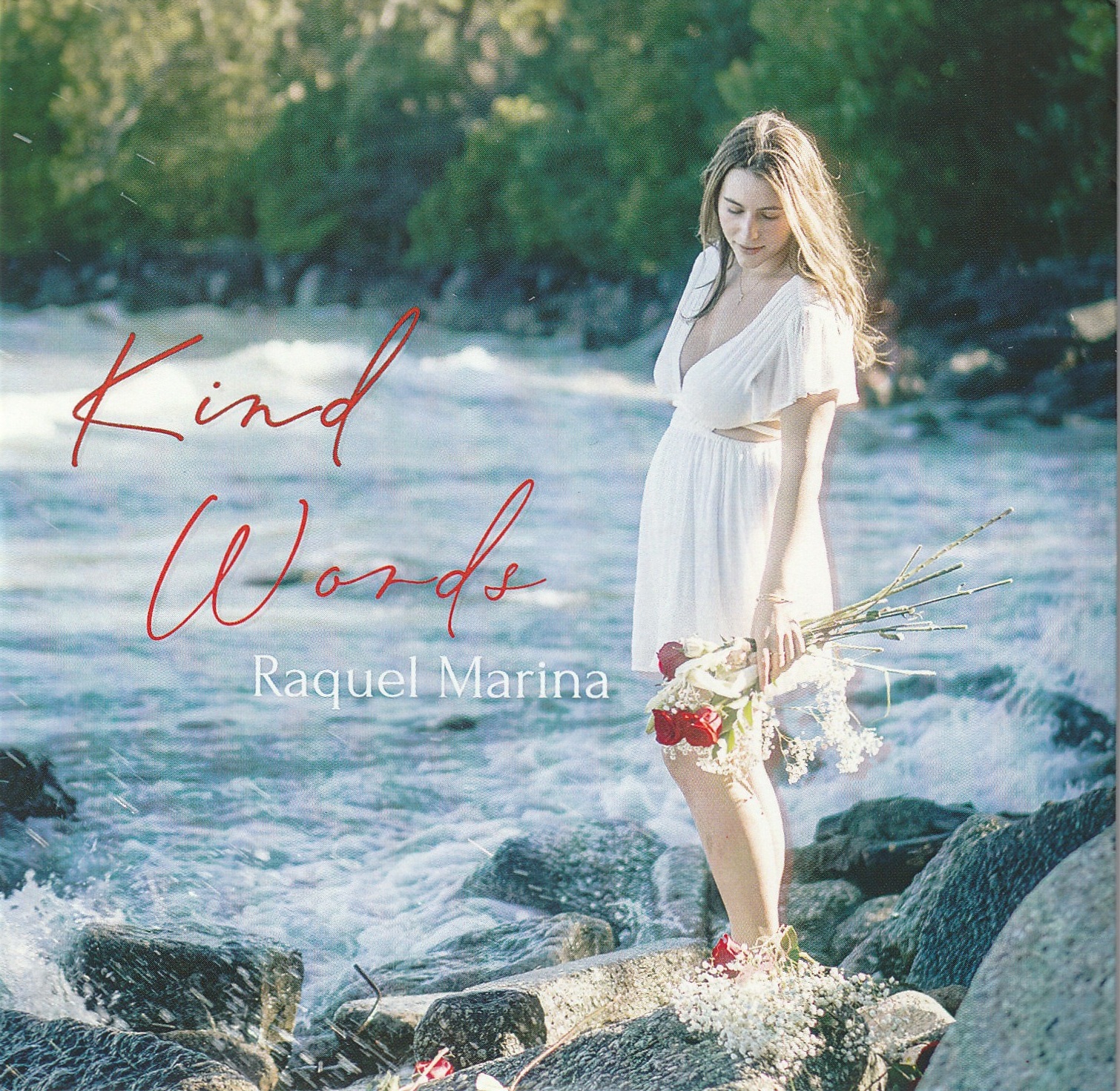
12 Raquel MarinaKind Words
Raquel Marina
Independent n/a (raquelmarina.bandcamp.com/album/kind-words)

Raquel Marina’s artistry holistically shines through on her debut collection of all-original music. The songs are immensely intricate, vivid paintings of language, harmony and tone that constantly reward every additional detail the ear may pick up on repeat listenings. 

There is an incredible equilibrium struck between sonic cohesion and track-for-track diversity, with the entire spectrum of emotive and melodic expression feeling blanketed by the time the needle finally lifts. Thoughts of You being sequenced second in the tracklist might exemplify this effect the most, with its building tension around a one note pedal and mesmerizing horn figures echoing the peaks of Marina’s phrasings coalescing to give a strikingly heavy mournful feeling, the kind of watershed moment that might more typically cap off an album side. 

Even at a lean seven songs however, this album has no shortage of these instances that feel drenched in meaning. The soloing throughout is top notch, and each improviser comes across almost verse-like in their approach to being in dialogue with Marina’s songwriting. Julien Bradley-Combs’ guitar solo on May You Know is for all intents and purposes, a tonal continuation of the inquisitive, conversational themes established in the lyrics. My Bohemian Hour deserves a special mention for being a show-stopping ballad, a soberingly minimalistic performance and an incredibly lucid piece of poetry.

Listen to 'Kind Words' Now in the Listening Room

13 PresenciaPresencia
Nebbia / Banner / Andrzejewski
ears&eyes records EE 25-245 (camilanebbia.bandcamp.com/album/presencia)

A truly integrated trio, Presencia’s nine group-composed tracks highlight the interactive skills of Berlin-based young veteran improvisers: Argentinean tenor saxophonist Camila Nebbia, UK bassist James Banner and German drummer Max Andrzejewski. They combine without artifice in perfectly timed sequences that move from dissonant to delicate. Although Nebbia’s reed textures are most upfront with tropes ranging from honking wallows to thinning whistles and note bending smears, Andrzejewski’s paradiddles, ruffs and cymbal splashes constantly expand the tracks’ rhythmic centre, while Banner’s resounding strums and occasional arco thrusts solidify low-pitched evolution while sketching out clenched string stains that colour the trio’s interactions.  

String thumps and clunking drum smacks frame shaking acrid reed whistles that define the widening interface on Plateau/Her Name Causes Shudders for instance, while on Arid a wallowing exposition is defined by the saxophonist’s stentorian buzzes and whistles, with bass string pumps underlying the few brief pivots to straight-ahead open-horn sound elaborations.  

Lyrical or treble toned sequences are secondary to note-bending and percussive narratives from the trio members. As well, unexpected taut string bowing, slippery elevated reed tones and slick percussion accents throughout confirm the individuality and versatility of the group. Plus the three’s determined and unambiguous presence provides an introduction to, or another instance of, talent confirming from musicians who will definitely have more to communicate from now on.

02 Medusa Quartet Weaving GoldWeaving Gold in Broken Places
Medusa Quartet
Independent (medusaquartet.bandcamp.com/album/weaving-gold-in-broken-places-2)

Toronto-based Medusa Quartet – Saskia Tomkins, Marta Solek, Lea Kirstein and Geo Hathaway – create unique global, chamber, and folk music on violin, viola and cello, and such rarely-heard bowed traditional string instruments like the Polish suka, Płock fidel, and Swedish nyckelharpa. Their inspiration to musically blend international, traditional folk and original music in their first full-length album is drawn from Japanese practice of Kintsugi, which mends broken pottery with gold. 

Each composition on this ten-track release is a combination of such styles as chamber, pop, classical and world music. The title track, for violin, nyckelharpa, viola and cello, is composed by Kirstein and arranged by Medusa. It starts slow, with a low pitched, somewhat “sad” melody. This develops into different melodic sections with tight group playing, syncopated rhythms, slightly higher pitched sections, then back to the low theme and a rewarding brief ritardando closing of this folk/classical string quartet.

Kujawiak/Oberek are contrasting Polish dances arranged by Medusa for nyckelharpa, violin, płock fiddle, suka, and cello, the first traditional and the second composed by Sołek. Kujawiak starts slowly, in the lower registers. Love the lower grounding backdrop notes under the expressive melody. Fast Oberek enters with repeated melody lines and toe-tapping rhythms to closing. 

Vulgar Bulgar, composed by Tomkins, features great syncopated melodies, and the pairing of loud rock-like and Bulgarian rhythms. Medusa musicians perform here on nyckelharpa, violin, lyra, and cello and are joined by guest hand percussionist Persian Naghmeh Farahmand.

A “must-listen-to” recording!

Listen to 'Weaving Gold in Broken Places' Now in the Listening Room

“With strings” has always been a loaded expression when it comes to jazz and improvised music. Except for a few exceptions – Stuff Smith and Stéphane Grappelli among them – the original idea of adding string players to a project invariably suggested sweetening harsher sounds by diluting them with clouds of measured catgut tones. Sometime late in the last century as rhythmic affinity and serious improvisation became options for those playing every instrument, that stigma began to dissipate. Today when someone who is mainly an improviser interacts with those whose primary instruments are string-attached, it’s in the spirit of mutual sound exploration as these discs demonstrate.
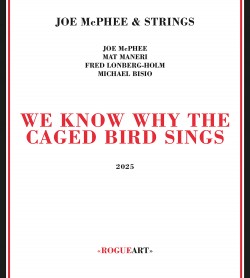
01 Joe McPheeA long-time innovator as well as a multi-instrumentalist, American Joe McPhee has been involved with every type of configuration in a career going back to the mid-1960s. On We Know Why the Caged Bird Sings (RogueArt ROG-0141 rogueart1.bandcamp.com/album/we-know-why-the-caged-bird-sings), he  plays tenor saxophone, intones rhetoric that plays on Maya Angelou’s 1969 autobiography I Know Why the Caged Bird Sings and generally creates a 12-track piece of sonic art that illuminates Angelou’s prose. His associates are three American string players: violist Mat Maneri, cellist Fred Lonberg-Holm and bassist Michael Bisio. Only vocalizing on the title track, McPhee expresses his other variations on racism and trauma with the occasional guttural scream slotted alongside extended reed techniques which are in turns knife-sharp, gatling-gun speedy and truncheon smacking resonating. 

Although there are instances, such as on Low Seas when the arco stress from the string trio’s instruments is so pressurized that it seems about to split the wooden bodies, singly or together most of their expositions create droning ostinatos or layer top-to-bottom clenched responses to reed expressions which bottom scoop or altissimo cry in profusion. Throughout and especially on the five-part Singing Birds suite contrapuntal sequences are divided, though parallel. The violist moves from hard stops to infrequent melodic formalism; the cellist adds to the narrative with shaking staccato thrusts or reflective twangs with guitar-like facility; and the bassist preserves the horizontal flow with prominent pizzicato crunches or concentrated arco sweeps. Discordant timbres are more prominent than dulcet ones throughout, with stop time and elevated sweeps concentrated to up the excitement level. But Maneri’s smoother motifs and McPhee’s saxophone trills individually prevent the narratives from becoming too weighty.  

New Forms, New Sounds, the most extended piece, illuminates many tropes most prominently. Here McPhee’s heraldic reed exposition takes on a strained oboe-like tone as broken octave projections dig out maximum invention. Surrounding that sequence prolonged string sawing from the others is soon replaced by individual motifs that are affiliated but not harmonized. Alongside the saxophonist’s prolonged smears and tongue stops, the Maneri adds spiccato strokes, Lonberg-Holm horizontal vibrations and Bisio a low-pitched continuum. Stretched but almost linear the sequence is completed as string glissandi and reed lowing move past cacophony to propel the four tones to a profound interaction.
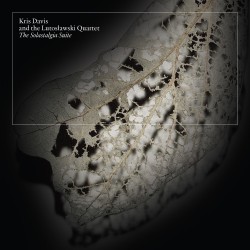
02 Kris Davis SolastalgiaFar more formal and precise than Joe McPhee and Strings’ production is Kris DavisThe Solastalgia Suite (Pyroclastic Records PR 44 krisdavis.bandcamp.com/album/the-solastalgia-suite). The Canadian pianist performed it during a Wrocław concert alongside members of the Polish Lutosławski String Quartet: violinists Roksana Kwaśnikowska and Marcin Markowicz, violist Artur Rozmysłowicz and cellist Maciej Młodawski. 

Davis’ eight-part suite was created by concern about the climate emergency. However, throughout it’s often the quartet’s turn towards harmonized and tender timbres which make some sequences more commonly soothing and pretty than ones emblematic of impending ecological disasters. That often means that when string swells turn elegant or even melancholy, the keyboard responses involve delicate chording or intermittent tremolo formalism as well. More generic to the theme are interludes when group vibrational timidity is replaced by strained string stops or squeaky runs along with prepared piano plinks and patterns that bring a sense of urgency to the program. 

Propelled group glissandi up and down the scale by the quartet is answered with hard driving comping and soon the quartet’s intermittent string stops and rubs, replacing equanimity with energy. The most obvious instances of this occur on the concluding Degrees of Separation and the mid-point Ghost Reefs. Ghost Reefs also has the pianist’s most prominent jazz-like implementation, using antiphonic and contrapuntal motifs that propel piledriver sequences from both Davis and the quartet. Spiccato variations from clenched string movements join with keyboard pitter patter to suggest a threnody to endangered underwater limestone structures.  

The longest and speediest section, Degrees of Separation has its share of sul ponticello string swabs and slices overlaid with emphasized piano motion that judders alongside the quartet’s contributions. But once a midpoint crescendo is reached descending keyboard elaborations and layered string cushioning create animated motifs yet also preserve a linear framework for a satisfactory resolution. Positive as it might be, The Solastalgia Suite may appeal more to those more comfortable with modern notated music rather than free improvisation. 
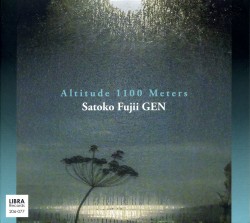
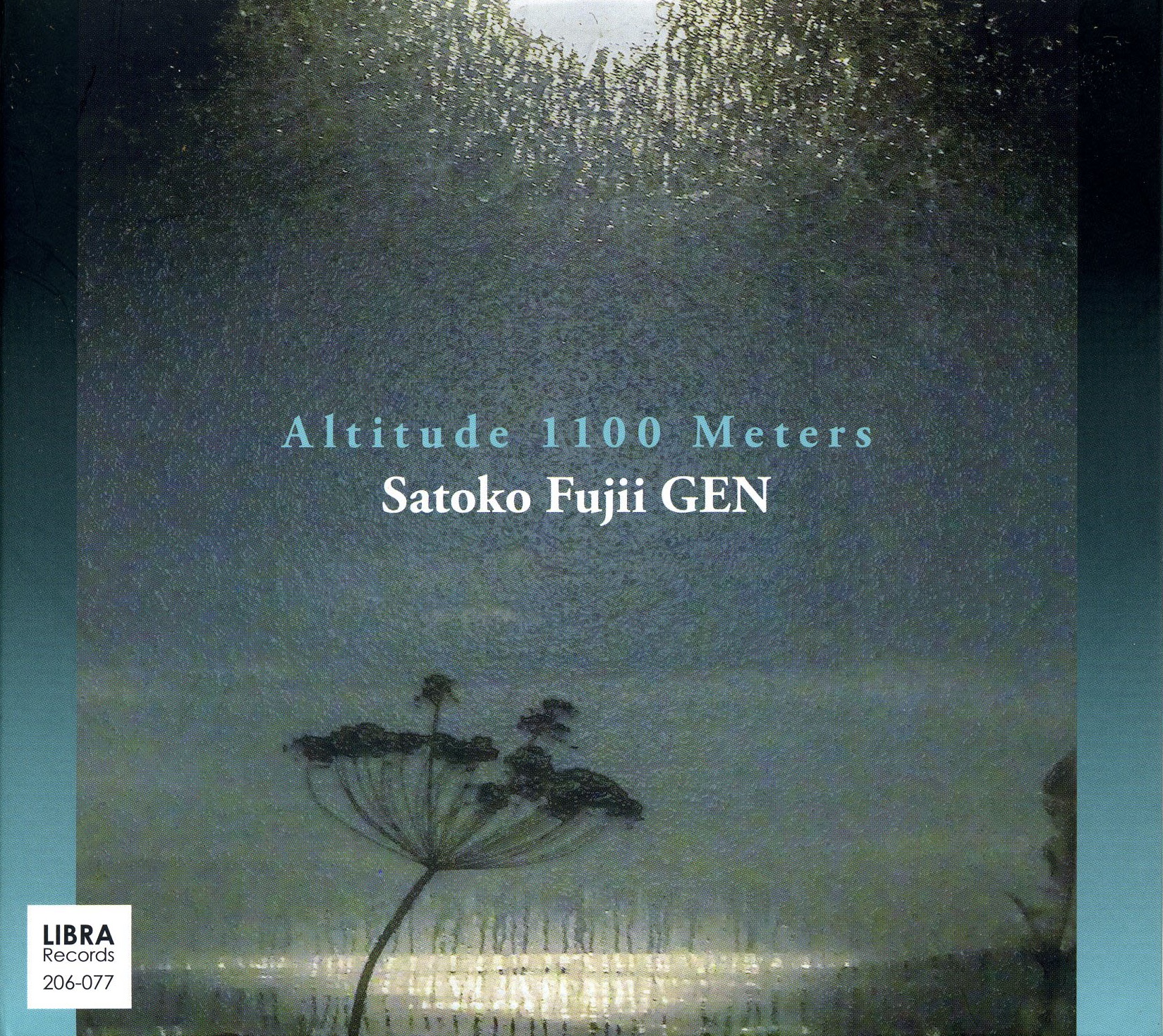
03 Satoko FujiiWith a somewhat similar set-up to Davis and the Lutosławski quartet, the GEN sextet headed by Japanese pianist Satoko Fujii on Altitude 100 Meters (Libra 206-077 satokofujii.bandcamp.com/album/altitude-1100-meters-2) advances a much different variation of a string-focused performance. Part of this may be that while the Fujii-composed suite referencing Nagano prefecture’s highlands also features her piano, the violins of Yuriko Mukoujima and Ayako Kato and the viola of Atsuko Hatano. Instead of a cellist the group includes bassist Hiroshi Yoshino and drummer Akira Horikoshi. 

It’s not just the bass and drum contributions that make Altitude 100 Meters so distinctive but how Fujii’s pieces encompass inspired improvisational sequences integrated within the lyrical and horizontal narratives. A track like Part 3 Early Afternoon for instance, embodies jazz-like tropes including drum ruffs, rumbles and rebounds, double bass plucks and concentrated keyboard strums. These not only persist as higher-pitched string plucks suffuse the exposition, but also egg on the violins and viola to speed up from andante to presto in tandem with the other three players. Climax creates a distinctive aural afterimage. Still, after balancing light and dark, flexible and firm motifs throughout earlier parts of the suite, lyrical output from the intertwined string trio is as prominent as drum rumbles and double bass buzzes on the concluding Part 5 Twilight as all six reach a conclusive crescendo. 

At the same time, while there are interludes that focus on the pianist’s sophisticated note clusters, in-and-out of time sense and speedy leaps to equally emphasize both sides of the keyboard, the arrangements bring in other voices as well. Mukoujima takes up a good chunk of solo space on pieces like Part 2 Morning Sun and the nearly 20-minute Part 4 Light Rain for instance. Her concentrated sweeps stacked on top of darkened string group glissandi define on Morning Sun’s dramatic build up as succinctly as bassist Yoshino’s sprightly string strops and pumps until string pressure moves the theme down to earth. Then on Light Rain, Mukoujima’s doubled squeaky bow swipes boost the track’s intensity alongside percussive keyboard comping and the bassist’s clean stops and strums. Additionally, textures from the string trio move from distant sweetening to the forefront with pitch ascending spiccato swipes, and then in the track’s penultimate minutes, join with piano cadences and measured drum thumps to confirm the suite’s vitality and urgency.
04 Death of KalypsoIf vitality and urgency are at a premium on Altitude 100 Meters, imagine how the dynamics and pressure were organized on The Death of Kalypso (Thanatosis Produktion THT 32 anglesellekari.bandcamp.com/album/the-death-of-kalypso), a jazz-opera composed by Swedish saxophonist Martin Küchen. Throughout, sequences mix textures from his seven-piece Angles group, augmented by a four-piece string section, with string and wind arrangements from Angles keyboardist Alex Zethson and featuring voice and vocal arrangements by Swedish vocalist Elle-Kari (Sander). 

With a libretto based on Homer’s Odyssey, the story relates how the nymph Kalypso, more commonly spelled Calypso, who detained Odysseus, whose more familiar Roman name was Ulysses, for seven years and later killed herself because he spurned her love. Happily, this modern retelling avoids the more lachrymose aspects of the tale, with the singer’s emotionalism reflected only in her lyrical, but straightforward bel canto dramatization. More importantly the 12-part suite depends as much on Elle-Kari’s interaction with the instrumentalists as her story telling. Sorrowful expressions for instance pair her soprano utterances with My Hellgren’s mournful cello swipes; while a track such as Kalypso in Karlsbad, haunted by dreams uses multi-tracking to back her solo with numerous harmonized voices as well as elevating her breathy passionate tones even higher by contrasting her voice with similar sympathetic responses from the string quartet’s vibrations, Magnus Broo’s plunger trumpet lines and slick metal bar dusting from Mattias Ståhl’s vibraphone. 

In fact Ståhl is as much a presence on The Death of Kalypso as the vocalist. Not only do his measured pings provide a commentary on the singer’s sometimes strained expositions, but he adds weightless sparkles to the purely instrumental tracks. Cutting the woods for instance could easily stand on its own as it mates piano and vibe rebounds, swift smacks from drummer Konrad Agnas, Broo’s elevated triplets and finely accelerated velocity from all 12 players surmounted by baritone saxophonist Fredrik Ljungkvist’s measured reed pumps. 

There may not be room in the standard repertoire for another jazz opera, but the creativity of Küchen – who limits himself to a few, brief pinpointed reed asides – and his associates offer a proper place for the inclusion of a string section in this work. Added at points for middle European romanticism, the string group also provides integrated thrusts and judders to define the narrative as obviously as tick-tock drumming, metronomic keyboard pulses and brass and reed obbligatos do elsewhere.

Stretching the definition of “with strings” in as many directions as possible, each of these productions shows how intrinsically any group of instruments can fit into improvised and jazz-affiliated music.


Back to top